
You’ve seen the photos a thousand times. Times Square blazing at night. The Hollywood Walk of Fame gleaming with celebrity names. Niagara Falls roaring in mist. You’ve been sold a version of these places your whole life – and this summer, millions of Americans will load up the car, drive hours, pay the parking, and discover the gap between that fantasy and the sweaty, overpriced, elbow-to-elbow reality waiting on the other side of the entrance.
Some of these places are genuinely worth seeing once. A few have real magic buried under the commercialism. But almost none of them deserve the centerpiece slot on your trip – and the ones near the bottom of this list are the ones that will hurt the most. Keep reading.
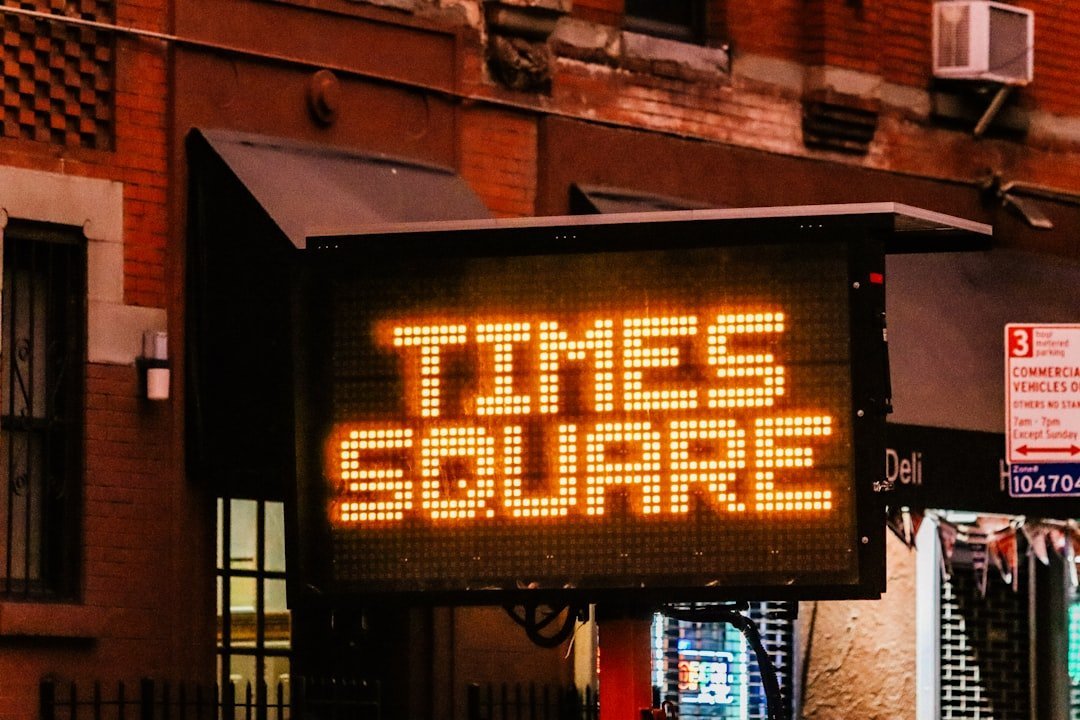
1. Times Square, New York City
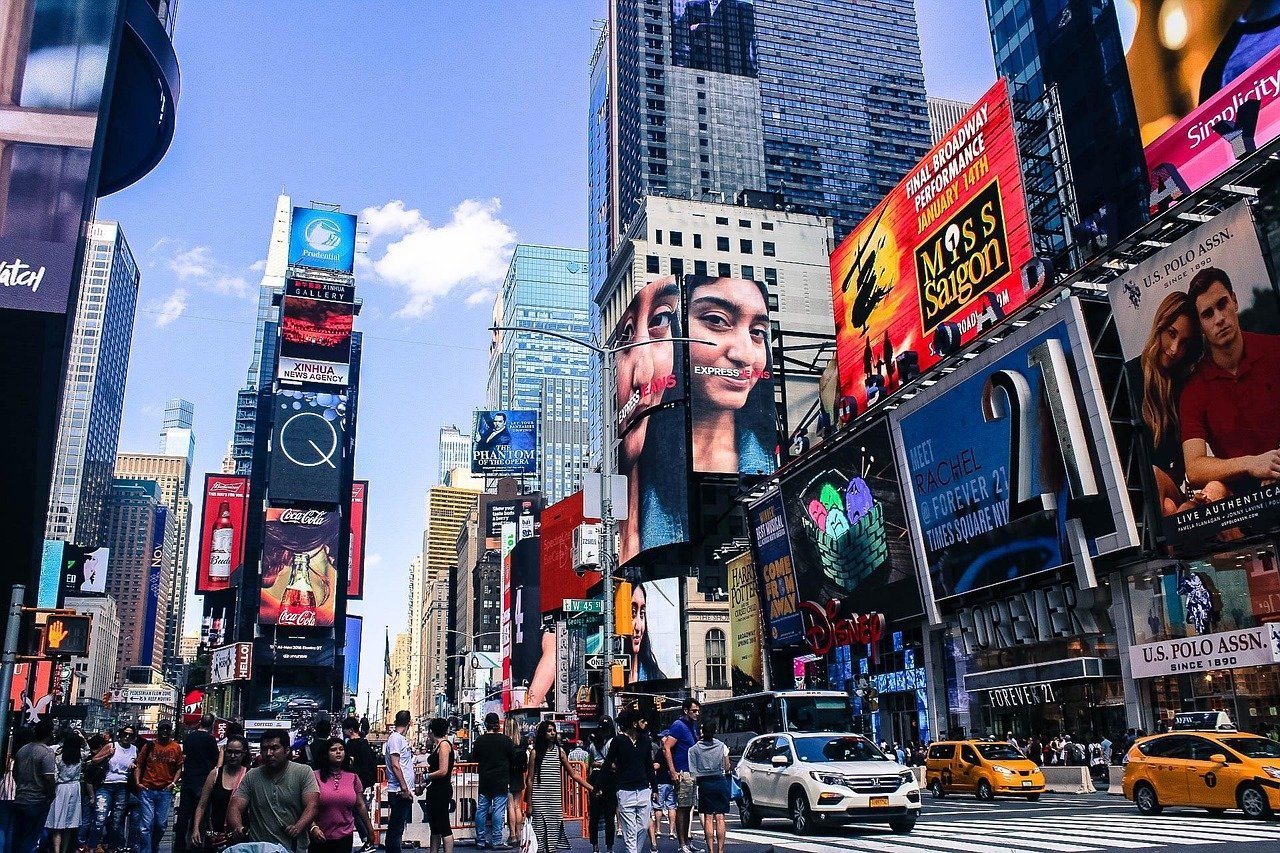
A 2025 study by language platform Preply called Times Square the most stressful tourist destination in the world. That tracks. The Times Square Alliance’s own data shows roughly 220,000 pedestrians pass through daily in 2024 – with the busiest days topping 330,000. You are not sightseeing. You are standing in a very bright, very loud traffic jam made entirely of strangers.
The Times Square visitor FAQ itself warns that costumed characters expect tips for photos and says aggressive behavior should be reported. That warning is in the official welcome material. If the place has to tell you that in the FAQ, it tells you something about the place.
Fast Facts
- ~220,000 pedestrians pass through on an average 2024 day; peak days hit 330,000
- The Times Square-42nd Street subway station logged 57.7 million riders in 2024 – the busiest in New York City
- Costumed character tip requests: typically $10-$20 per person, per character
- Best time to visit if you must: early morning (5-9 AM) for clear sightlines and lighter crowds
- Ranked the world’s most stressful tourist destination by Preply in 2025
2. Hollywood Walk of Fame, Los Angeles
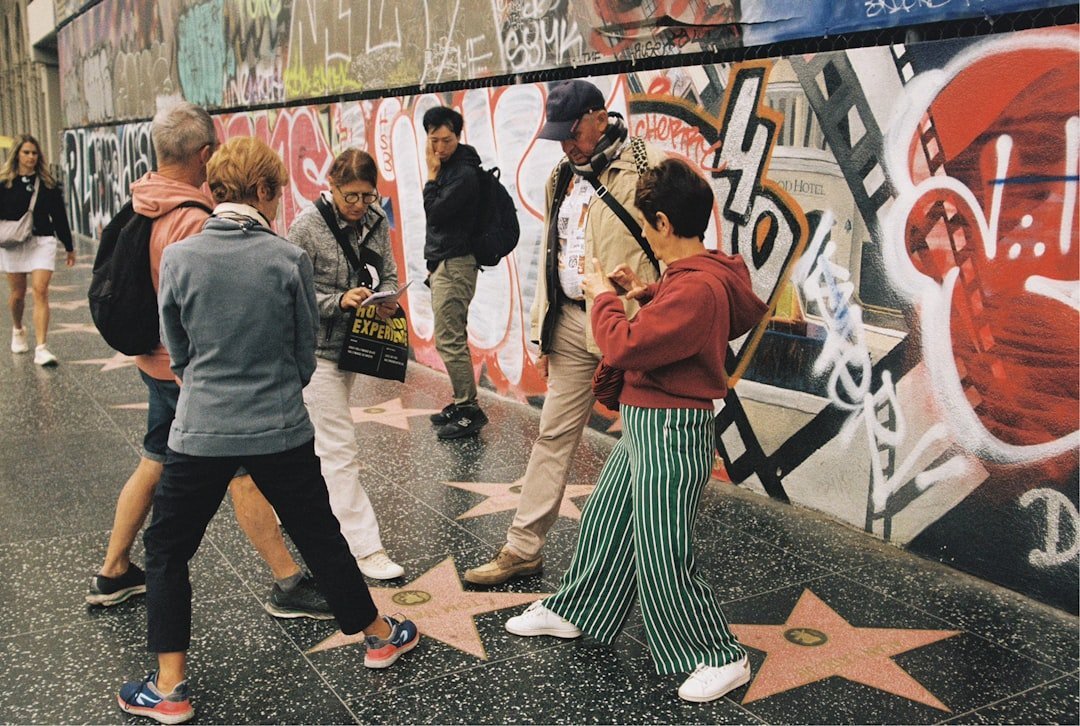
You picture red carpets, glamour, movie-star energy. What you get is a congested stretch of Hollywood Boulevard where the stars are embedded in a sidewalk that visitors routinely call run-down and chaotic. In January 2026, luggage company Stasher released a ranking of 101 global attractions – the Hollywood Walk of Fame finished dead last, scoring just 2.67 out of 10. It had the lowest Google rating and lowest safety score in the entire study.
As one visitor review put it: “The image you have of the Hollywood Walk of Fame is one of stardom and glitz, but the reality is your average city center with expensive gift shops.” More than 2,800 stars line the pavement – and somehow, most people feel nothing after seeing them.
3. Fisherman’s Wharf, San Francisco

Fresh seafood. Waterfront views. Sea lions barking on the docks. The promise sounds incredible – and the sea lions genuinely deliver. Everything else is a different story. A study by vacation rental company Casago sorted TripAdvisor reviews for the phrase “tourist trap” across major global attractions. Fisherman’s Wharf came out on top: out of nearly 20,000 reviews, over 1,000 used that exact phrase. Roughly 12 million people visit each year, which works out to about 33,000 per day on average.
The complaints are consistent: overcrowded, overpriced, too commercial, and a shadow of what it once was. The original feel of the wharf – working fishermen, genuine fresh catch, neighborhood character – has largely been replaced with trinket shops at every turn. The sea lions are still free. Everything around them isn’t.
American Tourist Traps
Test your knowledge about famous U.S. destinations that often disappoint visitors.
4. Graceland, Memphis, Tennessee
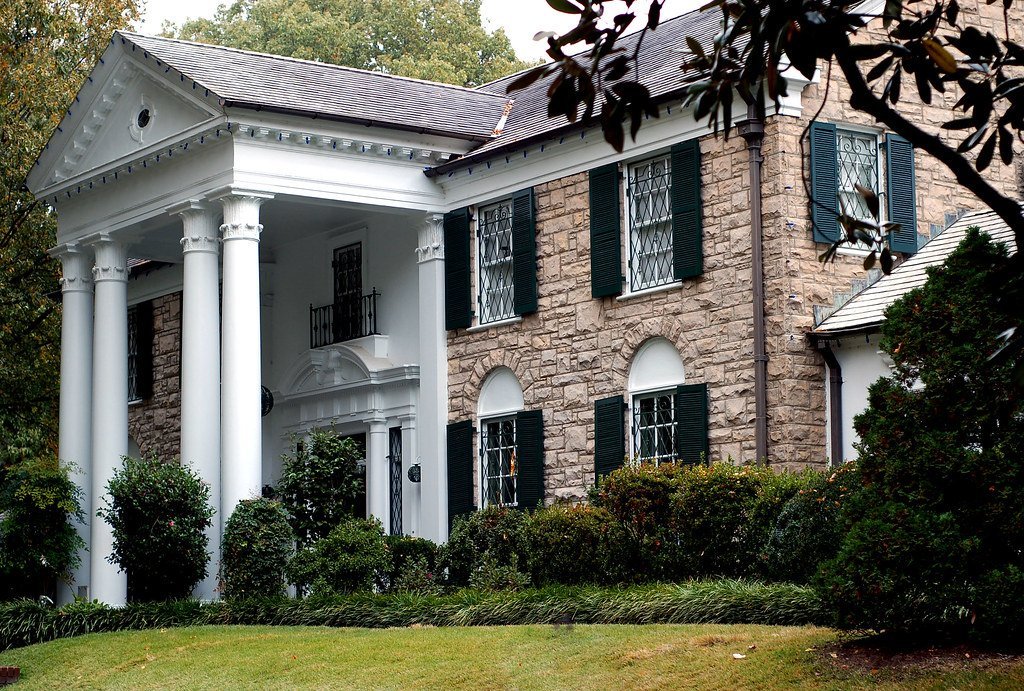
Elvis fans will get every dollar’s worth and then some. Casual visitors are a different story. According to a 2025 Nomad eSIM analysis of TripAdvisor reviews, Graceland topped the list of most expensive tourist traps in the U.S., with over 200 reviews specifically calling it a tourist trap. The standard Elvis Experience Tour runs $85 per person in 2026, with VIP tiers climbing to $128 and $196. A couple doing the full experience can easily spend over $150 before souvenirs.
The experience is genuinely immersive for people who care. But if you’re not already a devoted believer, the price tag stings – and the long waits and crowded shuttle rides between buildings don’t help. Graceland has been called “the tourist trap from hell” in more than one review. That’s not a fringe opinion.
Quick Compare: Graceland Ticket Tiers (2026)
- Elvis Experience Tour (base): $85/adult, ~3.5 to 4 hours
- VIP Tour (mid-tier): $128/adult – skip-the-line shuttle, exclusive exhibit access
- Ultra VIP Tour: $196/adult – all VIP perks plus additional private access
- Kids (5-10): ~$46.50 for the base mansion tour
- Free option: The Meditation Garden (Elvis’s burial site) is open without a ticket most mornings before paid visitor hours
5. The Seattle Space Needle
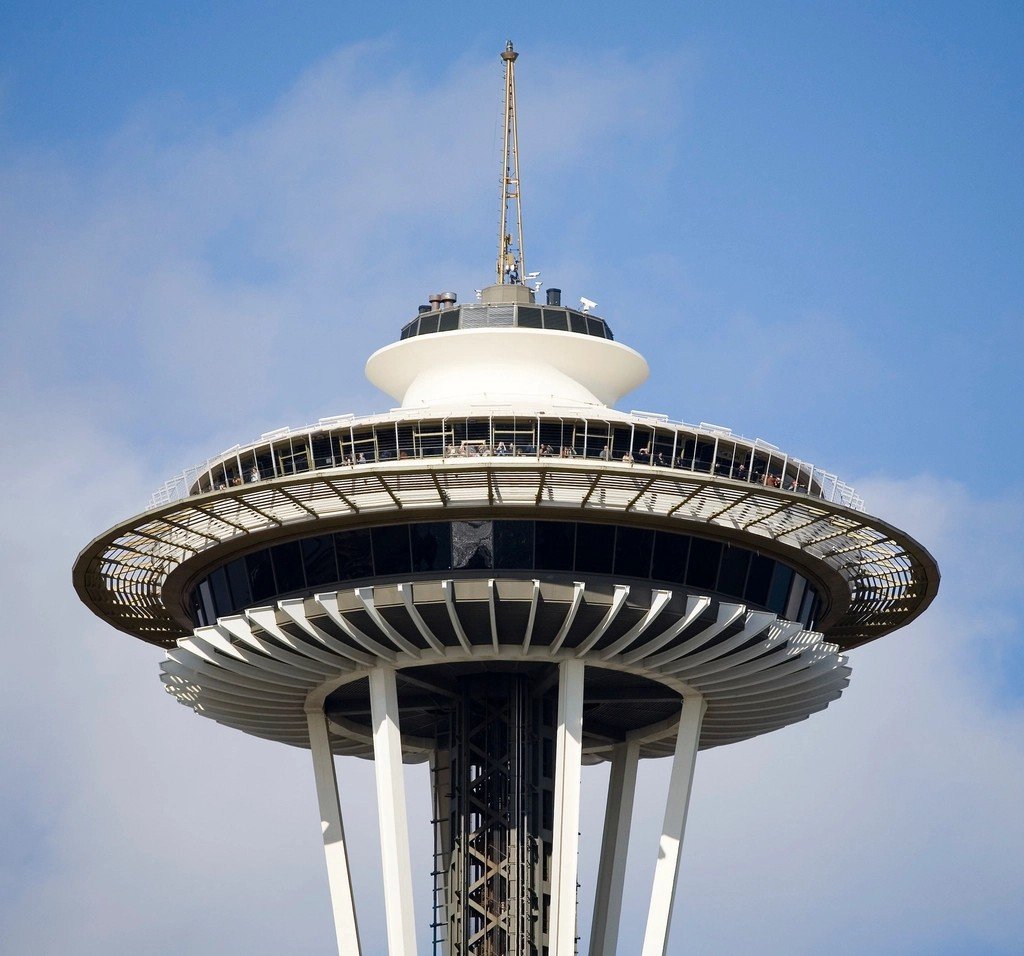
It is iconic. It is relentlessly photographed. And according to multiple traveler studies, it is one of the most reliably overpriced experiences in the country. The Space Needle consistently ranks at the top of U.S. tourist trap lists, with visitors in over 4% of total reviews using words like “overpriced” or “overrated.” Admission runs between $35 and $45 per person.
Here’s the particular sting: Seattle is famously cloudy. On an overcast Pacific Northwest day – which describes most days – visitors report seeing very little from the observation deck. You pay $40 to look at a gray ceiling. Families with two or three kids are doing that math fast, and it doesn’t feel good.
6. Wall Drug, Wall, South Dakota
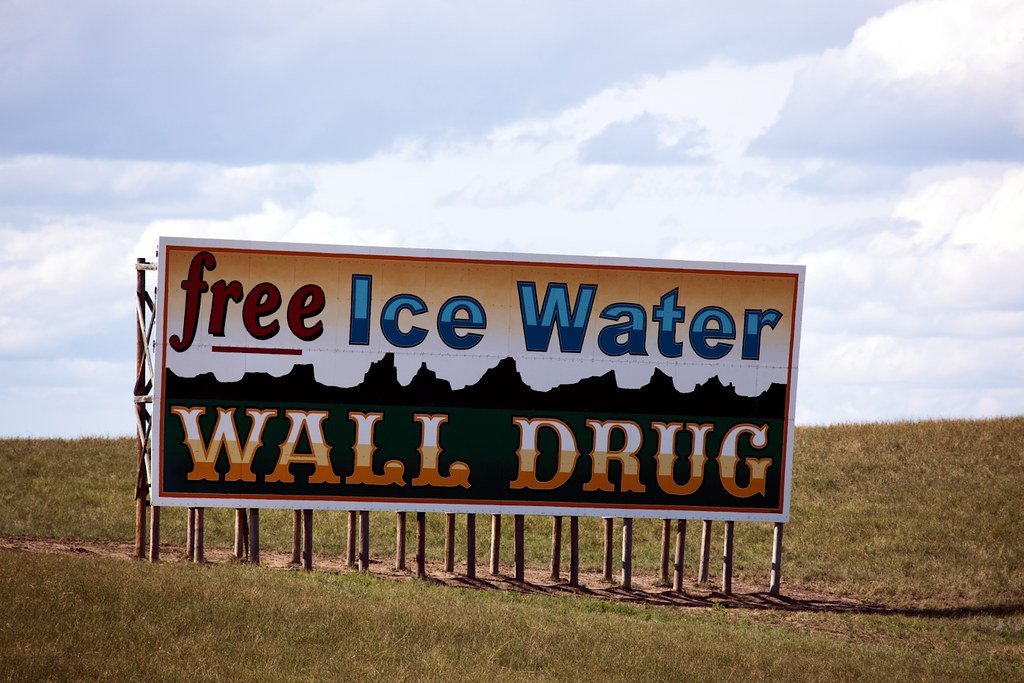
The signs start appearing hundreds of miles away. “Only 326 miles to Wall Drug.” “Wall Drug: Free Ice Water.” By the time you pull into the parking lot, you have been promised something extraordinary for hours. What you find is a very large gift shop with a lot of kitsch, a crowd, and the dawning realization that the signs were the attraction.
Wall Drug draws up to 20,000 visitors a day during peak summer season and millions annually – which is genuinely remarkable for a roadside stop in western South Dakota. A 2026 Nomad update ranked it among the top tourist traps in the U.S. It’s pure Americana. Whether that’s worth the detour is entirely a matter of what you came to South Dakota for.
7. Niagara Falls, American Side
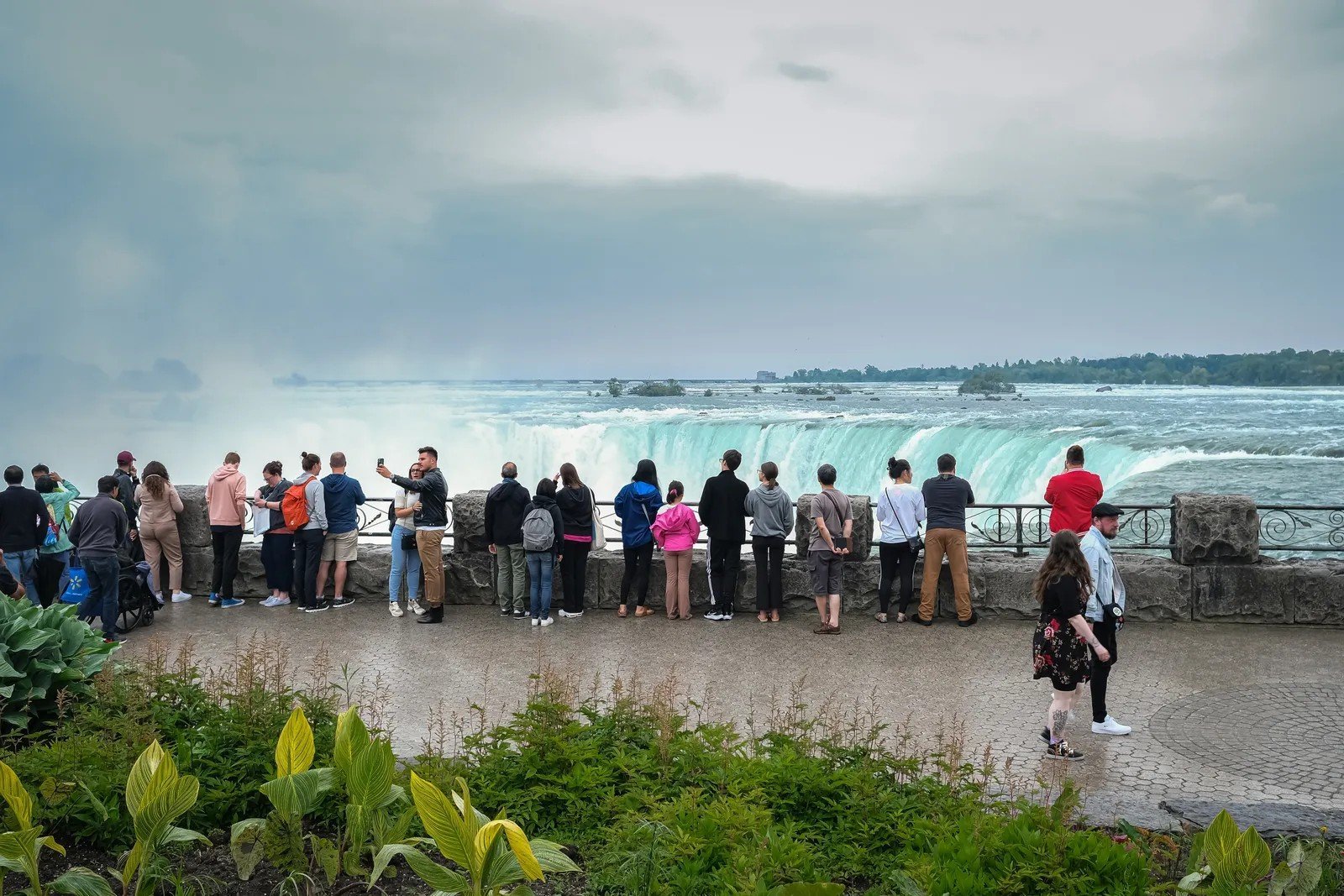
The falls themselves are breathtaking. Full stop. There is nothing dishonest about the waterfall – 3,160 tons of water per second tumbling over that edge is exactly as staggering as advertised. The trap is everything surrounding the American side: a labyrinth of souvenir stores, overpriced restaurants with mediocre food, and casinos lining the approach like a gauntlet designed to drain your wallet before you reach the water.
The observation areas during summer peak hours become so packed that catching an unobstructed view requires strategic elbowing. The Canadian side of the falls offers a more complete, less commercial experience – and most veteran visitors will tell you that straight up. Cross the border if you can.
8. Dole Plantation, Hawaii
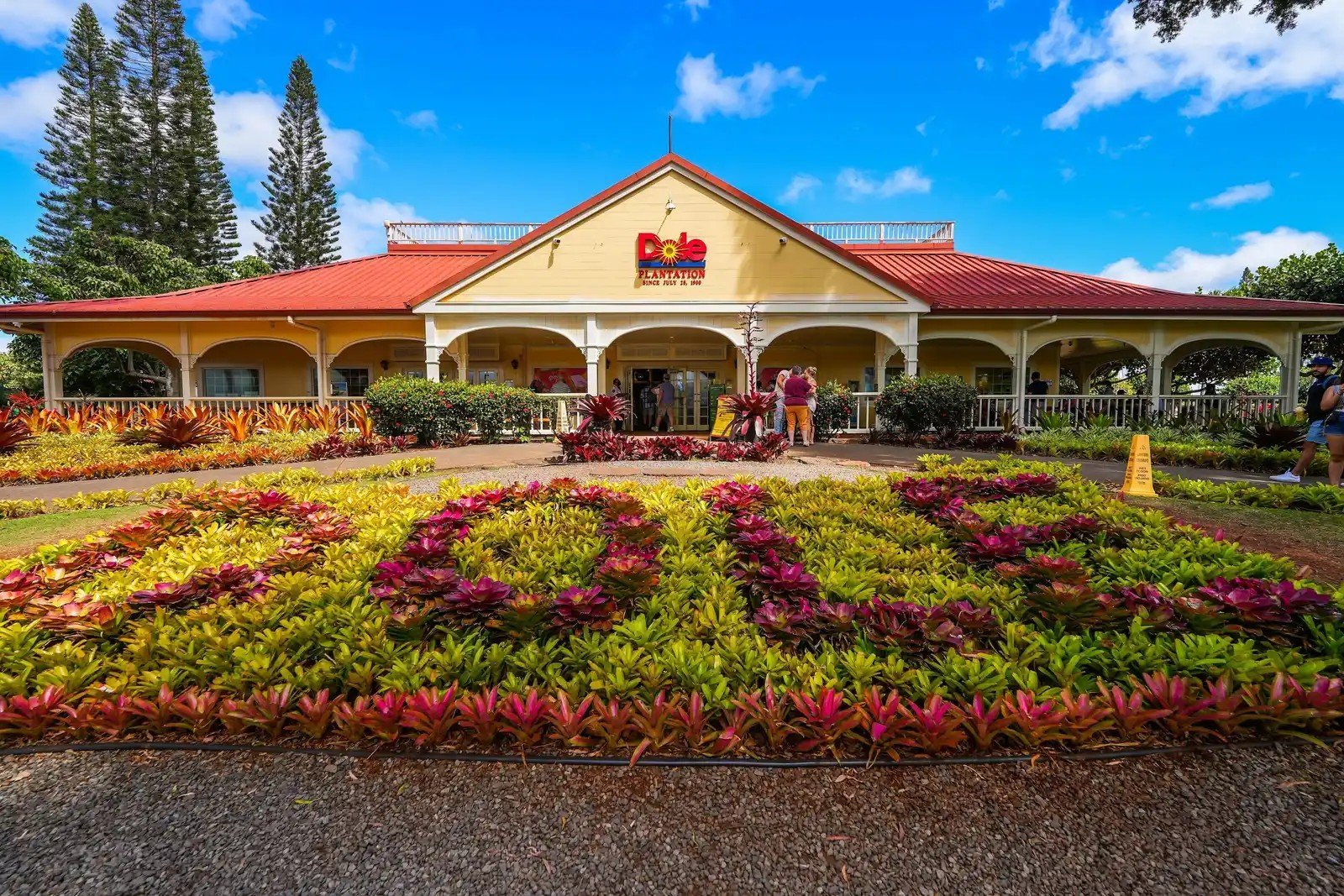
You flew thousands of miles to one of the most staggeringly beautiful places on earth. You have maybe five or six days. And somehow, you’re standing in a long line at a commercial pineapple farm. A 2026 Nomad review analysis placed Dole Plantation fourth among the worst tourist traps in the United States, with the main complaints centering on long waits, dense crowds, and expensive souvenir prices.
Hawaii has volcanic coastlines, remote valleys, and reef snorkeling that people travel across the world to see. Dole Plantation is fine – it’s just the wrong trade. A chunk of your Hawaiian vacation swapped for a gift shop pineapple. Most people only realize it after the fact.
9. The Costumed Characters of Times Square
This one catches first-timers completely off guard every single summer, and it happens so fast. Those Elmos and Spider-Men and Statues of Liberty with sunglasses clustered around Times Square are not part of any official city attraction. They are freelance street performers – and once you stop for a photo, the transaction begins.
Expect to be asked – sometimes demanded – for $10 to $20 per person per character. A family poses for one quick photo and suddenly finds four more costumed performers moving in, palms extended. There’s nothing illegal about it. But it’s not the charming New York welcome most tourists expect, and it can escalate quickly. The Times Square visitor FAQ literally warns about this. Read the FAQ.
10. Colonial Williamsburg, Virginia
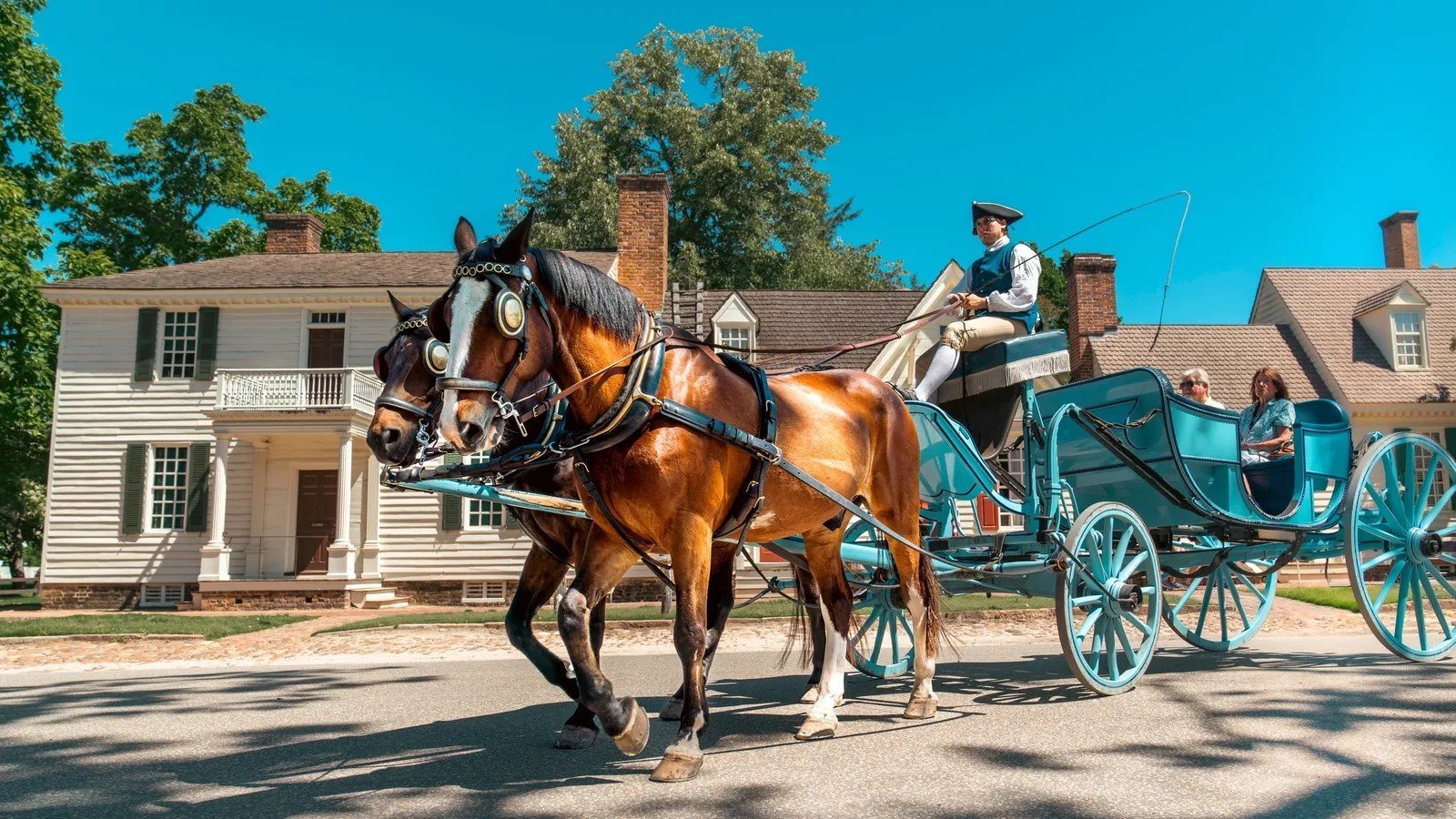
For history buffs, Colonial Williamsburg is genuinely engaging – skilled living historians, authentic 18th-century crafts, real colonial architecture. For everyone else, it’s a very large outdoor mall where the staff are in period costume and nothing is cheap. A major traveler study found that nearly 3% of reviews used phrasing that explicitly called it a tourist trap.
The experience rewards people who arrive with a specific plan and genuine curiosity about colonial American life. It punishes people who drive an hour, pay admission, and then wander aimlessly wondering what they’re supposed to feel. Without intention, it can feel very long and very expensive for what amounts to reenactors demonstrating candle-making.
At a Glance: The Tourist Trap Pattern
- Hollywood Walk of Fame: Ranked dead last (2.67/10) out of 101 global attractions by Stasher, Jan. 2026
- Fisherman’s Wharf: More than 1,000 out of ~20,000 TripAdvisor reviews used the exact phrase “tourist trap”
- Space Needle: Admission $35-$45; Seattle averages 226 cloudy days per year – about 80% of the time
- Graceland: Topped Nomad’s 2025 most-expensive U.S. tourist trap list; base admission $85/adult in 2026
- Wall Drug: Up to 20,000 visitors per day in summer – despite being a gift shop in a South Dakota highway town
11. South of the Border, South Carolina
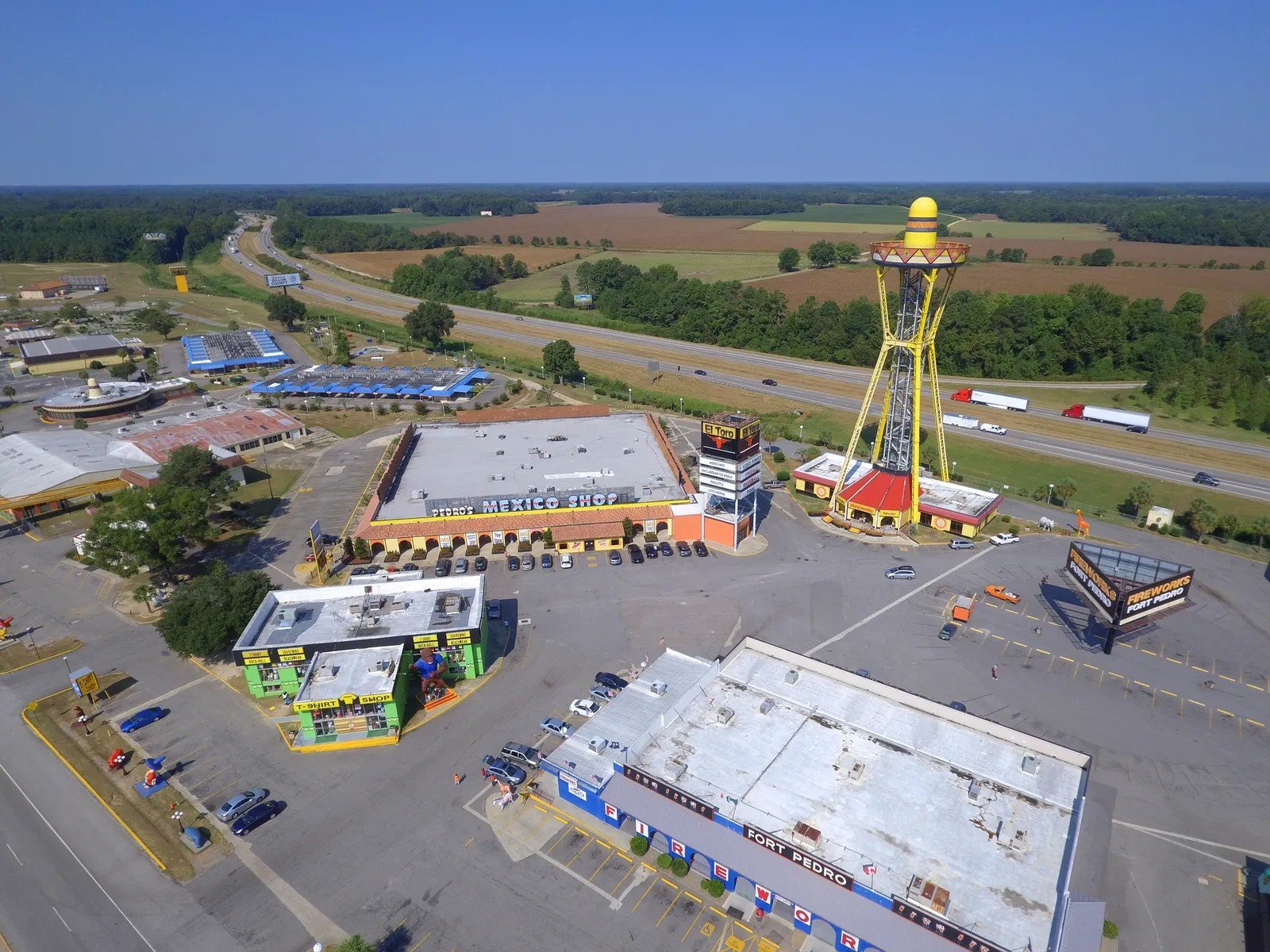
The billboards start appearing in Virginia. Hundreds of them. Each one promises something bigger and wilder than the last. By the time you reach the actual South of the Border on I-95, you’ve been teased for two states. What greets you is a sprawling, aging collection of roadside Americana – a giant sombrero tower, souvenir shops selling cheap trinkets and questionable fireworks, and attractions that appear largely unchanged since the 1970s.
It’s impressive mostly because you spent five hours being promised it would be. The marketing is the best thing South of the Border has ever produced. The destination itself coasts entirely on that promise.
12. Busch Gardens, Tampa, Florida
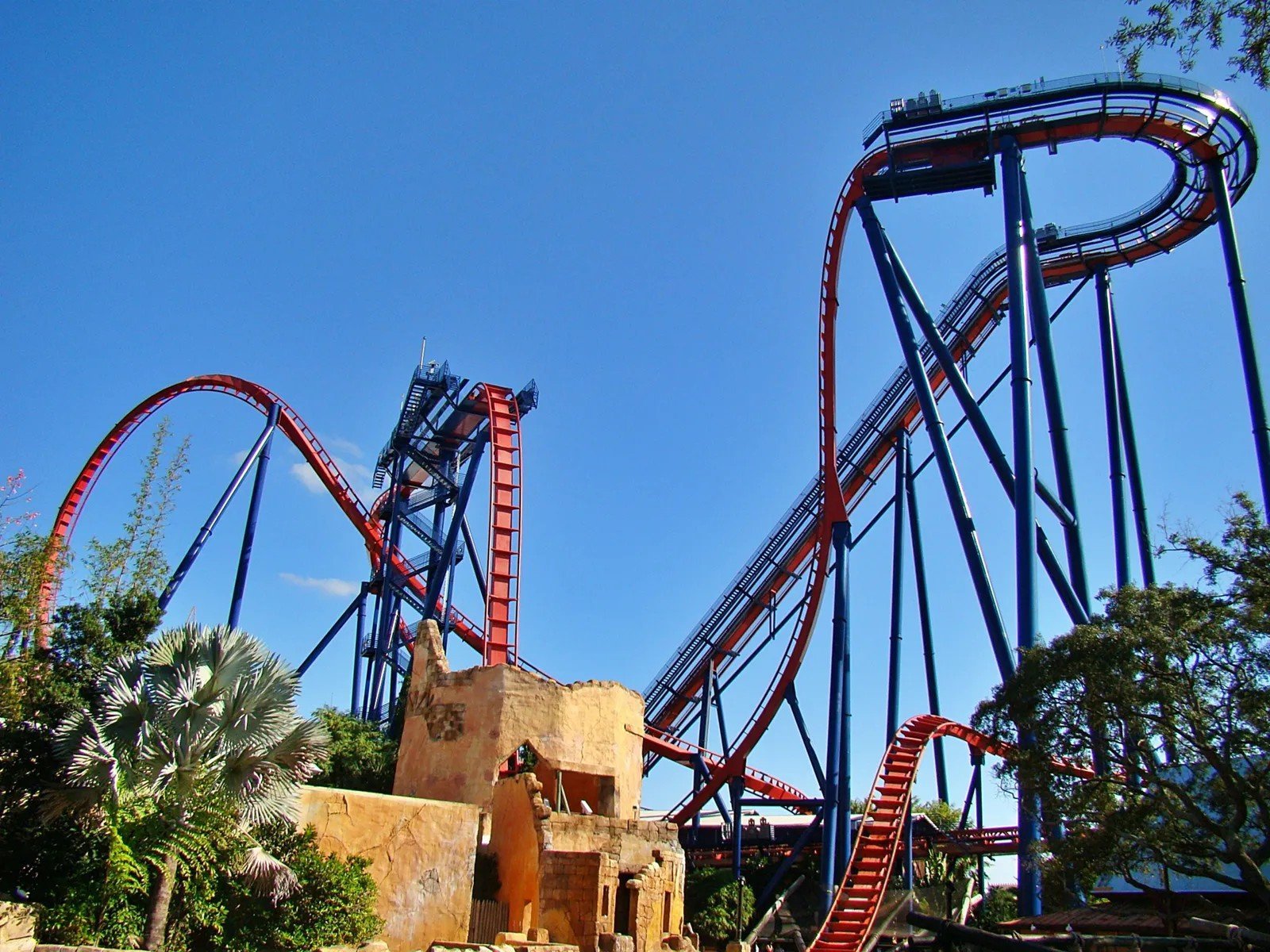
The rides are legitimately fun. The animals are real and some exhibits are well done. But Busch Gardens Tampa ranked second in one major tourist-trap study, with more than 500 visitor comments describing it as not worth the price, not much to see, or outright disappointing. Nearly 4% of guests in the study’s criteria were classified as unsatisfied.
The crux of the issue is value versus time. Families consistently report spending the majority of their day waiting in lines for rides that are over in under two minutes. When the bill for a family of four lands – tickets, parking, food, the inevitable souvenir – the math almost never feels right. There are better ways to spend a day in Tampa.
13. The Seattle Gum Wall
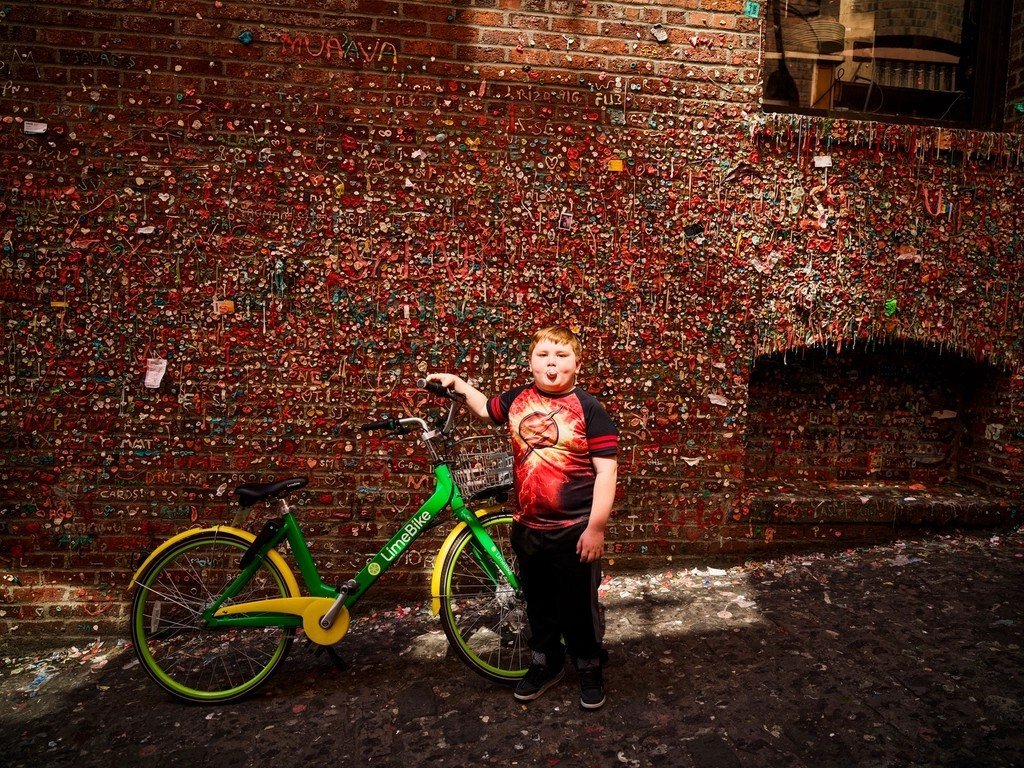
People travel specifically to look at a wall covered in other people’s used chewing gum. That sentence is factually accurate and worth sitting with for a moment. The Seattle Gum Wall, tucked into Post Alley near Pike Place Market, is technically free – which is perhaps the only defense for it.
Visitors report that in July, it smells exactly like what it is: decades of discarded gum baking in the summer heat. Some find it charmingly weird. Others arrive expecting something quirky and photogenic, realize within thirty seconds they have seen everything there is to see, and then walk back to Pike Place Market wondering what just happened to fifteen minutes of their life.
14. Little Italy, New York City
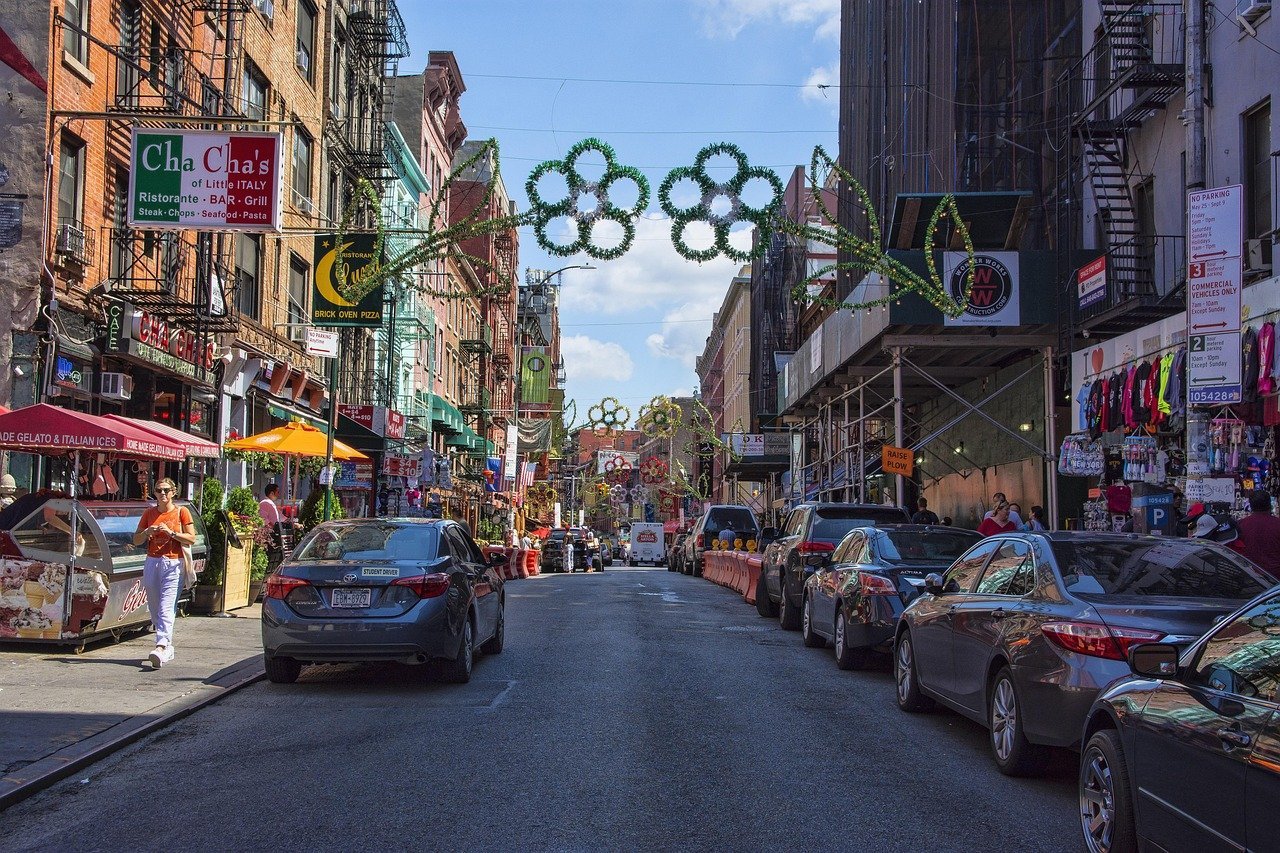
There was a time when Little Italy was a real neighborhood – densely Italian-American, loud, full of genuine community and exceptional food. That time has largely passed. The neighborhood has contracted dramatically as Chinatown expanded around it, and what remains is mostly what regulars call “performance Italian” – waiters stationed on the sidewalk actively heckling passersby to come in and try the food.
There are still a handful of good Italian restaurants left, and the architecture carries some of the old character. But most of the dining options are overpriced relative to quality, and the hustle to get tourists seated can feel more like a street market than a neighborhood. The great Italian food in New York City has largely moved elsewhere.
15. Ripley’s Believe It or Not, New York City
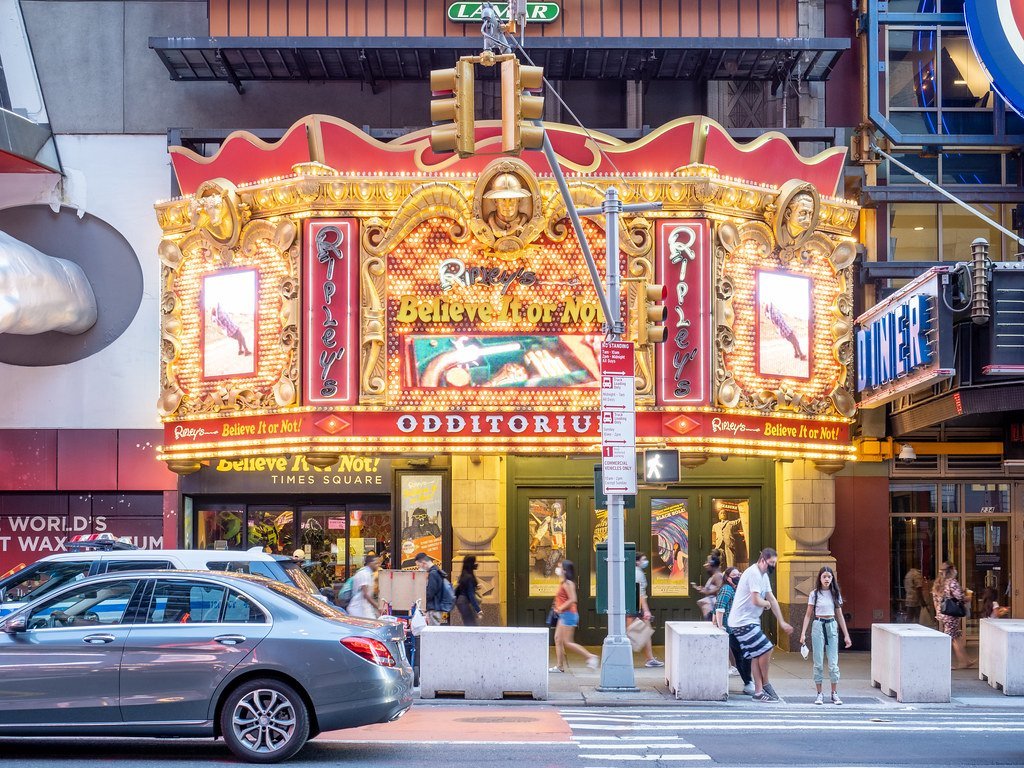
Every tourist city in America seems to have a Ripley’s, and the one near Times Square is no exception to the formula: an overpriced collection of oddities calibrated for maximum gift shop throughput. In a city with some of the greatest museums on the planet – many of which have pay-what-you-wish admission – Ripley’s is a hard sell.
The Metropolitan Museum of Art is a few miles uptown. The American Museum of Natural History. The Museum of Modern Art. Paying full price for Ripley’s when those options exist is the kind of decision that makes sense only if you didn’t know about the alternatives. Now you do.
Worth Knowing: What to Do Instead
- Skip Times Square chaos: The High Line and Hudson Yards are a short walk away and cost nothing to enter
- Skip Ripley’s NYC: The Met operates on a pay-what-you-wish basis for many visitors; the American Museum of Natural History suggests admission
- Skip the Space Needle on cloudy days: Kerry Park (free) offers a stunning ground-level panorama of Seattle and Puget Sound
- Skip the Niagara American side crowds: The Canadian side consistently gets higher visitor ratings for views and overall experience
- Skip Little Italy: Arthur Avenue in the Bronx is widely considered the most authentic Italian-American neighborhood left in New York City
16. The Four Corners Monument, Southwest
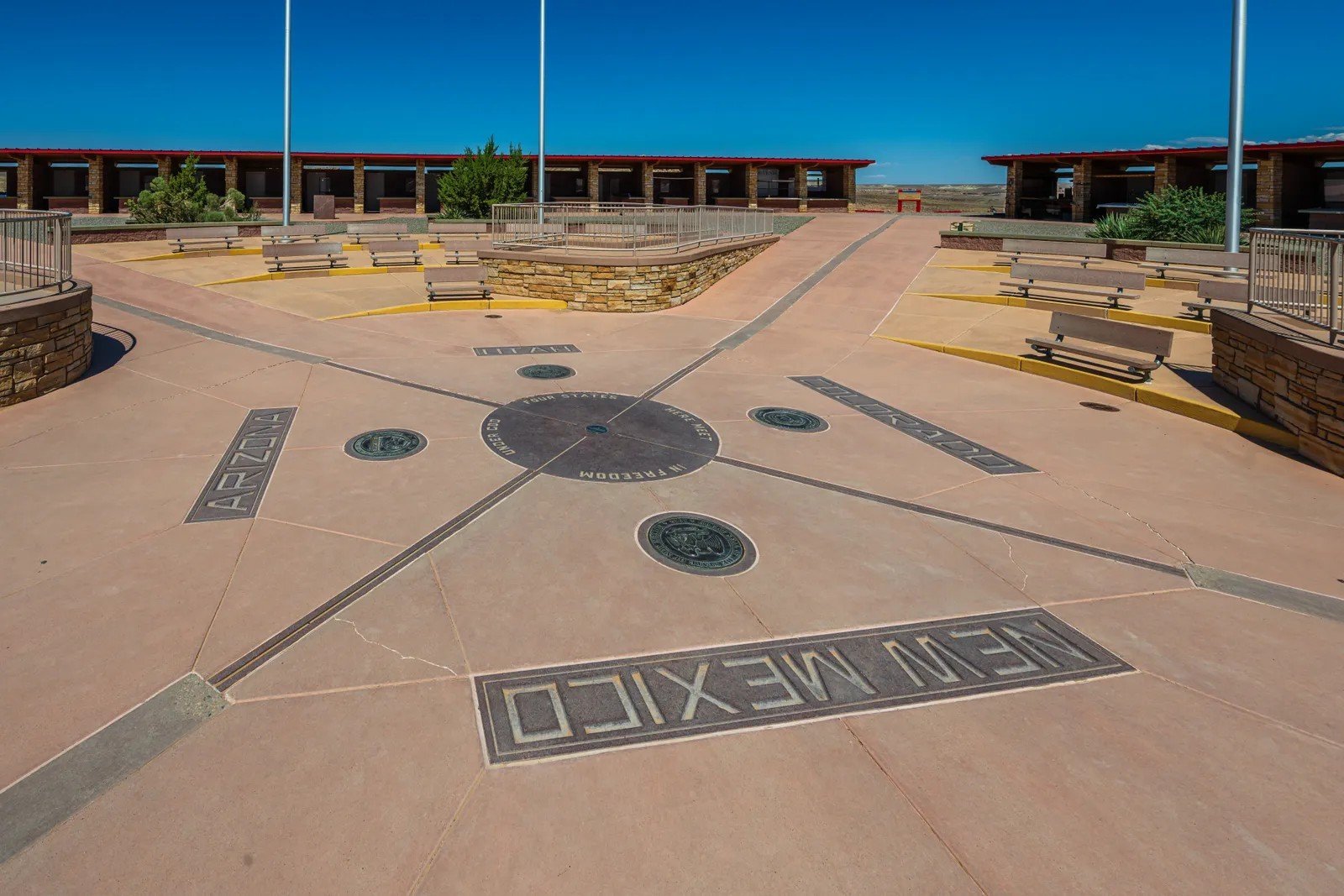
The concept is undeniably cool: the only place in the United States where four states – Arizona, New Mexico, Colorado, and Utah – meet at a single point. You can stand in all four simultaneously. Multiple studies have ranked it among the most overrated tourist attractions in the country, and the experience itself bears that out.
What you actually get: a granite and brass disc embedded in the ground, a handful of vendor tents selling Navajo Nation crafts, a parking lot, and a fee to enter. The photo takes about eight seconds. Then comes the long drive back through the desert, during which you have time to reckon with what just happened. The concept is great. The destination is a plaque.
17. Pat’s King of Steaks, Philadelphia
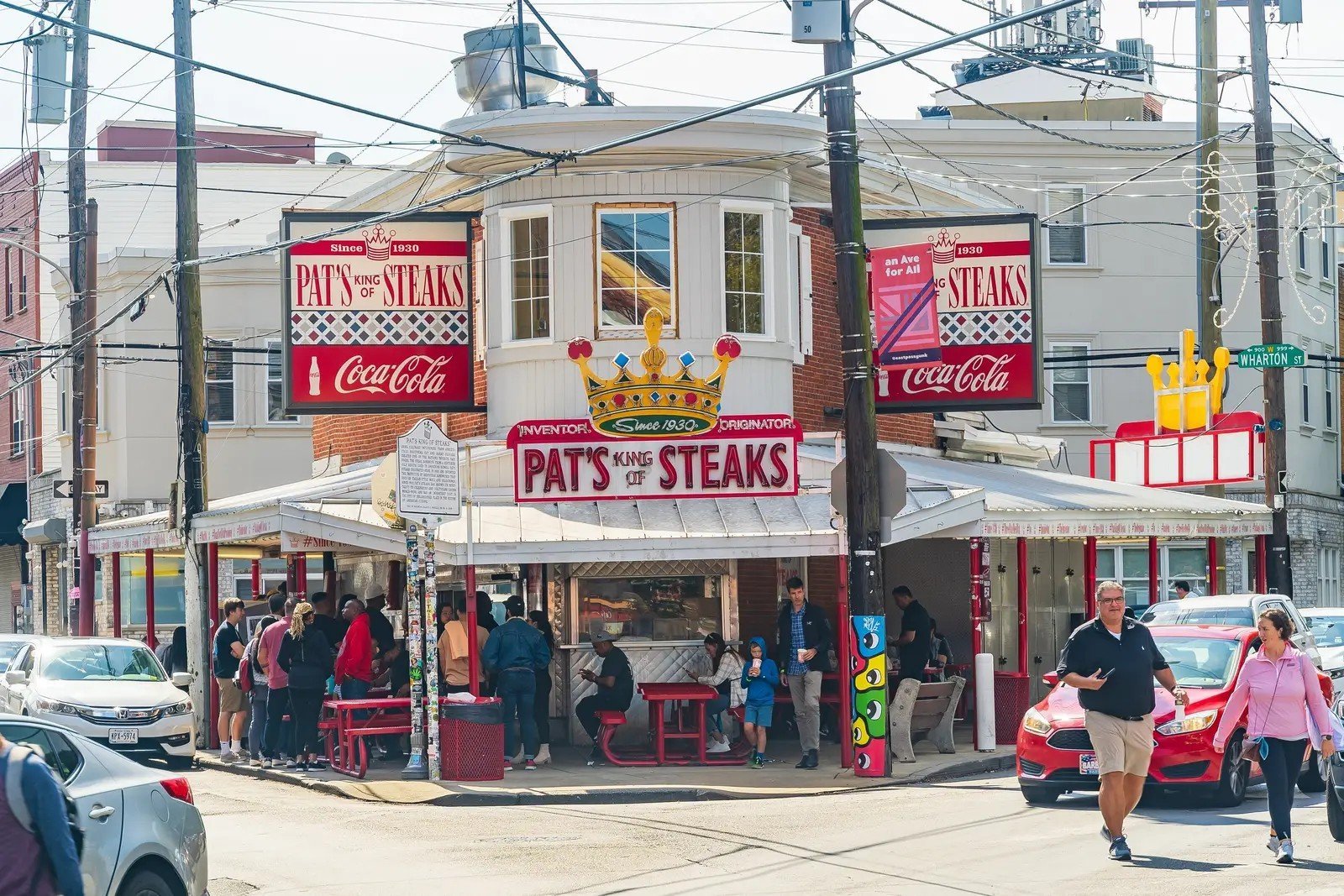
The cheesesteak war between Pat’s and its neighbor Geno’s is one of Philadelphia’s most cherished pieces of local mythology, and Pat’s has become the default tourist pilgrimage for anyone visiting the city. Which is exactly the problem. “Overrated,” “underwhelming,” and “overpriced” show up consistently in online reviews, and the lines are long and loud.
Here is what Philly locals will actually tell you: the best cheesesteak in the city is probably not at either of the famous spots. It’s at a place with no line, half the price, and no one filming themselves eating it. The Pat’s experience is more about checking a box than tasting the city’s finest sandwich. Ask a local where they actually go.
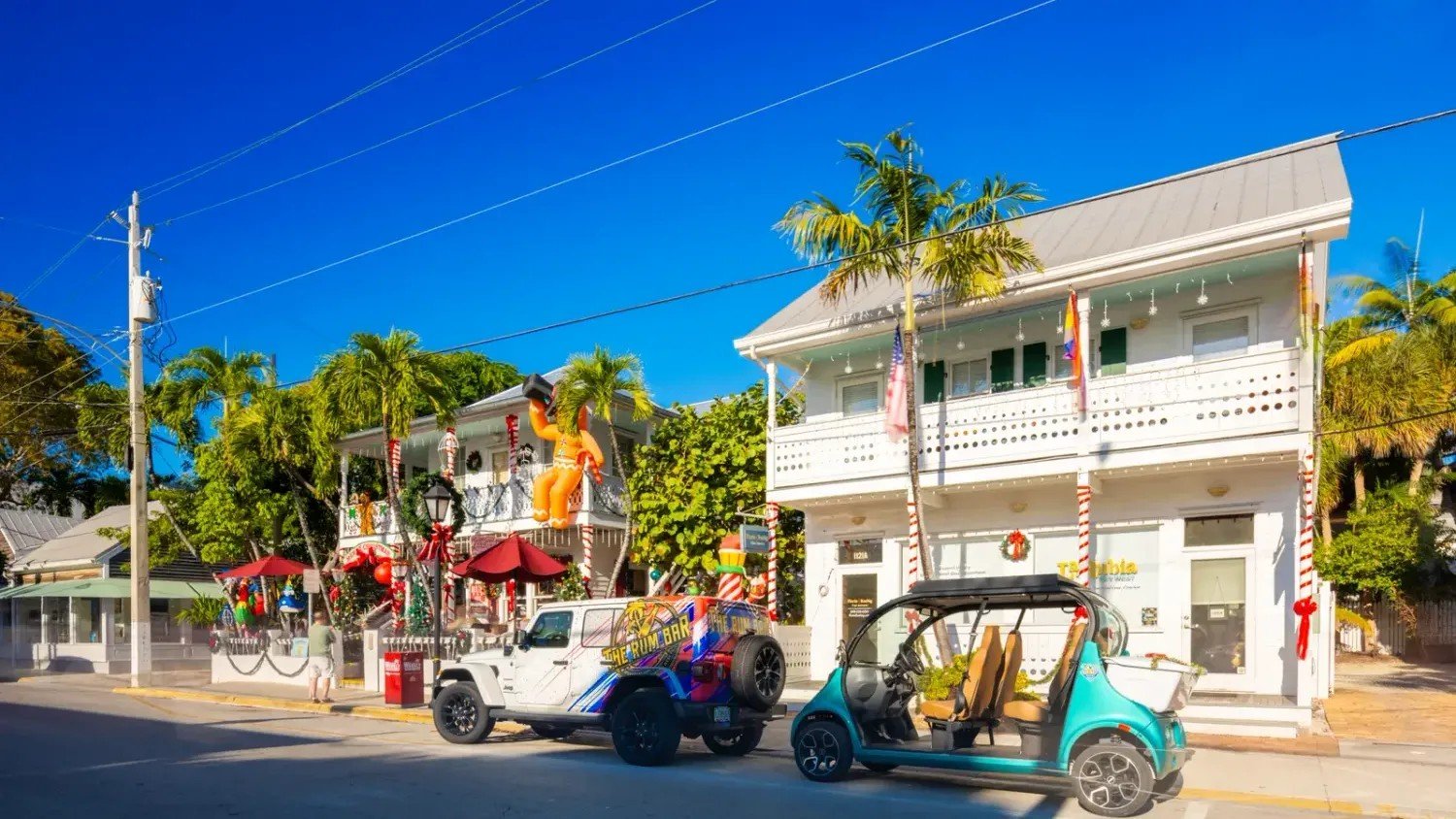
18. Duval Street, Key West, Florida
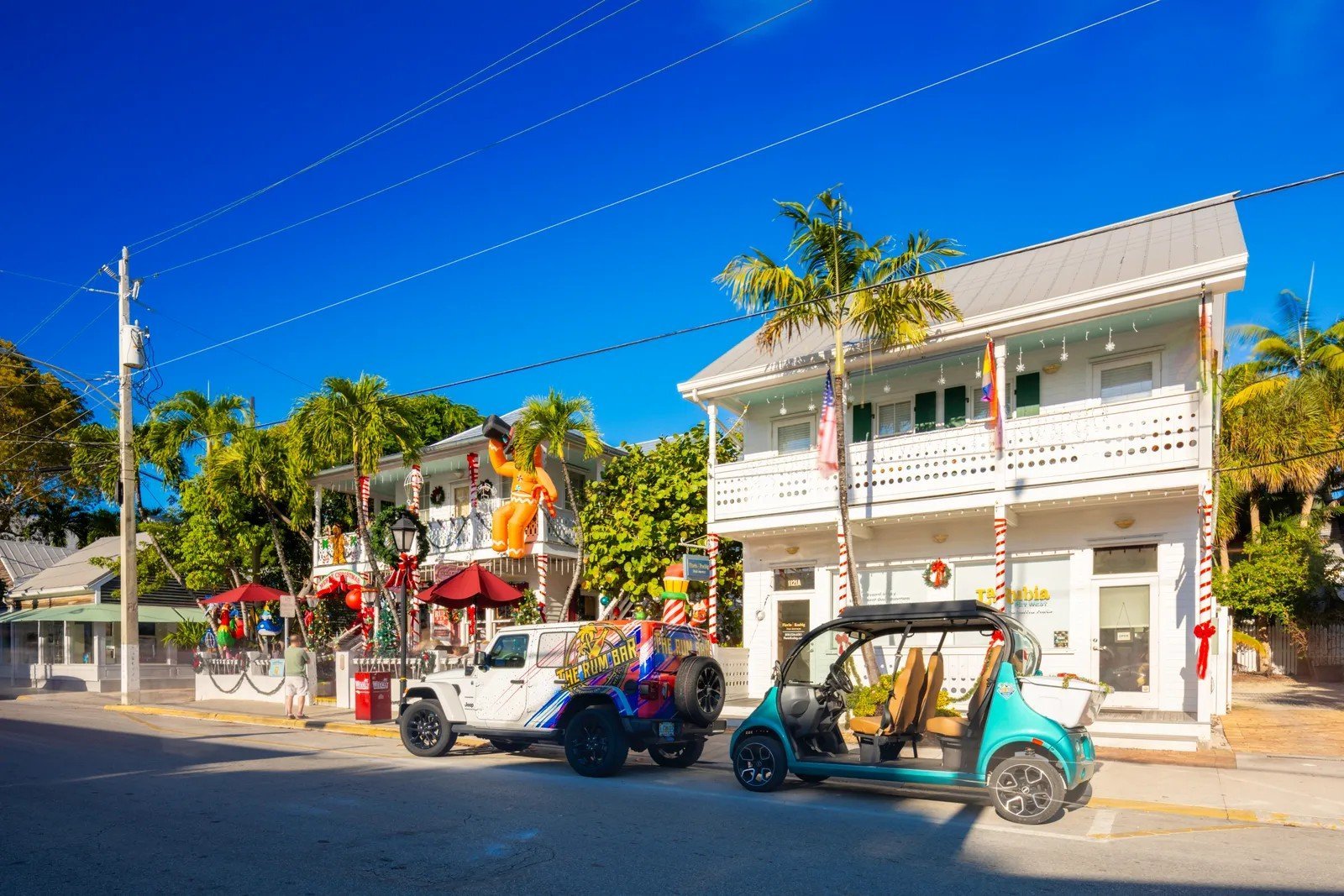
Key West has a genuine, sun-baked, slightly lawless soul – the kind of place that earned its reputation over decades. Duval Street, the mile-long corridor running from the Gulf of Mexico to the Atlantic Ocean, is supposed to be the heart of it. And to first-time visitors, it delivers the postcard version: historic buildings, legendary bars, that particular Key West light in the afternoon.
But the real Key West increasingly lives in the quieter streets just off Duval – without the cover charges, the tourist-priced cocktails, and the cruise-ship crowds that flood the main strip on summer afternoons. Duval has become the commercial front door of a much more interesting place behind it. Walk a block in either direction.
19. Central Park Carriage Rides, New York City
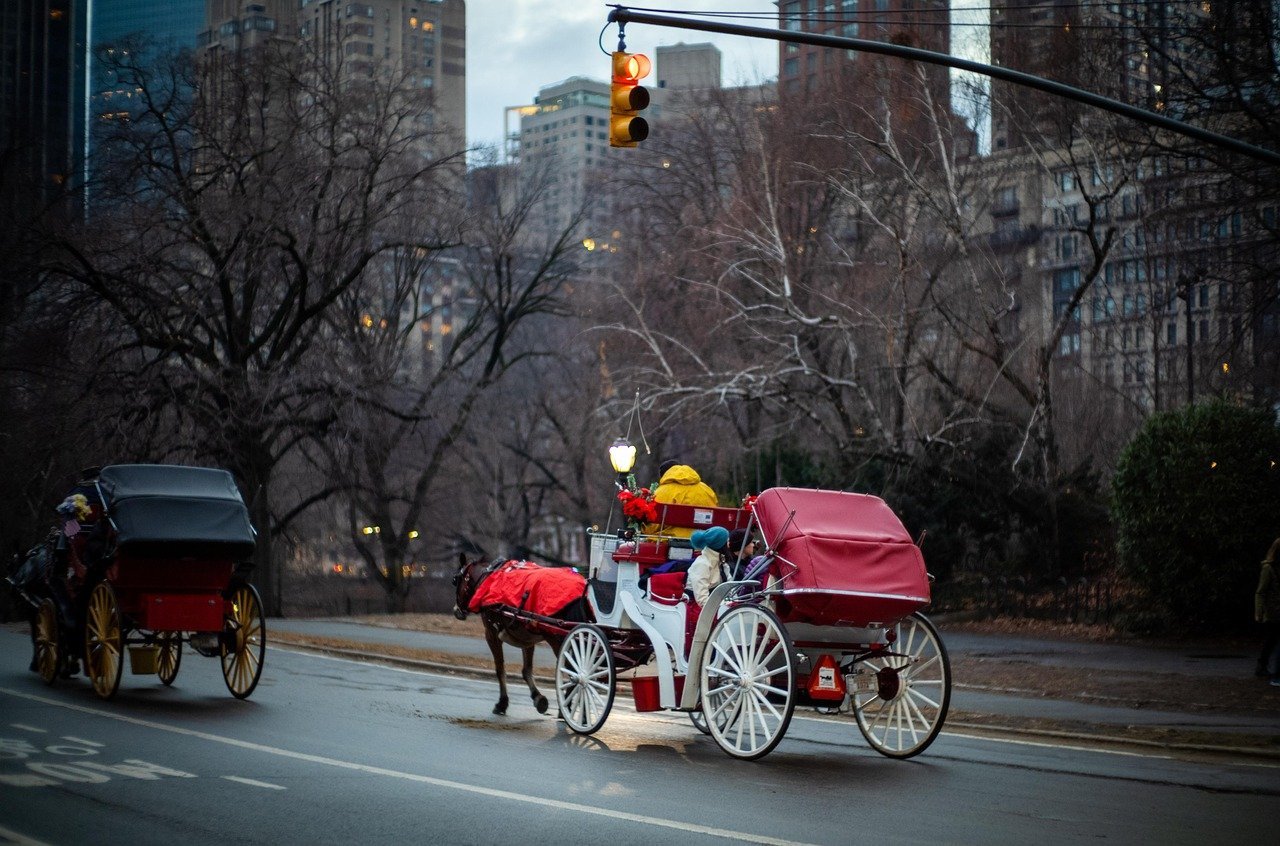
They look impossibly romantic in movies. The reality involves waiting, awkward small talk with a driver, and a bill designed to ruin whatever mood you built up. Carriage rides through Central Park can run $150 or more for roughly 20 minutes. Pedicab drivers often don’t disclose rates up front – they charge by the minute once you’re rolling – and some couples have reported paying over $200 for what felt like a casual spin through the park.
Central Park itself is one of the great public spaces in the world and costs nothing to enter. The carriage that takes you through it is neither romantic nor affordable once the meter starts. Walk the park. It will cost you nothing, and it will actually be better.
20. The World of Coca-Cola, Atlanta, Georgia

Coca-Cola was invented in Atlanta in 1886 by pharmacist John S. Pemberton, which gives the city a legitimate claim to the drink’s origin story. The World of Coca-Cola leans hard into that story with exhibits, vintage ads, memorabilia going back to the 1890s, and a tasting room where visitors can sample over 100 beverages from around the world. Standard adult admission runs $21 to $26 depending on the day, and parking adds another $20.
Soda enthusiasts and brand history fans often leave satisfied. Everyone else tends to finish in well under an hour and exit into a gift shop wondering whether the whole thing was essentially a very elaborate Coca-Cola advertisement they paid to attend. Atlanta has world-class food, music venues, the National Center for Civil and Human Rights, and the Georgia Aquarium right next door. The Coke museum makes the most sense as a combo-ticket add-on, not a standalone destination.
Why It Stands Out (For the Wrong Reasons)
- Adult admission: $21-$26 depending on date; guided tours run $45-$50 per person
- Parking: starts at $20 per vehicle at the on-site garage
- Average visit time: 90 minutes to 2 hours according to the museum’s own website
- Better deal: The Georgia Aquarium combo ticket ($79.99/person) bundles both attractions and saves up to $15 vs. buying separately
- The Georgia Aquarium, National Center for Civil and Human Rights, and Centennial Olympic Park are all within walking distance – plan accordingly
The pattern across all 20 of these places is exactly the same: the hype arrived years before you did, and the gap between expectation and reality is where your time and money quietly disappear. A few of them are still worth a quick stop. Almost none of them deserve to be the centerpiece of your summer. Plan accordingly.