
Finland: A Breath of Fresh Air
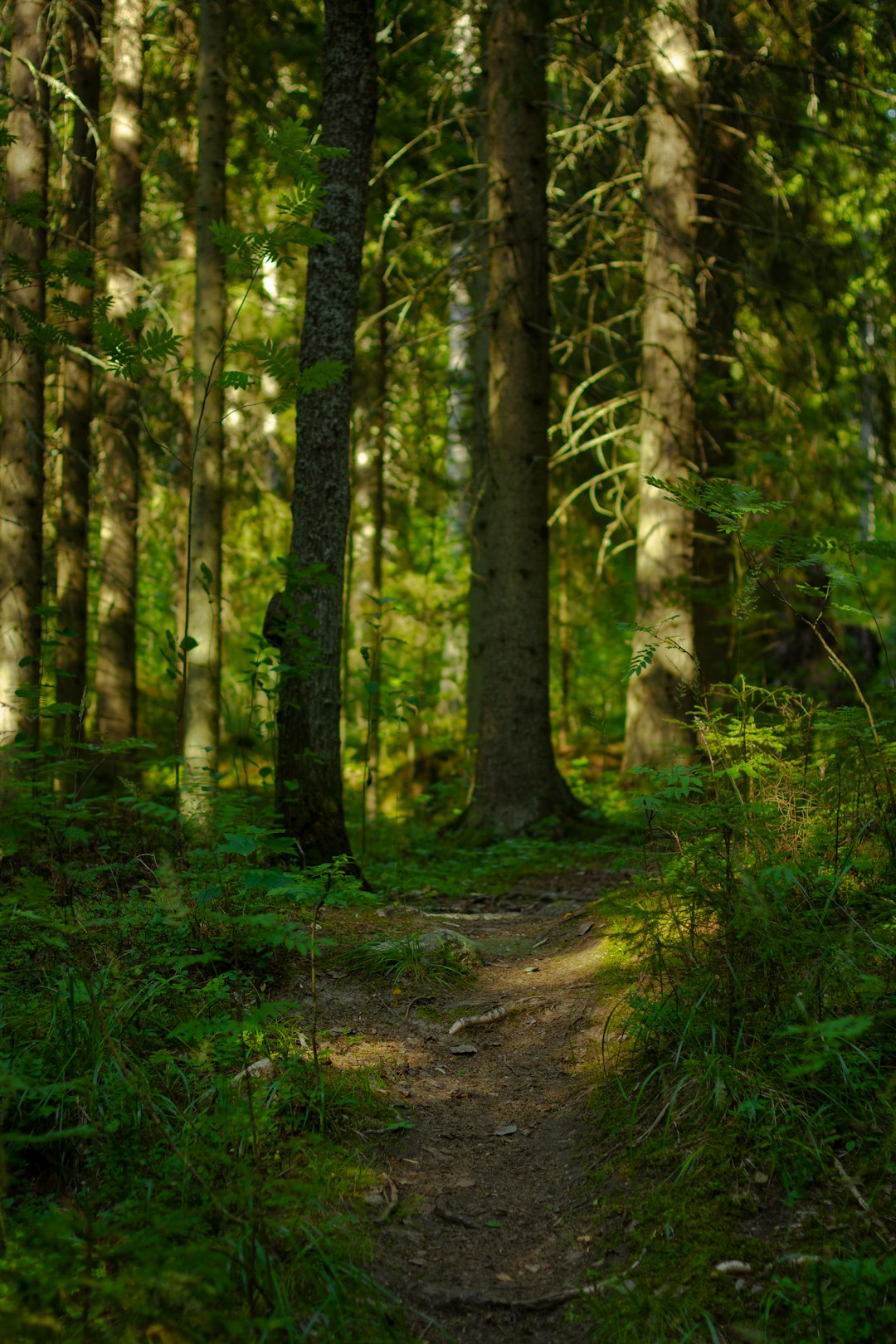
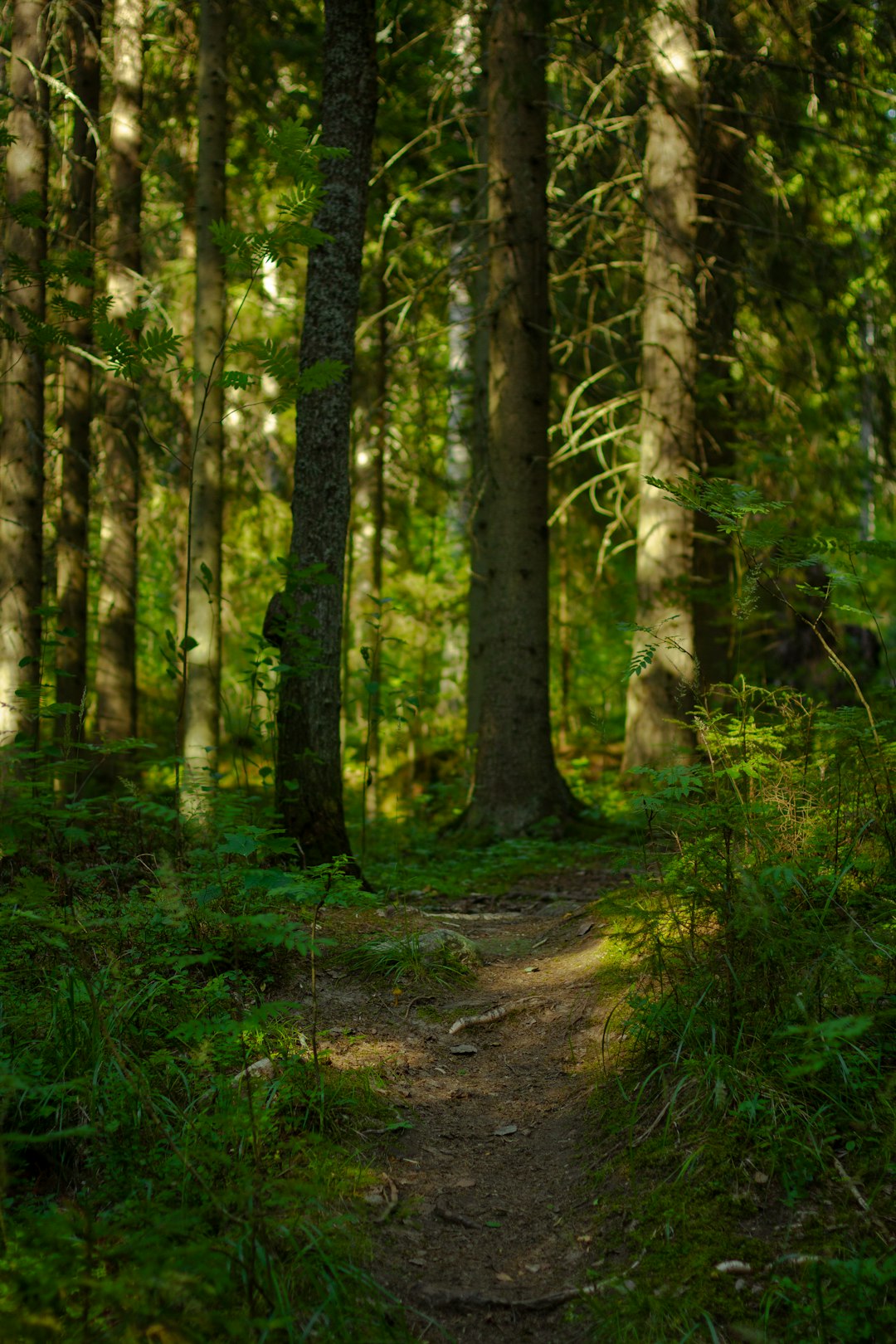
Finland stands out as a shining example of what clean air truly means. With an average PM2.5 concentration of just 5 micrograms per cubic meter, Finland’s air is often described as crisp and invigorating. The country’s lush forests—covering over 70% of its land—function as natural air filters, absorbing pollutants and pumping out oxygen. Finnish authorities enforce strict emissions regulations, ensuring that industries and vehicles contribute minimally to pollution. In Helsinki, green transport initiatives like expanded tram lines and electric buses are commonplace, making it easier for people to choose eco-friendly travel. The Finnish push toward carbon neutrality by 2035 serves as an ambitious model for the rest of the world. As a result, residents and visitors alike often comment on the “freshness” in the air, a sensation that has become increasingly rare in today’s urbanized world.
Sweden: Clean Air and Green Spaces
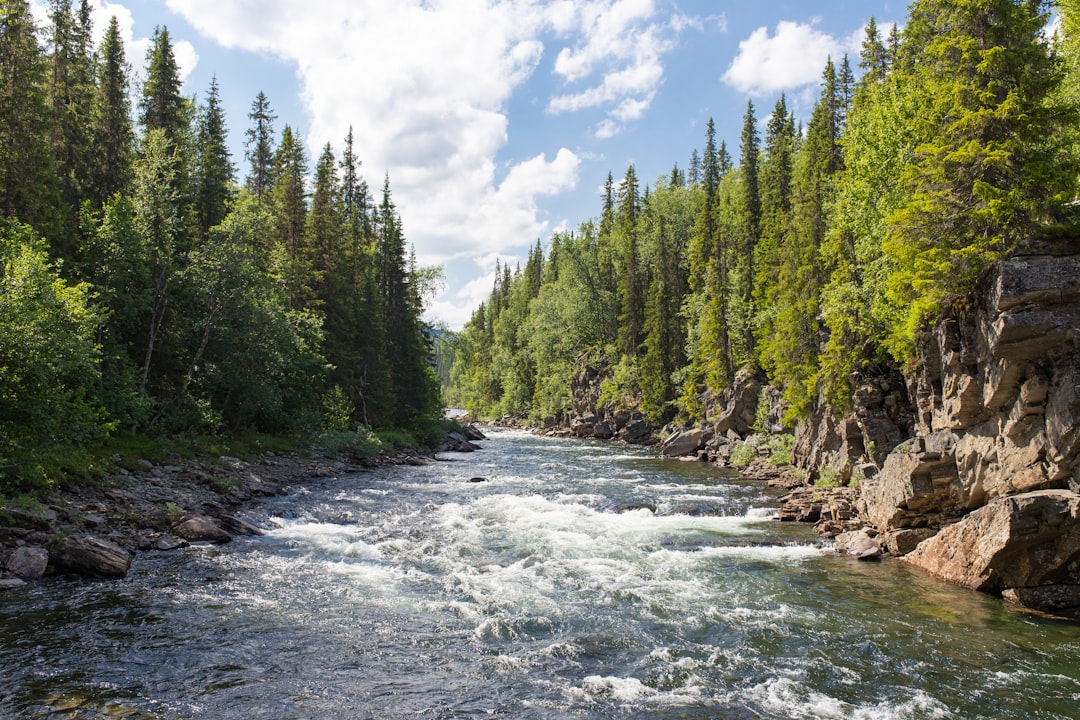
Sweden has long been synonymous with environmental stewardship, and its air quality is no exception. With PM2.5 levels averaging around 7 micrograms per cubic meter, Swedish cities like Stockholm and Gothenburg are considered some of the healthiest places to breathe. The Swedish government’s focus on renewable energy, recycling, and clean public transport means the nation is constantly working to reduce airborne pollutants. Urban planners prioritize parks and green corridors, which not only beautify cities but also help trap dust and absorb carbon dioxide. Sweden’s electric vehicle incentives and tough emissions standards have led to a steady decrease in exhaust fumes. Public campaigns regularly encourage citizens to walk, cycle, or use public transport. The result is an environment where children can play outdoors and adults can enjoy a jog or a bike ride without worrying about polluted air.
Canada: Vast Landscapes and Clean Air

Canada’s reputation for clean air is well-deserved, thanks to its sprawling forests and low population density. With an average PM2.5 concentration of about 10 micrograms per cubic meter, Canadians enjoy some of the world’s freshest air. Provinces such as British Columbia enforce strict air quality guidelines, especially near urban centers and industrial zones. Efforts to preserve natural spaces, like national parks and wildlife reserves, further protect air quality. Canadian cities like Vancouver are investing in urban forests, green roofs, and expanded cycling networks to keep pollution levels in check. The national commitment to reducing vehicle emissions has seen a rise in electric and hybrid car sales. Many Canadians cherish outdoor activities such as hiking and canoeing, which reflect the population’s deep connection to their clean environment.
New Zealand: Nature’s Clean Air Filter
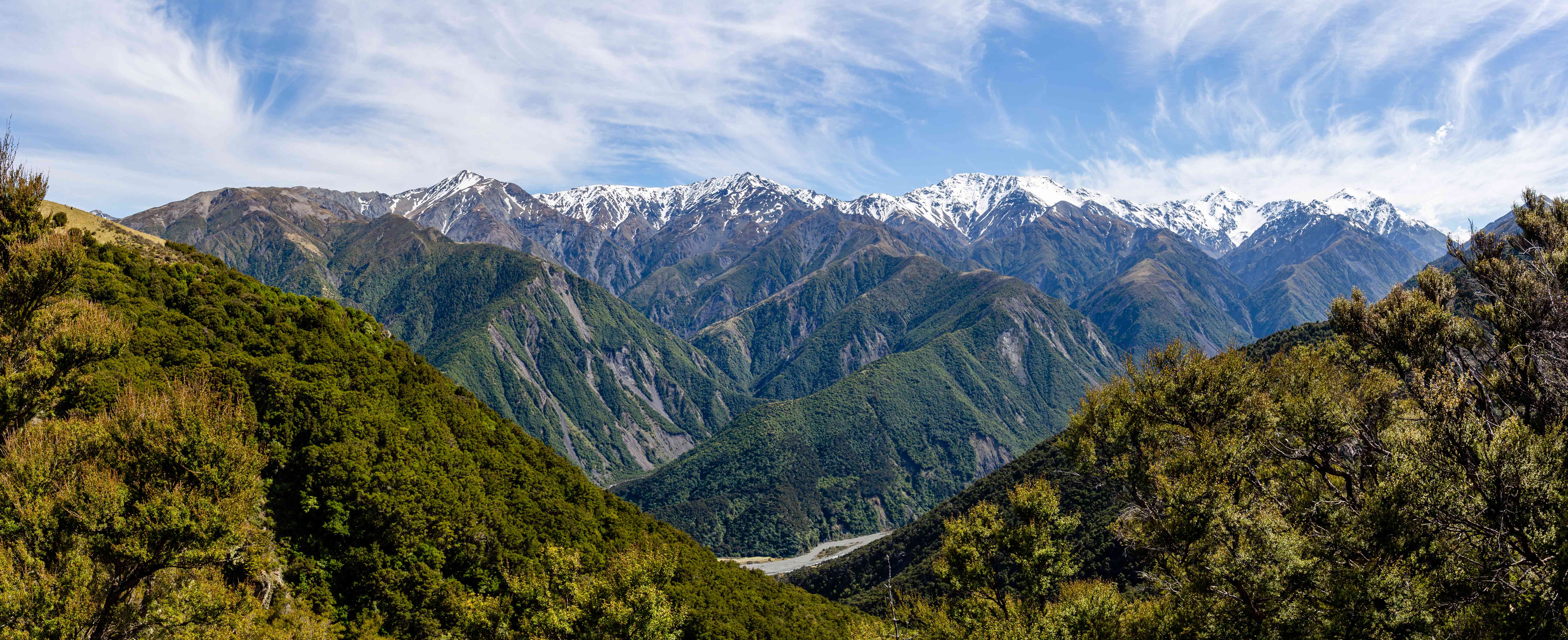
New Zealand is often described as a “natural paradise,” and its air quality reflects this reputation. Average PM2.5 levels hover around 9 micrograms per cubic meter, making it a haven for those seeking a healthy environment. The country’s remote location and low industrial footprint mean its skies are rarely clouded by pollution. Government efforts to promote renewable energy—especially hydro and wind power—have drastically reduced reliance on fossil fuels. Cities like Wellington have adopted electric buses and introduced more pedestrian zones, making clean commuting accessible to all. Extensive conservation programs aim to restore native forests, which further purify the air. As a result, many locals and tourists remark on the almost “sweet” sensation of New Zealand’s air, which feels remarkably different from that of more industrialized countries.
Australia: A Commitment to Clean Air
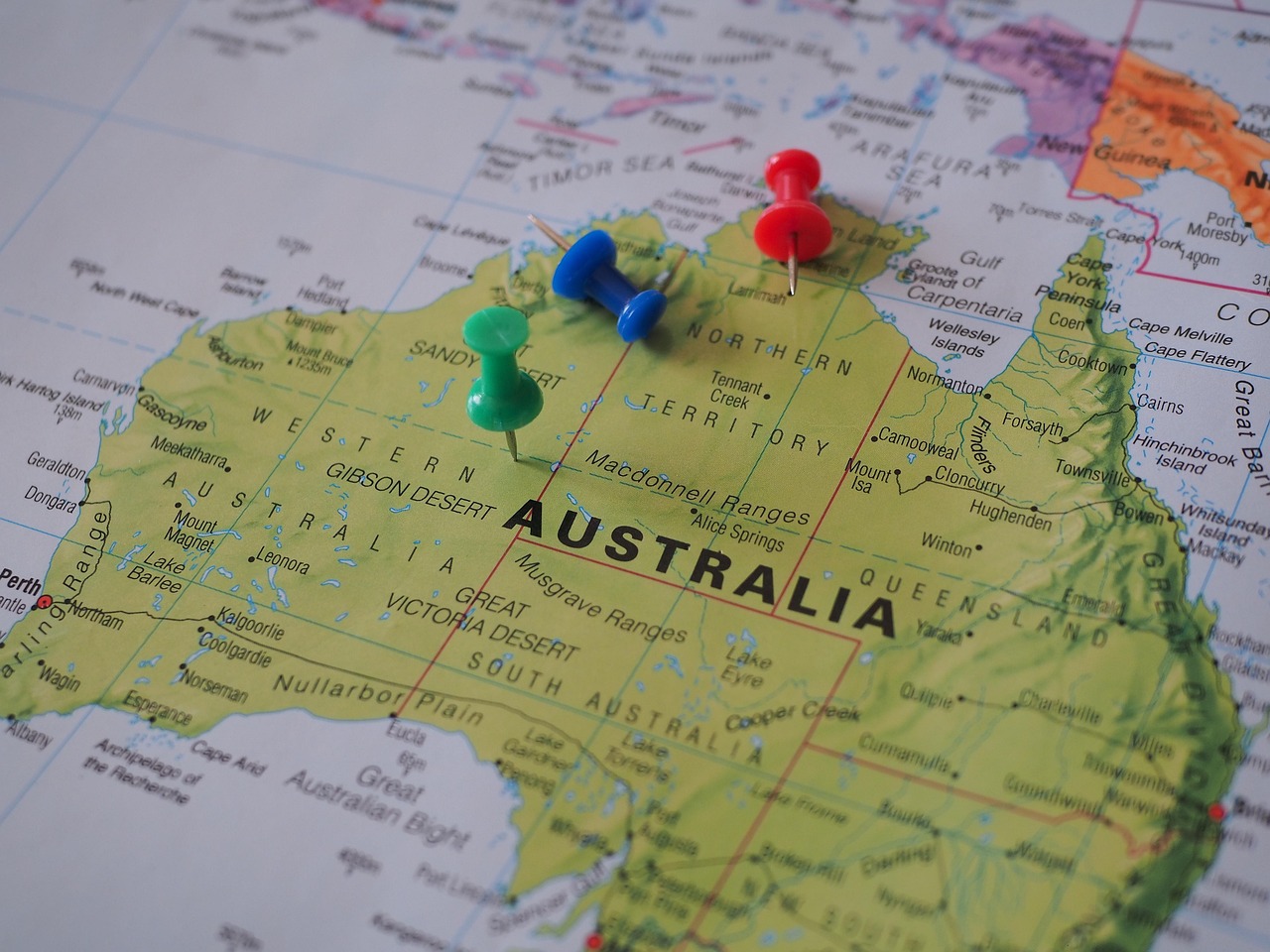
Australia’s air quality is among the best in the world, with PM2.5 concentrations averaging about 11 micrograms per cubic meter. The country’s vast outback and open spaces naturally help disperse pollutants, while cities like Melbourne and Sydney enforce strict controls on industrial emissions. Australia’s transition toward renewable energy is accelerating, with solar and wind farms dotting the landscape. Public awareness campaigns highlight the dangers of air pollution and encourage eco-friendly habits, such as carpooling and waste reduction. Strict vehicle emission standards have led to a boom in electric vehicle adoption, especially in urban areas. Major cities are also investing in extensive cycling infrastructure and green public spaces to further support clean air. These combined efforts allow Australians to enjoy an outdoorsy lifestyle with confidence in the air they breathe.
India: The Struggle with Air Quality
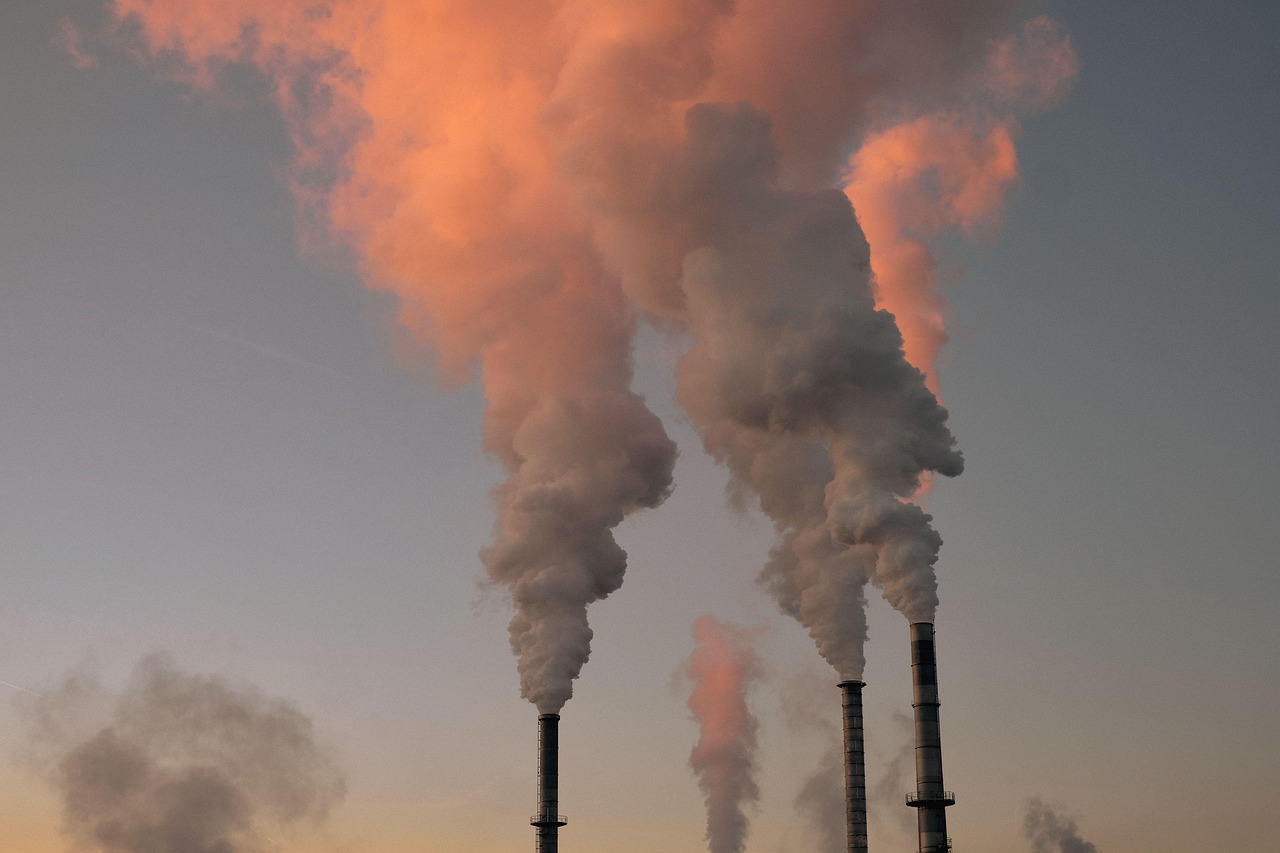
India’s battle with air pollution is both dramatic and deeply concerning. In cities like Delhi, PM2.5 levels can soar above 100 micrograms per cubic meter, creating a visible haze that often turns the sky a sickly gray. Rapid urbanization, booming industry, and a surge in motor vehicles have all contributed to this crisis. Seasonal crop burning in northern states adds to the problem, sending plumes of smoke into already polluted urban areas. The government’s National Clean Air Programme aims to achieve a 20-30% reduction in pollution by 2024, but implementation has faced significant hurdles. Many residents suffer from respiratory illnesses, and health professionals warn of rising rates of asthma and cardiovascular disease. Despite ongoing efforts, millions of people in India continue to struggle for a basic human right: the ability to breathe clean air.
China: A Long Road to Improvement

China’s air quality story is one of both crisis and progress. Industrial cities like Beijing still experience PM2.5 levels around 70 micrograms per cubic meter, especially during winter months when coal use spikes. The government has responded with sweeping measures: closing coal plants, relocating factories, and heavily investing in renewable energy. Electric vehicles are becoming more common on Chinese roads, and there’s a noticeable reduction in visible smog compared to previous years. Despite these improvements, air pollution remains a major health concern, especially in the country’s industrial heartlands. Rural areas have seen some benefits, but millions in urban centers still face daily exposure to hazardous air. The government’s ambitious goal to significantly cut pollution by 2030 reflects both the urgency and the scale of the challenge ahead.
Bangladesh: A Public Health Crisis
Bangladesh faces some of the world’s most hazardous air, with average PM2.5 levels reaching 77 micrograms per cubic meter in urban areas. The main culprits are unchecked industrial activity, thousands of brick kilns, and heavy traffic congestion. The World Bank has described air pollution here as a “public health emergency,” noting that it causes thousands of premature deaths each year. Children and the elderly are especially vulnerable, with rising rates of respiratory and heart diseases reported by local hospitals. Government efforts to curb emissions have had limited success, in large part due to weak enforcement and widespread poverty. Many residents wear face masks as a daily necessity, and outdoor activity is often restricted during peak pollution periods. The desperate need for stronger regulations and greater public awareness is clear in every breath taken in Bangladesh’s cities.


