

In the global pursuit of sustainability, certain nations have emerged as frontrunners, setting exemplary standards in environmental stewardship. Conversely, some countries continue to grapple with significant challenges, hindering their progress toward eco-friendly practices. This article delves into five nations leading the charge in sustainability and four that are currently falling short.
1. Sweden: A Model of Circular Economy

Sweden has long been celebrated for its environmental initiatives, particularly its commitment to a circular economy. The nation has set ambitious goals, aiming for net-zero emissions by 2045. However, recent analyses reveal areas needing improvement. According to the Circularity Gap Reporting Initiative, as of 2024, only 3.4% of materials consumed in Sweden are recycled back into the economy, with over 96% sourced from virgin materials. ([circularity-gap.world](https://www.circularity-gap.world/sweden?utm_source=openai)) This indicates a significant reliance on new resources, underscoring the need for enhanced recycling and reuse strategies. In response, the Swedish government has introduced reforms to bolster waste management and promote sustainable practices. For instance, a 2024 law mandates the separation of food waste for all households and businesses, aiming to reduce waste and produce biogas. ([sweden.se](https://sweden.se/climate/sustainability/swedish-recycling-and-beyond?utm_source=openai)) Additionally, Sweden’s investment in renewable energy, particularly wind power, has been substantial. By the end of 2023, the country had installed 16.4 GW of wind power capacity, accounting for 20.9% of its electricity generation. ([en.wikipedia.org](https://en.wikipedia.org/wiki/Wind_power_in_Sweden?utm_source=openai)) These efforts reflect Sweden’s dedication to enhancing its circular economy and reducing its environmental footprint.
2. Denmark: Leading in Renewable Energy
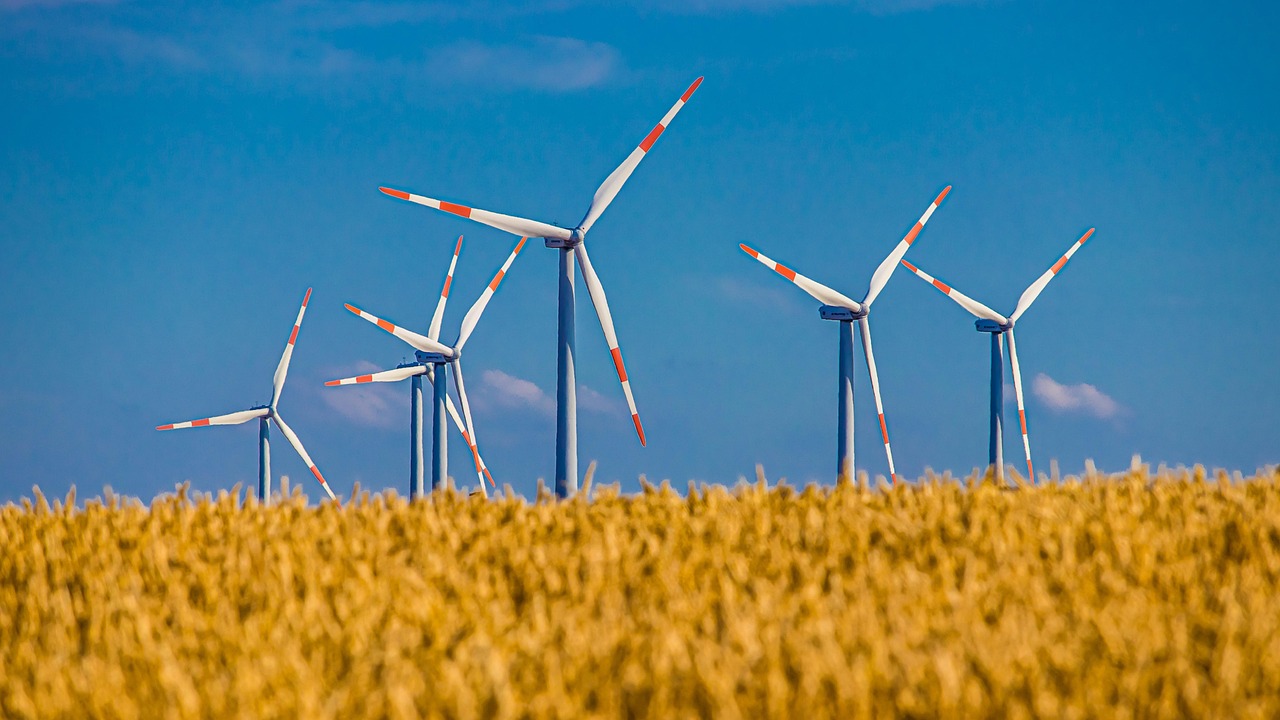
Denmark stands as a beacon in the realm of renewable energy, particularly wind power. In 2024, wind energy contributed to 59.3% of the nation’s total electricity generation, a significant increase from 56% in 2020. ([en.wikipedia.org](https://en.wikipedia.org/wiki/Wind_power_in_Denmark?utm_source=openai)) This achievement aligns with Denmark’s ambitious target of achieving 100% renewable power generation by 2030. The country’s commitment is further exemplified by its plans to establish energy islands in the North Sea and the Baltic Sea. These projects aim to serve as hubs for offshore wind farms, with the North Sea island initially supporting 3 GW of wind power, expandable to 10 GW. ([en.wikipedia.org](https://en.wikipedia.org/wiki/Energy_islands_of_Denmark?utm_source=openai)) Additionally, Denmark’s energy policies have led to a significant reduction in fossil fuel reliance, decreasing from 75% of the energy mix in 2011 to 53% in 2022. ([iea.org](https://www.iea.org/reports/denmark-2023/executive-summary?utm_source=openai)) These initiatives underscore Denmark’s unwavering commitment to a sustainable and renewable energy future.
3. Costa Rica: Pioneering Conservation Efforts
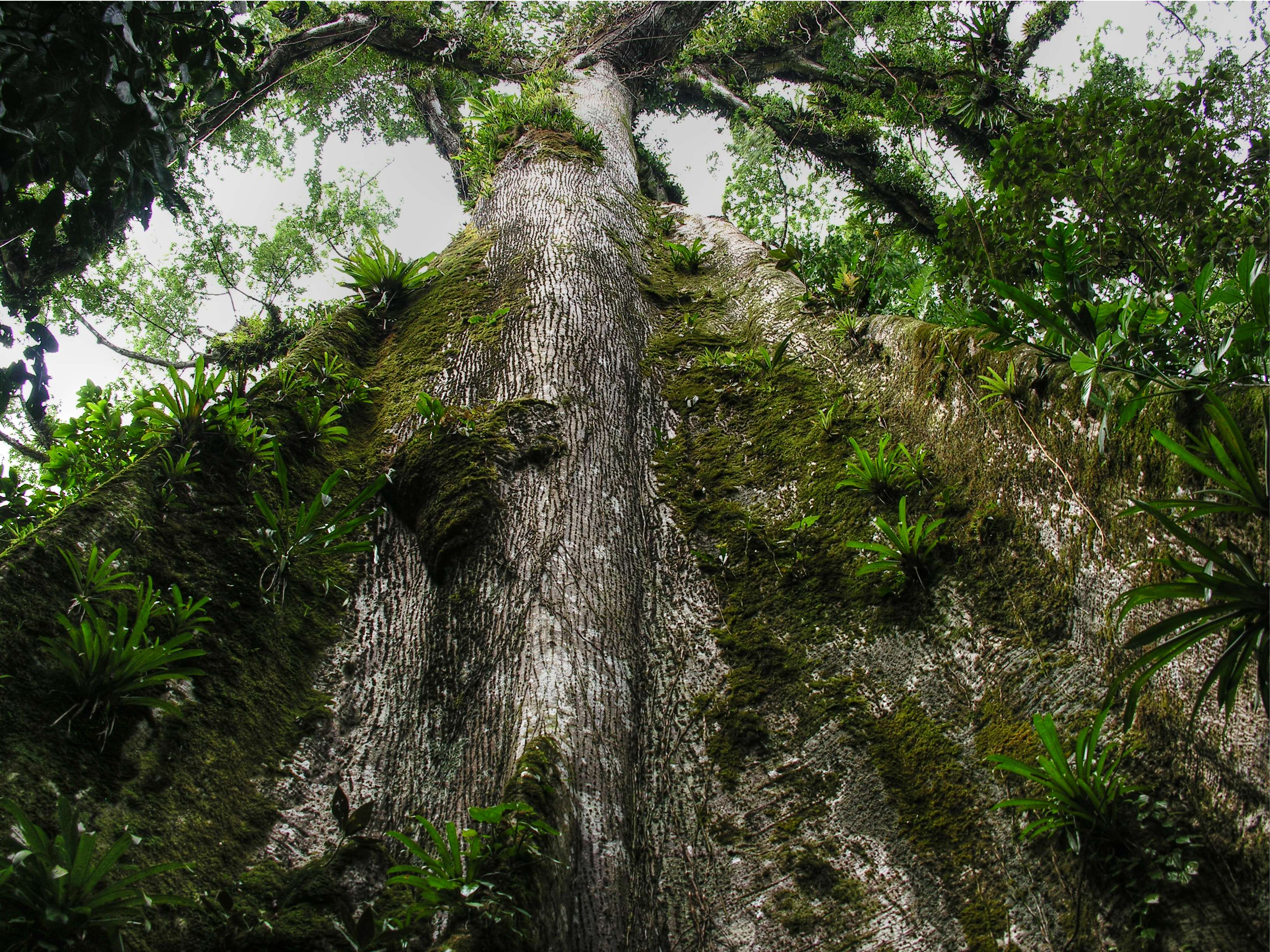
Costa Rica has garnered international acclaim for its dedication to conservation and renewable energy. The nation operates on over 99% renewable energy, primarily sourced from hydroelectric power. This commitment is part of Costa Rica’s broader goal to achieve carbon neutrality by 2050. The country’s reforestation efforts have been particularly noteworthy, with forest cover increasing by 30% since the 1980s. Government policies incentivizing reforestation and sustainable land use have played a pivotal role in this achievement. Approximately 25% of Costa Rica’s land is protected under the National System of Conservation Areas, preserving its rich biodiversity. The thriving eco-tourism sector further supports environmental awareness and contributes significantly to the local economy.
4. Finland: Education and Sustainability

Finland integrates sustainability into its education system, fostering environmental awareness from an early age. The nation aims to be carbon neutral by 2035, targeting an 80% reduction in greenhouse gas emissions from 1990 levels. In 2024, Finland’s emissions were reported at 5.5 tons per capita, reflecting a steady decline. The government has invested heavily in sustainable technologies, including smart grids and energy-efficient buildings. Finland’s commitment to sustainable forestry practices has led to a thriving bioeconomy, contributing to both economic growth and environmental conservation. These initiatives underscore Finland’s holistic approach to sustainability, intertwining education, technology, and environmental stewardship.
5. New Zealand: A Commitment to Biodiversity

New Zealand has made significant strides in protecting its unique biodiversity and natural ecosystems. The government has pledged to achieve net-zero emissions by 2050 and has implemented various policies to protect native species. In 2024, New Zealand reported a 20% reduction in carbon emissions since 2005, largely due to investments in renewable energy and sustainable agriculture. The country has also established several marine reserves and protected areas to conserve its rich biodiversity. New Zealand’s commitment to sustainability is evident in its “Zero Carbon Act,” which sets legally binding targets for emissions reduction. These efforts highlight New Zealand’s dedication to preserving its natural heritage while addressing climate change.
6. United States: Challenges in Climate Policy
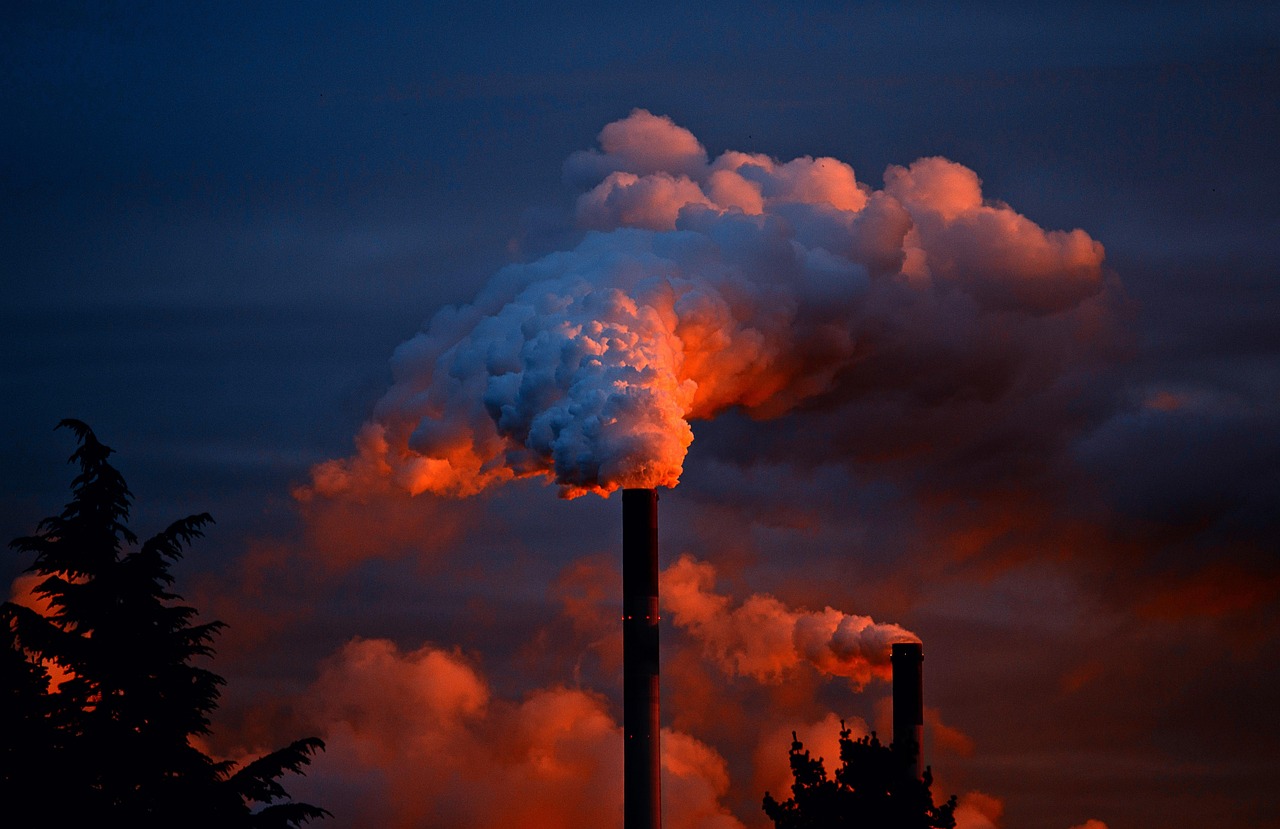
Despite being one of the largest emitters of greenhouse gases, the United States faces significant challenges in implementing effective climate policies. In 2024, the U.S. reported carbon emissions of approximately 15 tons per capita, higher than the global average. Political polarization has hindered progress on climate initiatives, with inconsistent policies across different administrations. Although there have been recent efforts to rejoin international agreements like the Paris Accord, the U.S. still lags in renewable energy adoption compared to other developed nations. The Energy Information Administration reported that only 20% of the country’s electricity came from renewable sources in 2023, highlighting the need for a more aggressive transition. These challenges underscore the complexities the U.S. faces in balancing economic interests with environmental responsibilities.
7. Australia: Struggling with Emissions Reduction
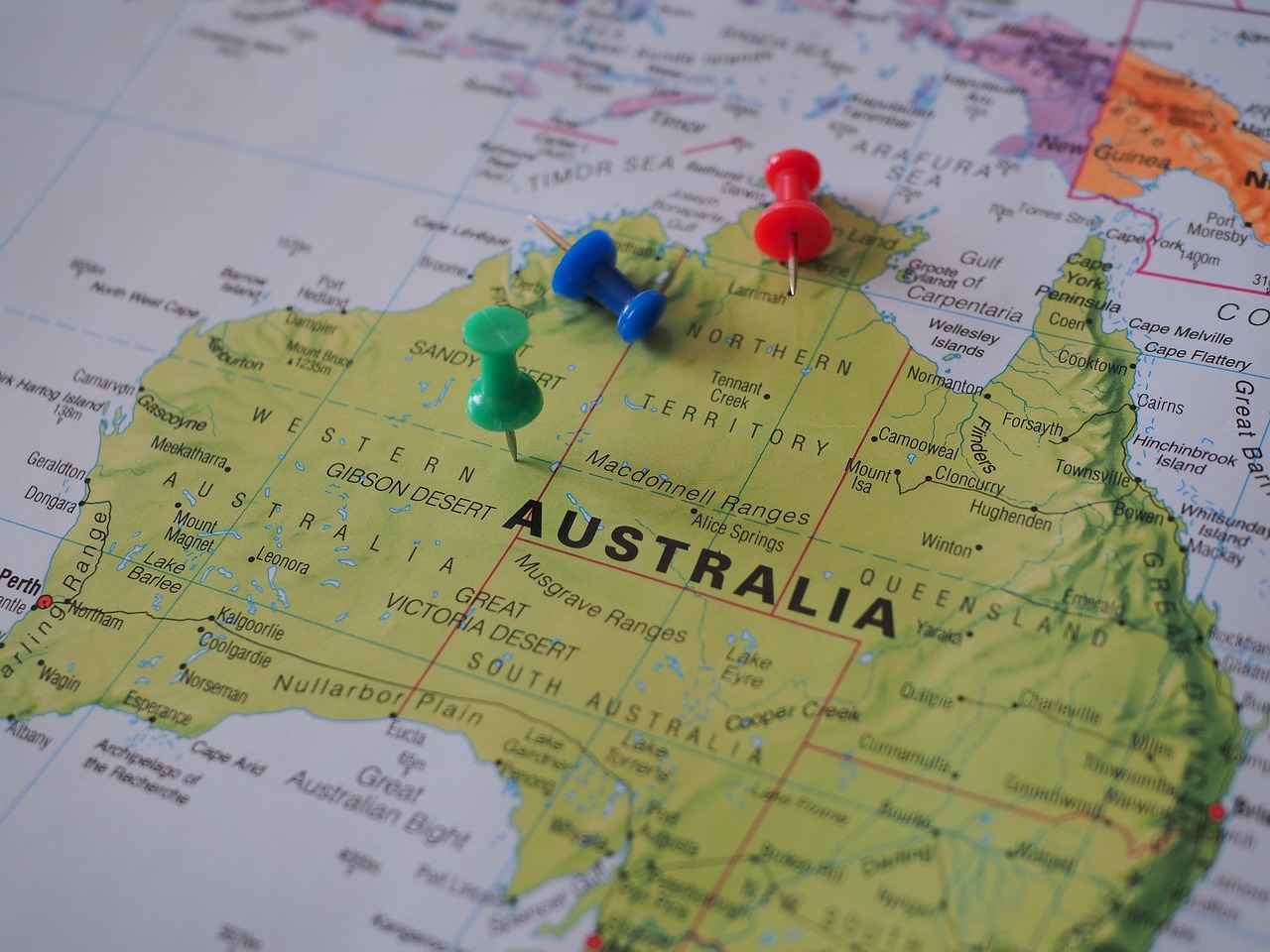
Australia has been criticized for its slow progress in reducing carbon emissions, which stood at 15.3 tons per capita in 2024. The country remains heavily reliant on fossil fuels, particularly coal, for its energy needs. Despite having vast renewable resources, such as solar and wind, the government has been reluctant to implement strong climate policies. In 2023, Australia’s emissions increased by 1.4% compared to the previous year, raising concerns among environmentalists. The lack of a comprehensive national energy policy has resulted in inconsistent state-level initiatives, further complicating the transition to a sustainable energy future. These factors highlight the urgent need for Australia to adopt more robust and cohesive climate strategies.
8. Brazil: Deforestation and Environmental Concerns
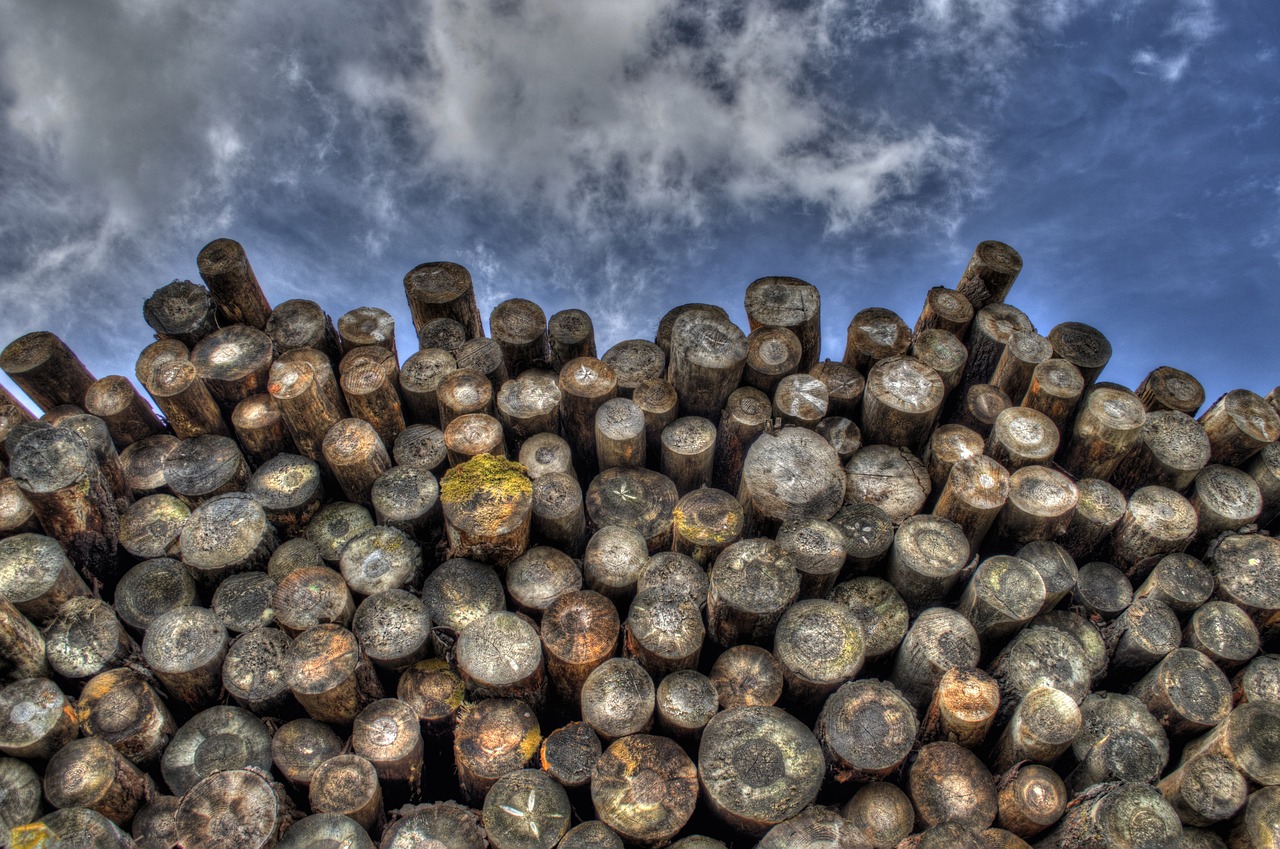
Brazil faces significant challenges in environmental conservation, particularly regarding deforestation in the Amazon rainforest. In 2024, deforestation rates increased by 22% compared to the previous year, driven by illegal logging and agricultural expansion. The Brazilian government has been criticized for rolling back environmental protections, leading to increased carbon emissions and loss of biodiversity. The World Wildlife Fund reported that Brazil’s emissions reached 8.4 tons per capita in 2023, reflecting the urgent need for stronger conservation policies. International pressure has mounted for Brazil to take decisive action to protect its forests and meet its climate commitments. These issues underscore the critical importance of balancing economic development with environmental preservation.
9. India: Balancing Development and Sustainability

India faces the dual challenge of rapid economic growth and environmental sustainability. In 2024, India’s carbon emissions were reported at 7.5 tons per capita, with a significant reliance on coal for energy production. While the government has set ambitious targets for renewable energy, including 450 GW by 2030, progress has been slow due to infrastructure challenges and funding constraints. The country also grapples with severe air pollution, which poses health risks to millions. In 2023, the World Health Organization reported that 14 of the world’s 15 most polluted cities were in India. Balancing economic development with environmental sustainability remains a critical challenge for the nation. These factors highlight the complexities India faces in pursuing sustainable growth while addressing pressing environmental concerns.


