
Germany: The Relentless Champion of Recycling
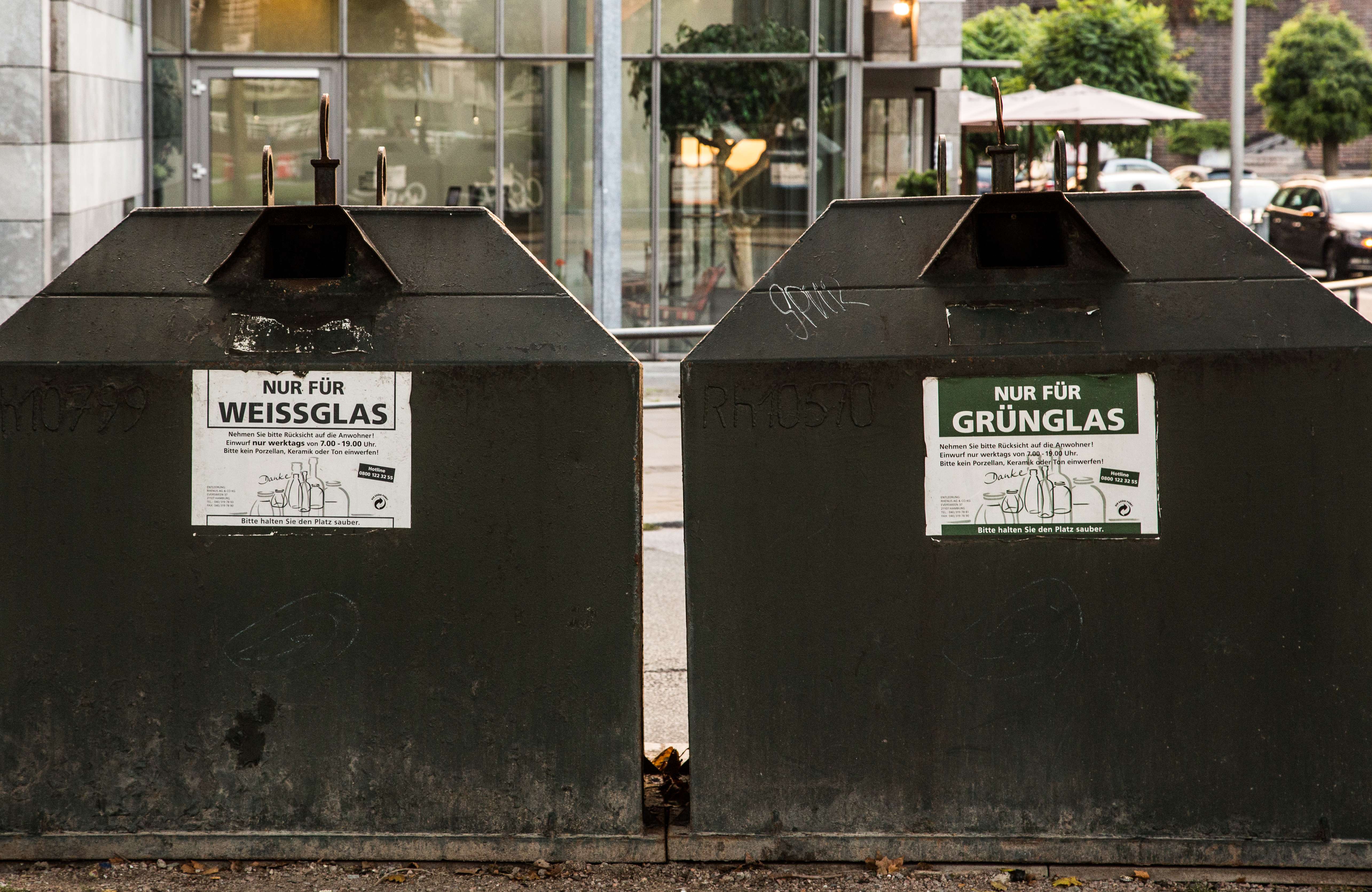
If there’s one country that seems obsessed with recycling, it’s Germany. In 2025, Germans are recycling about 67% of their waste, which makes them the leader worldwide. This isn’t just a lucky accident; it’s a result of strict laws and a culture that takes waste separation seriously. The “Green Dot” program, introduced years ago, makes companies pay for the packaging waste they generate, so they think twice before designing products. Germans separate their trash into paper, plastics, glass, and even bio-waste, and there are fines if you mess it up. Schools teach kids how to sort waste from a young age, and recycling bins are literally everywhere, from street corners to apartment basements. Even the technology behind the recycling is cutting-edge, with advanced sorting machines and efficient collection systems. It’s no wonder many countries look to Germany for inspiration when it comes to managing waste.
Sweden: Turning Trash into Treasure
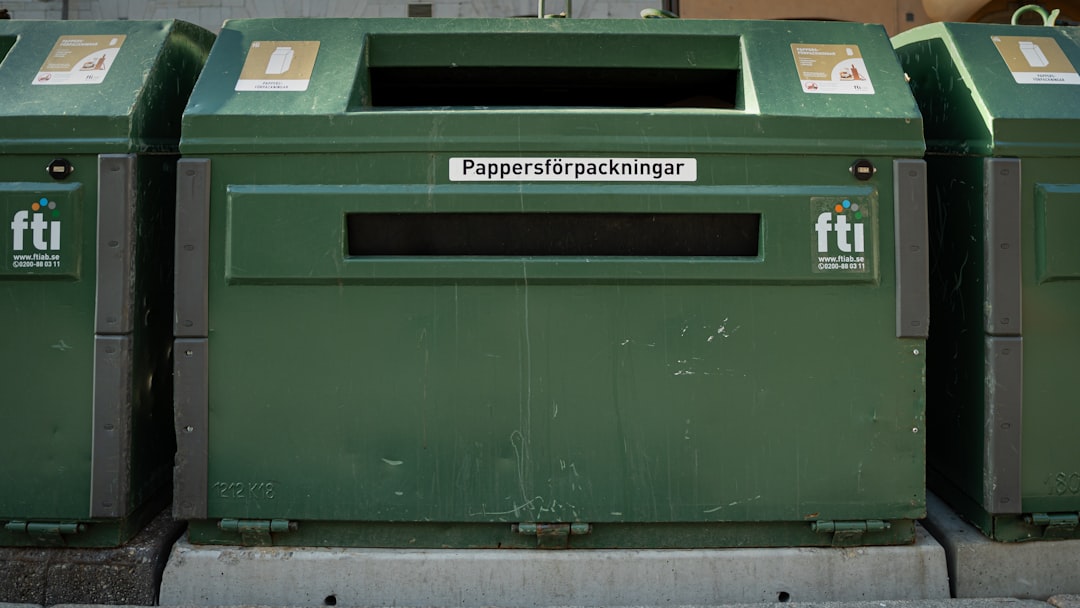
Sweden’s approach to recycling is not just impressive—it’s downright inspiring. In 2025, the country recycles about 50% of its household waste, but what’s even more surprising is how little they send to landfills. Sweden is famous for its waste-to-energy plants, which turn what can’t be recycled into electricity and heating for homes. The government runs regular campaigns to remind people how and why to recycle, and there’s a big focus on reducing plastic use across the country. If you visit a Swedish city, you’ll notice how clean the streets are and how easy it is to find recycling stations. The goal is to achieve a circular economy by 2030, and the progress so far is impressive. Even local businesses are on board, with many supermarkets offering recycling rewards or discounts for using reusable packaging. Swedes have a reputation for being environmentally conscious, and their recycling system shows it.
Austria: Quietly Leading the Way
Austria doesn’t always make headlines, but it quietly boasts one of Europe’s top recycling rates at 58% as of 2025. The secret lies in Austria’s well-organized network of recycling centers and a culture that values sustainability. People in Austria are expected to sort their waste into several categories, and there are drop-off points even in small villages. The government offers incentives for companies that adopt eco-friendly practices, and there are regular public awareness campaigns. Schools teach children about the benefits of recycling, so the next generation grows up with green habits. Austria’s commitment means less waste ends up in landfills, and more materials are reused or repurposed. Their approach proves you don’t need flashy campaigns—just solid infrastructure and community support. Recycling is simply a way of life in Austria.
South Korea: Innovating for a Cleaner Future
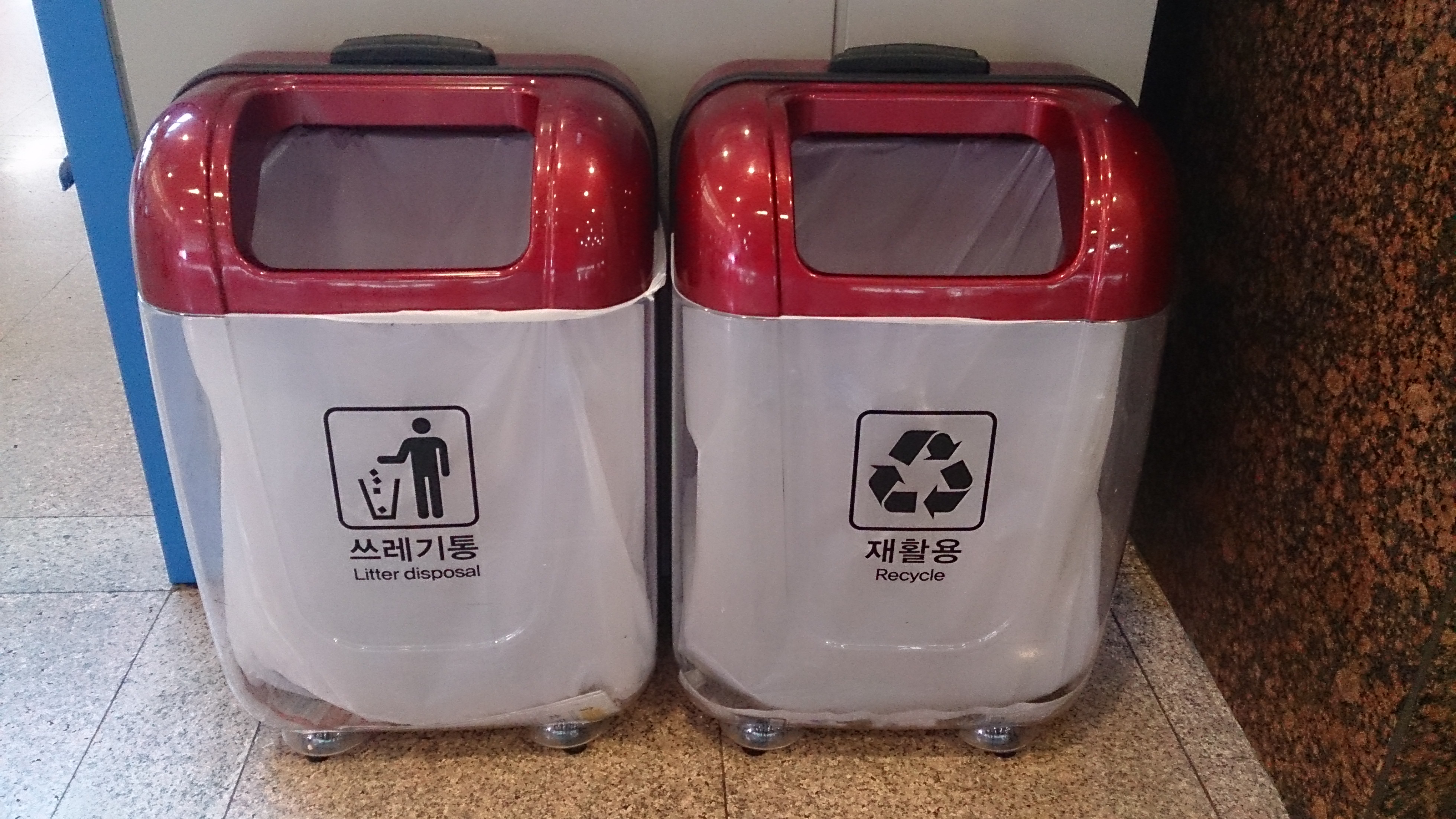
South Korea has completely transformed its waste management system, reaching a 53% recycling rate in 2025. The country’s “Volume-based Waste Fee” system is a game-changer—it charges people based on how much non-recyclable waste they throw away. This clever policy makes everyone think twice before tossing something in the bin. South Korea is also tackling electronic waste head-on, with dedicated collection points for old gadgets and strict rules on how they’re recycled. The government runs frequent awareness campaigns, and many apartment buildings have color-coded bins for easy sorting. Even restaurants and markets are encouraged to compost food waste, further reducing landfill use. South Korea’s focus on innovation and public participation has made it a leader in recycling across Asia. The progress is both impressive and motivating for other nations.
Netherlands: Pioneers of the Circular Economy
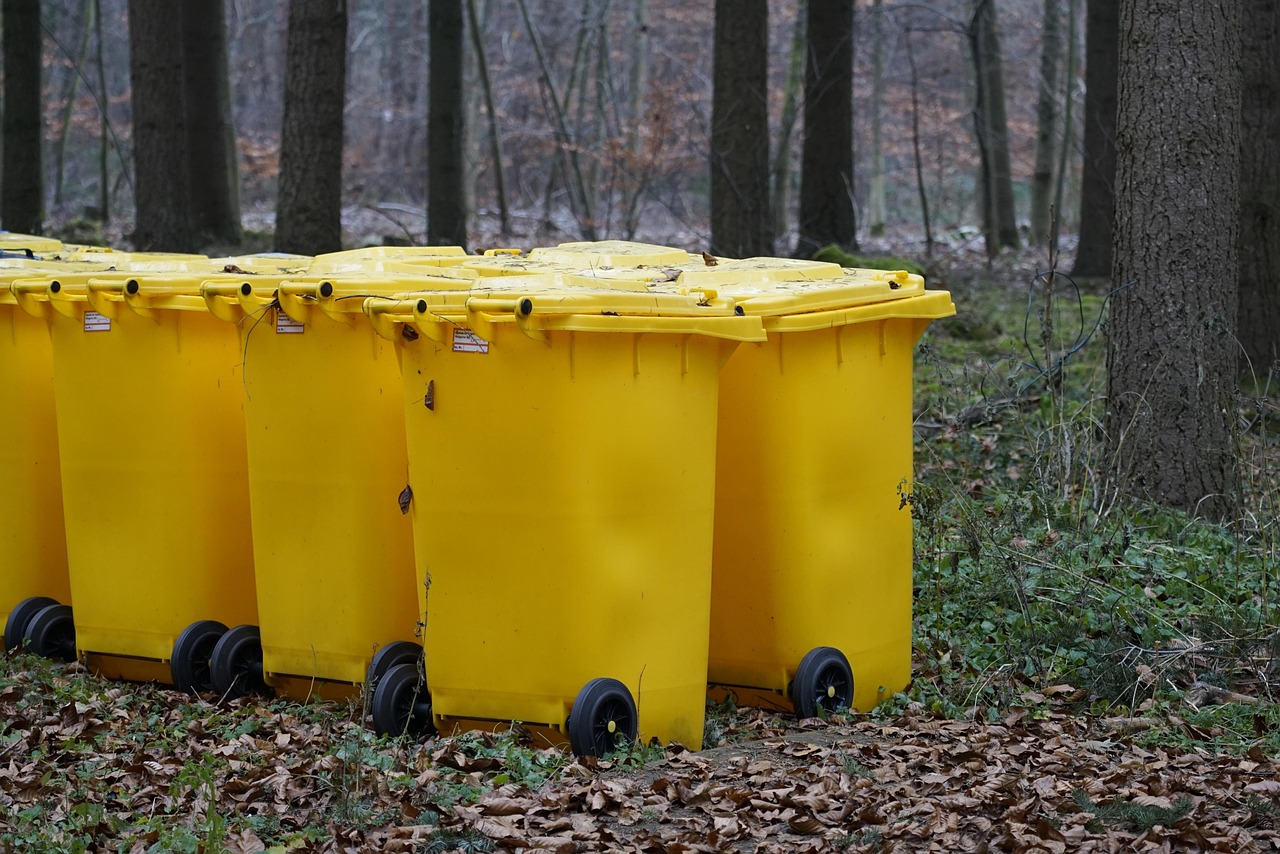
The Netherlands has set the bar high, aiming for a truly circular economy where waste is minimized and resources are reused. As of 2025, the country recycles about 50% of its waste, but the real story is in how they’re changing the way people think about materials. Dutch cities have an extensive network of recycling points, and strict rules on single-use plastics are enforced. Many neighborhoods organize community recycling days, and upcycling—turning old products into new ones—is hugely popular. The government supports innovative start-ups focused on waste reduction, and schools teach children about recycling from a young age. Public campaigns are everywhere, from TV ads to posters on buses, making recycling a normal part of daily life. The Netherlands proves that with a little creativity and a lot of teamwork, a circular economy is within reach.
Switzerland: Precision in Waste Management
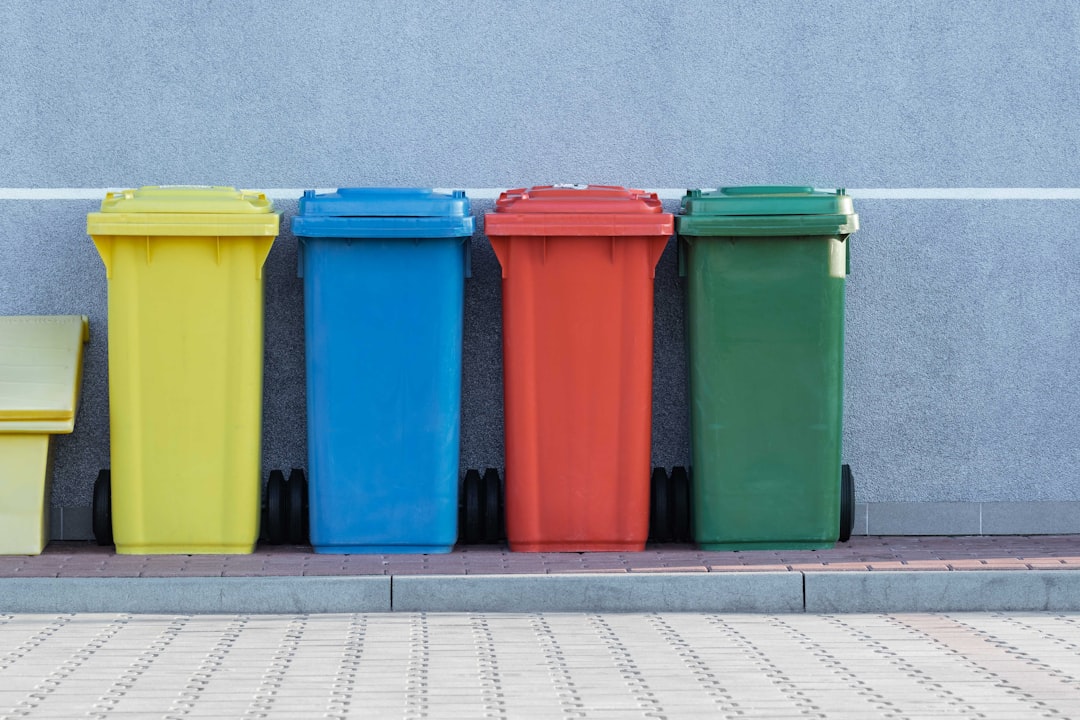
Switzerland’s reputation for order and cleanliness extends to its recycling system, with a 53% recycling rate in 2025. The Swiss have built a detailed infrastructure with collection points for everything—from batteries to glass bottles—distributed across the country. Citizens are expected to sort waste properly, and there are clear, simple guidelines to follow. The government stresses the importance of reducing waste at the source, encouraging people to buy less and reuse more. Public education is ongoing, with regular campaigns explaining how to recycle and why it matters. Many Swiss towns have “bring-in” centers where you can drop off specialized items like electronics or garden waste. The system works so well that Switzerland is seen as a role model for efficient waste management. People here don’t just recycle—they take pride in doing it right.
Finland: Small Country, Big Ambitions
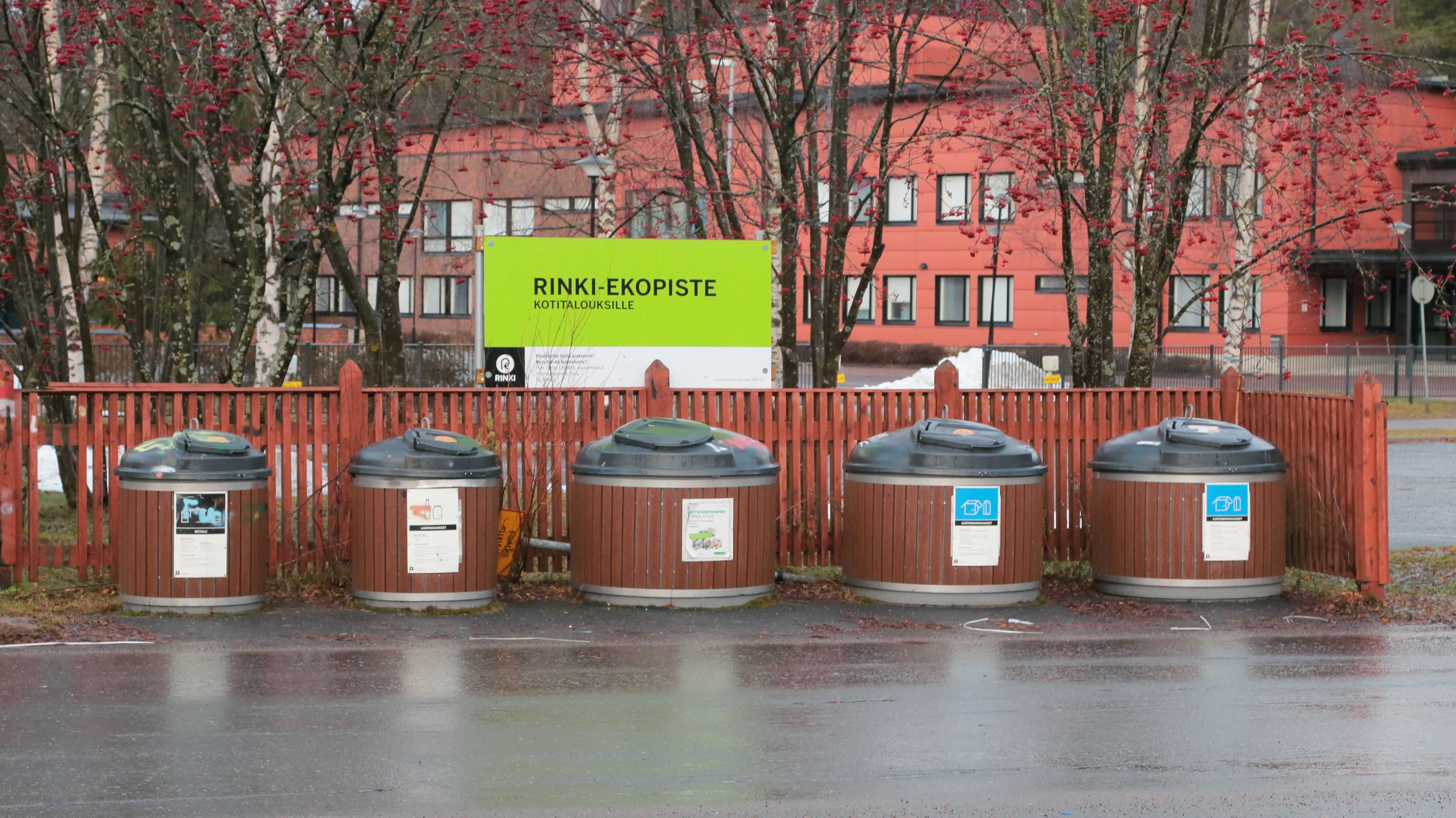
Finland may be small, but its recycling achievements are mighty, with a 48% recycling rate in 2025. The Finnish government runs robust programs to encourage recycling, including rewards for businesses that reduce waste. Citizens are urged to separate their waste, and most homes have multiple bins for different materials. The country is pushing hard to reduce landfill use, aiming for zero waste in many communities. Upcycling is fashionable in Finland, with local artists creating new products from old materials. Schools and community groups regularly organize recycling days and workshops to teach practical skills. The government sets ambitious targets and tracks progress carefully, making adjustments as needed. Finland’s example shows that even smaller countries can make a big impact with the right approach.
United States: Struggling with Consistency
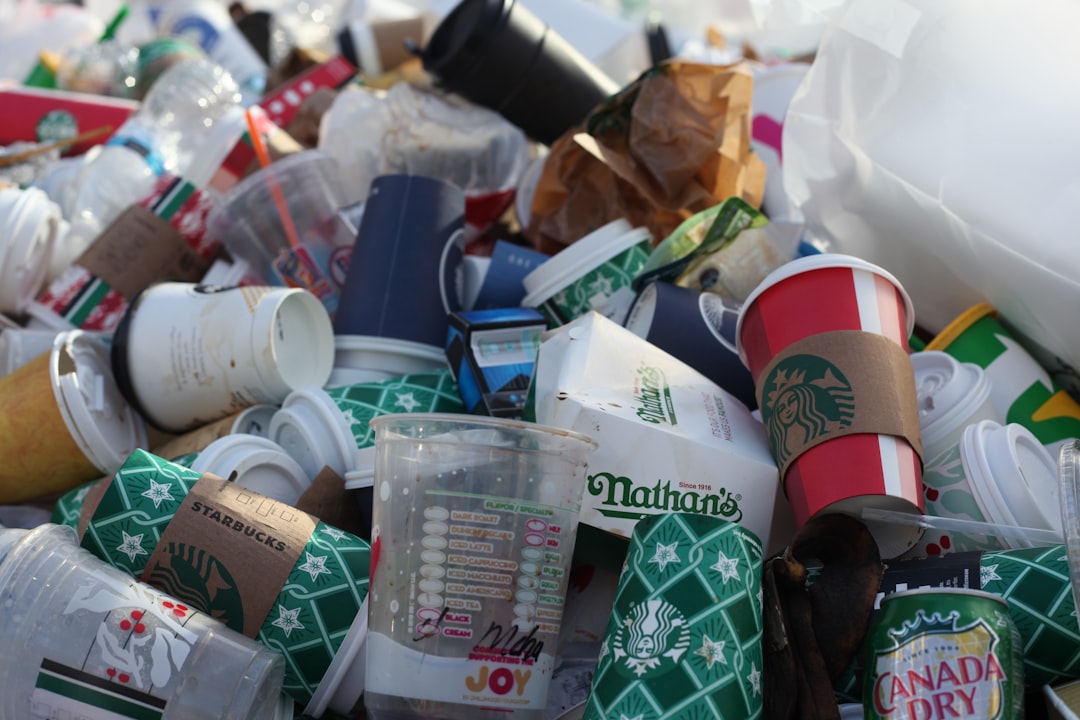
Despite being a global powerhouse, the United States recycles only about 35% of its waste in 2025—a figure that’s stubbornly low compared to other developed nations. One problem is the lack of a national recycling policy, so each state and even individual cities make up their own rules. This patchwork system leads to confusion and often contamination of recyclables. Many Americans are unsure about what can actually be recycled, especially with plastics, and recycling rates vary wildly from one place to another. Plastic waste is a particular headache, with huge amounts ending up in landfills or exported abroad. The government has tried to improve things, but progress is slow and the message isn’t always clear. Public education is improving, but recycling still isn’t a habit for everyone. The U.S. would benefit from a more unified, focused approach.
India: Overwhelmed by Waste
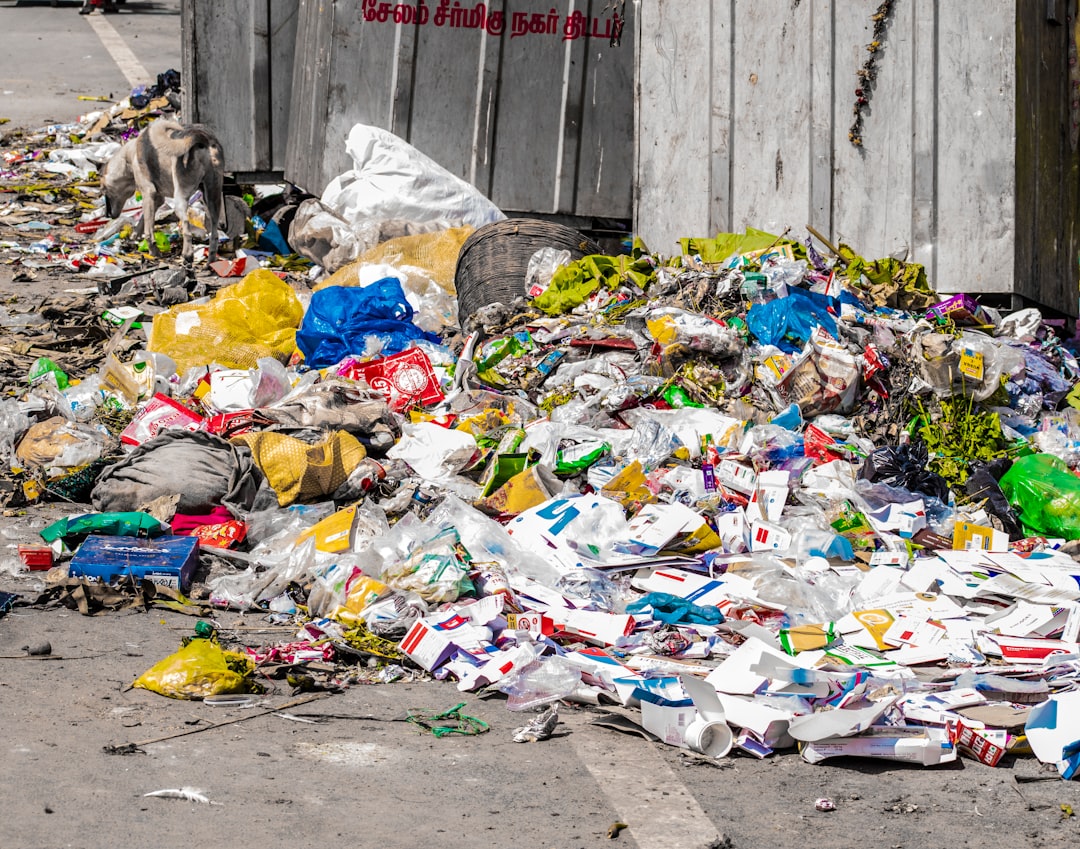
India faces a mountain of challenges when it comes to recycling, with a rate of just 30% in 2025. The country produces enormous amounts of waste, but the recycling infrastructure can’t keep up. In many areas, people don’t have access to proper waste collection, so much of the trash ends up in open dumps or landfills. Public awareness is growing, but many still aren’t sure how or why to recycle. The government has launched some promising initiatives, but they’re often underfunded or poorly enforced. Plastic waste is especially problematic, clogging waterways and harming wildlife. Some cities are experimenting with new collection systems and incentives, but it’s a slow process. India’s journey toward better recycling will take time, investment, and ongoing public education.
Brazil: Infrastructure Falling Short
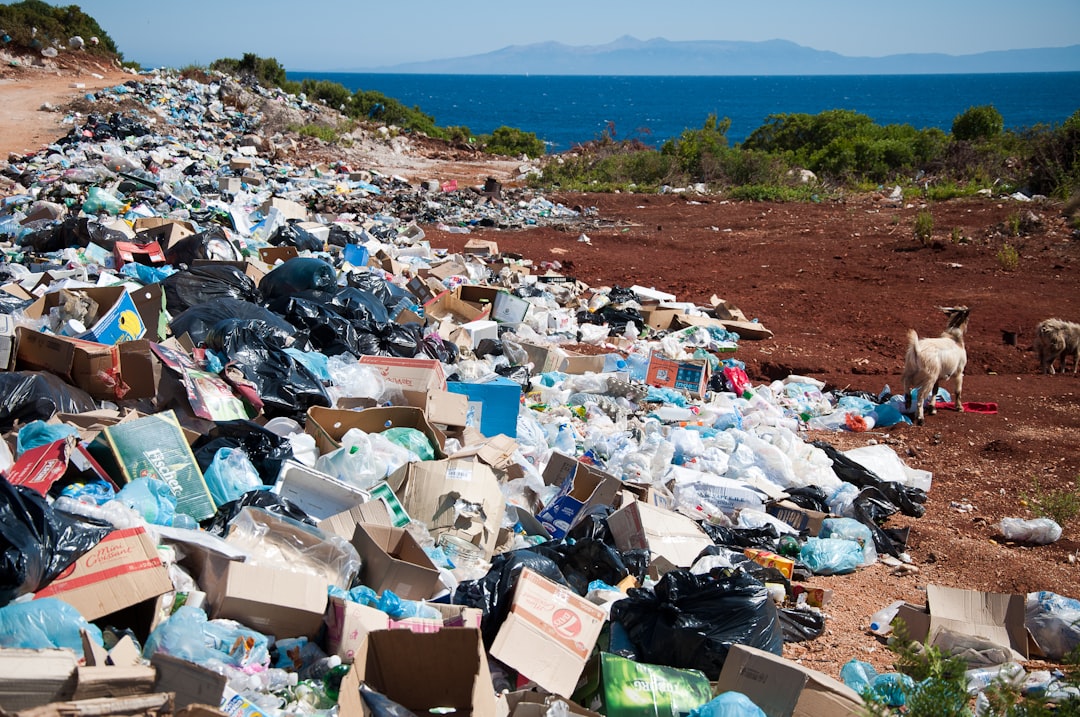
In Brazil, recycling rates remain low at around 20% in 2025, and the main culprit is inadequate infrastructure. Many cities simply don’t have enough recycling centers or collection services, so most waste ends up in landfills. Public education on recycling is limited, and many people aren’t aware of proper sorting or disposal methods. The government has made some efforts to improve things, but results are inconsistent and depend heavily on local leadership. Plastic pollution is a growing concern, especially in urban areas and along the coast. Community recycling programs do exist, but they are often small-scale and underfunded. Without significant investment in facilities and education, Brazil’s recycling rates are unlikely to improve quickly. The path forward will require both government action and widespread public engagement.