

Talking Loudly in Hotel Corridors
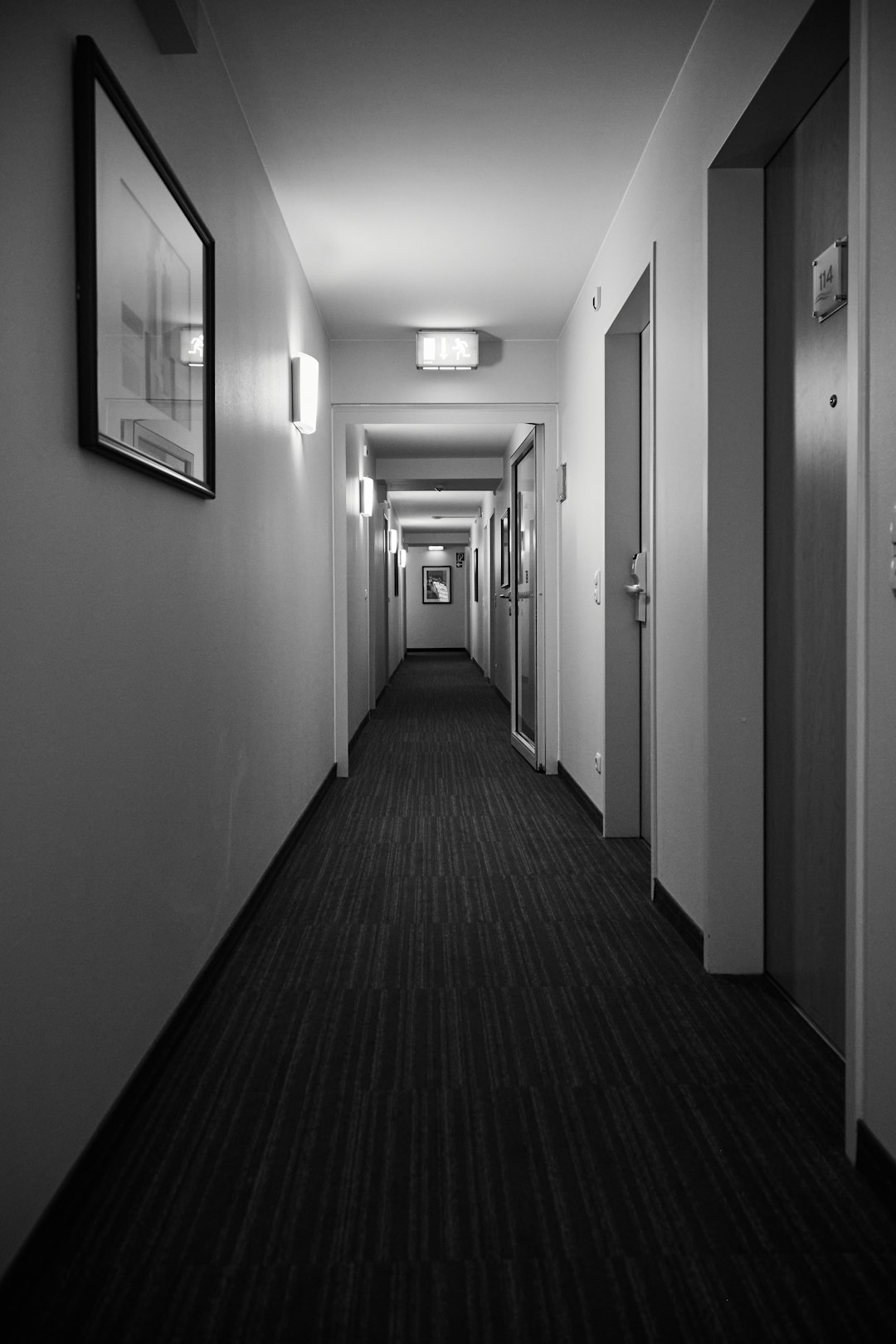
When you stroll through a hotel corridor late at night, you might think your conversation is harmless. But in countries like Japan and much of Europe, it’s actually considered highly disrespectful to speak loudly in hallways. The Japan Tourism Agency’s 2024 report found that 68% of Japanese hotel guests feel disturbed by noisy guests in corridors. This is not just a minor annoyance—it can ruin the peaceful atmosphere that many value during their travels. Despite clear signage in places like Tokyo and Kyoto hotels, guests from cultures with louder norms, such as the U.S. or Brazil, often continue talking loudly out of habit. The local expectation is to preserve quietness and privacy, so keeping voices low is a simple but powerful way to show respect. Hotel staff in affected regions report increased complaints about hallway noise, which impacts guest satisfaction scores. If you’re staying abroad, adapting to local noise expectations can lead to a more pleasant stay for everyone.
Leaving Tips on the Bed or Pillow

While leaving a tip on the bed is almost second nature for many Western travelers, in countries such as South Korea and China, it’s seen as improper or even a bad omen. According to a 2023 survey by the Asian Hospitality Association, 72% of hotel staff in these regions view this practice as inappropriate. Local staff prefer tips to be given directly or placed in an envelope, if at all. Some consider loose money on the bed disrespectful, and it can be linked to superstitions about bad luck. Tourists often make this mistake simply out of habit, not realizing that their gesture could be misinterpreted. Hotels in these countries sometimes provide tip envelopes or written guidance to avoid confusion. Researching local customs before traveling can help avoid awkward moments and ensure your gratitude is understood in the right way. This small change can make a big difference in your interactions with hotel staff.
Using Hotel Towels for the Beach or Pool

In countries like Greece and Italy, grabbing a hotel towel for your beach or pool outing is usually frowned upon, even if it seems common elsewhere. The European Hotel Association’s 2024 report found that 55% of hotels in Mediterranean regions discourage this practice, citing increased laundering costs and faster wear and tear on their linens. Many hotels provide designated beach towels or expect guests to bring their own, and ignoring these policies can result in extra charges or even a scolding from staff. Using room towels outside the hotel can also leave the rooms short for other guests, creating inconvenience. Some hotels have started charging for towel loss or misuse due to persistent problems. Guests are encouraged to ask about towel policies upon check-in to avoid misunderstandings. Following these simple rules helps maintain good relations with staff and supports sustainable hotel operations.
Taking Excessive Amenities

It might seem harmless to pocket a few extra shampoos or soaps, but taking large quantities of hotel amenities is increasingly seen as selfish or disrespectful, particularly in countries like Germany and the Netherlands. The Global Travel Ethics Institute’s 2023 study showed that 60% of hotels worldwide have experienced a rise in amenity theft, leading to significant financial losses and reduced resources for future guests. Many hotels have responded by limiting free items or charging for extras beyond what’s supplied per stay. In some regions, this behavior is viewed as inconsiderate, reflecting poorly on the guest’s respect for communal resources. Staff often notice when rooms are cleared of toiletries, and it can even be grounds for additional charges on your bill. Instead, guests are advised to use only what’s needed during their stay. Respecting this unspoken rule helps hotels manage costs and promote sustainable hospitality.
Ignoring Check-Out Times
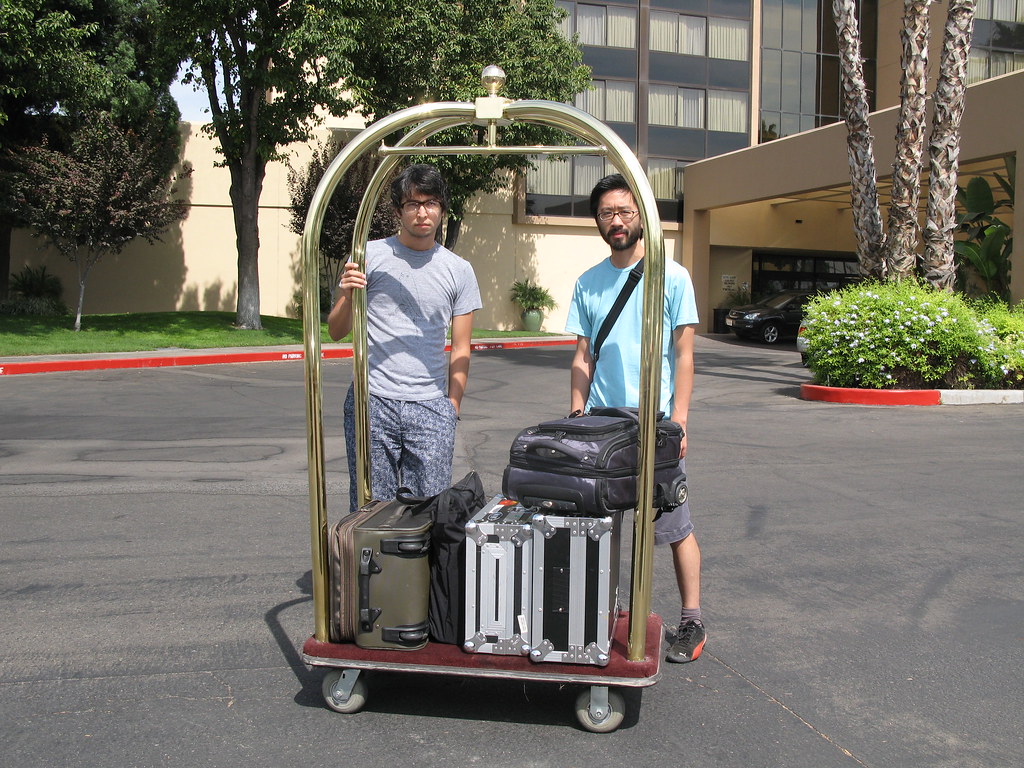
Delaying check-out might seem like a minor issue, but it’s a major frustration for hotel staff and incoming guests worldwide. According to the International Hotel & Restaurant Association’s 2025 review, 48% of hotels report disruptions due to late check-outs, which complicate cleaning schedules and impact the arrival of new guests. In countries such as France and Australia, sticking to check-out times is expected, and ignoring this can result in late fees or even being charged for an extra night. Hotels rely on tight schedules to prepare rooms, and late departures can throw off their entire day. Many guests from countries with more relaxed norms, like the U.S., often overlook this expectation. Hotels have responded by enforcing stricter policies and automated reminders. Adhering to check-out times is a simple way to show consideration for both the staff and the next guest waiting for your room.
Not Removing Shoes Indoors

Walking into a hotel room with your shoes on seems normal to many Westerners, but in much of Asia, it’s considered disrespectful and unsanitary. A 2024 survey by the Southeast Asian Tourism Board found that 70% of local hotel guests expect shoes to be removed before entering certain areas, especially in countries like Thailand and Vietnam. Hotels often provide slippers or shoe racks to encourage this practice and maintain cleanliness. Ignoring this custom can make local staff and guests uncomfortable and even lead to complaints. Some hotels display signage or reminders, but many travelers overlook them out of habit. Adopting this local tradition not only shows respect but also keeps hotel spaces cleaner for everyone. Observing how locals behave or asking staff about the policy can help avoid awkward situations.
Using Hotel Wi-Fi for Illegal Streaming or Downloads
Streaming movies or downloading copyrighted content using hotel Wi-Fi might seem like a victimless crime, but it’s a serious issue for hotels worldwide. The Global Hospitality Security Alliance’s 2023 cybersecurity report revealed that 35% of hotels have faced legal or financial trouble due to guests misusing internet services. Many countries have strict digital laws, and hotels can be held responsible for illegal activities conducted on their networks. Some properties have implemented monitoring systems or limited internet speeds to discourage this behavior. Guests caught violating these policies may face fines or be banned from the network. This kind of misuse can also lead to internet restrictions for all guests, impacting everyone’s experience. Hotels urge guests to use the internet responsibly to protect both themselves and the property from unnecessary trouble.
Leaving Dirty Dishes in the Room

In places like Scandinavia and Canada, leaving dirty dishes or food waste in your hotel room is not just frowned upon—it’s considered disrespectful to housekeeping staff. According to the Nordic Hospitality Federation’s 2024 survey, 62% of hotel workers find this habit both inconvenient and unsanitary. Hotels typically expect guests to use designated dining areas or properly dispose of food waste before leaving their rooms. Failing to do so creates extra work, can attract pests, and leaves unpleasant odors for the next occupant. Some properties have started imposing cleaning fees for rooms left in poor condition. Guests who tidy up after themselves help foster a better working environment for housekeeping. Being mindful of these expectations is a sign of respect for the people who make your stay comfortable.
Requesting Late Check-In Without Notice
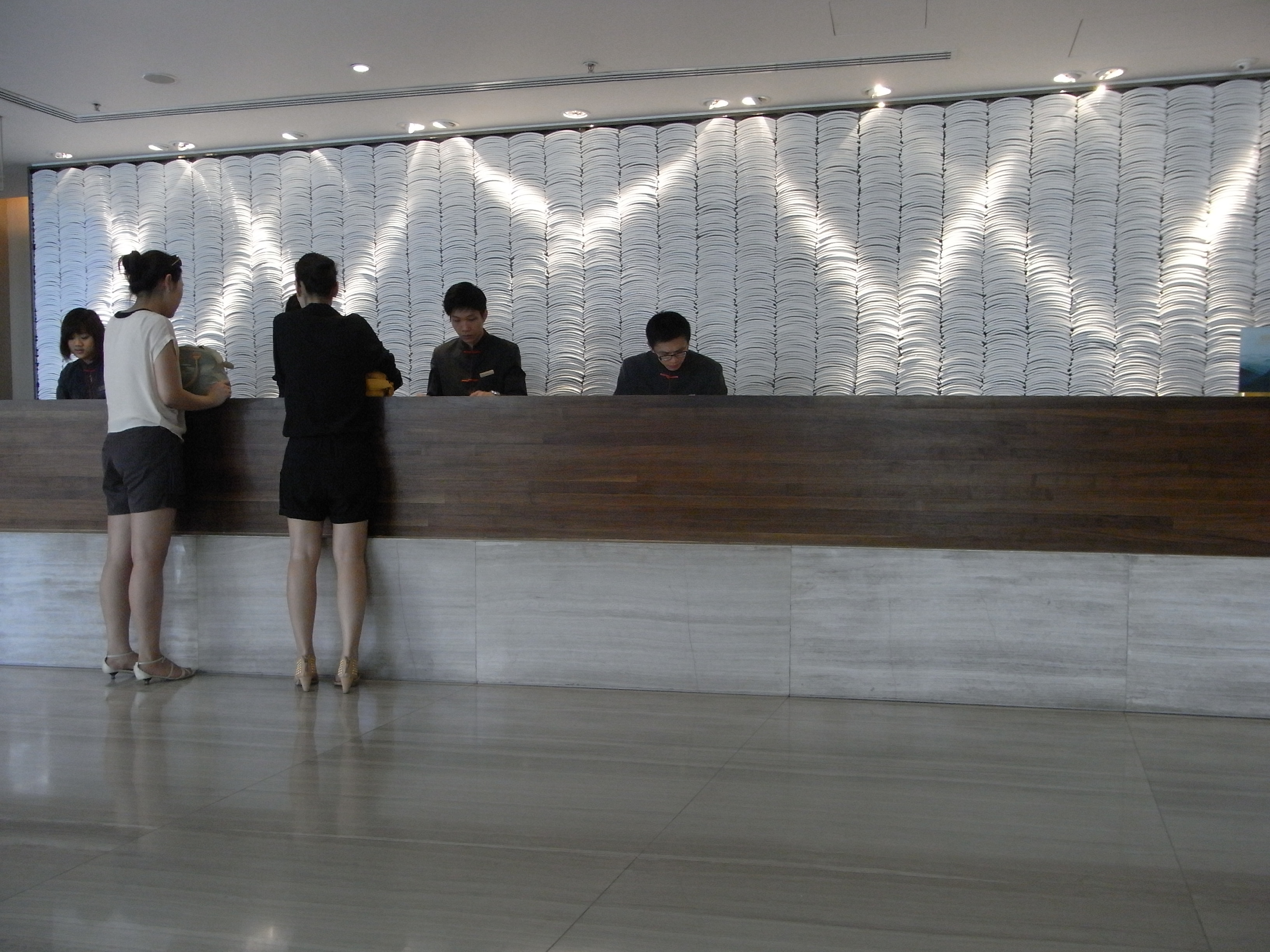
Arriving late at a hotel without informing the property in advance can throw off operations, especially in busier regions. The Asia-Pacific Hotel Association’s 2025 operational report notes that 40% of hotels experience scheduling issues due to guests who don’t notify them about late arrivals. In countries like Singapore and Malaysia, prior communication is essential to guarantee a smooth check-in. Without notice, your room might be reassigned or unavailable when you finally arrive. Hotels are increasingly urging travelers to provide accurate arrival times when booking or to call ahead if plans change. Clear communication ensures rooms are ready and staff can plan efficiently, reducing frustration for everyone involved. Making this small effort helps maintain good relations and demonstrates respect for the hotel’s operations.


