
Germany: The Pioneers of Recycling
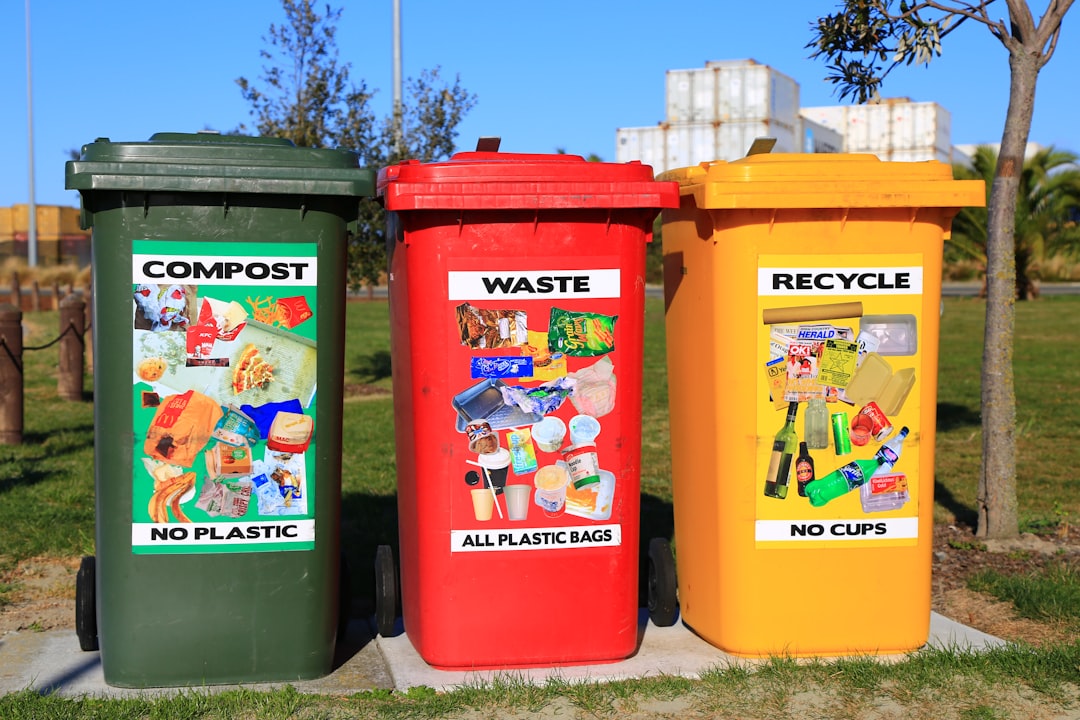
Germany has long been the gold standard for recycling, and its achievements in 2024 are nothing short of inspiring. With a national recycling rate hovering around 67%, Germany leads the world in turning waste into resources. The backbone of this success lies in the country’s Green Dot system, which requires manufacturers to take responsibility for their packaging. Germans are fiercely proud of their clean streets and efficient waste separation, with education starting in schools and reinforced by public campaigns. The deposit return scheme for bottles and cans is so effective that seeing a bottle left in a public place is almost shocking. In 2023, Germany invested over €1 billion in state-of-the-art recycling technologies, cementing its leadership. The government’s clear ambition is to push the recycling rate up to 75% by 2030, showing that even at the top, there’s always room for improvement.
Sweden: A Model of Circular Economy
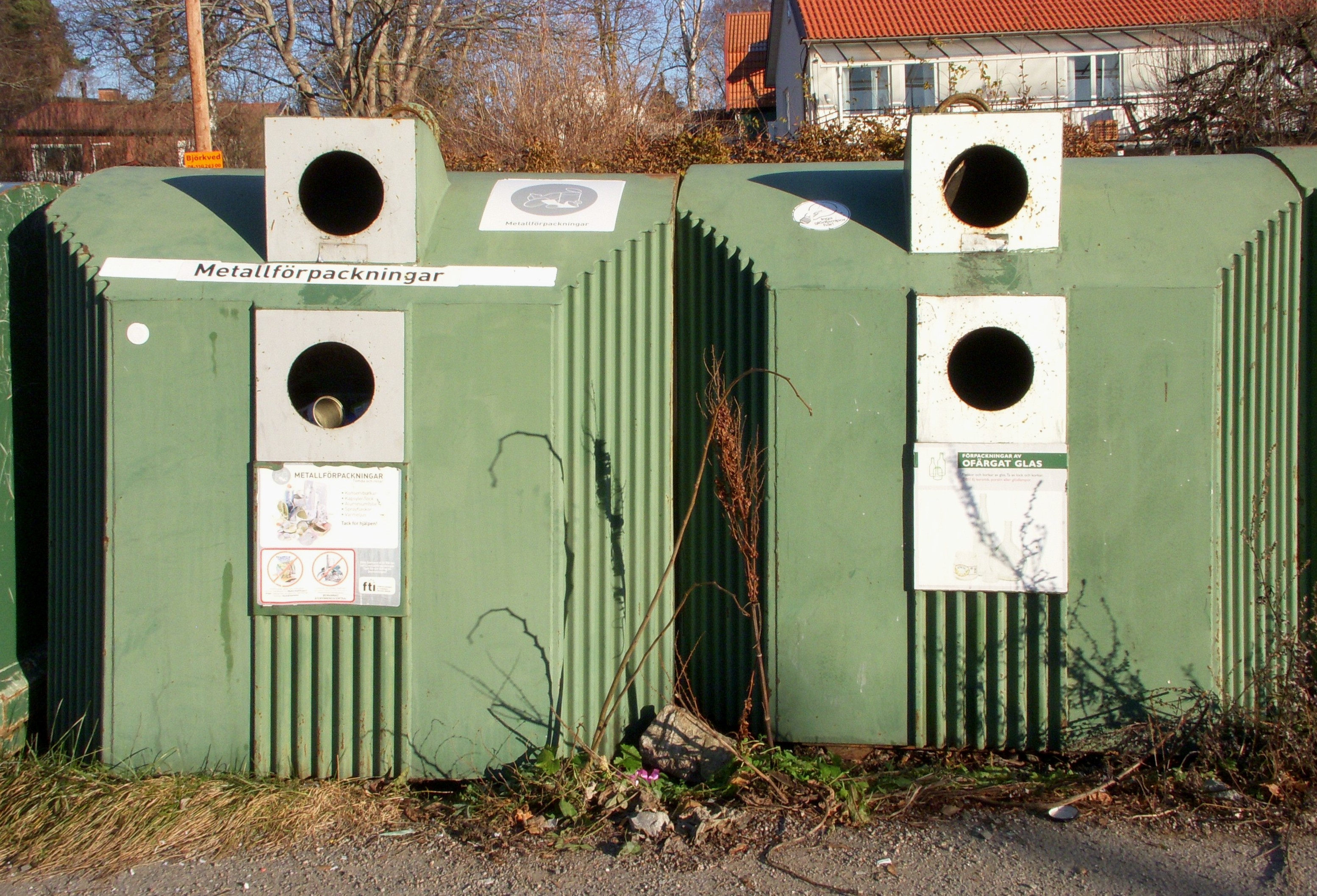
Sweden’s approach to waste is as chilly and precise as its winters—almost nothing goes to waste. By 2024, the nation has managed to recycle or recover energy from more than 99% of household waste, with only a fraction ending up in landfills. The country’s innovative waste-to-energy plants are so efficient that Sweden sometimes imports waste from neighboring countries to keep them running. Public participation is high, thanks to engaging educational programs and local initiatives that make recycling feel like a shared civic duty. The government’s goal to become a zero-waste society by 2045 doesn’t feel like a distant dream here. The Swedish Environmental Protection Agency’s recent data shows that recycling and energy recovery are deeply woven into daily life. Sweden’s success story is built on both technological innovation and a culture that values sustainability at every turn.
Japan: Technological Innovation in Recycling
Japan’s recycling system is a marvel of technological wizardry and collective discipline. As of 2024, the nation recycles about half of its waste, but what truly stands out is how it does it. AI-powered sorting systems and robots are now a common sight in large recycling facilities, efficiently separating plastics, metals, and more. The government’s “3Rs” policy—Reduce, Reuse, Recycle—guides everything from school lessons to company policies. In 2023, more than 80% of plastic waste was recycled, according to the Ministry of the Environment. Local governments take the lead in educating citizens, with some neighborhoods organizing weekly workshops on proper waste separation. Japan’s goal of reaching a 60% recycling rate by 2030 seems well within reach, thanks to a blend of innovation and a deep-rooted sense of community responsibility.
South Korea: A Leader in Waste Management
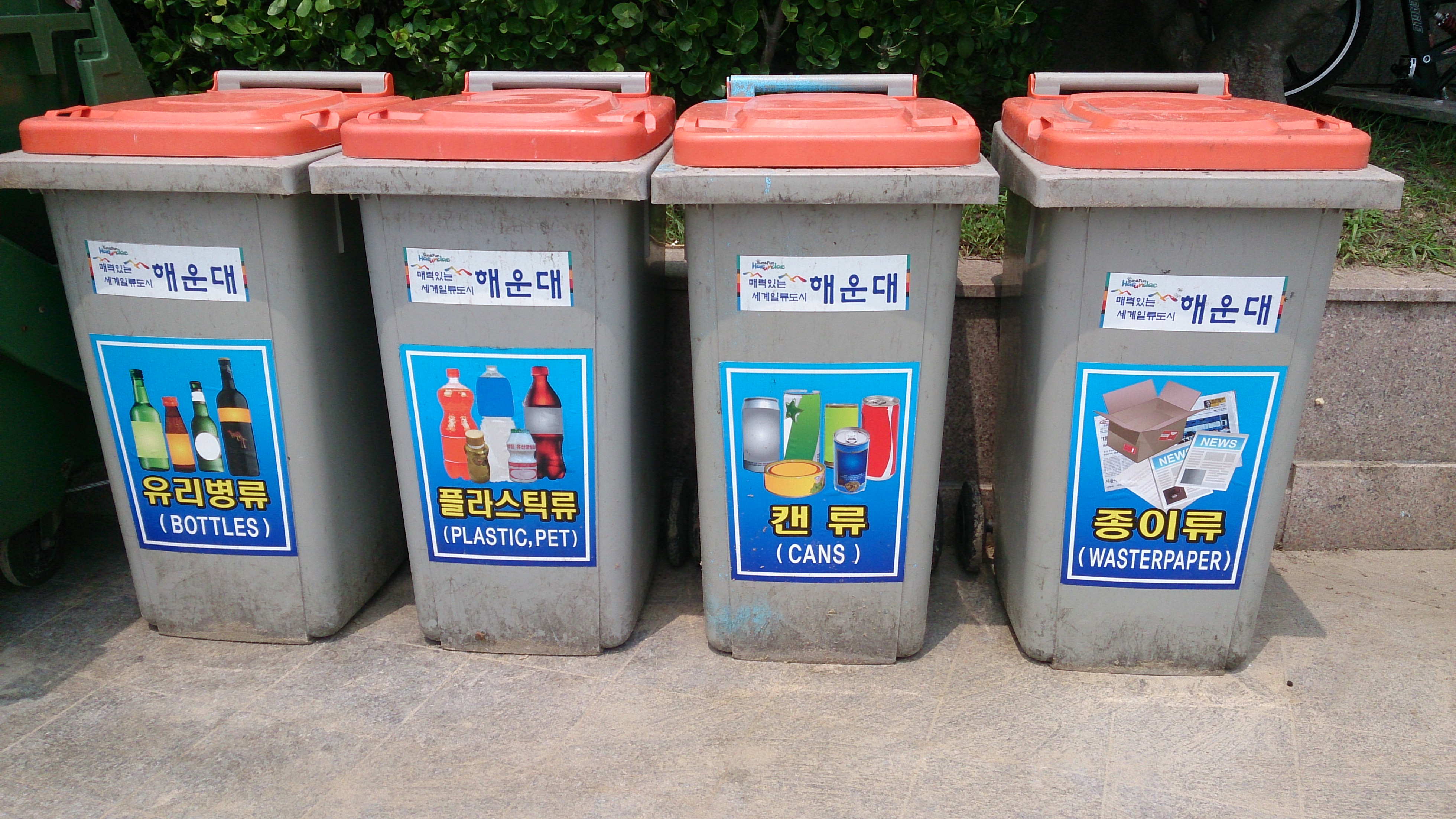
South Korea’s waste management system is as dynamic and fast-paced as its cities. With a recycling rate of about 60% in 2024, the country is making headlines for its creative and high-tech solutions. The volume-based waste fee system is a game-changer, making people think twice before throwing things away. In 2023, over 1.5 million tons of plastic waste were recycled—a massive leap forward. Smart bins equipped with sensors and tracking technology have made recycling almost effortless and highly efficient. The government’s crackdown on single-use plastics is gaining momentum, aiming for a complete ban by 2025. South Korea’s ambition to reach a 70% recycling rate by 2030 feels like more than just a number—it’s a national mission. The energy and innovation in South Korea’s approach are sparking interest worldwide.
Switzerland: The Gold Standard of Recycling
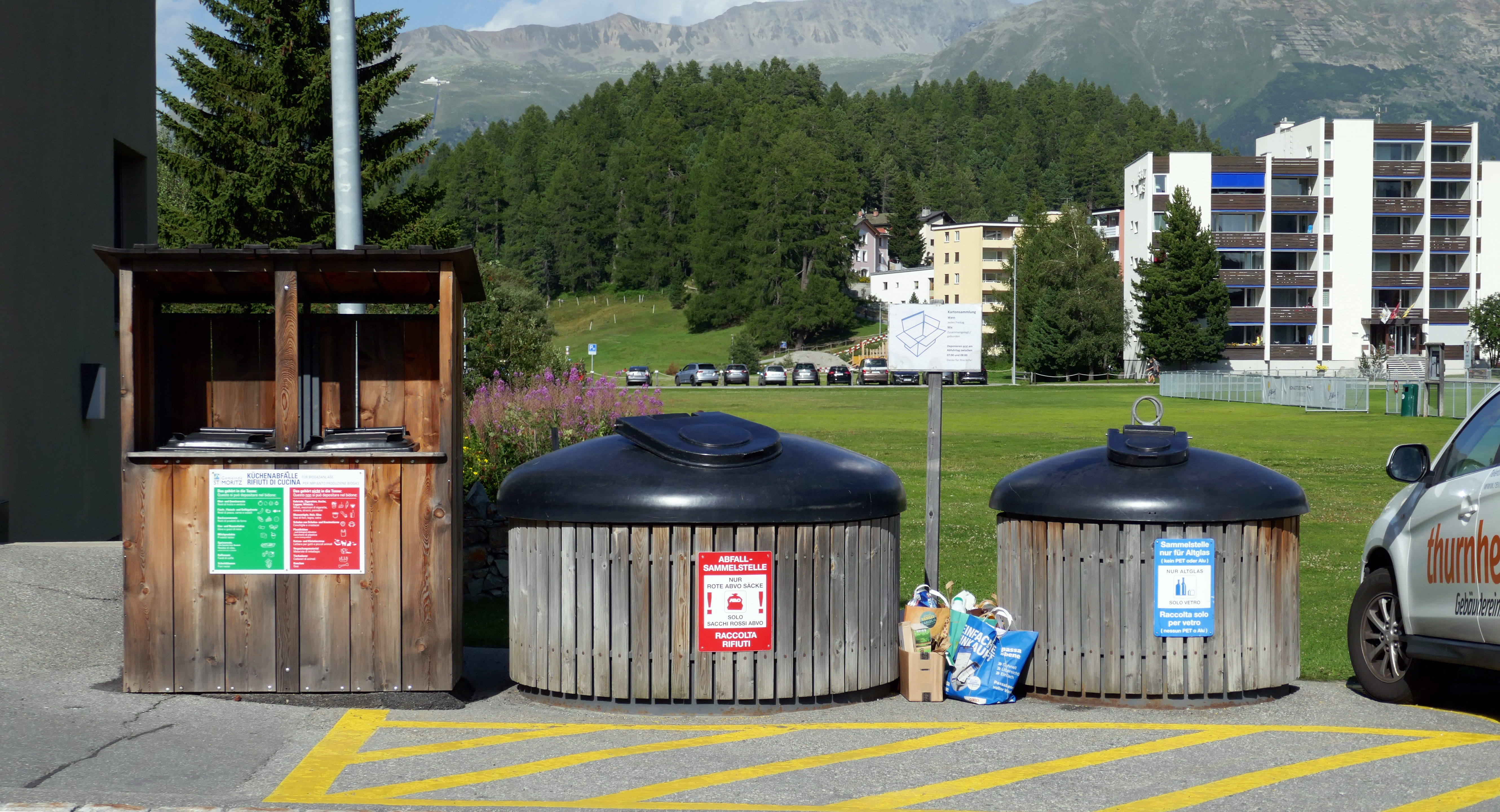
Switzerland’s reputation for precision goes well beyond watches—it extends to recycling, too. The country’s decentralized system allows each municipality to design programs that fit their community’s needs, resulting in a recycling rate of approximately 53% in 2024. The deposit return scheme for beverage containers is particularly successful, with over 90% being recycled, according to the Swiss Federal Office for the Environment. Public education is a constant, with campaigns urging people to separate their waste with Swiss accuracy. Switzerland’s commitment to sustainability is not just talk; the goal is to hit a 70% recycling rate by 2030. Many Swiss feel a sense of personal responsibility for their waste, making recycling a point of national pride. The country’s efficient, community-driven approach is regularly cited as a model for others.
Netherlands: A Progressive Recycling Nation
The Netherlands is turning heads with its progressive strategies to reduce waste and boost recycling. By 2024, the Dutch recycling rate stands at about 50%, but the country’s ambitions reach much higher. The government’s circular economy plan emphasizes both reducing waste and getting the most value out of resources. The “Plastic Pact” is a standout initiative, uniting companies, government, and citizens to cut down on plastic waste and improve recycling. In 2023, over 1.3 million tons of plastic were recycled, and this figure continues to grow. Public campaigns are everywhere, making recycling feel like second nature. The Dutch aim for a 70% recycling rate by 2030, and the momentum is unmistakable. The Netherlands is proving that small nations can make a big impact on global sustainability.
Finland: A Rising Star in Recycling
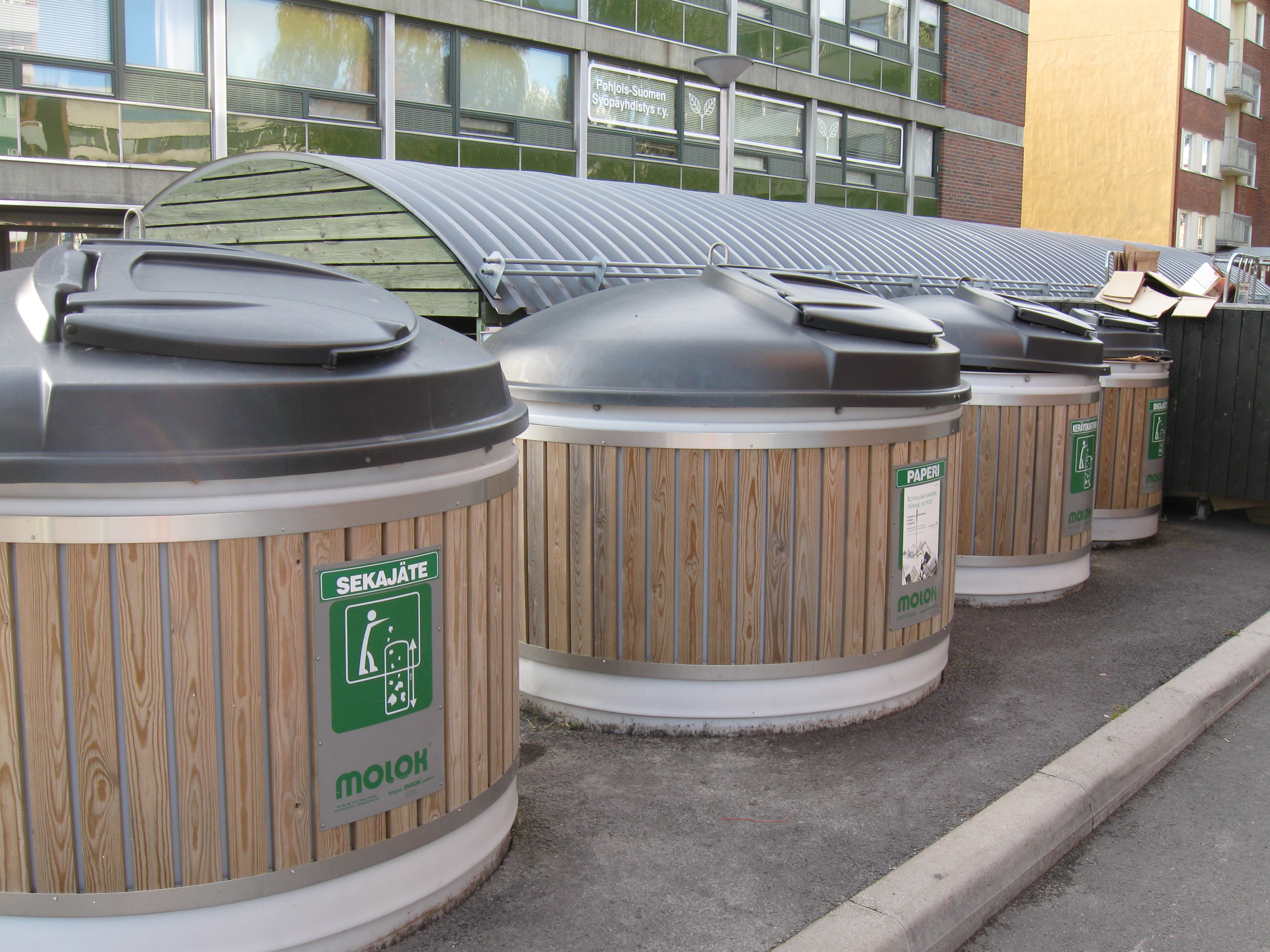
Finland is quickly climbing the ranks when it comes to recycling, with a rate near 45% in 2024. The country’s strategy is all about community engagement and practical solutions. Government programs encourage people to separate organic and inorganic waste, while schools and local organizations run regular workshops on recycling. In 2023, the Ministry of the Environment highlighted that over 1 million tons of waste were recycled, with special focus on composting and organic materials. Finland’s goal of reaching a 55% recycling rate by 2030 is ambitious but feels attainable given the country’s recent progress. There’s a strong sense of collective responsibility, with communities rallying around local recycling initiatives. Finland’s fresh approach is inspiring other countries to rethink their own waste management systems.
United States: Challenges in Recycling
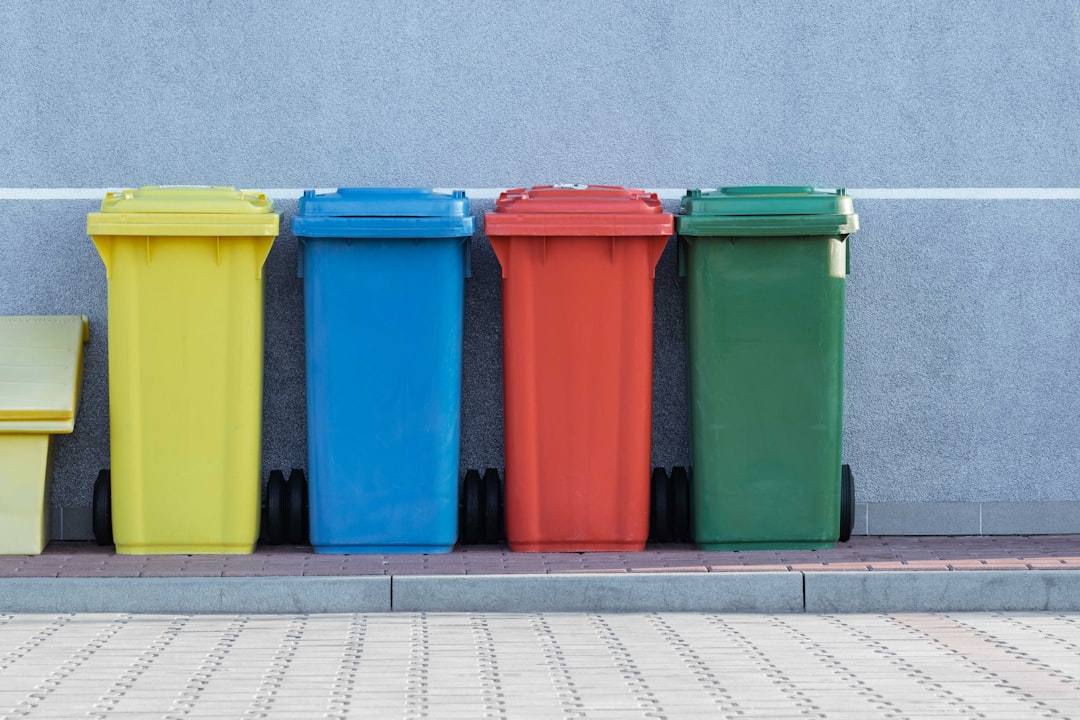
The United States, despite its technological might and vast resources, struggles with recycling, managing a rate of only 35% in 2024. The problem starts with its fragmented waste management system—what you can recycle in one state might be landfill in another. In 2023, Americans generated a staggering 292 million tons of waste, with much of it still ending up in landfills. The absence of a nationwide deposit return scheme for bottles and cans is a missed opportunity, making recycling less consistent and less effective. Public awareness campaigns are trying to make a difference, but the scale of the challenge is huge. The government’s target is to lift the recycling rate to 50% by 2030, but this will require sweeping policy changes and serious investment. For now, the US serves as a cautionary tale of how prosperity doesn’t always translate into sustainability.
India: Struggling with Waste Management
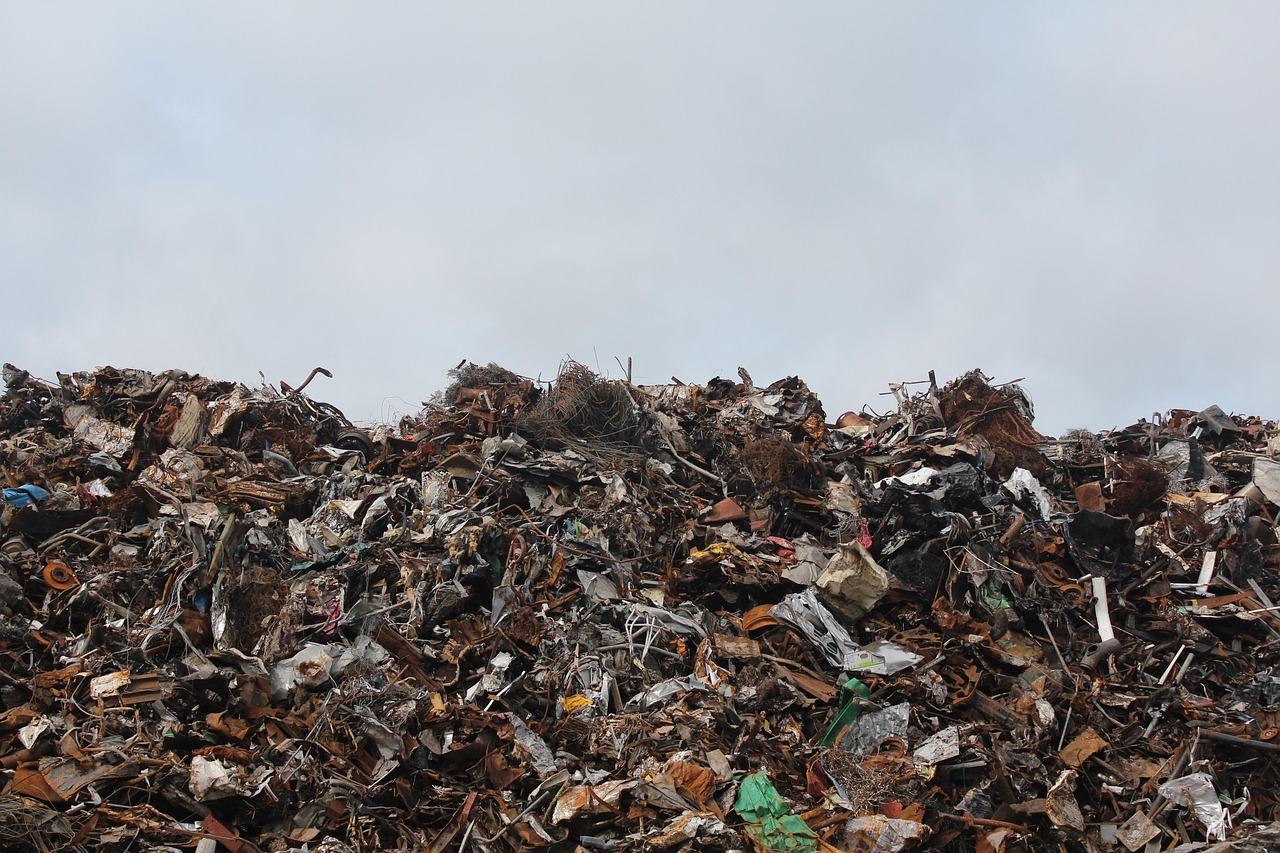
India’s waste management system is under immense pressure, reflected in its recycling rate of just 30% in 2024. Rapid urbanization and a booming population mean that overflowing landfills are a common sight in major cities. With more than 62 million tons of waste generated annually, according to the Ministry of Environment, a significant portion goes uncollected and untreated. Efforts to promote waste segregation at the source have been slow to catch on, hindered by weak enforcement and limited infrastructure. Public awareness remains low, and although government campaigns try to educate, the scale of the challenge is daunting. India’s hope to reach a 50% recycling rate by 2030 hinges on sweeping reforms and massive investment. The current situation is a stark reminder of how quickly waste can overwhelm even the most ambitious plans.
Brazil: A Recycling Gap
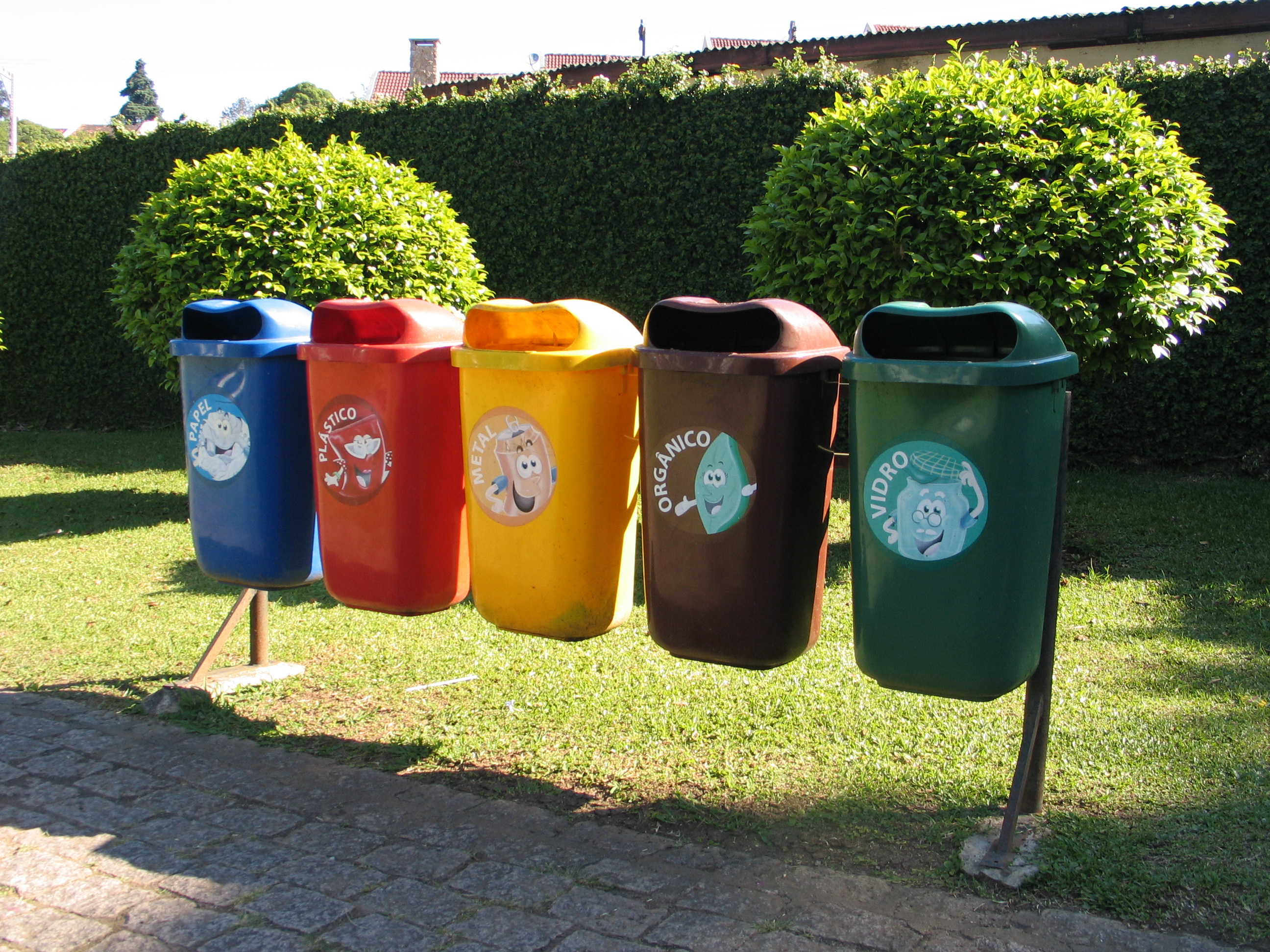
Brazil’s recycling rate lags behind at around 22% in 2024, exposing a significant gap in its waste management capabilities. The country produces more than 79 million tons of waste every year, much of which ends up in sprawling landfills or, worse, in the environment. The Brazilian Institute of Geography and Statistics revealed that a mere 3% of plastic waste is recycled—a sobering statistic. Initiatives to improve recycling exist, but progress has been slow due to limited infrastructure and a lack of widespread public education. The government’s programs are a step in the right direction, but the impact so far has been minimal. Achieving the target of a 30% recycling rate by 2030 will require a monumental effort, both in building facilities and changing mindsets. Brazil’s struggle is a vivid illustration of how far there is still to go for many nations.