

Costa Rica: The Peaceful Pioneer

Costa Rica stands as a powerful symbol of peace in Central America, having abolished its army back in 1949. Instead of military spending, the government channels resources into education and healthcare, which has helped the country achieve a literacy rate of about 97%—one of the highest in Latin America. Costa Rica’s lush rainforests and protected reserves draw over three million tourists each year, turning eco-tourism into a major economic engine. The country’s commitment to sustainability extends to environmental policies, making it a global leader in conservation. Its stable democracy and low crime rates provide a sense of safety that’s rare in the region. Costa Rica often ranks near the top on the Global Peace Index, showing the world that security can be achieved without a standing army. This decision has inspired other nations to reconsider their own military priorities. The Costa Rican government continues to receive international praise for proving that peace, not force, can be a nation’s greatest strength.
Iceland: Security Through Diplomacy and Nature
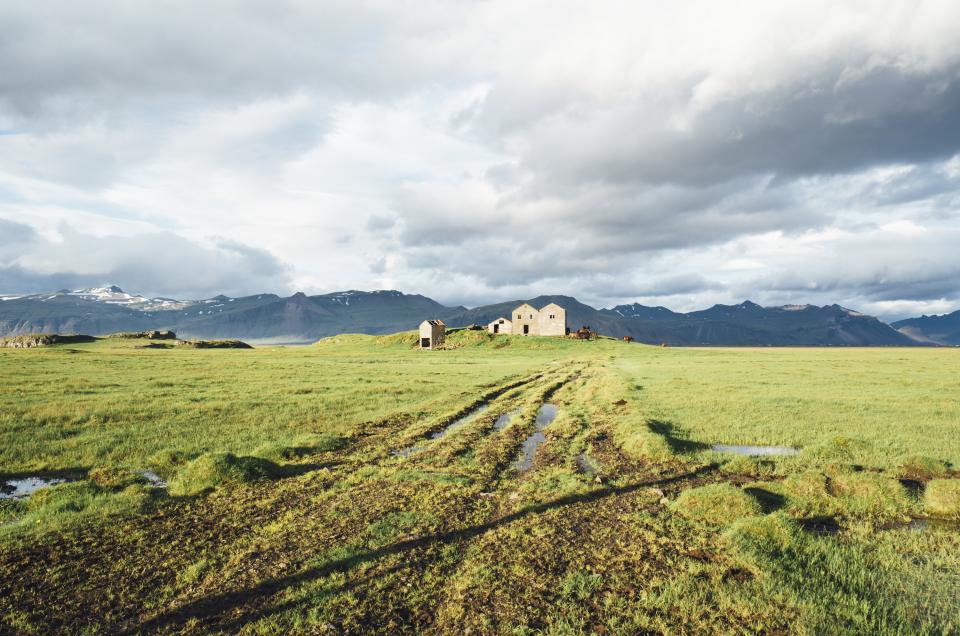
Iceland, nestled in the North Atlantic, is one of the few countries with no standing army and no history of military conflict in modern times. The Icelandic Coast Guard handles national defense, supported by tight cooperation with NATO, which provides additional security. The country’s remote location and harsh climate have historically acted as natural deterrents to invasion. Rather than funding a military, Iceland invests in renewable energy, with over 85% of its power coming from geothermal and hydroelectric sources. Social welfare spending is strong, resulting in a high standard of living and universal healthcare. Iceland is also known for its peacefulness, consistently ranking among the top ten in the Global Peace Index. The nation’s unique blend of diplomacy, international alliances, and environmental stewardship sets it apart. Iceland’s peaceful approach continues to spark debate about the necessity of armies in the modern world.
Panama: Prosperity Without Militarization
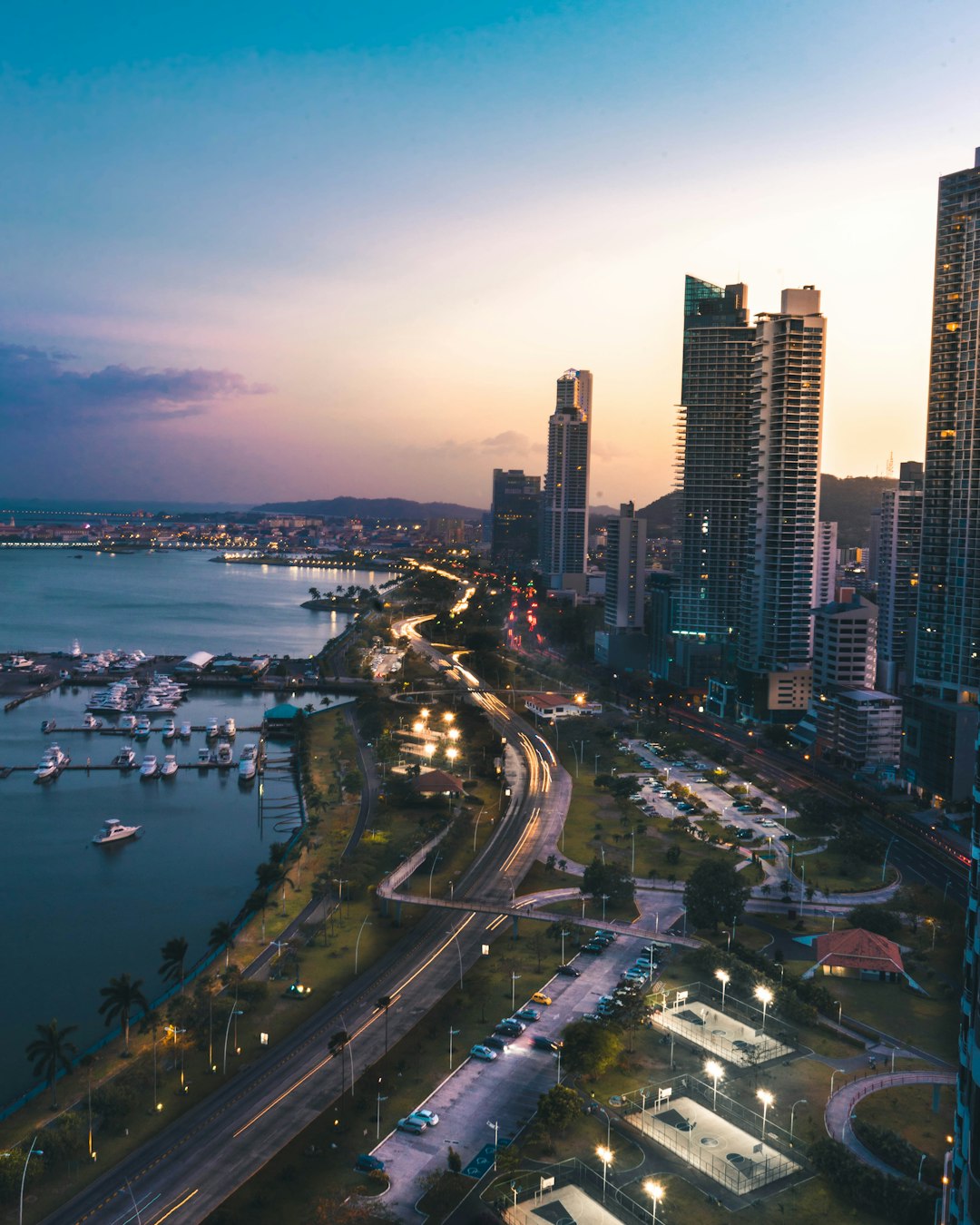
Panama made a bold decision to abolish its military in 1990, after years of political turmoil and a U.S.-led invasion. Today, the country relies on its national police for security, allowing previously allocated military funds to boost education and infrastructure. This shift has played a key role in Panama’s rapid economic growth, with GDP increasing by an average of 5% annually over the last decade. The strategic Panama Canal is a vital artery for global commerce, bringing billions in revenue and international attention. Foreign investors view Panama as a stable and attractive destination, thanks to its peaceful environment. The absence of an army has also enabled the government to focus on reducing poverty and improving healthcare. Citizens enjoy relative security and prosperity, demonstrating the benefits of demilitarization. Panama’s experience is often cited as evidence that peace and progress can go hand in hand.
Monaco: Luxury and Security Sans Army
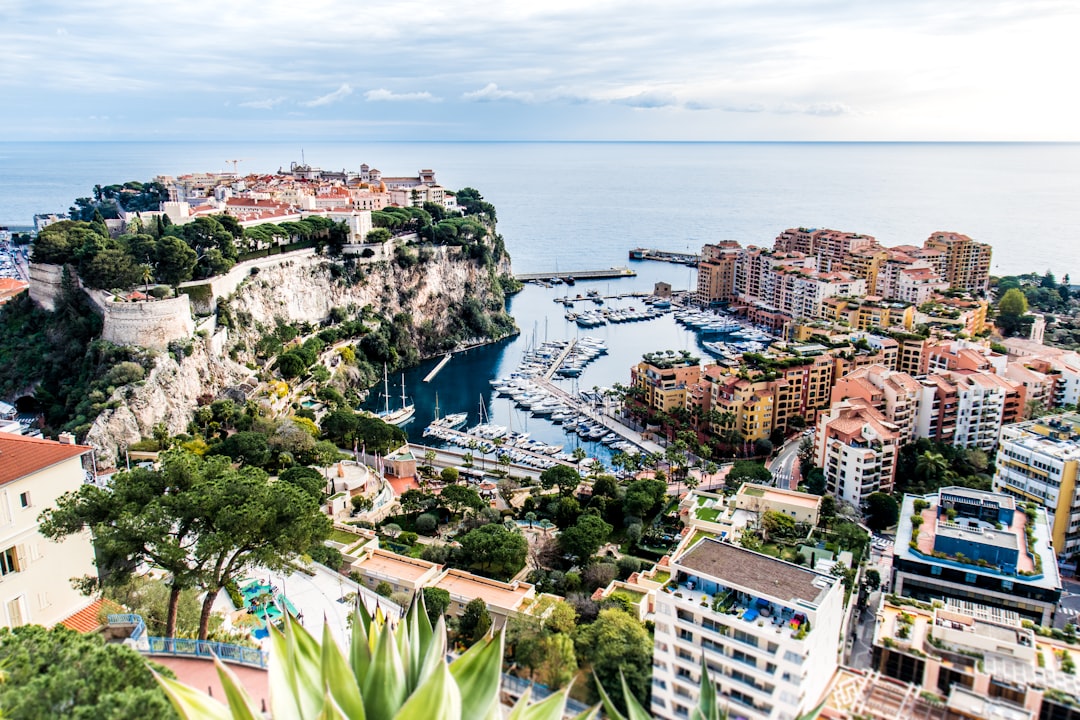
Monaco, the glamorous city-state on the Mediterranean, operates without a standing army by relying on France for defense under a formal agreement. The country maintains a well-equipped police force and small ceremonial units to manage internal order. With a GDP per capita exceeding $190,000, Monaco ranks among the richest places on Earth, powered by tourism, banking, and luxury services. Its world-renowned casinos, the Monaco Grand Prix, and a thriving yachting culture attract millions of visitors each year. By not funding a military, Monaco invests heavily in public services and maintaining its pristine urban environment. The principality’s low crime rates and high quality of life make it a coveted place to live. Monaco’s security strategy—trusting a powerful neighbor and focusing on soft power—has proven remarkably effective. The city-state is a prime example of how peace and prosperity can coexist without military might.
Liechtenstein: Neutrality and Prosperity
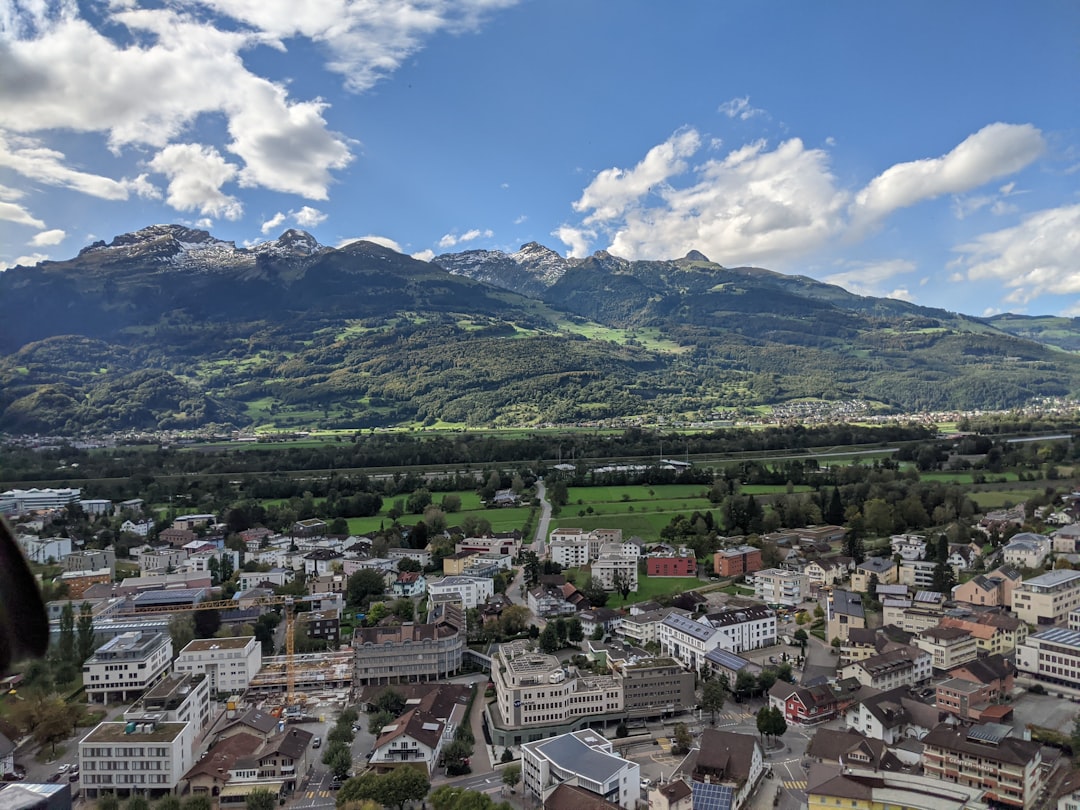
Liechtenstein, a microstate nestled between Switzerland and Austria, abolished its army in 1868 due to costs and lack of necessity. The nation’s security is guaranteed by Switzerland, and its longstanding policy of neutrality has kept it out of major conflicts for over 150 years. Liechtenstein’s robust economy is fueled by banking, manufacturing, and technology, resulting in a GDP per capita of around $140,000. The absence of military spending has allowed for higher investments in social programs, education, and infrastructure, benefiting all citizens. Tourists are drawn by the country’s alpine vistas, medieval castles, and tranquil villages. Liechtenstein’s government is stable, with low crime rates and a strong commitment to civil liberties. The country demonstrates that even the smallest nations can enjoy sovereignty and security without a standing army. Its peaceful legacy is a point of national pride and international respect.
Nauru: Tiny Island, Big Commitment to Peace
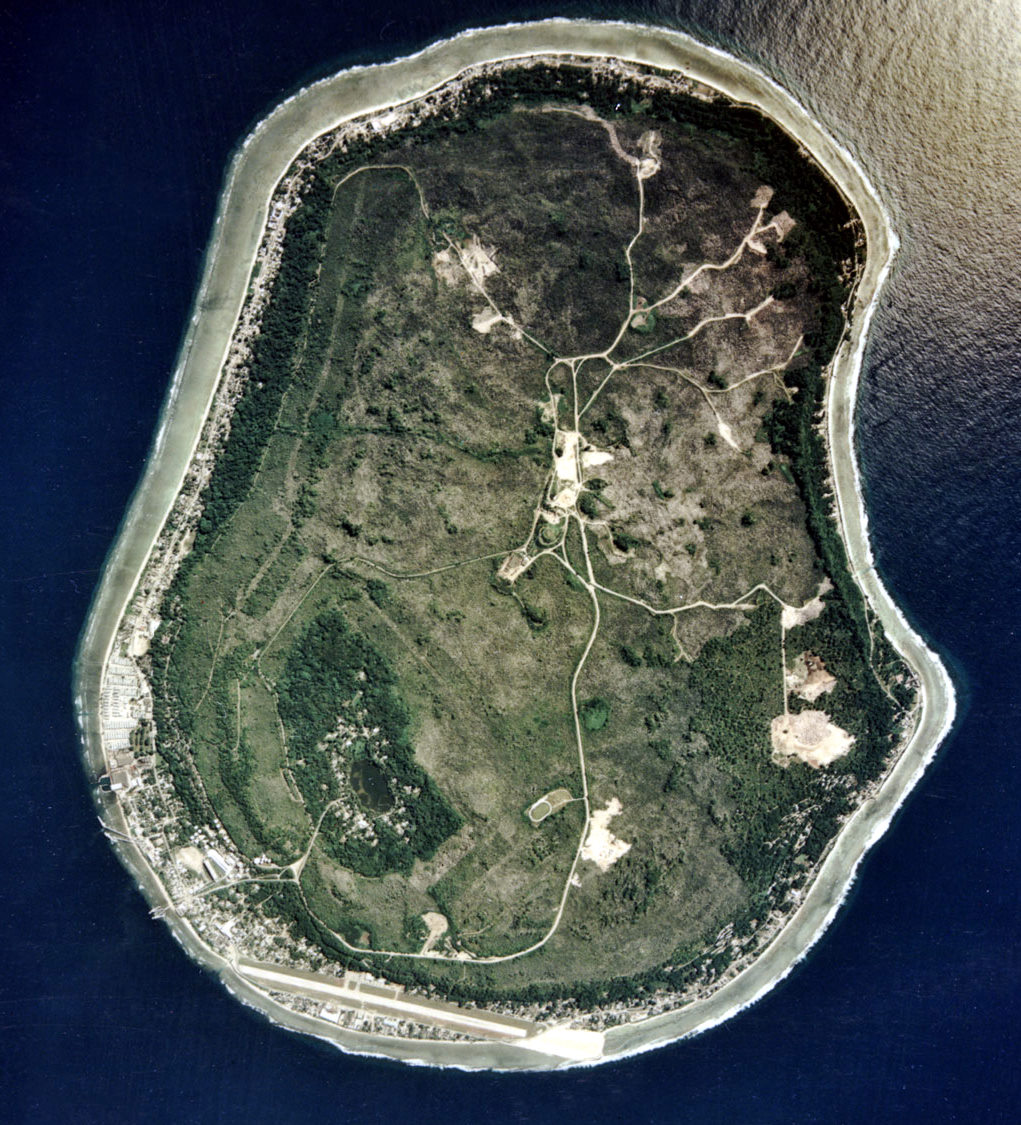
Nauru, the world’s third smallest country by area, has never had a military and relies on Australia for defense under a regional agreement. The island’s main resource, phosphate, has mostly been depleted, leading to economic challenges and a shift toward tourism and service industries. Without defense expenditures, Nauru devotes its limited resources to healthcare, social welfare, and education for its roughly 10,000 residents. The government works to preserve Nauruan culture and traditions, which are celebrated in colorful festivals and ceremonies. The nation’s peaceful reputation stands in stark contrast to some of its Pacific neighbors, who face ongoing security issues. Nauru’s stability allows it to focus on environmental protection and sustainable development. Tourists are increasingly attracted to its coral reefs, friendly locals, and unique culture. Nauru stands as a testament to how even the smallest and most vulnerable nations can survive—and even thrive—without a military.
Vatican City: Spiritual Authority, No Army
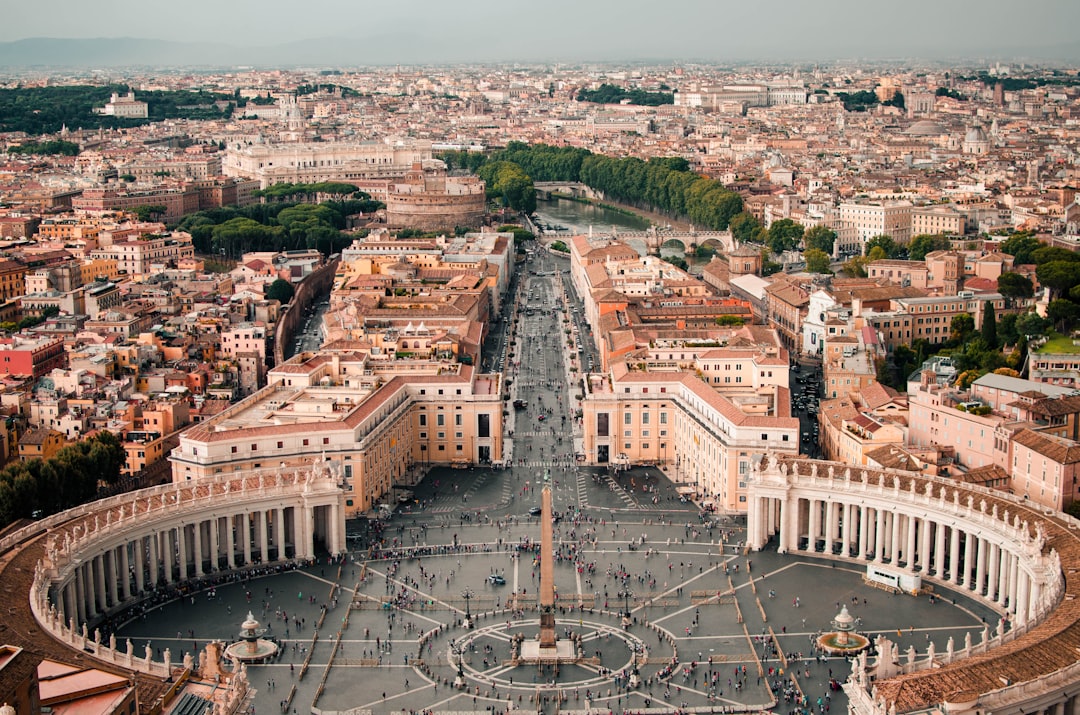
Vatican City, the spiritual heart of the Roman Catholic Church, is the world’s smallest independent state and operates entirely without an army. The Swiss Guard, a ceremonial force of about 135 men, is responsible for the Pope’s safety and the security of Vatican property. Vatican City’s influence is rooted in diplomacy, art, and religious leadership, rather than military power. The absence of armed forces allows the Vatican to focus on humanitarian work, interfaith dialogue, and cultural preservation. The city-state is home to priceless works of art, including Michelangelo’s Sistine Chapel ceiling, and draws millions of pilgrims and tourists each year. Crime rates are low, and the sense of community is strong among residents and visitors alike. The Vatican’s unique governance model is based on spiritual rather than temporal authority. Its peaceful existence highlights the power of diplomacy and faith in international relations.
United States: The World’s Military Giant

The United States commands the largest defense budget on the planet, with military expenditures topping $800 billion in 2025. This vast budget supports a force of over 1.3 million active-duty personnel and funds cutting-edge technology, from hypersonic missiles to advanced cyber warfare capabilities. The U.S. military maintains a global presence, with more than 700 bases spread across dozens of countries. American defense spending accounts for nearly 40% of total worldwide military expenditures, according to the latest World Bank and International Monetary Fund data. The country’s defense investments drive innovation in artificial intelligence, space technology, and robotics. The U.S. actively participates in NATO, leading security alliances and missions around the world. Critics argue that such high spending diverts resources from domestic needs, while supporters claim it ensures national and global security. The sheer scale of the U.S. military budget cements its role as the world’s dominant military power.
China: Rapid Rise in Military Spending
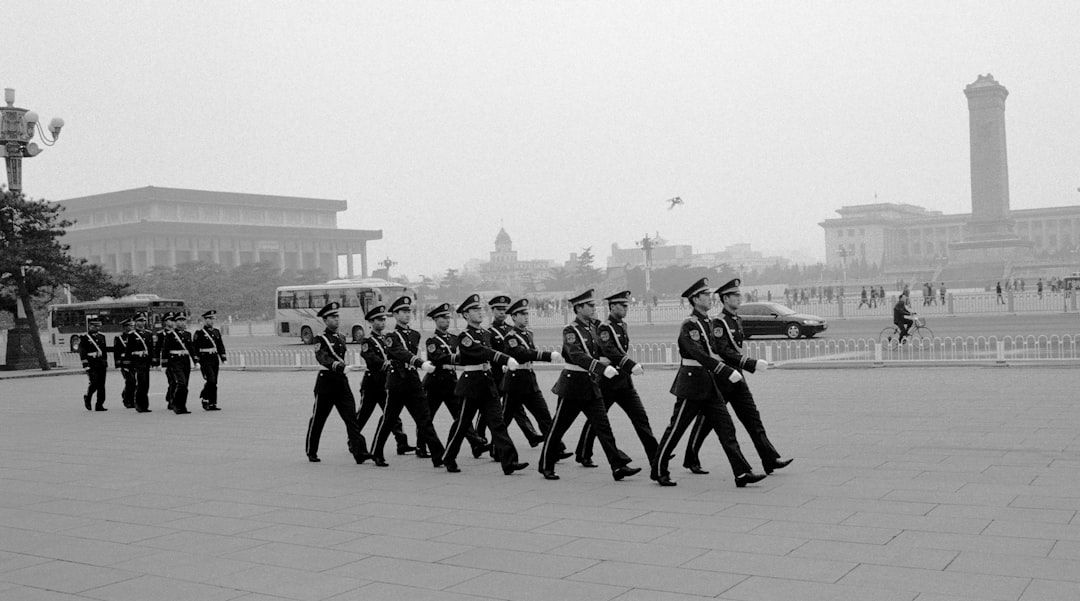
China’s defense budget reached an estimated $250 billion in 2025, reflecting the nation’s ambitious plans to modernize its armed forces. The government pours resources into developing next-generation weaponry, artificial intelligence, and cyber capabilities. China has invested heavily in expanding its navy, launching new aircraft carriers, and advancing submarine technology to project power in the Asia-Pacific region. The country’s military reforms are designed to increase efficiency and combat readiness, with an eye on potential flashpoints such as Taiwan and the South China Sea. China’s defense spending is now the second highest in the world, far outpacing most of its neighbors. This rapid military buildup has raised concerns among other regional powers and triggered an arms race in East Asia. The government justifies its expenditures as necessary for safeguarding sovereignty and supporting global ambitions. China’s growing military might is reshaping the balance of power in the 21st century.
India: Strategic Spending for Regional Security
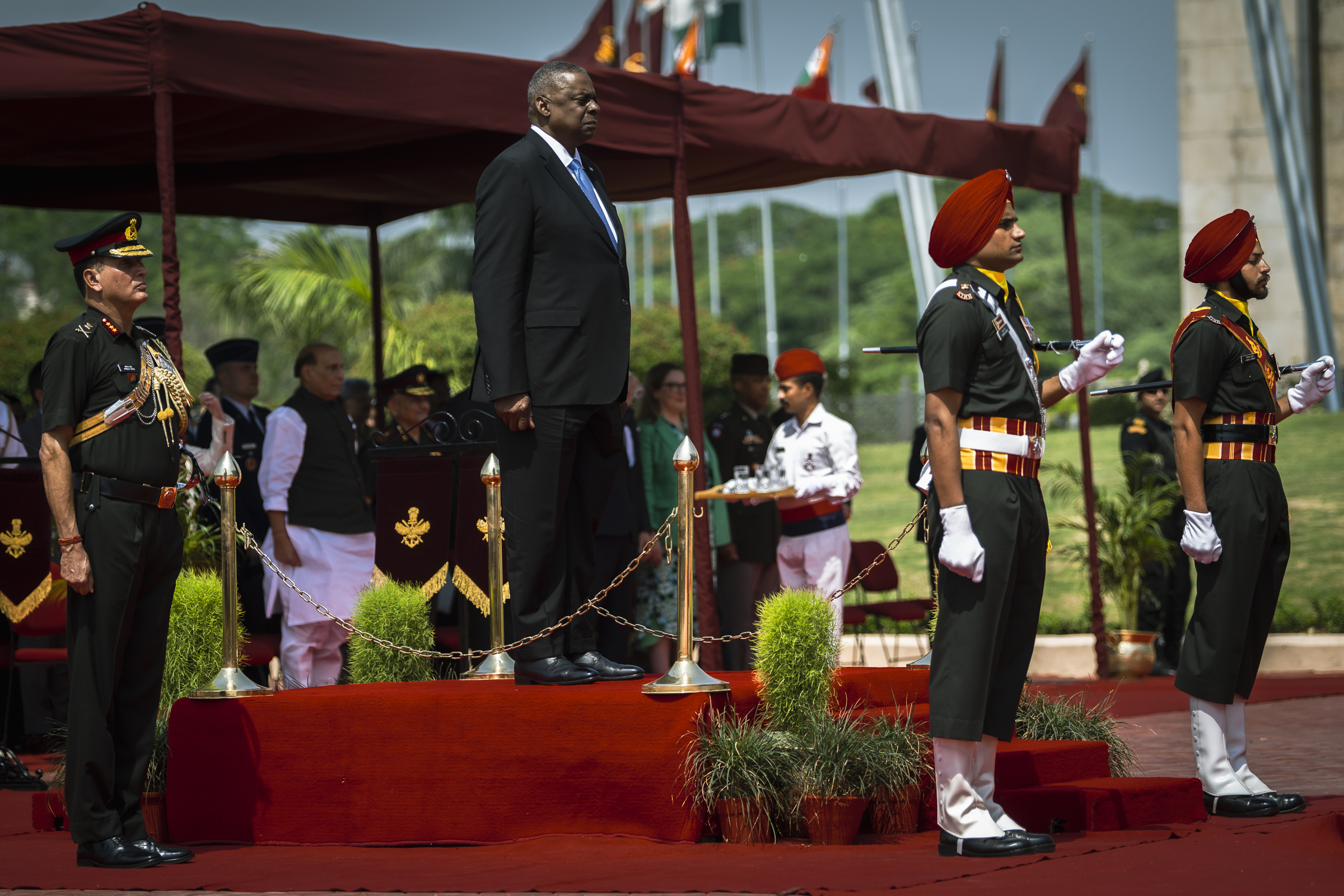
India’s defense budget is projected to reach about $80 billion in 2025, making it the third largest in the world. Regional tensions with neighbors like China and Pakistan drive India’s military investments, which focus on modernizing the army, navy, and air force. The government is also pushing for greater self-reliance in defense manufacturing, with projects to develop indigenous fighter jets, missiles, and warships. India’s armed forces are among the largest, with nearly 1.4 million active military personnel. The defense budget supports initiatives to enhance cyber defense, space technology, and intelligence gathering. India’s growing naval presence in the Indian Ocean is aimed at protecting trade routes and countering regional threats. Strategic partnerships with countries such as the United States, France, and Russia are key to India’s defense posture. The country’s substantial military spending reflects its determination to maintain security and assert its influence on the global stage.


