

Switzerland: The Gold Standard of Clean Water
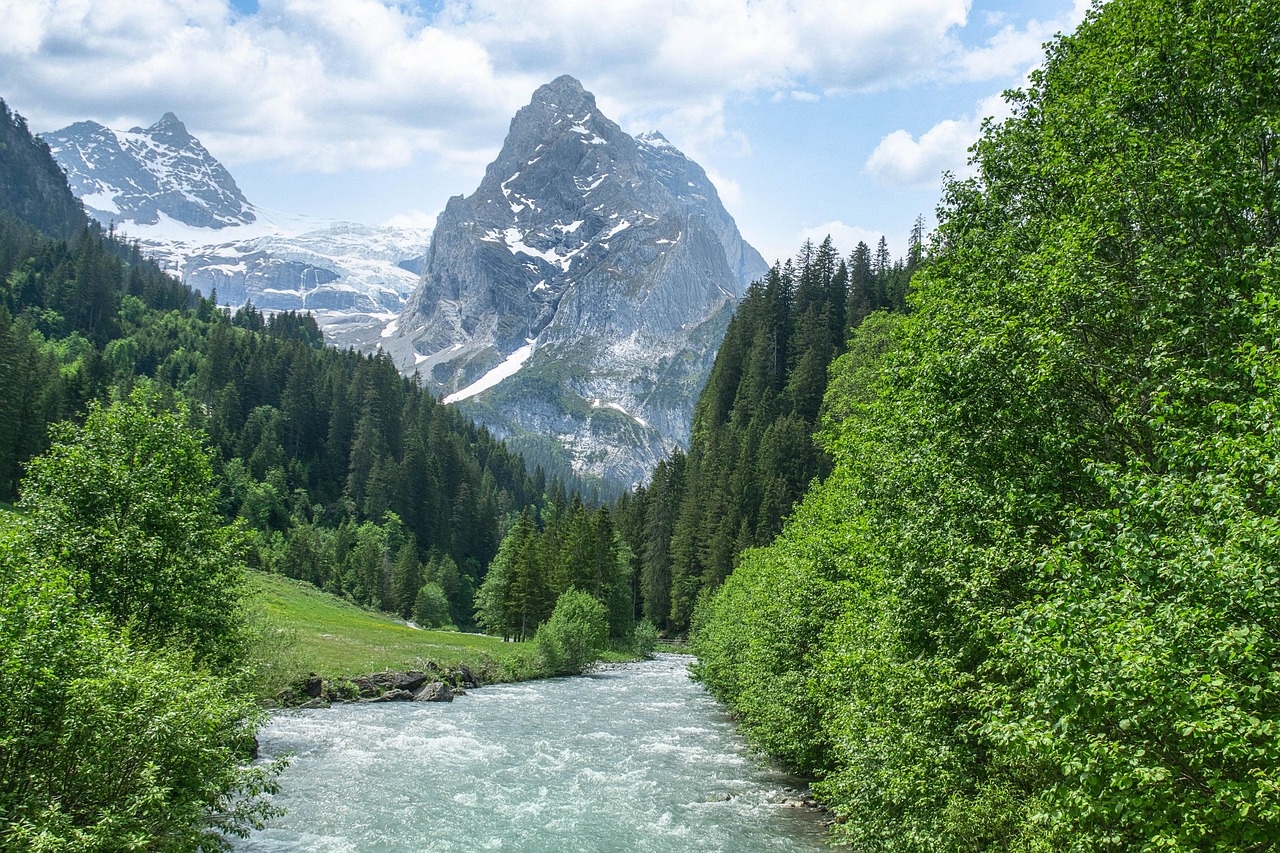
Switzerland stands as a shining example of water purity in today’s world. The country’s over 1,500 lakes and countless rivers are more than just postcard-perfect—they’re a national treasure. With 80% of its drinking water coming from underground aquifers, Switzerland’s tap water often rivals the quality of bottled brands. According to 2024 data from the Swiss Federal Office for the Environment, nearly all public water supplies surpass the strictest safety standards. This is no accident: Swiss authorities invest aggressively in upgrading water infrastructure every year, ensuring modern treatment plants and constant monitoring. Citizens can safely drink straight from the tap in most areas, including bustling cities like Zurich and Geneva. Strict environmental laws protect water sources from agricultural runoff and industrial waste. The Swiss tradition of valuing nature means that protecting water isn’t just policy—it’s a national identity.
Norway: Pure Water from Fjords and Glaciers
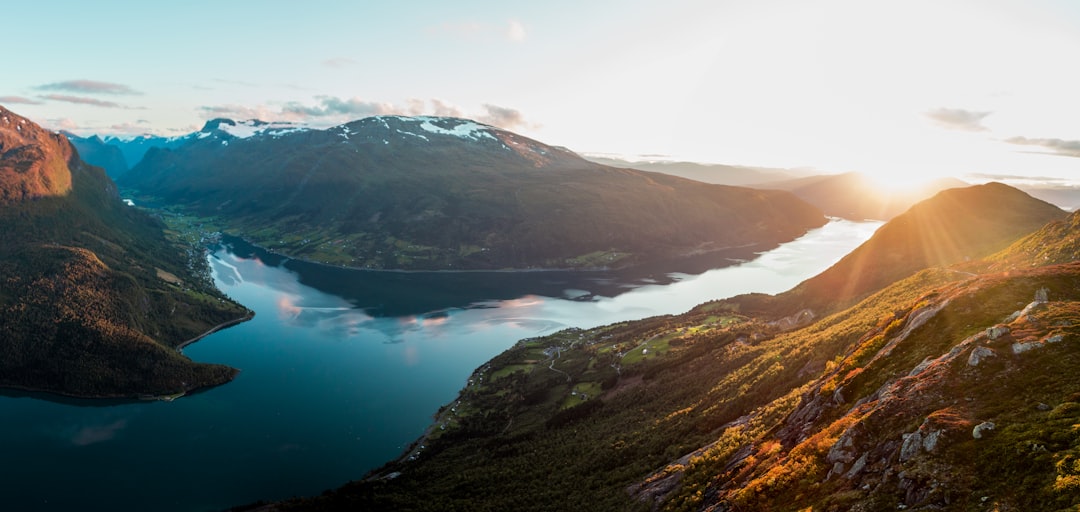
Norway’s water is as legendary as its dramatic landscapes. Over 95% of Norwegian drinking water comes from surface sources, such as fjords, lakes, and glacial rivers, according to the Norwegian Institute for Water Research’s 2024 report. Norway’s steep, rocky terrain naturally filters water, and the cold climate slows the spread of contaminants, keeping pathogens at bay. The government’s environmental regulations are among Europe’s strictest, and most water systems are publicly owned and managed for quality rather than profit. Even in large cities like Oslo and Bergen, tap water is consistently clear, fresh, and safe. Norwegian authorities conduct routine checks for bacteria and heavy metals, and public confidence in the water supply is high. This Scandinavian nation’s commitment to sustainability ensures that its water remains among the cleanest in the world.
Finland: Lakes, Forests, and Pristine Groundwater
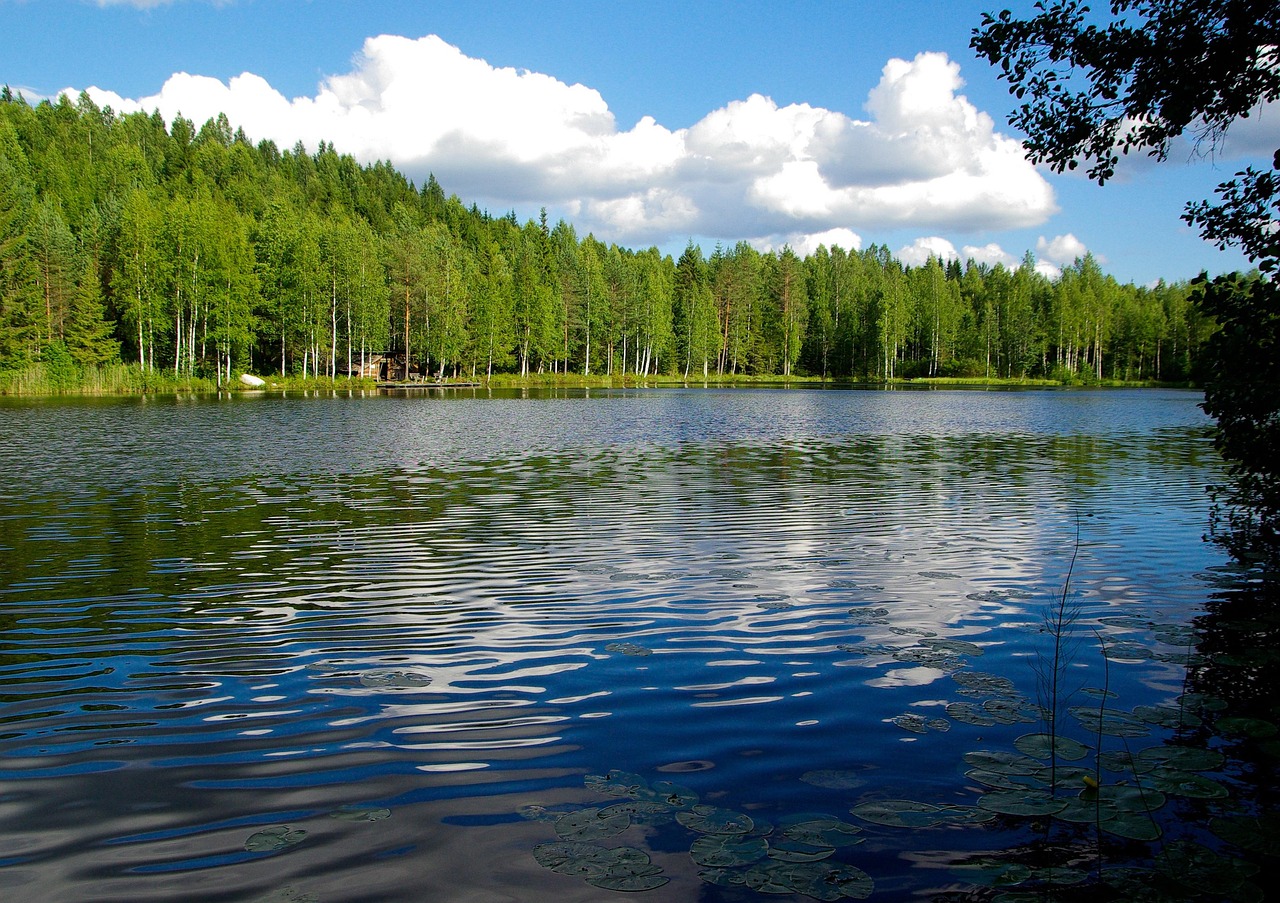
Finland is often called the “Land of a Thousand Lakes,” but the actual count is closer to 188,000. These lakes, along with vast forests, create an ecosystem that naturally purifies water. According to the Finnish Environment Institute, most Finns drink groundwater, which is heavily protected and rigorously tested. Advanced filtering technologies remove even minute traces of contaminants, and the government keeps a close eye on industrial and agricultural runoff. In Helsinki, tap water is sourced from Lake Päijänne and is considered some of the purest in Europe. Finnish authorities have invested in modern infrastructure, and waterborne illnesses are extremely rare. Environmental stewardship is a core Finnish value, and the country’s water policies are a model for the world.
Canada: Abundant Freshwater and World-Class Management
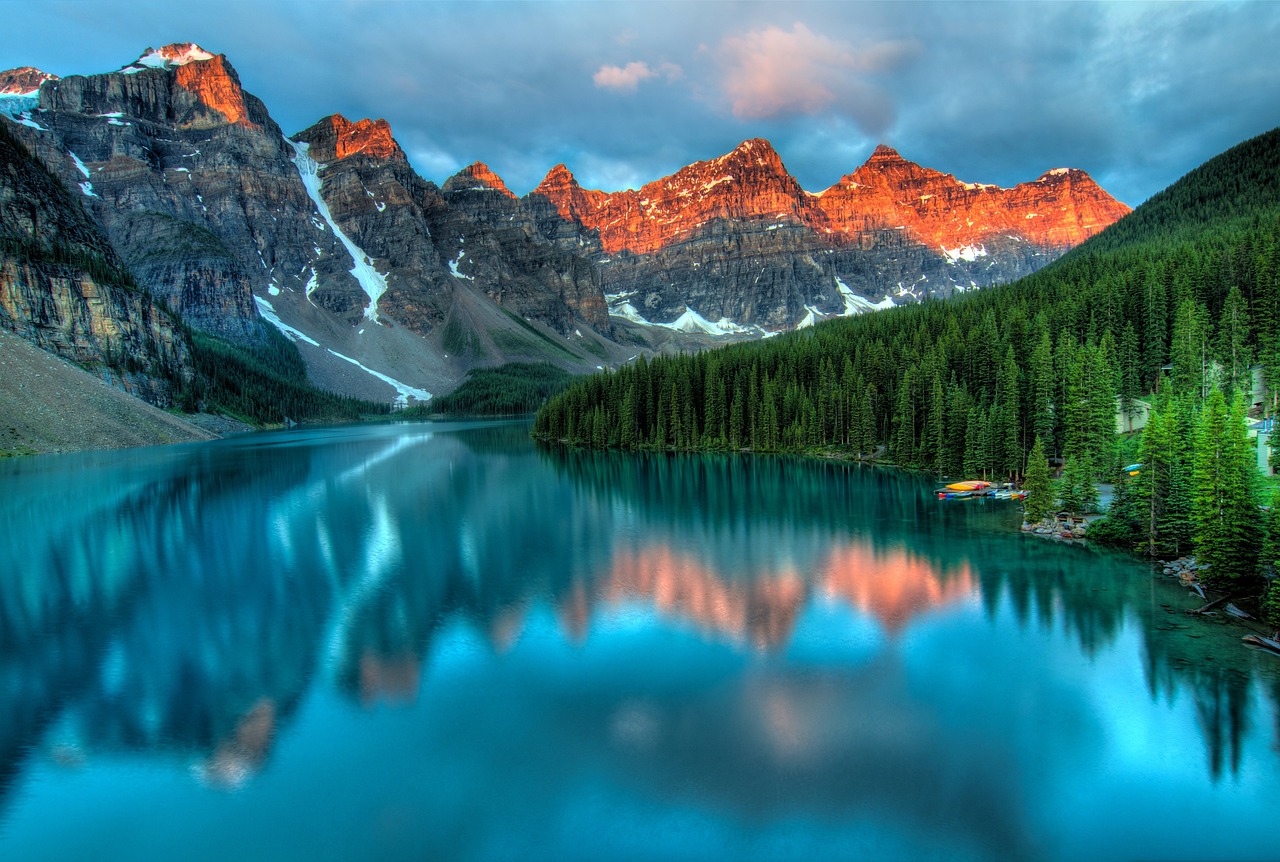
Canada is a water giant, holding nearly 20% of the world’s fresh water in its lakes and rivers, including the iconic Great Lakes. According to Environment and Climate Change Canada, more than 80% of Canadians drink high-quality, safe tap water, with strict government regulations backing this up. Urban water systems in cities like Vancouver and Montreal routinely exceed national quality standards, while rural areas benefit from ongoing investments in infrastructure upgrades. Canada’s diverse geography—ranging from mountain glaciers to boreal forests—naturally filters and replenishes its water. The government’s 2023 report showed a steady decrease in waterborne illnesses, proof that its management strategies are working. Despite challenges in certain remote communities, Canada’s overall water quality remains among the world’s best.
New Zealand: Spring-Fed Purity and Strict Protection
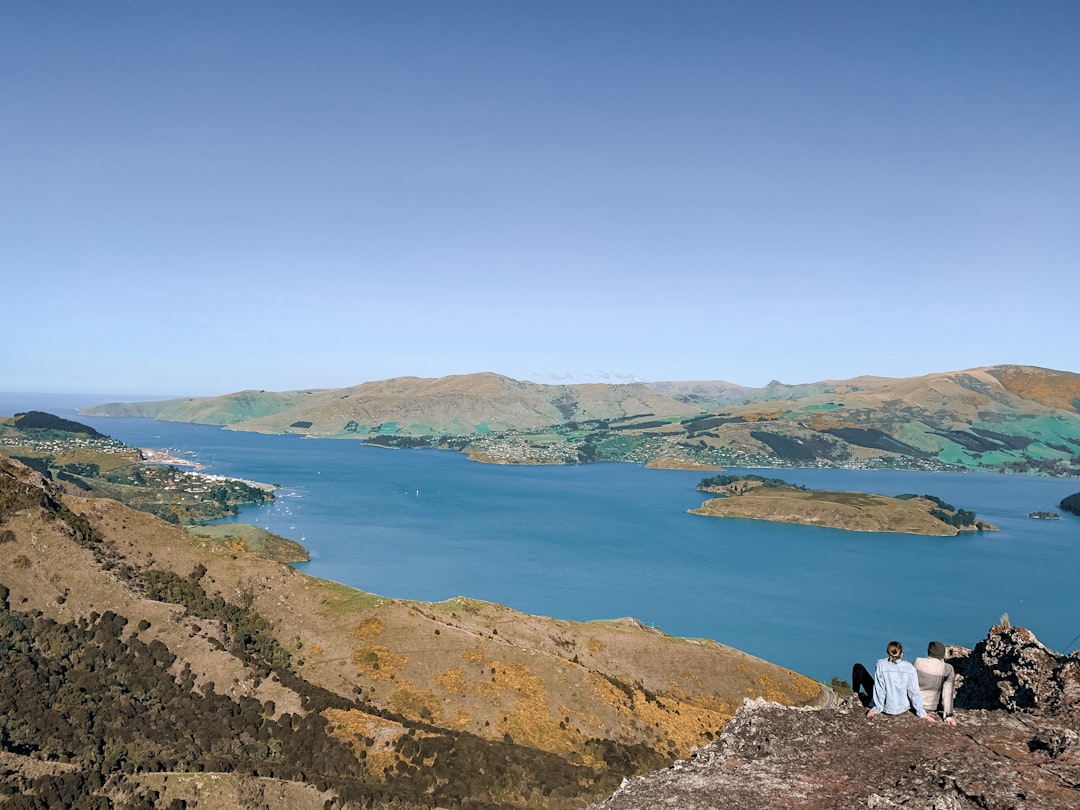
New Zealand’s water is as famous as its breathtaking scenery. According to the Ministry for the Environment’s 2024 data, most of the country’s drinking water is drawn from natural springs and deep aquifers—sources that are naturally shielded from contaminants. Stringent protections prevent pollution from agriculture and development, and water treatment plants use the latest technology to guarantee safety. In cities like Wellington and Christchurch, residents routinely drink water that meets or exceeds World Health Organization standards. The government’s commitment to sustainability is seen in regular audits and strict enforcement of water regulations. New Zealanders take pride in their clean water, and the public is quick to demand action at the first sign of trouble.
Australia: Adapting to a Dry Land with Innovation
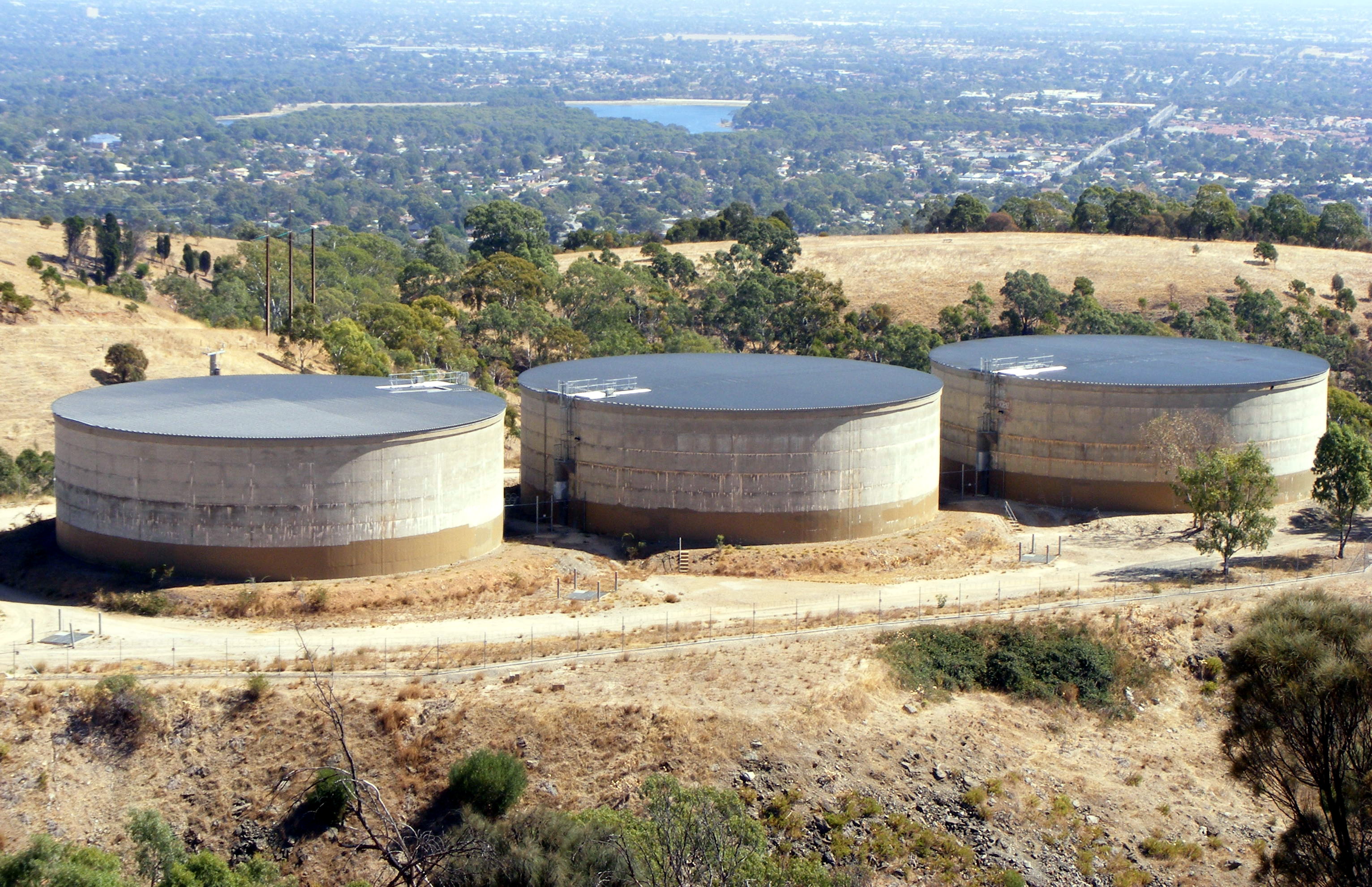
Australia’s journey to clean water has been shaped by its harsh, dry climate. The country’s National Water Quality Management Strategy, updated in 2024, emphasizes robust monitoring and rapid response to contamination. Over 90% of urban Australians enjoy safe drinking water, as reported by the Australian Bureau of Statistics. Cities like Melbourne and Sydney use a combination of natural catchments, high-tech filtration, and real-time monitoring to keep water safe. Australia’s fight against drought has driven innovation, including desalination plants and water recycling projects. The government imposes strict penalties for polluters and invests heavily in infrastructure to ensure that even remote communities have access to safe water. Australians know the value of every drop, and their commitment to water safety shows.
Austria: Mountain Springs and Impeccable Standards
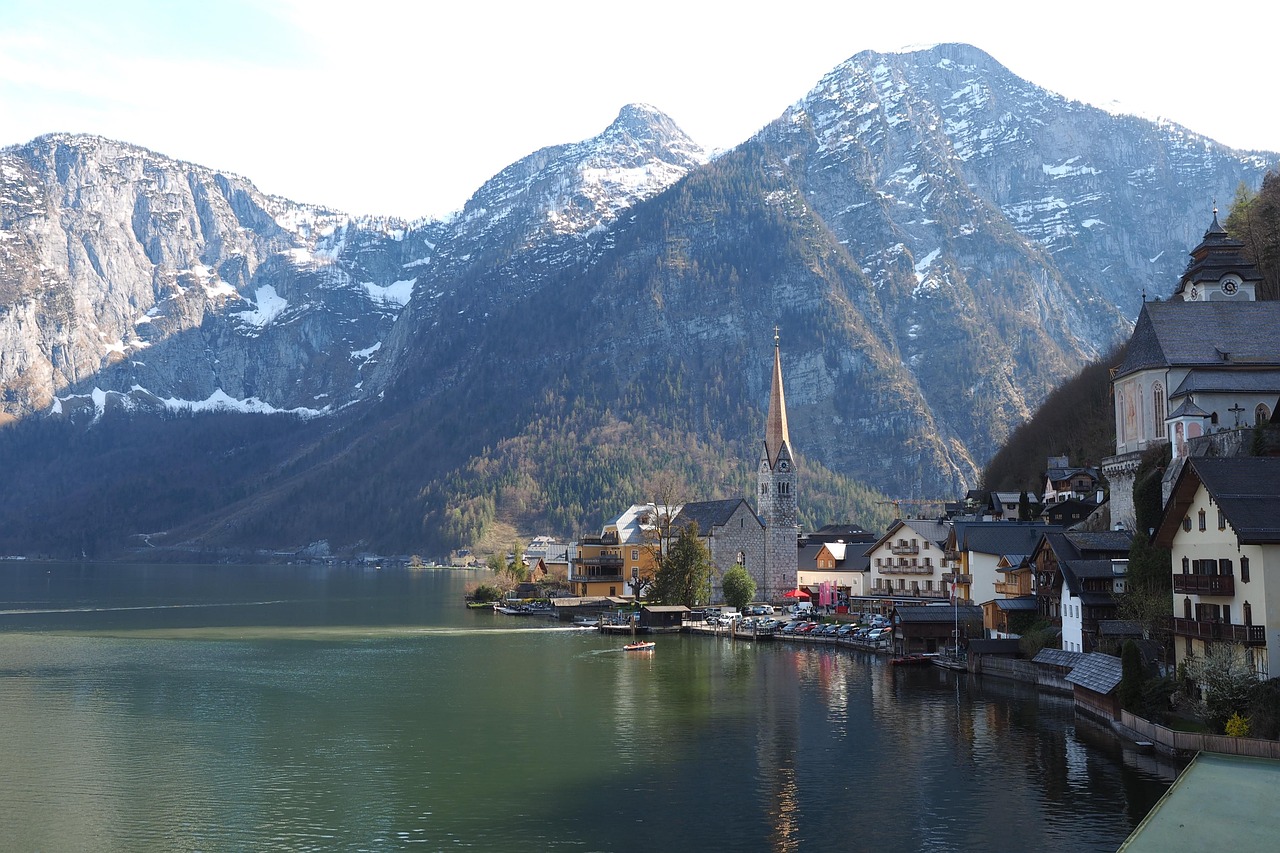
Austria’s water is a source of national pride, with more than 99% of its drinking water meeting the EU’s highest quality standards, according to the Austrian Federal Ministry of Agriculture, Regions and Tourism. The majority comes from alpine springs, where water seeps through layers of rock, naturally filtering out impurities. Austrian law mandates that water must be so pure it can be consumed without further treatment in most areas. In Vienna, tap water comes straight from mountain sources, traveling through protected zones before reaching homes. The government conducts thousands of tests annually, monitoring for everything from bacteria to chemical residues. Austria’s focus on sustainability ensures that forests and watersheds are carefully managed, keeping the water clean for future generations.
Iceland: Glacial Water and Geothermal Purity
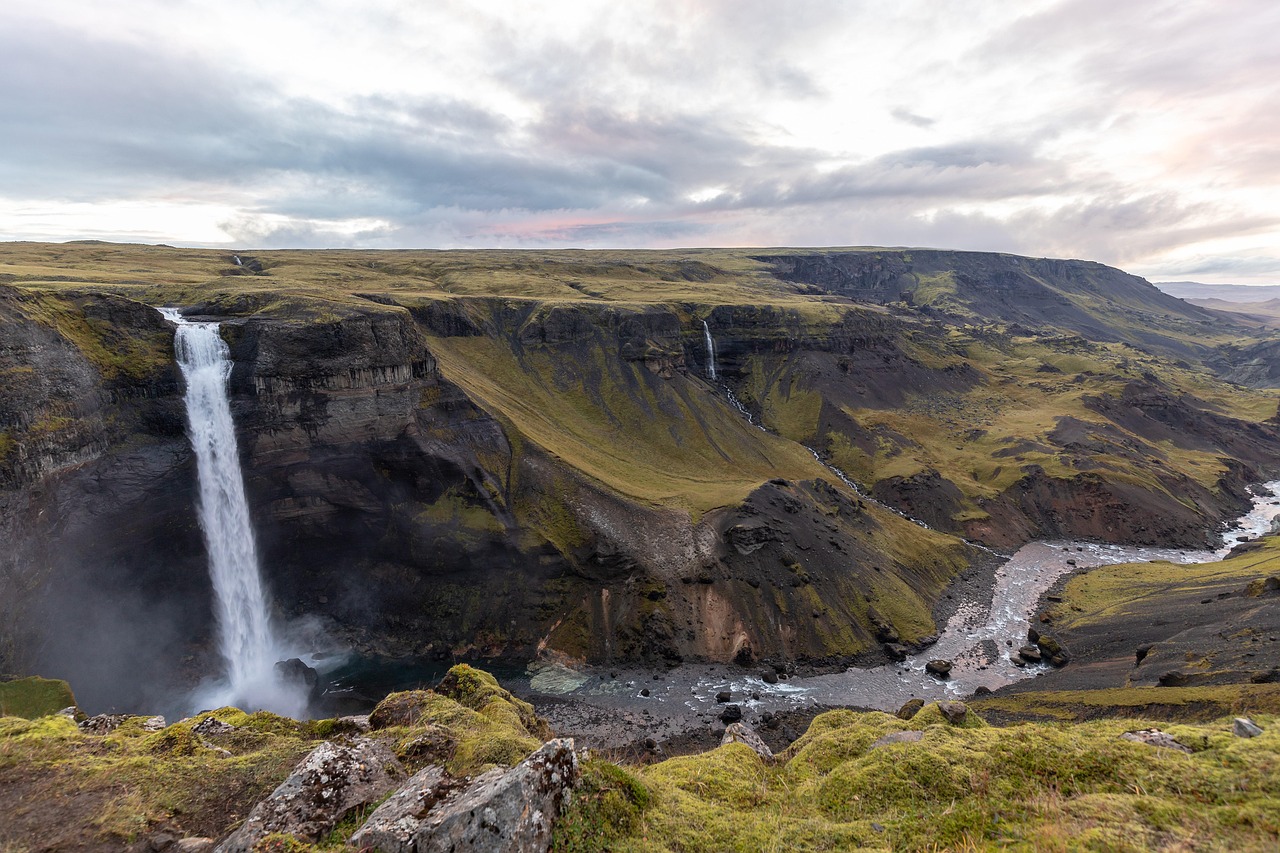
Iceland’s drinking water is as wild and untamed as its landscape. Sourced from glaciers, springs, and underground aquifers, Icelandic tap water is renowned for its crisp, clean taste. According to data from the Icelandic National Energy Authority, over 90% of drinking water comes from groundwater, protected by volcanic rock and constant monitoring. The country’s geothermal activity also plays a role, helping sterilize water sources naturally. Urban and rural residents alike enjoy water that requires minimal treatment; it’s common to drink straight from a tap or even a stream. Icelandic authorities take water safety seriously, with frequent inspections and immediate public alerts at the first sign of contamination. The result is a water supply that’s nearly unmatched in purity anywhere else.
India: Facing a Water Crisis of Epic Proportions
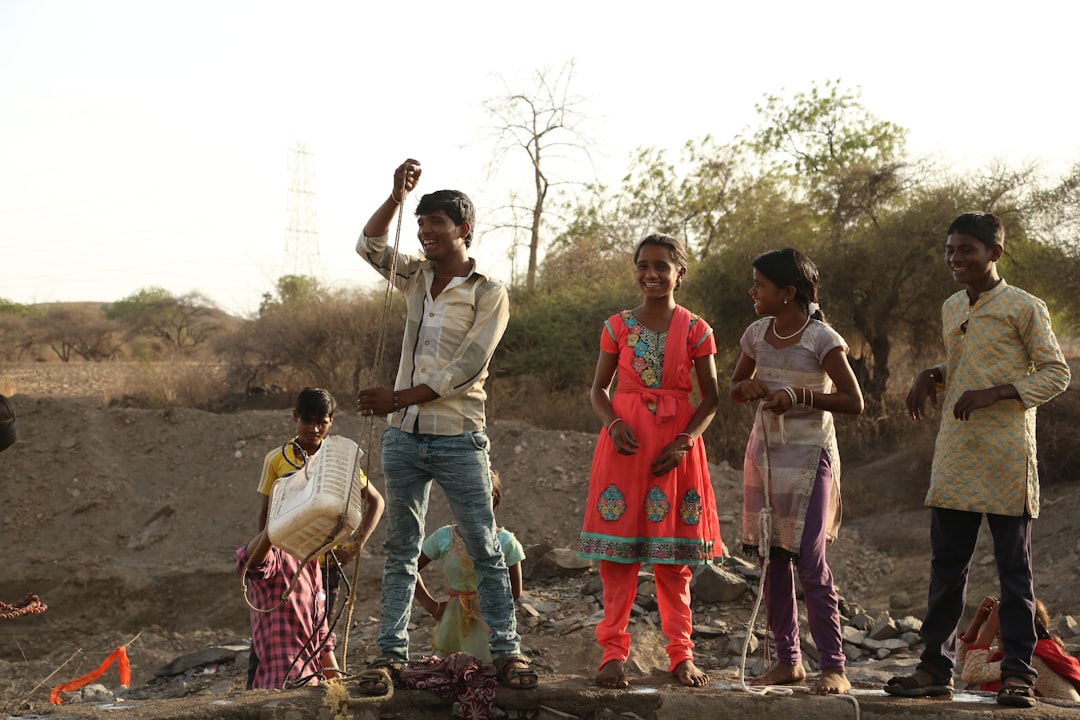
India’s water crisis is a growing emergency. According to the National Water Quality Monitoring Program’s 2024 findings, more than 70% of surface water is contaminated by industrial waste, sewage, and agricultural runoff. The World Health Organization estimates that 1.5 million children under the age of five die each year in India from waterborne diseases—a heartbreaking statistic. Rapid urban growth and poor waste management have overwhelmed existing water infrastructure. In cities like Delhi and Mumbai, many residents rely on bottled water or expensive filters just to avoid illness. The government has launched initiatives such as the Jal Jeevan Mission, but progress is slow and uneven. The public is keenly aware of the dangers—boiling water before use is common, and trust in municipal supplies is low. India’s water woes threaten not only public health but the country’s economic future.
Nigeria: Millions Still Without Safe Water
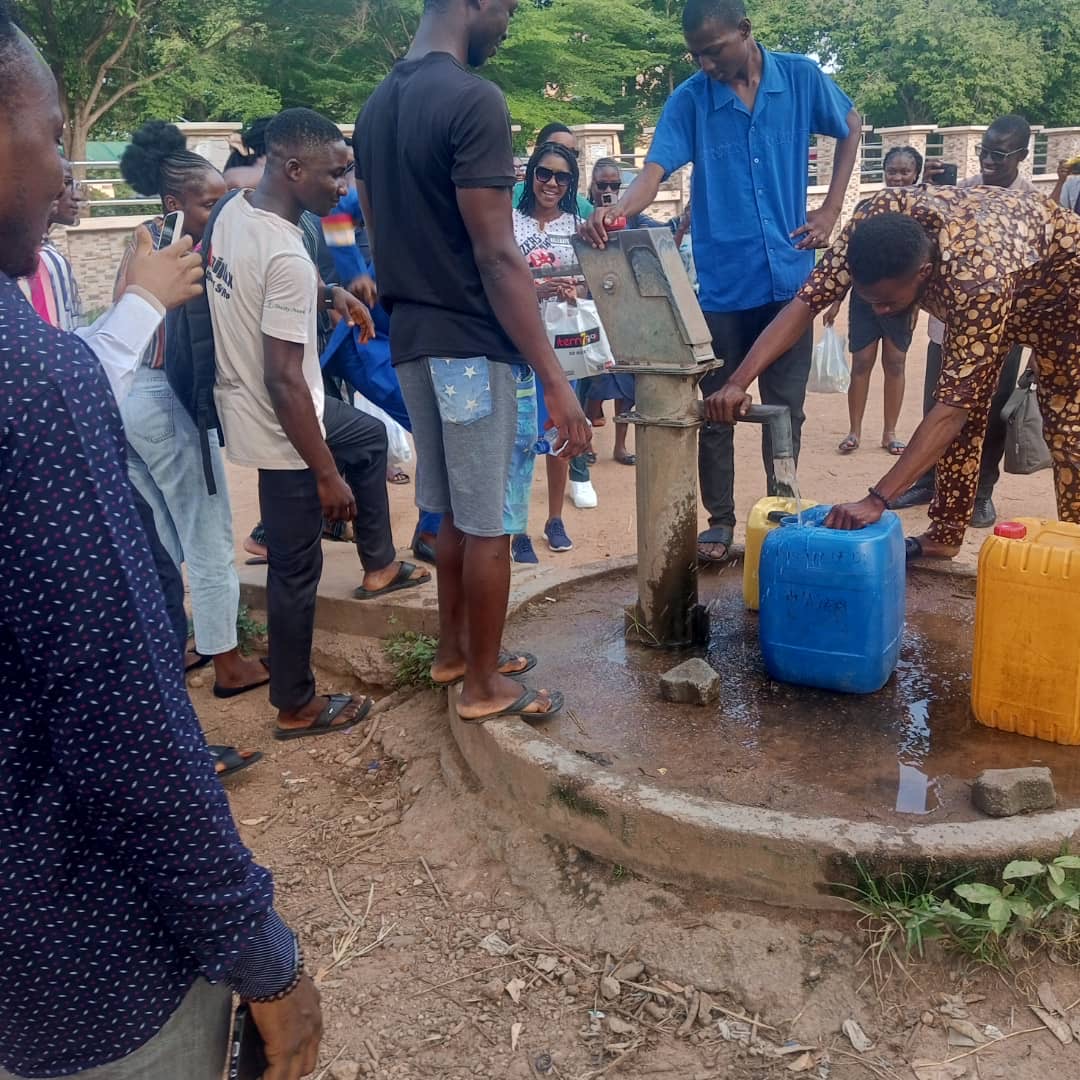
Nigeria’s struggle with water quality is severe and ongoing. As of 2025, the Nigerian Water Resources Ministry reports that just 58% of the population has access to safe drinking water. Pollution from industry, agriculture, and inadequate sanitation systems contaminates rivers and wells, leading to widespread outbreaks of waterborne diseases. According to UNICEF, nearly 50 million Nigerians lack clean water, and children are especially vulnerable to diarrhea and other illnesses. Poor infrastructure and political instability make it difficult to maintain or expand water treatment facilities. In rural areas, people often walk miles to fetch water from questionable sources. Public health campaigns are underway, but the scale of the crisis makes progress painfully slow. The situation remains urgent, with access to safe water a daily struggle for millions.


