
Bhutan: The Carbon Negative Nation
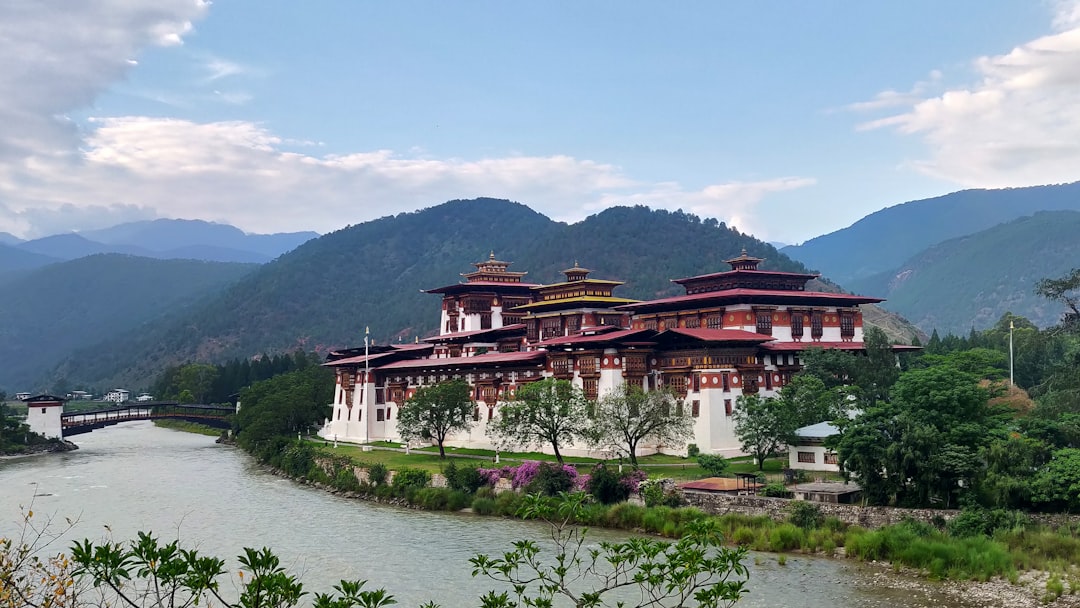
Bhutan stands out on the world stage for its unwavering commitment to environmental conservation. The country absorbs more carbon dioxide than it emits, making it officially carbon negative. In 2025, Bhutan continues to enforce its “high-value, low-impact” tourism policy, which requires visitors to pay a minimum daily fee of around $200 USD. This approach limits the number of tourists and ensures that their visits directly support conservation and local communities. The government has consistently prioritized Gross National Happiness over unchecked economic growth, which means environmental sustainability always takes center stage. Recent government reports reveal that tourist numbers have plateaued, as authorities keep a close eye on ecological indicators. The Bhutanese Ministry of Environment has hinted at the possibility of banning mass tourism entirely if environmental pressures increase. By maintaining tight restrictions, Bhutan sets a global example for balancing tourism with nature preservation. The focus remains on safeguarding untouched forests, rare wildlife, and clean rivers for generations to come.
Galápagos Islands, Ecuador: A Fragile Ecosystem
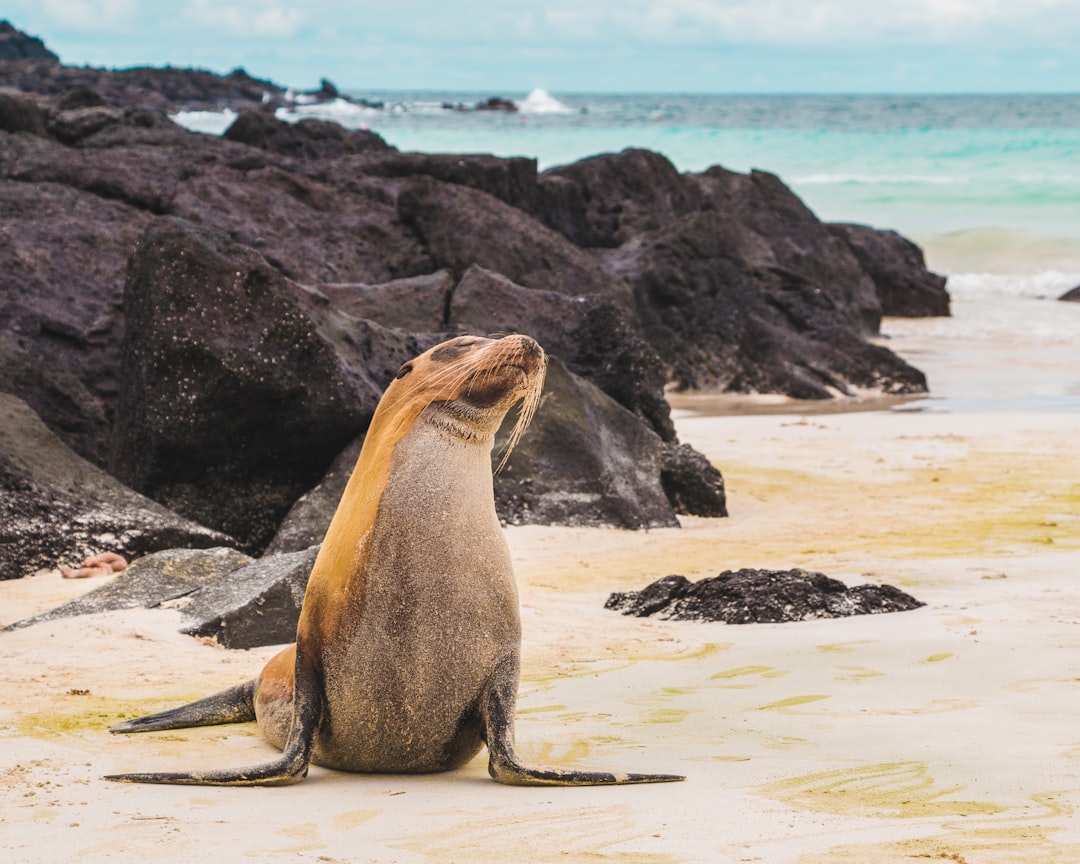
The Galápagos Islands are world-famous for being a living laboratory of evolution, but rising tourism has threatened their unique biodiversity. In 2025, Ecuadorian officials are seriously considering a cap on the number of annual visitors, after research from the Galápagos National Park highlighted a rise in invasive species and habitat damage. UNESCO has repeatedly warned that human activity, particularly from tourism, is pushing the islands’ fragile ecosystems to the brink. Currently, only about 220,000 tourists are allowed each year, but even this number is challenging for local conservationists to manage. Recent data show that popular sites experience greater erosion and pollution during peak tourist season. Authorities have already closed some sensitive areas to the public, such as certain beaches during turtle nesting season. Conservationists argue that a total ban on tourism, even temporarily, may be necessary to allow habitats to recover. The Ecuadorian government is now consulting with scientists and local communities to decide the future of tourism in the Galápagos.
Venice, Italy: Overcrowding and Environmental Concerns

Venice remains a top destination in Europe, drawing more than 30 million visitors each year—over 100 times its resident population. In 2025, local officials are debating whether to ban large cruise ships entirely and impose strict tourist quotas. The city’s iconic canals and foundations are suffering from erosion and water pollution, made worse by the heavy wake of cruise ships. Studies from the Italian Ministry of Culture show that air and water quality around Venice have declined as tourist numbers soared. In recent years, authorities have introduced entry fees and reservation systems to manage visitor flows, but these measures have not alleviated the strain on infrastructure. Some Venetian residents have organized protests, demanding stronger action to protect the city’s heritage and environment. UNESCO has threatened to place Venice on its endangered list if the situation does not improve. The possibility of an outright tourist ban, at least during peak times, is now a serious consideration among policymakers. Venice’s future hangs in the balance as officials weigh economic benefits against environmental survival.
Thailand: Protecting Marine Life
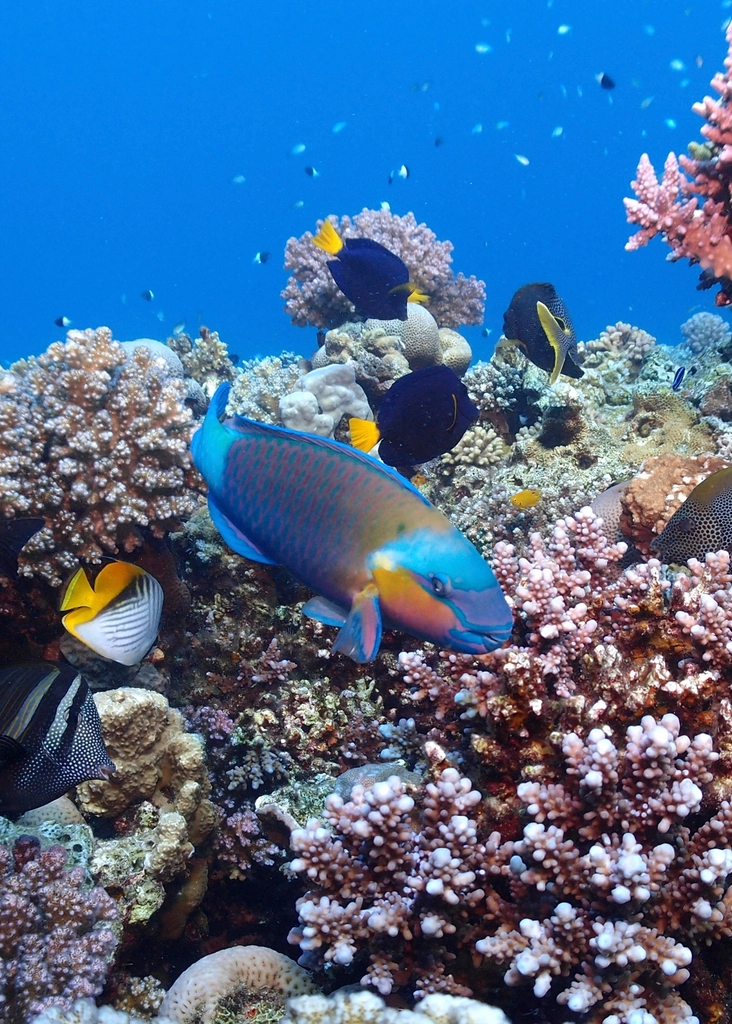
Thailand’s world-renowned beaches and coral reefs have suffered from the effects of mass tourism, especially in hotspots like Phuket and Koh Phi Phi. In 2025, the Thai government is considering banning tourists from several marine protected areas, building on the indefinite closure of Maya Bay. Marine biologists from the Department of National Parks report that coral bleaching and declining fish populations are becoming more severe each year. The pressure of millions of annual visitors has led to increased plastic pollution, boat anchor damage, and illegal fishing. New research shows a direct link between tourist activity and the degradation of fragile reefs. Authorities have already closed off certain islands seasonally to allow ecosystems to recover. There are also proposals to limit the number of boats and require eco-certification for tour operators. The government believes that banning all non-essential tourism in especially vulnerable areas may be the only way to restore marine health. With tourism accounting for a major part of Thailand’s economy, the proposed measures are both bold and controversial.
Iceland: Preserving Natural Wonders
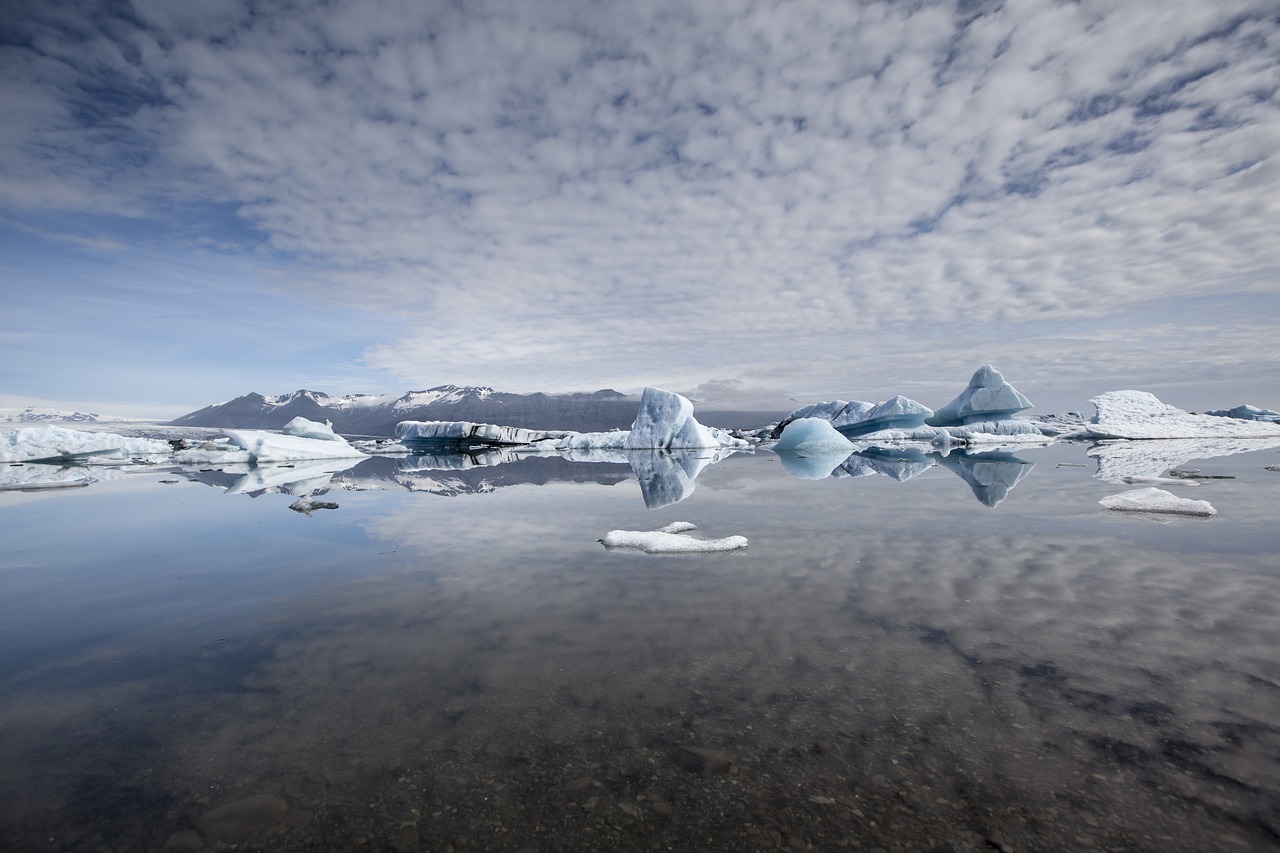
Iceland’s dramatic landscapes draw millions of visitors, but the surge in tourism has led to serious concerns about environmental degradation. In 2025, authorities are weighing the introduction of a strict permit system for attractions like the Golden Circle and the Blue Lagoon. Environmental studies reveal that popular trails are suffering from erosion and off-road driving has damaged sensitive moss and lava fields. The Icelandic Tourist Board has reported that over 2 million tourists visited in the past year, compared to a population of just over 370,000. Local residents and scientists are increasingly vocal about the need for drastic action to prevent irreversible damage. The government is piloting eco-friendly transport and mandatory guided tours in the most vulnerable sites. Some conservationists argue that only a full ban on unsupervised tourism can protect the country’s unique landscapes. Iceland is also investing heavily in visitor education to promote responsible travel. The balance between economic gain and nature preservation is under constant review.
New Zealand: Conservation-Driven Policies
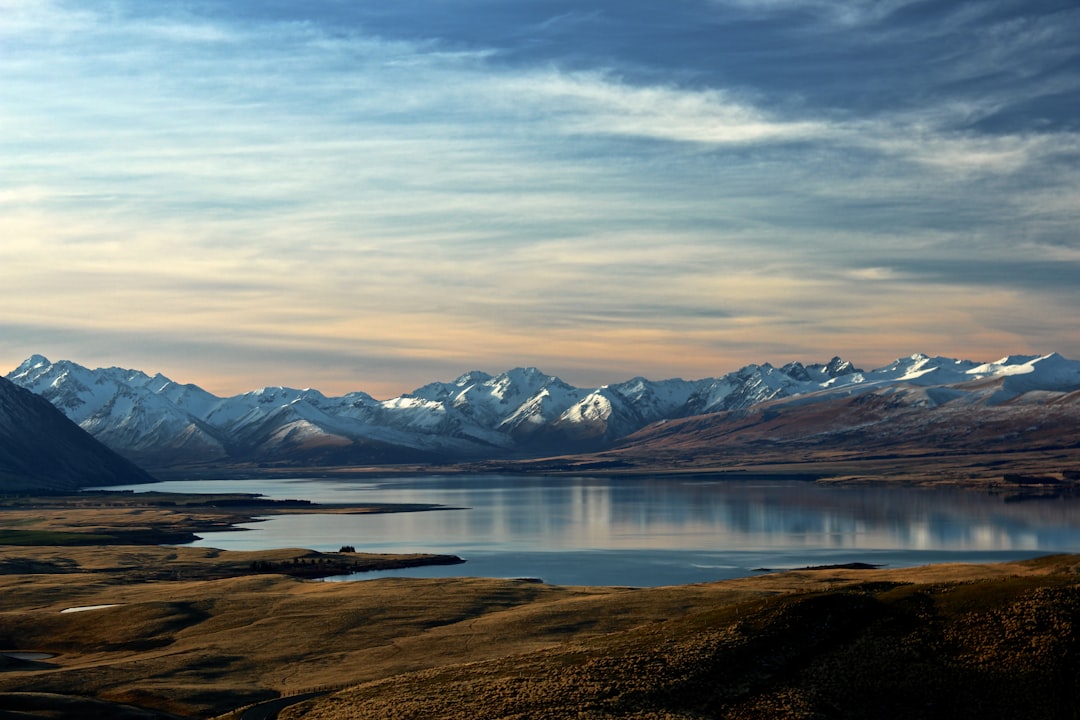
New Zealand is famous for its breathtaking scenery and diverse wildlife, but the influx of tourists is taking a toll on its national parks. In 2025, the Department of Conservation is considering bans on certain activities like off-trail hiking and unsupervised camping in fragile areas. Recent government data show that iconic trails, such as the Tongariro Alpine Crossing, are experiencing record foot traffic and significant trail erosion. Efforts to limit visitor numbers through booking systems have had some success, but conservationists warn much stricter controls are needed. There are proposals to ban tourist access to certain habitats during sensitive breeding seasons for native birds and other wildlife. Local Māori communities are also pushing for stronger protections of sacred sites, which are often overrun by visitors. The government is exploring options such as dynamic pricing to discourage overcrowding during peak times. New Zealand’s reputation as a “clean, green” destination is at stake, prompting urgent debate over the future of tourism. Authorities are determined to ensure the country’s natural beauty endures.
Australia: Protecting the Great Barrier Reef
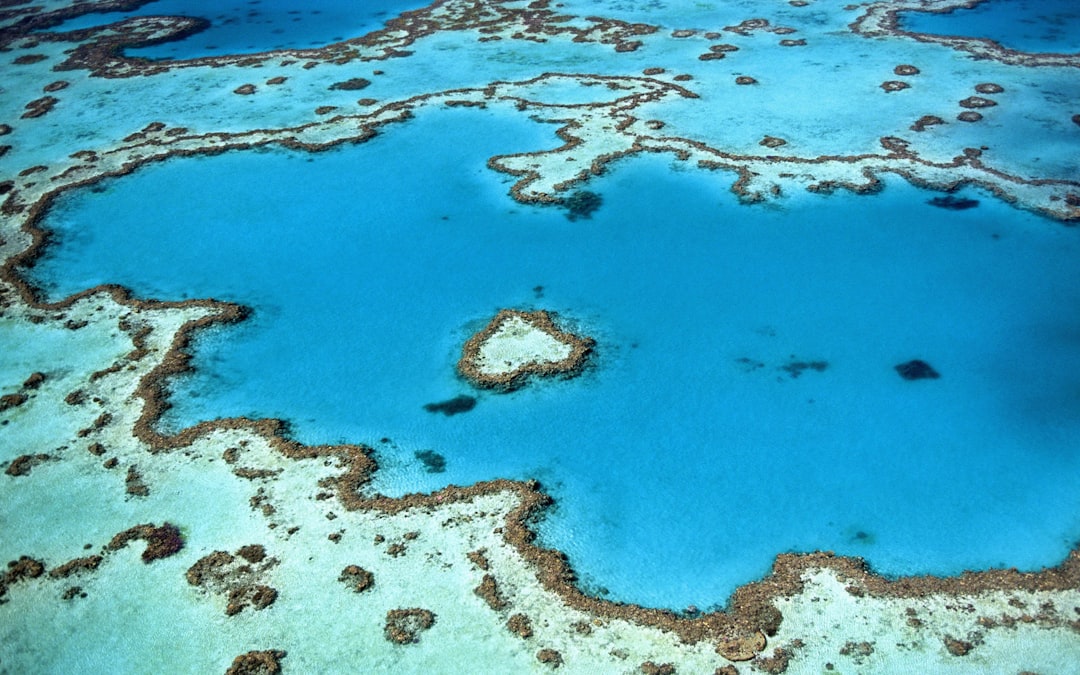
Australia’s Great Barrier Reef faces unprecedented threats from both climate change and tourism-related stress. In 2025, the federal government is actively considering new bans on mass tourism activities in the most vulnerable sections of the reef. The Great Barrier Reef Marine Park Authority has documented that coral bleaching events are becoming more frequent and severe, with tourism contributing to water pollution and physical damage from anchors and divers. Current measures, such as limiting the size and number of tour boats, have not been enough to halt reef decline. Scientists warn that without drastic action, entire sections of the reef could become dead zones. Proposals on the table include banning large cruise ships, prohibiting snorkeling in especially fragile zones, and enforcing no-go areas for several years. The government is also ramping up funding for reef restoration and stricter penalties for violations. Tourism operators are being urged to adopt best practices and invest in reef-safe technologies. The urgency to act is underscored by the reef’s immense ecological and economic value.
Costa Rica: A Leader in Sustainable Tourism
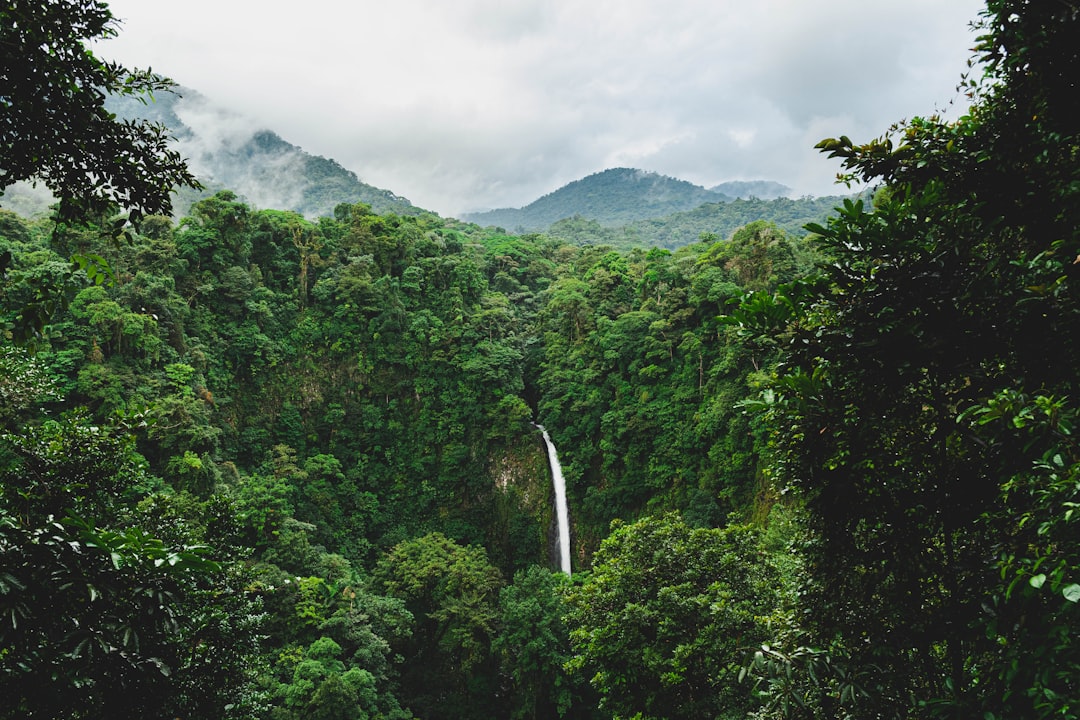
Costa Rica has built its global reputation on eco-tourism and the protection of its stunning biodiversity, but even here, visitor numbers are raising alarms. In 2025, the country’s National System of Conservation Areas is pushing for tighter restrictions on tourist access to national parks and wildlife reserves. Studies from the Costa Rican Tourism Board show that some of the most popular parks, like Manuel Antonio, are reaching ecological carrying capacity, with habitat loss and pollution on the rise. The government is considering introducing daily visitor limits and closing certain trails during the rainy season to allow for regeneration. Eco-certification programs for hotels and tour operators are being expanded, but officials believe stronger action is still needed. There is also a growing movement to ban all tourism from particularly sensitive ecosystems, such as turtle nesting beaches during breeding season. Local communities, who benefit economically from tourism, are working with conservationists to find a balance. Costa Rica’s strong legal framework for environmental protection makes the possibility of bans more realistic than in many other nations. Environmentalists hope these steps will secure the future of the country’s remarkable wildlife and landscapes.