
Finland: The Undisputed Champion of Joy
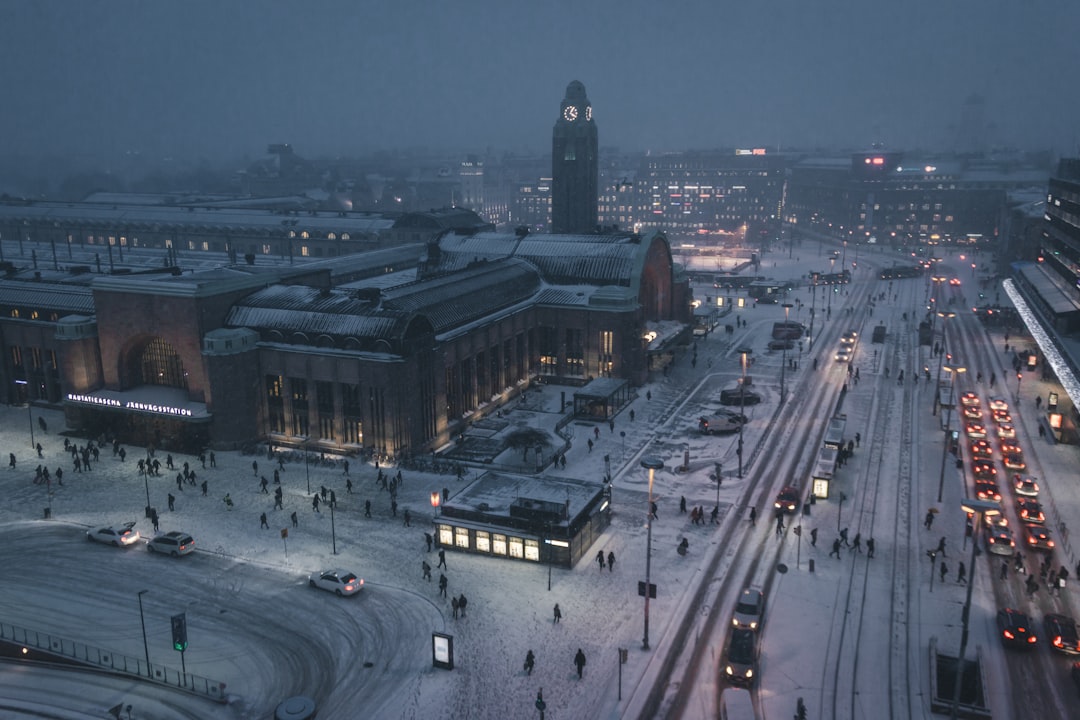
Finland stands at the very top, crowned as the world’s happiest nation for several years in a row by the World Happiness Report. This small Nordic country boasts a happiness score of 7.8 as of 2023—a number that speaks volumes about its quality of life. Finnish people benefit from universal healthcare, free education, and a generous social safety net that ensures no one is left behind. Trust in government and fellow citizens is remarkably high, which reduces stress and fosters a deep sense of community. The concept of “sisu,” roughly meaning grit and perseverance, is deeply ingrained in Finnish culture and helps people face life’s challenges with resilience. Life here is balanced, with ample time for outdoor activities like skiing, swimming in icy lakes, and hiking through endless forests. It’s no wonder that so many Finns report feeling secure, cared for, and satisfied with their lives year after year.
Denmark: Where Welfare and Togetherness Meet

Denmark consistently takes the second spot on the happiness charts, with a score of 7.6 in 2023. Danes enjoy a comprehensive welfare system that provides free healthcare, education, and generous parental leave, which removes many of life’s biggest worries. The Danish concept of “hygge”—creating a cozy, warm atmosphere—is more than a trend; it’s a way of life that keeps spirits high, especially during long winters. People in Denmark express a strong sense of trust in their government and each other, which builds a foundation of mutual respect and safety. Community events, social clubs, and local gatherings are common, making loneliness a rare phenomenon. The balanced work-life culture means people have plenty of time for family, friends, and relaxation. All of these factors together create a society where happiness isn’t just possible, it’s expected.
Switzerland: Prosperity and Peace of Mind
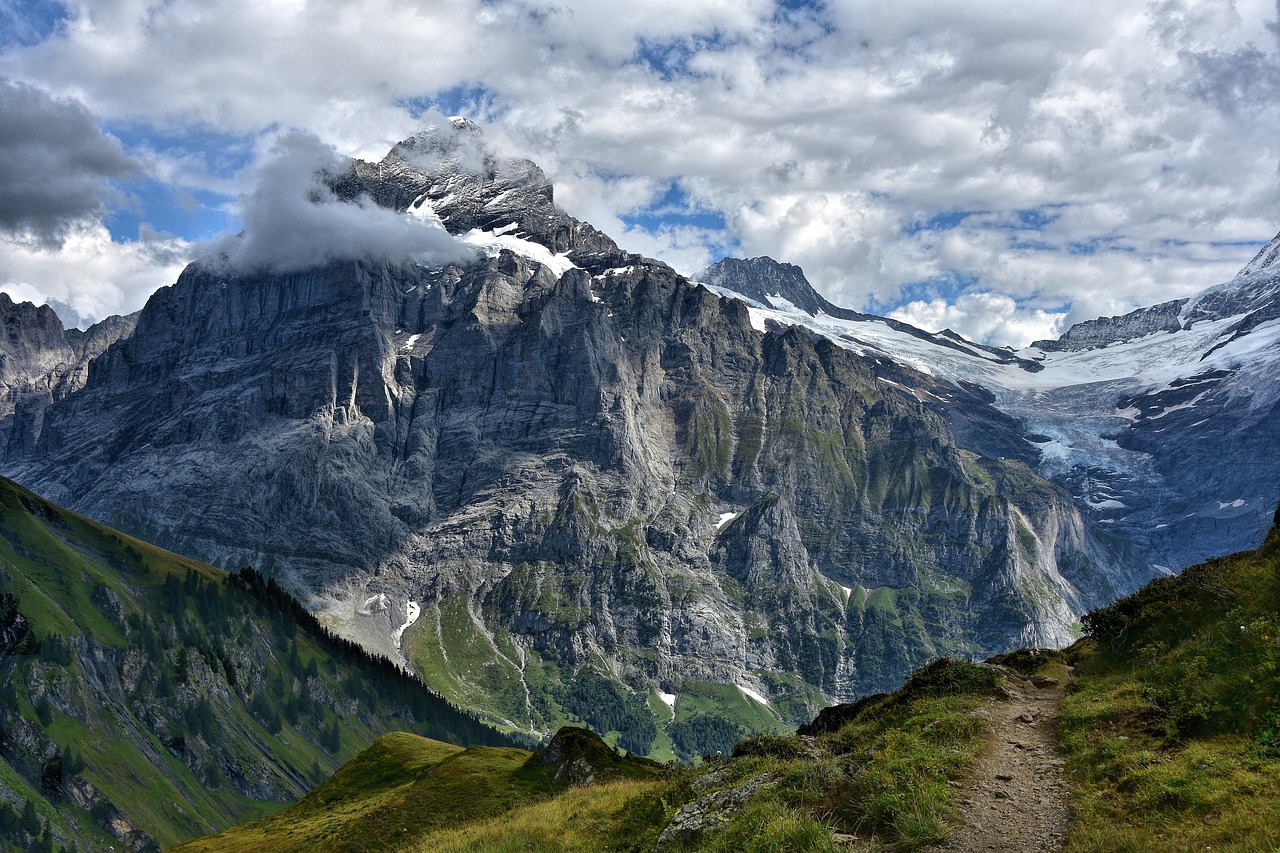
Switzerland lands securely in third place, achieving a happiness score of 7.5. This prosperous nation is known for its stunning mountain vistas, clean cities, and efficient public transportation. Swiss citizens benefit from high incomes, low unemployment, and a stable economy, providing peace of mind about the future. The country’s direct democracy system means people have a real say in political decisions, which increases satisfaction and trust in leadership. Access to top-notch healthcare and education is a given for every resident, while crime rates remain low. The Swiss are famous for their love of the outdoors—whether it’s skiing in the Alps or biking along scenic lakes, people here prioritize their well-being. This blend of wealth, stability, and beautiful surroundings creates a recipe for lasting happiness.
Iceland: Resilience Amidst Rugged Beauty

Iceland matches Switzerland with a 7.5 happiness score, thanks to its tight-knit communities and breathtaking natural environment. Despite the country’s remote location and challenging climate, Icelanders have built a society where mutual support and equality are core values. The welfare system is robust, providing healthcare, education, and social support for all. Gender equality is a point of pride, with women playing prominent roles in leadership and society. The country’s small population means that everyone knows their neighbors, fostering a sense of belonging. Icelanders have a strong connection to the land, enjoying geothermal pools, volcanic landscapes, and the magical northern lights. The culture values creativity and storytelling, bringing people together through music, literature, and art.
Netherlands: Biking Toward Happiness
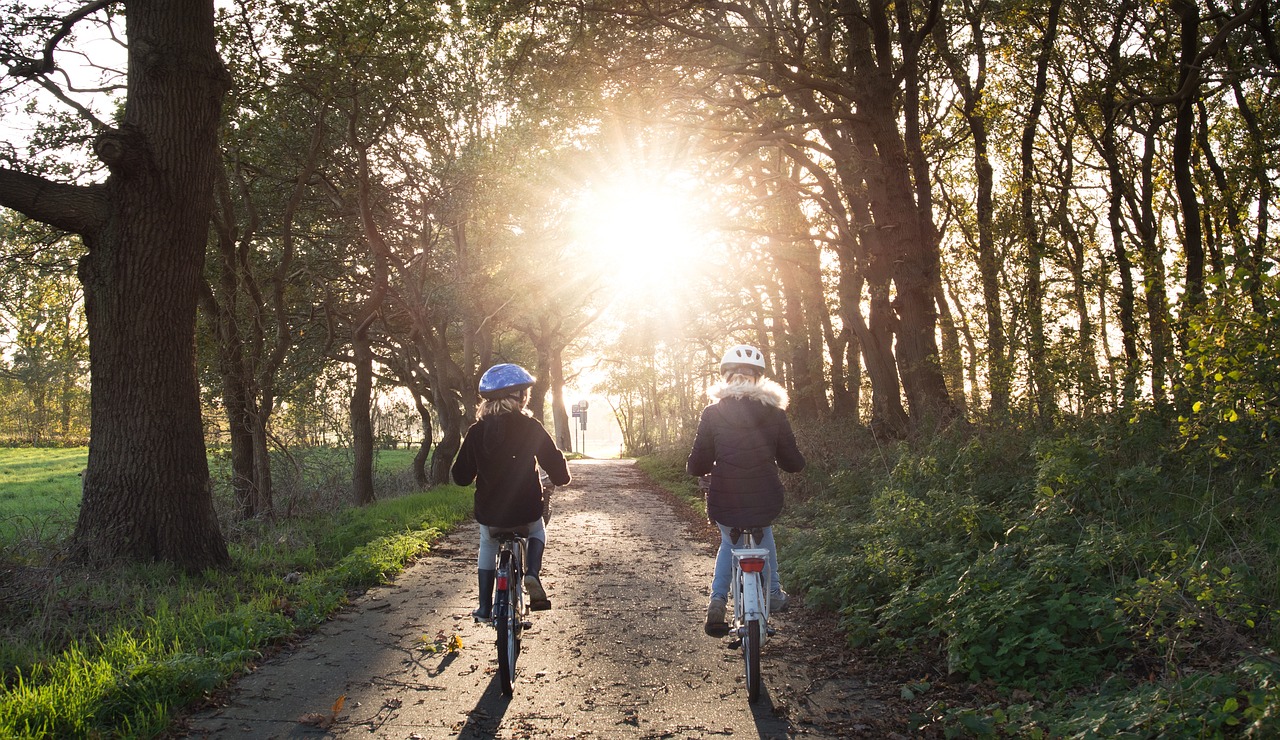
The Netherlands is fifth in the happiness rankings, with a 7.4 score in 2023. The Dutch are known for their open-mindedness, tolerance, and progressive social policies, all of which contribute to a sense of freedom and acceptance. The country’s flat landscape makes cycling the preferred mode of transportation, reducing stress and promoting health. Work-life balance is a priority, with short commutes and flexible working hours giving people more time to enjoy family and hobbies. Social connections are strong, with regular neighborhood gatherings and vibrant city life. The education and healthcare systems are high quality and accessible to everyone. The Dutch also take pride in their beautiful cities, canals, and tulip fields, which add to daily joy.
Norway: Natural Wealth and Social Trust

Norway shares the Netherlands’ happiness score of 7.4, with its wealth largely coming from natural resources like oil and gas. This financial security allows the government to invest heavily in public services, providing free healthcare, education, and generous welfare benefits. Norwegians enjoy an exceptional standard of living, with little inequality and a strong sense of fairness. The country’s stunning fjords, forests, and mountains encourage people to spend time outdoors, which research shows is linked to higher happiness. Norwegians value their “friluftsliv,” or open-air life, spending weekends hiking, skiing, or simply enjoying nature. Trust in government and low levels of corruption make people feel safe and supported. The combination of wealth, natural beauty, and community spirit creates an environment where happiness thrives.
Sweden: Innovation, Equality, and Well-Being
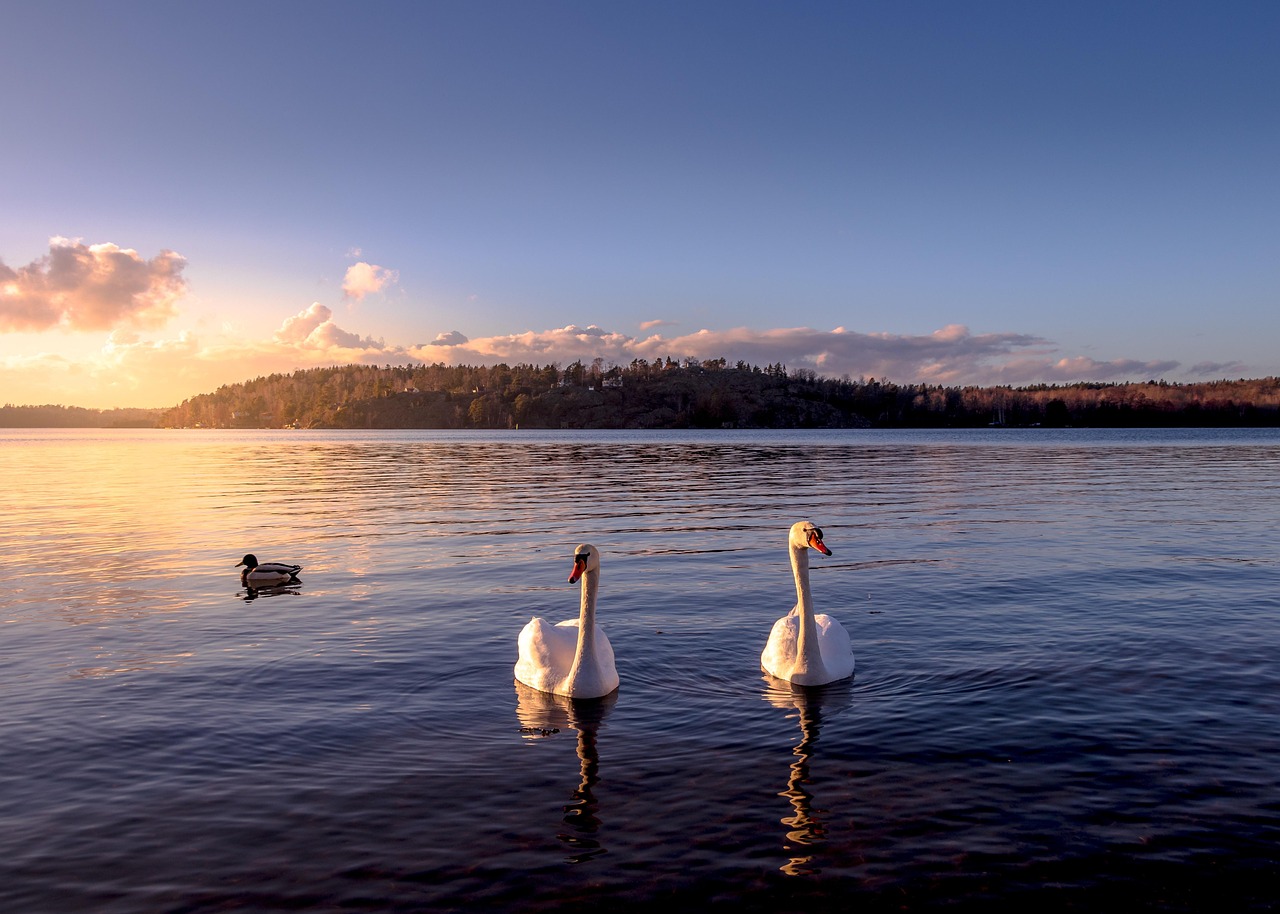
Sweden sits comfortably in seventh place with a happiness score of 7.3. The Swedish welfare model ensures that everyone has access to healthcare, education, and social support, reducing poverty and stress. The country is known for its innovation, environmental sustainability, and high-tech industries, which create a sense of pride and opportunity. Swedes enjoy a balanced lifestyle, with six weeks of vacation typical and a strong emphasis on spending time with family and friends. Gender equality is deeply rooted in Swedish society, with parental leave and workplace policies supporting both men and women. The culture values humility and cooperation, contributing to a harmonious social environment. Beautiful forests, lakes, and a clean urban environment give Swedes plenty of places to recharge.
Luxembourg: Small Size, Big Happiness
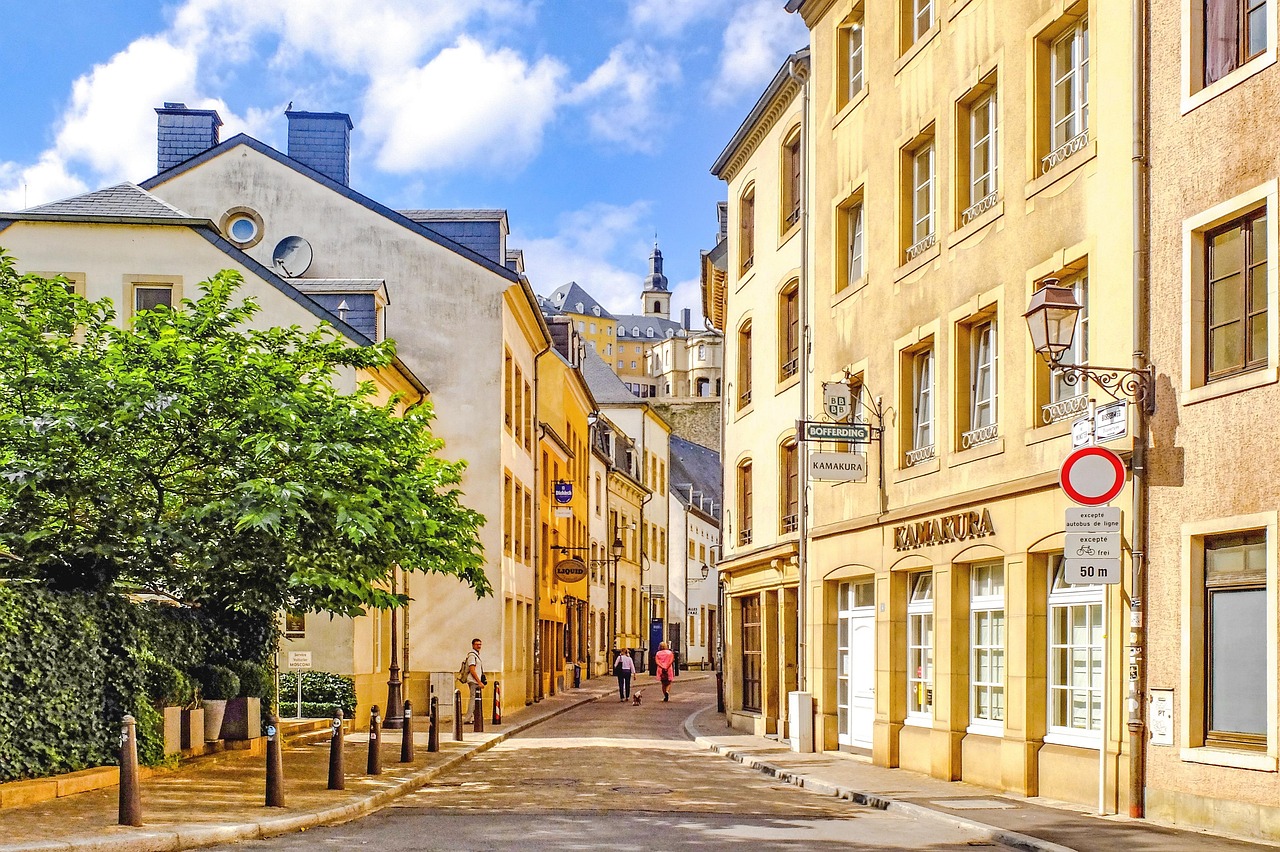
Luxembourg may be small, but it ranks eighth in happiness with a score of 7.3. The country’s booming economy and high average income allow for a standard of living that’s among the highest in the world. Residents enjoy excellent healthcare, education, and social protection, which ease many common worries. Luxembourg’s population is incredibly diverse, with people from all over the globe calling it home, creating a multicultural environment where everyone can feel included. The workweek is shorter than in many countries, and people make the most of their leisure time. Parks, museums, and historic towns provide plenty of opportunities for relaxation and enrichment. The government is stable and effective, earning the trust of the population and adding to the sense of security.
New Zealand: Community Spirit and Natural Wonders

New Zealand earns ninth place and a happiness score of 7.2, thanks to its stunning landscapes and close-knit communities. Kiwis enjoy a slower pace of life compared to many other developed nations, with plenty of time for outdoor adventures in mountains, forests, and along beautiful coastlines. The country’s healthcare and education systems are strong, and the government’s response to challenges—such as the COVID-19 pandemic—has boosted public trust. Cultural heritage is important here, with Māori traditions woven into daily life and national identity. Community events, sports, and volunteering are common, giving people a sense of belonging and purpose. Environmental sustainability is also a focus, with many citizens actively involved in conservation efforts.
Austria: Culture, Comfort, and Social Care
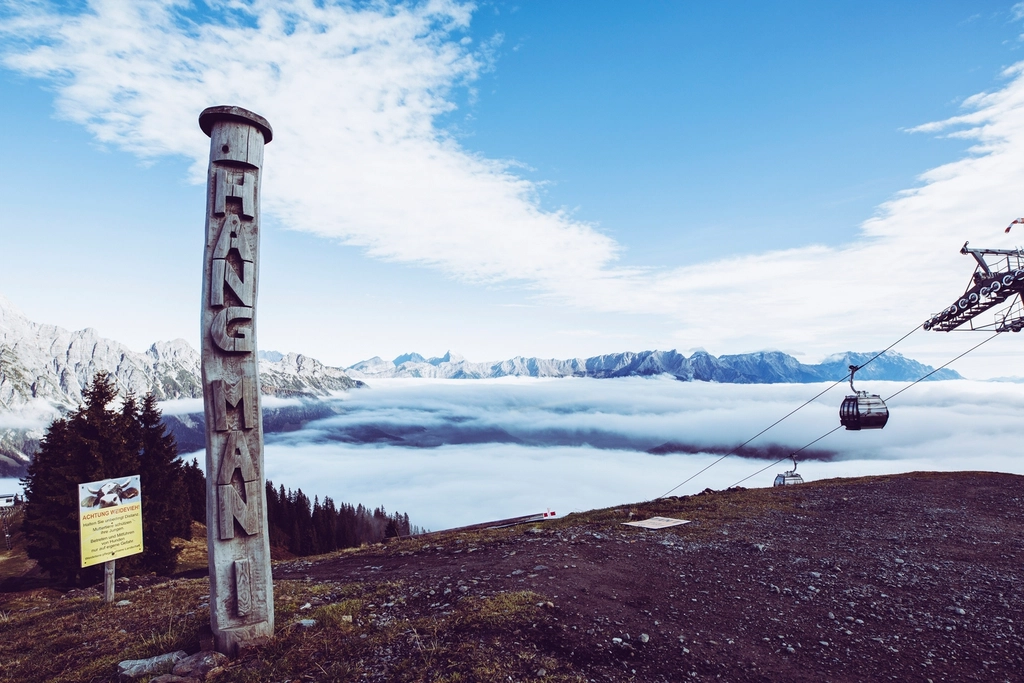
Austria rounds out the top ten happiest countries, boasting a happiness score of 7.2. The nation is celebrated for its rich cultural scene, from grand opera houses to charming Christmas markets, which provide joy and entertainment throughout the year. Austrians benefit from excellent public transportation, healthcare, and education, all supported by a well-funded social safety net. Work-life balance is respected, with long vacations and a strong tradition of spending time in nature—whether it’s hiking in the Alps or relaxing by a lake. Community festivals and local traditions are alive and well, connecting people and creating a sense of shared identity. Austrians appreciate their clean cities, beautiful countryside, and high levels of safety, all of which contribute to their contentment.
Afghanistan: The Struggle for Hope
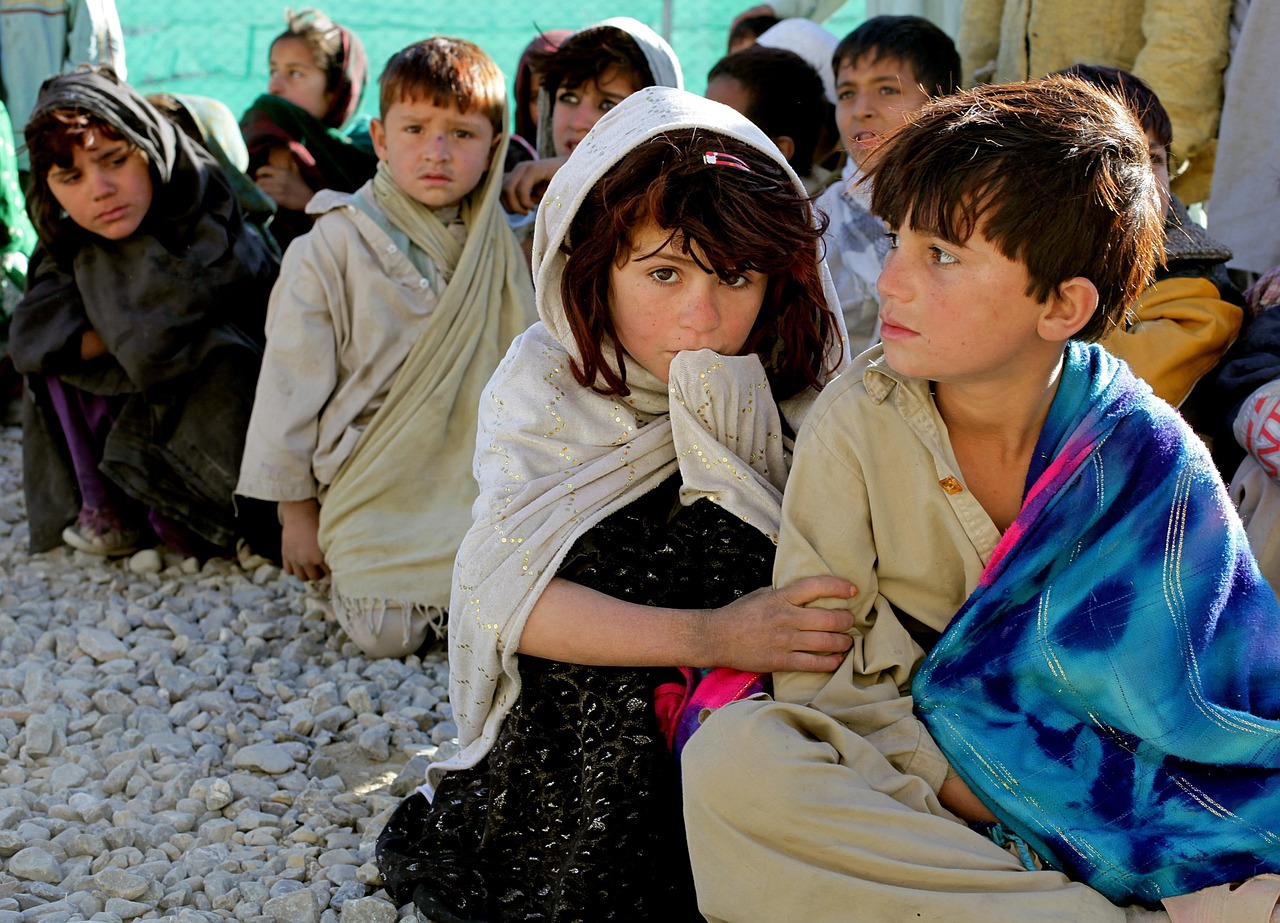
Afghanistan finds itself at the very bottom of the happiness rankings, with a score of just 2.5 in 2023. Decades of war, political instability, and ongoing humanitarian crises make daily life extremely difficult for many Afghans. Access to basic health care, education, and even clean water is limited for much of the population. The constant threat of violence and insecurity looms over communities, causing widespread anxiety and trauma. Unemployment is high, and economic opportunities are scarce, further deepening despair. Many families are separated or displaced, and children grow up in environments marked by uncertainty. The resilience and hope shown by ordinary Afghans in these conditions are remarkable, but the challenges they face are overwhelming by any standard.
South Sudan: Enduring Crisis and Hardship
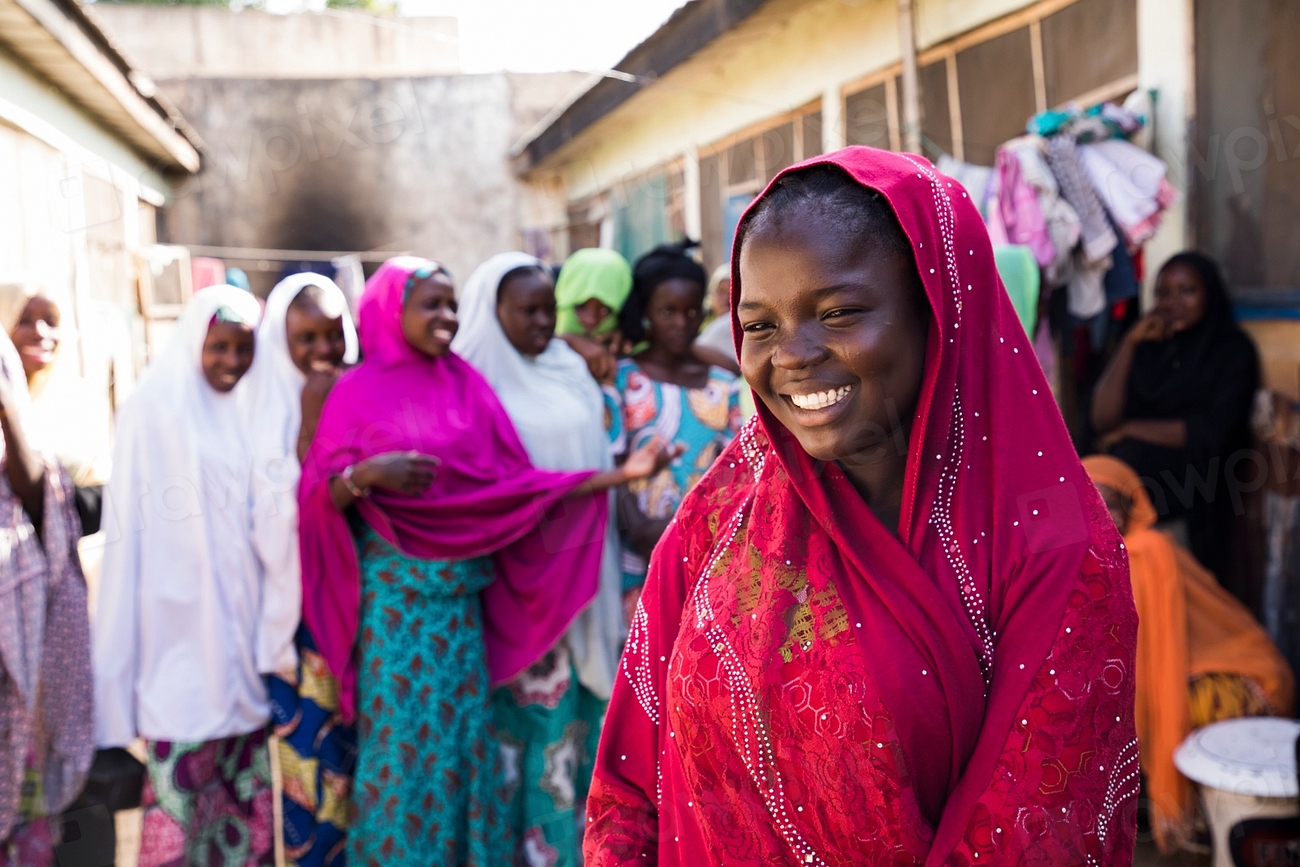
South Sudan, with a happiness score of 3.0, is one of the world’s most unhappy nations. The country has been mired in civil war for much of its short existence as an independent state. Conflict, hunger, and displacement affect millions, leading to a humanitarian crisis on a massive scale. Many people lack access to basic necessities like food, clean water, and medical care. Children are particularly vulnerable, with high rates of malnutrition and little access to education. Everyday life is marked by uncertainty and loss, as families are often forced to flee their homes. Despite the hardships, communities support each other in any way they can, showing remarkable strength in the face of adversity.
Zimbabwe: Battling Economic and Political Turmoil
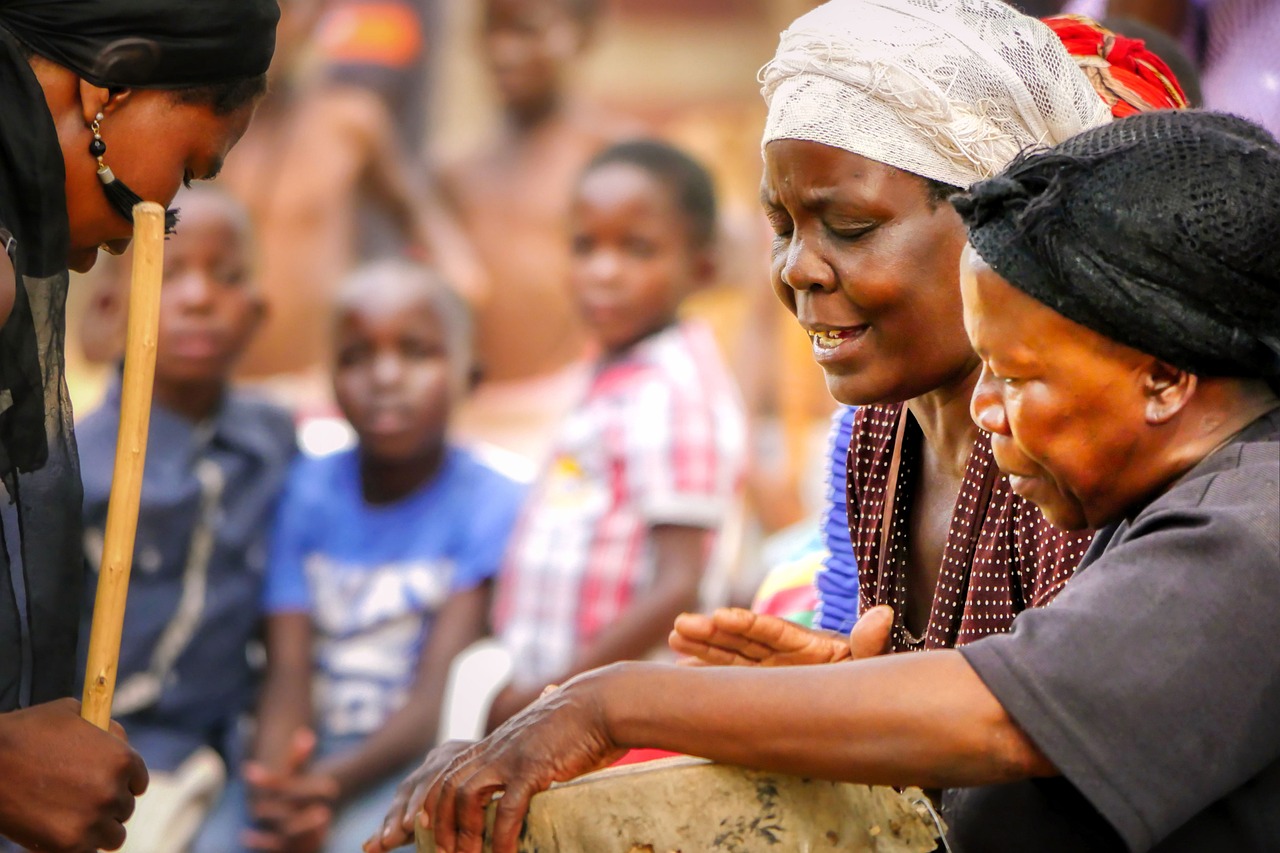
Zimbabwe struggles near the bottom of the happiness rankings with a score of 3.5. Years of political instability, economic collapse, and hyperinflation have left many Zimbabweans struggling to survive. Unemployment is widespread, and even those with jobs often find that wages do not cover basic living expenses. Access to health care and education is inconsistent, and infrastructure like roads and electricity is unreliable. Corruption and poor governance have eroded public trust, making it hard for people to believe in a better future. Many families rely on money sent from relatives abroad, highlighting the lack of opportunities at home. Despite these challenges, Zimbabweans often display remarkable resilience and community spirit, gathering to support each other in tough times.