
Most people believe that a trip to a National Park is the ultimate way to decompress and reconnect with nature, but the reality on the ground has become a logistical nightmare. In the last three years, record-breaking crowds and crumbling infrastructure have turned serene landscapes into outdoor parking lots where road rage is more common than wildlife sightings. Recent data suggests that visitor frustration is at an all-time high, with some parks now requiring complex reservation systems just to enter the gates. While you might expect peace and quiet, you’re more likely to find a two-hour wait for a shuttle bus. Here’s what the data on congestion, crime rates, and permit hurdles actually say.
#15 — Joshua Tree National Park

The “Instagram effect” has officially turned this desert sanctuary into a high-stress bottleneck of influencers and gridlock.
Most travelers think they can just drive in and find a spot, but Joshua Tree now sees over 3 million visitors annually, many of whom converge on a very limited network of paved roads. During peak season, the line of cars at the West Entrance in Joshua Tree Village can stretch for miles, leading to “gate rage” before you even see a single cactus. Finding a parking spot at popular trailheads like Hidden Valley is essentially a game of musical chairs played with rental SUVs.
The stress doesn’t end when you park; the park’s proximity to Los Angeles means it is often treated like a city park rather than a wilderness area. Vandalism and illegal camping have skyrocketed, forcing rangers to spend more time policing bad behavior than maintaining trails. If you aren’t through the gate by 8:00 AM, you might find yourself spending more time staring at taillights than the desert sky.
But even this desert congestion is manageable compared to the brutal logistical hurdles waiting for you at #14…
#14 — Arches National Park
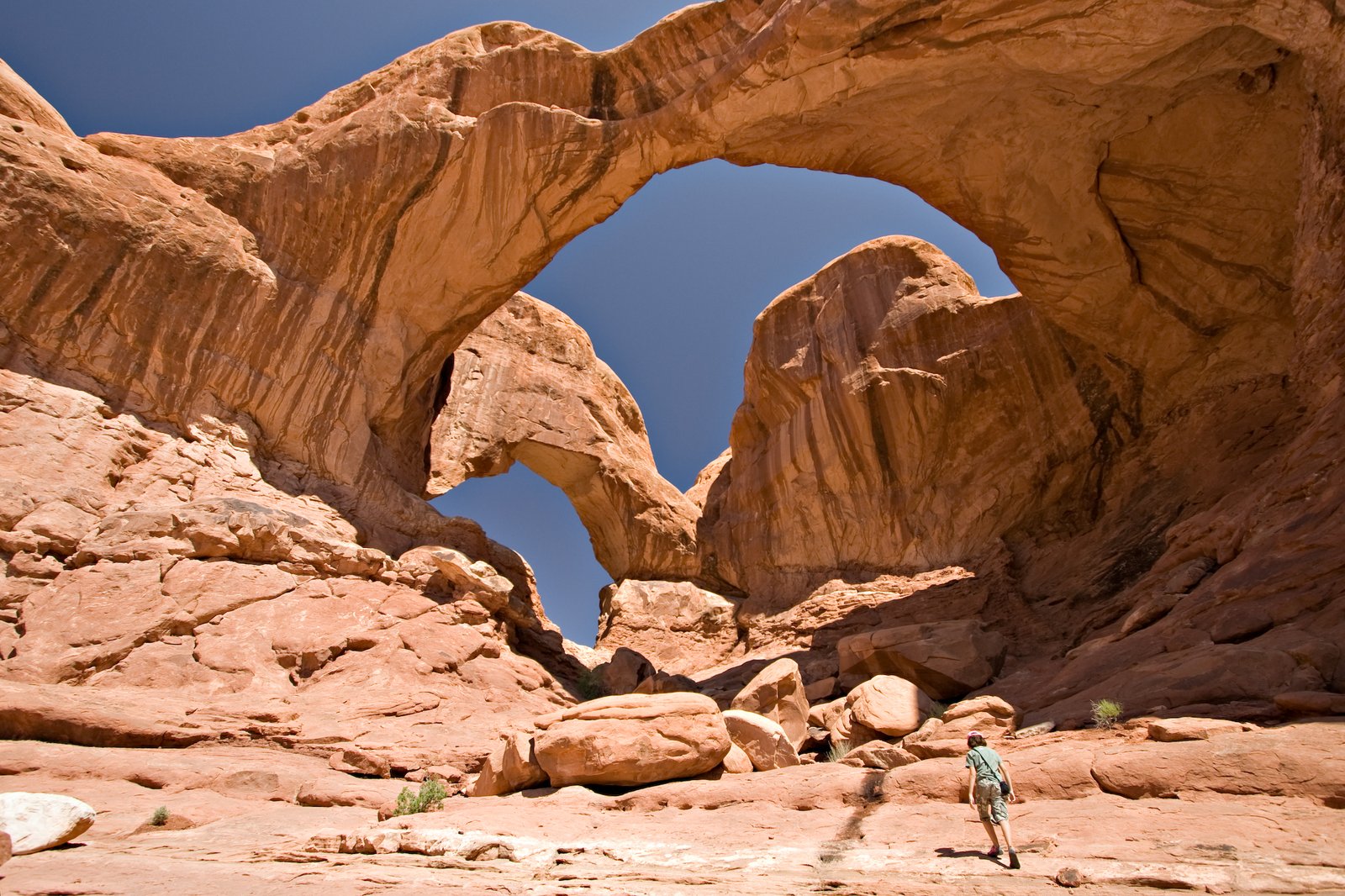
Trying to see the world’s most famous natural stone bridges has become a test of digital reflexes and patience.
Arches was one of the first parks to implement a strict “timed entry” reservation system, which means if you don’t secure a slot months in advance, you aren’t getting in. This creates a massive amount of “pre-trip anxiety” for families who have to plan their entire vacation around a single two-hour entry window. If you miss your window due to traffic in Moab, your ticket is effectively worthless, and rangers are notorious for being inflexible about these time slots.
Once inside, the stress shifts to the heat and the crowds at Delicate Arch. Because everyone is funneled into the same time slots, the trails feel like a crowded subway station during rush hour. Temperatures in the summer regularly exceed 100 degrees, leading to a high rate of heat exhaustion for tourists who underestimate the dry climate while navigating the crowds. It is a high-stakes environment where one forgotten water bottle can turn a vacation into a medical emergency.
But while Arches is a desert heat-trap, the coastal nightmare of #13 presents a much wetter set of stressors…
#13 — Acadia National Park
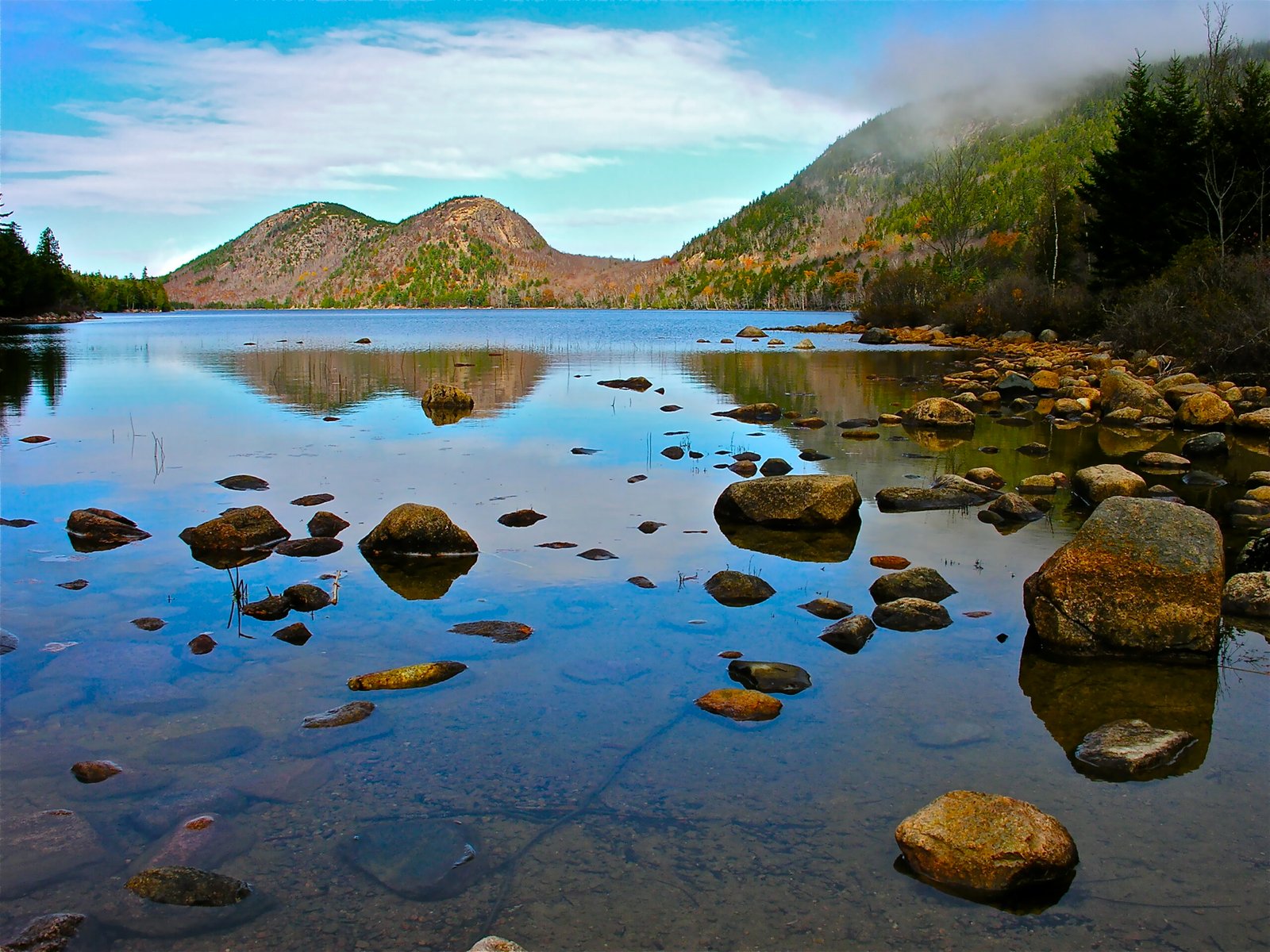
For a park that feels like it should be a quiet New England escape, Acadia is surprisingly claustrophobic and difficult to navigate.
The primary source of stress here is the Cadillac Summit Road, which now requires its own separate reservation system in addition to the park pass. Cadillac Mountain is the first place in the U.S. to see the sunrise for half the year, making the 4:00 AM rush for “sunrise permits” one of the most stressful digital experiences in travel. If you fail to get one, you’re barred from the park’s most iconic experience, leaving many visitors feeling like they’ve wasted their entire trip.
Furthermore, the narrow, winding roads of Mount Desert Island were never designed for the massive tour buses and RVs that now clog them. Parking lots at popular spots like Jordan Pond often fill up by 9:00 AM, forcing visitors to rely on the “Island Explorer” shuttle system. While the shuttle is meant to help, waiting in the rain for a bus that is already full is a common occurrence that leaves many hikers stranded.
If you think a shuttle bus is stressful, wait until you see the sheer physical and mental toll of the hike at #12…
#12 — Zion National Park
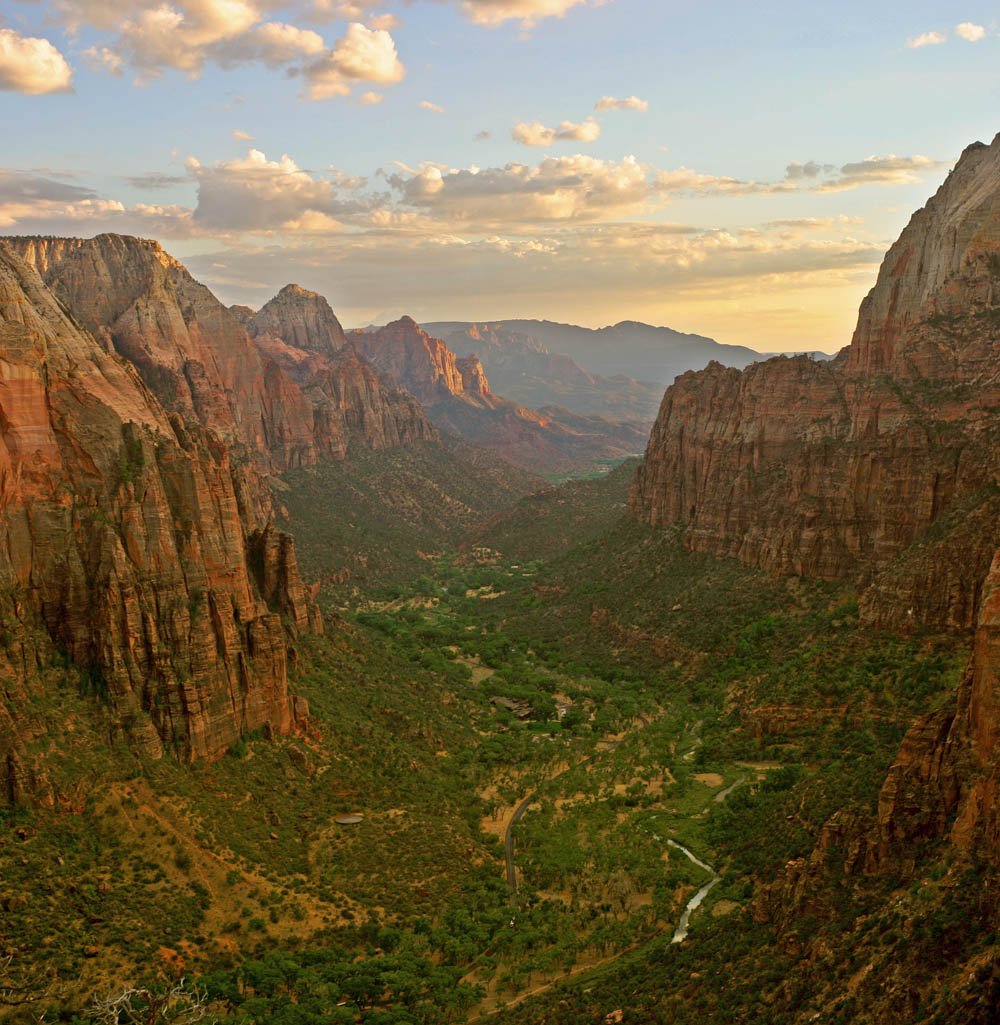
Zion is arguably the most beautiful canyon in the world, but it has become a victim of its own stunning social media presence.
The “hassle factor” here centers on the mandatory shuttle system in Zion Canyon, which is the only way to access the main sights for most of the year. Wait times for the shuttle can exceed 90 minutes during holiday weekends, meaning you spend a huge portion of your day standing in a queue. Even the “bucket list” hikes like Angels Landing now require a lottery-based permit system. The odds of winning a permit for Angels Landing are often less than 20%, leading to massive disappointment for those who traveled across the country specifically for that trail.
The Narrow’s hike adds another layer of stress via “cyanobacteria alerts” and flash flood warnings. Visitors must constantly monitor weather and water toxins, knowing that a single rainstorm miles away can turn the canyon into a death trap. Zion is the second most visited park in the system per acre, creating a feeling of “nature-claustrophobia” that most people are trying to escape, not find.
But at least Zion has a shuttle; the sheer geological scale and logistical complexity of #11 creates an entirely different kind of headache…
#11 — Grand Canyon National Park
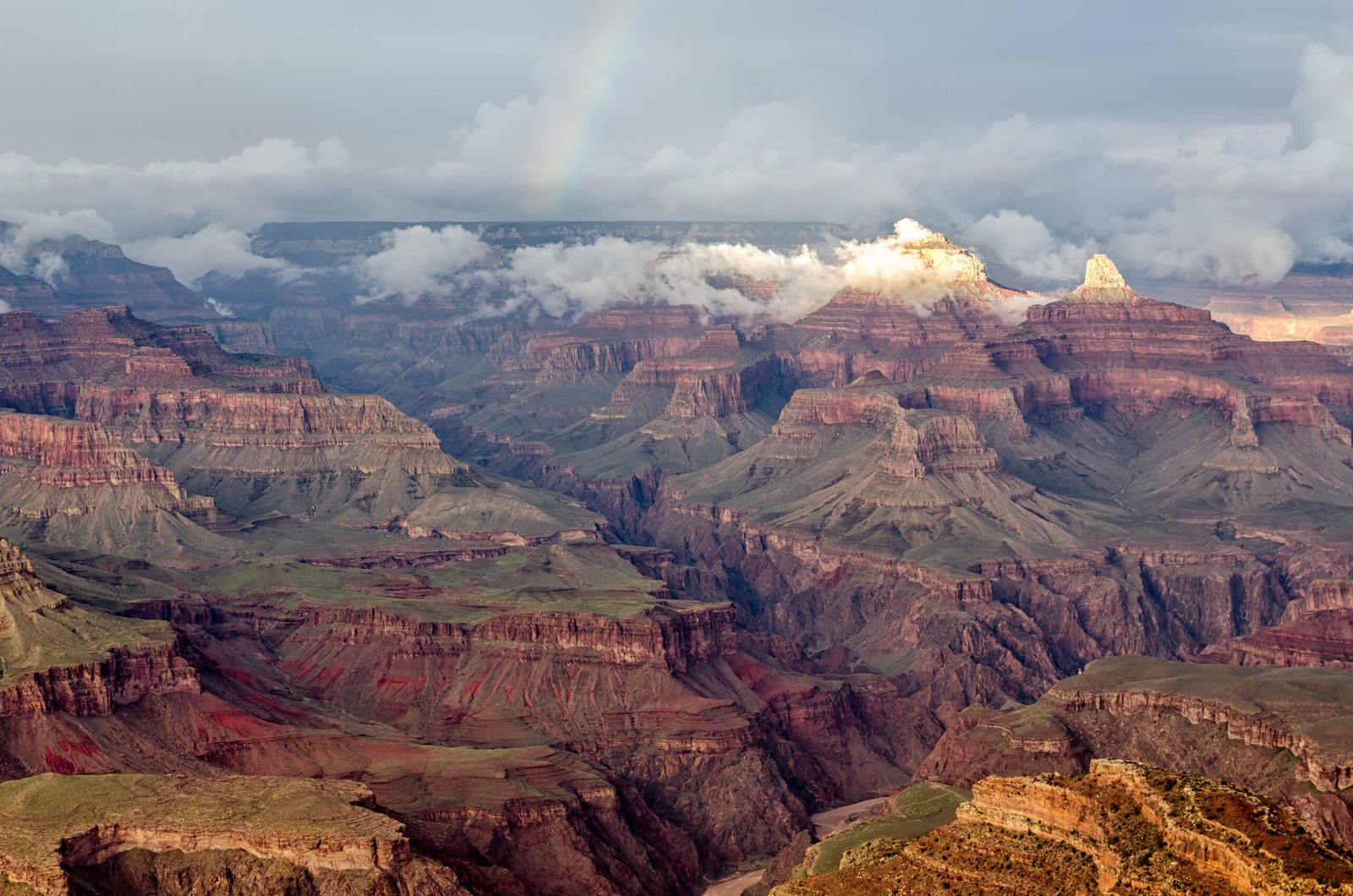
The sheer scale of the Grand Canyon is matched only by the scale of the logistical nightmare facing those who visit the South Rim.
The primary stressor here is the “Mather Point” bottleneck. Over 6 million people visit the Grand Canyon annually, and the vast majority of them congregate in a single, five-mile stretch of the South Rim. This creates a situation where you are constantly surrounded by thousands of people, making it impossible to find a quiet moment of reflection. Finding a hotel room within an hour of the park requires booking 12 to 14 months in advance, or facing a grueling two-hour commute from Flagstaff every morning.
For those who want to hike, the stress becomes physical. The “Inner Canyon” is a deceptive environment where the hike down is easy, but the hike up is an agonizing climb in extreme heat. Rangers perform over 300 helicopter rescues per year, mostly for hikers who overestimated their abilities and underestimated the desert sun. Managing the physical risks while navigating crowds of tourists who have no “trail etiquette” makes the Grand Canyon a high-tension destination.
Think the Grand Canyon is big? The logistical “dead zone” of #10 will make the South Rim look like a walk in the park…
#10 — Big Bend National Park
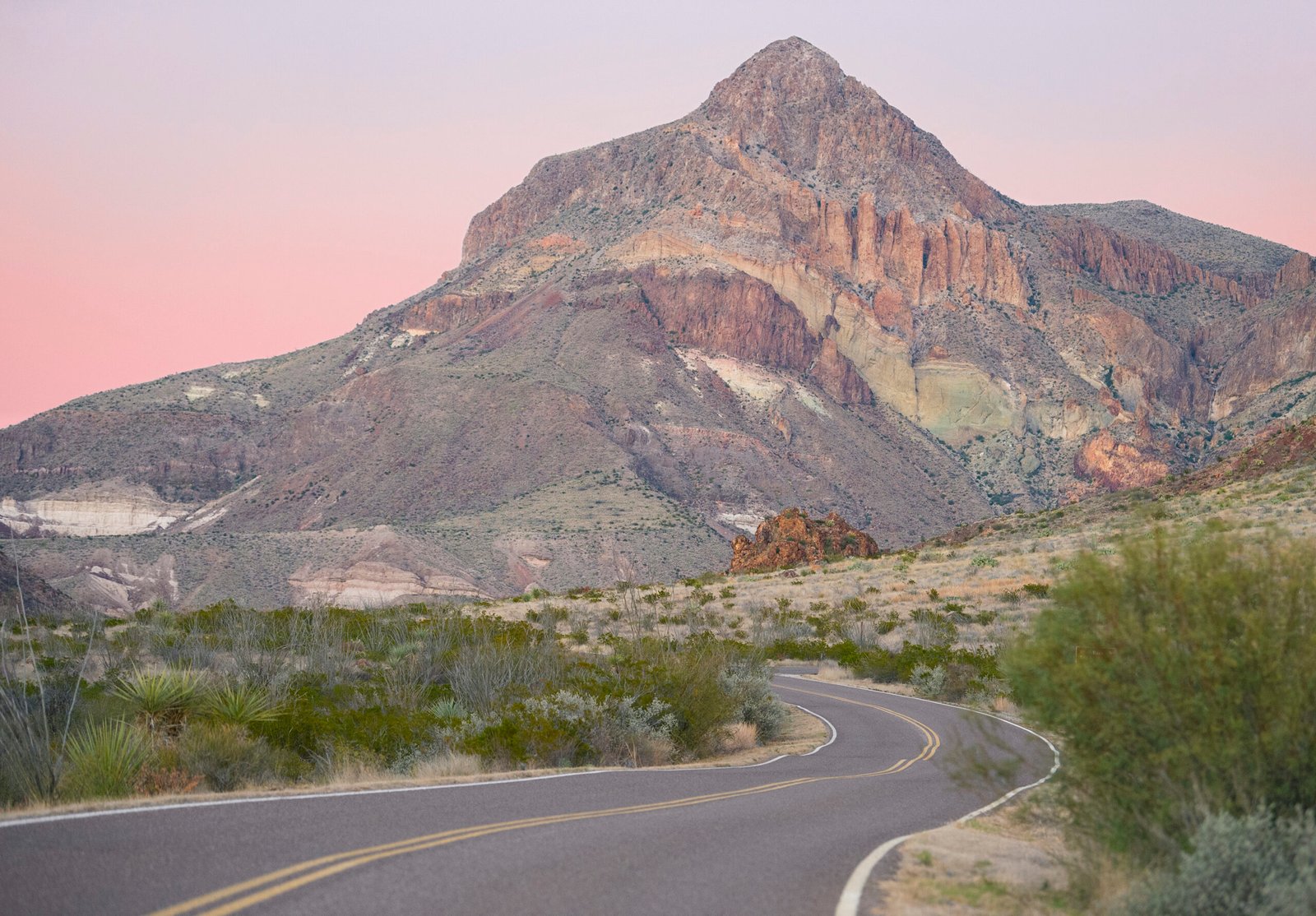
Big Bend is “stressful” not because of crowds, but because of its extreme isolation and the high penalty for making a single mistake.
Located in West Texas, this park is hours away from the nearest “real” town, meaning you have to be entirely self-sufficient. The park has very few gas stations and even fewer places to buy water, creating a constant state of “resource anxiety” for visitors. If you run out of fuel on a remote dirt road, you could be waiting days for help in a region where cellphone service is non-existent.
The border-adjacent location also adds a layer of stress that most National Parks don’t have. You will likely encounter multiple Border Patrol checkpoints and have to navigate the psychological weight of being in a highly monitored international zone. The terrain is unforgiving, and the “Chisos Basin” campground is so popular that it often books up six months in advance, leaving latecomers to scramble for spots in private desert camps miles outside the gates.
But while Big Bend is empty, the next park on our list is a masterpiece of traffic jams and “Bison jams”…
#9 — Yellowstone National Park
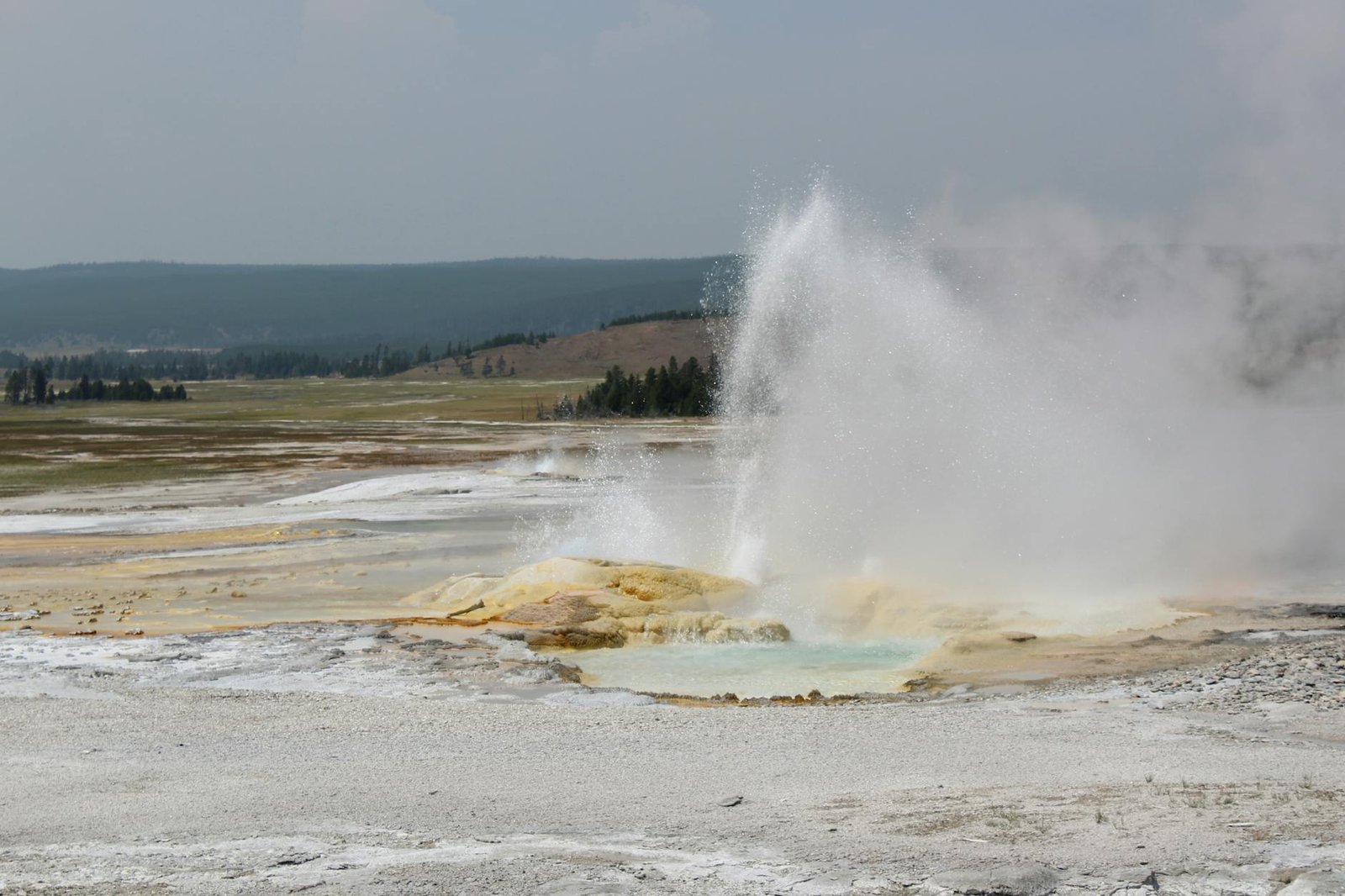
Yellowstone is the “Theme Park” of the National Park system, and it carries all the stress that comes with that title.
The “Bison Jam” is a real phenomenon where animal sightings on the road cause multi-hour traffic delays. While it sounds charming at first, being stuck in a five-mile traffic jam because a tourist is trying to take a selfie with a 2,000-pound bull quickly ruins the experience. The park is so massive that driving from one side to the other can take four hours, even without traffic, turning your vacation into a grueling trucking job.
Safety stress is also higher here than anywhere else. Visitors are frequently gored by wildlife or severely burned in hydrothermal features because they refuse to follow the rules. This creates an atmosphere of “danger watching,” where you are constantly worried about the reckless actions of those around you. With over 4 million visitors and a very short summer season, the competition for a view of Old Faithful is more akin to a crowded sporting event than a wilderness excursion.
Yellowstone is chaotic, but at least there are roads; #8 is stressful because of the sheer physical danger and technical skill required…
#8 — Grand Teton National Park
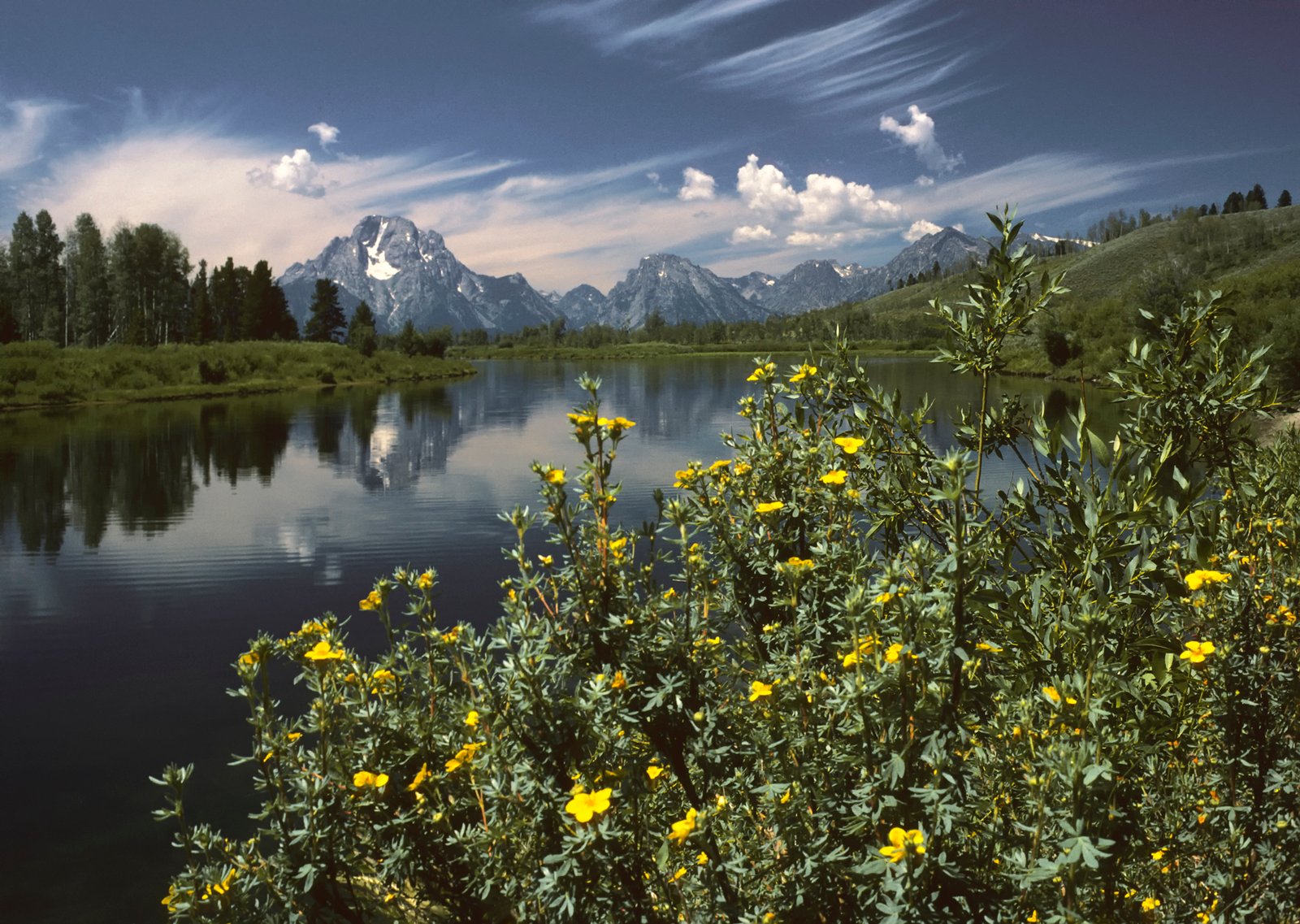
Just south of Yellowstone, Grand Teton offers a more rugged, high-altitude brand of stress that targets hikers and climbers.
The main issue here is the “parking lot lottery.” If you aren’t at the Lupine Meadows or Jenny Lake parking lots by 6:30 AM, your chances of hiking that day are slim to none. Rangers have had to implement “one-in, one-out” parking policies, which can leave you sitting in your car for hours. For those who do get on the trail, the presence of Grizzly Bears is a constant mental burden. Grand Teton has one of the highest densities of Grizzlies in the Lower 48, requiring every hiker to carry bear spray and maintain a high level of situational awareness.
The weather in the Tetons is also notoriously bi-polar. A sunny morning can turn into a lightning-filled afternoon in minutes, and since many of the trails are above the treeline, the risk of a strike is terrifyingly real. Managing the gear, the bears, and the lightning while dodging thousands of other tourists makes the Tetons a high-alert environment.
But while the Tetons are a physical challenge, #7 is a logistical puzzle involving ferries, seaplanes, and “zero room for error”…
#7 — Isle Royale National Park
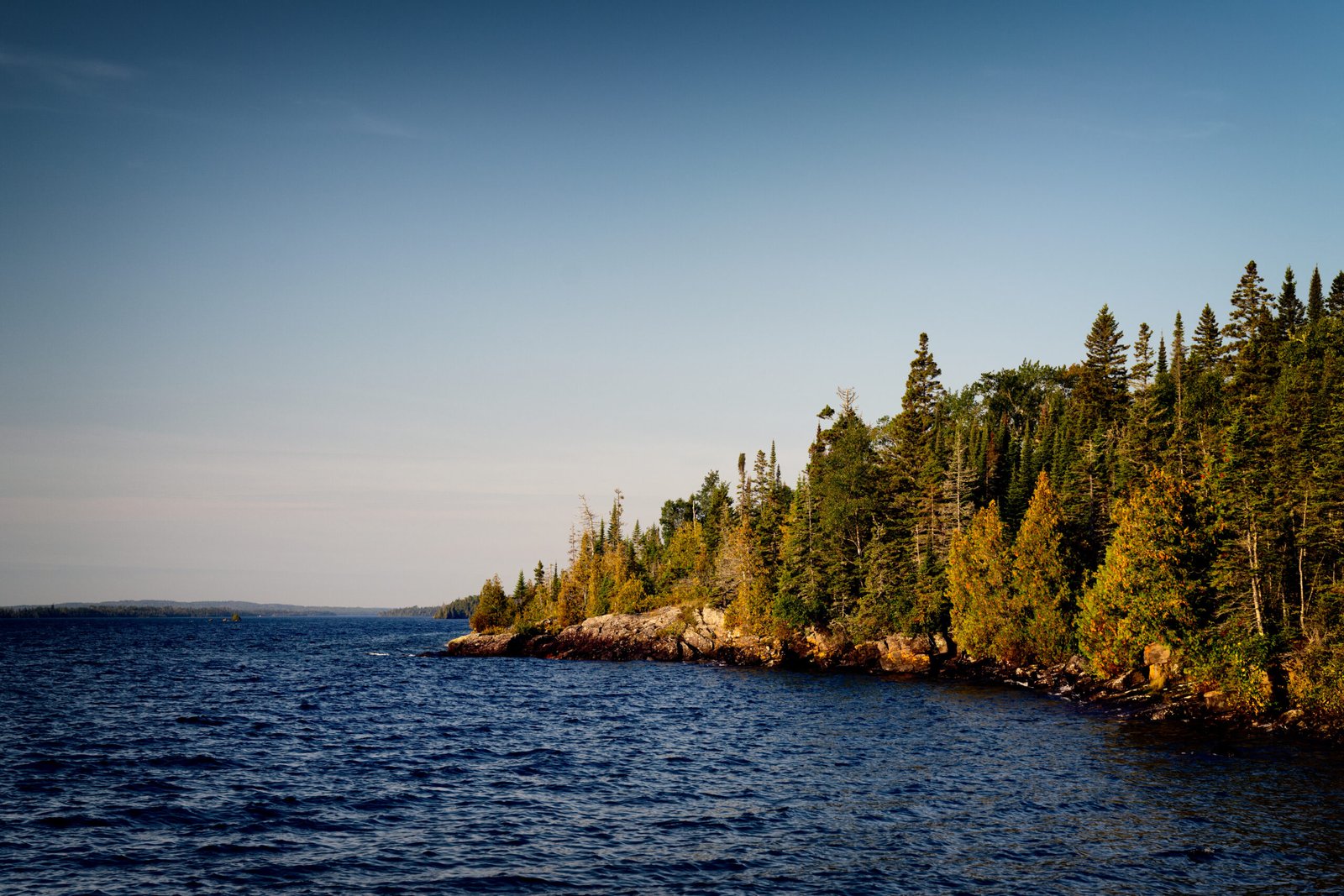
Isle Royale is the least-visited park in the lower 48, but it is arguably the most stressful to actually reach and survive.
To get there, you must endure a three-to-six-hour ferry ride across Lake Superior, which is known for its “stomach-churning” waves and unpredictable storms. If the weather turns, the ferry can be canceled for days, leaving you stranded on the island with whatever food you have left in your pack. There are no grocery stores and no cell service, meaning you are completely off the grid.
The park is essentially a “backpackers only” zone. Most people don’t realize that the average stay at Isle Royale is 3.5 days, whereas at most parks it’s only a few hours. This requires a level of packing precision that is incredibly stressful for the casual traveler. One forgotten pair of dry socks or a broken water filter can end your trip in misery, as there is no “easy exit” from this island wilderness.
If you think being stranded on an island is bad, the urban-adjacent chaos of #6 will make you wish for the isolation of Lake Superior…
#6 — Rocky Mountain National Park
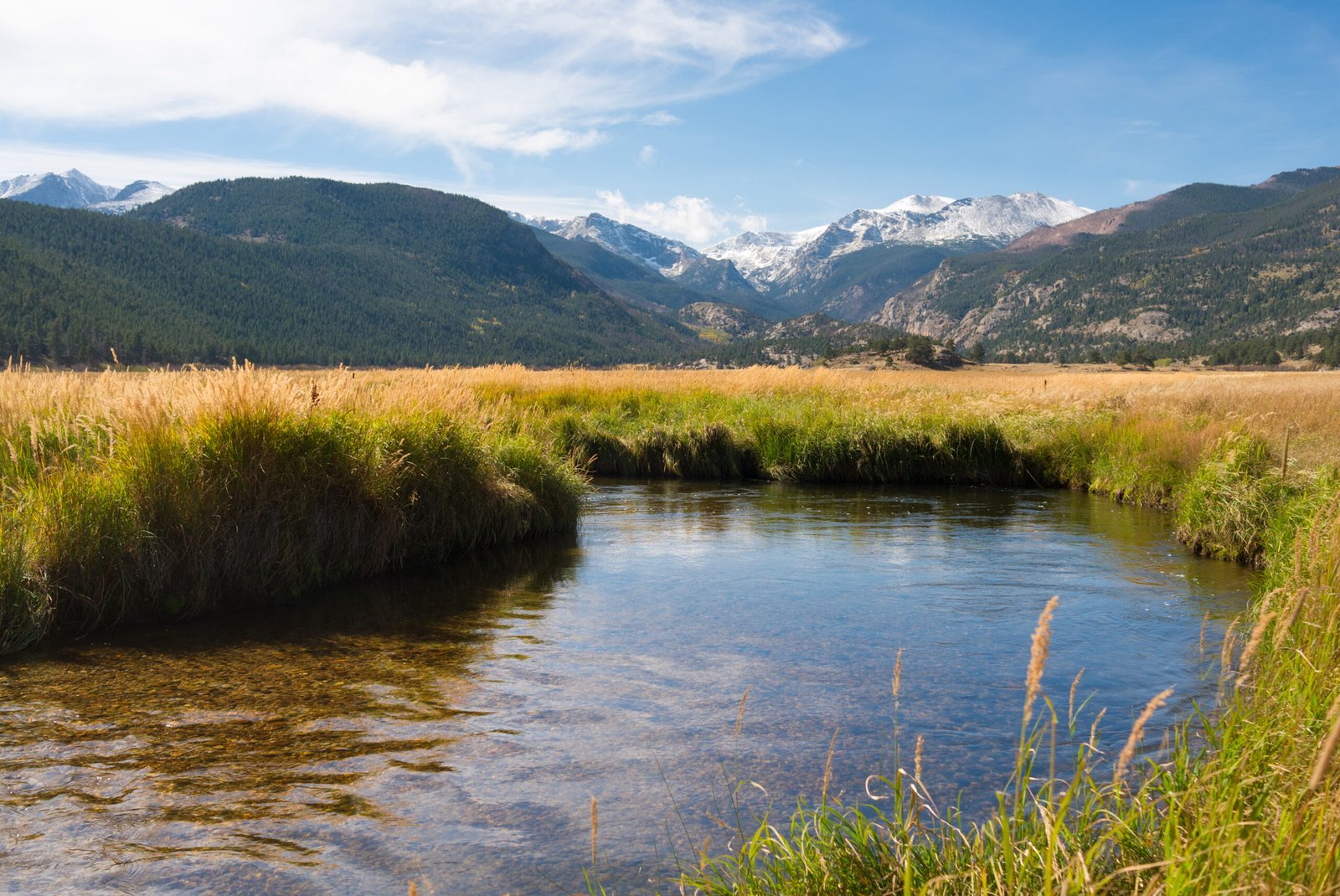
This park is located just two hours from Denver, making it the most “overwhelmed” mountain range in America.
The stress starting point is the “Trail Ridge Road,” the highest continuous paved road in the U.S. While the views are spectacular, the road has no guardrails in many sections, leading to high-anxiety driving for those who are afraid of heights. This is compounded by the fact that the road is often clogged with tourists who are experiencing altitude sickness. The “Bear Lake” corridor is so popular that it requires a separate, tiered reservation system, making it nearly impossible for spontaneous travelers to see the park’s heart.
The altitude itself is a major stressor. Many visitors arrive from sea level and immediately try to hike at 12,000 feet, leading to headaches, nausea, and emergency descents. The sheer volume of people vying for a limited amount of alpine space means that “solitude” is a word you won’t be using during your visit to RMNP.
And yet, the mountain crowds of Colorado pale in comparison to the “smog and logjam” of the most visited park in America at #5…
#5 — Great Smoky Mountains National Park
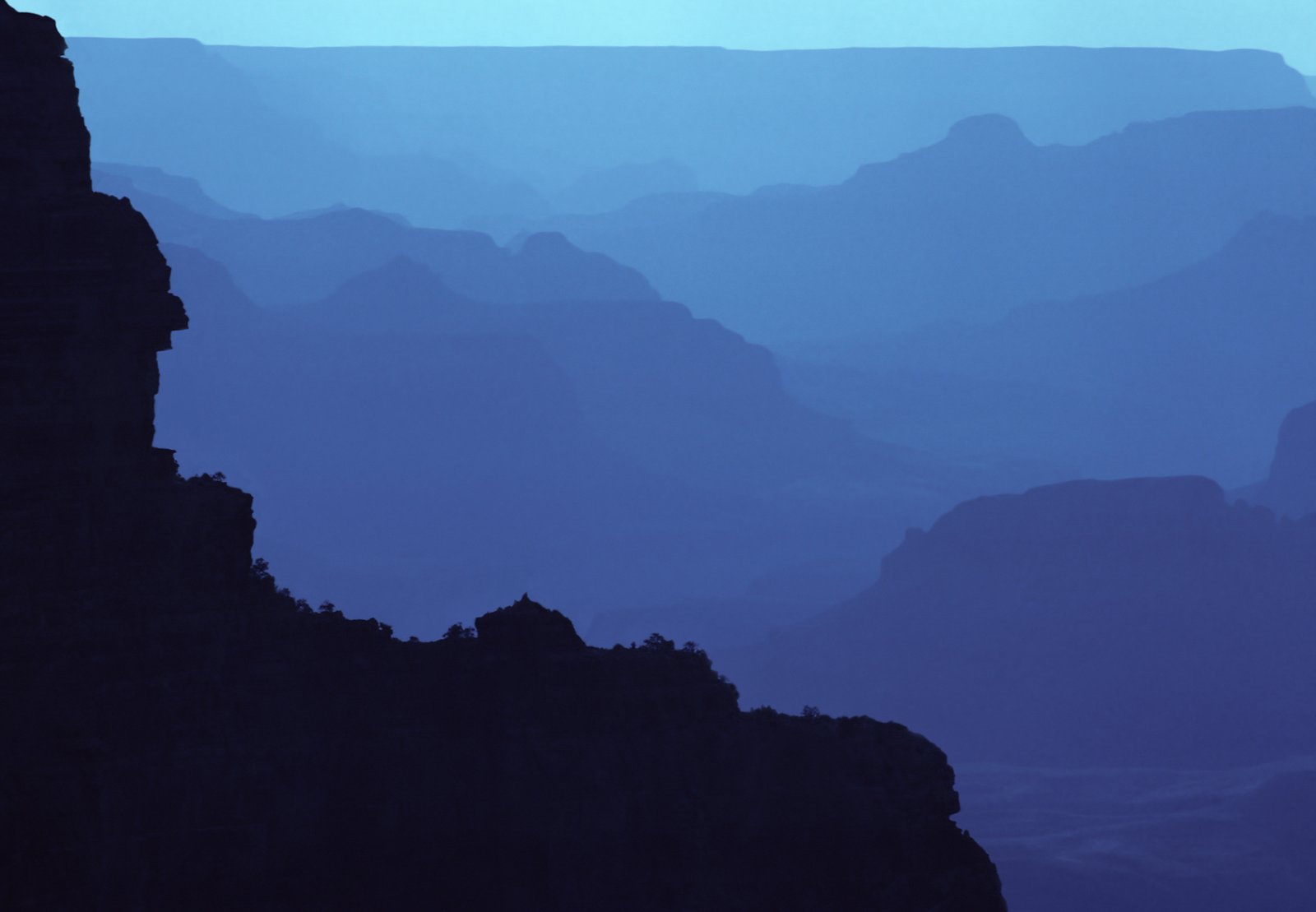
The “Smokies” hold the title for the most visited National Park in the U.S., and the infrastructure is simply buckling under the weight.
Unlike many western parks, the Smokies do not have a reservation system, which sounds like a win—until you get there. The main artery, Newfound Gap Road, frequently becomes a parking lot, with “leaf-peepers” in the fall creating gridlock that lasts for hours. Because entry is free (though parking now requires a tag), the park is treated as a thruway, leading to a relentless stream of traffic that destroys any sense of peace.
The stress is also exacerbated by the “Cades Cove” loop. What should be a scenic 11-mile drive often takes three to four hours to complete because of tourists stopping their cars in the middle of the road to look at a deer. The park now sees over 14 million visitors a year, which is more than the Grand Canyon, Yosemite, and Yellowstone combined. It is a high-volume, low-patience environment where the “smoky” haze is often replaced by car exhaust.
But while the Smokies are crowded, the geological hazards of #4 provide a more “explosive” kind of stress…
#4 — Hawai’i Volcanoes National Park
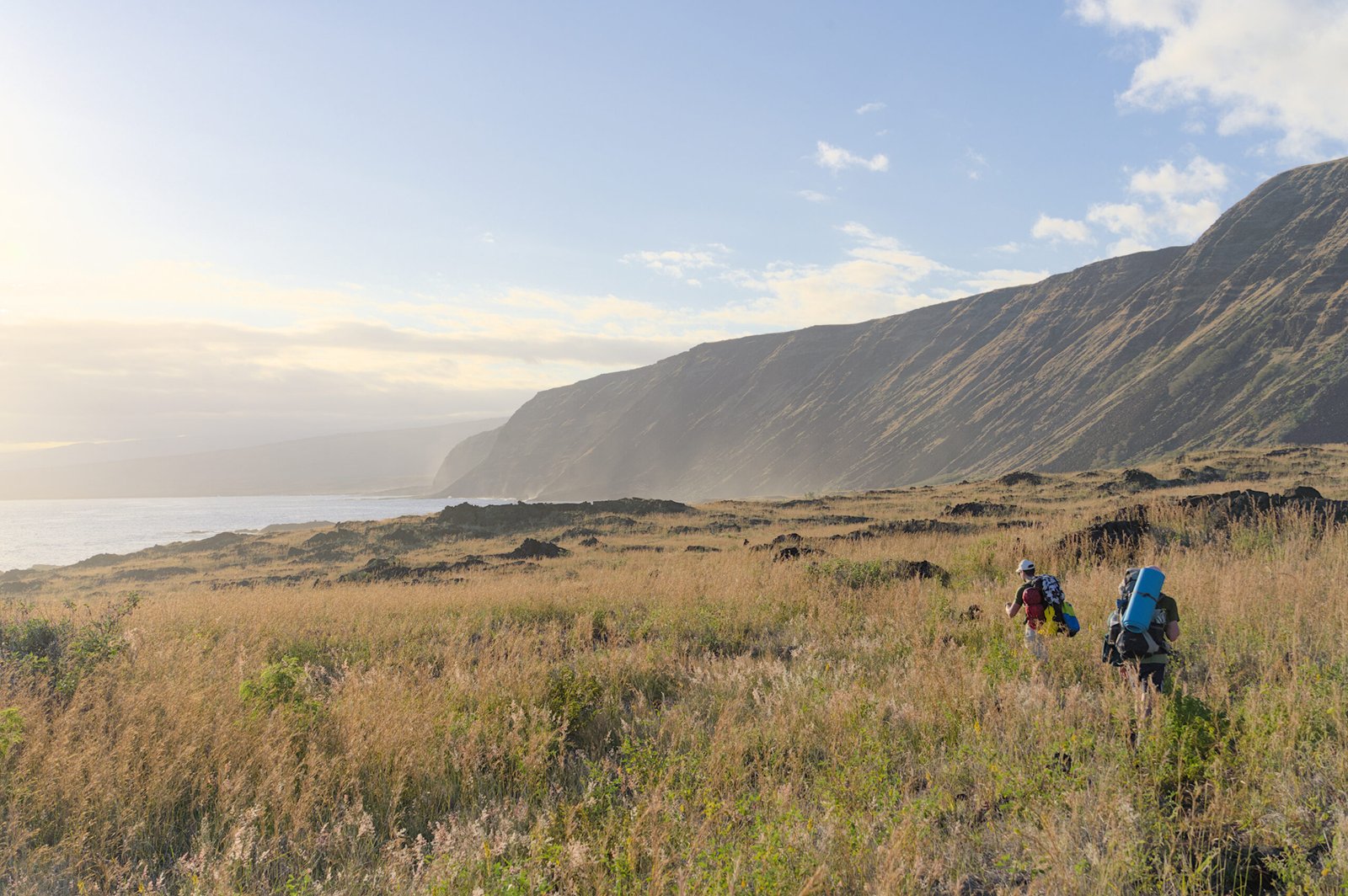
Visiting an active volcano sounds exciting until you realize you are at the mercy of the Earth’s molten interior.
The stress here is dictated by volcanic activity. When Kilauea or Mauna Loa are erupting, the park becomes a chaotic frenzy of thousands of people trying to see the lava at night. Parking lots overflow, and visitors often end up walking miles in the dark over jagged, unstable volcanic rock to reach a viewpoint. The presence of “Vog” (volcanic smog) can cause respiratory issues, and the park service frequently has to close sections due to toxic gas levels.
The environment is also incredibly deceptive. What looks like solid ground can be a thin crust over a lava tube. Stay-on-trail rules are literally life or death here. Searching for “red lava” often leads tourists into dangerous territory, where they are caught between the heat of the flow and the steep cliffs of the Pacific coast. It is a constant game of risk-assessment that leaves most travelers exhausted.
If the heat of the lava doesn’t get you, the “Permit Olympics” of our #3 pick certainly will…
#3 — Yosemite National Park
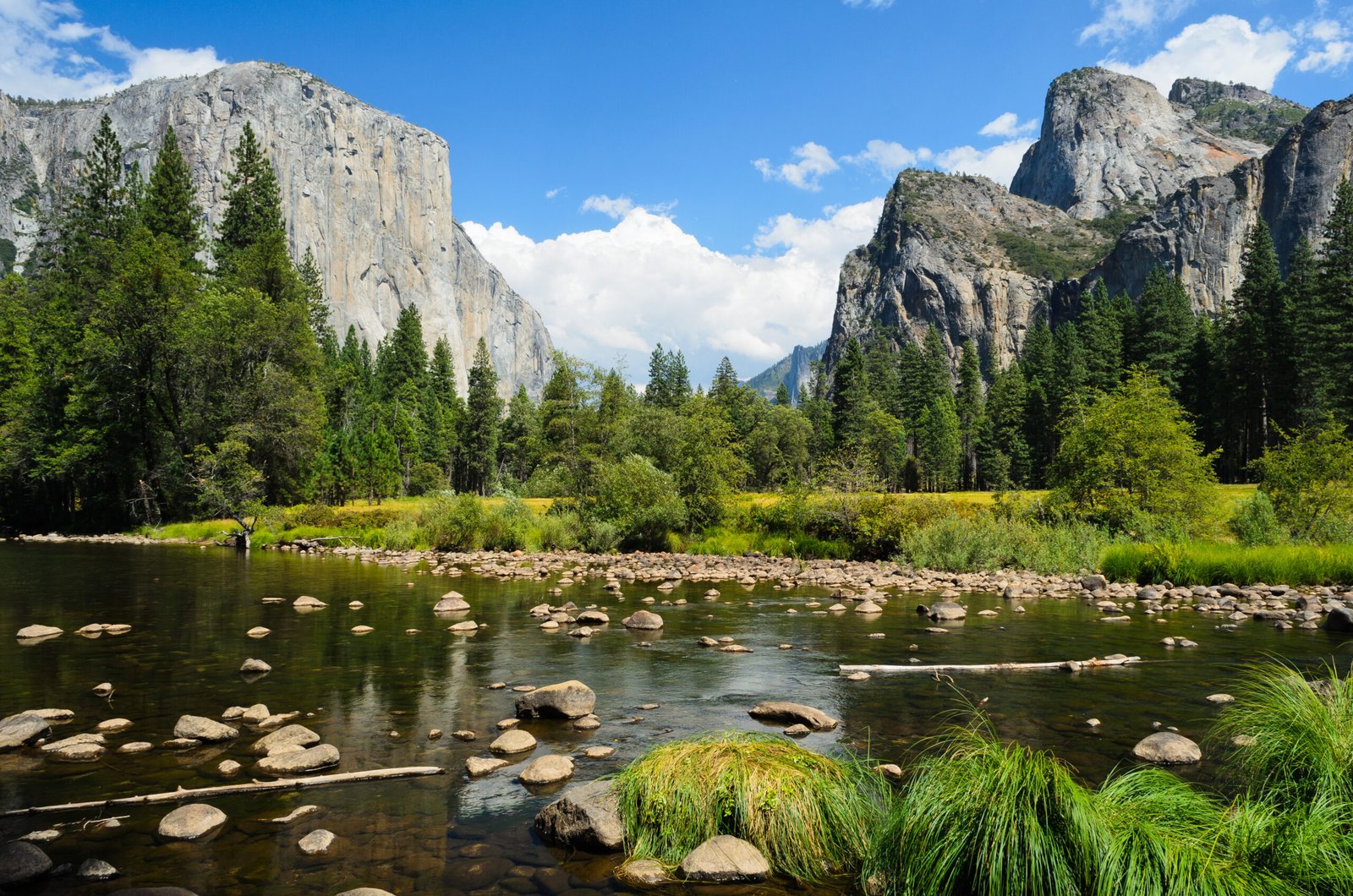
Yosemite is a masterpiece of nature, but it has become the gold standard for “Traveler Burnout” due to its entry requirements.
For much of the year, you cannot enter Yosemite without a pre-purchased peak-hour reservation, many of which sell out within minutes of being released online. This “lottery system” for basic access has made planning a trip to Yosemite feel like trying to buy front-row tickets to a Taylor Swift concert. Once you’re in, the “Yosemite Valley” is often described as “San Francisco with more trees,” complete with traffic lights, malls, and thousands of pedestrians.
The stress reaches a peak at the Half Dome cables. To hike the final section of the dome, you need a permit that only 225 people get per day. The “daily lottery” creates a cycle of hope and crushing disappointment for visitors who spend their whole trip staring at a phone waiting for an email. If you do get up there, the “conga line” of people on the cables is a terrifying experience for anyone with a slight fear of heights.
Yosemite is beautiful, but the bureaucracy is grueling. However, #2 is a whole different level of “unforgiving”…
#2 — Death Valley National Park
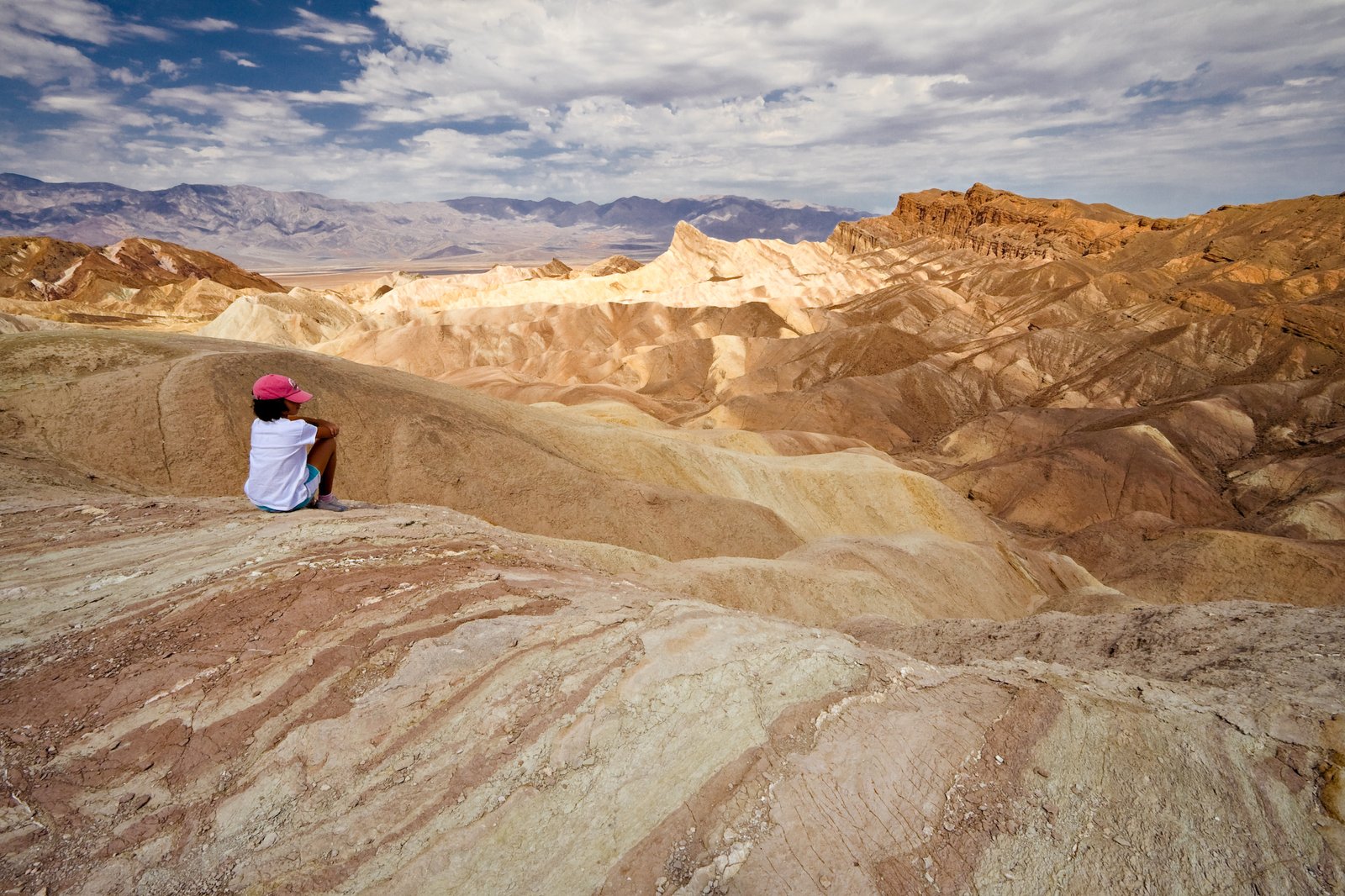
Death Valley is the hottest, driest, and lowest place in North America, and it is a place where “stress” is a survival mechanism.
The primary stressor here is the “lethal heat.” During the summer months, temperatures can reach 130 degrees Fahrenheit, making it dangerous to step out of your car for more than fifteen minutes. Visitors are constantly checking their temperature gauges and worrying about tire blowouts, as the heat can literally melt the rubber and asphalt. If your car breaks down in a remote section of the park like Racetrack Playa, the situation becomes life-threatening almost instantly.
The vastness of the park is also a mental burden. It is the largest National Park in the lower 48, and gas stations can be 50 to 70 miles apart. The constant calculation of “do I have enough water and fuel to make it to the next point” is exhausting. It is a place that demands absolute respect, and the penalty for a mistake is higher here than perhaps anywhere else on the planet.
But as stressful as the desert heat is, nothing compares to the “Gate to the End of the World” at #1…
#1 — Glacier National Park
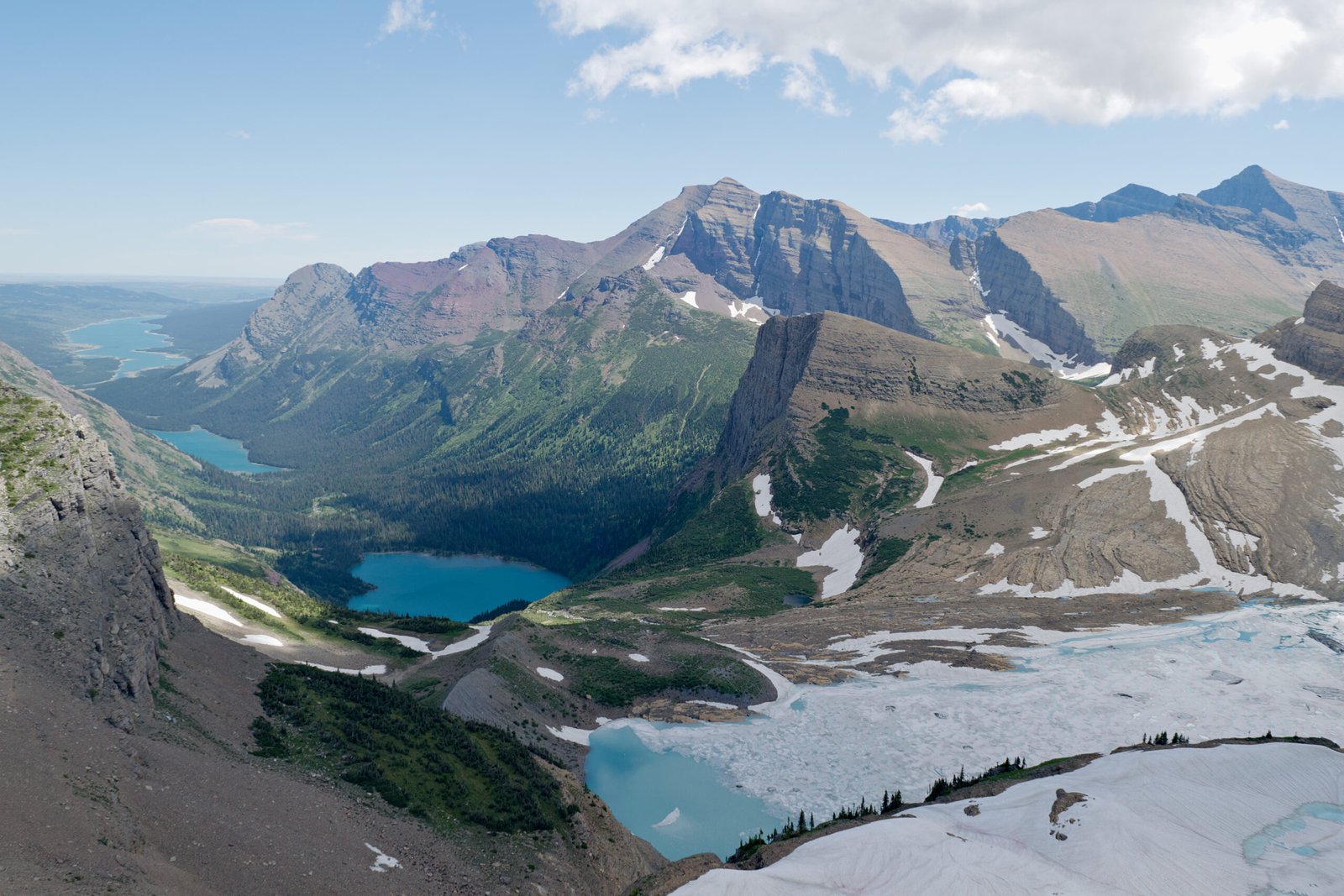
Glacier National Park is the most stressful park in America because it combines Every. Single. Stressor. from the previous fourteen.
First, there is the “Going-to-the-Sun Road.” This 50-mile road is arguably the most beautiful in the world, but it is also a “white-knuckle” driving experience with vertical drops of thousands of feet and no guardrails. To drive it, you need a vehicle reservation that sells out in seconds, often leaving thousands of visitors “locked out” of the park’s only main road. If you don’t get a reservation, your only hope is the shuttle, which features lines that can wrap around the parking lot for hours.
Then, there are the Grizzlies. Glacier is the heart of Grizzly country, and encounters are significantly more frequent here than in Yellowstone. Hiking requires carrying bear spray and making constant noise, which ruins the “peace” of the woods. Finally, there is the “Climate Grief” stress. Visitors are racing to see the glaciers before they disappear, leading to a desperate, “last-chance” atmosphere that makes every trailhead feel like a competition.
Glacier is a logistical hurdle inside a physical challenge, wrapped in a high-stakes environment. It is the definition of “beautifully stressful.”
The Bottom Line
The truth about National Parks in the 2020s is that “nature” now comes with a side of bureaucracy and extreme crowds. From the 130-degree heat of Death Valley to the 4:00 AM permit rushes for Acadia and Yosemite, the modern traveler must be part-accountant, part-athlete, and part-survivalist. While these literal wonders of the world are still worth seeing, you need to go in with your eyes open and your permits printed. The days of “just driving in” are officially over for the country’s most iconic landscapes.
Did we get the ranking right, or is there a park we missed that stressed you out even more? Drop your travel horror stories in the comments below!