
You planned the trip. You drove for hours – maybe flew across the country. You stood in front of one of the most famous spots in America, camera in hand, and thought: is this really it?
That feeling has a name now. Travel researchers call it the expectation gap – and this summer, it’s wider than ever. Overcrowding, sky-high prices, and heavily commercialized experiences are turning bucket-list checkmarks into genuine regrets. Here are 15 landmarks Americans keep putting on their lists – and walking away from wishing they hadn’t.
1. Hollywood Walk of Fame, Los Angeles, CA
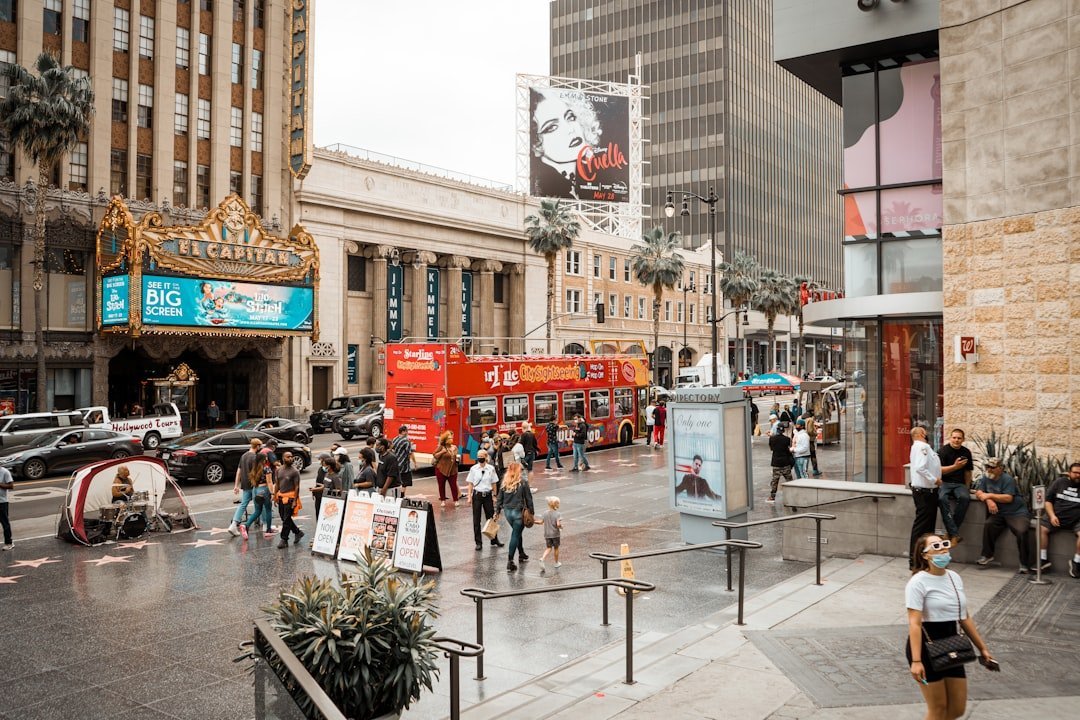
In late 2025, luggage storage company Stasher analyzed 101 of the world’s most popular attractions and named the Hollywood Walk of Fame the single worst tourist destination on the planet – scoring a dismal 2.67 out of 10. The reasons: low Google ratings, safety concerns, and a location nearly 23 miles from LAX with no direct public transit route.
Visitors arrive expecting red-carpet glamour baked into the sidewalk. What they actually find are pushy costumed performers, souvenir shops at every turn, and a stretch of Hollywood Boulevard that one reviewer described bluntly as “your average city center with expensive gift shops.” Common complaints include uncleanliness, aggressive street vendors, and a general sense that the whole block exists to separate tourists from their money. The Griffith Observatory, just up the hill, offers panoramic city views without a single person in a Spider-Man suit demanding $20 for a photo.
Fast Facts
- Stasher scored it 2.67 out of 10 – dead last out of 101 global attractions analyzed
- Over 2,800 stars line the 1.3-mile stretch of Hollywood Boulevard and Vine Street
- Draws roughly 10 million visitors a year despite consistently low traveler ratings
- No direct nonstop public transit route connects the Walk of Fame to LAX
- Ranked worst for Google reviews, safety score, and airport accessibility combined
2. Times Square, New York City, NY
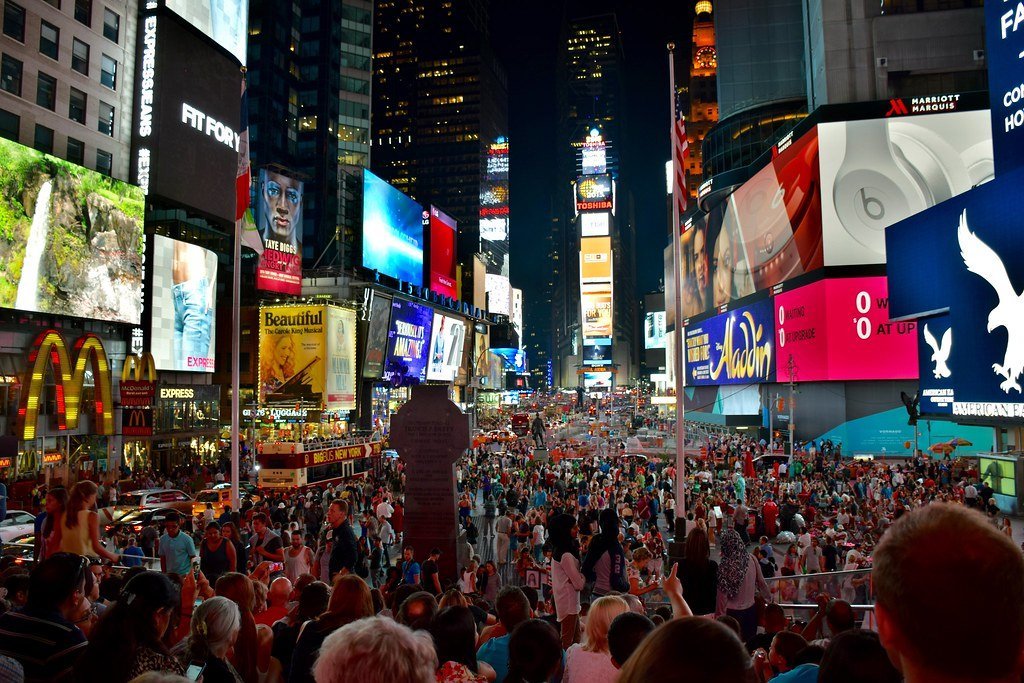
A Preply survey called Times Square “the world’s most stressful tourist trap,” with over 1,700 reviews flagging it as “overrated” or “overwhelming.” A separate 2025 survey found that 40% of tourists left more disappointed than delighted. And yet, on the busiest summer days, crowds swell as high as 460,000 people – all crammed onto the same sidewalks.
The constant noise, blinding billboards, and chain restaurants you could find in any American city make the experience feel surprisingly generic for an iconic location. The shops are the same. The food is overpriced. The sensory overload sets in within minutes. Locals avoid it entirely – and there’s a very good reason for that.
3. Mount Rushmore, Keystone, SD
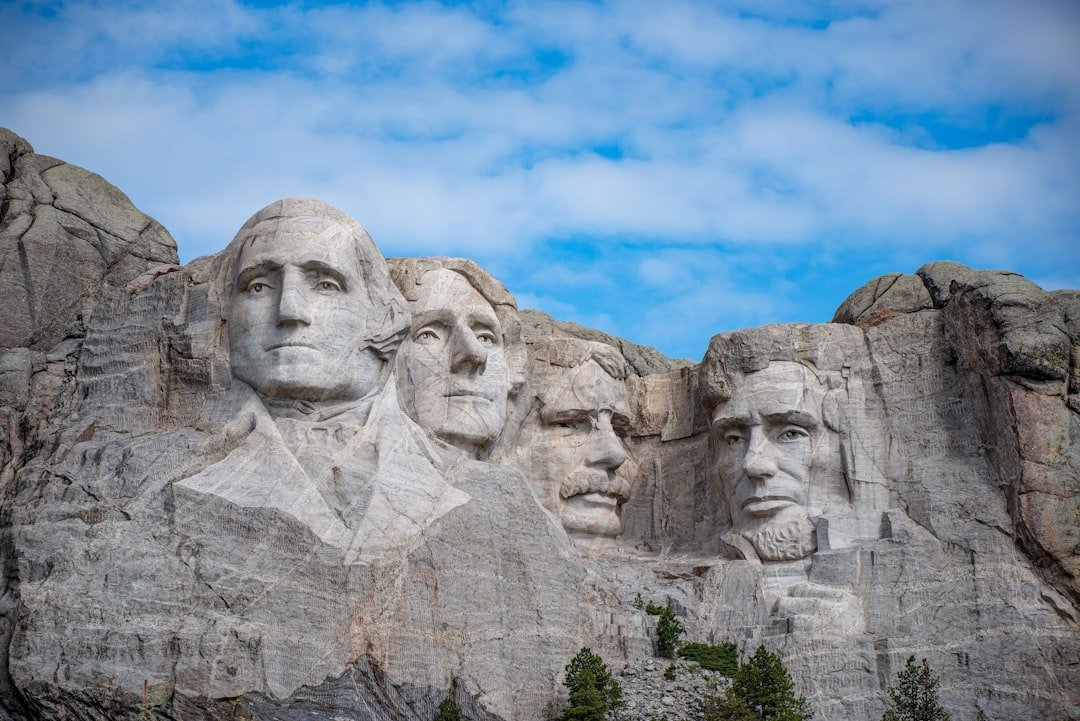
Mount Rushmore draws more than two million visitors annually, and a significant share leave feeling underwhelmed. Up close, the granite sculpture is smaller than most people picture it. You absorb it in about five seconds. Then you realize there’s not much else to do besides climb some steps on a subpar nature trail, check out the state flags, and pop into an average museum.
Travelers consistently mention the long, remote drive as the biggest problem – hours of anticipation building toward a monument that, in person, is just hard to feel emotionally moved by. A 2025 thread on X captured visitors who expressed regret after the journey, saying the monument failed to live up to its fame. The nearby Badlands National Park, meanwhile, consistently earns rave reviews – and most visitors say it’s the part of the South Dakota trip they’d actually do again.
4. Fisherman’s Wharf, San Francisco, CA
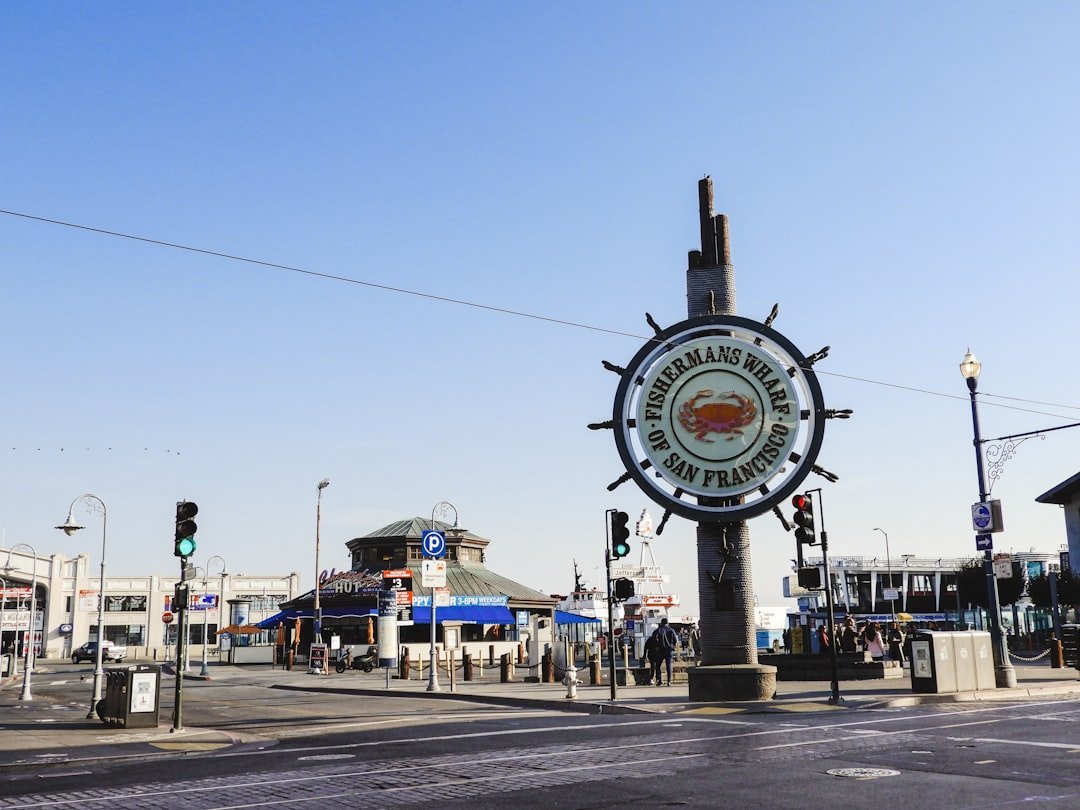
Fisherman’s Wharf pulled in 10.5 million domestic visitors in 2023, and in recent travel rankings it has been repeatedly called out as one of the world’s most complained-about tourist districts. The core problem isn’t that it’s unattractive – it’s that the reality is so much blander than the postcard version.
Most complaints center on value: travelers describe the area as crowded, commercial, and far less distinctive than they expected from one of America’s most famous waterfronts. The sea lions at Pier 39 are still a genuine highlight. But the overpriced clam chowder in a bread bowl, the chain gift shops, and the relentless hawking? That’s where the regret starts.
Quick Compare
- Fisherman’s Wharf: 1,000 “tourist trap” mentions in reviews – tied for most of any attraction worldwide in 2025
- Wall Drug, SD: Also tied with 1,000 mentions – the only other U.S. attraction to match it
- Pier 39 sea lions: Still widely praised as a free, genuine highlight worth stopping for
- Better nearby option: The Ferry Building Marketplace – local vendors, fewer crowds, far better food
5. The Las Vegas Strip, Las Vegas, NV
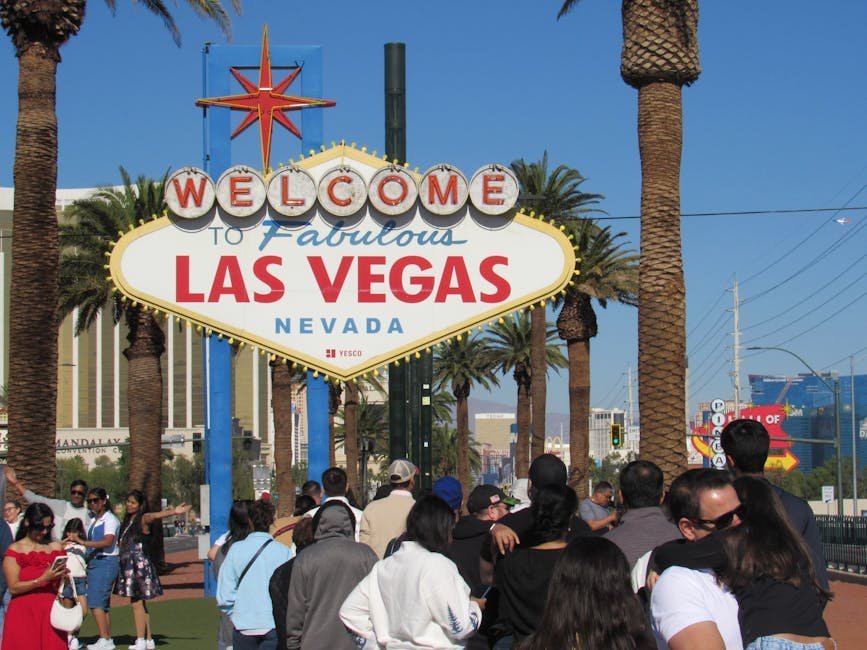
On social media in 2025, viral posts about a “ghost town” Vegas went wide – driven by complaints about what the Strip has become. Resort fees, mandatory parking charges, and inflated prices at nearly every turn have replaced the budget-friendly Sin City that many visitors remember or imagined from movies.
During daylight hours, the Strip becomes a sweaty obstacle course of tourists shuffling between casinos under the blistering Nevada sun. The dream of Vegas – effortless, glamorous, a little reckless – and the reality of Vegas are two very different places right now. The gap between them has rarely felt bigger.
Worth Knowing
- Resort fees on the Strip typically run $35-$55 per night before tax – a 3-night stay quietly adds $120-$180 to your bill
- Average nightly Strip room rates climbed nearly 70% from 2015 to early 2025, reaching roughly $210/night
- Las Vegas visitor volume dropped 11.3% year-over-year as of June 2025, per the LVCVA
- One traveler reported a $135 resort fee added at checkout – on top of her quoted room rate
- Downtown Las Vegas and off-Strip hotels offer far more predictable, fee-light pricing
6. Four Corners Monument, AZ/CO/UT/NM

Standing in four states simultaneously sounds genuinely cool. The problem is that this attraction amounts to a granite disk embedded in a remote patch of desert, with an entrance fee attached. Visitors report long waits just to crouch on the plaque for a quick photo, and the surrounding area is exposed, hot, and devoid of shade.
Here’s the twist that makes it worse: geodetic surveyors have confirmed the marker is off by roughly 1,800 feet from where the four state boundaries were originally intended to intersect. All four states have legally accepted the current location as official, but that detail – that you’re paying to pose on a historically inaccurate slab in the middle of nowhere – tends to land hard when visitors find out. The surrounding Navajo Nation offers genuinely stunning landscapes. The monument itself is a very expensive novelty that fades fast.
7. The Grand Canyon Skywalk, Grand Canyon West, AZ
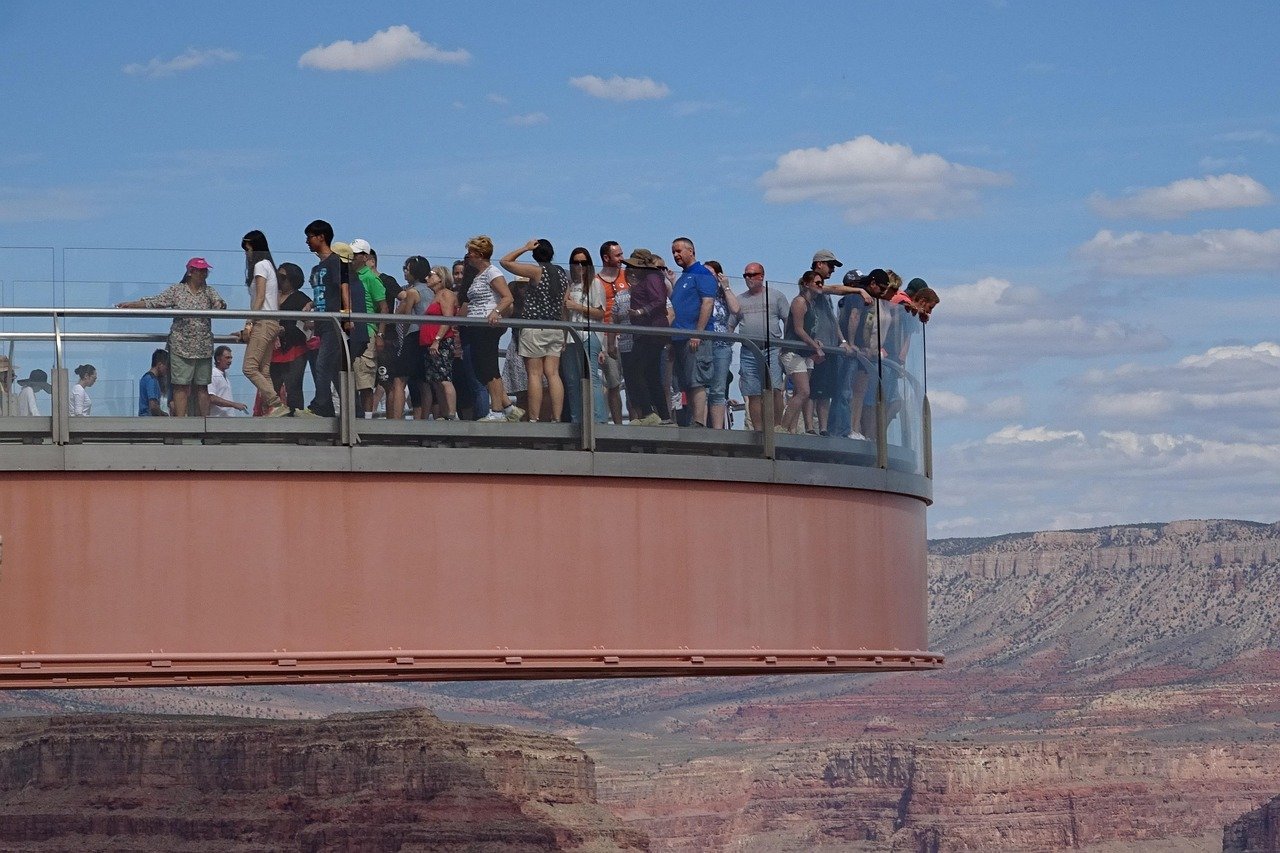
The Grand Canyon itself is genuinely breathtaking. The Skywalk add-on is a very different story. The All-Access Pass required to walk on the glass bridge costs $99 per person – and that’s before you factor in the long shuttle bus wait, the long line to board the walkway itself, and the strict restrictions on what you can bring onto it.
Critically, the Skywalk is not located in Grand Canyon National Park – it sits on Hualapai tribal land at Grand Canyon West, a West Rim property where your National Park pass does not apply. The South Rim, accessible through the actual park, delivers a far more powerful experience for a fraction of the cost – and the views most people picture when they imagine the Grand Canyon. The Skywalk is the version you pay premium prices to see from a horseshoe-shaped glass bridge before being herded back to a shuttle. Most people who do both say the South Rim wins by a mile.
At a Glance
- Cost: $99/person All-Access Pass (the only ticket that includes the Skywalk – no standalone option)
- Family of four: $455+ before meals – and outside photography was not permitted until a 2026 rule change
- Wait times: Lines to board have stretched over an hour on busy days
- Key catch: Grand Canyon West is on Hualapai tribal land – your NPS America the Beautiful pass is not valid here
- Distance from South Rim: About 4 hours (242 miles) away – these are two entirely separate experiences
- Ranked 2nd most “tourist trap”-labeled U.S. attraction in a 2025 Nomad eSIM analysis of TripAdvisor reviews
8. Graceland, Memphis, TN
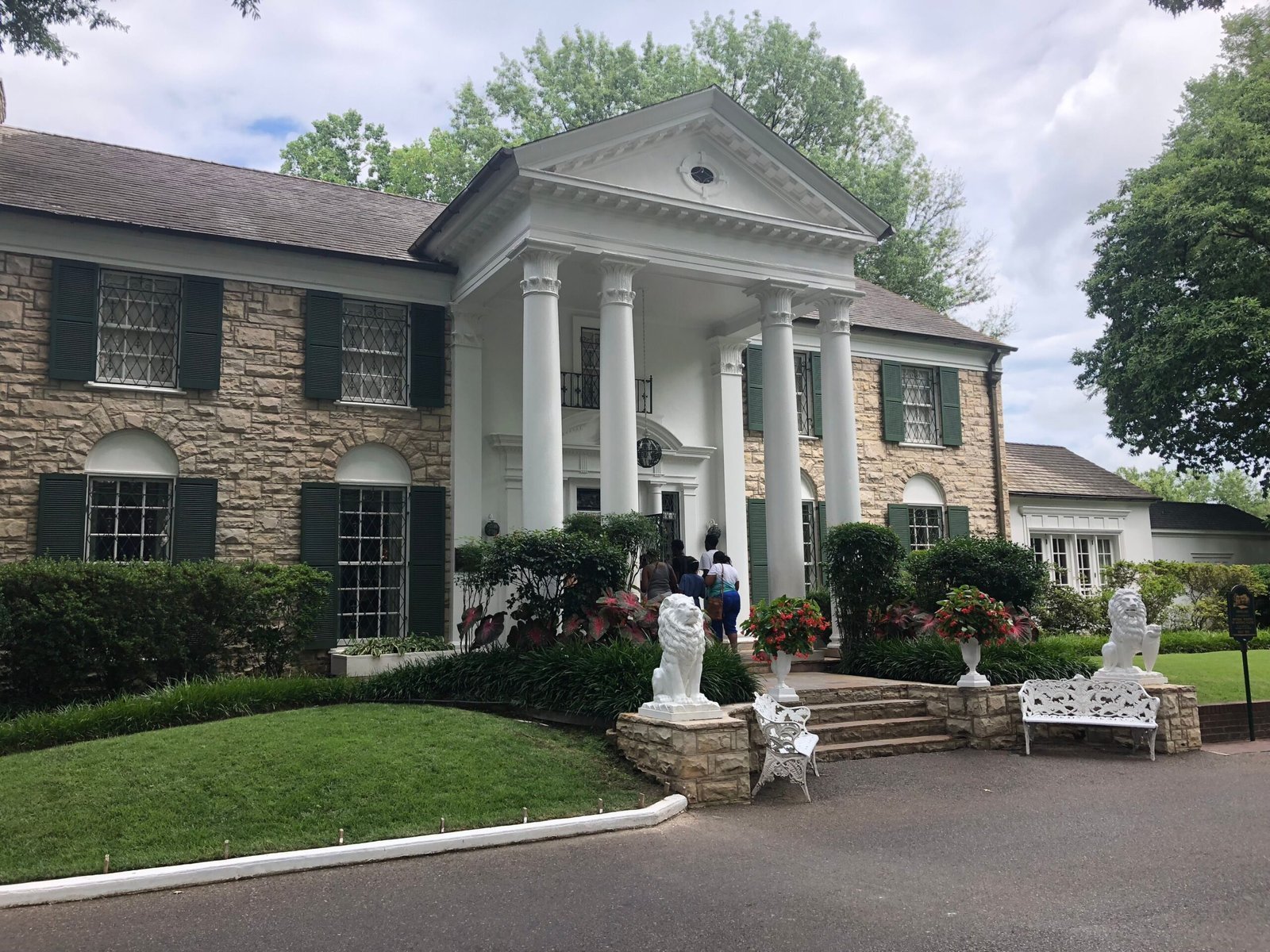
In 2025 tourist-trap analysis, Graceland topped the list of America’s most complained-about paid attractions – racking up 206 “tourist trap” mentions in TripAdvisor reviews, more than any other U.S. landmark. The base Elvis Experience ticket runs $85 for adults, with VIP tiers climbing to $250 – and that’s before the gift shops, the add-on exhibits, and the parking.
Many visitors complain about extremely long waits, poor organization, and the feeling that devotion to Elvis is being monetized at nearly every step. Devoted fans may find every dollar worth it. But casual visitors – people who know the legend but aren’t pilgrims – often leave feeling that the stop was more transactional than transcendent. The music, the mythology, the man: all genuinely interesting. The experience of being funneled through the gift shop? Less so.
9. Navy Pier, Chicago, IL
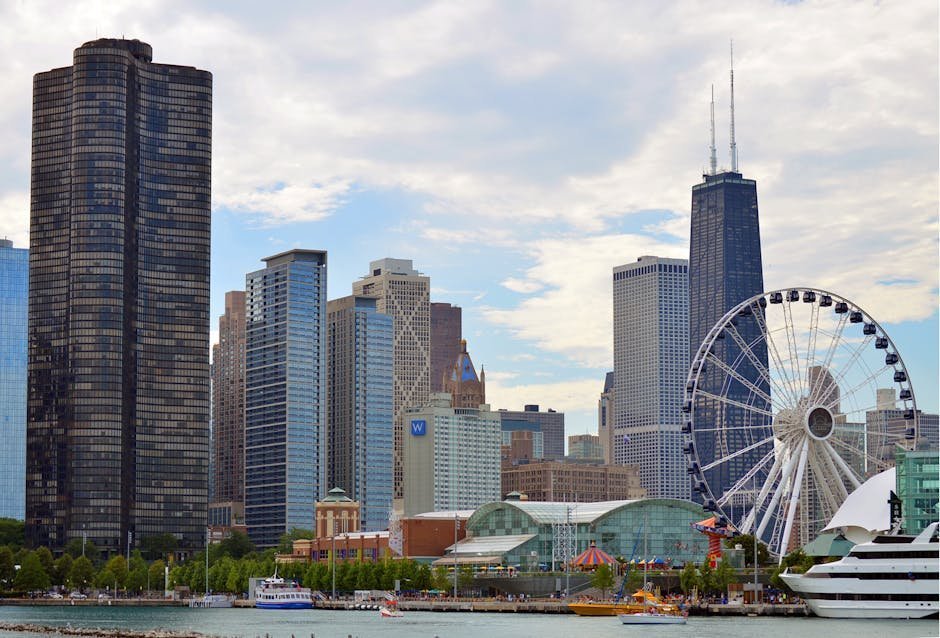
Navy Pier stretches dramatically into Lake Michigan and promises rides, dining, and skyline views. What it consistently delivers, according to TripAdvisor reviewers, is overcrowding and overpriced food – with a disappointment rate among the highest of any major American attraction.
The chain restaurants and generic midway atmosphere make the whole experience feel less like Chicago and more like any waterfront development built specifically for tourists. Chicago is one of the great American cities, full of architecture, food, and culture that rewards real exploration. Navy Pier just isn’t the best version of it – and most locals will tell you so immediately.
10. The Alamo, San Antonio, TX
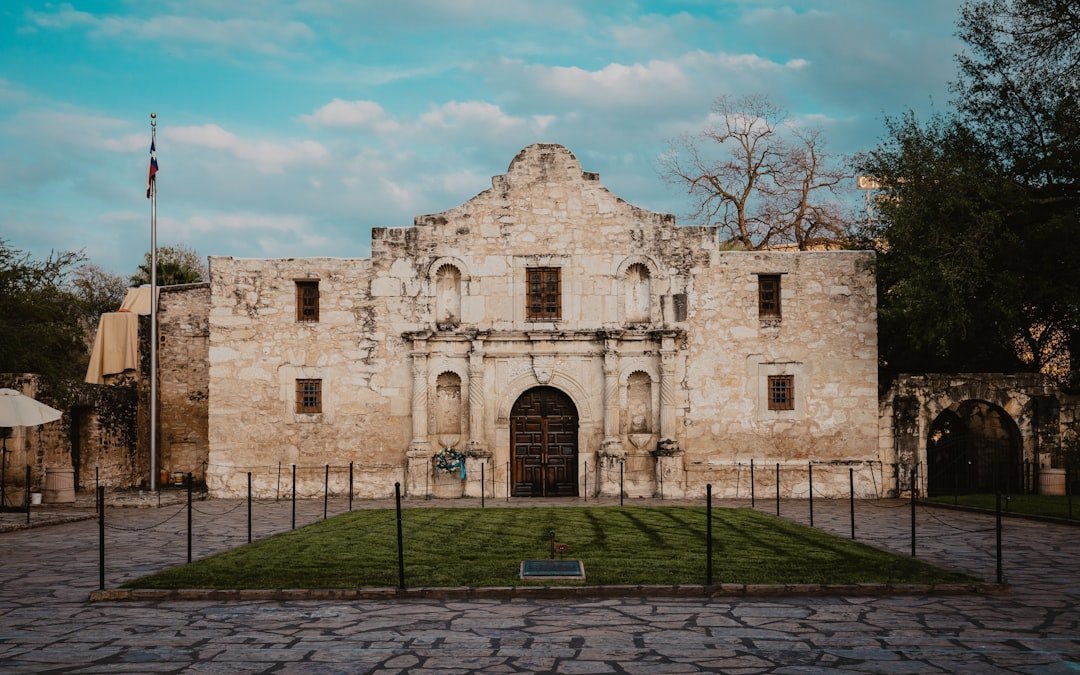
The story of the Alamo is genuinely powerful – a last stand, a rallying cry, a defining moment of Texan identity. The experience of visiting the physical site is far more subdued. Most visitors are shocked by how small it is, tucked into bustling downtown San Antonio and flanked by modern buildings that completely undercut any sense of historical immersion.
Despite its importance, the Alamo ranks among the top disappointments in national review-based analyses, with visitors frequently citing minimal exhibits and overwhelming crowds. The San Antonio River Walk, just steps away, consistently earns far more enthusiastic praise – and it’s free.
11. Wall Drug, Wall, SD
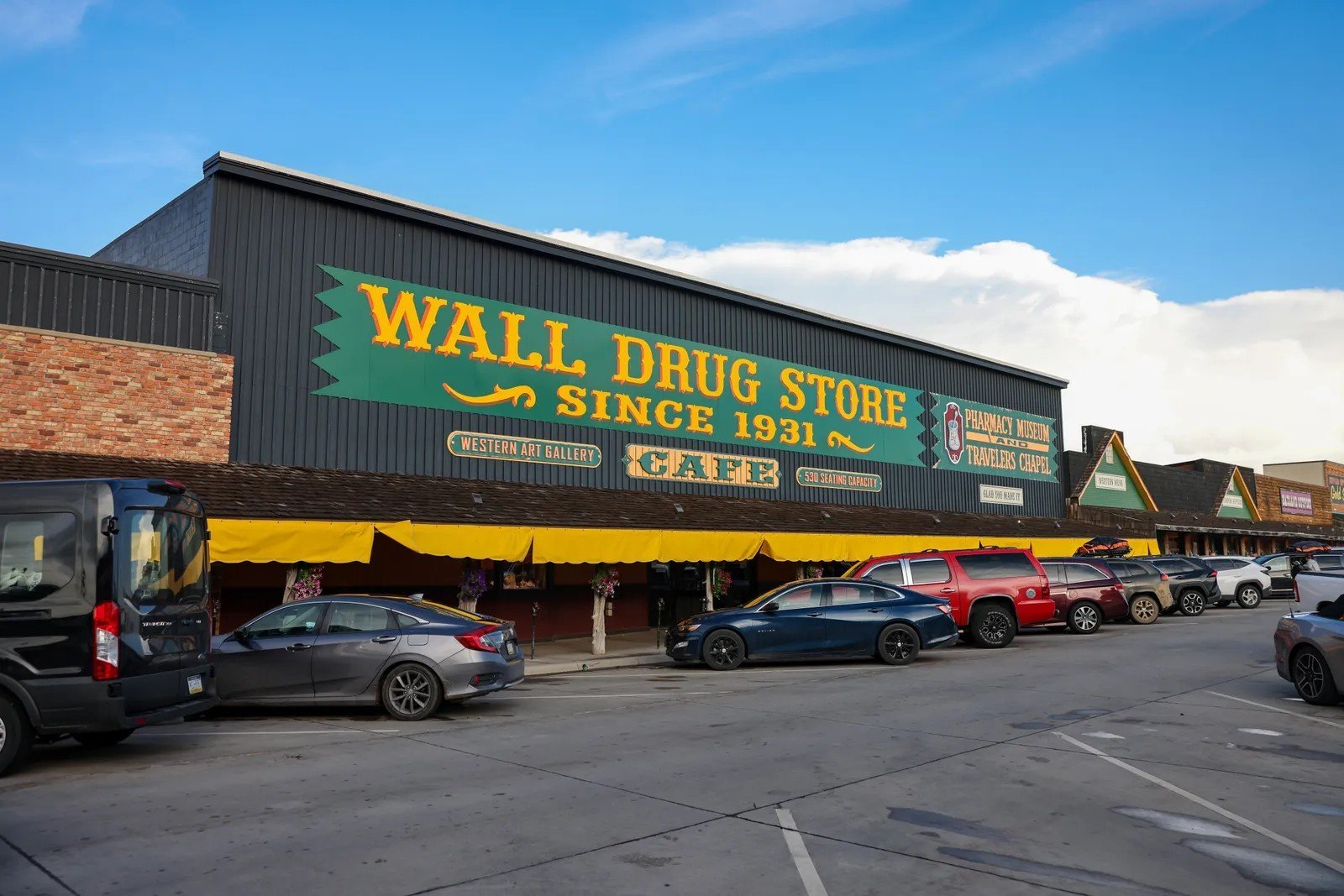
Wall Drug began as a humble pharmacy in 1931, built its legend on free ice water and 5-cent coffee, and has since grown into a sprawling roadside spectacle featuring an 80-foot dinosaur, a giant jackalope, and hundreds of miles of advance billboards promising something unforgettable. It draws more than 2 million visitors a year, and regularly tops the tourist-trap conversation in national reviews.
Once you arrive, you find a maze of gift shops, Western-themed décor, and novelty items that feel fun for about ten minutes before the commercial spell wears off. Families on road trips with young kids tend to enjoy it. Everyone else starts calculating how long they spent driving out of their way to get here. The surrounding Badlands earn far more enthusiasm – and they don’t need a single billboard to earn it.
Why It Stands Out
- Wall Drug and Fisherman’s Wharf are tied as the most “tourist trap”-labeled attractions worldwide in 2025 – each with 1,000 mentions in reviews
- Started in 1931 with free ice water as its only hook; now spans multiple city blocks of shops
- Draws 2+ million visitors annually despite being in a town of fewer than 900 permanent residents
- The Badlands National Park is less than 10 miles east – and consistently rated one of the most underrated parks in America
12. Bourbon Street, New Orleans, LA
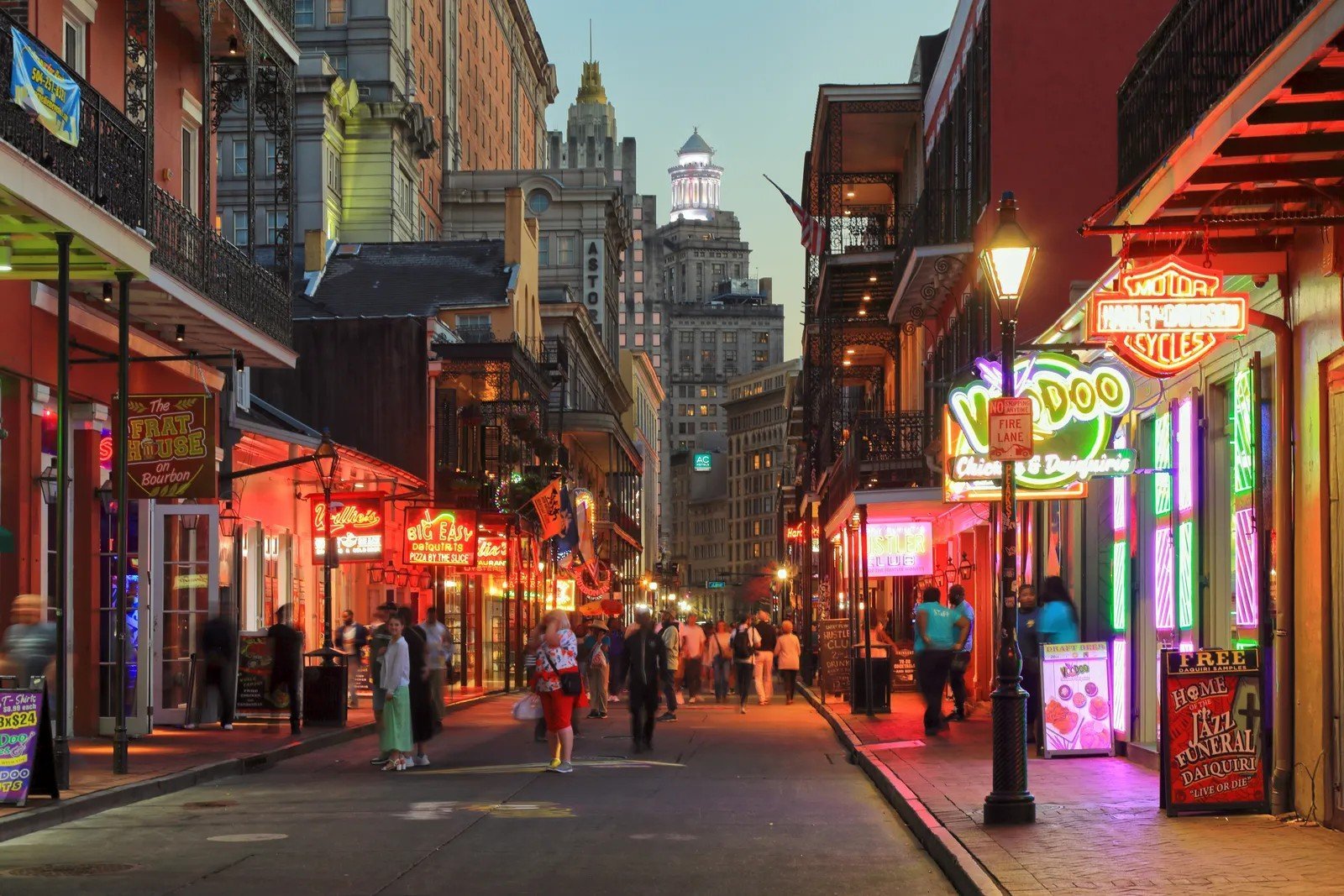
Bourbon Street’s reputation was built on jazz, excess, and a certain electric lawlessness that felt uniquely New Orleans. What you find today is something different: litter, strip clubs, $15 hurricanes in plastic cups, and the kind of drunken sidewalk chaos that’s exhausting by 9 p.m.
The most important thing to know before you go: the best jazz clubs in New Orleans have largely migrated to Frenchmen Street in the Marigny neighborhood. That’s where the musicians are, where the locals go, and where the real spirit of the city still lives. Bourbon Street is what New Orleans looks like when it’s performing for tourists. Frenchmen Street is what it actually is.
13. Plymouth Rock, Plymouth, MA
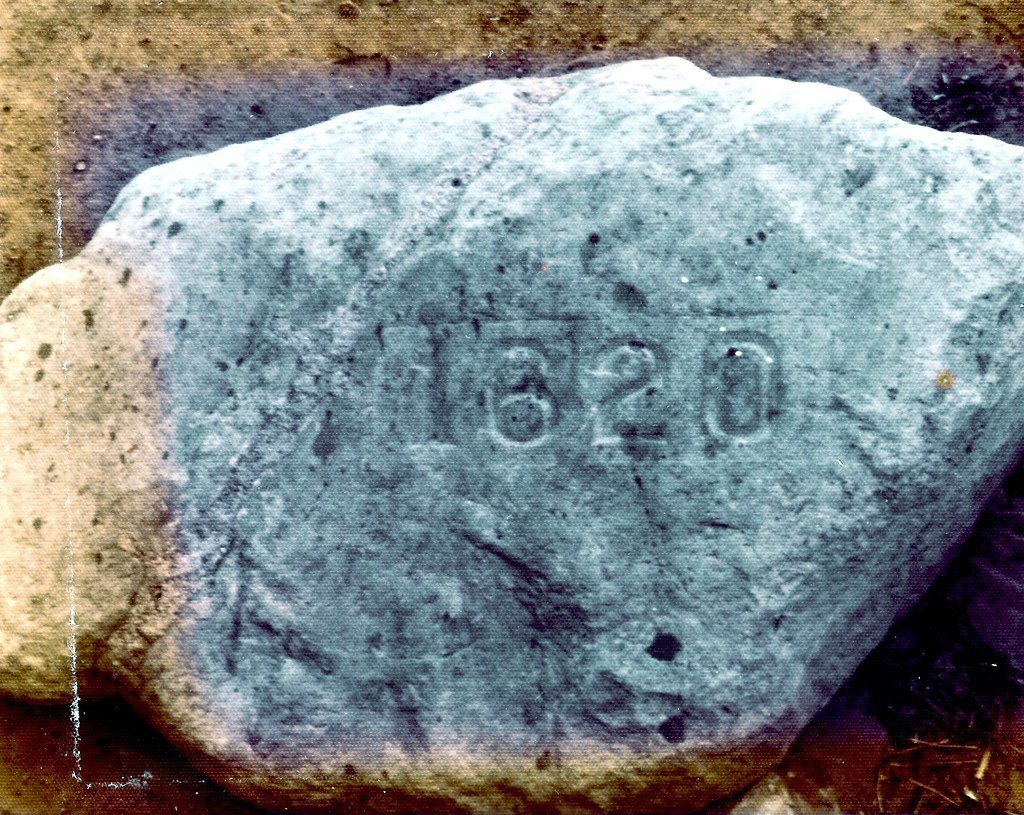
Plymouth Rock may be the most perfectly named disappointment in American travel: it is, literally, just a rock. It sits in a protective granite portico, smaller than most visitors expect, with little else to explore in the immediate vicinity. Travelers joke that it’s the smallest big disappointment in U.S. history.
Adding to the deflation: there is no concrete historical evidence that this specific rock was the Mayflower’s arrival site. The connection is largely folkloric, traced to an elderly man’s recollection more than a century after the Pilgrims landed. The Mayflower II replica docked nearby and the Pilgrim Hall Museum tend to leave visitors with something far more substantial – and historically grounded.
14. Pike Place Market, Seattle, WA
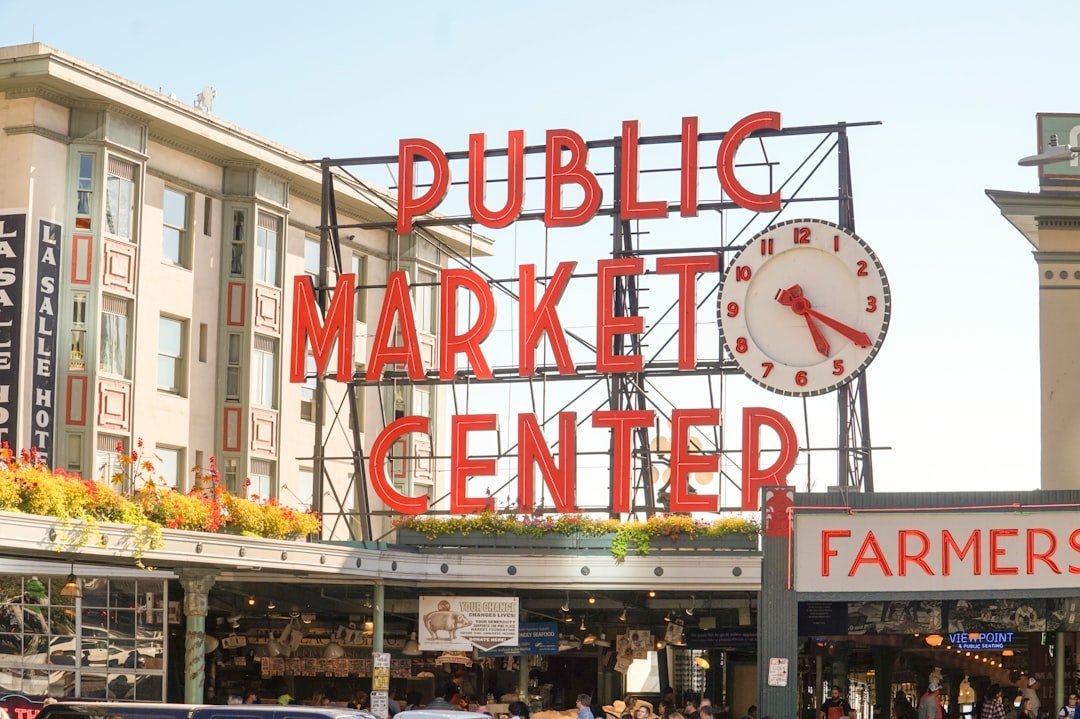
Pike Place has genuine magic – the fish toss, the flower stalls, the waterfront views, the sense that something alive and local still operates here. That magic is entirely real. It is also almost completely inaccessible if you show up at noon on a July Saturday.
At peak hours, you’ll spend most of your visit wedged between strangers in narrow corridors, unable to see the famous fish toss from more than a few feet away, and waiting in lines for overpriced coffee from the original Starbucks location. Reviews consistently note that early morning visits are a completely different – and far better – experience. The market itself isn’t the problem. The summer crowds are the problem. Plan accordingly, or prepare to be disappointed by one of the genuinely good places on this list.
At a Glance: Beat the Crowds
- Best time to visit: Weekdays before 10 a.m. – an entirely different, far quieter experience
- Worst window: Noon to 3 p.m. on summer weekends – corridors become nearly impassable
- Skip the line: The original Starbucks (Pike Place location) routinely has a 30-45 minute wait in peak season
- What still works: The flower stalls, fresh seafood vendors, and lower-level artisan shops are worth the trip if timed right
15. Lombard Street, San Francisco, CA
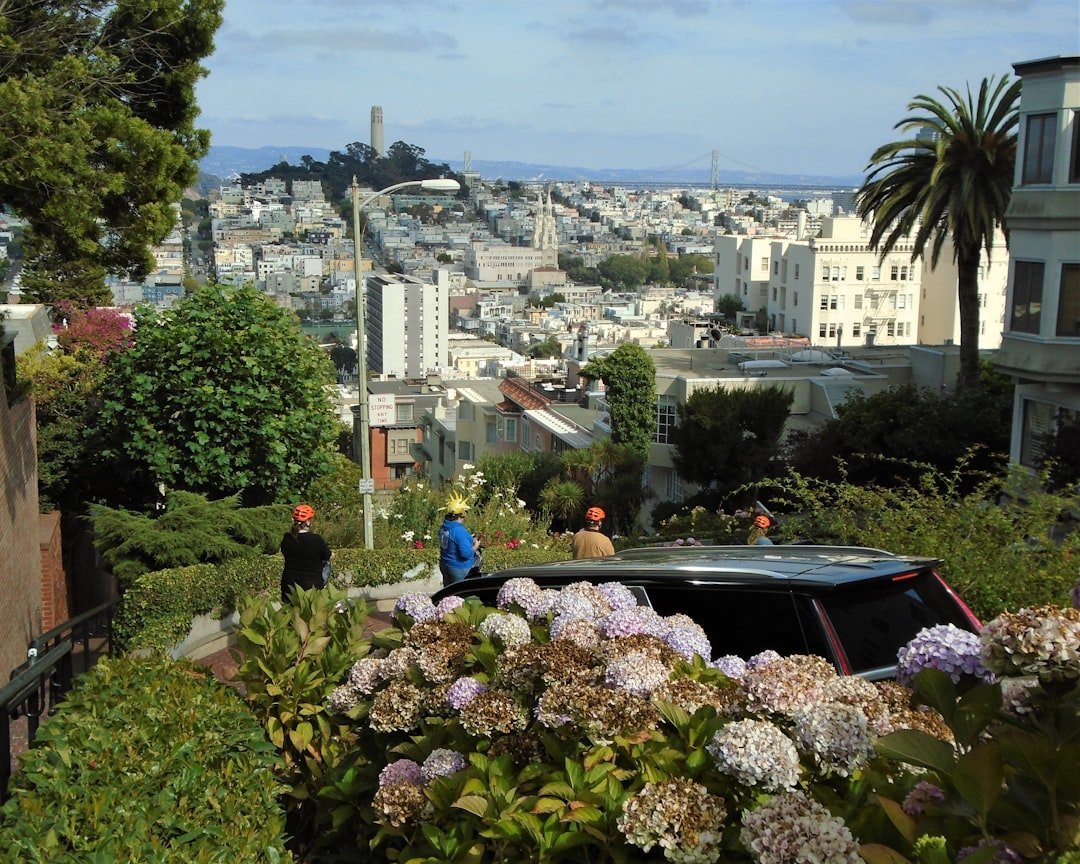
Lombard Street’s tight curves are among the most photographed in America, a cinematic shorthand for San Francisco that appears in more movies and TV shows than you can count. And yes, it’s visually striking. But to experience it the way most tourists do, you have to join a queue of cars that stretches around the block, all waiting to make one slow, brief, slightly crooked descent that takes under a minute.
Two million people a year make that trip. Most of them wonder why they bothered as soon as they reach the bottom. San Francisco is full of genuinely jaw-dropping views – Twin Peaks, Lands End, the Marin Headlands across the bridge – most of them free, rarely crowded, and far harder to forget. Lombard Street is the one that ended up on the postcards. It isn’t the one worth the wait.
None of these places are worthless. Some are worth a quick look. A few have real magic if you catch them at the right time, in the right way. But building your whole summer trip around them – driving for hours, paying premium prices, arriving with outsized expectations – that’s where the regret comes in.
The best American travel stories these days tend to start with someone saying, “We skipped the famous thing – and found something incredible instead.” Which one of these have you visited, and did it live up to the hype?