

Understanding the Concept of Accidental Crime

Accidental crime is a concept that might sound strange at first, but it happens more often than you might think. It refers to actions taken by individuals that unintentionally violate laws, often due to ignorance or misunderstanding. Imagine you’re in a foreign country and you unknowingly break a law just because you didn’t know it existed. Tourists, in unfamiliar environments, may unknowingly engage in activities that are illegal in the host country. This can range from minor infractions to serious offenses, leading to severe consequences. For instance, a tourist might not realize that taking a photograph of a military installation is prohibited, resulting in arrest. This is not just a minor inconvenience; it can change one’s entire travel experience.
Common Legal Misunderstandings

Many tourists are unaware of the specific laws that govern their destination. The excitement of traveling can sometimes overshadow the importance of learning about local regulations. For example, in some countries, public displays of affection can lead to legal repercussions. A study by the International Travel and Tourism Research Association found that 30% of tourists reported being unaware of local laws before traveling. This lack of knowledge can lead to unintentional offenses, such as violating dress codes or engaging in prohibited activities. It’s like playing a game without knowing the rules; you’re bound to make a mistake.
Drug Laws and Misinterpretations
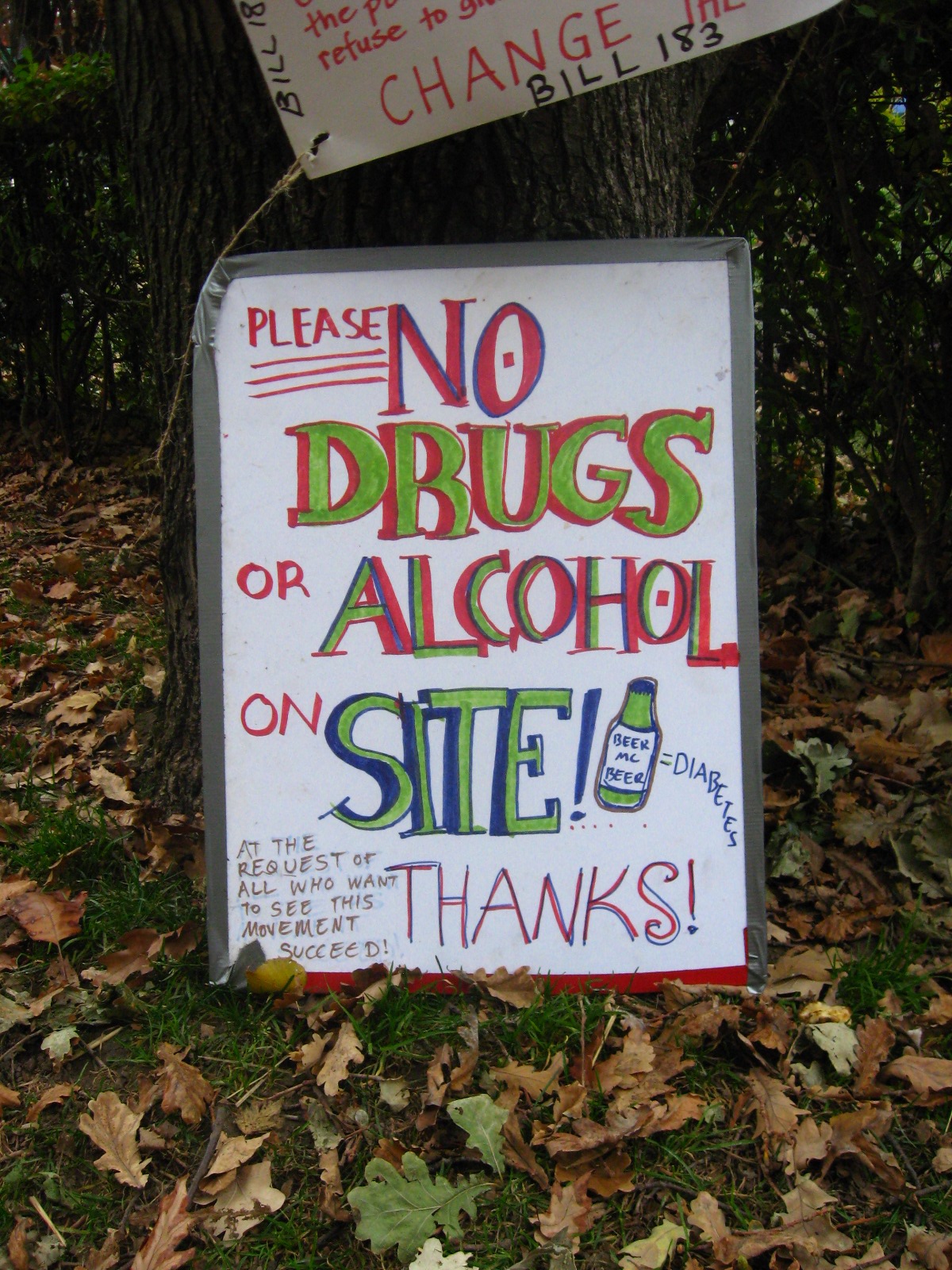
Drug laws vary significantly from country to country, and what is acceptable in one place may be a serious crime in another. In places like Singapore and Indonesia, possession of even a small amount of drugs can lead to severe penalties, including long prison sentences or even the death penalty. According to the United Nations Office on Drugs and Crime, around 20% of tourists arrested abroad are detained for drug-related offenses. Tourists often mistakenly believe that their home country’s lenient drug laws apply universally. This is like assuming that the weather is the same everywhere; it’s simply not the case.
Cultural Norms and Legal Boundaries

Cultural norms can heavily influence legal boundaries, and what’s considered normal behavior in one country might be frowned upon elsewhere. For instance, what may be considered a harmless prank in one culture could be seen as vandalism in another. A notable case involved a group of tourists who were arrested for graffiti in a foreign city, believing it to be a form of artistic expression. The local authorities, however, viewed it as a criminal act, leading to fines and potential jail time. It’s like trying to speak a different language without knowing the words; misunderstandings are inevitable.
Wildlife Protection Laws

Tourists often engage in activities involving wildlife, such as taking photos or purchasing souvenirs, without realizing the legal implications. However, many countries have strict wildlife protection laws. For example, in Thailand, the sale of certain animal products is illegal, and tourists can face hefty fines or imprisonment for purchasing them. The World Wildlife Fund reports that illegal wildlife trade is a multi-billion dollar industry, and tourists inadvertently contribute to this issue. It’s a reminder that not all souvenirs are harmless and can lead to unintended consequences.
Visa Violations and Overstays
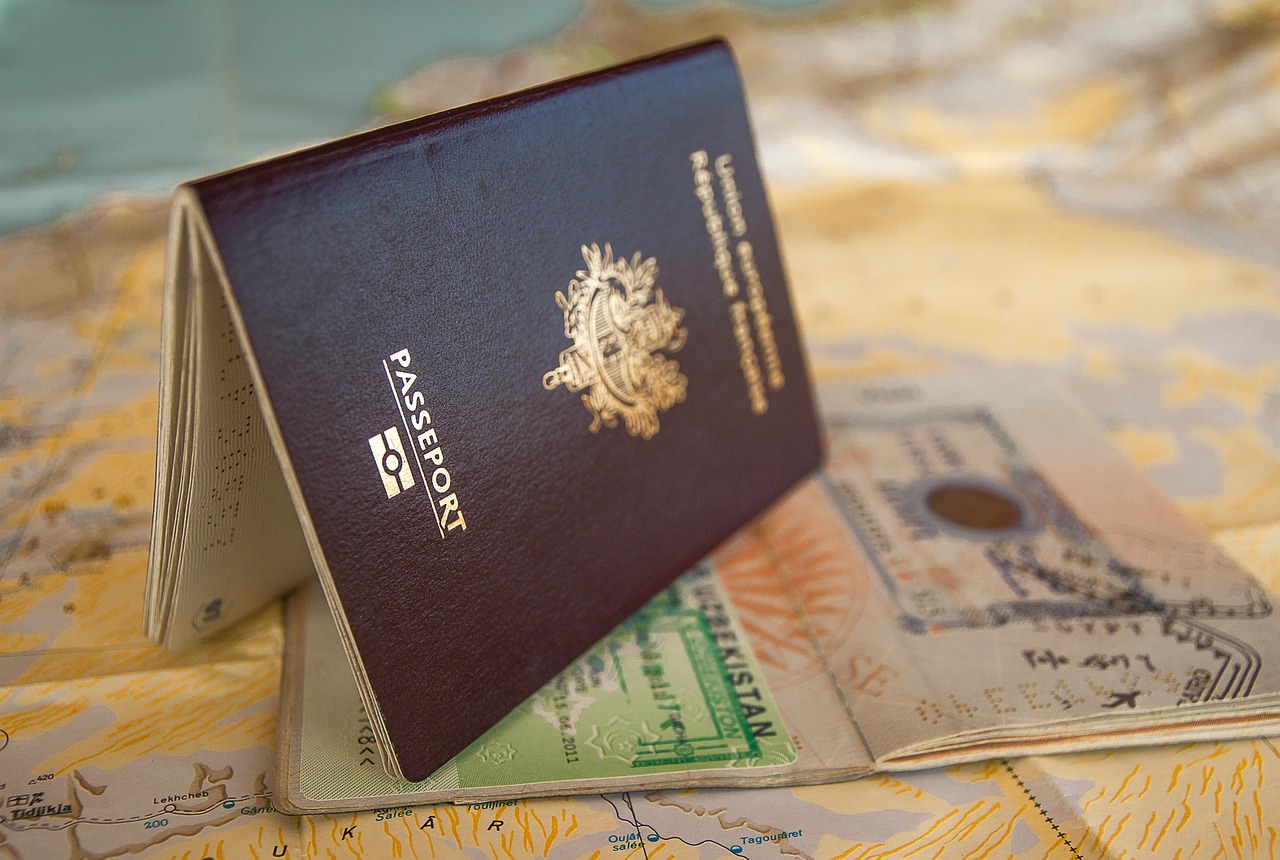
Visa regulations are another area where tourists can find themselves in legal trouble. Many travelers do not fully understand the terms of their visa, leading to overstays or unauthorized work. According to the U.S. Department of State, thousands of tourists are deported each year for visa violations. These situations can result in bans from re-entering the country, affecting future travel plans. It’s like borrowing a book from the library and forgetting to return it; the consequences can be more serious than you’d expect.
Social Media and Legal Consequences

In the age of social media, tourists often share their experiences online without considering the legal implications. Posting images or videos of illegal activities, even inadvertently, can lead to legal action. For example, a tourist who shares a video of themselves engaging in a prohibited activity may find themselves facing charges upon returning home. The rise of digital evidence has made it easier for authorities to track and prosecute such offenses. It’s a digital age cautionary tale; what you share online can follow you across borders.
Ignorance of Local Customs

Local customs can often be mistaken for laws, leading to accidental offenses. For instance, in some Middle Eastern countries, eating or drinking in public during Ramadan can lead to legal consequences. A survey by the Global Tourism Association found that 25% of travelers admitted to not researching local customs before their trip. This ignorance can result in unintentional disrespect and legal issues. It’s like attending a formal event in casual clothes; not knowing the customs can lead to awkward situations.
Consequences of Accidental Crimes

The consequences of accidentally committing a crime while traveling can be severe. Tourists may face fines, imprisonment, or deportation. Additionally, a criminal record can impact future travel and employment opportunities. According to a report by the International Criminal Police Organization, many tourists are unaware of the long-term implications of their actions abroad. It’s a reality check that these mistakes can have lasting effects, far beyond the immediate legal troubles.
Prevention and Awareness
To avoid becoming an accidental criminal, tourists should educate themselves about the laws and customs of their destination. Resources such as travel advisories, local government websites, and cultural guides can provide valuable information. Additionally, engaging with local residents and asking questions can help clarify any uncertainties. Awareness and preparation are key to ensuring a safe and enjoyable travel experience. It’s like studying a map before a journey; preparation can prevent you from getting lost.


