
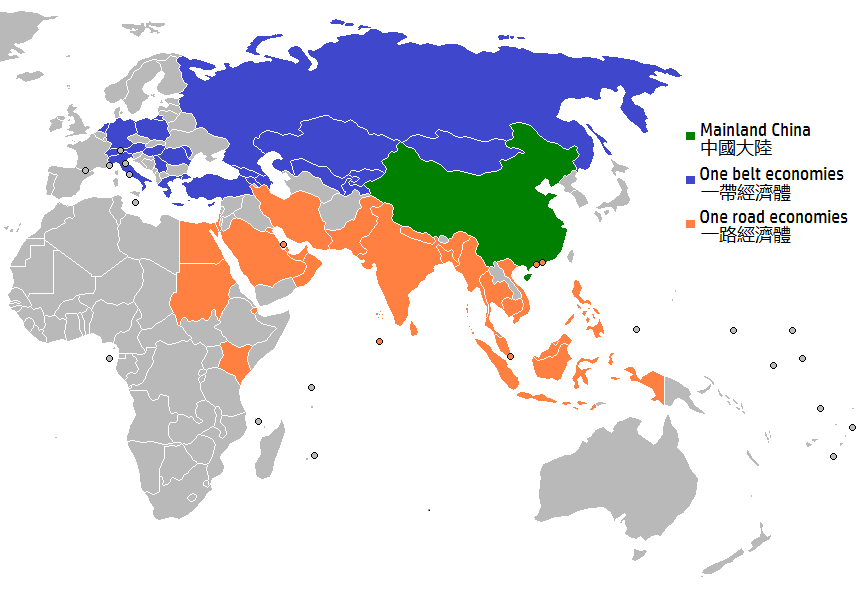
China’s Tourism Vision: A Modern Silk Road
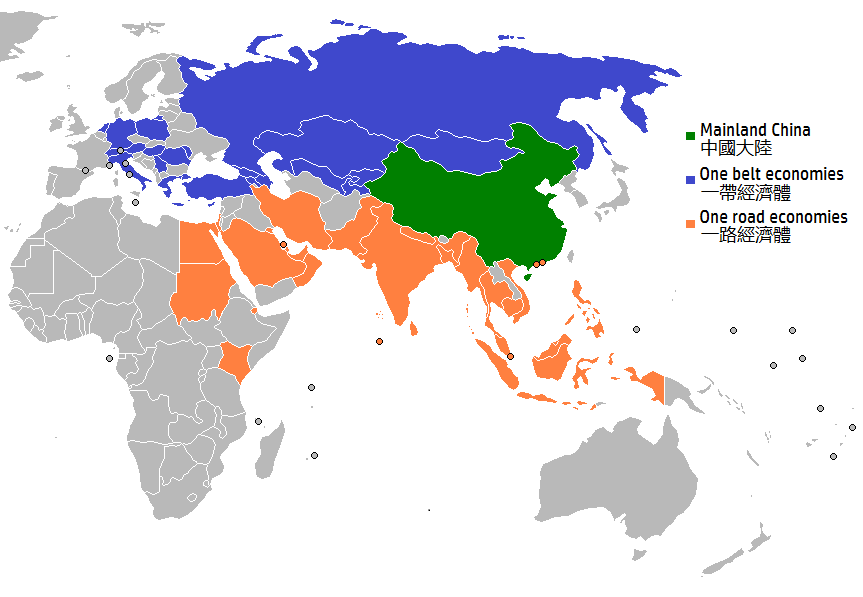
China’s vision of the New Silk Road, often referred to as the Belt and Road Initiative (BRI), is not only about infrastructure and trade but also about boosting tourism. This ambitious project aims to restore the ancient trade routes that connected China with the rest of the world, but with a modern twist. The BRI covers over 60 countries, stretching from Asia to Europe and Africa, making it a vast network that is reshaping global tourism. With an investment of over a trillion dollars, China is setting its sights on making these regions more accessible and attractive to tourists. As part of this vision, new airports, roads, and railways are being constructed, enabling smoother travel experiences. The initiative is also fostering cultural exchanges, making destinations along the Silk Road more appealing to international travelers.
China’s Expanding Tourism Footprint
China’s influence in global tourism is growing rapidly, and the Belt and Road Initiative is a key driver behind this expansion. Chinese tourists are now among the world’s most significant travelers, with millions exploring international destinations each year. Countries along the BRI routes are witnessing an influx of Chinese visitors, and they are making efforts to cater to their preferences. This includes offering Mandarin-speaking tour guides, Chinese cuisine, and even payment systems like Alipay and WeChat Pay. The impact is not limited to just the numbers; Chinese tourists often spend more than their counterparts from other nations, boosting local economies. As a result, many countries are actively promoting their attractions to attract more Chinese visitors, further expanding China’s tourism footprint.
Infrastructure Development: A Catalyst for Tourism
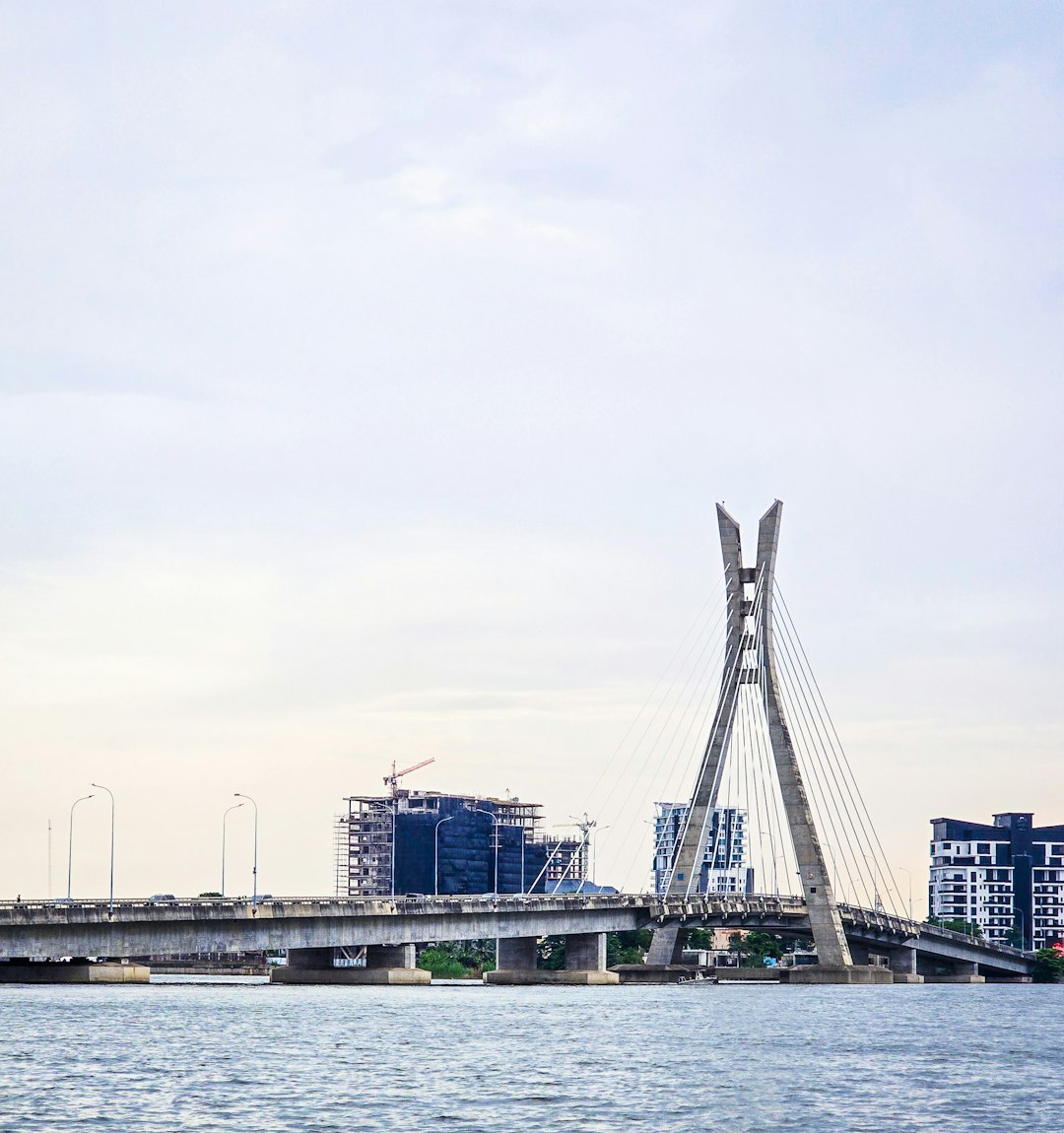
One of the most significant contributions of the Belt and Road Initiative to global tourism is infrastructure development. China is investing heavily in building and upgrading infrastructure in participating countries, making travel more convenient and efficient. For instance, new airports and high-speed rail networks are being constructed, reducing travel time and enhancing connectivity. This improved infrastructure is a game-changer for tourism, as it opens up previously inaccessible regions to international travelers. Additionally, better roads and transportation systems mean tourists can explore more destinations within a country, leading to increased tourism revenue for local businesses. China’s investment in infrastructure is not just about transportation; it also includes the development of hotels, resorts, and other tourist facilities, further boosting tourism potential.
Cultural Exchanges: Bridging the Gap
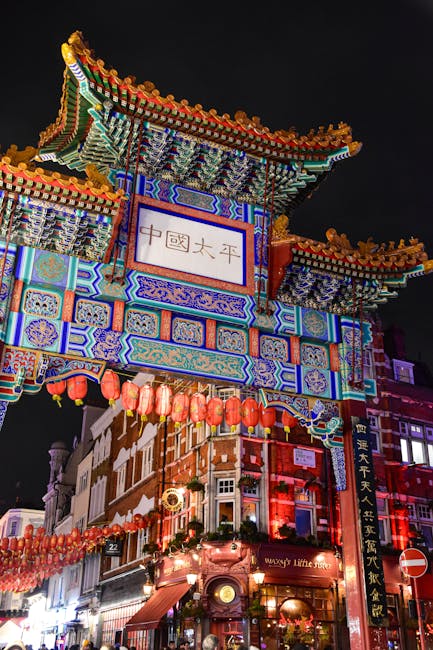
The New Silk Road is not just about economic and infrastructure development; it also emphasizes cultural exchanges. China is actively promoting cultural interactions between countries along the BRI routes. This cultural diplomacy is fostering mutual understanding and appreciation, making destinations more inviting for tourists. Traditional festivals, art exhibitions, and cultural events are being organized to showcase the rich heritage of participating countries. As a result, tourists are not only exploring new places but also experiencing diverse cultures. These cultural exchanges are helping bridge the gap between nations, creating a more harmonious and interconnected world. For tourists, this means more authentic experiences, as they can immerse themselves in the local culture and traditions of the regions they visit.
The Role of Technology in Tourism

Technology is playing a crucial role in reshaping global tourism along the New Silk Road. China is at the forefront of technological advancements, and these innovations are being integrated into the tourism industry. From mobile apps that provide real-time travel information to virtual reality tours of historical sites, technology is enhancing the tourist experience. Smart tourism, a concept driven by technology, is becoming increasingly popular, offering personalized and convenient services to travelers. For instance, tourists can use apps to book accommodations, find local attractions, and even translate languages. This seamless integration of technology is making travel more accessible and enjoyable, encouraging more people to explore destinations along the Silk Road.
Environmental Considerations: A Balancing Act

While the Belt and Road Initiative is boosting tourism, it also raises environmental concerns. The construction of infrastructure and increased tourist activities can have adverse effects on the environment. To address these challenges, China is emphasizing sustainable tourism practices. Efforts are being made to minimize the ecological footprint of tourism by promoting eco-friendly transportation options and encouraging responsible tourism behavior. Many projects under the BRI are incorporating green technologies to reduce carbon emissions and preserve natural habitats. Additionally, awareness campaigns are being launched to educate tourists about the importance of protecting the environment. By striking a balance between development and sustainability, the New Silk Road aims to create a positive impact on both tourism and the environment.
Challenges and Opportunities for Host Countries

Countries along the Belt and Road Initiative face both challenges and opportunities in reshaping their tourism sectors. On one hand, the influx of Chinese tourists presents a significant opportunity for economic growth and development. Local businesses, hotels, and restaurants benefit from increased tourist spending, leading to job creation and improved living standards. On the other hand, these countries must adapt to meet the needs and preferences of Chinese tourists, which may require changes in infrastructure, services, and marketing strategies. Language barriers, cultural differences, and visa regulations can pose challenges that need to be addressed. However, by embracing these challenges and leveraging the opportunities, host countries can position themselves as attractive destinations for international tourists, benefiting from the New Silk Road’s influence.
Economic Impact: Boosting Local Economies
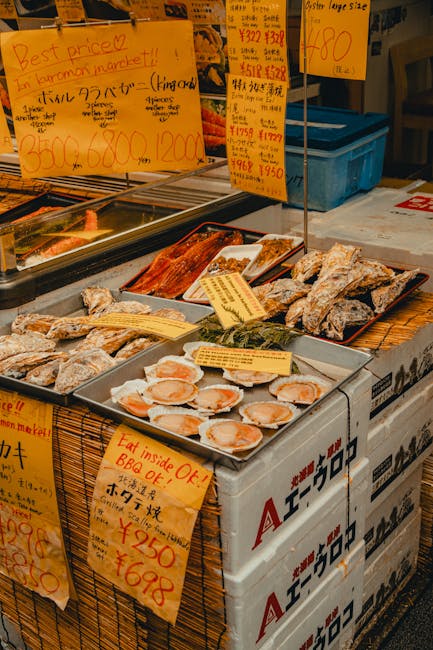
The economic impact of China’s influence on global tourism through the Belt and Road Initiative is substantial. As tourism thrives, local economies are experiencing a boost in revenue. Small businesses, artisans, and local vendors are benefiting from increased tourist spending, contributing to poverty reduction and economic development. The construction of infrastructure projects creates jobs and stimulates economic growth in participating countries. Additionally, increased tourism leads to greater foreign exchange earnings, which can be reinvested in further development. China’s role as a major player in global tourism is reshaping the economic landscape of countries along the New Silk Road, offering new opportunities for prosperity and growth.
Future Prospects: A New Era of Travel

The future of global tourism along the New Silk Road looks promising, with exciting prospects on the horizon. As infrastructure continues to improve and cultural exchanges flourish, more tourists are likely to explore destinations along the BRI routes. The integration of technology will further enhance the travel experience, making it more convenient and accessible. Sustainable tourism practices will ensure that the environmental impact is minimized, preserving the beauty and heritage of these regions for future generations. As countries continue to embrace the opportunities presented by the New Silk Road, a new era of travel is emerging, characterized by increased connectivity, cultural appreciation, and economic growth.
Conclusion: A Transformative Journey

The New Silk Road is reshaping global tourism in profound ways, driven by China’s influence and vision. From infrastructure development to cultural exchanges, the Belt and Road Initiative is creating a more interconnected and vibrant world. As tourism continues to flourish, countries along the Silk Road are reaping the benefits of increased tourist arrivals and economic growth. However, this transformative journey also comes with challenges that require careful management and sustainable practices. By embracing the opportunities and addressing the challenges, the New Silk Road is paving the way for a brighter future in global tourism, where diverse cultures and economies come together in harmony.