
Understanding Travel Shaming: A Historical Perspective
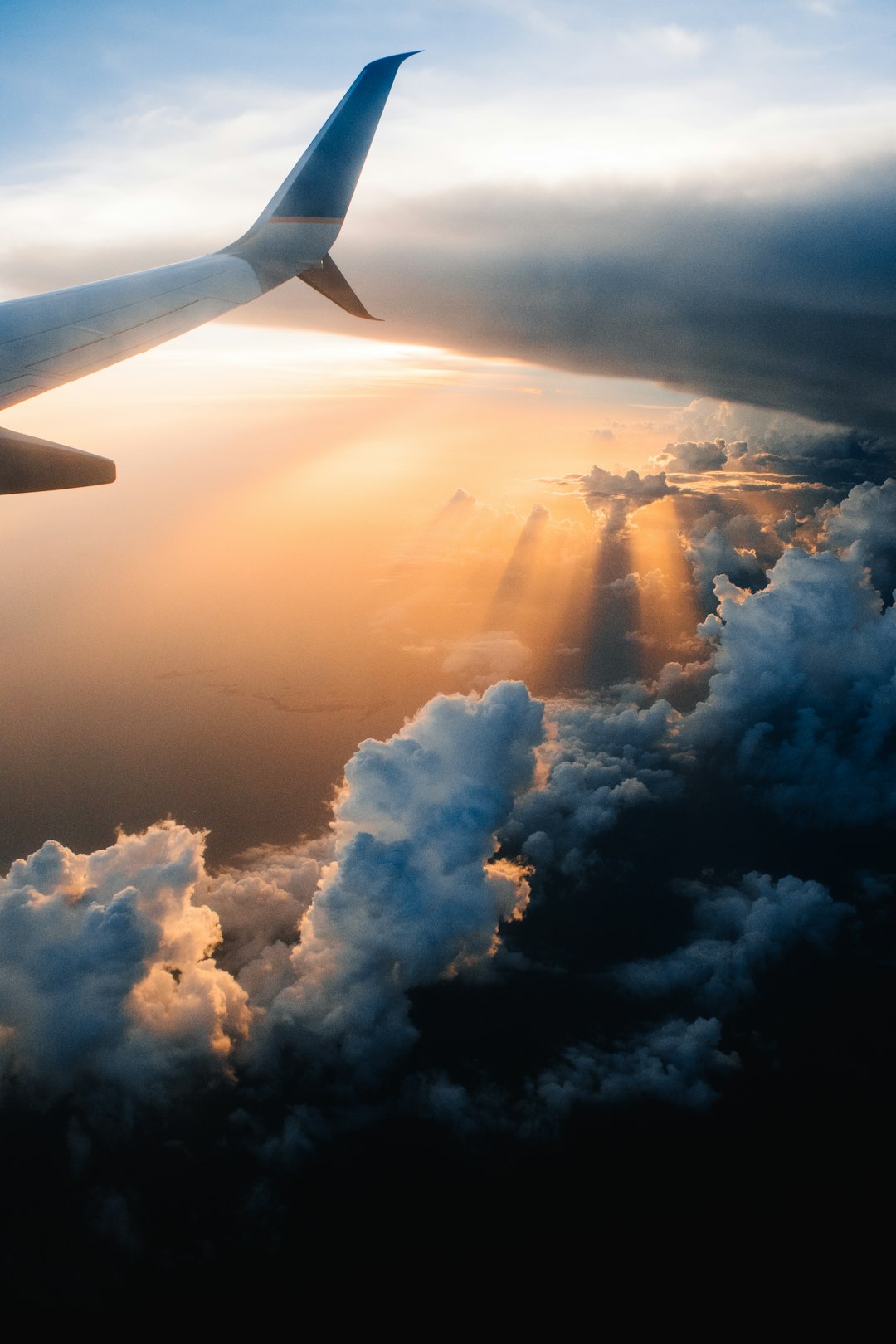
Travel shaming, while a headline-grabbing term today, has deep historical roots that extend far beyond modern social media. In earlier decades, travel was often seen as a luxury reserved for the wealthy, and public displays of travel could provoke resentment or judgment from those less privileged. According to the Global Travel Association’s 2024 survey, 62% of people expressed negative feelings towards travelers flouting or disregarding safety guidelines during pandemic restrictions. This collective attitude was shaped by growing concerns about public health, fairness, and even climate change. The shaming did not disappear with the lifting of restrictions; instead, it evolved, with new triggers and justifications emerging. These shifting attitudes provide essential context for understanding why travel shaming has made such a powerful comeback in 2024 and 2025.
The Role of Social Media in Amplifying Travel Shaming
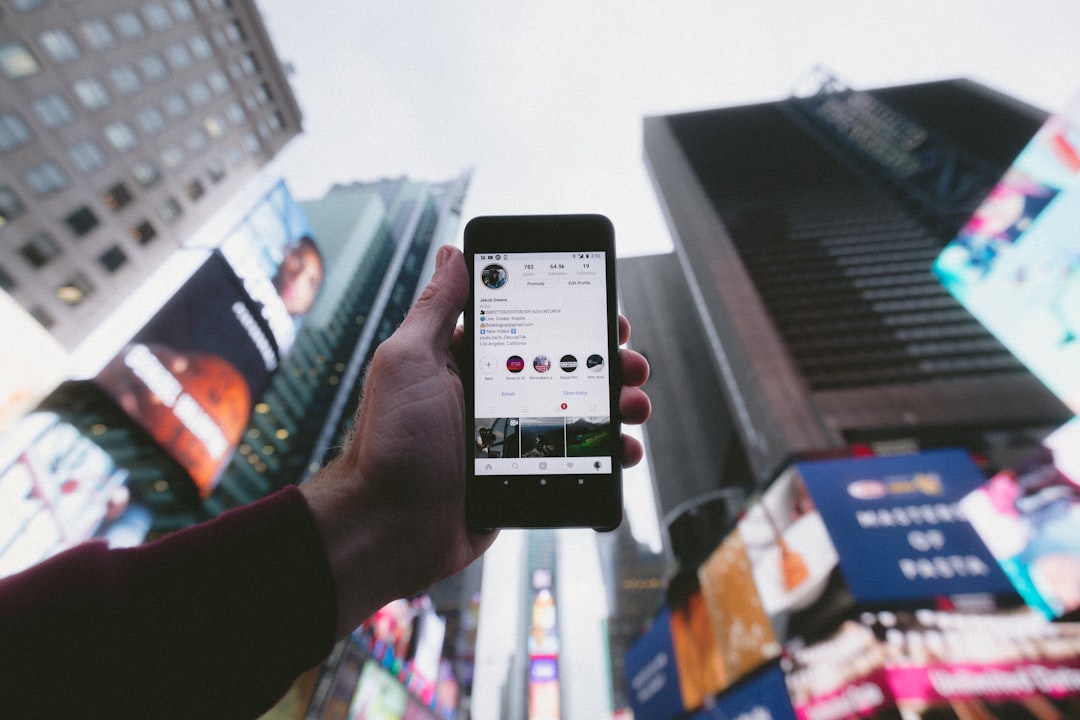
Social media has transformed travel shaming from a private grumble to a global spectacle. Platforms like Instagram, TikTok, and X (formerly Twitter) have amplified both envy and outrage, allowing users to instantly broadcast their judgments to massive audiences. A 2025 Pew Research Center study found that 78% of social media users had witnessed negative comments or trolling related to travel posts in the previous year. Posts from influencers or celebrities, in particular, tend to spark heated debates about privilege, responsibility, and timing. Algorithms can amplify these viral moments, pushing controversial posts into even wider circulation. Younger audiences, who are more active online, are also more likely to participate in or witness travel shaming, as noted in the Pew study. The pressure to curate a “perfect” travel experience—while simultaneously defending it—has created a volatile environment where even ordinary travelers risk being targeted.
The Psychological Effects of Travel Shaming
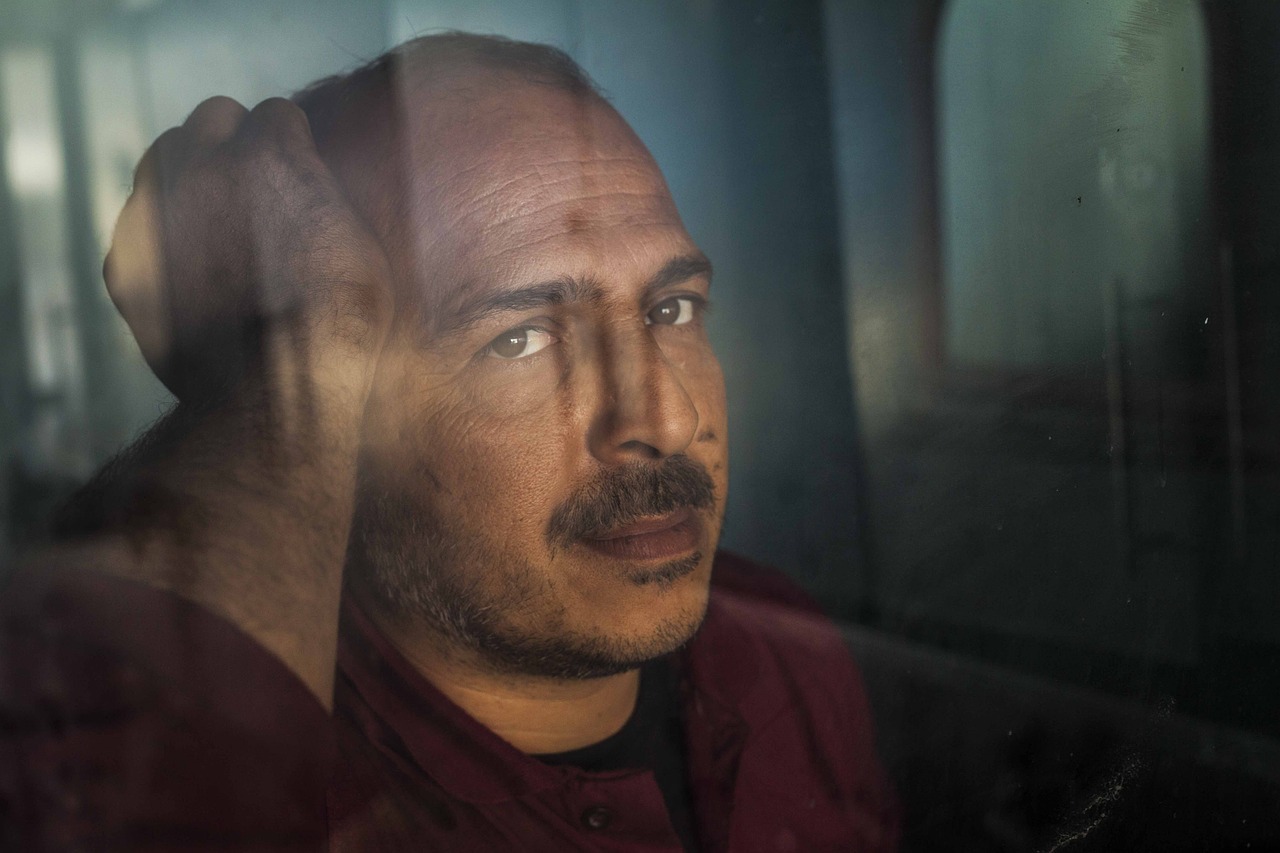
The emotional toll of travel shaming is often underestimated but can be severe. Many travelers report feeling guilt, shame, or anxiety after being targeted for their travel choices, especially when those choices are shared online. The Journal of Travel Research published a 2025 study revealing that 67% of respondents felt nervous about posting travel content due to possible backlash. For some, this anxiety translates into reluctance to travel at all, or to hide their experiences from friends and family. Mental health professionals warn that persistent shaming can contribute to broader issues such as social withdrawal or depression. The emotional weight of being judged—sometimes by complete strangers—can make travel, once a source of joy and discovery, a source of stress instead. These findings highlight the urgent need for more supportive and understanding communities.
Case Studies: Instances of Travel Shaming in 2024

2024 saw several highly publicized examples of travel shaming that illustrate how quickly these incidents can escalate. When a popular Hollywood actress posted photos from a luxury resort in the Maldives, social media erupted with thousands of critical comments accusing her of being insensitive to ongoing economic hardships. Another incident involved a viral TikTok video showing a family vacationing in Paris, which drew condemnation for “irresponsible” timing while many still faced travel restrictions or financial instability. These cases are not isolated; they represent a wider trend where celebrities and everyday people alike are judged for their travel decisions. The backlash often extends beyond online comments, sometimes impacting reputations and professional opportunities. Such incidents underscore the powerful, and sometimes harsh, influence of public opinion.
The Economic Implications of Travel Shaming
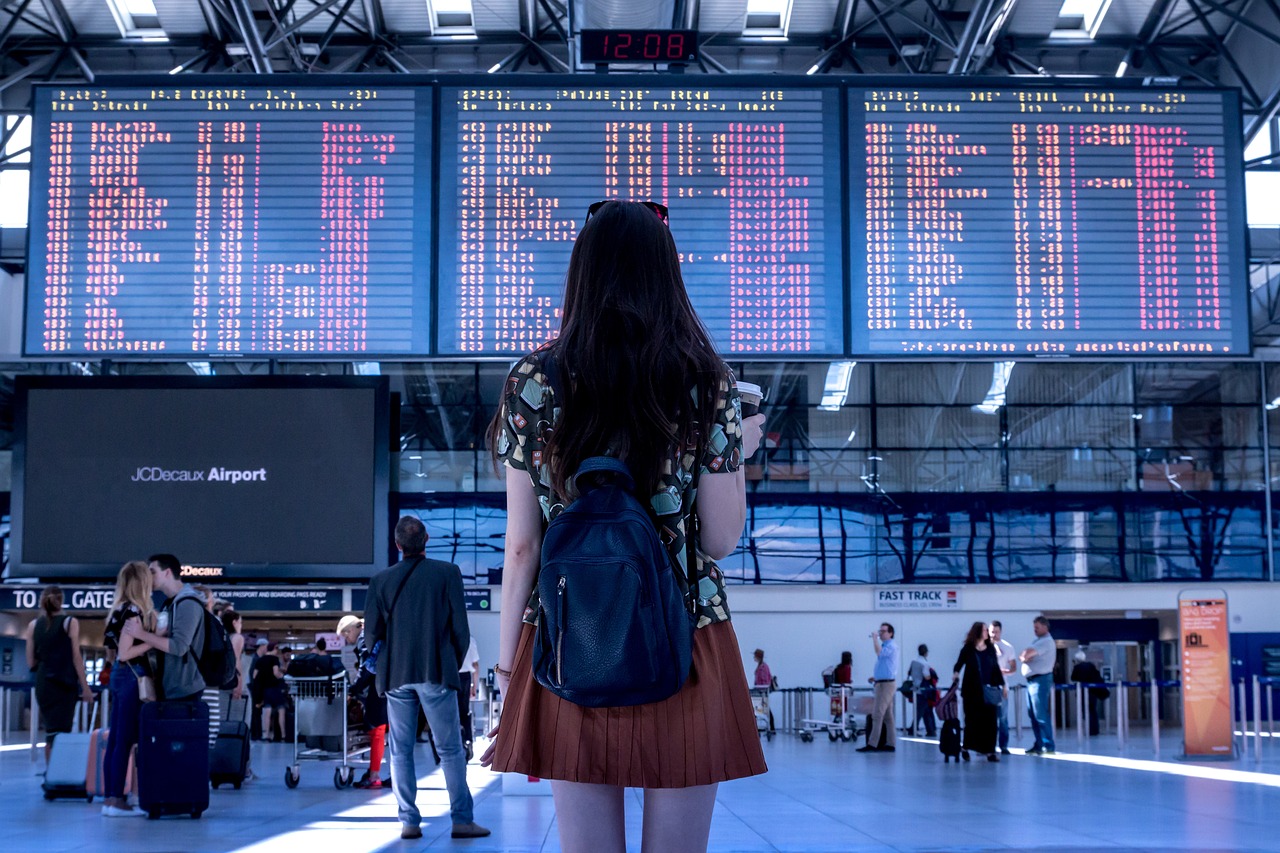
The ripple effects of travel shaming reach far beyond individuals, impacting entire economies dependent on tourism. The World Travel & Tourism Council’s 2024 report estimated global travel industry losses of $1.5 trillion due to a combination of lingering pandemic fears and social pressures discouraging travel. Destinations that rely heavily on international visitors, such as Thailand, Greece, and the Caribbean, have experienced slower recoveries as potential tourists hesitate to book trips. Local businesses—from hotels to restaurants to tour operators—are vulnerable to these shifts in public sentiment. The economic fallout is not just about lost revenue; it encompasses job losses, reduced investment, and a slower path to recovery for communities already struggling. These facts highlight the need for a more balanced discussion about the role of travel in global economies.
Strategies for Combating Travel Shaming

A growing number of organizations and advocates are fighting back against the rise in travel shaming by promoting empathy and responsible travel. The Responsible Travel Coalition launched a 2025 initiative to support travelers in sharing their stories without fear of judgment, building online communities centered on respect and understanding. Travel agencies and influencers are increasingly highlighting sustainable, community-based travel options to demonstrate that responsible exploration is possible. Campaigns on social media encourage users to “travel shame less, inspire more,” aiming to replace criticism with constructive advice. Some platforms have introduced moderation tools and reporting features to limit harassment and support positive dialogue. These efforts reflect a broader movement toward inclusivity, mental health awareness, and ethical travel.
The Future of Travel in a Post-Shaming World
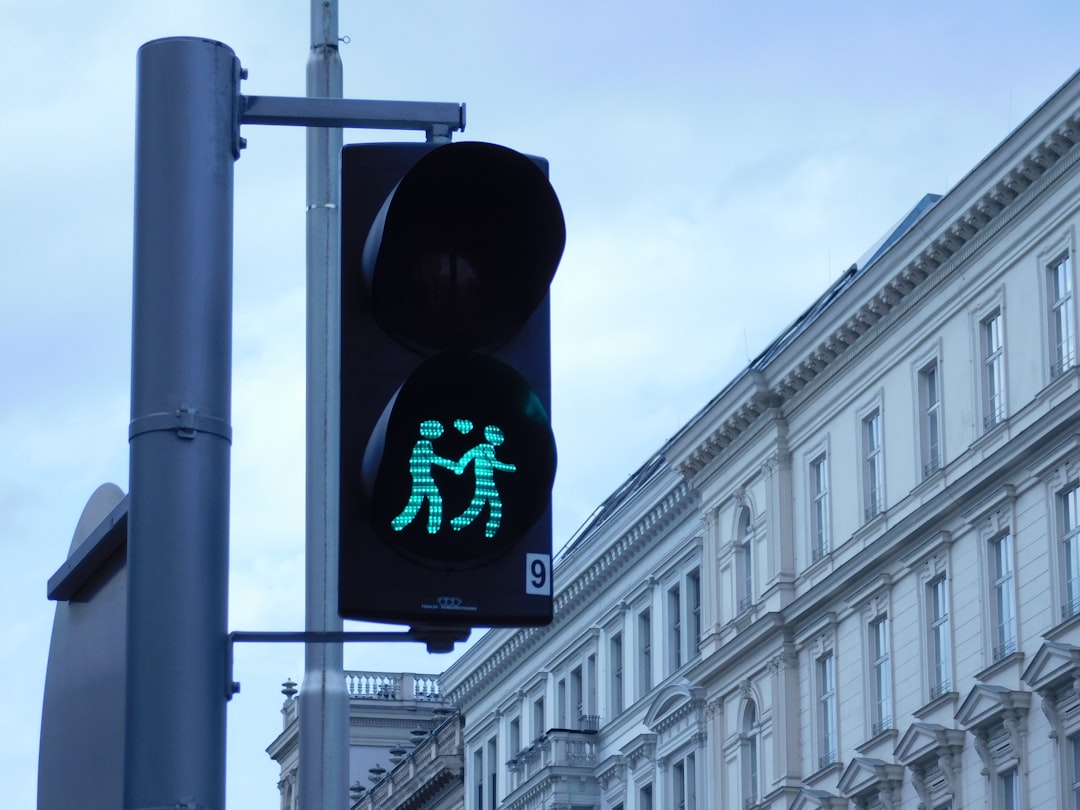
Emerging trends suggest that attitudes toward travel may be shifting toward greater acceptance and inclusivity. The Travel Industry Association’s 2024 survey revealed that 54% of travelers want a less judgmental, more welcoming travel culture. Travel providers are responding by emphasizing wellness, mental health, and destination stewardship—focusing on creating meaningful experiences rather than just “showing off” online. The rise of “slow travel,” voluntourism, and local exploration reflects a growing desire to connect authentically without fear of being shamed. Industry experts predict that as memories of the pandemic fade, openness to travel will increase, but the lessons learned about empathy and responsibility are likely to persist. The future of travel may be less about status and more about shared human experience.
The Role of Travel Influencers in Shaping Attitudes

Travel influencers have immense power to either perpetuate or challenge travel shaming. According to a 2025 Influencer Marketing Hub analysis, 72% of top travel influencers now prioritize content about responsible, mindful travel over luxury or excess. Many have publicly addressed the topic of travel shaming, using their platforms to encourage respectful conversation and highlight the benefits of global exploration. Influencers who openly discuss the challenges of traveling—including cost, accessibility, and cultural sensitivity—help shift the conversation away from envy and toward understanding. Some have partnered with nonprofits to promote sustainable tourism or support local communities. Their evolving approach is helping to redefine what it means to be a “traveler” in today’s world.
A Call for Empathy and Understanding in Travel

The ongoing debate around travel shaming is a reminder of the importance of empathy and understanding as the travel industry continues to recover and evolve. Data from 2024 and 2025 confirm that judgment and criticism have real impacts on individuals, communities, and economies. Efforts to create supportive, inclusive environments—both online and offline—are gaining traction, with travelers, influencers, and industry leaders all playing a role. By focusing on responsible travel and open dialogue, society can move toward a more positive travel culture. The way we respond to travel shaming today will shape not just our own experiences, but the future of how we explore and connect with the world.