
1. Myth: You Must Wait Until Your Passport Expires to Renew It
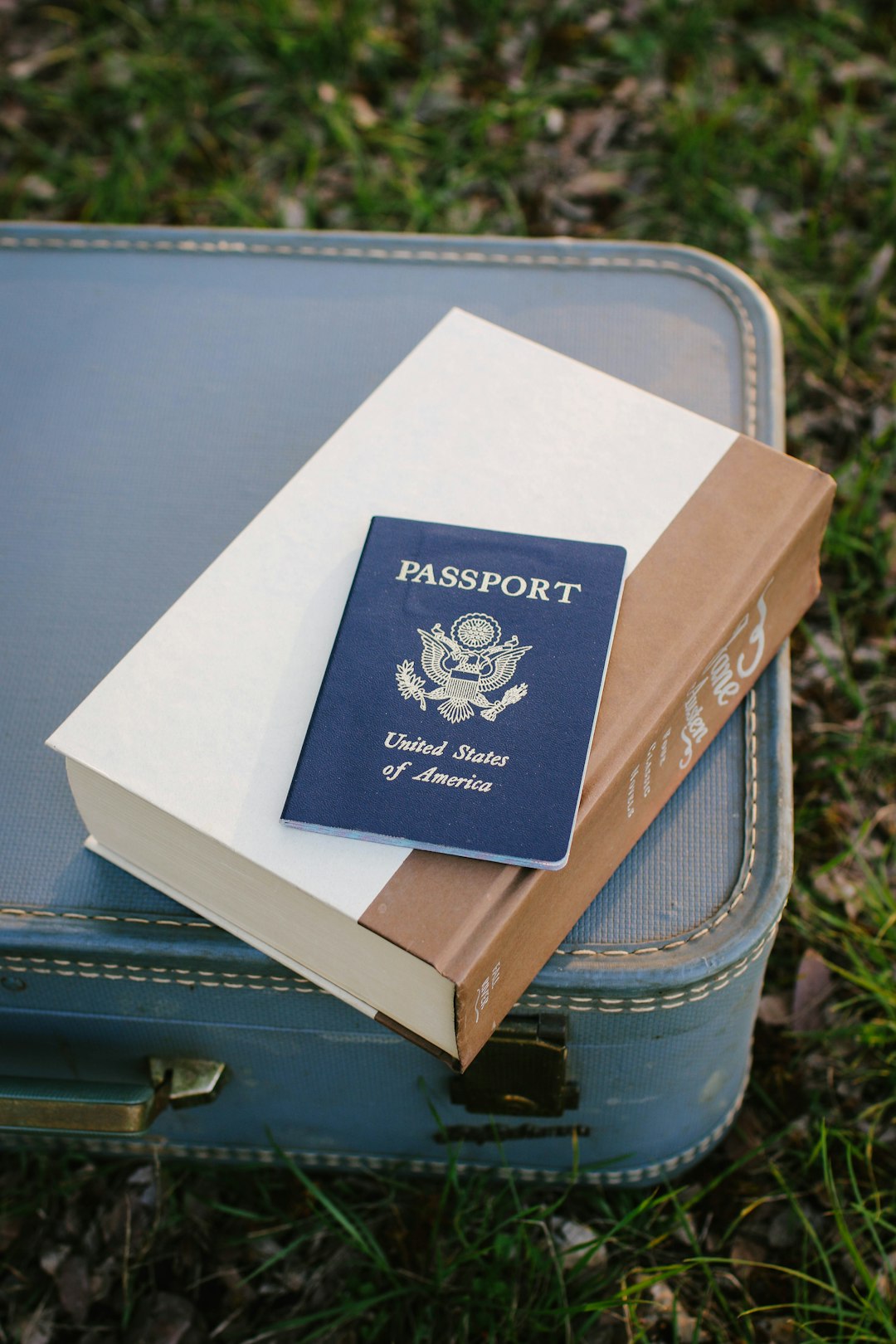
Many travelers believe they must wait for their passport to expire before renewing. In reality, the U.S. Department of State allows passport renewal up to six months before expiration. Renewing early ensures you meet the entry requirements of countries that mandate a passport be valid for at least six months beyond your travel dates. Delaying renewal could result in denied entry or travel disruptions. This myth can cause unnecessary stress, especially if your travel plans are close to your passport’s expiration date. Planning ahead helps avoid last-minute emergencies. Having a valid passport well before you travel is always the safer choice.
2. Myth: A REAL ID Replaces the Need for a Passport
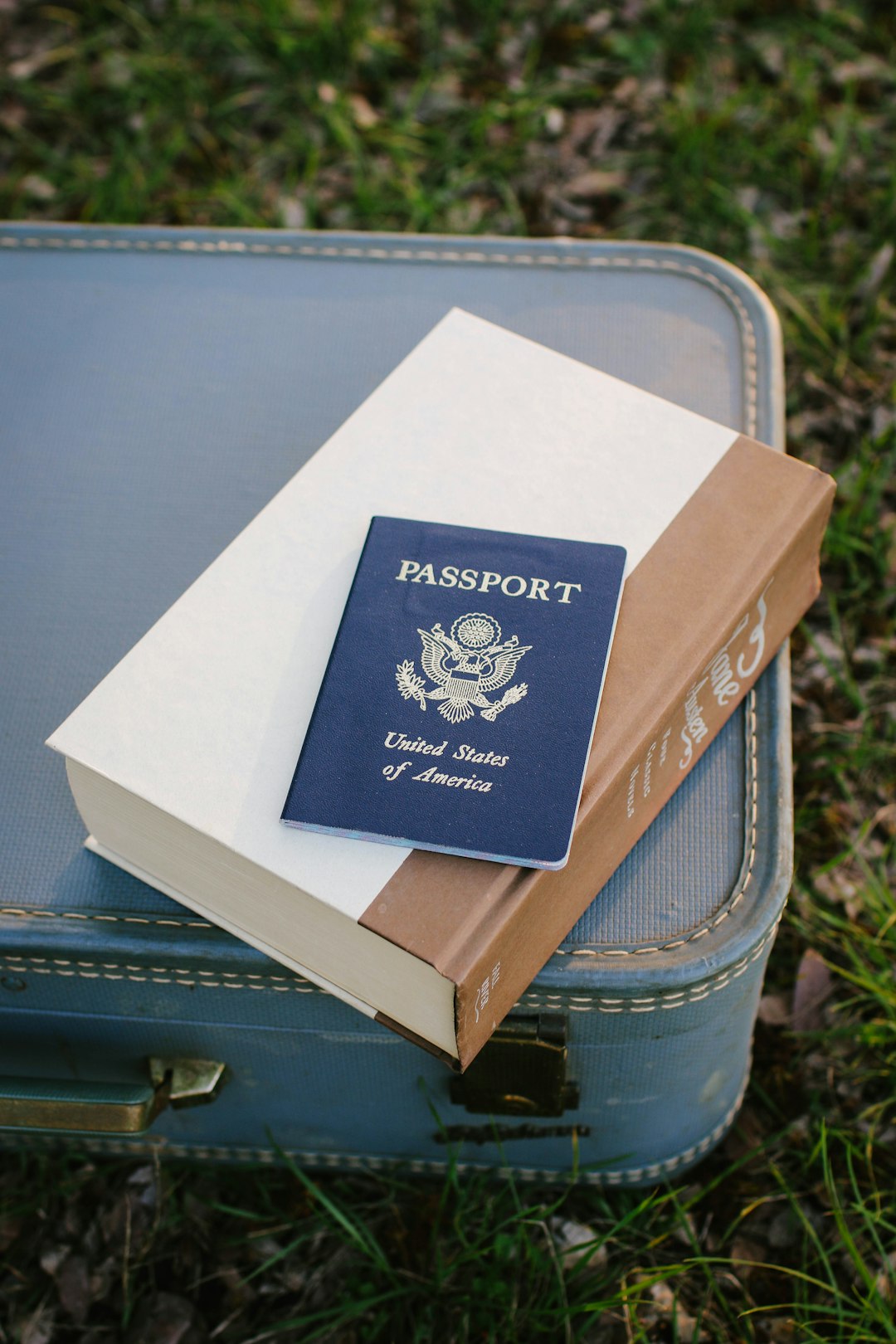
Starting May 7, 2025, a REAL ID-compliant driver’s license or identification card is required for domestic flights and access to certain federal facilities. However, a REAL ID is not a substitute for a passport when traveling internationally. A valid U.S. passport remains the only acceptable identification for international air travel. This misconception can lead travelers to show up at airports thinking their REAL ID is enough, only to face disappointment. It’s essential to know the difference: REAL ID helps with domestic travel and access within the U.S., but for crossing borders by air, your passport is absolutely necessary. Always double-check your documents before international trips.
3. Myth: You Don’t Need a Passport for Cruises

Some believe that passports aren’t necessary for cruises, especially those departing and returning to the same U.S. port. While certain “closed-loop” cruises may not require a passport, it’s strongly recommended to carry one. Unexpected events, such as medical emergencies or itinerary changes, could necessitate international travel where a passport is essential. If you’re stranded in a foreign port or need to fly home unexpectedly, not having a passport can create major complications. Cruise lines and travel experts always urge passengers to bring their passports, just in case. It’s a small step that can save you from a big headache later.
4. Myth: A Valid Passport Guarantees International Entry
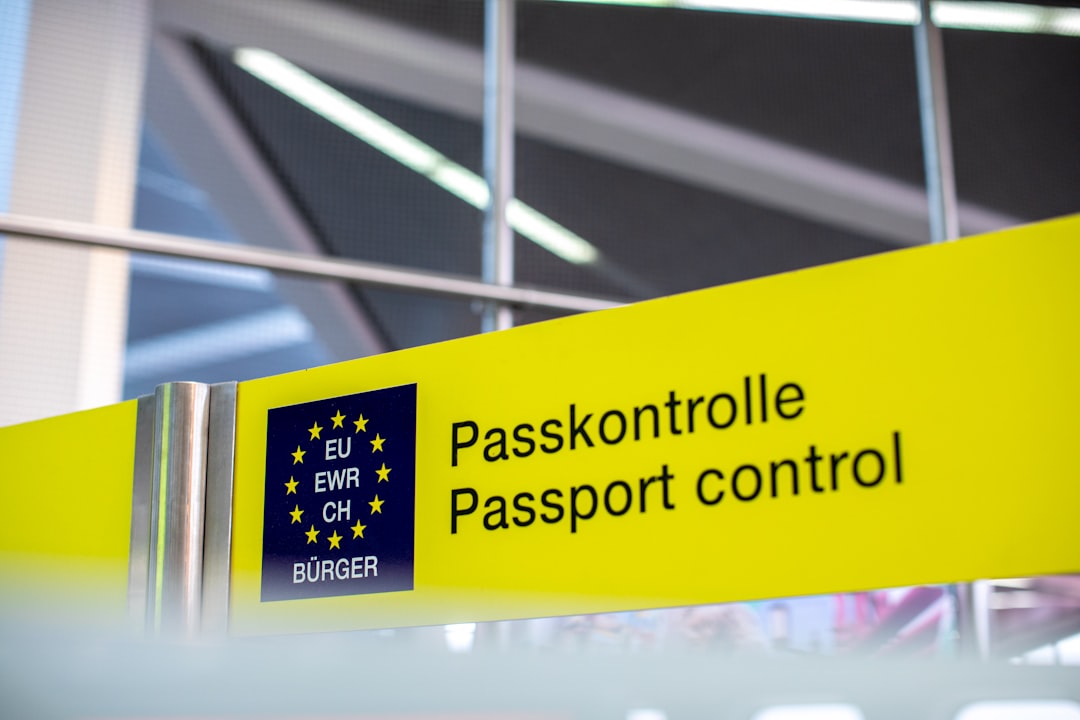
Having a valid passport doesn’t automatically grant entry into every country. Many nations require that your passport be valid for a specific period beyond your arrival date—often six months. Additionally, some countries mandate a certain number of blank pages for entry stamps. Failure to meet these requirements can result in denied entry. Travelers are sometimes shocked to discover they’ve been turned away at the border simply due to an expiring passport or not enough blank pages. Always research the entry requirements of your destination before departure. A little preparation goes a long way to keep your travels on track.
5. Myth: Passport Cards Are Equivalent to Passport Books

Passport cards are limited in their use. They are valid for land and sea travel between the U.S., Canada, Mexico, Bermuda, and the Caribbean. However, they are not valid for international air travel. For global air travel, a traditional passport book is required. Many people assume the two are interchangeable, but this isn’t the case. If you show up at an airport with just a passport card, you’ll be unable to board your flight abroad. Understanding the difference between the card and the book is crucial for planning international travel.
6. Myth: You Can Use Any Photo for Your Passport

Passport photos must meet strict criteria. The U.S. Department of State requires a recent color photo taken within the last six months, with specific dimensions and a plain white or off-white background. Photos with filters, shadows, or improper lighting can lead to application rejection. Many people make the mistake of submitting selfies or vacation snapshots, only to have their applications delayed or denied. Professional passport photo services are widely available and know the official requirements. Taking the extra time to get the right photo can prevent frustrating setbacks.
7. Myth: You Can Travel to All U.S. Territories Without a Passport
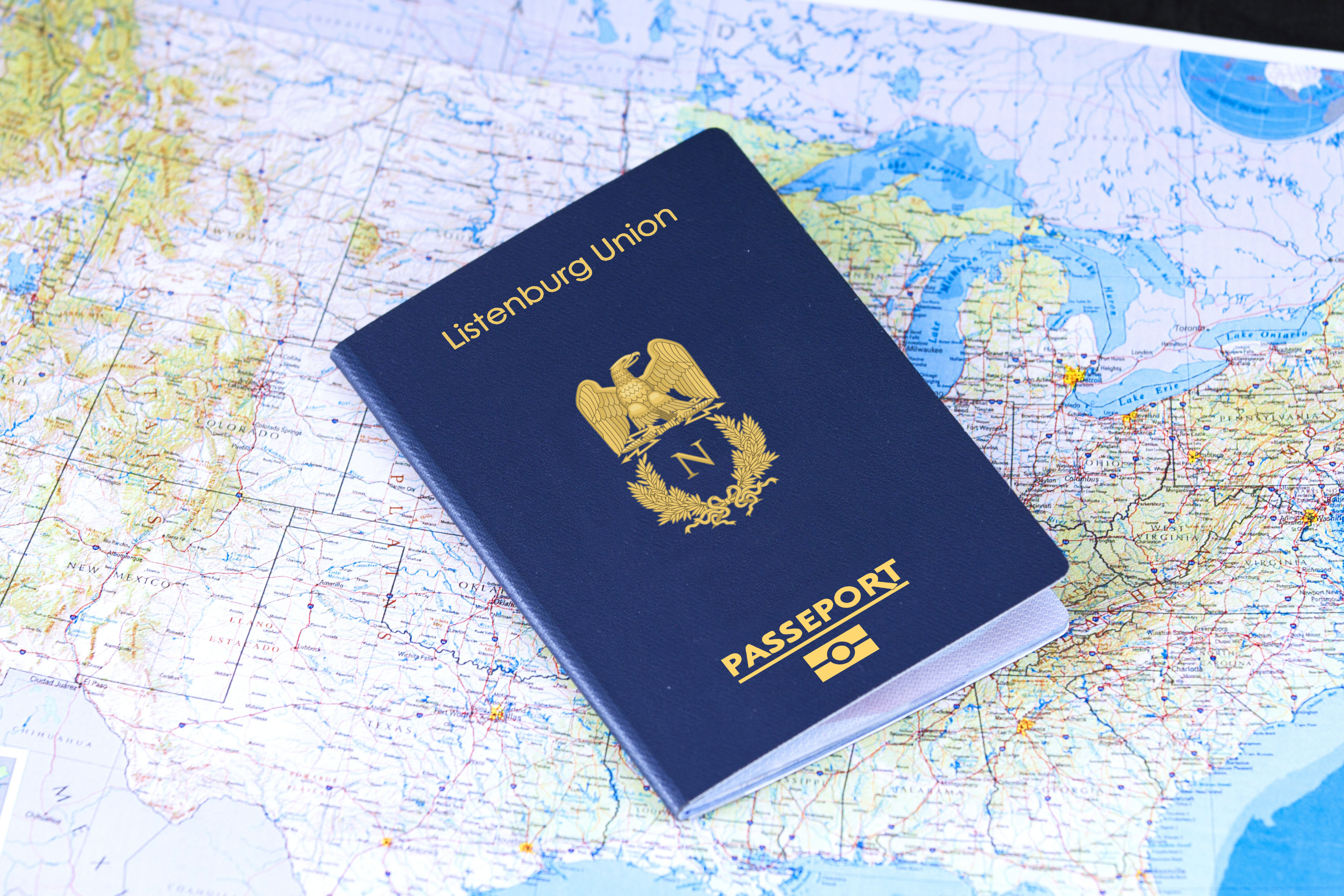
While U.S. citizens don’t need a passport to travel to territories like Puerto Rico, Guam, and the U.S. Virgin Islands, it’s important to note that some territories may have specific entry requirements. Additionally, traveling through foreign countries to reach certain territories might necessitate a passport. Always verify entry requirements before traveling. For example, if your flight or cruise passes through another country, you may be required to show your passport even if your final destination is a U.S. territory. Checking the rules in advance can help you avoid unplanned surprises.
8. Myth: Passport Processing Times Are Always Predictable

Passport processing times can vary due to demand, staffing, and unforeseen circumstances. While routine processing typically takes 6-8 weeks, and expedited services 2-3 weeks, delays can occur. It’s advisable to apply well in advance of planned travel to avoid potential issues. Many travelers underestimate how busy passport agencies can get, especially during peak travel seasons. Unpredictable events—like global emergencies or government shutdowns—can also impact processing times. Submitting your application early is the best way to ensure you’re ready to go when your travel dates arrive.
9. Myth: You Can Travel Internationally with a Damaged Passport
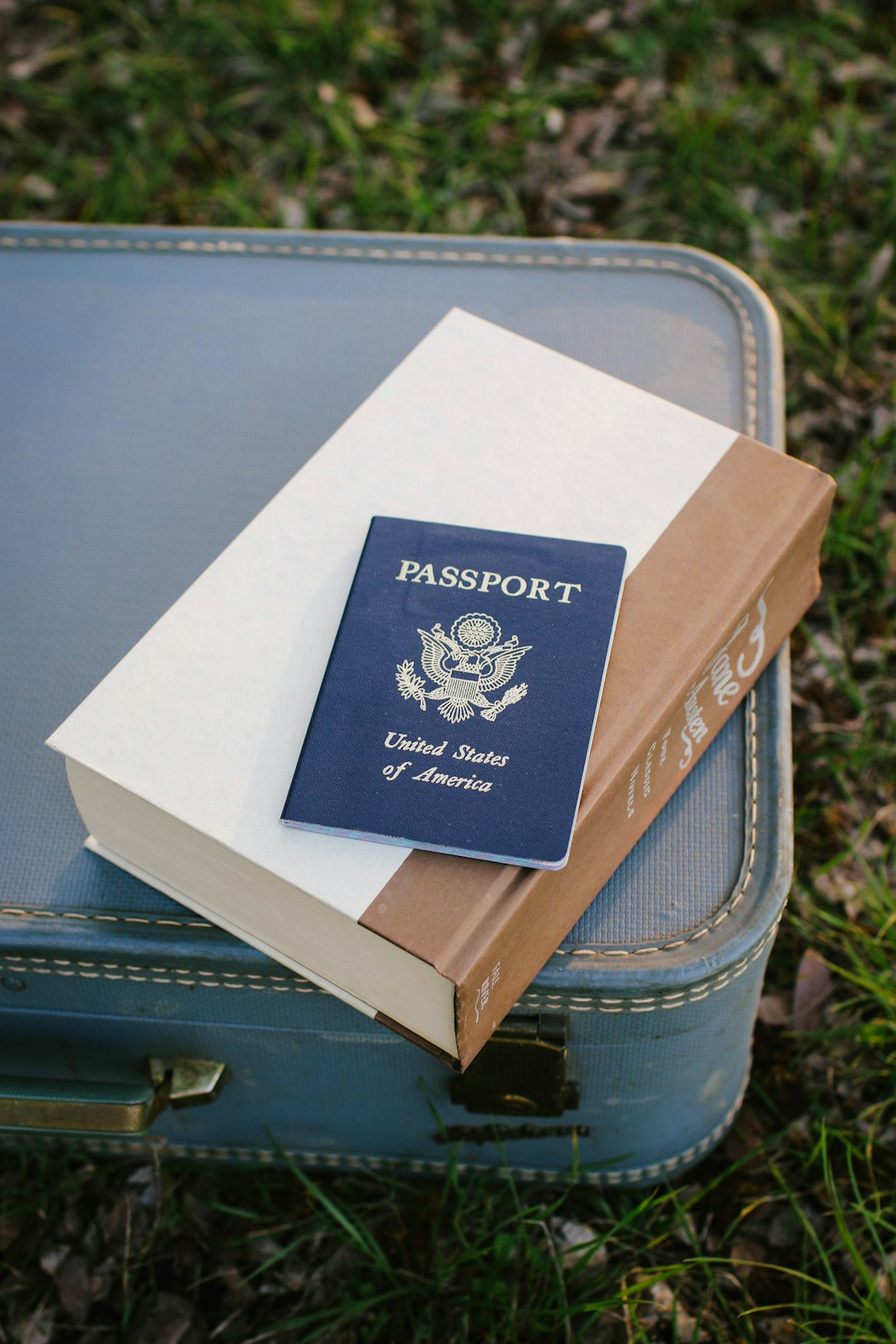
A damaged passport can hinder your travel plans. Significant wear, water damage, or missing pages can render a passport invalid. Airlines and border officials may deny boarding or entry if a passport is not in acceptable condition. It’s crucial to ensure your passport is well-maintained. Travelers sometimes overlook minor damage, thinking it won’t matter, but authorities are strict about the passport’s condition. If in doubt, replace your passport before your next trip. Keeping your passport safe and protected is as important as having one in the first place.
10. Myth: You Can Add Pages to Your Passport
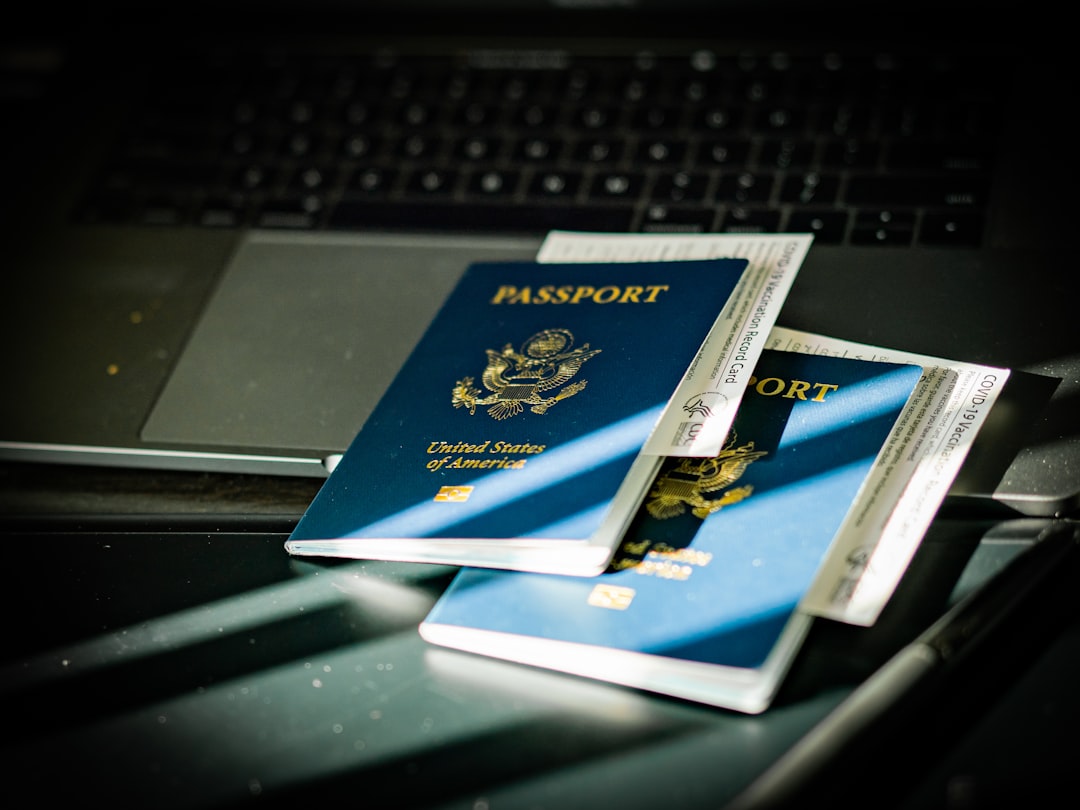
The U.S. Department of State no longer offers the service of adding pages to existing passports. If your passport lacks sufficient blank pages, you must apply for a new one. It’s recommended to request a 52-page passport when renewing or applying to accommodate future travel needs. This change catches many seasoned travelers off guard, as the add-pages option was available in the past. Running out of space for stamps can interrupt your travel plans, so always check your passport’s pages before booking trips. Planning ahead ensures you won’t be caught short at the border.