
Kuwait: The Scorching Desert Jewel

Kuwait stands out as a relentless furnace among the world’s hottest countries, with summer temperatures frequently breaching the 50°C (122°F) barrier. In July 2021, the nation made headlines when its temperature soared to 53.2°C (127.8°F), one of the highest readings ever documented on the planet. The Kuwait Meteorological Department’s latest 2024 summer reports confirm that daily highs above 45°C (113°F) are now the norm from June through August. The country’s arid desert climate, combined with almost no rainfall and unyielding sunlight, pushes residents indoors and challenges infrastructure. Hospitals regularly report spikes in heatstroke and dehydration, prompting the government to open more cooling centers and issue urgent warnings throughout the 2024 heatwaves. Urban planners are now prioritizing reflective surfaces and shaded walkways in new developments. The ongoing public health campaigns emphasize hydration and limited exposure outdoors, showcasing how Kuwait is adapting to a future defined by extreme heat.
Iraq: A Land of Extreme Temperatures

Iraq is often battered by blistering heatwaves, with the southern city of Basra becoming a symbol of climatic hardship. In July 2021, Basra’s thermometers hit 53°C (127°F), a record that led to widespread power failures as the electrical grid buckled under the demand for air conditioning. According to Iraq’s Ministry of Health, the summer of 2024 saw a 40% jump in heat-related hospitalizations compared to the previous year, reflecting the escalating danger. The country’s infrastructure, heavily dependent on fossil fuels, frequently falters when temperatures soar, making daily life nearly unbearable for many Iraqis. Water shortages and drought have become persistent, with the Tigris and Euphrates rivers shrinking and agricultural output suffering. In response, the government has started collaborating with international bodies on climate adaptation, focusing on water management and alternative energy. Climate scientists warn that, without urgent reforms, Iraq could see even more intense heatwaves in the coming decades.
Iran: The Sweltering Heart of the Middle East

Southern Iran, particularly the city of Ahvaz, is notorious for its punishing summer heat. In August 2021, Ahvaz recorded a blistering 53.7°C (128.7°F), a temperature that stunned meteorologists worldwide. The Iranian Meteorological Organization’s 2024 climate report warns that the country is seeing longer and more intense heatwaves every year. Farmers in Khuzestan province are feeling the brunt, as crop yields shrink and water sources dry up, threatening both livelihoods and national food security. The government has rolled out new irrigation projects and invested in water recycling, but progress is slow compared to the rising threat. Schools in southern Iran now routinely close during extreme heat days, and cities enforce midday work bans to protect outdoor laborers. Public health officials have reported a rise in cardiovascular complications linked to prolonged exposure to high temperatures. Iran’s struggle against the heat is becoming a defining issue, both socially and economically.
United Arab Emirates: The Desert Oasis

The United Arab Emirates (UAE) is renowned for luxury and innovation, but it is also a land of searing heat. In July 2022, Dubai experienced a jaw-dropping 51.8°C (123.2°F), causing authorities to ramp up safety measures. The UAE’s National Center of Meteorology projects that average summer temperatures could climb by another 2–4°C by 2050, a scenario that would further strain resources. In 2024, the government expanded its network of air-conditioned bus stops and public walkways, making outdoor movement safer for residents and workers alike. The country’s construction sector has adopted new building codes requiring advanced insulating materials and green roofs. With tourism being a key industry, the UAE has launched initiatives to promote “indoor summer” attractions, shifting entertainment and events into climate-controlled environments. Authorities are also promoting water-saving technologies as freshwater demand spikes during hot months. Heat-related illnesses remain a major concern, with hospitals reporting an uptick in emergency cases during the height of summer.
Saudi Arabia: The Land of Endless Heat
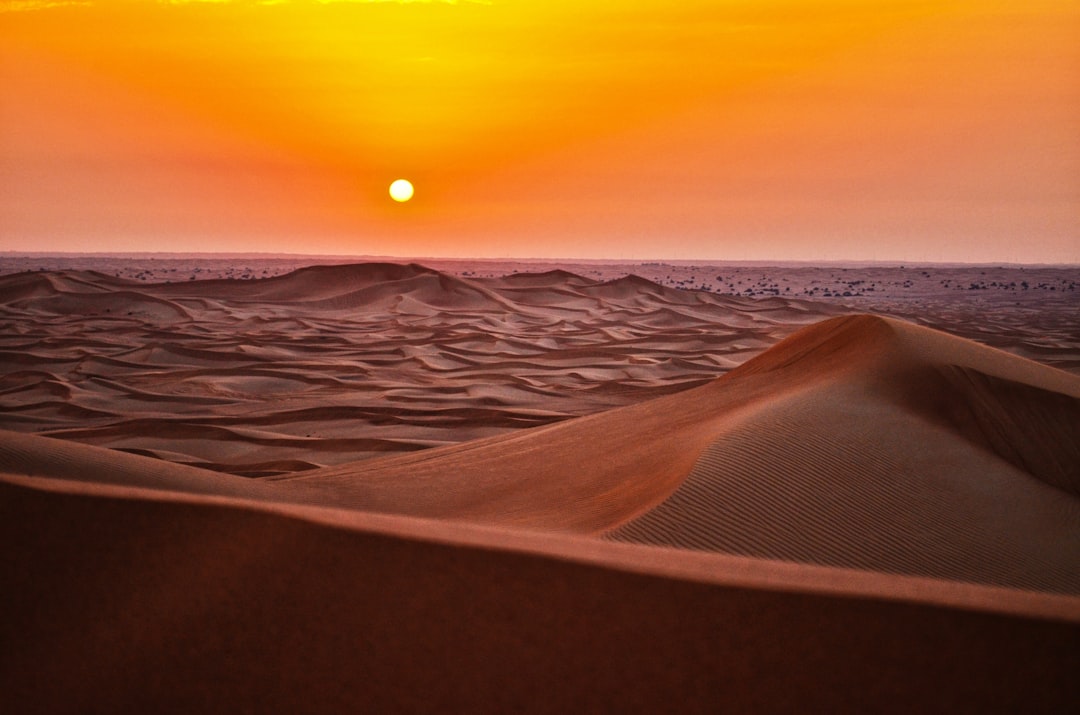
Saudi Arabia’s vast deserts are infamous for their punishing temperatures, especially in the Eastern Province where the mercury climbed to 53.5°C (128.3°F) in 2021. The Saudi Ministry of Health issued repeated warnings in 2024 after the region experienced a new wave of heatwaves, causing hundreds of people to seek treatment for heat exhaustion. The urban heat island effect is now a recognized problem in cities like Riyadh and Dammam, where concrete and asphalt amplify the scorching sun. The Kingdom is investing heavily in renewable energy, particularly solar power, as part of Vision 2030’s push to reduce reliance on fossil fuels and adapt to a hotter future. Water conservation campaigns have intensified, and authorities are working to recycle wastewater and promote desert agriculture. New smart city developments incorporate cooling corridors and shaded pedestrian zones. The challenge remains enormous, as Saudi Arabia’s population continues to grow and urbanize in one of the most inhospitable climates on Earth.
Qatar: The Hottest Place on Earth
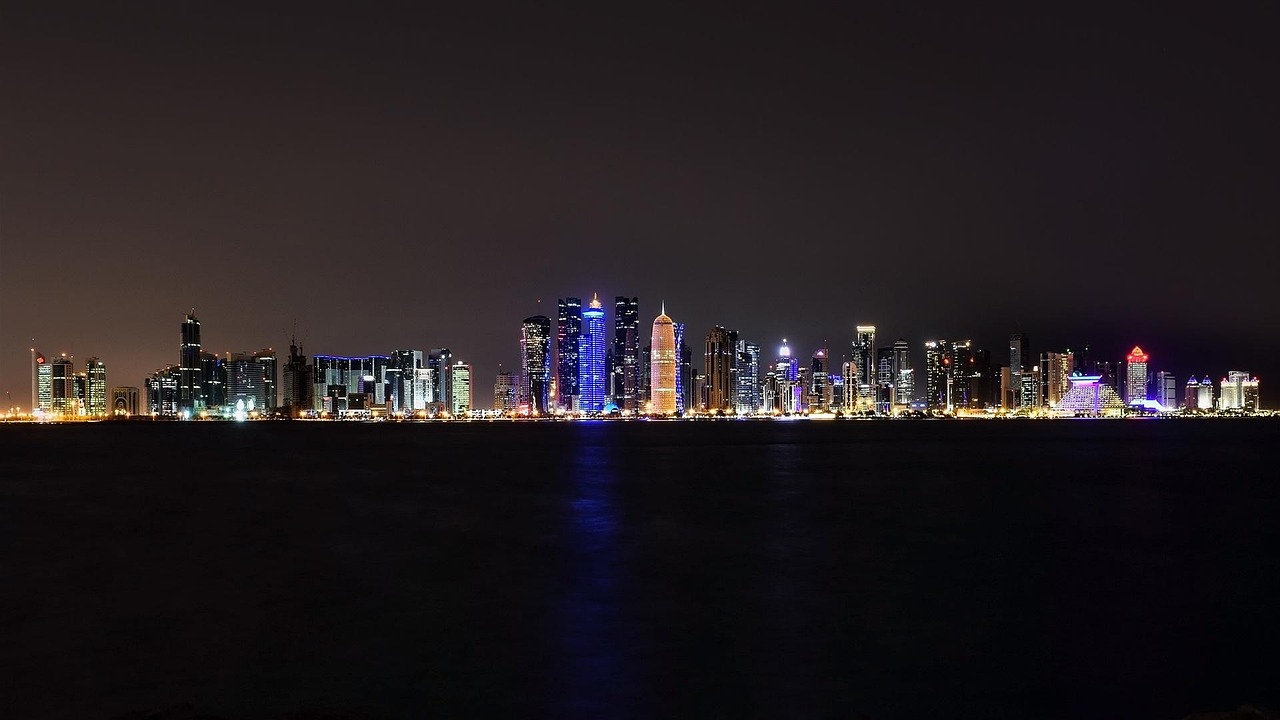
Qatar has become a global symbol of extreme heat, with Doha frequently recording summer highs above 45°C (113°F). In 2021, the city set a new record at 50.4°C (122.7°F). The Qatar Meteorological Department in its 2024 annual review highlighted an increasing frequency of “extreme heat alert” days. The government has responded by investing in massive urban cooling projects, including shaded streets and cooled outdoor stadiums, especially with international sporting events in mind. Energy-efficient building codes now mandate high-performance insulation and smart cooling systems for all new constructions. Research at Qatar University is focusing on the impact of heat stress on human health and productivity, finding a measurable uptick in lost work hours during the hottest months. The government is also experimenting with urban greenery and reflective surfaces to reduce urban heat. As heatwaves become routine, authorities regularly broadcast safety advisories and have even shifted school hours to cooler parts of the day.
Oman: The Heat of the Arabian Peninsula
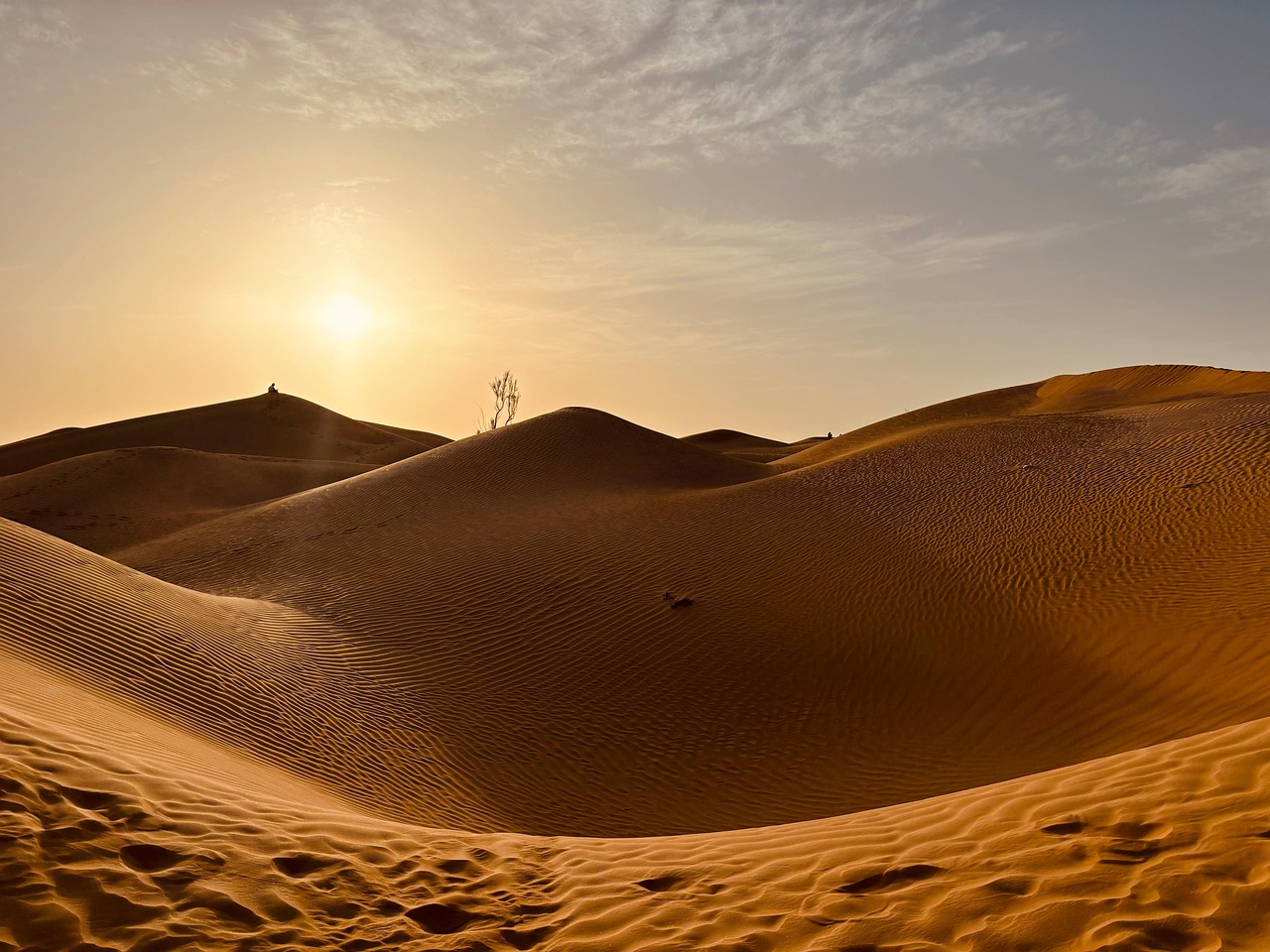
Oman’s interior regions, such as Quriyat, have joined the ranks of the hottest places on Earth, with a record 50.8°C (123.4°F) noted in June 2021. The Ministry of Health issued a 2024 report detailing a surge in heat-related emergencies as summer temperatures remained above 48°C (118°F) for extended periods. Oman’s unique geography, with a mix of mountains and deserts, creates microclimates that can intensify heatwaves unexpectedly. The government has prioritized water security, launching new desalination plants and upgrading irrigation systems for local farmers. Heat has also begun to threaten Oman’s fishing industry, as higher sea temperatures disrupt marine life. Education campaigns stress the importance of staying indoors during peak sun hours, especially for the elderly and children. The country is also investing in renewable energy and climate adaptation strategies to ensure food and water supplies in the face of hotter summers.
Egypt: The Heat of the Nile

Egypt’s southern regions, especially around Luxor and Aswan, have experienced relentless heat, with Luxor hitting 50.3°C (122.5°F) in June 2021. The Egyptian Meteorological Authority’s latest 2024 data reveals an average temperature rise of 1.7°C over the past decade. Agriculture, which relies heavily on irrigation from the Nile, is under increasing threat as evaporation rates climb and water becomes scarce. The government has started modernizing irrigation networks and promoting drought-resistant crops in response. Energy consumption in Cairo and Alexandria has surged during summer as millions turn to air conditioning, straining the national grid. Frequent heat advisories and public awareness campaigns are now a fixture on Egyptian state media each summer. Scientists warn that by 2050, average temperatures could climb by 2–3°C, putting even more pressure on food security and public health. Urban planners are considering green spaces and rooftop gardens to help offset the growing urban heat.
Antarctica: The Icy Continent
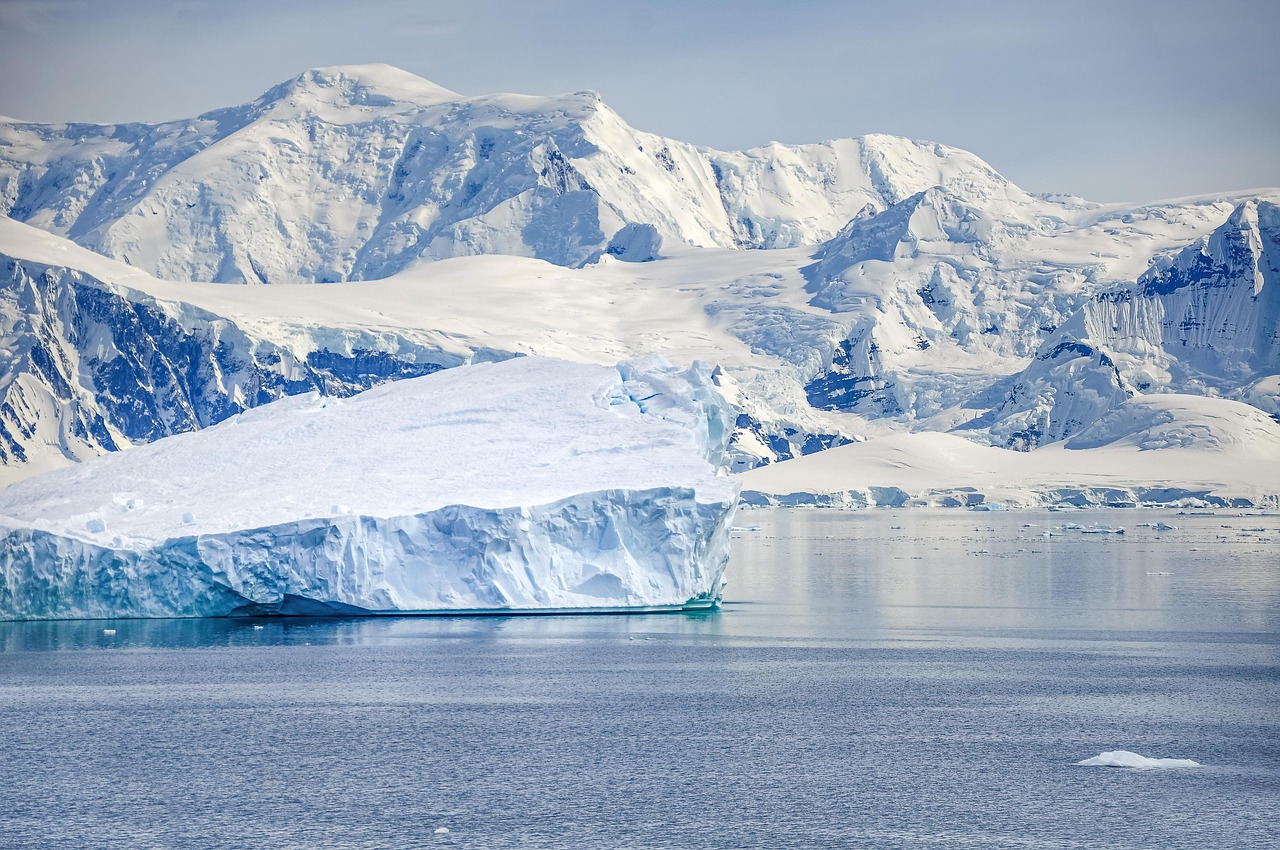
Antarctica remains the coldest place on Earth, with interior temperatures dropping below -80°C (-112°F) during the darkest winter months. Despite its frigid reputation, new research published in 2024 by the British Antarctic Survey shows that the Antarctic Peninsula has warmed by nearly 3°C (5.4°F) in the past 50 years. Scientists recorded unprecedented ice shelf collapses in early 2025, raising alarm over their impact on global sea levels. The continent holds about 60% of the world’s freshwater in its ice sheets, making it a critical component of Earth’s climate system. The rapid melting observed in satellite data from the European Space Agency points to accelerating glacial retreat, threatening global coastlines. International research stations are now focusing heavily on climate monitoring and ice core analysis. The urgency for global action has never been higher, as each year brings new records in both temperature and ice loss.
Greenland: The Frozen Island
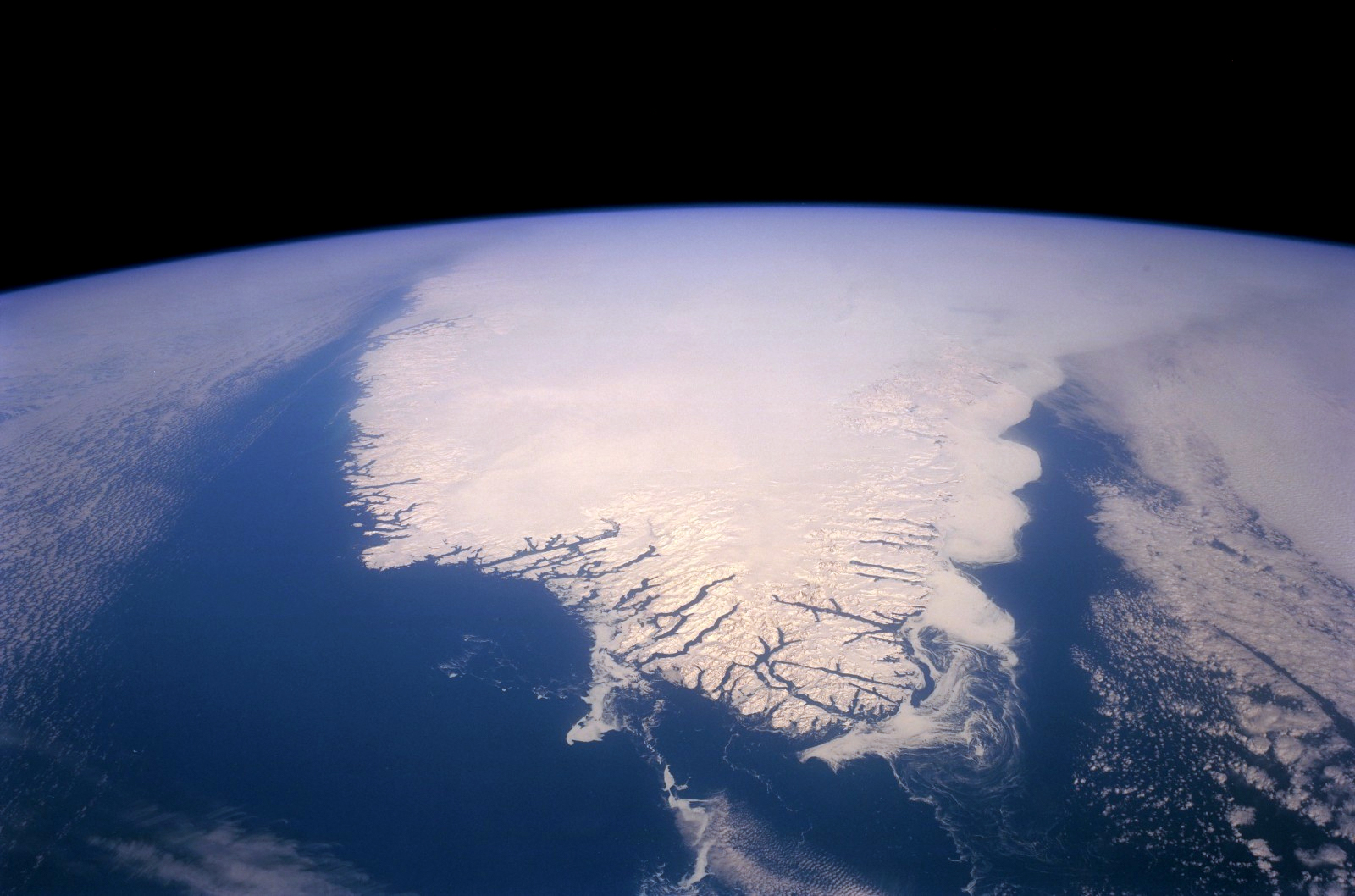
Greenland’s massive ice sheet is the second largest on Earth, and its climate is marked by long, brutal winters with temperatures that can plummet to -50°C (-58°F). The Danish Meteorological Institute’s latest data from 2024 reveals that Greenland’s annual ice loss continues to accelerate, with the island recording a one-day melt event in August 2021 that saw 8 billion tons of ice disappear. This rapid melting contributes directly to rising global sea levels, with new research indicating an average annual ice loss rate of 270 billion tons over the last five years. The northernmost towns such as Qaanaaq have seen increased coastal erosion and thinning sea ice, disrupting traditional hunting and fishing patterns. Scientists warn that if current trends persist, Greenland’s melt could trigger irreversible changes to ocean currents and weather patterns worldwide. The government is working with international partners on climate adaptation and sustainable development for affected communities.
Siberia, Russia: The Land of Permafrost

Siberia’s legendary winters routinely deliver temperatures below -40°C (-40°F), with some areas like Oymyakon famously recording -67.7°C (-89.9°F) in recent years. The Russian Federal Service for Hydrometeorology and Environmental Monitoring noted in its 2024 report that permafrost thaw is now observable across vast stretches of the region. This thawing releases trapped methane and carbon dioxide, intensifying global warming—a phenomenon closely monitored by climate researchers. In cities such as Yakutsk, the shifting ground has damaged buildings and roads, creating new engineering challenges. The Russian government has increased funding for permafrost research and infrastructure adaptation in 2025, aiming to safeguard critical transport and energy routes. Residents have had to modify traditional lifestyles, as unpredictable weather disrupts reindeer herding and winter travel. The environmental and economic stakes in Siberia highlight the complex consequences of a warming world on regions that once seemed perpetually frozen.