
Travel Bucket List
Sign In
South America

What It’s Like Inside the Most Dangerous Desert on Earth

Jacqeline Nomora, M.Sc. Biology

Jacqeline Nomora, M.Sc. Biology

January 19, 2026 · 6 min read

Share:
What It’s Like Inside the Most Dangerous Desert on Earth
Add as a preferredsource on Google
In this article
  1. 01A Place Where Rain Is a Stranger
  2. 02Daytime Heat and Nighttime Freeze
  3. 03The Unending Struggle for Water
  4. 04Life Finds a Way: Unique Desert Dwellers
  5. 05Relentless Sandstorms and Blinding Winds
  6. 06The Toll of Mining on a Fragile Land
  7. 07Tourists Drawn to the Edge of the World
  8. 08Science at the Edge: The Atacama as a Martian Stand-In
  9. 09Ancient Peoples and Modern Traditions
  10. 10A Land Both Beautiful and Brutal

A Place Where Rain Is a Stranger
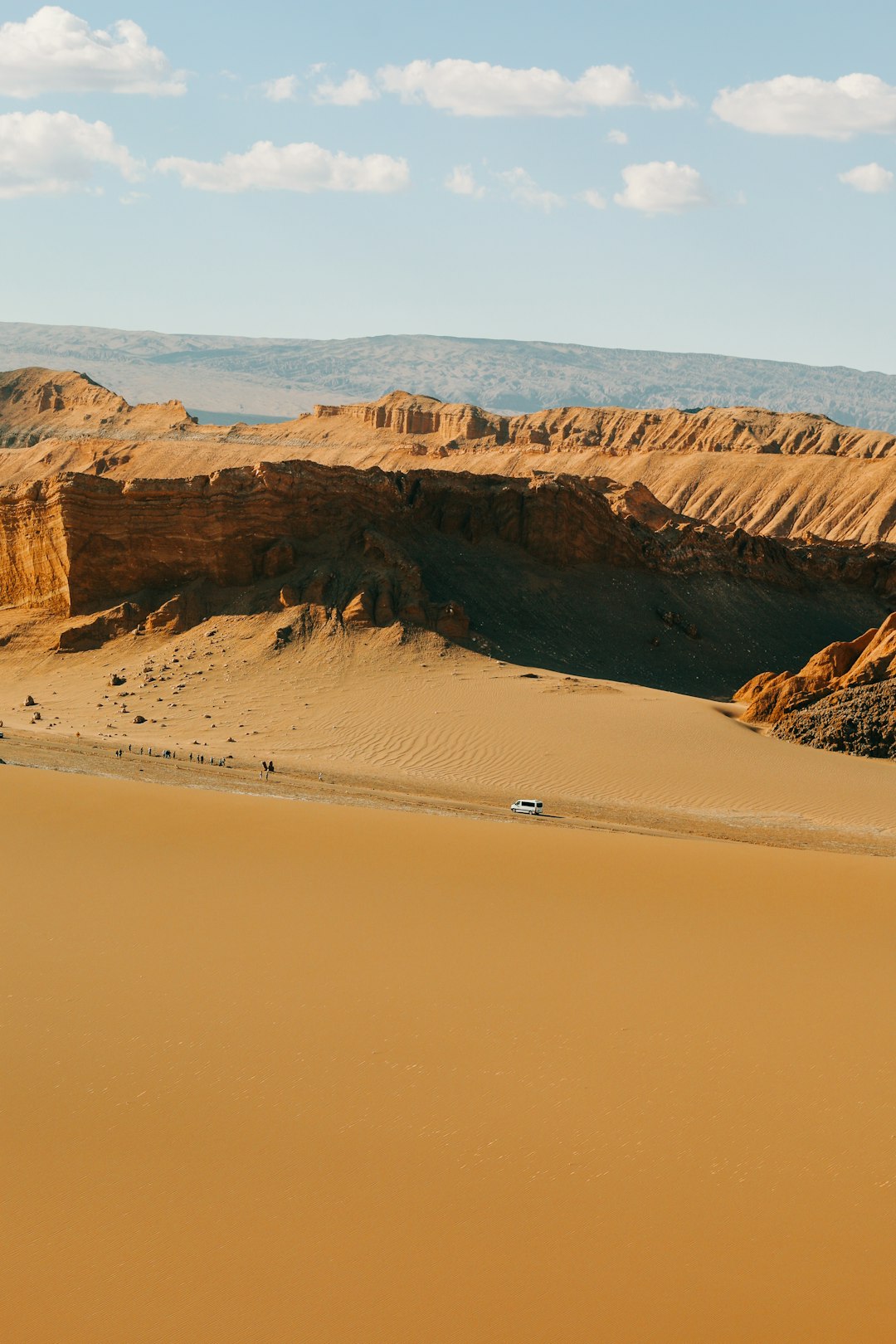
A Place Where Rain Is a Stranger (image credits: unsplash)

Imagine standing in a place where rain is almost mythical—a region so dry that some weather stations have never recorded a single drop. This is the Atacama Desert in Chile, often called the driest place on Earth. In certain pockets, it reportedly hasn’t rained for over 400 years, a fact that seems almost impossible to grasp. The ground is parched and cracked, giving the landscape a haunting, almost lunar quality. The air feels sharp, with little humidity to soften the harshness of the sun. Even the clouds, when they rarely appear, seem to drift by without offering any relief. It’s a place where water is more precious than gold, and every living thing must fight to survive.

Daytime Heat and Nighttime Freeze
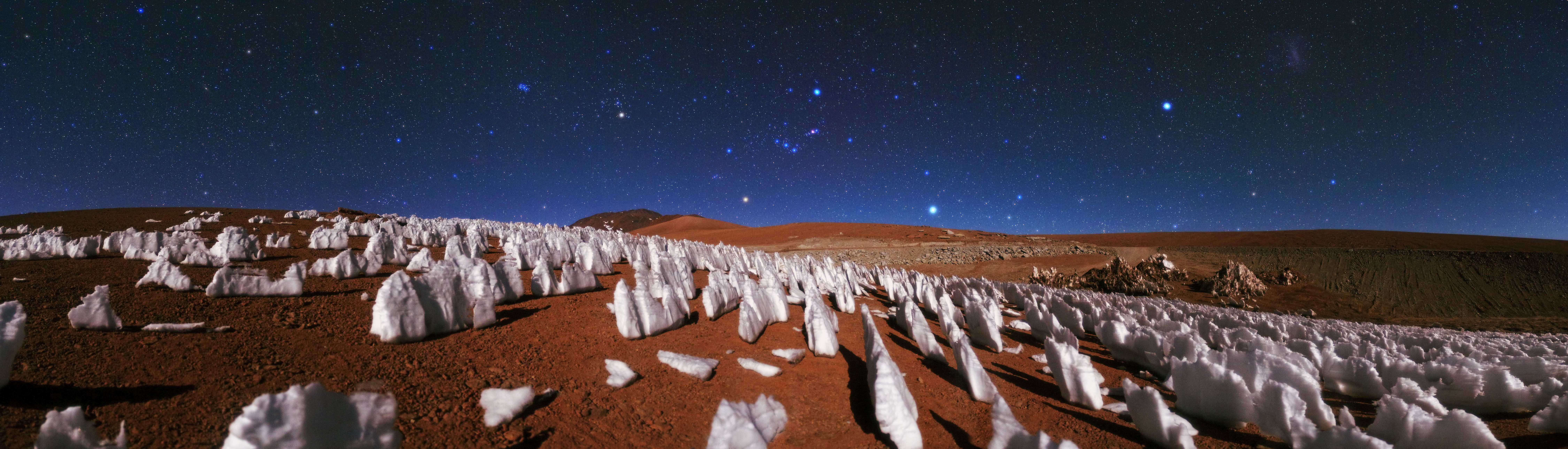
Daytime Heat and Nighttime Freeze (image credits: wikimedia)

Stepping into the Atacama is like being thrown into a world of extremes. During the day, the temperature can easily soar past 40°C (104°F), making it feel as though the sun is pressing down with relentless force. Yet as the sun dips below the horizon, the heat vanishes almost instantly. Nights are often bitterly cold, sometimes dropping below 0°C (32°F). This punishing cycle repeats day after day, testing everything—people, animals, even rocks. For travelers and scientists, these swings mean double the packing: sunscreen and wide-brimmed hats for the day, thick sleeping bags for the night. The body struggles to adjust, and the risk of heatstroke or hypothermia is never far away.

The Unending Struggle for Water
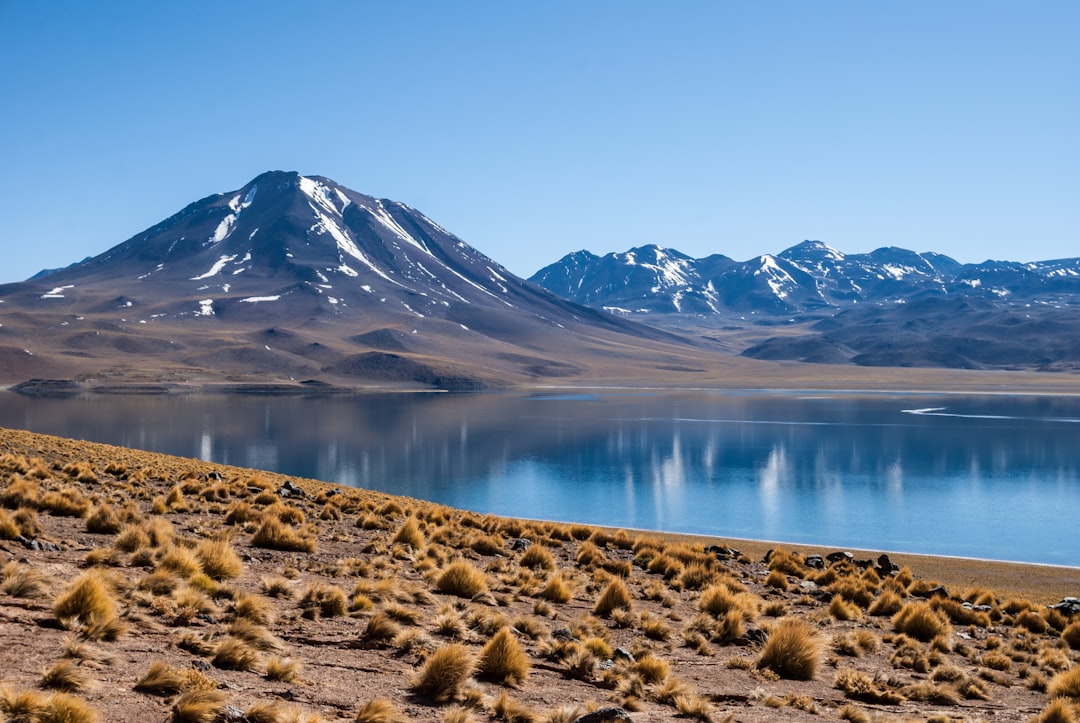
The Unending Struggle for Water (image credits: unsplash)

In the Atacama, water is a luxury few can afford. The average annual rainfall is less than 1 mm in some central areas. Rivers and lakes are virtually nonexistent, and even underground aquifers are scarce. The few plants that manage to grow here have turned water management into an art form: cacti store every drop, while hardy shrubs collect dew from the morning fog. Animals like the llama and vicuña, relatives of the alpaca, survive on minimal moisture, often going days without a drink. For humans, every drop must be transported or extracted with great effort, adding a layer of stress to daily life and work. The lack of water shapes every decision, from what to eat to where to build.

Life Finds a Way: Unique Desert Dwellers
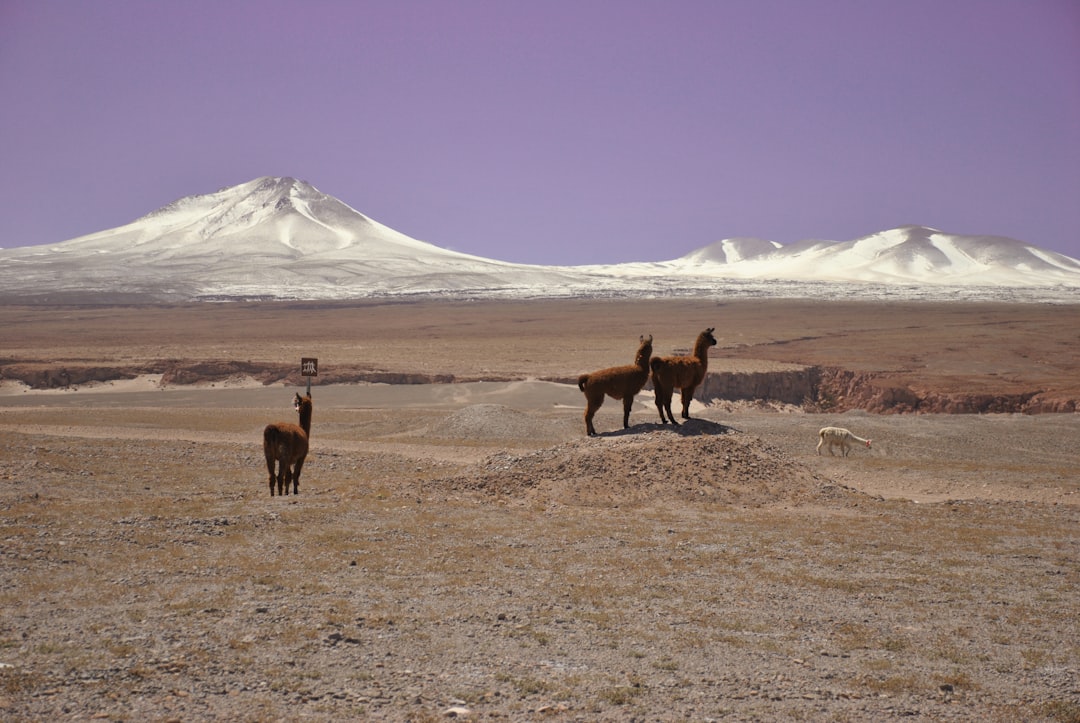
Life Finds a Way: Unique Desert Dwellers (image credits: unsplash)

Despite the harshness, the Atacama is alive with surprises. After rare bursts of rain, the desert floor explodes with the Atacama giant flower, painting the landscape with violet and pink. The Andean flamingo, a striking bird with pink feathers, is drawn to salty lagoons that dot the region. Small lizards dart between rocks, their scales shimmering under the harsh sun. Microbes, invisible to the naked eye, have adapted to live in the salty soils, drawing the attention of scientists from around the world. Every living thing here is proof of nature’s determination, showing that even the most inhospitable places can be home.

Relentless Sandstorms and Blinding Winds
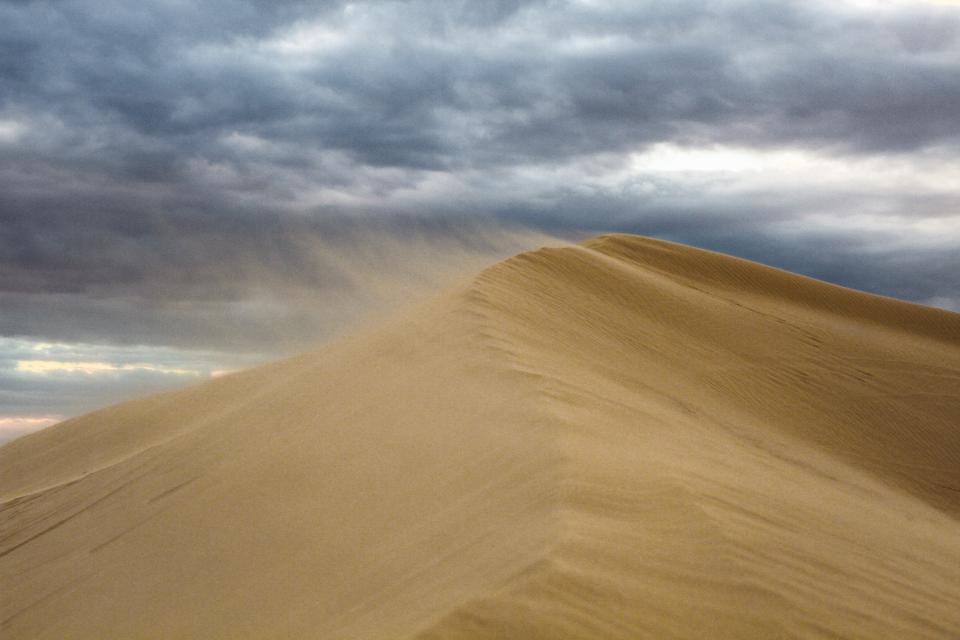
Relentless Sandstorms and Blinding Winds (image credits: stocksnap)

Sandstorms are an ever-present threat in the Atacama, with gusts sometimes reaching 60 km/h (37 mph) or more. These storms arrive suddenly, shrouding everything in a choking haze of dust and grit. Visibility can drop to near zero within minutes, making travel dangerous and disorienting. The sand invades every crack and crevice, stinging exposed skin and eyes. Locals and visitors alike must carry goggles, scarves, and face masks, prepared to cover up at a moment’s notice. For those caught unprepared, even a short exposure can lead to breathing problems or severe eye irritation.

The Toll of Mining on a Fragile Land
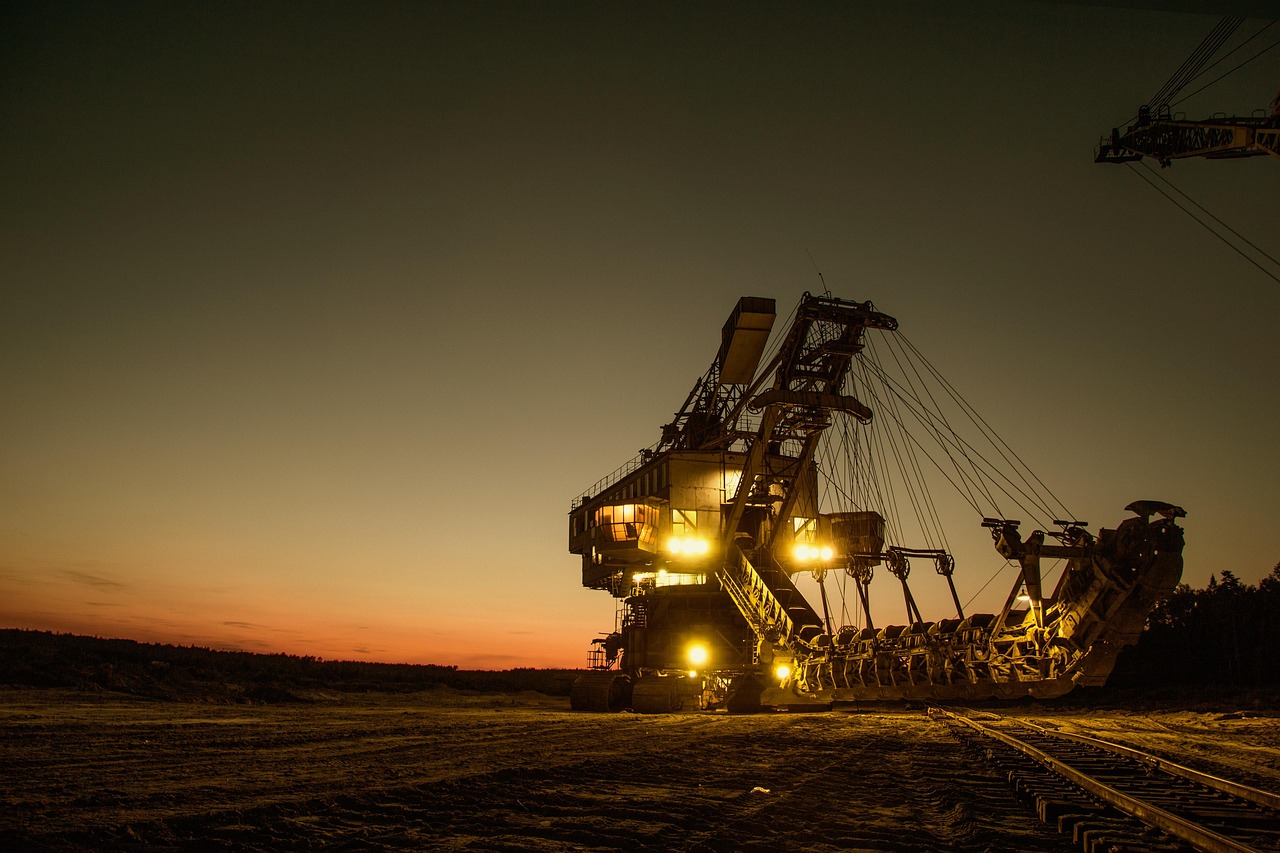
The Toll of Mining on a Fragile Land (image credits: pixabay)

Beneath the Atacama’s surface lies a treasure trove of minerals—especially lithium, a key ingredient in modern batteries. Over the past decade, mining operations have exploded, with trucks and machinery carving deep scars into the earth. These industries consume enormous amounts of water, raising alarms about the sustainability of extraction. Local communities have watched as water sources dwindle and landscapes change, sparking protests and calls for reform. Environmentalists warn that, without careful management, mining could irreparably damage the ecosystem and threaten the survival of both wildlife and people.

Tourists Drawn to the Edge of the World
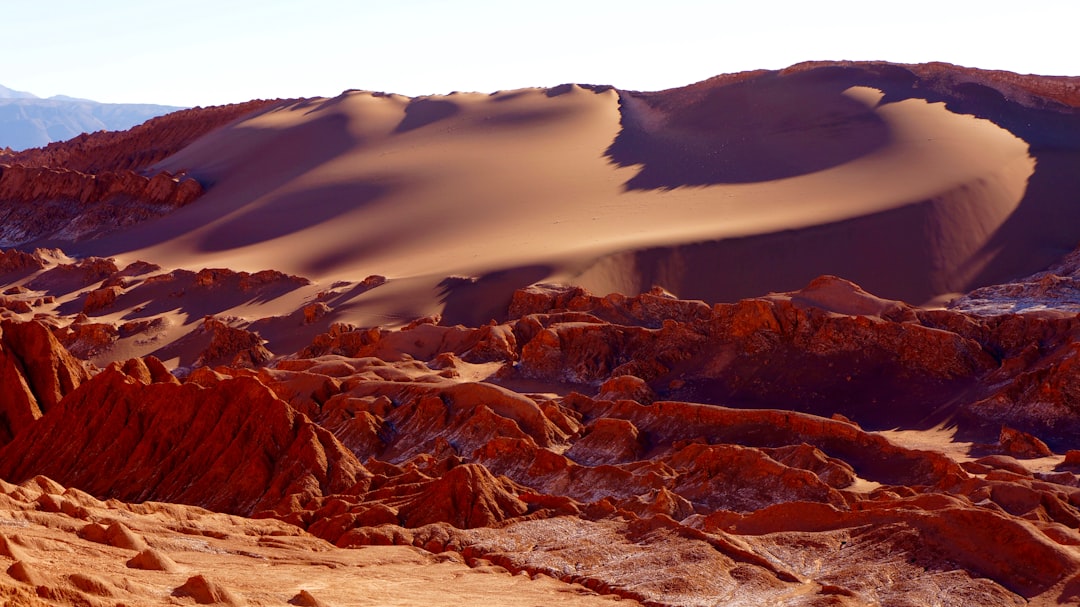
Tourists Drawn to the Edge of the World (image credits: unsplash)

Despite—or perhaps because of—its danger, the Atacama attracts thousands of tourists each year. They come for the alien vistas, the salt flats that stretch to the horizon, and the chance to see stars in some of the world’s clearest skies. Tourism brings much-needed income to local economies, but it’s also a double-edged sword. Popular trails become scarred by footprints, and fragile desert plants are sometimes crushed under careless steps. Local guides now stress the importance of sustainable tourism, encouraging visitors to tread lightly and leave no trace.

Science at the Edge: The Atacama as a Martian Stand-In
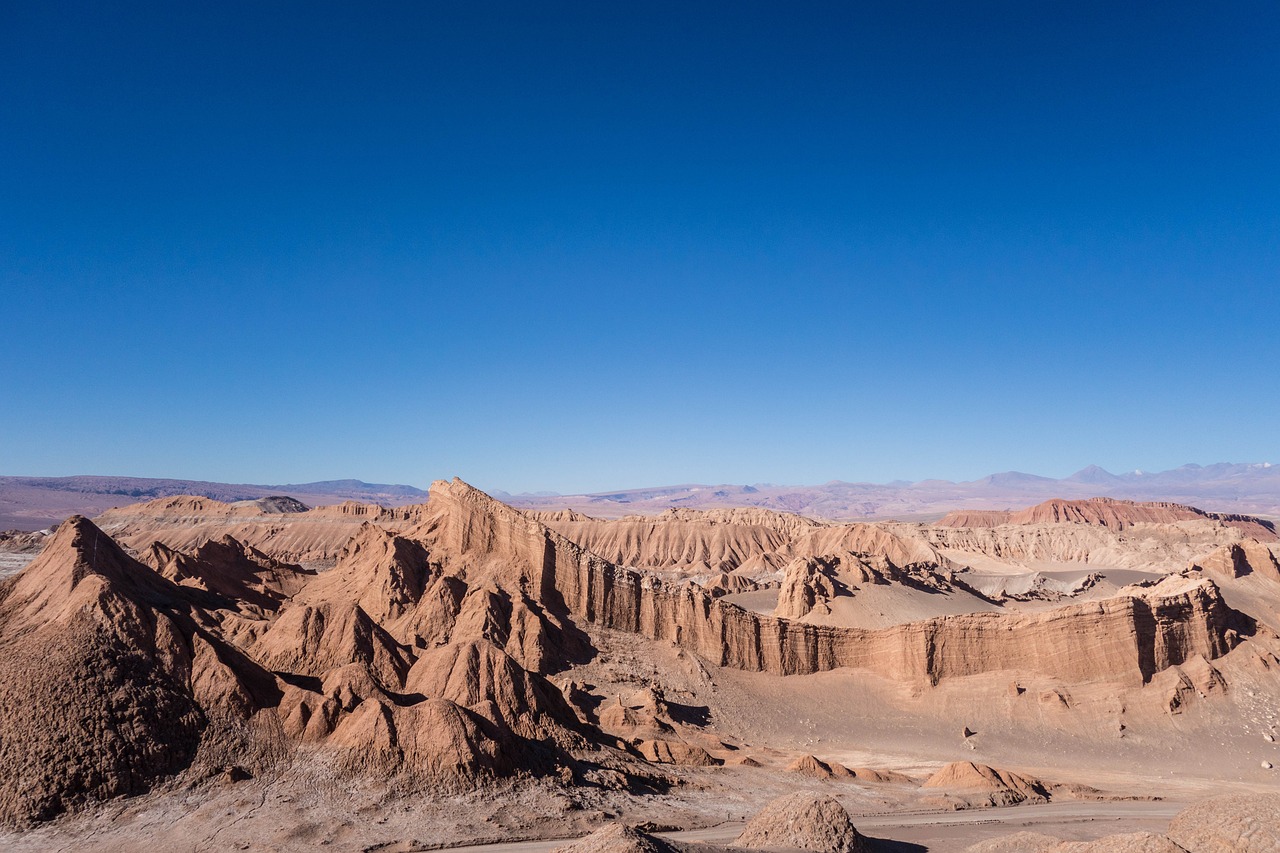
Science at the Edge: The Atacama as a Martian Stand-In (image credits: pixabay)

With its bone-dry soil and relentless sun, NASA and other space agencies have chosen the Atacama as a testing ground for Mars exploration. Scientists study extremophiles here—microbes that can survive where little else can. Their research helps us understand how life might exist on other planets. The terrain, so similar to the Martian surface, is used to test rovers and instruments before they are sent to space. In this way, the Atacama is both a window into Earth’s resilience and a launching pad for our search for life beyond.

Ancient Peoples and Modern Traditions
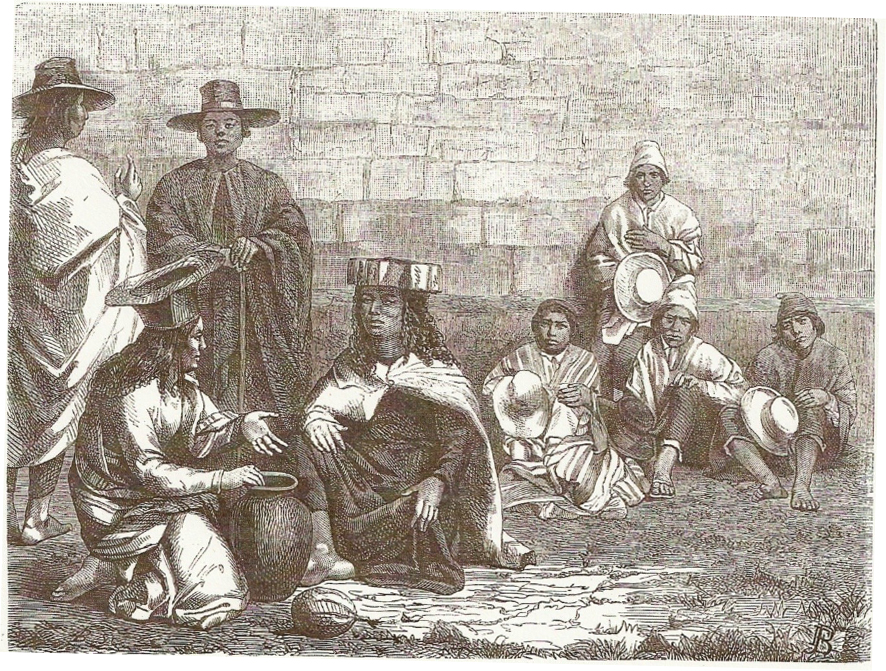
Ancient Peoples and Modern Traditions (image credits: wikimedia)

Long before tourists and miners arrived, the Atacama was home to indigenous groups like the Atacameños. Their ancestors learned to thrive in the desert through clever farming techniques, careful water management, and deep respect for the land. Today, their traditions live on in festivals, crafts, and stories passed down through generations. As modern pressures mount, these communities are working to preserve their way of life and share their knowledge about living sustainably in such a harsh environment.

A Land Both Beautiful and Brutal
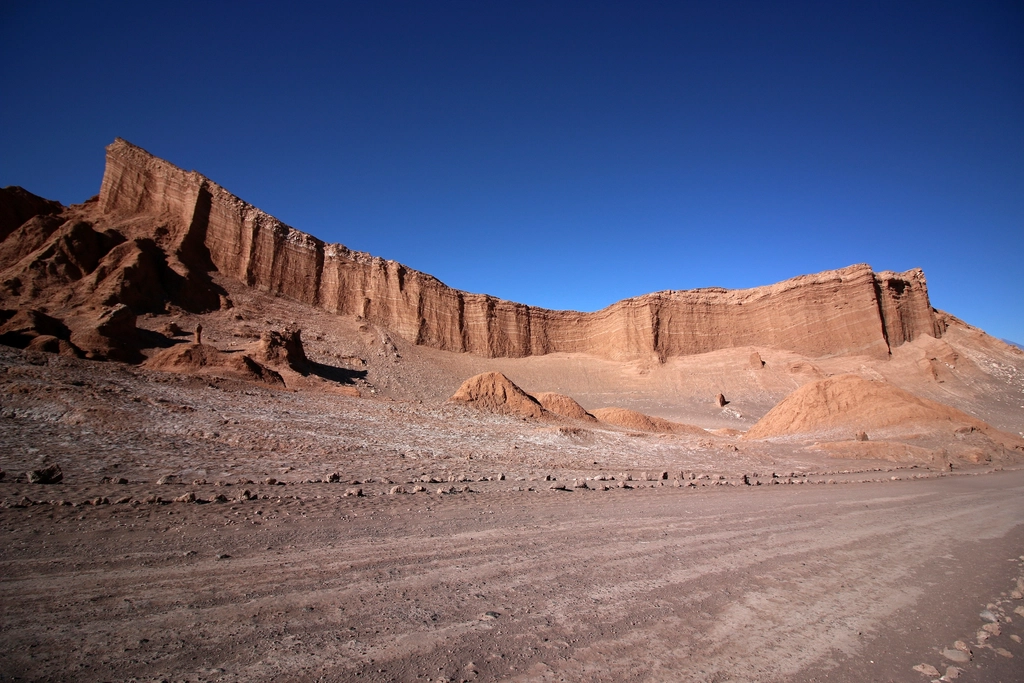
A Land Both Beautiful and Brutal (image credits: rawpixel)

The Atacama Desert is a place of stunning contradictions. Its beauty is undeniable—vast salt flats glow under the setting sun, and distant volcanoes loom on the horizon. Yet, every step is a reminder of how unforgiving this environment can be. Survival here is not guaranteed, and every creature, plant, and person must fight for their place. Those who visit or call it home never forget the lessons it teaches: respect for nature’s power, awe for its resilience, and humility in the face of such overwhelming extremes.

🔥 Would you like to save this?

We’ll email this post to you, so you can come back to it later.

Jacqeline Nomora, M.Sc. Biology

Jacqeline Nomora, M.Sc. Biology

With a master’s in biology, Jacqeline writes about national parks, wildlife and the wild places worth protecting. She’s happiest knee-deep in a field guide or tracking something with feathers at sunrise.

View Profile & Articles

More from Jacqeline Nomora, M.Sc. Biology

15 small things Amtrak station agents quietly slip into the boarding flow for solo travelers over 70 in 2026 that the trains never advertise

15 small things Amtrak station agents quietly slip into the boarding flow for solo travelers over 70 in 2026 that the trains never advertise

1 min read

11 quiet things airport fast-track lane staff quietly arrange for travelers over 65 at TSA that first-timers never know to ask for

11 quiet things airport fast-track lane staff quietly arrange for travelers over 65 at TSA that first-timers never know to ask for

1 min read

27 quiet things seasoned travelers over 70 swear by in 2026 that airline gate agents quietly extend to them at boarding without ever being asked

27 quiet things seasoned travelers over 70 swear by in 2026 that airline gate agents quietly extend to them at boarding without ever being asked

1 min read

13 international retirement visa tips travel agents quietly swear by for retirees over 70 relocating abroad in 2026 that the embassy never explains clearly

13 international retirement visa tips travel agents quietly swear by for retirees over 70 relocating abroad in 2026 that the embassy never explains clearly

1 min read

Latest News

Fresh travel updates

15 small things Amtrak station agents quietly slip into the boarding flow for solo travelers over 70 in 2026 that the trains never advertise

15 small things Amtrak station agents quietly slip into the boarding flow for solo travelers over 70 in 2026 that the trains never advertise

Marcel Kuhn, M.Sc.·Jul 13
11 quiet things airport fast-track lane staff quietly arrange for travelers over 65 at TSA that first-timers never know to ask for

11 quiet things airport fast-track lane staff quietly arrange for travelers over 65 at TSA that first-timers never know to ask for

Marcel Kuhn, M.Sc.·Jul 13
27 quiet things seasoned travelers over 70 swear by in 2026 that airline gate agents quietly extend to them at boarding without ever being asked

27 quiet things seasoned travelers over 70 swear by in 2026 that airline gate agents quietly extend to them at boarding without ever being asked

Marcel Kuhn, M.Sc.·Jul 13
13 international retirement visa tips travel agents quietly swear by for retirees over 70 relocating abroad in 2026 that the embassy never explains clearly

13 international retirement visa tips travel agents quietly swear by for retirees over 70 relocating abroad in 2026 that the embassy never explains clearly

Marcel Kuhn, M.Sc.·Jul 13
13 travel insurance habits retirees over 70 quietly swear by in 2026 that policy agents never mention to first-time buyers

13 travel insurance habits retirees over 70 quietly swear by in 2026 that policy agents never mention to first-time buyers

Marcel Kuhn, M.Sc.·Jul 13
15 quiet courtesies TSA supervisors quietly arrange for travelers over 70 flying internationally in 2026 that frequent flyers never think to mention

15 quiet courtesies TSA supervisors quietly arrange for travelers over 70 flying internationally in 2026 that frequent flyers never think to mention

Marcel Kuhn, M.Sc.·Jul 13
View All News

Stay Updated

Get the latest travel news delivered to your inbox

Stay Inspired

Get travel inspiration, guides, and exclusive deals delivered to your inbox.

Travel Bucket List
Travel Bucket ListTravel · Lifestyle · Nature · News

Travel Bucket List brings you expert travel guides, lifestyle stories, nature & wildlife features, and the news that shapes how we explore the world. Join our community for fresh inspiration delivered straight to your inbox.

Explore

  • News
  • Travel
  • Nature
  • Lifestyle
  • All Articles

Popular Destinations

  • Europe
  • Asia
  • North America
  • South America
  • Africa

Company

  • About Us
  • Travel News
  • Editorial Policy
  • Contact

Legal

  • Privacy Policy
  • Terms & Conditions

This website contains affiliate links to trusted partners.

© 2026 Travel Bucket List. All rights reserved.

AboutEditorial PolicyPrivacyTermsContact