
The Overcrowding Dilemma
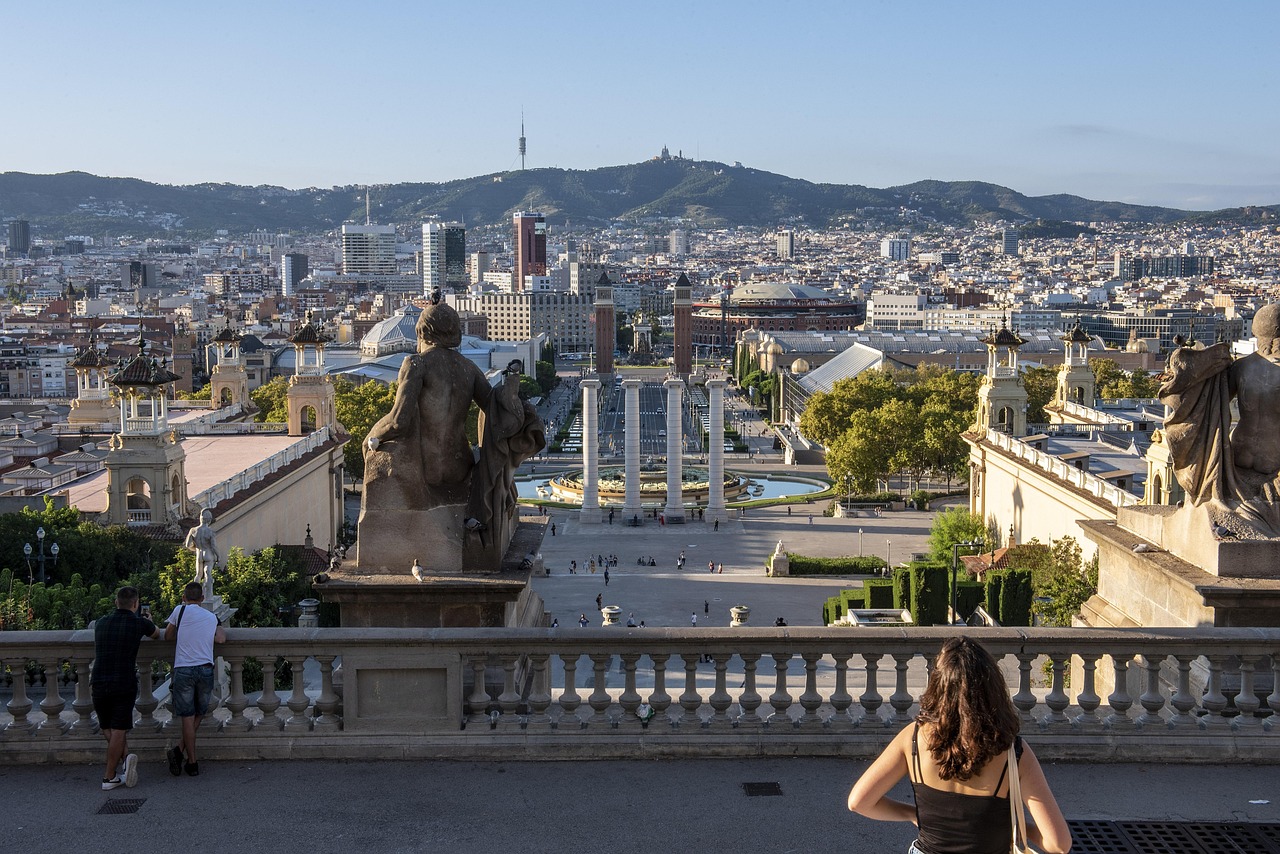
Barcelona stands as a powerful example of a city overwhelmed by its own popularity. In 2023, the city welcomed around 30 million tourists, a number that dwarfs its population of just 1.6 million. This surge has created daily congestion in historic neighborhoods like the Gothic Quarter, where narrow streets become impassable during peak hours. Residents have reported difficulty accessing basic services, with 70% in a University of Barcelona survey stating that tourism has made daily life harder. The city council responded by proposing caps on visitors to sensitive areas, aiming to reduce foot traffic and restore normalcy for locals. These proposed visitor caps would affect hotspots like La Rambla and Parc Güell, which have seen up to 80% of their foot traffic coming from tourists. The hope is that such measures will help balance the needs of residents with the economic benefits of tourism.
Environmental Concerns
The environmental footprint of mass tourism has become impossible to ignore in Spain. According to the Spanish Ministry of Ecological Transition, tourism is now responsible for roughly 12% of the nation’s carbon emissions. In urban centers such as Madrid, increased tourist activity correlates with spikes in air pollution, especially during major events or high season. Local governments have responded with ambitious projects like the “Green City” initiative, which encourages the use of public transport and electric vehicles for visitors. Additionally, cities are investing in expanding green spaces to help offset emissions from increased transportation and waste. Data from 2024 shows that these efforts have already reduced yearly emissions by 5% in pilot neighborhoods. These environmental policies are not just about optics; they are increasingly seen as vital to the long-term health of Spain’s most treasured cities.
Economic Shifts Post-Pandemic
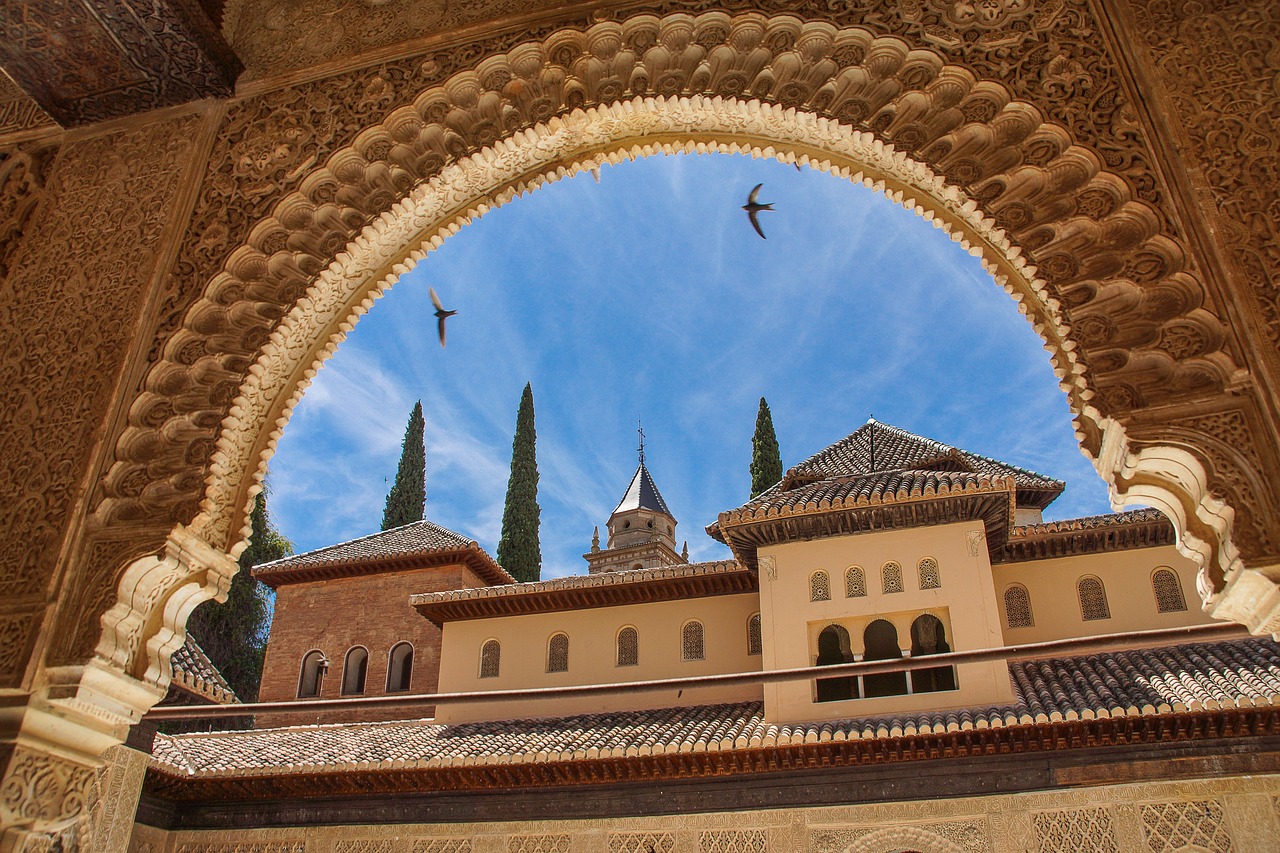
The global pandemic brought a sudden halt to international travel, forcing Spanish cities to rethink their dependence on foreign visitors. In 2022, domestic tourism in Spain surged by 60% compared to pre-pandemic averages, as Spaniards explored destinations closer to home. This trend has continued into 2024, with the Spanish Tourism Board reporting a 25% increase in local tourism spending. Cities like Valencia and Granada have shifted marketing strategies to appeal more to Spanish and European visitors, often promoting cultural events and local gastronomy over mass-market attractions. The boost in domestic tourism has helped stabilize local economies that previously relied almost exclusively on international arrivals. These economic changes have led policymakers to consider measures that would maintain this balance, encouraging steady, manageable growth rather than unchecked expansion.
Cultural Preservation Efforts
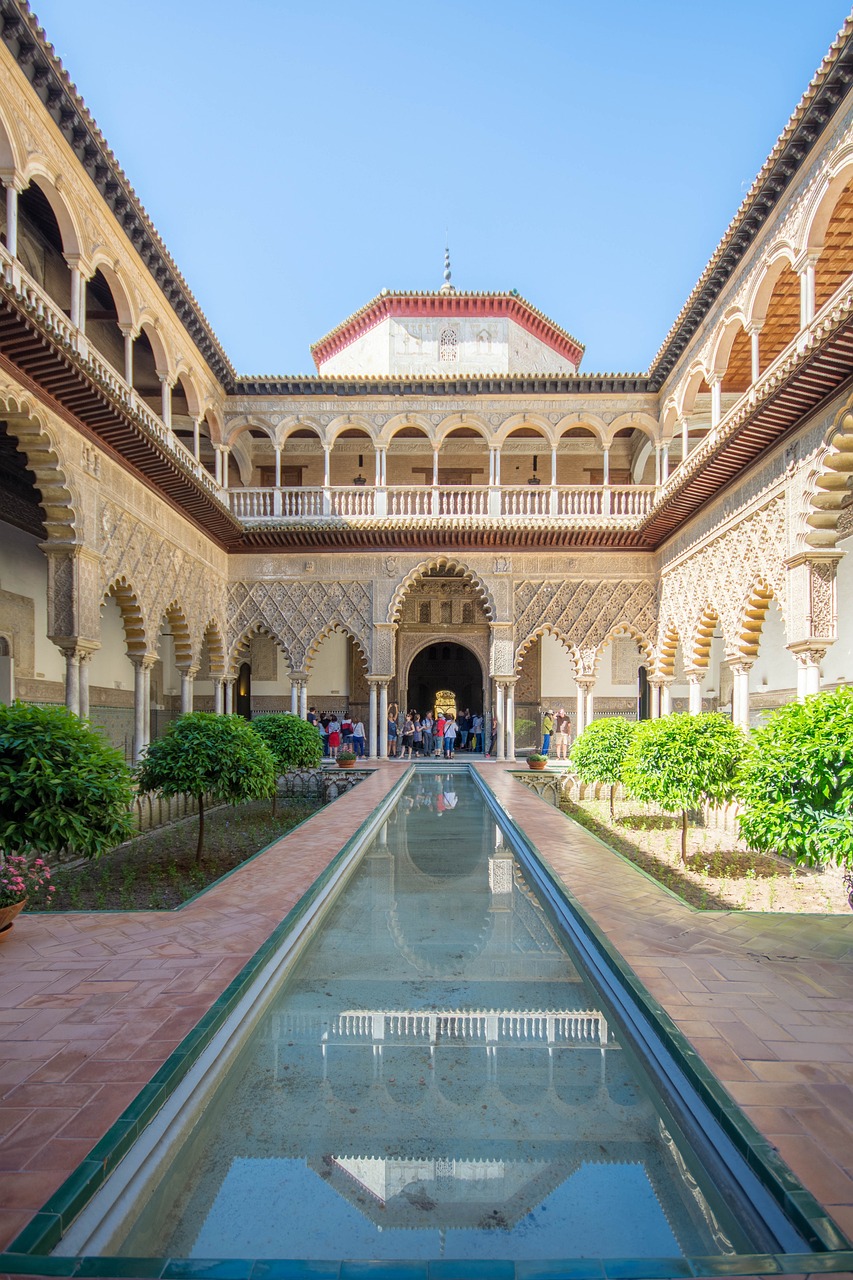
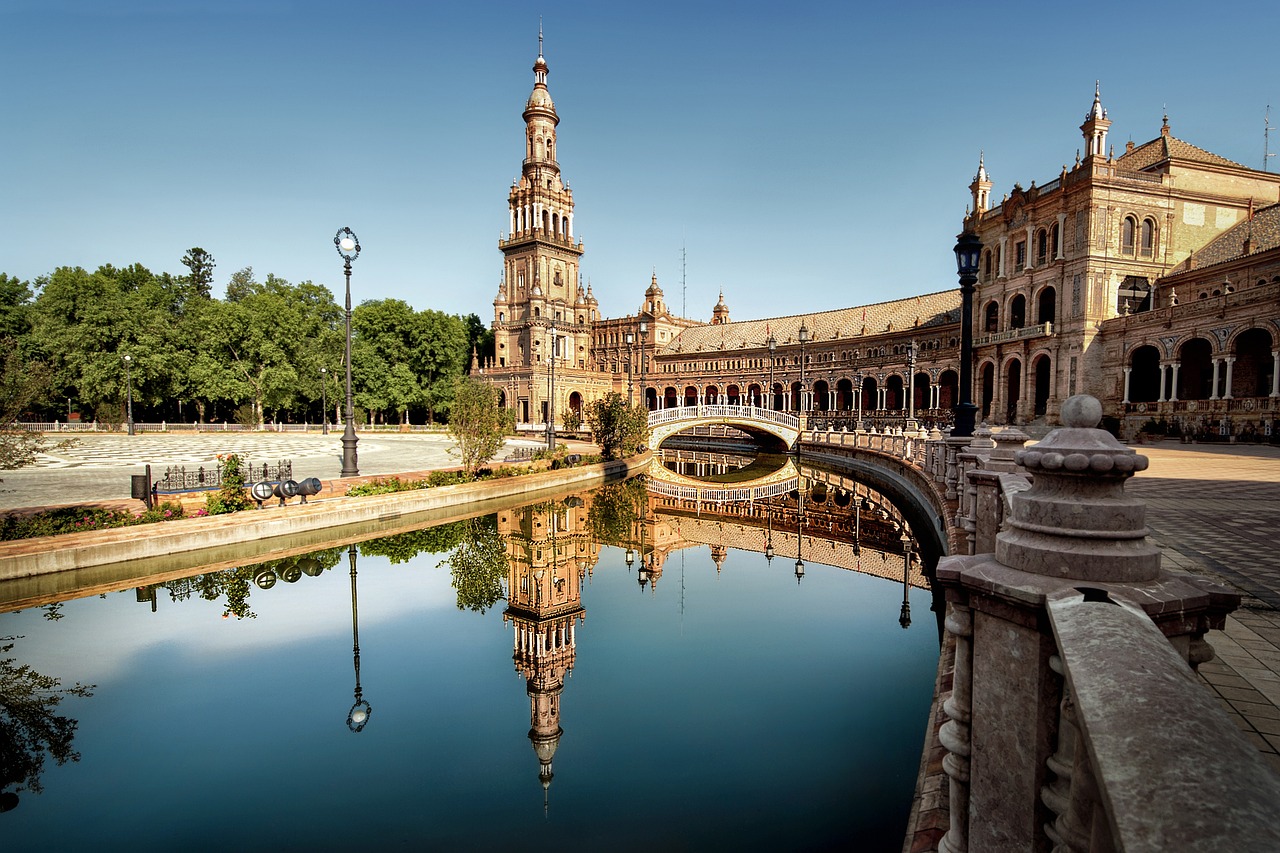
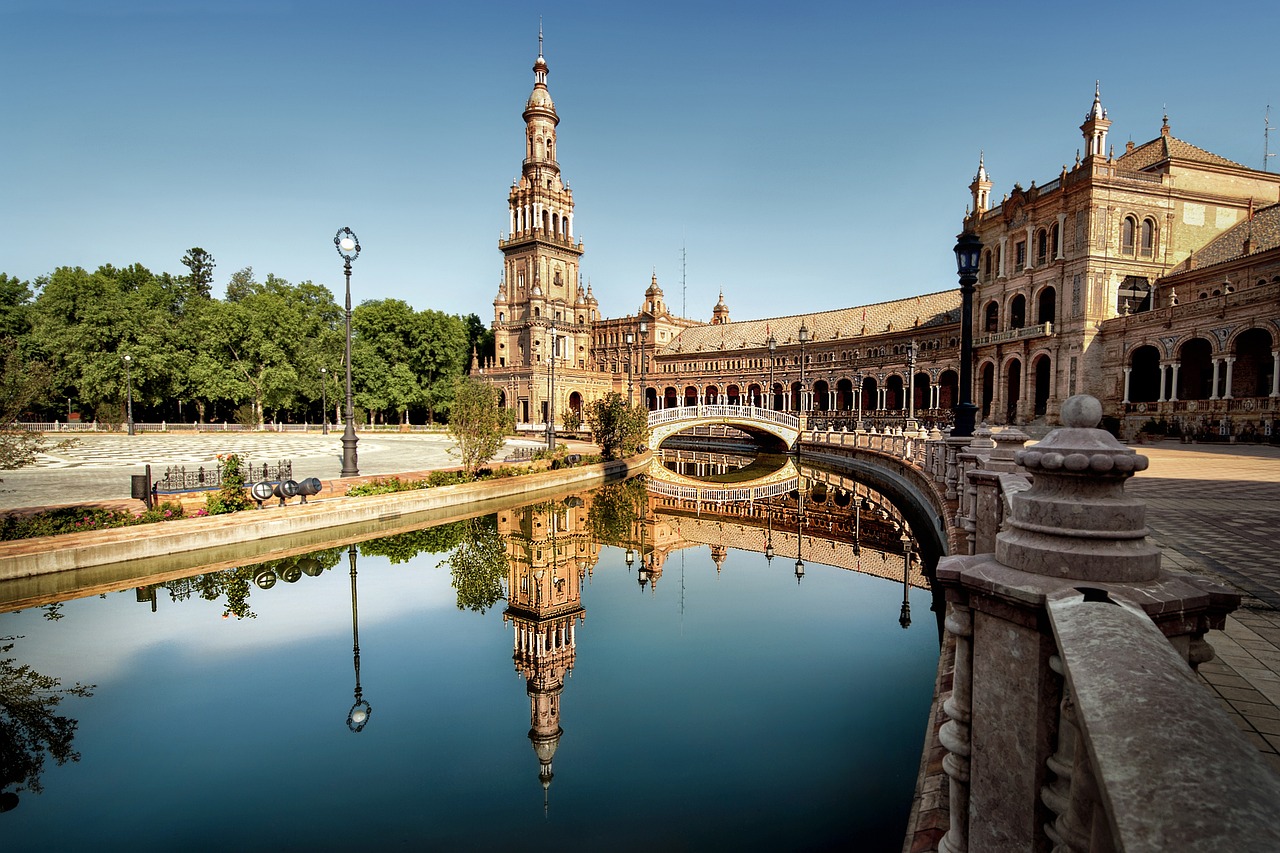
Seville and other culturally rich cities are now confronting the challenge of preserving their unique heritage in the face of relentless tourism. The commercialization of historic landmarks, such as the Alcázar of Seville, has raised alarms among preservationists and residents alike. In response, the Andalusian government has enacted protective measures, including timed entry tickets and seasonal access restrictions at major attractions. Surveys conducted in early 2024 show that 80% of Seville’s residents back efforts to prioritize cultural preservation, even if it means fewer visitors. Preservation programs now include educational campaigns for tourists on respectful behavior and the significance of local traditions. These initiatives aim to ensure that the city’s historical identity is not diluted or lost to mass tourism.
The Rise of “Tourist Tax”

The introduction of tourist taxes has become a key tool for Spanish cities looking to manage the pressures of high visitor numbers. Barcelona’s nightly lodging tax, which started in 2012, reached over €40 million in revenue in 2023. This money is earmarked for infrastructure improvements, waste management, and community projects that benefit both locals and tourists. Valencia and Bilbao are actively debating similar taxes, with proposals to charge visitors up to €3 per night. The goal is to generate funds for public services strained by tourism and to encourage responsible travel choices. These taxes are carefully structured to avoid discouraging visitors while ensuring they contribute to the well-being of the cities they enjoy.
The Impact of Digital Nomadism

Spain has become a magnet for digital nomads, especially in cities like Barcelona and Madrid. In 2024, government registries estimated that over 200,000 remote workers from abroad were living temporarily in Spain. While this has fueled the growth of coworking spaces and international communities, it has also exacerbated housing shortages. Rental prices in central neighborhoods have risen by 15% in just the past year, pricing many locals out of their own communities. City councils are now considering regulations, such as limiting short-term rentals and introducing special permits for digital nomads. These measures are designed to ensure that the influx of remote workers does not undermine housing affordability or local culture.
Local Sentiment and Community Engagement

Recent years have seen a sharp increase in public frustration with the negative side effects of mass tourism. According to a 2023 survey by the Spanish National Statistics Institute, 65% of residents in cities like Barcelona, Palma, and San Sebastián support stricter regulations on tourist activities. Protest movements have sprung up, with locals demanding more say in how their neighborhoods are managed. In response, municipal governments have launched forums and advisory councils to involve residents in tourism-related decision-making. These grassroots efforts aim to create more balanced policies that reflect the priorities of those who live and work in affected areas. Community engagement is now at the heart of many new urban tourism strategies.
Technological Innovations in Tourism Management

Spanish cities are harnessing technology to mitigate the stresses of heavy tourism. Barcelona’s smart city platform, launched in 2024, uses real-time data to track foot traffic at major sites and alert visitors to overcrowded areas. The city’s new mobile app, downloaded over 500,000 times in its first year, offers crowd estimates and alternative attractions to ease pressure on busy spots. In addition, AI-powered systems analyze patterns in public transport use, helping authorities adjust schedules and optimize routes during peak tourist periods. These technological advances are transforming how cities anticipate and respond to visitor flows, aiming to improve both the tourist experience and local quality of life.
Case Studies: Cities Leading the Way
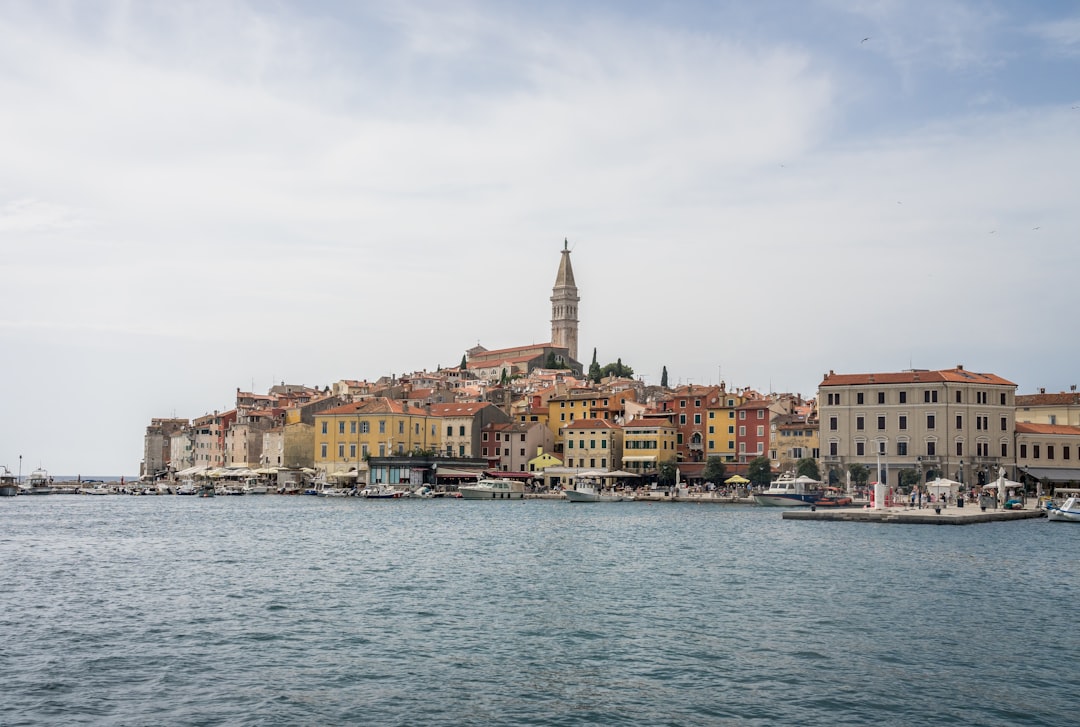
San Sebastián is pioneering new approaches to crowd management with its tourism management plan, introduced in 2023. The plan sets daily quotas for visitors to the city’s famous beaches, cutting peak season overcrowding by 30% in just one year. Palma de Mallorca has introduced strict limits on the number of cruise ships that can dock at its port, reducing the overwhelming influx of day-trippers. Meanwhile, Málaga has piloted a zoning system that channels tourists to less-visited neighborhoods, spreading the economic benefits more evenly and reducing congestion in the historic center. These case studies demonstrate that targeted policies can deliver real results for both residents and visitors.
Future Outlook: A New Era of Tourism
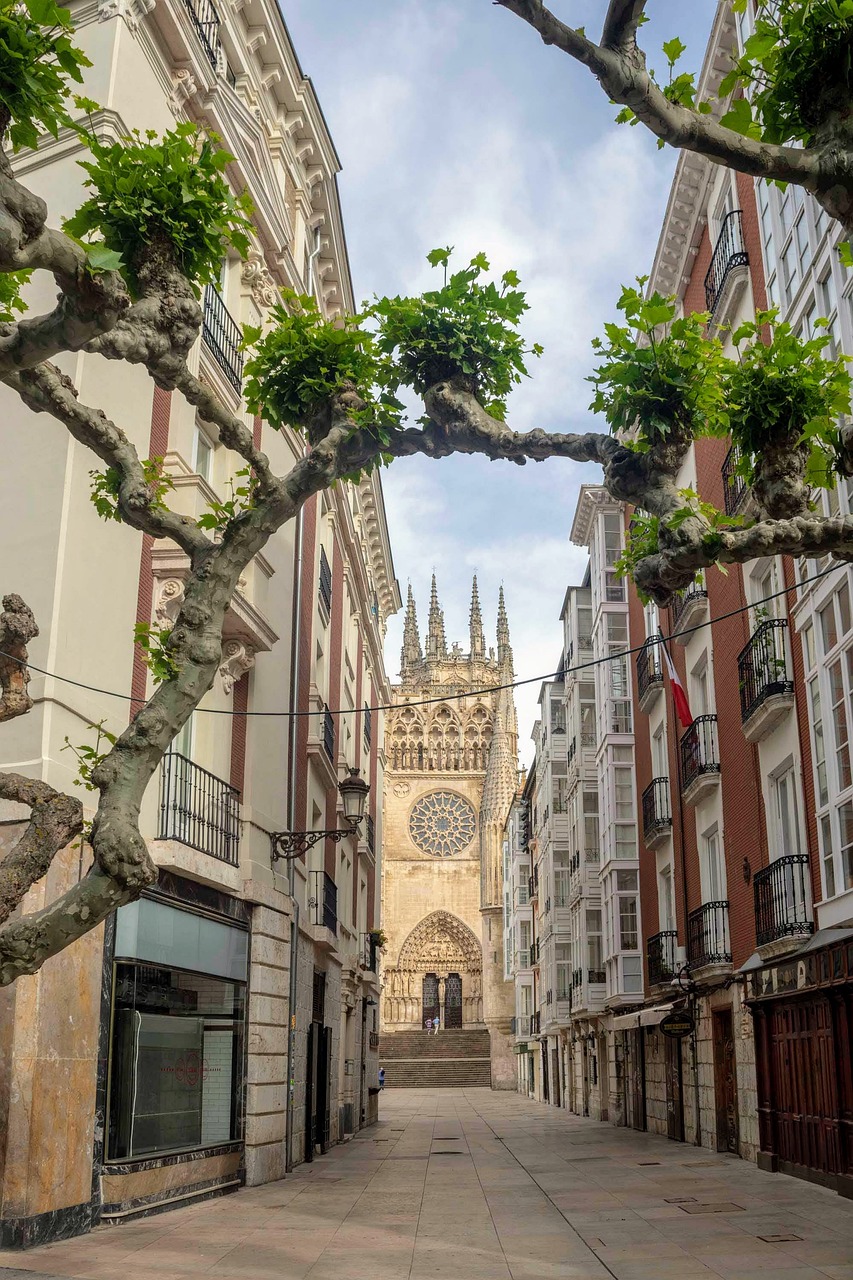
Spain’s approach to tourism is changing rapidly as cities and national authorities set new priorities. In 2024, the Spanish government announced a national plan targeting a 50% reduction in tourism-related environmental impact by 2030. This includes incentives for off-season travel and partnerships with the private sector to develop eco-friendly tourism products. Cities are also investing in campaigns to educate visitors about responsible travel behaviors, with the aim of fostering mutual respect between tourists and residents. As these initiatives take root, the hope is to create a more balanced, resilient tourism industry that can continue to benefit Spain without overwhelming its cities or communities.


