
Most travelers believe that checking a “Big Name” museum off their bucket list is a mandatory rite of passage, but the reality is often a logistical nightmare of three-hour lines and shoulder-to-shoulder crowds. While these institutions house humanity’s greatest treasures, the sheer physical exhaustion and “museum fatigue” often kick in long before you even see a masterpiece. You aren’t just paying for a ticket; you’re paying to walk eight miles on hard marble floors only to see a painting from twenty feet away. Here’s what seasoned travel insiders actually say.
#14 — The Louvre, Paris

You’ve been told that seeing the Mona Lisa is a life-changing experience, but the truth is it’s more like attending a crowded mosh pit at a rock concert. With over 10 million annual visitors, the Louvre is so massive that it would take you roughly 100 days to see every piece of art for just 30 seconds. Most visitors spend their entire afternoon lost in the Denon Wing, missing the actual joy of the art because they are dehydrated and overwhelmed by the 380,000 objects on display.
Instead of fighting the crowds at the Louvre, smart travelers head to the Musée de l’Orangerie. Located just across the Tuileries Garden, it offers a much more intimate setting specifically designed to showcase Monet’s massive Water Lilies. You get the same level of world-class Impressionism without the 15,000-step hike through a former fortress.
- The Louvre’s floor space covers 782,910 square feet.
- Security queues can take up to two hours even with a reserved time slot.
But that’s nothing compared to the neck-straining chaos we found at #13…
#13 — The Vatican Museums, Vatican City

The Vatican Museums contain some of the most breathtaking ceiling art in the history of man, but the “one-way” traffic system turns visitors into literal cattle. You are funneled through nearly four miles of corridors with no way to turn back or exit early once you’ve started the trek toward the Sistine Chapel. By the time you reach Michelangelo’s masterpiece, you are often too physically drained to appreciate the “Last Judgment” because you’ve been Jostled by tour groups for two hours.
A much better alternative is the Galleria Borghese in Rome. They strictly limit the number of visitors allowed inside every two hours, meaning you actually have space to breathe. You can see Caravaggio and Bernini up close without someone’s selfie stick hitting you in the ear. It’s the “VIP” experience people expect from the Vatican but rarely get.
- Over 25,000 people visit the Vatican Museums every single day.
- The Sistine Chapel prohibits talking, yet the noise level remains a constant roar.
Wait until you see how much time people waste at the massive complex at #12…
#12 — The British Museum, London
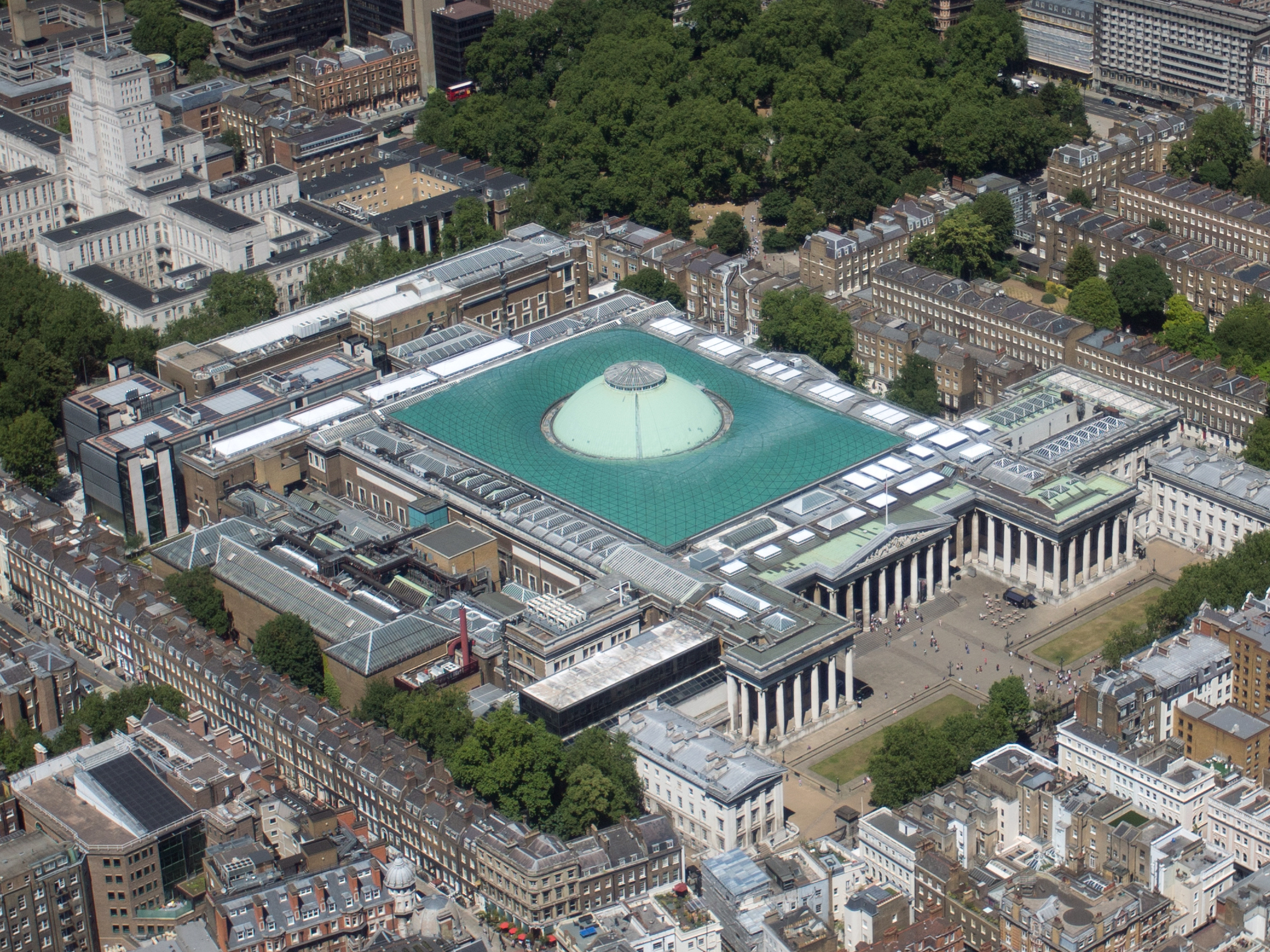
While admission is technically free, the “cost” of the British Museum is the total destruction of your lower back and feet. The museum is a labyrinth of Greek pillars and stolen artifacts that feels more like an airport terminal than an art gallery. The Rosetta Stone is constantly surrounded by a crowd ten people deep, making it nearly impossible to actually read the ancient scripts that unlocked Egyptian history.
If you want the soul of London’s history without the logistical headache, try the Sir John Soane’s Museum. It’s the former home of the architect who designed the Bank of England, and it is packed to the rafters with antiquities, including the sarcophagus of Seti I. It is quirky, atmospheric, and you can walk through the whole thing in 90 minutes without feeling like you’ve run a marathon.
- The British Museum houses 8 million objects—most of which are kept in storage.
- The Great Court is the largest covered public square in Europe, and it’s easy to lose your group there.
The next museum on our list is a legendary New York icon that’s actually a logistical trap…
#11 — The Metropolitan Museum of Art (The Met), New York

The Met is a masterpiece, but its layout is an architectural puzzle that even locals struggle to solve. Spanning over two million square feet, it is the largest art museum in the Americas, and trying to “do it” in one day is the biggest mistake a tourist can make. The transition between the Egyptian wing and the American Wing is so confusing that most people end up walking in circles, repeating the same galleries while searching for an exit.
For a more curated and “human-scaled” experience, visit The Frick Collection. Housed in a Gilded Age mansion on the Upper East Side, it allows you to see masterpieces by Rembrandt and Vermeer in a setting that feels like a private home. You get the high-end art history fix without the sensory overload that makes Met visitors look like zombies by 3:00 PM.
- The Met contains over 5,000 years of art from across the globe.
- The museum serves as its own zip code to handle the sheer volume of mail and logistics.
If you think the Met is big, the modern art behemoth at #10 will leave you breathless for the wrong reasons…
#10 — The Museum of Modern Art (MoMA), New York

MoMA underwent a massive renovation to create more space, but it somehow ended up feeling even more exhausting to navigate. The “Starry Night” effect is real—a permanent swarm of hundreds of people blocks the view of Van Gogh’s most famous work, making a quiet moment of reflection impossible. The sleek, minimalist hallways are beautiful but incredibly hard on the joints, and the vertical layout requires a lot of elevator waiting time.
Instead, take the train up to Dia Beacon in the Hudson Valley. This museum is housed in an old Nabisco box-printing factory and offers massive, sprawling installations that actually benefit from the space. It’s the ultimate destination for modern art lovers who want to experience “the sublime” rather than a crowded midtown lobby.
- MoMA’s 2019 expansion cost $450 million.
- The museum’s “open” floor plan actually increases noise levels, contributing to visitor fatigue.
You won’t believe the distance you have to walk in the “National” treasure at #9…
#9 — The National Gallery, London
Positioned right on Trafalgar Square, the National Gallery is the quintessential “tourist trap” for those who didn’t plan ahead. Because it’s right in the heart of the city, it stays perpetually crowded with people just trying to escape the rain. The floor plan is a confusing series of interconnected rooms that lack a clear chronological flow, leading to “room rage” as you try to find the Dutch Masters among a sea of identical-looking gold frames.
A secret local favorite is the Wallace Collection. It’s a short walk away in Manchester Square and features “The Swing” by Fragonard. It’s one of the finest private collections ever assembled and, best of all, the courtyard cafe is one of the quietest spots in London for a glass of wine—a far cry from the crowded cafeteria at the National Gallery.
- The National Gallery houses over 2,300 paintings.
- It is one of the most visited art museums in the world, third only to the Louvre and the British Museum.
The “Golden” museum at #8 is a literal hike that most people aren’t prepared for…
#8 — The State Hermitage Museum, St. Petersburg
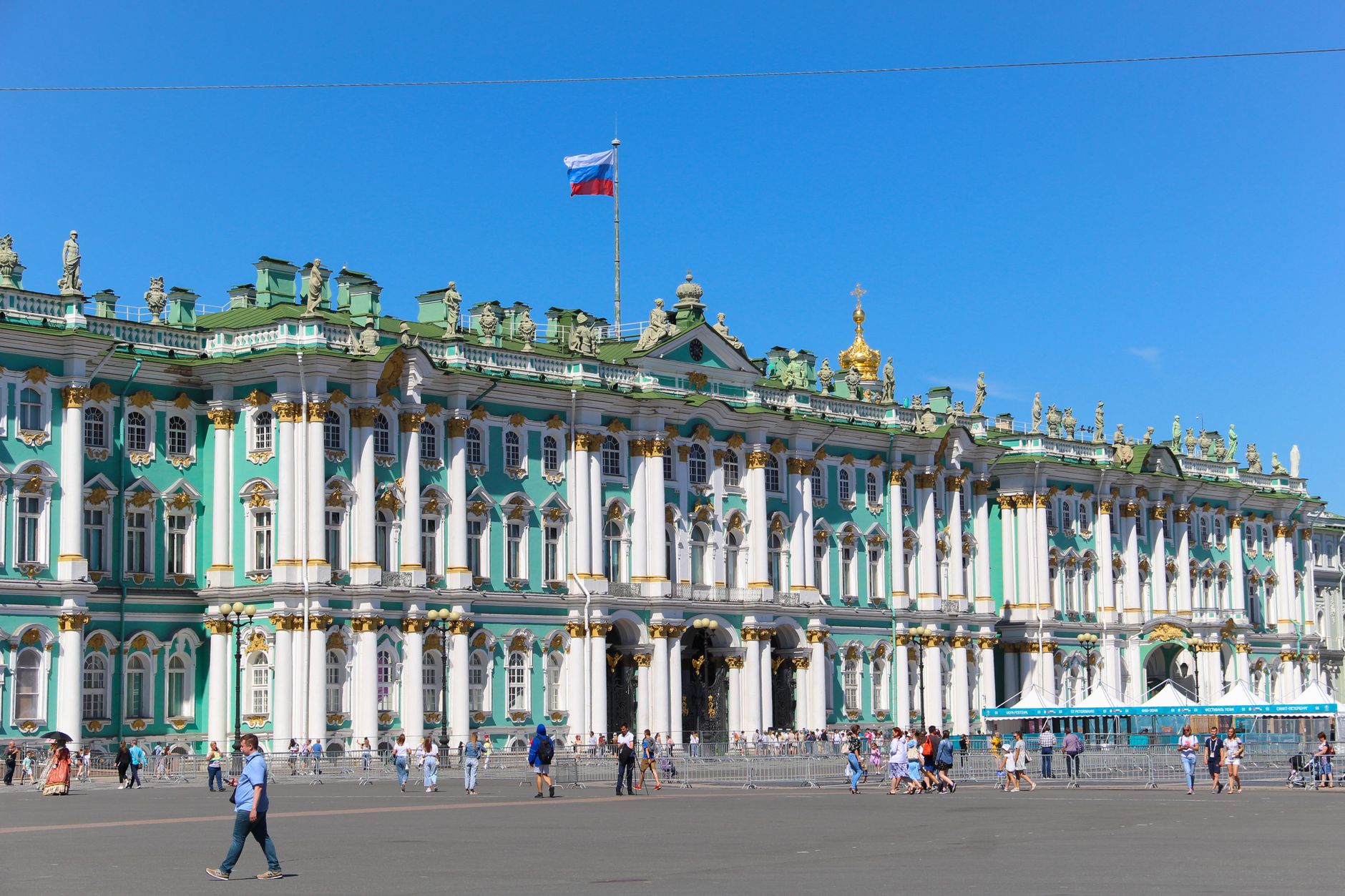
The Hermitage is arguably the most beautiful museum in the world, but it is also a physical endurance test. Composed of six historic buildings, including the Winter Palace, it features nearly 1,000 rooms and over 100 staircases. The sheer amount of gold leaf and velvet is enough to cause “Stendhal Syndrome,” a clinical condition where the beauty of art causes dizziness and a rapid heartbeat.
For a more focused look at Russian soul, the Fabergé Museum is a vastly better choice. It is dedicated to the famous Imperial Easter Eggs and the decorative arts. It provides all the Romanov glamour and historical intrigue you crave but in a manageable, 90-minute dose that won’t leave you needing a foot massage.
- The Hermitage has over 3 million items in its collection.
- The museum employs a team of “Hermitage Cats” to protect the art from mice in the basement.
Think that’s impressive? The American institution at #7 is actually 19 museums in one…
#7 — The Smithsonian National Museum of Natural History, D.C.

As the most visited natural history museum in the world, this D.C. staple is a chaotic blend of school field trips and strollers. The “Ocean Hall” and “Hall of Mammals” are massive, echo-prone spaces that reach decibel levels equivalent to a construction site. Navigating the crowds to see the Hope Diamond often feels more like a struggle for survival than an educational outing.
A refreshing alternative is the National Portrait Gallery and Smithsonian American Art Museum. Located in the Old Patent Office Building, it features a stunning enclosed courtyard where you can actually sit in silence. The art is world-class, the presidential portraits are iconic, and the crowds are a fraction of what you’ll find on the National Mall.
- The museum’s collection contains over 145 million specimens.
- The Hope Diamond is kept behind three inches of bulletproof glass.
The historical weight of #6 is heavy, but the layout is even heavier on your legs…
#6 — The Uffizi Gallery, Florence

The Uffizi is the heart of the Renaissance, but its “U-shaped” layout is a nightmare for anyone with restricted mobility or limited time. Because the building was originally designed as offices (“Uffizi”), the rooms are long and narrow. The Botticelli rooms are so crowded that you’ll spend more time looking at the back of people’s heads than at “The Birth of Venus.”
Instead, visit the Bargello National Museum. It’s located in a former prison and barracks, and it houses the finest collection of Renaissance sculpture in the world, including works by Donatello and Michelangelo. It is atmospheric, rarely crowded, and allows you to walk right up to masterworks that would be roped off anywhere else.
- The Uffizi was originally commissioned by Cosimo I de’ Medici in 1560.
- Wait times for those without reservations can exceed five hours in the summer.
Modern architecture at #5 seems cool until you realize how hard it is to actually see the art…
#5 — The Guggenheim, New York

Frank Lloyd Wright’s spiral design is a masterpiece of architecture, but it is a controversial way to view art. The slanted floors are notorious for causing “museum knee”, a specific type of joint pain from walking on a constant incline. Furthermore, the curved walls mean that flat paintings often look slightly “off,” and the narrow ramps make it difficult to step back and take in a large work without being hit by an elevator-bound tourist.
If you want an architectural marvel that respects the art, head to the Whitney Museum of American Art in the Meatpacking District. The Renzo Piano-designed building features massive outdoor terraces with views of the High Line and the Hudson River. The galleries are wide, flat, and flooded with natural light, making it a much more “navigable” experience for the modern era.
- The Guggenheim’s spiral ramp is a quarter-mile long.
- The building was designated a UNESCO World Heritage site in 2019.
The classic art powerhouse at #4 is often overlooked for its nearby “Giant,” but it’s still a trap…
#4 — The Prado Museum, Madrid
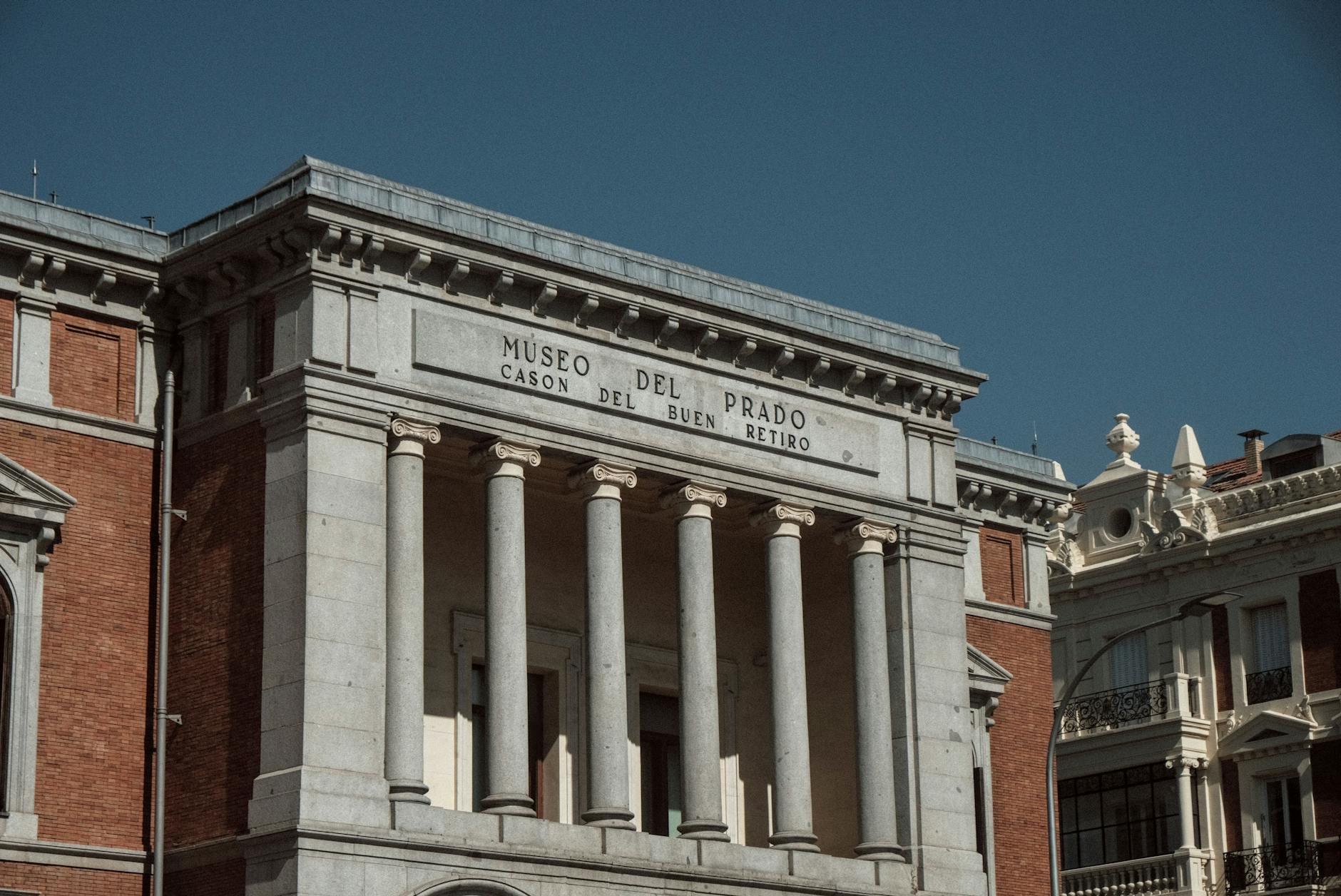
The Prado is one of the most important galleries in Europe, but its dark, heavy rooms and confusing numbering system can make for a gloomy afternoon. To find Goya’s “Black Paintings,” you have to trek through a maze of Spanish royalty portraits that all start to look the same after the second hour. The sheer density of the collection is exhausting, and the layout lacks the “breathing room” found in more modern galleries.
The Thyssen-Bornemisza National Museum, located just down the street, is the perfect “Goldilocks” museum. It’s not too big, not too small, and covers a chronological history of art from the 13th century to the 20th century. It feels like a private collection (because it was) and provides a much more colorful and diverse viewing experience than the somber Prado.
- The Prado holds the world’s most complete collection of works by El Greco and Velázquez.
- Over 2 million people visit the museum annually.
You won’t believe how much ground you have to cover for #3…
#3 — The Museum of Fine Arts (MFA), Boston

The MFA is a sprawling complex that has been expanded so many times it feels like three different museums stitched together. While the “Art of the Americas” wing is stunning, getting from there to the European galleries requires a long walk through what feels like a corporate office building. The museum covers nearly 500,000 square feet, making it the 14th largest art museum in the world.
For a more enchanting Boston experience, go to the Isabella Stewart Gardner Museum. It was designed to look like a 15th-century Venetian palace and features a stunning sun-drenched courtyard that stays green all year. It is one of the most unique and navigable museum experiences in the United States, and it’s famous for the 1990 art heist that remains unsolved to this day.
- The MFA has over 450,000 works of art.
- The Gardner Museum has a strict rule that the art must remain exactly as Isabella placed it.
The Dutch icon at #2 is a masterpiece, but the stairs might kill you…
#2 — The Rijksmuseum, Amsterdam
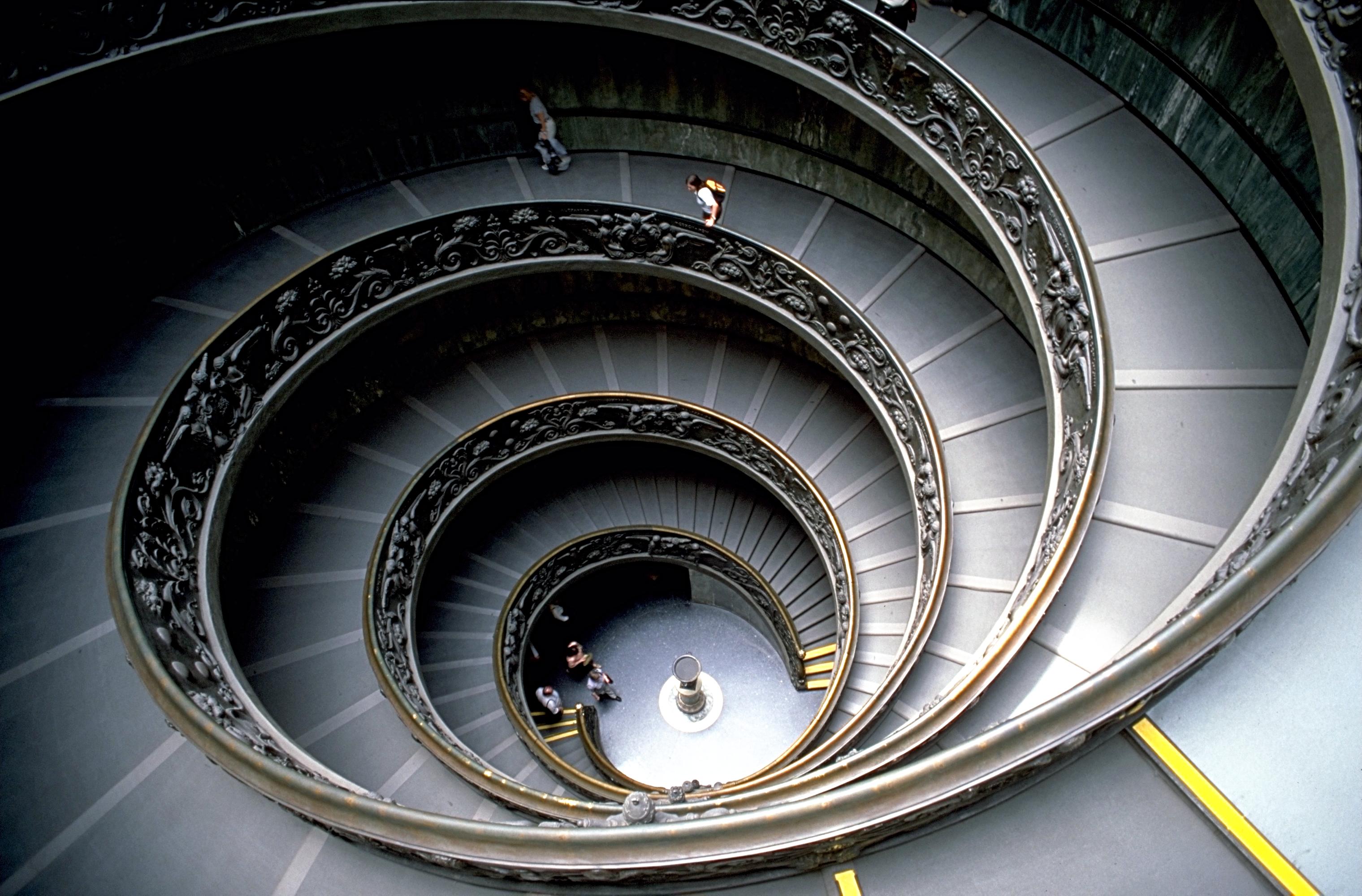
With 8,000 objects on display and a layout that spans four floors, the Rijksmuseum is a monster to tackle. The “Great Hall” leading to Rembrandt’s “The Night Watch” is always packed with school groups, and the acoustics make it one of the loudest museums in Europe. Navigating the verticality of the building involves either long waits for small elevators or a serious workout on the stairs.
A fantastic and often overlooked alternative is the Mauritshuis in nearby The Hague (only 45 minutes from Amsterdam). It houses Vermeer’s “Girl with a Pearl Earring” in a beautiful, intimate historic house. You can see the best of the Dutch Golden Age in a few hours and still have energy left to walk to the beach.
- The Rijksmuseum is the only museum in the world with a bicycle path running through it.
- “The Night Watch” painting is so large it has its own dedicated “escape hatch” in the floor for emergencies.
Finally, the #1 most exhausting museum in the world is one almost everyone visits…
#1 — The Art Institute of Chicago, Chicago

Voted time and again as one of the best museums in the world, the Art Institute is also a logistical labyrinth. Because it is built over active railroad tracks and consists of multiple connected buildings from different eras, it is incredibly easy to get trapped in a dead-end gallery. To see “A Sunday on La Grande Jatte,” you have to navigate a maze of Impressionist rooms that are perpetually clogged with crowds.
For a more streamlined Chicago art experience, try the Museum of Contemporary Art (MCA). It is one of the world’s largest venues for contemporary art but is designed with a clear, circular flow that makes sense. You won’t get lost, your feet won’t ache, and the gift shop is arguably the best in the city. Leave the “Grand Tour” for the historians; enjoy the MCA for the vibe.
- The Art Institute’s permanent collection includes nearly 300,000 works of art.
- The famous bronze lions guarding the entrance were sculpted for the 1893 World’s Columbian Exposition.
The Bottom Line
Museum fatigue is a real phenomenon that can ruin a perfectly good vacation. While the world’s biggest museums hold legendary treasures, their scale and crowd levels often make the experience more about physical endurance than cultural enrichment. By choosing smaller, “boutique” museums or private collections, you can often see the same caliber of masterpieces without the 10,000-step hike and the three-hour ticket line. Remember, it’s better to truly see five paintings than to just walk past five hundred. Did we miss your favorite “hidden gem” museum? Let us know in the comments below!