

Locals don’t clock Americans by the accent first. They clock them by what happens in the three seconds before anyone speaks. The cargo shorts at a Parisian café. The thunderous rolling suitcase across cobblestones. The cappuccino ordered at 2 PM in Rome. The 20% tip left on a three-euro espresso. These tiny behavioral tells broadcast “I’ve never left my comfort zone” louder than any accent ever could – and most Americans doing them have absolutely no idea.
The frustrating part is that every single one of these habits feels completely normal back home. They’re not character flaws. They’re cultural blind spots nobody warned you about before you booked the flight. Some of these will make you cringe when you realize how many times you’ve done them. A few will genuinely surprise you. But all 15 are 100% avoidable – once you know what to look for.
#15 – Wearing a Logo-Heavy Outfit and Calling It Travel Style

The college hoodie, the sports jersey, the cargo shorts with seventeen pockets – Americans treat comfort like a travel uniform, and abroad, that uniform gets spotted from a block away before a single word is exchanged. European style tends toward subdued, well-fitted, neutral clothing even for casual outings. Brand logos, bold graphics, and bright athletic wear signal “visitor” in the same quiet but unmistakable way a lanyard signals “conference attendee.”
Comfort still matters on the road, but baggy shorts, flip-flops off the beach, and oversized fan gear can also affect how you’re treated – in shops, at restaurant tables, even at hotel check-ins. The fix is genuinely simple: pack neutral colors, skip the logos, and dress one notch above what you’d wear on a lazy Saturday at home. That small visual shift closes a lot of social distance with locals before you’ve even said hello. But the wardrobe is just the opening tell – what you drag behind you announces tourist status even louder.
At a Glance
- Neutral, fitted clothing reads as “traveler” rather than “tourist” almost everywhere in Europe
- Flip-flops are beach-only in most of Southern Europe – wearing them in a city marks you instantly
- Bright athletic wear and team jerseys are the most universally spotted American tell
- One rule of thumb: if you’d wear it to a backyard cookout, leave it at home
#14 – Rolling a Massive Suitcase Through Cobblestone Streets
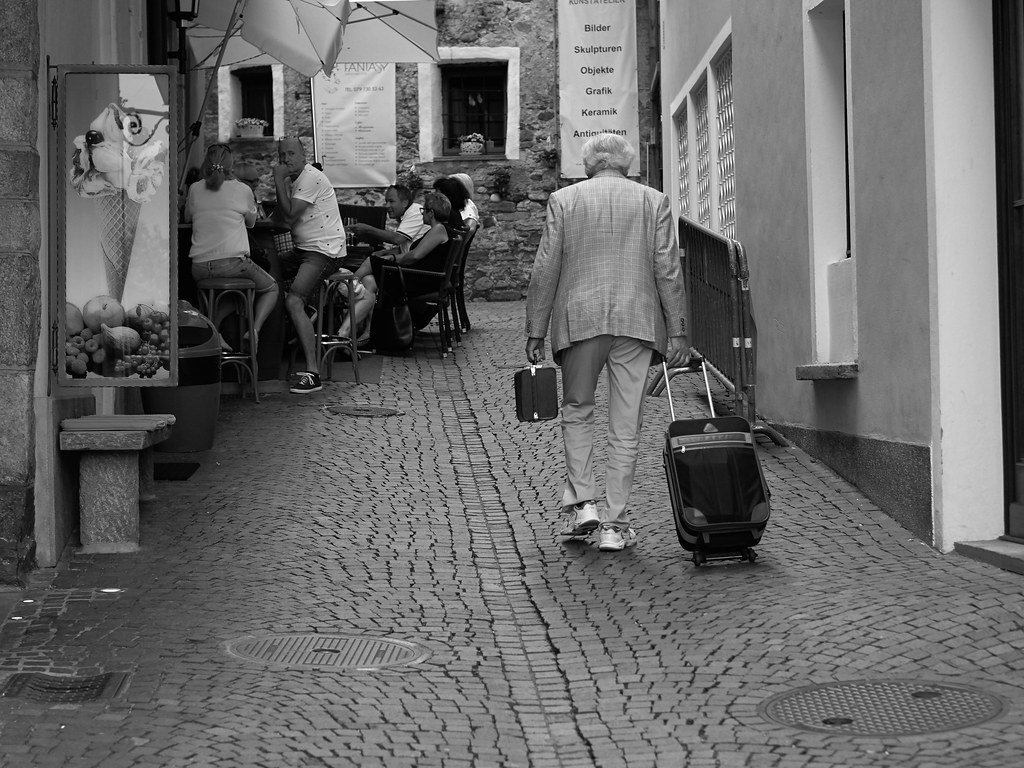
You can hear an American tourist arriving in many European cities before you see them. The thunderous rattle of an oversized checked bag bouncing over centuries-old stone is one of the most reliable audio tells in travel. Europeans and seasoned rail travelers tend to move lighter – one carry-on, a small day pack, and the ability to sprint up a narrow train platform staircase without a second thought. A giant suitcase visually signals anxiety, over-preparation, and a fundamental mismatch with how these cities were actually built.
Beyond looking out of place, that oversized bag becomes a genuine liability in cities designed for foot traffic, not airport terminals. Narrow alleyways, steep staircases, crowded metro cars, and cobblestone streets all punish the traveler who packed for a two-week cruise on a one-week city trip. One carry-on and a day pack isn’t a sacrifice – it’s the move. Once the luggage is sorted, there’s another expectation that travels badly from American soil: the assumption of free, iced water at every meal.
#13 – Demanding Free Water and Ice at Every Meal
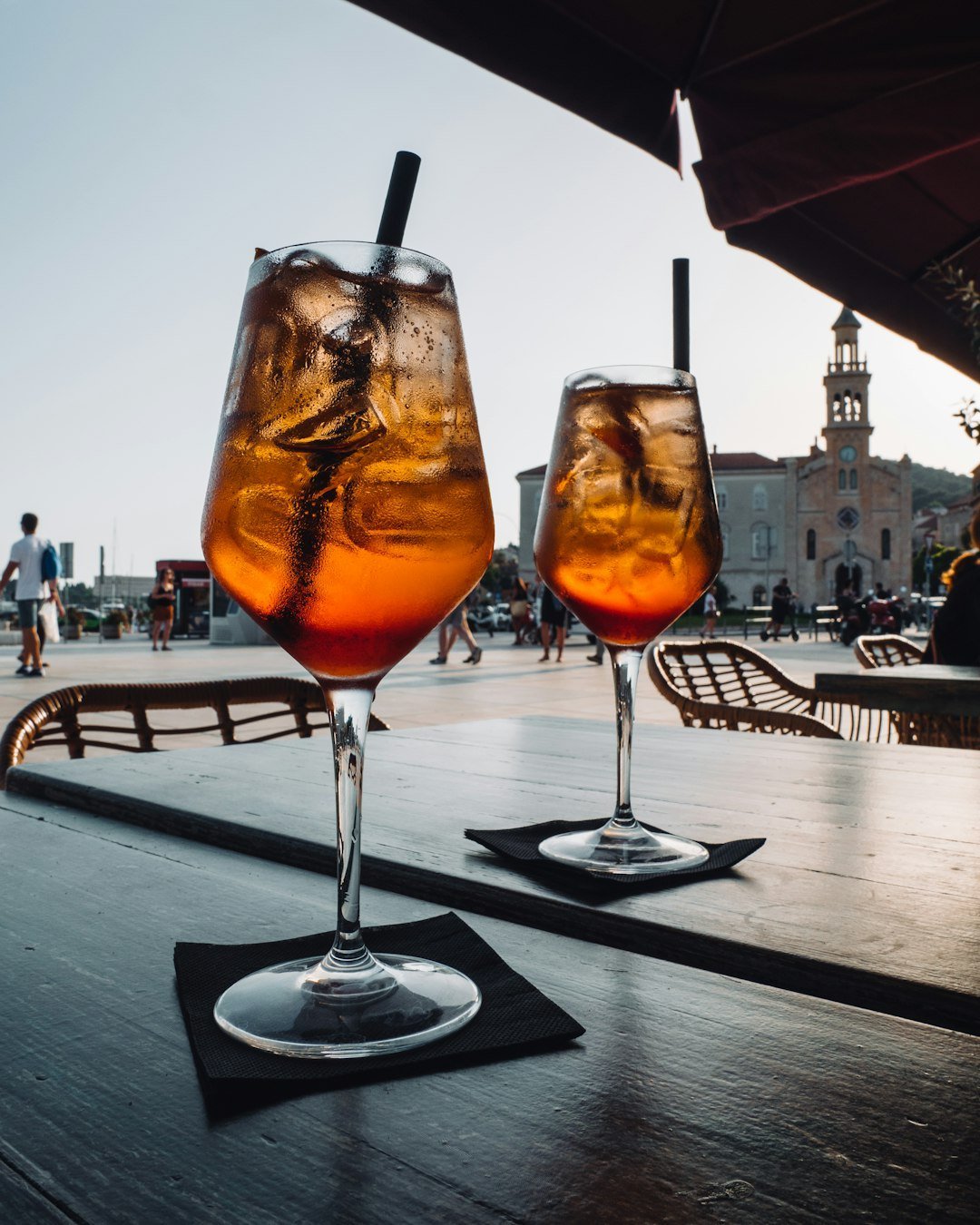
In the United States, a glass of ice water appears on the table before you’ve even unfolded the menu. That expectation travels very badly. Across most of Europe, water is bottled, ordered, and charged for – that’s not a scam or an oversight, it’s simply how dining works. Ice is used sparingly, if at all. Asking for a free refill of iced tap water at a restaurant in Paris or Rome is the kind of request that quietly but clearly marks you as someone who hasn’t been abroad much.
European dining culture is also slower-paced, with smaller portions and no pressure to turn the table over. That includes drinks. Bottled still or sparkling water is the standard order, and locals accept it without a second thought. Accepting it without complaint – and without a visible flinch at the two-euro line item on the bill – is one of the fastest ways to signal you actually understand how things work here. Still, water culture is small potatoes compared to the coffee blunder that gets Americans silently judged in every Italian café in the country.
#12 – Ordering a Cappuccino After Lunch in Italy
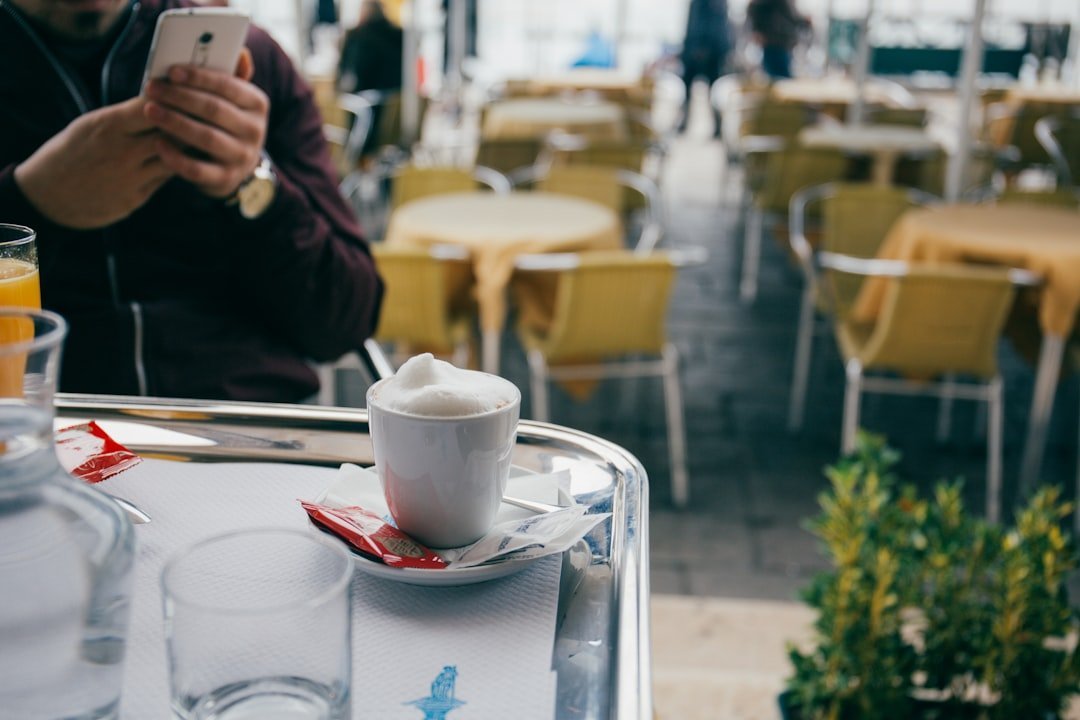
This one has earned its own permanent spot in the tourist hall of mistakes because it’s so specific and so consistently committed. Chiara Coletta, a tour staff supervisor in Western Europe for G Adventures, put it plainly: ordering a cappuccino after 12 PM is one of the habits that marks American tourists most visibly in Italian coffee culture. For Italians, this isn’t a quirky personal preference – it’s based on a genuine cultural belief that drinking milk after a meal is bad for digestion, full stop.
“One habit of American tourists that might seem unusual in the Italian coffee culture is ordering a cappuccino after 12 p.m.”
Chiara Coletta, Tour Staff Supervisor, G Adventures Western Europe
A cappuccino in Italy is essentially a breakfast item – almost a small meal in itself. The afternoon caffeine order is a short espresso, preferably standing at the bar, which is also cheaper. That one adjustment alone quietly signals that you’ve done your homework. Italy’s coffee rules are strict, but the tipping habits Americans carry into every meal abroad are somehow even more conspicuous.
The Savvy Traveler’s Etiquette Quiz
Think you can blend in like a local? Test your knowledge of international customs and avoid the most common behavioral 'tells' that mark Americans abroad.
Think you caught the key details? Take the quick quiz and see how sharp your instincts really are.
#11 – Over-Tipping Like It’s Times Square
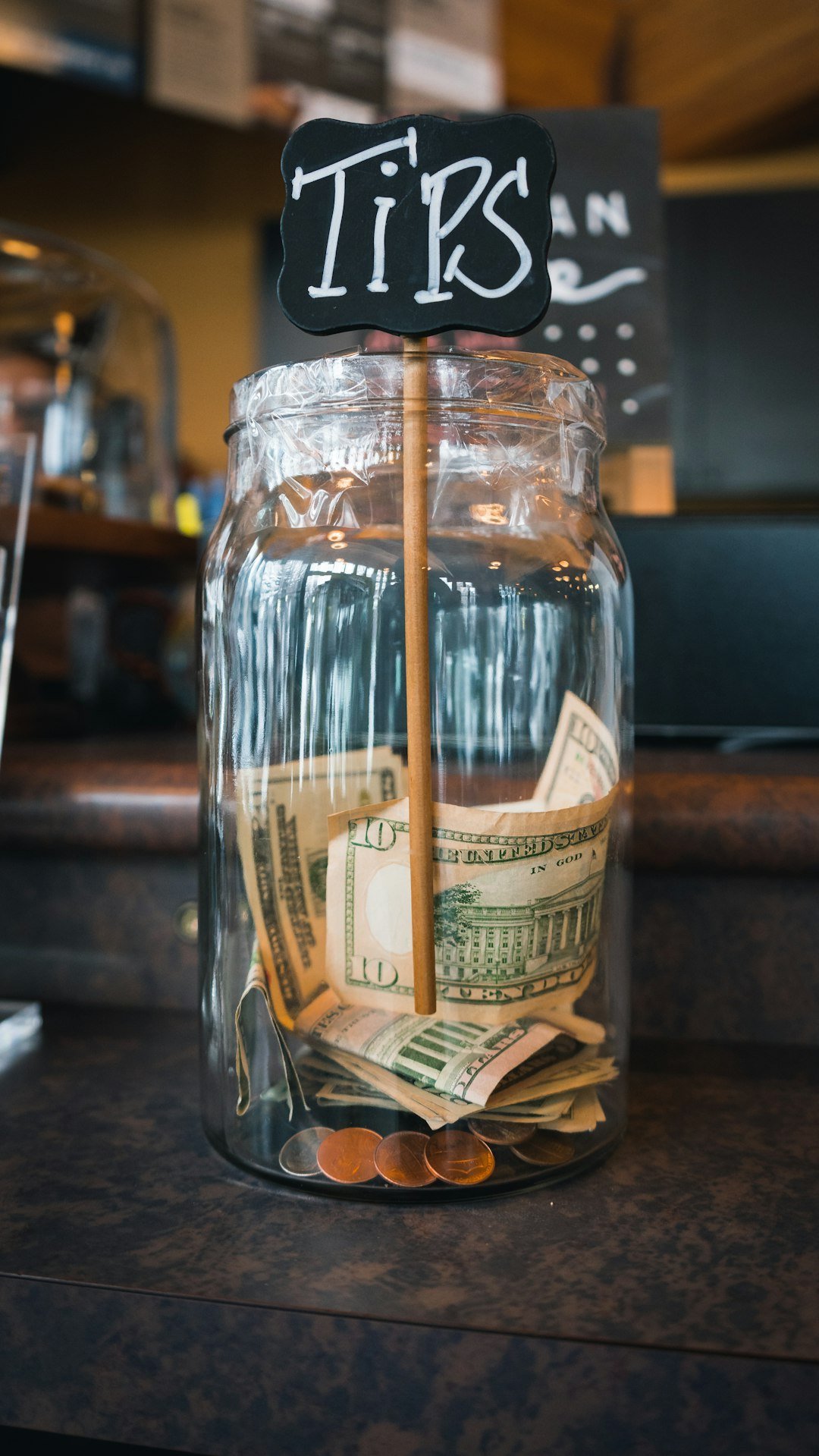
American tipping culture is deeply wired in – 18 to 20% feels less like generosity and more like the moral minimum. That instinct follows Americans abroad and immediately flags the table. Across most of Europe, tipping is far more modest: rounding up the bill, leaving a euro or two, or adding 5 to 10% for genuinely good service. Anything dramatically above that doesn’t read as generous – it reads as someone who didn’t understand what was already included in the price.
Service charges are typically baked into European menu prices, and staff are usually paid a proper wage rather than depending on tips to survive. In Japan and South Korea, tipping can actually cause discomfort – the implication being that the worker isn’t being fairly compensated for doing their job with pride. The rule of thumb: research the tipping norm for each country before you arrive, because assuming your home standard is universal is one of the most consistent tells of the inexperienced American traveler. But tipping isn’t the only money habit that trips people up – the currency exchange trap catches even well-prepared travelers.
Quick Compare: Tipping by Region
- France, Italy, Spain, Germany: Round up or leave 5–10% – service charge often already included
- UK & Ireland: 10–12.5% if no service charge is added; pubs: no tip expected
- Scandinavia & Iceland: Tipping largely unnecessary; rounding up is polite
- Eastern Europe: 10% is standard in restaurants, especially tourist areas
- Japan & South Korea: Tipping is considered rude – do not tip
#10 – Using Airport Currency Exchange Booths Without Checking the Rate

That currency exchange booth sitting just past customs looks like a helpful convenience. It is, in fact, one of the most reliably bad deals in travel. Airport kiosks typically offer rates 5 to 10% worse than what you’d get from an in-network ATM in the city center, and they tack on fees that compound the damage – NerdWallet found some airport exchange premiums exceeding 17% above the IMF rate. Most seasoned travelers skip the booth entirely and use a no-foreign-transaction-fee debit card at a local bank ATM once they’ve actually landed.
A smart move is to arrive with a small stash of local currency for immediate needs – a taxi, a metro ticket, a coffee – and withdraw the rest locally. Before leaving home, check whether your debit or credit card charges foreign transaction fees, because many standard cards quietly skim one to three percent off every purchase abroad. Choosing a card with zero foreign transaction fees is one of the highest-return travel decisions you can make before the trip even starts. While you’re sorting out the money, there’s another moment that outs Americans almost universally – the second they walk into a French shop and skip straight to the ask.
Fast Facts: The True Cost of Airport Currency Exchange
- Airport kiosks typically charge 5–10% above bank rates, plus additional fees
- On a $500 exchange, you could lose an extra $25–65 compared to using an ATM
- Dynamic currency conversion (paying in dollars abroad) adds another 3–4% per transaction
- Cards like Charles Schwab debit refund all foreign ATM fees worldwide – worth checking before you fly
- Rule of thumb: use the airport booth only for $50–100 in immediate emergency cash, then find a bank ATM in the city
#9 – Leading With a Request Instead of a Greeting
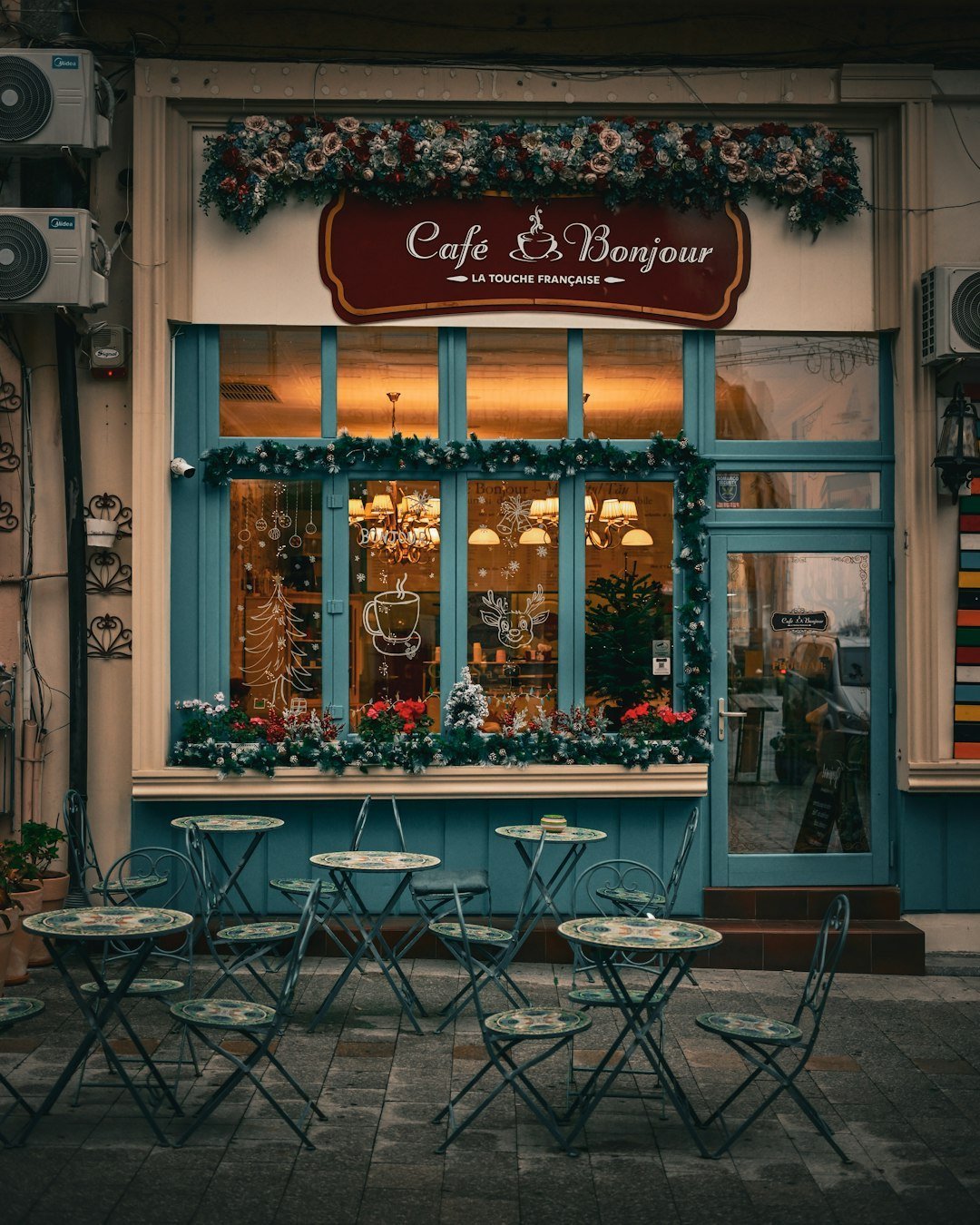
In America, walking up to a counter and saying “Can I get a large coffee?” is a perfectly normal, efficient transaction. In France – and across much of southern Europe – skipping the greeting and launching straight into your order lands somewhere between abrupt and mildly rude. The greeting isn’t decorative politeness. It’s the opening move of the entire social interaction, whether you’re in a bakery, a hotel lobby, or a corner shop. When an American leads with a request, locals notice it immediately – not as hostility, but as a clear signal that the social choreography of the place hasn’t quite landed yet.
The fix costs about two seconds. Learn “bonjour,” “ciao,” “hola,” “guten tag” – whatever applies to where you are. One word, said first, before you speak English or gesture at the menu, changes the entire temperature of the interaction. It’s the single fastest way to shift from “obvious tourist” to “considerate visitor.” Once you’ve mastered the greeting, there’s a related language habit that signals tourist status just as fast – and it’s louder, literally.
#8 – Expecting Everyone to Speak English (and Getting Visibly Frustrated When They Don’t)

English is widely spoken in many European cities – but “widely spoken” is not the same as “universally available on demand.” The assumption that everyone speaks English, especially in smaller towns, rural areas, or with older locals, is one of the more visible marks of the first-time American traveler abroad. Europe is not one culture or one language. Each country has its own identity, and the expectation that English is simply owed to you doesn’t go unnoticed.
The real tell isn’t asking in English – it’s the response when that doesn’t work. Speaking the same English sentence again, louder and slower, as if volume converts it into Italian, is the move that locals remember. Even a badly mispronounced “merci” or “grazie” signals more cultural awareness than a loud, repeated English request. Europeans consistently say they appreciate the effort, however imperfect. A translation app costs nothing. Trying costs even less. Speaking of volume – that’s actually its own very visible, very separate problem.
#7 – Talking at Full American Volume in Public Spaces

This might be the single most consistently noticed thing Europeans observe about American tourists – and the one most Americans are completely unaware of in the moment. Americans are enthusiastic, expressive communicators, and that energy plays very differently inside a compact Parisian café or a quiet Roman piazza than it does in a Dallas diner with twenty feet of breathing room between tables. The volume isn’t the problem at home. Abroad, in tighter public spaces built around a quieter social rhythm, it can fill the entire room.
On public transit, in restaurants, on quiet residential streets in the evening – many European cultures default to contained, understated conversation as a form of public courtesy. What feels like a normal lively exchange in the U.S. can register as intrusive when the room is the size of a living room. This gets sharper still in places like Germany, Switzerland, or Scandinavia, where privacy and understatement in public spaces are deeply ingrained. Volume is one of the fastest signals of cultural awareness – or the lack of it. But what you order, and when, can betray you just as quickly.
#6 – Eating Dinner at 6 PM and Wondering Why the Restaurant Feels Empty

Americans eat dinner early. Most of the world does not. Arriving at a restaurant in Madrid or Rome at 6 PM and finding the dining room empty – or the kitchen not even open – is a textbook tourist move, and it plays out thousands of times a night across Southern Europe. In Spain, most restaurants won’t even open for dinner before 8 PM, and locals commonly eat as late as 9:30 or 10:30 PM – or even later on weekends. In Italy, dinner runs between 8 and 9 PM, later as you travel south. The confusion on the American tourist’s face when they arrive to a ghost-town restaurant at half past six is something every local has seen before.
The fix isn’t just practical – it’s actually one of the best upgrades you can make to the whole trip. The restaurants filling with local families and regulars after 8 PM are doing it right. That’s when the energy is right, the food is at its best, and the experience actually matches why you flew across an ocean in the first place. Eat when locals eat, snack when they snack, and stop fighting the rhythm. Dining culture is one piece of a bigger puzzle, and the next mistake breaks it wide open in a very specific and avoidable way.
Worth Knowing: When Locals Actually Eat Dinner
- Spain: 9:30–10:30 PM on weekdays; beyond 10 PM on weekends – restaurants often don’t open until 8 PM
- Italy: 8–9 PM, later in the south – arriving at 8 PM still makes you one of the first tables
- France: Around 8–9 PM; Paris restaurants often don’t open for dinner until 7 PM
- Germany & Netherlands: 6:30–7:30 PM – closer to American hours, no adjustment needed
- Scandinavia: As early as 4–6 PM – the one region where eating early is the norm
#5 – Trying to Visit Five Countries in Ten Days
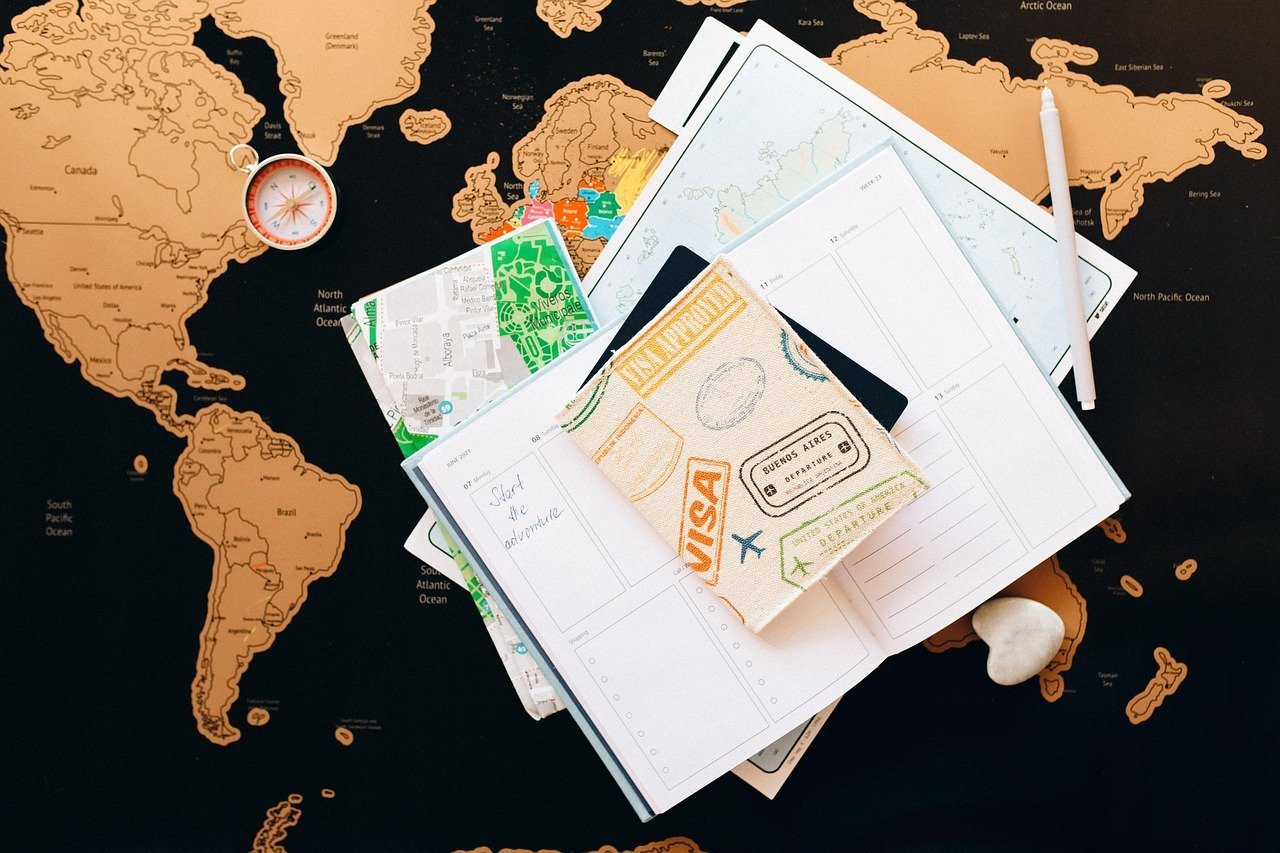
The “European whirlwind” itinerary – Paris Tuesday, Rome Thursday, Barcelona by the weekend – is a genuinely American approach to travel, and locals find it quietly baffling. Europe may look compact on a map, but five countries in ten days means most of your trip happens in transit. Train stations, airports, check-ins, check-outs, and orienting yourself in a new city every 36 hours. You’re not experiencing Europe at that pace – you’re collecting photos of it.
The travelers who come back with the best stories – and the ones locals actually warm up to – are consistently the ones who stayed somewhere long enough to find the non-touristy café around the corner, to learn which metro line the neighborhood actually uses, to feel the place instead of just photographing it. Slowing down and focusing on fewer destinations doesn’t make the trip smaller. It makes it real. Rushing also tends to funnel people directly toward the next mistake – the restaurant right next to the famous thing everyone came to see.
#4 – Eating at the Restaurant Right Next to the Famous Landmark
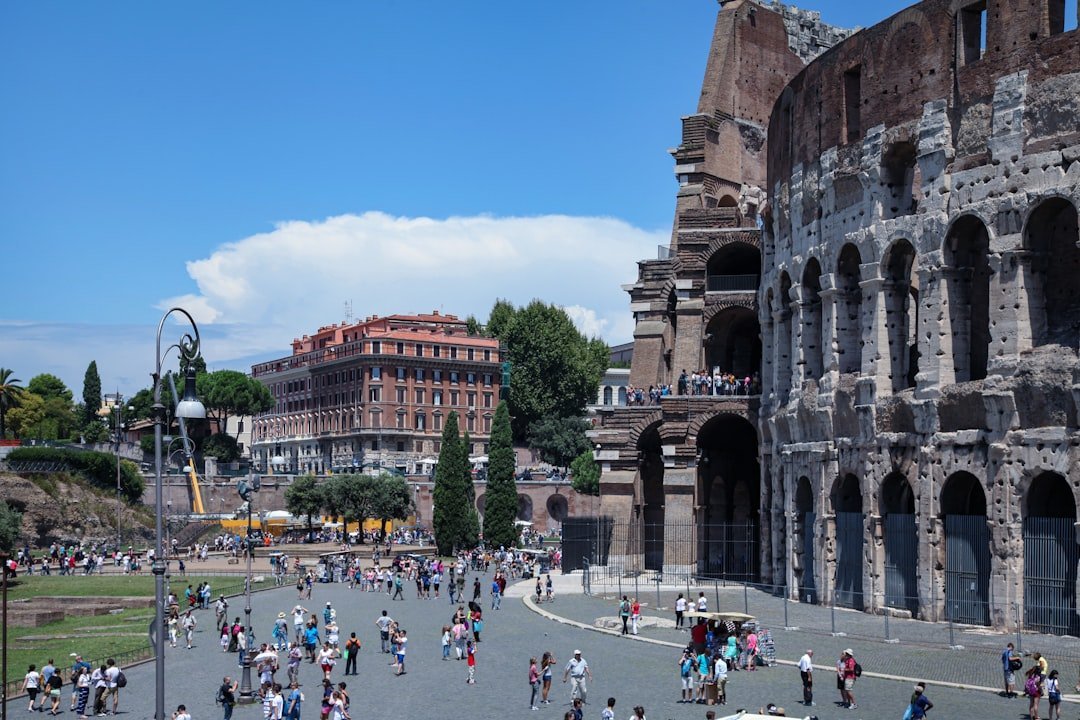
There is an almost universal rule in travel: the closer a restaurant is to the most famous landmark in town, the worse the food and the higher the price. The Colosseum, the Eiffel Tower, the Sagrada Família – all of them are ringed by mediocre, overpriced restaurants built entirely to capture tourists who haven’t walked one more block. The tell is easy to spot: laminated menus with photographs of every dish, and a host standing outside waving you in before you’ve even slowed down. That combination is a near-perfect signal to keep walking.
Locals don’t eat at those places. Full stop. Six blocks from the famous square, the prices drop, the menus shrink to what the kitchen actually does well, and the dining room fills with people who actually live there. That’s the meal worth eating. That’s also the story you’ll still be telling in five years. The next mistake is one that even confident, well-traveled Americans make – and it happens the second they reach for a peach at a European market.
#3 – Handling Produce at European Markets Like It’s a U.S. Grocery Store
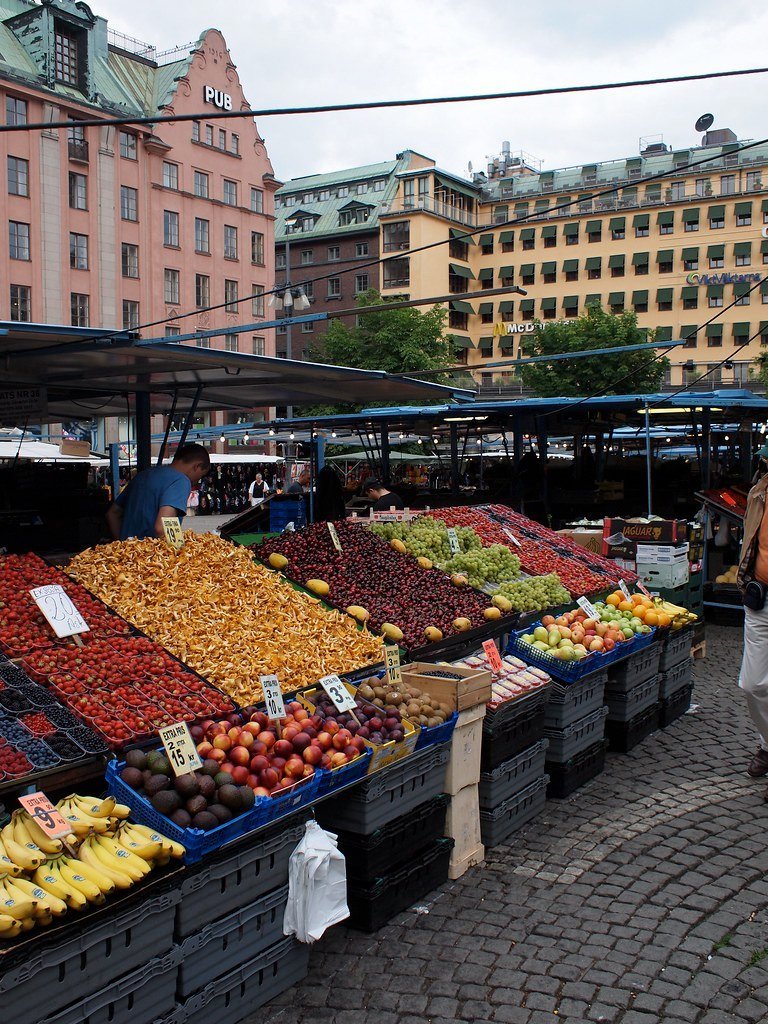
Walk into a European outdoor market and start squeezing tomatoes or sniffing peaches, and you will get a look that could strip paint. In Italy, France, and much of Southern Europe, the vendor handles and selects the produce – that’s the transaction. Customers point to what they want. The vendor chooses it. Reaching over and handling the goods yourself isn’t just seen as unhygienic – it’s genuinely considered rude, and vendors will say something. This is one of those local rules that nobody puts on a travel website, so Americans consistently walk into it cold.
At a supermarket you’ll usually find plastic gloves and bags near the produce scales – use them. At an open-air market, no gloves are provided because touching is simply not expected from the customer’s side of the transaction. Point, smile, let the vendor do their job, and you’ll get better produce anyway – they know which ones are ripe. That market moment reveals a broader pattern running through nearly all 15 of these mistakes, and the next one is the most visually dramatic version of it: the tourist turned away at the door of the place they flew across an ocean to see.
#2 – Skipping the Dress Code for Religious Sites and Then Acting Surprised at the Door

Shorts and a tank top are fine for a walk around the piazza. They will get you turned away from the Vatican, the Hagia Sophia, Notre-Dame, and virtually any active church, mosque, or temple anywhere in the world. This is not a suggestion or a loosely enforced guideline – it is a hard requirement, and security at the world’s most visited religious monuments enforces it daily without apology. The surprised American tourist standing outside the Sistine Chapel in athletic shorts is a scene every local guide has witnessed so many times it stopped being funny.
The solution fits in the bottom of a day bag: a lightweight scarf, a pair of linen pants, anything that covers knees and shoulders. The whole problem costs nothing to solve and about thirty seconds to execute. Being turned away from a site you’ve waited years to visit – because of something that was on the information page you didn’t read – is a specific kind of regret that stays with you. It costs nothing to carry a cover-up. It costs everything not to. But even this mistake isn’t the most universally identifying thing Americans do abroad. That distinction belongs to something far more fundamental – and far harder to see in yourself.
Fast Facts: Religious Site Dress Code Basics
- Knees and shoulders must be covered at virtually every major church, mosque, and temple worldwide
- The Vatican, Hagia Sophia, and most Buddhist temples enforce this at the door – no exceptions
- A lightweight scarf weighs almost nothing and solves the shoulder problem instantly
- Linen trousers or a long skirt fold flat and take up almost no pack space
- Many popular sites sell disposable cover-ups at the entrance – for a markup. Pack your own.
The Savvy Traveler’s Etiquette Quiz
Think you can blend in like a local? Test your knowledge of international customs and avoid the most common behavioral 'tells' that mark Americans abroad.
Think you caught the key details? Take the quick quiz and see how sharp your instincts really are.
#1 – Treating Loud, Eager Friendliness as a Universal Social Currency
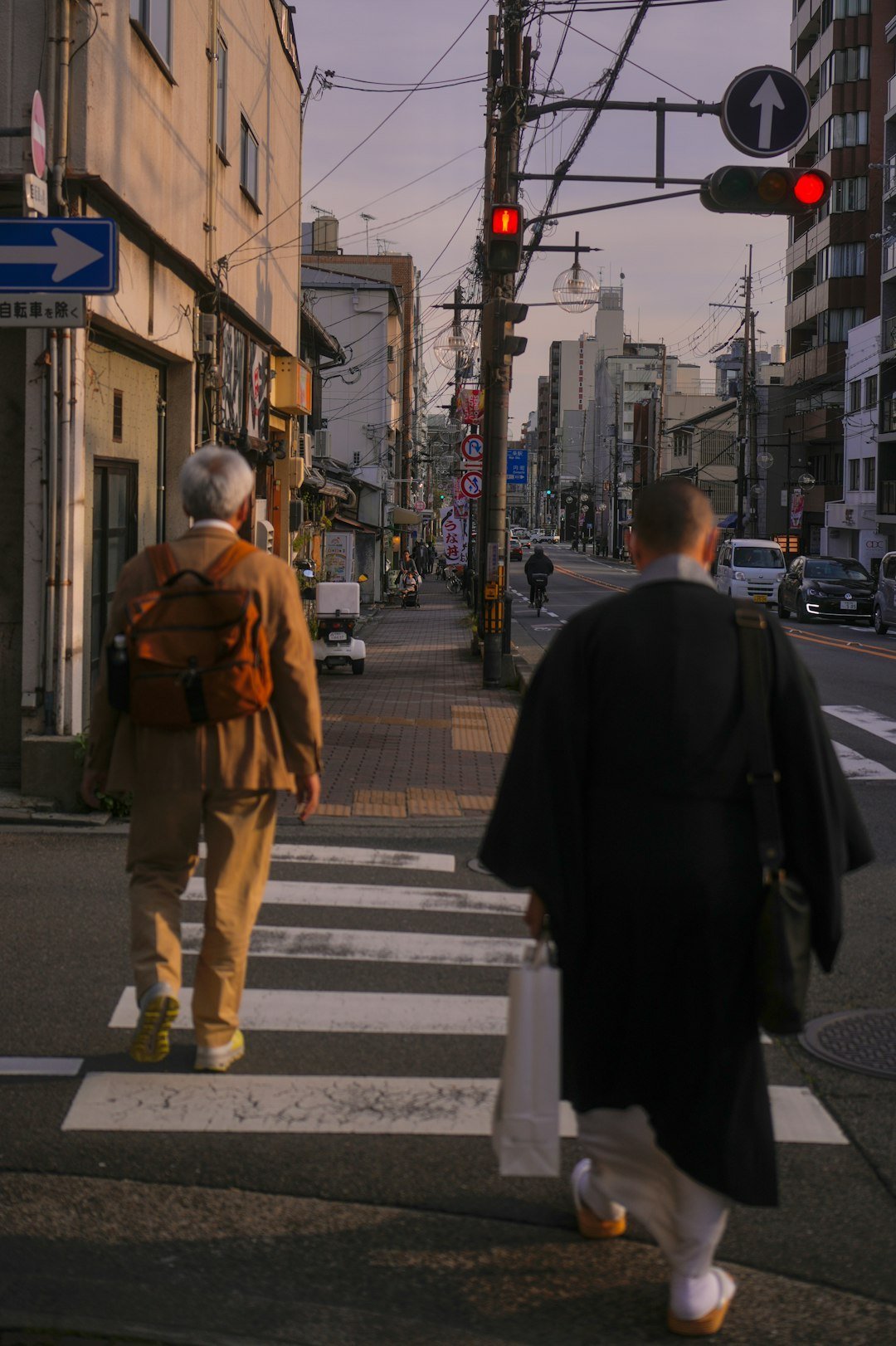
Americans are genuinely some of the friendliest travelers in the world – and that warmth is real, not performance. The problem is that friendliness is culturally coded, and what reads as open and warm in Nashville or Denver can read as intrusive, exhausting, or even suspicious in Stockholm, Tokyo, or Paris. The instinct to strike up a full conversation with a stranger on the train, to ask personal questions within two minutes of meeting someone, to expect the same cheerful warmth from a server in Vienna that you’d get in a diner in Phoenix – that instinct is the single most consistent tell. Across much of Europe and Asia, privacy, understatement, and letting relationships develop slowly are not coldness. They are the social norm.
The travelers who consistently get the warmest reception abroad are the ones who read the room first, match the local energy, and let genuine connection build at its own pace. That’s not a personality change – it doesn’t require becoming someone else. It just requires paying attention. And the irony is sharp: once Americans dial back the performative enthusiasm even slightly, locals almost always open up more than they ever expected. The connection happens – it just happens on a different timeline, and it tends to feel more real when it does.
Every one of these 15 mistakes is fixable with a little awareness, and none of them require you to stop being American. They just require you to stop assuming the world runs on the same operating system as back home. The dress code, the dinner hour, the cappuccino timing, the market etiquette – these aren’t arbitrary rules. They’re windows into how people actually live where you’re visiting. Get those right, and locals notice. They notice in the best possible way.