
You’ve seen the photos a thousand times – glassy turquoise water, empty cobblestone streets, perfectly golden sunsets with nobody in the frame. They make you reach for your credit card. They make you dream. And then you actually go, and somewhere between the three-hour line, the overpriced pasta, and the elbow-to-elbow crowds, it dawns on you: the place is real, but the version you were sold absolutely was not. The gap between the Instagram feed and the lived experience has never been wider – or more expensive to discover firsthand.
Americans are spending thousands chasing scenes that required a drone, a 4 a.m. alarm, and a professional editor to even exist. Some of the destinations on this list are genuinely stunning. A few are legitimately world-class. But between overtourism, inflated prices, and the brutal honesty of real-life visitors, every single one has earned a reputation for looking far better in a feed than in person. A few of the entries will surprise you. At least one has a clinical name for the disappointment. And #1 gets up to 70,000 visitors a day at a fountain you can barely see.
#19 – Niagara Falls, New York: Nature’s Wonder, Surrounded by a Neon Circus
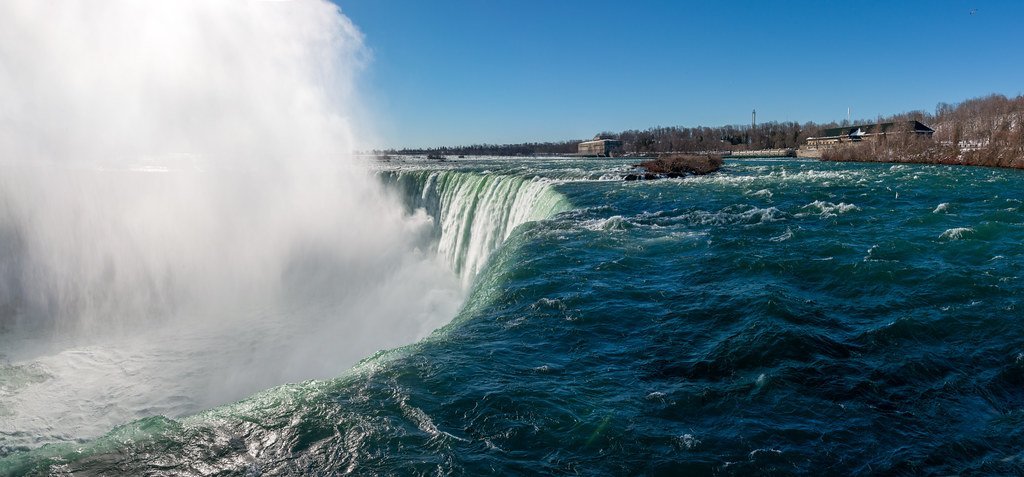
The waterfall itself is undeniably powerful – nobody debates that. What Instagram never shows you is everything surrounding it. Americans and Canadians alike have tried to cash in on the spectacle, and in doing so, the area around the Falls on both sides of the border has become an endless barrage of touristy kitsch. Less of nature’s masterpiece, more of an amusement park without the rides.
Visiting in summer means traffic and crowds that are simply ridiculous, with thousands of people cramming into every nook. And the nearby vicinity isn’t a beautiful natural oasis – it’s Vegas-lite, complete with casino hotels, sketchy souvenir shops, and tacky amusements. The majestic shot you saw online required someone to wake up before dawn and crop out everything within a half-mile radius. But that’s nothing compared to what we found at #18…
Fast Facts
- Niagara Falls straddles the U.S.-Canada border between New York and Ontario
- The Horseshoe Falls on the Canadian side is roughly 10 times wider than the American Falls
- Peak summer crowds routinely push wait times for the Maid of the Mist boat tour past 90 minutes
- Casino hotels on both sides of the border are visible from most viewing areas
- The most-shared Instagram photos are almost always taken from the Canadian side, not the American one
#18 – The Hollywood Walk of Fame, Los Angeles: Stars on the Sidewalk, Chaos Overhead

Every tourist in L.A. pictures a glamorous stroll past the names of legends. The reality? Once you’ve seen those immortalized names on the sidewalk, there’s not much else – just suspect superheroes demanding tips for photos, claustrophobia-inducing crowds, aggressive star-tour salesmen, and a never-ending row of gift shops. The photos on Instagram are always shot tight, low, and from a carefully chosen angle designed to hide all of that.
The hype around the Hollywood Walk of Fame is increasingly failing to match reality, and travelers are catching on fast. A 2025 study found that Fisherman’s Wharf in San Francisco – another heavily photographed California landmark – was labeled a “tourist trap” in over 1,000 visitor reviews, tying for the world’s worst. California’s most Instagrammed street-level attractions have a serious credibility problem right now. But #17 might be the most surprising letdown on this entire list…
#17 – The Hollywood Sign, Los Angeles: The Most Famous Thing You Can’t Actually See Up Close
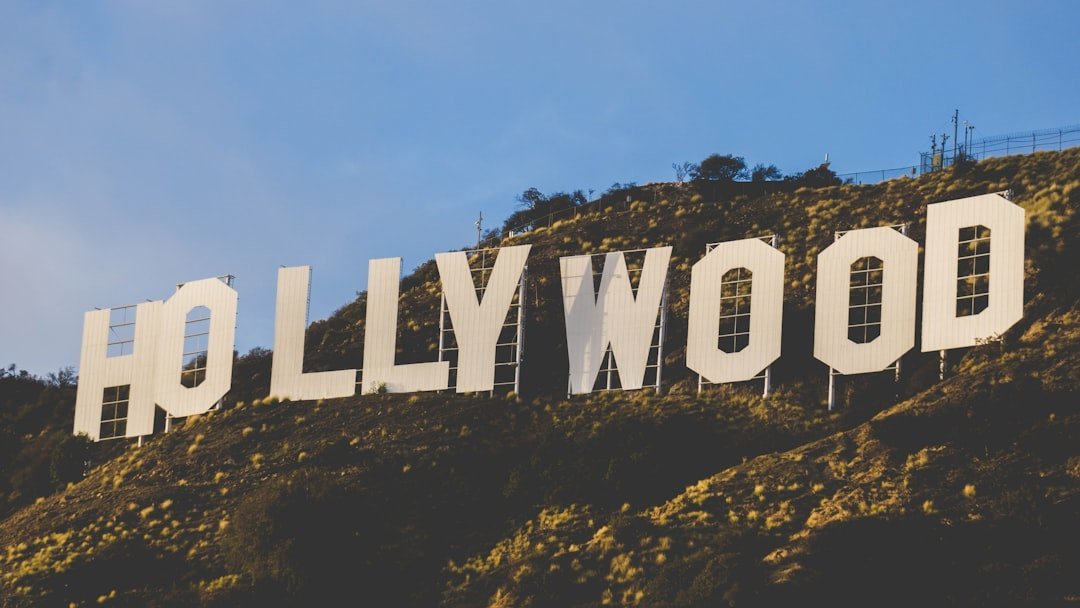
Millions of Americans have the Hollywood Sign on their bucket list. Turns out, the dream hits a hard legal wall. It’s actually illegal to get close to it – the closest you can legally get is a half-mile away. Which means every frame you’ve ever seen of someone posing right next to the giant white letters? Not available to the average tourist.
Getting even that close requires battling two to four hours of traffic, a chaotic mess of tour buses, and a rather unspectacular hike through Beachwood Canyon. The iconic image that billions of people associate with fame and glamour is, in person, a distant cluster of white letters on a scrubby hillside – best viewed, ironically, from a car on the freeway. You’ll spend more time in traffic than actually looking at it. But the disappointment at #16 is a different kind of letdown entirely – one that hits Americans especially hard because of the money involved…
#16 – The Maldives: Paradise That Costs a Fortune and Delivers a Very Small Island
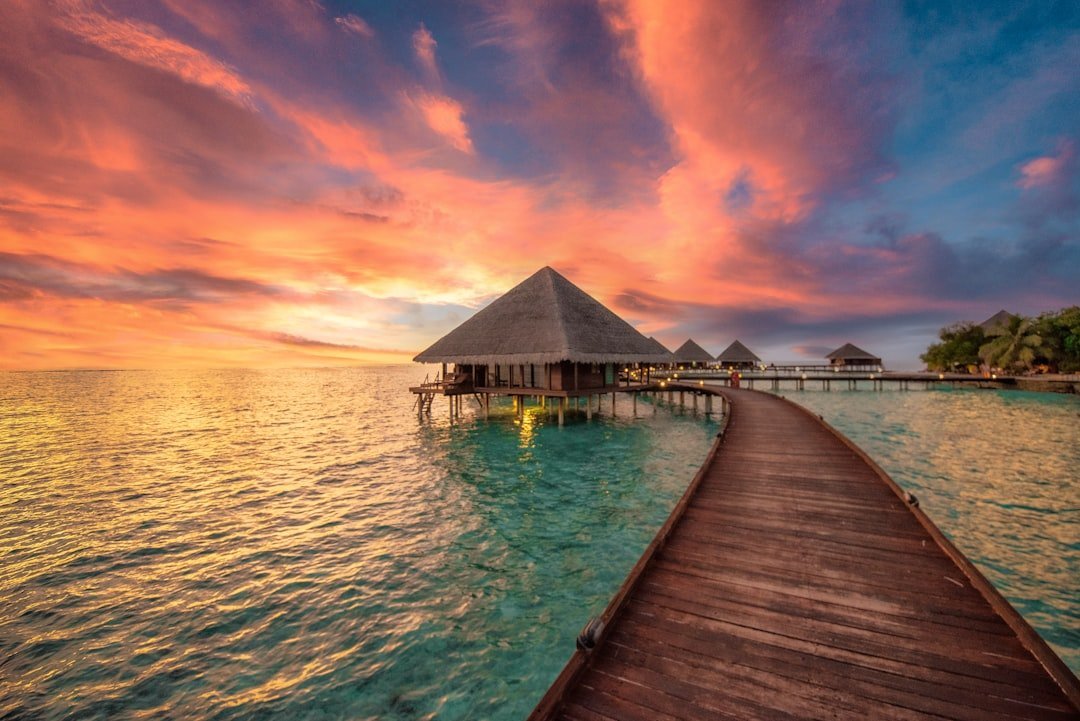
The overwater bungalows are real. The water really is that blue. Nobody’s arguing with the photos. The problem is everything the photos leave out. Unless you have serious money, it’s a tough sell – you’re paying premium prices to be stuck on a tiny resort island with nothing to do except swim and lie on the beach. Every meal is expensive. Every drink is expensive. Every activity is expensive. And you literally can’t leave without paying for a boat transfer to another resort island.
All-inclusive resorts run anywhere from $333 to $2,000 per night. Each resort occupies its own private island, trapping you with limited dining options. Getting there requires long-haul flights plus seaplane transfers. The country also faces severe environmental threats from rising seas, and coral bleaching has damaged many of the reefs that made the destination famous in the first place. The photos deliver. The bank account and the actual experience, considerably less so. But #15 has been deceiving Americans for decades – and it’s a lot closer to home…
At a Glance
- Nightly cost: $333–$2,000+ at overwater bungalow resorts
- Getting there: Long-haul international flight + domestic flight or seaplane transfer
- What’s missing from the photos: Transfer fees, limited dining, no off-resort access without a boat
- Environmental reality: Coral bleaching has visibly degraded many of the reefs seen in promotional images
- Fine print: Some atolls sit barely above sea level, and climate-driven flooding is increasingly common
#15 – Times Square, New York City: The Most Stressful Tourist Trap on the Planet
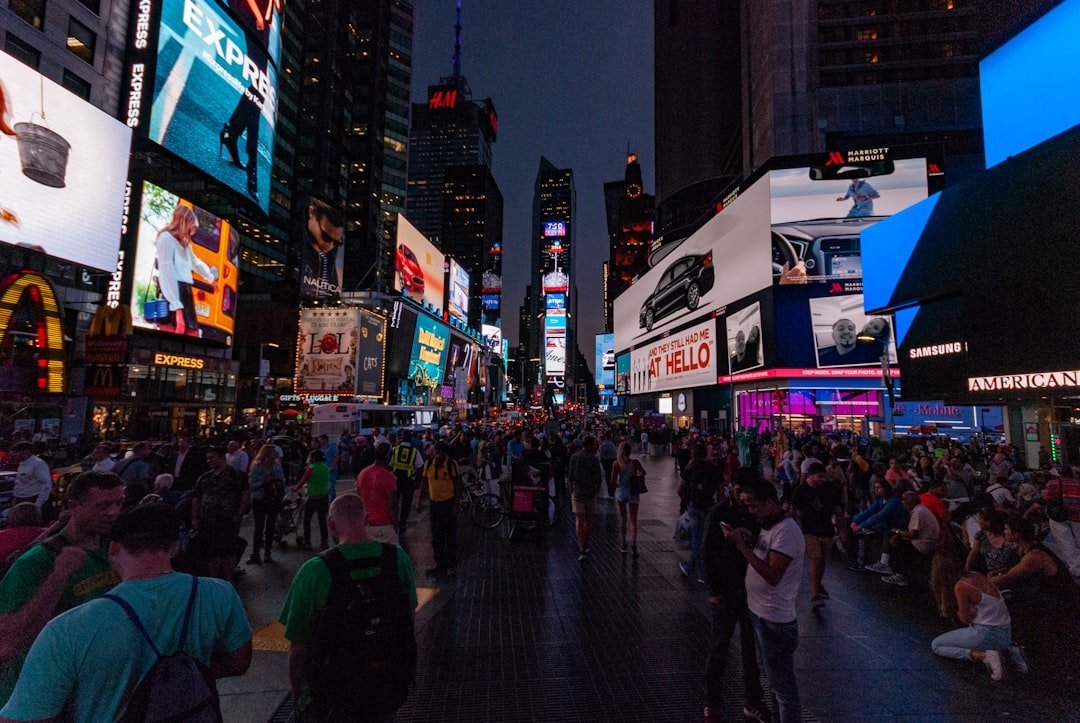
Times Square looks electric on Instagram – a glowing canyon of light and color that feels like the very pulse of New York City. Turns out, that energy is mostly anxiety. Research tracking online reviews found Times Square cited as one of the world’s most consistently disappointing attractions, with travelers describing it as stressful, overcrowded, and underwhelming. You stand in a glowing canyon of screens, pay premium prices for chain-restaurant meals, and go home with photos that look identical to millions of others.
The cruel irony is that Times Square is genuinely one of the most photogenic places in the world. The problem is experiencing it in person – aggressive vendors, costumed characters charging for photos, crushing holiday crowds, and an overall atmosphere that feels engineered for the camera rather than for the actual human beings standing in it. New Yorkers themselves almost never go there by choice. If you think that’s bad, wait until you see what’s happening at #14 on cruise-ship days…
#14 – Dubrovnik, Croatia: The “Game of Thrones” City That Got Loved to Death
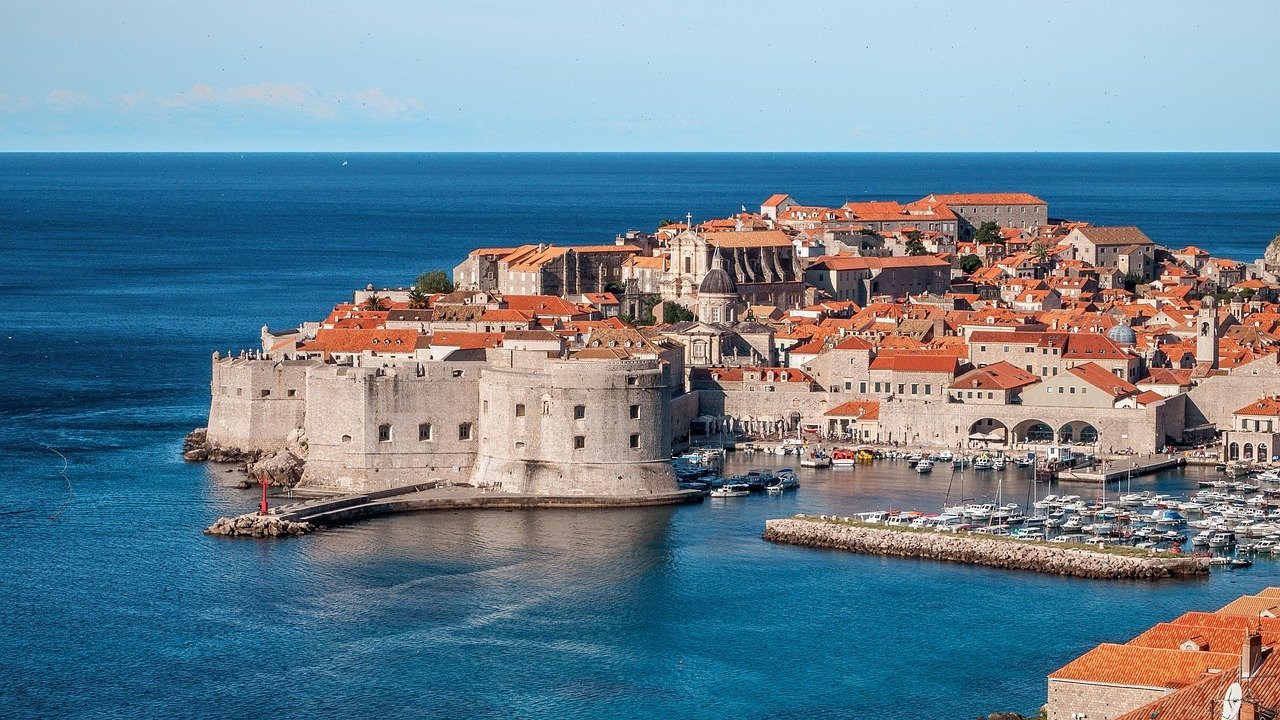
Before HBO put Dubrovnik on the global map, it was a manageable, breathtaking walled city on the Adriatic. Then the cameras rolled and the tourists came – and kept coming. In 2024, Dubrovnik welcomed 12.5% more tourists than its previous record year of 2019. The city has only 41,562 permanent residents but absorbed 1.35 million visitors – more than 32 tourists for every single local. Travelers now warn each other about cruise-ship days when the walled Old Town becomes so packed that walking its main street feels like shuffling through a stadium concourse at halftime.
The situation got bad enough that the city began limiting visitors to its historic center to preserve its cultural heritage. Stradun, the main thoroughfare of the Old Town, became so thick with humanity that the street had to be divided in half – pedestrians filing one direction on one side, the other direction on the other, with barely any room to cross or turn around. The Instagram version looks like a medieval fantasy. The reality in peak summer looks more like a fire drill. But the Italian city at #13 has the same problem, with roughly 30 million visitors a year making it nearly unlivable for the people who actually call it home…
The Reality Check: Instagram vs. Real Life
Think those viral travel photos tell the whole story? From hidden fees to crushing crowds, test your knowledge on the gap between the 'gram' and the actual experience at the world's most famous landmarks.
Think you caught the key details? Take the quick quiz and see how sharp your instincts really are.
#13 – Venice, Italy: A Floating City Drowning in Its Own Tourism
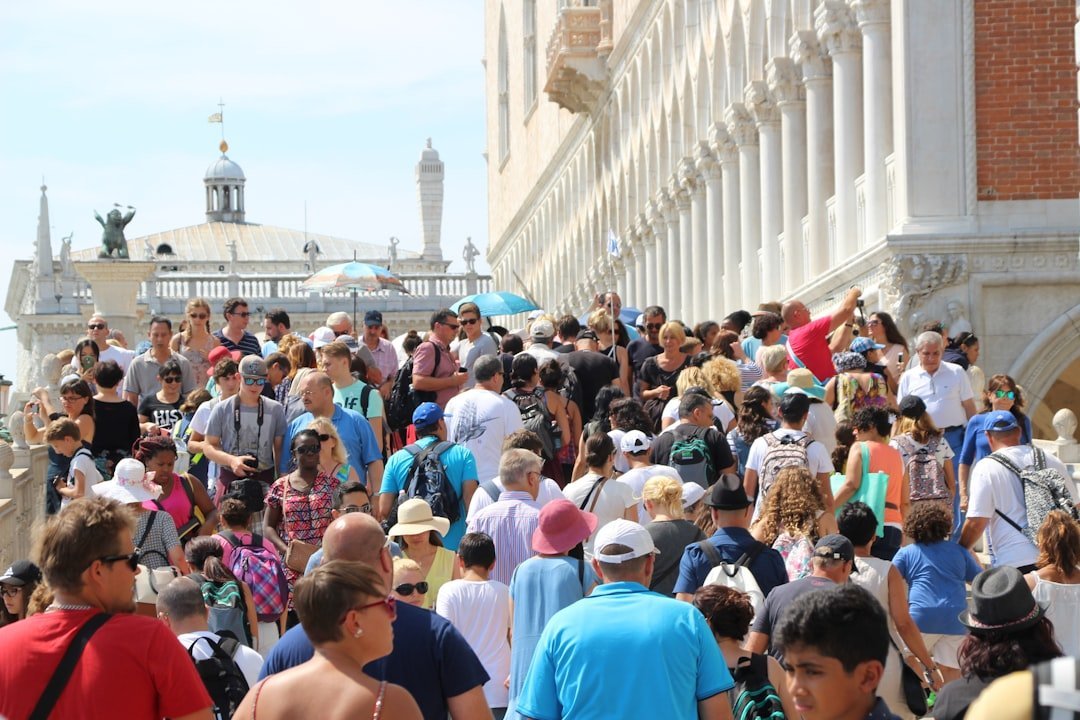
Venice is one of the most photographed cities in the world, and honestly, the photos aren’t lying – it is extraordinary. The gondolas, the canals, the Renaissance architecture. It’s all real. What’s also real is the chaos that comes with being one of the most overwhelmed destinations on earth. A city of gondolas and hidden alleyways has become a floating gridlock of selfie sticks and overpriced pasta, with cruise ships dumping thousands of visitors at once onto streets that weren’t built for it.
Venice absorbs roughly 30 million visitors annually against a local population that has been shrinking for decades. Skyrocketing prices for housing and basic necessities have pushed long-time residents out of the city center entirely – Venice is now essentially a theme park that used to be a city. The magic you see in photographs still exists in the quiet corners. But you’ll have to fight through a river of selfie sticks to find it. And speaking of places that photograph beautifully but surprise you with an ugly reality, #12 has one of the most documented disappointment records we found anywhere…
Quick Compare: Venice vs. What You Actually Get
- Instagram: Quiet canal at golden hour, gondolier, zero other people
- Reality: Gridlocked vaporettos, cruise ship crowds, €18 espresso near the Rialto
- Instagram: Serene Piazza San Marco at dawn
- Reality: Flooded pavement, pay-to-walk raised boardwalks, wall-to-wall selfie sticks by 9 a.m.
- The catch: Venice introduced a day-tripper entry fee in 2024 – and the crowds still came
#12 – Cancún, Mexico: 9.7 Million Visitors Can’t All Be Wrong, But Many Are Disappointed

Cancún’s turquoise water and white sand beaches are legitimately gorgeous on Instagram. The hotel zone looks like paradise from above. But the numbers behind the gloss are sobering. There were over 9.7 million international arrivals in Cancún in 2024 – more than double Mexico’s second-biggest travel destination, Mexico City. A 2025 study by Radical Storage analyzed nearly 100,000 Google reviews of the world’s most-visited cities and found that 14.2% of Cancún’s reviews were negative – the highest of any city analyzed. And that’s before you factor in the sargassum: in 2025, nearly 85,000 tonnes of the foul-smelling brown seaweed washed ashore – double what arrived in 2024.
The flood of visitors makes for overcrowded beaches and an overburdened city where upselling is the norm. The hotel zone is a wall of all-inclusive resorts that could genuinely be anywhere in the world – the cultural authenticity that the Instagram posts imply simply doesn’t exist there. Many Americans arrive expecting a Mexican paradise and find a Caribbean version of a Vegas strip. The beaches in the photos are real. The version waiting for you in July? Considerably less so. But at #11, the disappointment is less about crowds and more about the jaw-dropping contrast between legend and a very, very small rock…
#11 – Plymouth Rock, Massachusetts: The Most Anticlimactic Monument in America

Every American learned about Plymouth Rock in school. It’s the legendary spot where the Pilgrims stepped off the Mayflower in 1620. It has to be massive, right? Historical. Imposing. What you actually find is a smaller-than-you-ever-imagined, craggly hunk of stone with a crack in it, sitting in a pit, surrounded by a cage, surrounded by disappointed tourists. The story is fascinating. The act of seeing the rock itself is genuinely, almost comedically underwhelming.
Historians note that the rock wasn’t even officially associated with the Pilgrim landing until more than a century after it happened – the connection was made by a 94-year-old man recalling a childhood story, and the legend grew from there. You’re essentially looking at an ordinary boulder that got extraordinarily good PR. Every “Instagram vs. reality” comparison for Plymouth Rock is identical: the photo makes it look significant, the reality makes you feel cheated. What’s waiting at #10 is on a much grander scale – but the gap between the image and the in-person experience is just as jarring…
#10 – Santorini, Greece: 3.4 Million Tourists Fighting for the Same Sunset Shot
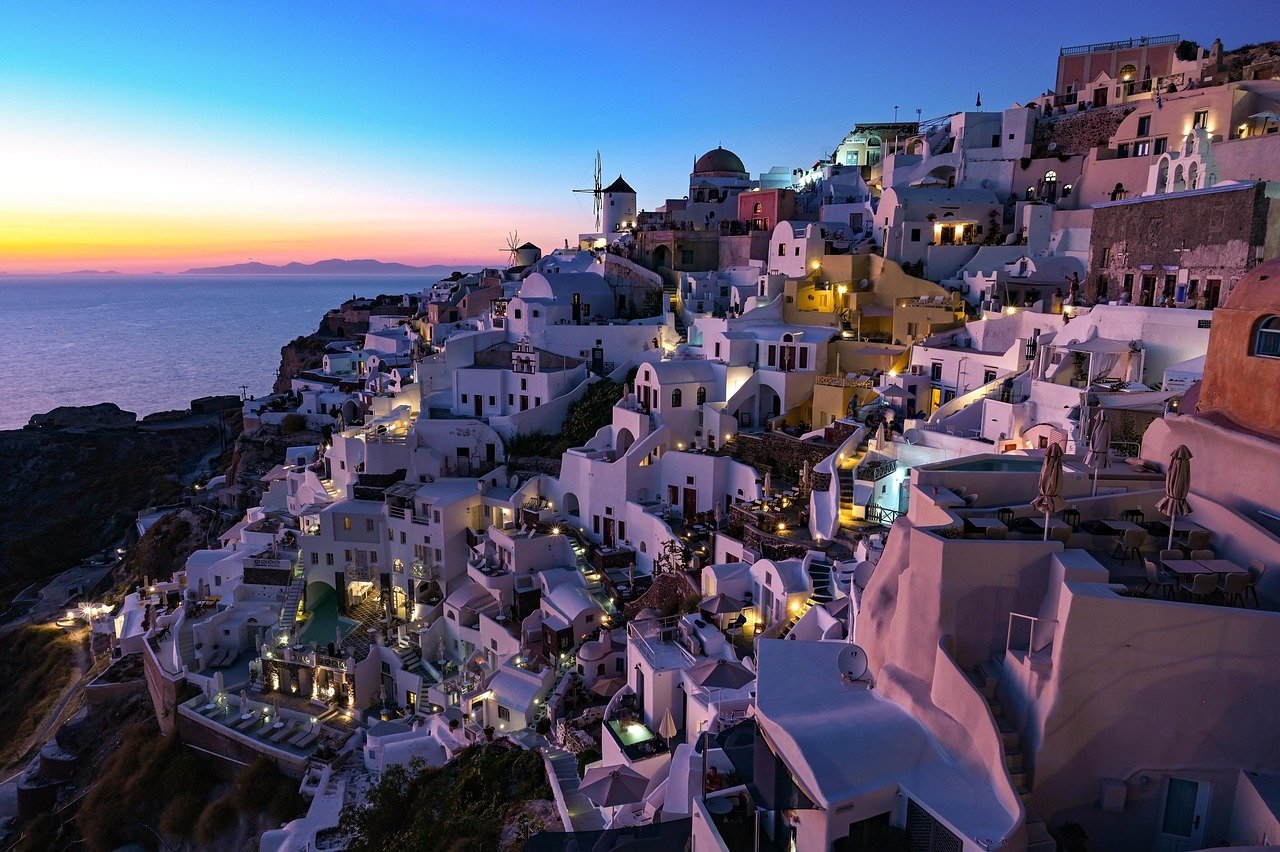
If Instagram had a capital city, it would be Santorini. The white-washed buildings, the blue domes, the caldera views – the platform has over 8 million posts tagged #santorini. Visitor numbers started sharply climbing right around 2013, when Instagram hit widespread adoption, reaching 3.4 million tourists in 2023. In Santorini’s Oia, the blue-domed churches that launched a thousand honeymoon posts are now surrounded by crowds staking out spots hours before sunset – phones raised, elbows out, no apologies.
#9 – Bali, Indonesia: Instagram Built a Theme Park Out of a Real Place
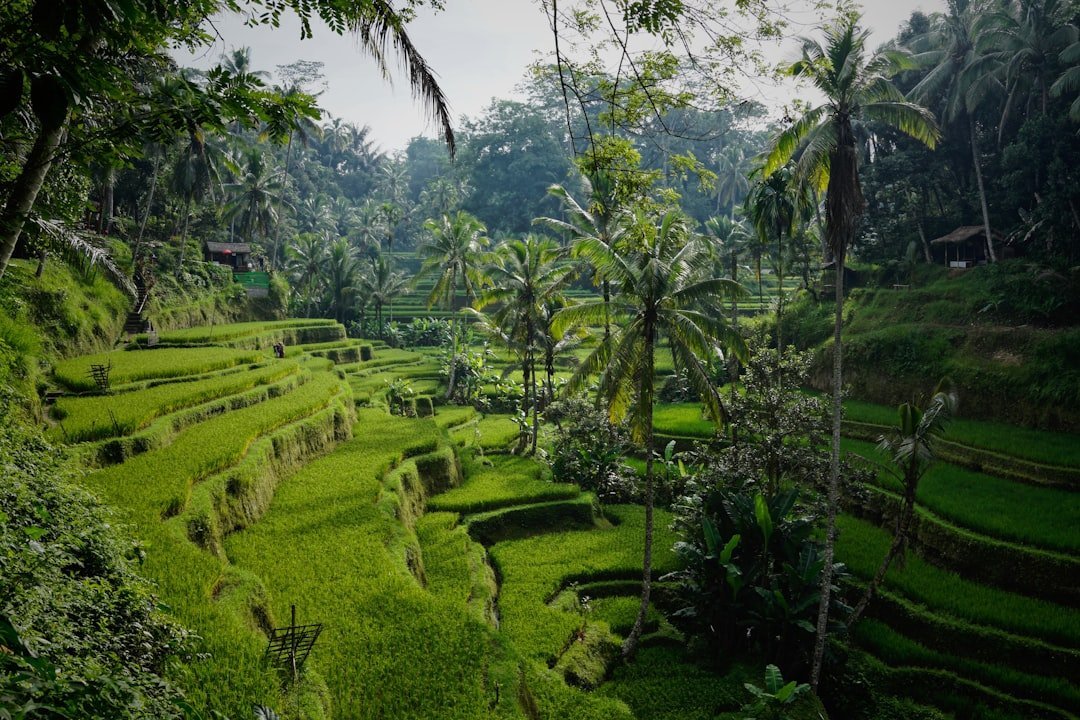
Bali used to be a genuinely magical destination – lush rice terraces, ancient temples, a spiritual culture unlike anywhere else on earth. Then the algorithm found it. Travel surveys and reviews from the past two years consistently place Bali near the top of “overrated” and “Instagram vs. reality” lists, with the same complaints repeating: traffic, crowds, and an economy increasingly tilted toward manufactured photo ops over real experiences. Almost every cafe and villa now offers some curated shot – “Most Instagrammable Brunch,” “Iconic Swing Experience,” “Bali’s Number One Floating Breakfast.”
The famous Tegallalang Rice Terraces, presented online as a serene emerald amphitheater, appear in reality through a tangle of tour buses, scooters, and hand-painted signs pointing to pay-to-enter photo points. The beauty of Bali is still real. But the hype on social media has thoroughly overshadowed the less glamorous aspects – the traffic, the persistent vendors, the sense that the place has been optimized for your camera roll rather than your experience. Bali didn’t lose its beauty. It just monetized every inch of it, and forgot to leave room for the actual moment. #8 is an American domestic favorite that many travelers openly call the most anticlimactic road trip in the country…
#8 – Mount Rushmore, South Dakota: A Very Long Drive to See Smaller Faces Than You Expected
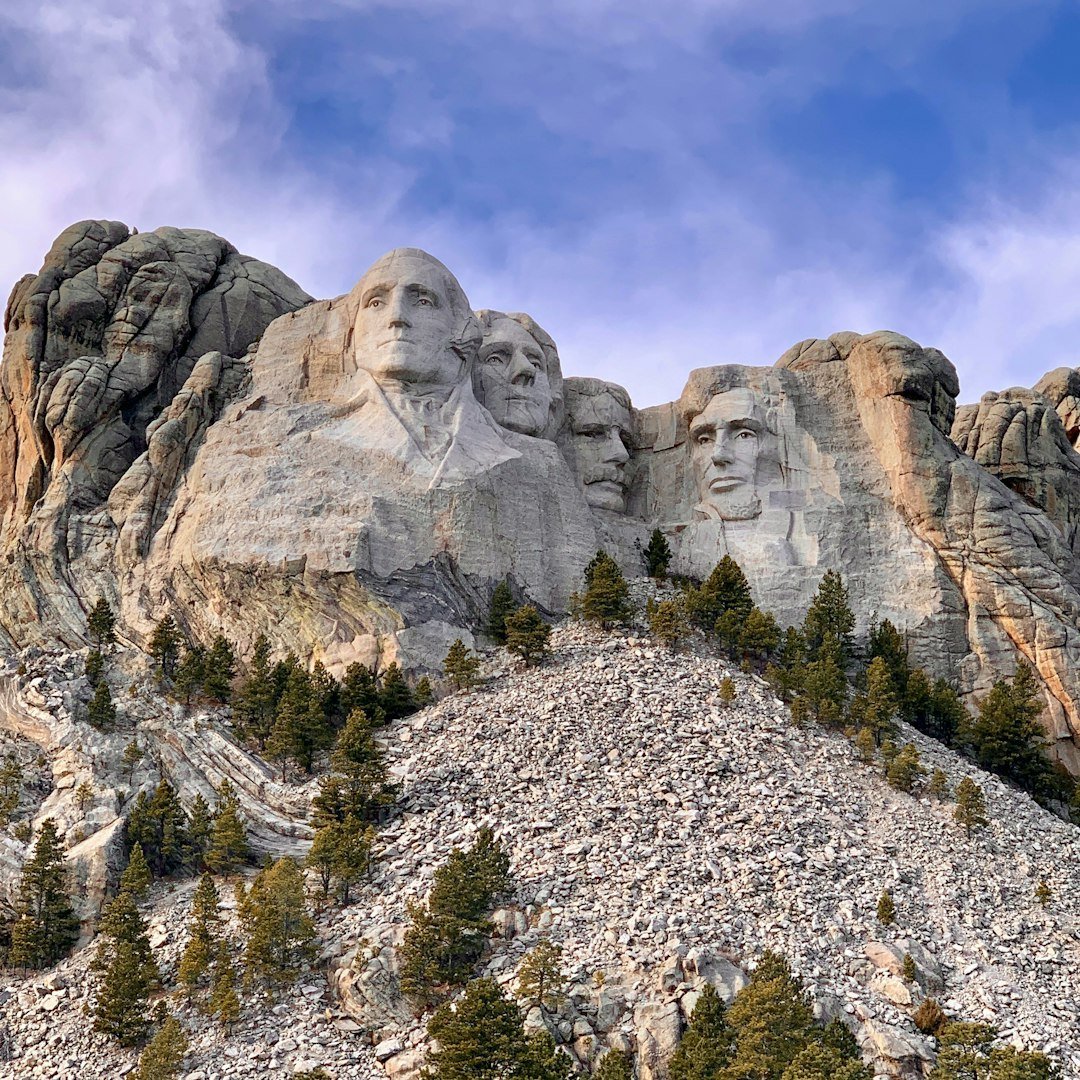
The photos of Mount Rushmore are genuinely striking – four presidents carved into a granite mountain, monumental in ambition, unmistakable in scale. What the photos don’t capture is the long drive through remote South Dakota required to get there, or what it actually feels like to stand in front of it. Visitors repeatedly describe it as smaller and less impressive in person than expected, and it consistently appears on lists of America’s most disappointing tourist spots, with complaints about the trek, the entry fees, and the surprisingly limited viewing angles.
More than two million people make the pilgrimage each year, peaking in summer when the crowds are worst. The problem is that you drive a long way out of your way to the middle of nowhere, the novelty wears off in minutes, and the scale is just not what decades of American mythology prepared you for. Americans have been sold on Mount Rushmore’s grandeur since childhood. The monument is real; the scale of disappointment upon arrival is equally real. But wait until you hear what Americans say about #7, where the disappointment is architectural, aspirational, and very, very expensive…
#7 – Tulum, Mexico: A Boho Paradise That Priced Out Its Own Soul
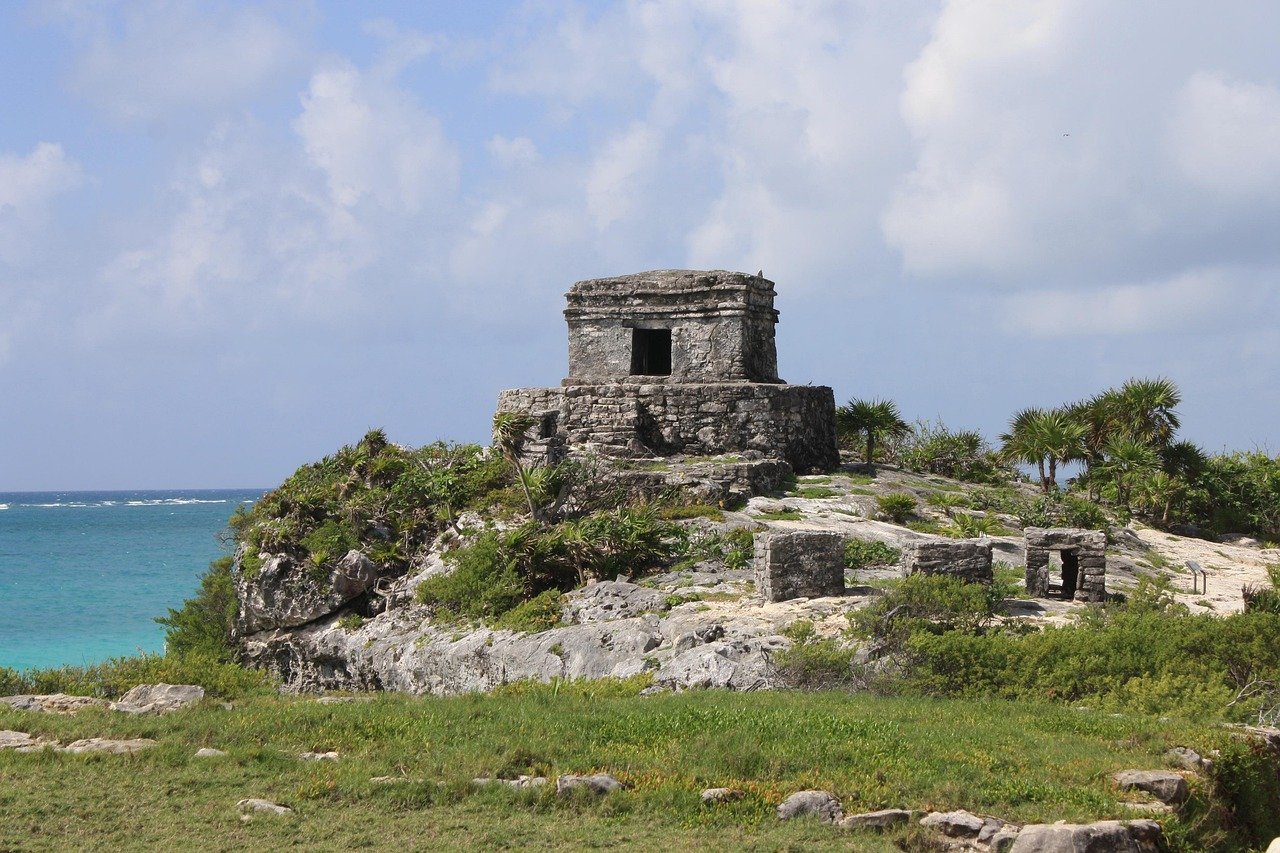
Tulum’s Instagram presence is arguably the most aspirational of any beach destination in the Americas – cenotes glowing with turquoise light, bohemian beach clubs draped in fairy lights, jungle ruins overlooking the Caribbean. The reality? Tulum is experiencing a full-blown identity crisis. What started as a backpacker haven transformed into a luxury destination over roughly a decade. Exclusive beach clubs now charge $20-plus for access to beaches that used to be free. Boutique hotels push $300 to $500 per night. The town struggles with congestion, limited public beach access, and accelerating environmental degradation.
Hotel occupancy in Tulum dropped to 49.2% in September 2025, compared to 66.7% the previous year, while nearby Cancún and Bacalar stayed above 65%. The problem isn’t lack of interest – it’s uncontrolled overdevelopment that gutted the authenticity the destination was originally celebrated for. The cenote photos are still real. But getting to them now involves navigating a destination that sold its soul to the algorithm and forgot what made people fall in love with it in the first place. Tulum noticed. Travelers are noticing too. But #6 is a case where an entire continent’s most beloved city has a documented psychological syndrome named after the disappointment of visiting it…
#6 – Paris, France: There’s Actually a Clinical Name for the Disappointment
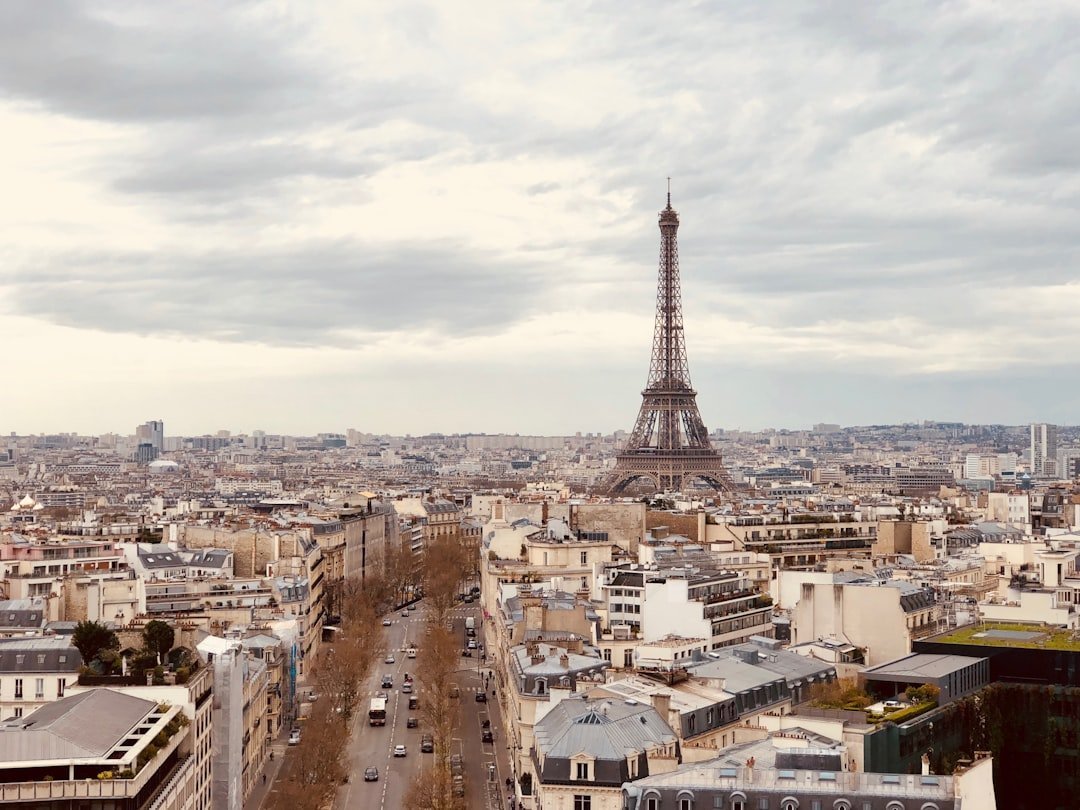
Paris is the most photographed city in the world. The Eiffel Tower, the Seine, the café terraces – it all looks exactly as magical as advertised, which is precisely the problem. The phenomenon even has a name: Paris Syndrome – an extreme sense of disappointment experienced by visitors who built expectations around a city of pure romance, fashion, and effortless beauty, then arrived to find a loud, imperfect, working metropolis of over two million people. Long queues at the Eiffel Tower, aggressive pickpockets near major attractions, and the grinding reality of a major European city have dampened more than a few carefully planned romantic trips.
Paris is always a good idea.
Audrey Hepburn
Maybe. But an unscientific survey of viral travel content reliably turns up rats on the streets of Paris as a recurring “Instagram vs. reality” moment that genuinely shocks first-time visitors. The broader truth is that Paris can also be extraordinary – it’s just that the version Americans have been sold by Instagram, film, and decades of cultural mythology almost never survives first contact with reality intact. What’s at #5 might be the most visually deceptive destination on earth, with an entire city built to make sure you never look past the surface…
#5 – Dubai, UAE: All the Flash, With Complications Nobody Posts About
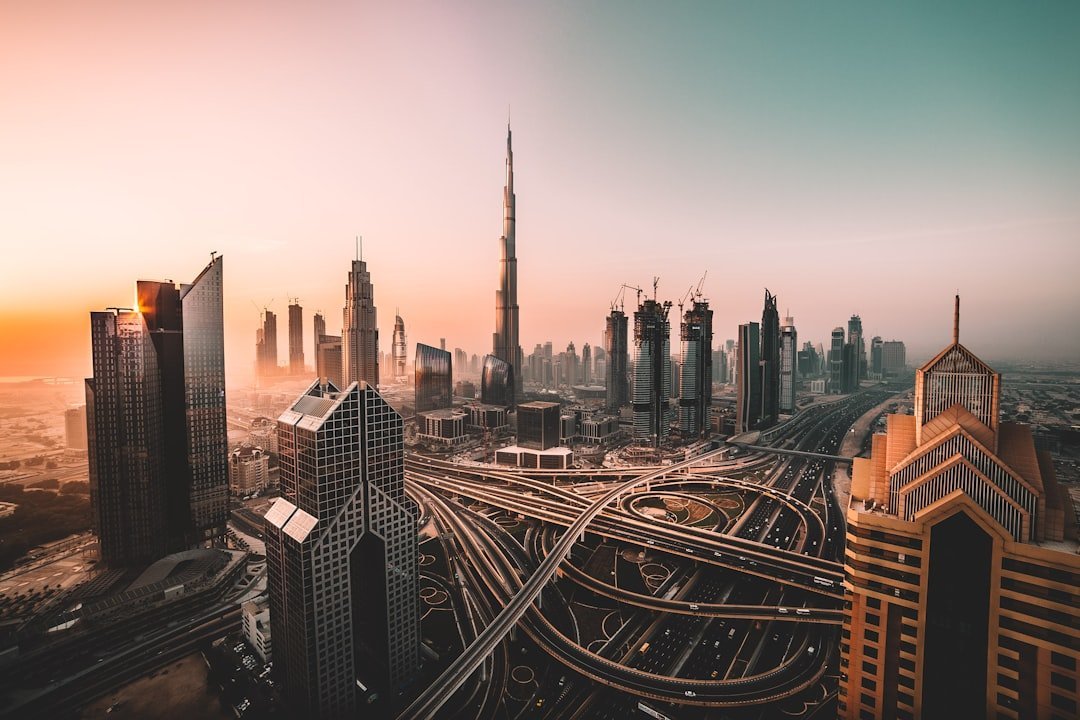
Dubai’s Instagram presence is practically its own economy – the Burj Khalifa, the indoor ski slope, the man-made islands, the supercars. It’s a city engineered from the ground up for maximum visual impact. The glitzy skyscrapers, luxury shopping malls, and extravagant lifestyle portrayed on social media paint Dubai as the ultimate playground for the aspirational traveler. What those photos reliably skip: soaring temperatures that regularly exceed 110°F outdoors in summer, a stark wealth divide that exists just off-camera, and cultural restrictions that can genuinely catch American tourists off guard mid-trip.
Complaints about Dubai center on crushing queues at major attractions and overcrowded observation decks where tourists spend hours in line only to find more crowds at the top. Ticket prices are widely seen as excessive relative to the actual experience, and multiple recent studies have confirmed a significant “Hype Gap” between online buzz and real visitor satisfaction. The city is spectacular to photograph from the right angles and the right altitude. The outdoor reality in July is another story entirely. But #4 is a destination where Americans are literally standing in line to photograph something they’ll never be allowed to touch…
Why It Stands Out (For the Wrong Reasons)
- Outdoor temperatures regularly exceed 110°F from June through September – most of peak travel season
- Alcohol is legal in licensed venues, but public behavior laws differ sharply from U.S. norms and can surprise first-timers
- The Burj Khalifa observation deck sells out days in advance; walk-up tickets cost significantly more
- The “Palm Jumeirah” islands look spectacular from the air – at street level, they’re largely residential with limited public access
- Most outdoor Instagram backdrops are only comfortable to stand in for about 5 minutes in summer
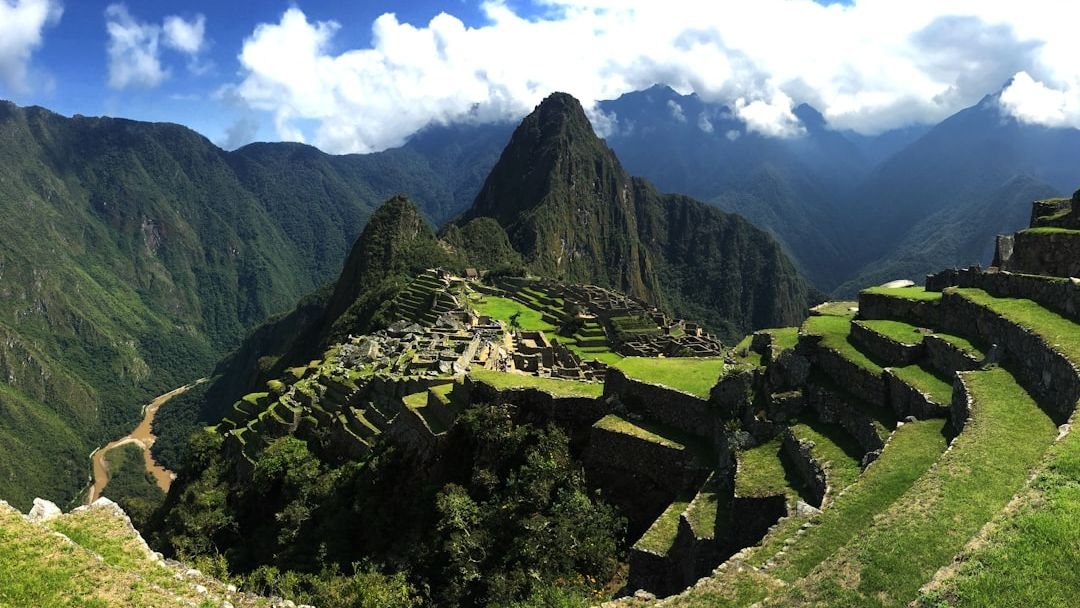
#4 – Machu Picchu, Peru: The Bucket-List Climb That Tests Body, Wallet, and Patience
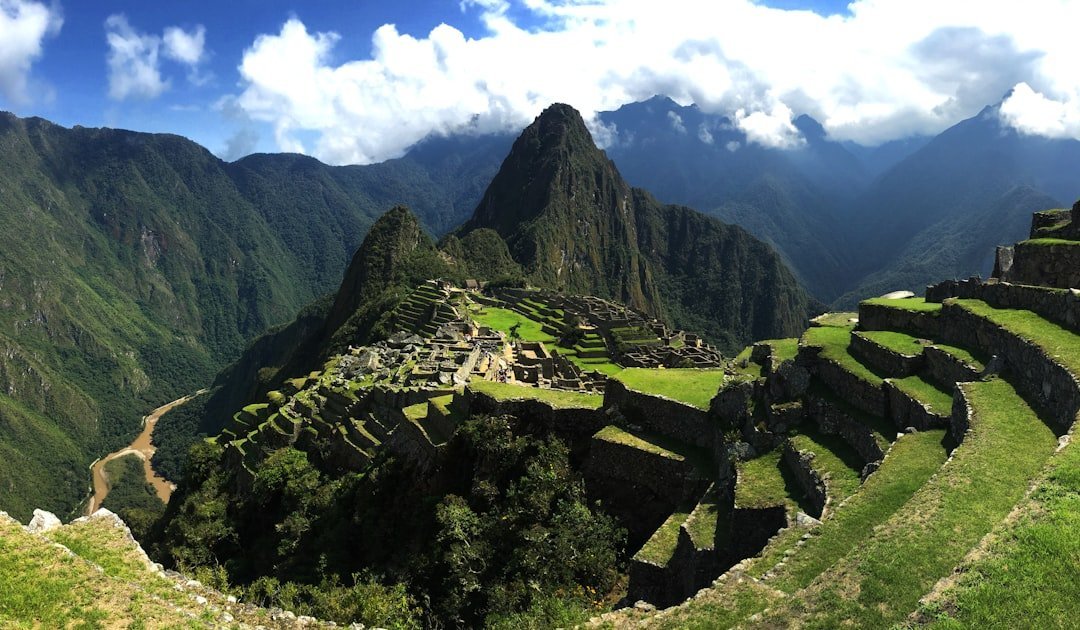
Machu Picchu might be the most universally shared travel photo in history – the ancient Incan citadel rising dramatically above the clouds. It’s a genuine wonder of the world, full stop. But the gap between the serene, misty Instagram version and the actual logistics of getting there is enormous. Getting to this Peruvian citadel involves extensive advance planning, arduous travel, and the very real physical challenge of high-altitude terrain that can sideline unprepared visitors within hours of arrival.
Peru now strictly limits daily visitor numbers, requires timed entry tickets purchased weeks or months in advance, and mandates one-way routes through the site. Spontaneous visits are essentially impossible, and during peak seasons, the citadel is still wall-to-wall with people despite the caps. The photo that made you book the trip required a 4 a.m. wake-up, a two-hour bus ride up a switchback mountain road, and likely some altitude sickness medication. The wonder is absolutely real. The exhaustion and the planning burden that nobody in the Instagram post mentions? Equally real. And #3 might be the most honest “Instagram vs. reality” story of all, because the photos have been lying about what’s worth your time for decades…
#3 – The Leaning Tower of Pisa, Italy: Thirty Minutes and You’ve Seen Everything
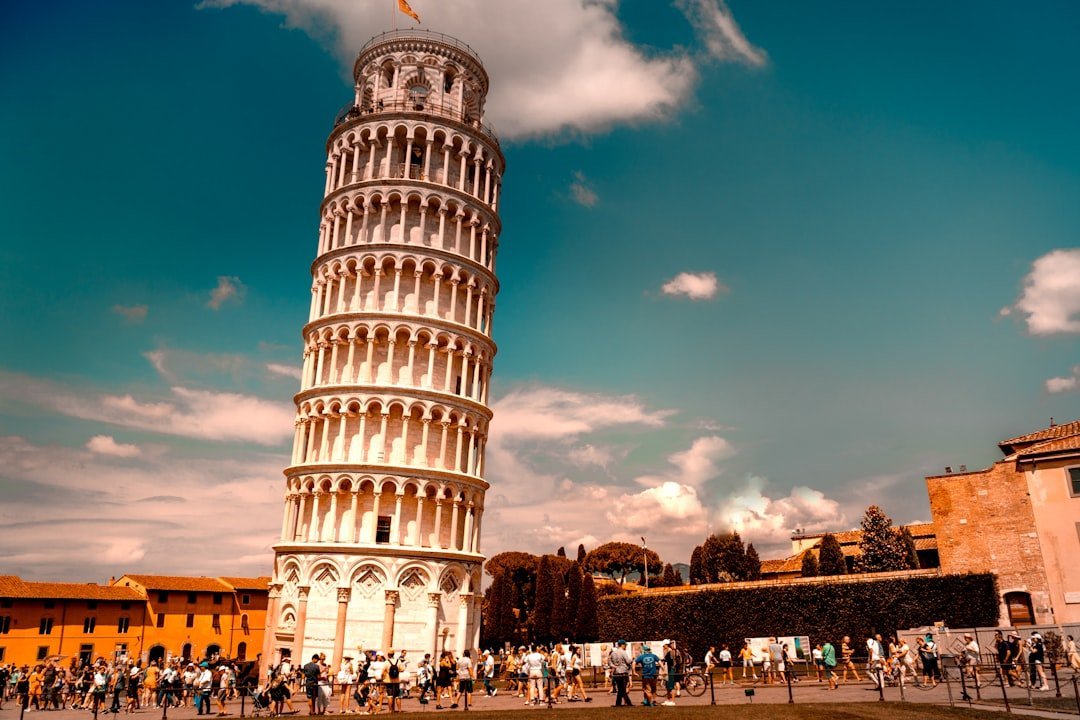
The Leaning Tower of Pisa is one of the most photographed structures in the world, with millions of tourists making the trip specifically to get that one photo of themselves “holding up” the tower. Here’s what those photos don’t tell you: it’s a tower, it leans, you take the obligatory pose, and then you’re done. The entire experience takes about thirty minutes, including the line. There is genuinely nothing else to do once you’ve gotten the shot.
The rest of Pisa is just a normal Italian city with far more tourists than it can comfortably handle – not particularly charming, not particularly interesting, existing primarily to service people coming to photograph the tower. Meanwhile, Florence is forty-five minutes away. Lucca is even closer. Both are stunning, full of things to actually do and see, and worth spending real time in. Americans routinely build an entire day – or more – around Pisa. Travel veterans almost universally recommend treating it as a brief stop on the way somewhere better. But #2 is an American institution that has become so commercialized, it’s created a uniquely painful version of a letdown…
#2 – Niagara Falls’ American Side: The Canadian Side Has a Better View, Full Stop
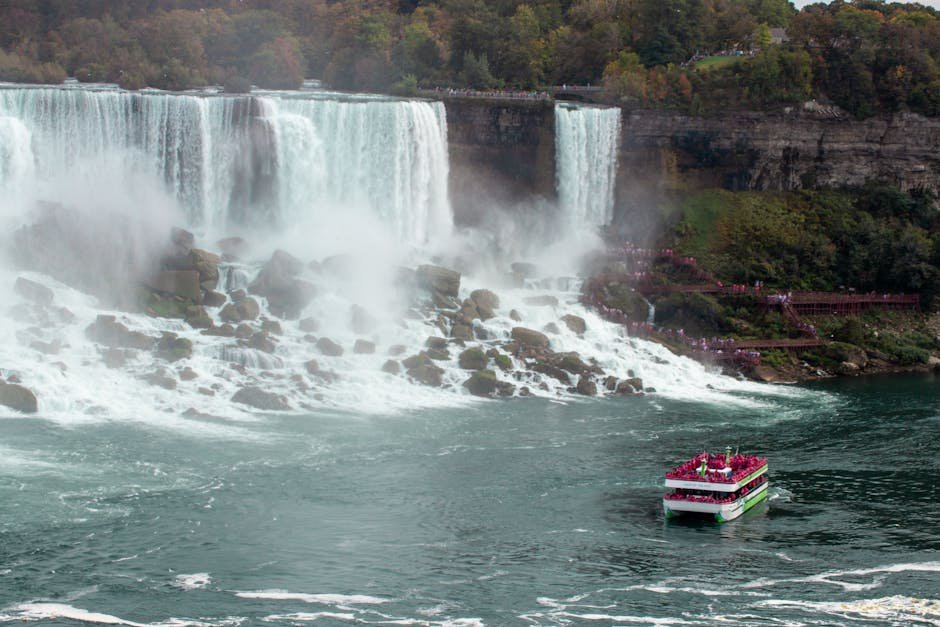
This one deserves its own entry because it’s uniquely American and uniquely misunderstood. The iconic Instagram version of Niagara Falls – that roaring curtain of water filling the entire frame – is taken almost exclusively from the Canadian side of the border. Americans who make the trip specifically to the U.S. side often realize this only after they arrive, finding themselves looking at the falls from a distinctly less dramatic angle, with a commercialized boardwalk and far weaker vantage points than they’d imagined.
The American side’s visitor experience has long been considered the inferior version of what is, undeniably, a spectacular natural wonder. A tourist trap is classically defined as a place that is overhyped, overpriced, or overcrowded – and the worst ones deliver all three simultaneously. Niagara Falls’ American side, according to decades of consistent traveler reviews, hits that trifecta reliably. The falls are powerful and absolutely worth seeing. Just see them from the right country. And then there’s #1 – the destination with the most hype, the most reviews, and the most consistent pattern of leaving visitors staring at the backs of strangers’ heads…
The Reality Check: Instagram vs. Real Life
Think those viral travel photos tell the whole story? From hidden fees to crushing crowds, test your knowledge on the gap between the 'gram' and the actual experience at the world's most famous landmarks.
Think you caught the key details? Take the quick quiz and see how sharp your instincts really are.
#1 – The Trevi Fountain, Rome: Up to 70,000 Visitors a Day at a Fountain You Can Barely See
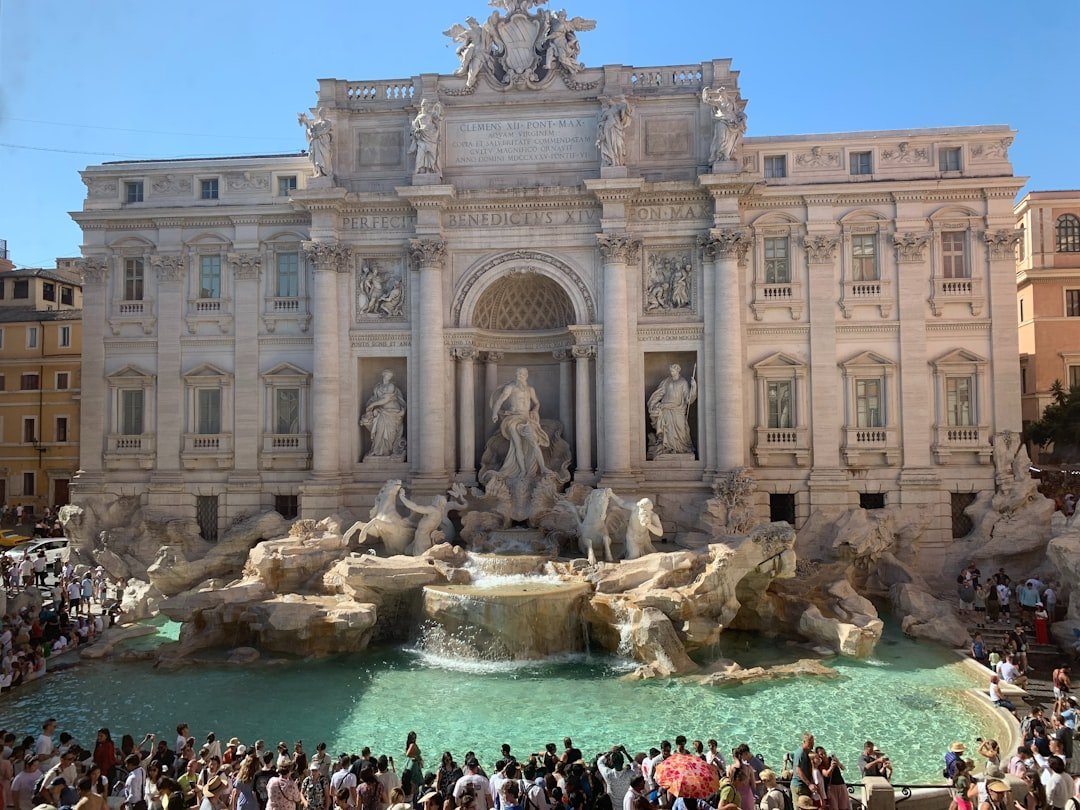
The Trevi Fountain is perhaps the single greatest example of Instagram versus reality in travel history. Every photo you’ve ever seen shows it in magical, movie-set lighting – often with just one or two people tossing coins into shimmering water, the entire baroque masterpiece reflected in perfect stillness. In 2025 alone, more than 10 million people visited the fountain, with daily peaks reaching around 70,000 during the busiest periods, according to Rome’s mayor. The crowds grew so damaging – literally, biologically – that Rome capped close-up access at 400 people at a time and, in February 2026, introduced a €2 entry fee to approach the basin where visitors traditionally stand and toss their coin.
Getting a real glimpse – let alone a photo – requires patience and persistence through shoulder-to-shoulder crowds, while the surrounding streets are packed with overpriced restaurants and shops engineered specifically to capture tourists who have nowhere else to stand. The Trevi Fountain is genuinely beautiful. That’s the cruelest part. But the version that exists on Instagram – that serene, private, cinematic moment – requires either a late-evening arrival after 10 p.m. (when the barriers come down and access is free) or a photograph taken thirty years ago. For most Americans who show up on a Tuesday afternoon in July, it’s a wall of shoulders, raised phones, and the faint sound of someone’s selfie stick hitting someone else’s head. It’s still worth seeing. Just go after dark – and leave the influencer expectations at home.
At a Glance: Trevi Fountain by the Numbers
- Annual visitors (2025): Over 10 million – with single-day peaks of ~70,000
- Entry fee (from Feb 2026): €2 to access the close-up basin area, 9 a.m. to 10 p.m.
- Capacity cap: 400 people maximum at the basin at any one time
- Best free visit: After 10 p.m., when barriers open and the marble glows under floodlights
- Sitting on the fountain edge: Illegal – fines up to €450, actively enforced
- Fine print: Rome residents are fully exempt from the entry fee
There’s a clear pattern running through every destination on this list: the images are perfectly edited, shot from the perfect angle, at the perfect hour, with the crowds carefully cropped out. The gap between that curated version and the lived experience has never been larger – or more aggressively marketed. That doesn’t mean these places aren’t worth visiting. Many are extraordinary. It just means the algorithm is selling you a world that requires a professional photographer, a predawn alarm, and a serious editing suite to actually exist. The best thing you can take on any of these trips isn’t a better camera. It’s lower expectations and a willingness to find the real version of the place – which is almost always hiding just around the corner from the crowd.