
You found a great room rate, packed your bags, and had a perfectly fine stay. Then comes checkout, and the bill is $80 more than you expected. It happens to millions of travelers every year, but it hits hardest for older adults on fixed incomes who carefully planned their budget down to the dollar. AARP has noted that hidden fees have a substantial impact on older adults, many of whom rely on fixed and modest incomes, making these charges especially challenging for people who must carefully budget for travel.
Here’s what most people don’t realize: hotels use many different names for these charges – resort fees, destination fees, surcharges, service fees, delivery fees, and administrative fees – but they are all essentially mandatory hidden fees not fully disclosed at initial contact, only revealed later in the sales process. New federal rules are pushing for more transparency, but the fees themselves haven’t disappeared. Knowing what to look for before you hand over your card is the best protection you have. Here are 27 of the sneakiest charges worth watching for.
1. The Resort Fee

This is the granddaddy of hotel junk fees, and it has been frustrating travelers since the late 1990s. Hidden resort fees have long frustrated consumers who discover their $200 hotel room actually costs $250 or more after undisclosed fees for Wi-Fi, gym access, or pool use. The cruel irony is that you pay this fee whether or not you ever set foot in the gym or dip a toe in the pool.
Among the most widely disliked charges is the resort fee, which covers on-site amenities like the gym and pool regardless of whether or not guests are using them. The American Hotel and Lodging Association’s most recent data shows only about 6 percent of hotels nationwide charge a mandatory resort or destination or amenity fee, at an average of $26 per night. In popular vacation destinations, those numbers climb significantly higher.
2. The Destination Fee

Destination fees are essentially resort fees with a different label, and they are especially common in city hotels that cannot convincingly call themselves “resorts.” They are framed as a contribution to local experiences or neighborhood perks – things most guests never actually use. The name sounds almost generous, which is precisely the point.
The Hotel Fees Transparency Act addressed not just resort fees but a large spectrum of lodging-related fees that consumers encounter, including destination fees and other service charges required for booking with hotels, short-term rentals, and online travel agents. Until full enforcement is universal everywhere, guests should ask specifically whether a destination fee applies before confirming any booking.
3. The Amenity Fee

Amenity fees are charged as a flat daily rate for access to things like the fitness center, pool, spa facilities, or beach chairs – amenities that many guests, especially older travelers, may have no intention of using. The fee appears on your bill regardless of actual use. Some hotels bundle several services together under one vague “amenity fee” line item to obscure exactly what you’re paying for.
Resort and amenity fees supposedly cover pool, beach chairs, Wi-Fi, and other amenities and can range from $20 to $50 per night on top of room rates. Always search specifically for “amenity fee” on any hotel’s website before booking, just as you would search for resort fees. The two are often used interchangeably, which makes them even harder to track.
4. Valet Parking Charges

If a hotel has a valet stand at the entrance, assume parking will cost you unless you’ve confirmed otherwise in writing. Mandatory valet parking can easily add $25 a day or more onto the cost of a downtown hotel stay – and that doesn’t include the tip. Think twice before assuming that any service at the door is complimentary. For a five-night stay, that alone can add well over $150 to your bill.
Often buried in the booking agreement, parking can cost an extra $20 to $30 a day even for self-parking. You can sometimes avoid this fee by parking in a nearby lot or on the street. Before you arrive, call the hotel directly and ask whether self-parking is available and what the daily rate is. Don’t assume the online listing tells the whole story.
5. Early Check-In Fee
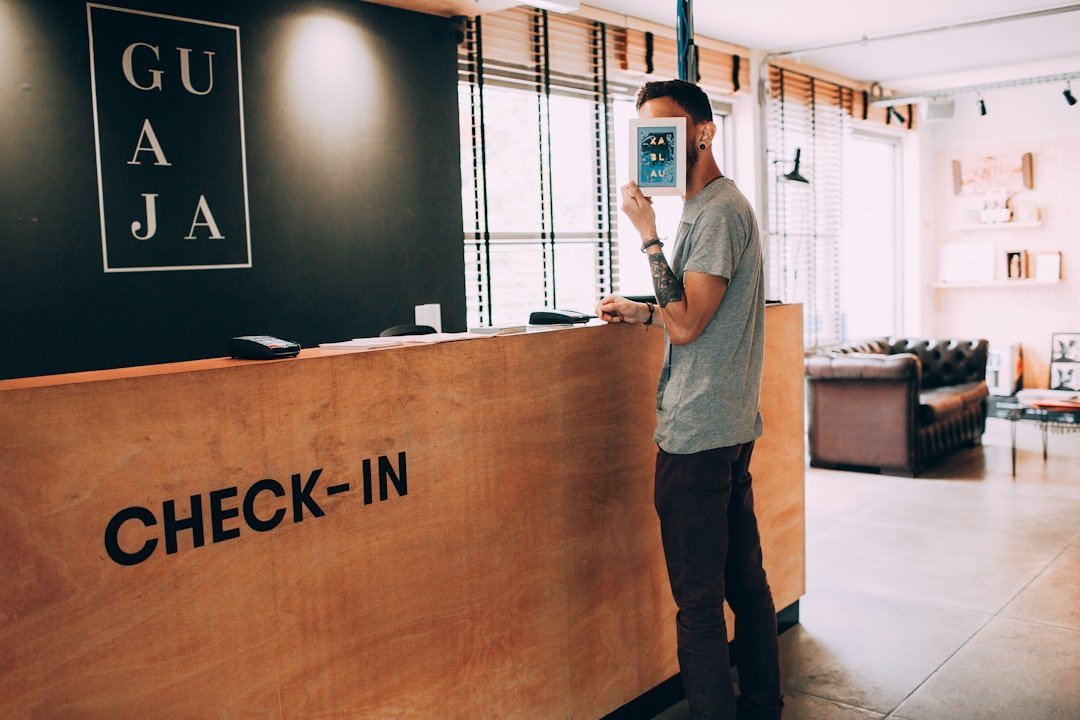
Your flight lands at 9 a.m., but standard check-in isn’t until 3 p.m. You ask the front desk if you can go up early, and they say yes – without mentioning there’s a charge attached. If you arrive early or have a late flight, some hotels will charge a fee for checking in early or checking out late. It feels like a courtesy, but often is not.
Some hotels will charge you extra for checking in early – sometimes up to 50 percent of the regular nightly rate. This charge can be particularly hard to avoid if you arrive several hours before your scheduled check-in time. Always ask upfront whether an early check-in is complimentary or subject to a fee, and get the answer before you agree to it.
6. Late Check-Out Fee

You have an evening flight, and you ask to stay in the room a few extra hours. The front desk obliges with a smile – and adds a charge to your account. Late check-out fees often appear on bills as a vague line item that can be easy to miss during the rushed process of grabbing bags and heading to the lobby. The fee is sometimes equal to half a night’s room rate.
The best way to avoid this one is to ask about the late check-out policy the day before you leave. Many loyalty program members can get this waived entirely. Some hotels offer special perks, including waived fees, to members of their loyalty programs – for example, certain hotel chain members may get resort fees waived or receive free breakfast at select properties. It is always worth asking what is available to you.
7. Minibar Sensor Charges
Modern hotel minibars have weight-sensitive shelves and infrared sensors that automatically log any item you pick up – even if you put it right back down. There are several different fees associated with minibars, even if you never eat or drink any of the goodies inside. Picking up an item and putting it back can trigger the minibar’s sensors, immediately adding the price of the item to your bill. On sensitive machines, even jostling minibar items as you add your own food to the fridge can incur a charge.
Some hotels use automatic minibars with sensors that can pick up whenever an item has been removed, so it’s wise to avoid rifling around in the fridge if you don’t intend to buy anything. If you want to use the mini-fridge for your own groceries or medications, ask the front desk to have the minibar emptied before your arrival – but watch out for what comes next on this list.
8. Minibar Restocking Fee
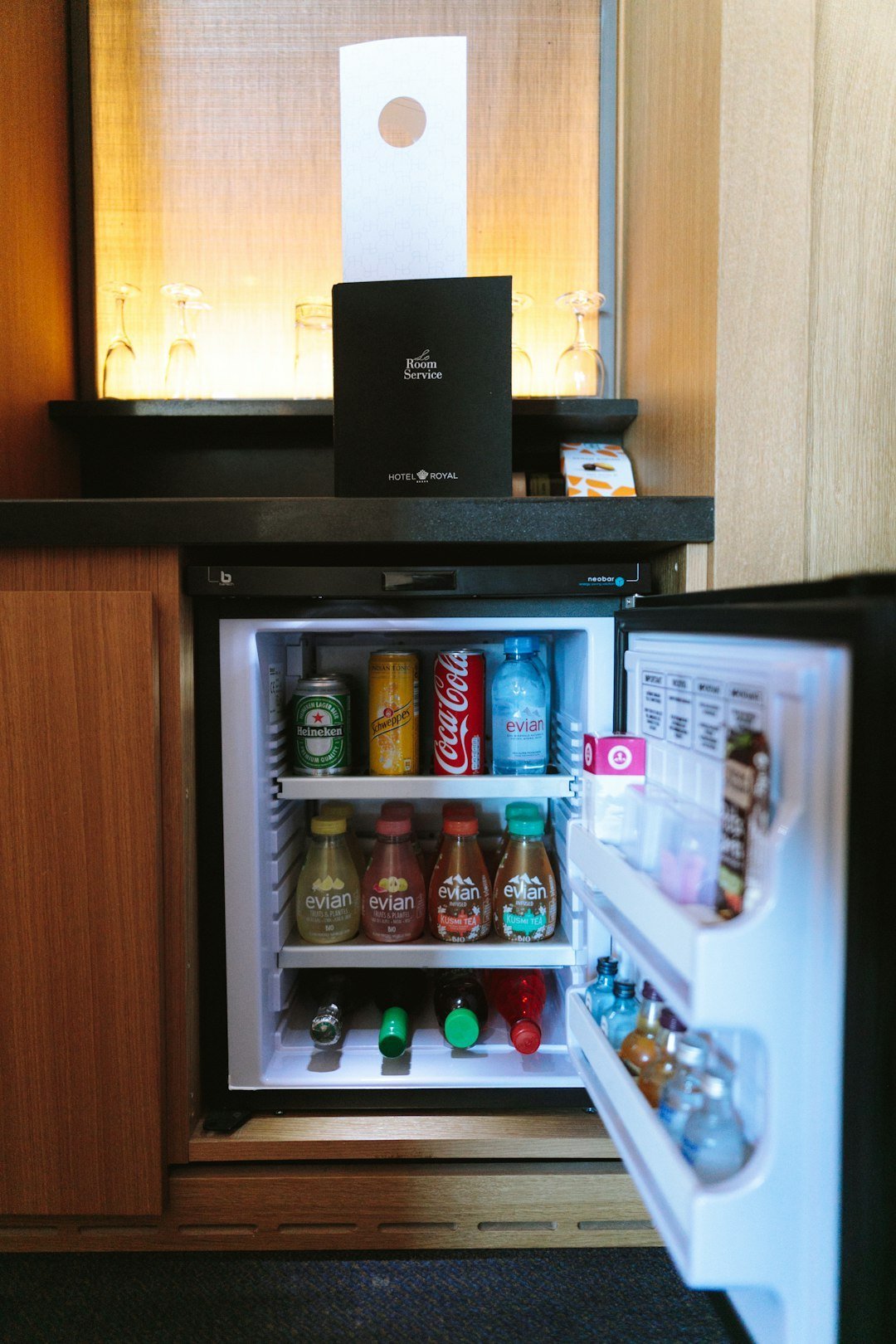
You call ahead and ask the hotel to empty the minibar so you can store your own food. They do it – and then charge you a restocking fee when you check out. If you try to avoid the hassle of minibar sensors by calling ahead and asking the minibar to be emptied before your arrival, beware – you could be charged a restocking fee. It is one of the most counterintuitive hotel charges in existence.
At some hotels, you’ll not only have to pay to enjoy an item from the minibar, but you’ll also have to pay a restocking fee to have the item replaced. So that $12 can of nuts may end up costing you considerably more by the time the restocking charge is added. Reading the card inside the minibar carefully when you first arrive can save you from an unpleasant surprise at checkout.
9. In-Room Safe Fee
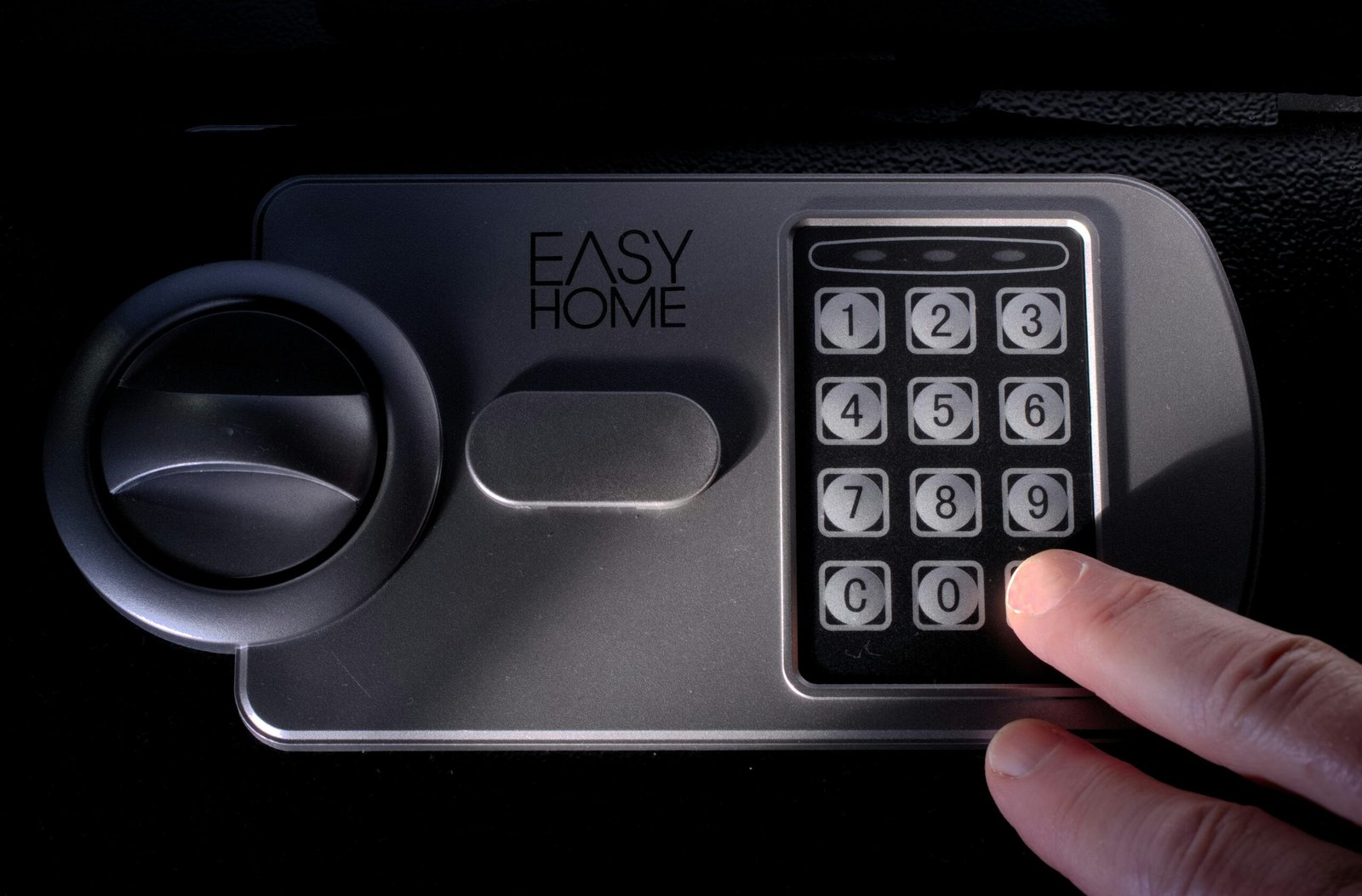
That small safe bolted into the closet for your passport, jewelry, and cash? Some hotels charge a daily fee just for having it in the room – not just for using it. Some hotels offer in-room safes for an additional charge, providing guests with secure storage for valuables. The charge can quietly show up as a line item on your final bill, even if you never opened the safe once.
This one is easy to miss because the safe is simply there, looking like a standard room feature. Before you tuck your valuables inside, check the small print card near the safe or call down to confirm whether there is a daily rental fee. If there is, you may decide the hotel’s front desk safety deposit box or your own travel lock is a better option.
10. Tiered Wi-Fi Charges

Many hotels now offer two-speed internet: a basic free tier that is barely functional and a premium tier that actually works. While basic Wi-Fi might be complimentary, premium internet services can incur additional fees. The basic connection is often so slow that it is effectively unusable for video calls, streaming, or even loading standard web pages – pushing guests toward the paid upgrade.
Some hotels charge for internet access based on how you use it, creating a tiered system. For seniors who rely on video calls to connect with family or who use telehealth services, the upgrade can feel necessary rather than optional. Always check the Wi-Fi policy before booking, especially at business-class hotels where premium internet fees can run $15 or more per day.
11. Hotel Telephone Charges
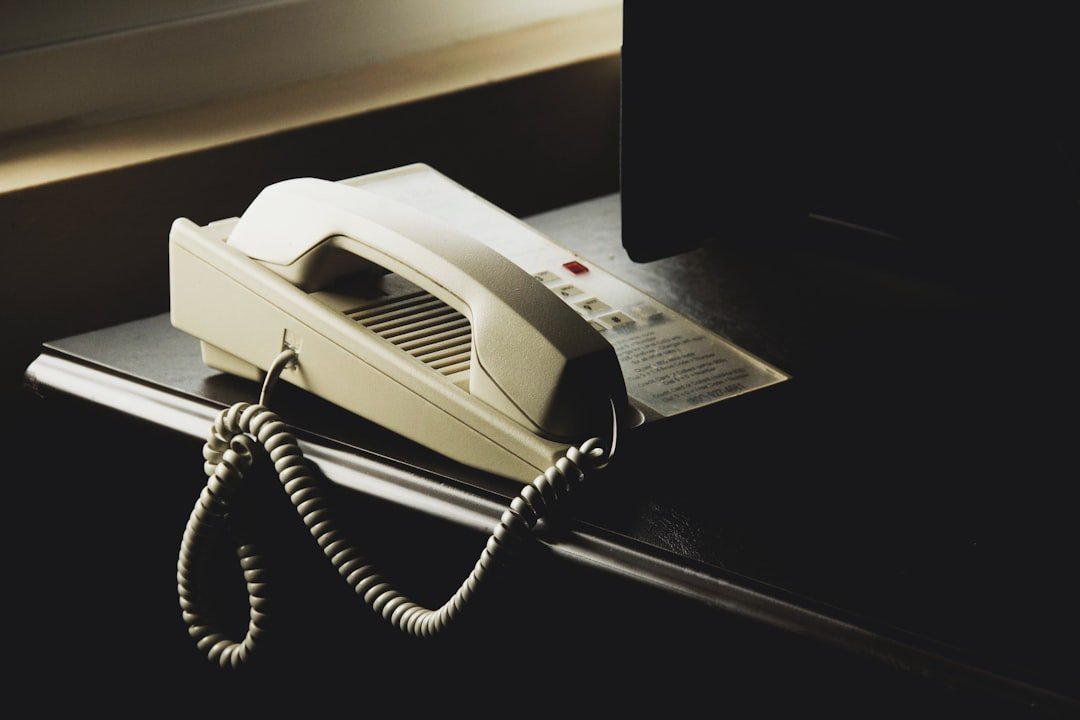
Using the telephone on your nightstand to call the front desk is usually free, but dialing any outside number – including toll-free numbers – can generate surprising charges. Some hotels charge per-minute rates for local calls, and international calls routed through the hotel switchboard can cost many times what a cell phone call would. Hotel telephone charges can be confusing and pricey, so it is often worth avoiding them entirely by using your own cell phone.
Older travelers who are accustomed to using the in-room phone for convenience may not realize just how costly each call can be until they see the itemized bill at checkout. Even calls to room service or the concierge desk placed from outside lines can sometimes show up as charges. When in doubt, use your mobile phone and keep the hotel line for internal room-to-room calls only.
12. Automatic Gratuity Charges

You tip the bellman at arrival, leave cash for housekeeping each morning, and then discover at checkout that an automatic gratuity was already charged to your account for all of those same services. Before you tip anyone, check to see if an automatic gratuity for their services has already been added. You may incur a one-time fee of $10 to $30 to cover housekeeping and bellman gratuities, while your bill for room service or spa services may already include a 10 to 20 percent tip.
Double-tipping is a common and frustrating outcome of this charge, particularly for guests who do not read the fine print carefully. Ask the front desk at check-in whether automatic gratuities are added to the bill. If they are already built in, you can skip the additional cash tips you would otherwise leave – and feel confident that those workers are still being compensated.
13. Fitness Center Fee

The hotel website proudly advertises an on-site fitness center, making it feel like a natural part of your stay. What is not always advertised is that using it costs extra. Some hotels charge anywhere from $5 to $40 a day for the use of the fitness facilities. For guests who only plan to use the gym once or twice during a longer stay, that daily charge adds up quickly.
This fee sometimes appears bundled inside a resort fee, which means you are already paying for it whether you use the gym or not. In other cases, it is charged separately per visit. Clarify this with the front desk before you lace up your sneakers, and if a gym fee is being charged as part of a larger amenity bundle, ask whether any of those fees are negotiable or waivable.
14. Incidental Hold
When you check in, the hotel places a temporary hold on your credit or debit card to cover potential incidental charges like room service or damage. The amount is often $50 to $200 per night on top of your room rate, and it can sit on your account for days after checkout. For seniors using debit cards, this hold can freeze a significant portion of their spending money unexpectedly.
The hold is eventually released, but the timing varies widely. Even under the FTC’s updated rules, effective May 2025, requiring total price disclosure, the fees themselves still exist – so guests still need to spot and anticipate them while comparing options. Ask at check-in exactly how large the incidental hold will be and how quickly it is released after checkout, particularly if you are using a debit card.
15. Room Service Delivery Surcharge

Room service menus already show inflated prices, but many hotels add a separate delivery surcharge on top of the listed price – sometimes $5 to $10 per order. Surcharges applied to in-room dining or minibar usage offer guests the luxury of convenience at a premium, and this can also include room service delivery surcharges. So the $18 omelet can easily become a $30 omelet once the delivery fee, service charge, and automatic gratuity are all added.
For older travelers who prefer the comfort of dining in the room – especially after a long travel day – this adds up fast over a multi-night stay. Before ordering room service, ask the front desk or check the menu carefully for a complete breakdown of what fees will be added. Sometimes, a short walk to the hotel restaurant saves considerably more than people expect.
16. Package Handling Fee
Did a family member ship a gift to the hotel for your arrival? Or did you order something online to be delivered during your stay? Some hotels charge $1 to $25 to mail packages for their guests, with similar fees for receiving packages. These fees may vary based on the size or number of packages. A small, thoughtful gift can quietly generate an unexpected charge at checkout.
Hotels frame package handling fees as a storage and logistics service, but many guests have no idea the charge exists until they see it on the bill. If you are expecting any deliveries during a hotel stay, contact the property in advance to ask about their package handling policy. Knowing the fee ahead of time at least removes the surprise element at checkout.
17. Baggage Holding Fee
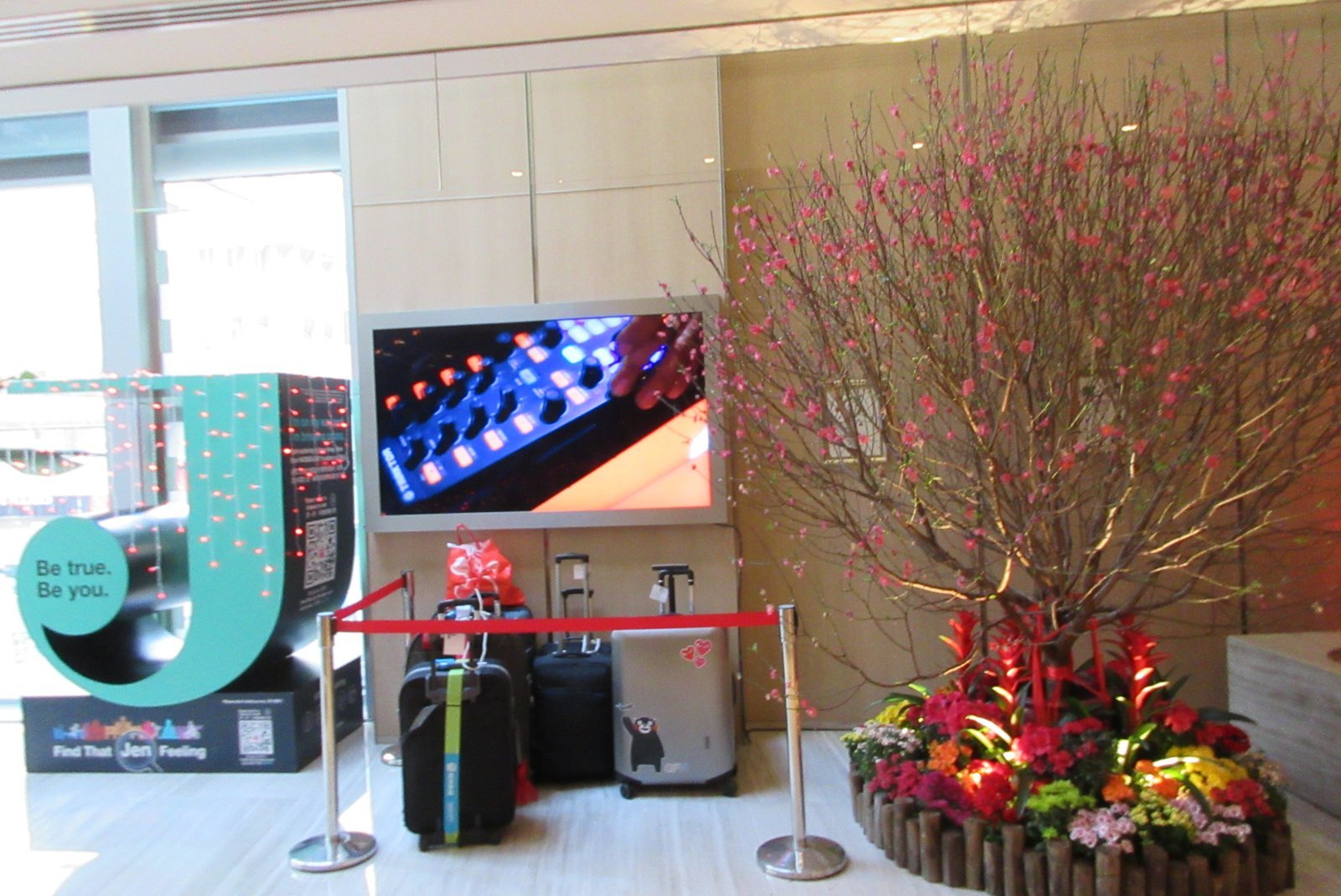
Your room is not ready yet, or you need to store luggage after checking out before an evening flight. Handing your bags to the bellhop feels like a courtesy – not a paid service. Some hotels charge a fee for baggage holding. Need to stash your luggage at the bellhop stand? You might have to shell out a couple of bucks per bag to have them tucked away. On a longer layover day with multiple bags, this adds up.
For guests who need to store their luggage before check-in or after check-out, a nominal baggage holding fee can be charged. “Nominal” is a word that means different things to different properties. Before handing over your bags, simply ask whether there is a storage fee. Many hotels do not charge for this, but you will never know unless you ask.
18. Energy Surcharge
Energy surcharges are one of the more cleverly disguised line items on hotel bills. In an effort to pass rising energy costs on to consumers, many hotels tack an energy surcharge of several dollars a day onto their guests’ bills. It sounds like an external cost the hotel has no control over, which makes guests less likely to question it. In reality, it is simply a revenue line with an environmental-sounding name.
This fee rarely appears during the booking process and surfaces only on the final bill. It can range from a couple of dollars to $10 or more per night, depending on the property. Asking specifically about energy surcharges before you book – especially at larger resorts and chain hotels – is the only real defense against being surprised by one at checkout.
19. Bottled Water Charge
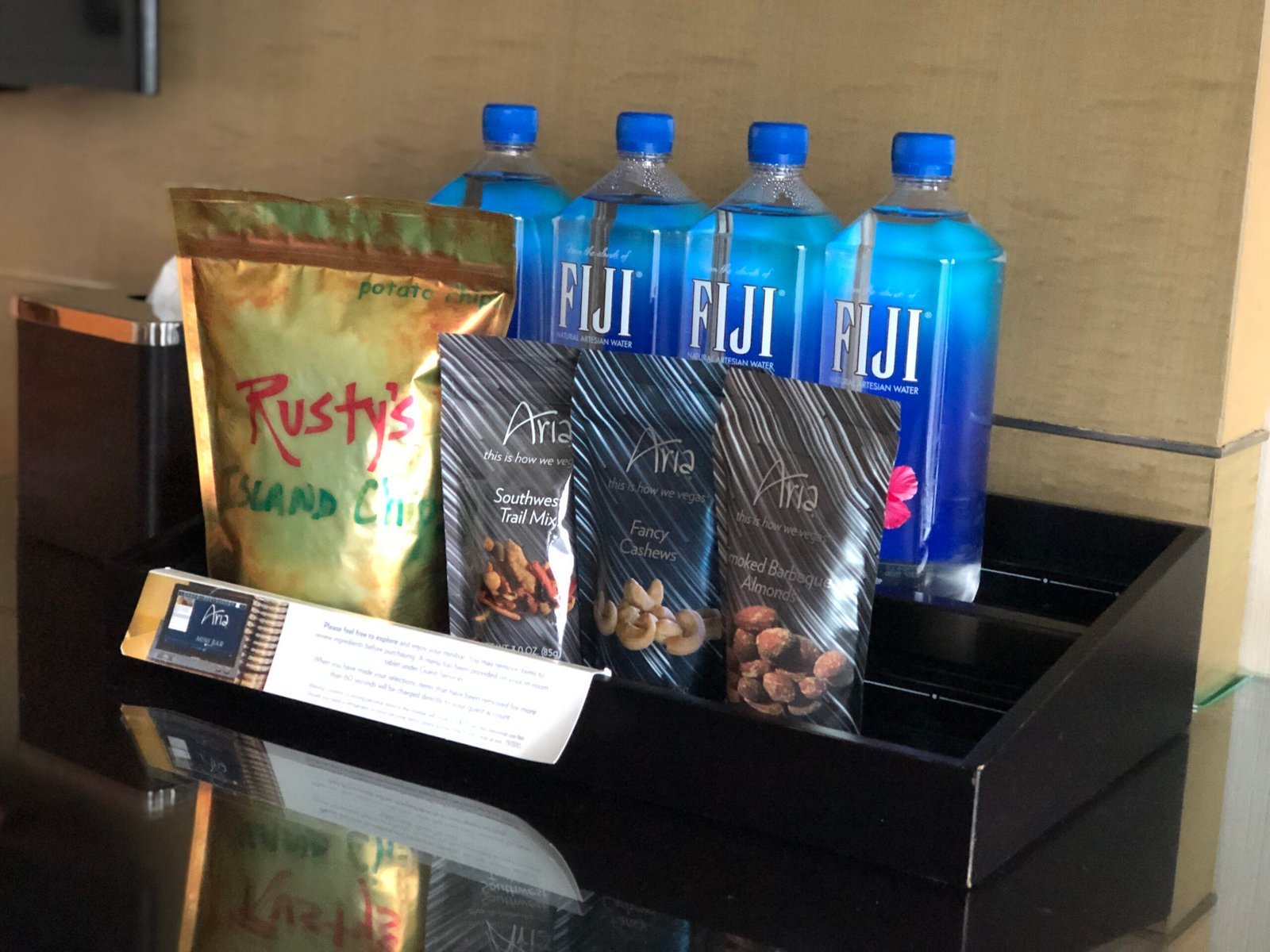
The hotel leaves a chilled bottle of water on your nightstand or a bottle on the bathroom counter with a small branded label. It looks like a welcome gift. In many cases, it is not. Think twice before touching that “complimentary” bottle of water – it could cost you upwards of $5. The same goes for snacks, which may be considered part of the minibar. Check around for a price list before indulging, and if you’re unsure if something is free, call down to the front desk to confirm.
The placement of paid water in the same spot where complimentary water is often left is not accidental. Bringing your own reusable water bottle and filling it at the ice machine or water fountain is a simple and effective workaround. Bringing your own snacks and bottled water to help resist the lure of the minibar or the edible “gifts” the hotel leaves in your room is one of the best money-saving strategies for hotel stays.
20. Early Departure Fee

Plans change. Your grandchild calls with exciting news, a family situation comes up, and you need to leave a day early. You head to the front desk to check out early, expecting a prorated bill. Instead, some hotels charge an early departure fee – sometimes the full cost of the night you are skipping. This fee is often written into the booking agreement in small print.
Early departure fees are among the common hotel charges for flexible timing changes. Before you book, read the cancellation and departure policy carefully. If you suspect your plans might shift, look for hotels with flexible departure policies or ask specifically whether an early departure fee applies. In some cases, giving the hotel sufficient advance notice can get the fee waived entirely.
21. Business Center Fee

Need to print a boarding pass, scan a document, or use a hotel computer for a few minutes? For guests requiring access to computers, printers, or meeting rooms, a business center fee may be applicable. What seems like a minor convenience can come with a surprising price tag, especially at upscale or conference-oriented hotels where business center rates can be steep.
Some hotels charge per page for printing and per minute for computer use. For travelers who rely on printed documents – boarding passes, medical information, directions, tour confirmations – this can quietly inflate the final bill. Ask about business center rates before using any equipment, or consider using the hotel lobby’s public-access workstation only after confirming it is genuinely complimentary.
22. Spa Service Gratuity and Booking Fee
Spa treatments at hotels already carry premium prices, but gratuities are frequently added automatically rather than left to the guest’s discretion. On top of that, some properties charge a separate spa booking or reservation fee – a charge simply for scheduling the appointment. Many guests assume the posted service price is what they will pay and are surprised to see the real total at checkout.
Always ask the spa desk for a complete price breakdown before scheduling any treatment. Confirm whether a service charge or gratuity is automatically included, what percentage it represents, and whether there is any booking fee. Before you tip anyone, check to see if an automatic gratuity for their services has already been added – your bill for spa services may already include a 10 to 20 percent tip.
23. Cancellation Fee

Non-refundable bookings are well-known, but cancellation fees on supposedly flexible rates catch many travelers off guard. Before assuming that you can cancel your reservation a day or two before you arrive, read your hotel’s cancellation policy carefully. You may be penalized the price of a night’s stay or more. Cancellation windows have tightened at many hotels in recent years, and 48-hour windows have become 72-hour or even 7-day windows at some properties.
For older travelers who may need to change plans due to health or family circumstances, understanding the cancellation policy before booking is essential. Travel insurance that covers cancellation fees is worth considering for longer or more expensive stays. Always screenshot or save confirmation emails that specify the exact cancellation terms so you have documentation if a dispute arises later.
24. Extra Person Fee
Hotel room rates are typically based on double occupancy – two people in one room. But if a grandchild, adult child, or companion joins the stay and exceeds that base occupancy, some hotels add a nightly per-person surcharge. Extra person fees for exceeding standard occupancy are among the most common charges that show up on hotel bills. The fee often applies even when the room physically accommodates more people without any issue.
This charge is frequently buried in the fine print during booking and rarely highlighted at check-in. If you’re traveling with family and planning to have extra guests sleep in your room even for just one night, ask upfront about occupancy policies and any associated fees. Some hotels have a flat nightly charge per additional guest; others cap the fee at a certain number of people.
25. Local and Occupancy Tax Surcharges

Standard hotel taxes are expected. But some hotels tack on additional local levies, tourism surcharges, or destination improvement fees that go well beyond standard sales and occupancy tax. Service charges and taxes may differ substantially from location to location. These surcharges may account for 15 to 20 percent of the accommodation rate in certain areas. In tourist-heavy cities, multiple layers of local tax can stack on top of one another quickly.
These charges are often legitimate government-mandated fees, but they can still shock a traveler who was not expecting them. While you might not be able to avoid local surcharges, you can prevent surprises by reserving your room directly with the hotel. Once you have a representative on the phone, ask about the local tax rate and similar fees. Getting an honest total upfront is always better than a surprise at checkout.
26. Drip-Priced “Convenience” Fees on Booking

When booking through certain hotel websites or third-party platforms, a convenience fee or service charge can appear at the very last step before payment. This practice – where extra fees appear only at checkout – is called “drip pricing.” The room rate that drew you in looks great, but by the time you are about to confirm, the total has climbed meaningfully higher. The fee is framed as a platform or processing cost, not a hotel charge, making it even easier to overlook.
The FTC’s Junk Fees Rule officially took effect on May 12, 2025, making it illegal for hotels and vacation rental companies to advertise one price only to surprise customers with additional mandatory charges at checkout. Even so, enforcement takes time and not every platform has fully complied. Always click “price breakdown” on the booking page – hidden fees often appear under “taxes and fees.”
27. Erroneous or Duplicate Charges

This last one is not a fee category so much as a pattern – and it may be the most expensive item on this entire list. Errors and duplicate charges on hotel bills are surprisingly common. A room service order appears twice. A minibar charge shows up for a day you were not even at the hotel. A parking fee is billed twice. Many travelers are in such a hurry to leave their hotel that they sign and pay their bill without looking it over – and that is exactly what hotels are counting on.
When it is time to check out, go over your bill at the front desk and double-check for any mistaken charges. It will be easier to dispute them in person, but you can also do it over the phone if you don’t notice until later. The hotel should have a record of exactly which items were taken, and you can review the bill line by line. And if a hotel refuses to address a charge you believe is wrong, the Fair Credit Billing Act gives travelers the power to dispute shady charges even after checkout, including fees added outside of the room rate deals made during booking.
The bottom line is simple: the nightly rate you see online is rarely the number that ends up on your final bill. The nightly rate that pops up when you search for a hotel isn’t necessarily what you end up paying – the bill may ultimately include mandatory service fees and other charges that increase the final cost beyond what you expected. The best move is to ask questions early – at booking, at check-in, and again before you hand over your card at checkout. A polite five-minute conversation at the front desk can save you real money, and no one should feel embarrassed for asking. Which of these fees have you run into? The ones you’ve spotted yourself are often the most useful ones to pass along.