
You already know New York. You’ve heard about Nashville a thousand times. New Orleans has its own TV shows. But there’s another America out there – one full of towns so quietly stunning, so genuinely charming, that the people who find them almost refuse to share the secret. That protective instinct makes complete sense once you see them.
No insane crowds. No $30 parking. No waiting an hour for a table. Just real beauty, real character, and that rare, electric feeling that you’ve stumbled onto something most people completely miss. These 15 towns are worth adding to your map right now – and the last few on this list are the ones that’ll genuinely surprise you.
1. Beaufort, South Carolina
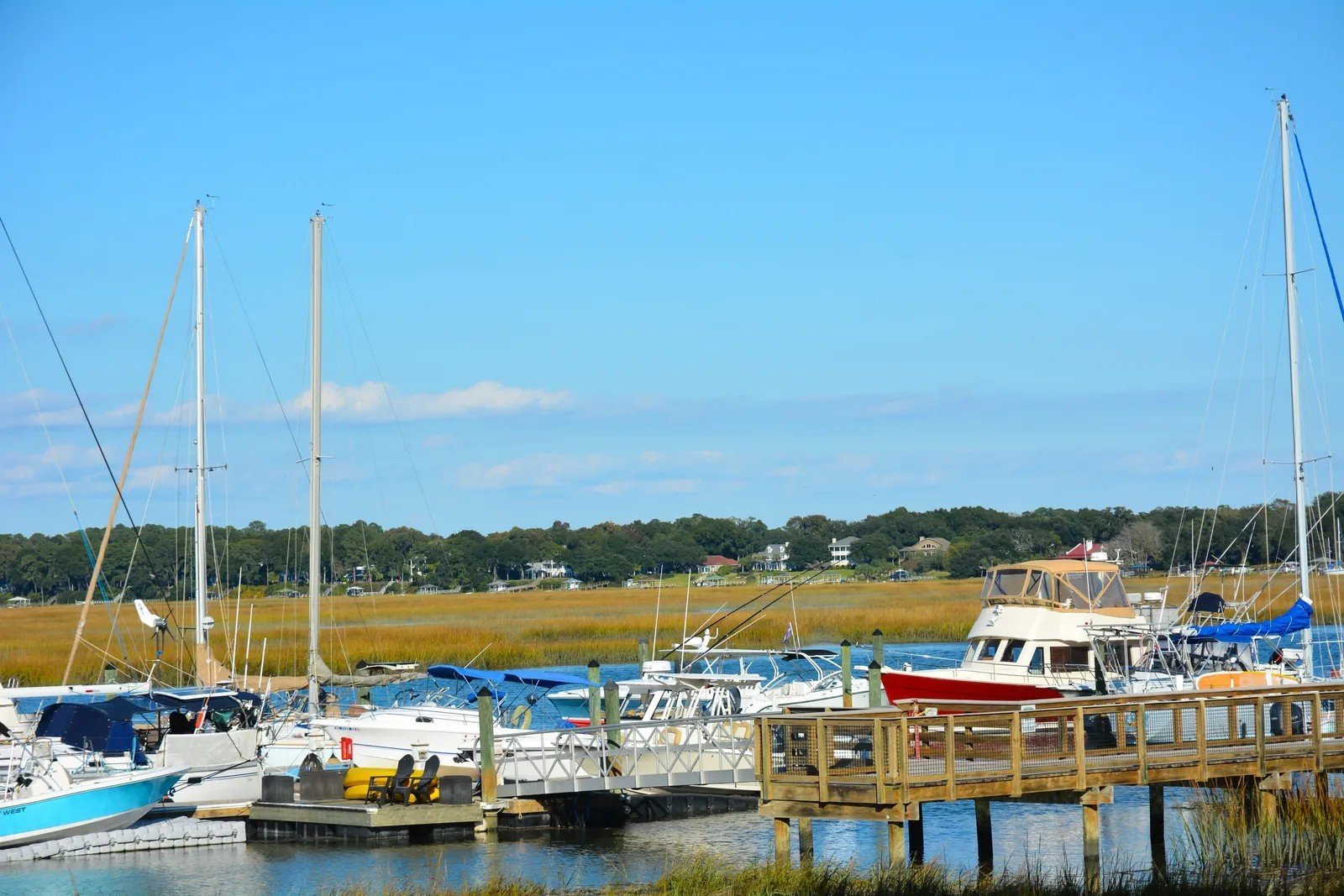
Most people racing down the coast toward Charleston or Savannah blow right past Beaufort without a second glance. That is a mistake they deeply regret once someone finally tells them what they missed.
Beaufort has been called “America’s Happiest Seaside Town” by Coastal Living magazine – and it earns that title block by block. The historic district is lined with antebellum homes shaded by centuries-old live oaks dripping in Spanish moss, and the whole downtown sits right on the water. With more than 50 historic structures, it’s one of only a handful of U.S. towns where the entire downtown is designated a historic district by the National Trust for Historic Preservation.
You arrive thinking it’s just another sleepy Southern stop. Then you realize you’ve been standing on the same street corner for twenty minutes just taking it all in. Take a boat tour through the salt marshes, drive out to Hunting Island State Park – named one of America’s top ten beaches by TripAdvisor – or simply let a slow morning stretch into a long, unhurried afternoon. Beaufort is built for exactly that.
“Beaufort is the kind of place that makes you slow down without asking permission.”
Worth knowing
- Hunting Island State Park sits about 16 miles east of downtown Beaufort.
- The park has roughly five miles of beach, which helps explain why the area feels so spacious compared with more built-up coastal stops.
2. Ouray, Colorado
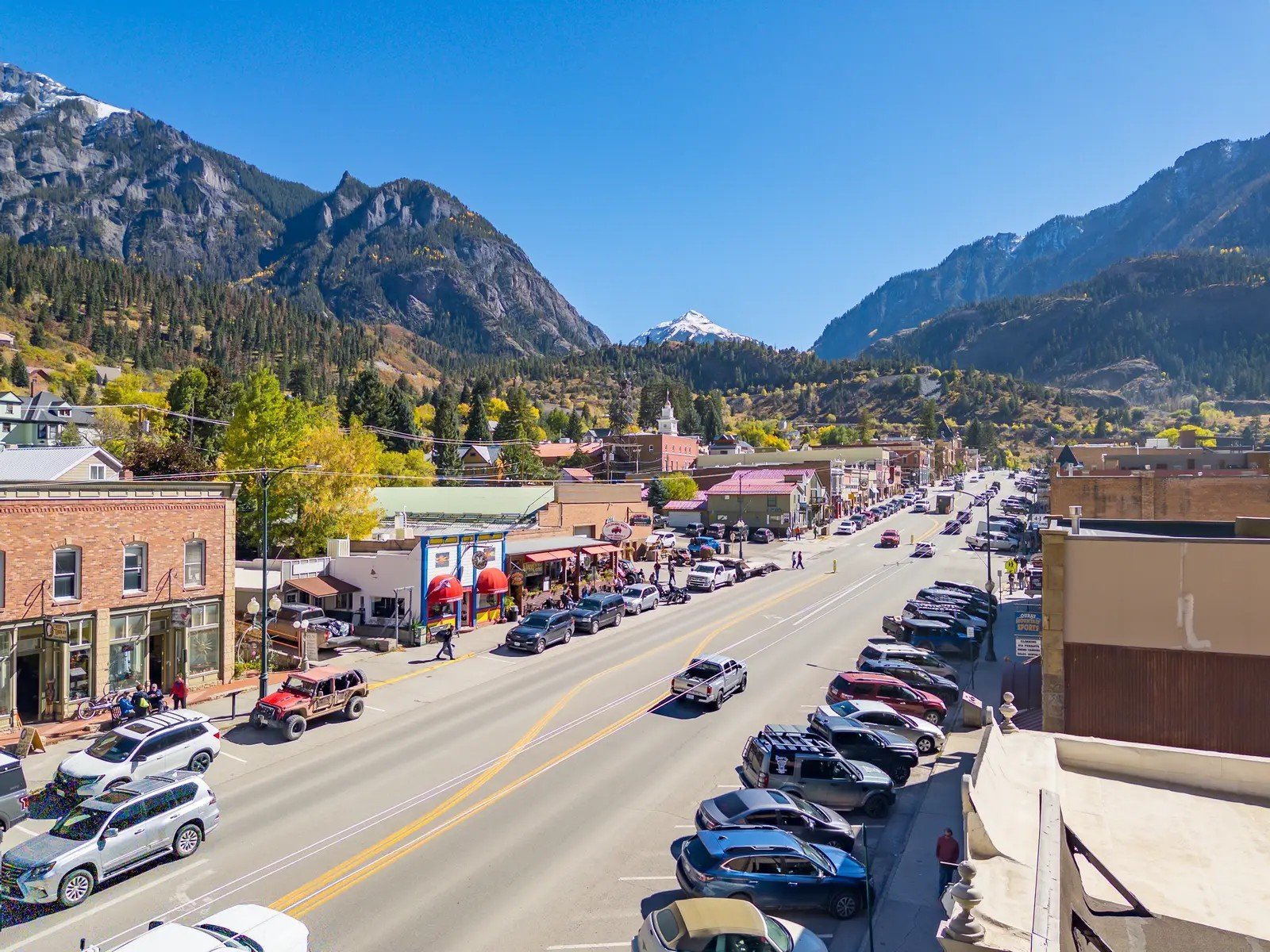
Picture a town of fewer than 1,000 people sitting inside a natural box canyon at nearly 8,000 feet, with sheer cliff walls rising on three sides and waterfalls cascading down red-rock faces every spring. That’s Ouray – and somehow, most of the country still doesn’t know it exists.
Called the “Switzerland of America,” Ouray sits along the legendary Million Dollar Highway, one of the most scenic and white-knuckle drives in North America. Victorian buildings from the 1880s mining boom line Main Street, while natural hot springs bubble up from deep beneath the canyon floor. You can soak at the Ouray Hot Springs Pool, tackle the exhilarating Via Ferrata climbing route bolted into the canyon wall above town, or rent a Jeep and disappear into 200 miles of backcountry trails. The mountains crowd in so tightly that the entire downtown fits within a handful of blocks – yet those few blocks hold more character than most Colorado resort towns manage across a whole valley.
“Some towns have mountain views. Ouray feels like it was built inside the mountains themselves.”
Worth knowing
- Ouray now has three via ferratas, which is a surprisingly big deal for such a small town.
- That helps explain why it feels both scenic and unusually adventure-heavy at the same time.
3. Eureka Springs, Arkansas
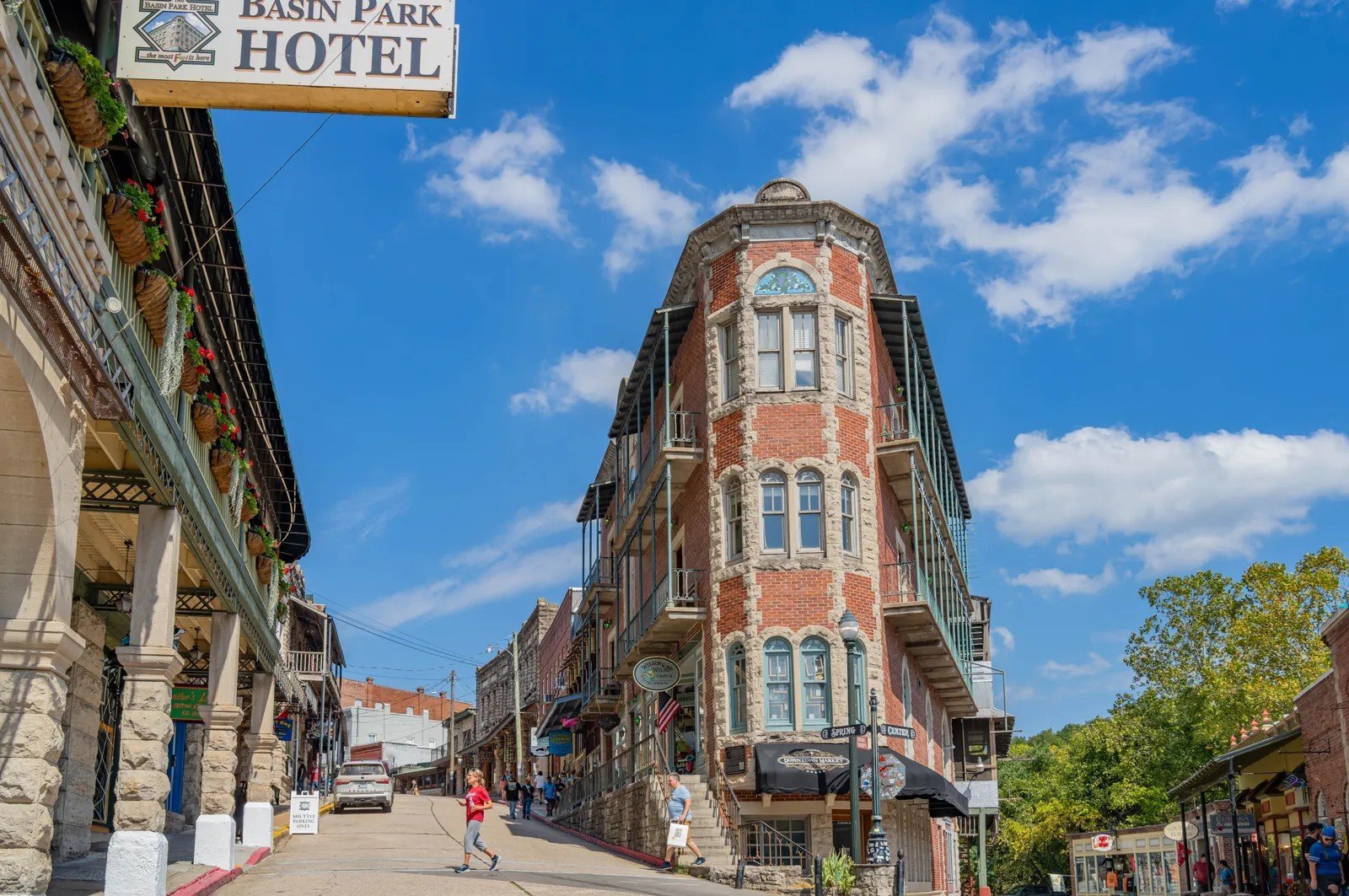
Eureka Springs doesn’t follow a grid. Its hilly, winding streets were shaped entirely by the natural springs that drew visitors seeking healing waters in the late 1800s, and the result is a town that feels like it was designed by accident – and came out perfect.
The entire downtown district is on the National Register of Historic Places. Narrow routes lead directly to landmarks like Basin Spring Park, and the iconic Thorncrown Chapel – a stunning glass-and-wood structure hidden in the Ozark woods – is just a short drive away. Ghost tours thread through the historic buildings at night, and the whole place looks so cinematic that first-time visitors sometimes ask if it’s a movie set. Every brick is real.
Thorncrown Chapel, just outside town, features more than 6,000 square feet of glass and 425 windows, which is part of why first-time visitors usually stop talking the moment they walk in.
4. Whitefish, Montana
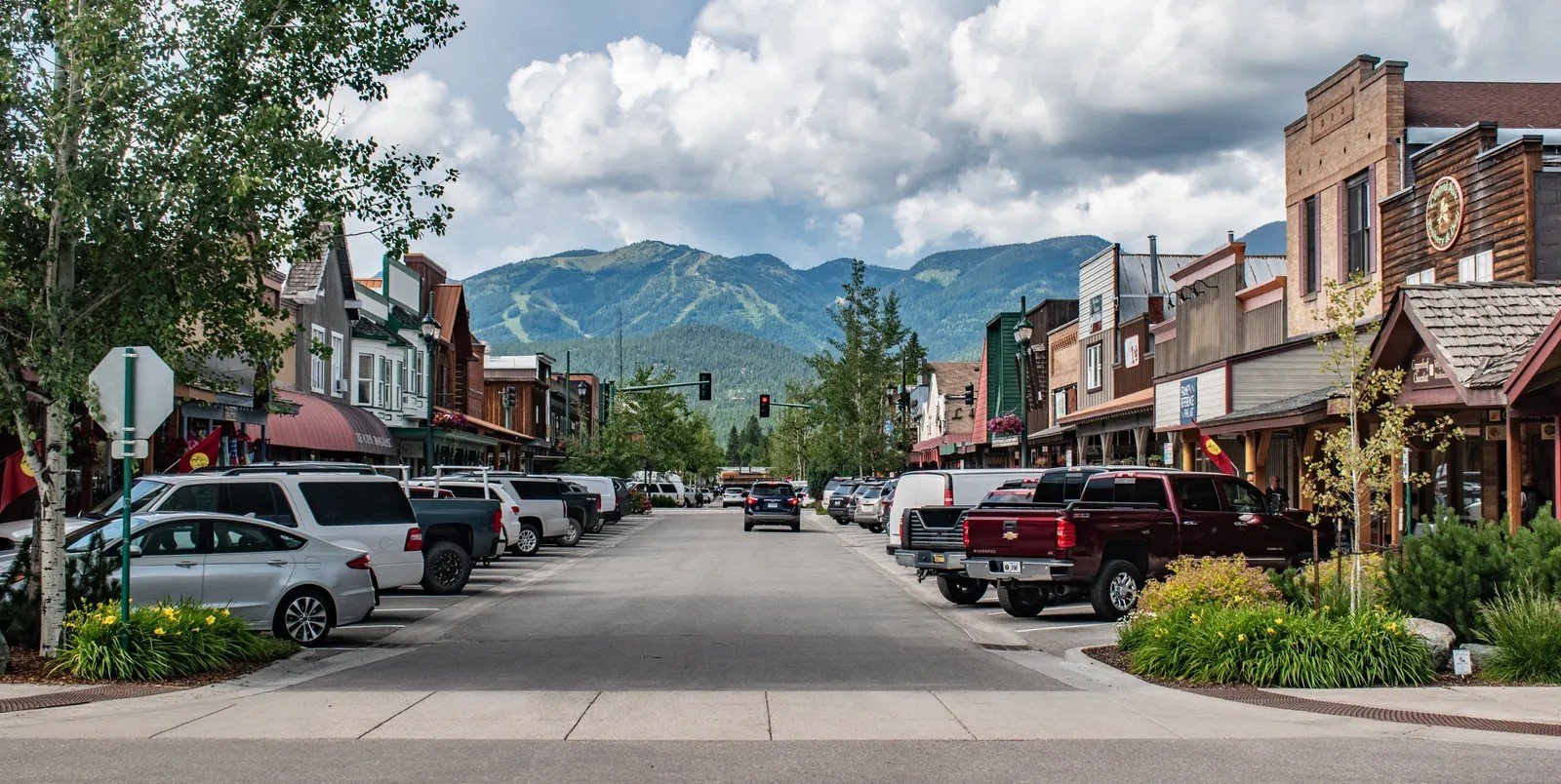
Most people who visit Glacier National Park stay near the park entrances and never discover that just outside its boundary sits one of the most charming small towns in the entire West.
Whitefish stuns visitors with views of Big Mountain and Whitefish Mountain Resort visible right from downtown – the kind of backdrop that makes you stop mid-sentence. Local shops carry pottery, jewelry, and huckleberry-infused everything: soaps, jams, candies, and more. When the weather cooperates, rent kayaks at Whitefish Lake State Park or drive the spectacular Going-to-the-Sun Road inside Glacier. Either way, you’ll leave wondering why you waited this long.
“Whitefish works because the town is charming, but the scale around it is what really stays with you.”
5. Bisbee, Arizona
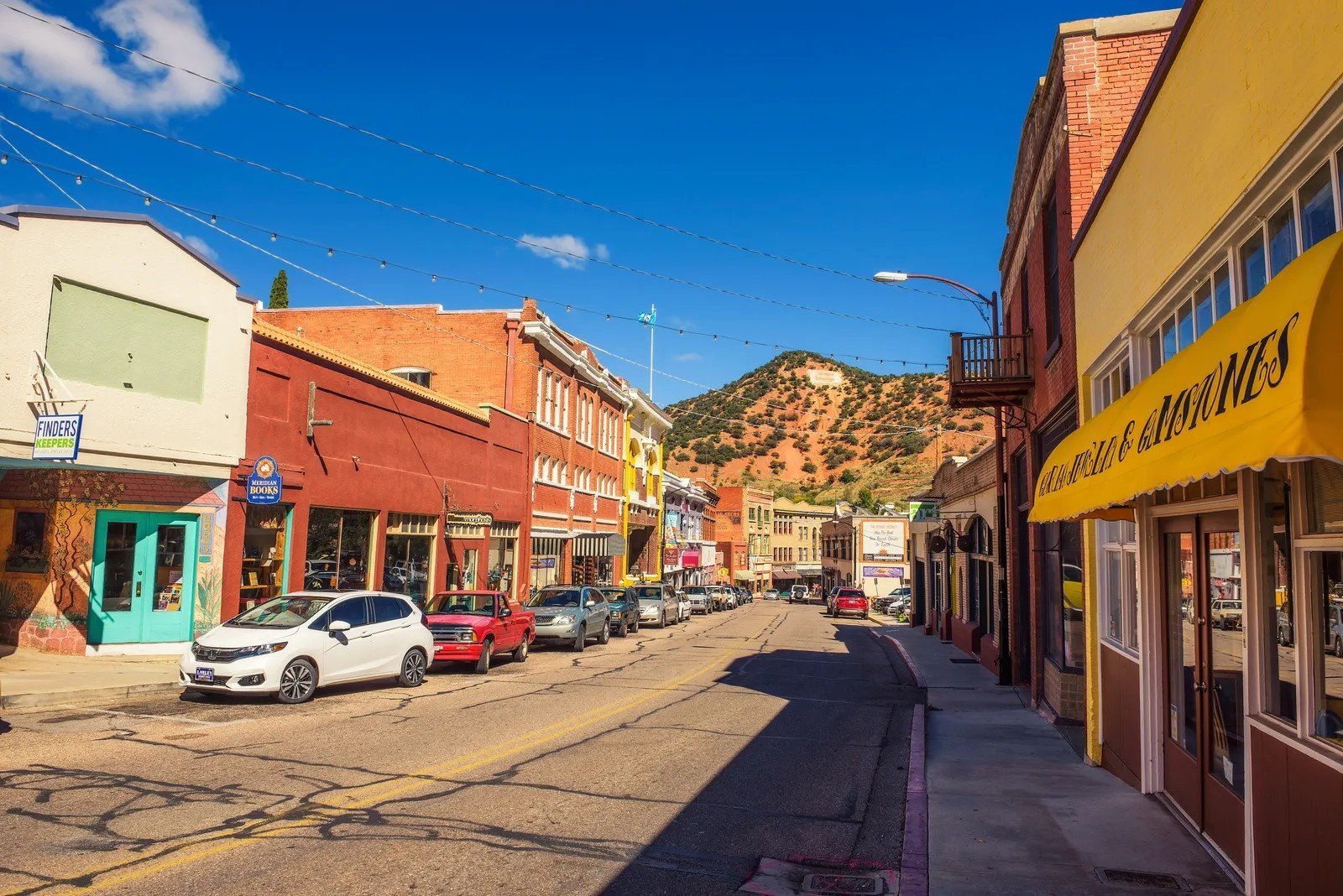
Bisbee sits in the Mule Mountains of southeastern Arizona, 100 miles from Tucson, and it looks like nothing else in America. Colorful homes are stacked directly into steep hillsides, staircases zigzag between levels, and the streets feel like a fever dream of Victorian architecture fused with desert Southwest grit.
This former copper mining town has reinvented itself into one of the country’s most distinctive arts retreats, with quirky galleries, independent shops, and a vibe that actively resists being described. Tour the Queen Mine tunnels to feel the real history underground – helmet, headlamp, and all. Then surface into sunshine and wander streets that feel like nowhere else you’ve ever been.
“Bisbee already looks surreal above ground. Then you go underground and it gets even better.”
Worth knowing
- The Copper Queen Mine operated from 1877 to 1975.
- Underground, the temperature stays around 47°F, which makes the mine tour feel like a complete break from the Arizona heat.
6. Galena, Illinois
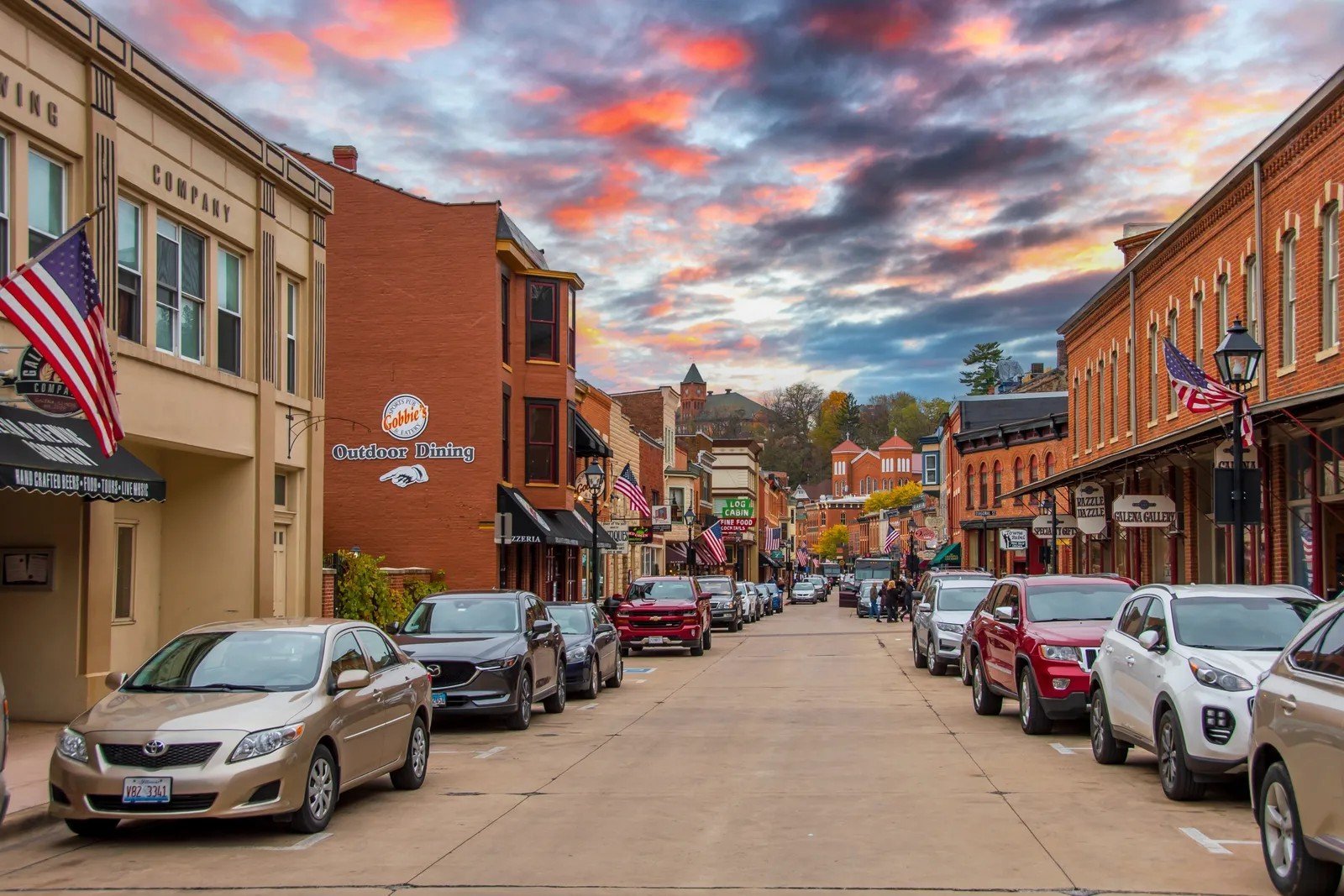
Most Midwesterners have driven within an hour of Galena for years without stopping. The ones who finally do stop can’t stop talking about it afterward.
Main Street alone can consume an entire afternoon – boutiques, antique shops, cozy cafés, and a surrounding landscape of rolling hills that’s genuinely beautiful for drives or long walks. The whole town is safe, walkable, and layered with history. Families love it, young adults are discovering it for the arts scene, and somehow it still flies under the radar for most of the country. Galena is the definition of a place that rewards the detour.
Galena’s historic Main Street packs more than 125 shops and restaurants into roughly half a mile, which is a big reason the town feels so walkable and rewarding.
7. Joseph, Oregon
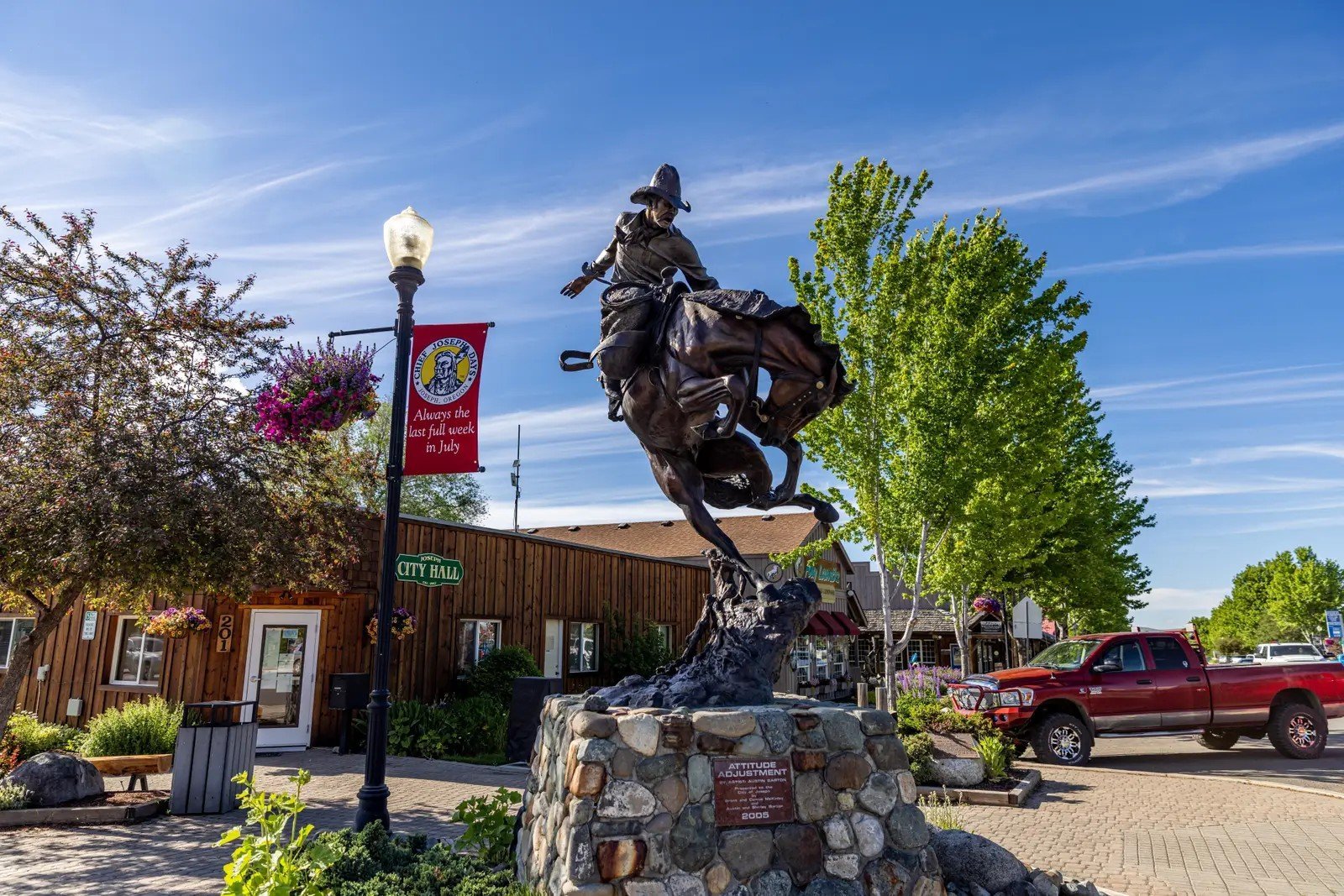
Joseph is 330 miles from Portland, nestled at the base of the Wallowa Mountains, and home to roughly 1,200 people. The remoteness is a big part of what makes it special – and so is what’s hiding inside it.
Joseph has the highest concentration of bronze foundries per capita in North America, with world-renowned studios producing museum-quality Western art. The Valley Bronze of Oregon foundry offers behind-the-scenes tours where visitors watch the ancient lost-wax casting process bring monuments to life. It’s a small, remote town that has quietly become a world-class art destination – which is either the best-kept secret in Oregon or proof that the most unexpected places hold the most remarkable things.
Worth knowing
- Valley Bronze foundry tours are typically offered Monday through Thursday at 11 a.m.
- They usually last about an hour to an hour and a half, which makes them an easy but memorable add-on to a town visit.
8. Mendocino, California
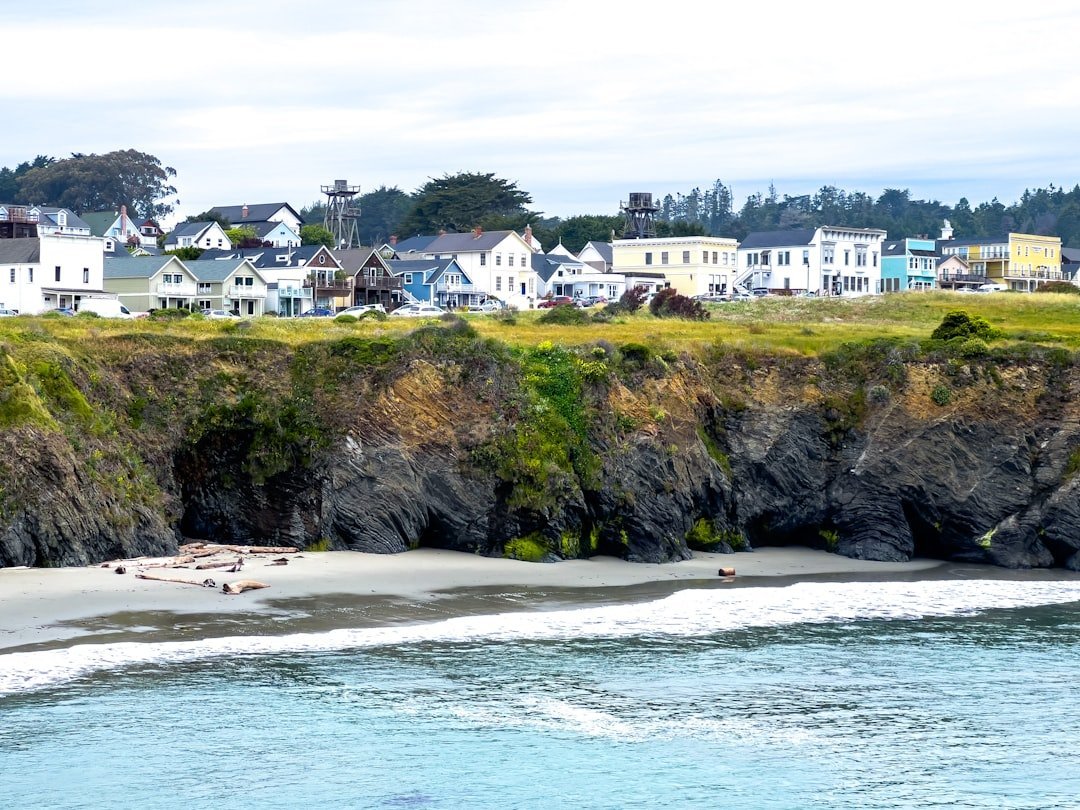
California’s coast gets endless attention, but most of it goes to Santa Barbara, Malibu, and the beaches closer to Los Angeles. Drive far enough north, and you enter a completely different world.
Mendocino perches on dramatic cliffs above the Pacific, where windswept headlands meet crashing surf and fog rolls in off the ocean in the most cinematic way imaginable. The historic district is lined with Victorian-style buildings, boutique shops, and cafés. Hiking trails wind along the bluffs above the water. The scenery here is rawer, wilder, and more beautiful than the postcard version of California that most visitors ever see – and the town is quiet enough that you can actually hear the ocean.
- Mendocino Headlands State Park wraps around the village on three sides.
- The area includes about three miles of cliffside trails with views of sea arches and hidden grottos.
9. Chincoteague Island, Virginia
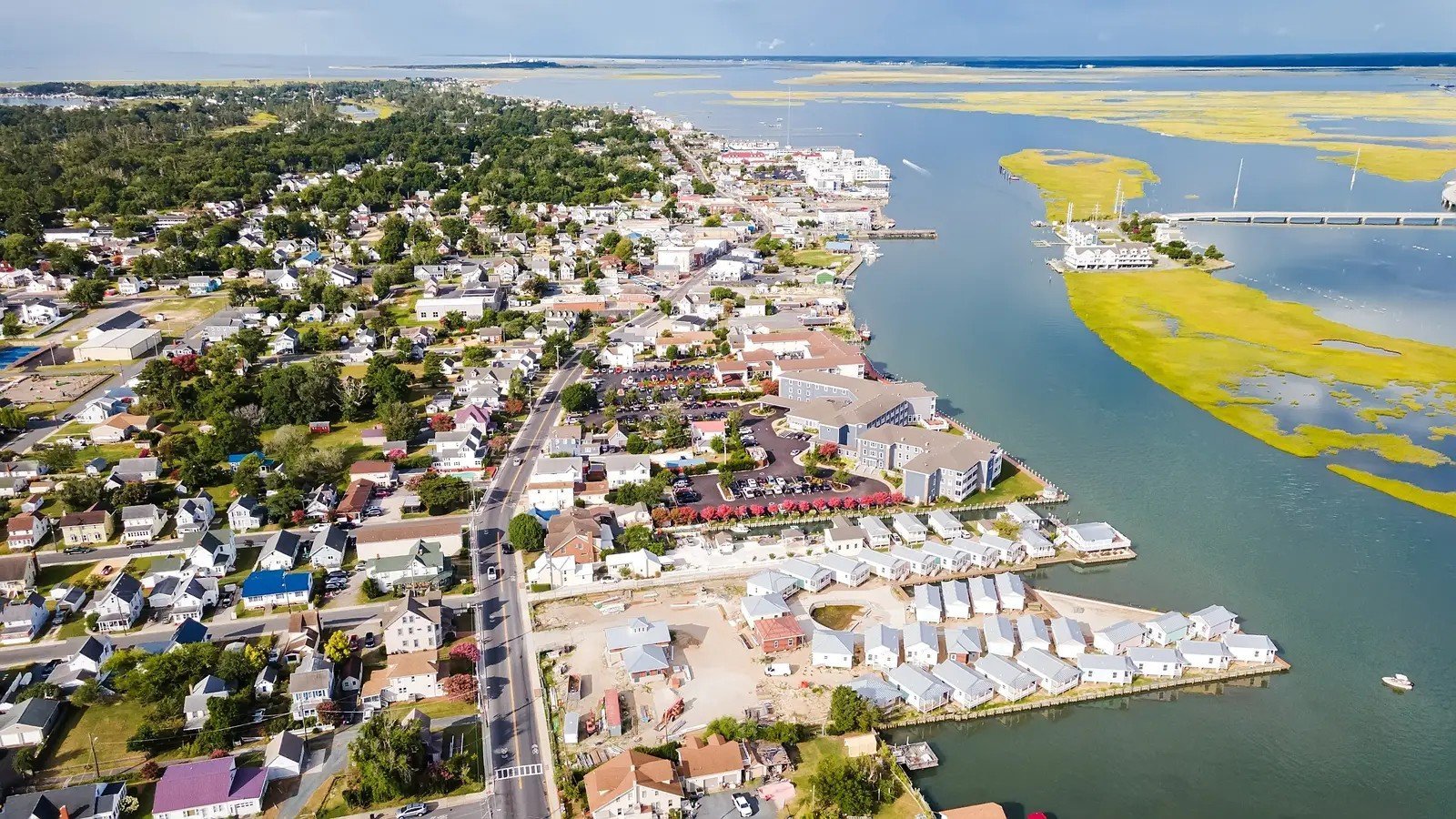
If you want a beach vacation without the chaos, Chincoteague delivers something the famous boardwalk towns simply can’t: actual peace. Located about two hours north of Virginia Beach, it’s more affordable, far less crowded, and surrounded by real natural beauty instead of souvenir shops and neon signs.
The island’s most legendary event is the annual Pony Swim Festival every July, when the wild Assateague Island ponies – made famous by the children’s book Misty of Chincoteague – swim across the channel in one of the most genuinely moving spectacles in American travel. Families talk about witnessing it for years. It’s the kind of thing that reminds you why some trips stick with you forever.
“The reason people remember Chincoteague isn’t the noise. It’s the feeling.”
10. Crested Butte, Colorado
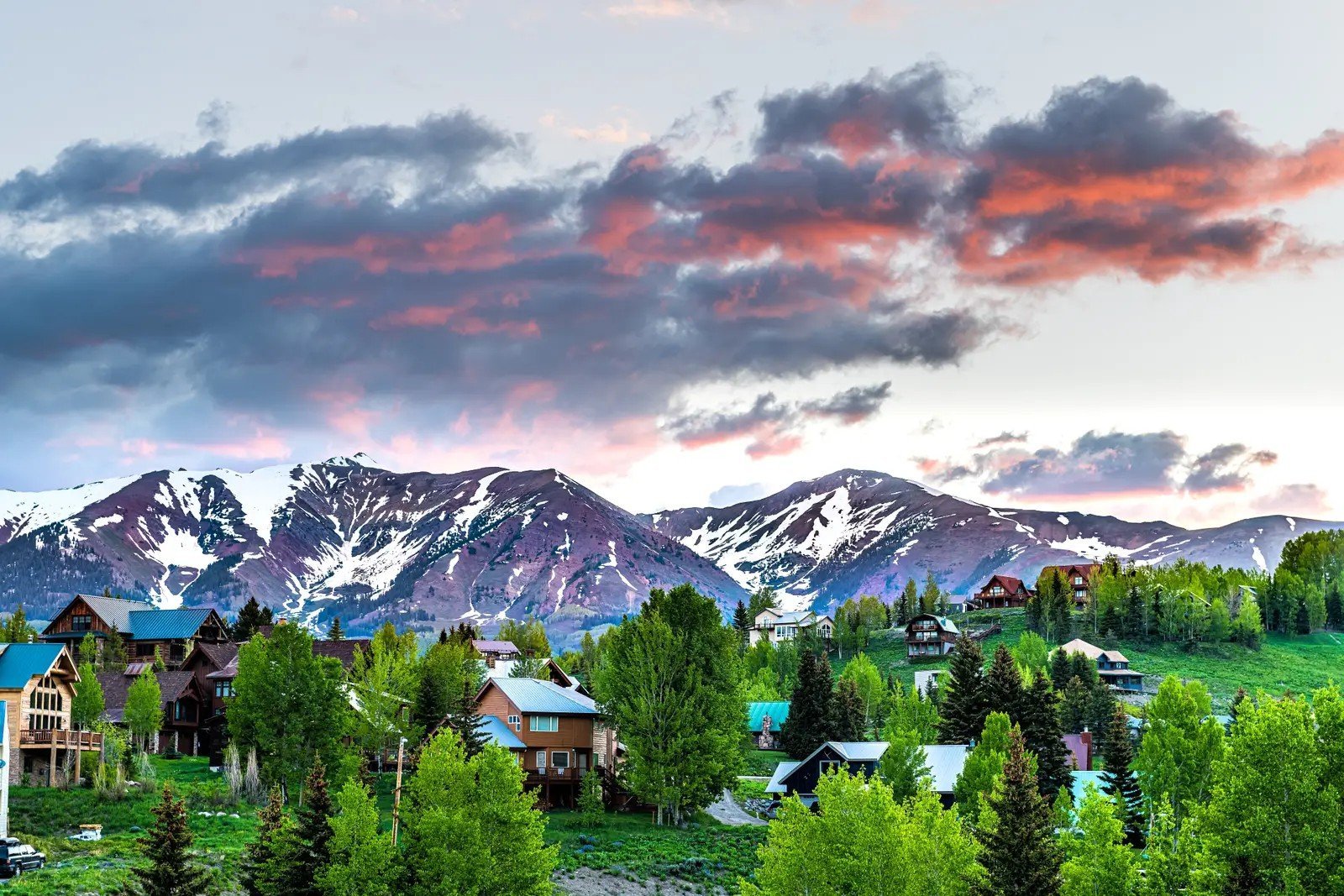
Crested Butte has a harder-to-reach location than most Colorado ski towns, and that inconvenience has protected it from the crowds that overrun Aspen and Vail every winter. The locals would prefer you not know that. Too late.
In the off-season, the scenery transforms into something even more striking – 150-plus trails winding through wildflower-strewn gulches, tranquil lakes, and sky-high peaks. The colorful Victorian buildings lining Elk Avenue give downtown a sense of place that rivals Telluride, with a fraction of the selfie crowds. It’s a town that somehow manages to feel both genuinely rugged and genuinely beautiful at the same time.
“Crested Butte is one of those rare mountain towns that feels just as alive when the snow is gone.”
Worth knowing
- The Crested Butte Wildflower Festival runs July 10–19, 2026.
- The festival features more than 150 workshops, which helps explain why the town’s wildflower reputation feels earned rather than invented.
11. Decorah, Iowa
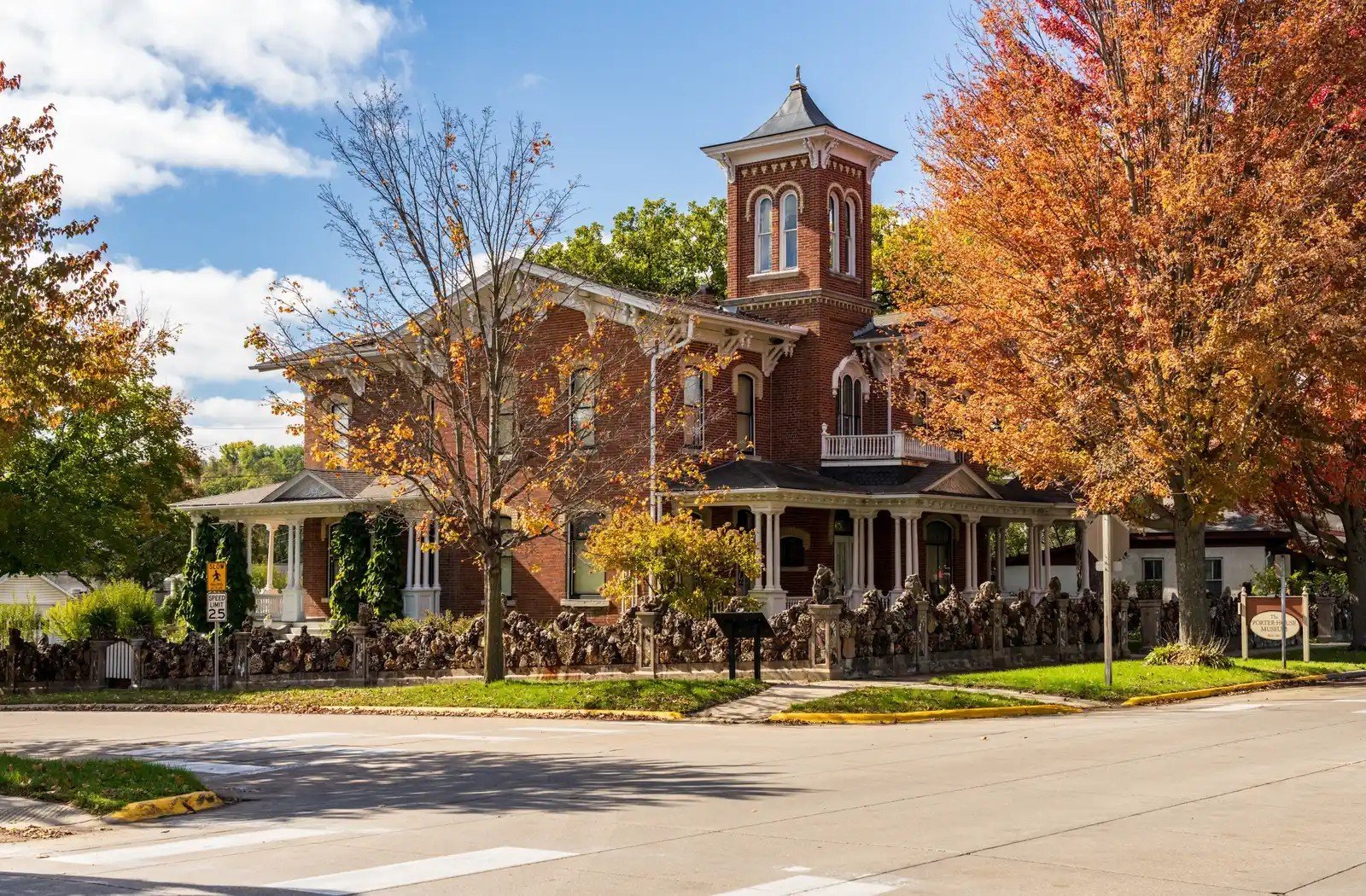
You wouldn’t necessarily expect a small Iowa town to stop you in your tracks. Decorah has a way of doing exactly that.
Built around a strong Norwegian heritage, Decorah sits in one of the most unexpectedly scenic corners of the Midwest, with bluffs, trout streams, and a landscape that feels nothing like the flat Iowa most people picture. The 11-mile Trout Run Trail loops around the community for cyclists and walkers. The annual Nordic Fest draws thousands to celebrate Scandinavian traditions. And the famous Seed Savers Exchange – a living library of heirloom plant varieties – draws visitors from across the country who weren’t even planning to come to Iowa. Decorah has a way of making plans change.
Worth knowing
- The Trout Run Trail is an 11-mile loop around the community.
- Nearby Seed Savers Exchange sits on an 890-acre farm where nearly 1,000 seed varieties are grown each year.
12. Silverton, Colorado
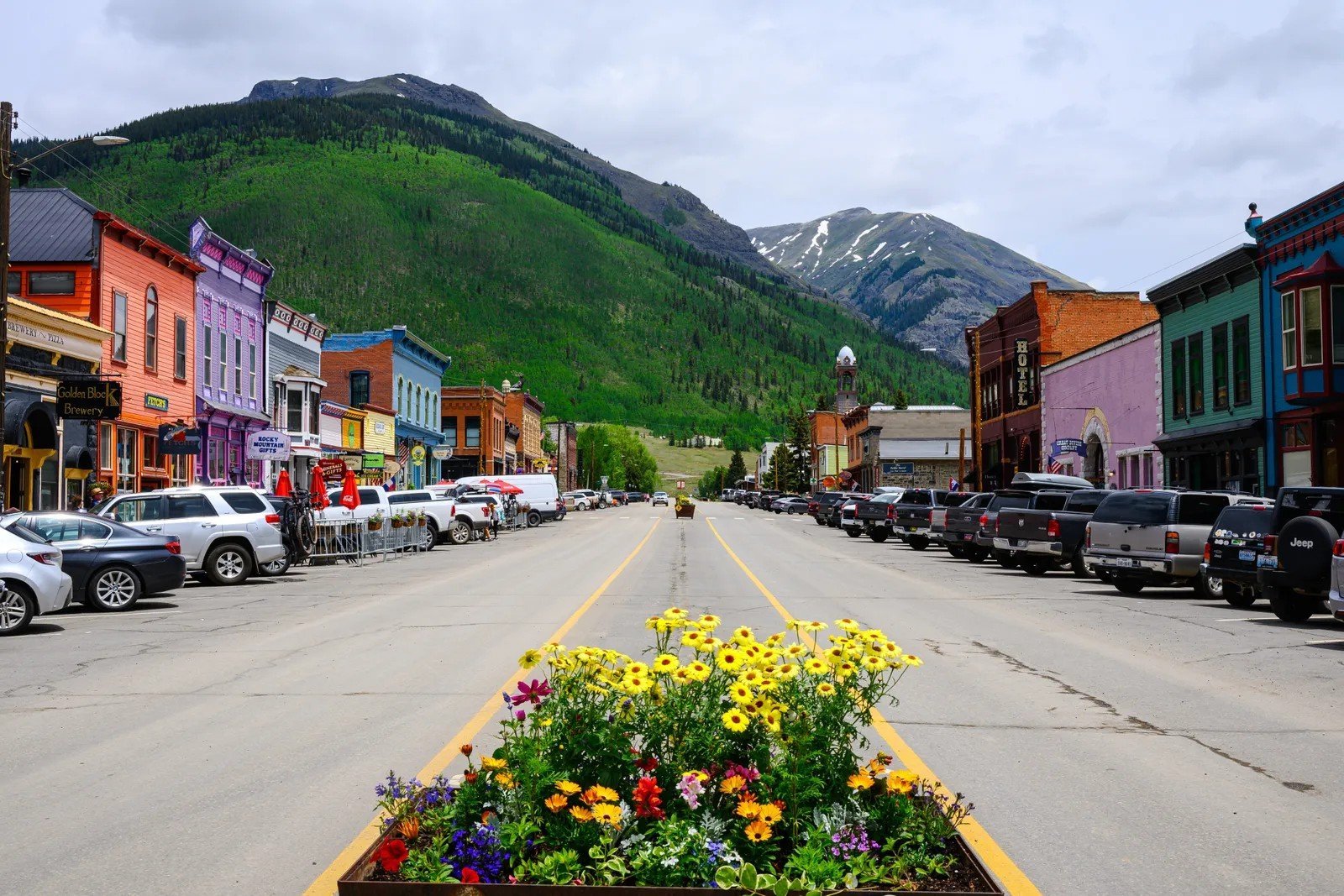
Sitting at nearly 9,300 feet above sea level in the heart of the San Juan Mountains, Silverton is ringed by some of the most jaw-dropping mountain scenery in the entire country. The drive in – through steep canyon walls and along switchbacks with no guardrails – is worth every mile of white-knuckle beauty.
Once you arrive and come down from the mountain high, Silverton welcomes you with a lovely historic downtown, two local breweries, and a tour of the old gold mine that put this town on the map. It’s a place that earns its drama honestly – altitude, history, and scenery all working together without trying too hard.
The Old Hundred Gold Mine tour takes visitors about 1,500 feet into the mine, which makes the town’s past feel much more physical and immediate than a normal museum stop.
13. Hanapepe, Hawaii
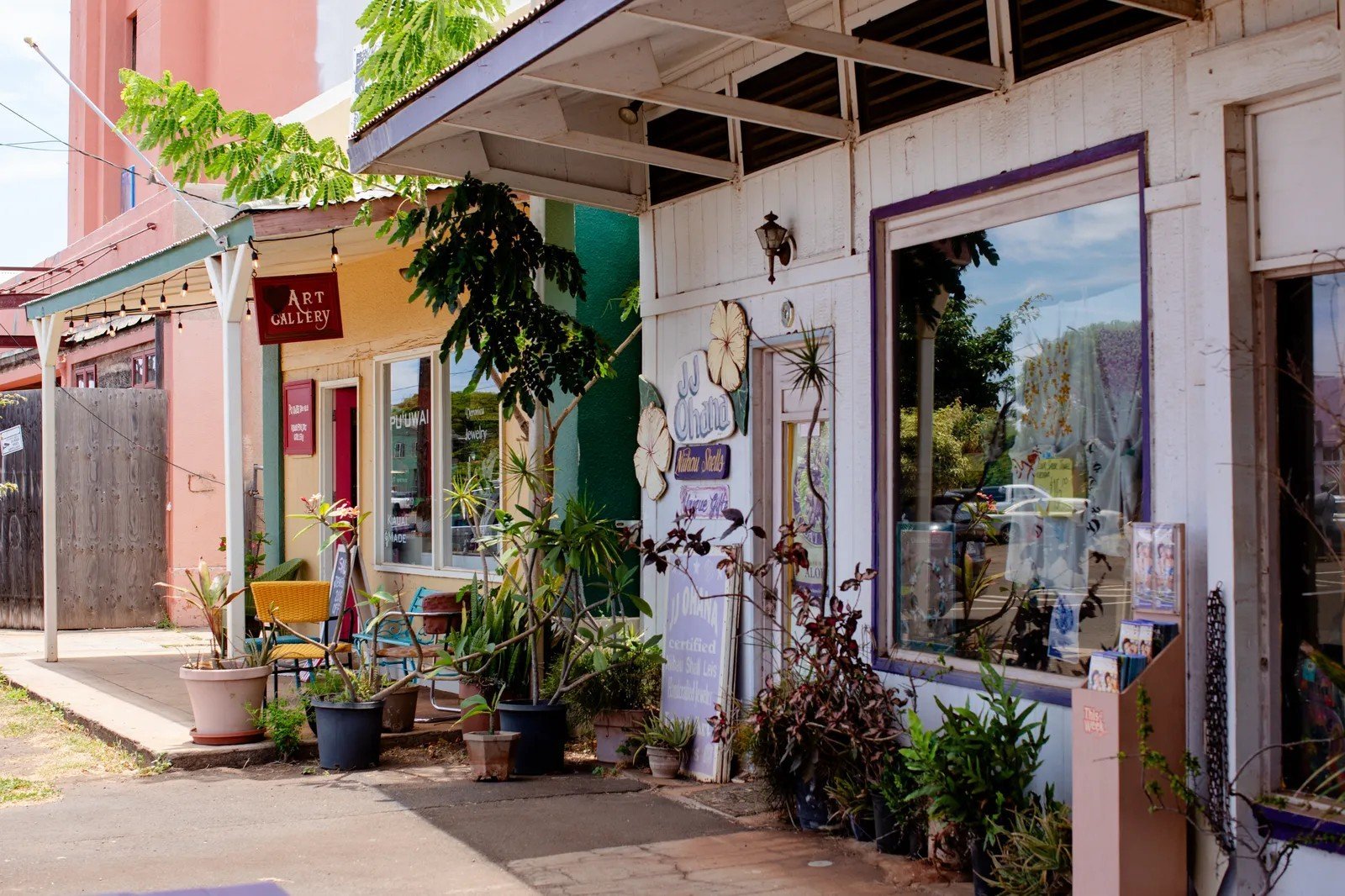
Most visitors to Kauai never leave the resort areas on the north shore. They miss the south side entirely – which means they miss Hanapepe, and that’s a genuine loss.
Hanapepe feels like old Hawaii, the kind that existed long before Instagram found it. Art is the town’s defining feature, with galleries and studios opening their doors every Friday night to welcome visitors in what’s become a beloved local tradition. Walk the swinging footbridge over the Hanapepe River – the town’s most photographed landmark – and you’ll understand why the people who find this place fall hard for it. It’s quiet, creative, and completely unhurried.
Worth knowing
- Hanapepe Art Night happens every Friday.
- It has been a weekly tradition since 1997, which gives the event a lived-in local rhythm instead of a made-for-tourists vibe.
14. Abingdon, Virginia
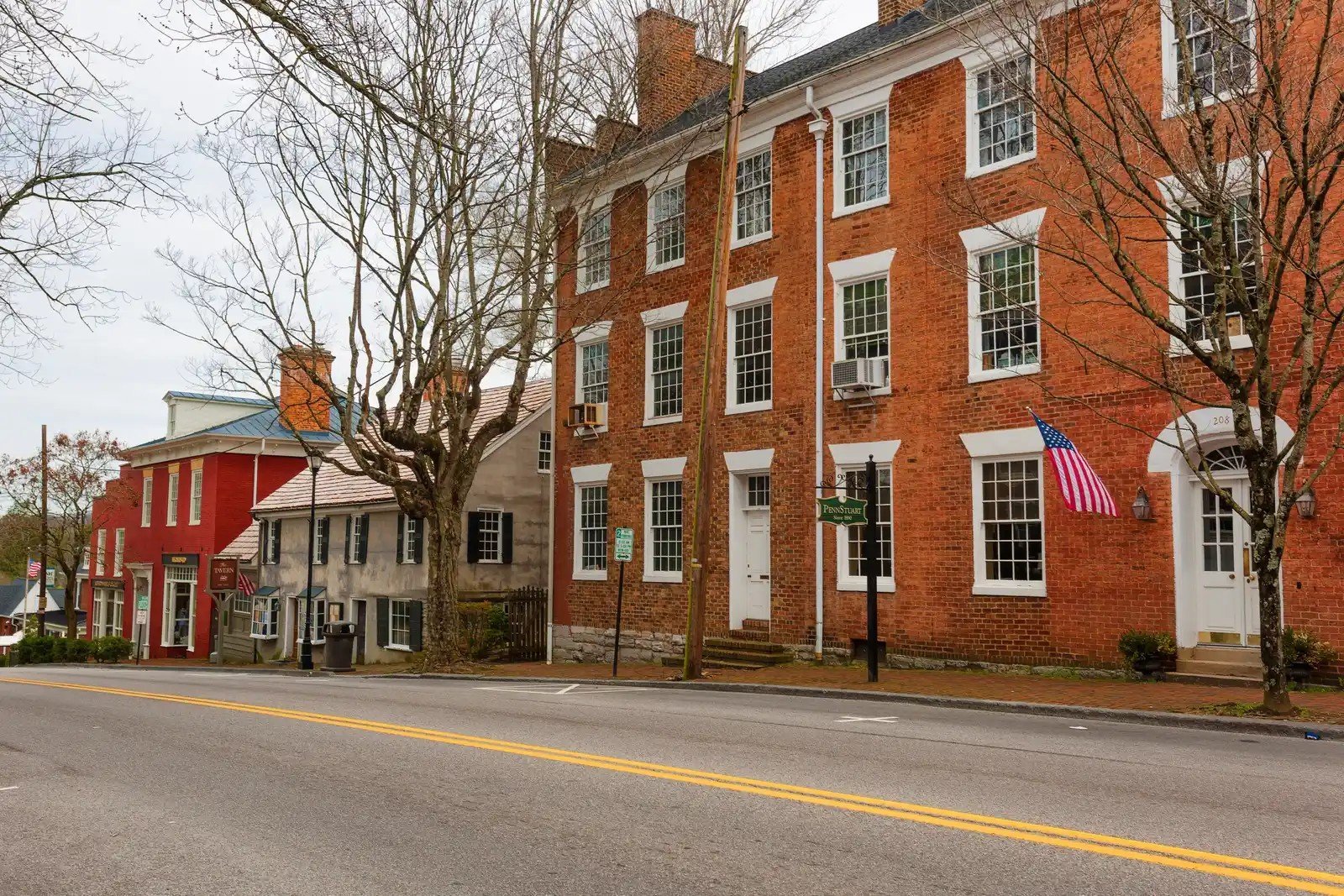
Abingdon sits just 20 miles from the Tri Cities Airport and directly along the Virginia Creeper Trail – a 34-mile rail-trail that winds through the Blue Ridge Mountains in a way that makes grown adults stop pedaling just to stare.
The town’s cultural anchor is the Barter Theatre, which has been running continuously since 1933 and is one of the most celebrated regional theaters in the country. That longevity tells you everything about how seriously Abingdon takes culture. Pair mountain trails, a charming historic downtown, and a living theater tradition, and you have one of the most embarrassingly easy road trips to plan on the entire East Coast.
Worth knowing
- Barter Theatre opened in 1933 and describes itself as the nation’s longest running professional theatre.
- The Virginia Creeper Trail stretches 34.3 miles, giving the town an unusually strong mix of arts and outdoors.
15. Wallace, Idaho
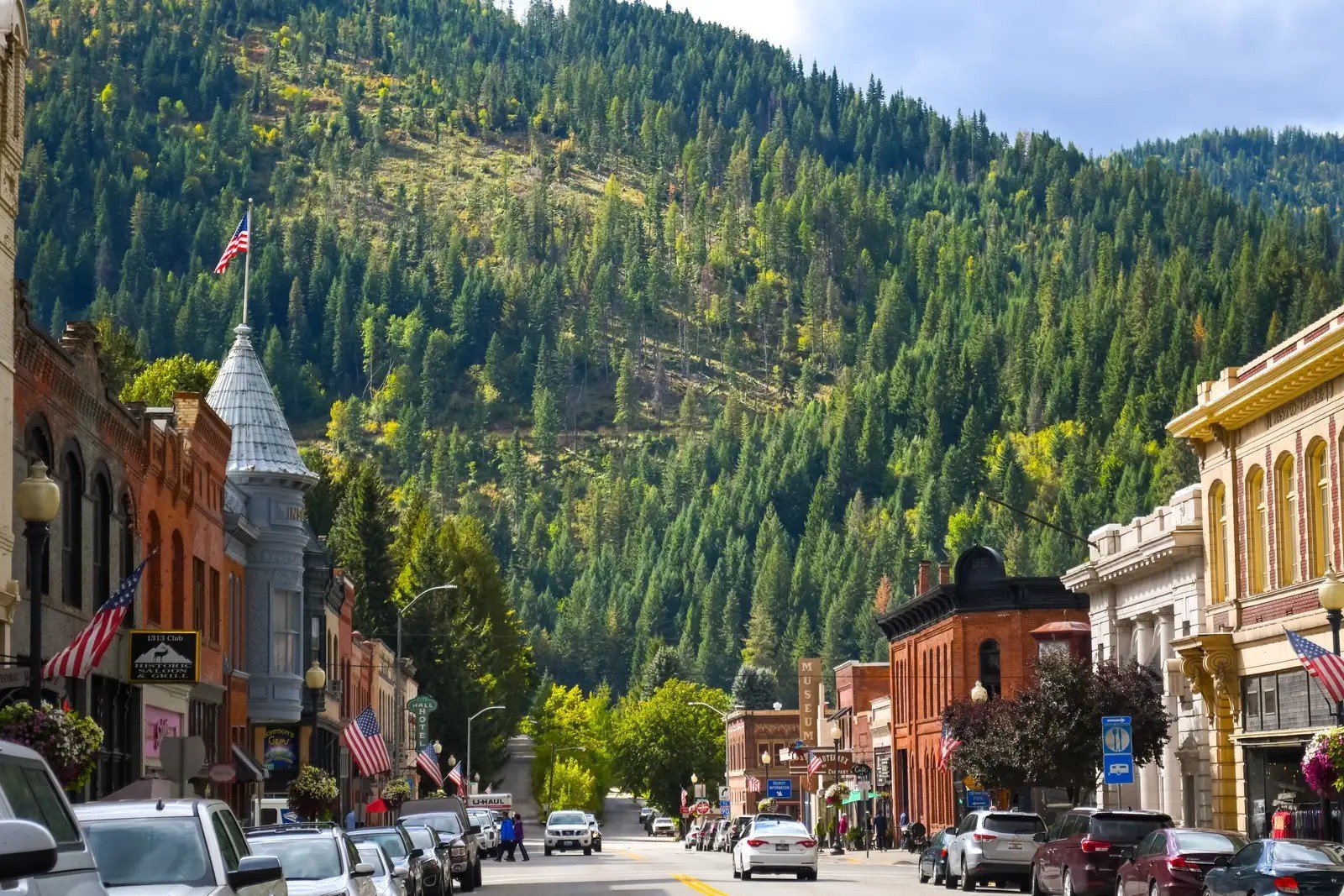
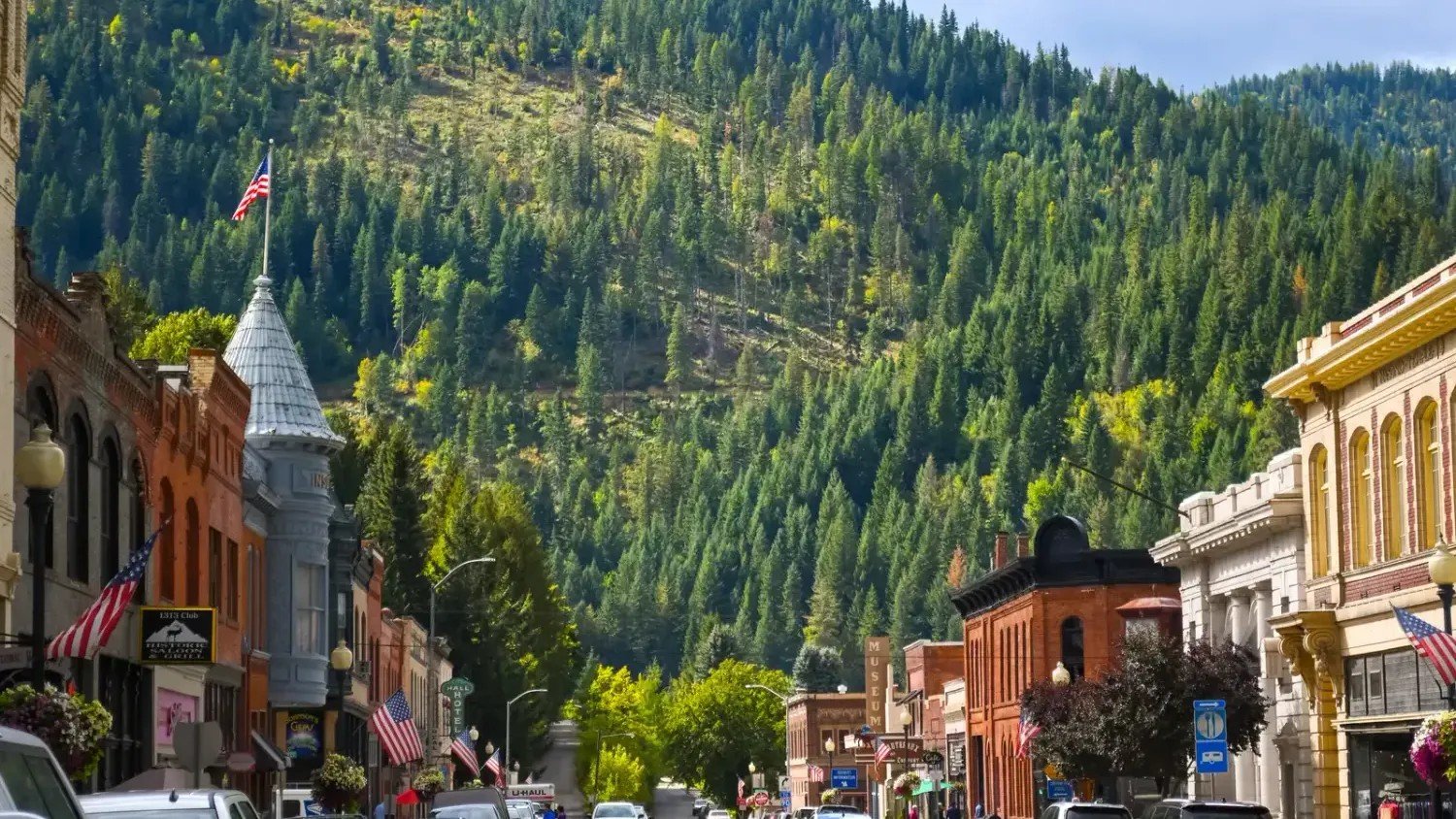
Wallace, Idaho makes a bold claim: it is the official Center of the Universe. In 2004, the mayor made a formal proclamation – because, as the logic goes, no one can prove it isn’t. A custom manhole cover at the corner of Bank Street and Sixth Street marks the exact spot, and the town holds an annual festival celebrating the distinction.
The joke is funny. The town itself is something else entirely. Every building in Wallace’s historic downtown is on the National Register of Historic Places – a designation the town fought hard for in court to prevent the interstate from bulldozing straight through it. Since 1884, over 1.2 billion ounces of silver have been mined from the surrounding hills, and the Route of the Hiawatha – a 15-mile former railway converted to trail – is widely recognized as one of the most scenic biking and hiking paths in the entire country. Wallace is the kind of place that starts as a curiosity and ends as a favorite. Go once, and you’ll understand why people keep the secret so well.
Worth knowing
- The Route of the Hiawatha is 15 miles long.
- It includes 10 tunnels and 7 sky-high trestles, which is part of why people remember the ride long after the joke about the ‘Center of the Universe’ wears off.