
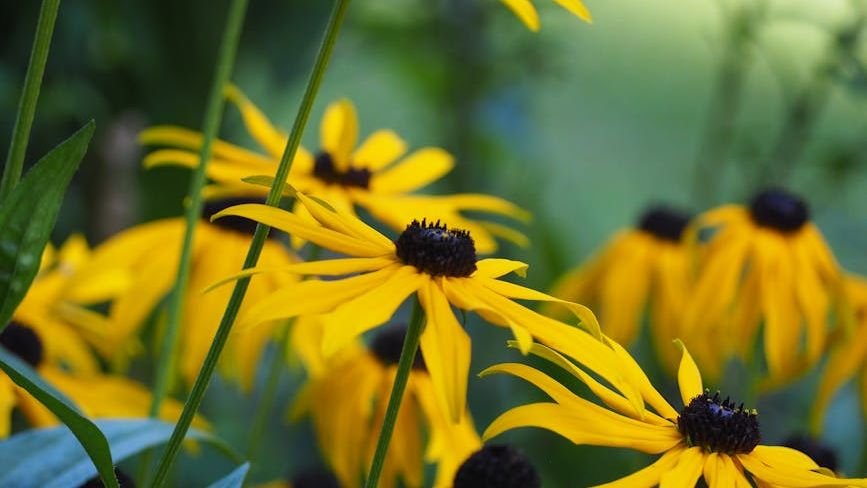
Most people assume that a beautiful garden takes constant work – watering every other day, fertilizing on a schedule, deadheading by hand, and fussing over every wilting leaf. But here’s the thing: some of the most stunning plants in existence actually perform better when you leave them alone. Skip the water. Skip the fertilizer. Forget to divide them. They just keep going, year after year, like they have something to prove.
The 27 perennials below are the real deal. Once they settle in, they shrug off drought, poor soil, brutal summers, and hard winters without missing a beat. If you’ve ever killed a plant by loving it too much – or just never had time to love it at all – this list was written for you.
1. Daylily (Hemerocallis)
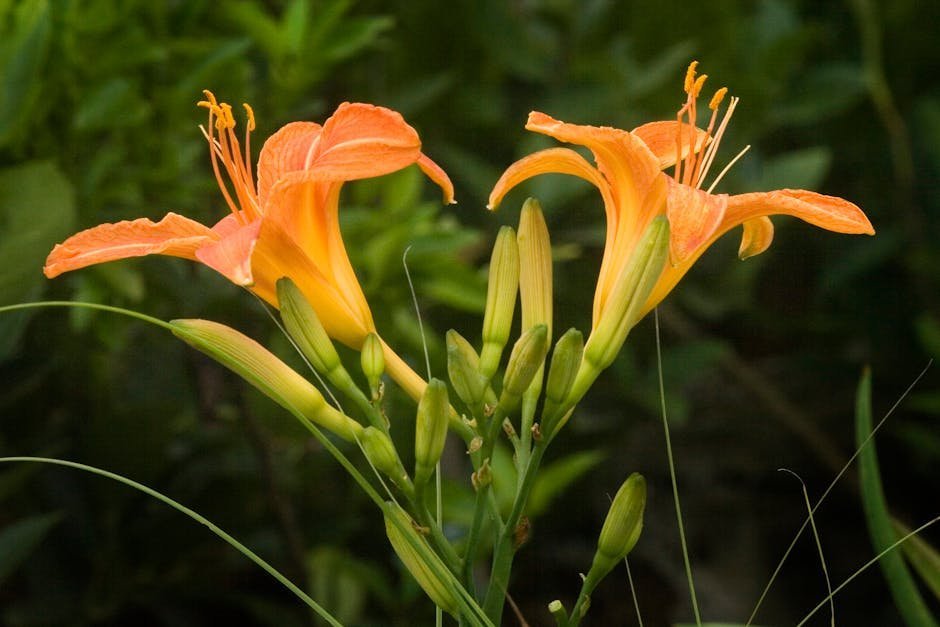
Daylilies are low-maintenance, edible perennials that thrive in full sun and tolerate neglect. They’re easy to grow, bloom profusely, and don’t mind being ignored. These long-lived perennials bloom abundantly, though each bloom only lasts for one day – and unlike true lilies that grow from bulbs, daylilies grow from fleshy roots.
These perennials are hardy and drought-tolerant, and will spread and multiply over time. They are also edible, which makes them one of the most useful plants you can tuck into a forgotten corner. Plant them once in decent sun, and they’ll be back stronger next season without a single reminder from you.
2. Sedum / Stonecrop (Hylotelephium)
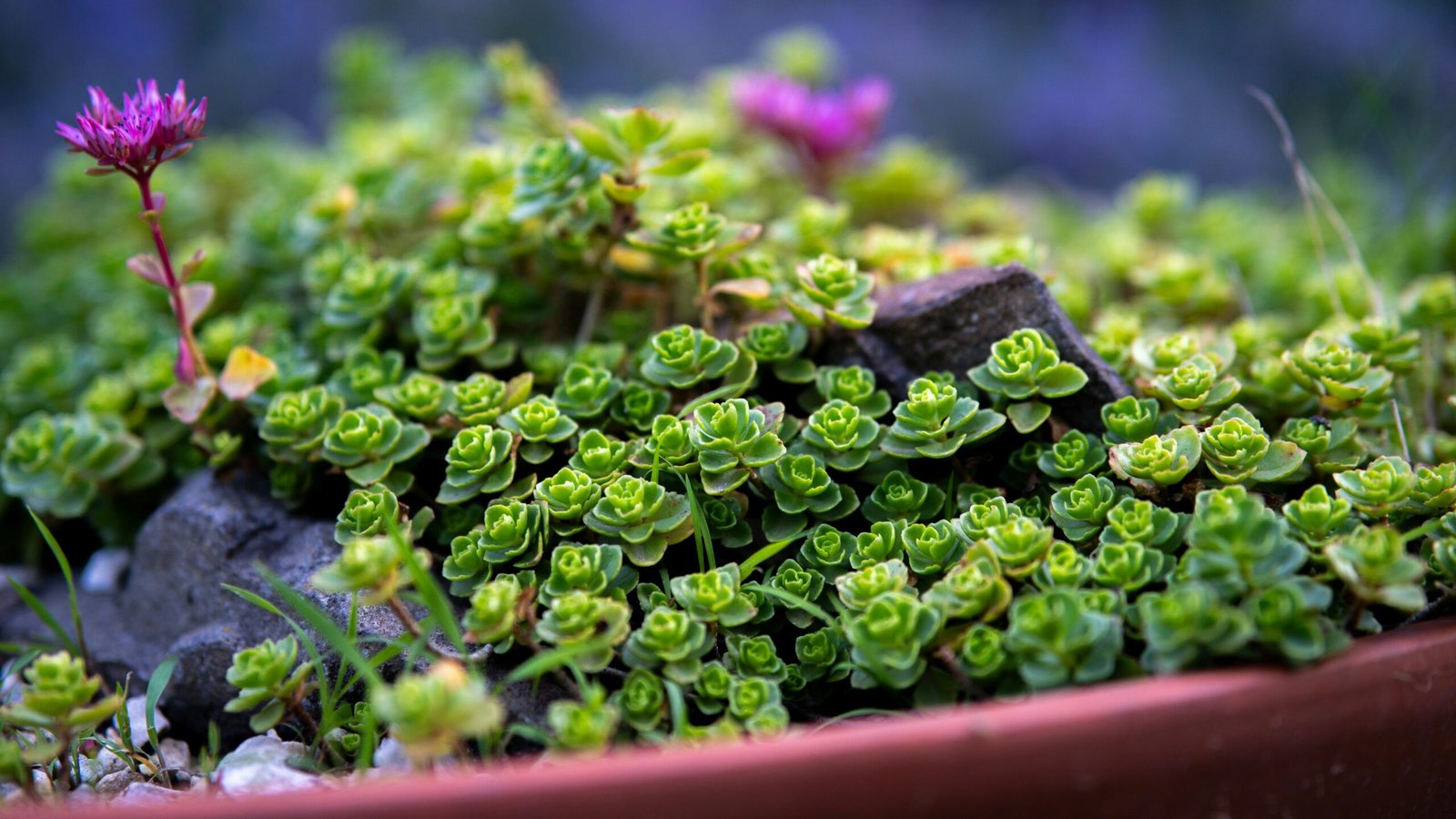
Sedum, often known as Stonecrop, is the epitome of resilience in the plant world. Thriving on neglect, this perennial loves dry, rocky soil and requires minimal watering. Its drought tolerance makes it a perfect choice for those who forget to water regularly. Gardeners have reported digging up sedum, leaving it out, and coming back to find it still alive.
Sedum stores water right inside its thick, fleshy leaves, meaning it thrives in lean, dry soil where other perennials would collapse. The late-summer flower clusters shift from soft pink to rich copper as the season turns, giving you visual interest well into fall with zero intervention. There are varieties for every garden, from low ground covers to tall upright clumps.
3. Yarrow (Achillea millefolium)
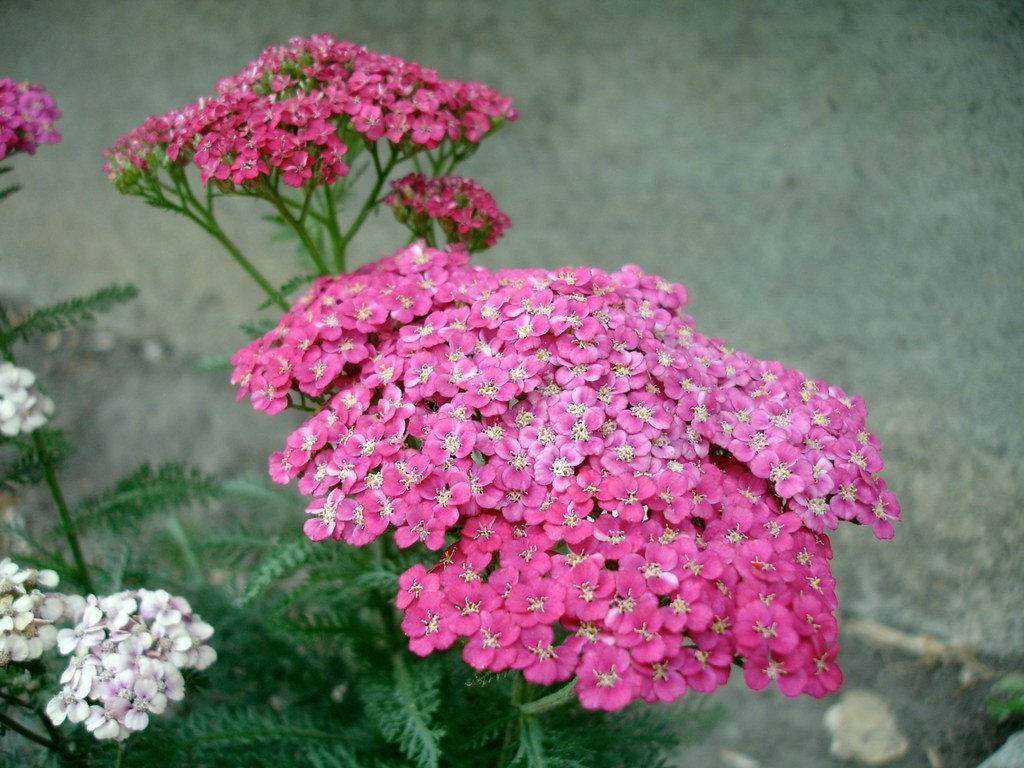
Yarrow thrives on outright neglect, producing flat-topped clusters of color – from white to gold to deep red – across hot, dry spots where other perennials give up. Bees and butterflies love it, and the more you ignore it, the better it tends to perform. That’s not marketing language – it’s genuinely how this plant works.
Yarrow is one of the easiest perennials to grow and is a good choice for beginners. All it needs is full sun and well-drained soil. It thrives in average to poor soil and is drought tolerant once established. Plants grown in rich soil tend to be tall and floppy – so the neglect approach is actually the right one here.
4. Purple Coneflower (Echinacea purpurea)
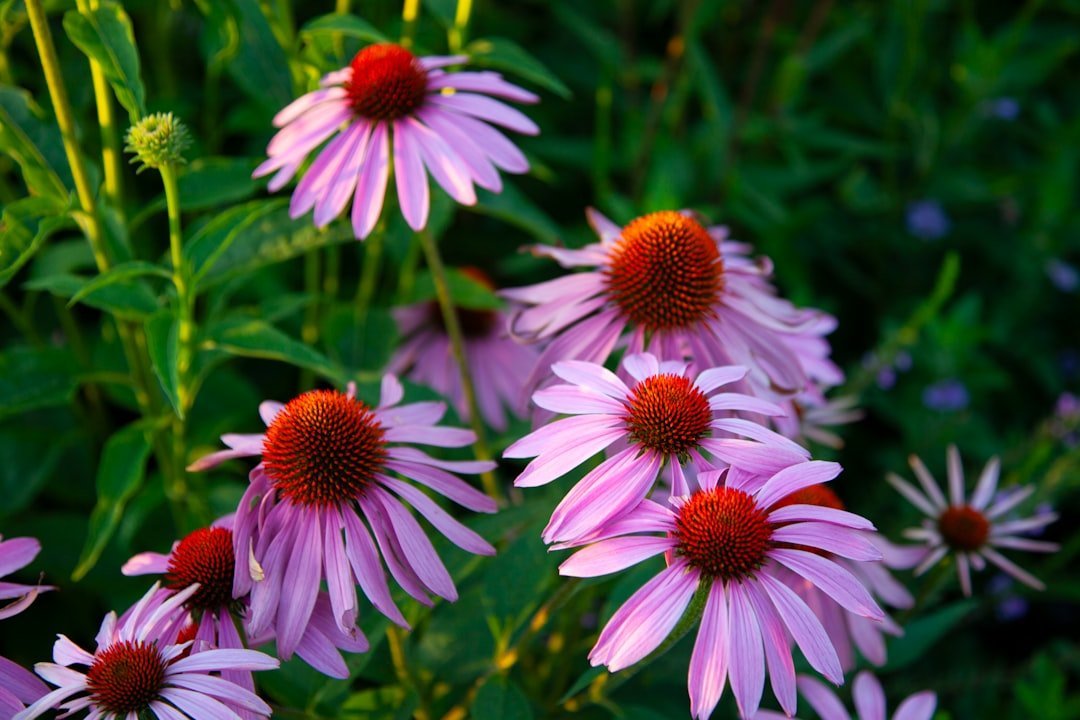
Coneflowers develop deep taproots that access groundwater even during dry spells. Their distinctive daisy-like flowers with raised centers bloom from early summer through fall in shades of purple, pink, white, yellow, and orange. Native to American prairies, these tough perennials handle heat and drought with remarkable resilience.
Echinacea brings strength, beauty, and eco-benefits to your garden with daisy-like blooms that persist from summer to fall. These perennials are beloved by bees, butterflies, and birds – goldfinches love the seed heads – and they come back stronger each year, rain or shine. Leave the seed heads standing through winter, and the birds will thank you for it.
5. Black-Eyed Susan (Rudbeckia fulgida)
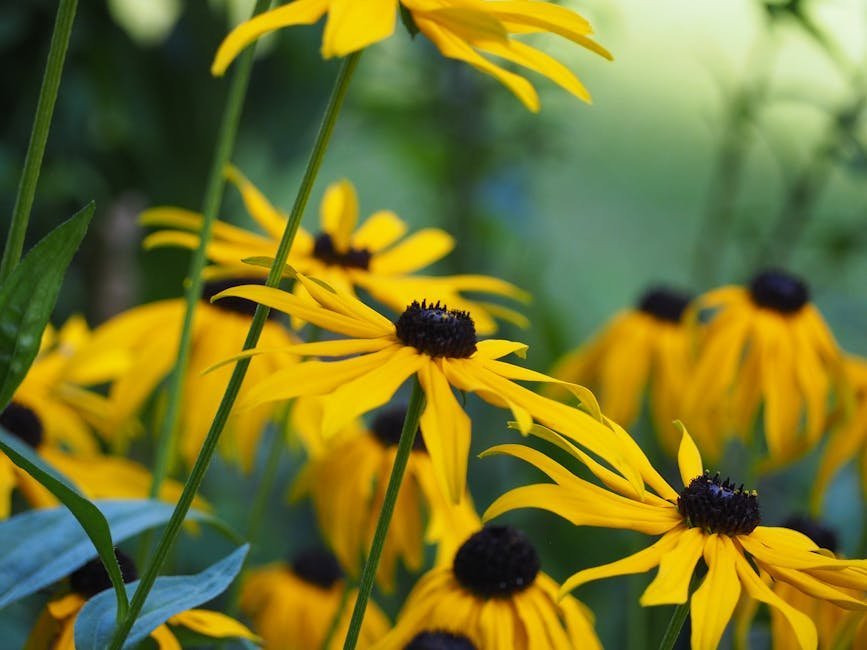
Black-Eyed Susans bring bold golden-daisy energy from summer through fall and handle poor soil with surprising grace. They self-seed just enough to fill in gaps naturally, but not enough to stage a hostile takeover of your garden beds. That balance is genuinely rare in the plant world.
Black-Eyed Susan is a sunshine-loving perennial that self-seeds and requires little beyond basic sunlight to thrive. Its bright yellow petals encircle a dark central cone, creating a cheerful display in gardens. Resilient to drought, this plant is ideal for those who prefer minimal fuss. Once established, it spreads easily, filling spaces with vibrant color year after year.
6. Russian Sage (Salvia yangii)
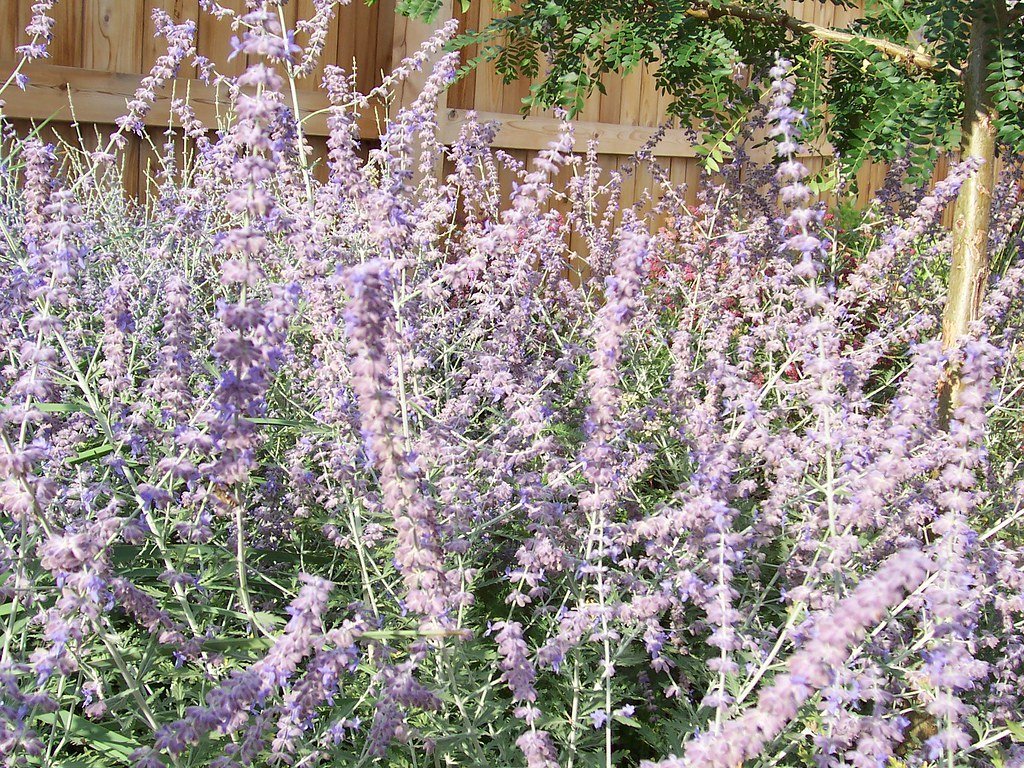
Silvery, aromatic foliage topped with graceful spires of soft lavender-like blooms makes Russian sage a standout in low-maintenance borders. It thrives in a sunny spot in poor, well-drained soil and needs no attention apart from a trim in early spring. That one annual haircut is genuinely all it asks.
Another advantage of Russian sage is its appeal to pollinators – it draws bees, butterflies, and hummingbirds, yet hungry deer tend to leave it alone. Hardy in USDA zones 5 to 9, this low-maintenance gem brings structure and fragrance with the bare minimum of upkeep. Its silvery stems are even striking in the dead of winter.
7. Catmint (Nepeta racemosa)
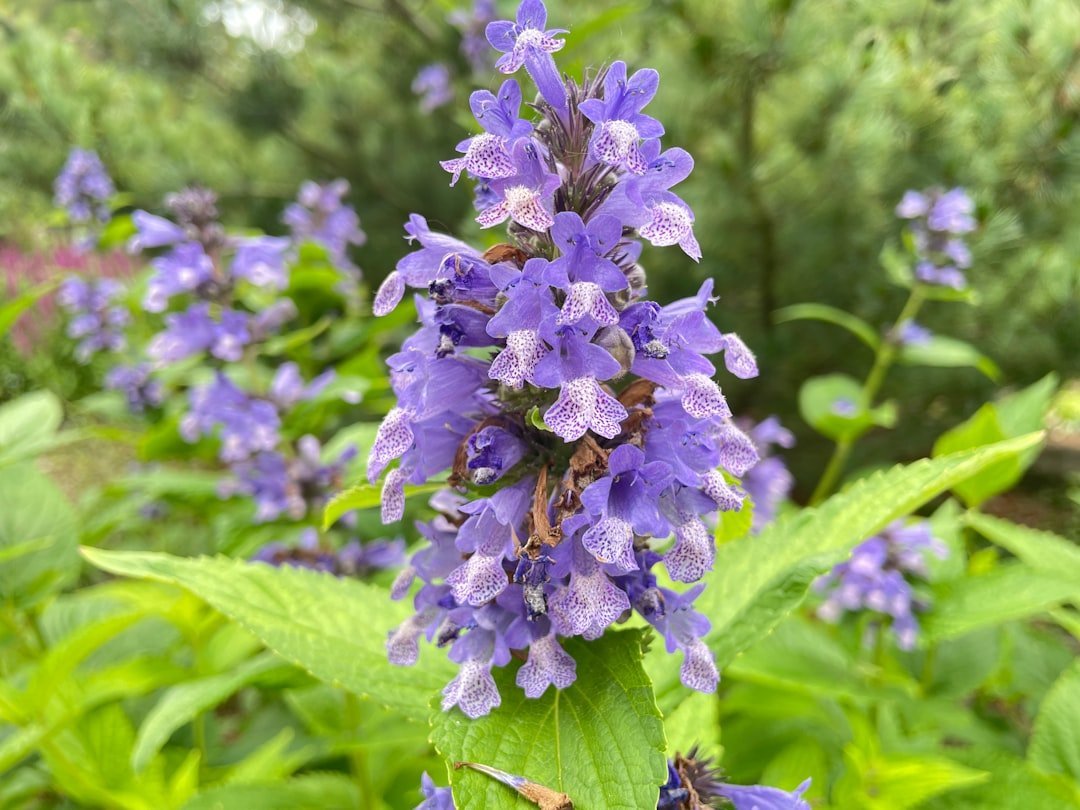
Catmint spills into soft blue-lavender clouds from late spring all the way into fall, forming tidy gray-green mounds that never try to escape their boundaries. Its tough root system handles cold winters and dry spells without drama, making it one of the most dependable edging plants you can grow.
Catmint, with its aromatic foliage and purple-blue flowers, offers a pleasant scent and visual appeal to any garden. Known for being tough and drought-tolerant, this perennial requires little care once established. Deer and rabbits tend to avoid it, making it an ideal choice for areas where these animals are prevalent. Cut it back lightly after the first big flush, and it will rebloom generously.
8. False Indigo (Baptisia australis)
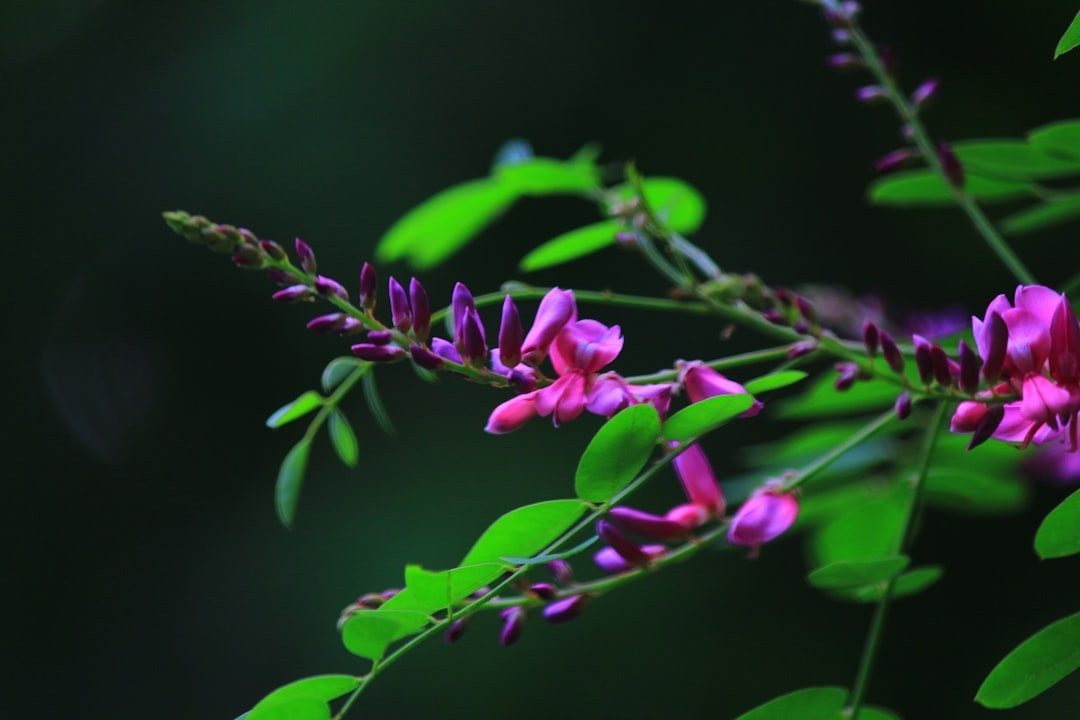
False Indigo is built like a vault – once established, it develops an enormous, deep root system that powers through drought, poor soil, and years of neglect without complaint. Its rich blue spikes in late spring have a lupine-like elegance, and it can live in the same spot for decades without division.
Baptisia develops deep, drought-resistant root systems that help these prairie natives thrive with minimal care. Their blue, purple, yellow, or white lupine-like flowers appear in late spring above attractive blue-green foliage. After flowering, decorative seed pods provide continued interest through summer and fall. Once established, baptisia resents disturbance and should remain permanently in place. Think of it as a forever plant.
9. Blazing Star / Liatris (Liatris spicata)
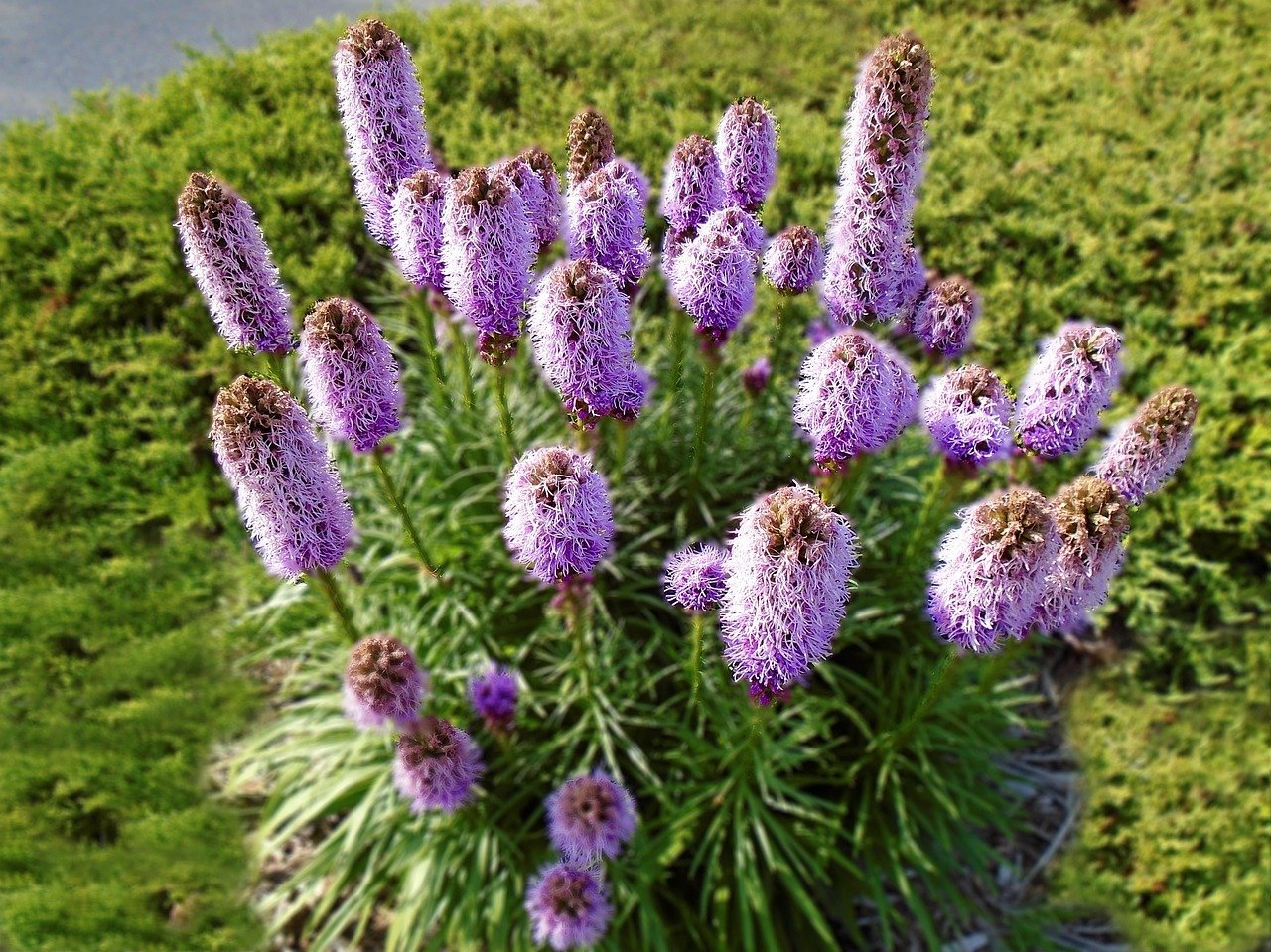
Blazing star is a beautiful North American native with one- to five-foot-tall spikes of blossoms that look like little stars in colors like pink, purple, and white. These wildflowers are as maintenance-free as it gets, so you can basically ignore them in Zones 3 to 9 and they’ll still be back year after year to sparkle in your garden. They’re perfect for cut flower displays and to fill areas that would challenge most other species, like dry or poor soil.
Liatris produces distinctive bottle-brush flower spikes in purple, pink, or white that bloom from the top downward. These prairie natives develop corm-like structures that store water and nutrients, helping them survive periodic drought. Their vertical form provides architectural interest in perennial borders. The nectar-rich flowers attract numerous butterflies and beneficial insects.
10. Hellebore (Helleborus)
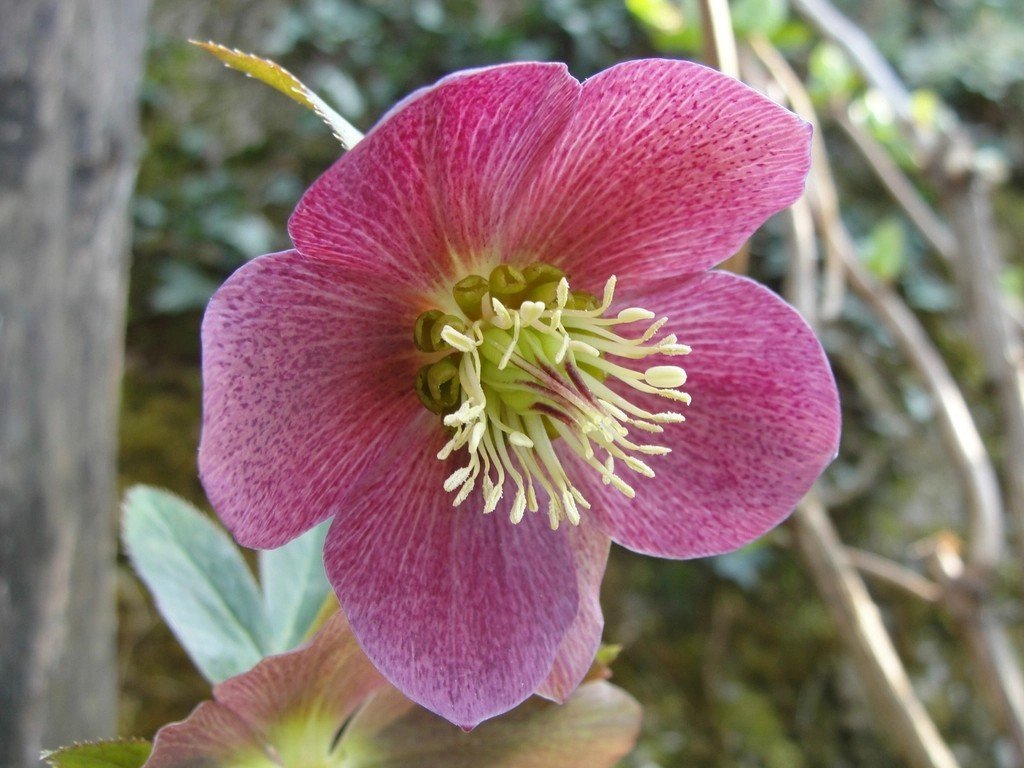
Hellebores bloom in late winter and early spring when almost nothing else dares to – a genuinely exciting trait in a perennial – and their evergreen leaves hold the garden together year-round. They resist disease naturally, and their downward-facing flowers protect delicate stamens from frost, letting them thrive even in the coldest months.
Hellebore stands out as a stunning addition to gardens with its early bloom time and shade-loving nature. These hardy perennials burst into flower even in late winter, offering color when most plants are dormant. Gardeners appreciate hellebores for their various colors and patterns, ranging from white to deep purples, often speckled or streaked for added interest. Easy to care for, hellebores resist pests and diseases well.
11. Hosta (Hosta spp.)
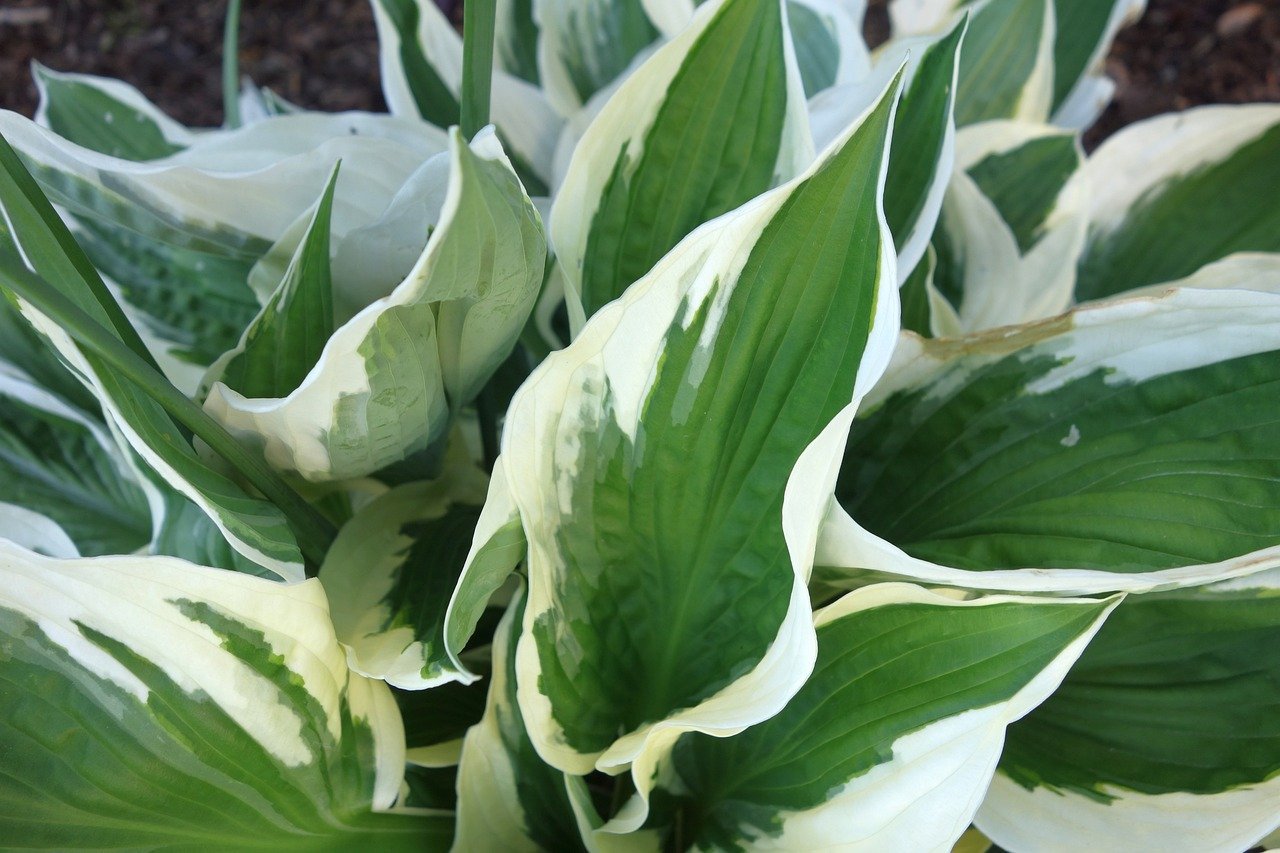
One of the most popular shade perennials, hosta is grown primarily for the bold foliage that occurs in an array of colors, patterns, and shapes. Varieties range from dwarf to large specimens, five feet across. Hostas thrive in difficult sites where little else will grow, including deep shade and underneath trees. Plants are long-lived and virtually carefree.
Known for their lush foliage, which comes in various greens, blues, and even variegated patterns, hostas add texture and depth to your outdoor space. Hostas are not just about attractive leaves; they also send up spiky flowers that can add a touch of elegance to any shade garden. They require minimal care once established and resist common pests like deer. That shaded corner under the oak tree? Hostas were born for it.
12. Coreopsis / Tickseed (Coreopsis verticillata)
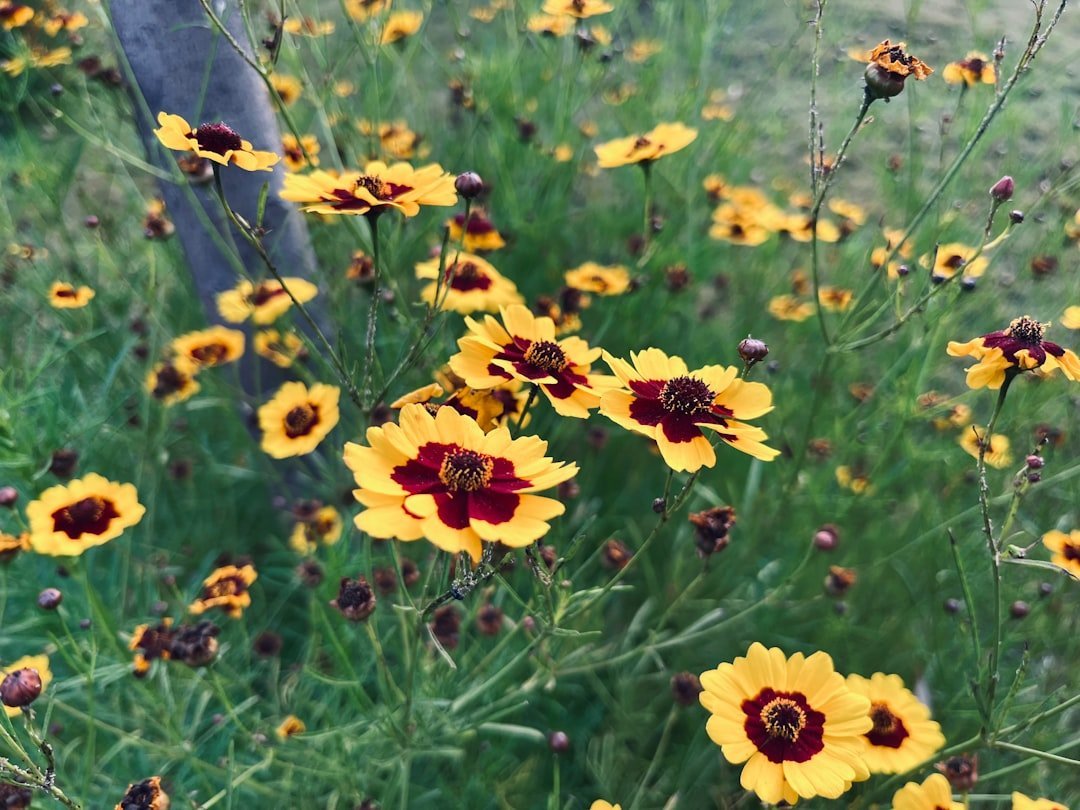
Native to North American prairies, Tickseed evolved for heat, drought, and neglect – conditions it genuinely prefers over coddled garden life. Its cheerful yellow daisy-like blooms keep coming for months, and pests rarely bother with it. That’s a combination you rarely get in one plant.
Coreopsis produces daisy-like flowers in yellow, orange, red, or bicolor patterns. These cheerful native perennials bloom prolifically from early summer through fall with minimal care. Even during dry spells, coreopsis continues flowering with remarkable persistence. Their self-cleaning habit means spent blooms drop away naturally without deadheading.
13. Lamb’s Ear (Stachys byzantina)
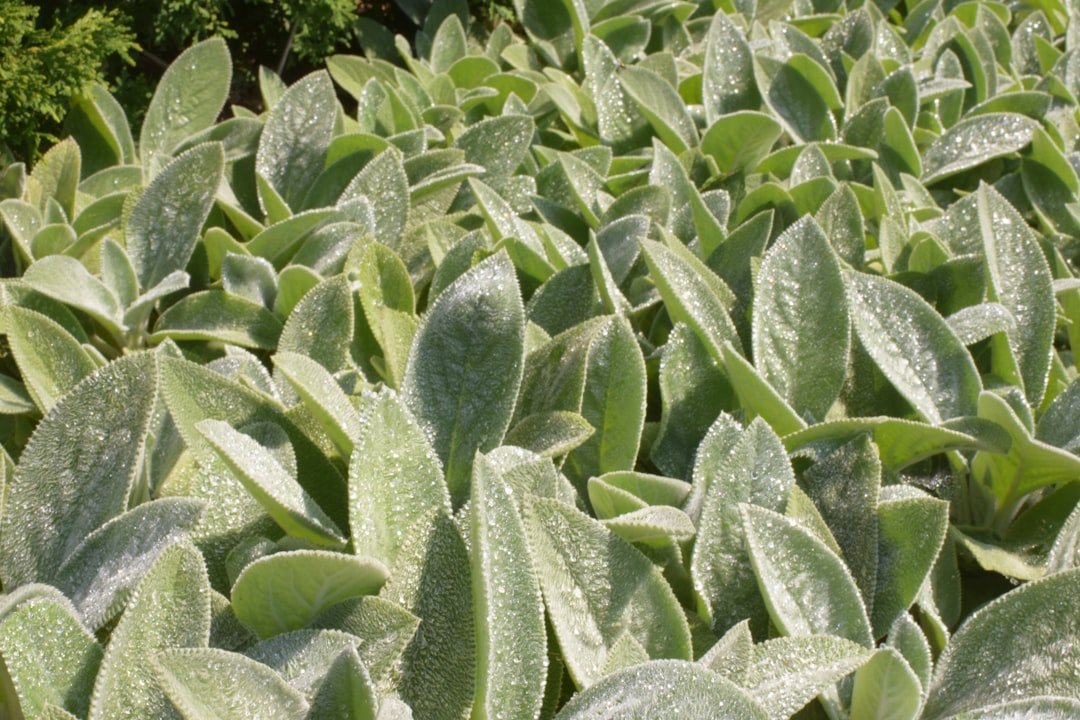
Lamb’s Ear is known for its distinctive velvety silver foliage that persists as an evergreen in many zones. This perennial thrives in poor soil and dry conditions, making it perfect for low-maintenance gardens. Its unique texture and appearance add visual interest without demanding much care. Resistant to drought, Lamb’s Ear requires little more than occasional cutting back.
Lamb’s ear creates silvery-white carpets of soft, velvety foliage that add textural interest to garden borders. The fuzzy leaves reflect sunlight and conserve moisture, helping this perennial withstand extended dry periods. Tall flower spikes with small purple blooms appear in early summer. Kids always want to touch it, and honestly, adults do too.
14. Lavender (Lavandula)
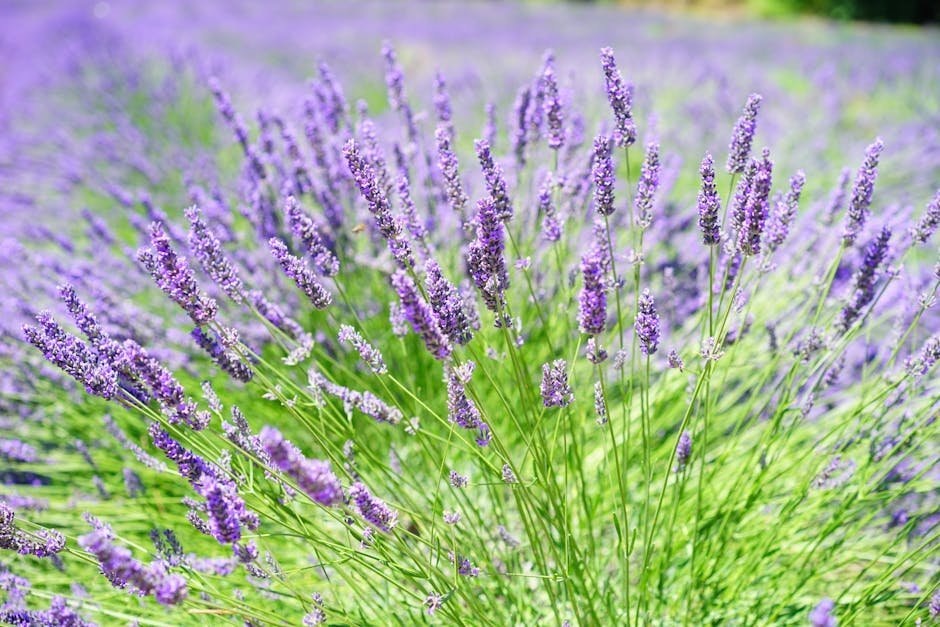
Deep roots digging up to 2 feet down for water make lavender a perfect candidate for low-water gardens. It loves sandy slopes soaked in full sun and produces scented purple flowers that give summer yards a cozy, Mediterranean vibe. The fragrance alone is worth the planting.
With its fragrant purple spikes and silvery foliage, lavender adds beauty and soothing scent to any garden. Lavender prefers full sun and well-draining soil, making it ideal for dry, sandy areas. It’s also deer-resistant and a favorite of bees, creating a win-win for you and local pollinators. Overfeed it or overwater it, and it actually sulks – it really does prefer life on the tough side.
15. Coral Bells (Heuchera)
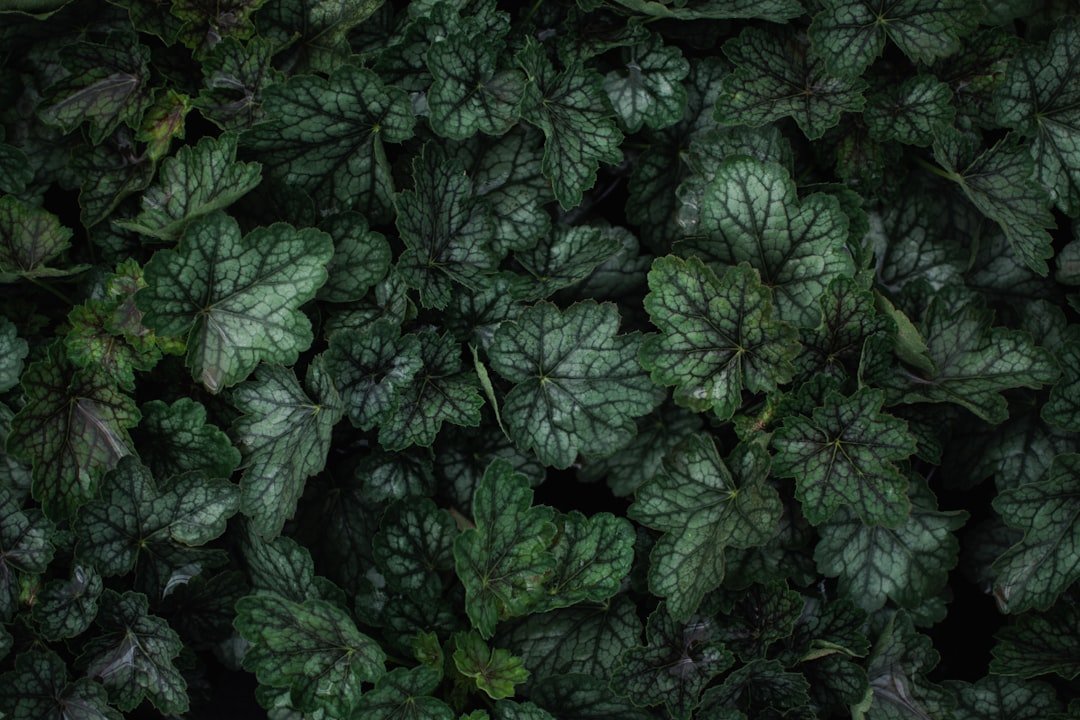
Heuchera varieties offer year-round interest through colorful foliage in shades of purple, amber, lime green, silver, and nearly black. Their tiny bell-shaped flowers on slender stems attract hummingbirds and add delicate texture above the bold leaves. Modern hybrids combine outstanding drought tolerance with expanded color options.
Coral bells’ best feature is the textured and beautifully colored foliage. These drought-tolerant perennials have striking heart-shaped leaves ranging in color from lime-green and peach to red and dark purple. They work beautifully in partial shade where other colorful plants struggle, and they ask for almost nothing in return.
16. Peony (Paeonia hybrids)
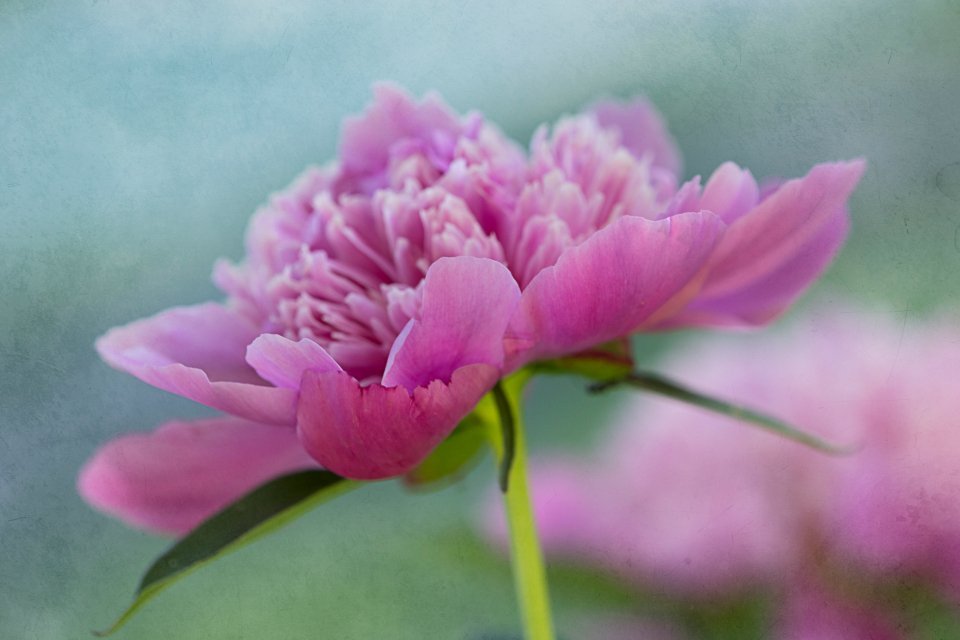
Peonies have a reputation for being fussy, but once they’re in the ground and settled, the opposite is true. When given favorable growing conditions, long-lived perennials like peonies often thrive for 20 or more years. Peonies are growing in American gardens that have been in the same spot for 50 or 60 years without being divided, fertilized, or moved.
The only real rule with peonies: don’t plant them too deep. The red “eyes” near the crown should sit no more than an inch or two below the soil surface. Get that right, and you can essentially walk away. They handle cold winters exceptionally well, often blooming more magnificently after a hard freeze than after a mild one.
17. Blanket Flower (Gaillardia x grandiflora)
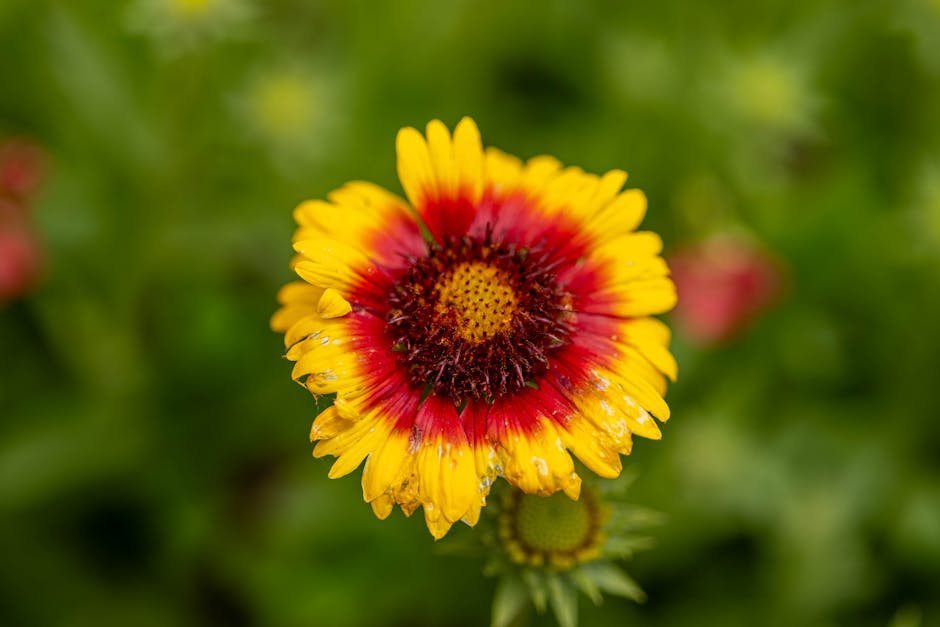
The blanket flower is one of those plants that looks exotic and high-maintenance but is actually bulletproof. Its bold red-and-gold daisy blooms appear from early summer right through the first hard frost, and the whole time it asks for nothing more than sunshine and decent drainage. This tough prairie native is tolerant of heat, drought, and different soils. Plants are resistant to insect pests, diseases, and deer, and are virtually carefree once established.
Gaillardia actually suffers in rich, moist soil – it prefers the lean, hot conditions that challenge most flowering plants. The more you leave it alone in a sunny, well-drained spot, the more it blooms. It’s one of the few perennials that genuinely rewards neglect with more flowers, not fewer.
18. Siberian Iris (Iris sibirica)
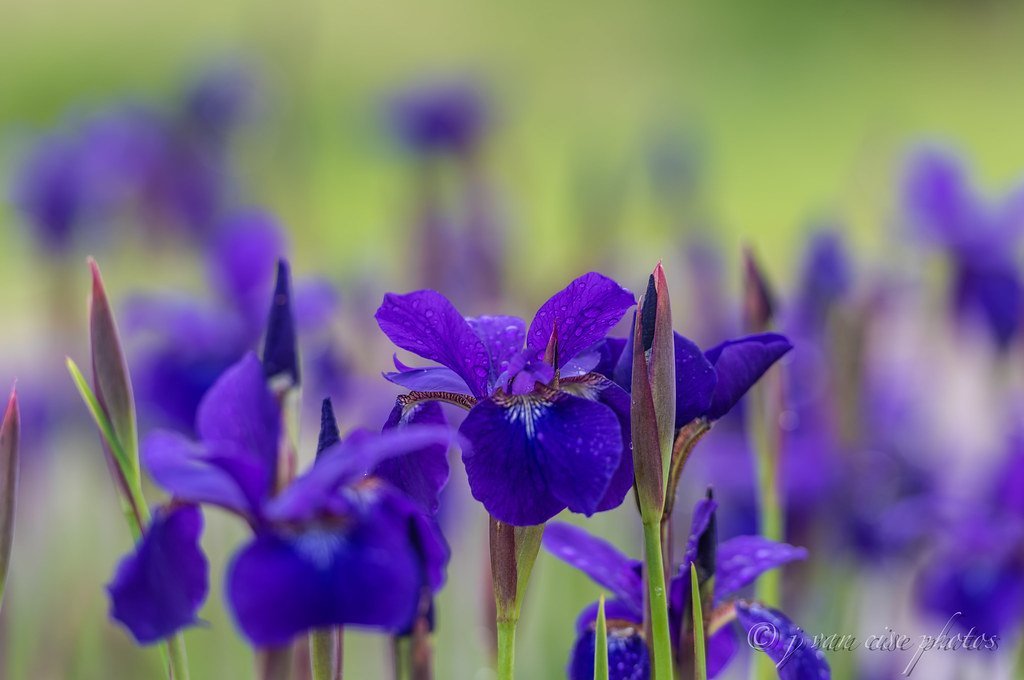
Unlike its bearded iris cousins, the Siberian iris is a genuinely low-fuss plant. It grows in tidy, upright clumps of grass-like foliage and produces elegant purple, blue, or white blooms in late spring. Low-maintenance perennials for sunny locations include Siberian iris, which handles full sun and proves versatile across a wide range of garden settings.
Siberian iris tolerates wet soil far better than most perennials on this list, which makes it ideal for low spots in the yard that tend to collect water. It also handles drought once established, doesn’t need frequent division, and is resistant to the iris borer that plagues bearded types. Plant it and revisit it every few years – that’s honestly all it needs.
19. Shasta Daisy (Leucanthemum x superbum)
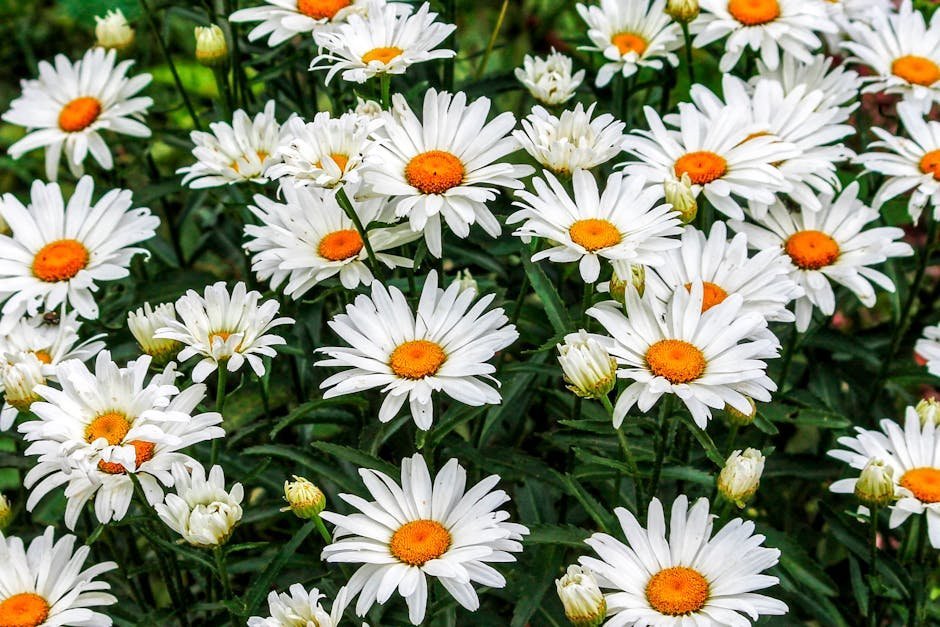
Classic white petals around a golden center, Shasta Daisies bring a clean, timeless look to sunny beds without demanding much in return. They hold firm against rabbits and deer, and as long as drainage is decent, they bloom reliably summer after summer. Few plants look as cheerful against a fence or along a garden path.
Shasta daisies are fast to establish and will begin blooming in their first full season. They spread gradually over time and can be divided every few years to keep them vigorous – but if you simply leave them alone, they’ll keep performing for years. Deadhead them occasionally if you want extended blooming, but even that is optional.
20. Butterfly Weed (Asclepias tuberosa)
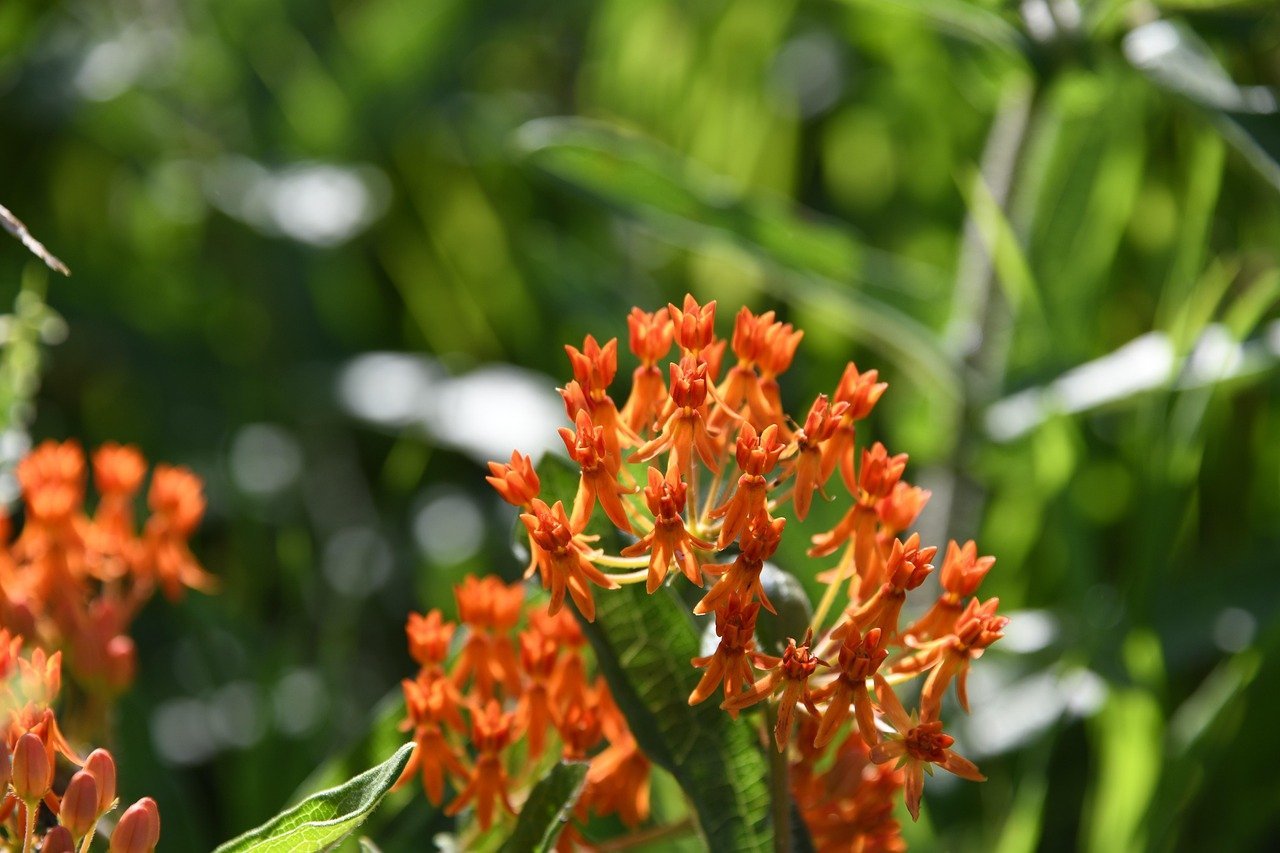
A long-lived perennial from the milkweed family, butterfly weed is native to much of North America. This drought-resistant plant has a large taproot that stores water and nutrients, keeping the plant going during prolonged dry spells. From late spring through summer, it produces bright orange flowers that charm the eyes and support migrating monarch butterflies. It’s an ideal choice for pollinator gardens and properties aiming for a wildlife habitat certification.
Here’s the thing about butterfly weed: it’s slow to emerge in spring, so mark it clearly so you don’t accidentally dig it up. Once it appears, though, it grows fast and blooms brilliantly. It resents being transplanted because of its deep taproot, so choose your spot carefully – then leave it there forever. It will reward that hands-off approach for decades.
21. Goldenrod (Solidago)
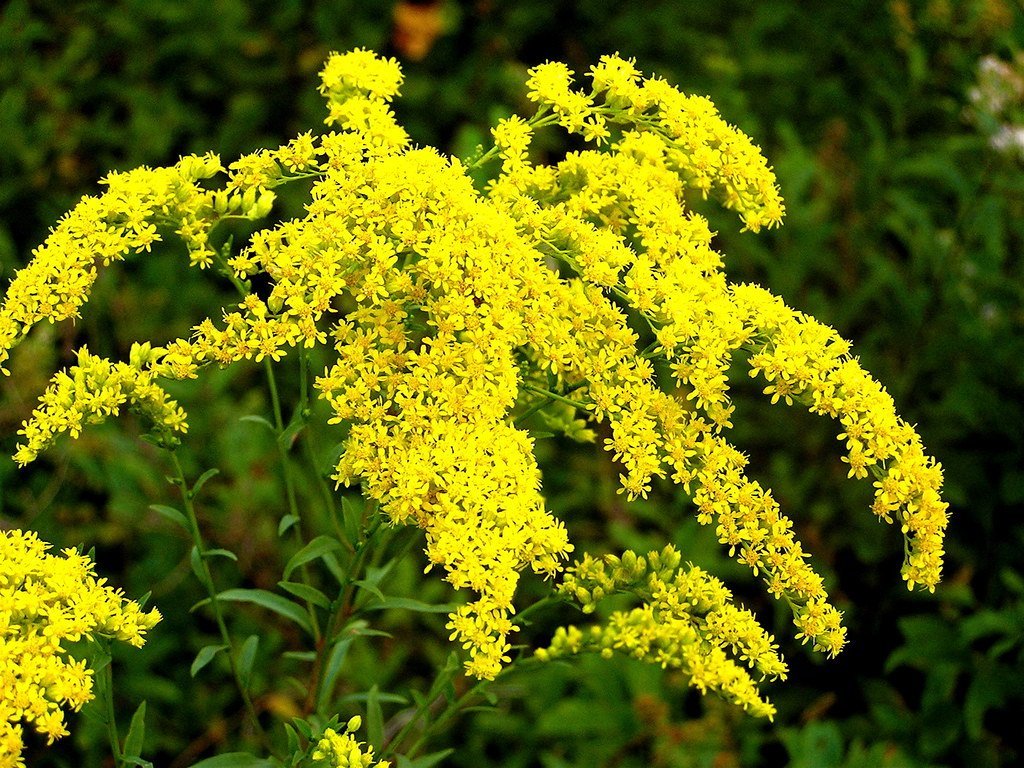
Goldenrod gets blamed for hay fever season, but that’s actually a case of mistaken identity – ragweed is the real culprit. Goldenrod blooms at the same time but is pollinated by insects, not wind. Perennials that tolerate dry soils include goldenrod hybrids alongside other tough survivors like yarrow, coreopsis, and black-eyed Susan.
Goldenrod’s golden plumes light up late summer and fall gardens like nothing else, at precisely the moment when most other perennials are winding down. It spreads readily by both rhizomes and seed, so give it some room – but in a naturalized area or meadow-style border, it’s genuinely spectacular. Pollinators absolutely swarm it in September.
22. New England Aster (Symphyotrichum novae-angliae)
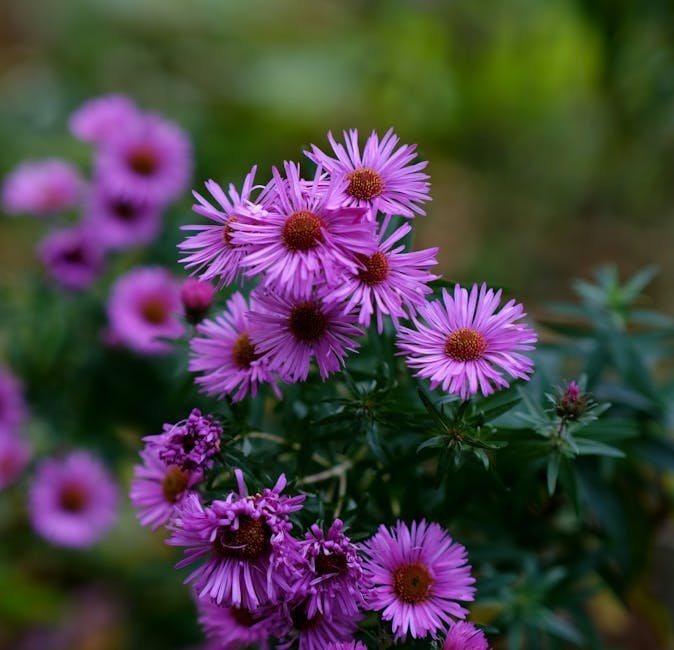
This quintessential fall-blooming perennial produces daisy-like flowers in shades of purple, blue, pink, or white. The flowers support late-season pollinators, including bees and butterflies. Plants are tolerant of a range of soils but prefer good drainage. When everything else in the garden is fading, asters are just hitting their peak.
If you are looking for fall-blooming native plants that are low-maintenance but high-impact, asters are a good idea. Many are cold-hardy down to zone 3, requiring little care even in chilly northern regions. Most asters do best in part-shade, with a few hours of sunshine each day, although some can tolerate full shade too.
23. Karl Foerster Feather Reed Grass (Calamagrostis acutiflora)
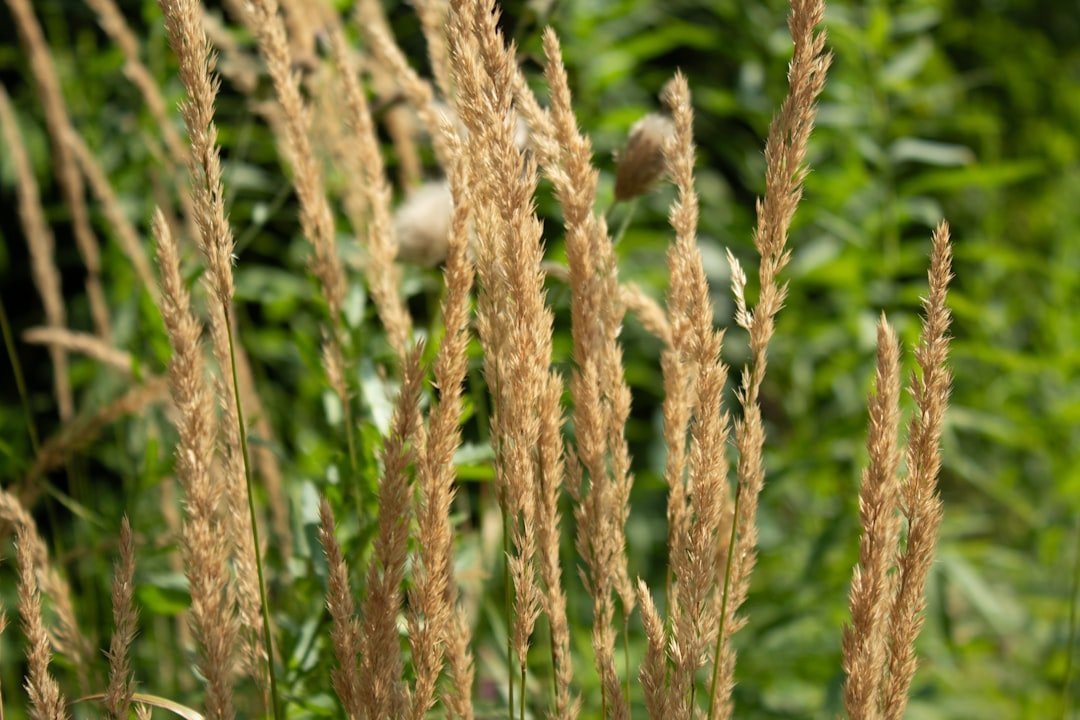
Calamagrostis acutiflora provides a great backdrop for lower-growing, flowering perennials throughout the year. It is also useful for screening purposes and will not reseed. A good choice for heavy clay soils, it thrives in full sun in zones 4 to 8. That non-reseeding quality is a big deal – it means you get structure without chaos.
Karl Foerster is one of the most architecturally useful perennials in existence. Its stiff, upright plumes emerge in early summer and stay attractive well into winter, long after most flowers have collapsed. It tolerates clay, poor soil, heat, and wind. Cut it back to the ground in late winter, and it’s back by May, exactly as tall and proud as before.
24. Switchgrass (Panicum virgatum)
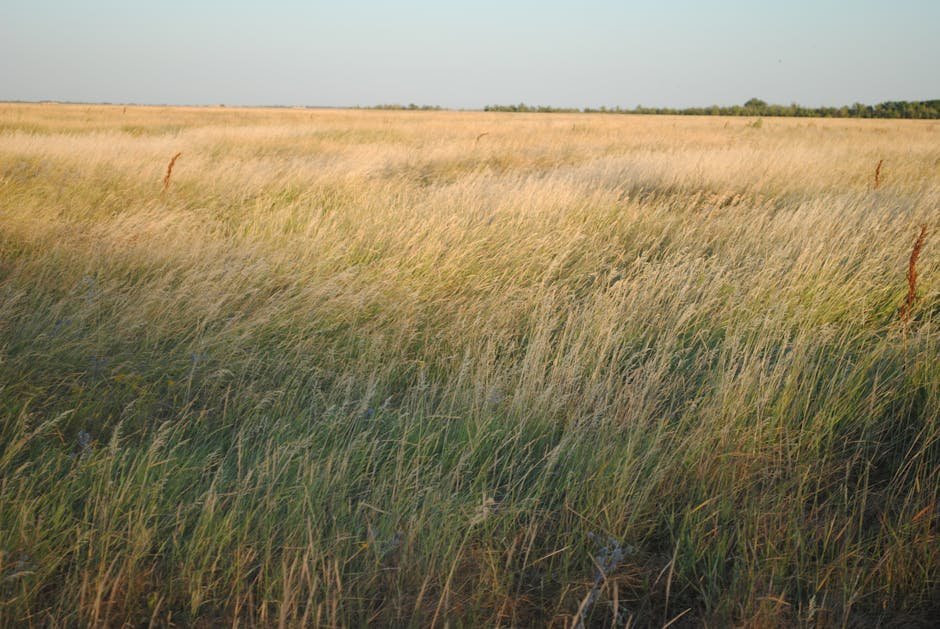
Dubbed the “monarch of the prairie,” switchgrass was once the dominant component of the American tall-grass prairie. It adapts easily to a wide range of soil and moisture conditions as long as full sun is provided. This long-lived grass has a variety of uses, including screening, naturalizing, restoring prairies, and nesting materials for birds and mammals.
Switchgrass is one of those plants that looks right in nearly every landscape – cottage garden, modern border, wild meadow, or suburban backyard. It turns brilliant shades of gold and burgundy in fall, and its seed heads feed birds through winter. Established plants handle both drought and occasional wet feet, a genuinely rare flexibility.
25. Penstemon (Penstemon spp.)
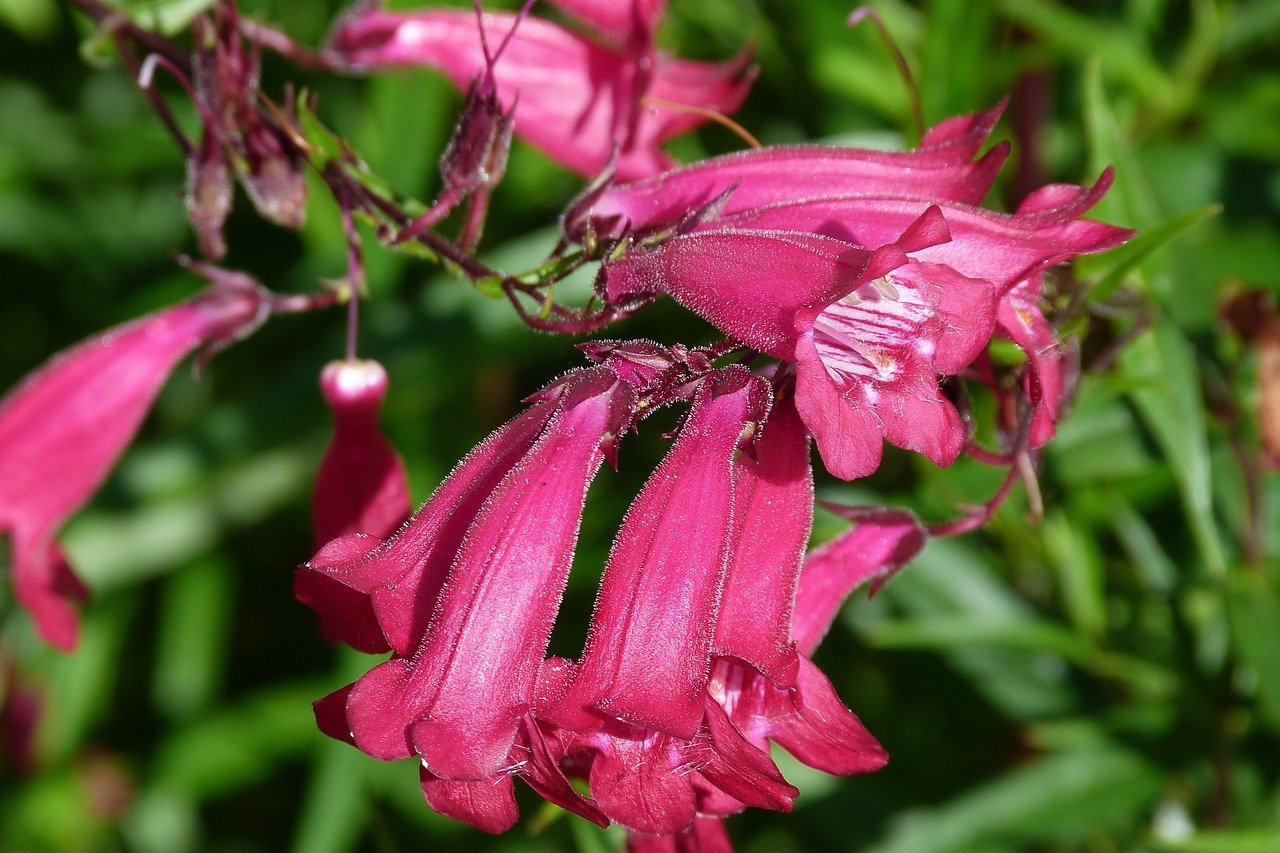
Dozens of penstemon species are completely drought-tolerant. Eaton’s firecracker rises to the top of many lists because of its comparatively long bloom season and scarlet trumpets, which hummingbirds can’t resist. For a plant that looks this flashy, it asks for almost nothing in return.
Penstemon thrives in exactly the conditions that kill most flowering perennials: rocky, lean, fast-draining soil with blazing afternoon sun. Feed it too well, and it gets floppy. Water it too much, and it rots. Let it rough it out in a tough spot, and it blooms prolifically. It’s one of the best plants for a dry slope or a gravel garden where nothing else wants to grow.
26. Hardy Geranium / Cranesbill (Geranium spp.)
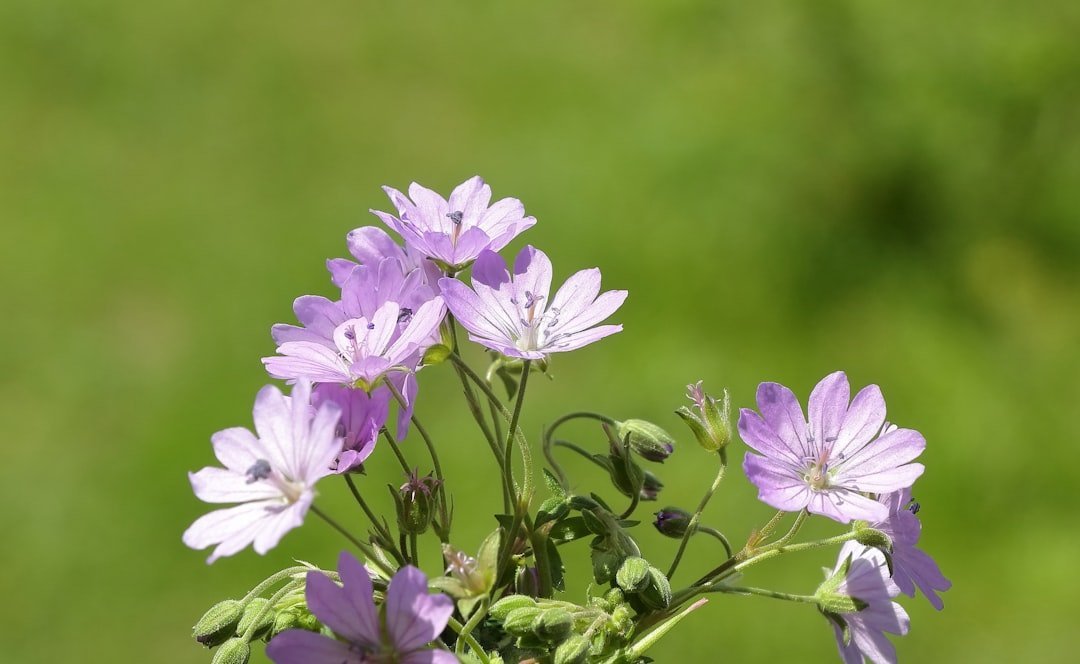
Hardy geraniums are not the bright red annuals you see in window boxes – they’re an entirely different plant, and genuinely perennial. Low-maintenance perennials for sunny locations include hardy geranium, which handles a wide range of garden settings with minimal intervention. Some varieties like ‘Rozanne’ bloom almost continuously from late spring through fall.
Hardy geraniums form tidy, weed-suppressing mounds of deeply cut foliage that look attractive even when the plants aren’t blooming. They handle partial shade, tolerate average-to-poor soil, and they’re largely ignored by deer. Cut them back hard after the first flush of bloom to get a second round of flowers – or simply leave them entirely, and they’ll still perform for years.
27. Threadleaf Bluestar (Amsonia hubrichtii)
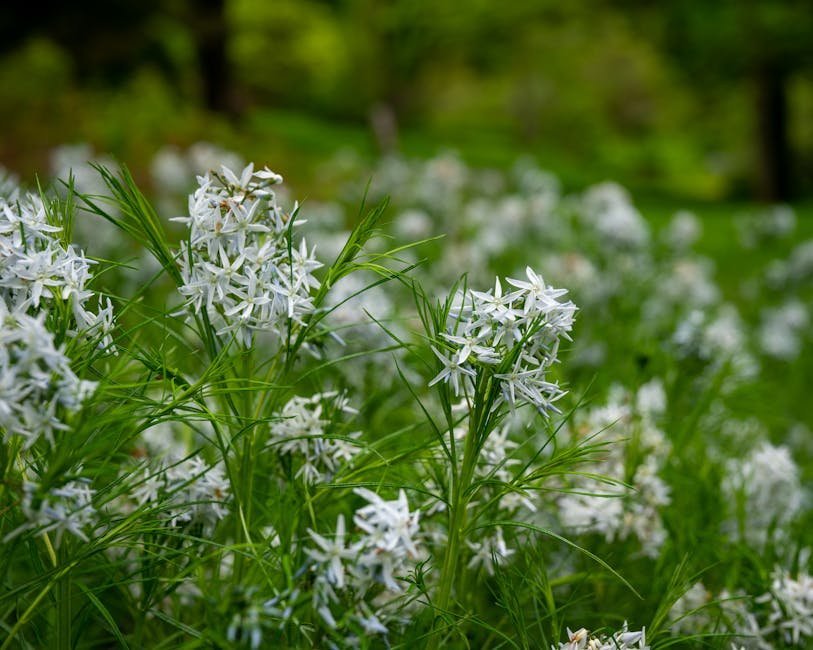
Threadleaf bluestar is native to the mountains of Arkansas and Oklahoma, which means it has a very distinct appearance and a very tolerant approach to temperatures and soil types. It is described as an indestructible perennial with sky blue flowers in spring and fantastic golden yellow fall color. Two seasons of major interest from one plant is a remarkable deal.
Amsonia hubrichtii forms a wispy, feathery mound of fine-textured foliage that turns the color of pure gold in autumn – rivaling any ornamental tree for fall impact. It’s drought-tolerant, pest-free, disease-free, and deer-resistant. It never needs staking, rarely needs dividing, and has no known pest issues to speak of. Plant it in full sun to light shade, water it through its first season, and then simply enjoy it for the next 20 years.
The real secret these 27 plants share isn’t just toughness – it’s that they were built for the conditions most of us actually have: imperfect soil, unpredictable rain, busy lives. Getting them established with reasonable water in their first season is the one investment that pays off for decades. After that, the best thing you can do is trust them. Step back, put the watering can down, and let them show you what they’ve got.
Which one of these are you putting in your garden first? If you’ve already got one growing and thriving on total neglect, drop it in the comments – chances are someone else needs to hear that it’s possible.