
There’s a moment at the cruise terminal security line that every first-timer dreads – the one where an officer pulls something out of your bag, holds it up, and says, “You can’t bring this on board.” It’s embarrassing, it’s avoidable, and it happens constantly. Cruise ship security is stricter than most people expect, and the list of banned or just plain bad-idea items is surprisingly long.
But this isn’t only about things that get confiscated. Some items are technically allowed but will mark you as someone who has never set foot on a ship in their life. Whether it’s dragging a suitcase packed like you’re moving apartments or showing up with a Bluetooth speaker that gets taken at the gate, these are the 22 items that separate the rookies from the regulars. Read on – and pack smarter.
1. A Clothes Iron or Fabric Steamer
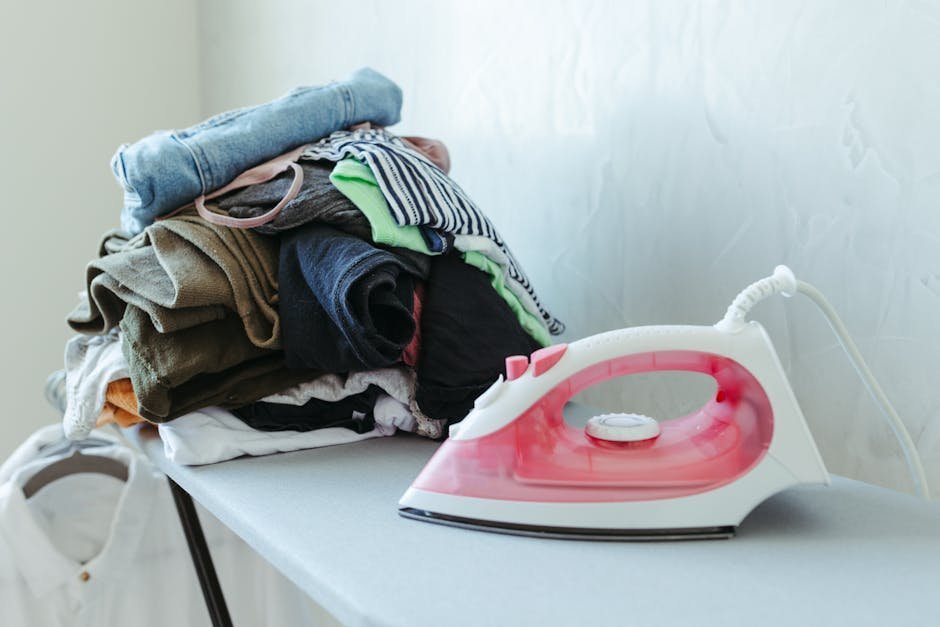
Clothes irons and steamers are not allowed on cruise ships, including travel-sized versions, due to their heating element being considered a fire hazard. This catches first-timers off guard because hotels usually keep an iron in the closet. On a ship, fire is treated with extreme seriousness, and anything with a heating coil gets flagged immediately.
If you need to get wrinkles out of your cruise outfits, some cruise ships have public laundry rooms that passengers can use. You can also use the ship’s laundry and pressing service at an additional fee. The smarter move is to roll your clothes when packing and bring a travel-size wrinkle-release spray – it’s lightweight, inexpensive, and completely allowed.
2. Extension Cords and Surge-Protected Power Strips
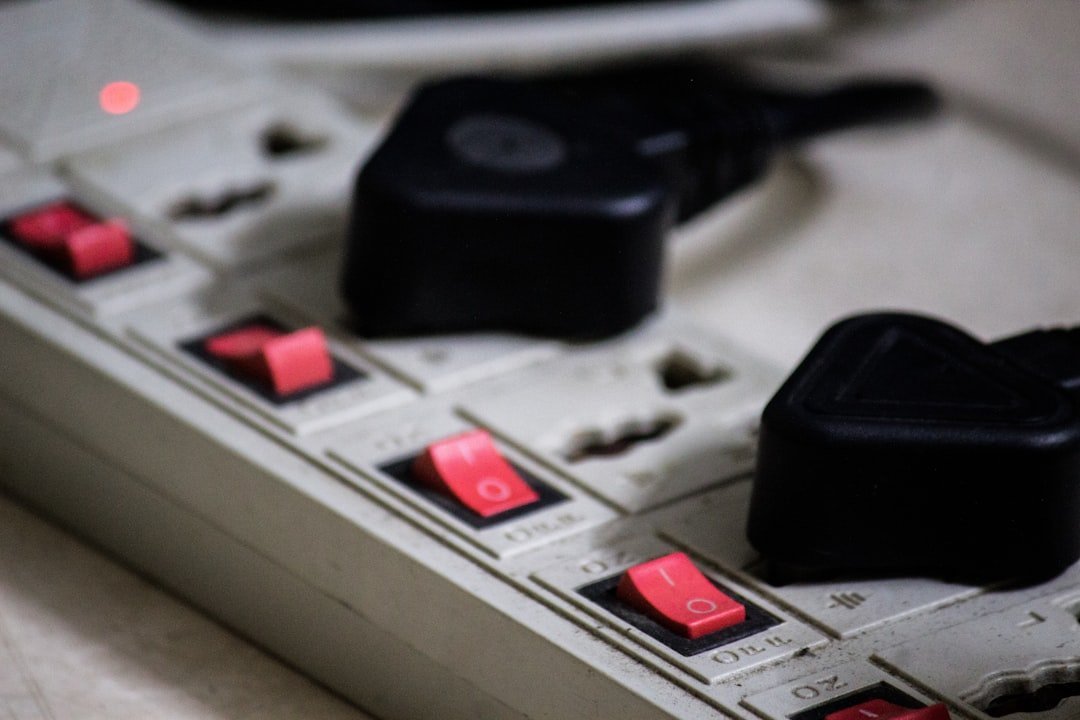
Surge-protected power strips and extension cords are not allowed on a cruise. Since cruise ship staterooms often don’t have enough electrical and USB outlets, many cruisers bring a non-surge-protected power bar instead, which is fine for most cruise lines. However, Royal Caribbean recently added non-surge power bars of any sort to its list of things not permitted on a cruise. The reason is fire risk – these items can overload the ship’s electrical system.
Cruise lines say these changes are meant to reduce fire hazards and prevent strain on the ship’s electrical system, which can occur with high-power devices like extension cords, surge protectors, and multi-device plugs. What is allowed, to clarify, is a USB multi-plug block with no additional electrical plugs. Bring one of those, and you’re set for charging everything without any drama at the gangway.
3. A Full-Size Suitcase Stuffed to the Brim
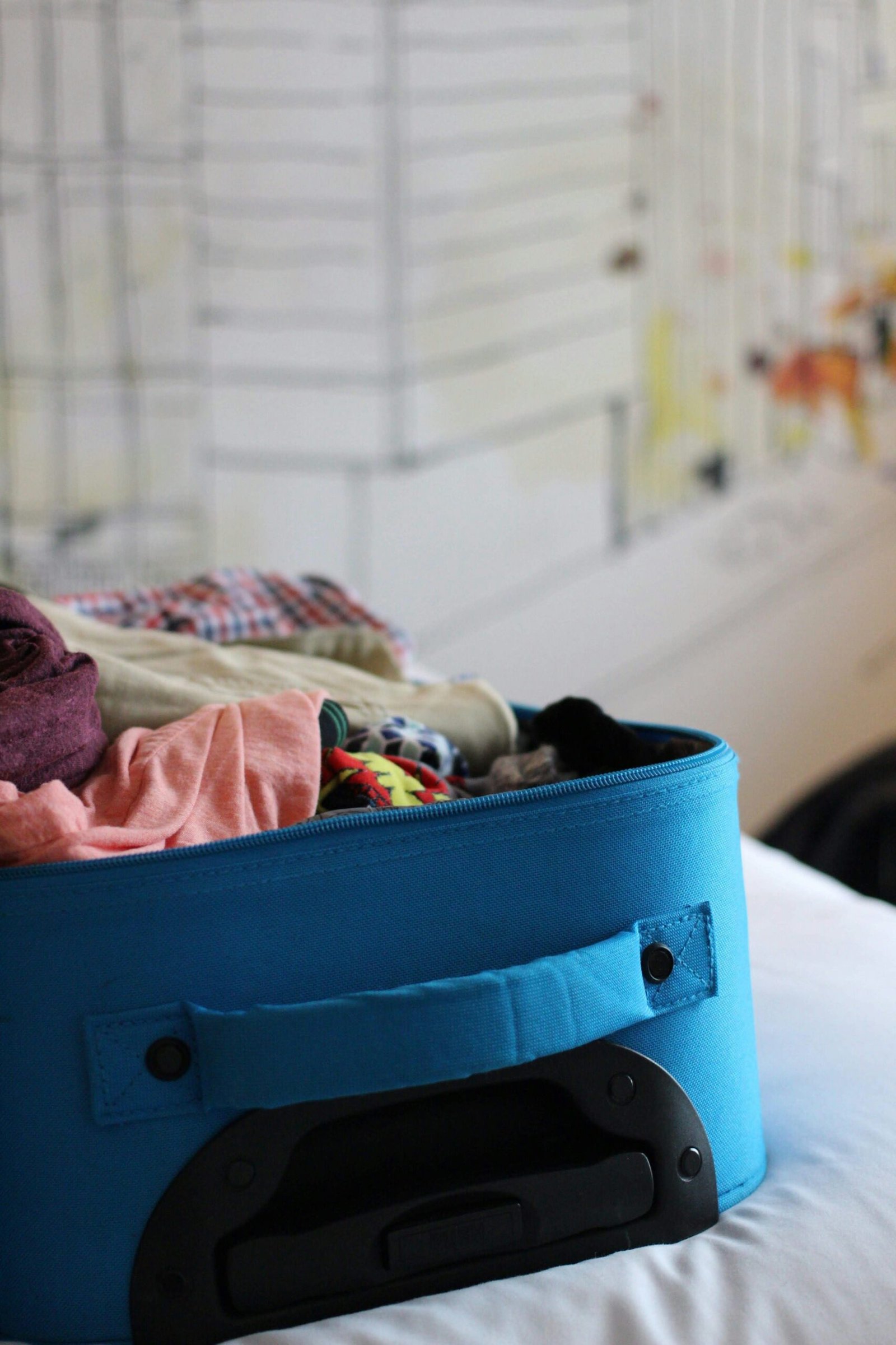
First-time cruisers often pack as if preparing for a month-long expedition to a remote island, filling their suitcases with every possible outfit and accessory. The reality is that cruise cabins are notoriously compact, with minimal storage space. Hauling multiple bags stuffed with “just in case” outfits, extra shoes, and bulky gear means you’ll spend more time wrestling with your luggage than enjoying your trip.
Rookie cruisers are the ones lugging multiple giant bags to the terminal. Not only will you not have much space to store your luggage in your stateroom, but there’s a lot you just don’t need on a cruise. Experienced cruisers know to pack mix-and-match neutrals, limit shoes to three or four pairs, and leave at least 20 percent of bag space empty for souvenirs on the way back.
4. Bluetooth Speakers
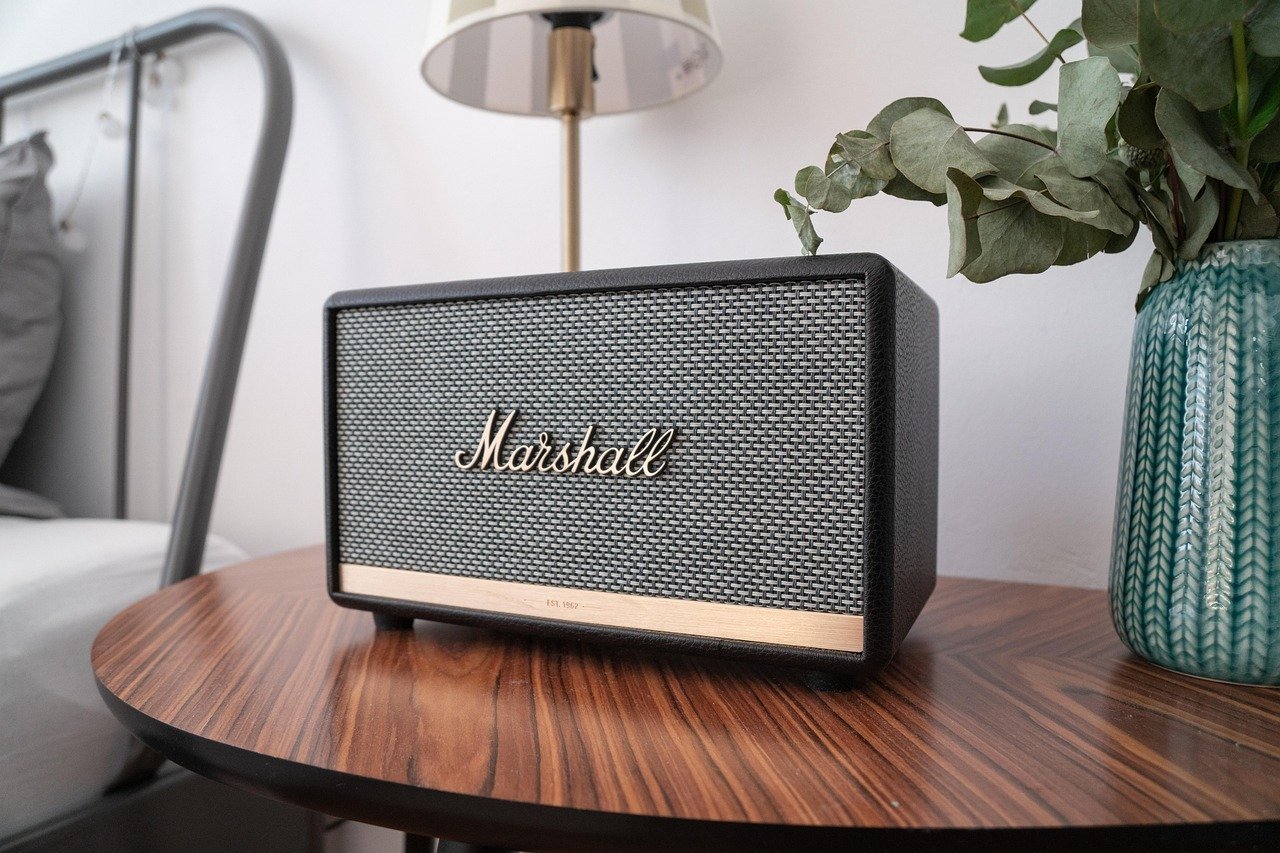
Carnival Cruise Line recently added Bluetooth speakers to their prohibited items list, likely because they were being used in public areas and becoming a disturbance to other guests. Other lines may still allow them in your cabin, but the rules are tightening fleetwide, and bringing one in your carry-on is a gamble that many first-timers lose at security.
What was happening on Carnival ships is that people were bringing their Bluetooth speakers up to the adult-only Serenity area and playing music loudly. Guests complained about that, and even when the crew intervened, the same people would come back the next day and do it again. The result was an outright ban. If you’re cruising on any line, leave your speaker at home and use headphones instead.
5. Candles and Incense

You aren’t allowed to take candles onto a cruise ship. Any kind of naked flame or fire hazard is banned from staterooms. The only exception would be matches or lighters, and only if they are to be used for smoking. Many first-timers pack a scented candle hoping to make their cabin feel cozier – only to have it confiscated before they even unpack.
You might be tempted to bring a few extras to make your cabin cozier and more tranquil, like scented candles or incense, but these are prohibited aboard due to the risk of fire they pose. Electric tea-light candles may be permitted if they are battery-powered, so if ambiance matters to you, pack a couple of those LED versions instead. Your cabin steward will thank you.
6. A Drone

Lines like Carnival, Norwegian, Princess, Holland America, Disney, and several luxury and expedition brands now classify drones as prohibited items – you’re not supposed to bring them at all, and security may confiscate them at embarkation. Even on lines that technically allow you to carry one, flying it on the ship is universally banned.
If flown improperly, a drone could cause injuries to other guests or even damage to the ship. Furthermore, if a drone were to crash overboard, it would be classified as ocean litter, and the cruise line and the guest could be subject to substantial fines. For a typical Caribbean or Mediterranean sailing, the practical reality is that you’ll have almost nowhere legal to fly it anyway. Leave it at home.
7. Any Kind of Weapon – Including Replica Toys
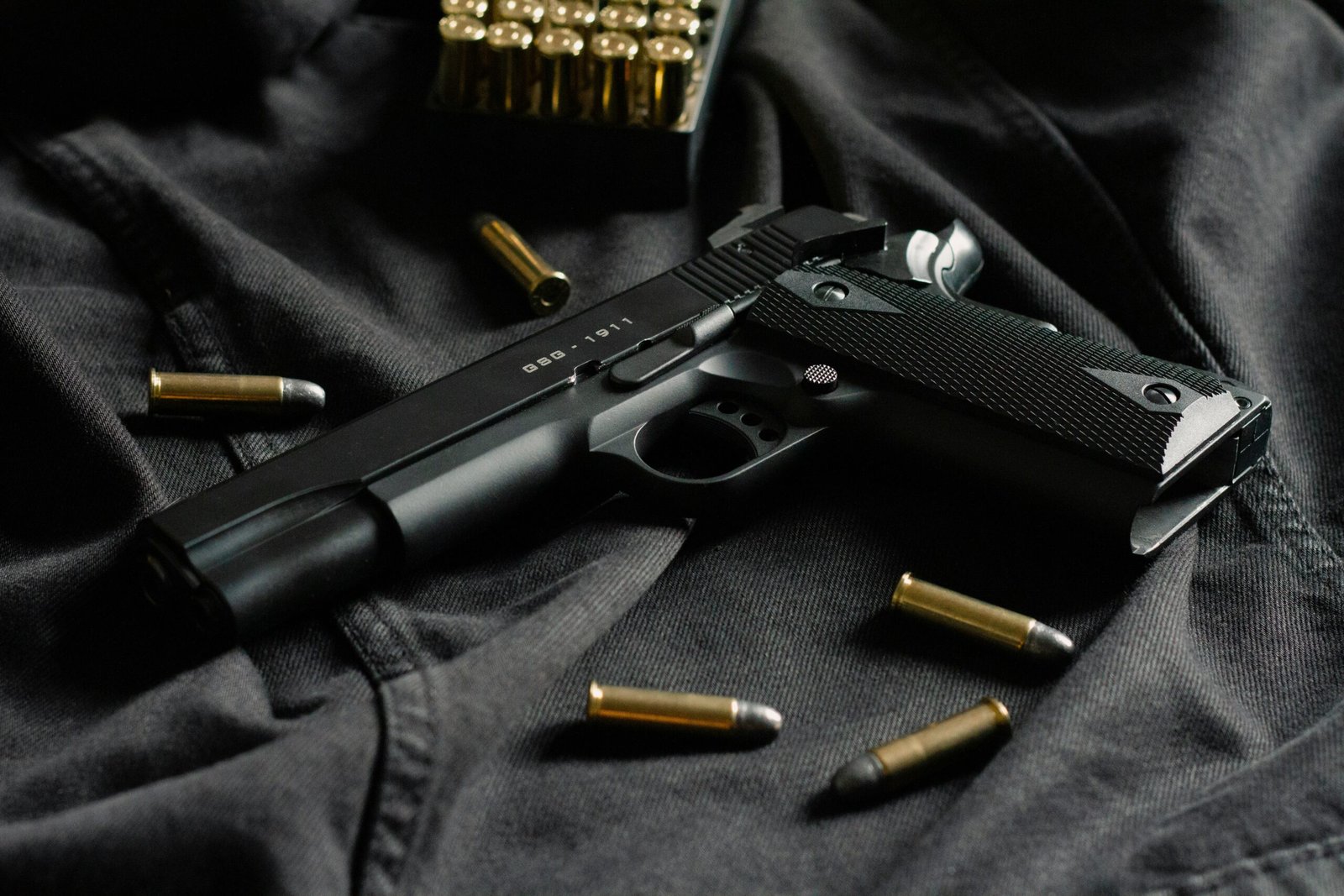
Just like at airports, sharp objects, knives, guns, ammunition, and weapons of any kind – including replicas like toy guns – are not allowed to be brought onboard the ship. This surprises families who pack Halloween costumes or kids’ toy sets that include plastic prop weapons. They get flagged every time.
Some less obvious weapons that are listed as banned items include throwing stars, pepper spray, crossbow bolts, brass knuckles, flick knives, and switchblades. All martial arts, self-defense items, and concealed bladed knives are also strictly forbidden. If you’re unsure whether an item qualifies as a weapon, the safest answer is to leave it behind. Security officers have broad discretion here.
8. Hotplates, Coffee Makers, and Kettles
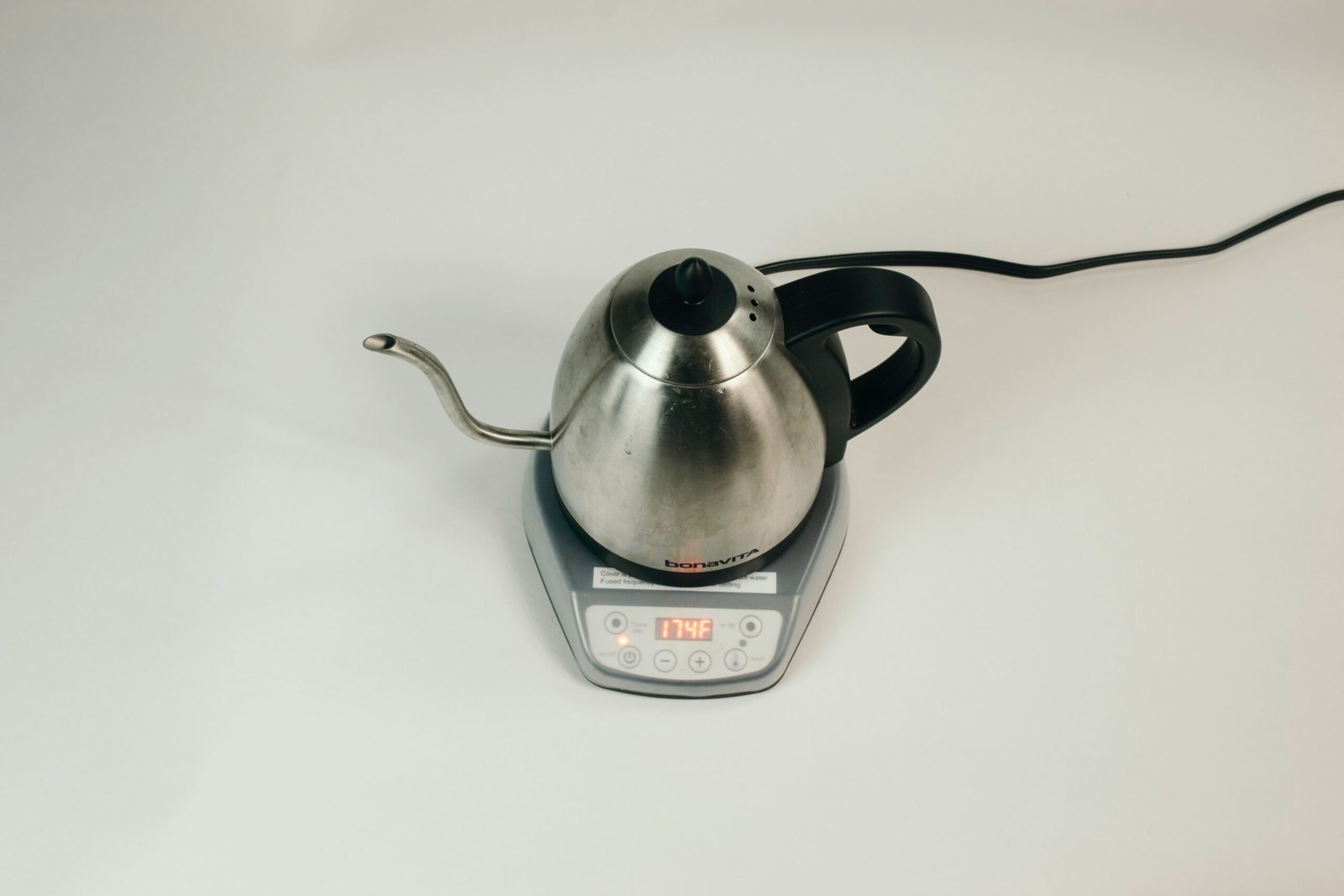
As well as taking up a lot of room in your luggage, appliances such as coffee makers, kettles – including travel kettles – and hot plates can be dangerous at sea if they get too hot or malfunction, so they are not allowed on a cruise. Plenty of first-timers try to sneak a travel coffee maker for their morning brew, not realizing it’s a hard no on virtually every cruise line.
Items with heating elements are almost never permitted on a cruise ship. The good news is that coffee is available all day long – often for free – in the buffet area, and most ships have a café on board. You won’t miss your kettle as much as you think, and you’ll definitely miss the extra packing space.
9. Hard Liquor and Extra Bottles of Alcohol

Except on embarkation day, when you are allowed to bring on board a bottle of wine or Champagne on most lines, all other alcoholic beverages are not allowed. First-timers frequently try to pack a bottle of rum or whiskey in their checked luggage. Cruise ship X-ray scanners are very good at spotting liquid-filled bottles, and those bags reliably end up in what the crew sometimes calls the “naughty room.”
Most cruise lines allow you to purchase alcohol from a port and bring it back to the ship. You need to declare it when you get on board, and it will be safely held for you until the end of the cruise. It’s important to remember that different cruise lines have different rules regarding the amount and type of alcohol you can purchase in port. Port purchases held until disembarkation are your best legal workaround – just don’t try to hide anything in a water bottle.
10. Illegal Drugs and Cannabis Products
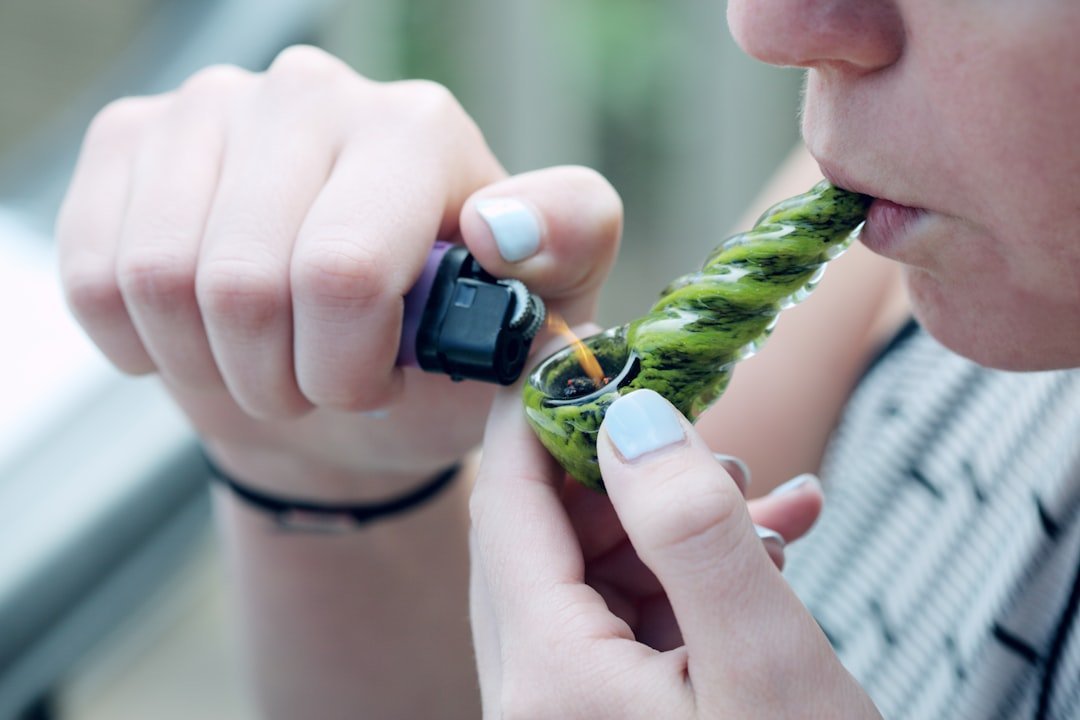
Illegal substances, including marijuana, are prohibited on cruise ships. This is banned even if it’s legal in certain states or if it’s medical marijuana. CBD products are also not allowed. Cruise lines follow Federal regulations and are very strict on this policy – and this includes using sniffer dogs at security during the embarkation process.
Many countries have strict laws that can land passengers in jail for attempting to bring drugs off the ship, which can result in jail time or, in some places, even the death penalty. This isn’t something to gamble with. The consequences go well beyond a simple confiscation and can follow you home – or keep you from getting there at all.
11. Too Many Pairs of Shoes
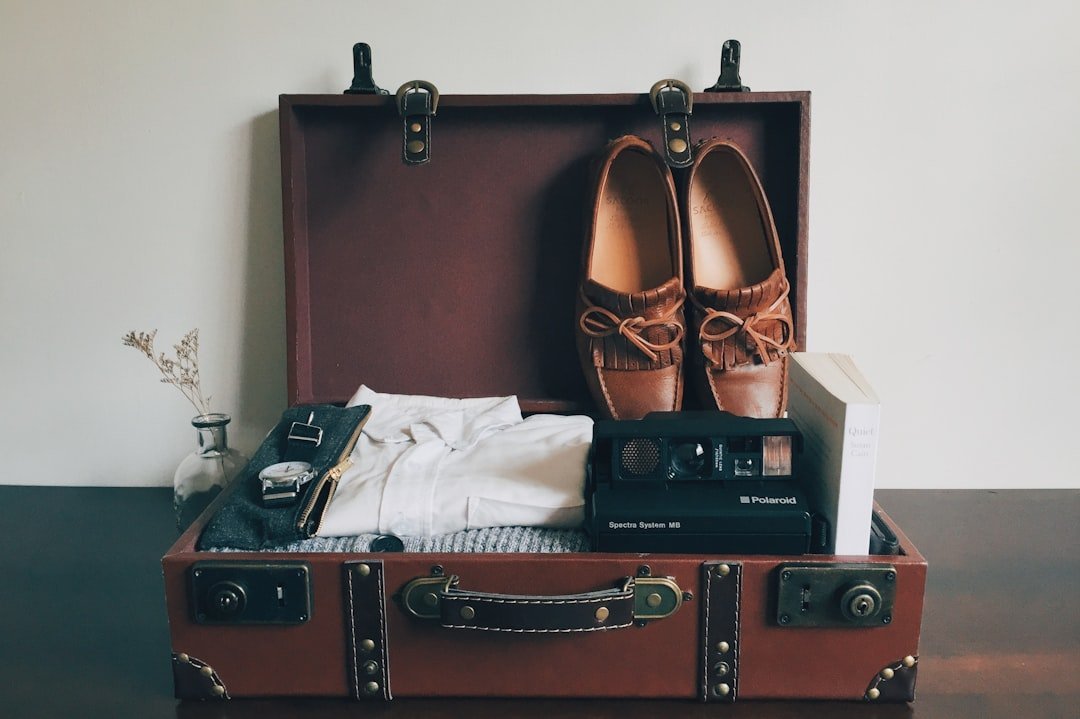
Nothing eats up luggage space like shoes – especially sneakers and dress shoes. Don’t make the mistake of packing more sneakers, flats, heels, and sandals than you actually need, or you’ll be forced to check a bag. One popular forum member famously admitted to a 12-day Mediterranean cruise where her sister packed 25 pairs of shoes alone. The cabin had no floor space left.
Shoes are one of the easiest ways to overpack for a cruise. Bring three to four pairs and ensure they go with several outfits. These are essential for embarkation day, travel days, excursions, and sightseeing. Choose a pair that can work around the ship, by the pool, and in port. If you like dressing up for dinner or an elegant night, one pair of evening shoes is usually enough.
12. Hoverboards and Self-Balancing Scooters
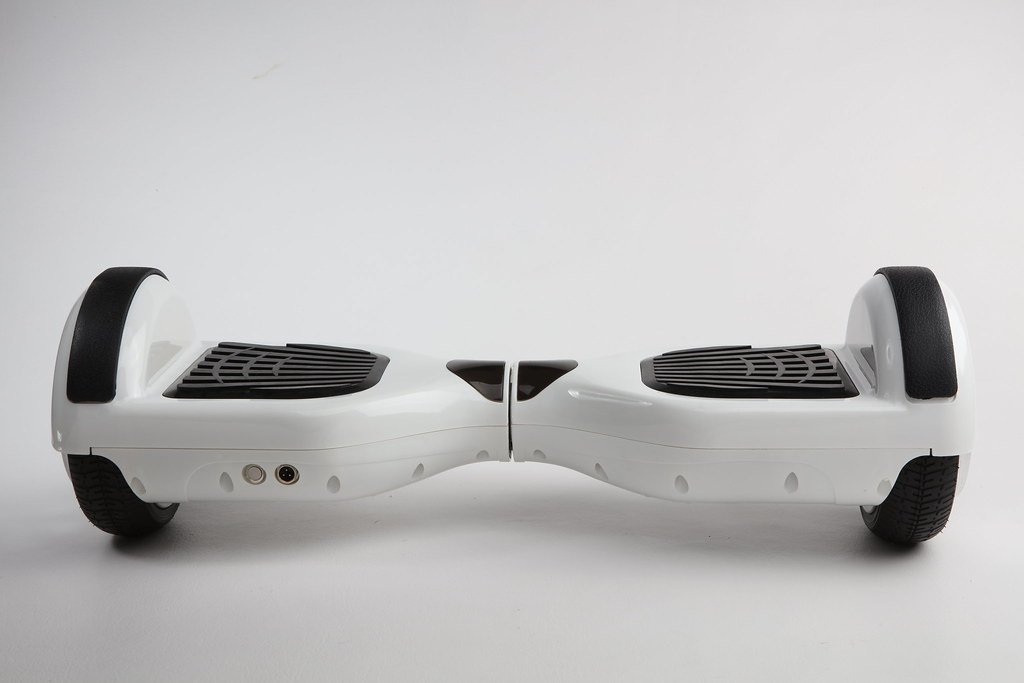
Hoverboards and self-balancing scooters are prohibited on cruise ships. This one gets rookie travelers every time, especially families traveling with teens who ride them daily at home. The combination of lithium batteries, tight corridors, and constant ship movement makes these genuinely dangerous at sea.
Beyond safety, cruise ship hallways are narrow and shared by thousands of guests. There is simply no safe or courteous place to ride one. The battery fire risk alone is enough for every major cruise line to list them as prohibited without exception. If your kids want to keep busy, the ship’s game rooms, pools, and climbing walls will keep them far more entertained.
13. A Massive Cooler
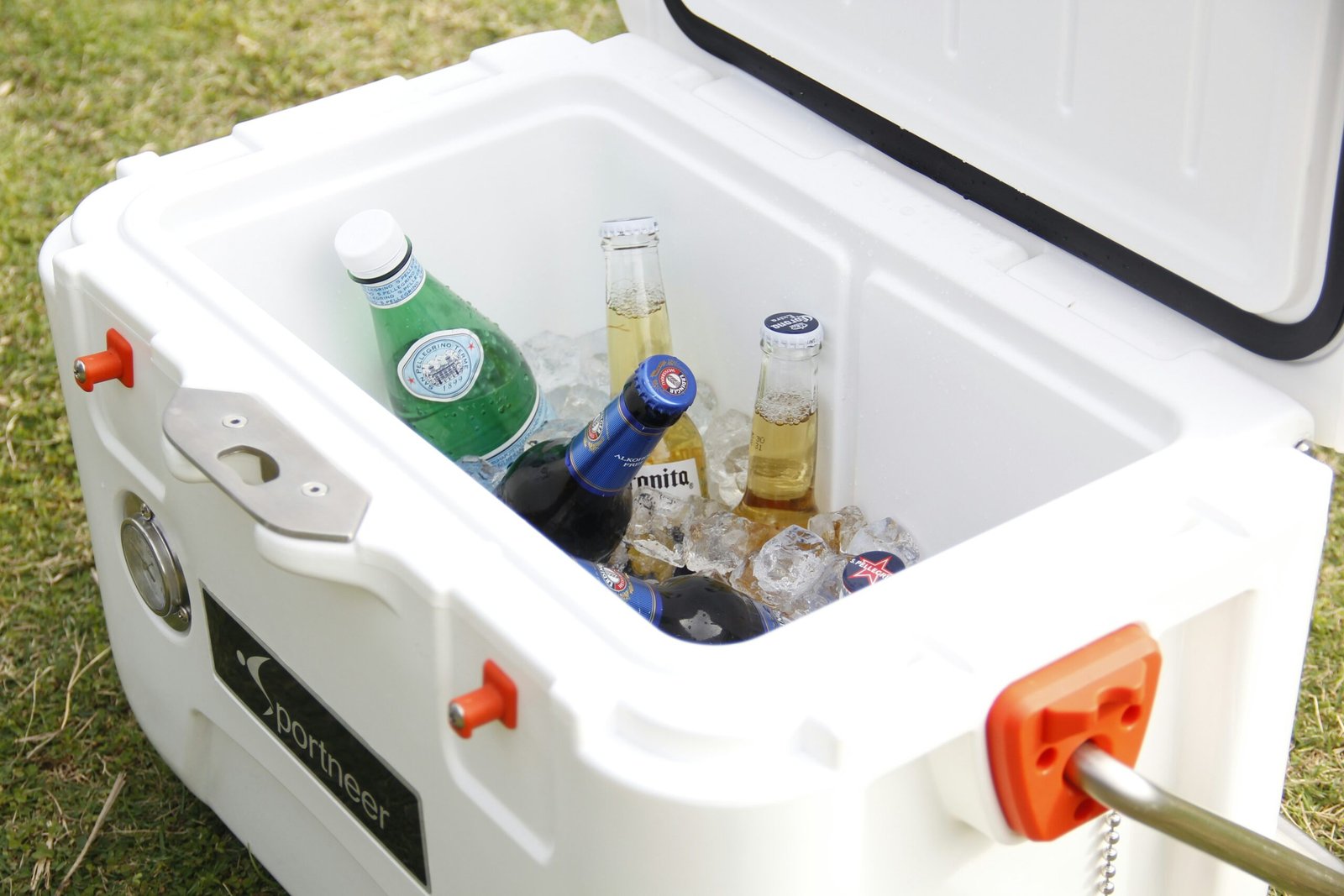
Only coolers approximately 12 x 12 x 12 inches in size – holding about six to twelve cans of non-alcoholic beverages – are allowed. Guests carrying larger sizes will be directed to return them to their vehicles. If the guest is without a vehicle, the cooler will be destroyed in the same manner as other prohibited items. That giant party cooler you roll out for tailgating is absolutely not making it on board.
First-timers sometimes pack a large cooler, hoping to keep drinks and snacks handy. The problem is that cruise ships have full beverage service, a round-the-clock buffet, and specialty shops – you won’t need a rolling cooler. A small, soft-sided bag within the approved size is fine, but leave anything bigger than a shoebox at home.
14. Firearms and Ammunition

Even if the right to carry firearms is legal in the state where you are boarding the ship, and even if you have the required permits, you still cannot bring them on board. This surprises some passengers from states with broad carry laws, but cruise ships operate under their own code of conduct and international maritime law.
You should also leave BB guns, air guns, and paintball guns at home. Cruise lines prohibit passengers from bringing any type of replica of a firearm on board. This also includes flare guns, pellet guns, spear guns, and starter pistols. If anything firearm-adjacent is found in your bags, expect it to be confiscated immediately – and your vacation to get a lot more complicated fast.
15. Full-Size Toiletries for a Short Cruise
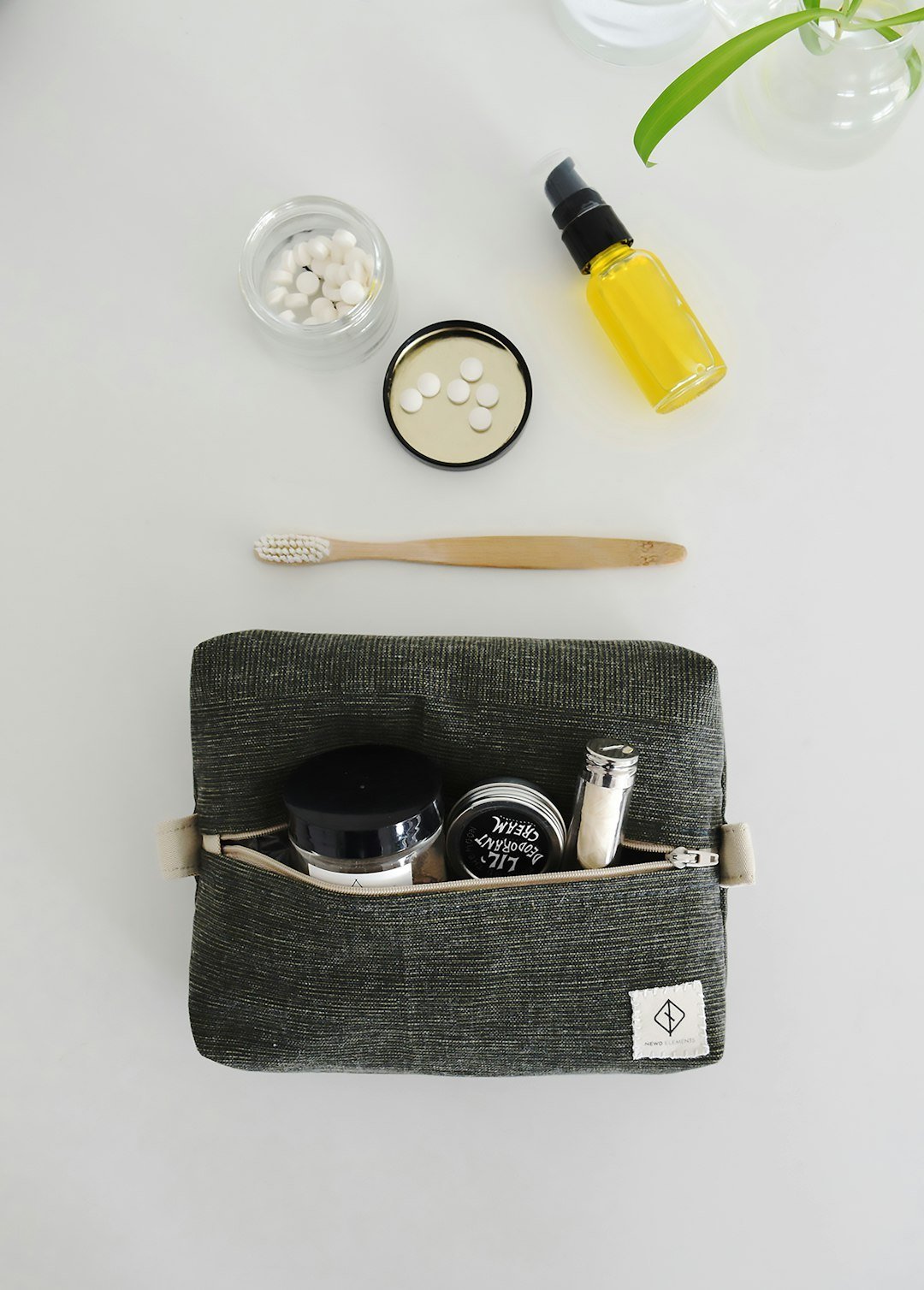
For a seven-day cruise or shorter, you probably do not need full-size toiletries. A smaller hanging toiletry bag can save a surprising amount of space. Newcomers tend to pack their entire bathroom cabinet – full bottles of shampoo, conditioner, body wash, and lotion – when travel sizes will last the whole trip with room to spare.
Full-size bottles are also prone to leaking. Leaky shampoo is a cruise packing mistake that can destroy perfectly packed outfits. Even if your toiletries don’t get confiscated, they’re heavy and wasteful. Pack travel sizes in a zip-top bag, or switch to solid bars of shampoo and soap that take up almost no space at all.
16. Satellite Dishes, Wi-Fi Routers, and Personal Internet Equipment
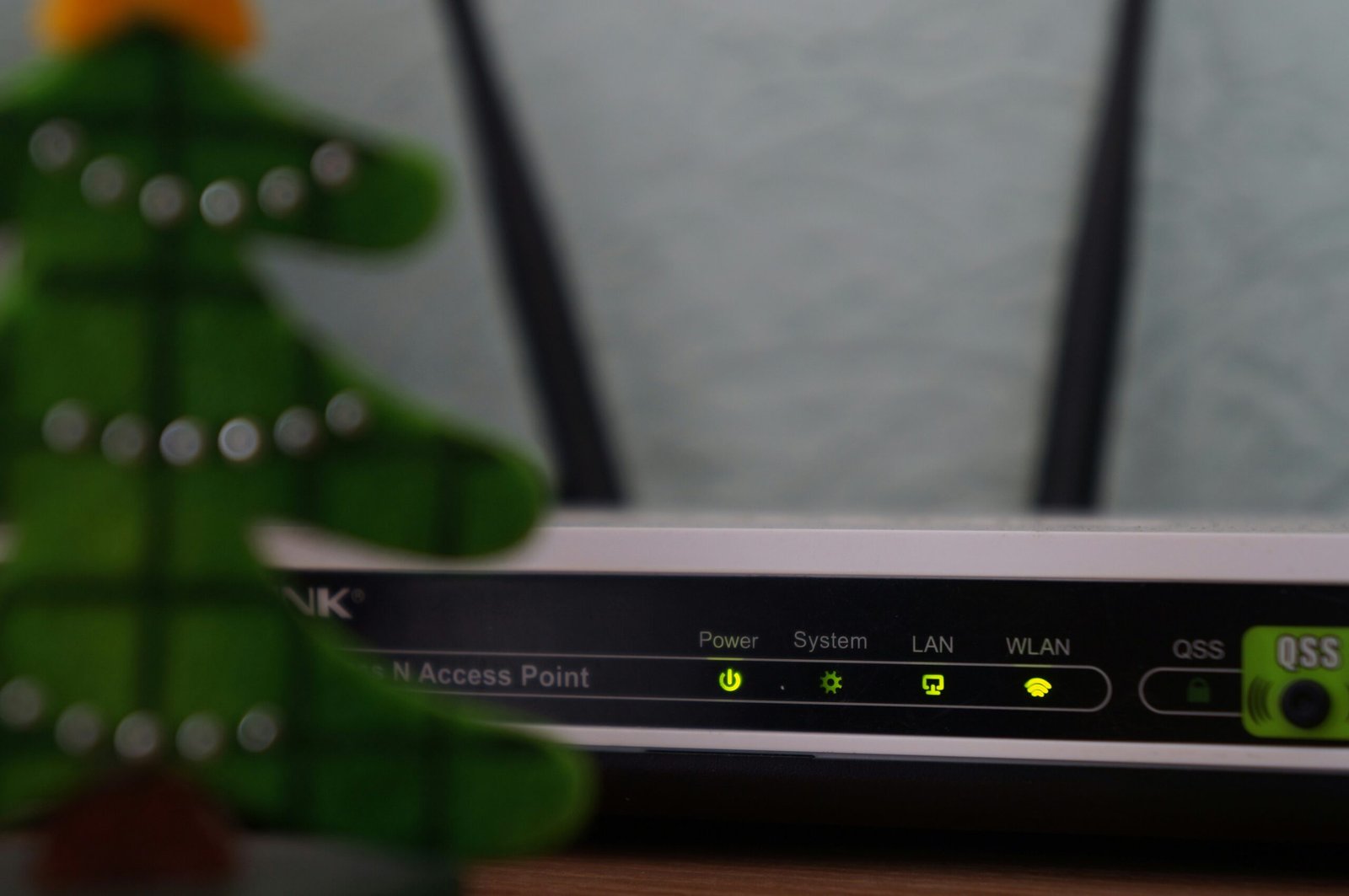
Satellite dishes, routers, and other internet-based equipment are prohibited on cruise ships. Some tech-forward travelers try to bring their own router or portable hotspot antenna to boost connectivity – this will be confiscated without exception. Cruise ships sell their own internet packages, and outside equipment interferes with the ship’s communications systems.
Even if your intentions are perfectly innocent, arriving at security with a satellite dish or network router signals exactly zero awareness of how cruising works. The ship’s Wi-Fi has improved significantly on newer vessels. If you need to stay connected, purchase the ship’s internet plan before sailing – it’s usually cheaper when bought in advance through your cruise line’s app.
17. Your Entire Medicine Cabinet – Unlabeled

Bringing medications is smart and expected. Bringing a loose, unlabeled pile of pills in a ziplock bag is a red flag at security and a potential legal problem depending on what ports you visit. Keep all prescription medications in their original labeled bottles and carry a copy of your prescription. This is especially important if your itinerary includes destinations with strict pharmaceutical import rules.
Ship medical services can be pricey – it’s better to have your own stash of items you need to stay healthy onboard. Do pack the basics: motion sickness remedies, pain relievers, antacids, and any daily prescriptions. Just keep them organized, labeled, and in your carry-on so they’re accessible from the moment you board – not buried in a checked bag that won’t arrive until after sailaway.
18. Walkie-Talkies
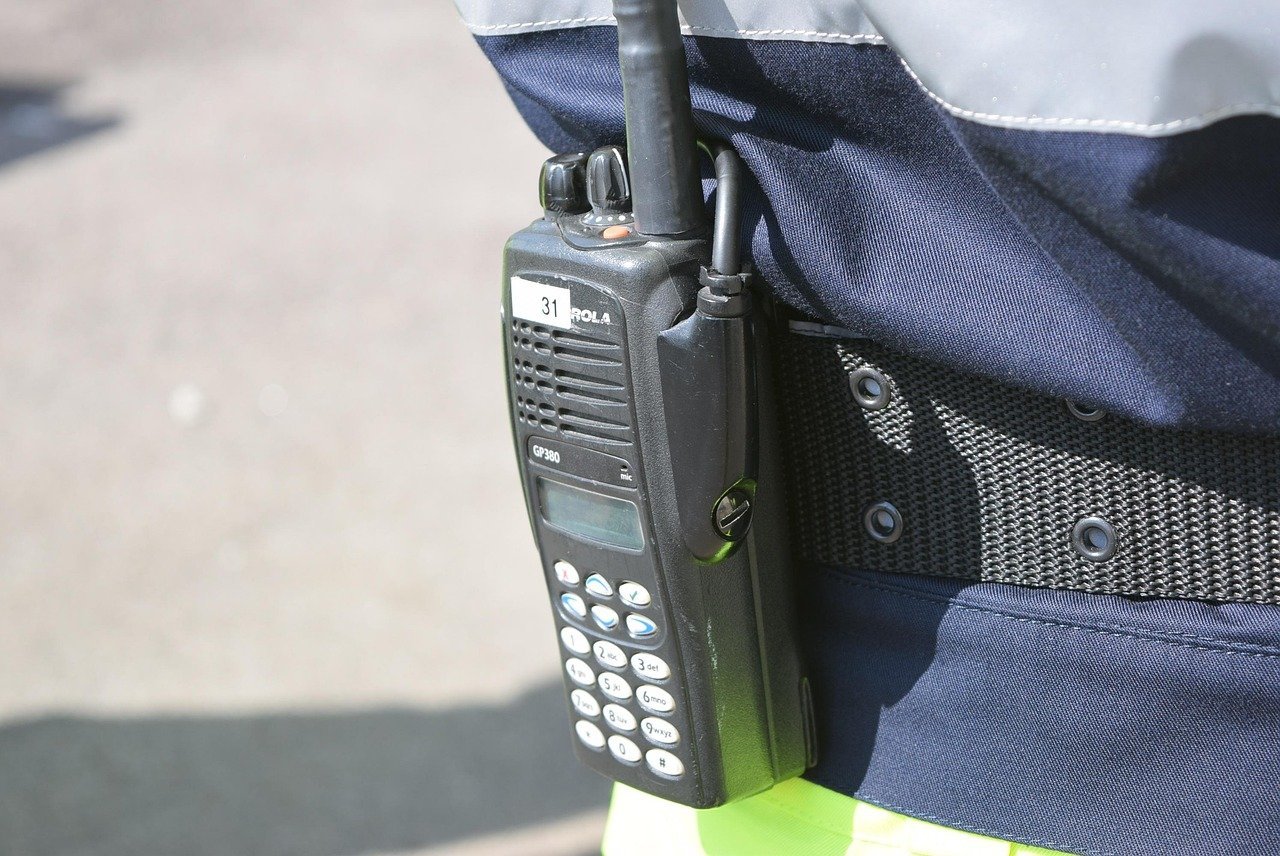
Walkie-talkies are technically allowed on most cruise lines, but packing them as your main communication strategy is a classic rookie move that backfires almost immediately. Walkie-talkies are allowed on cruise ships, but they often don’t work too well on board. Most walls on cruise ships are made of metal, which kills the signal, so you may find that bringing a walkie-talkie on your cruise is a waste of time. A pair of walkie-talkies that might work over several miles on land probably won’t work across the length of a cruise ship, which has large obstacles like swimming pools and elevators that can all block the signal.
Experienced cruisers use the ship’s own free messaging app instead. Most major lines – including Royal Caribbean, Carnival, and Norwegian – have mobile apps with free ship-wide texting built in. Download the app before you board, set up the messaging feature, and you can reach anyone on the ship without cell data or clunky hardware.
19. Fireworks and Firecrackers

Firecrackers and fireworks are not allowed to be brought onboard at any time, even though some ships include fireworks as part of their own entertainment, or if you are traveling on a cruise that goes over a holiday where fireworks are traditionally used for celebrations. Passengers have tried to bring sparklers and small novelty fireworks for Fourth of July sailings – every single one gets caught.
On a ship at sea, fire is the single most feared emergency. Explosive materials of any kind are treated as a critical safety threat, not a misunderstanding. Even bringing them accidentally – say, inside a bag you packed for a party before the cruise – can result in immediate disembarkation and a permanent ban. There are no exceptions and no second chances for this category.
20. An Extra-Large Personal Cooler Full of Outside Booze
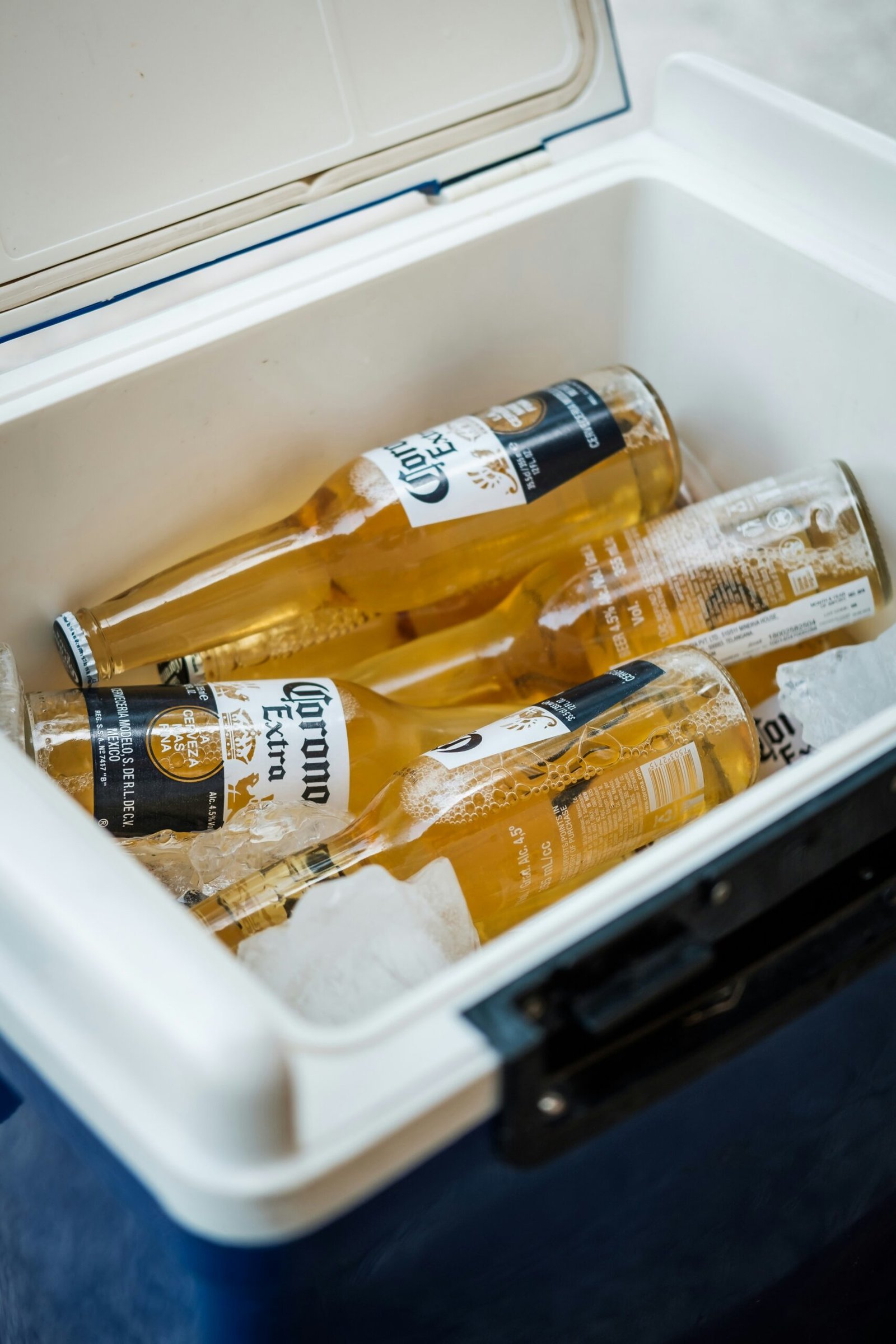
Trying to smuggle alcohol onto a cruise in concealed containers is one of the most consistently unsuccessful plans first-timers attempt. Cruise ship X-ray technology is specifically calibrated to identify liquid containers, and sealed flasks, hidden wine bottles, and “mouthwash” bottles filled with vodka are all caught regularly. Flagged surge protectors, liquor bottles, and irons head straight to the “naughty room” until debarkation – or may simply be thrown away.
Beyond the embarrassment of having your smuggling attempt discovered in front of a full terminal line, repeat violations can result in being denied boarding entirely. Cruise lines have a beverage package system, embarkation-day wine allowances, and affordable port liquor options for a reason. Work within the system and you’ll spend your vacation relaxing, not explaining yourself to security staff.
21. Smart Glasses Used in Restricted Areas
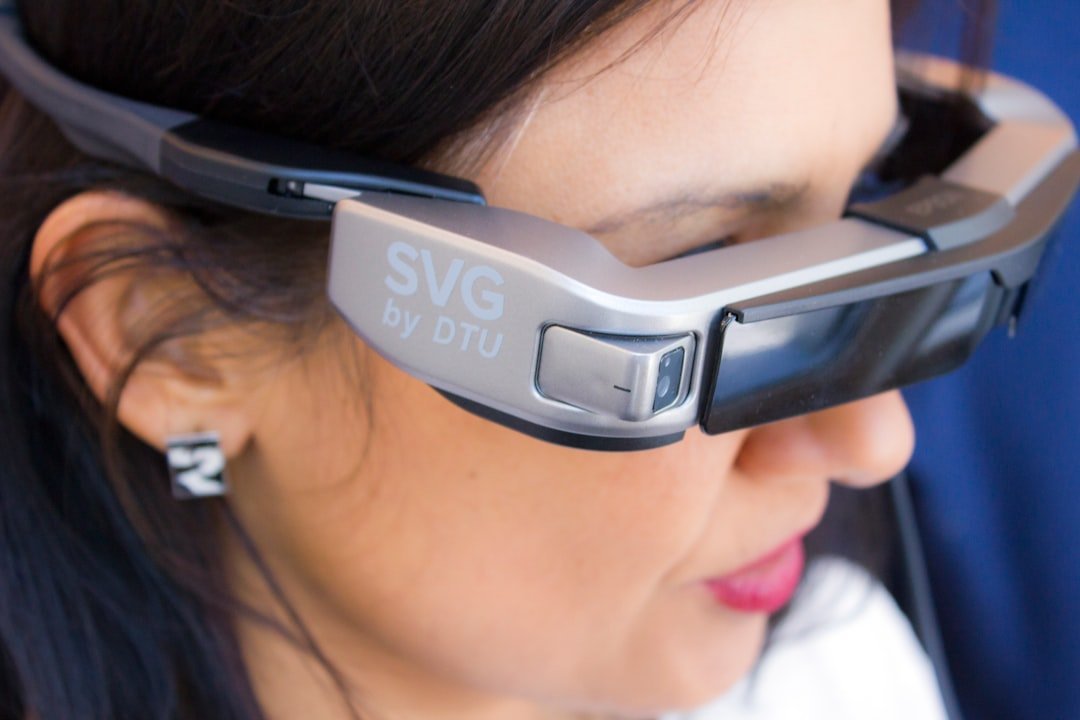
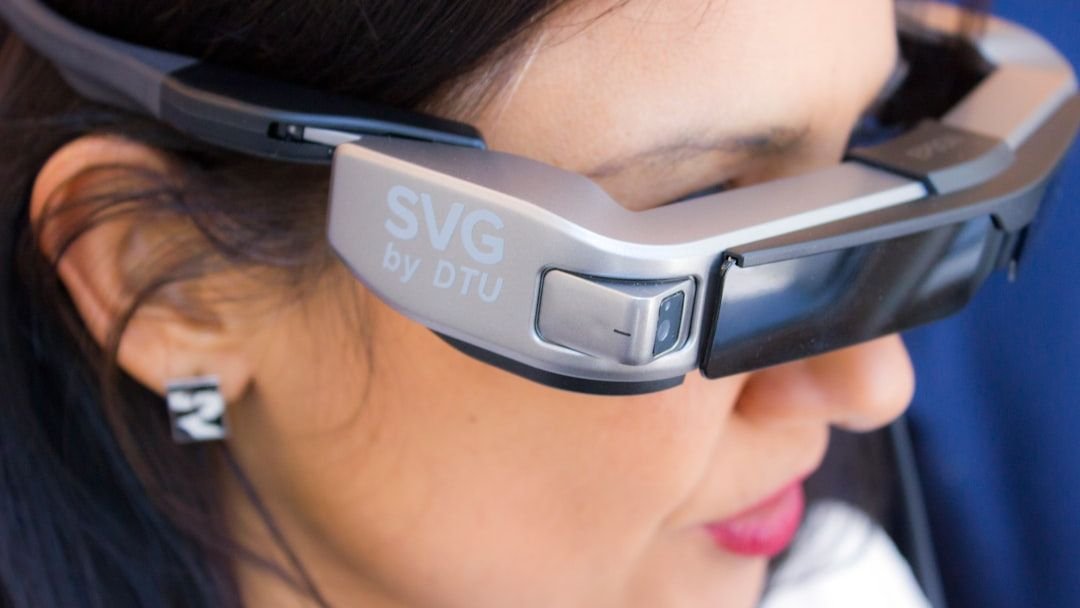
Smart glasses may be brought onboard; however, they may not be used in the following areas: the casino, spa service areas, restrooms, locker rooms, medical facilities, security screening locations, youth facilities, during back-of-house tours, crew areas, or any location where there is a reasonable expectation of guest or crew privacy. Many first-timers either don’t know these rules exist or simply forget them in the excitement of exploring the ship.
The privacy concern is real and taken seriously. Cruise ships are essentially floating small cities where thousands of people share close quarters. Wearing recording-capable eyewear in a spa, locker room, or children’s area is not just a policy violation – it can result in removal from the ship at the next port. If you own a pair of smart glasses, leave them at home or be extremely deliberate about where you wear them.
22. Compressed Gas Cylinders
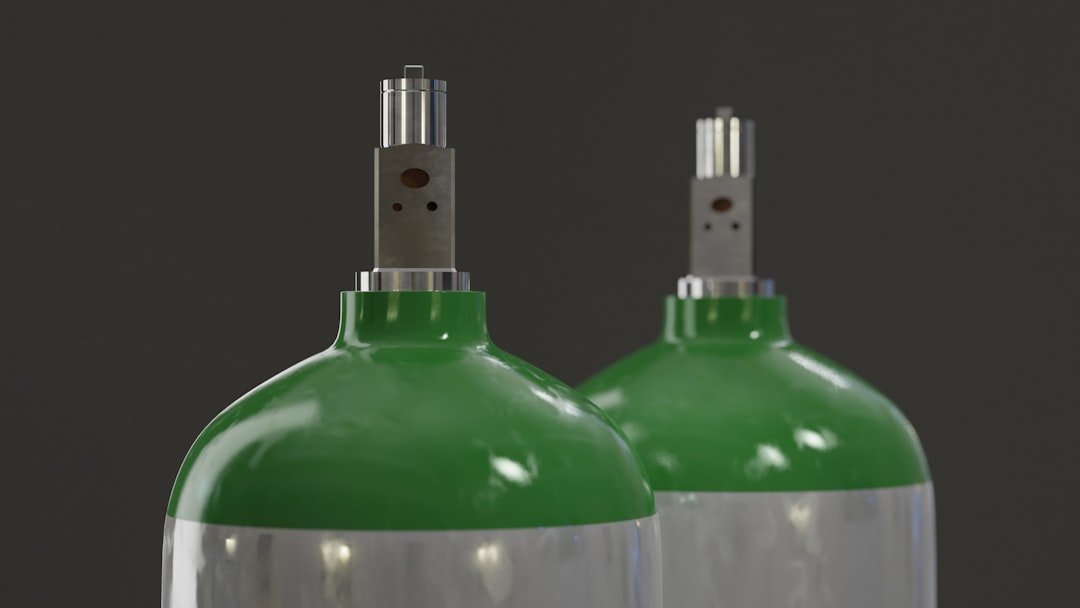
Compressed gas bottles or cylinders can pose a serious risk of explosion if exposed to the right conditions. As you can imagine, this is not ideal when aboard a cruise liner. People who bring aerosol cans for crafts, whipped cream dispensers, or portable gas-powered tools are surprised to find these flagged at security. Even some large aerosol cans fall into restricted territory depending on the cruise line.
The rule applies even to items that seem harmless in everyday life, like cartridge-based CO2 bike tire inflators or culinary cream chargers. At sea, a pressurized container that ruptures in a warm cabin or storage area becomes a genuine hazard. Check your cruise line’s specific prohibited items list before you pack anything pressurized – when in doubt, it doesn’t make the cut.
The difference between a smooth, confident embarkation and a stressful one almost always comes down to ten minutes of research before you pack. Every cruise line publishes a full prohibited items list on its website, and reading it once before your trip will save you real money, real embarrassment, and real time standing at a security table while a line of fellow passengers watches your contraband coffee maker get confiscated. Pack light, pack smart, and you’ll walk onto that ship looking like you’ve done this a hundred times before. What item surprised you most on this list? Drop it in the comments – chances are someone else is wondering the same thing.