

There’s a particular kind of busy calm that descends on a cruise ship during boarding. Thousands of passengers are streaming up the gangway, all of them assuming they’re just faces in a crowd. The crew, meanwhile, is doing something entirely different from what most guests imagine. They’re reading the room – and reading you.
From the moment your cruise card gets scanned at the gangway, trained eyes are quietly cataloguing details about your mood, your habits, your group dynamic, and even your intentions. Most of it is instinct built from months of back-to-back sailings. Some of it is deliberate. None of it is personal. Here are 34 things cruise ship staff notice about you almost immediately.
1. Whether You’ve Cruised Before
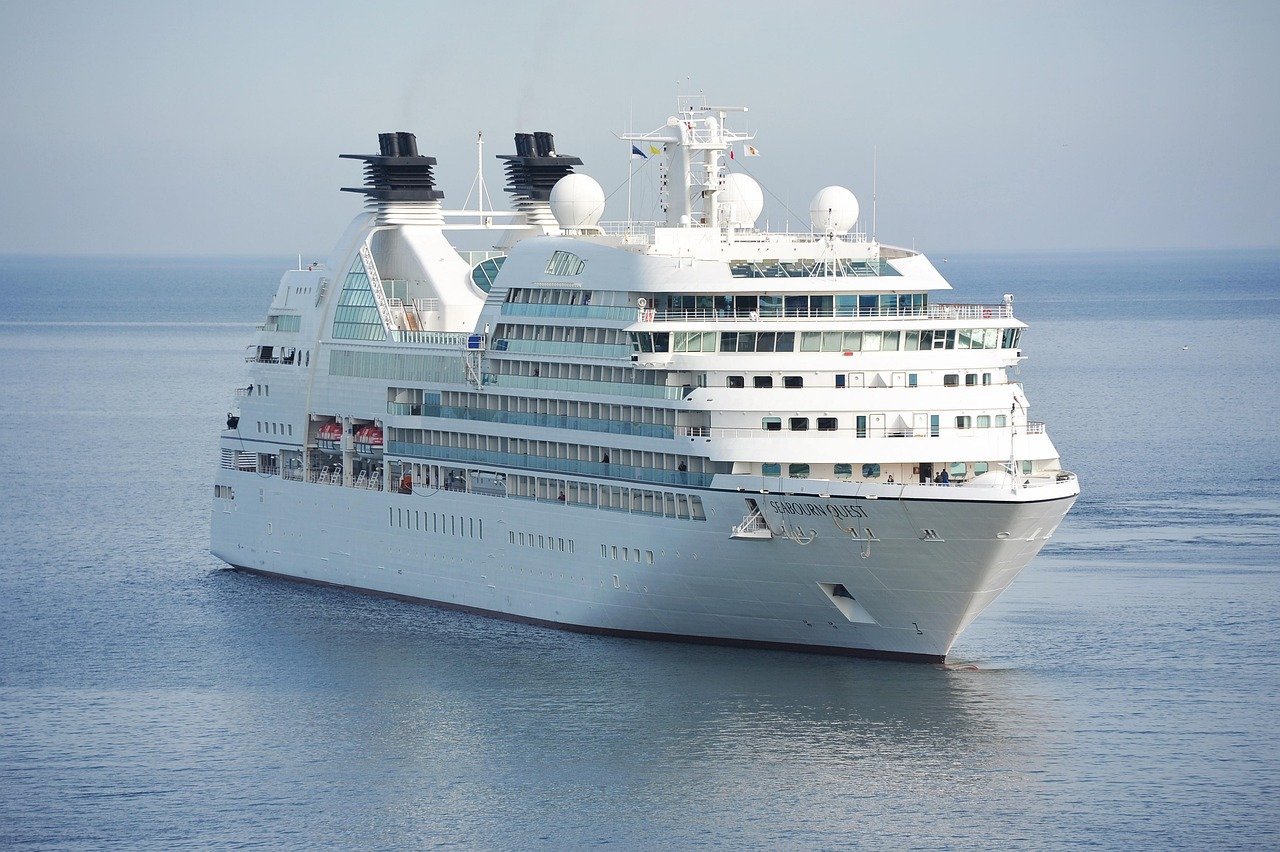
Experienced cruisers carry themselves differently the moment they step aboard. They know which direction to walk, they’re not craning their necks at the atrium ceiling for too long, and they tend to head somewhere specific rather than stopping in the middle of foot traffic. Staff picks up on this almost instantly.
Organizational habits are often evident right at the start. Some passengers arrive with a clear plan, knowing exactly what they want to do first, while others take a more exploratory approach and embrace the unfamiliar layout. Crew members use these cues to calibrate how much guidance a passenger is likely to need.
2. How You Treat Them From the Very First Hello
Simple politeness stands out immediately. A warm greeting, a smile, and the basic courtesies of “please” and “thank you” can turn a routine interaction into a memorable one, and cruise ship employees often note that guests who treat them with respect make their jobs much more enjoyable.
The reverse is equally true. Staff who get snapped at or ignored on the gangway will remember it. It’s a small ship in a big ocean, and impressions made in the first thirty seconds have a way of quietly lingering for the rest of the voyage.
3. Your Loyalty Program Status
Suite passengers and high-status loyalty program members are typically directed to a shorter line or a separate waiting area, while regular passengers join the main line. This is one of the more visible sorting mechanisms during embarkation, and it means staff already have a sense of who the experienced or high-value guests are before anyone says a word.
Certain loyalty program tiers carry priority boarding privileges, and some cruise lines like Carnival sell dedicated “Faster to the Fun” options that allow passengers to bypass the standard check-in queues. Crew members processing these lanes know immediately who opted in and what that likely signals about travel habits.
4. How Organized Your Documents Are
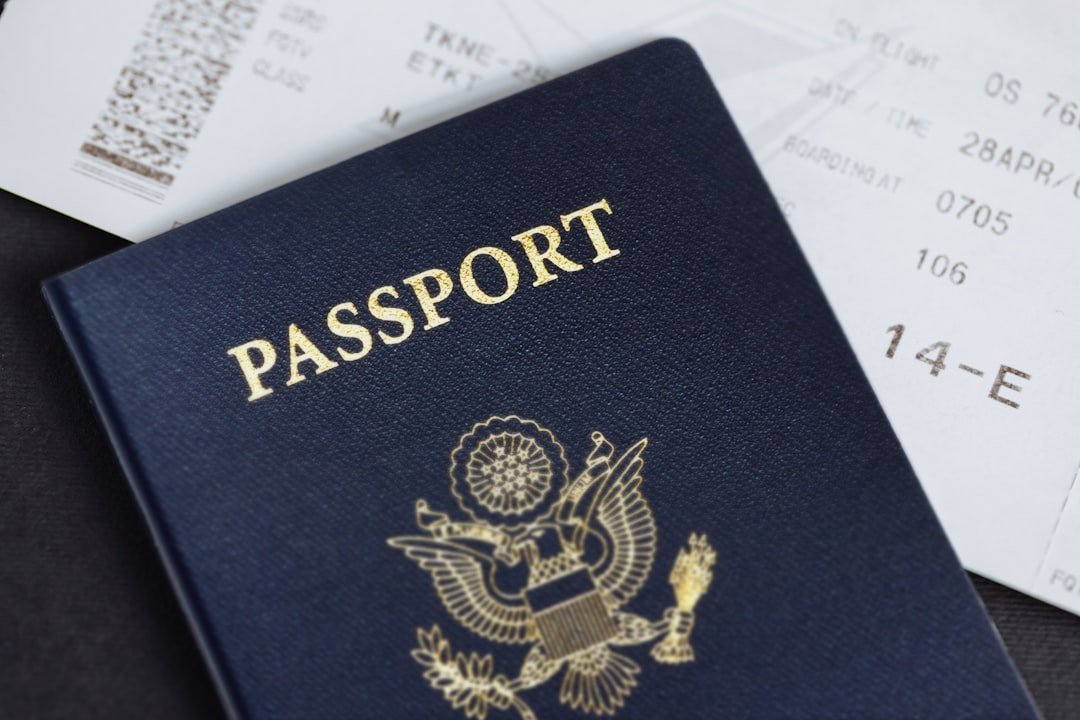
There’s a visible difference between someone who walks up to the check-in desk with a passport in hand and a boarding pass already pulled up and someone digging through a tote bag for several minutes. Staff notices this, not judgmentally, but because it affects the pace of the line behind you.
Even in the digital era, embarkation involves documentation, and having key items like passports and boarding passes with QR codes readily accessible makes the process considerably smoother for everyone involved. Passengers who are prepared signal to staff that they’re experienced travelers who won’t need much hand-holding.
5. Whether You’re Traveling Solo, as a Couple, or in a Group
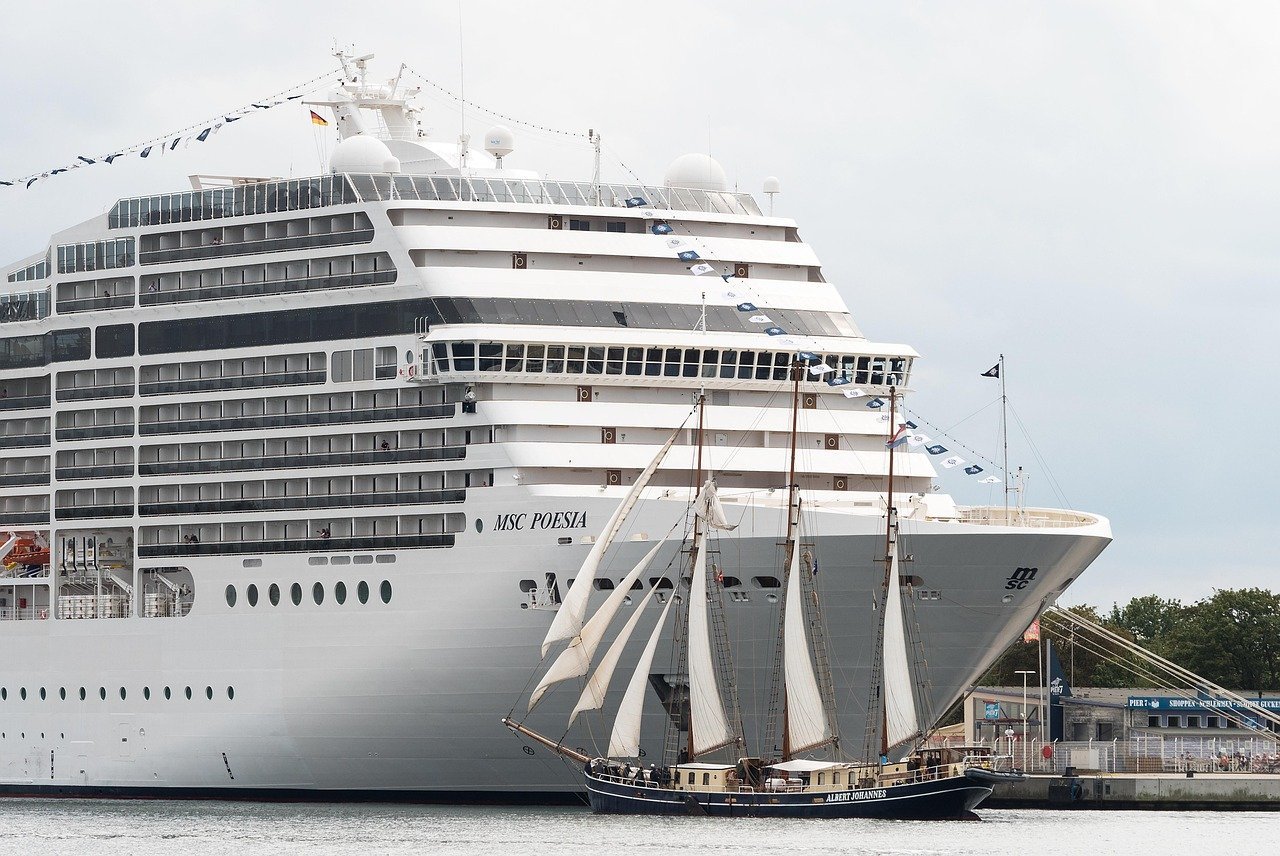
Group size and composition become apparent the moment you walk through the gangway together. A solo traveler gets noticed, partly because they stand out statistically – how passengers interact socially is a window into their personality, and some guests easily engage with others, while others clearly prefer solitude.
Large family groups tend to come with particular logistical needs, and experienced crew members begin anticipating those needs right away. Someone traveling alone, on the other hand, might get a little extra warmth from staff, who understand that solo cruisers sometimes need a bit more connection during the voyage.
6. The Energy You Bring Aboard
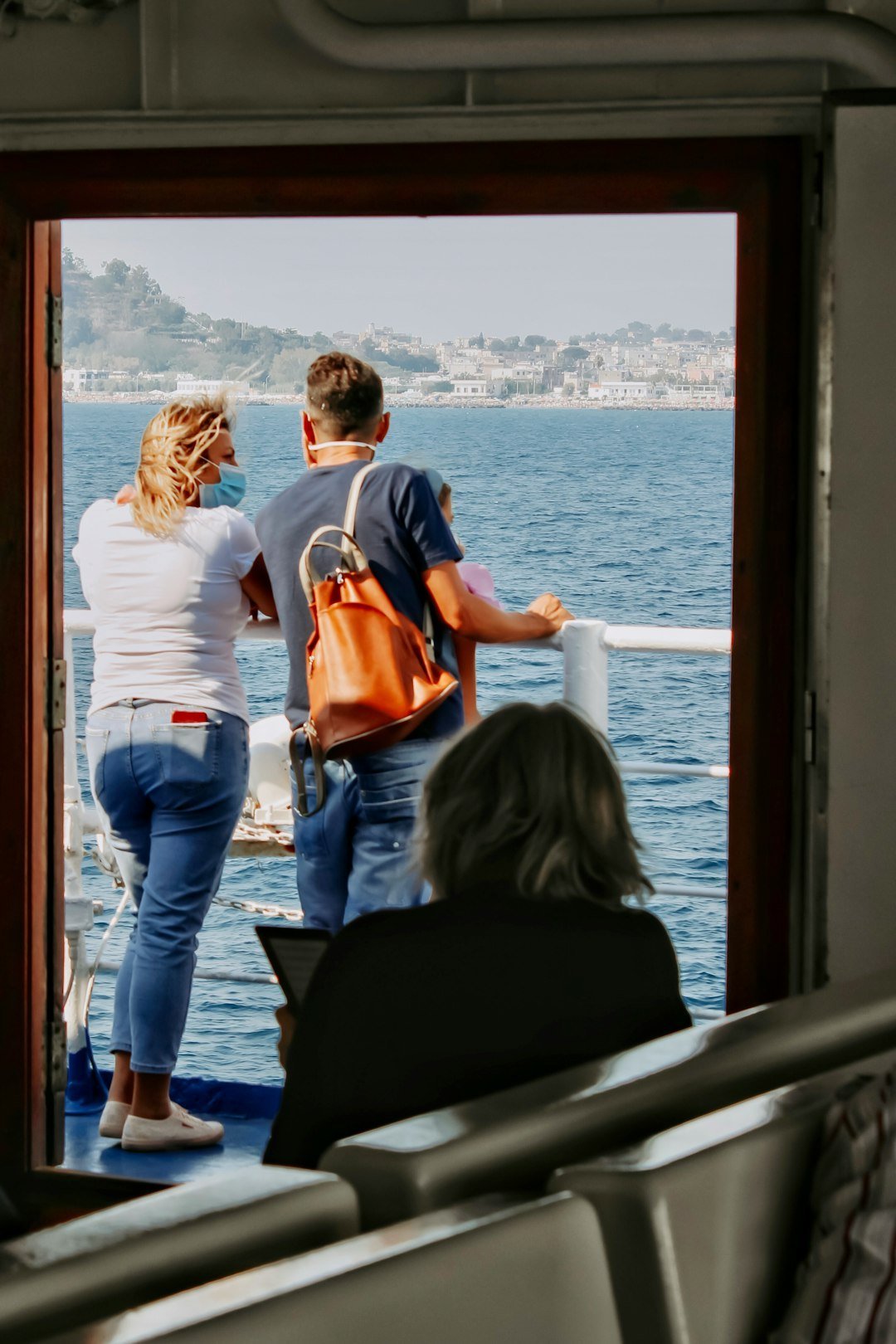
There’s a difference between excited-happy and frantic-chaotic. Staff can read this distinction within moments. Passengers who are calm and positive create a different kind of interaction than those who board already stressed, already complaining about the terminal line, or already looking for something to be unhappy about.
Cruise ship employees work long hours and juggle multiple responsibilities, so guests who are patient during busy moments are genuinely appreciated. Boarding is one of the most hectic periods of any sailing, and the staff filing through it with you are paying close attention to how you handle the chaos.
7. Whether You’re a First-Time Cruiser

First-timers have a particular wide-eyed quality that’s charming and immediately recognizable. The sense of wonder is genuine, and most crew members find it genuinely refreshing. There’s also a practical dimension: first-timers tend to need more explanations, more directions, and more reassurance.
While boarding a cruise ship shares some similarities with air travel, it’s generally a less stressful process for most guests, though embarkation times can range widely depending on the ship’s size and the efficiency of the process on a given day. Staff who spot a first-timer often go slightly out of their way to make those first moments smooth.
8. Your Health Declaration Responses

Virtually all cruise lines require guests to fill out a health declaration form at the terminal, asking travelers to confirm they are not experiencing symptoms of illness, and these forms are submitted to staff during the check-in process. Staff reviewing those forms are trained to notice inconsistencies or hesitation.
The health screening is specifically designed to guard against norovirus and other illnesses that spread easily in confined spaces. A passenger who seems unwell despite a clean declaration is something crew members are trained to flag, because an outbreak on a full ship is one of the worst situations the medical team can face.
9. How You Handle the Security Screening
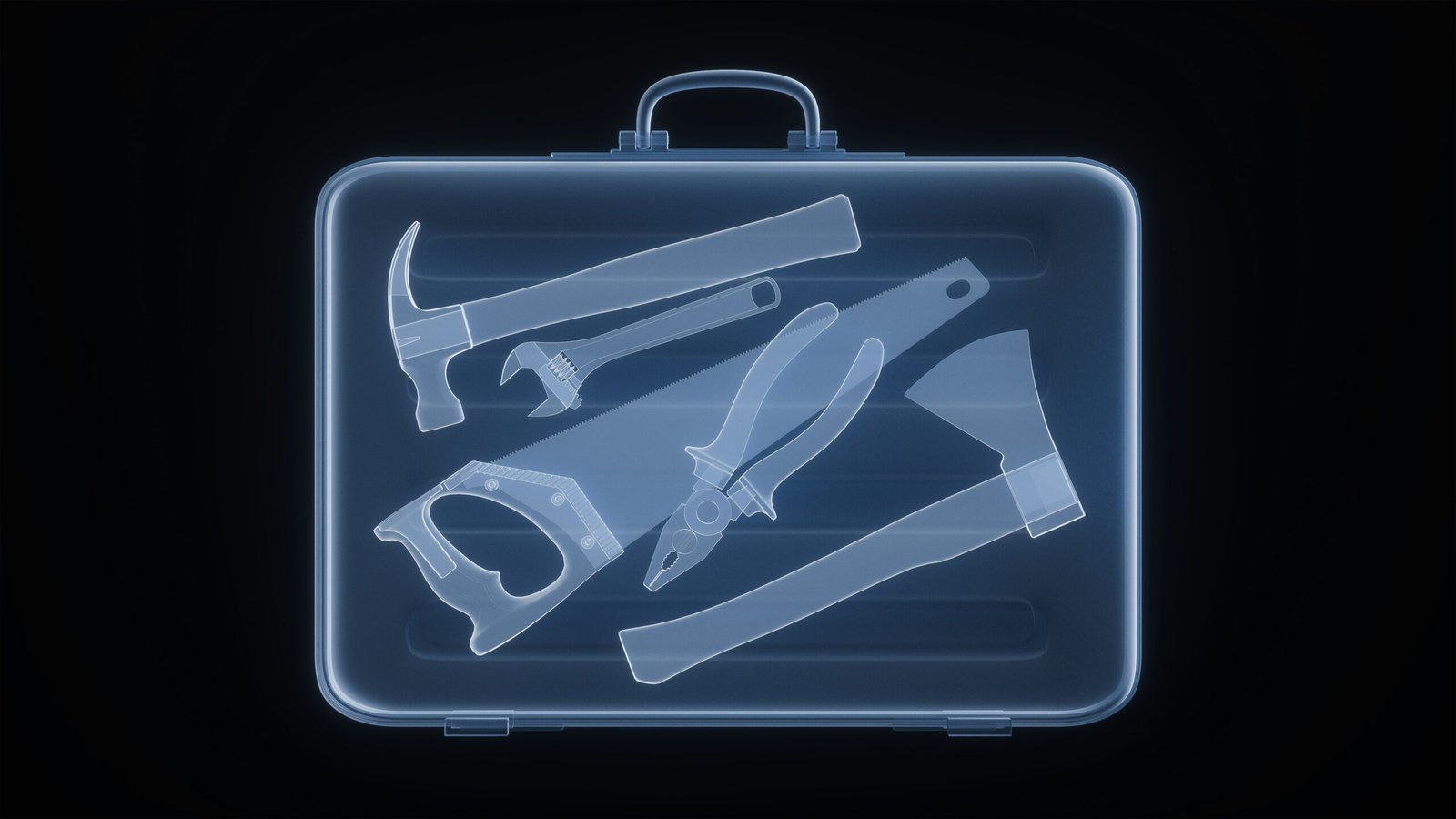
All cruise ships have security to protect passengers before boarding. While the screening is less rigorous than airport TSA procedures, it still involves walking through a metal detector and having bags scanned by X-ray to check for prohibited items. Someone who seems unusually anxious about the X-ray machine gets a second look.
Carry-on and checked luggage may be opened for inspection if flagged, and if a prohibited item is found, passengers can surrender it or make other arrangements. Possession of genuinely illegal items can result in denial of boarding or being handed over to local authorities. Security staff are specifically trained to read passenger behavior during this process.
10. Whether You’re Carrying Contraband Alcohol

It’s one of the most common attempts passengers make, and staff have seen every variation. Bottles wrapped in clothing, flasks in sunscreen containers, wine disguised inside shampoo packaging. The X-ray machines catch most of it, but the behavioral signals during screening catch plenty more.
Most cruise lines allow passengers to bring some approved beverages aboard in their carry-on luggage. Still, bottles must be sealed, and passengers are strongly advised not to attempt to sneak additional alcohol, as it can be confiscated and cause embarkation delays. Staff who process these situations regularly can often spot the attempt before the bag is even opened.
11. Your Cabin Category
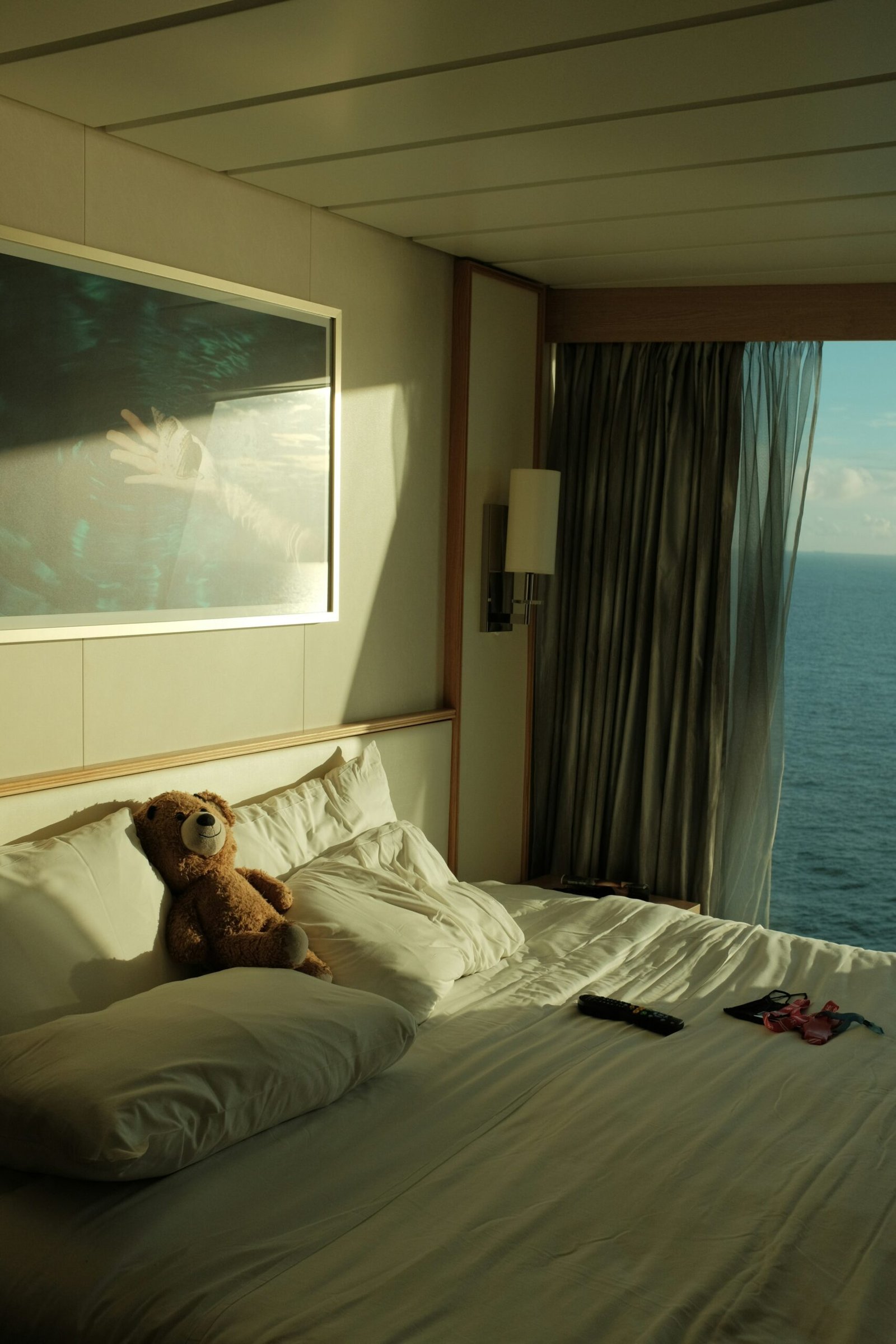
Your cruise card communicates a surprising amount of information. The cabin tier you’ve booked is right there in the system, and staff across departments – from the gangway to the dining room – have access to passenger profiles that include stateroom category. Suite guests are visibly treated differently, not just at boarding but throughout the voyage.
Suite passengers and high-status past-passengers are typically directed to a shorter line or separate waiting area, while regular passengers join the main queue. This isn’t just a perk for the passenger – it’s a signal to every member of the crew they’ll encounter that this person has specific expectations and a particular level of investment in the experience.
12. Whether You’re a Repeat Guest on That Specific Ship
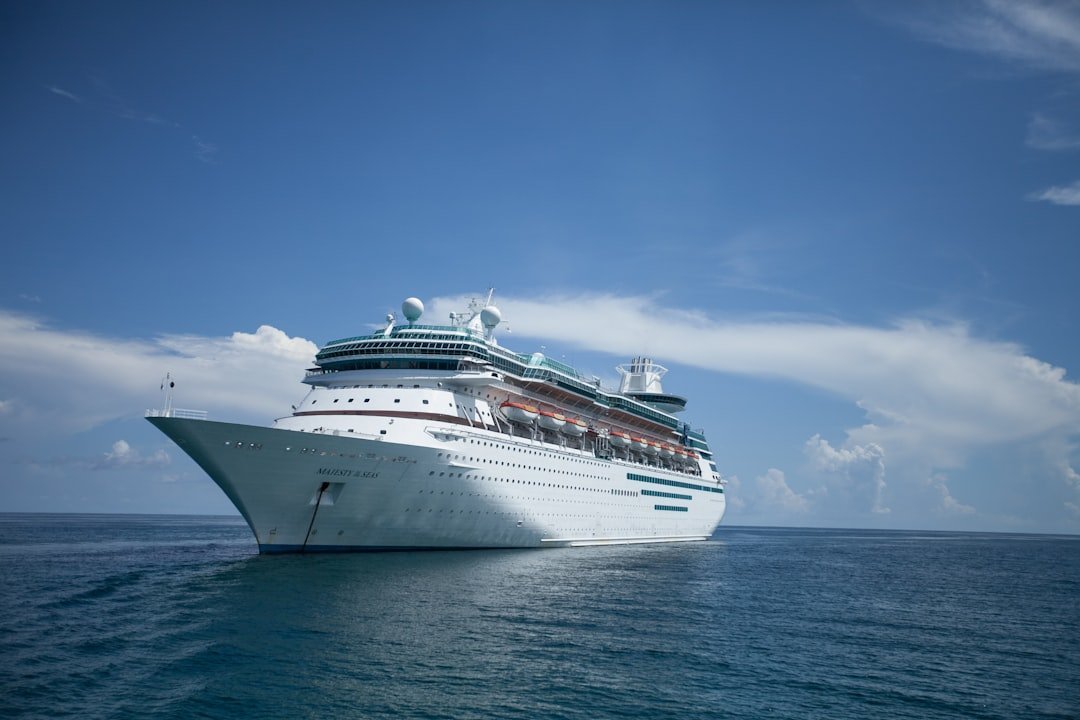
Some ships carry a loyal core of repeat guests who sail the same itinerary multiple times a year. Staff on those vessels get to know these passengers over time, and experienced crew members often recognize returning guests by face long before a name tag or cruise card confirms it. The greeting for a familiar face is distinctly warmer.
Crew members are bound to make genuine connections with guests, partly because they’re seeing the same people constantly over the course of days or even weeks. When those same guests come back sailing after sailing, it creates a familiarity that staff genuinely value, even if the professional rules remain firmly in place.
13. Whether You Smile Back
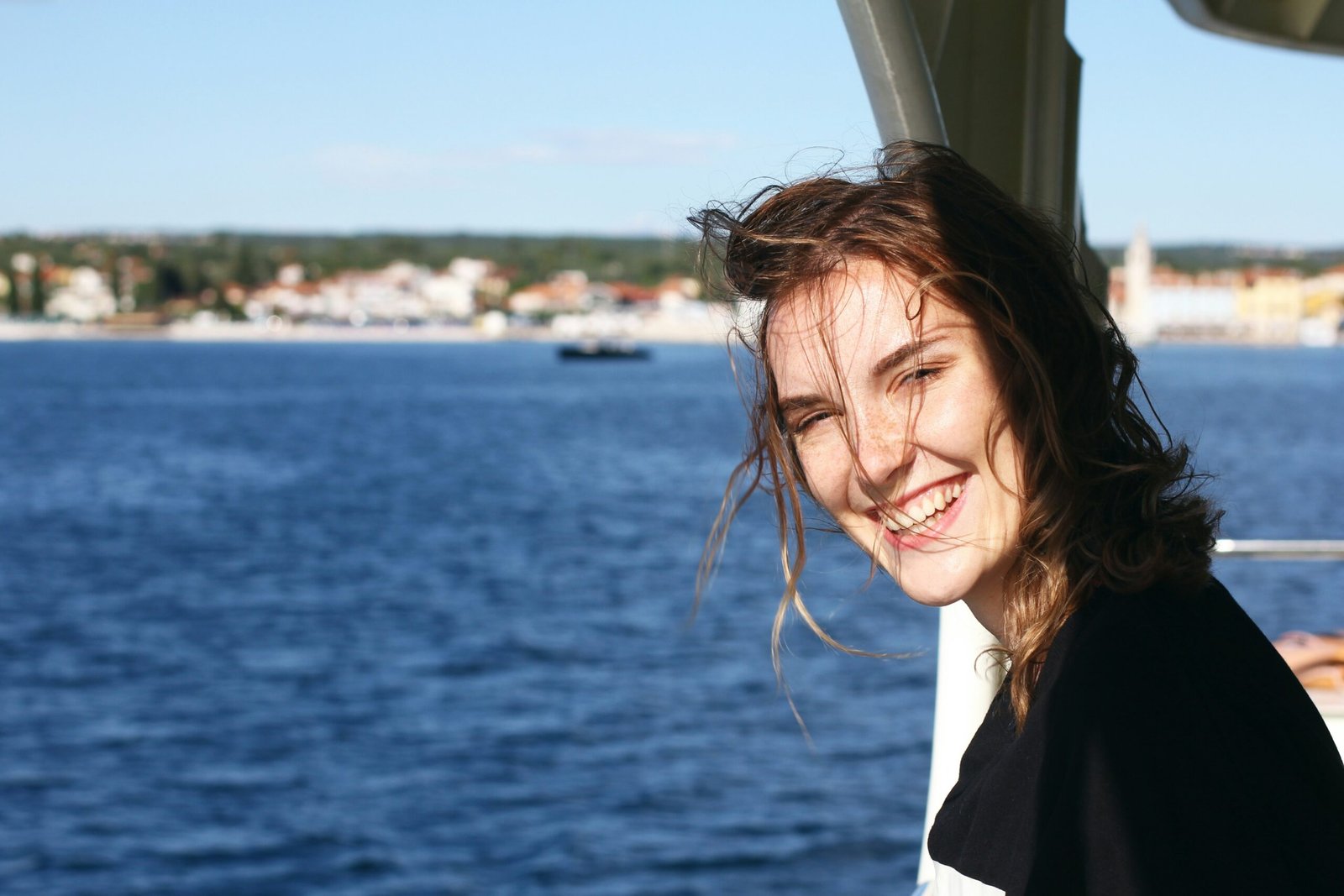
It sounds trivial, but it matters. During boarding, crew members post at various points along the gangway and throughout the atrium are greeting passenger after passenger for hours on end. The guests who make eye contact and return the smile are remembered. The ones who stare at their phones without acknowledgment are noticed too, in a quieter way.
Being genuinely nice and considerate goes a long way on a cruise ship. Crew members don’t set the prices and aren’t responsible for most things passengers might be frustrated about, yet they work hard for every single guest and are expected to be warm and friendly throughout. Kindness in return tends to smooth the experience considerably.
14. How You Handle the Embarkation Photograph
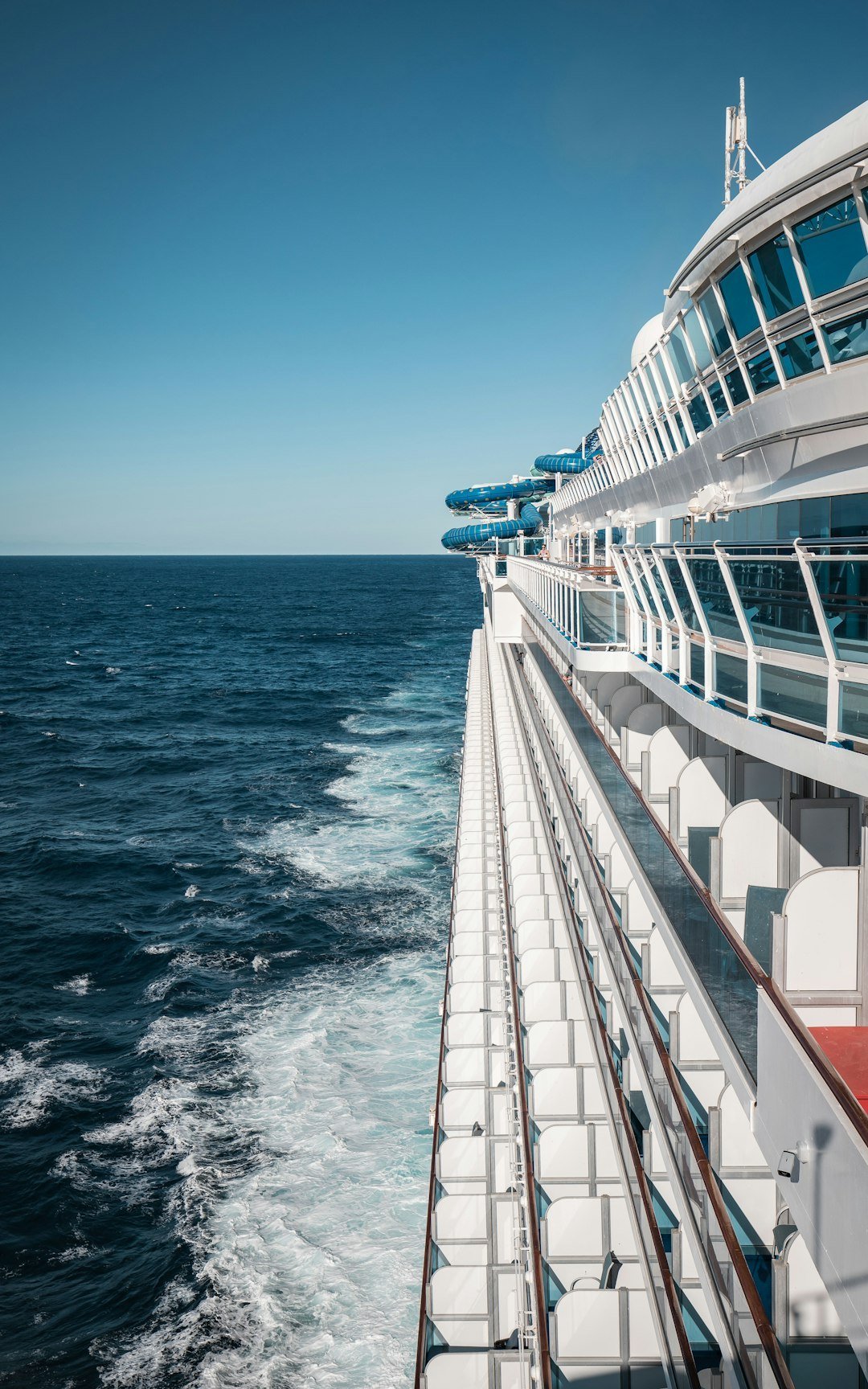
On the way to the ship, photographers ask passengers to pose for a picture, often with a backdrop of the ship or a ship’s life ring. These photos are available to purchase onboard, and any guest who doesn’t want to participate can simply decline and move on.
How a passenger handles this small interaction tells staff something about their personality. The guests who cheerfully pose are usually looking for fun and engagement throughout the trip. Those who decline gracefully are noted as private types. The occasional passenger who is rude about it – that response travels further down the crew grapevine than they might expect.
15. Your Stress Level

Embarkation is genuinely hectic, especially during the peak noon-to-2pm boarding window. It’s great to bask in anticipation during boarding, but a snag or two mixing in with the excitement isn’t unusual, including occasional computer glitches that slow check-in to a crawl. How passengers handle those bumps is something staff watch closely.
The passenger who sighs heavily, huffs audibly, or immediately demands to speak to a manager at the first sign of delay gets mentally flagged. Not as a problem guest necessarily, but as someone who may require careful handling throughout the trip. Experienced crew members have developed a finely tuned sense for tension that could escalate.
16. Whether You’re Paying Attention During Safety Information
Muster drill requirements have evolved significantly. Many cruise lines have shifted to e-muster procedures, where guests are required to watch a safety video on their cabin TV or cruise line app explaining emergency protocols. Staff track completion of these requirements, and non-compliance becomes obvious quickly.
Guests who skip the muster check-in step will hear their cabin numbers announced over the PA system. That’s not a subtle outcome. The guest who dismisses safety procedures on day one gets noticed across multiple departments, and it shapes how staff interacts with them going forward.
17. What You’re Wearing
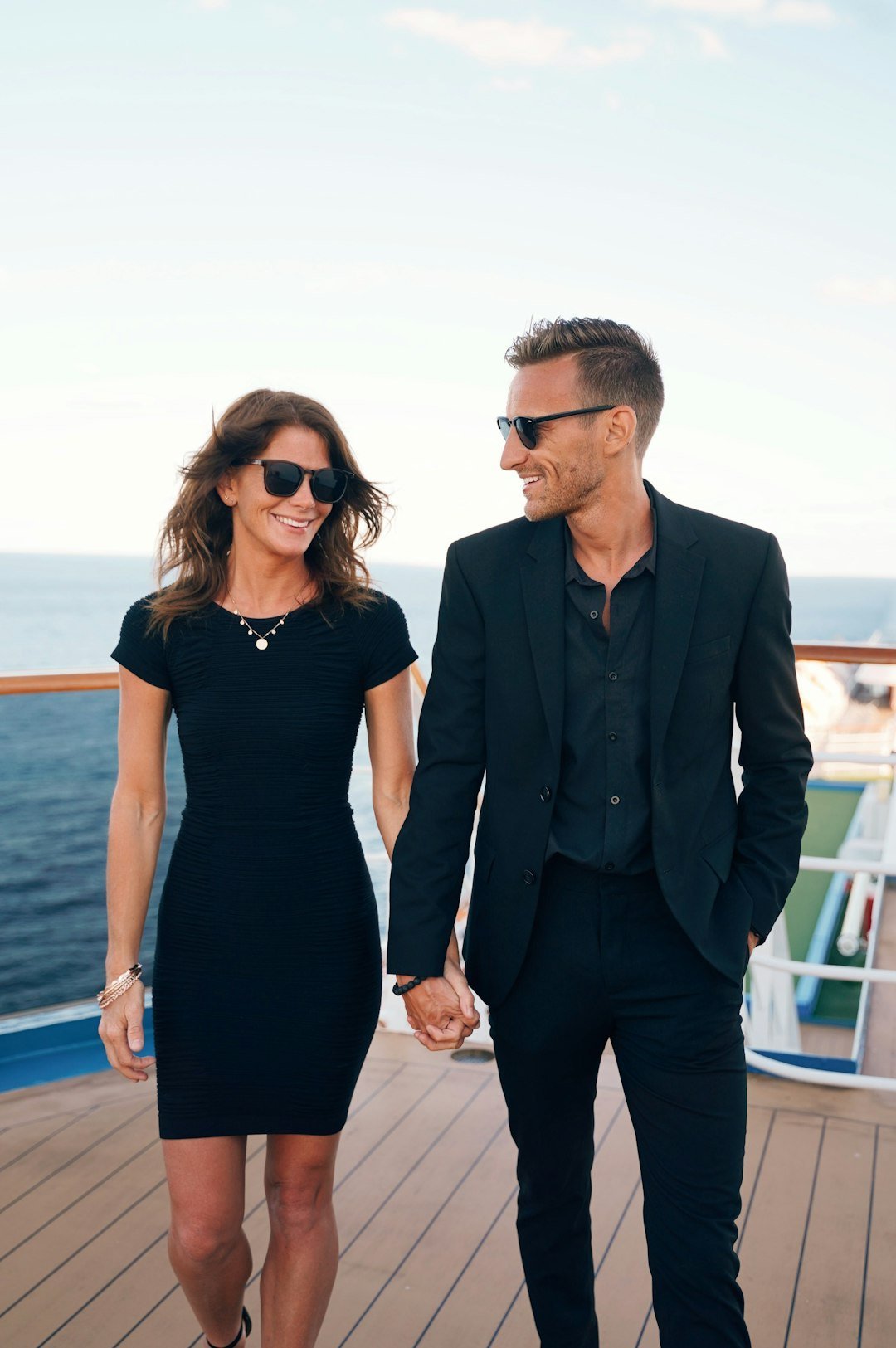
Your embarkation outfit doesn’t define you, but it does communicate something. Passengers dressed in cruise-ready resort wear signal they’ve either done this before or they’ve done their research. Someone boarding in a formal outfit mid-afternoon looks slightly out of step with ship culture and might need gentle guidance about dress codes for various venues.
Being dressed appropriately and engaging in onboard activities are among the behaviors that contribute to positive interactions with staff and fellow guests throughout the cruise. Crew members working the atrium during boarding are often the ones who field early questions about dress codes, and they notice who seems genuinely uncertain.
18. Your Children’s Behavior – and How You Respond to It

Families traveling with children bring a particular energy to embarkation. Staff notice the parents’ approach to managing their children’s activities and how they balance excitement with safety awareness right from the start.
Embarkation day is also the moment staff watch for risky behaviors, particularly children around railings or balcony furniture. Parents who address these risks proactively signal to the crew that the family will be relatively self-regulating. Parents who ignore repeated safety concerns become a point of monitoring throughout the voyage.
19. Whether You Head Straight for the Buffet
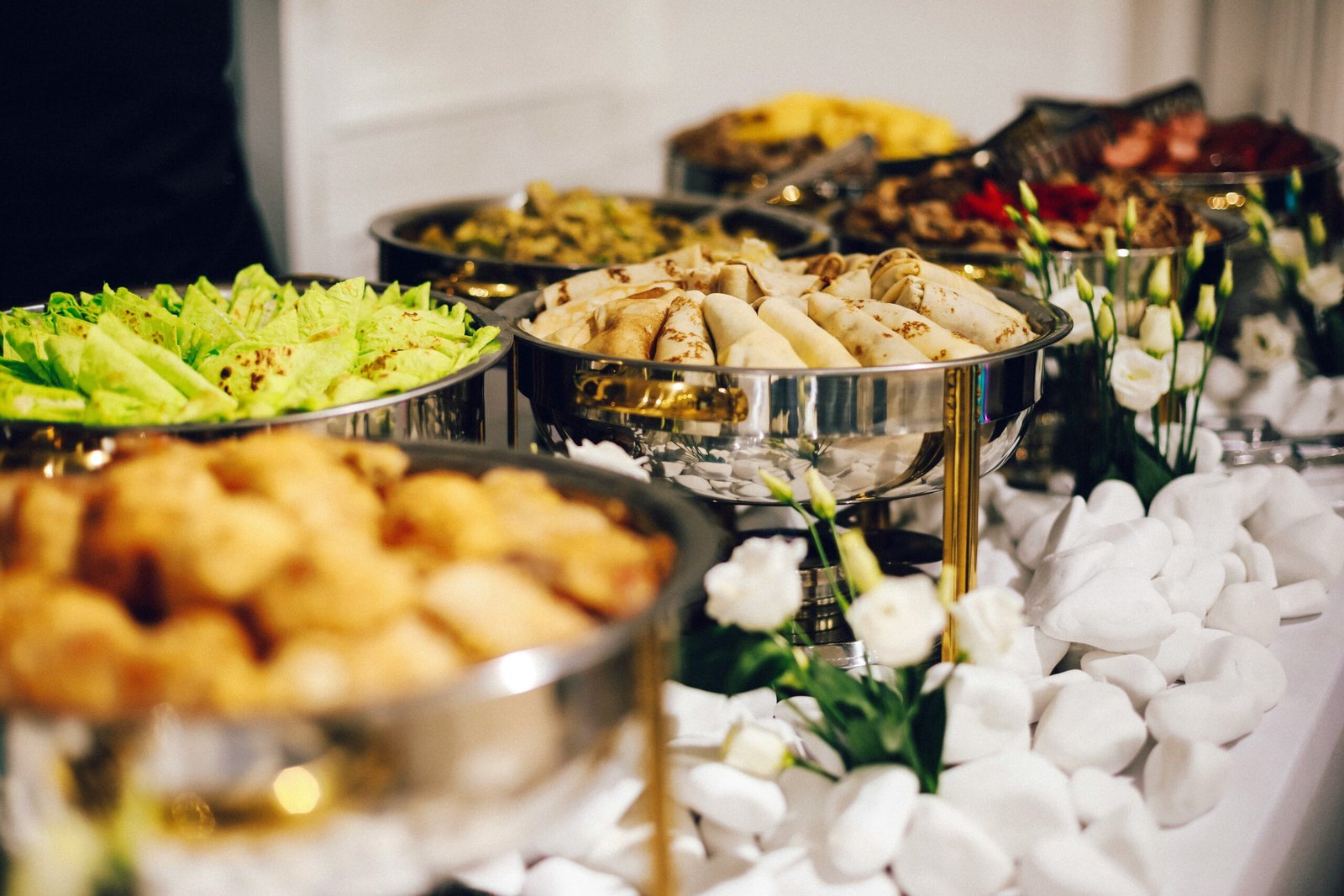
Most passengers head straight for the buffet area on embarkation day, making it the most crowded spot on the ship within the first hour. Many ships, however, have other places to grab a bite to eat on that first day.
The passengers who skip the buffet chaos and find their way to the main dining room or a less obvious venue get noticed. It’s the kind of move that signals either prior cruise experience or a willingness to explore – both of which earn a certain amount of quiet respect from staff who see the same buffet stampede on every single sailing.
20. How You Interact with the Ship’s App or Technology
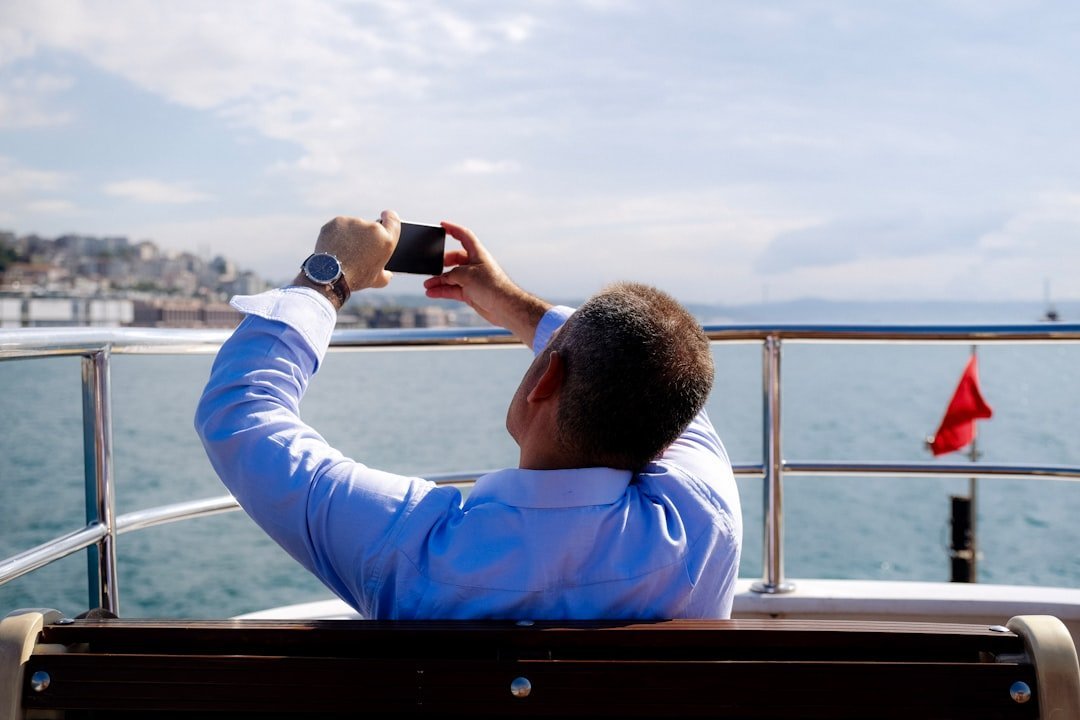
Tech-savvy passengers stand out immediately by using smartphones and apps to navigate the ship, book activities, and access information. Staff notice these guests who adapt quickly to the digital tools the ship offers.
The flip side is also true. Passengers who struggle with the app, can’t locate their digital boarding pass, or are confused by the onboard account system tend to generate more front-desk traffic throughout the voyage. That’s not a problem – staff is there to help – but it does shape how the crew anticipates the guest’s needs going forward.
21. Your Social Instincts

How passengers interact socially is a window into personality. Some easily engage with others and start conversations, while others prefer solitude. Social types tend to gravitate toward group activities and connect effortlessly, while introverts seek quieter corners. Staff notice these dynamics and work to serve both.
This matters operationally more than it might seem. The ship’s entertainment team, dining staff, and activity coordinators all calibrate their approach based on whether a guest seems to want interaction or quiet. Getting that read right on day one means fewer awkward pitches to book group events at the wrong guests.
22. Whether You Tip the Porter

Porters at the terminal handle checked luggage and load it onto the ship for delivery to staterooms. While using this service is not mandatory, it makes the boarding process considerably easier than hauling bags through check-in. Whether a passenger tips the porter is something that gets quietly noticed.
Tipping is a subject that comes up frequently in discussions about cruise etiquette. Employees notice when guests tip thoughtfully, as it reflects an appreciation for physical labor. While standard gratuities are often built into cruise packages, additional recognition for genuine effort creates lasting goodwill.
23. Whether You’ve Done Your Homework on the Ship
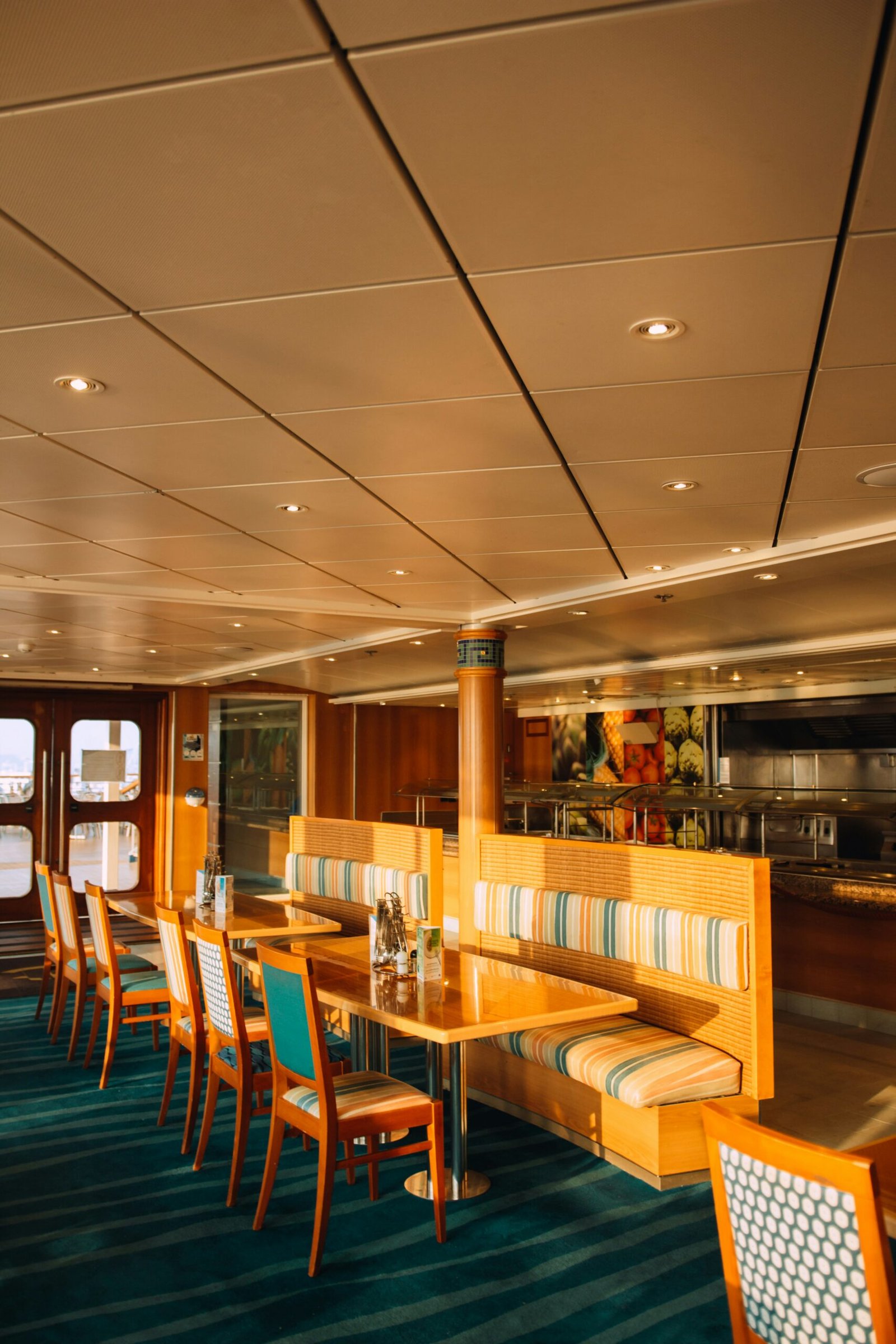
Guests who walk onto a large ship and immediately know where the elevator banks are, which direction the main dining room sits, and roughly what deck their cabin is on have clearly spent time with the ship map or virtual tour beforehand. This is surprisingly noticeable to the crew who spend all day directing lost passengers.
Upon boarding, passengers typically receive a map of the ship to help them navigate, and spending time looking over the layout to identify key locations makes the first day substantially easier. The guest who ignores the map entirely and relies entirely on staff for every turn is a different kind of passenger – not worse, just one who will generate a lot more crew interaction.
24. Your Physical Mobility and Any Accessibility Needs

Passengers who cannot stand for long periods or walk long distances may benefit from requesting a wheelchair in advance, as expedited boarding and seating options vary by terminal. Those requiring a wheelchair for the full cruise should bring their own or arrange one through a specialized service.
Staff are trained to spot mobility challenges at embarkation and ensure those passengers are routed appropriately. This is one of the more genuinely considerate aspects of the boarding process. A guest who needs physical assistance and hasn’t pre-arranged it becomes a priority for staff right at the gangway, no matter how busy the morning is.
25. Whether You’re Already Drinking
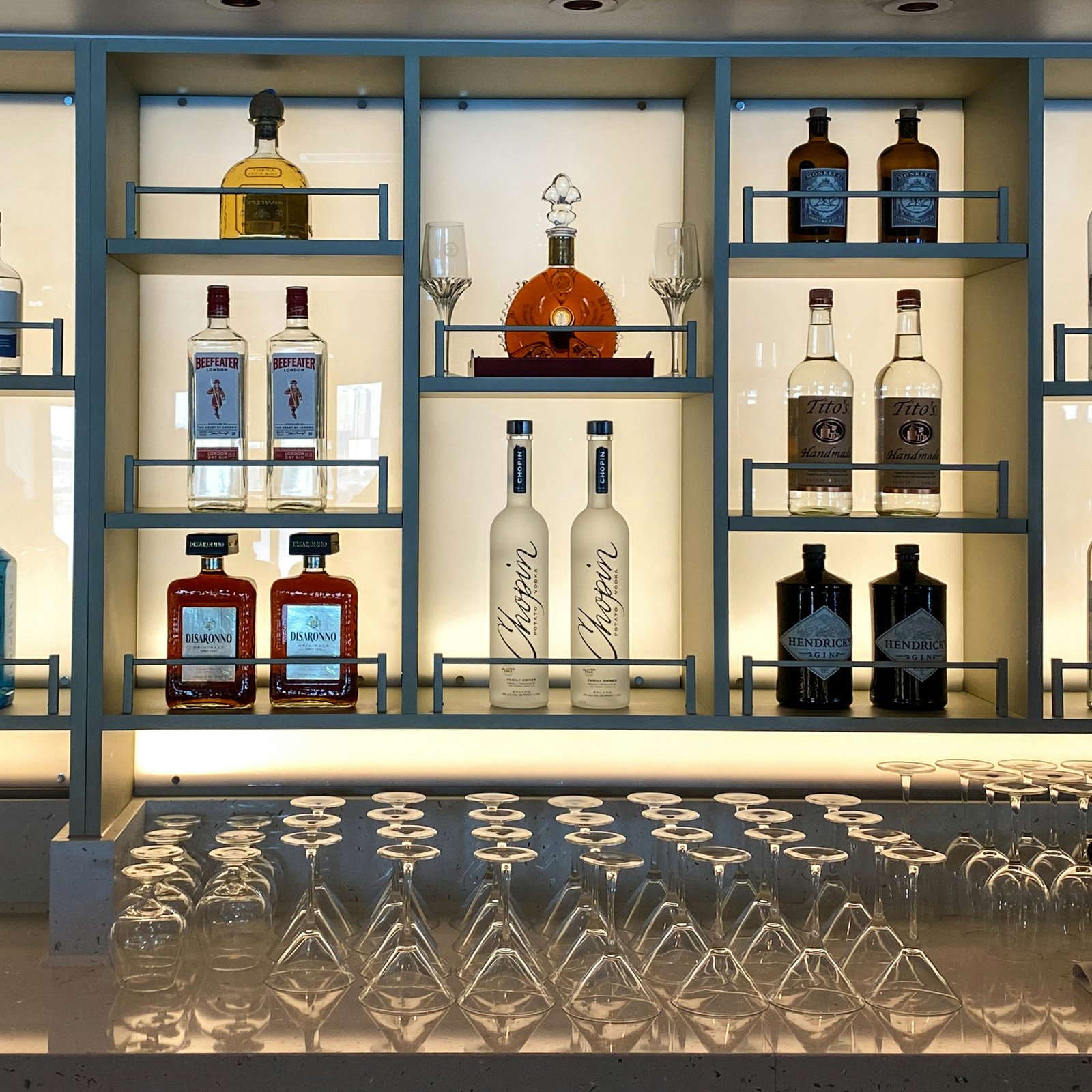
Embarkation day has a festive quality, and some passengers begin celebrating early – occasionally very early. Cruise ship security operates discreetly but effectively, monitoring everything happening onboard. Trained personnel use signals and discreet communication to respond quickly to incidents in crowded public areas like the pool deck.
Bar staff and embarkation crew pay particular attention to passengers who board visibly intoxicated. It’s not just a liability issue – it’s also a predictor of how the rest of the voyage might unfold. A guest who’s already past their limit at noon on day one tends to stay on the crew’s informal radar for the entire trip.
26. Whether You Ask Good Questions or Entitled Ones

There’s a real difference between a curious guest who asks where the spa is and an entitled one who demands to know why their cabin isn’t ready before the published time. Staff recognize both types within moments, and the distinction shapes how they respond and what they’re willing to go out of their way to offer.
Crew members are deeply interconnected, and it’s often these informal relationships that can unlock things for passengers. Working through unofficial channels alongside official ones can be genuinely advantageous for guests who approach the crew with warmth rather than demands.
27. How You Respond When Told Your Cabin Isn’t Ready
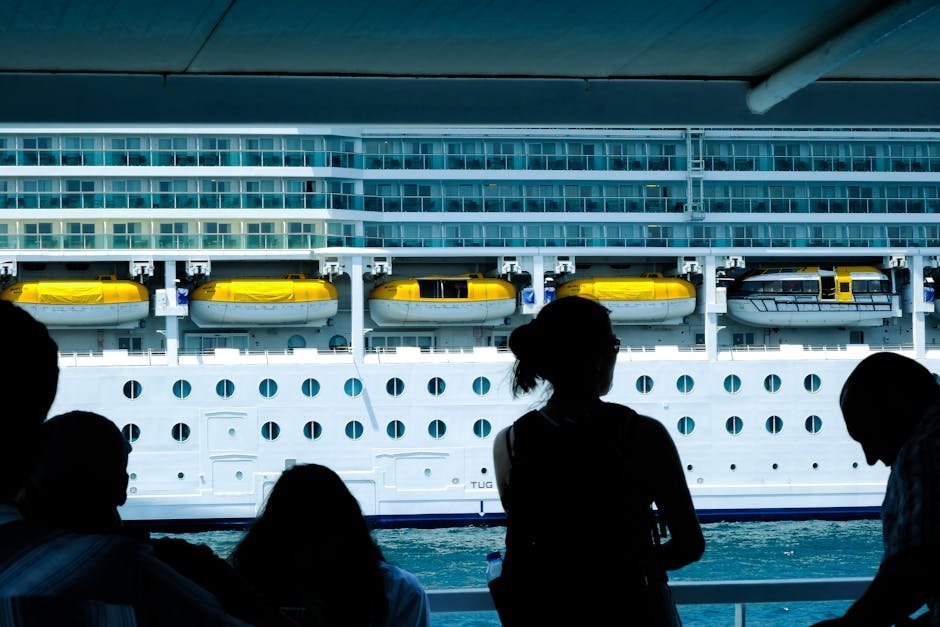
Cabins are typically not available immediately upon boarding because the crew needs time to clean and prepare them after the previous sailing. Depending on when you arrive, cabins might not be ready, as the crew needs to clean and straighten them after previous guests have left. It’s best to stay out of the way of cabin stewards and find somewhere to spend time until the ship announces all cabins are ready.
The passenger who says “no problem” and heads to explore the ship is noted differently from the one who argues with a steward about why the room isn’t available yet. Both responses are remembered. The cabin steward, who will spend the next several days attending to that passenger’s room, forms an impression at this exact moment.
28. Your Group’s Internal Dynamic
Family tensions, couple friction, friend-group hierarchies – all of it tends to surface under the mild stress of boarding. Staff don’t go looking for it, but they’re perceptive people who spend hours in close contact with human beings in compressed social situations. The group where one person is making all the decisions while others trail reluctantly behind tells a story.
Employees often appreciate guests who take the time to genuinely engage, asking about crew experiences and backgrounds. These interactions illuminate the cultural diversity onboard and can foster real connections over the course of the voyage. Who in a group is open to that kind of engagement, and who isn’t, becomes clear quickly.
29. Whether You Make Special Requests Immediately

Some passengers board with a list of special requests ready to go – specific pillow types, extra hangers, a particular table assignment, a room configuration change. Staff aren’t bothered by this; it’s part of the job. What they do notice is the manner in which these requests are made.
Passengers can request certain things from their cabin steward for a more comfortable experience, such as a mattress topper, daily ice, and extra hangers. Stewards who receive these requests with a pleasant greeting and a genuine thank-you respond very differently than they do to guests who treat the interaction as a complaint before anything has even gone wrong.
30. How You Treat Staff Who Are Clearly Junior or In Training

During busy boarding periods, newer or less experienced crew members are often stationed in high-traffic areas. A passenger who is kind to the slightly nervous new staff member gets a completely different reputation than one who snaps at them or talks down to them. Veteran crew members nearby observe exactly how passengers treat their junior colleagues.
The level of respect shown toward the crew’s time and effort stands out as a clear behavior pattern. Cruise ship employees work long hours, juggling multiple responsibilities, and guests who understand this and show patience during busy periods are genuinely appreciated.
31. Whether You Follow the Flow or Fight It
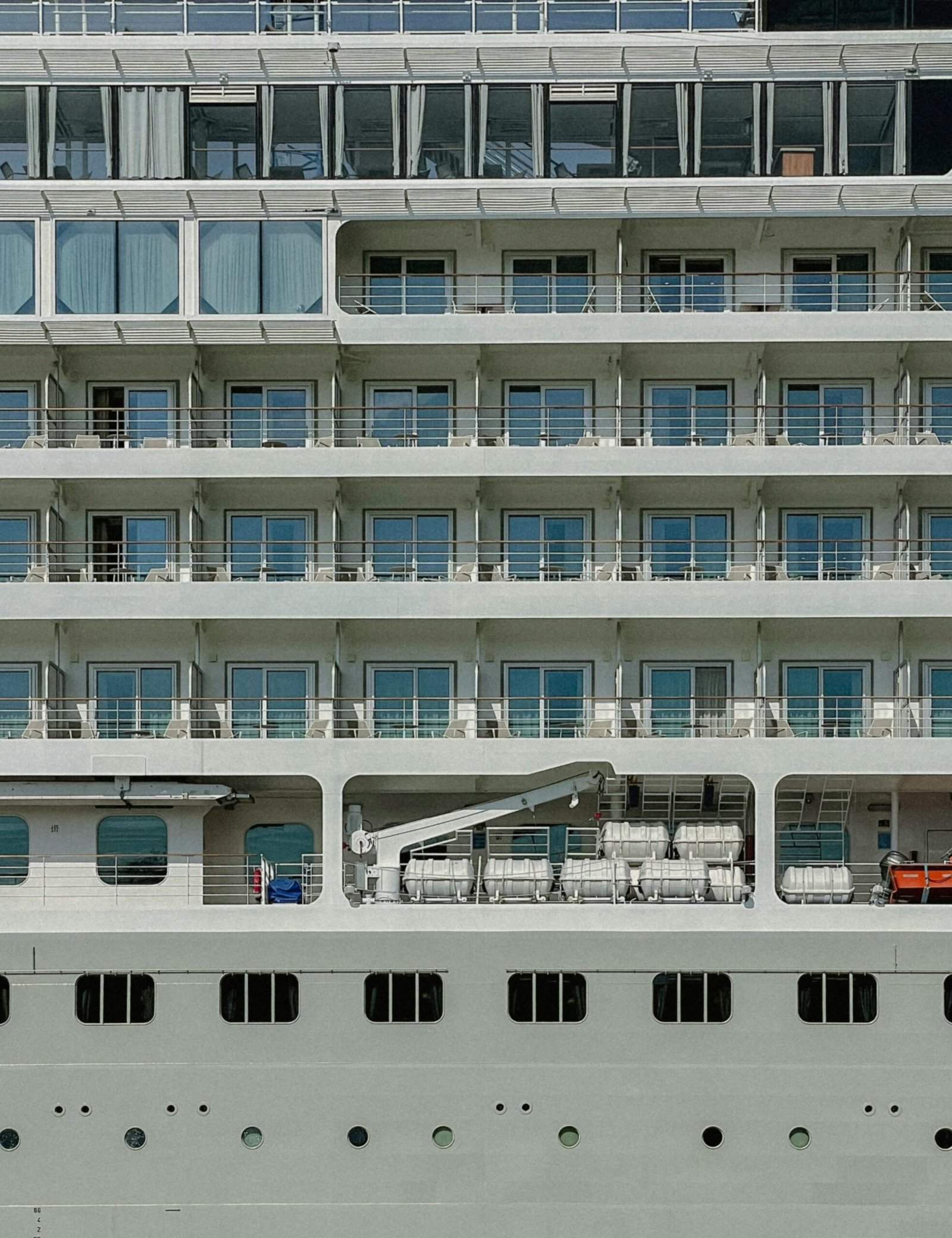
Cruise ship embarkation is carefully choreographed. There are specific lanes, specific signs, specific directions for a reason – the ship is loading thousands of people in a matter of hours. The passenger who follows the flow, stays in line, and moves when directed makes the whole system work. The one who ducks under ropes or cuts across lanes creates friction that ripples backward through the queue.
Boarding a cruise ship can be stressful simply because hundreds or thousands of people are all trying to get to the same place at the same time, and the process has some quirks that differ from checking into a hotel or boarding a plane. Staff who are managing that flow see clearly who is helping versus who is making it harder.
32. Your Attitude Toward the Ship’s Rules and Policies

Cruise rules and policies are fundamental to maintaining order and safety aboard. They ensure that all passengers enjoy a comfortable and secure environment, and following them prevents accidents and conflicts that would disrupt the experience for everyone.
Staff can often tell within the first interaction whether a guest intends to respect those rules or test them. The passenger who sees a sign, reads it, and complies is invisible in the best possible way. The one who immediately starts asking how to get around the policy draws attention before they’ve even unpacked a bag.
33. How Engaged You Are With the Onboard Experience
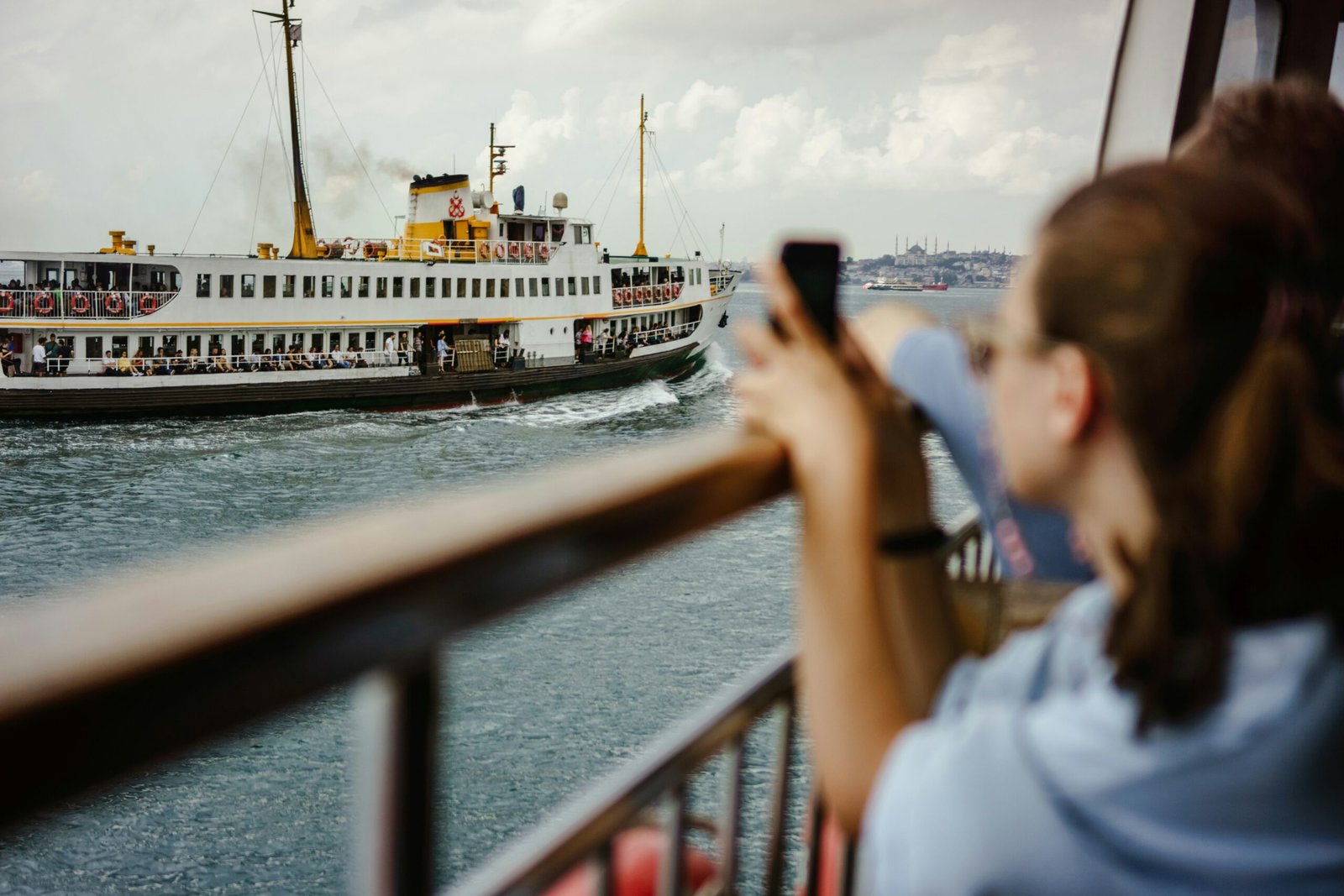
Passengers who are genuinely interested in the ship’s offerings – lectures, cultural programming, activities – tend to stand out. Their curiosity and enthusiasm enrich the experience for everyone around them, and staff who coordinate those programs notice and appreciate guests who show genuine interest from the very first day.
In contrast, passengers who are visibly unimpressed during the boarding experience – bored, scrolling their phones while the atrium band plays, barely registering the welcome drinks being offered – signal a different set of expectations. Staff don’t take this personally, but they do calibrate accordingly, mentally noting who will need extra effort to delight.
34. Whether You Seem Like Someone Who Will Leave a Review
Crew members know that at the end of every cruise, passengers receive a survey asking for feedback on virtually every aspect of the voyage, including individual staff members. To prevent a situation where problems go unaddressed, crew are trained to be proactive in checking in with guests throughout the voyage.
Reviews genuinely affect crew compensation. Comment cards and post-cruise surveys that specifically mention a crew member’s name can significantly alter their paycheck, and bonuses are tied to praise mentioned in guest feedback. A passenger who walks aboard engaging thoughtfully with staff – asking names, saying thank-you sincerely, noticing the effort being made – is someone the crew genuinely wants to impress. That dynamic begins the second you step through the gangway.
Most passengers board a cruise ship thinking about themselves – their cabin, their dinner reservation, the sun deck. That’s perfectly reasonable. It’s a vacation. Meanwhile, the crew is doing something quieter and more complex, building a layered picture of each guest through dozens of tiny observations, all before the ship has even left port. None of it is surveillance. Most of it is simply the professional instinct that comes from hosting thousands of people every week on the open ocean. The good news is that being the kind of passenger staff quietly root for doesn’t require anything complicated. Patience, basic courtesy, and a genuine willingness to be present go a remarkably long way.