
Every weekend, nursery shelves fill up with plants that look absolutely gorgeous under grow lights – lush, full, practically glowing. And every week, experienced nursery workers watch customers wheel them out to their cars, already knowing what’s coming next. The frantic return trips. The photos of dead leaves. The frustrated questions about what went wrong.
Here’s the uncomfortable truth: the pretty plant tag never mentions that some of the most popular plants sold in America are also the most expensive to maintain, the most likely to die, or the most dangerous to your yard and home. These 19 are the ones insiders talk about in the break room. Consider this a warning from the people who see the aftermath every single time.
1. Running Bamboo
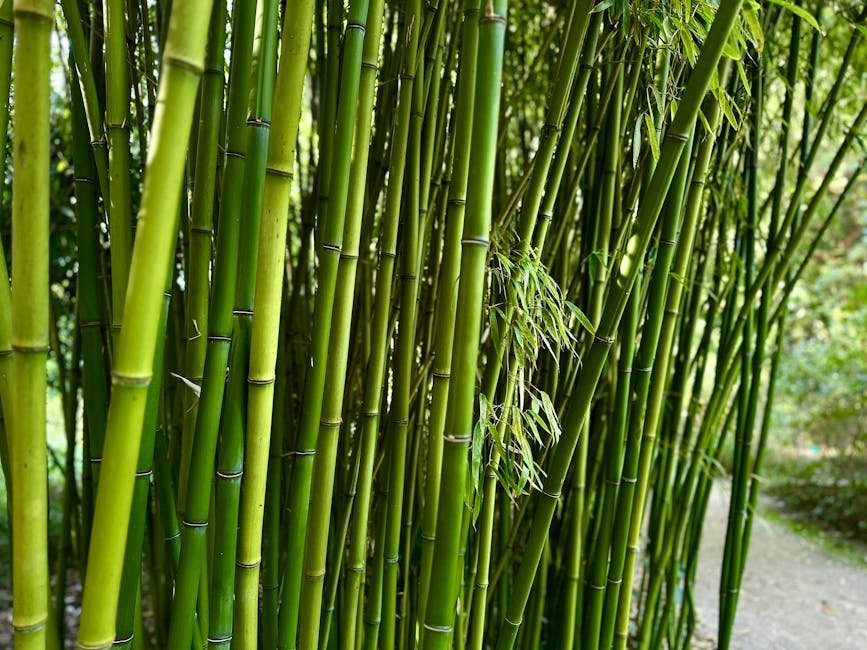
Some bamboo species are notorious for spreading aggressively. These “running” varieties can cross fences, damage sidewalks, and be challenging to remove. What starts as an elegant privacy screen can quietly invade your neighbor’s yard within a few seasons, and that’s when the real costs begin – in property disputes, removal bills, and endless digging.
Getting rid of bamboo is notoriously difficult. Cutting down the canes or mowing will not kill it, but rather often stimulates more vigorous growth. Bamboo spreads by using rhizomes, which grow horizontally under the soil before sending up new shoots several feet away from the main plant. If you love the look, opt for a clumping variety like Fargesia, which stays put.
2. Chinese Wisteria
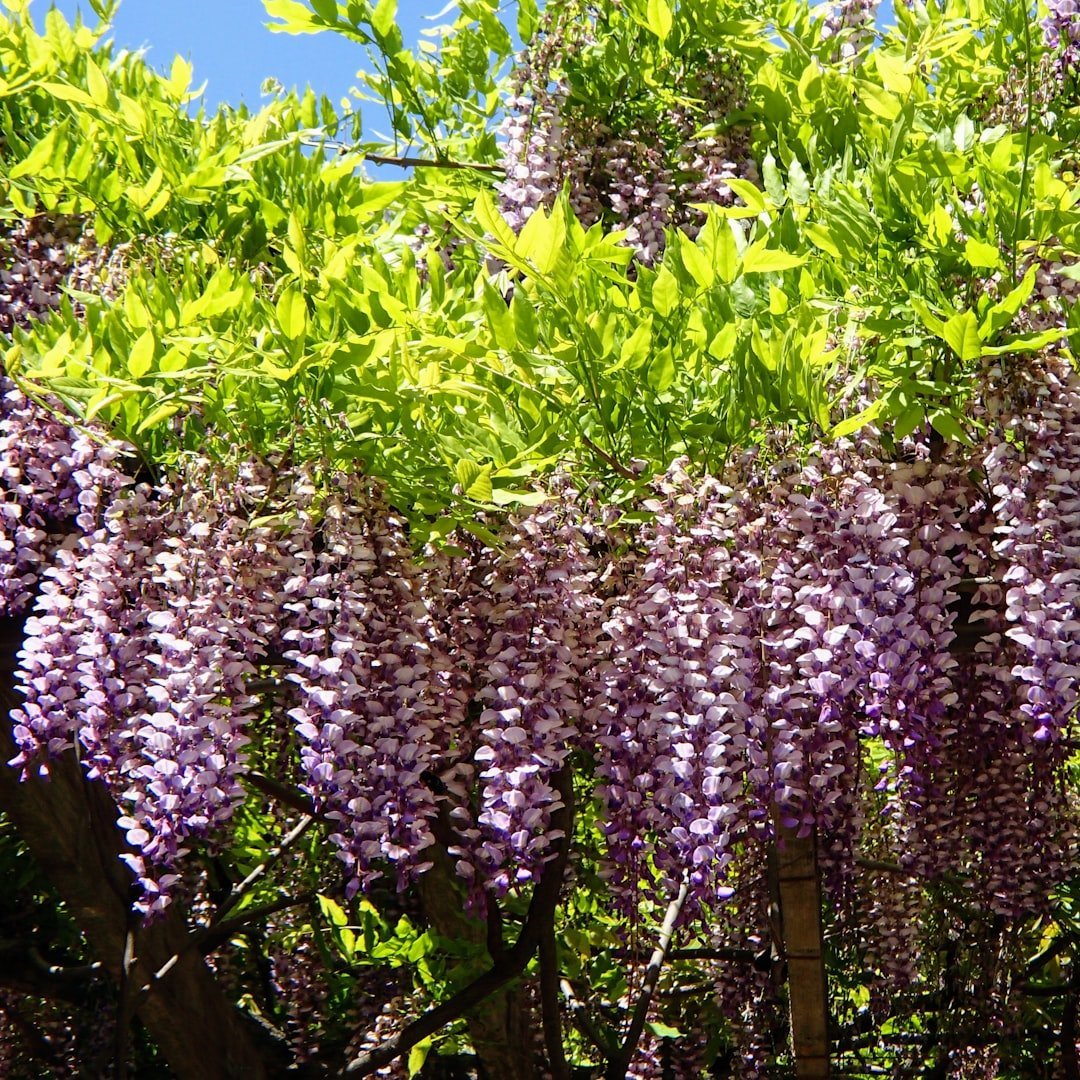
Stunning purple flower cascades and romantic appeal made Chinese Wisteria a dream plant for gardeners wanting dramatic springtime displays on structures. Garden magazines and television shows featured wisteria-covered pergolas and arbors, inspiring homeowners to add this vine to their own outdoor spaces. The reality, though, is brutal. Chinese Wisteria vines grow incredibly thick and heavy, often collapsing structures that weren’t built to support their substantial weight over time. The twining growth habit can actually strangle trees by wrapping tightly around trunks and branches, cutting off nutrient flow completely.
Chinese Wisteria may look pretty with its purple petals, but it is considered an “aggressive” plant that can cause major damage to your home, sewer pipes, and yard. With its strong vines, it can often climb and penetrate underneath roofs and gutters. Typically, Chinese Wisteria can quickly grow up to 60 feet, with stems of up to 15 feet in diameter. Nineteen states list wisteria as invasive. That’s a lot of states saying the same thing.
3. Fiddle Leaf Fig
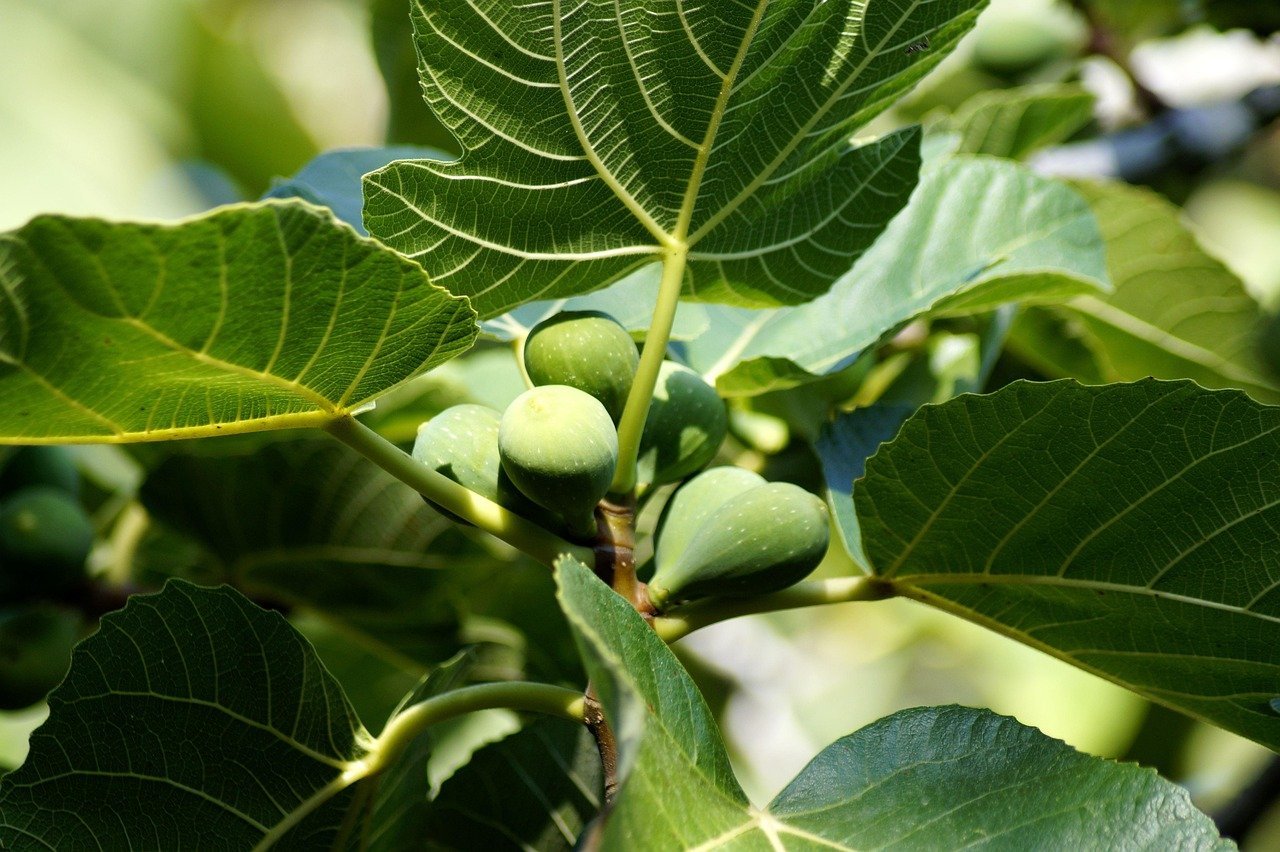
The Fiddle Leaf Fig skyrocketed to Instagram fame around 2016, appearing in countless designer living rooms. These striking plants with large, violin-shaped leaves can grow up to 10 feet tall indoors. However, they quickly developed a reputation as divas of the plant world. The gap between how they look in a magazine and how they behave in a real home is enormous.
Fiddle Leaf Figs demand precise watering, bright indirect light, and consistent humidity levels. They dramatically drop leaves when unhappy and are particularly sensitive to drafts, temperature fluctuations, and being moved. Many plant parents have watched their expensive investment slowly decline despite their best efforts. They’re among the priciest common houseplants, and their tolerance for the average American living room is almost zero.
4. English Ivy
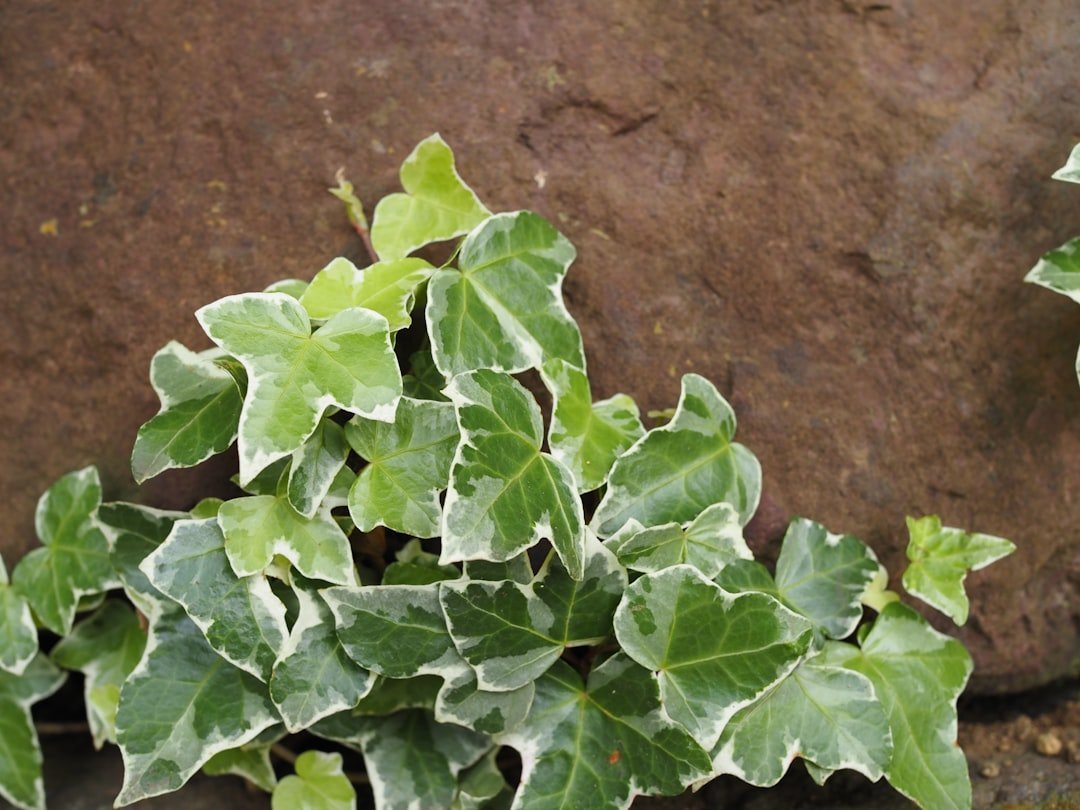
Though English ivy is loved for its deep green color and evergreen beauty, it’s a fast and aggressive grower with a very invasive root system. Gardeners who think they’ll just plant it and keep it trimmed so it won’t spread have lived to regret their decision. Though sometimes considered a ground cover, this vigorous ivy loves to climb trees and buildings and can cause structural damage to homes, fences, and brick walls over time.
Once it gets into the mortar, the damage can mean thousands of dollars in masonry repair. Even if you live in the right climate to grow English ivy, it’s probably best to avoid planting it in your garden. The amount of pruning required to keep it truly contained is a full-season commitment, not a casual weekend chore.
5. Maidenhair Fern
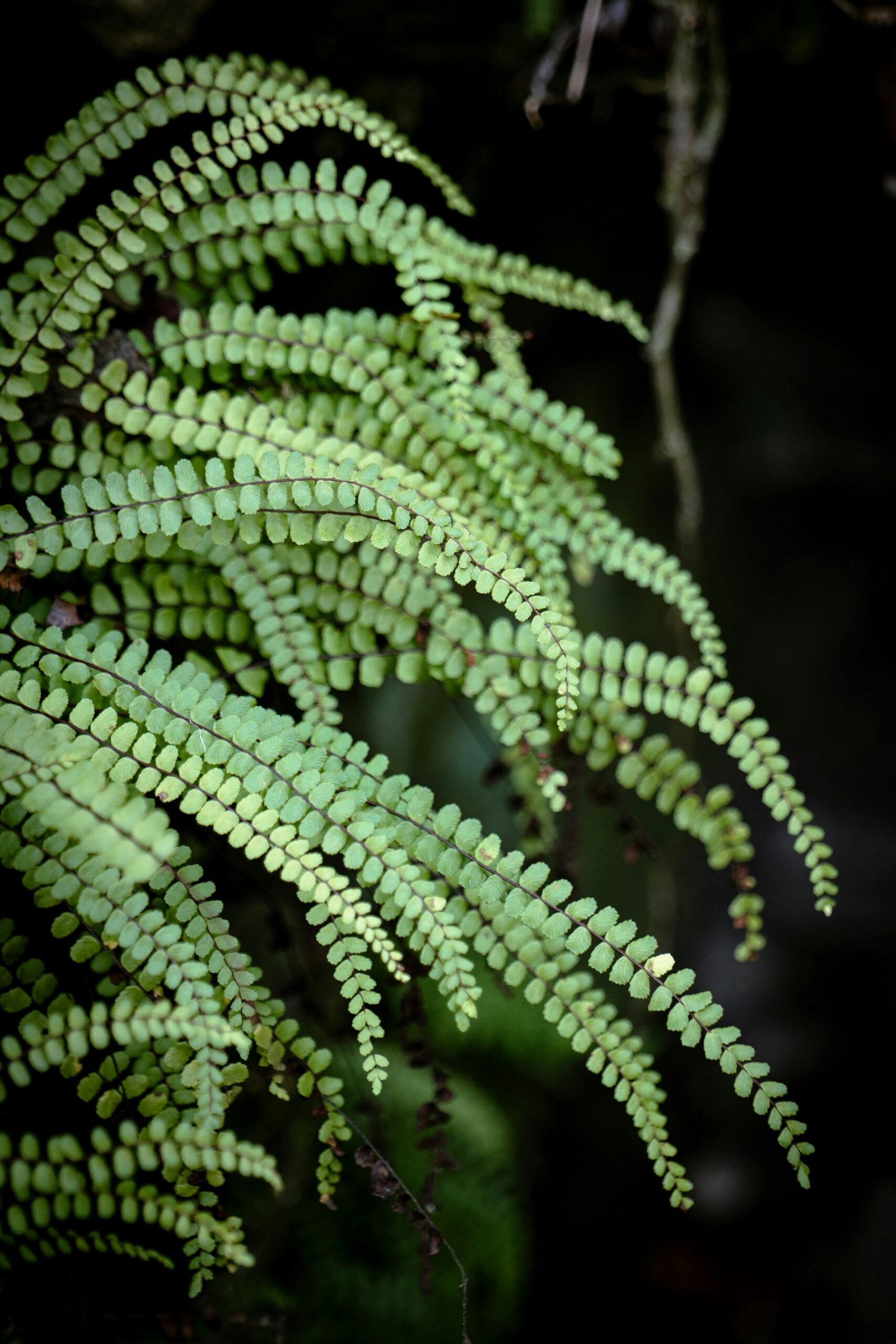
With delicate, lacy fronds that appear to float on black wire-thin stems, the Maidenhair Fern became a bathroom trend favorite. Their ethereal appearance brings a soft, feminine element to any space. Yet they’ve broken the hearts of countless plant enthusiasts. They look like they belong in a fairy tale. The care requirements, however, are very much in the real world.
These ferns require constant moisture without becoming waterlogged, and high humidity levels are difficult to maintain in most homes. Even a single day of neglect can cause crispy brown edges. Despite appearing in countless “easy bathroom plants” lists, they remain one of the most challenging ferns to keep alive. The replacement cost adds up fast when you keep buying new ones every few months.
6. Venus Fly Trap
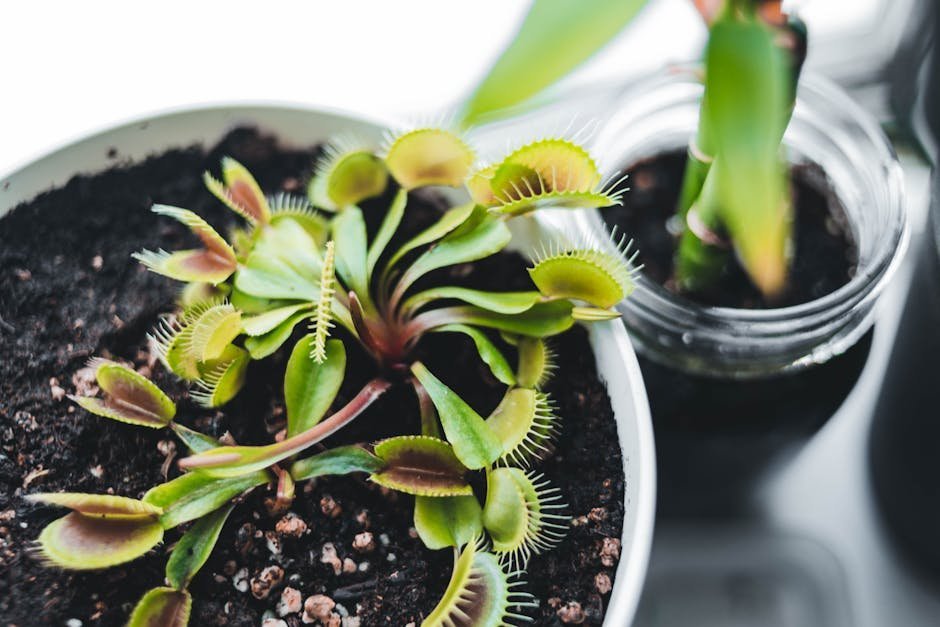
These carnivorous plants fascinated both children and adults with their snap-trap mechanisms that catch insects. The novelty factor made them popular impulse purchases. They’re sold in hardware stores, garden centers, and even gas stations, often with almost no care information attached to the little plastic container.
Most commercially sold Venus Fly Traps die within months in typical home conditions. They require rainwater or distilled water only, high humidity, and a dormancy period with specific temperature requirements. Their susceptibility to spider mites and need for perfect conditions make them frustrating for even experienced plant owners. They are a novelty buy that almost always becomes a dead plant buy.
7. Croton
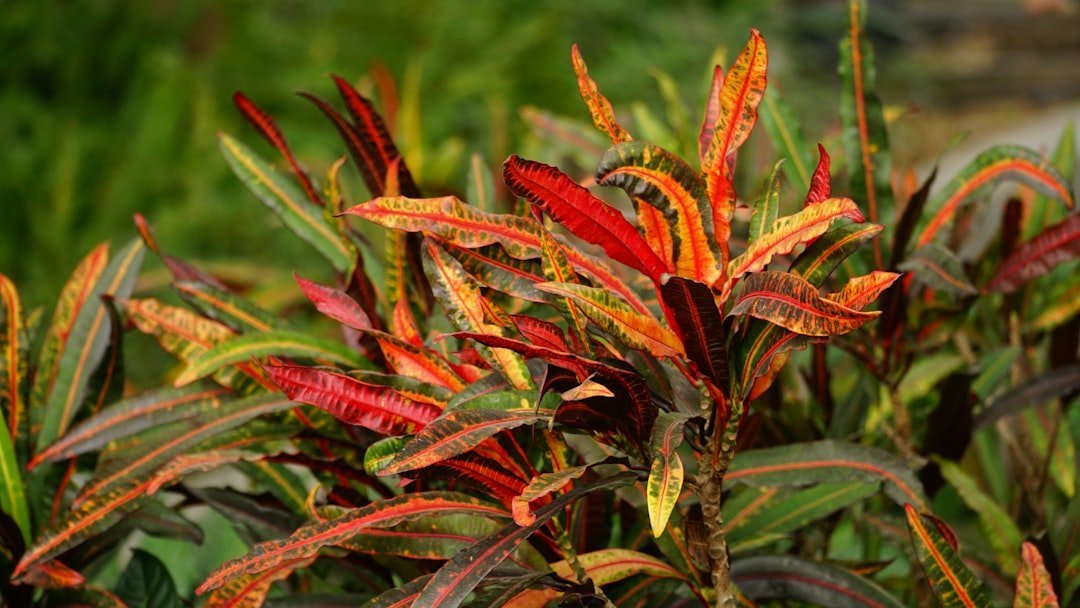
With foliage in vibrant yellows, oranges, reds, and purples, Crotons became trendy as colorful alternatives to typical green houseplants. Their bold, painterly appearance made them popular in maximalist design schemes. However, they quickly developed a reputation as temperamental drama queens. If you’ve ever seen one at a nursery and thought the colors were too good to be true – trust that instinct.
Crotons notoriously drop leaves when relocated, making the journey from store to home often devastating. They require bright light to maintain their colors, consistent moisture, and protection from drafts. Many plant owners found their vibrant specimens quickly reduced to bare stems despite careful attention. That’s a lot of money for something that declines the moment it leaves the greenhouse.
8. Japanese Knotweed
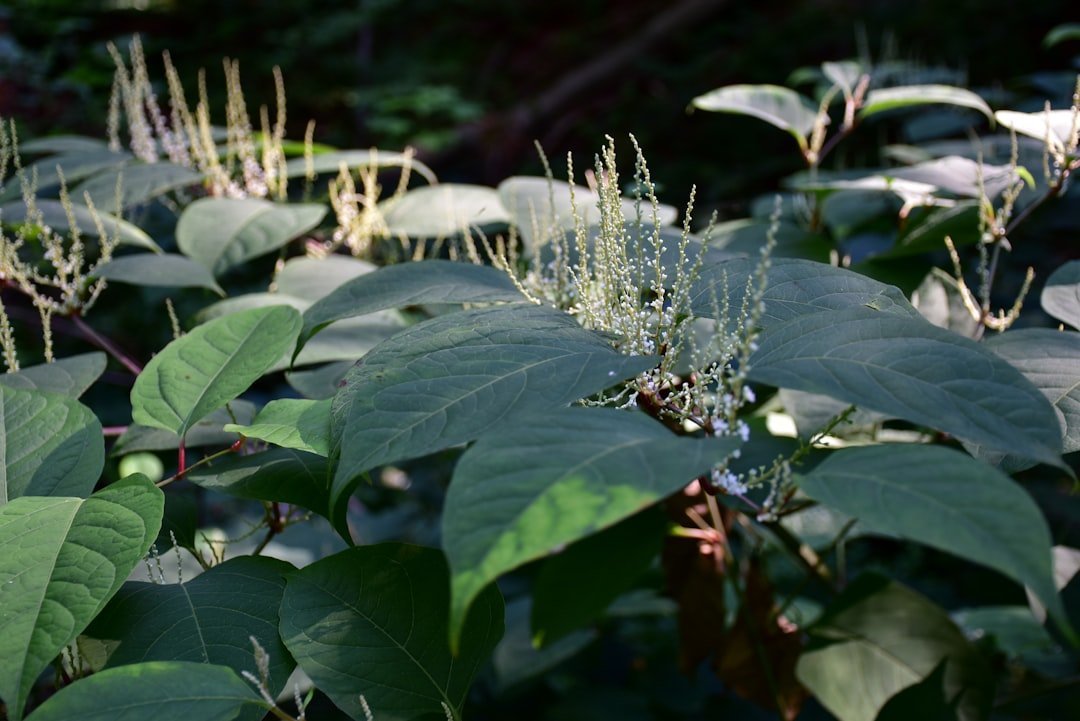
Japanese knotweed may resemble bamboo with its tall, hollow stems and heart-shaped leaves, but its aggressive spread makes it one of the most troublesome invasive plants. This fast-growing perennial forms dense stands that crowd out native vegetation, disrupt ecosystems, and even damage buildings and infrastructure by pushing through foundations and pavement. Some homeowners have discovered it appearing through their basement floors.
Due to its highly invasive nature, Japanese knotweed is classified as a noxious weed, requiring careful management. In some parts of the UK, it’s illegal to allow it to spread to neighboring properties, and similar concerns are growing in parts of the U.S. If you see it at a garden center, leave it there – or better, alert someone.
9. Bradford Pear Tree
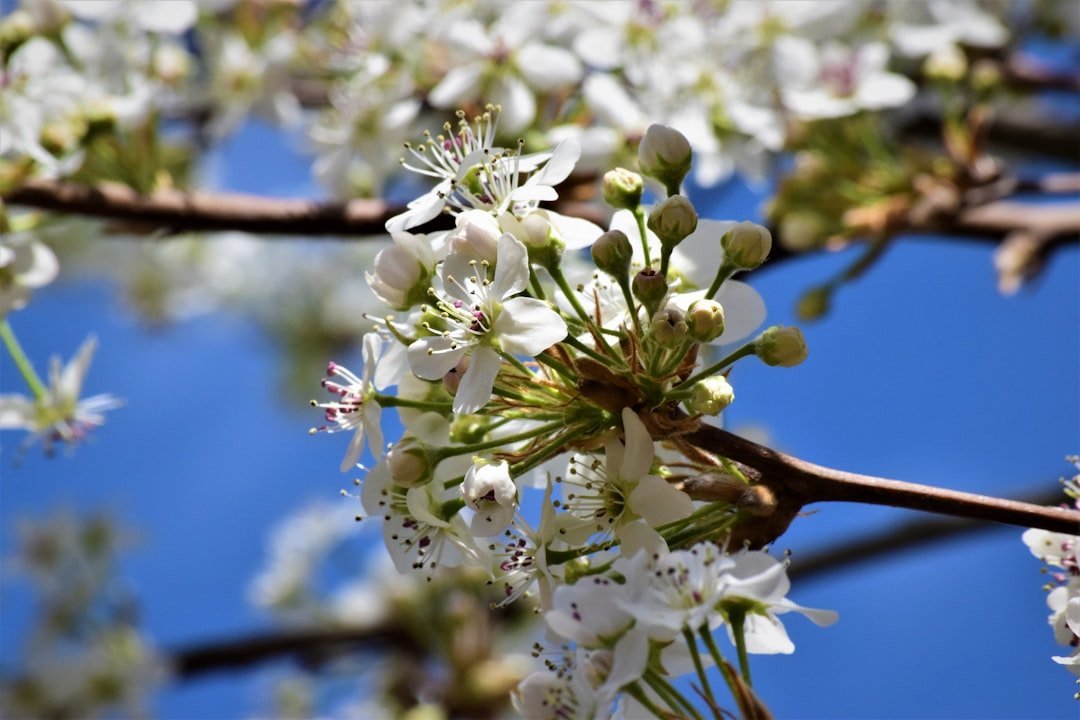
Homeowners once loved this tree for its gorgeous white spring blooms and fast growth that provided quick shade. Bradford Pear trees seemed like the perfect landscaping choice for new subdivisions because they grew tall and filled in bare yards rapidly. Unfortunately, these trees have extremely weak branch structures that split apart during storms, causing property damage and creating dangerous falling limbs.
The flowers smell absolutely terrible, resembling rotting fish, which makes springtime around these trees quite unpleasant for everyone living nearby. Birds eat the small fruits and spread seeds everywhere, allowing Bradford Pears to invade natural forests and crowd out native species. Removing these trees becomes necessary after just fifteen or twenty years because they break apart and become hazardous to homes and people. Several U.S. states have now banned the sale of Bradford Pear trees entirely.
10. Butterfly Bush
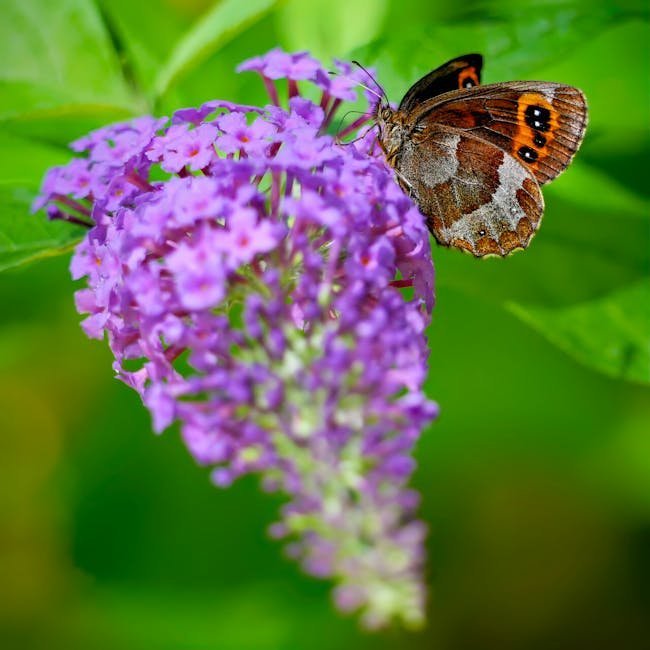
This bush hails from Asia, and with that being the case, its pollination is not conducive to the native population of insects and plants. Caterpillars can’t feed off these, so they’re unable to turn into the beautiful butterflies they’re supposed to attract. The butterfly bush is also known to spread, bogart native plants, and destroy food systems for wildlife. That’s a stinging irony given the name on the tag.
Despite being marketed as a pollinator-friendly choice, the butterfly bush’s ecological impact runs directly against that claim for most native insects. It self-seeds freely and can spread into natural areas, crowding out the native wildflowers that local butterflies actually depend on. Instead, try planting aster or milkweed – both provide genuine ecological value and are far easier to manage.
11. Japanese Honeysuckle
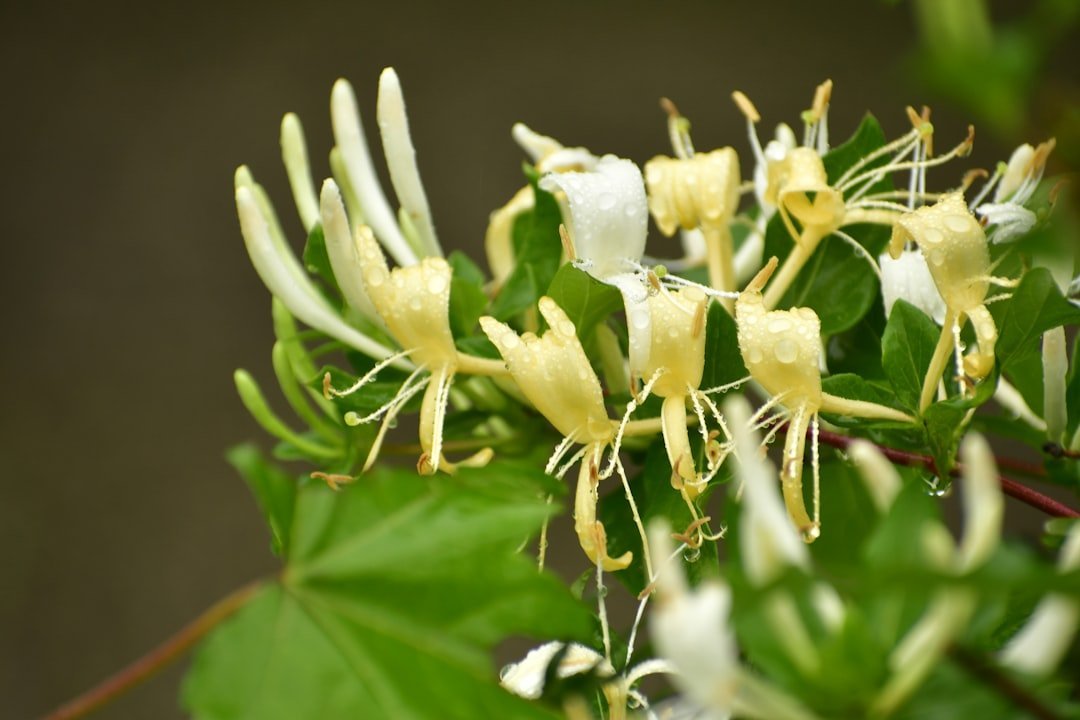
Japanese honeysuckle may look enchanting with its delicate, sweetly scented white-to-yellow blooms, but don’t be fooled – this fast-growing vine is quite aggressive. It outcompetes native vegetation by forming dense mats that smother plants. Left unchecked, it can take over fences, trees, and entire sections of a garden, making it a challenge to control.
Some honeysuckle, particularly Lonicera japonica, is also invasive. The scent pulls you in at the garden center every time. But once it establishes itself, you’re looking at seasonal battles to keep it from engulfing your entire yard. The smell is lovely. The removal cost is not.
12. Phalaenopsis Orchid (After the First Bloom)
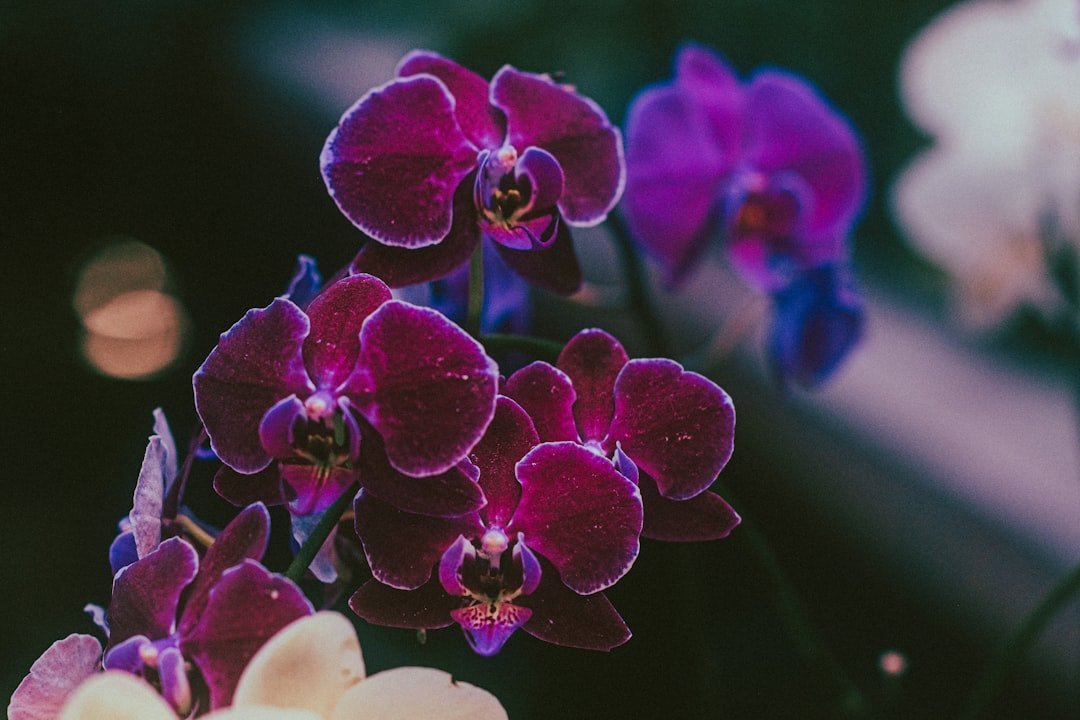
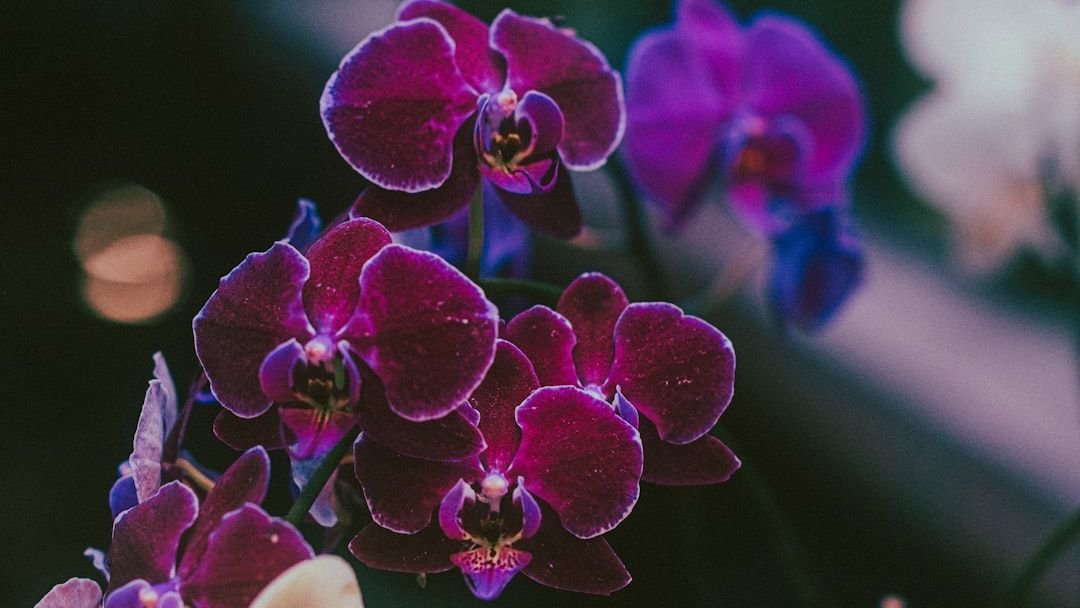
Phalaenopsis orchids became ubiquitous in homes as they became more affordable and widely available at grocery stores. Their elegant blooms can last months, making them appealing gifts and decor items. The trap is that the bloom you buy is often the last one you’ll ever see from that plant without a very specific care routine that most homeowners won’t maintain.
Getting an orchid to rebloom requires replicating a temperature drop that mimics its natural habitat – typically several weeks of cooler nights. Most home environments never provide that cue, so the plant lives on indefinitely as a collection of green leaves with no flowers. Orchids are known to be expensive plants, even though they are common. When buying a new plant, check for root rot as orchids need little water and are subject to overwatering in garden stores. Most owners just buy a new one each year, turning a $15 plant into a $60-per-year habit.
13. Bonsai Trees (Gift-Center Varieties)
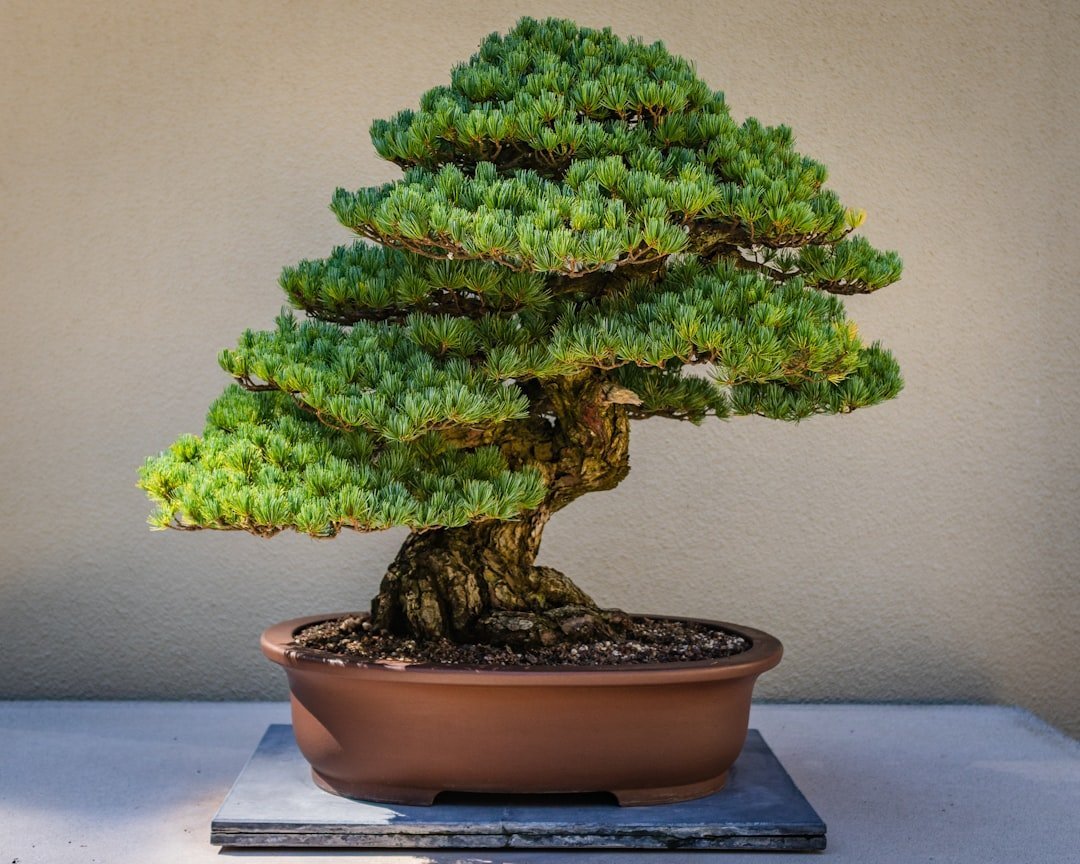
The small bonsai trees sold in gift shops and big-box stores look serene and uncomplicated. In reality, they are among the highest-maintenance plants sold to casual buyers. Most bonsai should be mildly fertilized once or twice per month. They also require precise pruning, repotting every two to three years, and in most species, a true outdoor dormancy period.
Indoor or tropical bonsai are trees that normally grow in the deep south or in tropical climates. These trees are cold-sensitive and should not be allowed to experience temperatures below 45 degrees F. The air inside the house is very dry, so the use of a pebble tray or frequent misting is important. The gap between what the gift card implies and what the tree actually demands is one of the widest in the entire plant world.
14. Yucca
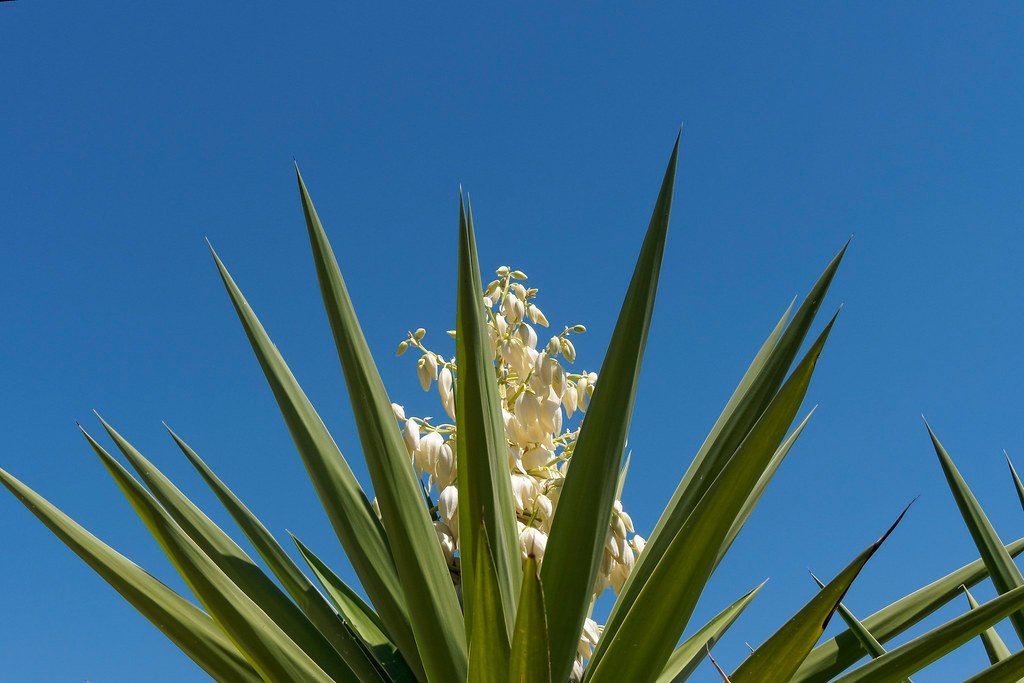
The Yucca plant may seem like a great addition to a garden in hot climates. It is both durable and easy to grow, requiring little water. However, the yucca plant is not a good option for most gardens because it attracts lots of bugs, has sharp leaves that need to be trimmed constantly, and has an invasive root system. That last point trips up homeowners who plant it close to walkways or foundations without thinking ahead.
To completely remove a yucca plant, you may end up digging up everything around it just to get rid of all the roots. If you still like the idea of a yucca plant, it’s best to grow it in a pot or container instead. The leaves are stiff and sharply pointed, making maintenance unpleasant and potentially painful. It’s a plant that demands respect – and usually doesn’t get it until someone gets jabbed.
15. Burning Bush
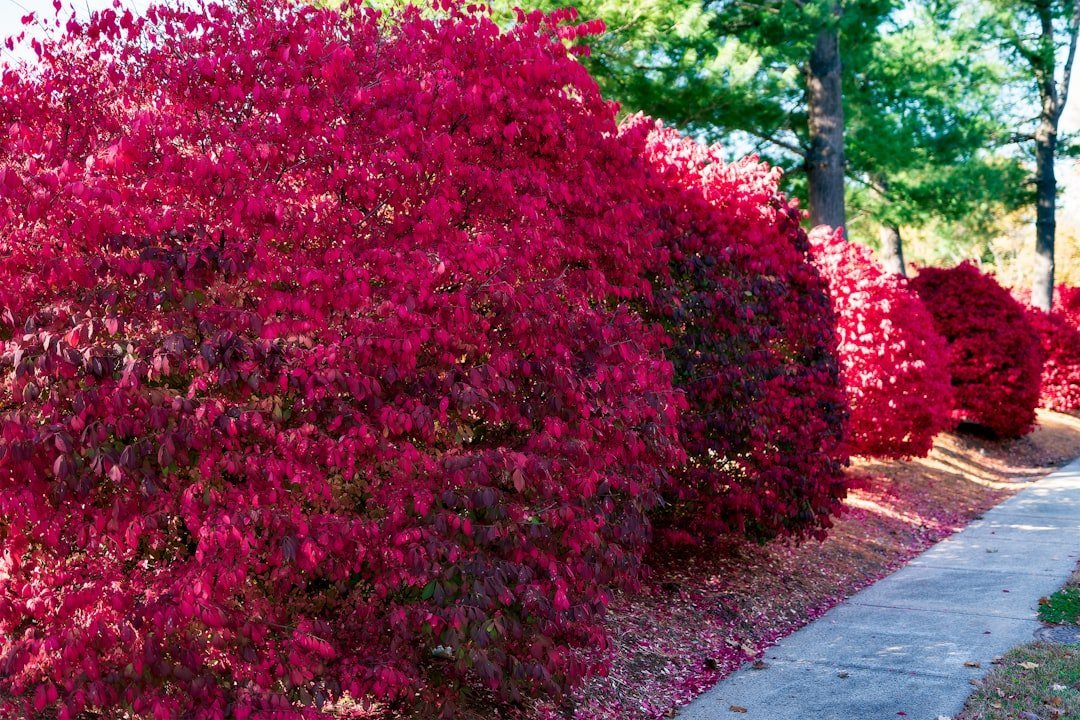
Don’t be seduced by the bright autumn red of this shrub. People love to plant burning bushes as part of their landscaping, but it has no problem outgrowing its personal space and getting out of control. Banned throughout New England, the bush is best left out of the mix or pruned regularly if you simply must have it. That ban is significant – it means even regulators have acknowledged the problem.
Burning bush spreads via bird-dispersed seeds into nearby wild areas, where it forms dense thickets that crowd out native shrubs. Its brilliant red fall color is genuinely beautiful, which is exactly why it keeps selling despite the ecological concerns. The pruning it requires to stay contained is not light work – expect multiple sessions per growing season to keep it from taking over the bed it was given.
16. Variegated Monstera (Rare Varieties)
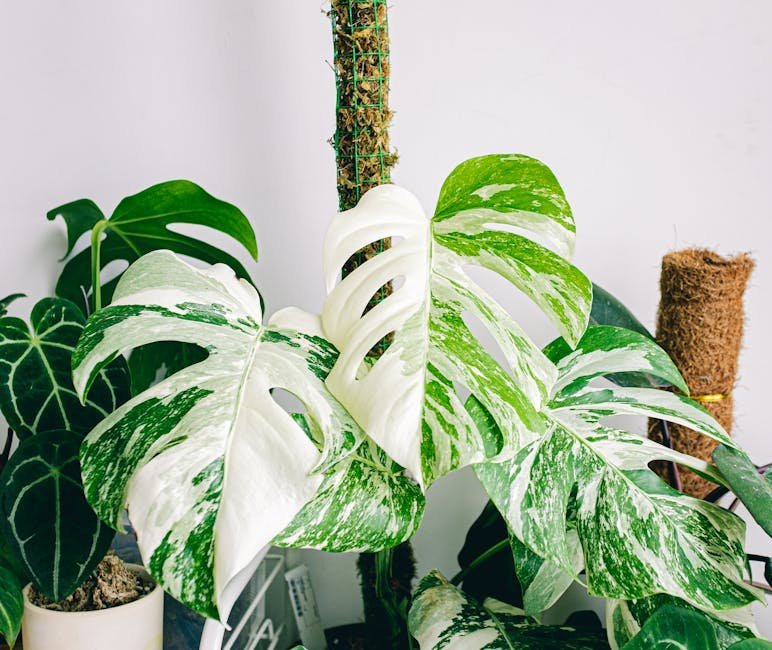
Among plant collectors, variegated Monstera plants are prized as both status symbols and living art. Their signature white, cream, or yellow patterns are genetic mutations that reduce chlorophyll, creating visually dramatic foliage that’s highly unstable – and thus, rare. The problem is that reduced chlorophyll means reduced energy, which translates to slower growth and a narrower margin for care mistakes.
The high price is due to limited availability and the complex process of growing the plant. Unlike other Monstera varieties, some types are created through tissue culture in labs. This method ensures the plant’s unique variegation but also makes production slow and expensive. Prices for desirable variegated varieties can run into the hundreds of dollars, and one bad stretch of dry air or inconsistent watering can cause irreversible leaf damage to those expensive white sections.
17. Painted or Spray-Dyed Succulents
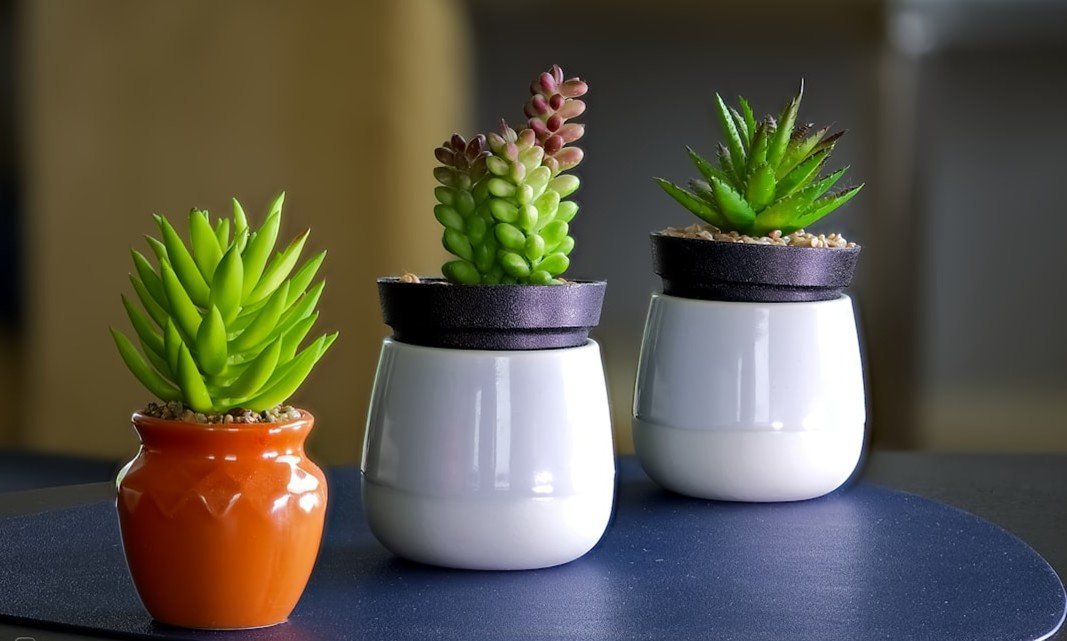
Spray-painted cacti and succulents should have never been a trend. It is a tacky design that takes away from the natural coloration of the plant and drastically hinders its ability to survive. Yet they keep appearing in garden centers and big-box stores, usually near the checkout, priced cheaply enough to feel like an impulse buy.
Plants need to photosynthesize and can do so through all green parts, so when they’re coated in a substance such as paint, it is a death sentence. You’re essentially buying a dying plant dressed up to look alive. The money spent on these brightly colored cacti is almost entirely wasted, since most won’t survive long enough to reward even minimal care.
18. Willow Trees (Planted Near Infrastructure)
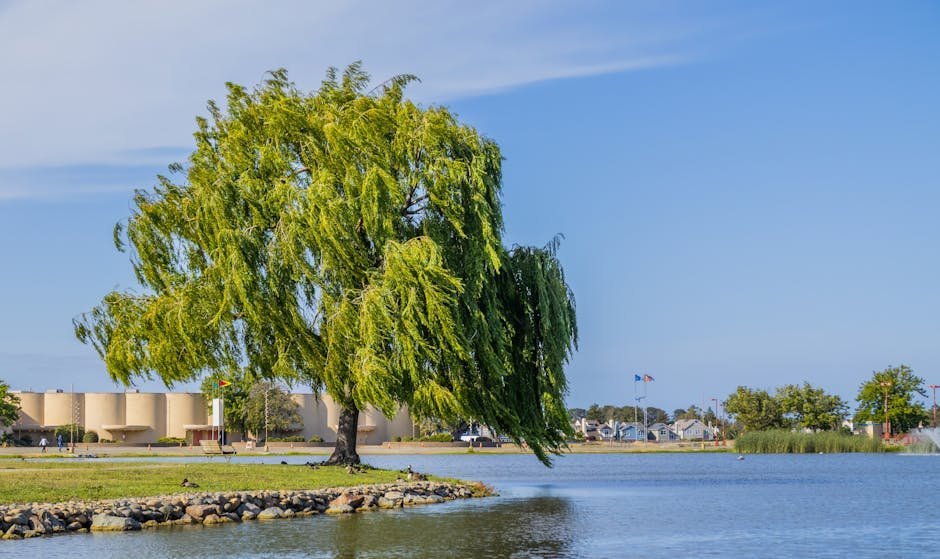
Grand trees such as Poplar, Oak, and Willow may all look majestic in yards, but they can also be a landscaping nightmare. Their fast-growing, thirsty roots are known to damage underground pipes, drainage systems, and the foundation of homes. In addition, their roots can often spread over 130 feet from the trunk, making them highly invasive. Weeping willows are especially beloved and especially destructive when planted in the wrong spot.
The thirsty Willow tree can cause subsidence and soil shrinkage due to its fast-growing roots. Their roots can easily take advantage of any cracks in concrete or under weak foundations. A willow planted 20 feet from your house might seem fine for years – until root intrusion collapses a sewer line, and suddenly you’re looking at a repair bill that dwarfs the cost of the tree many times over.
19. Rose of Sharon
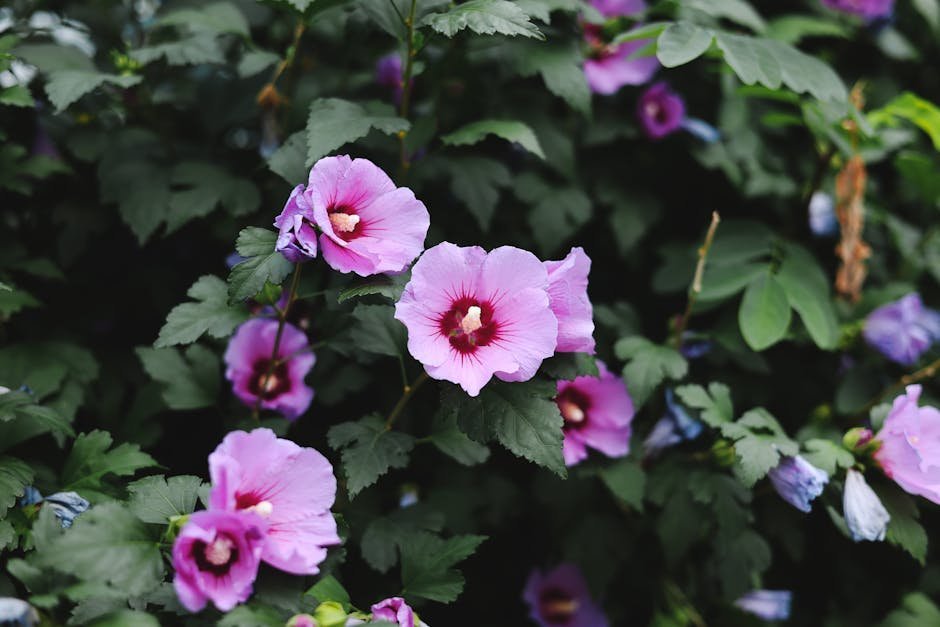
If you looked up the term invasive, you would probably find a photo of the Rose of Sharon. This flowering shrub is covered in beautiful blossoms, requires very little maintenance, and can thrive even in poor soil. Sounds perfect, right? The flip side is that it self-seeds with extraordinary enthusiasm. One plant becomes five. Five becomes twenty. Within a few years, seedlings are appearing in the lawn, between pavers, in neighboring beds, and at the base of other shrubs.
Deadheading every single spent bloom before it drops seeds is the only reliable way to keep Rose of Sharon from taking over. Most homeowners don’t realize this until the second or third season, by which point they’re already pulling seedlings from every corner of the yard. Spending lots of money on plants without properly analyzing your soil type, soil pH, disease risk, local site conditions, drainage, seasonal changes, and aspect means your beautiful plants could quite easily totally fail. Rose of Sharon is the opposite problem – it thrives so aggressively that it becomes its own kind of failure.
The pattern running through all 19 of these plants is the same: they’re sold on beauty and impulse, but the real cost comes later. Sometimes that cost is measured in dead plants and wasted money. Sometimes it’s measured in torn-up foundations, neighbor disputes, or years of futile pulling and digging. The best nursery professionals aren’t trying to sell you less – they genuinely want you to succeed in your garden. Before you grab that gorgeous plant off the shelf, it’s worth asking one simple question: What does this thing actually do to a yard once the tag comes off?