
Most people pack their carry-on the same way they always have – throwing things in, hoping it zips, and crossing their fingers at the gate. Flight attendants, on the other hand, have figured out something the rest of us are still missing. They live out of carry-ons for weeks at a time, crossing time zones, layering climates, and sprinting through connecting terminals. Their packing system isn’t just good. It’s almost unfair.
Some of these hacks look weird at first glance. A few will make you stop and think, “Why didn’t I know this years ago?” Whether you’ve got a 10-hour haul to Europe or a red-eye to Asia coming up, these 31 tricks are the ones cabin crew quietly use every single trip – and they change everything about how an international flight feels when you land.
1. Roll Every Single Piece of Clothing
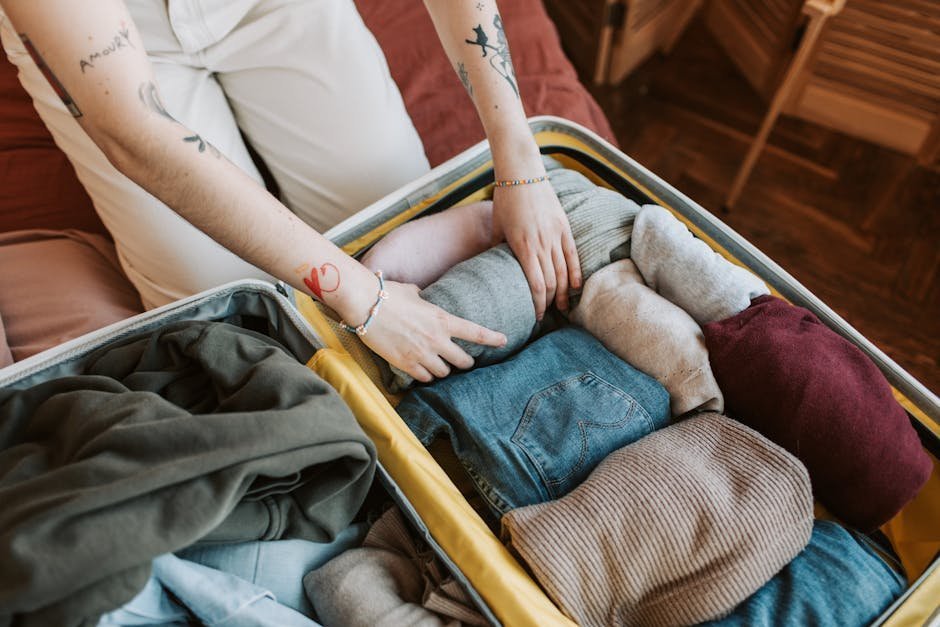
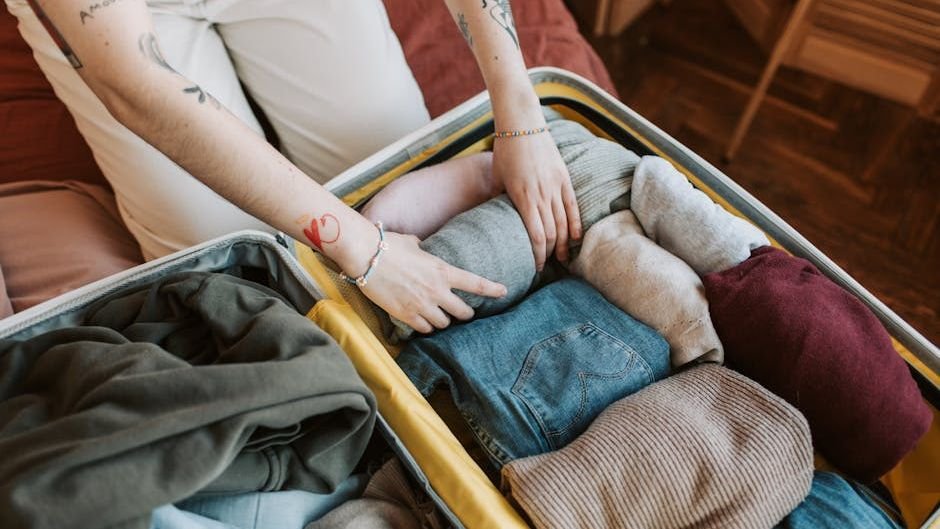
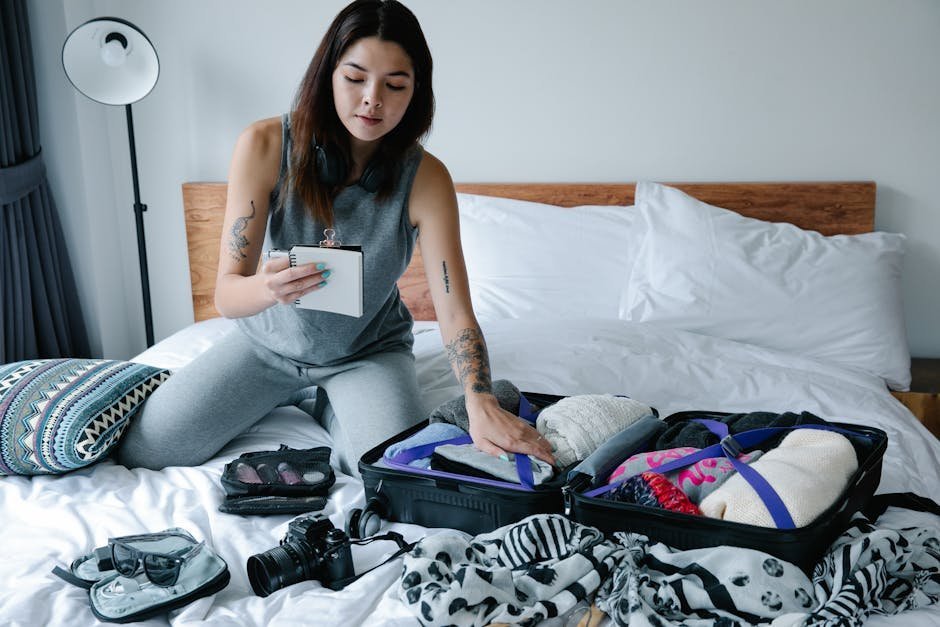
If you take one thing away from every flight attendant who has ever given packing advice, it is this: roll your clothes. The military has been rolling clothes for ages, and it is a proven technique for not only fitting more but also keeping clothes wrinkle-free. It sounds too simple to matter, but the difference in space is genuinely shocking the first time you try it.
Flight attendants report being able to fit double the amount of clothes compared to folding when they roll. Pair rolling with a structured carry-on, and you will routinely pack for a week’s worth of international travel without checking a single bag. Once you go this route, you simply do not go back.
2. Use Compression Packing Cubes as Drawers
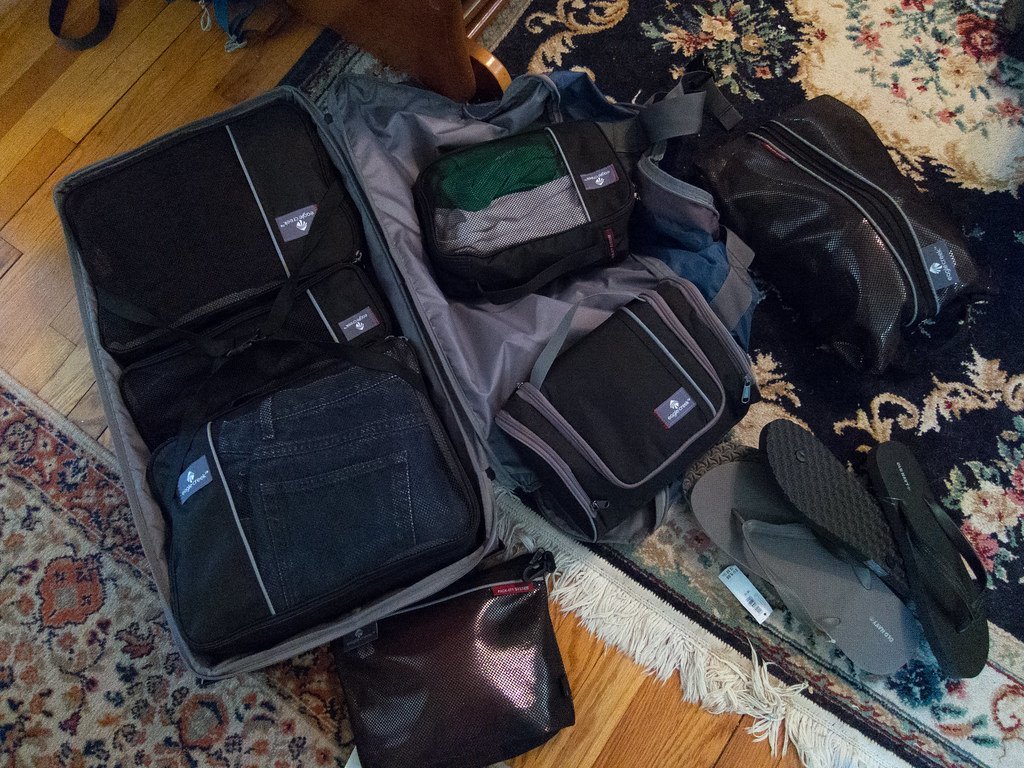
Compression bags allow you to pack more and take up less space. One flight attendant and TikTok creator described fitting three weeks of clothes for Europe into a single carry-on using them. The key is treating each cube like a drawer for a specific category – tops, bottoms, underlayers – so you never dig blindly through a packed bag mid-trip.
Instead of arranging rolled pieces loosely across your bag and risking a mess, organizing them using packing cubes keeps everything tidy. They act like drawers, and they keep you really organized. You can even label the cubes to make items easier to find, though many have a sheer design, so affixing labels on the reverse side works best.
3. Stuff Your Shoes With Socks and Underwear
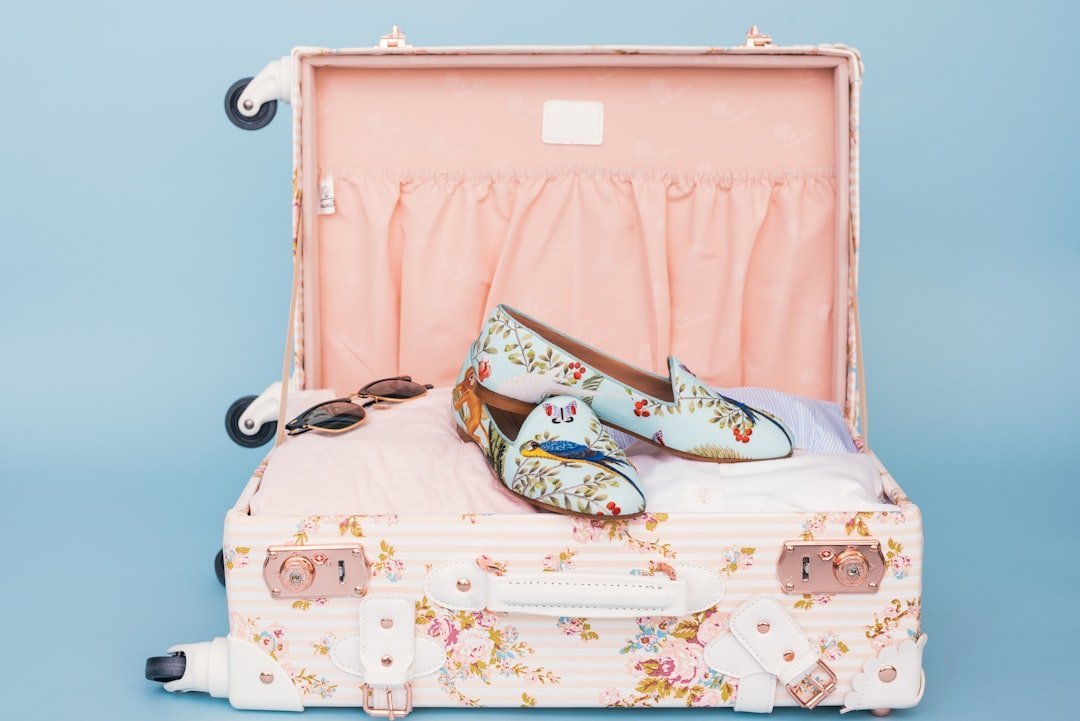
Shoes are the silent space-killers of any carry-on. Flight attendants know that the hollow inside each shoe is essentially free real estate. Fill the rest of your shoes with socks or underwear to make use of that space. It sounds obvious, but an overwhelming number of travelers forget to do it every single trip.
Another great tip when packing shoes is to place them in a shoe bag so they do not stain your clothes. If you do not have a shoe bag handy, a clean shower cap from a hotel works perfectly and weighs almost nothing. Two shoes, zero wasted space, zero dirty-sole surprises on your clean shirts.
4. Wear Your Heaviest Items at the Airport
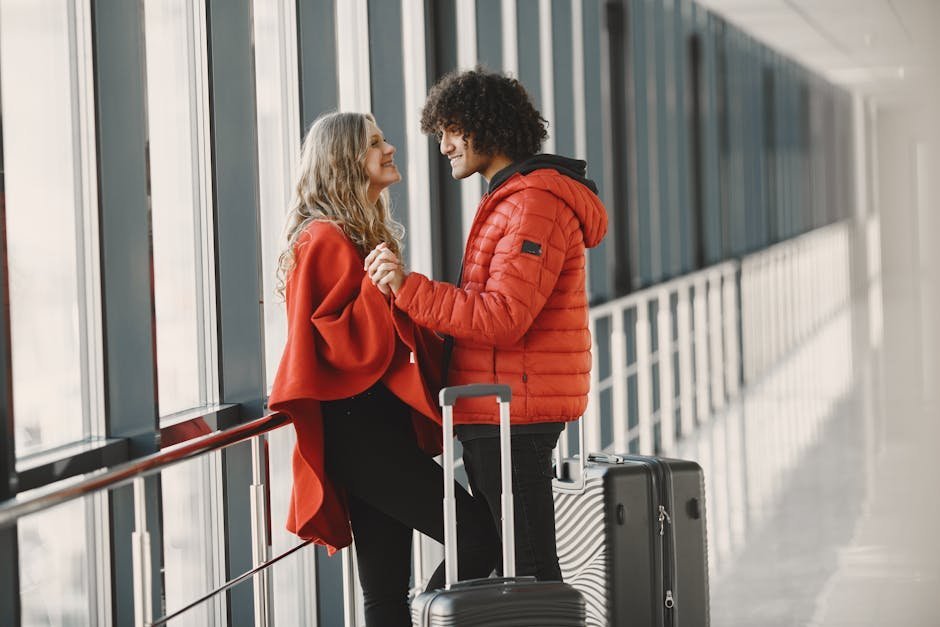
If you plan on bringing sneakers, boots, and heavy jackets on your trip, wearing them during transit is a strategic move. One traveler who observed her veteran flight attendant sister pack for a multi-day trip noted that her sister wears her biggest shoes, scarf, and jacket on the plane. What feels slightly warm in the terminal becomes a cozy cocoon once the cabin air kicks in.
The heavier outer jacket can be held while you layer your tank top, shirt, and sweatshirt or sweater, plus your bulkiest shoes. You might be a little warm through the airport, but once onboard you can take them off. This allows a couple of extra days of clothes in your carry-on. That is a legitimate wardrobe upgrade without adding a single checked bag.
5. Keep Your Valuables in Your Personal Item, Always
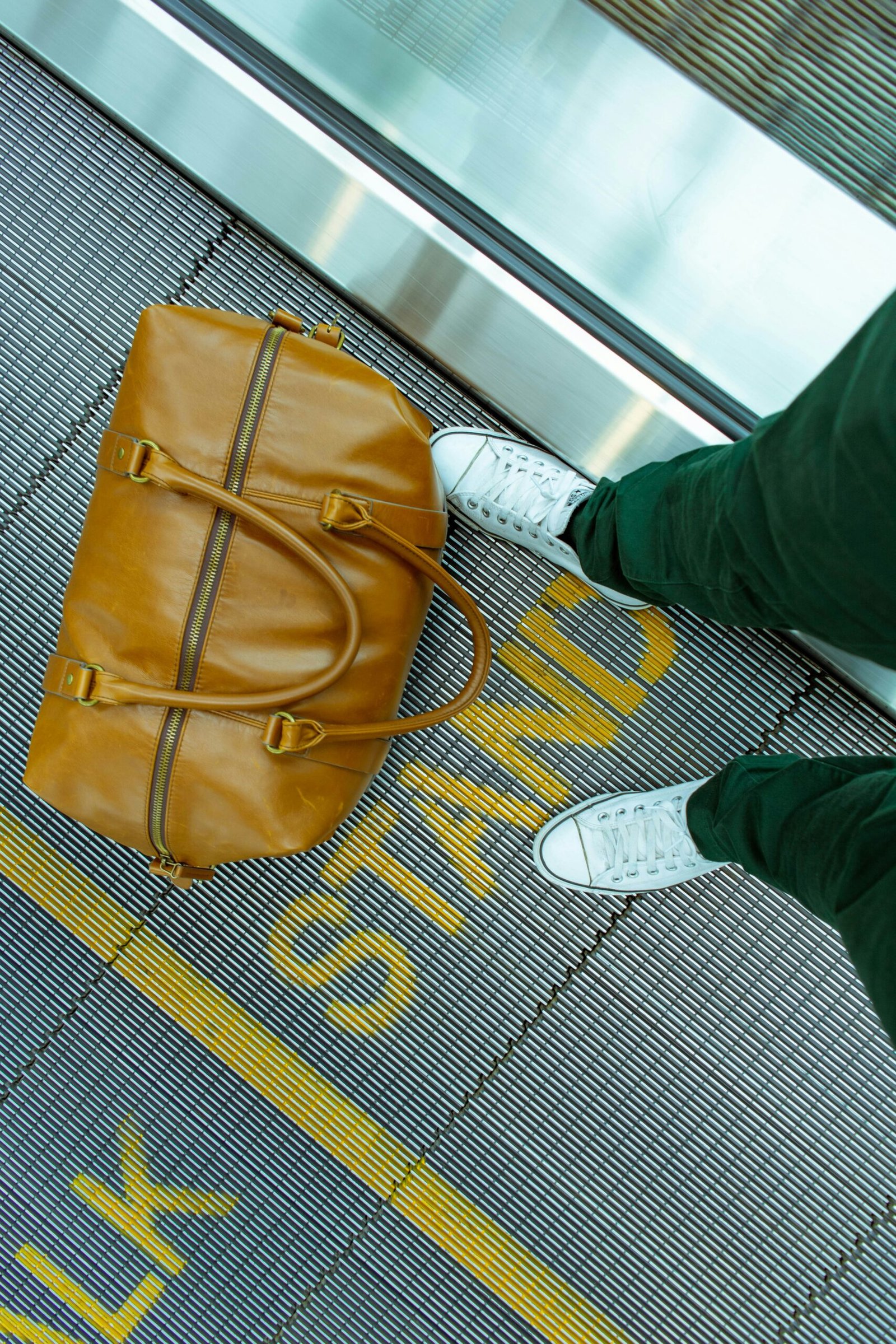
Even if you are only packing a carry-on, it is always a good idea to put your most important items in your personal bag. There is always a chance that your bag could get checked last-minute at the gate, and you definitely do not want your important things – medicine, passport, and cash – to get lost. Gate-checking happens more often than travelers expect, especially on full international flights.
Veteran flight attendants advise keeping all valuables in your carry-on at all times. This includes expensive bags, jewelry, money, and personal documents. You may also want to pack a change of clothes, just in case your luggage is delayed. Treat your personal item like your emergency capsule – the one bag that would let you survive and function even if everything else disappeared.
6. Pack a “Lost Luggage Kit” Inside Your Carry-On
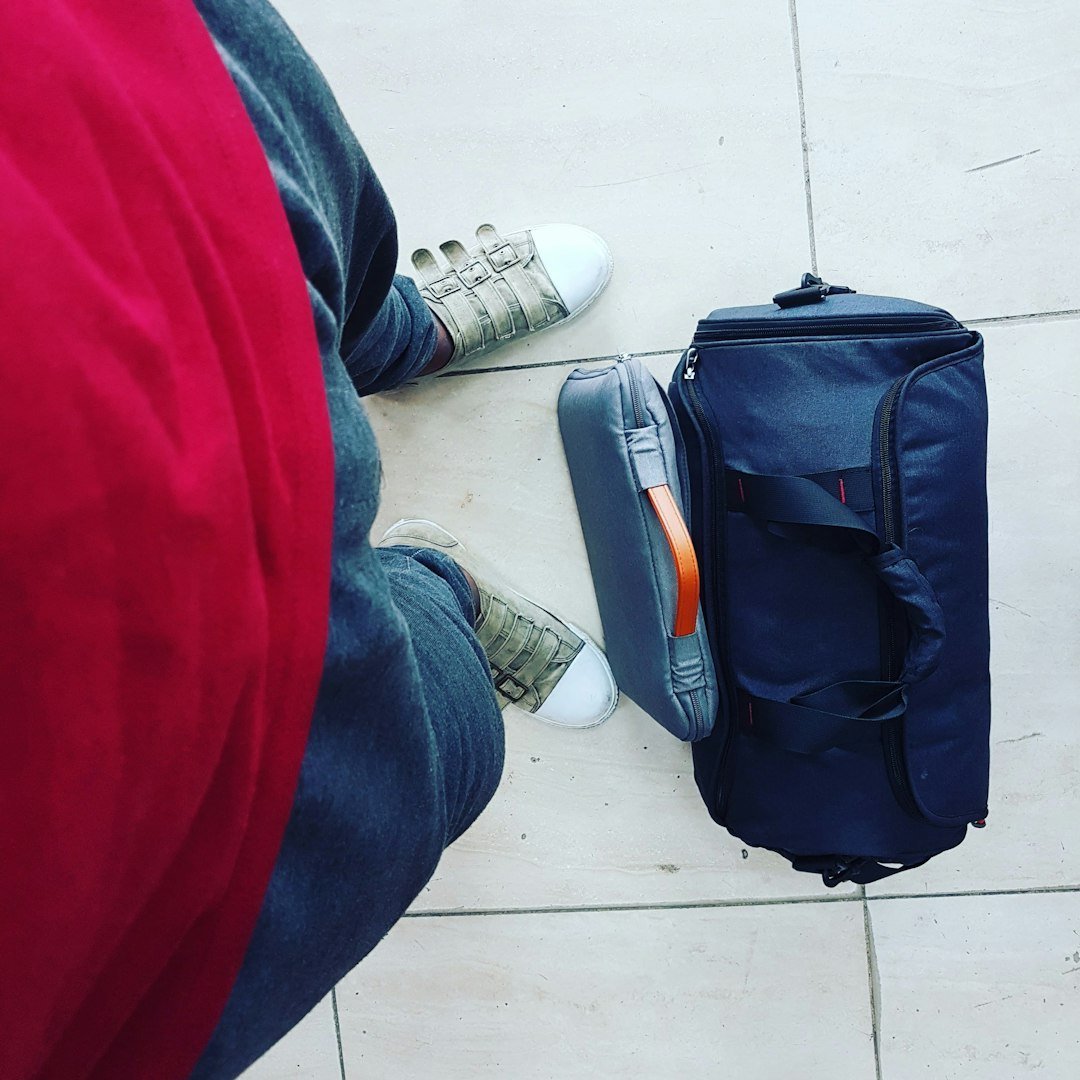
To avoid being left without essential items in a faraway place, pack a lost luggage kit in your carry-on. An Australian flight attendant shared on TikTok that this is the one step you should never skip. “Always, always, always have a small packing cube filled with essentials like a spare change of clothes and toiletries. That way, if your checked luggage is lost or delayed, you’ll have enough to get by comfortably for at least a couple of days.”
In 2024, of all mishandled bags, 74% were delayed, 18% were damaged, and 8% were lost or stolen. That is a sobering number. A single dedicated cube with one outfit, a travel toothbrush, and a mini moisturizer can be the difference between a ruined first day abroad and a smooth arrival, no matter what the airline does with the rest of your luggage.
7. Fill a Reusable Water Bottle Before Boarding
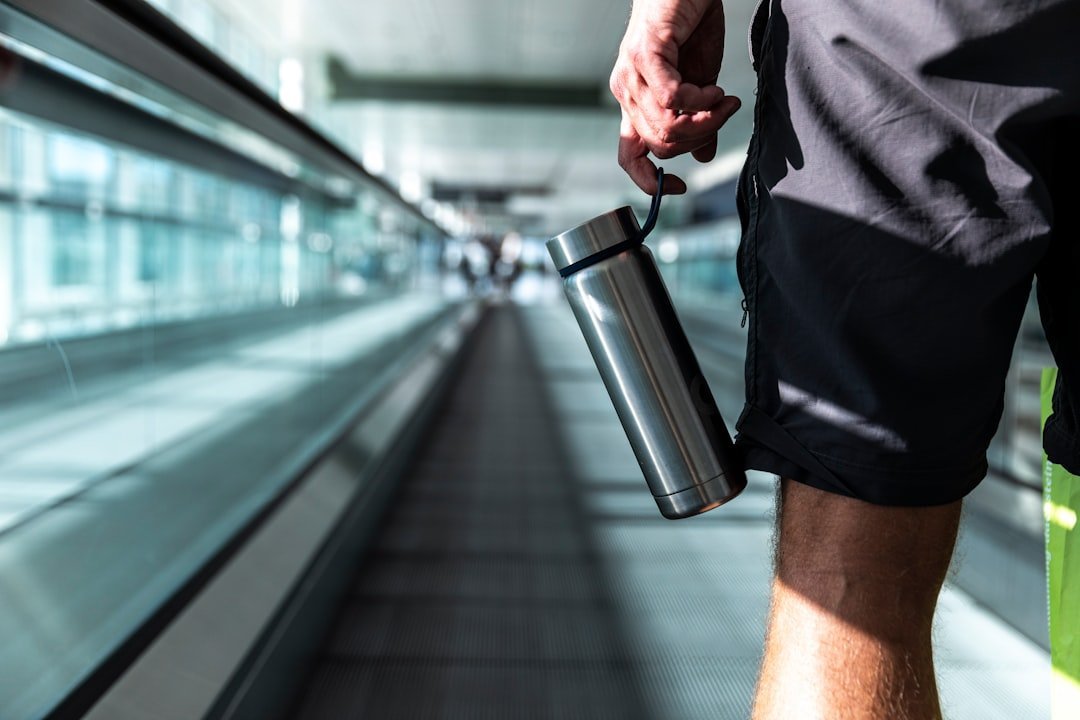
A lot happens to your body on an airplane, but one of the worst side effects is dehydration. About 50% of the air circulating in the cabin is pulled from the outside, and at high altitudes, the air is almost completely devoid of moisture. Your skin, throat, and nose feel it almost immediately after takeoff, and most passengers have no idea why they feel so rough by hour four.
One flight attendant shared that she carries a 50-ounce reusable water bottle every time she flies, stopping to fill it up in the terminal before boarding. Bring your empty bottle through security and fill it at a fountain or café airside. While it may be tempting to indulge in a glass of wine or a cocktail, alcohol contributes to dehydration and leaves you feeling worse later. Stick to water or hydrating drinks like coconut water or herbal teas.
8. Slip Electrolyte Packets Into Your Bag
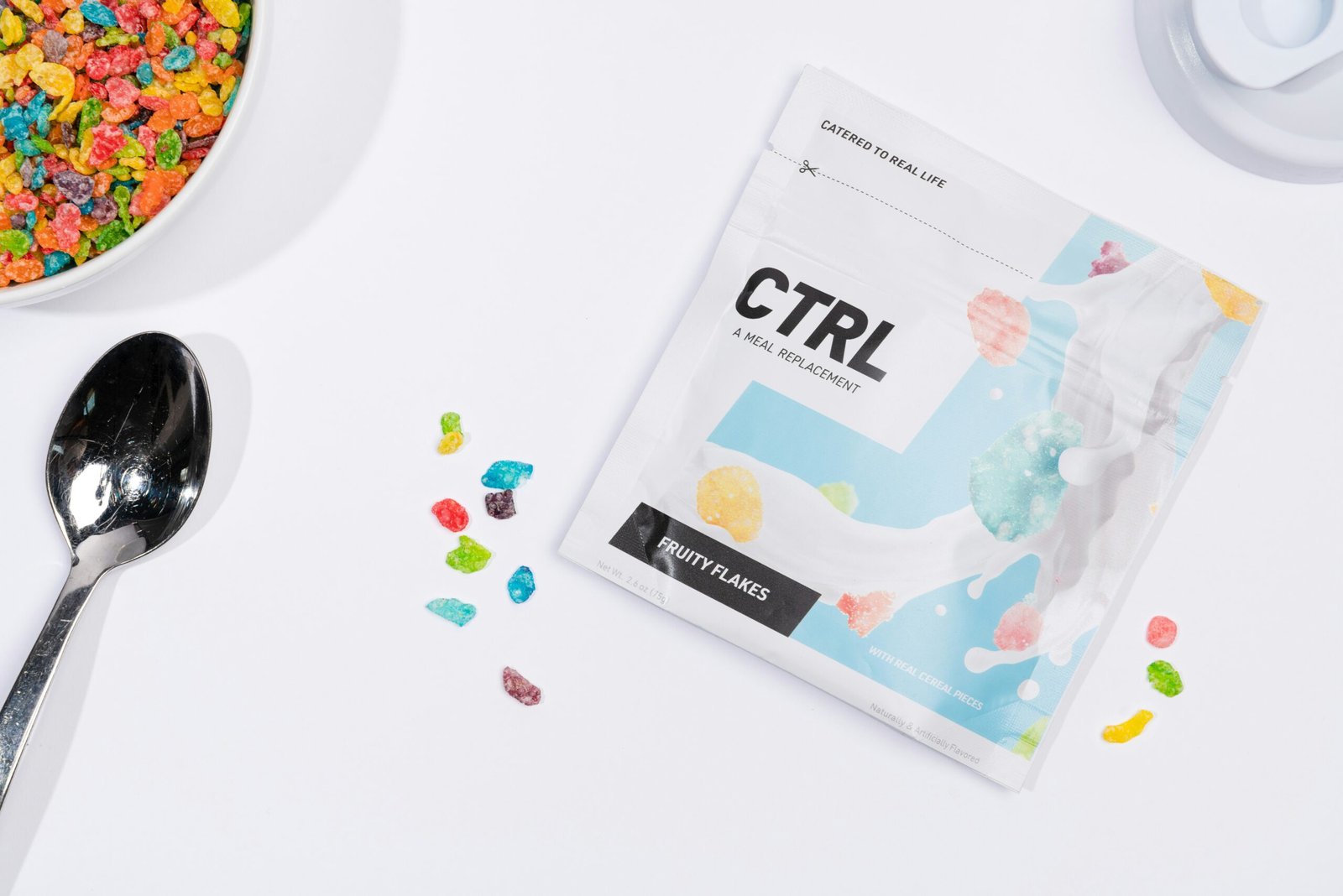
One flight attendant with over seven years of experience drinks electrolyte packets before any international flight. She says this helps so much with hydration and eliminates some dreaded trips to the lavatory, noting that a key to flying is staying hydrated because your body is exposed to less oxygen at altitude. These little packets take up almost no space and weigh next to nothing.
Electrolyte tablets hydrate you way faster and more effectively than water alone. Some flight attendants also bring Emergen-C packs and have a few throughout their trip, noting these also help with hydration because they contain electrolytes. One small pocket in your carry-on dedicated to these packets can quietly transform how you feel when you land.
9. Pack a Waterproof Toiletry Bag
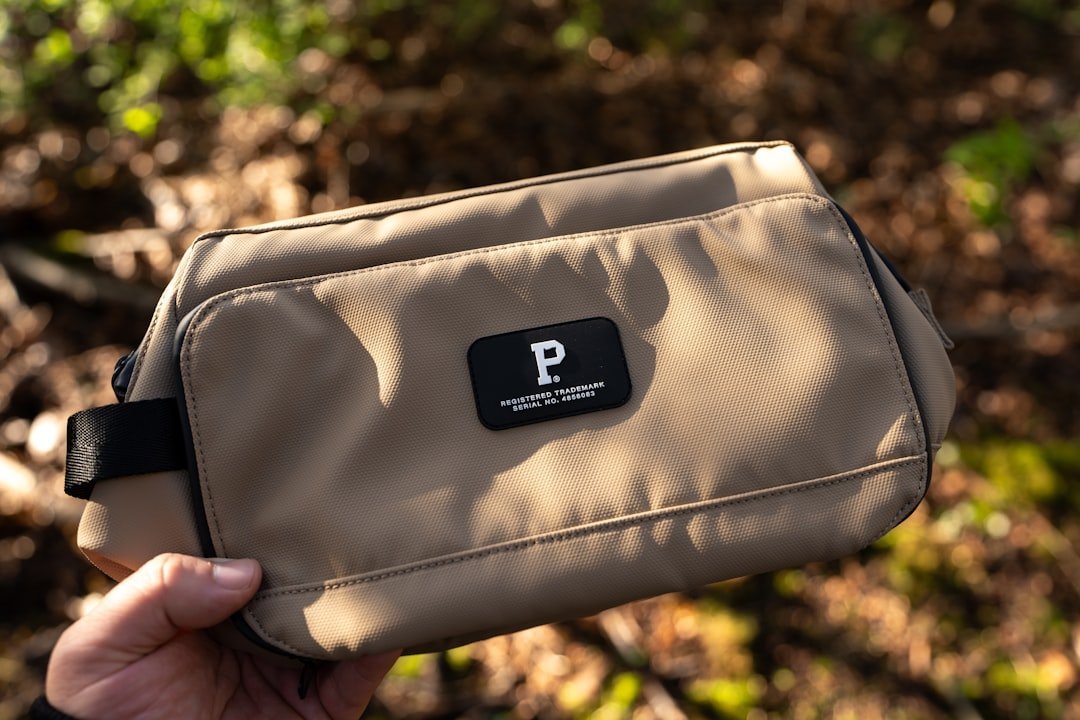
A VIP flight attendant recommends a waterproof toiletry bag to avoid spillage. Similarly, using zipper-seal bags for approved liquids will keep your belongings clean in case the difference in altitude causes them to leak. Anyone who has ever opened their carry-on to find a shampoo explosion knows exactly why this matters – and it happens far more than it should.
You can only bring liquids through security if they are 3.4 ounces or less and if they all fit into a quart-sized resealable bag. When packing your carry-on, always place your clear toiletries bag in an easily accessible spot in your bag so it is easy to get out when you reach security. Stashing it deep in the bag adds minutes to every security line and frustration you simply do not need.
10. Master the Personal Item Allowance
One of the most valuable packing moves is making the most of your personal item allowance – your handbag or backpack. You are allowed your personal item plus your carry-on suitcase in the cabin. Bringing a larger handbag and packing it with items you may need during the flight, such as a laptop, eye mask, headphones, phone charger, and snacks, is a game-changer.
Any remaining space in the personal item can be used to pack other heavy carry-on items, which frees up space in your cabin suitcase for other things. This also makes your carry-on suitcase lighter, which is helpful if airport staff ask to weigh it. Think of your personal item not as a bag for in-flight entertainment but as a strategic extension of your entire carry-on system.
11. Add an AirTag to Your Carry-On
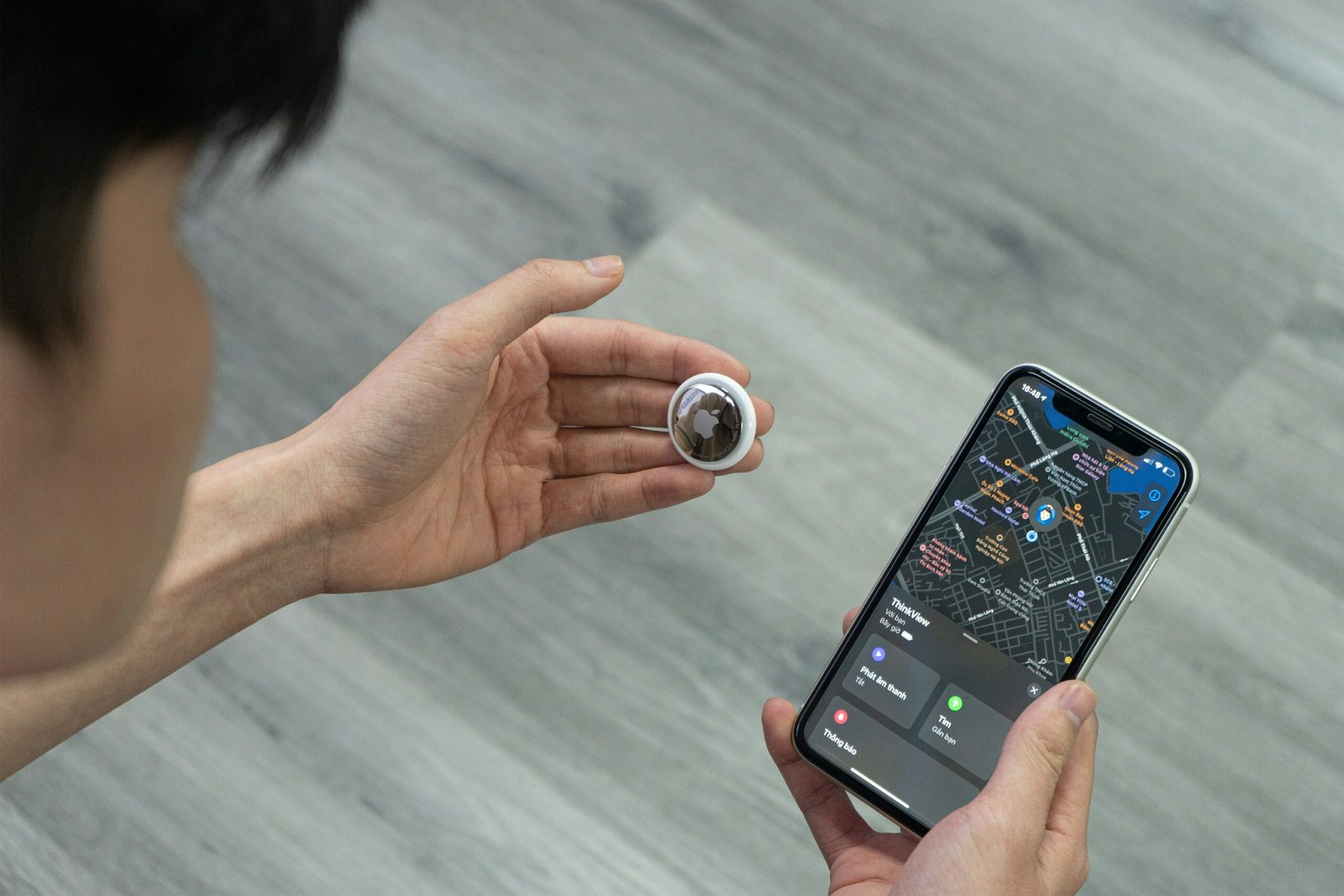
A dedicated laundry bag is common in flight attendant carry-ons, but another crucial gadget they pack – one that requires very little space – is an Apple AirTag. According to many TikTok videos made by savvy flight attendants, this is a very popular move. Even when your bag is within arm’s reach, it helps to know you can track it from your phone at any point in your trip.
When an item is misplaced, the AirTag app makes the attached tracker beep until it is found. It can also be used across bags, a wallet, or anything else you dread losing in transit. For international flights where bags sometimes get gate-checked without warning, even for overhead carry-ons, the peace of mind is genuinely worth it.
12. Bring Noise-Canceling Headphones

When they are not working, you will often find flight attendants wearing noise-canceling headphones – and many recommend that passengers try them too. One travel influencer who is the daughter of a flight attendant lists them as one of her carry-on essentials: “Even if you’re not listening to music, just to put on the noise canceling when you’re trying to sleep – game-changer.”
Most flights can provide headphones, but they are usually the uncomfortable, cheap ones. It is also easily an oversight for the airline, and then you are stuck trying to follow whatever is on screen. And how else are you supposed to drown out your neighbor’s snoring? The difference between an economy with good headphones and without them is essentially the difference between a tolerable long-haul flight and a punishing one.
13. Pack a Lightweight Packable Jacket
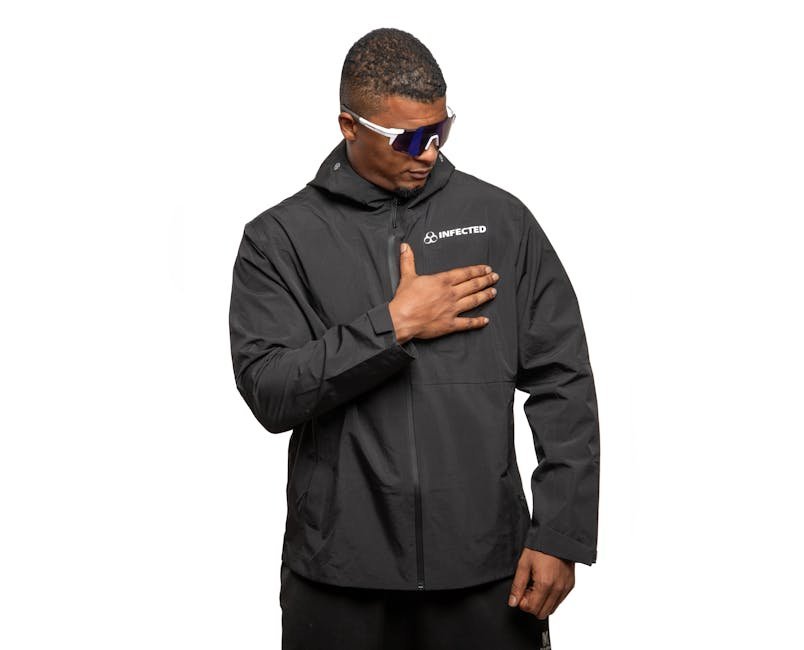
To protect yourself from the cold air on airplanes, packing a very light but warm jacket is essential. Plus, you can use it at your destination, depending on the weather. Ultra-light down jackets are great, as they can be packed away into their own little pouch and work well for layering. Cabin temperatures are notoriously unpredictable, and a jacket that squishes down to nothing is the ultimate carry-on insurance.
What you wear on a long flight can make a significant difference. Flight attendants often recommend dressing in layers, as cabin temperatures can fluctuate. Wearing loose-fitting, breathable clothing helps maintain comfort throughout the journey. A packable jacket works double duty – it protects you from the cabin chill without taking up meaningful space in your bag.
14. Bring Your Own Snacks
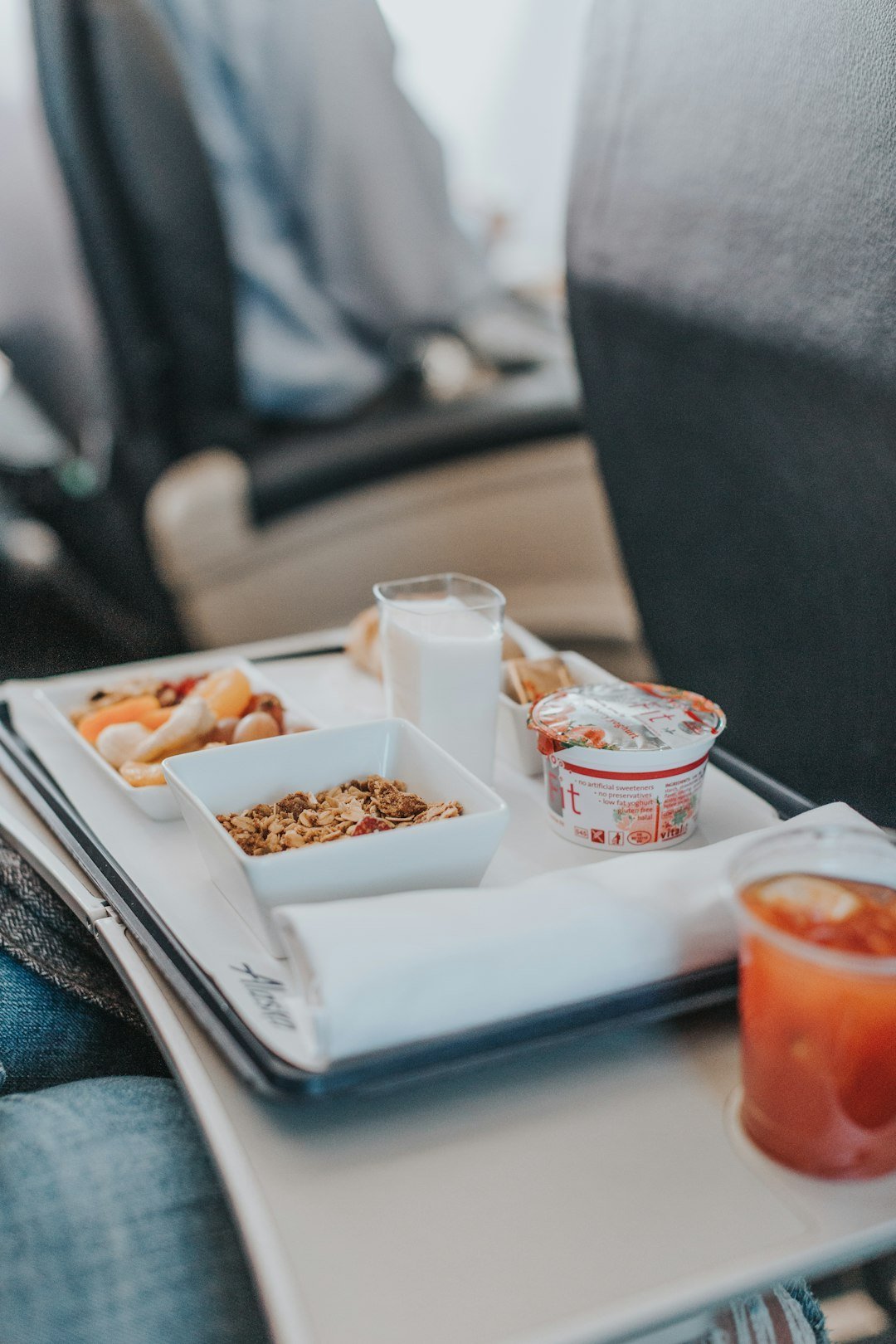
If you do not believe in the power of snack planning, you will believe it when you are 30,000 feet in the air and all your flight attendant has is a two-square-inch pack of pretzels. Of course, meals are provided on long flights, but bringing your own snacks protects you from the midnight munchies. The people around you will be jealous that they did not do the same.
Although passengers often have the option to purchase food on a flight, many flight attendants love bringing their own snacks in their carry-ons. International flight meals are often timed in ways that do not match your hunger. High-protein bars, nuts, and dried fruit are what cabin crew reach for – lightweight, non-smelly, and genuinely satisfying across long time zones.
15. Try Instant Ramen With Hot Water

Airplane food can be hit or miss. Bringing your own comfort meal ensures you will not go hungry. One experienced flyer shared: “Bring a cup of instant ramen and ask for hot water, either from a restaurant before boarding or during the flight. This trick has saved me from starving when plane food options weren’t great.” Flight attendants are always happy to pour hot water – it is one of the easiest requests onboard.
The psychological comfort of a warm, familiar meal at 35,000 feet over the Atlantic is hard to overstate. It feels domestic in the best possible way. Just be mindful of neighboring passengers when something has a strong smell, and opt for milder flavors on packed overnight flights. A gentle sesame or chicken broth variety travels socially well.
16. Pack Disinfecting Wipes and Hand Sanitizer
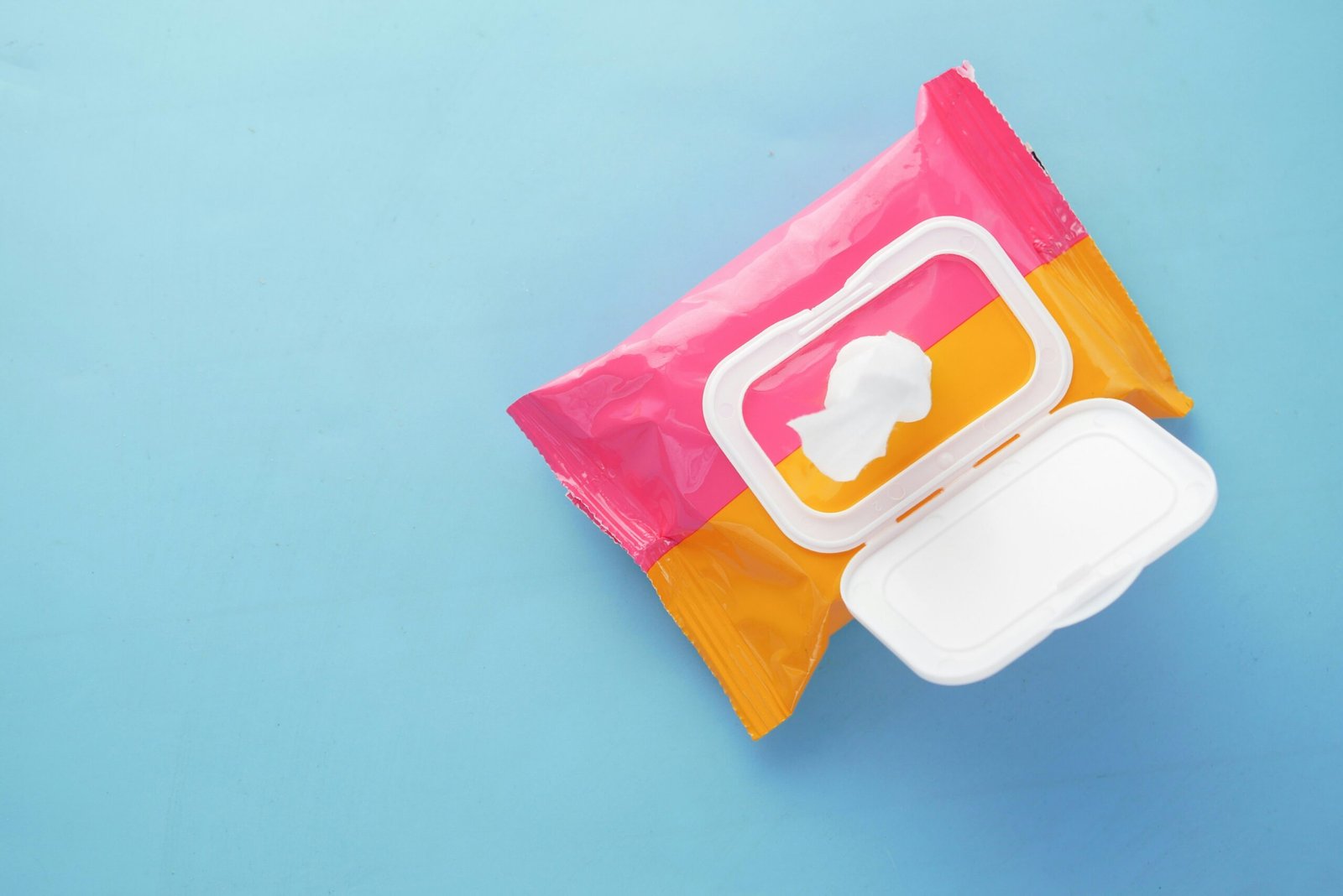
Flight attendants keep a few personal disinfecting wipes in a resealable bag. They wipe their arms and hands and wipe down the armrests, tray table, and monitor screen if one is in front of them. Most airplanes have HEPA filters that capture 99% of airborne germs and viruses. Still, touching surfaces and being close to other passengers can lead to easy transmission of colds, the flu, and other bugs.
Never eat directly off the tray tables. Yes, they get cleaned between flights, but they see so much use that they are difficult to completely disinfect. Tray tables famously serve as a food surface, a changing table, and a laptop desk for hundreds of passengers per day. A single wipe before you set your meal down takes five seconds and is absolutely worth it on any international haul.
17. Keep Medications in Your Carry-On, Not Your Checked Bag
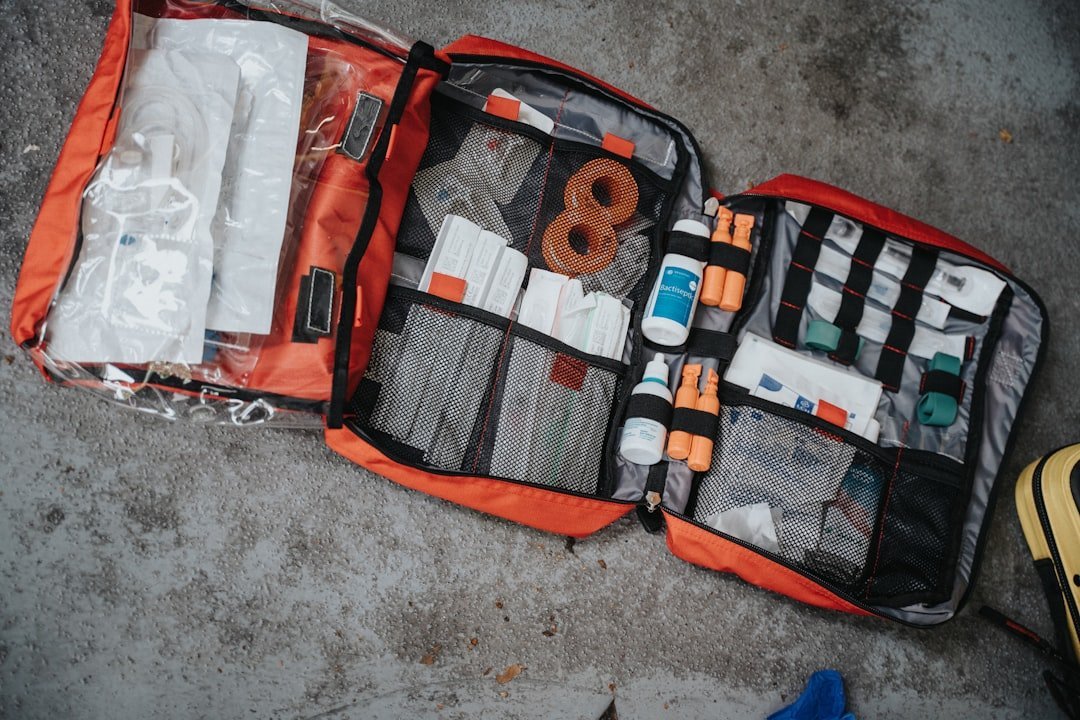
It might sound surprising, but some travelers pack their medication in their checked luggage, which can lead to big problems during a delay. Not only can medication be lost in checked luggage, but you might not be able to find the replacement medication you need at your destination, especially if you are traveling abroad. This is one of the most quietly serious mistakes frequent flyers make.
Delays and lost luggage can happen, and the last thing you need is crucial prescriptions sitting in checked baggage that might not make it on board. It is most important to bring along ibuprofen and melatonin in your carry-on. In case you unexpectedly get a headache or are too restless to sleep, your bases are covered. Every medication you truly need belongs in the bag that never leaves your side.
18. Use a Portable Charger
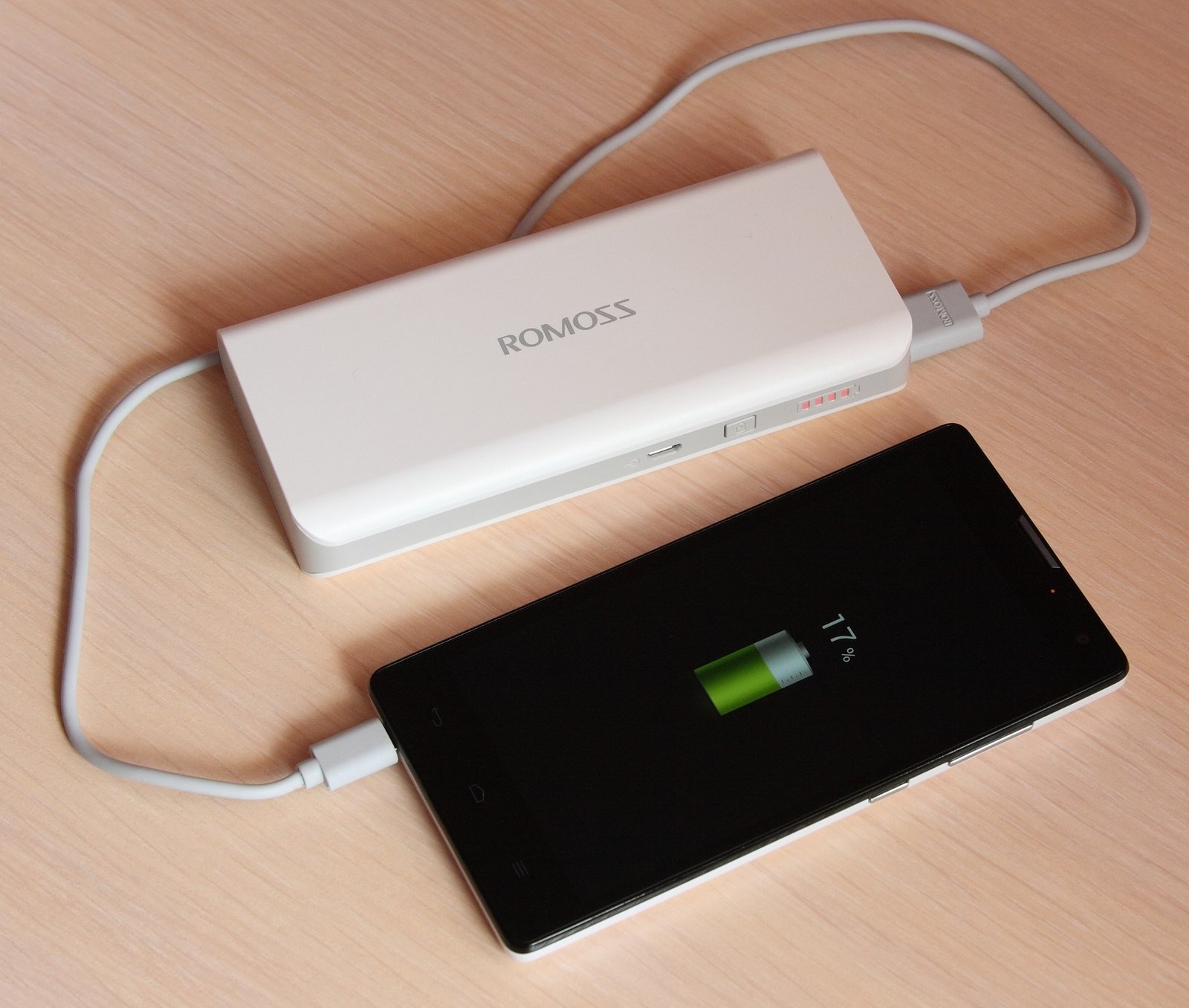
Nothing is worse than having a dead phone at the airport or realizing the USB port on the plane is out of order. Many airports have limited power outlets and charging stations that get crowded quickly. A portable charger for travel is an absolute must to keep you connected. On international flights, the in-seat USB ports often charge at speeds glacial enough to frustrate even the most patient traveler.
One experienced flight attendant says she never travels without a portable charger. “If you’re going out for the whole day, bring it everywhere you go – and ensure you buy one that is small enough to carry with you.” A slim, lightweight power bank that fits in a jacket pocket or the front compartment of your personal item is the version cabin crew actually reaches for, not the giant brick variety.
19. Wear Slip-On Shoes Through the Airport
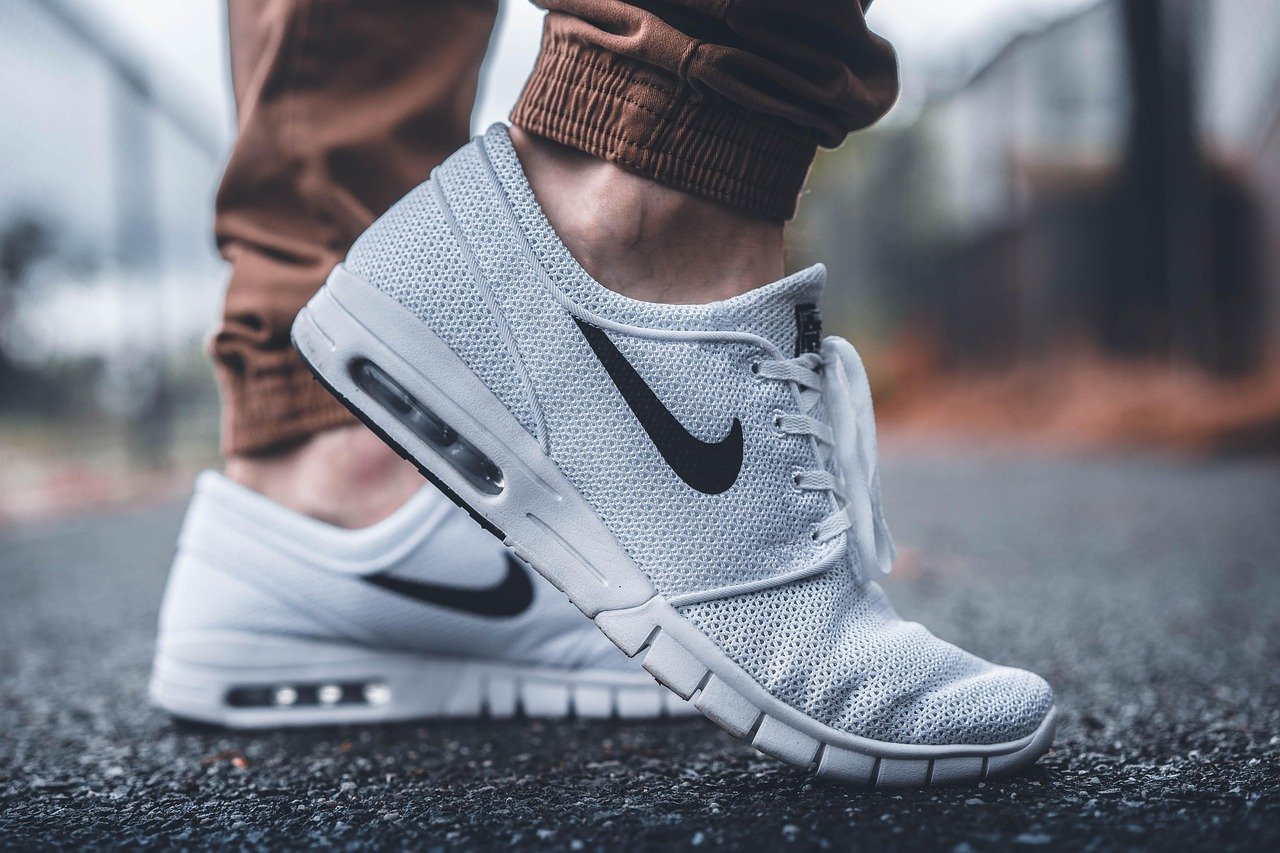
Opt for slip-on shoes to make security checks easier and to allow you to kick off your shoes mid-flight for added comfort. Anyone who has fumbled with laces in a security line, holding up the entire queue while their belt is also somewhere in a tray, understands why flight attendants unanimously recommend this. It is one of those things that seems minor until the day you do it and realize how much stress it removes.
On flights upward of eight hours, there is no way most seasoned travelers are sitting with their feet locked in shoes. Tennis shoes and socks are one flight attendant’s go-to, so that when she reaches her seat, she can take them off and get cozy. Comfort across ten-plus hours in the air is not a luxury – it is a strategy. Slip-ons are a five-second choice that pays off all day.
20. Bring a Sleep Mask
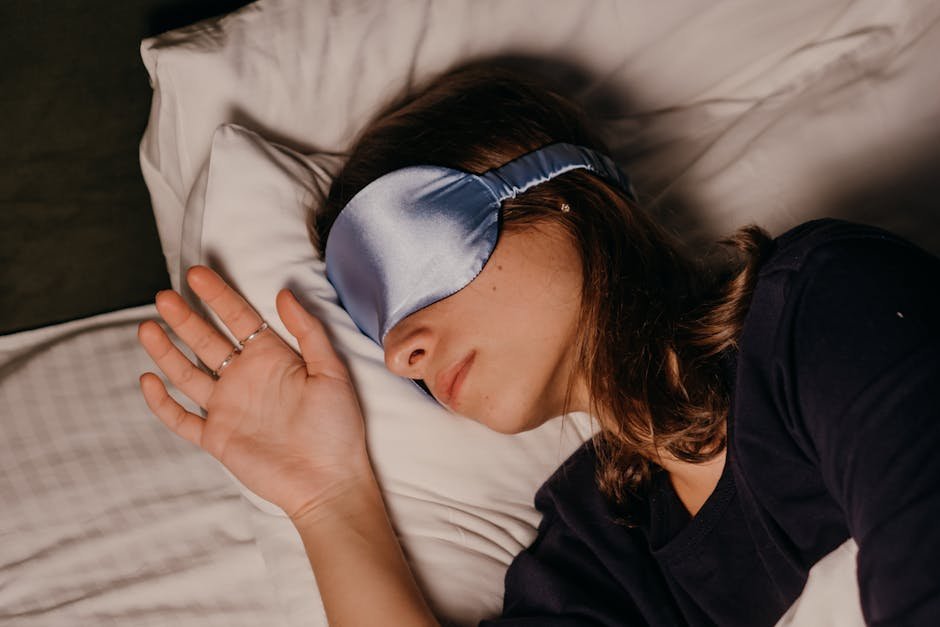
If sweet dreams are your preferred in-flight entertainment, invest in a quality sleep mask – and make sure it is soft for maximum comfort. It can get a little cold on the plane, it is noisy, and light may shine through the window right into your eyes. On daytime international flights, window shades get pulled down at different times by different passengers, and the light situation is completely unpredictable.
Flight attendants routinely carry sleep masks in their personal items – not buried in the carry-on but immediately accessible in a top zip pocket or jacket. The ones that contour around the eye socket without pressing on your eyelids tend to be the cabin crew’s favorite, as they allow you to actually blink during light sleep. A small investment that changes the quality of every overnight flight.
21. Pack a Light Blanket or Pashmina

Flight attendant must-haves include a light blanket and a sleep mask when you want to sleep. The blankets airlines provide on international routes can feel thin, and on many budget carriers, they are not provided at all. A pashmina or a compact travel blanket does triple duty – warmth on the plane, coverage in cold airport terminals, and a layer you can wear on arrival in a cool destination.
Flight attendants tend to avoid using the plane blankets because of general germiness, recommending you wash any travel blanket as soon as possible after your trip. Bringing your own also means you control its size, softness, and cleanliness. A thin merino or microfiber option folds down to almost nothing inside a packing cube and is genuinely one of the most comforting things you can pull out on a red-eye.
22. Bring Herbal Tea Bags
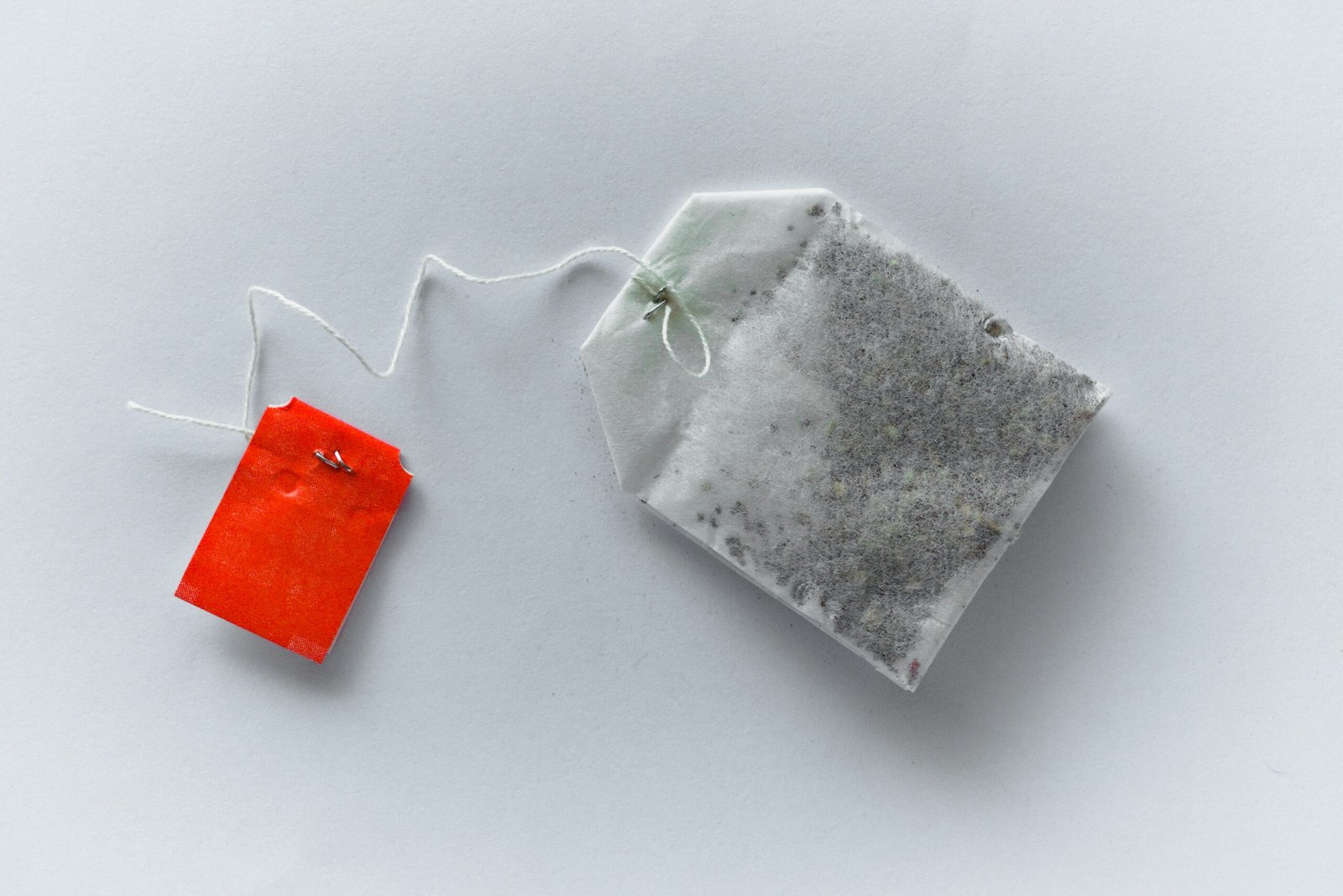
Drinking herbal tea is an excellent way to decompress during a flight, especially after an exhausting trek through the airport. They are usually decaffeinated, helpful in reducing anxiety, and provide hydration. Most airlines will not have a nice variety during beverage service, and tea bags are small enough to pack into a backpack or even your pocket. Just ask your flight attendant for a cup of hot water.
Chamomile, peppermint, and lemon ginger are the most popular choices among seasoned cabin crew for long international routes. They warm you up during the chilly middle hours of an overnight flight, settle a nervous or queasy stomach, and signal to your nervous system that it is time to calm down. That is a lot of work for something that weighs almost nothing in your carry-on.
23. Carry a Small Aromatherapy Oil or Alcohol Pad
Airplane cabins can be full of unexpected and unpleasant smells. A small aromatherapy kit can help combat motion sickness and keep you feeling fresh. One flight expert explained: “I always carry a small bottle of eucalyptus oil and some alcohol pads. If I get nauseous or there’s an unpleasant smell, I dab a little oil under my nose. It works wonders.”
Eucalyptus, lavender, and peppermint essential oils are all compact, TSA-friendly in a tiny roller bottle, and genuinely effective for nausea and overpowering odors. On a packed 12-hour flight, the cabin can develop a scent that is somewhere between a gym bag and a cafeteria. A tiny roller bottle of your preferred oil tucked in your personal item changes the whole experience in seconds.
24. Pack Facial Wipes and Moisturizer

Facial wipes on a long flight might seem odd at first, but they are backed up by real reasons. They are useful for cleaning off your hands before eating, wiping your seat-back tray before and after you wake up, and are especially good when you wake up before landing because your skin always feels gross and needs a refresh before arrival. Your skin will thank you.
Eye drops, moisturizer, and lip balm are all on the standard flight attendant carry-on list specifically to combat dry cabin air. The airplane cabin is a pressurized environment with very low humidity, which is why your eyes tend to dry out and get irritated. Moisturizing eye drops help you feel more comfortable while reading or watching videos. A tiny skincare kit – five items that fit in a sandwich bag – is what separates people who land looking human from people who do not.
25. Use a Neck Wallet for Passports and Cards
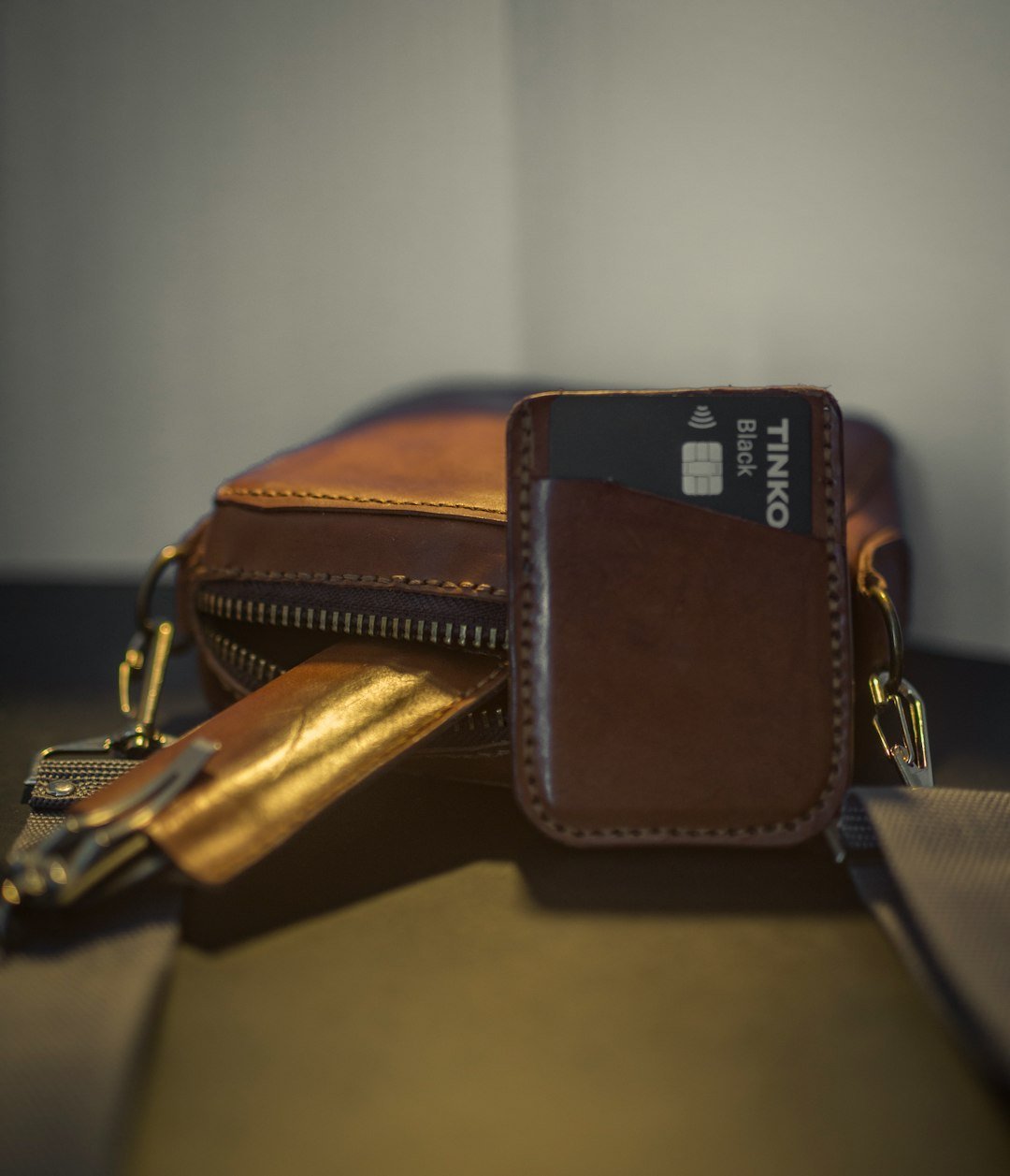
When traveling internationally, many flight attendants use a neck wallet and passport holder to keep everything secure around their necks and avoid worrying while sleeping that anything will be taken. It is a recommended item by many travel experts. International airports and terminals are high-traffic environments, and a passport or credit card slipping out of a jacket pocket is the kind of catastrophe that derails an entire trip.
The slim, flat neck wallet that sits under your shirt is the version cabin crew prefers – not the bulky tourist version that announces its presence to everyone nearby. Keep your passport, one backup credit card, some local currency, and your boarding pass in it during the active transit window. Everything else can live in your bag once you are securely in your seat and the cabin door has closed.
26. Bring a Compact Reusable Tote Bag
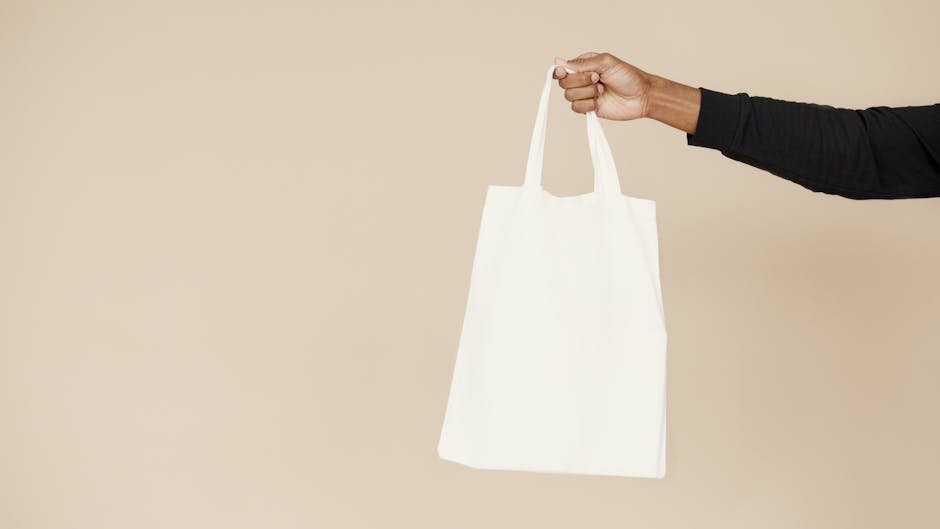
Adding a lightweight but durable bag – a cloth tote or a reusable shopping bag – to your packing list and bringing it every time you travel is a flight attendant-endorsed move. It will come in handy once you are exploring your destination. You can use it to carry souvenirs, groceries, water, food, and an extra layer of clothes and necessities for the day.
A tote that folds flat takes up almost no space in a carry-on and serves as your day bag abroad, your overflow bag on the return flight, or a dedicated wet-swimwear carrier after a beach day. Flight attendants who work layovers consistently rely on one because it replaces the need for a second bag entirely. Pack it flat at the bottom of a packing cube, and you will never feel its weight.
27. Pack Clothes You’re Ready to Leave Behind
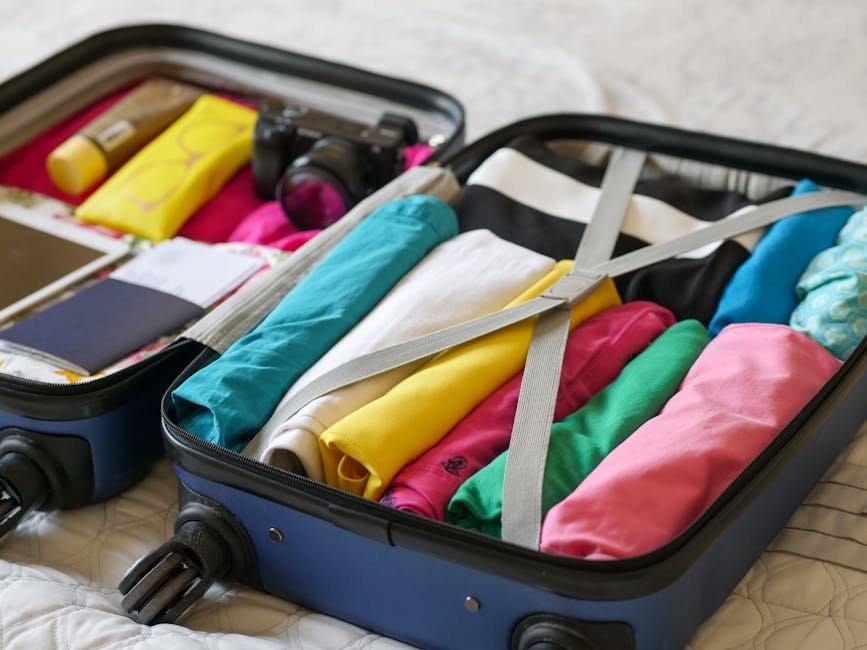
One flight attendant’s best travel hack is to pack a few older items that are on the brink of being retired from your closet. Ditching some clothing and accessories along the way, it opens up space in your luggage to bring home new goodies from your travels. You can also wear those older items during activities without worrying about damaging them or packing the dirty items home.
This is a genuinely underrated technique for international trips where souvenir shopping is part of the plan. Each worn-and-ditched item creates room in your carry-on on the return journey without requiring any creative repacking. It also means you are wearing truly comfortable things and you do not mind destroying – hiking, sightseeing, and cobblestones be damned.
28. Organize Toiletries by Category in Clear Bags
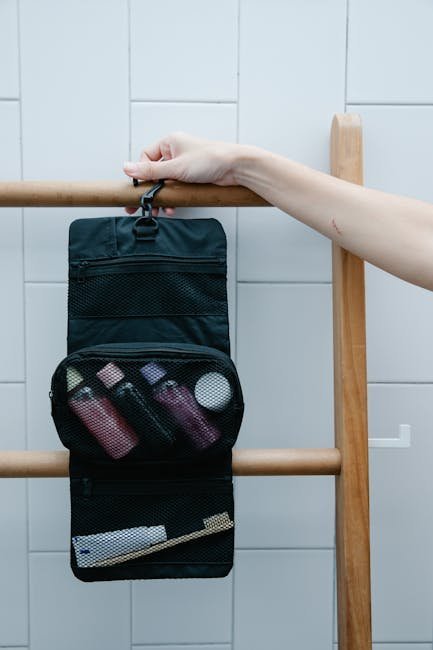
Separating similar items such as toiletries, cosmetics, socks, and undergarments in clear bags keeps your essentials organized and easy to locate. Clear bags let you see exactly what is inside without unzipping anything – a small but genuinely time-saving upgrade when you are rooting through a bag in a dim cabin at 2 a.m., trying to find your lip balm or melatonin.
Flight attendants typically have a clear bag system so established that packing becomes muscle memory before each trip. The toiletry bag goes in the same spot every time, the medicine pouch is always in the personal item front pocket, and the skincare mini-kit lives in one specific cube. That level of organization sounds extreme until you are jet-lagged and need your stuff fast.
29. Always Check Carry-On Dimensions Before You Fly
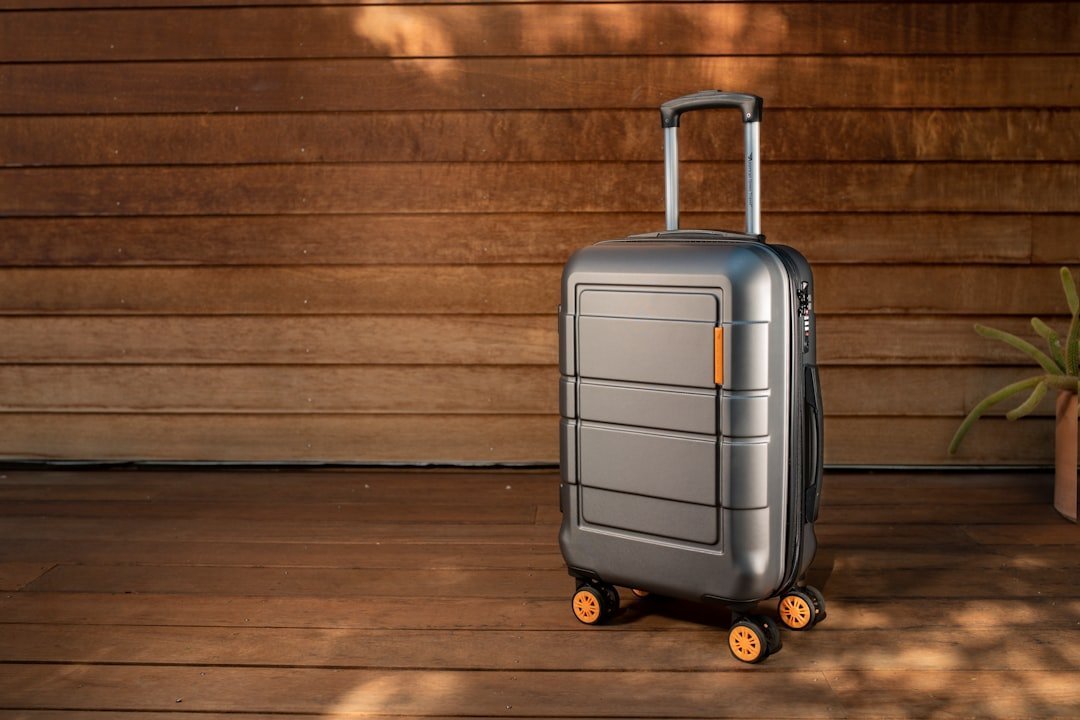
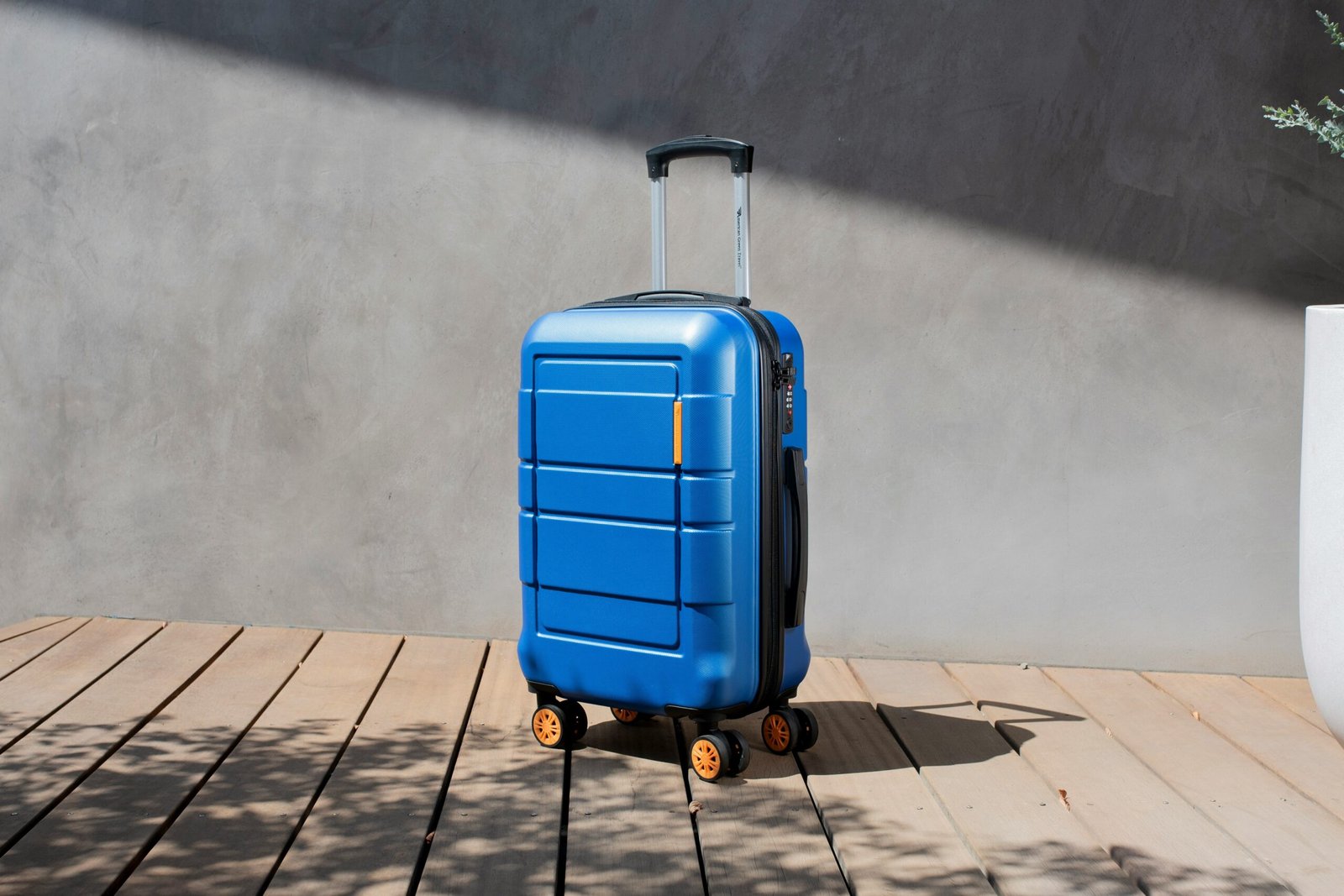
The most commonly accepted size for carry-on bags is 22 x 14 x 9 inches, including handles and wheels. However, it is crucial to verify the specific requirements of your airline before you travel, as budget carriers and international airlines often have stricter rules. Cabin crew sees gate-sizing situations every single flight, and they are rarely pretty for the passenger involved.
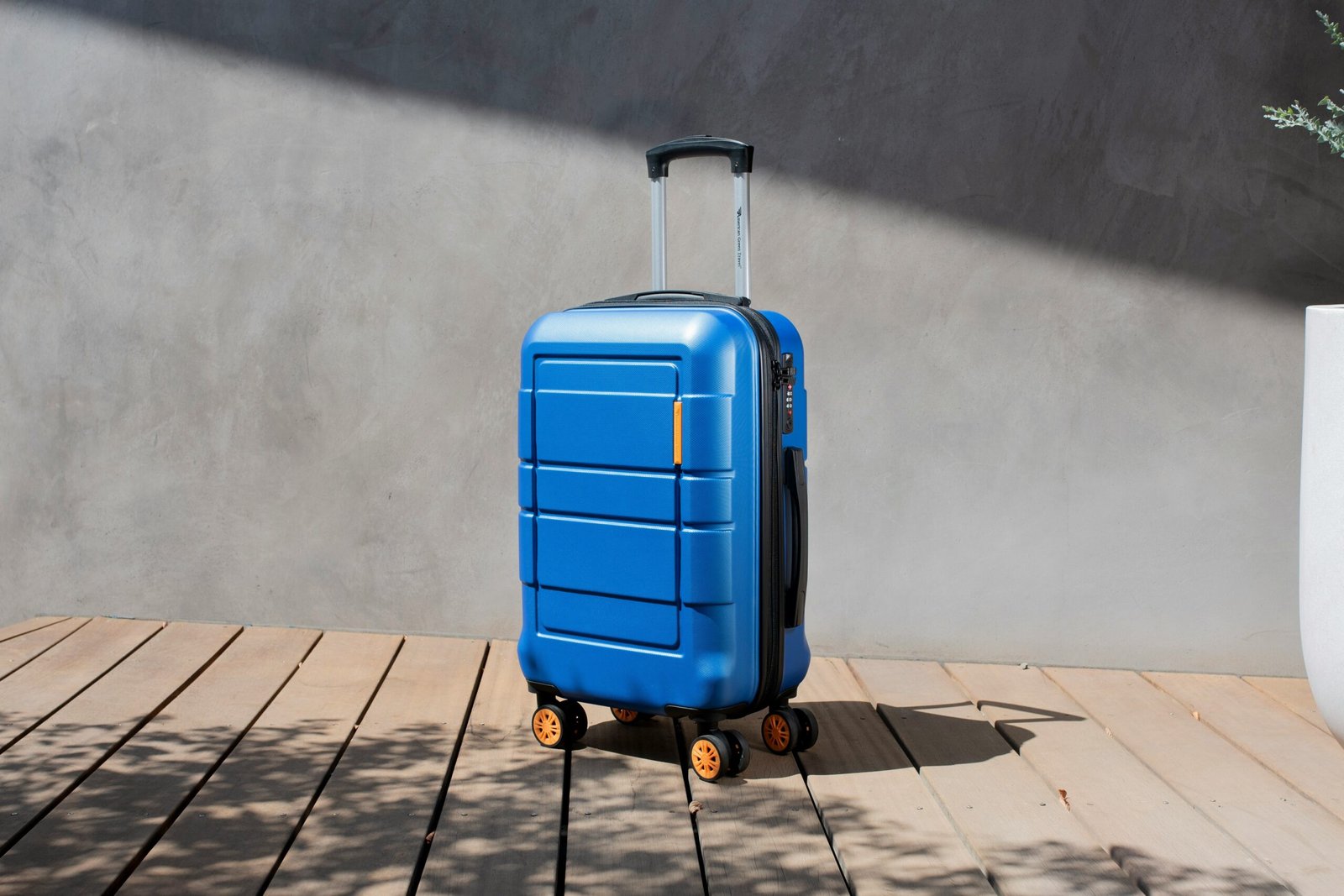
For a carry-on, a hard case that does not extend or a duffel bag is the safer choice. This ensures you are abiding by the carry-on policy for your airline. There have been many times where gate agents ask passengers to put their suitcase in the sizer, and if it does not fit it has to get checked to the final destination – and usually it does not fit. Knowing your numbers before the gate removes all the anxiety around it.
30. Use Your Clothes as Padding for Fragile Items
Flight attendants who pick up souvenirs or fragile gifts on layovers have a simple system: wrap the item in socks, tuck it inside a rolled shirt, and nest the whole bundle inside a packing cube. No bubble wrap required. The clothes do the job just as effectively for most breakables, and it doubles as an efficient way to use every cubic inch of space in the bag.
The hat packing version of this idea works the same way. Put your beach hat in the suitcase first and pack around it to avoid it being crushed. The same principle applies to anything with a fixed shape – pack the rigid thing first, and build the rest of the bag around it. Experienced flight attendants use this logic instinctively, and it prevents the crumpled, broken-item disappointment that ruins many return trips.
31. Do a “Macarena Check” Before You Leave Any Space
Some flight crew members refer to the Macarena dance as their pre-departure check. It is when you check the items you need to have before you leave your house, hotel, or car – physically patting yourself down to confirm having all the necessary items, similar to the moves in the Macarena dance routine. It sounds playful, but it is how career travelers catch the passport left on a nightstand or the charger still plugged into the hotel wall.
The habit scales beautifully to every transition point of an international trip – leaving the house, leaving the airport lounge, leaving the seat on the plane, leaving the hotel on departure day. Each pat-down takes ten seconds and has saved countless travelers from the cold sweat of realizing something critical is 4,000 miles away. Adopt it once, and it becomes as automatic as buckling a seatbelt.
Here is the thing about all 31 of these hacks: not one of them requires spending a lot of money or rethinking your entire travel style. They are small, stealable habits that flight attendants have refined across thousands of hours in the air. Start with the three or four that solve your biggest carry-on pain points, and build from there. Your next international flight might just be the best-packed trip you have ever taken. Which one are you trying first?