
Most people believe that a high price tag and a “World Heritage” status guarantee a life-changing travel experience, but the reality on the ground is often a starkly different story. While Instagram filters can make any crowded alleyway look like a serene paradise, seasoned travelers are increasingly vocal about the “tourist traps” that eat budgets and offer zero ROI. The gap between promotional brochures and the actual visitor experience has never been wider. Here’s what the data and thousands of frustrated traveler reviews actually say.
#15 — The Little Mermaid Statue (Copenhagen, Denmark)

Most travelers expect a majestic monument rising from the sea, but what they actually find is a four-foot-tall bronze statue perched on some rocks next to an industrial harbor.
Despite its global fame, the “Little Mermaid” is notoriously underwhelming because of its minuscule scale and the constant swarm of selfie sticks blocking any potential view. It turns out that Danish locals often find the obsession with this site hilarious, considering it is located quite a distance from other major city attractions and requires a significant trek for a “blink-and-you-miss-it” moment.
- The statue is only 1.25 meters tall and has been decapitated or vandalized multiple times.
- The backdrop is often dominated by the chimneys of a nearby power plant rather than a romantic seascape.
While many tourists rank this as a “top priority,” expert travelers argue it’s the biggest waste of walking shoes in Scandinavia. The sheer density of crowds for such a small payoff makes it a one-and-done destination for almost everyone who visits.
But that’s nothing compared to the overpriced chaos we found about #14…
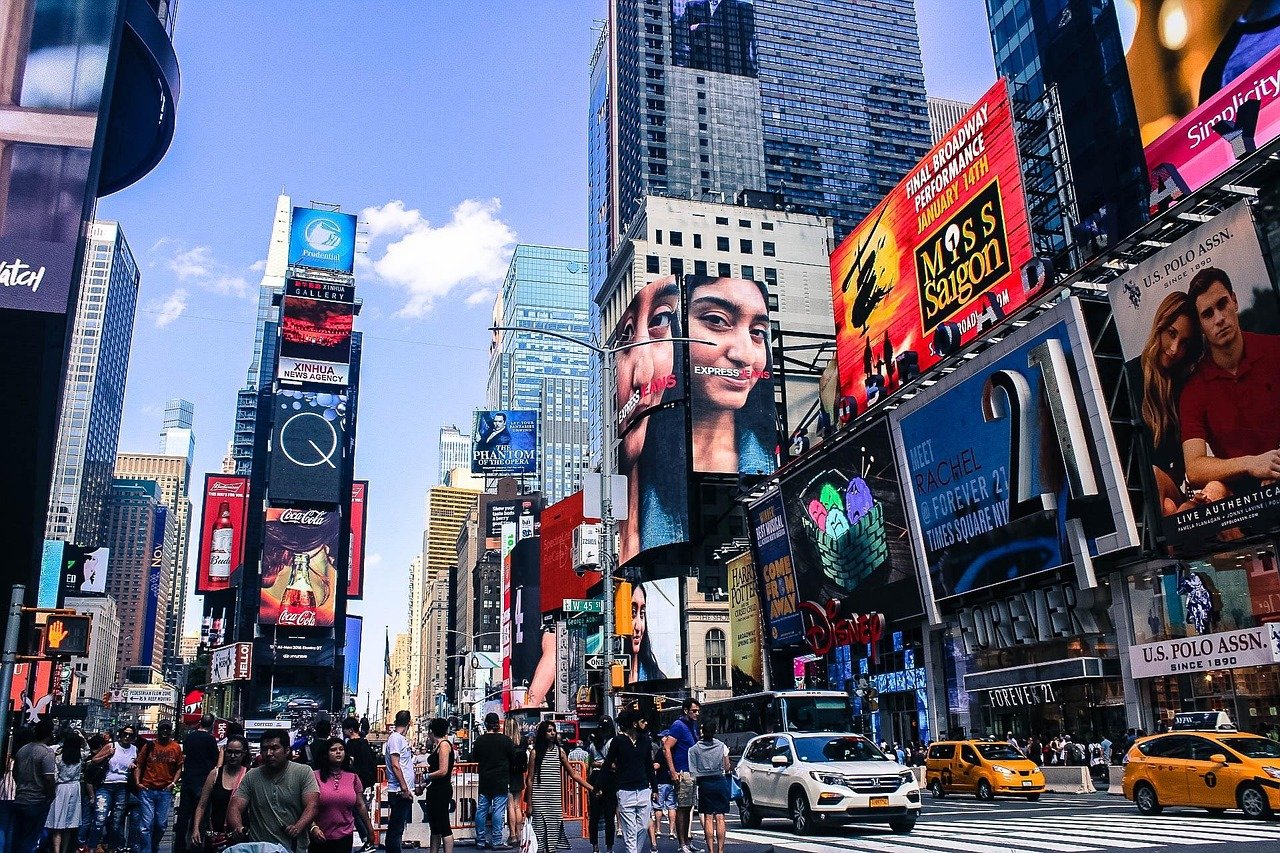
#14 — Times Square (New York City, USA)
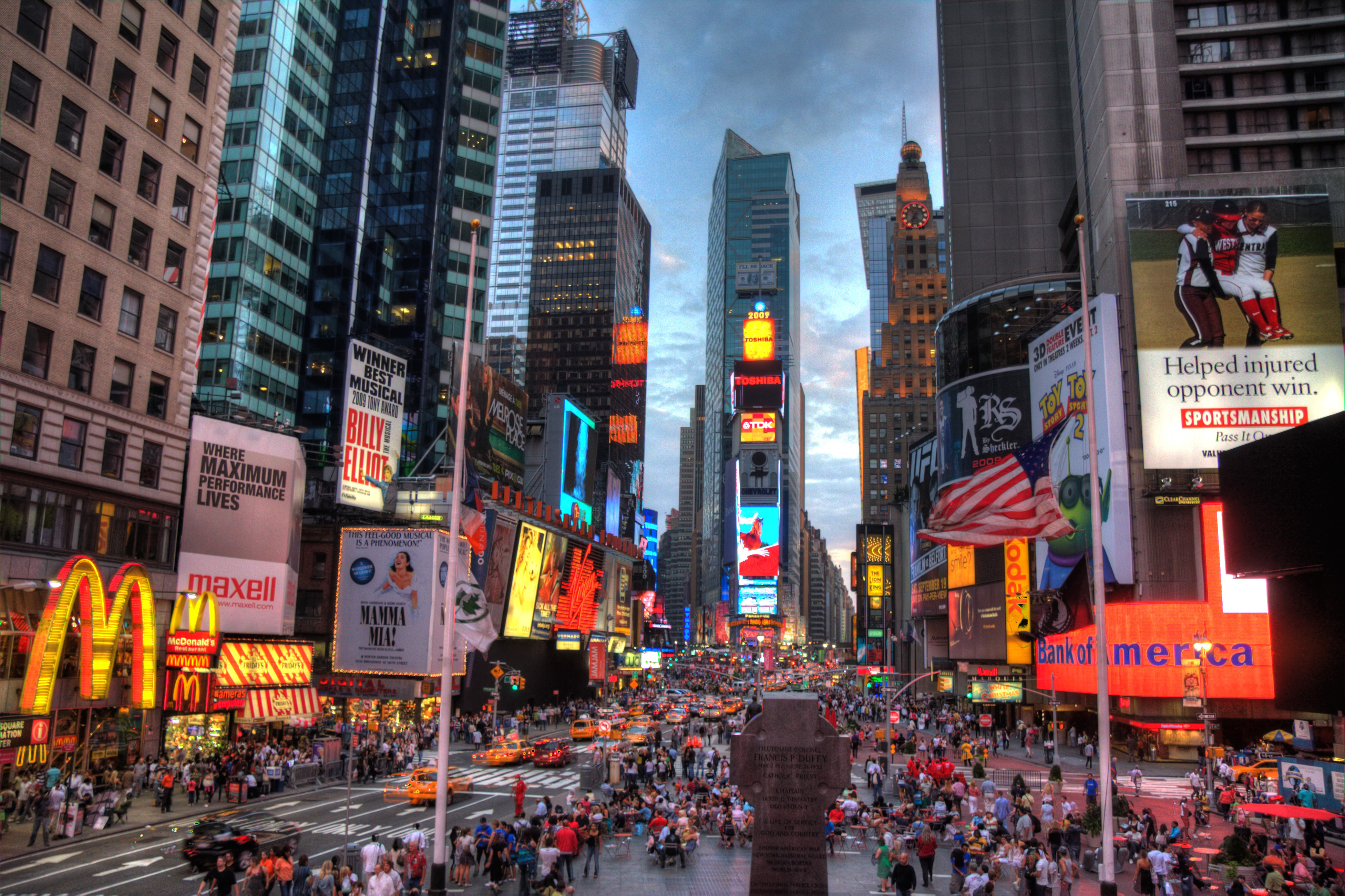
If you think Times Square is the “heart of New York,” you’ve fallen for the most expensive marketing campaign in the world.
While the bright lights are impressive for exactly thirty seconds, the reality is a high-anxiety gauntlet of aggressive costumed characters, overpriced chain restaurants, and shoulder-to-shoulder foot traffic that never stops. Real New Yorkers avoid this area like the plague, and for good reason: everything here, from a bottle of water to a hot dog, is sold at a massive “tourist tax” markup.
- You will likely be harassed by “hustlers” trying to hand you “free” CDs or demanding money for a photo.
- The sensory overload is designed to keep you moving into stores, not to provide a cultural experience.
Many veterans of the city agree that spending more than ten minutes here is a mistake that ruins your perception of the “Real New York.” It is the ultimate hollow experience in a city that has so much more to offer in its outer boroughs.
But the urban overcrowding here is mild compared to the logistical nightmare of #13…
#13 — The Leaning Tower of Pisa (Pisa, Italy)

The “Leaning Tower” might be an architectural marvel, but the experience of visiting it is widely considered one of the most repetitive and annoying in Europe.
Once you arrive, you’ll find thousands of people all standing in the same awkward pose, pretending to “hold up” the tower for their social media feed. Once you’ve seen the tilt, there is virtually nothing else to do in the immediate vicinity except dodge scammers selling cheap plastic replicas. The city of Pisa itself is often criticized for being a one-trick pony that exists solely to funnel tourists toward this single, gravity-defying structure.
- Climbing the tower requires an expensive, pre-booked ticket that often feels like a crowded staircase marathon.
- The surrounding restaurants are notorious for low-quality food at “landmark” prices.
It turns out that the “magic” of the lean disappears the moment you realize you traveled three hours by train just to take one photo you’ve seen a million times before.
Wait until you see why everyone is turning their backs on the monument at #12…
#12 — The Pyramids of Giza (Cairo, Egypt)
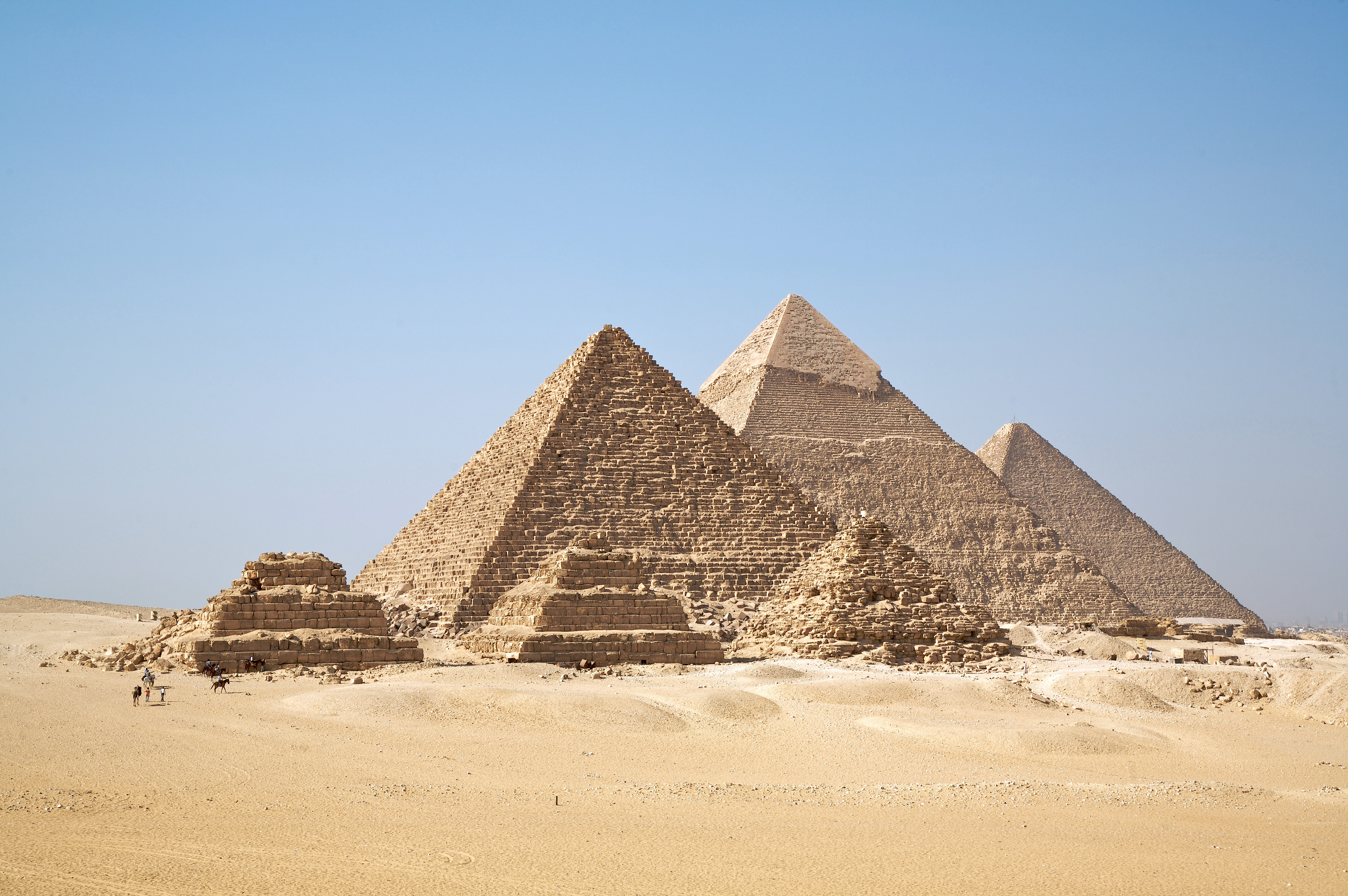
Everyone dreams of seeing the Pyramids, but nobody tells you about the relentless “aggressive hospitality” that makes the trip a mental marathon.
The Pyramids are undeniably legendary, but the modern experience involves being constantly hounded by vendors, camel handlers, and unofficial “guides” who refuse to take “no” for an answer. Instead of a silent, desert sanctuary, you aremet with the roar of Cairo’s encroaching traffic and a literal pile of trash that many photos conveniently crop out of the frame.
- The Sphinx is significantly smaller than it appears in wide-angle professional photography.
- The “Pizza Hut” overlooking the ancient site has become a symbol of the area’s extreme commercialization.
Traveling here is a “bucket list” item that many people regret because the hostility of the scams outweighs the majesty of the stone. Experts suggest that if you really want to see ancient Egypt, you should head to Luxor instead.
But the “crowd fatigue” at the Pyramids is nothing compared to the literal gridlock at #11…
#11 — The Blue Lagoon (Iceland)

Most people think they are soaking in a natural Icelandic wonder, but the Truth is that the Blue Lagoon is actually a man-made runoff from a nearby geothermal power plant.
While the water is mineral-rich, the experience has become an overpriced, assembly-line spa where you are charged upwards of $100 just to enter a crowded pool with hundreds of strangers. Many travelers complain that the “relaxing” atmosphere is ruined by the mandatory line-ups and the fact that you have to coat your hair in silicon just to keep the silica from destroying it.
- The lagoon is located in a lava field near the airport, far from the actual “beautiful” parts of Iceland.
- It is one of the most expensive “public” baths in the world, with drinks and masks costing a fortune.
Many locals and savvy travelers now argue that Iceland’s hidden natural hot springs are a far superior—and often free—alternative to this industrial byproduct.
If you think that’s a rip-off, wait until you hear about the “romantic” disappointment at #10…
#10 — The Harry Potter Platform 9 ¾ (London, UK)

For fans of the franchise, King’s Cross Station is a pilgrimage site, but the reality is just a brick wall and a massive queue.
There is no “secret” magic here; just a trolley embedded in a wall and a 90-minute wait to take a photo that a professional photographer will then try to sell back to you for £20. The “platform” isn’t even between platforms 9 and 10; it’s in a busy pedestrian walkway near the gift shop to maximize foot traffic and sales.
- The actual filming locations for the platforms are much less accessible and look nothing like the tourist spot.
- The gift shop prices are significantly marked up compared to the same merchandise found elsewhere in London.
Most travelers realize too late that standing in a drafty train station for two hours is a poor use of a London vacation. It’s a “must-see” that quickly becomes a “never again.”
But that’s a walk in the park compared to the “bridge to nowhere” at #9…
#9 — The Hollywood Walk of Fame (Los Angeles, USA)
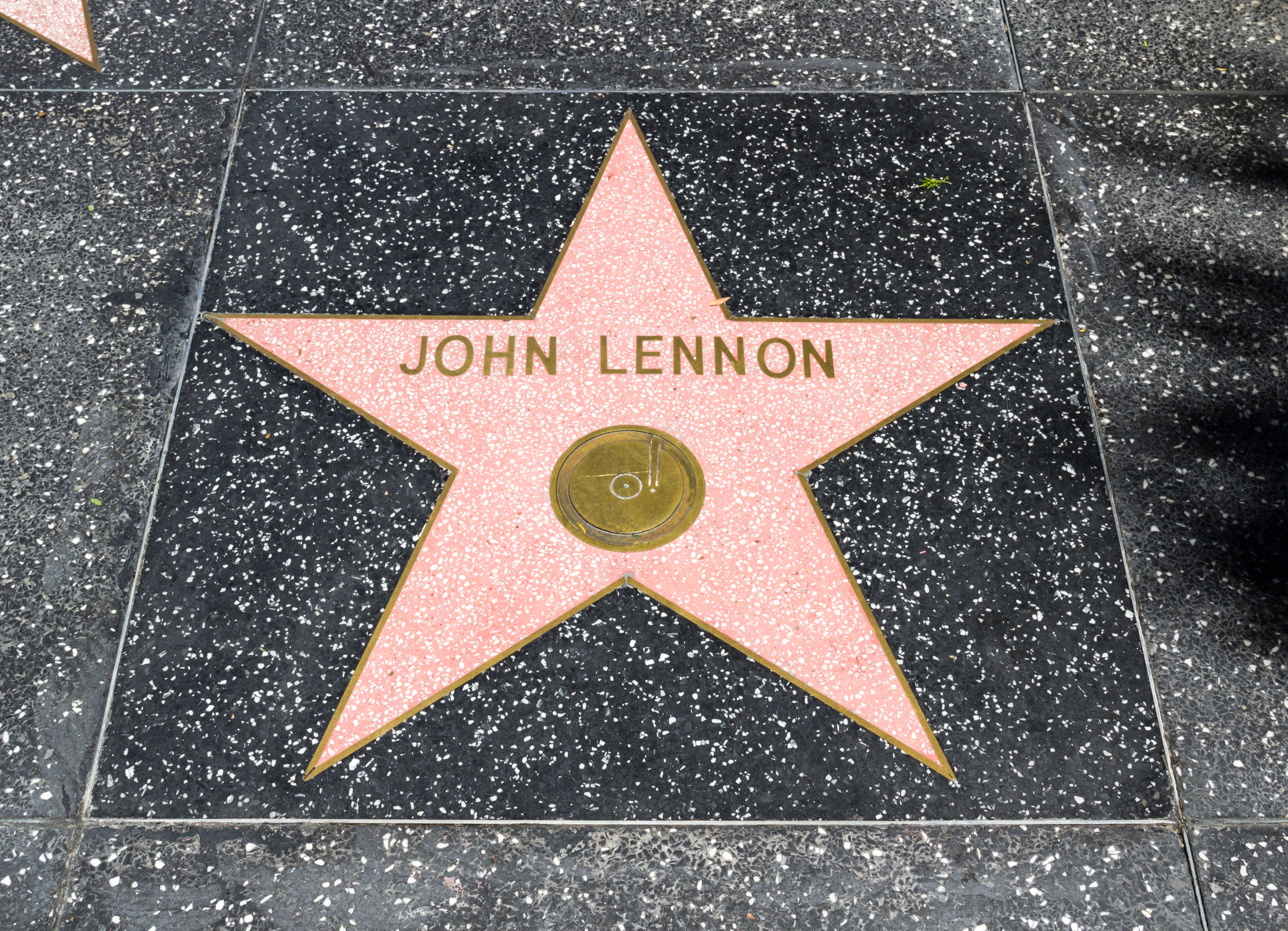
Hollywood is portrayed as a land of glamour and stars, but the Walk of Fame is actually one of the grittiest, most underwhelming sidewalks in America.
Instead of rubbing elbows with celebrities, you’ll be dodging smells of urine, aggressive street performers, and a high concentration of homelessness. The “stars” on the ground are often neglected and covered in grime, and the surrounding area is filled with tacky souvenir shops and tourist-trap museums that offer zero cultural value.
- The Chinese Theatre is the only real landmark, but it’s obscured by crowds 24/7.
- Parking in the area is a nightmare and often costs more than a decent meal.
Actually, most LA locals wouldn’t be caught dead on Hollywood Boulevard unless they were forced to be there. It’s widely considered the biggest “vibe bait-and-switch” in the United States.
However, the disappointment of a dirty sidewalk is nothing compared to the “climb of regret” at #8…
#8 — The Eiffel Tower Summit (Paris, France)
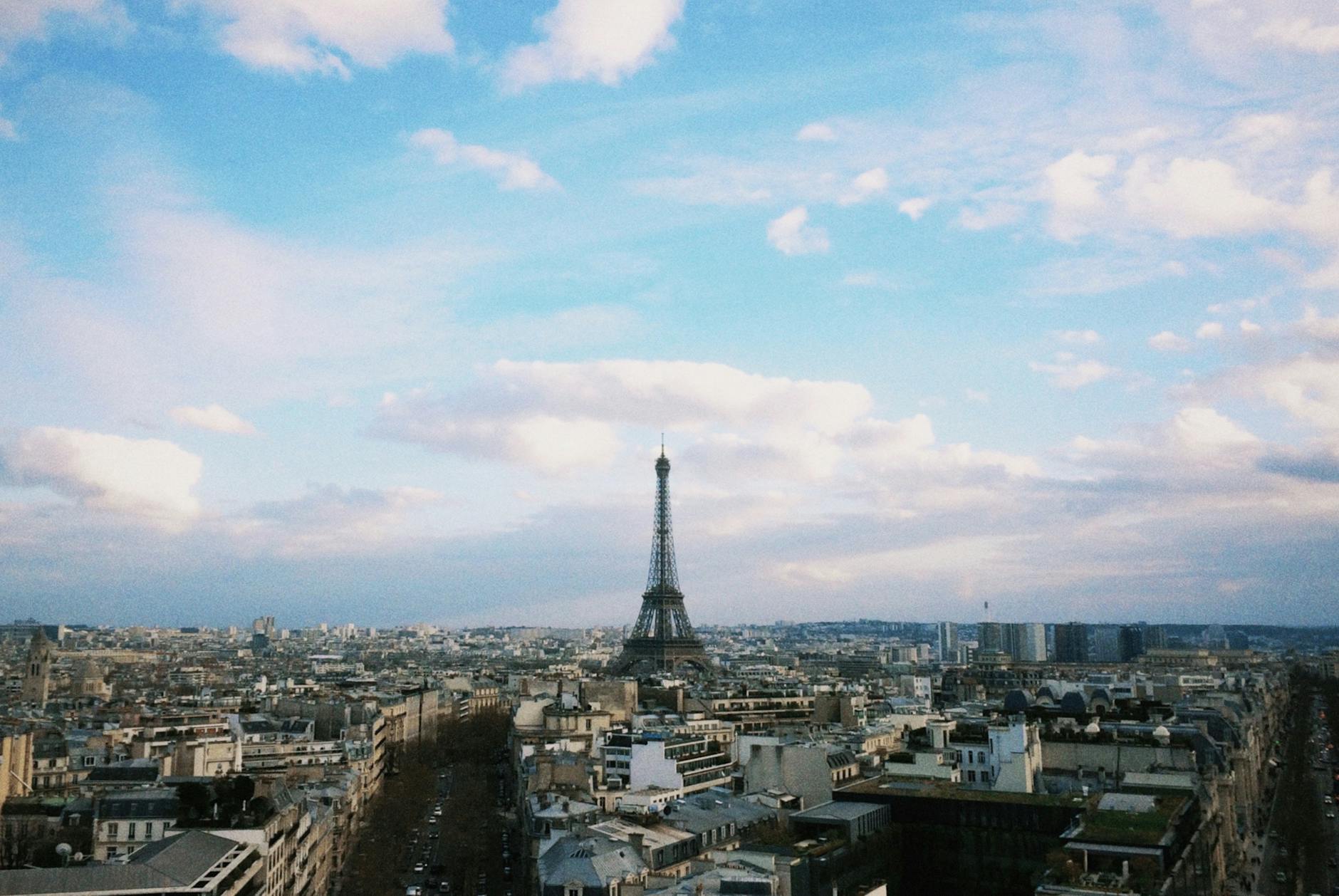
Seeing the Eiffel Tower from the ground is iconic, but paying to go to the very top is a mistake that many tourists regret before they even reach the floor.
The lines to get into the elevator can take hours, and once you reach the summit, you realize the biggest problem: you can’t see the Eiffel Tower in your photos because you’re standing on it. The view of Paris is beautiful, but it lacks the city’s most recognizable landmark. Furthermore, the wind at the top is often punishingly cold, making the “romantic” moment feel more like a survival exercise.
- Security checks and ticket lines can eat up half a day of your Parisian holiday.
- The “Champagne Bar” at the top serves mediocre bubbles in plastic cups at astronomical prices.
Travelers who know better recommend going to the top of Montparnasse Tower or the Arc de Triomphe instead, where you get a better view of the Eiffel Tower for a fraction of the hassle.
But if you think that elevator wait is bad, you haven’t seen the human traffic jam at #7…
#7 — Santorini’s Oia Sunset (Santorini, Greece)

The “Instagrammable” sunset in Oia is world-famous, but nobody shows you the 4,000 other people standing two inches away from you while you try to take the photo.
During the peak season, the narrow cobblestone paths of Oia become a human gridlock where it is physically impossible to move. Travelers report waiting three hours in the blistering sun just to snag a spot on a wall, only to have their view blocked by a drone or a cruise ship passenger’s iPad. The “peaceful” Greek island vibe is completely murdered by the sheer volume of “clout-chasers.”
- Prices in Oia are nearly double that of other, equally beautiful villages on the island.
- The donkey rides, often used to navigate the stairs, are increasingly criticized for animal cruelty.
Many visitors leave feeling that the commercialization of the sunset has robbed the island of its soul. It’s a classic case of a place being “loved to death.”
But the crowds in Greece are nothing compared to the chaos at the world’s most famous “balcony” at #6…
#6 — Juliet’s House (Verona, Italy)
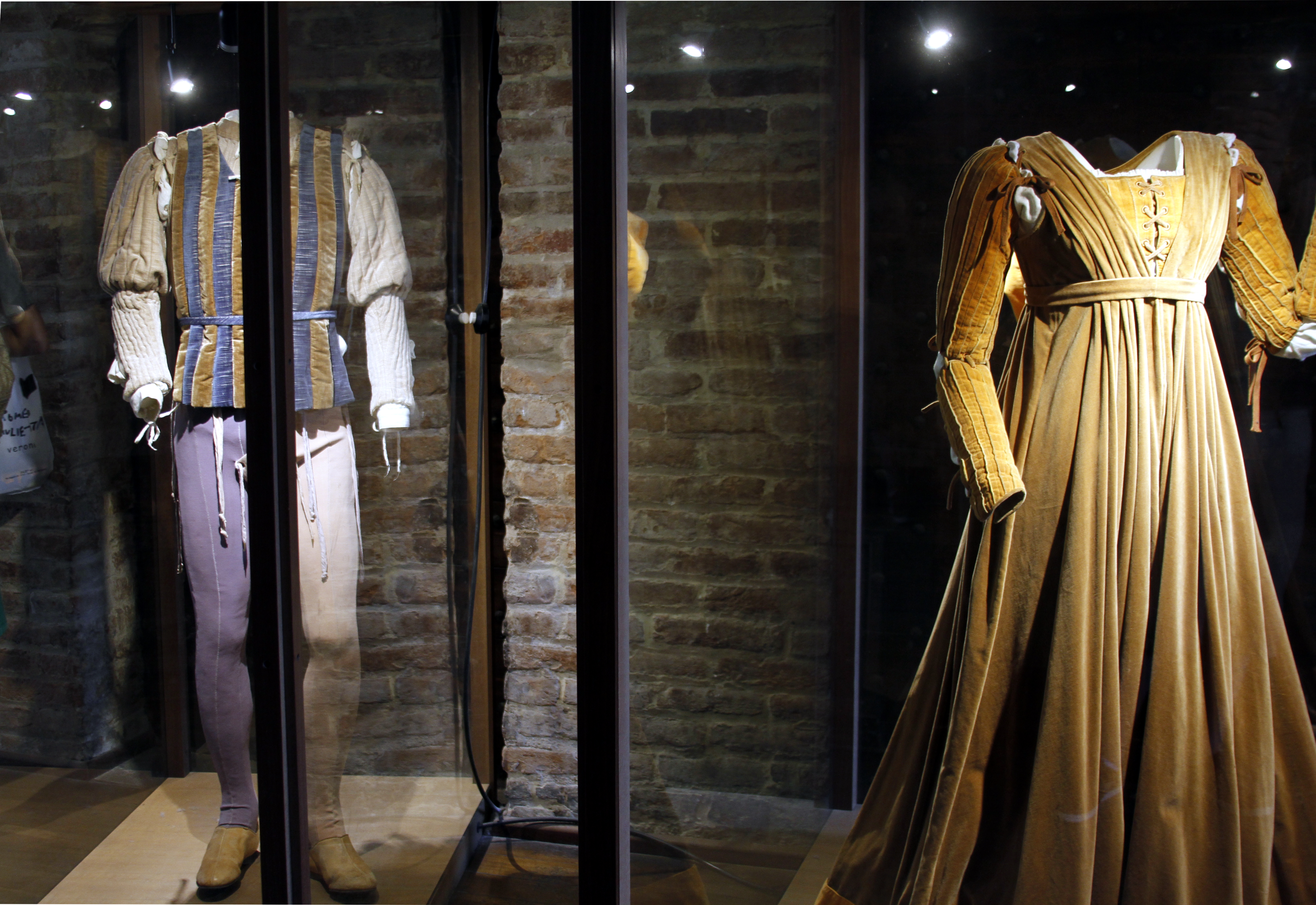
People flock to the Casa di Giulietta to see the balcony from Shakespeare’s masterpiece, but there is one major problem: Juliet is a fictional character, and the balcony was added to the house in the 20th century to attract tourists.
The small courtyard is constantly packed with people rubbing the breast of a bronze statue for “luck” and sticking pieces of chewing gum to the walls. It is a fabricated shrine to a story that never happened, and the “romantic” atmosphere is non-existent amidst the shouting crowds and tacky graffiti.
- The balcony was literally a sarcophagus attached to the wall in the 1930s to create a landmark.
- The queue to stand on the “fake” balcony can last over an hour for a 10-second photo op.
Verona is a stunning city with genuine Roman history, but Juliet’s House is the ultimate tourist fiction that most travelers say they’d never bother visiting twice.
Wait until you see the “Natural Wonder” that has become a swamp of plastic at #5…
#5 — Bali’s “Gateway to Heaven” (Lempuyang Temple, Indonesia)
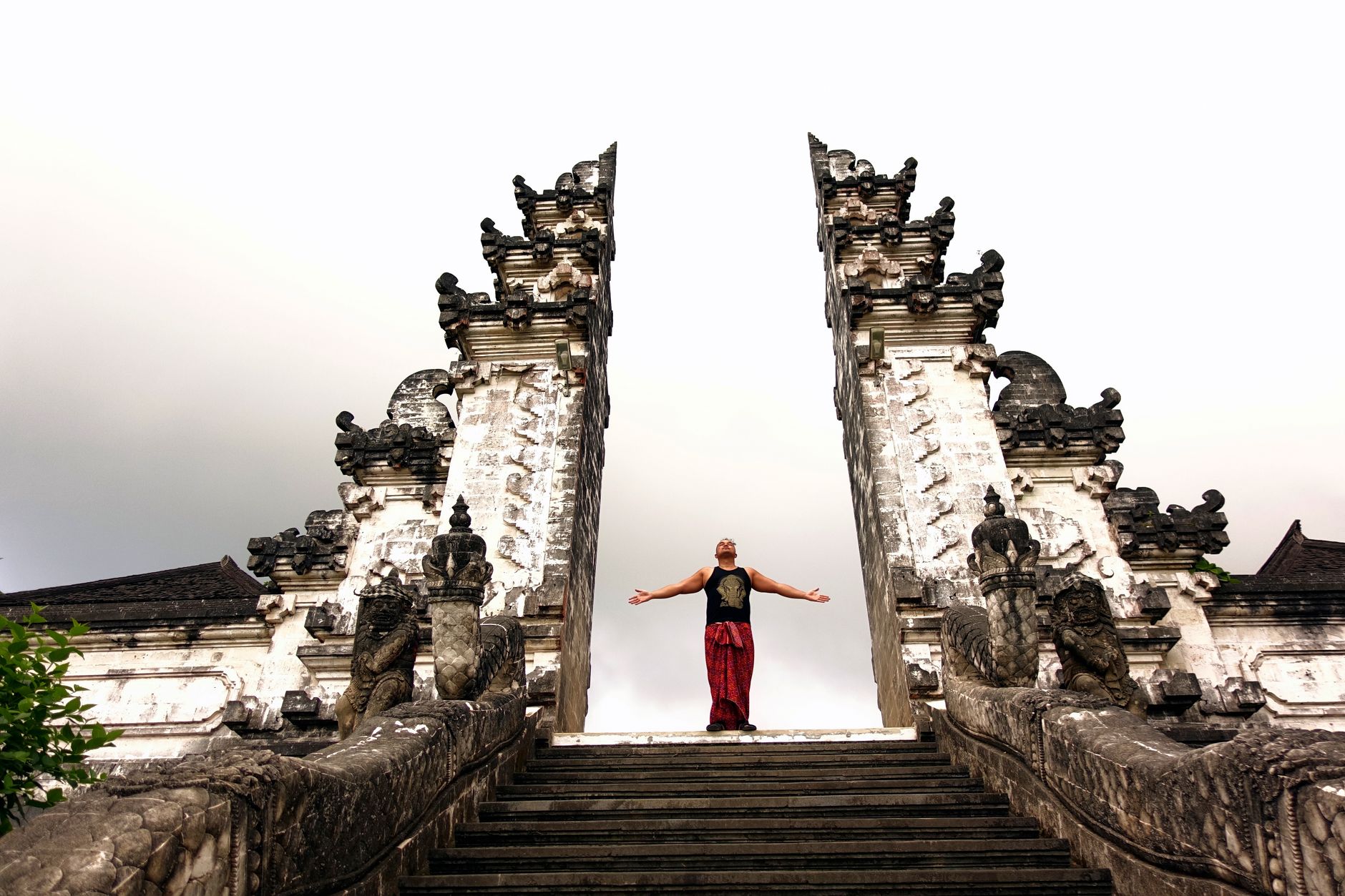
You’ve seen the photo: a traveler standing between two stone pillars with a perfect, mirror-like reflection of the clouds on the ground.
The Truth? That reflection is a lie. There is no water at the Gates of Heaven; there is a local man holding a small piece of mirror under your iPhone camera to create the illusion for a few dollars. Tourists often wait 3 to 4 hours in a numbered queue for a photo session that lasts exactly 60 seconds. You aren’t visiting a temple for spiritual reasons; you’re visiting a photo studio with a very long wait time.
- The temple itself is sacred, but the “Instagram spot” has turned it into a commercial assembly line.
- Many travelers are shocked to find that the “lake” they saw online doesn’t exist in reality.
The artificial nature of the experience makes it high on the list of places travelers feel “scammed” by social media.
But if you think a fake lake is bad, the “Great” wall at #4 will shock you…
#4 — The Great Wall of China (Badaling Section)

The Great Wall is one of the wonders of the world, but if you go to the Badaling section near Beijing, you won’t feel like an explorer—you’ll feel like a sardine.
This specific section has been so “restored” that it feels like a modern theme park, complete with handrails, speakers playing music, and a sea of people that makes it impossible to see the wall itself. The commercialization is so extreme that there is even a KFC at the entrance. The “ancient” feeling is completely lost in the face of mass tourism infrastructure.
- The Badaling section is the most accessible, but also the most “fake” in terms of historical atmosphere.
- Cable cars and slides have turned a historical monument into an amusement park ride.
Expert travelers recommend the Mutianyu or Jinshanling sections instead, where the wall is original and the crowds are thin. Badaling is a “tourist trap” in the truest sense.
But wait until you see the “artistic” nightmare at #3…
#3 — The Mona Lisa (The Louvre, Paris)
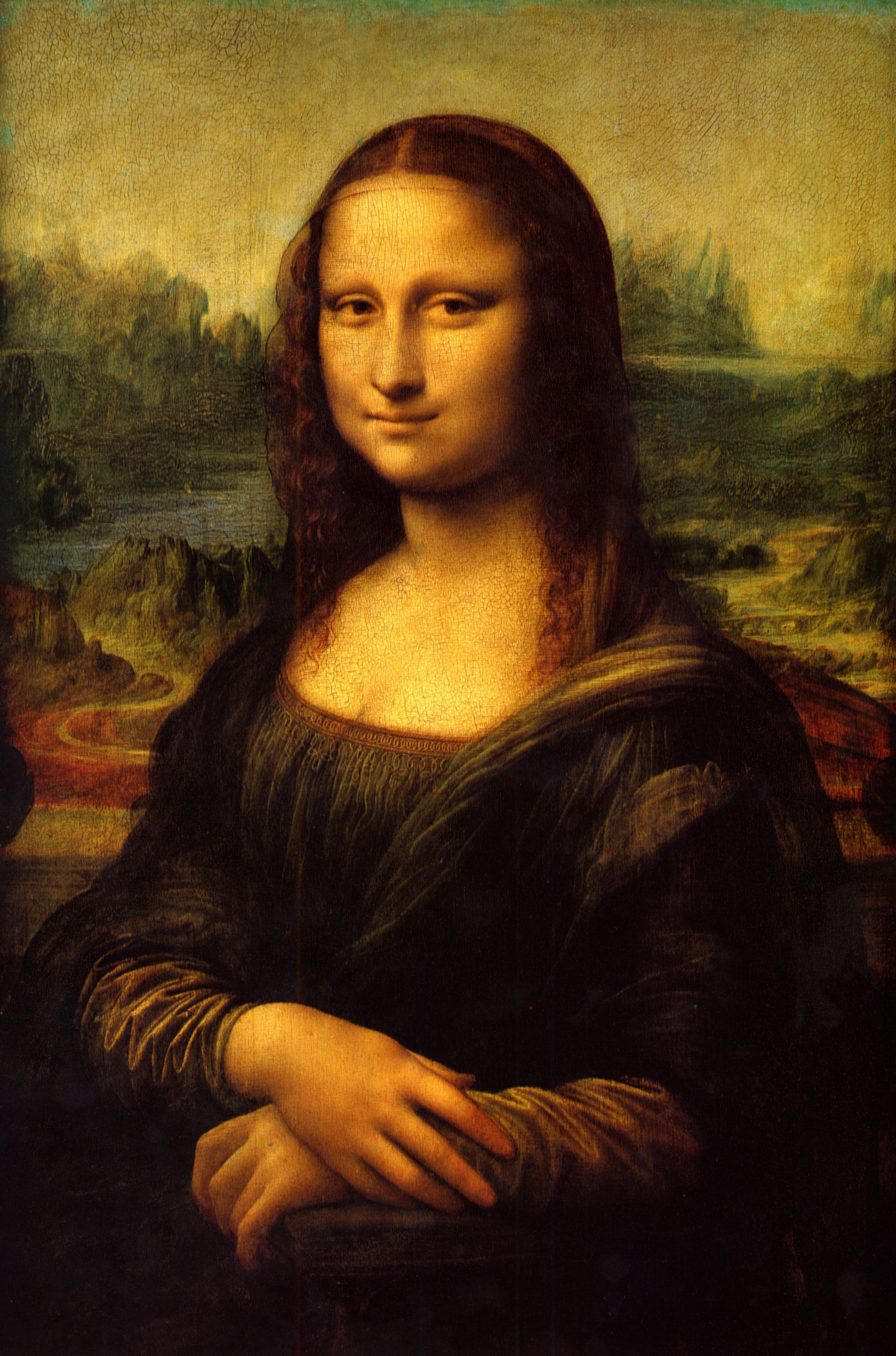
The Louvre is the world’s greatest art museum, but the experience of seeing its most famous painting is widely cited as the most disappointing event in Europe.
After navigating the massive museum, you are funneled into a room where the Mona Lisa sits behind bulletproof glass, looking surprisingly small and distant. You aren’t allowed to linger; security guards usher you past a velvet rope while hundreds of people shove their phones over your head. You spend more time looking at the back of other people’s heads than at Da Vinci’s masterpiece.
- The painting is only 30 inches tall, making it look tiny in the massive Salle des États.
- The glare on the protective glass often makes it difficult to even see the details of the work.
Actually, the other rooms in the Louvre contain far more impressive and massive works that you can stand inches away from in total silence. The Mona Lisa is a box-ticking exercise that most people regret wasting their afternoon on.
But that’s nothing compared to the “overrated” stone circle at #2…
#2 — Stonehenge (Wiltshire, England)
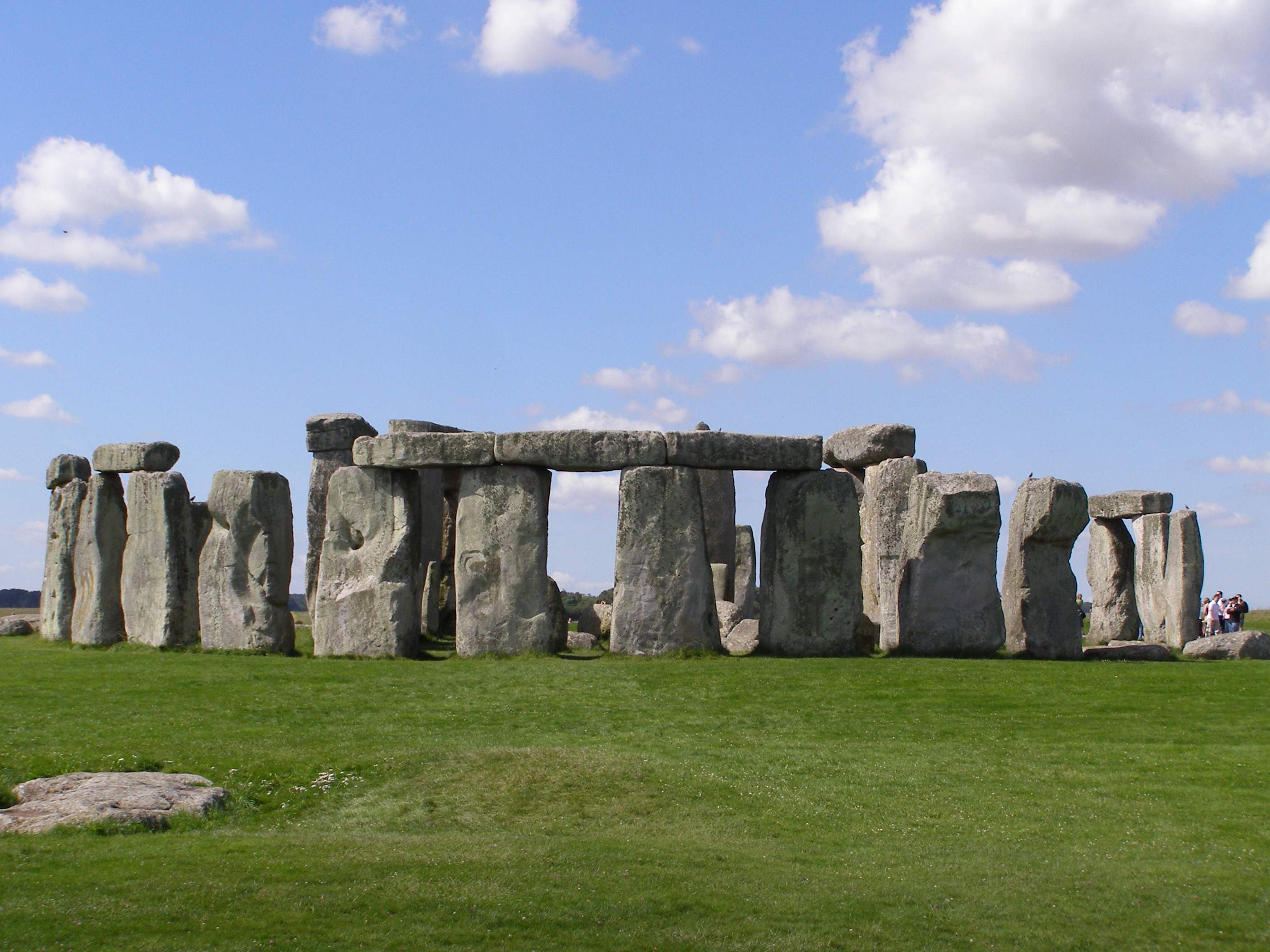
The mystery of Stonehenge is captivating, but the reality of visiting it involves a long bus ride to a spot where you are kept 30 yards away from the stones by a rope fence.
You cannot touch the stones, you cannot walk among them (unless you pay for a very expensive “inner circle” tour months in advance), and the site is located right next to a busy, noisy highway. The “spiritual” energy is hard to find when you can hear the roar of semi-trucks passing by just a few hundred feet away. Many travelers find that the visitor center is more interesting than the actual monument.
- The entry fee is considered very high for what is essentially a 20-minute walk around a field.
- The “mystical” atmosphere is heavily managed by timed entry slots and audio guides.
Most visitors agree that the photos are better than the experience. Once you’ve seen it from the road, you’ve basically seen the whole thing.
But the #1 spot on our list is a place so famous, yet so universally loathed by those who actually go there, that it has become the gold standard for “Never Again”…
#1 — Maya Bay (Phi Phi Islands, Thailand)

Made famous by the movie The Beach, Maya Bay was once a literal paradise. Today, it is the ultimate cautionary tale of “over-tourism.”
For years, the beach was so packed with hundreds of speedboats and thousands of tourists that you couldn’t see the sand or the water. The pollution and coral damage became so severe that the Thai government had to close the bay for several years just to let the ecosystem breathe. Even now, with new regulations, you cannot swim in the water, and the experience is a strictly controlled “walk-through” that feels more like a prison yard than a tropical escape.
- The “hidden” paradise is now a major industrial-scale tourist operation.
- You are herded through a wooden boardwalk and given a limited time to take a photo before being moved along.
It is the peak example of a destination that existed only for the camera. Most travelers say that the stress of the logistics and the crowds makes this “paradise” a place they will never, ever revisit.
The Bottom Line
The “Must-See” labels on global landmarks are often a product of legacy marketing and social media momentum rather than the actual quality of the experience. From the underwhelming scale of the Little Mermaid to the fabricated history of Juliet’s House, many of these spots have become victims of their own fame. The most common regret among travelers isn’t the money spent, but the wasted time—hours spent in lines for a thirty-second photo that looks exactly like everyone else’s. Modern travel “insiders” are now shifting toward “Second Cities” and lesser-known gems to find the authenticity that these 15 spots have lost.
Did we miss a major tourist trap that you’ll never go back to? Or do you think one of these is actually worth the hype? Drop it in the comments below!