

There was a time when hosting a dinner party meant following a very specific, very serious rulebook – and breaking it was practically a social crime. The 1970s had their own brand of “polite,” and it was ironically strict, deeply gendered, and often oblivious to the actual comfort of the people sitting at the table. Hosts who followed every rule to the letter weren’t being warm – they were performing a social ritual that put status above connection.
The funny thing is, many of these rules were genuinely believed to be considerate. They came from etiquette manuals, from mothers and grandmothers, from a culture that equated formality with respect. But flip most of them over today, and you’ll find something that would make a modern guest quietly wish they’d stayed home. Here are 28 of the biggest offenders.
1. Separating Couples at the Dinner Table

This was considered a cornerstone of good hosting in decades past. The logic was that couples would already talk to each other at home, so a dinner party was the perfect chance to mix things up and force broader conversation. Hosts spent real time engineering seating charts that guaranteed no husband and wife sat within three seats of each other.
For modern guests, this lands very differently. Many people – especially those who don’t know the other guests well – rely on their partner as a social anchor in unfamiliar settings. Being deliberately placed across the room from the one person you came with can feel less like a social favor and more like a setup for an anxious evening of small talk with strangers.
2. Smoking Indoors Without Asking
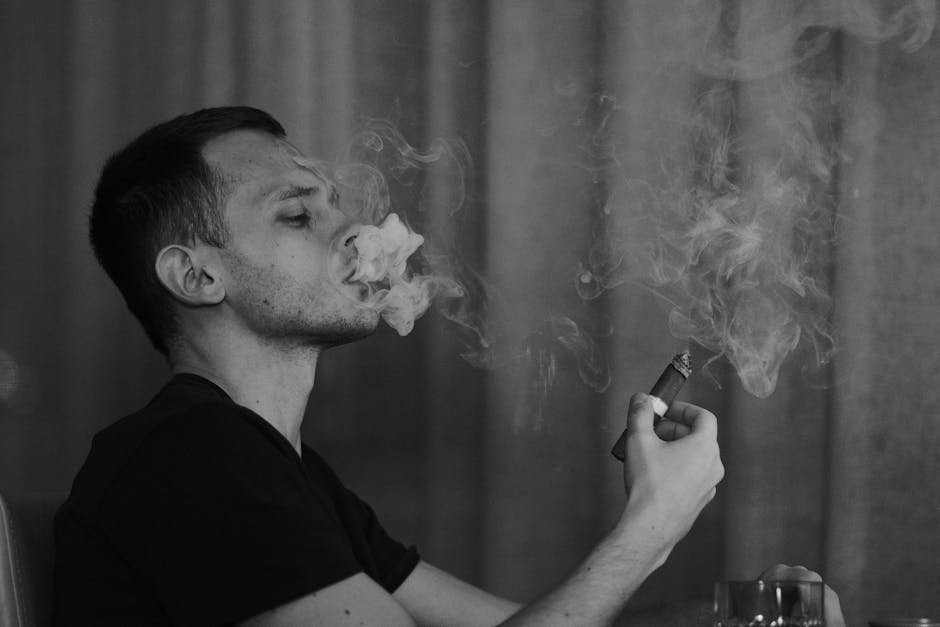
In 1970, roughly a third of American adults smoked, and lighting up at a dinner party was as unremarkable as pouring a glass of wine. Ashtrays were set at the table as a matter of course, and a host who provided them was considered thoughtful and well-prepared. The idea that smoke might bother a non-smoking guest wasn’t on most people’s radar.
Today, indoor smoking at a social gathering is almost universally considered a serious breach. Guests with asthma, allergies, or young children find it genuinely distressing, not just mildly annoying. The norm has completely inverted – what was once a courtesy item on the table is now something that would likely empty the room.
3. Rigid, Gender-Based Seating by Precedence

Formal 70s hosting often carried over Victorian-era seating rules, placing guests according to gender and social rank. Men and women alternated seats around the table as a matter of etiquette, and the most “important” guests were placed closest to the host or hostess. It was treated as a compliment to be positioned near the head of the table based on your perceived status.
Modern guests find this kind of engineered hierarchy quietly uncomfortable. Being sorted by gender or social rank – even if the host considers it a sign of respect – introduces a pecking order into what most people now expect to be an egalitarian evening. The unspoken message that some guests matter more than others tends to linger all night.
4. Expecting Women to Retire to a Separate Room After Dinner
It sounds almost unbelievable now, but well into the 1970s, some formal dinner parties still observed the old tradition of women leaving the dining room after the meal while men stayed behind to drink and talk. It was framed as giving women a chance to relax and chat among themselves, free from “men’s topics.” Some hosts genuinely believed this was a thoughtful gesture.
From a modern lens, the practice is flatly exclusionary – it divides guests by gender at the exact moment the evening is supposed to be at its most convivial. Women guests who found themselves politely herded into the living room while the men kept the wine weren’t being treated to a courtesy; they were being sidelined from the main event.
5. Insisting Every Guest Clean Their Plate
Hosts in the 70s took immense pride in their cooking, and a guest who didn’t finish everything on their plate could be seen as insulting the effort. Some hosts would actively comment on unfinished food, or quietly note it and remember. The expectation was clear: finishing your plate was the polite thing to do, full stop.
For today’s guests, this creates real discomfort. Food allergies, sensitivities, medical diets, and personal choices around eating are vastly more common and widely understood now. A guest who quietly leaves something on their plate is almost certainly doing so for a legitimate reason – and being pressured about it doesn’t feel like warmth. It feels like being watched.
6. Serving a Multi-Course Meal With No Dietary Alternatives
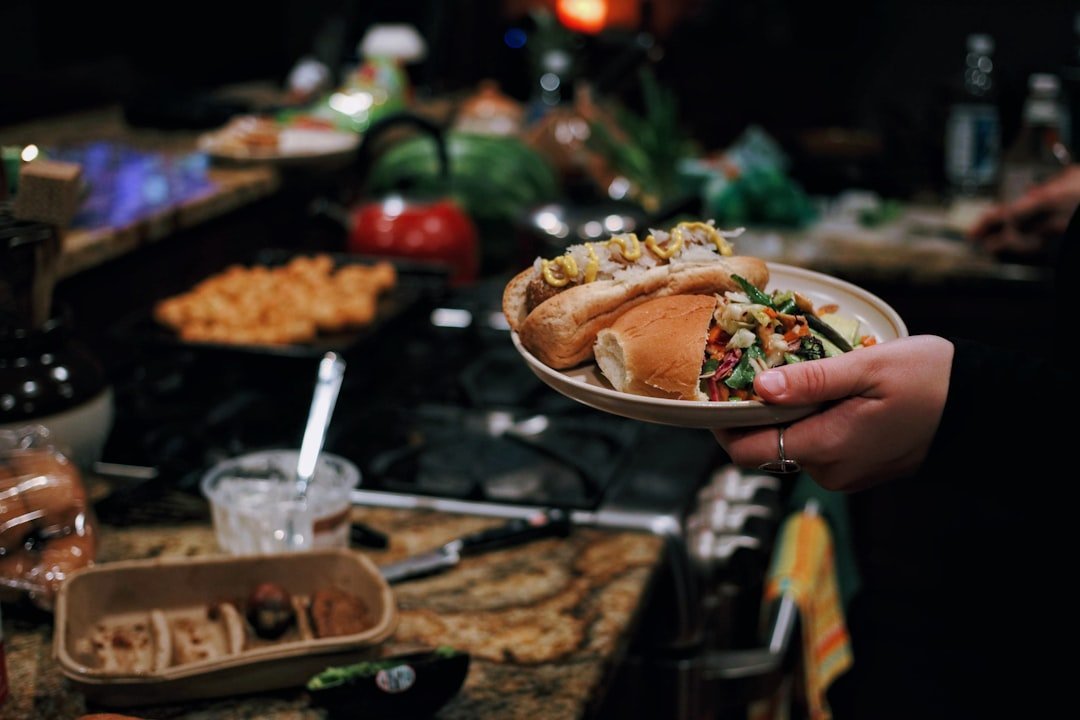
A proper 70s dinner party often meant four to six courses of very traditional food – think cream-heavy soups, meat as the undisputed centerpiece, and rich desserts with no apology. The assumption was that everyone ate everything, and catering to individual preferences wasn’t yet considered the host’s job. Dietary restrictions barely registered as a concept in mainstream American entertainment.
Modern hosts understand that the landscape has changed completely. Guests may be navigating gluten-free, dairy-free, vegan, or medically restricted diets – and a table with nothing they can safely eat isn’t just inconvenient, it’s genuinely alienating. A guest sitting unable to eat while others feast is one of the more quietly mortifying social experiences a host can accidentally create.
7. Forcing Guests to Participate in Organized Party Games
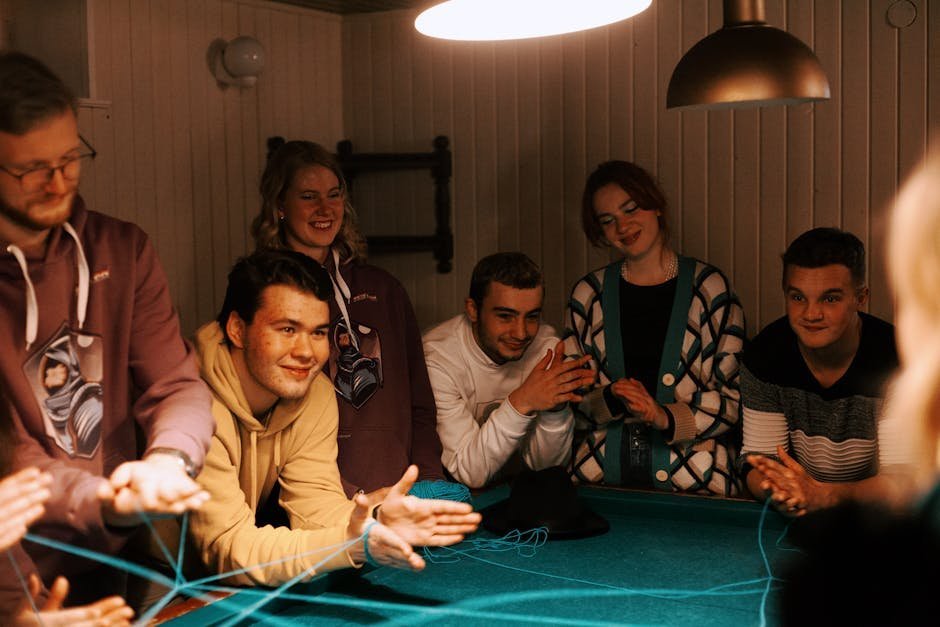
Organized activities were a staple of 70s home entertaining. Charades, parlor games, trivia rounds – the host would announce it was “time for games,” and participation was expected rather than optional. Declining was considered antisocial, and the polite guest was supposed to throw themselves in with enthusiasm regardless of how they actually felt.
Today, surveys consistently show that forced icebreaker activities and party games rank among the things guests find most uncomfortable at social gatherings. Many people – especially those who are introverted or simply not in the mood – find mandatory group participation stressful rather than fun. The modern hosting philosophy leans toward creating space for organic conversation, not choreographed performance.
8. Guilt-Tripping Guests Into Second Helpings

Pushing food was practically an art form in 70s hosting. A good host insisted their guests eat more – refilling plates without asking, placing extra servings directly in front of people, or expressing visible hurt when seconds were declined. It was a way of showing generosity and demonstrating that the table was abundant. Saying “no thank you” once was often just the opening move in a prolonged negotiation.
For modern guests, this dynamic is genuinely uncomfortable. People’s relationships with food, portions, and eating are complex and personal. Being repeatedly pressed to eat more – especially when you’ve already said no – crosses a line between hospitality and pressure. What felt like abundance in 1975 can feel like boundary-crossing in 2026.
9. Commenting on What or How Much Guests Ate

Along the same lines, 70s hosts often felt perfectly comfortable commenting on a guest’s appetite out loud. “You’ve barely touched your food!” or “Someone’s hungry tonight!” were said with a smile and considered conversational. It was a sign that the host was engaged and attentive, not intrusive.
Making observations about what or how much someone eats is now widely understood to be one of the more invasive things you can do at a table. Guests dealing with eating disorders, chronic illness, food anxiety, or simply different appetites find this kind of commentary deeply uncomfortable – even when it’s affectionate in intent. Attention to the plate is a private matter, not dinner theater.
10. Announcing Each Guest’s Job or Social Status as an Introduction
In the 70s, entertaining introductions often led with professional credentials. “This is Jim – he’s a doctor” or “This is Barbara, her husband is a VP at the bank” was how hosts smoothed over the awkwardness of strangers meeting each other. It was meant to give people a conversational foothold and signal that the guest was someone worth knowing.
For modern guests, leading with status feels reductive and often embarrassing. Someone between jobs, recently divorced, a stay-at-home parent, or simply someone who doesn’t define themselves by their career can feel instantly othered by this kind of intro. Today’s social culture generally prefers letting people define themselves, not being defined by their rank before they’ve even sat down.
11. Strict Punctuality Enforcement With Visible Consequences

Arriving even ten minutes late to a 70s dinner party could be a real social problem. Hosts who had timed a soufflé or a roast to the minute would make the tardiness known – sometimes subtly, sometimes not. The guest would arrive to find everyone already seated, drinks poured, and a host whose barely-concealed irritation was all part of the welcome.
Modern social norms have loosened considerably around arrival times. One survey of nearly a thousand Americans found that more than half consider arriving 15 to 30 minutes after the start time perfectly acceptable. Walking into a room where your host makes pointed comments about the clock – or worse, lets the tension hang silently – sets a tone that makes guests feel like they’ve already failed before the evening begins.
12. Displaying a Formal Table Setting Guests Were Afraid to Disturb
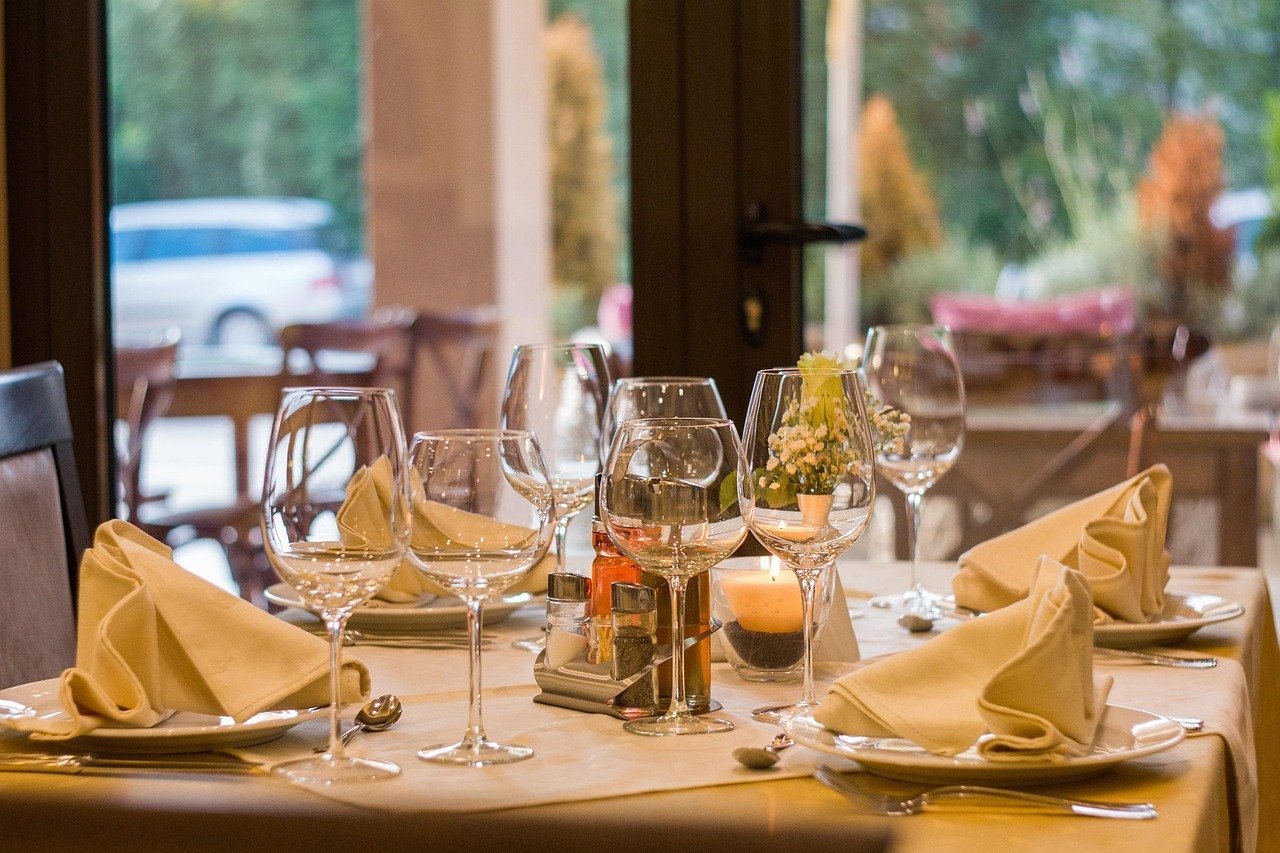
A beautifully laid 70s table was a statement. Full silverware sets, multiple glasses for different wines, folded cloth napkins shaped into swans – it all communicated that the host had put in serious effort. Guests were expected to appreciate it, know what every piece was for, and use it correctly. Getting the fork wrong wasn’t just awkward; it was a quiet failure.
That kind of table creates invisible anxiety for guests who didn’t grow up with formal dining customs. Sitting in front of fifteen pieces of flatware while trying to remember which fork is for the salad is genuinely stressful rather than impressive. Today’s entertaining culture favors tables that invite people in, not ones that silently test them.
13. Expecting Reciprocal Dinner Invitations as a Social Debt
70s social life ran on a form of unspoken accounting. If someone hosted you for dinner, you were expected to host them back with a meal of comparable quality. Inviting them to something casual didn’t count as repayment. The social ledger was real, even if no one said so out loud, and failing to return the invitation in kind was noticed and remembered.
For modern guests – many of whom live in smaller spaces, have erratic schedules, or simply don’t enjoy cooking for a crowd – this expectation creates a quiet dread around accepting invitations at all. If going to dinner means you’ve now taken on a social obligation, some people will simply decline. What was meant to build community ends up discouraging it.
14. Mailed Formal Invitations With Implied Dress Codes

A 70s dinner party invitation arrived by mail weeks in advance and conveyed a specific level of formality – even if the dress code wasn’t spelled out explicitly. Guests were expected to read between the lines and show up appropriately dressed. Underdressing was a social misstep that could follow you for months in certain circles.
Today, more than two in five Americans consider mailed invitations outdated for social events. More to the point, deliberately vague dress expectations – the kind that leave guests guessing – create anxiety rather than anticipation. Modern guests strongly prefer knowing what they’re walking into, and hosts who rely on implied standards risk leaving guests feeling embarrassed or underprepared before the night even starts.
15. Presenting the Host’s Slideshow or Home Movies Without Warning
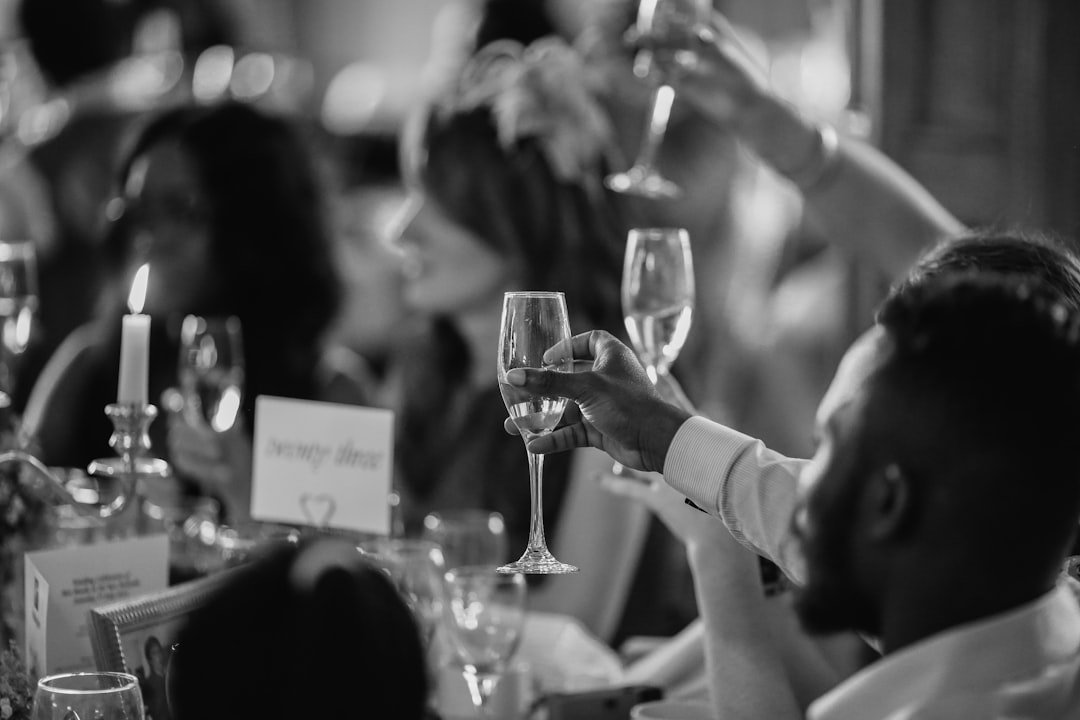
Before streaming and social media, the dinner party slideshow was a legitimate form of entertainment. Hosts would dim the lights and run through a carousel of vacation photos or home movies, with guests expected to sit, watch, and respond warmly. It was an honor to be invited into someone’s personal memories – or so the host sincerely believed.
For modern guests, the unsolicited presentation of someone else’s photo archive is one of the more quietly painful social experiences imaginable. Today’s etiquette guidance suggests that sharing phone photos should only happen after the meal and only when they genuinely add to a specific conversation – not as a scheduled feature of the evening. The captive audience model has aged very badly.
16. Assigning Seats With Placement Cards and No Flexibility

Formal place cards were a sign of a host who had thought carefully about the evening. Where you sat was chosen for you, and rearranging yourself would have been considered an insult to the host’s planning. Guests quietly found their card, sat down, and made the best of whoever happened to be on either side of them for the entire evening.
While some light seating guidance can help at large gatherings, the rigid, non-negotiable placement card creates a specific kind of discomfort when guests end up seated next to someone they actively dislike, have a history with, or simply can’t connect with. Modern guests generally expect some flexibility – the freedom to briefly move around or at least shift positions without causing a diplomatic incident.
17. Refusing to Offer Non-Alcoholic Options

In 70s, entertaining, the bar was central, and the assumption was that everyone drank. Wine was poured as a matter of course, cocktails were mixed before dinner, and a guest who didn’t drink was something of an anomaly that wasn’t necessarily planned for. Asking for water or juice when cocktails were being served could draw puzzled looks.
Modern hosts are widely advised to offer festive non-alcoholic options alongside everything else – not as an afterthought, but set out equally so guests can help themselves without making a special request. For guests who don’t drink – whether for sobriety, pregnancy, medication, religion, or simple preference – being the only person at the table without a real drink option is isolating in a way that feels anything but welcoming.
18. Making Guests Tour the Entire House
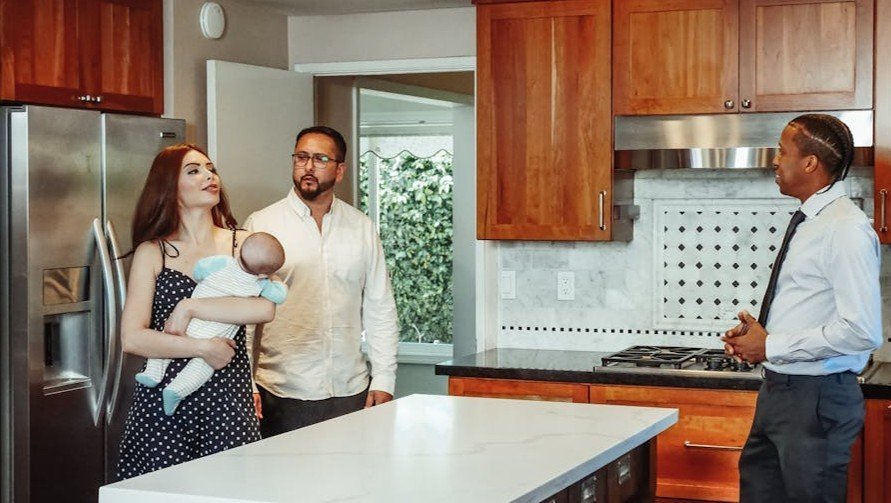
The full house tour was a proud tradition of 70s hosting. Hosts would lead guests through every room – the master bedroom, the kids’ rooms, the finished basement, the guest bathroom with the new wallpaper – explaining renovations and design choices along the way. It was meant to share the home and show off the host’s efforts. Guests were expected to comment warmly on everything they saw.
For many modern guests, an uninvited tour of a host’s private spaces feels intrusive rather than welcoming. Bedrooms, especially, are considered personal territory. The tour also carries a subtle expectation of enthusiastic compliments that guests may not genuinely feel, putting them in the position of either performing false admiration or managing an awkward silence.
19. Forbidding Guests From Helping in the Kitchen
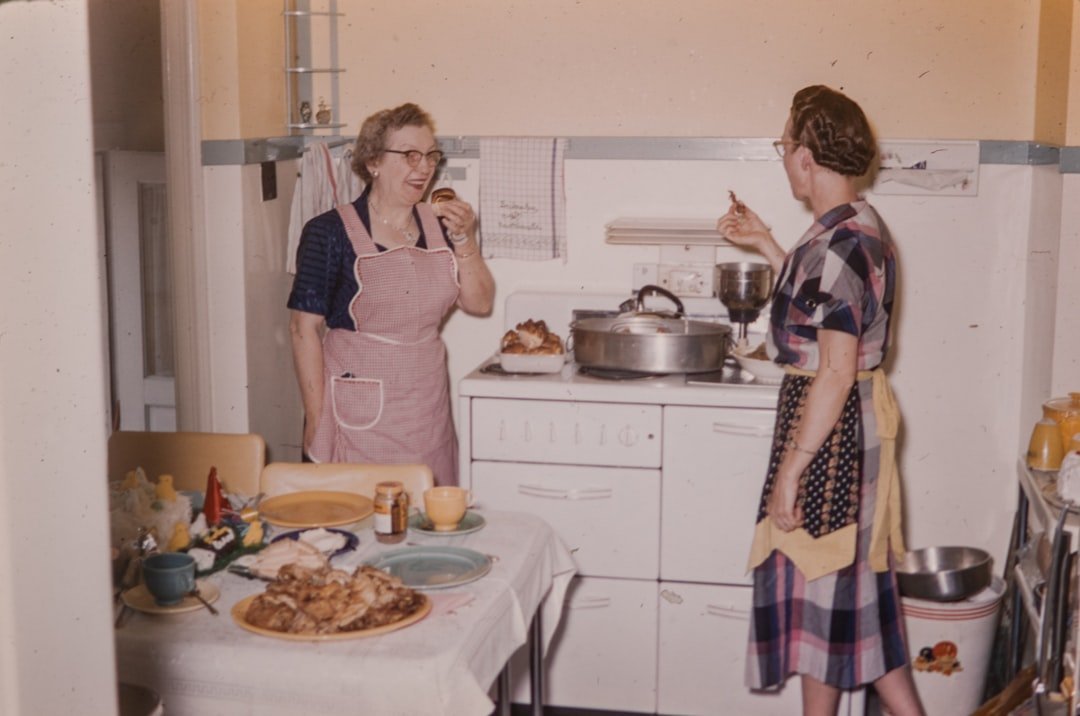
A certain school of the 70s believed that a proper hostess never let guests see the work. The kitchen was off-limits, struggles were hidden, and the meal appeared as if by magic. Guests who offered to help were cheerfully refused, sometimes firmly, because accepting help was seen as an admission that the host couldn’t manage alone.
Modern guests often feel most comfortable in a host’s home when they’re allowed to do something – carry a dish, pour a drink, stir something on the stove. Being repeatedly shut out of the kitchen when you genuinely want to contribute doesn’t feel like being pampered. It creates a passivity that leaves guests sitting in the living room feeling slightly useless while the host disappears for long stretches.
20. Expecting Guests to Sit Through Long Pre-Dinner Cocktail Formalities

A 70s dinner party often had a strict structure: cocktail hour first, then a formal move to the table when the host decided the time was right. Guests were expected to stand and mingle with their drinks for an hour or more before anyone sat down to eat. Sitting down early or wandering toward the dining room before being directed was considered impatient and rude.
For modern guests who may have come straight from work, skipped lunch, or simply have a low threshold for standing around in formal wear, an enforced hour of standing cocktail conversation before food appears can be genuinely exhausting. Today’s informal entertaining tends to blur the line between arrival, snacking, and sitting – a rhythm that feels far more natural to most people.
21. Using Name Tags at Smaller Gatherings
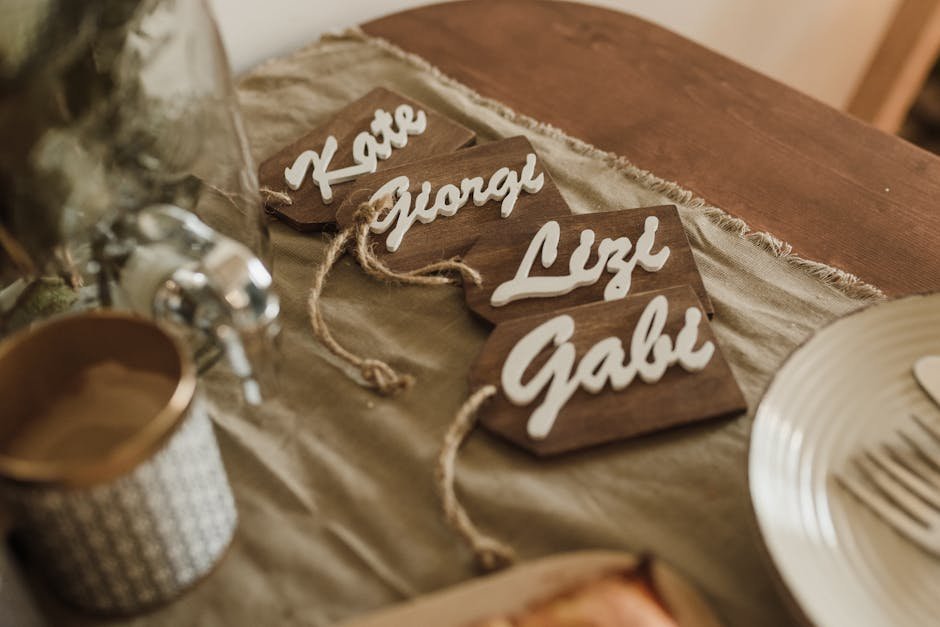
Some 70s hosts – particularly those throwing slightly larger dinner parties – would set out name tags and expect guests to wear them for the evening. The logic was practical: it helped strangers remember each other and avoided the embarrassment of forgotten names. It seemed like a considerate, organizational touch from the host’s perspective.
Today, surveys show that name tags at social gatherings are widely considered one of those subtle touches that make guests feel like they’re at a corporate orientation rather than someone’s home. The name tag signals that the host doesn’t expect the crowd to organically connect, which sets a vaguely clinical tone before the first drink is poured. Most modern guests prefer a natural introduction and the social grace of simply asking again if they forget.
22. Serving Food That Was Clearly Meant to Impress, Not Satisfy
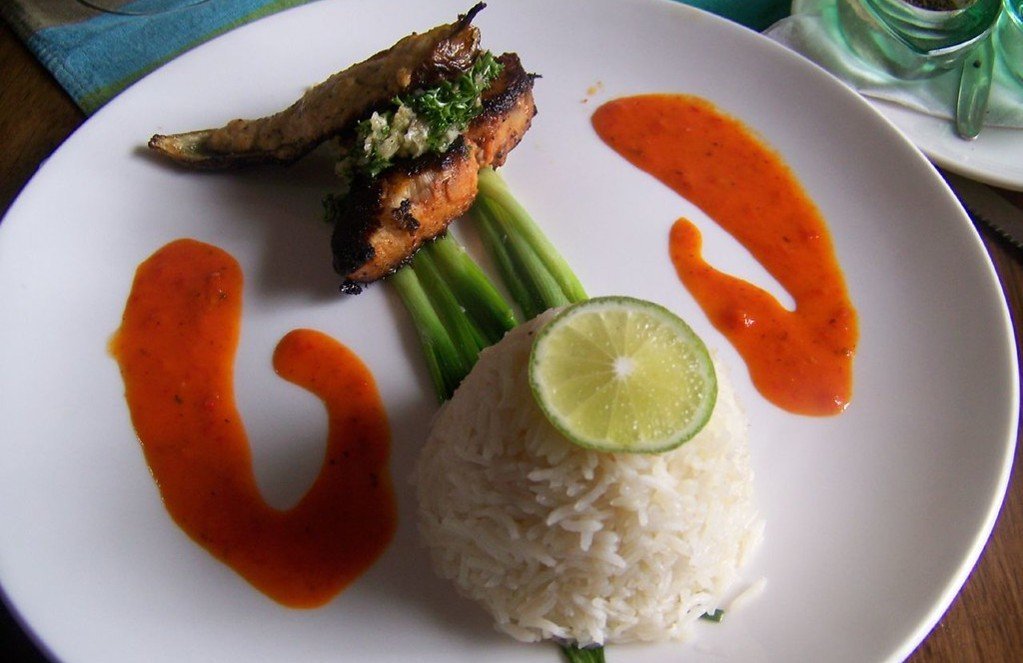
Ambitious 70s cooking often prioritized the visual drama of a dish over how filling it actually was. Multi-course menus with tiny, decorated portions – molded gelatin salads, petite amuse-bouches, decorative but sparse appetizers – were signs of sophistication. Guests were expected to be dazzled, and appearing hungry after such a spread would have been embarrassing to admit.
Modern guests who leave a dinner party hungry and don’t mention it because social politeness requires them to pretend they’re satisfied are experiencing a very specific kind of hosting failure. Today’s culture values generosity at the table over aesthetics. A beautiful plate that leaves everyone quietly stopping for fast food on the way home isn’t a success – it’s a missed connection.
23. Hosting Without a Clear End Time
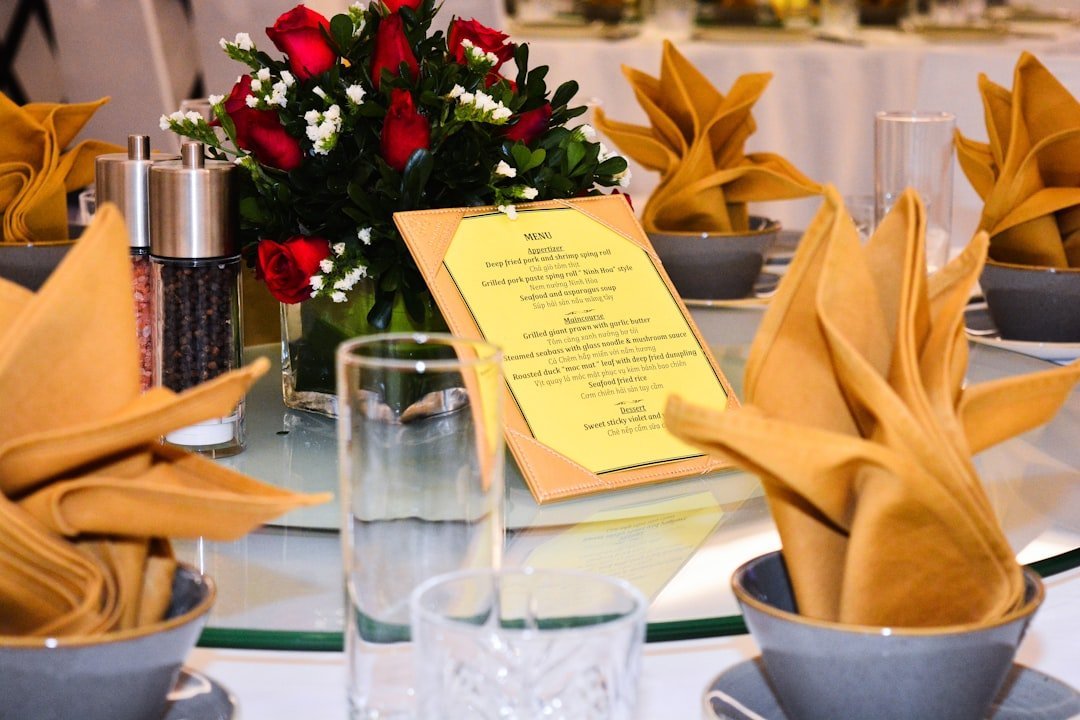
In the 70s, a dinner party that ran late was a compliment to the host. If guests were still there at midnight, it meant they were having such a wonderful time they couldn’t bear to leave. The host who wrapped things up early was considered either a bad entertainer or subtly rude. Ending the evening was up to the guests, not the clock.
More than half of modern Americans report that parties without a clear end time are one of their biggest hosting frustrations. People have work the next morning, sit on a schedule, and a genuine need to decompress before bed. Not knowing when it’s socially acceptable to leave – without being the first person to break up the party – creates a low-level anxiety that can shadow an otherwise pleasant evening.
24. Insisting Guests View Baby Photos or Home Albums
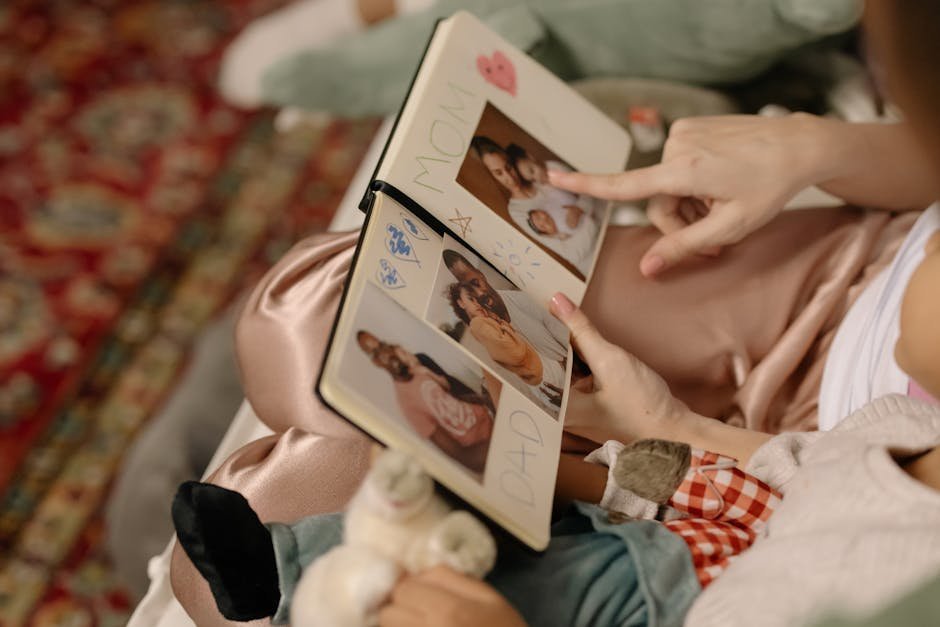
Long before social media, the physical photo album was the primary way to share life milestones, and pulling it out after dinner was completely standard. Hosts would lay the album on the coffee table and walk through years of births, vacations, holidays, and school pictures while guests smiled and nodded. Showing anything less than genuine interest was unkind.
The modern equivalent – being shown an extended gallery of someone’s phone photos without any say in the matter – hasn’t become more comfortable just because the medium changed. Today’s etiquette guidance is clear: sharing photos should enhance a specific conversation, not replace one. A guest flipping politely through 200 baby pictures they didn’t ask to see is performing politeness, not experiencing it.
25. Seating by Social Hierarchy Without Explanation
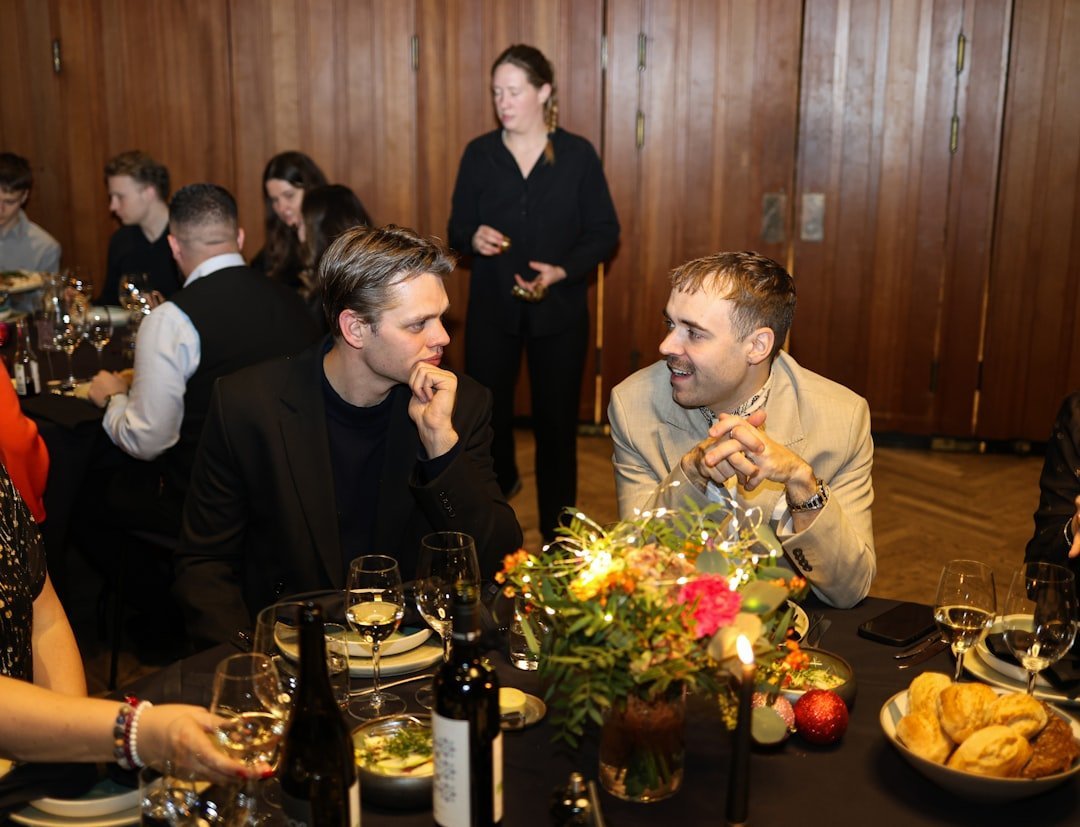
As carried over from Victorian and early 20th-century custom, many 70s hosts still assigned seating that reflected perceived social rank – placing the most important or affluent guests nearest the host and tucking others further down the table. It was meant to honor the guests of distinction, and most hosts considered it a gracious gesture toward those at the top of the arrangement.
For the guests who ended up at the far end of the table, the message was unmistakable: you matter less. Even when no one said a word about it, the physical hierarchy of a dinner table communicates clearly. Modern entertaining strongly favors arrangements built on personality and conversational chemistry – not on who earns more or knows the host better.
26. Telling Guests What to Talk About

A confident 70s host didn’t just arrange seating – they sometimes directed conversation. Announcing topics, steering discussion away from anything too controversial, or stepping in to redirect when things got too personal were all considered marks of a good host who kept the evening flowing smoothly. Guests were expected to play along and stick to the approved register of topics.
Modern guests find conversation management by a host to be one of the more stifling social experiences at a dinner party. Organic conversation – including the occasional detour into something surprising, personal, or contentious – is precisely what people come for. Being gently but consistently steered away from anything real makes the evening feel like a press conference rather than a gathering of friends.
27. Refusing to Acknowledge Dietary Restrictions as Legitimate

In 70s hosting culture, dietary preferences were largely not considered the host’s concern. A guest who didn’t eat beef, for example, was expected to quietly eat around it or politely manage the situation on their own. The idea of a host adjusting a menu for individual guests was seen as going far beyond any reasonable expectation – it would have struck most hosts as presumptuous of the guest even to mention it.
Today, the landscape is completely different. Hosts are widely expected to ask about dietary needs in advance, and sitting at a table with nothing you can safely eat is understood as a genuine hosting failure, not a guest’s personal problem. For guests with food allergies, especially, the old approach wasn’t just uncomfortable – it was a health risk dressed up as etiquette.
28. Expecting a Formal Written Thank-You Note Within 48 Hours

After attending a 70s dinner party, the guests’ obligations didn’t end at the door. A handwritten thank-you note was expected within a day or two, detailing gratitude for the specific food, the effort, the company, and the host’s evident skill. Failing to send one was remembered. Hosts kept quiet mental tallies, and a guest who didn’t write was quietly marked as ungracious.
Modern guests – particularly younger ones – overwhelmingly communicate appreciation through a warm text, a voice message, or a comment the next time they see the host. The expectation of a formal written note within 48 hours has become a source of social anxiety for people who genuinely feel grateful but aren’t accustomed to that particular format. Ironically, the rigid requirement sometimes overshadows the real warmth it was meant to capture.
What’s striking about all 28 of these rules is that they were never meant to be unkind. Every single one was practiced in good faith by hosts who genuinely believed they were doing right by their guests. But comfort has always mattered more than ceremony – and the gap between what a host intends and what a guest experiences can be enormous. The best hosting, in any decade, comes down to actually paying attention to the people in the room. Which “polite” rule from this list surprises you most?