
You spend months dreaming about the ports. Ancient ruins. Turquoise water. A fish taco from a place only locals know. Then you hand over hundreds of dollars to the cruise line to make it all happen – and you feel good about it. Logical, even. Except the shore excursion desk is one of the most profitable operations on the ship, and it runs that way by counting on you to never ask the questions you’re about to read.
This isn’t about blaming anyone for trusting a massive brand with their vacation. It’s about what insiders, longtime cruisers, and the actual fine print reveal once you look closely. Some of these traps are subtle. A few are jaw-dropping. And at least one of them is technically legal while being almost completely dishonest. Here’s what the cruise line would rather you figured out after you got home.
#13 – The Markup Is Bigger Than You Think, and They Know It

Walk up to the shore excursions desk and you’ll see glossy brochures with prices that look reasonable next to your cruise fare. They are not. Cruise line shore excursions routinely cost double or triple what you’d pay booking directly with the same local operator. That’s not a rumor from a budget travel blog – it’s something cruisers discover in real time when they spot fellow passengers on the exact same boat tour, having paid half the price because they booked independently.
In high-volume ports like Skagway, Juneau, and Ketchikan, cruise lines deliver a captive stream of thousands of passengers, so they can demand enormous commissions from the excursion companies they partner with. That cut can run as high as 50% of what you pay. The premium doesn’t buy you a better guide, a smaller group, or an upgraded experience. It buys the cruise line a bigger margin. The tour itself is often identical to what you’d find on Viator or GetYourGuide for significantly less.
At a Glance
- Third-party booking sites like Viator, GetYourGuide, and ShoreTrips list many of the same operators cruise lines use
- Savings of 20% to 50% off cruise line prices are commonly reported by independent bookers
- The markup funds the cruise line’s commission – not a better guide, vehicle, or itinerary
- Alaska ports like Juneau and Skagway are among the highest-markup destinations due to heavy ship traffic
- Shore excursion revenue is a major driver of onboard profitability, which accounts for the lion’s share of cruise line profit
#12 – The “Exclusive” Label Often Means Absolutely Nothing

Cruise lines love advertising tours as “exclusive” or “only available through us.” It sounds like rare access – the kind of experience you simply can’t get off the gangway on your own. In reality, that word is doing almost no work. Sometimes “exclusive to us” translates to something as minor as a 10-minute marshmallow roast bolted onto the end of a completely standard tour. Same route, same guide, same scenery – just a slightly higher price tag and a buzzword on the brochure.
With very few exceptions, you can book the same tour independently – and frequently for far less. Platforms like Viator, GetYourGuide, and ShoreTrips list the same operators the cruise lines use, sometimes at a fraction of the onboard price. The experience doesn’t change. The only thing that disappears is the markup.
#11 – The Difficulty Ratings Are Wildly Inaccurate
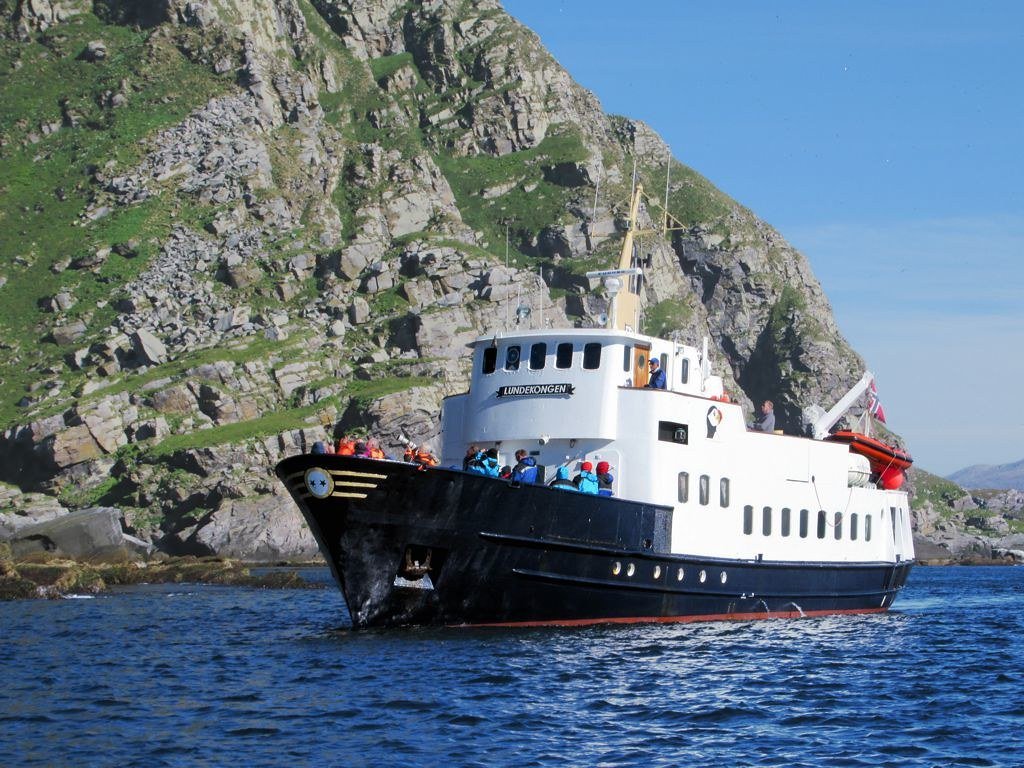
Every shore excursion gets stamped with a difficulty level: Easy, Moderate, Strenuous. Simple enough – except those ratings are often so vague they’re nearly useless. Cruise lines have been known to list both a scenic train ride where you sit in a comfortable seat and an ATV tour where you pilot your own vehicle through rugged terrain as identically “Easy.” Those are not the same thing, and for someone with joint problems or a heart condition, the difference is serious.
Don’t let the romance of a tour description convince you to skip the real questions. The cruise line has no meaningful accountability when its rating system points an arthritic 70-year-old toward a physically demanding trail. Before booking anything with an activity component, call the actual operator directly and ask what the tour physically requires – not what a marketing team decided to call it.
#10 – Cancellation Refunds Are Designed to Keep Your Money

Something comes up. You wake up sick. The weather turns. The port schedule shifts at the last minute. With a tour booked directly through a local operator, you’d often get a real refund back to your card. With many cruise line excursions, what you actually get is far less useful: a cancellation window that can close 3 to 30 days before you even board the ship, and a refund that comes back as onboard credit rather than actual money.
Onboard credit sounds fine until you realize it can only be spent back on the ship – on things you hadn’t planned to buy. If you don’t spend it before the cruise ends, the credit disappears and the cruise line keeps every dollar. Independent operators, by contrast, frequently offer genuine cash refunds with far more generous windows. That flexibility alone is worth something, especially on itineraries where weather or health can change everything.
Worth Knowing
- Cruise line cancellation windows can close weeks before you even set sail
- Refunds issued as onboard credit expire the moment the ship docks on disembarkation day
- Some independent operators offer cancellations up to 24–48 hours before departure with a full cash refund
- Weather-related cancellations by the cruise line itself typically do result in a full refund – but passenger-initiated ones often do not
The Cruise Excursion Insider Quiz
Think you know how to navigate port days like a pro? Test your knowledge on the hidden economics and fine print of cruise line shore excursions.
Think you caught the key details? Take the quick quiz and see how sharp your instincts really are.
#9 – The “Ship Will Wait” Guarantee Is Designed to Scare You Into Paying More
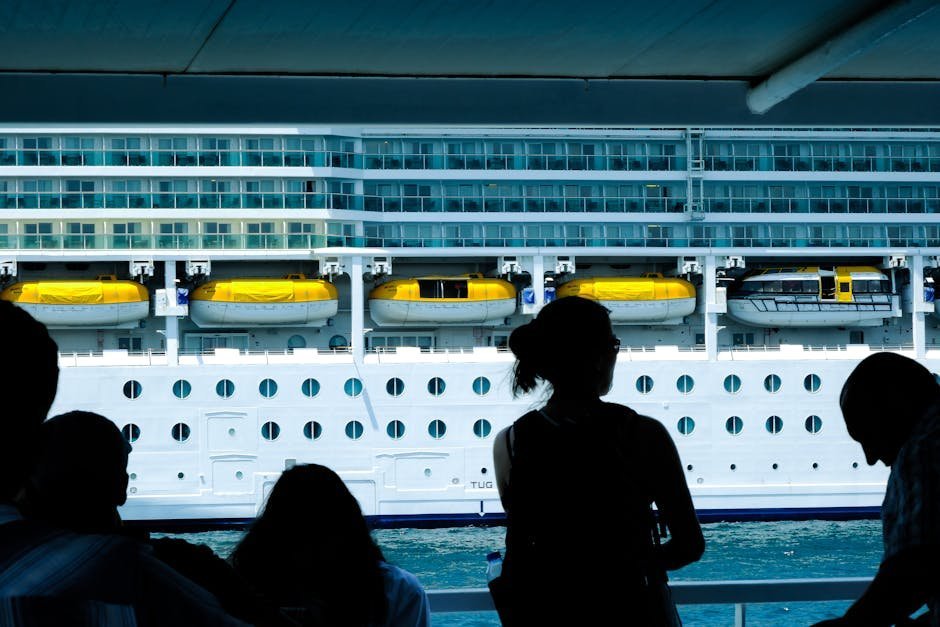
This is the cruise line’s single most effective sales tactic. Book with us, they say, or risk standing on the dock watching your ship pull away without you. It’s a vivid, terrifying image – and the industry leans on it hard. Only cruise-sponsored tours come with the promise that the ship will wait if the excursion runs long. Book independently, the implication goes, and you’re on your own.
Here’s what they quietly leave out: most independent tours in a given port are run by the exact same operators the cruise line uses. They run on the same roads, hit the same traffic, and return at the same time. Experienced independent travelers report that their guides are almost fanatically punctual – because a guide who causes passengers to miss the ship loses their entire business. On popular cruiser forums, it’s genuinely difficult to find a verified case of someone missing their ship due to a late independent excursion return. The fear is real. The risk, for vetted operators, is much smaller than the cruise line wants you to believe.
#8 – The Port Shopping Presentations Are Paid Advertising Disguised as Advice

The onboard “shopping expert” giving you tips before you hit port feels like a knowledgeable insider who just wants to save you money. She is not. The consultants who run those presentations aren’t cruise line employees – they’re hired by independent contractors who negotiate commissions with specific stores, then pay the cruise line a cut of whatever they earn. Their job is to generate sales, full stop.
Alaska actually took legal action over this. The state reached a $200,000 settlement with three Florida-based companies that placed port lecturers on Alaska cruise voyages, requiring those lecturers to disclose that they weren’t cruise line employees and that the presentations were a form of advertising. The shopping maps and “recommended” store lists you receive on board? Curated by people getting paid per sale – not by people trying to find you the best deal in port.
#7 – “Recommended” Port Jewelry Stores Run a Coordinated Commission System

Walk into any Caribbean or Alaskan port and you’ll notice that the cruise line’s shopping map keeps pointing you toward the same handful of jewelry stores. That’s not a coincidence, and it’s not because those stores have the best prices. Shops featured in onboard materials overprice their jewelry specifically because cruise passengers have been primed to expect “70% discounts” – discounts measured against a suggested retail price the shop set high enough to make the math work in their favor.
From those inflated profits, stores pay commissions to the shopping consultants who steered passengers through their doors. When you “register” your purchase back on the ship to activate the warranty, what the registration actually does is give the cruise line a mechanism to track expected commissions and verify the store is reporting all its sales accurately. The whole system is a closed loop – and the passenger in the middle is funding every layer of it.
Quick Compare
- Cruise-recommended jewelry store: Inflated MSRP, commission built into every sale, warranty registration doubles as revenue tracking
- Independent local jeweler: Market-rate pricing, no commission middleman, often family-owned with reputation to protect
- “70% off” claim: Measured against a suggested retail price the store itself set – not an independently verified market value
- The “warranty” registration: Primarily a commission-tracking mechanism, not a consumer protection tool
#6 – The Free Charm Trick Is an Engineered Sales Funnel
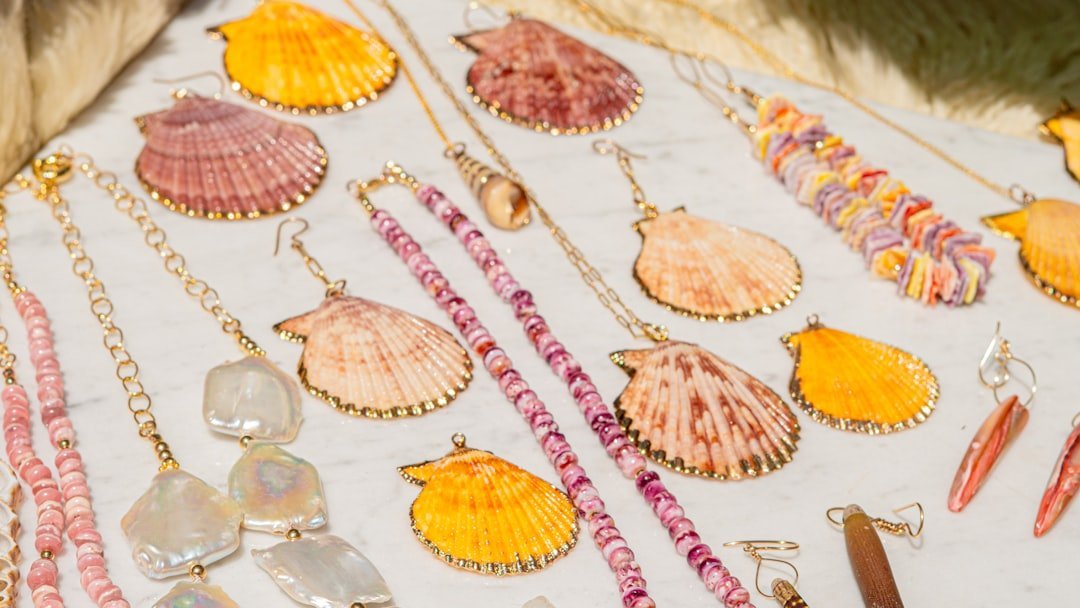
You step off the gangway and someone hands you a flyer for a free gemstone or bracelet charm at a nearby jewelry store. No obligation, no purchase required – just a little gift to welcome you to the island. That is exactly what it’s designed to feel like. The lure of a complimentary trinket is one of the primary ways jewelry outlets along cruise routes get passengers through the door, and it often starts before you even leave the ship, with shopping advisors handing out the first charm onboard and promising you can collect more at stores like Effy or Diamonds International.
What happens inside the store follows a practiced script. A salesperson has roughly 15 seconds to open a conversation, and the first move is always to up-sell the free item – getting the gemstone set, upgrading the charm, adding a chain. Once that small sale closes, the pitch moves quickly to more expensive pieces. The free charm isn’t generosity. It’s the first step of a funnel that the cruise line helped build and profits from every time it works.
#5 – Large Group Size Quietly Ruins the Experience
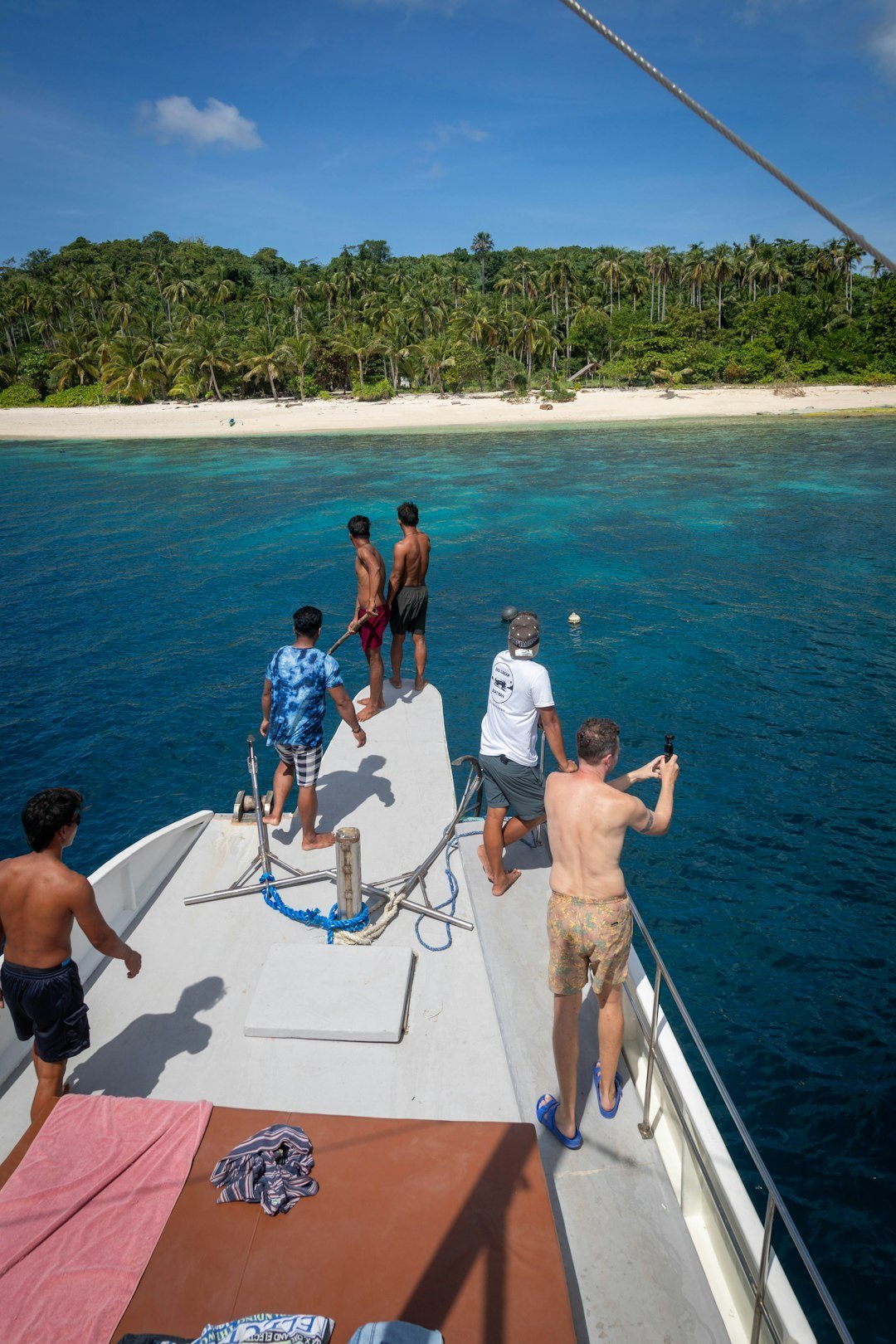
The brochure describes snorkeling in crystal-clear Caribbean water with a knowledgeable local guide. What the brochure doesn’t mention is that you’ll be doing it alongside 50 other people from the ship, a third of whom have never worn a mask before. Cruise line shore excursions routinely load 30 to 60 passengers onto a single bus or boat, which means your actual time at the destination shrinks dramatically once you factor in loading, unloading, and waiting for the group’s slowest member at every stop.
The pace is always set by whoever needs the most time, and in a large group, that gap adds up fast. Independent operators typically run far smaller tours – some specialty companies average just 12 guests per departure, compared to the 20-to-50-person standard cruise line group. Smaller groups move faster, get closer, and generally have a better time. That difference alone is often worth the effort of booking outside the ship.
#4 – Excursion Descriptions Hide What You’re Actually Signing Up For

Shore excursion listings are written by marketing teams, not tour guides. They lead with highlights and carefully omit anything that might give you pause. A “scenic coastal drive” can mean a 90-minute bus ride to 20 minutes of beach time. “Exploring ancient ruins” can mean a crowded, rushed walk-through that feels more like a fire drill than a cultural experience. If you make your tour decisions based solely on what the cruise line is offering and how they describe it, you can easily miss activities in the same port that would have been a far better fit.
The fix is simple but requires a few minutes of homework before you board. Read third-party reviews on TripAdvisor or travel forums from people who actually took the tour recently. Reviews surface the details that descriptions bury – the unexpected shopping stops, the guides who showed up late, the “beach” that turned out to be a parking lot adjacent to sand. A quick search before you sail can save both money and a genuinely disappointing afternoon.
Fast Facts
- Shore excursion listings are written by marketing departments, not by guides or destination specialists
- TripAdvisor and cruise-specific forums like Cruise Critic regularly surface hidden details that official descriptions omit
- Searching the tour name plus “shopping stop” or “wait time” before booking takes under two minutes and can save hours
- Independent booking platforms like GetYourGuide display verified traveler photos alongside reviews – a fast way to reality-check a description
#3 – The Port Complex Is Engineered to Keep You From Ever Leaving
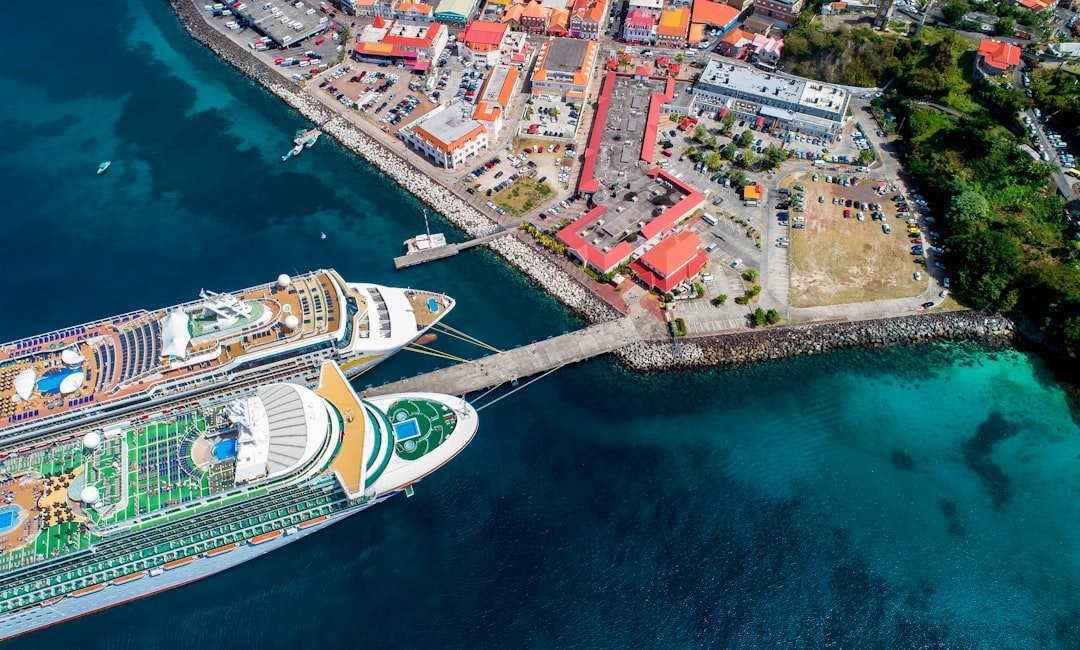
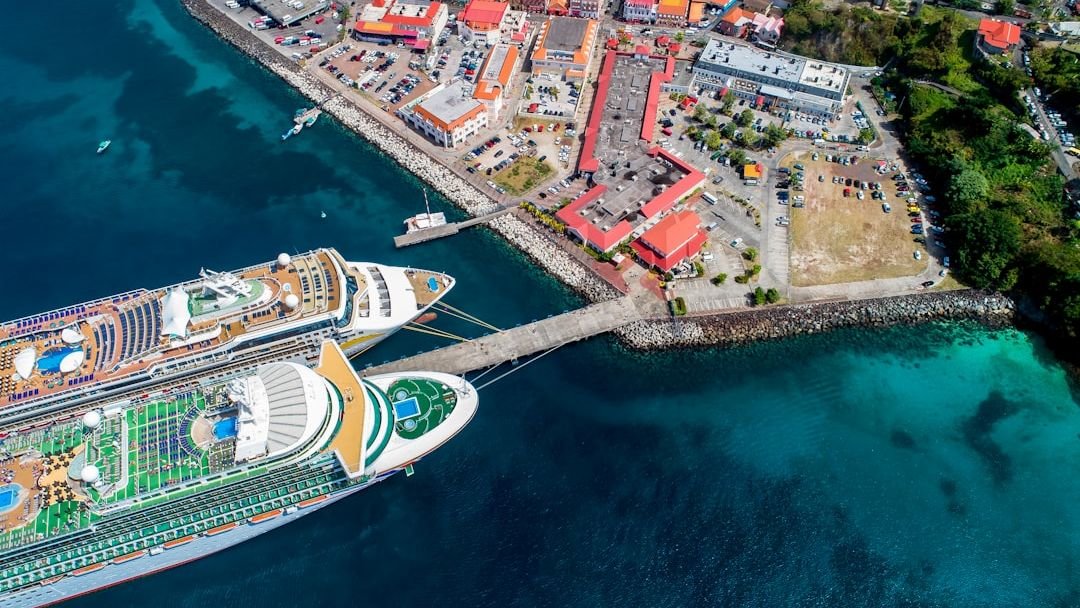
Pull into a port like Costa Maya, Mexico, or Amber Cove in the Dominican Republic and you’ll find something that looks surprisingly resort-like right at the dock: a pool, a swim-up bar, restaurants, shops, and lounge chairs – all within steps of the gangway. It is completely possible to spend an entire day in Mexico without ever technically entering Mexico. The charming town of Mahahual, a short taxi ride from Costa Maya’s port complex, might as well not exist if you never think to look for it.
That bubble is not accidental. The cruise line profits from every dollar spent inside the port complex – on the drinks, the rental chairs, the souvenir shops. Staying in the bubble is comfortable and easy, and it guarantees you’ll never see the place you actually sailed thousands of miles to visit. The most striking thing about these port resort complexes isn’t that they exist – it’s how effectively they remove any urgency to walk out the gate.
#2 – The Fine Print Says the Ship Isn’t Responsible When Things Go Wrong

Here is one of the most stunning disconnects in the entire shore excursion business. The cruise line markets the tour, collects your payment, prints the tickets with their logo on them, and loads you onto a bus with their name on the side. Then, legally, they wash their hands of anything that happens to you from that point forward. Cruise line contracts routinely state that all shore excursions are operated by independent local companies who are solely responsible for their products – and that the cruise line bears no liability for losses, injuries, or damages that occur during those activities.
Carnival’s own language puts it plainly: tickets are sold “as a convenience to guests only,” and tour operators are “neither agents nor employees of Carnival, notwithstanding their use of any signage or clothing which may contain the name ‘Carnival.'” The branding on the bus is not a warranty. You are paying a significant premium for the convenience of booking onboard – and receiving essentially zero additional legal protection in exchange for it.
“Tickets are sold as a convenience to guests only” – and the cruise line accepts no liability for what happens once you step off the ship.
Carnival Cruise Line passenger contract language
The Cruise Excursion Insider Quiz
Think you know how to navigate port days like a pro? Test your knowledge on the hidden economics and fine print of cruise line shore excursions.
Think you caught the key details? Take the quick quiz and see how sharp your instincts really are.
#1 – Your Tour Bus Keeps Stopping at Shops You Never Agreed To Visit
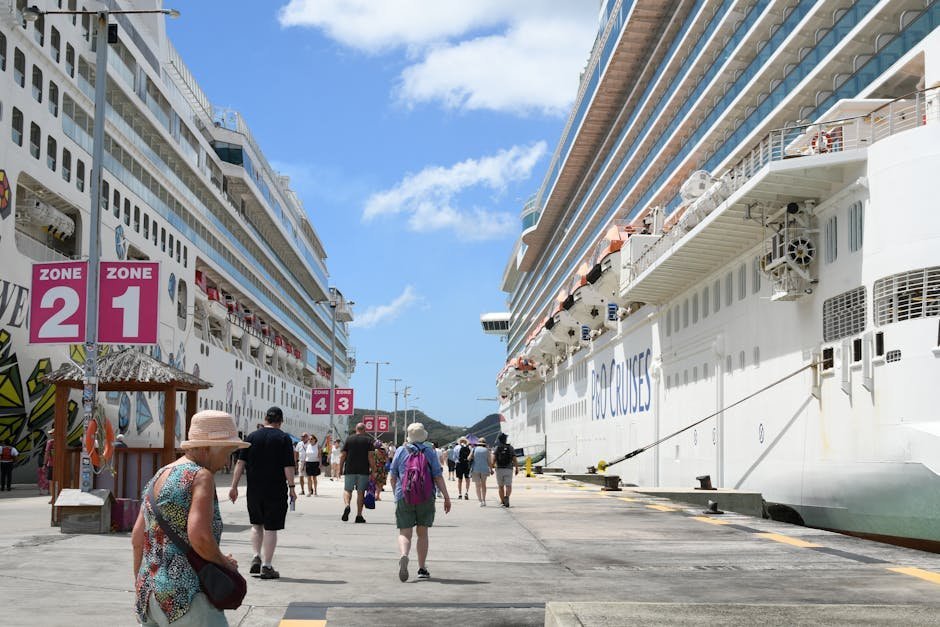
This is the trap that costs people money they never planned to spend, and it happens constantly. You book what sounds like a pure sightseeing tour. Midway through, the bus makes an unscheduled stop at a gem store, a souvenir warehouse, or a local “craft center” that happens to pay a commission to the tour operator. Most sightseeing excursions include extended stops at shopping venues chosen primarily for the size of the kickback they provide – not for their cultural value or their prices. Losing 45 minutes of a precious port day to a high-pressure sales floor is genuinely infuriating, but it’s the psychological pressure once you’re inside that does the real damage.
Tour guides who funnel passengers into commission-paying shops instead of must-see destinations are running one of the oldest tricks in port tourism – and cruise-booked tours are far from immune. The most experienced cruisers have a simple habit: before booking anything, they search for third-party reviews that specifically mention whether the tour made unexpected shopping stops. If multiple reviews mention it, the pattern is intentional. That one search, done before you ever hand over your credit card, is worth more than anything the port shopping consultant will ever tell you.
The shore excursion business runs on a single assumption: that most passengers won’t comparison shop, won’t read the fine print, and will extend the same trust to the excursion desk that they’d give a doctor’s recommendation. Some of these traps are subtle. A couple of them are genuinely outrageous once you see them clearly. But now you do see them – and that changes everything about how you’ll spend your next port day. Book independently with vetted operators, check cancellation terms before you pay a cent, and walk right past the free charm table on the pier. Your wallet and your memories will both be better for it.