

You planned the hotel, mapped the restaurants, maybe even pre-booked a tour. But here’s what most travelers never see coming: the airport is where trips die before they ever begin. Not at the destination – before you get there. A missed flight, a confiscated bag, a $200 overweight fee, a security line that swallows your entire buffer – these aren’t bad luck. They’re the same preventable mistakes millions of people make every single trip.
The brutal part? Most of these disasters are invisible until you’re already watching the gate door close. The stuff no one warns you about isn’t the obvious things. It’s the small decisions made hours before takeoff that quietly stack up into a catastrophe. Some of what’s coming on this list will surprise you – especially the one that experienced travelers say they can’t believe people are still doing.
#13 – Skipping Online Check-In and Paying for It at the Counter

Most travelers treat online check-in as optional. It isn’t. Skipping it means joining the counter line, and at busy airports during peak travel, that line alone can devour 30 to 45 minutes you didn’t budget for. That’s before you’ve touched a single security belt.
Online check-in opens 24 hours before departure and takes about two minutes. You lock in your seat, download your boarding pass, and head straight to security. More importantly, you stay plugged into the airline’s notification system – gate changes and flight updates hit the app before the departure board. If you’re not checked in, you might not get the alert at all.
Fast Facts
- Online check-in typically opens exactly 24 hours before departure on most major U.S. carriers.
- Checking in via app or browser takes roughly 2 minutes and saves you the counter queue entirely.
- Your boarding pass lives on your phone – no printer required, no paper to lose.
- App-based check-in keeps you in the gate-change notification loop; skipping it can cut you off.
- Some airlines release better seat selections at the 24-hour mark – another reason to check in early.
#12 – Assuming Your Gate Is Where the Boarding Pass Says
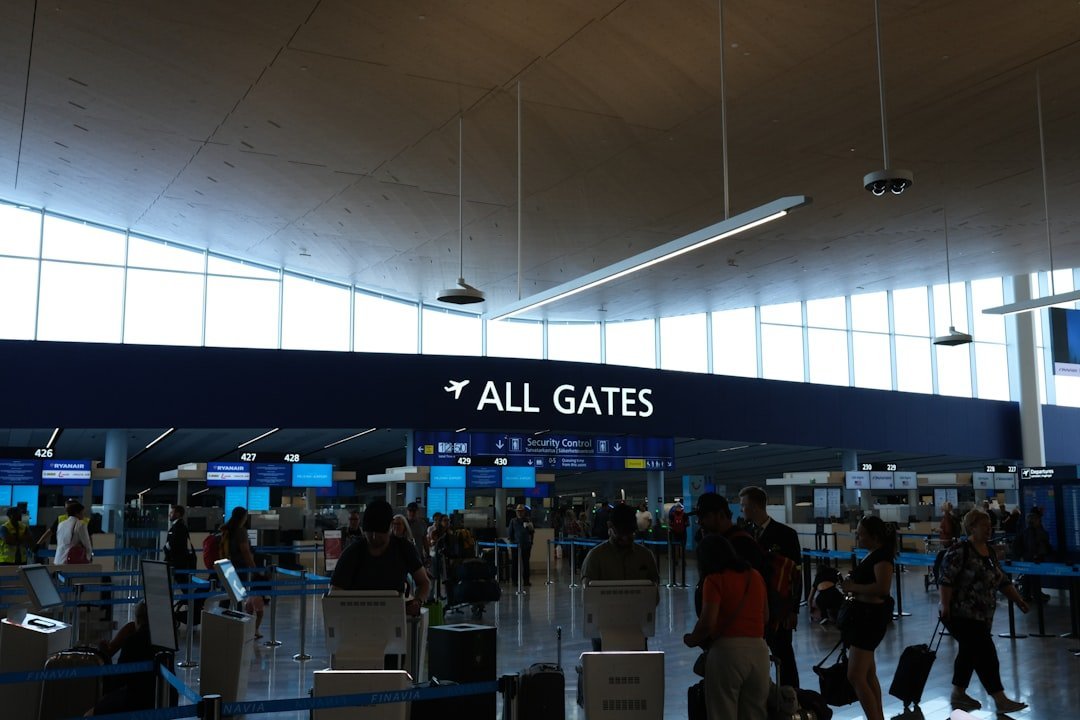
Passengers print a boarding pass, see a gate number, and treat it like a fixed address. It isn’t. Gate assignments change constantly – especially at major hubs – and the update often comes with very little warning. At Dallas/Fort Worth or Chicago O’Hare, a gate change can mean a 20-minute walk or a full tram ride to a different terminal.
The fix is almost embarrassingly simple: keep your airline app open and glance at the departure monitors from the moment you clear security. Never walk to your gate and go dark. The gate printed on your boarding pass is a starting point, not a guarantee – and the travelers who learn that lesson the hard way usually learn it while sprinting.
#11 – Packing Your Carry-On Like a Puzzle Box Before Security
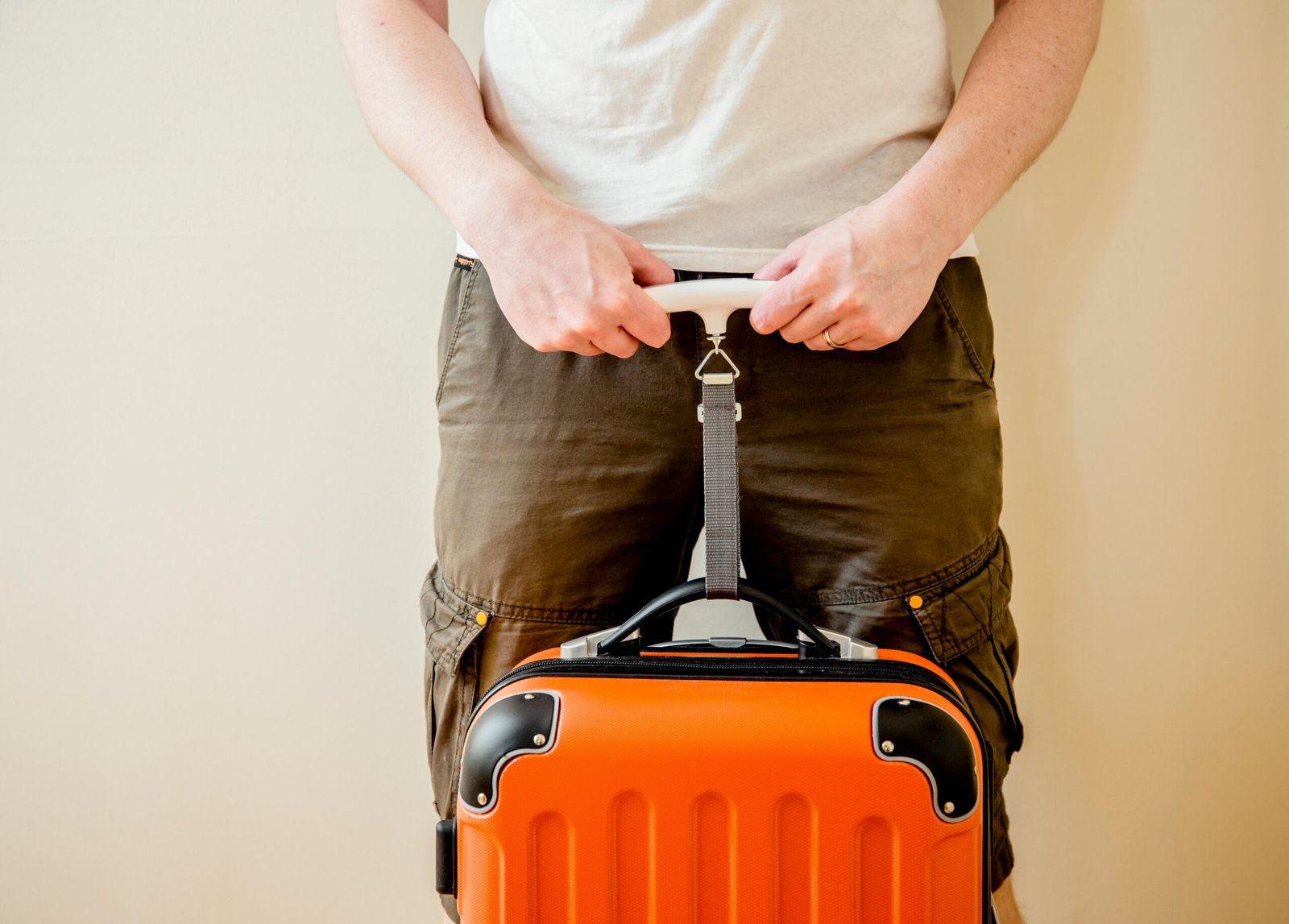
A tightly packed, disorganized carry-on doesn’t just slow you down at the checkpoint – it slows down every person behind you and almost guarantees extra scrutiny from agents. If you don’t have TSA PreCheck, you’re already pulling out your liquids bag, laptop, shoes, and jacket. If those items are buried under three days of clothes, you’ve just become the person holding up the entire line.
The smartest travelers pack their security items – laptop, liquids bag, shoes – at the very top of their carry-on before they leave home. Small loose items like keys, coins, and earbuds go inside the bag or a bin, not in your pockets, because they can fall between the conveyor rollers and disappear. Two minutes of smart packing at home buys you a smooth, confident walk through security.
#10 – Bringing a Full Water Bottle to the Security Line
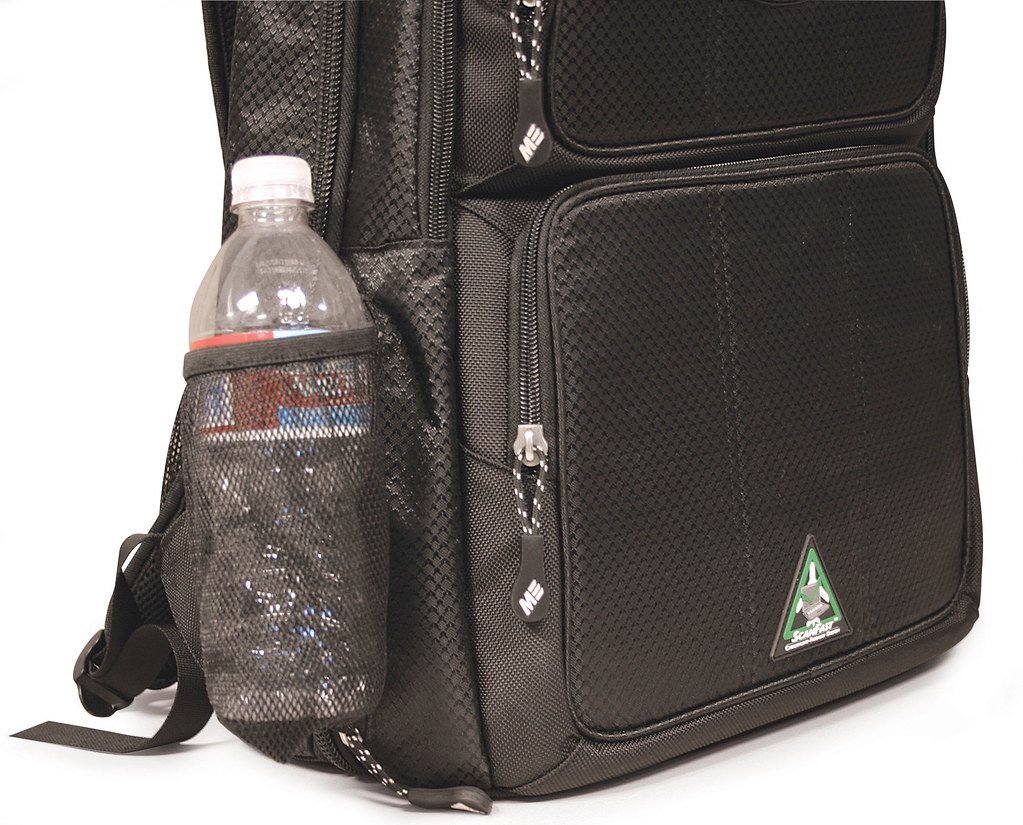
TSA agents say they see this dozens of times every single shift. A full water bottle – even just a standard 16-ounce one – triggers a manual bag inspection. That means your bag gets pulled, opened, and searched while you stand there watching your boarding window shrink.
The TSA rule is firm: liquids, gels, and aerosols are limited to 3.4 ounces per container in carry-ons, and everything must fit in a single quart-sized resealable bag. The fix costs you nothing – empty your bottle before the checkpoint, then refill it at a water fountain on the other side. An empty reusable bottle breezes through security and saves you a full bag search. It is genuinely one of the most avoidable delays in the entire airport experience.
At a Glance: The TSA 3-1-1 Rule
- 3.4 oz (100ml) maximum per individual liquid, gel, or aerosol container.
- 1 quart-sized clear resealable bag per passenger – that’s it.
- 1 bag must be removed and placed in a bin at the checkpoint (unless you have PreCheck).
- Full water bottles, snow globes, and yogurt cups are among the top confiscated items every week.
- Oversized items will be confiscated or force a bag check – neither is free of consequences.
The Airport Survival Quiz
Most travel disasters happen before the plane even leaves the tarmac. Test your knowledge on how to navigate the terminal like a pro and avoid the most common (and expensive) airport mistakes.
Think you caught the key details? Take the quick quiz and see how sharp your instincts really are.
#9 – Not Having Documents Ready Before You Step Up to the Agent
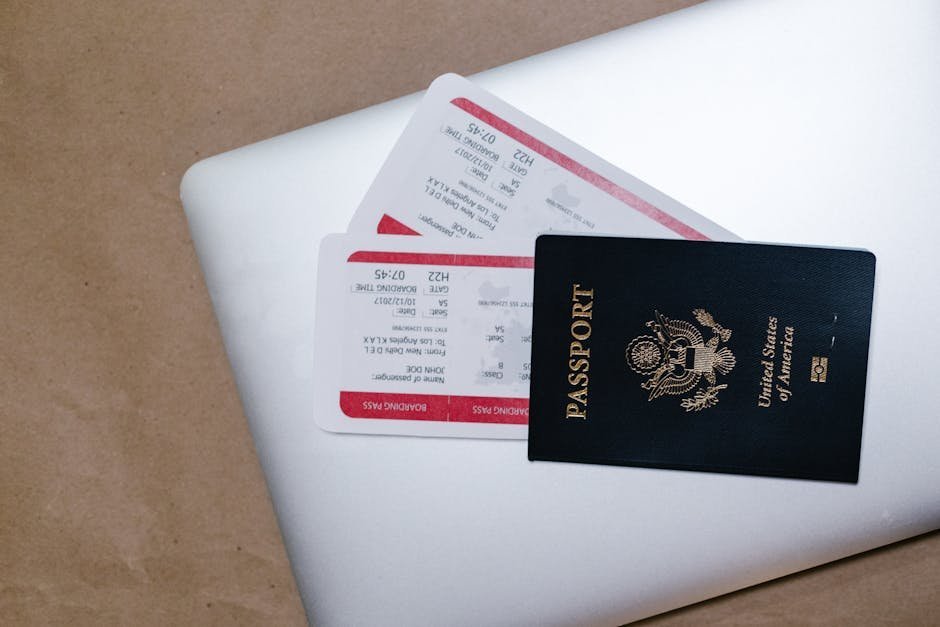
Fumbling through a backpack for your phone while a TSA officer waits is one of those small delays that compounds fast – and agents notice. Have your government-issued photo ID and boarding pass ready before you reach the front of the line. These days, boarding passes live on your phone, so have it unlocked, charged, and already showing the pass before you step up.
For international travel, missing or expired documents can get you turned away entirely – no negotiation, no second chances. And for domestic flights, the REAL ID enforcement deadline has arrived: all U.S. domestic flights now require a REAL ID-compliant driver’s license or a passport. If your license doesn’t have the star in the corner, you could be turned away before you ever reach your gate. Check your wallet now, not at the checkpoint.
#8 – Eating and Drinking at the Airport Without a Plan
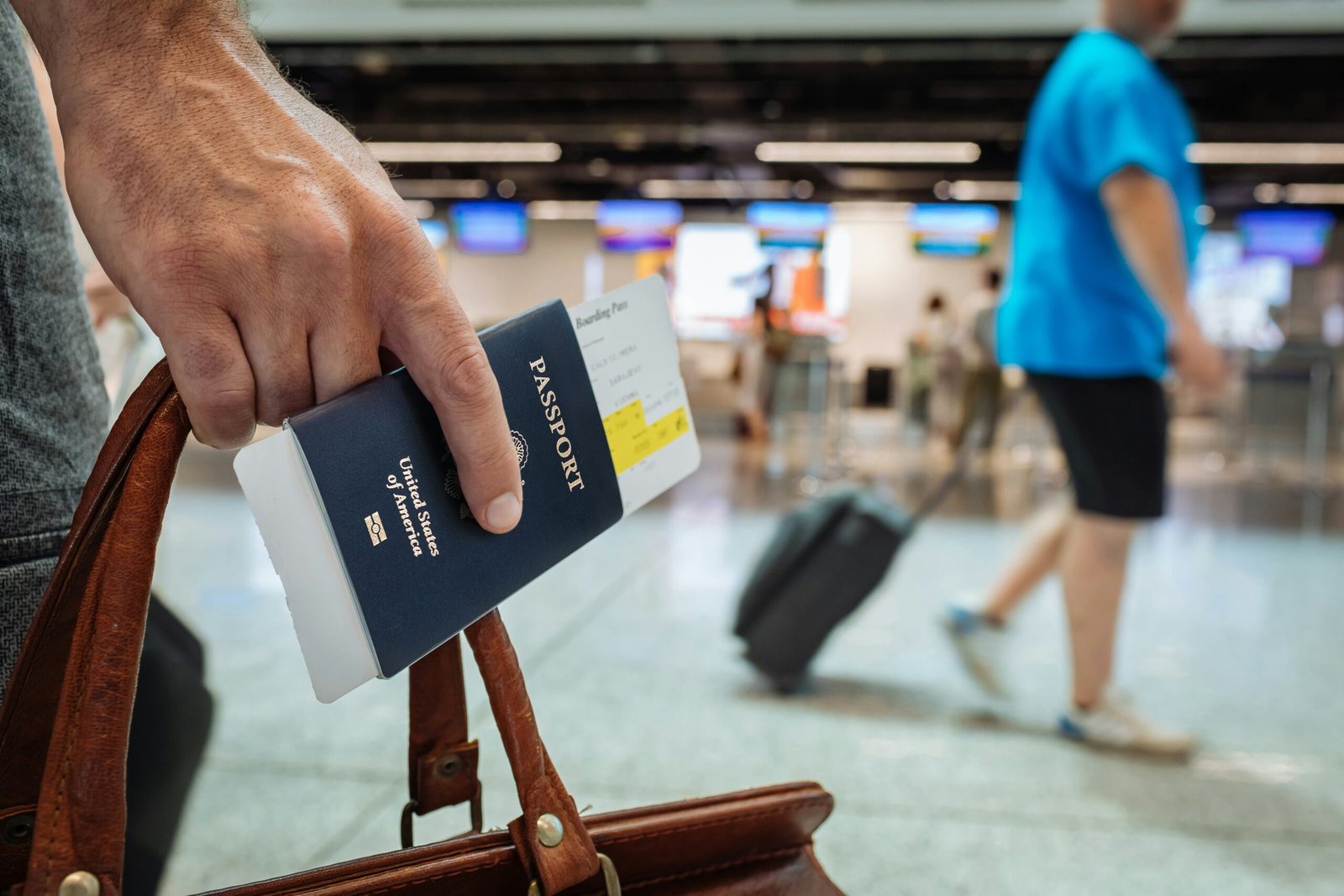
Airport food prices aren’t just high – they’re quietly predatory. In 2024, popular airport retailers including Pret A Manger and WH Smith inflated their prices by nearly 50 percent, according to reporting from The Independent. A rough rule of thumb: expect prices up to 15 percent above anything you’d find outside the terminal, and budget accordingly.
But it’s not just money – it’s what happens to your body. Planes typically maintain cabin humidity between 10 and 20 percent, while the human body is calibrated for 30 to 60 percent on the ground. Skipping water before boarding accelerates dehydration fast. Pack snacks from home, drink water aggressively before you board, and treat airport food as a last resort rather than the default plan. Your wallet and your body will both thank you.
#7 – Ignoring the Fine Print on Your Ticket
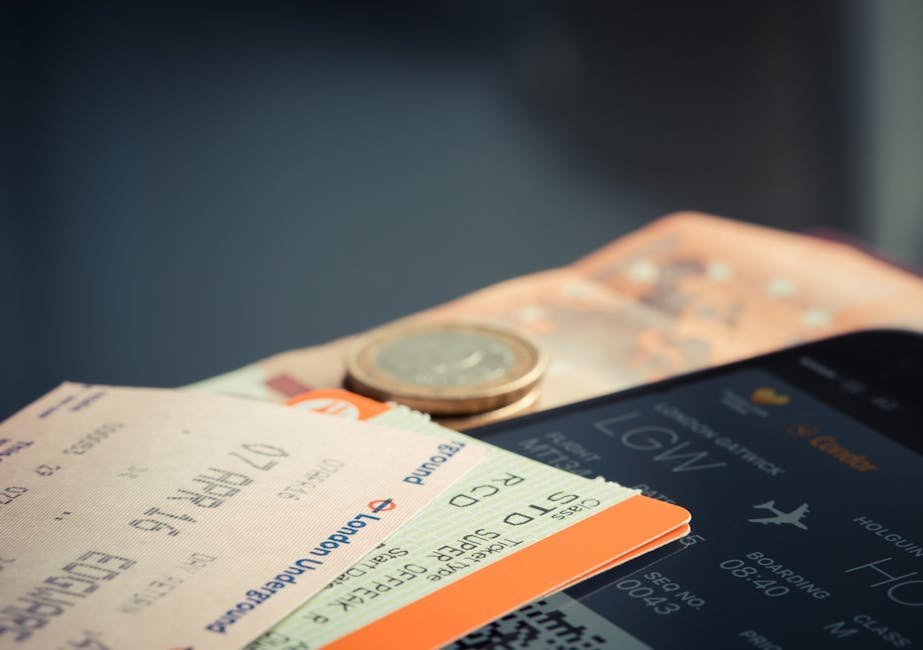
Gate agents say this is the mistake that generates the most passenger fury – and it’s almost entirely self-inflicted. Basic Economy fares are the biggest trap. United Airlines, for example, requires customers to agree to the Basic Economy terms and conditions six separate times before entering payment information. Airlines are counting on you being too rushed to read what you’re actually buying.
The consequences are real and immediate: no flight changes, no carry-on bag, no guaranteed seat with your travel companions, fully nonrefundable. A ticket that looks $40 cheaper can end up costing $80 more in bag fees before you’ve even boarded. Most travelers who buy Basic Economy don’t realize they can’t bring a carry-on until they’re already standing at the gate. Reading the fare rules takes two minutes. Sorting it out at the airport takes considerably longer – and costs considerably more.
Quick Compare: Basic Economy vs. Standard Economy
- Carry-on bag: Basic Economy often allows personal item only | Standard Economy includes overhead bin access.
- Seat selection: Basic Economy assigns at check-in, sometimes separated from travel companions | Standard lets you choose.
- Changes & cancellations: Basic Economy is typically fully nonrefundable with no change option | Standard allows same-day changes at many carriers.
- Upgrades: Basic Economy is usually ineligible for elite upgrades | Standard Economy qualifies.
- True cost: That $40 savings can easily flip into an $80+ loss once bag fees are added at the gate.
#6 – Checking a Bag Without Weighing It at Home First
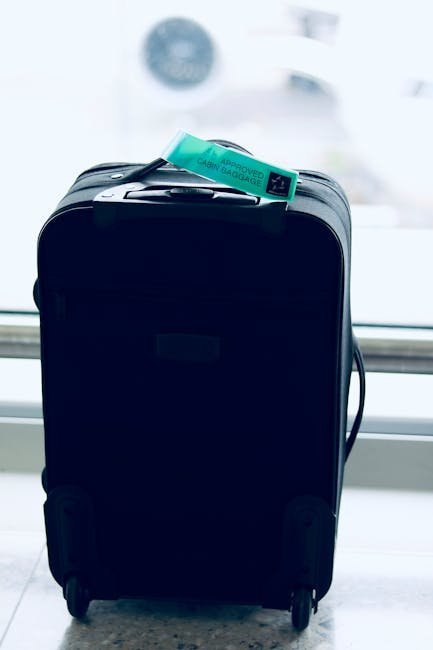
This mistake has a very specific, very painful price tag. Cross the 50-pound threshold and most airlines charge extra per direction – on the spot, at the counter, with a line of people behind you and no time to renegotiate. Overweight bag fees for the 50 to 70-pound range run anywhere from $30 to $200 depending on the carrier, and some ultra-low-cost airlines like Frontier cap the standard checked bag limit at just 40 pounds before fees kick in.
A small luggage scale costs under $10 and fits in any bag. Weigh your suitcase before you leave home, shift the heavy items into your carry-on if needed, and never be the person frantically repacking their clothes on the airport floor while strangers watch. It’s a $10 solution to a potentially $100-plus problem, and there’s genuinely no reason to skip it.
#5 – Exchanging Currency at the Airport Kiosk
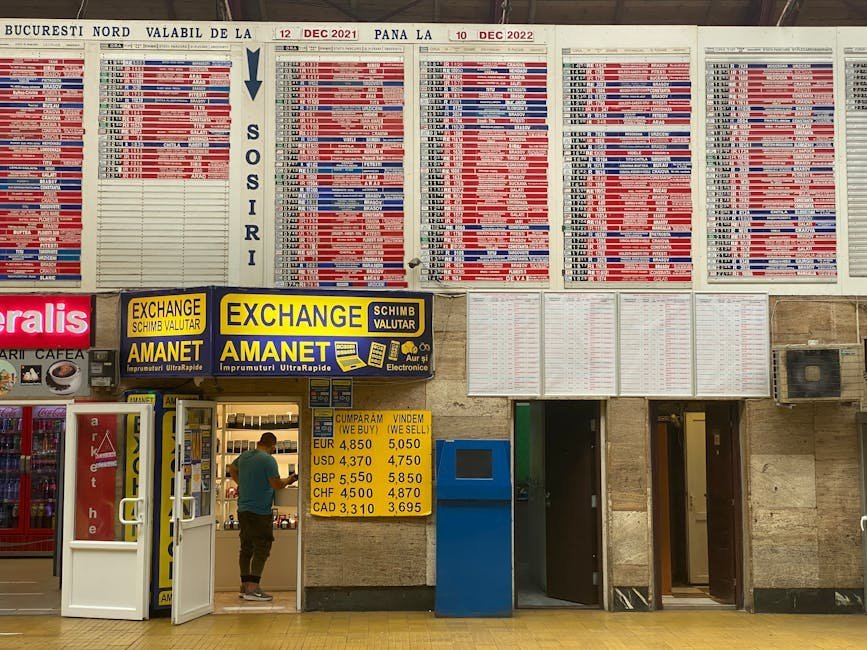
Travelers heading abroad who stop at the currency exchange kiosk right after landing are getting robbed in slow motion – and most never notice. Airport kiosks advertise “no fees” in bold letters, then quietly make their money on exchange rates marked up 5 to 10 percent above market price. On a $500 exchange, that’s $25 to $65 gone before you’ve left the terminal.
The smarter move is your bank before you travel – most offer currency exchange at rates that beat airport kiosks by 5 percent or more. At your destination, an ATM on your bank’s network often gives you competitive local-currency rates with fees of just 1 to 3 percent. It’s a small thing to plan ahead, and it’s the kind of savings that pays for a nice dinner at your destination.
#4 – Arriving Without a Buffer for Delays or Connections

This mistake doesn’t feel like a mistake – right up until it is. Delays in air travel are not rare edge cases; they’re a structural feature of the system. If a two-hour maintenance hold can derail your entire trip, the plan was already too fragile. For anything time-sensitive on the other end, build in a buffer day. That’s not pessimism – it’s just how the math works.
For connections, the margin is even thinner. Check-in counters typically close 45 minutes before domestic departures and a full hour before international ones. Standard TSA lines at major hubs can stretch well beyond an hour on a busy morning – at Atlanta’s Hartsfield-Jackson, the busiest airport in the world by passenger count, that’s not a worst-case scenario, it’s a Tuesday. Tight connections aren’t brave. They’re a gamble with your entire trip on the line.
#3 – Not Checking Flight Status Before Leaving for the Airport

This one stings because it’s completely preventable and people skip it anyway. Flight delays and cancellations happen constantly – weather, mechanical issues, crew scheduling, air traffic control. If you drive 45 minutes to the airport only to find your flight is already delayed three hours, you’ve burned time, gas, and parking money for the privilege of sitting in a terminal with no good options.
Download your airline’s app, enable push notifications, and check your flight status before you get in the car. If there’s a cancellation, you’re in a race to rebook – and the passengers who call the airline from their driveway will beat the ones who call from the gate every single time. During recent peak travel disruptions, some airports advised arriving four to five hours early. Thirty seconds of checking before you leave can turn a disaster into a detour.
Worth Knowing: How to Track Your Flight Status
- Your airline’s app is the fastest source – enable push notifications before every trip.
- The free MyTSA app shows real-time security wait times at major U.S. airports, updated continuously.
- FlightAware and FlightRadar24 show live flight tracking and delay history – useful for connections.
- If your flight is canceled, call the airline immediately – phone agents can rebook you while gate agents are overwhelmed.
- Check status the night before and again before you leave home – conditions change fast.
#2 – Arriving Late to the Airport (And Thinking It Won’t Matter This Time)
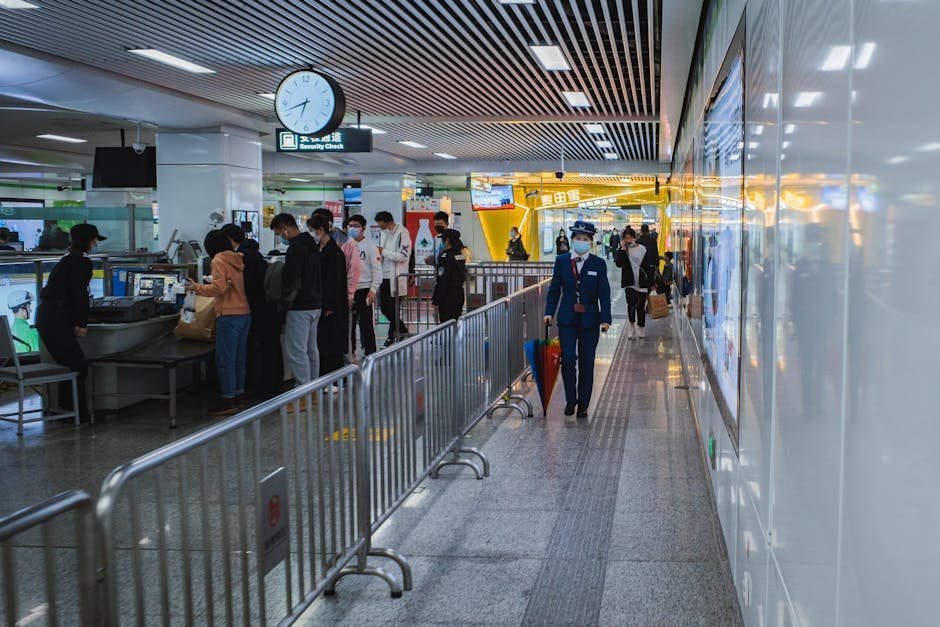
Most people know they should arrive early. Most people also convince themselves their situation is somehow different. It isn’t. The bare minimum is two hours before a domestic departure and three hours before an international one – and that’s under normal, unchaotic conditions. Those aren’t padded guidelines; they’re the actual time required to check a bag, clear security, and reach your gate.
The staffing pressures hitting TSA checkpoints have been severe and well-documented: in early 2026, TSA officer call-out rates reached 40 to 50 percent at some airports during a federal funding dispute, with wait times exceeding four hours at select major hubs. Even in normal conditions, standard lane passengers routinely wait 30 to 60 minutes at the busiest coastal airports. Arriving “just in time” is actually arriving too late. The travelers who miss flights almost universally believed they had enough time – right up until the gate door closed in front of them. That gap between confidence and reality is where trips end before they start.
The single biggest mistake travelers make is thinking the airport will cooperate with their schedule.
Former TSA checkpoint supervisor, widely cited in travel industry training materials
The Airport Survival Quiz
Most travel disasters happen before the plane even leaves the tarmac. Test your knowledge on how to navigate the terminal like a pro and avoid the most common (and expensive) airport mistakes.
Think you caught the key details? Take the quick quiz and see how sharp your instincts really are.
#1 – Not Having TSA PreCheck (And Waiting In the Wrong Line)
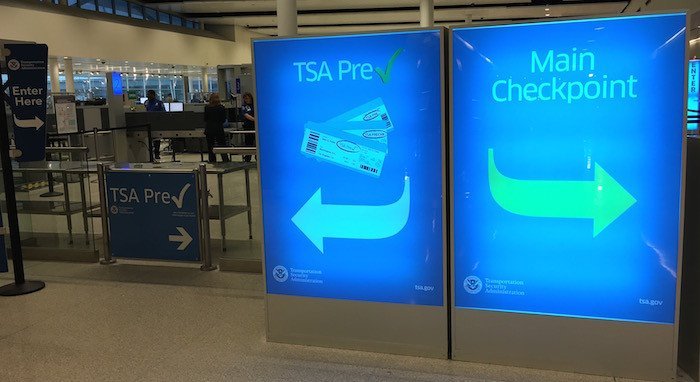
Nothing else on this list costs you as consistently, as visibly, and as repeatedly as skipping TSA PreCheck. The PreCheck lane moves fast – the TSA itself reports that about 99 percent of PreCheck passengers wait less than 10 minutes. The standard line at the same airport on the same morning can run 30 to 60 minutes under normal conditions, and far longer during disruptions. That is not a hypothetical – it’s the math that determines whether you make your flight or watch it leave without you.
PreCheck enrollment runs between $76.75 and $85 for five years, depending on the enrollment provider – that’s roughly $15 to $17 a year. Global Entry, which includes PreCheck and also covers you through customs on international returns, costs $120 for five years. Many travel credit cards reimburse the enrollment fee entirely as a statement credit, making the real out-of-pocket cost zero. For frequent travelers, this is not a luxury upgrade. It is the single highest-return investment in the entire trip – and the one that experienced travelers genuinely cannot believe others are still skipping.
Why It Stands Out: TSA PreCheck by the Numbers
- ~99% of PreCheck passengers wait less than 10 minutes, per TSA’s own data.
- $120 for Global Entry (5 years) – includes PreCheck plus expedited customs on international returns.
- Children 17 and under travel in the PreCheck lane free when accompanied by an enrolled adult.
- Many travel credit cards reimburse the full enrollment fee as a statement credit – check yours before paying.
- 485+ enrollment centers across the U.S. with walk-in options available at many locations.
The gap between a smooth travel day and a catastrophic one is almost never dramatic. It’s a series of small, overlooked decisions – the bag that wasn’t weighed, the check-in that got skipped, the currency exchanged at the kiosk out of habit. Every single one of these 13 mistakes is avoidable with a little prep and the right information.
The airport doesn’t have to be the worst part of travel. For people who know what they’re doing, it barely registers at all. Which of these have you learned the hard way – and is there an airport mistake we missed that almost cost you a trip? Drop it in the comments.