
These are the places people spend years saving for. They show up on every “before you die” list, fill travel magazines, and dominate social media feeds. Then travelers actually go – and come home with a very different story. Not a whisper, either. More and more of them are saying it flat out: once was enough, and they wouldn’t go back even if someone else was paying.
That’s the part the bucket list industry doesn’t want you to read. Fame does something strange to a destination – it erases the very thing that made it worth visiting. What’s waiting below isn’t just a list of popular places. It’s an honest accounting of what happens when reality finally meets the dream, told through the words of the travelers who lived it. Some of what’s on here will genuinely surprise you.
#15 – Cancún, Mexico: The Beach That Could Be Anywhere
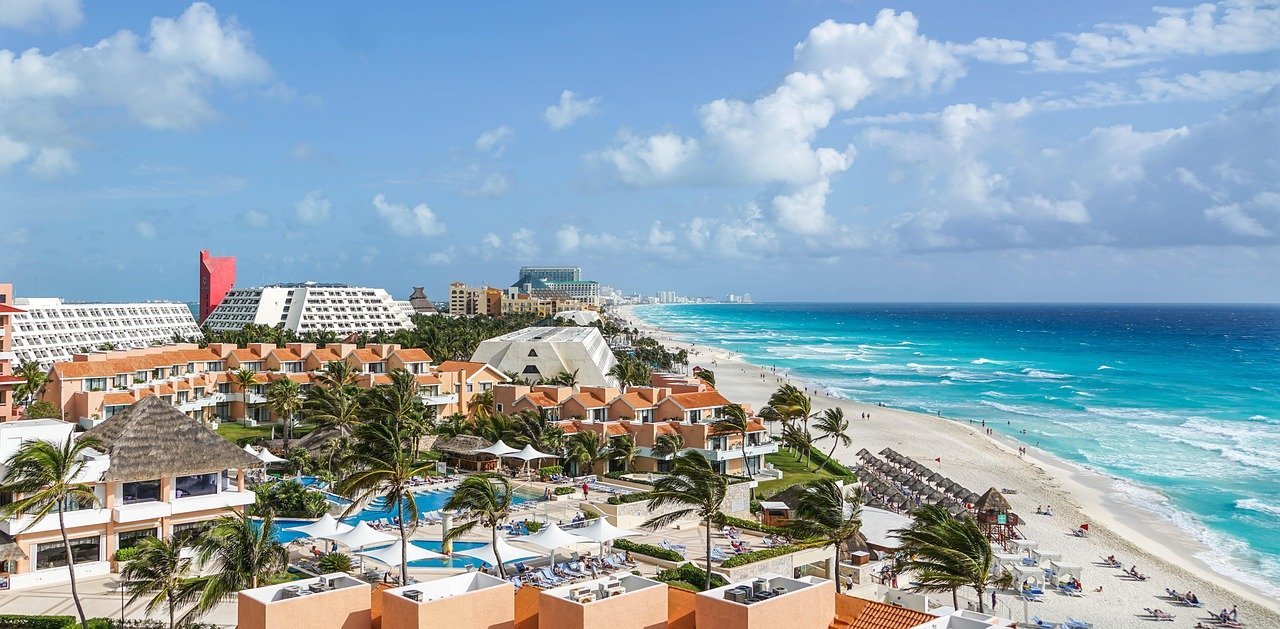
Most people picture white sand, turquoise water, and a margarita at golden hour. What they actually get is something closer to a commercialized resort corridor that could exist anywhere on earth. A Radical Storage study analyzing nearly 100,000 Google reviews across the world’s most-visited cities found that 14.2% of Cancún’s reviews were negative – the highest rate of any city in the analysis, landing it at the very top of the global disappointment rankings. That’s not a fringe opinion. That’s a pattern backed by hard data.
The most frequent complaints go beyond crowded beaches: travelers cite insecurity, inflated prices, aggressive scams, and a destination that feels built exclusively for tourists rather than for any authentic version of Mexico. One hotel industry president put it bluntly, saying the all-inclusive model sells tourists “a Disneyland” that doesn’t reflect the real city. And the numbers back him up – there were over 9.7 million international arrivals in Cancún in 2024, more than double Mexico’s second-biggest travel destination. So why fly internationally if nothing about it feels international? Cancún’s disappointment is real – but mild compared to what’s waiting further up this list.
Fast Facts
- 14.2% of Cancún’s Google reviews are negative – the highest rate among 100 major cities analyzed
- Over 9.7 million international arrivals in 2024, per SECTUR data
- Top complaints: crime, inflated prices, scams, lack of authentic culture
- U.S. State Dept. issued a Level 2 “exercise increased caution” advisory for the region
#14 – Times Square, New York City: A Trap Built for Everyone Except You
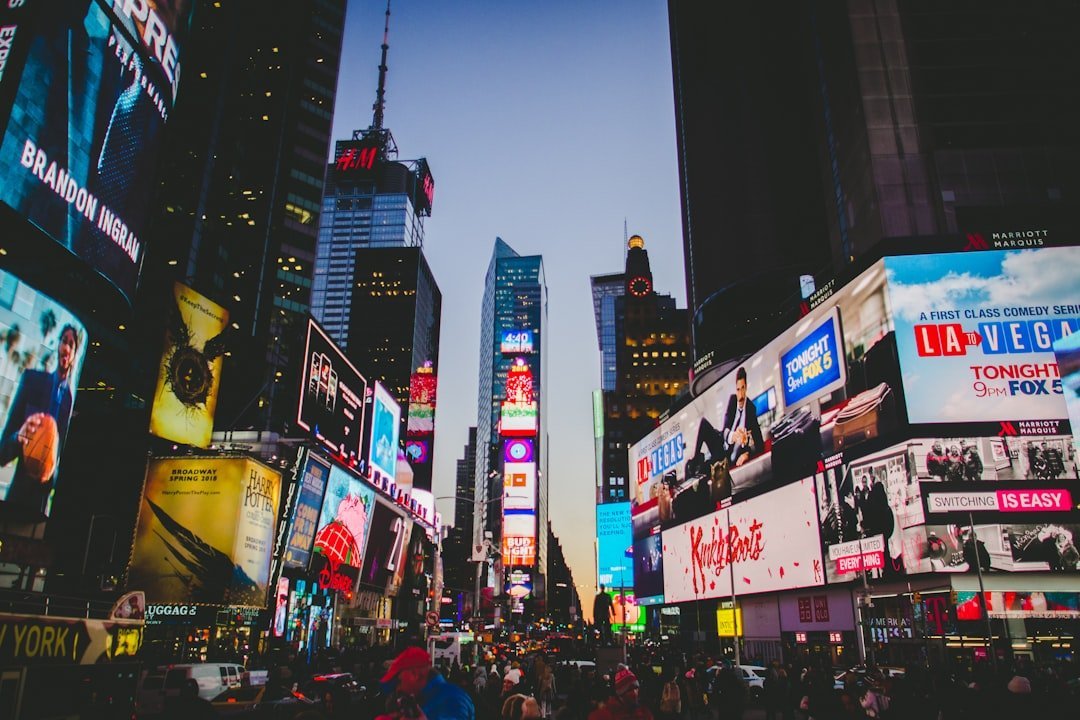
Every first-time visitor to New York puts Times Square on the list. Every local avoids it like a dentist appointment. Times Square is bright lights, crushing crowds, and overpriced everything – a corporate advertisement district that actual New Yorkers treat as a no-go zone. The restaurants are chains you can find in any airport. The stores are stores you could visit without leaving your home state. The only thing unique about it is how aggressively mediocre it manages to be despite all those neon signs.
#13 – Stonehenge, England: Big Reputation, Distant Rocks
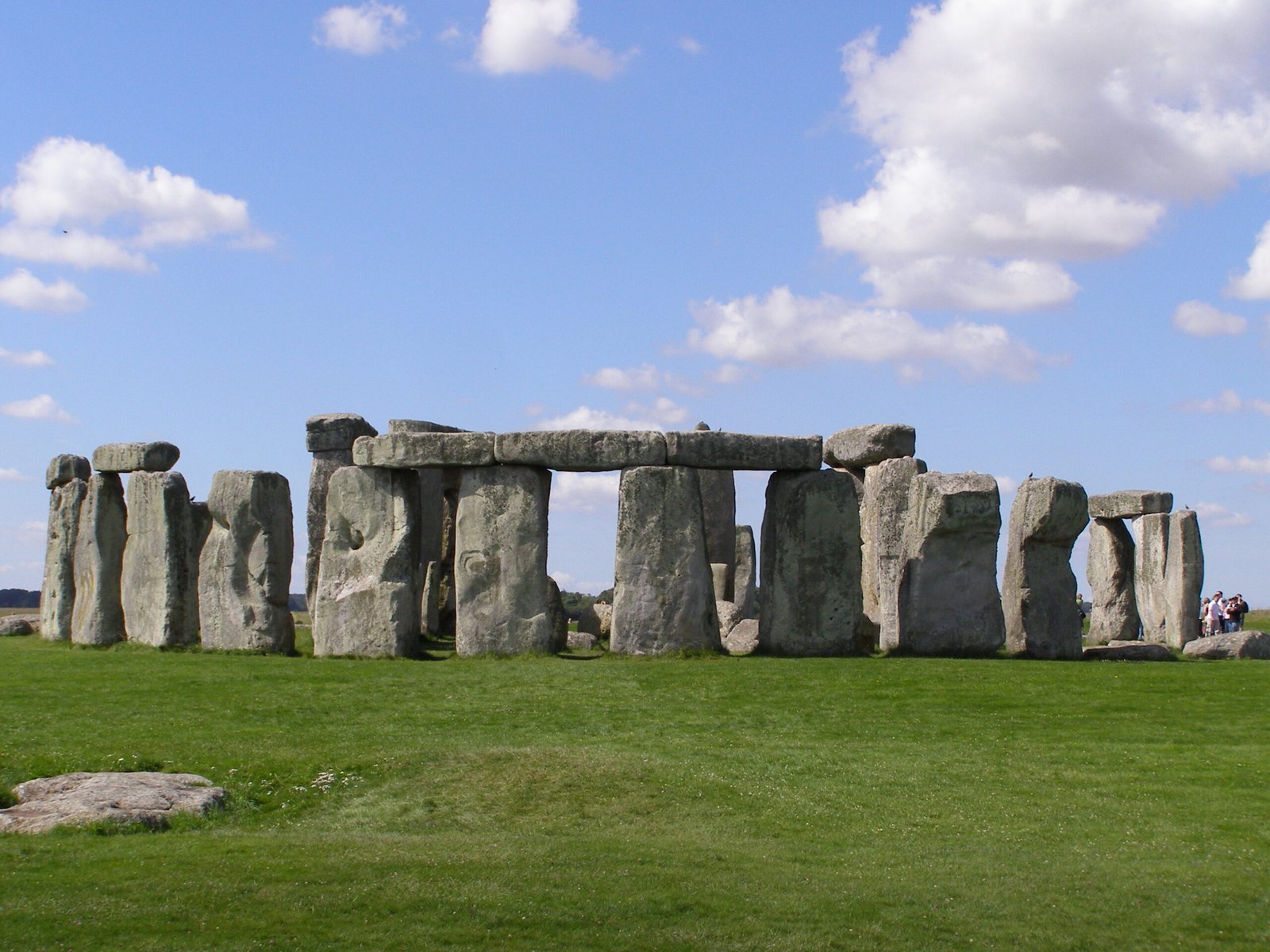
You drive across Salisbury Plain with anticipation building, imagining some mystical communion with a monument built before the wheel. Then you pay the entry fee and discover you’ll be viewing it from behind a rope barrier, at a polite distance, with hundreds of equally bewildered strangers. In 2024, Rough Guides published a poll that voted Stonehenge the world’s most overrated attraction. Visitors described being kept far from the stones themselves, with minimal educational context and – almost inevitably – bad weather.
The real gut punch is what’s just 25 miles away. Avebury, the world’s largest stone circle, lets people walk freely among the megaliths with almost no crowds. You can touch them. You can stand inside the circle. And yet most visitors to England drive past it on the way to the roped-off version. The tragedy of Stonehenge isn’t that the stones aren’t impressive – they are. It’s that the experience has been engineered to keep you away from them. The next entry involves a different kind of ancient wonder, and a very different kind of chaos.
#12 – The Pyramids of Giza, Egypt: Ancient Wonders, Modern Exhaustion
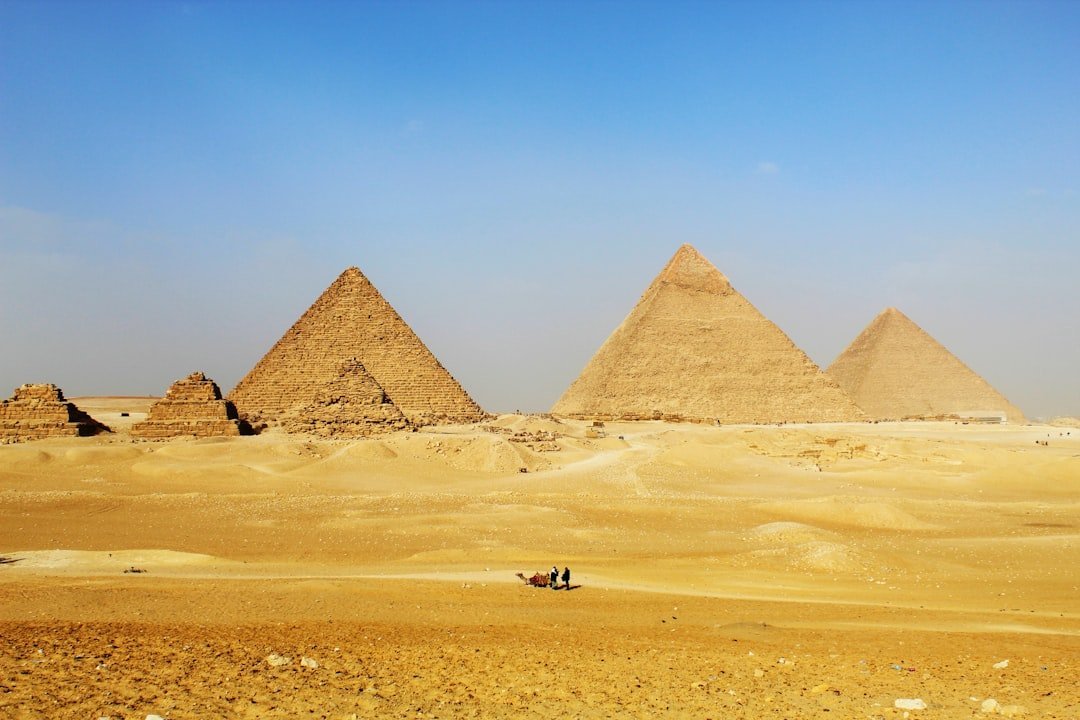
The Pyramids are genuinely, undeniably magnificent. That part is absolutely real. The problem is everything surrounding them. The site sits right on the edge of a sprawling, noisy city – you can see fast food signs from the base of structures built 4,500 years ago – and the gap between the grandeur of the monuments and the relentlessness of the surrounding experience leaves many visitors drained rather than moved.
Travelers report waves of aggressive vendors, camel-ride hawkers, and unofficial “guides” who demand payment for services never agreed to. One visitor described a guard refusing to return her phone after taking a photo unless she paid him. Another traveler captured the cognitive dissonance perfectly: “My disappointment when I got to the Pyramids… and directly across the road was a Pizza Hut.” The Pyramids deserve awe. What many visitors feel instead is relief when they finally make it back to the car. The destination at #11 was once a genuine paradise – and the photos still are. That’s the problem.
#11 – Phuket, Thailand: Paradise Buried Under Neon Signs
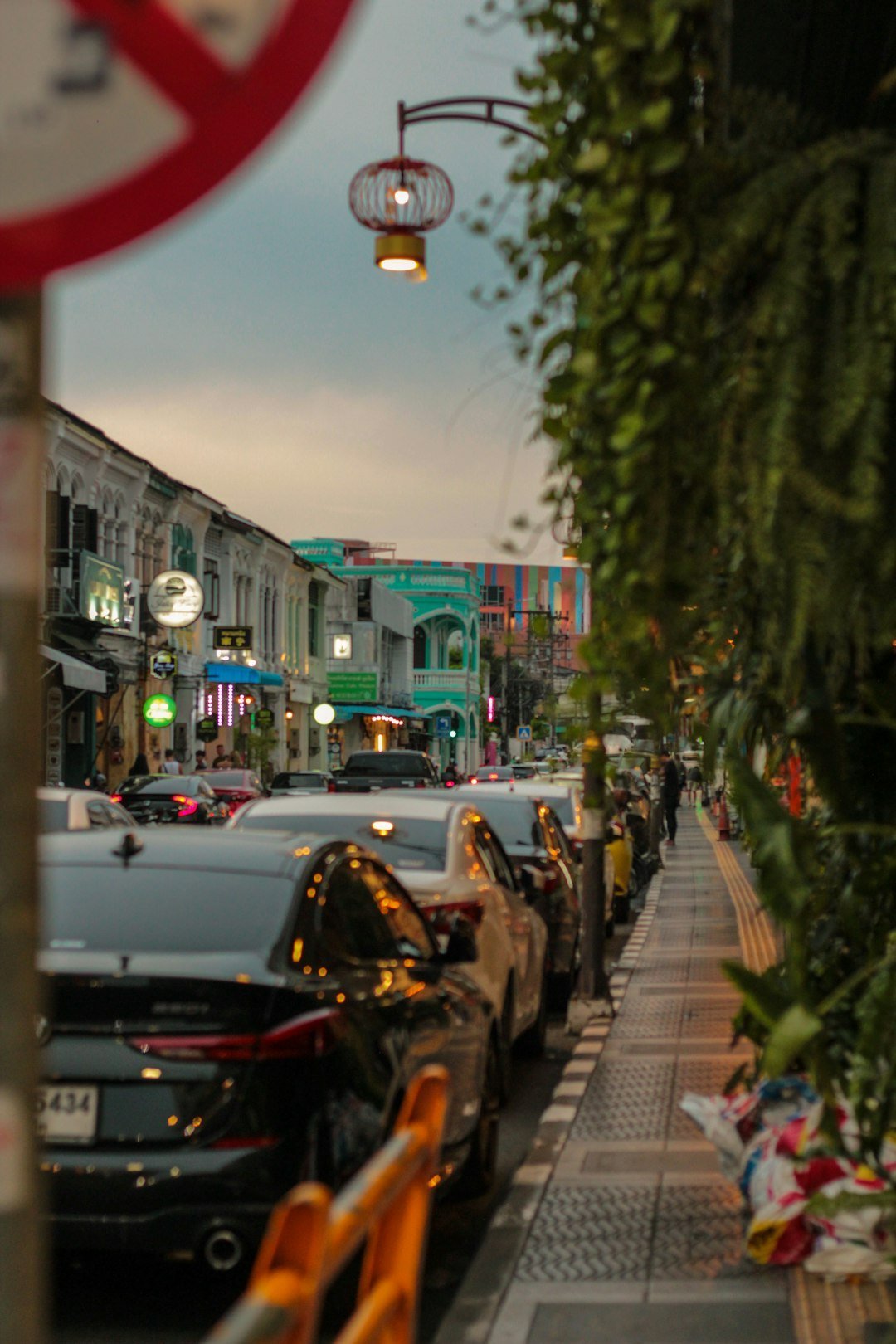
There was a version of Phuket that deserved every superlative ever written about it – turquoise water, white sand, cheap seafood eaten barefoot at the shore, and a pace of life that made the rest of the world feel far away. That version has been largely paved over. Decades of mass tourism have replaced quiet coves with packed beach clubs, replaced local food stalls with restaurants designed to look like local food stalls, and turned the coastline into something that resembles a theme park more than an island.
Travelers who visited 15 years ago and return now often struggle to recognize what they loved. The beaches are noisier, the prices are higher, and the crowd is denser every season. Environmental degradation, traffic congestion, and rising costs have compounded the cultural erosion. Phuket is the clearest case study in what happens when a destination succeeds so completely that it consumes itself. The destination at #10 has an almost identical story – except it happened faster, at a much larger scale, and with a more complicated human cost.
The Bucket List Reality Check
Many world-famous destinations are losing their luster due to overtourism and commercialization. Test your knowledge on why these iconic spots are leaving travelers disappointed.
Think you caught the key details? Take the quick quiz and see how sharp your instincts really are.
#10 – Bali, Indonesia: Instagram’s Favorite Island Has a Real Problem
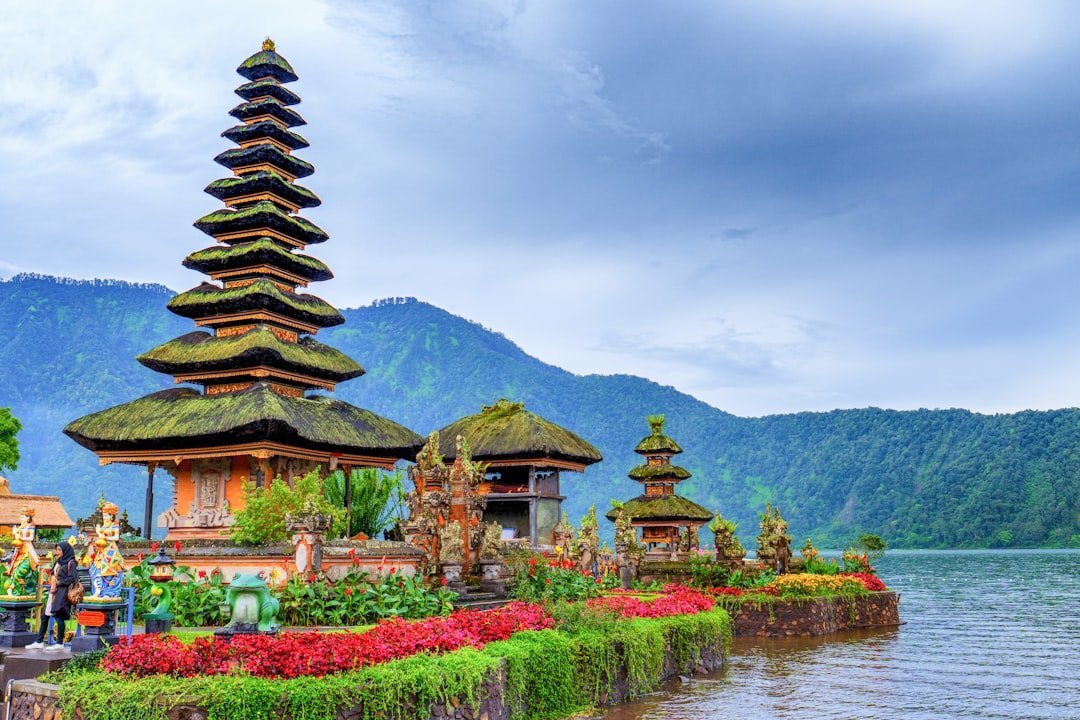
Bali built its global reputation on spiritual depth, lush rice terraces, and a culture unlike anywhere else on earth. Social media took all of that and turned it into a content factory. Bali saw 6.33 million international visitors in 2024, surpassing its pre-pandemic peak – and local communities have increasingly pushed back against the rapid, unchecked development that followed. Sacred sites and traditional rice paddies have given way to beach clubs and infinity pools. The island was even placed on Fodor’s “No List” for 2026, a designation flagging serious challenges from overtourism, environmental pollution, and plastic waste overwhelming the island’s ecosystem.
Travelers who arrived expecting a spiritual retreat and got a pool party are now warning others openly. From the moment you arrive in Denpasar, the issues are visible: lengthy traffic delays plague routes between the airport and Ubud, beaches are marked by plastic and endless rows of sunbeds, and at revered temples, selfie sticks often outnumber actual offerings. The rice terraces are still breathtaking. The ceremonies are still moving, when you can find them undisturbed. But the gap between what Bali’s reputation promises and what many visitors actually find has become wide enough that some are advising people to skip it entirely. The destination at #9 has a crowd problem so severe that even its own government hasn’t been able to solve it.
At a Glance: Bali vs. Kyoto – Two Faces of the Same Problem
- Kyoto: Entire streets in the Gion geisha district barred to tourists after harassment incidents
- Both: Marketed relentlessly through curated images that bear little resemblance to peak-season reality
- The pattern: The more a destination is photographed, the faster it becomes a version of itself that disappoints
#9 – Kyoto, Japan: The Most Crowded Temple Town on Earth
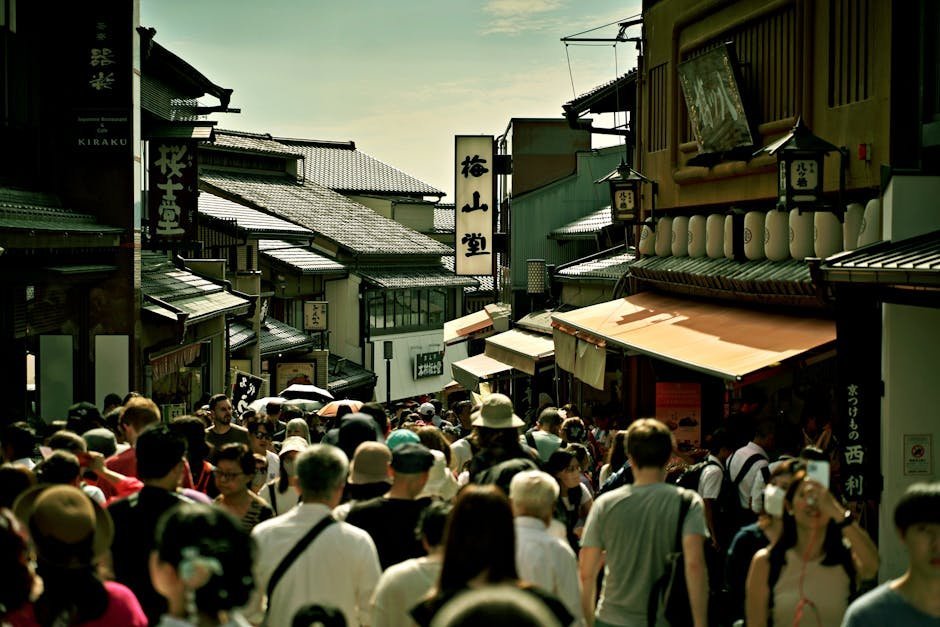
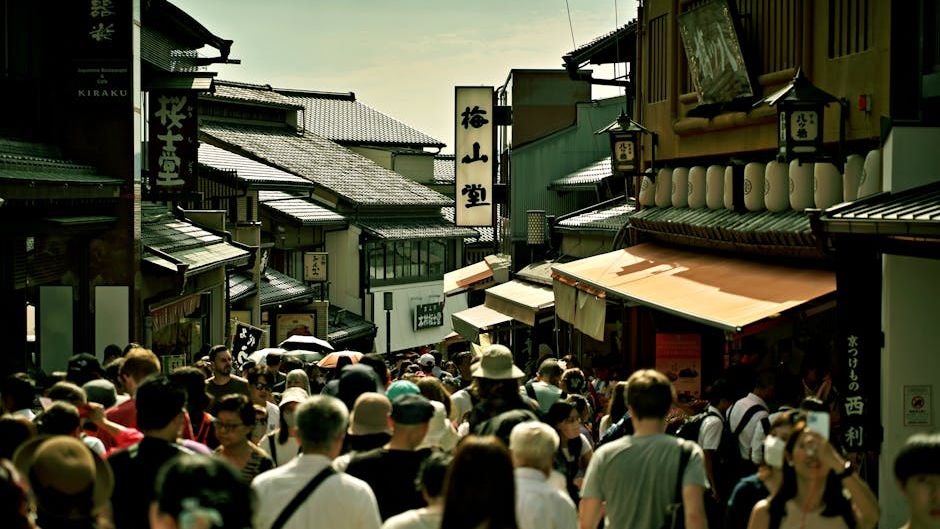
Kyoto is objectively beautiful. The red torii gates, the moss-covered gardens, the ancient wooden districts at dusk – the photos aren’t lying. The experience, though, has become something else entirely. The temples and shrines that made the city legendary are now overwhelmed, with tourists pouring through every entrance from the moment the gates open. Public transit is congested by 9 a.m. Finding a quiet moment in the city’s most celebrated spaces has become nearly impossible during peak season. Officials have even had to physically bar tourists from visiting certain streets in Gion, Kyoto’s famous geisha district, after visitors were caught harassing the geishas who live and work there.
Researchers have documented a phenomenon sometimes called “destination catfishing” – when a place is marketed so relentlessly through its best angles that travelers arrive with no idea what they’re actually walking into. Kyoto may be the most photographed victim of that phenomenon. The city’s tourism boards, travel influencers, and glossy magazine spreads have collectively built an expectation that the real Kyoto, packed with visitors from around the world, simply cannot deliver. What follows at #8 is a destination that has started literally charging tourists to enter – and it still isn’t enough to manage the crush.
#8 – Venice, Italy: Paying to Enter a City That’s Sinking Under Its Own Fame
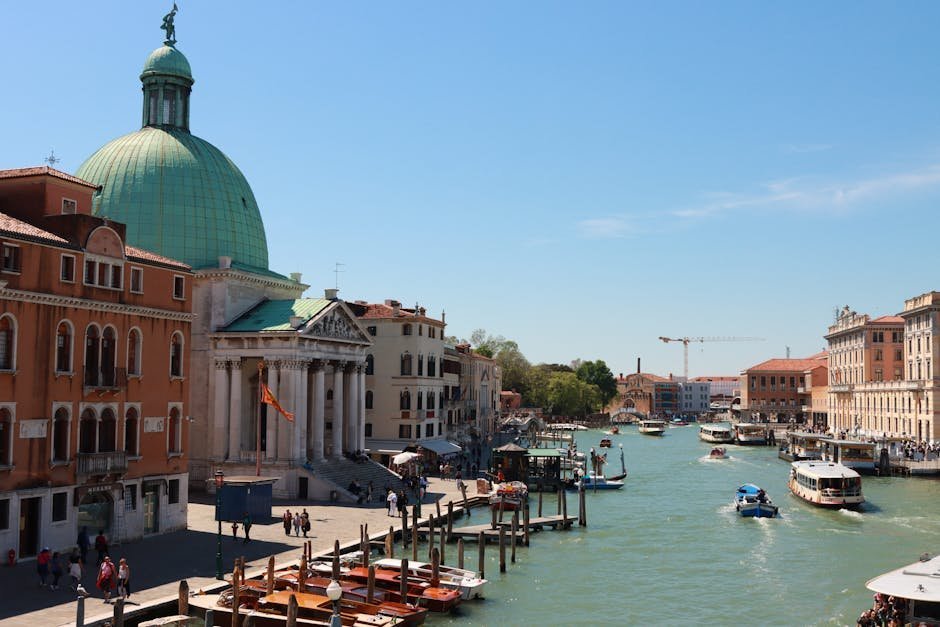
Venice is still extraordinary in the ways that matter most – the canals, the architecture, the way the city feels impossible every time you turn a corner. The problem is that the version most travelers encounter is a queued, priced, shoulder-to-shoulder simulation of the real thing. Venice welcomes around 20 million visitors each year – in a city with only about 50,000 permanent residents. The ratio alone tells you something is broken.
In 2024, Venice launched a pilot entry fee for day-trippers on 29 selected days. By 2025, that expanded to 54 days, with fees set at €5 if booked more than four days in advance, or €10 for last-minute arrivals. On the busiest single day of 2025, nearly 25,000 day-trippers paid the fee – a number equivalent to more than half the city’s entire resident population arriving in one day. Critics say the fee hasn’t reduced crowds meaningfully. In 2026, the entry fee rose to €10 as a standard rate. Taking a gondola ride – the iconic Venice experience – costs a significant premium for 30 minutes of floating behind a traffic jam of other gondolas. Many travelers report that half a day in Venice is more than enough. The destination at #7 has the same problem, compressed onto a tiny island, with fewer exits.
#7 – Santorini, Greece: The Instagram Island That’s Eating Itself
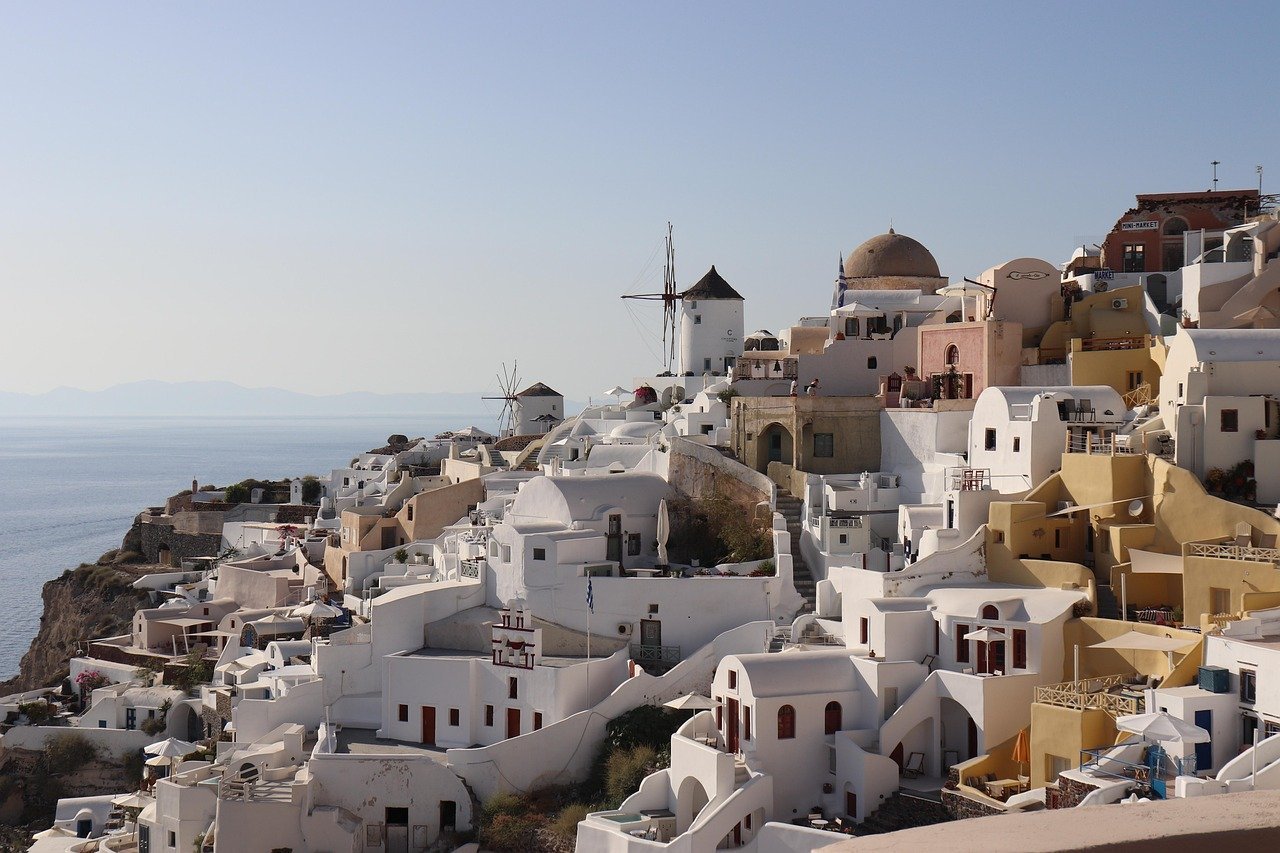
The blue-domed churches and caldera views of Santorini have been photographed so many times that seeing them in person can feel strangely redundant – like watching a movie you’ve already seen every trailer for. The island draws 3.4 million tourists annually, and the crush during peak season has become genuinely alarming. On one day in July 2024, 17,000 cruise ship passengers descended on an island with only about 15,000 permanent residents. A local official posted an emergency announcement on social media urging residents to “reduce their movements” – a post that went viral and was quickly deleted, but not before it captured exactly how broken the situation has become.
The famous sunset at Oia – the one that appears in what feels like half the travel photos on earth – draws crowds so large that moving through the village’s narrow streets becomes physically difficult. The situation has become severe enough that a cruise ship, the Sun Princess, canceled its Santorini stop in 2024 entirely, citing port congestion and the risk of “significant overcrowding detracting from the overall visitor experience.” Greek Prime Minister Kyriakos Mitsotakis publicly acknowledged that Santorini and Mykonos are “clearly suffering,” and authorities have proposed capping daily cruise ship arrivals at 8,000. The destination at #6 has it even harder: the locals there aren’t just frustrated. They’re fighting back.
#6 – Barcelona, Spain: Beautiful City, and the Residents Want You to Know It

Barcelona has everything a traveler could want: Gaudí’s architecture unlike anything else on earth, extraordinary food, beaches a short walk from the city center, and a nightlife scene that runs until sunrise. It also has a local population that has, in increasingly direct terms, started asking tourists to leave. In 2024, an activist group called “Tourism is Killing Barcelona” gained significant momentum. With 12 million visitors recorded in the previous year, property rents have escalated dramatically, forcing long-term residents out of neighborhoods their families have lived in for generations.
Graffiti and protest banners reading “Tourists Go Home” appeared on walls in La Rambla and the Gothic Quarter. City officials responded by halting new hotel licenses and cracking down on short-term rental platforms. The tension between what Barcelona offers visitors and what it costs the people who actually live there has become impossible to ignore for anyone paying attention. Visiting while being explicitly unwelcome is its own kind of experience. The next destination makes Barcelona’s friction look like a mild disagreement.
#5 – Marrakech, Morocco: Magical in Theory, Relentless in Practice
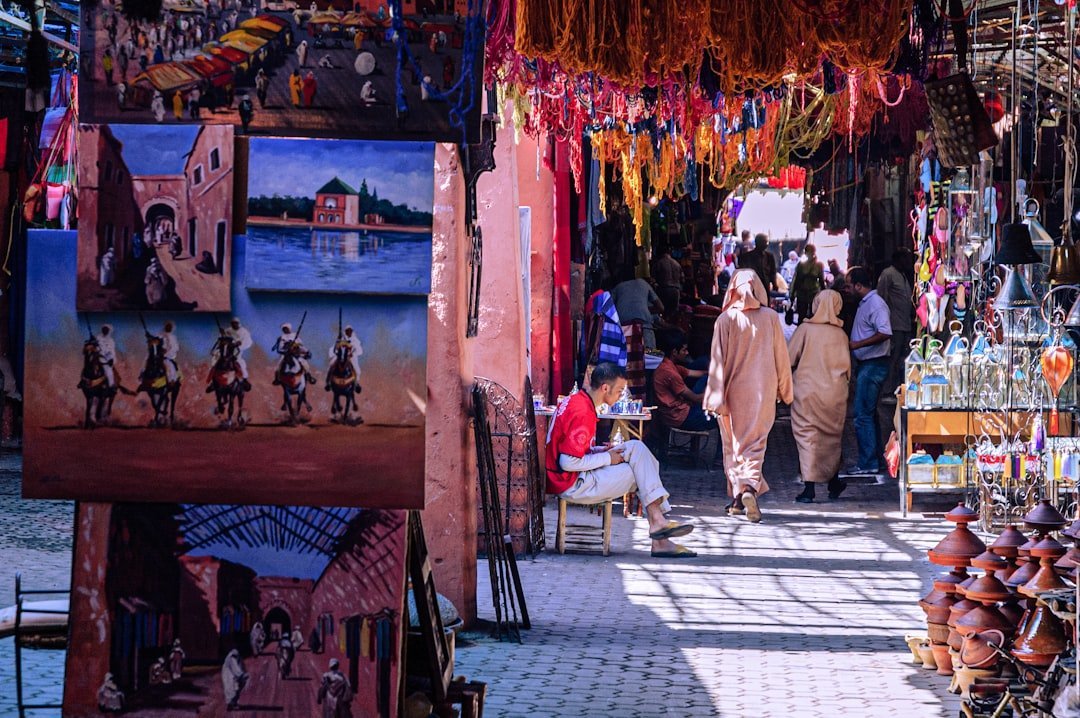
The medinas, the food stalls, the riot of color and sound in the souks – Marrakech on paper is one of the most compelling destinations on earth. In practice, the gap between expectation and reality hits many travelers hard. Fake guides, inflated taxi prices, tannery scams where you’re led up to a rooftop “for the view” and pressured to buy leather goods below, aggressive henna artists who apply ink to your hand before you’ve agreed to anything – visitors describe being constantly on guard from the moment they step outside their riad.
Jemaa el-Fnaa, the famous central square, was described by many visitors as the biggest letdown of their trip: overcrowded with knock-off merchandise and people angling for tourist money, including performers who want payment for the privilege of watching cobras from a distance. The vast majority of Moroccans are genuinely warm and hospitable – that part of the reputation is real. But many travelers visiting Marrakech report that a vocal minority of scammers colors the entire experience. Those who came expecting mystical escape often leave shaken and exhausted. The destination at #4 offers a very different kind of disappointment – colder in feeling, grander in scale, and somehow emptier at the center.
#4 – Dubai, UAE: Spectacular to Look At, Hollow to Experience
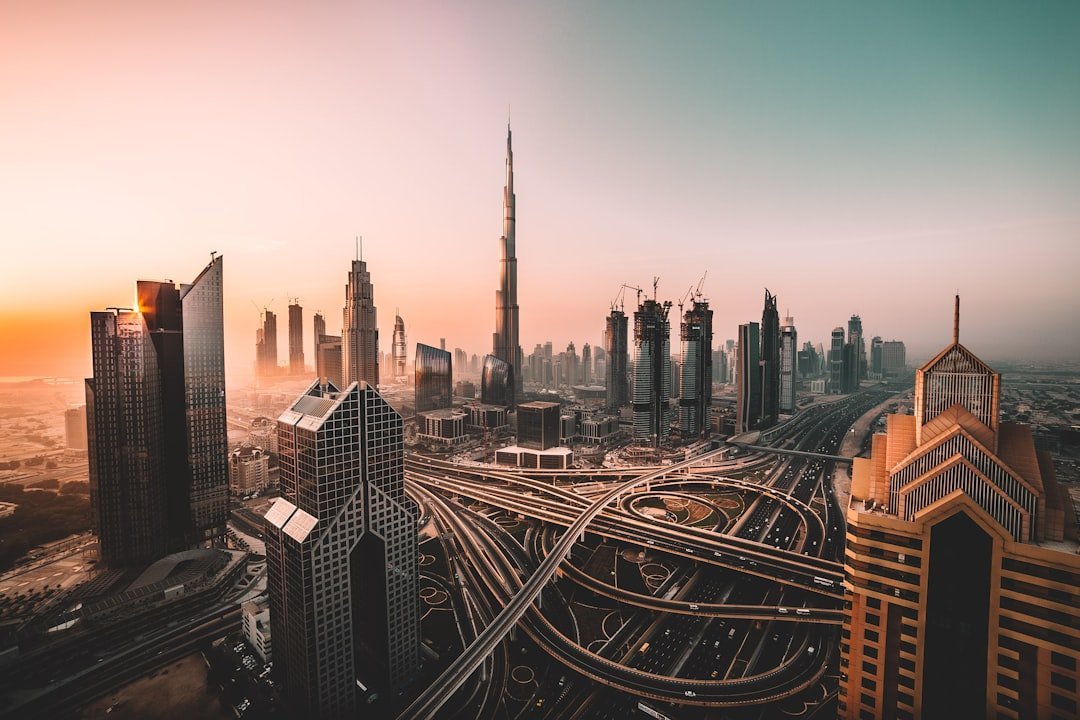
Dubai has spent decades engineering the world’s most ambitious spectacle of a city, and it mostly succeeds – in photographs. In person, something fundamental is missing. The city is built around malls and hotels and record-breaking structures designed primarily to be photographed. There is no real history to discover, no organic neighborhoods to wander into, no street life that wasn’t designed by a hospitality consultant. The skyline is extraordinary. Everything at ground level feels like a stage set.
And it is expensive in a way that catches travelers off guard – expensive enough that for what you spend on a week there, you could have a richer, more textured experience almost anywhere else on earth. Add the climate – brutally, aggressively hot for most of the year, forcing visitors to shuttle between air-conditioned spaces – and the picture becomes clearer. Travelers who came for culture leave having seen a very expensive mall. The experience at #3 sits at the opposite extreme: one of the most astonishing things human beings have ever built. The problem is everything around it.
#3 – Machu Picchu, Peru: One of the World’s Greatest Sites, One of Its Hardest Visits
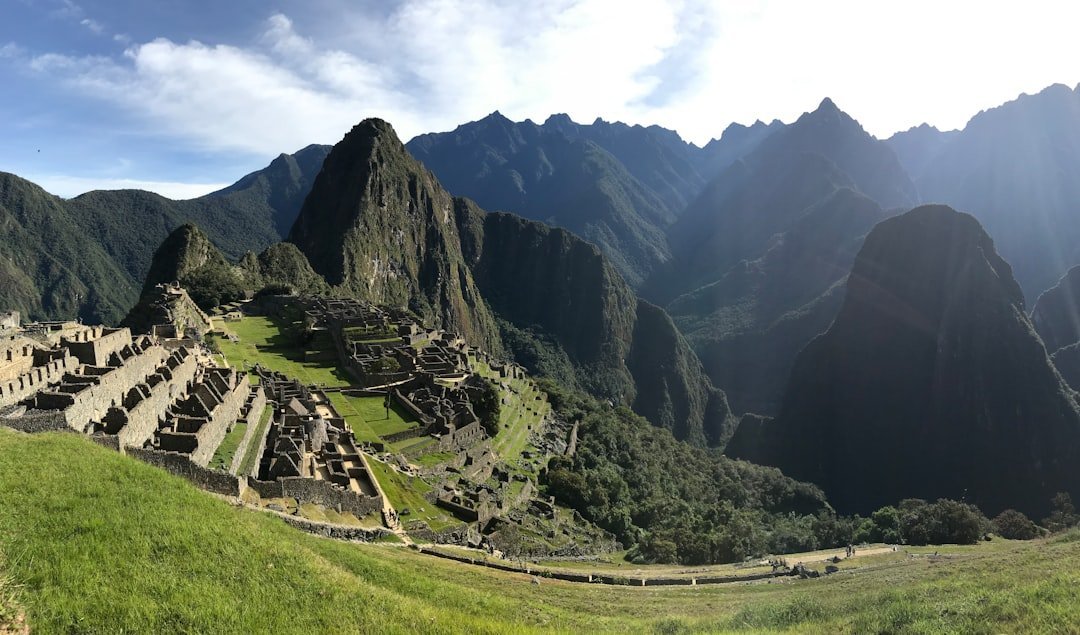
Machu Picchu is genuinely among the most astonishing things ever built. Standing in the ruins, looking out over the cloud-draped mountains, the experience can still break through – briefly, in glimpses. The surrounding apparatus, however, has become an exercise in bureaucratic endurance. Strict ticketing quotas, timed circuits, and a Peruvian state booking platform with limited daily availability shape every aspect of how you’re allowed to encounter the site. Many travelers describe spending more time navigating the logistics than experiencing the place itself.
The surrounding town of Aguas Calientes – the only base for visiting the ruins – has been overwhelmed by overdevelopment, packed with hotels and restaurants catering exclusively to the tourist pipeline moving through daily. Many visitors report that the spiritual serenity once associated with the site has largely been replaced by the feeling of being processed. Photo opportunities feel rushed. The crowds at the most iconic viewpoints are dense enough that getting a clear sightline requires either arriving before dawn or accepting a crowd-filled frame. A site of ancient wonder has been reduced, in practice, to a booking exercise. The destination at #2 sounds like pure fantasy. That gap is precisely the problem.
#2 – Bora Bora, French Polynesia: The World’s Most Expensive Disappointment
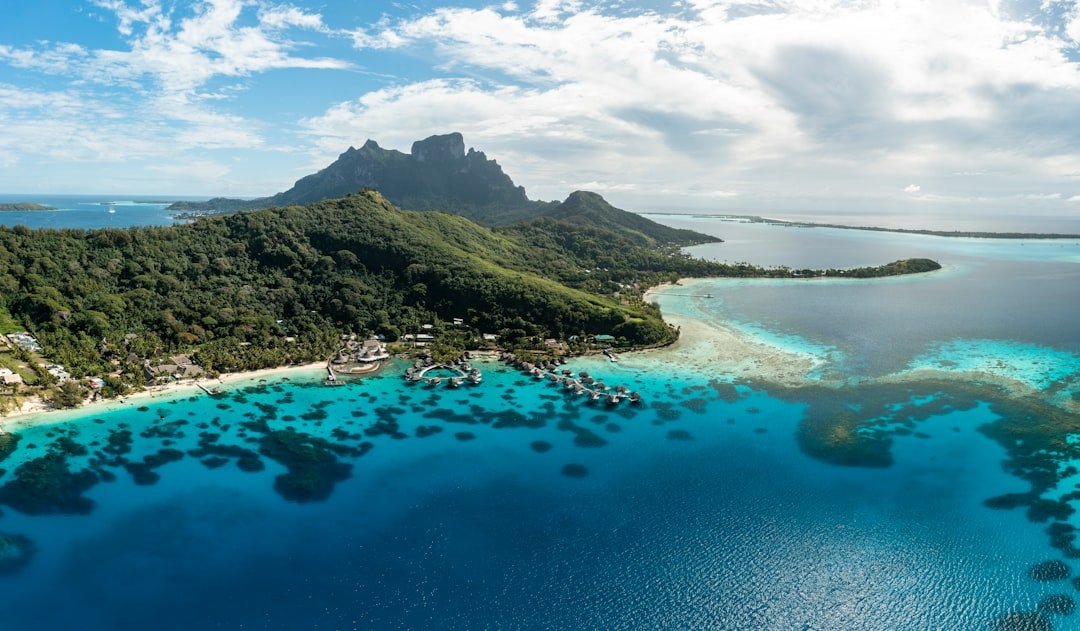
Bora Bora is what travelers reach for when they try to describe their ultimate dream trip. The overwater bungalows. The lagoon so clear it looks painted by someone who wanted to make other lagoons feel bad. The complete disconnection from the rest of the world. Then you actually go, and the credit card bill starts arriving before you’ve even left. A single week at an overwater bungalow can cost more than most people’s entire annual vacation budget – and that’s before the activities, the transfers, and the meals that arrive with prices attached to everything.
The natural beauty is real. The lagoon, the coral reefs, the sunsets – those aren’t overstated. But constant boat traffic, commercialized resort culture, and an experience so transactional that every moment of paradise comes with an invoice have altered the atmosphere significantly. Travelers who built the trip up over years of dreaming often describe a quiet, deflating realization partway through: the dream was more vivid than the destination. Many describe it as beautiful – but not beautiful enough to justify what it cost in money, buildup, and unmet expectation. The destination at #1 is the most globally celebrated single object in all of travel. And the one where travelers most consistently report walking away empty.
The Bucket List Reality Check
Many world-famous destinations are losing their luster due to overtourism and commercialization. Test your knowledge on why these iconic spots are leaving travelers disappointed.
Think you caught the key details? Take the quick quiz and see how sharp your instincts really are.
#1 – The Mona Lisa, Louvre, Paris: The Most Anticlimactic Moment in Travel History
You’ve crossed an ocean. You’ve navigated one of the world’s largest museums. You’ve moved through room after room of genuinely staggering art. And then you arrive at the most famous painting in human history – and she is roughly the size of a large pizza box, behind bulletproof glass, surrounded by several hundred people who have their backs to her and their phones raised. You get approximately 30 seconds before the crowd shifts and absorbs you. That’s it. That’s the moment.
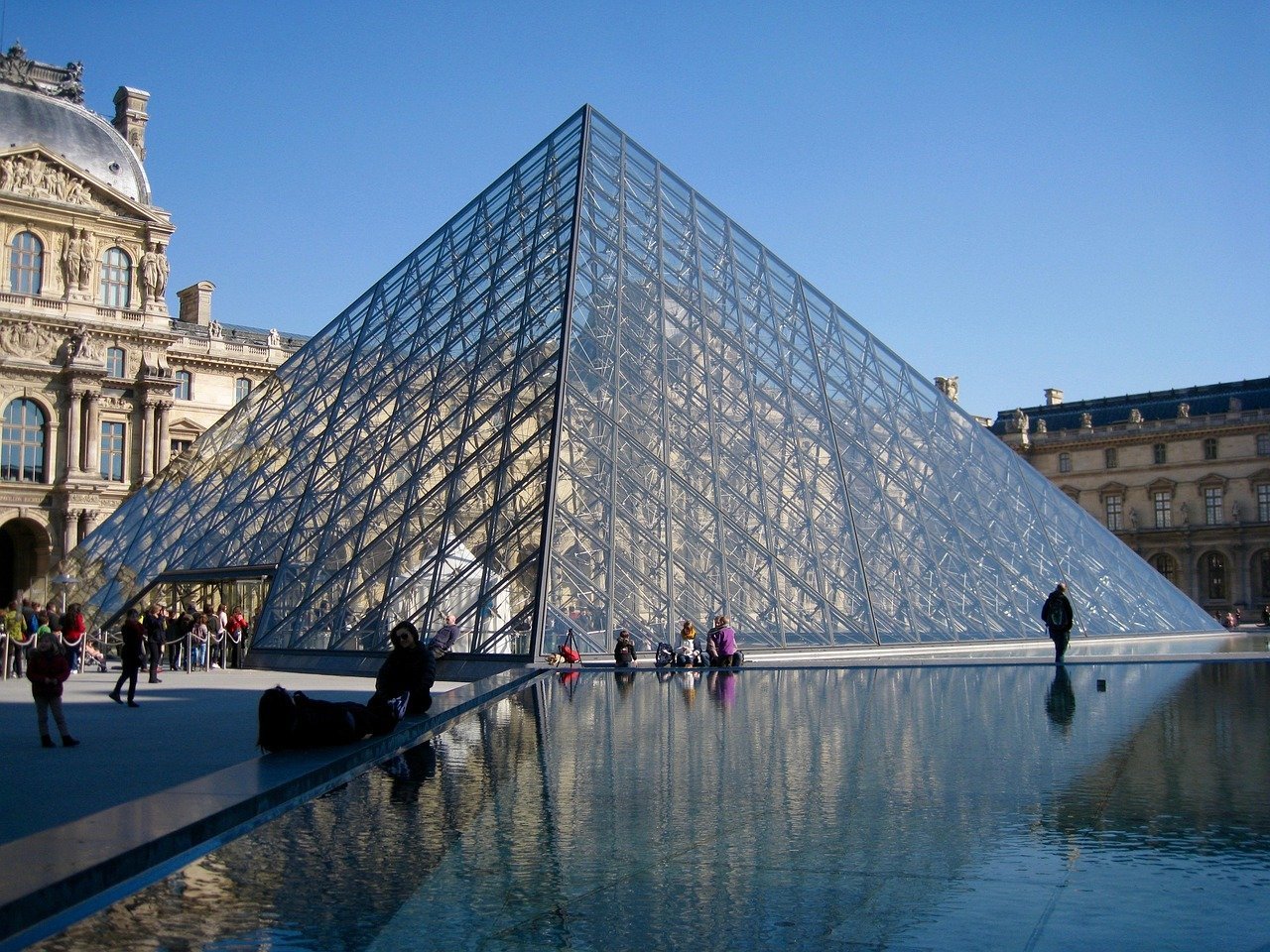
The situation has become so untenable that in January 2025, French President Emmanuel Macron announced a sweeping renovation of the Louvre – the “Louvre New Renaissance” project, estimated at up to €800 million – which includes plans to move the Mona Lisa into her own dedicated underground room with a special access ticket. The Louvre’s director had already described the museum as at “saturation point,” with roughly 30,000 visitors lining up daily just to see the painting. The glass pyramid entrance, designed in the 1980s to handle 4 million visitors annually, now absorbs nearly 9 million. The renovation, which includes a new entrance near the Seine, is expected to take up to a decade to complete. If you’re already at the Louvre, look. But don’t make it the reason you went. The Mona Lisa ranks first on this list not because the painting is unworthy – it’s a masterpiece – but because nothing on earth could survive the weight of what travelers project onto it. That gap between what we imagine and what we actually find is the whole story of this list.
Quick Compare: Expectation vs. Reality at #1
- What travelers imagine: A quiet, intimate moment with a Renaissance masterpiece
- What they find: ~30,000 daily visitors funneling into one room, phones raised, glass glare, 30 seconds of viewing time
- The painting itself: Approximately 30 x 21 inches – roughly the size of a large pizza box
- What’s being done: A €800M renovation will give the Mona Lisa her own dedicated room, accessible by special ticket – but completion is a decade away
- The overlooked upside: The enormous Venetian masterworks hanging in the same room – Titian, Veronese – are almost completely ignored by crowds rushing toward one painting
The pattern across all 15 of these destinations is identical: fame became the enemy. Overcrowding, inflated prices, relentless commercial pressure, and the crushing weight of expectation turned bucket-list dreams into cautionary tales. A Skyscanner survey found that 32% of tourists had experienced a negative impact from overtourism, and 34% were actively seeking quieter alternatives. That shift is real and accelerating. People are waking up to the idea that a destination’s popularity has nothing to do with whether you’ll enjoy standing in it for three hours in the blazing heat. The world is still full of places no influencer has ruined yet. Maybe that’s where the real list should start.