
Most people think experienced travelers are a patient, zen-like bunch – happy to absorb every rookie mistake happening around them in the security line, at the gate, or inside a cultural site they’ve visited a dozen times. Turns out, that’s completely wrong. Seasoned travelers have a very specific internal scoreboard, and they’re silently running it every single time they travel. They won’t say anything to your face. But they’re absolutely watching.
The habits on this list aren’t about being mean or elitist. They’re about the behaviors that signal – loudly – that someone hasn’t done this enough times to know better yet. A few of these might feel uncomfortable to read. That’s the point. Here’s what frequent flyers, veteran road-trippers, and experienced international travelers actually notice every time they share a terminal, a flight, or a cobblestone street with you.
#19 – Rolling a Giant Checked Bag Through a City You Could Have Carry-On’d
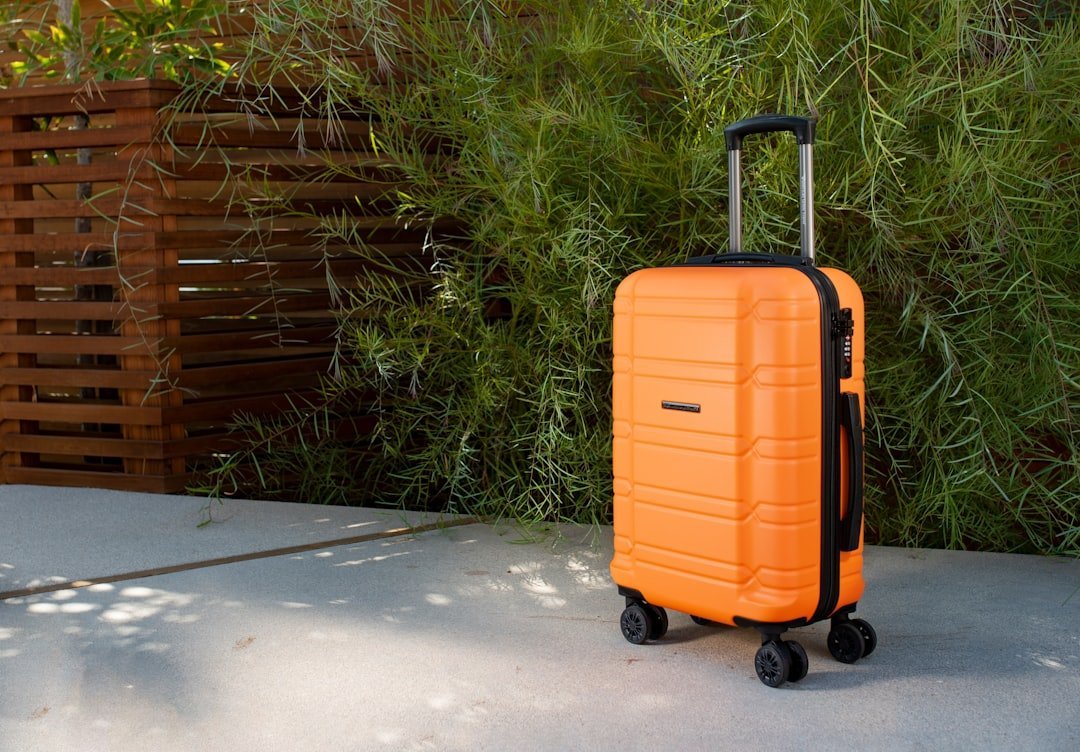
You can spot this one from across the arrivals hall. Someone wrestles a massive checked bag onto a cobblestone street, struggles up a staircase in a train station, and sweats through a metro turnstile – all for a four-day trip. The rookie mistake nearly everyone makes at some point is overpacking. You imagine every possible scenario and your suitcase ends up bursting with “just in case” items. The irony is that most of those clothes never leave your bag. Experienced travelers spotted this problem after their first or second trip and never went back.
What seasoned travelers learn is that lighter luggage isn’t just more convenient – it actually makes you more flexible. You can hop on public transport, explore new cities on foot, and skip the stress of baggage fees. Most travel experts agree you can easily do a five-to-seven-day trip with just a carry-on. Most people will not wear 50% of what they packed in their bags. Dragging half your wardrobe through a foreign city is the single most visible sign of inexperience there is.
#18 – Not Knowing What’s in Their Carry-On at the Security Line
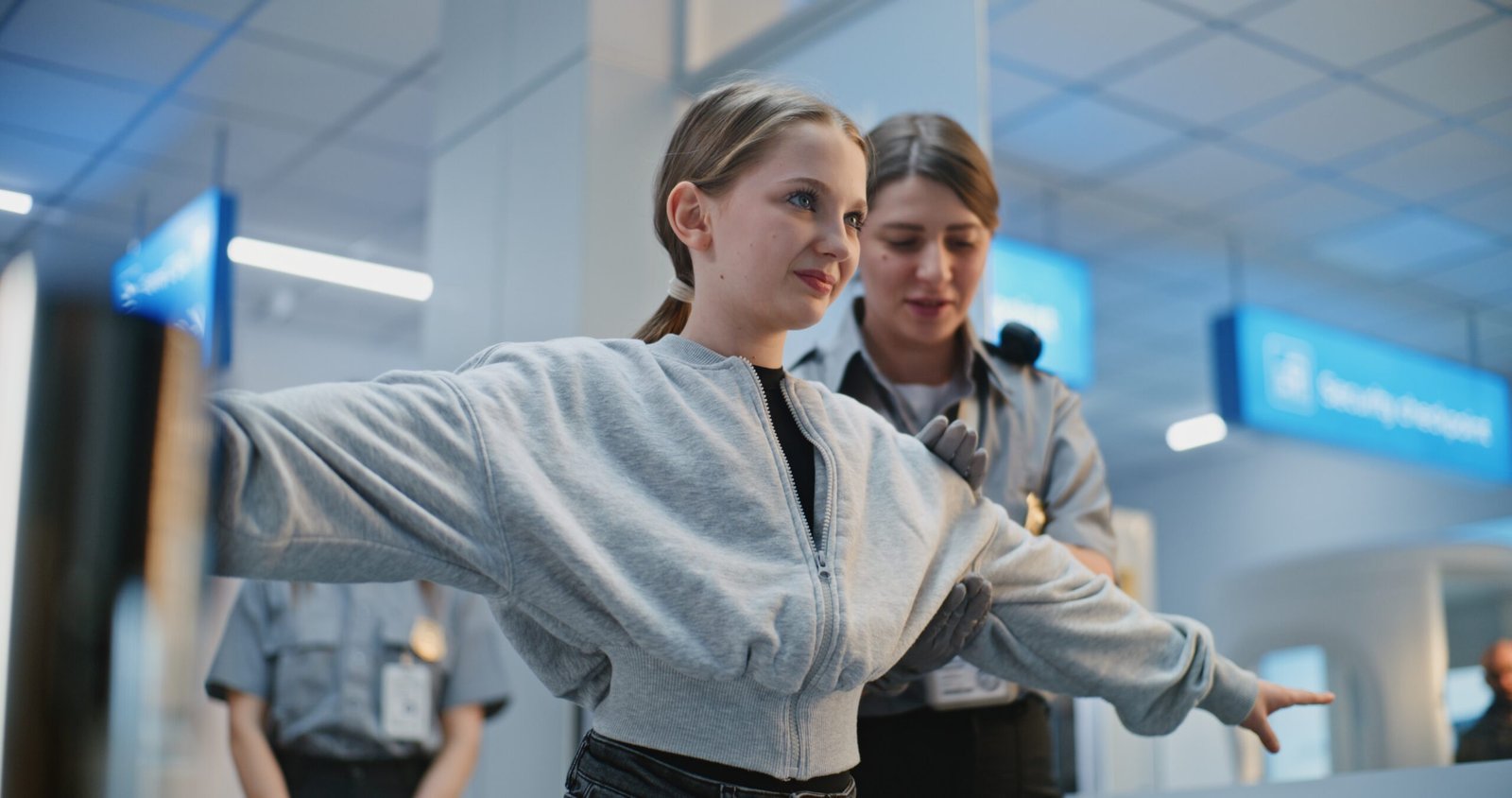
There’s a special kind of frustration that radiates through an airport security line when someone reaches the conveyor belt and acts completely surprised by the process. Laptops still buried. Liquids still zipped inside a bag. Shoes still on. This ranks not only among common air travel mistakes, but also among the mistakes that will make other people at the airport resent you. Holding up a security line because you packed something the TSA does not allow is high on everyone’s list of air travel no-nos.
The rules change from airport to airport, especially when it comes to security, and every airport is laid out differently. No traveler is perfect – we’ve all forgotten to take something out of our pockets – but there are some basic courtesies to keep in mind to make everyone’s journey a little smoother. Experienced travelers have their routine locked: laptop out, liquids ready, shoes off, jacket in the bin – all before they reach the belt. Watching someone piece this together in real time while a line of 30 people waits behind them is genuinely painful.
#17 – Crowding the Gate Before Their Boarding Group Is Called
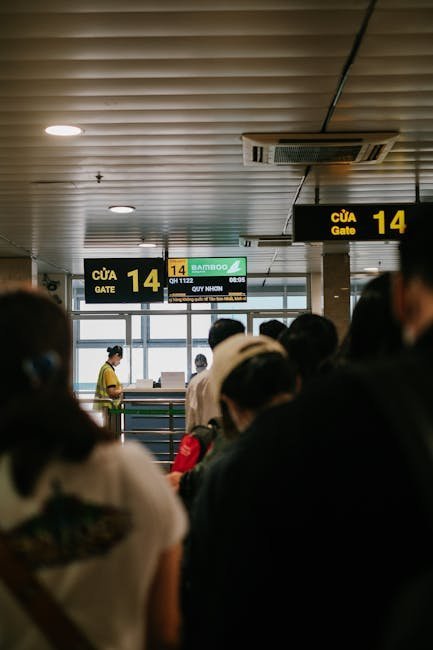
The moment boarding is announced, a certain type of traveler leaps up and plants themselves directly in the boarding lane – even when they’re in Group 5. This achieves nothing. The plane doesn’t leave faster. Their seat doesn’t disappear. Are you someone who crowds the gate when boarding begins, even when you’re in boarding group 7? Don’t be that person. By standing in the way, you’re not going to board any faster, and you’ll just make it harder for those in earlier groups to get through. We promise your seat will still be there when you get on board.
Veteran travelers watch this happen at virtually every single domestic gate in America and quietly catalog the offenders. The habit signals a deeper anxiety about travel that experience eventually irons out – but until then, it turns the boarding area into a frustrating mob scene. The people who’ve done this a hundred times are the ones still sitting calmly in their chairs, fully aware that gate crowding is the fastest way to announce to everyone around you that this trip is a big deal for you.
#16 – Exchanging Currency at the Airport Counter
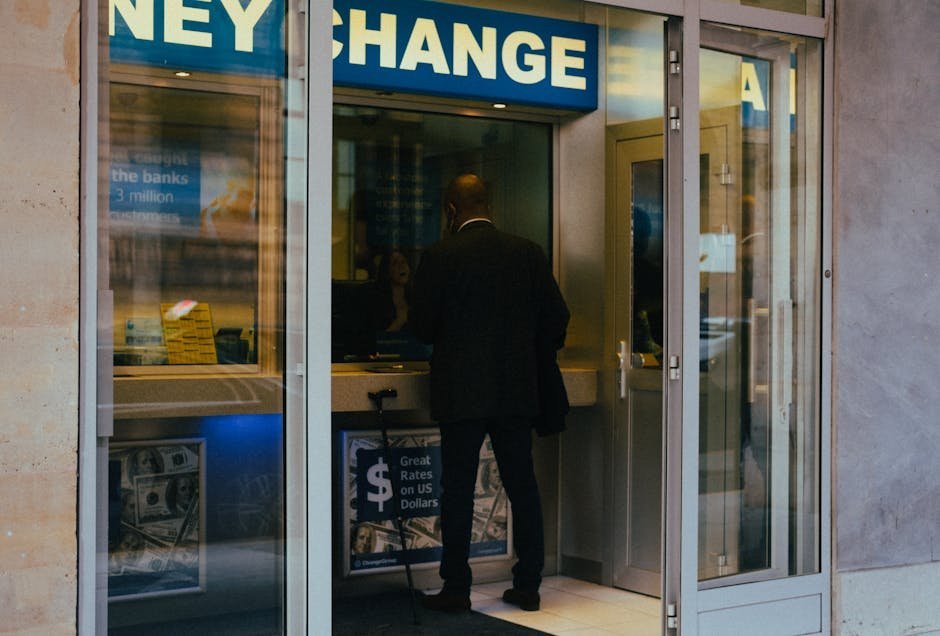
Nothing makes an experienced international traveler wince faster than watching someone walk straight from baggage claim to the airport currency exchange booth. It feels convenient. It is actually one of the most expensive decisions you’ll make on your trip. One of the most common mistakes is doing currency exchange at the airport or the hotel. These spots usually have the worst rates and highest fees, often costing travelers 10 to 15% more. For a better deal, local bank ATMs are usually the best option.
Exchanging money at the airport often comes with poor rates and high fees. Instead, try using a local bank or foreign exchange shops for better deals. You can also withdraw money from ATMs for more favorable rates. That 10–15% premium on a $500 currency exchange means you’re essentially handing $50–75 to the airport for the privilege of convenience. Experienced travelers know this before they board the plane, not after they land. It’s one of those things you only do wrong once – if you’re paying attention.
#15 – Booking a Connecting Flight With a One-Hour Layover
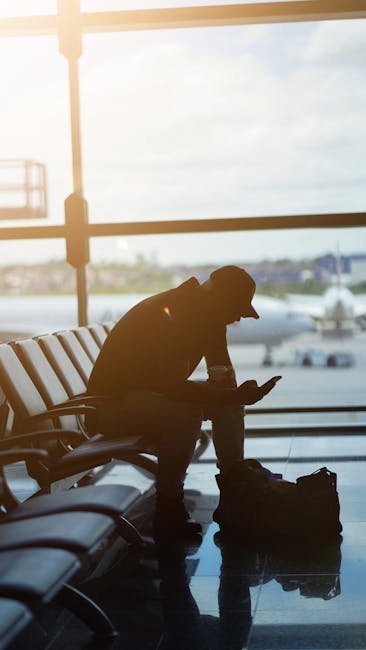
Seen constantly. Someone books two flights with a 55-minute connection, convinced they can make it work. Experienced travelers see this itinerary and already know how the story ends. Flight delays are incredibly common, and if your first flight is even slightly late, you’ll likely miss your second one if the connection is too short. And even if you do make it, tight connections are one of the leading causes of lost luggage.
Connecting flights are the reason people moan with frustration when their first flight is delayed and dash through airports to reach a gate. Missing a connecting flight, especially an international one, can lead to big delays and make your travel schedule a disaster. Industry insiders recommend allowing at least 90 minutes to two hours for domestic connections – more for international. You can’t make a one-hour connection if you have to leave security, pick up your suitcase at baggage claim, wait in line at the ticket counter, re-tag your bag, and go back through TSA. Seasoned travelers have lived this nightmare once and never booked a risky connection again.
The Traveler's Scorecard: Are You Making These Rookie Mistakes?
Think you've mastered the art of the getaway? From the security line to the local bistro, seasoned globetrotters are quietly observing the subtle cues that separate the tourists from the travelers. Test your knowledge on the etiquette and logistics that define a true expert.
Think you caught the key details? Take the quick quiz and see how sharp your instincts really are.
#14 – Taking Up Multiple Gate Seats With Their Stuff
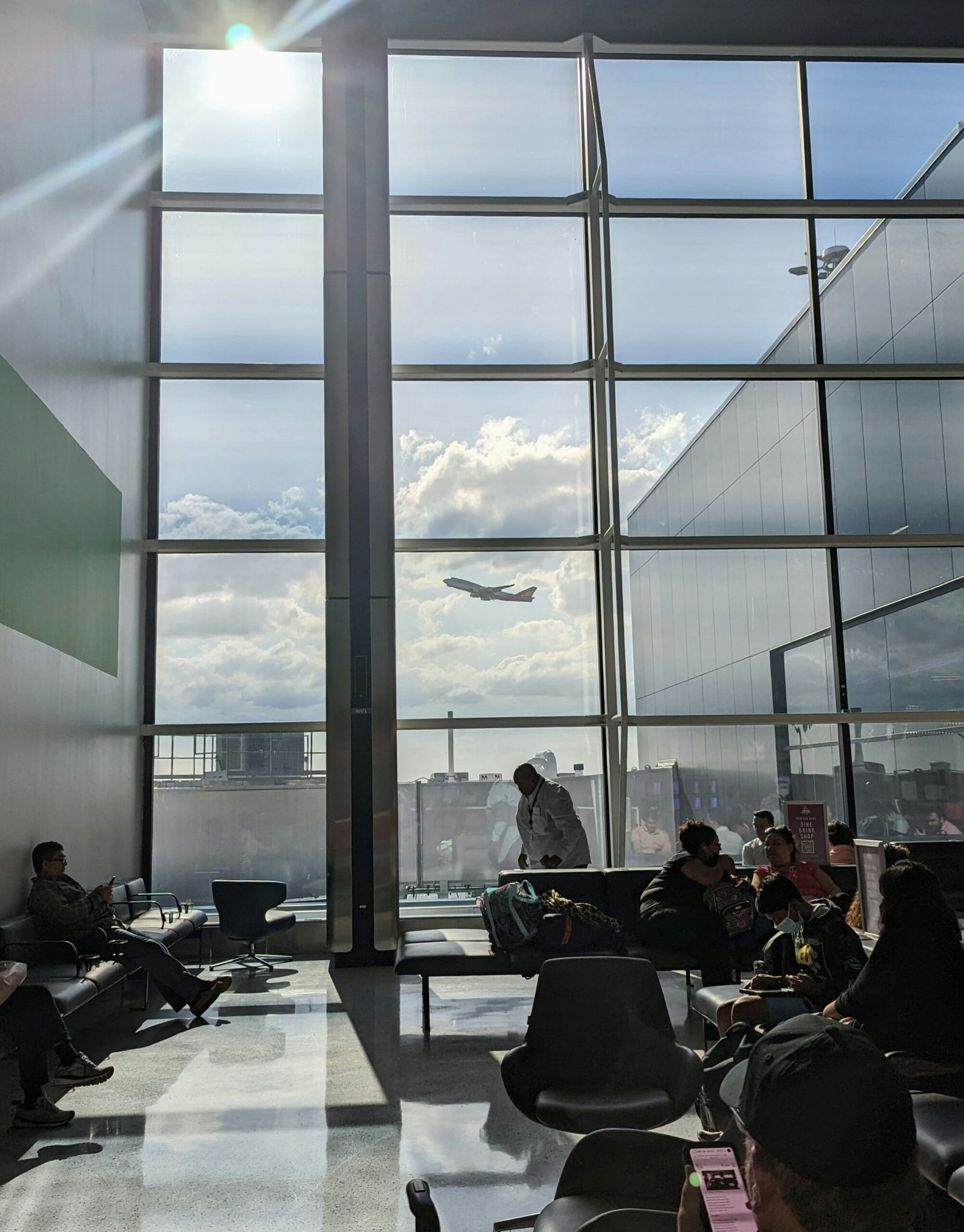
Peak travel season. Every gate is packed. Passengers are scanning the seating area for one open chair and finding nothing – because a solo traveler has turned the three seats next to them into a personal storage unit. Bag on one seat, jacket on another, coffee cup holding a third. Ever arrived at your gate only to find that seating is limited? And the more you look around, the more solo travelers you see taking up two or three seats with their luggage, laptops, food, coffee, etc. That’s a big no-no. Don’t use the seats next to you to store your stuff – it can go on the floor under the seat in front of your feet. Your fellow passengers would appreciate a place to sit, too.
Frequent flyers genuinely notice this and mentally file it under “first-timer behavior.” The unspoken rule is simple: shared space means shared space. When airports are at capacity – which they almost always are during peak travel times – treating public seating like your personal living room is a move that radiates pure obliviousness. Experienced travelers pack efficiently, keep their footprint small, and treat the gate area like the crowded public space it is.
#13 – Arriving at the Airport Without Enough Time
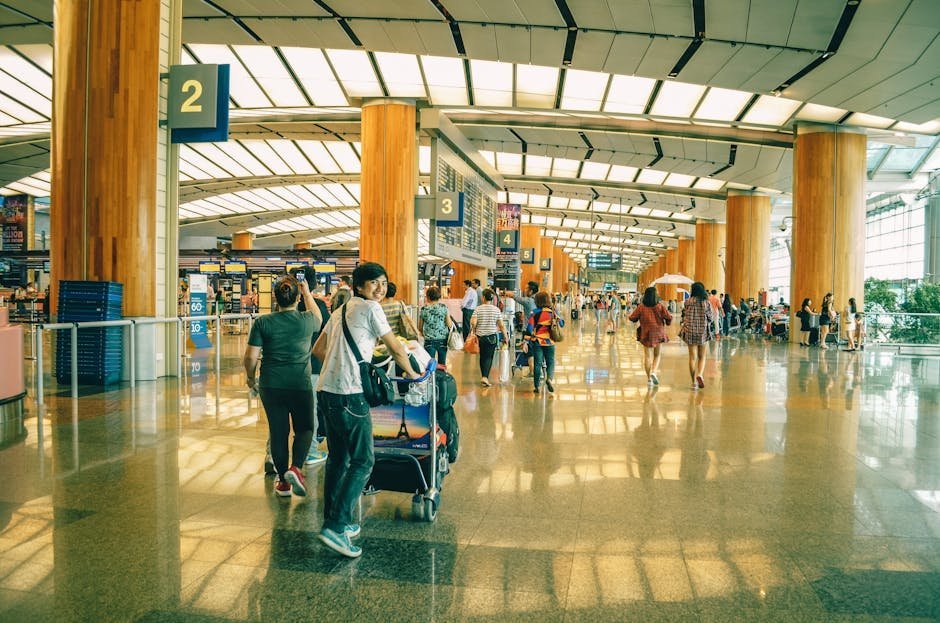
One of the most reliable ways to spot an inexperienced traveler is the panicked sprint through a terminal. Between traffic, bag check lines, and security screening, getting to the airport late can derail your entire trip. Travelers often underestimate how early they should arrive at the airport, especially during peak seasons or when traveling with a group. If you arrive less than an hour before your departure, even a short delay at check-in or bag drop can lead to missing your flight.
Showing up to the airport two hours before the posted departure time is a serious recommendation. For passengers with an international flight, arriving three hours before your flight is advised. Huge airports that act as hubs may require more time to navigate. Even with TSA PreCheck, you cannot count on it to make up for leaving your house late. Even in the smallest stations, security can get backed up. TSA PreCheck is great, but you can’t rely solely on that to get you to your flight on time. Experienced travelers build buffer time the same way they build in sleep – non-negotiable.
#12 – Shoving a Carry-On Into the First Available Overhead Bin
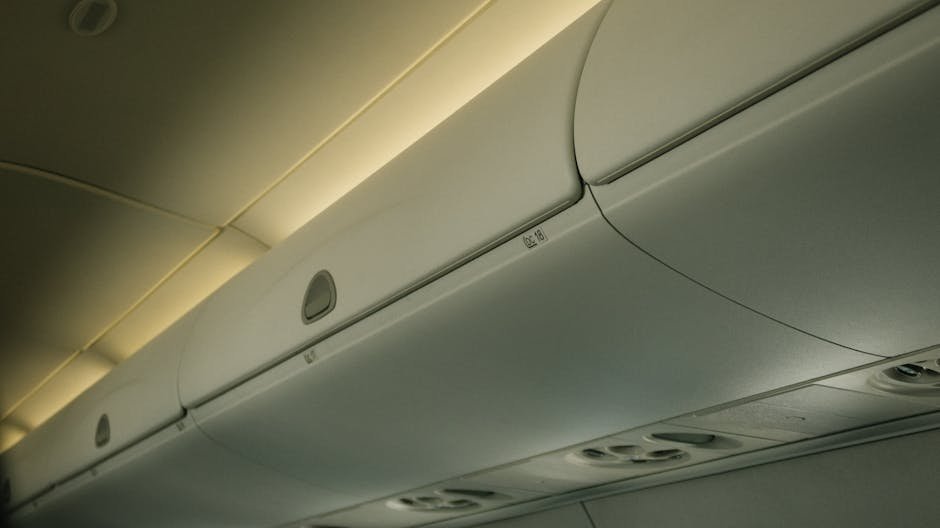
You’re in row 24. Your carry-on is in the bin above row 11. Congratulations – you’ve just guaranteed that someone else has nowhere to put their bag near their seat, and you’ve created a bottleneck during deplaning when you march forward through a crowd to retrieve it. We all know the people that shove their carry-on bags into the first overhead space they see and then casually stroll to the middle of the plane. Life would be so much easier if overhead space were allotted by seat.
This is one of the most reliably judged behaviors in all of air travel – and every frequent flyer has a version of this story. The overhead bin directly above your seat exists for a reason. Using the first available one you pass telegraphs either pure selfishness or total cluelessness, and veteran travelers can never quite decide which is worse. Either way, the silent judgment is immediate, intense, and unanimous.
#11 – Blocking the Walkway to Take a Photo
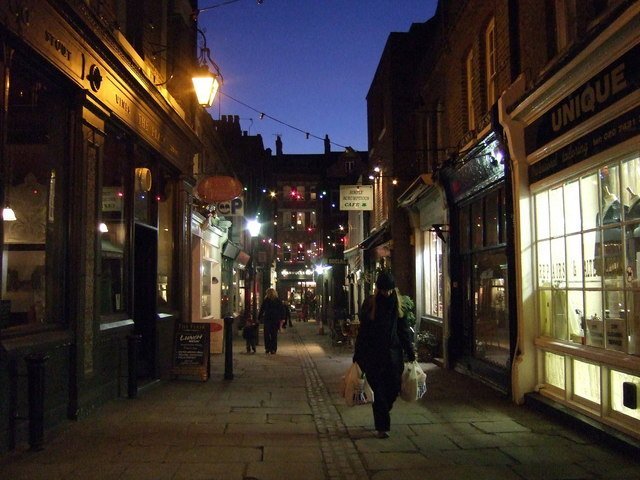
There’s nothing wrong with photographing a destination. But stopping dead in the middle of a busy bridge, a narrow alley, or a museum corridor to frame the perfect shot – with no awareness of the 15 people stacking up behind you – is a habit that experienced travelers find genuinely maddening. The tell is the total absence of situational awareness. Failing to adapt to local culture is a common travel mistake. Sticking to what’s familiar may feel easier, but embracing the local way of life enriches your experience and fosters meaningful connections.
The photography problem is a subset of a larger issue: the tourist bubble. When someone is so locked into their own travel experience that they stop noticing the people physically around them, it’s one of the clearest signals that they’re still in “vacation mode” rather than “traveler mode.” Experienced travelers take their photos from the side, keep moving, or wait for a natural clearing. They treat public spaces like shared spaces – because they are.
#10 – Over-Scheduling Every Hour of the Trip
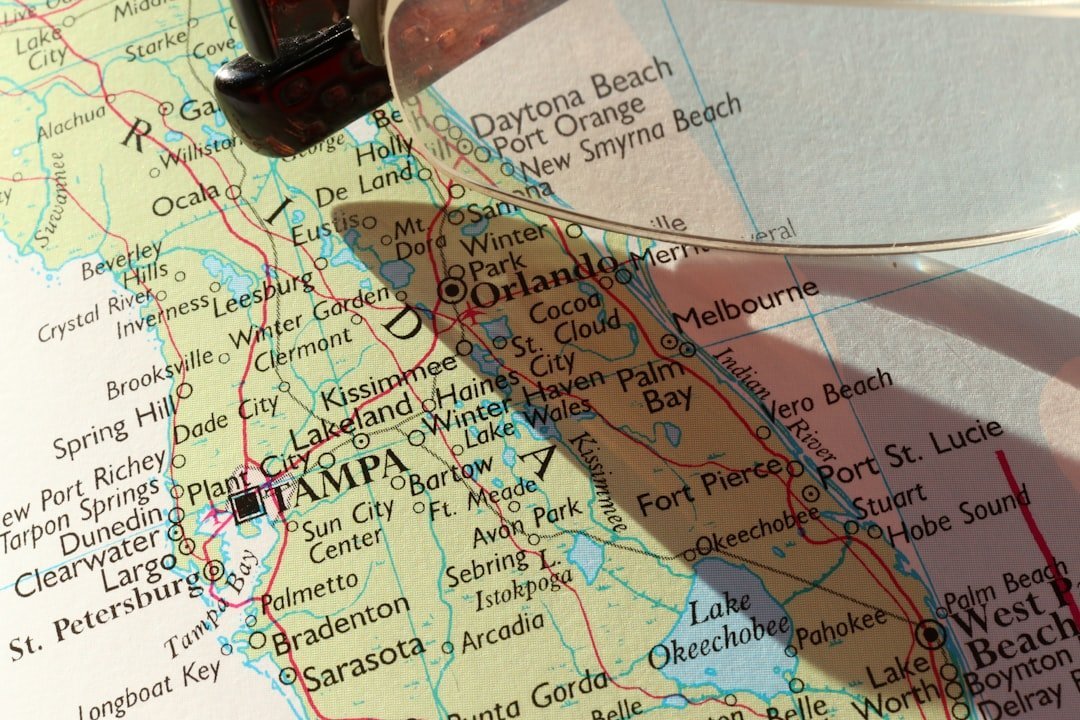
The jam-packed itinerary – breakfast at 7, museum at 8:30, second museum at 11, lunch at 12:15, boat tour at 1, sunset bar at 6:30 – is a rookie signature move. Planning jam-packed itineraries, rushing from one city to another just to “see everything,” leads to exhaustion and missing the joy of being in the moment. The fix is to slow down, spend more time in fewer places, enjoy morning coffee at a local café, talk to locals, or watch a sunset without rushing to the next spot.
Experienced travelers have watched friends and partners run themselves ragged checking off a list of sights, only to come home exhausted and barely remembering any of it. The real mark of a confident traveler is building white space into their trip on purpose – and not feeling guilty about it. Over-scheduling is usually a symptom of travel anxiety and the fear of “wasting” a destination. Veterans know that the best memories usually happen in the unplanned hours between the scheduled stuff.
#9 – Assuming English Gets You Everywhere Abroad

This one stings because it’s so widespread. Saying hello, thank you, or ordering food in the local language shows respect and makes everyday interactions smoother. Inexperienced travelers often assume English will get them everywhere, but that assumption can lead to frustration and missed opportunities. Experienced international travelers learn at least five to ten words before they land – hello, thank you, please, excuse me, and the name of what they want to eat. It takes 20 minutes of prep and it changes every interaction.
Learn key local phrases in the local language, try local cuisine, and understand basic cultural norms. Disregarding these elements can be considered rude and may lead to misunderstanding or missed connections. Walking into a restaurant in Paris, Tokyo, or Lisbon and immediately speaking English at full speed – without even attempting a local greeting – is something locals notice and resent. It signals that you see the destination as a backdrop for your experience rather than a place with its own culture, rhythm, and dignity. Veteran travelers know the difference, and they judge the ones who don’t.
#8 – Skipping Travel Insurance to Save a Few Dollars
This one doesn’t get judged out loud – it gets judged retroactively, when the person who skipped insurance is suddenly scrambling. Many travelers skip travel insurance to save money. However, unexpected situations such as flight cancellations, medical emergencies, or lost luggage can occur. Without insurance, these incidents can become expensive and stressful. The logic seems reasonable until the moment it isn’t.
Travel insurance covers the unpredictable: illness, accidents, lost luggage, even unexpected flight changes. Skipping it may save a little money upfront, but it’s a gamble most seasoned travelers don’t take. Buying coverage doesn’t need to be complicated or expensive. Many credit cards even offer built-in insurance if you book your trip with them. The calculation experienced travelers do isn’t “Will something go wrong?” – it’s “Can I afford it if it does?” For most people, the answer is no, which makes skipping insurance one of the most quietly judged financial decisions in all of travel.
#7 – Treating Hotel Staff Dismissively When Things Go Wrong

The way someone treats service staff when a booking goes sideways is an instant character reveal. A wrong room. A missing reservation. A late check-in. These things happen everywhere. Both frequent travelers and long-time hotel employees share an interesting tip: always be considerate toward the staff. Yes, it’s basic human decency, but some people forget to be kind when they’re frustrated by a booking error or a last-minute cancellation. It’s always better to stay friendly, as this often leads to better service and a more helpful response. Kindness is usually repaid with kindness.
Experienced travelers know something the frustrated traveler doesn’t: the person at the front desk has more power to fix your situation – or not – than almost anyone else on the planet at that moment. Yelling, sighing loudly, demanding to speak to a manager, or making scenes in hotel lobbies are behaviors that veteran travelers spot instantly and judge hard. Not just because it’s rude, but because it’s strategically dumb. The calm, friendly guest almost always gets the upgrade, the extra towels, or the room move.
#6 – Never Leaving the Tourist Corridor
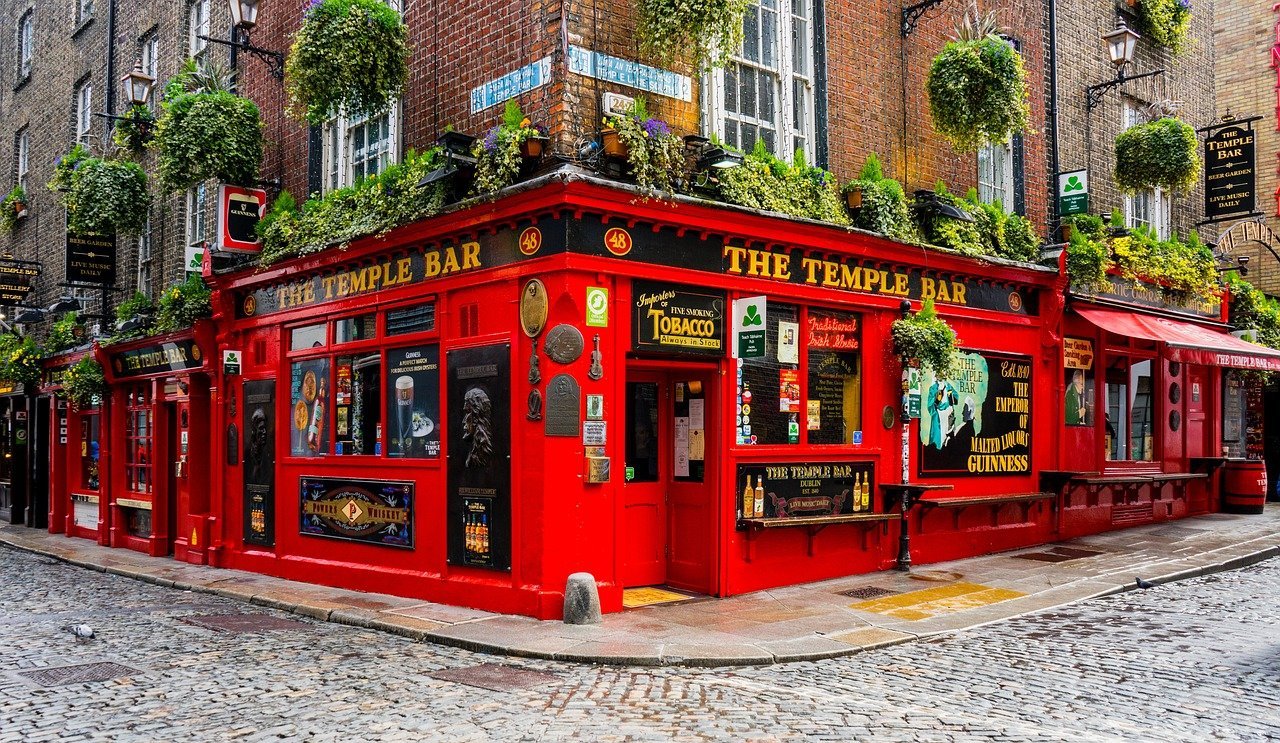
In almost every major destination, there’s a bubble – a three-block radius of overpriced restaurants, souvenir shops, and other tourists taking identical photos. Some visitors never leave it. A fundamental goal in smart travel is having meaningful contact with local people. At a pub anywhere in England, don’t sit at a table – sit at the bar, where people hang out to talk. The tourist corridor exists to extract money from people who haven’t figured this out yet.
Experienced travelers actively seek the neighborhood 10 minutes from the main square – the café where locals eat, the market where residents shop, the bar where nobody speaks English as their first language. Some experts argue that staying exclusively in the tourist zone is not just financially wasteful – it means you didn’t actually experience the place you flew to visit. You experienced a curated simulation of it. Veterans know the difference, and they consider the walk away from the crowds to be the single best travel decision you can make on any trip.
#5 – Not Checking Passport Validity Before an International Trip
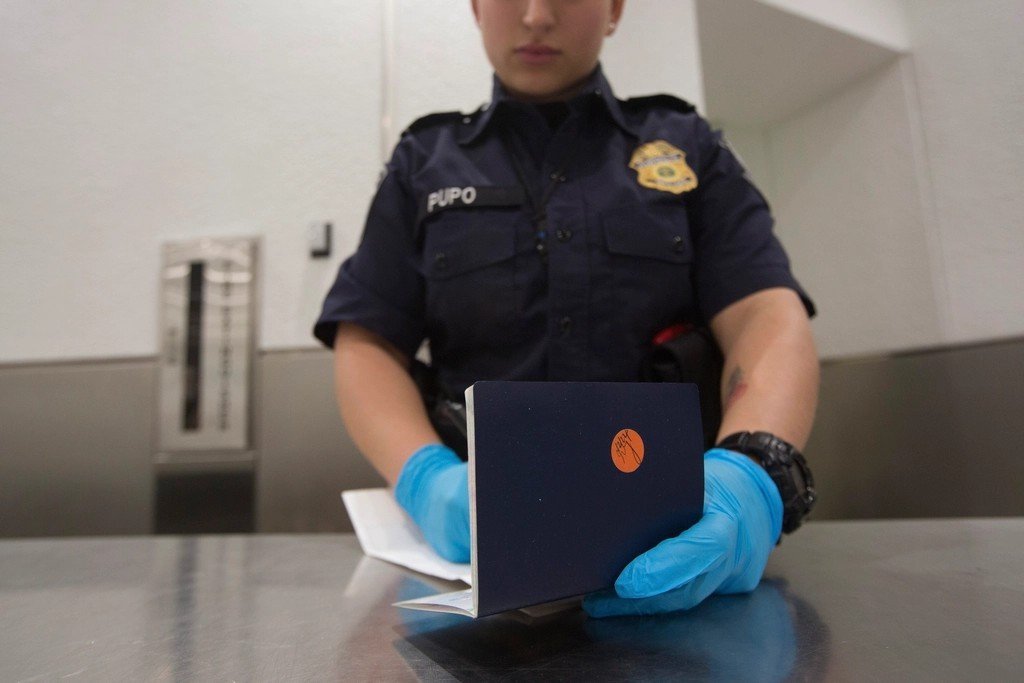
This one has a steep real-world consequence attached to it. Travelers can reach the airport only to realize their passport expires in less than six months and they’re denied boarding. It’s heartbreaking but avoidable. Forgetting to renew your passport is a common mistake, made by even the most savvy travelers. Additionally, your passport must meet the six-month rule that many countries require for entry. Always check your passport at least six months before an international trip.
Experienced travelers check passport validity when they book, not the night before departure. The six-month validity rule is one of the most commonly unknown facts in American travel – many countries will turn you away at immigration even if your passport isn’t technically expired, simply because it expires within six months of your travel date. Watching someone in an airport line confidently hand over a passport that’s about to expire is a moment that makes veterans go silent. They’ve either been there themselves or watched someone else get absolutely wrecked by it.
#4 – Going to the Most-Hyped Restaurant Instead of Asking a Local

The two-hour wait outside a restaurant that went viral on TikTok. The famous brunch place with 12,000 Google reviews and mediocre eggs. The “must-do” dinner spot that charges tourist prices for tourist-quality food. Experienced travelers see people lining up for these places and feel a very specific kind of second-hand exhaustion. Ninety-two percent of younger travelers were inspired by social media in some shape or form for their last trip – which means social media increasingly decides where people eat, and social media is optimized for aesthetics, not flavor.
Veteran travelers ask the hotel housekeeper, the local Uber driver, or the person behind the counter at a neighborhood coffee shop where they actually eat. Not where tourists eat. Where they eat. These recommendations are rarely wrong, almost always cheaper, and usually involve no wait at all. The willingness to step away from the algorithm and trust a stranger is one of the clearest signs that someone has been doing this for a while – and it’s one of the habits experienced travelers most judge others for skipping.
#3 – Traveling Peak Season Because “That’s When Everyone Goes”
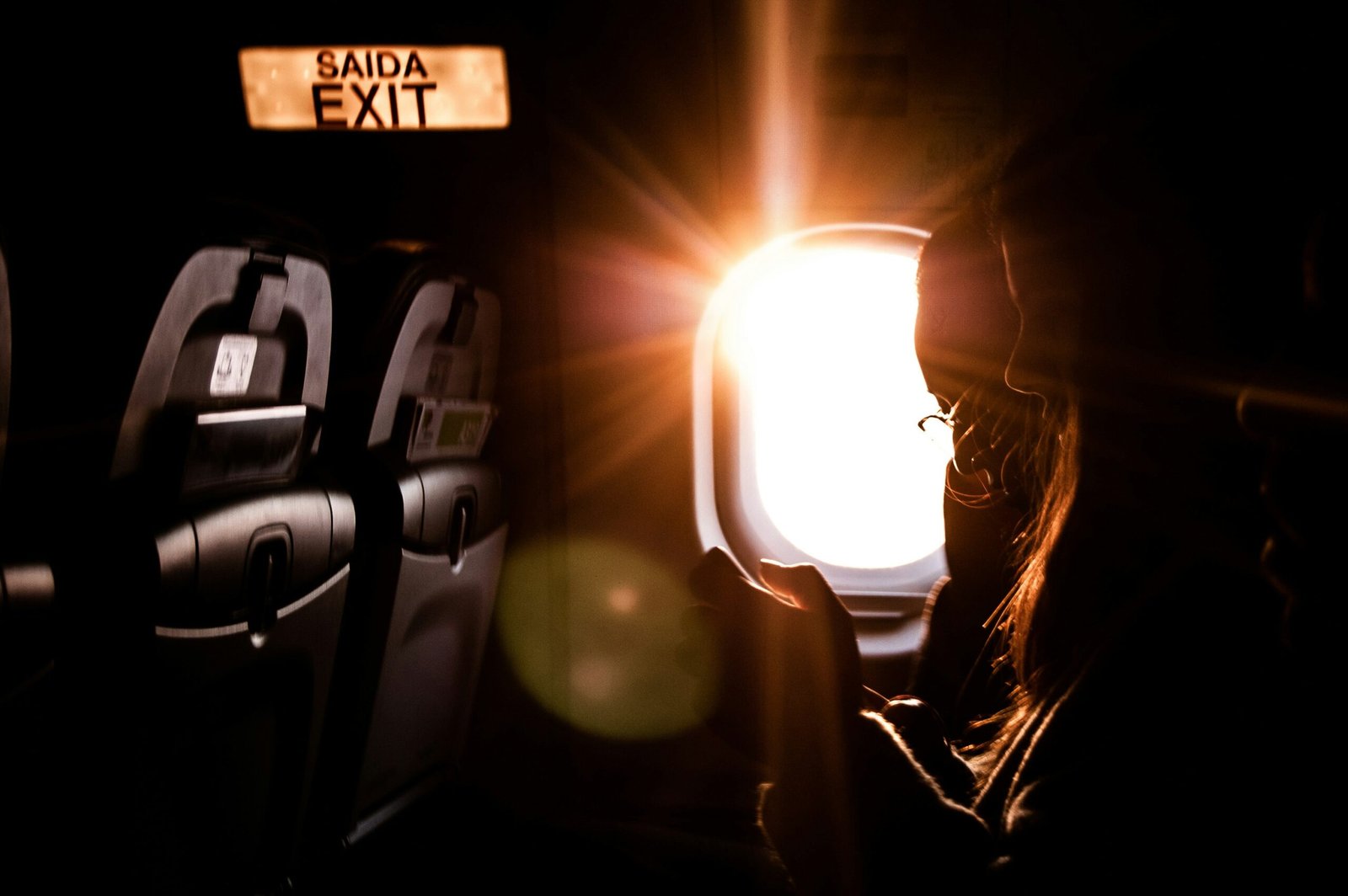
While the high season shows each place at its best, many experienced travelers find it overrated. Think about it: more crowds, packed attractions, long lines everywhere, and higher prices on everything from flights to meals. Try traveling in the low season instead – not only for your wallet, but also for your peace of mind. The person who insists on visiting Rome in August or Paris over spring break and then complains about the crowds? That’s a very specific kind of self-inflicted suffering that experienced travelers can’t quite get over.
The most popular months for travel in the U.S. are June and July – which means everyone is going at the same time, competing for the same flights, the same hotel rooms, and the same restaurant tables. Experienced travelers often argue that shoulder season – the weeks just before or after peak – gives you 80% of the experience at 50% of the price and 20% of the crowds. The refusal to even consider traveling off-peak is something veterans find baffling, especially when the math on time, money, and sanity is so obviously in favor of going in October instead of July.
#2 – Ignoring Local Customs and Dress Codes at Cultural Sites

This is the one that experienced travelers find genuinely cringe-worthy – not just tactically wrong, but culturally disrespectful. Showing up to a mosque, a temple, or a cathedral in shorts and a tank top because “it’s hot outside” signals that someone prioritized their comfort over basic respect for a place that means something profound to the people who live there. Failing to adapt to local culture is a common travel mistake. Sticking to what’s familiar may feel easier, but embracing the local way of life enriches your experience. Learn key local phrases in the local language, try local cuisine, and understand basic cultural norms. Disregarding these elements can be considered rude and may lead to misunderstanding or missed connections.
Experienced travelers research dress codes before visiting any religious or cultural site – full stop. A light scarf takes up zero space in a day bag and solves the problem at every mosque, temple, and church on your itinerary. The image of a tourist being turned away from a significant cultural site because they couldn’t be bothered to prepare for it is something every veteran traveler has witnessed, and none of them feel particularly sympathetic. This one isn’t a logistical oversight – it’s a respect deficit.
The Traveler's Scorecard: Are You Making These Rookie Mistakes?
Think you've mastered the art of the getaway? From the security line to the local bistro, seasoned globetrotters are quietly observing the subtle cues that separate the tourists from the travelers. Test your knowledge on the etiquette and logistics that define a true expert.
Think you caught the key details? Take the quick quiz and see how sharp your instincts really are.
#1 – Treating Travel Like Something That Happens to Them Instead of Something They’re Doing
This is the one that underlies almost every other habit on this list – and it’s the one experienced travelers judge most deeply, even if they’d never say it out loud. The passive traveler is confused when their flight is delayed. Frustrated when a restaurant is closed. Thrown off when the weather doesn’t cooperate. Overwhelmed when the plan falls apart. They experience travel as a series of things happening to them, rather than a dynamic situation they are actively navigating. Traveling can be full of surprises and not always the good kind. Even the most experienced travelers know that things don’t always go as planned. Mistakes happen.
Letting mistakes ruin your trip is one of the biggest travel errors of all. Many tourists get indignant when they make a mistake or get ripped off. When something happens, it’s best to get over it. The joy of travel is not the sights and not necessarily doing it right – it’s having fun with the process, being wonderstruck with a wider world, laughing through the mistakes and learning from them, and making friends along the way. Experienced travelers treat disruption as part of the deal – because after enough trips, you realize the detours are usually the best parts. The ability to stay calm, adapt quickly, and find the humor in a missed train or a wrong turn is the single biggest marker that separates a true traveler from a tourist. And it’s the one thing you can’t fake.
So there it is – 19 habits that experienced travelers silently catalog every time they share a flight, a terminal, or a cobblestone square with the rest of us. The truth is, most veteran travelers have been guilty of at least a few of these themselves, early on. That’s exactly how they know what to look for. The difference between a tourist and a traveler isn’t money or passport stamps – it’s the willingness to pay attention, adapt, and show up for the destination as much as the destination shows up for you. Which of these have you been guilty of? Drop it in the comments – no judgment here.