
Most people picture vacation planning as the fun part – browsing photos, dreaming big, maybe cracking a beer while scrolling through hotel listings. The reality in 2026 looks a little different: permit lotteries, timed-entry windows, airfare volatility, and reservation systems so competitive that people set 6 a.m. phone alarms just to grab a campsite. The American vacation dream is alive. It’s just considerably harder to execute than the Instagram version suggests.
Some trips on this list can be pulled together in a single weekend of clicking around. Others will have you refreshing Recreation.gov at midnight, entering the same lottery three months in a row, and quietly questioning your life choices. The stress gap between a beach rental in Florida and a backcountry permit in Zion is enormous – and most people don’t find out until they’re already knee-deep in it. Here’s where 22 classic American vacations actually land when you rank them by how hard they are to plan right now, counting down from the easiest to the one that will genuinely test your patience.
#22 – A Florida Beach Trip: Deceptively Easy, Almost Too Easy
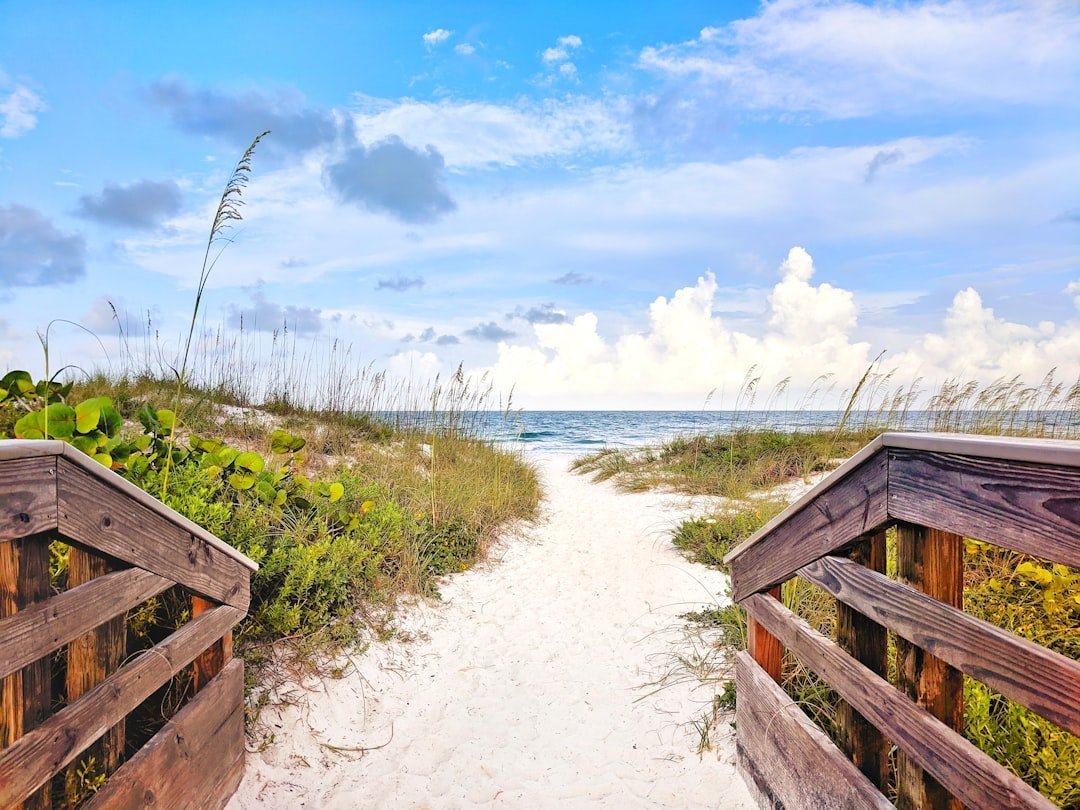
Florida remains one of the most booked domestic destinations year after year, and for good reason: the infrastructure is there, flights are cheap from nearly everywhere, and the beach towns practically run on autopilot for tourists. You can book a condo in Destin or a hotel in Clearwater in under an hour, find reasonable last-minute rates, and show up with almost zero advance logistics. It is genuinely one of the most frictionless vacations in America to put together.
The stress points are minor: summer humidity is brutal, hurricane season runs June through November and can force rebooking, and popular spots like 30A see rental prices spike sharply in July. Key West fills up fast, so booking flights and accommodations 3–6 months out is smart – but even a late booking usually works out fine here. Compared to almost everything else on this list, a Florida beach trip is a planning win. Enjoy it while it lasts, because the difficulty starts climbing from here.
At a Glance: Florida Beach Trip
- Planning lead time: 4–8 weeks is plenty outside of peak summer
- Permit required: None
- Biggest wild card: Hurricane season (June–November) can force last-minute rebooking
- Best value windows: Late April–May and mid-September–October
- Stress level: Low – the easiest major vacation on this entire list
#21 – A Tennessee Smoky Mountains Cabin Getaway: Weekend Warrior Easy
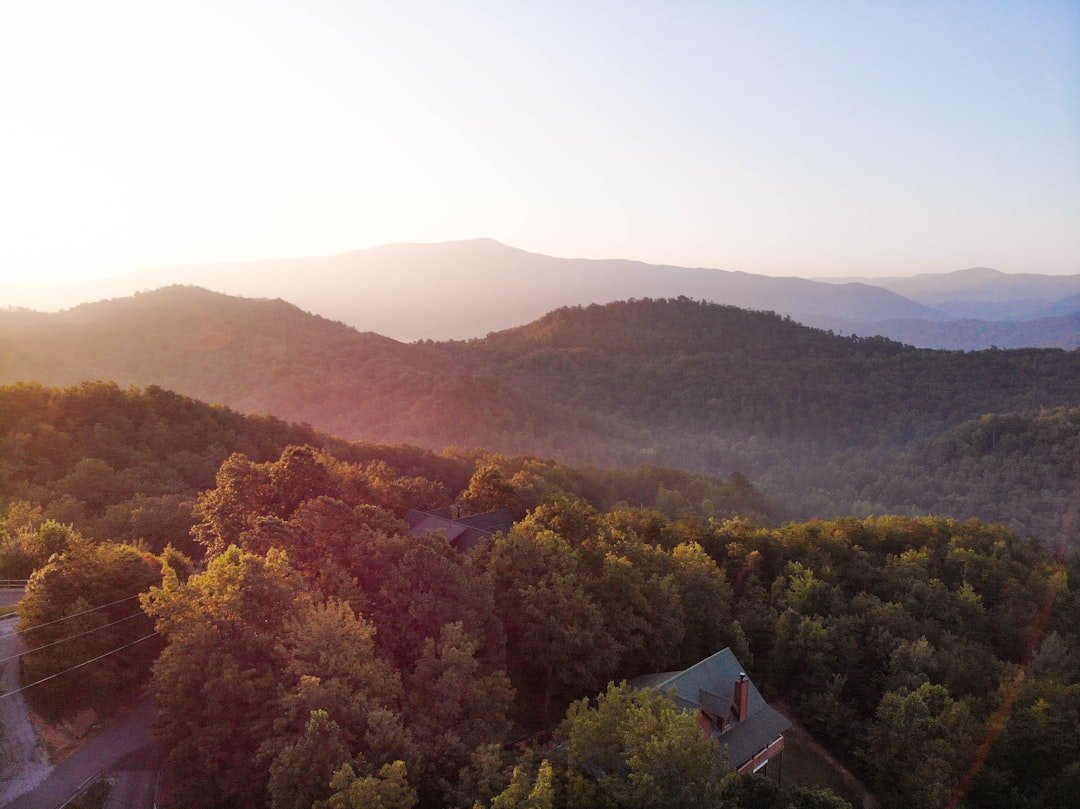
The Smoky Mountains corridor – Gatlinburg, Pigeon Forge, Sevierville – is one of the most visited vacation regions in the eastern U.S., and the rental cabin market there is enormous. Hundreds of property management companies compete for your booking, prices stay competitive, and you can realistically plan a full long-weekend trip in a single afternoon. No permits, no lotteries, no timed entries required just to get into the area. The Great Smoky Mountains National Park is actually the most-visited national park in the country, drawing over 12 million visitors in 2025, and it still doesn’t require reservations to enter – a genuinely rare thing in 2026.
The stress is mostly self-inflicted: leaf-peeping season in October gets competitive for the best cabins, and holiday weekends sell out faster than people expect. But compared to parks out West, this is planning on easy mode. Drive in, find your cabin, start the hot tub. The logistics are genuinely minimal, and that feeling of ease is about to become a lot less common as we move down the list.
#20 – A Las Vegas Trip: Low-Effort, High-Reward Planning

Las Vegas is engineered for impulsive, last-minute travel. Flights are frequent and competitively priced from nearly every major U.S. city, hotels carry massive room inventories, and the city runs 24/7 – there’s no wrong time to show up. Most people can plan a Vegas trip in a single evening: pick a hotel, book a flight, maybe snag one dinner reservation at a restaurant you’re excited about. That is genuinely the whole plan for most visitors, and it works.
The real traps are niche: major convention weeks like CES in January can spike hotel prices to absurd levels and kill availability overnight. Sphere residencies and major headliner concerts sell out months ahead. The most coveted restaurant tables and nightclub experiences require real advance booking. But the baseline Vegas trip? Extremely low stress to put together. The city literally built its brand on spontaneity. Heading into #19, the planning complexity starts to creep up just a little.
#19 – A Texas Hill Country Road Trip: Relaxed but Weather-Dependent

A Texas Hill Country road trip – Fredericksburg, Wimberley, Enchanted Rock, Luckenbach – is one of the most underrated American vacations and also one of the easiest to plan. The region has a deep network of vacation rentals, wineries, and boutique hotels that stay relatively available outside of peak spring wildflower season. You can build a loose itinerary in a couple of hours, and the driving distances are manageable. No permits are required for most attractions, and the pace is intentionally unhurried.
The planning headaches are primarily seasonal. Spring wildflower season from March through April is when Fredericksburg peaks in popularity and accommodations book up weeks ahead. Summer heat in central Texas is genuinely extreme – over 100°F is normal in July and August – which reshapes the activities you can realistically plan around. But outside those pressure windows, this is one of the most accessible, affordable, and genuinely lovely regional trips in the country. Up next at #18, the stress takes a real jump.
#18 – A New Orleans Trip: Fun to Plan, Complicated by Timing

New Orleans has enough hotels, Airbnbs, and character-dripping guesthouses to absorb most travel demand without breaking a sweat – outside of Mardi Gras. For most of the year, you can book a trip with moderate lead time, find great options at reasonable prices, and walk into most restaurants without much advance planning. The French Quarter, Magazine Street, and Frenchmen Street reward spontaneous exploration. The food scene is one of the easiest in America to enjoy without a reservation in hand.
The stress wildcard is entirely calendar-dependent. Mardi Gras, Jazz Fest, the Essence Festival, and the Sugar Bowl can make the city simultaneously impossible to book and expensive beyond reason. During Mardi Gras, hotel rates routinely triple, and planning a year out is not an exaggeration for peak parade weekend. Summer adds brutal heat, humidity, and real hurricane risk for any August or September bookings. Plan outside those pressure windows and it’s a genuine pleasure to organize. Slide into #17 and the stress meter ticks up noticeably.
Worth Knowing: Calendar Events That Blow Up New Orleans Prices
- Mardi Gras (February/March) – hotels can triple in price; plan 10–12 months out
- Jazz & Heritage Festival (late April–early May) – top acts drive major booking spikes
- Essence Festival (July 4th weekend) – one of the largest music events in the South
- Sugar Bowl (New Year’s Day) – blackout weekend for last-minute bookers
- Off-peak sweet spot: October–November offers great weather and normal pricing
#17 – A Nashville Long Weekend: The Bachelorette Boom Made It Competitive

Nashville has been one of the hottest domestic travel destinations for several years running, and the bachelorette party and group travel explosion has permanently reshaped its booking landscape. Good Airbnbs near Broadway fill weeks ahead on peak weekends, and the party-house rental market is competitive and pricey. The trouble isn’t that Nashville is hard to reach – it’s that everyone else figured out how great it is at the same time, and now you’re fighting them for the good spots.
The planning stress in Nashville isn’t really about permits or logistics – it’s about price and availability colliding with a calendar packed with competing group trips. The most popular hot chicken spots don’t take reservations, so you’re dealing with walk-in waits measured in hours. Country music concerts and CMA Fest in June require real advance ticket planning. And downtown hotels are rarely a bargain on Friday and Saturday nights anymore. It’s manageable, but the spontaneous slam-dunk window closed a few years ago. The jump to #16 brings a different flavor of headache entirely.
The Stress Test: Ranking American Vacations
From permit lotteries to 6 a.m. alarms for campsites, planning the perfect American getaway has become a logistical marathon. Test your knowledge on which destinations require the most strategy and which allow for a spontaneous escape.
Think you caught the key details? Take the quick quiz and see how sharp your instincts really are.
#16 – A Napa Valley Wine Trip: Budget Shock Is the Real Stressor

Napa Valley is not hard to plan in a logistical sense – it’s a compact wine region with well-established wineries, plenty of hotels, and a clear tourist infrastructure. The real planning challenge is financial. Tasting fees at premier wineries have climbed dramatically, with many top estates now charging $75 to $150 or more per person just to taste. The most coveted dinner tables – The French Laundry, for instance – can be genuinely hard to land and require booking weeks to months out.
The planning calculus gets complicated fast: you need to decide which wineries require reservations (most of the best ones do now), pre-book restaurants well ahead, and budget carefully because costs spiral quickly. Harvest season in September and October is the most magical time to visit but also the most competitive for accommodations. Napa is exactly the kind of destination that looks approachable in theory and then quietly doubles your expected budget before you’ve left the planning stage. Getting to #15, a classic American summer trip becomes an exercise in managing ferry schedules and parking anxiety.
#15 – Cape Cod in Summer: Traffic, Ferries, and Tight Rental Windows
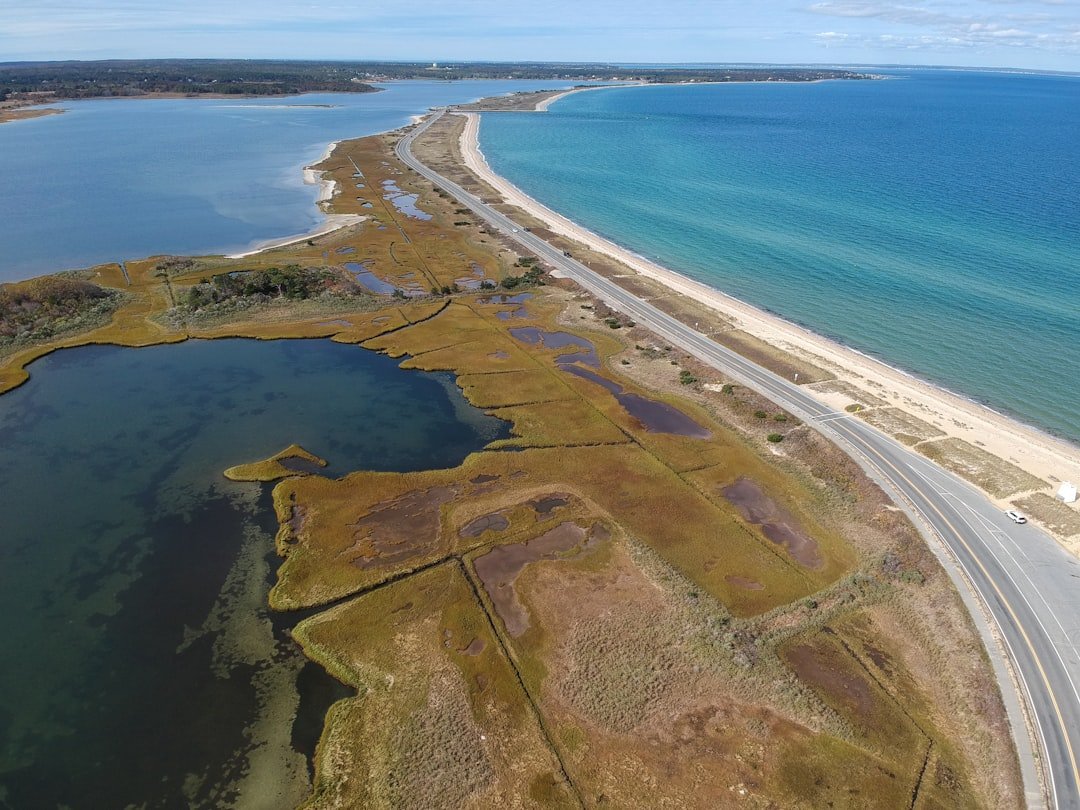
Cape Cod is one of those places where the planning difficulty is almost entirely self-inflicted by its own popularity. July and August are when most people want to go – and the Cape’s geography, a narrow peninsula with limited roads in and out, makes it a genuine bottleneck destination. Traffic on Route 6 on a Friday afternoon in July is not just an inconvenience; it’s a legitimate vacation hazard that can eat two hours off the front end of your trip.
Vacation rentals on the Cape operate on a Saturday-to-Saturday weekly cycle for most of the summer, which locks a lot of travelers out of shorter or flexible trips. The best cottages near the National Seashore rent out months ahead, sometimes with returning renters holding right of first refusal. If you’re coming from Boston, the Provincetown ferry adds another logistics layer. And parking at beloved beaches like Coast Guard Beach requires a shuttle strategy, not just a parking spot. It all works out, but it requires real advance planning. Nothing like the Outer Banks? Actually, #14 shows exactly why.
#14 – The Outer Banks, North Carolina: Permit Beach and Long-Drive Math
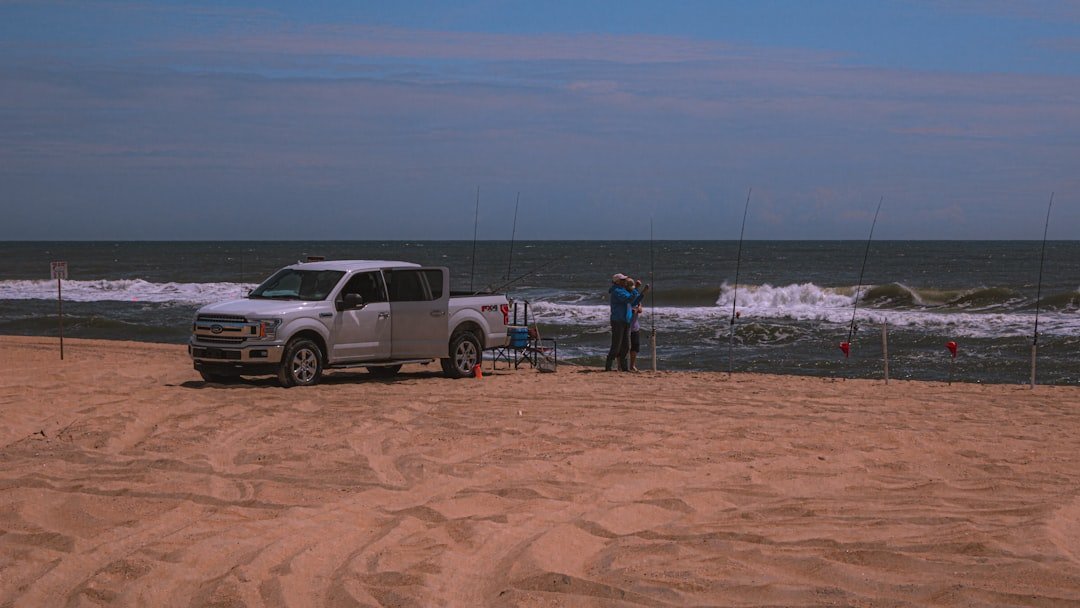
The Outer Banks is a beautiful, beloved stretch of barrier island that requires a surprising amount of logistical pre-thinking. The drive is long from most major population centers, and the only way onto the islands for most visitors is via bridges that can back up for hours on peak-season Saturdays. If you’re headed to the more remote sections near Hatteras or Ocracoke, you’re looking at a ferry crossing that requires its own advance reservation. The rental house market is competitive and saturated with week-long minimums in summer.
One detail that surprises first-timers: 4WD beach driving access at places like Cape Hatteras National Seashore requires an off-road vehicle permit purchased in advance. Permit rules, sea turtle nesting closures, and seasonal access restrictions can genuinely affect beach access mid-trip in ways that are impossible to predict at booking time. On a barrier island, a single storm closure can reshape your entire itinerary. Next up, #13 is one of America’s most beloved road trips – and secretly one of the most complex to coordinate.
#13 – A Multi-City Southwest Road Trip: Logistics Layer Cake
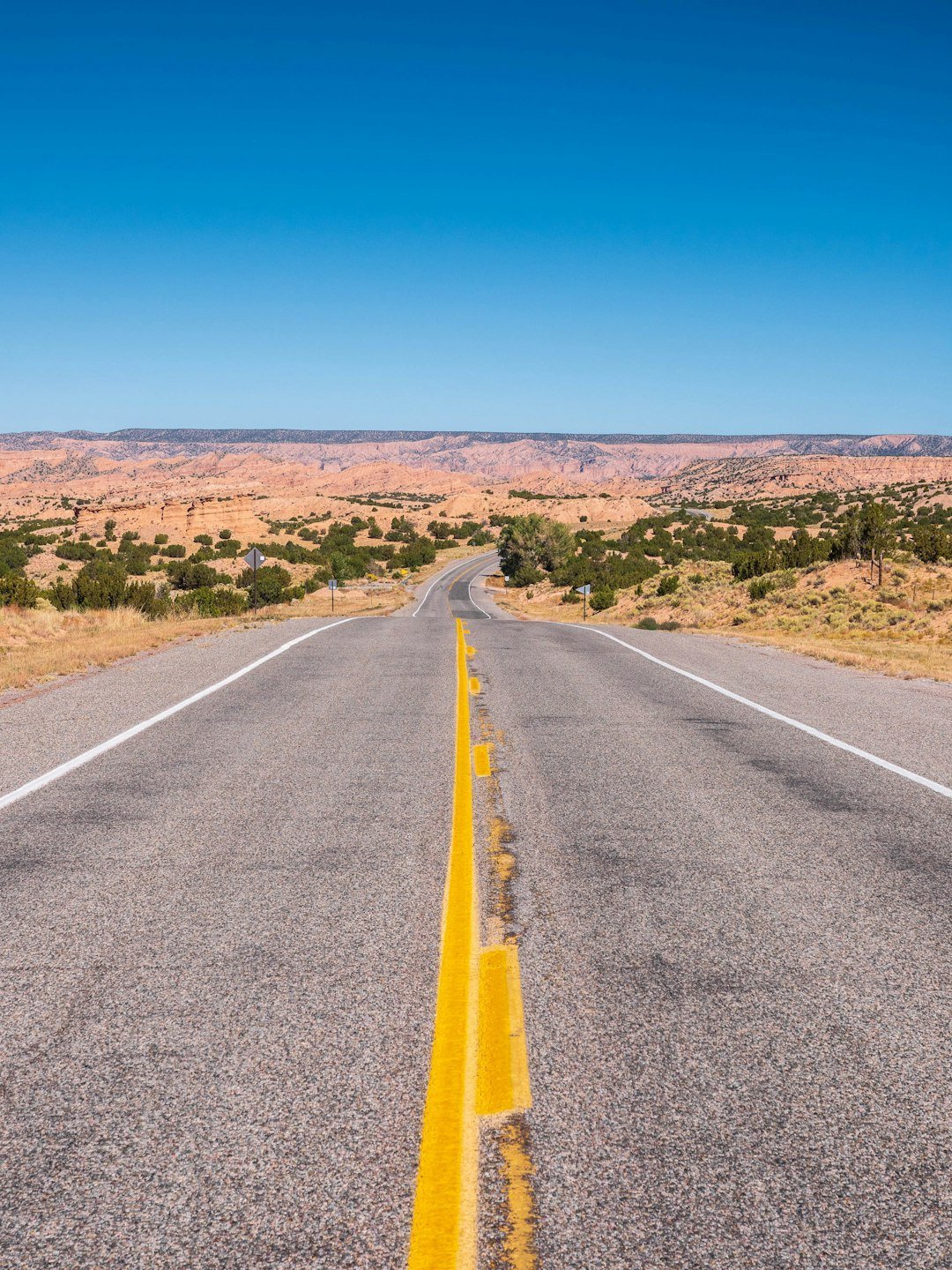
The classic Southwest road trip – Sedona, the Grand Canyon South Rim, Monument Valley, Zion, Bryce Canyon, Antelope Canyon – is one of the most iconic American vacation experiences. It’s also a logistics puzzle that has gotten considerably more complicated in the past few years. Antelope Canyon requires a guided tour reservation for both Upper and Lower, and those slots sell out weeks to months in advance during spring and summer. The Wave in Coyote Buttes requires a permit obtained through a lottery that people lose repeatedly before ever winning.
Spacing the driving distances realistically, lining up campground or hotel availability across multiple parks and towns, and figuring out which stops require advance permits versus walk-in access is genuinely time-consuming research. Spontaneous road-tripping through this corridor in peak season is increasingly a recipe for arriving at a full parking lot, a sold-out guided tour, or a booked-out campground with no good alternatives nearby. Several national parks have added advance reservation requirements in recent years, and more join the list annually. Number 12 takes the group-trip dynamic and turns the stress dial up even further.
Quick Compare: Southwest Road Trip – What Needs a Reservation vs. What Doesn’t
- Antelope Canyon tours – reservation required; books out weeks ahead in peak season
- The Wave (Coyote Buttes) – permit lottery only; many applicants lose for months straight
- Grand Canyon South Rim – drive-in access okay; campgrounds and lodges book fast
- Monument Valley – no reservation to enter; guided tours recommended but walkable
- Sedona – no park permit required; Red Rock Pass ($5/day) needed for trailhead parking
#12 – A Big Group Beach House Trip: Herding Adults Is Its Own Full-Time Job

Renting a large vacation home for 10, 14, or 20 people sounds fun until you’re the one managing the group text. Collecting deposits, aligning everyone’s dates, finding a house that works for families with small kids AND the college friends who want to stay out until 2 a.m., confirming enough bathrooms exist – all of this falls on whoever made the mistake of volunteering to organize. The rental math often works out favorably per person, but the coordination burden is very real and very unpaid.
The best big beach houses at Hilton Head, Kiawah Island, or Bethany Beach get snapped up months in advance, often by returning groups that re-book the same week every year. Late planners get the dregs or pay premium pricing for whatever’s left. Add in the grocery run logistics, the car convoy coordination, and the inevitable personality conflict that surfaces by day three of close-quarter vacation living – and this ranks higher than most people expect. The stress is social, not logistical, but it’s absolutely real. At #11, you’re dealing with a different kind of crowd pressure: the national park kind.
#11 – Rocky Mountain National Park: Timed Entry Is Still a Thing
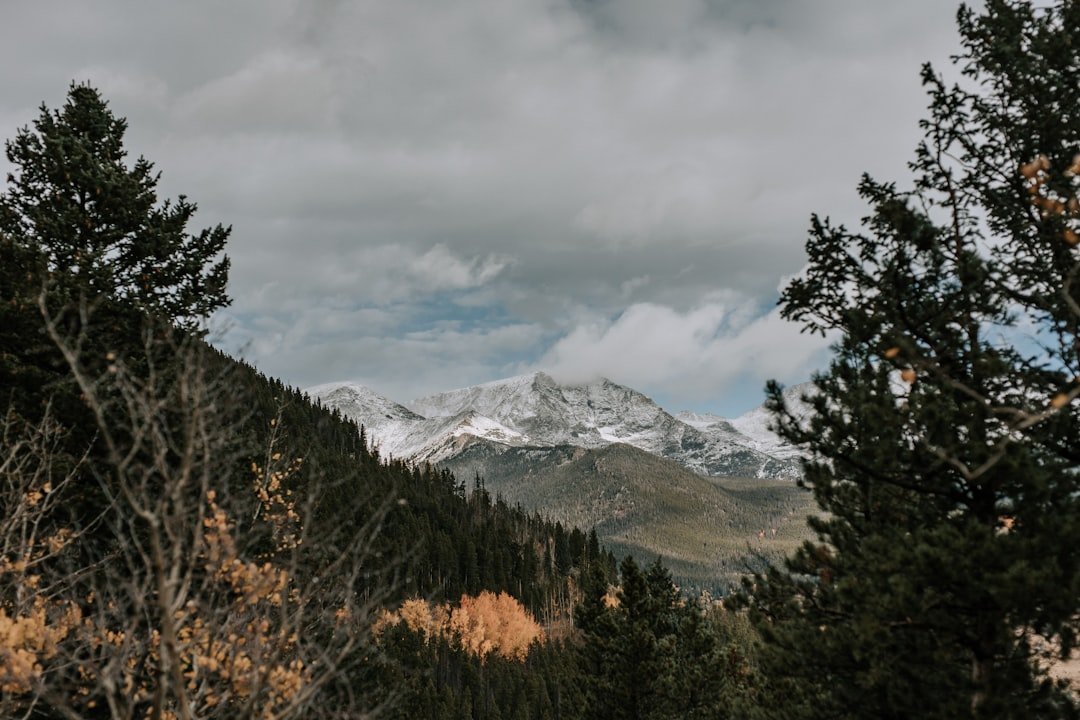
Rocky Mountain National Park near Estes Park, Colorado, is one of the most stunning landscapes in the Lower 48 – and one of the most operationally complex to visit. The park requires all vehicles to carry a timed-entry pass for peak season, allowing entry only during assigned two-hour windows to manage the crushing crowds. Those reservations release on a rolling monthly basis, which means setting calendar reminders and logging on quickly before they’re gone.
The Bear Lake Road Corridor – which accesses the most photographed lakes and trailheads in the park – requires a separate reservation on top of the general timed-entry pass, adding yet another booking layer. Campground reservations inside the park go fast, nearby Estes Park lodging fills well ahead of peak summer, and altitude sickness is a real variable that affects trip planning for visitors coming from sea level. Rocky Mountain drew over 4.1 million visitors in 2024, joining Yellowstone and Yosemite among the parks straining hardest under the visitor surge. Getting past #10 means entering the realm of serious planning commitment.
#10 – Yellowstone: Campgrounds Book Out in Seconds

Yellowstone has no timed-entry permit to drive in – you can show up at any entrance with a pass. That’s the good news. The bad news is that everything worth sleeping in fills up fast. Lodges and hotels inside the park, from the historic Old Faithful Inn to modern cabins, book out months in advance during summer. The Old Faithful Inn in particular is one of the most architecturally iconic lodges in America and practically requires a year-ahead booking for peak summer dates.
Outside-the-park gateway towns like West Yellowstone, Gardiner, and Cody also fill quickly, and campgrounds require advance reservations that disappear within seconds of opening. The park covers 2.2 million acres with a limited lodging supply, so the planning math is genuinely unforgiving: book early or accept a long daily drive from accommodations far outside the park. Yellowstone drew 4.7 million visitors in 2024 alone, pushing its aging infrastructure – and visitor patience – to the limit. Reaching #9, we hit one of America’s most iconic cities – and one of its most psychologically overwhelming planning experiences.
#9 – New York City: Infinite Options, Infinite Decision Fatigue

New York City is not hard to get to. It’s not hard to find a place to stay. The stress of planning a New York City vacation is entirely psychological: it’s the paralysis of having too many choices and the nagging feeling that you’re failing if you miss something. The most talked-about restaurants require reservations weeks or months out; some of the city’s hottest tables operate through apps where slots drop at random times and vanish in minutes. The FOMO is structural.
Broadway shows need advance booking for good seats at reasonable prices. The Metropolitan Museum now sells timed-entry tickets online. Building a coherent NYC itinerary that doesn’t feel scattered or over-programmed is genuinely hard – most people end up either under-planning and feeling lost in the scale of it, or over-planning and burning out by day two. The city rewards visitors who go in with a clear sense of what they actually want, not just what they feel obligated to see. The stress at #8 is a different beast entirely – it hits your wallet first and your patience second.
#8 – Hawaii: Distance, Cost, and Inter-Island Chaos
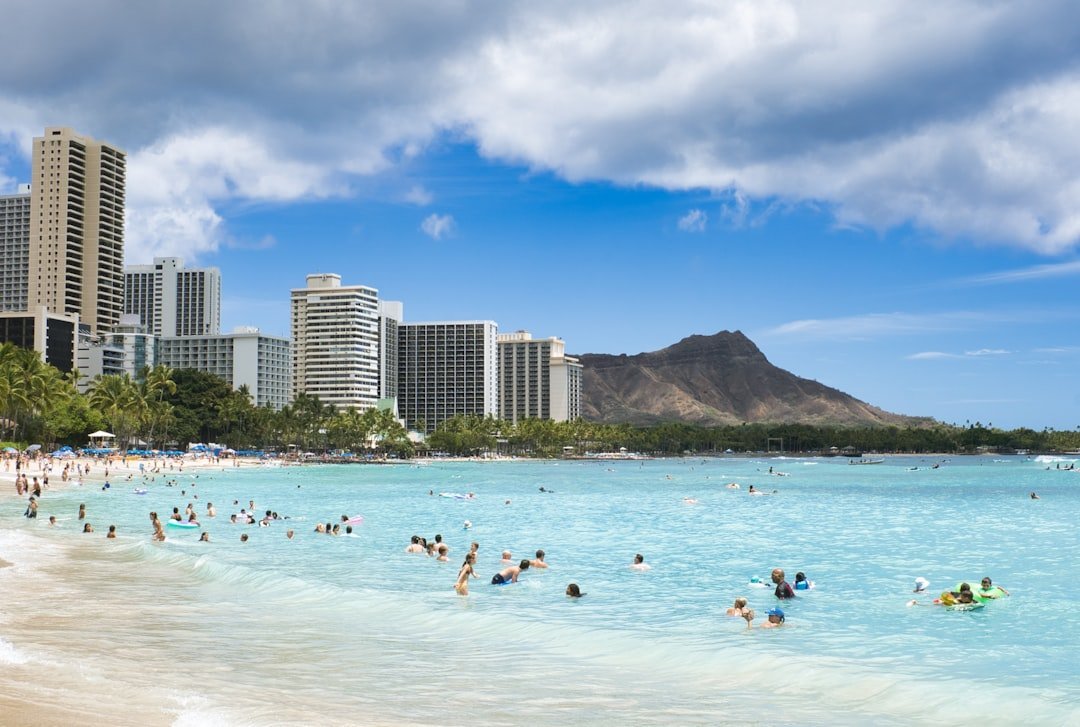
Hawaii is the American vacation that most people dream about and fewer follow through on than you’d expect – and cost is the honest reason. Flights from the mainland are long and pricey, car rentals on every island are in high demand (Maui in particular has had severe rental car shortages in recent years), and resort fees stacked on top of already-high hotel rates are routine. The baseline cost of a Hawaii trip is just higher than almost anywhere else in the domestic market, and that’s before you’ve done anything fun.
The inter-island coordination is where planning complexity spikes sharply. Visiting multiple islands means booking separate inter-island flights, separate rental cars, and separate accommodations – essentially planning two or three full trips stacked on top of each other. Sunrise at Haleakalā on Maui requires a permit reservation that sells out well in advance year-round. The Road to Hana needs its own day of planning. Hawaii rewards travelers who do the homework obsessively and punishes those who show up assuming it’ll sort itself out. At #7, the planning challenge belongs to a theme park empire that has built an entire subculture around just getting ready to go.
#7 – Walt Disney World: An Entire Hobby Just to Plan One Trip
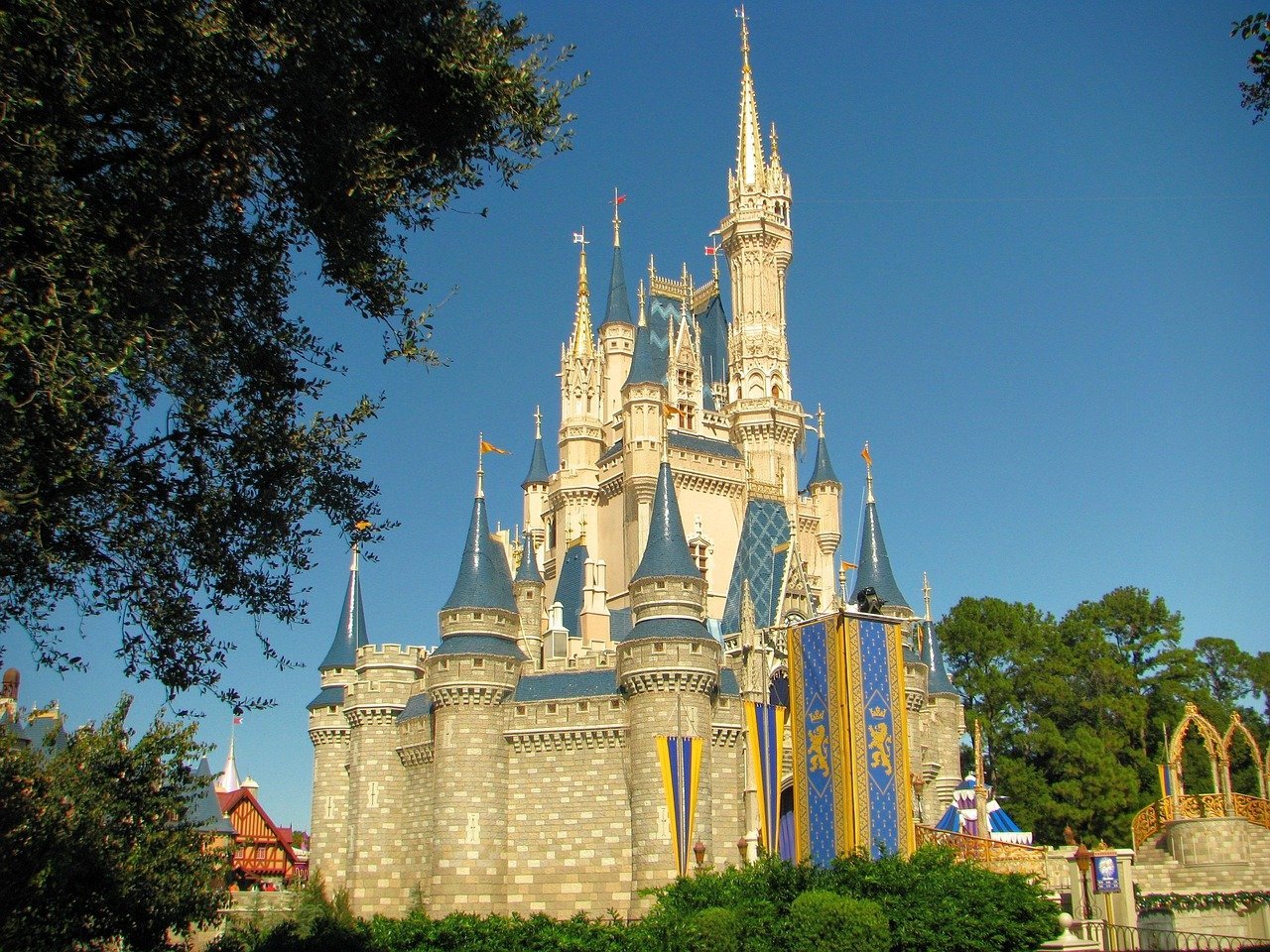
Walt Disney World is not a vacation. It is a project. There is a documented community of people who spend months researching and pre-booking a Disney trip, and they are not being excessive – the system genuinely rewards obsessive advance planning. Lightning Lane reservations, dining reservations that open 60 days before arrival, Park Pass reservations required to enter specific parks, hotel selection tied to early booking access benefits: every layer compounds on the last. Universal Orlando opened the highly anticipated Epic Universe in May 2025, adding a competing mega-park to the Orlando area that now demands its own separate planning consideration.
Families who show up at Disney World without a plan waste significant time, money, and energy navigating a system that was designed to benefit the people who prepared. A baseline Disney World trip for a family of four runs approximately $7,093 in 2025 according to budget analyses, with higher-end versions climbing toward $10,000–$11,000 or more once hotel tier, Lightning Lane passes, and extras are factored in. The magic is real, but it does not happen by accident – it happens because someone in the family spent three months on Disney planning forums. Number 6 takes that same premium investment and adds a permit lottery on top of it.
Fast Facts: Disney World Planning Timeline
- Dining reservations open 60 days before arrival – top restaurants vanish in hours
- Lightning Lane passes start at $15/person/day and scale up sharply on busy dates
- Best planning lead time: 3–6 months minimum for a smooth, fully booked trip
#6 – Glacier National Park: The Going-to-the-Sun Road Gamble

Glacier National Park in Montana is widely considered one of the most breathtaking places in America, and in recent years it’s also become one of the most operationally intense to plan. Vehicle reservations for the iconic Going-to-the-Sun Road have been required during peak season in recent years, with coveted windows released months ahead – meaning people who didn’t move fast enough simply missed them. For 2026 the formal timed-entry reservation system has been dropped, but park staff are openly anticipating a surge of excited visitors who now assume the road will be easy to access, especially on holiday weekends.
The logistics beyond road access are substantial: campgrounds inside the park are in extremely limited supply and sell out almost immediately when they open in the spring. The nearest commercial airport is in Kalispell. Wildfire smoke can affect visibility and even close specific areas during summer – a variable no amount of advance planning fully controls. The short summer season (many roads don’t open until late June) compresses all of that demand into a brutal window. And then there’s #5, which holds the title of most logistically loaded national park trip in the continental U.S.
#5 – Yosemite National Park: One of the Most Logistically Loaded Parks Around

Yosemite’s planning history tells the whole story: the park cycled in and out of reservation systems for years because overcrowding was so severe that visitors sat in gridlock for hours just trying to reach Yosemite Valley. For 2026, entry reservations are no longer formally required – but significant cuts to the federal workforce have left the National Park Service severely understaffed, and Yosemite is no exception. The infrastructure for handling peak summer crowds is thinner than it’s been in years, at exactly the moment more people feel free to show up without a plan.
Half Dome hiking permits – required for the cable section – operate via a lottery that is intensely competitive, with far more applicants than available slots. The valley floor is physically small, and too many cars create the kind of gridlock that turns a dream trip into a parking lot experience. Campground availability inside the park is almost mythically competitive, selling out within seconds when reservations open. Yosemite drew over 4.1 million visitors in 2024, and it is one of the genuinely great American experiences – just one that does not come easy, and increasingly punishes the unprepared. At #4, a different kind of logistical complexity: open water and layered bookings at premium prices.
#4 – An Alaska Cruise: Layered Logistics at Premium Prices
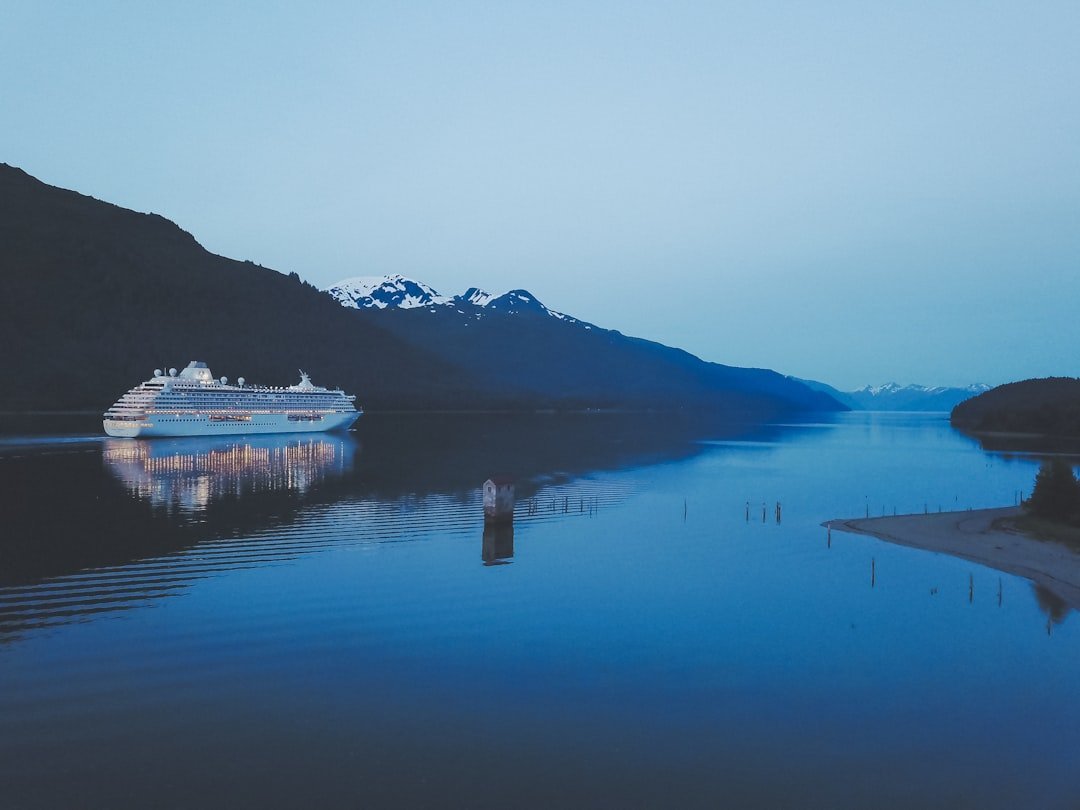
An Alaska cruise is one of the most spectacular ways to experience the American wilderness, and it’s also one of the most logistically layered vacations on this entire list. Most Alaska cruises depart from Seattle or Vancouver, meaning many travelers need to book a positioning flight to the departure port and then a separate return flight home from the disembarkation port – often Anchorage or Seward – creating a complex open-jaw itinerary. Shore excursion slots at the top destinations – whale watching in Juneau, helicopter glacier tours near Ketchikan, flightseeing over active icefields – sell out months in advance and carry significant per-person costs on top of the cruise fare.
Alaska cruise prices have remained elevated, especially for balcony and suite cabins with glacier views. The shoulder season – May or early September – offers better pricing but genuinely variable weather. Planning a meaningful Alaska cruise, one where you actually get into the experiences that justify the expense, requires months of layered research, advance reservations at multiple points in the trip, and a substantial budget with realistic contingency built in. At #3, a brand that has turned planning complexity into a competitive sport of its own.
#3 – A Disney Cruise: Months of Pre-Planning Before You Board

A Disney cruise should be all about fun and relaxation. The reality is that the most stressful part often happens months before you ever board the ship. The Disney Cruise Line planning system has its own ecosystem: booking windows open based on your loyalty tier, and the best onboard experiences – specialty dining at Palo or Remy, spa appointments, character meet-and-greets, Port Adventures – require you to log on the moment your booking window opens and move fast. Popular port excursions at key stops often sell out within minutes of becoming available, not hours.
Unlike most cruise lines, Disney generally only moves its prices one direction: up. The company rarely runs deep sales, and as ships fill they raise prices on remaining rooms – sometimes sharply on the very first day of booking. A Disney cruise for a family of four can cost $5,000–$15,000 or more depending on ship, itinerary, and stateroom type. The planning burden is real, ongoing, and structured like a game where missing a step has visible consequences. Number 2 isn’t in a theme park or on a ship – it’s one of America’s most bucket-listed hikes, and it’s built around a lottery you might lose for months.
#2 – Zion National Park’s Angels Landing: Lottery Planning at Its Most Nerve-Wracking
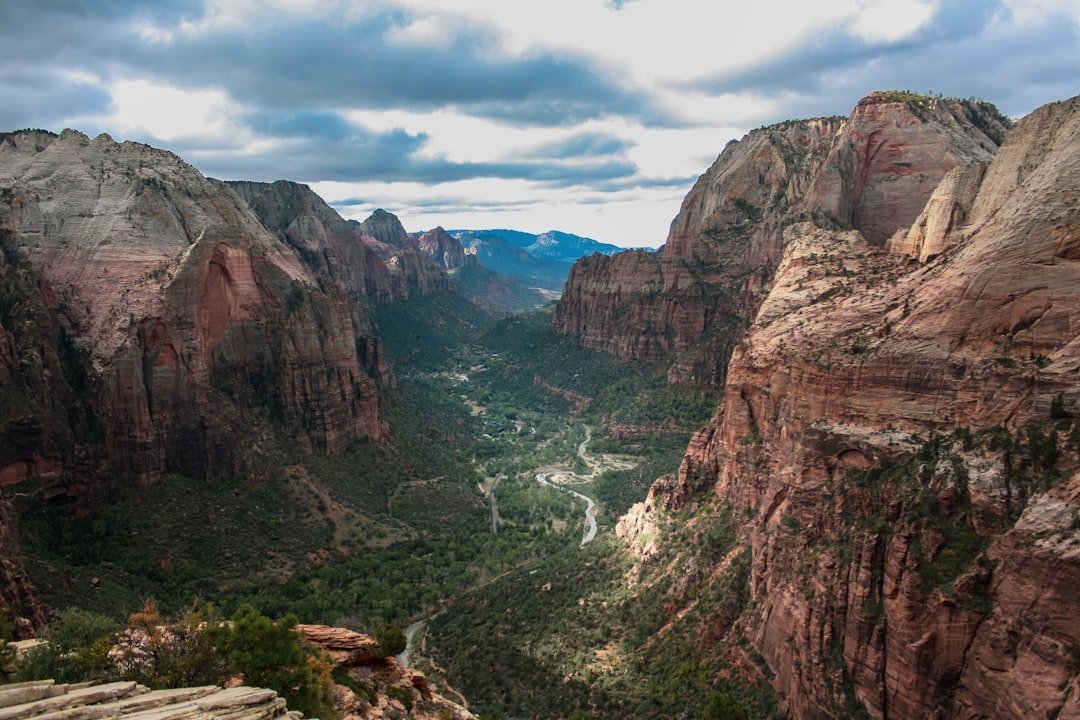
Angels Landing in Zion National Park may be the single most permit-dependent hike in America. Permits are required year-round via two separate online lotteries: a seasonal advance lottery where you apply months ahead for a specific date, and a day-before lottery that releases a small number of permits the prior evening. Thousands of people enter both lotteries for every available slot. Losing repeatedly – sometimes for months straight – before finally winning is a documented, common experience among people trying to plan this hike into a larger Southwest itinerary.
The National Park Service recorded a record-breaking 331.9 million recreation visits in 2024, surpassing the previous high set in 2016 – and the most iconic parks have absorbed a disproportionate share of that surge. Zion Canyon itself requires a mandatory shuttle system during peak season, and campgrounds inside the park operate on Recreation.gov reservations that disappear almost immediately when they open. Building an entire Southwest trip around a lottery you might not win – holding airfare, booking lodging, committing to dates – is a specific, high-stakes form of vacation stress that is hard to explain until you’ve lived it. And still, there is one American vacation that tops all of this at #1.
The Stress Test: Ranking American Vacations
From permit lotteries to 6 a.m. alarms for campsites, planning the perfect American getaway has become a logistical marathon. Test your knowledge on which destinations require the most strategy and which allow for a spontaneous escape.
Think you caught the key details? Take the quick quiz and see how sharp your instincts really are.
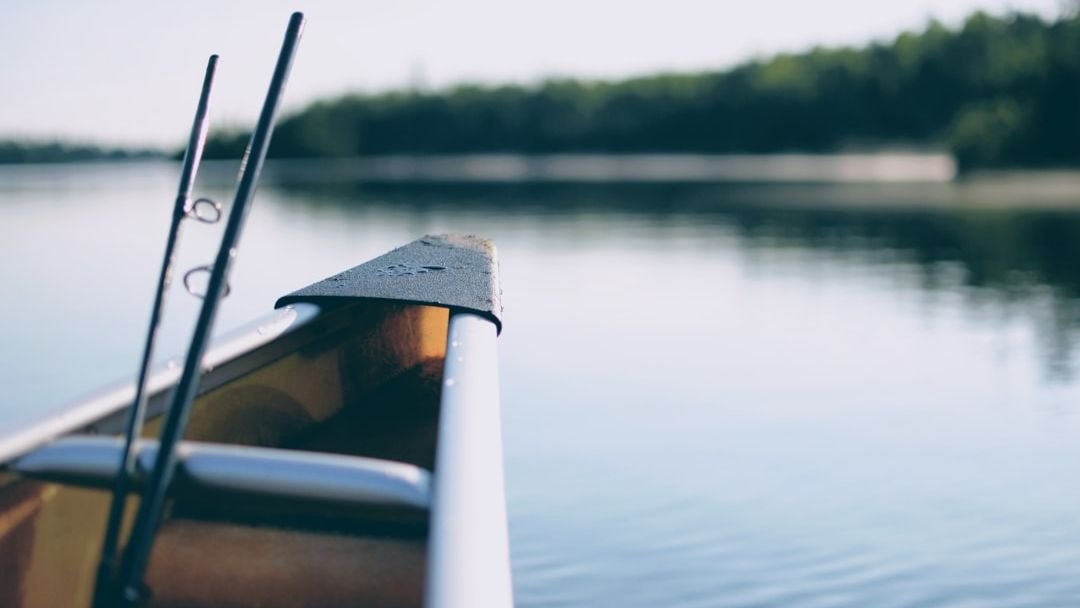
#1 – The Boundary Waters Canoe Area Wilderness: The Most Complex American Vacation to Plan

The Boundary Waters Canoe Area Wilderness in northern Minnesota is America’s most visited wilderness area – and the most logistically demanding vacation on this entire list. Entry is strictly permit-controlled: from May 1 through September 30, you must obtain a quota permit for a specific entry point and date through Recreation.gov, and the most popular entry points fill up on a first-come, first-served basis when reservations open each January. For 2026, permits became available at 9 a.m. on January 28th – and popular summer dates at coveted entry points disappeared quickly. Miss that window and you’re looking at whatever’s left, which for peak dates may be almost nothing usable. There are over 1,200 lakes in the system, and planning your route requires detailed knowledge of portage trails, campsite availability, and water levels.
The gear demands are extensive: canoes or kayaks (with rental logistics from outfitters in Ely, Minnesota), waterproof food packs, and wilderness first aid considerations all need pre-trip research and procurement. Once you’re in, you’re entirely off the grid – no cell service, no easy emergency bailout, no way to call for help quickly. Groups are capped at nine people and four watercraft per permit, and entry point and date are locked in at the time of reservation and cannot be changed. It is stunning, genuinely transformative, and the hardest American vacation to successfully plan from scratch. Nothing else on this list comes close.
Fast Facts: Boundary Waters Permit System
- Permit required: Yes – quota permits via Recreation.gov, May 1–September 30
- Group cap: 9 people maximum, 4 watercraft per permit
- Entry point & date: Locked at booking – cannot be changed after reservation
- Overnight permit fee: $16/adult, $8/child (ages 0–17) during the quota season
- Off-grid reality: No cell service, no bailout – gear and safety planning are non-negotiable
The gap between a Florida beach week and a Boundary Waters permit trip is almost comical when you lay it out side by side. But the middle of this list – Yosemite, Glacier, Rocky Mountain, Disney World – is where most Americans get quietly humbled by a system they didn’t know existed until they were already deep in it. The best trips still belong to the people who did the work ahead of time. Which one on this list surprised you the most?