
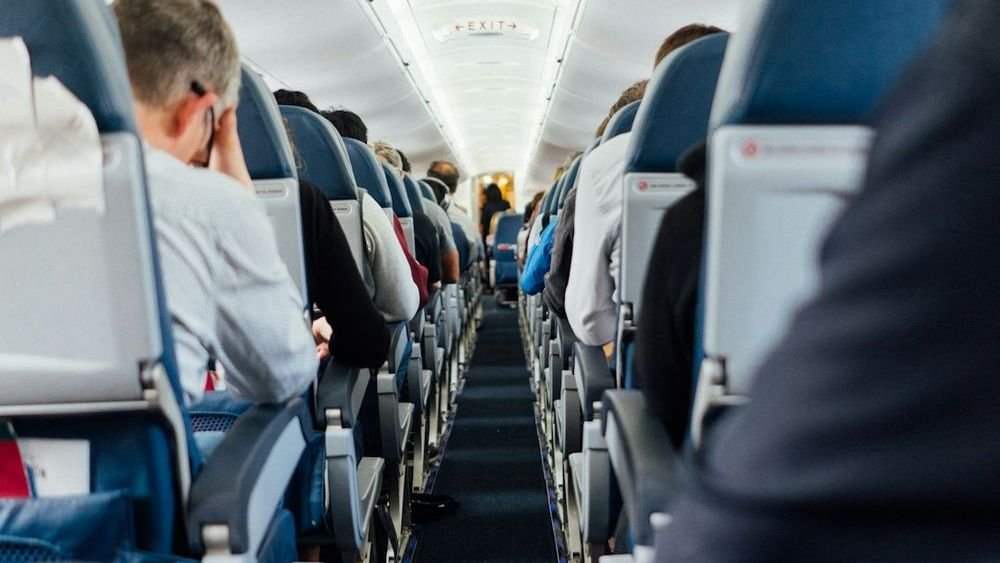
Flight attendants size you up before you’ve even found your seat. Not your outfit, not your luggage brand, not whether you’re flying first class or middle seat economy. It’s your behavior – the way you move down the jet bridge, how you handle the overhead bin, whether you know to step aside after entering the plane. Seasoned travelers move with a kind of quiet efficiency that’s impossible to fake. Everyone else broadcasts their inexperience in a dozen small ways, and the crew picks it up within seconds.
What’s surprising is how specific the tells are – and how consistent. Flight attendants working hundreds of flights a year start to see the same patterns play out in the same order, almost like clockwork. Some of what’s on this list is harmless. A couple of entries are genuinely risky. And at least one will make frequent flyers wince because they know they’re guilty of it too.
#13 – Shoving a Bag Into the First Open Overhead Bin
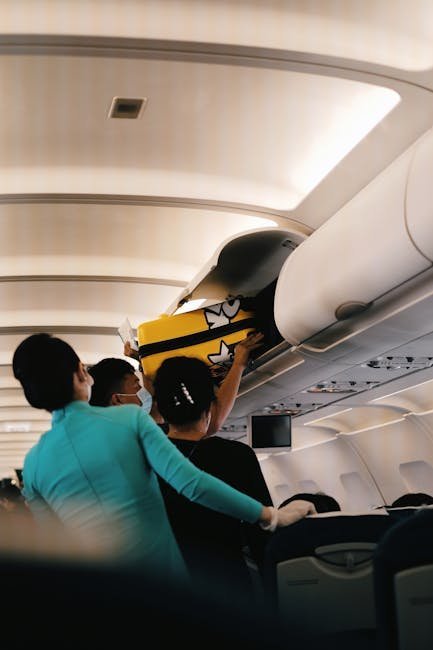
This is one of the fastest rookie tells in the cabin. A passenger boards, spots an open overhead bin near the front, and stuffs their bag in – even though their seat is 20 rows back. Experienced travelers know the unspoken rule: your bag goes above your row. Grabbing prime real estate up front just because it’s open creates a cascading problem that flight attendants have to untangle for the next 20 minutes while the boarding line backs up behind you.
Crews are absolutely watching how you handle that bag – whether you lift it cleanly, place it neatly, and keep the line moving. Passengers who wrestle oversized luggage into a bin and act shocked when it doesn’t fit tend to get remembered quickly. Frequent flyers arrive with their bag mentally assigned to the space above their row before they’ve even stepped on the plane. Rookies treat the entire overhead compartment like a free-for-all buffet, and the crew always knows who started the chaos.
At a Glance
- Standard carry-on size limit on most U.S. carriers: 22 x 14 x 9 inches
- Your bag belongs in the bin above your assigned row – not the first open space you spot
- Misplaced bags are one of the top reasons boarding takes longer than scheduled
- Gate agents can check your bag for free if bins are full – ask before boarding, not after
#12 – Rushing the Gate Before Your Boarding Group Is Called
The gate agent announces boarding and suddenly everyone stands up, crowds the lane, and starts sighing impatiently – even though it’s clearly Group 4 and they’re holding a Group 7 ticket. Flight attendants see this from the door and immediately know who among that crowd hasn’t flown much. Boarding groups exist for a reason, and every experienced traveler has made peace with that system. Standing in a crowd doesn’t move the plane any faster. It just makes everyone more miserable.
When seasoned travelers do get up, it’s smooth – bag already in hand, boarding pass already pulled, zero drama. That calm energy is visible from across the gate. It tells the crew you’re the kind of passenger who won’t panic at every minor delay or gate change. The crowd-the-lane move wastes time, creates aisle congestion on the plane, and achieves exactly nothing. You still board when your group is called. Flight attendants just quietly note who couldn’t wait.
#11 – Turning the Aisle Into a Personal Unpacking Station
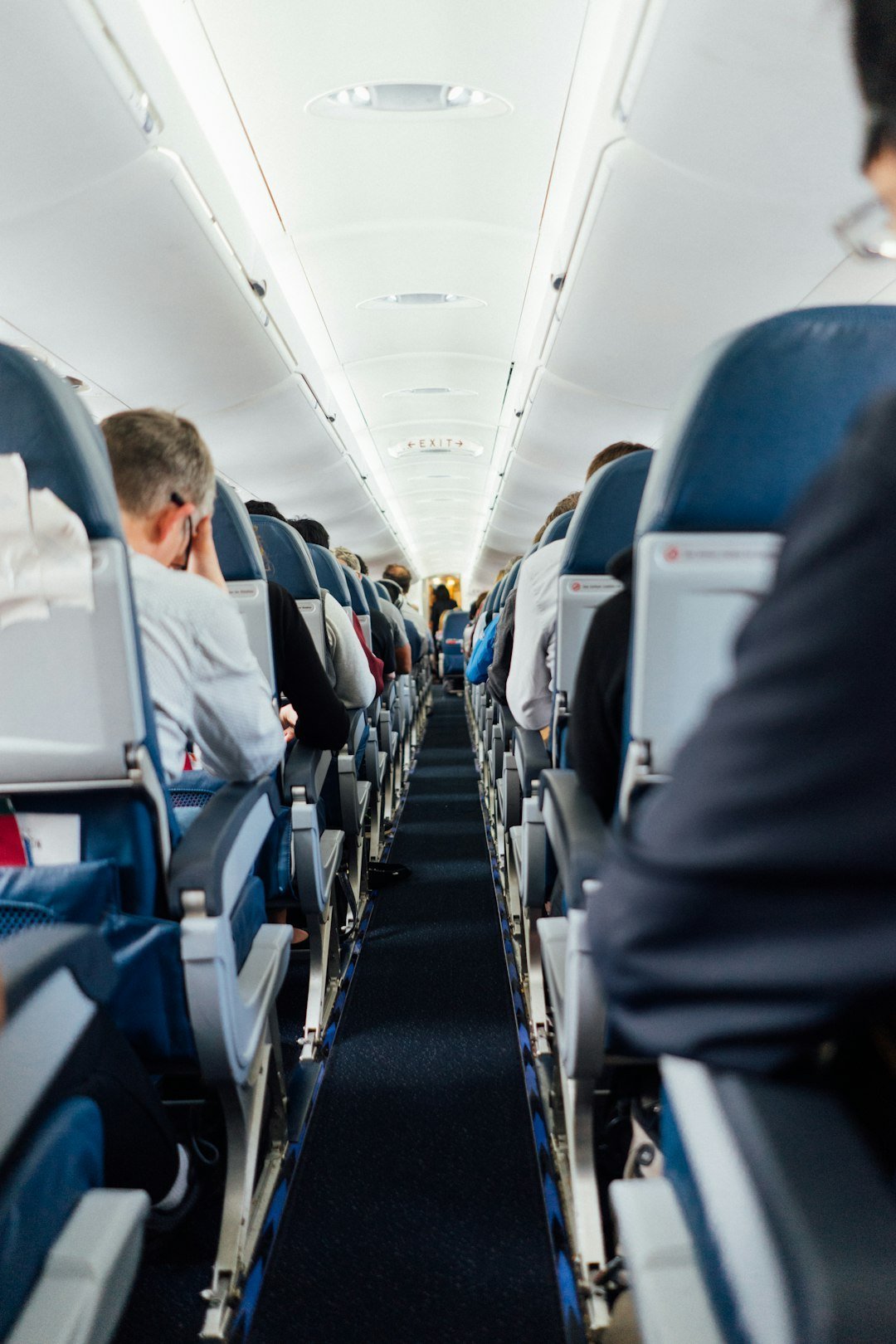
You can learn a lot about a traveler from how they settle in. Rookies tend to treat boarding like a setup session – rummaging through their carry-on in the middle of the aisle, debating whether to keep the laptop out or the hoodie, while the person behind them waits and the line backs up to the jet bridge. It reveals a fundamental misread of what boarding actually is. It’s not setup time. It’s transit. The cabin is a hallway with seats, not a hotel room.
“We can detect if they are experienced customers by the way they board the plane. If they are holding up the aisle and have tunnel vision, we know they are rookie travelers.”
Kimberly Sullivan, Flight Attendant
The fix takes about ten seconds of planning before you even step onto the jet bridge: decide what you need for the flight, pull it out of your bag, and have it in your hand before you board. Experienced flyers walk to their seat, stow the bag, sit down, and get out of everyone’s way. The whole sequence takes less than a minute. The crew notices, every single time.
#10 – Asking Questions That Are Already on the Boarding Pass
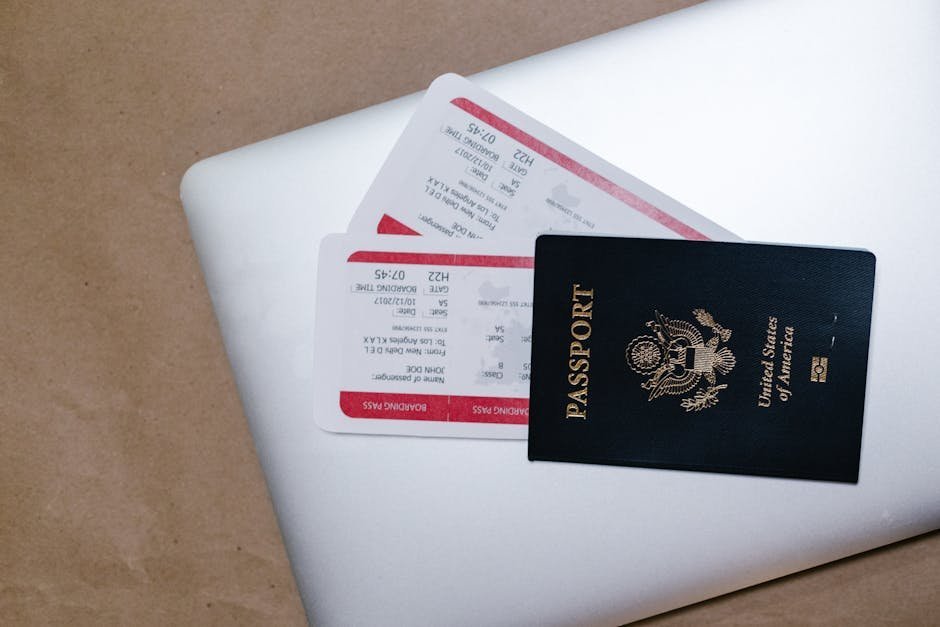
There’s a specific type of question that tells a flight attendant everything – “Where’s my seat?” asked while holding the boarding pass that has the seat number printed on it. Or “Do I have to turn my phone off?” Or “What gate is this?” Crews answer these graciously, every time, on every flight. But they absolutely notice the pattern. Your boarding pass, and the airline’s own app, contain most of what you’d ever need to know before asking a crew member anything.
If your airline has an app, install it before you leave home. It carries real-time gate info, seat assignments, delay alerts, and boarding updates – and sometimes it gets those updates before the staff at the desk does. The passenger who’s staring at their phone checking the app while they board reads completely differently than the one asking a flight attendant where Row 24 is while standing directly next to the row number placard on the wall. That’s a rookie tell with no real workaround.
The Frequent Flyer Litmus Test
Do you move through the cabin with the quiet efficiency of a seasoned traveler, or are you broadcasting 'rookie' status to the crew? Test your knowledge of high-altitude etiquette and safety based on insights from flight attendants.
Think you caught the key details? Take the quick quiz and see how sharp your instincts really are.
#9 – Boarding in Flip-Flops or Heels
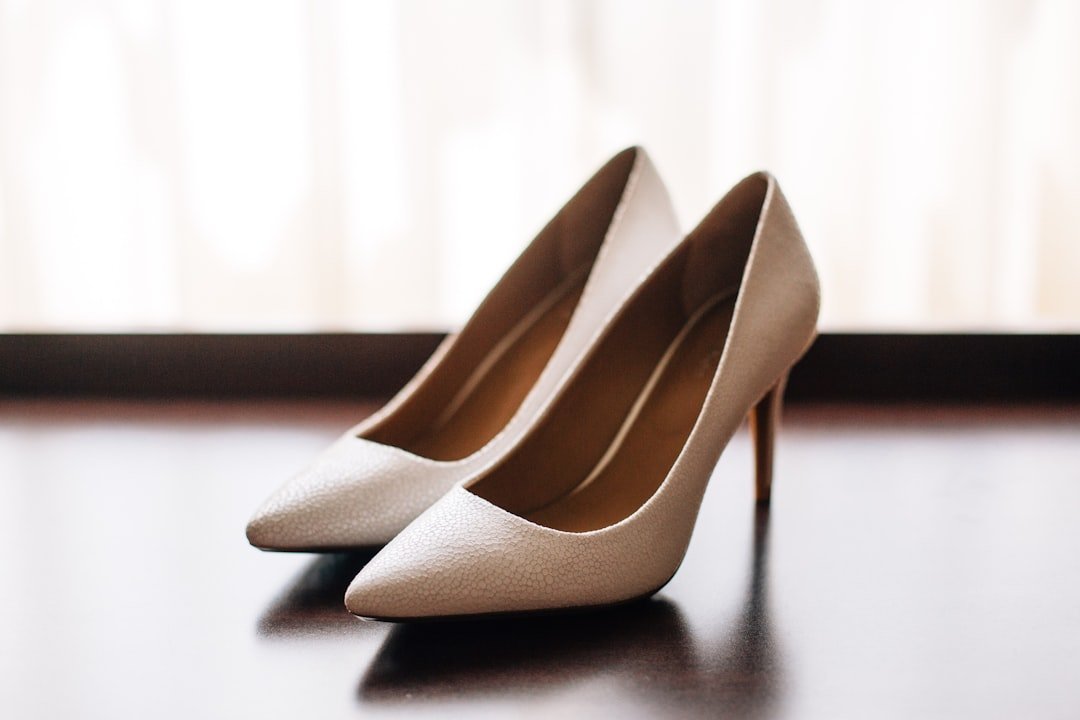
Flight attendants always notice what’s on your feet – and it’s not about fashion. “I always look at what kind of shoes a customer is wearing to determine whether they can run quickly and easily in them,” says Amy Caris, a flight attendant and director of in-flight for JSX. “If I see someone wearing high heels during boarding, I can make a note to add in an emergency command about removing them if the need arises.” That assessment is made in real time, before you’ve even found your seat.
Beyond emergencies, crews also track who’s walking the cabin or heading to the lavatory barefoot. The floor of a commercial aircraft is genuinely dirtier than it looks, and what passengers mistake for water near the bathroom door is not always water. Veteran travelers keep a pair of cheap packable slippers in their carry-on specifically for long-haul flights. Rookies figure out the floor situation mid-flight, usually the hard way, and the crew watches it happen with a kind of tired recognition.
Worth Knowing
- High heels must be removed before using an evacuation slide – they can tear the material on contact
- Flip-flops offer zero foot protection during an emergency evacuation over debris or hot tarmac
- Packable travel slippers weigh under 3 oz and cost as little as $8 – a standard road-warrior carry-on item
- Barefoot trips to the lavatory expose your feet to one of the least-sanitized surfaces on the aircraft
#8 – Hammering the Call Button for Non-Emergencies
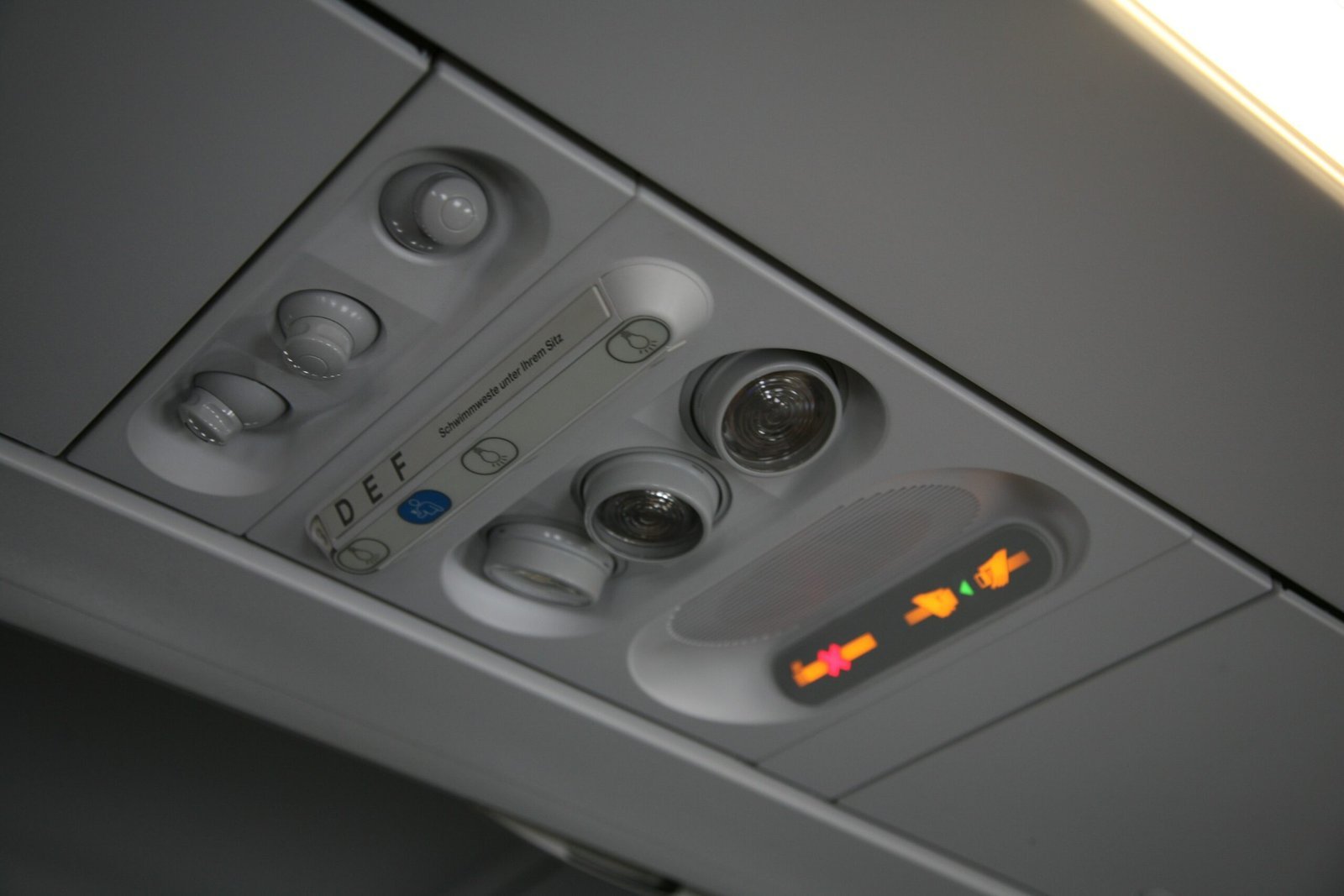
The call button exists for urgent situations – a medical concern, a spill that needs attention, something that genuinely can’t wait. It is not a restaurant bell. On a full flight, there may be only three or four crew members managing two hundred passengers, which means a cabin full of people pinging for snacks and blankets creates a chaos loop that flight attendants have to run through for hours. They handle it professionally, but they absolutely clock who’s responsible.
Experienced travelers know the move: if you’re able-bodied and not pinned into a window seat by sleeping neighbors, you walk to the galley and ask. It’s faster, it’s better received, and it shows you understand how the system works. Flight attendants remember the call-button regulars across an entire flight – and not warmly. Want a drink, a snack, an extra pillow? Just walk up and ask with a smile. It works every time and costs you nothing.
#7 – Treating Normal Turbulence Like a Crisis
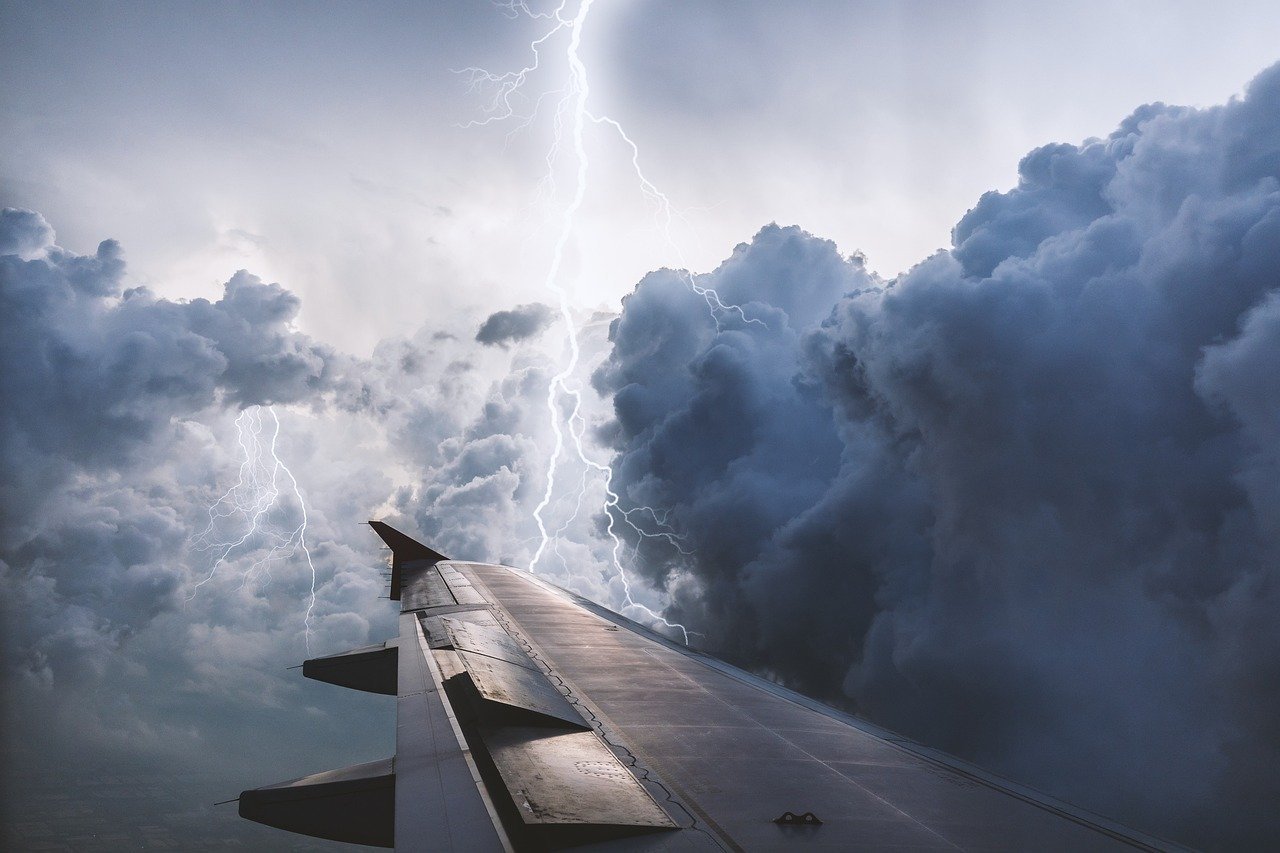
Nervous flyers are easy for cabin crew to spot, and there’s genuinely no shame in it – flight attendants are trained to help and many go out of their way to reassure anxious passengers. The rookie tell, though, isn’t anxiety itself. It’s treating routine moderate turbulence like the plane is going down: audible gasps, gripping the armrest until the knuckles go white, turning to nearby strangers for reassurance. That reads as first-timer to every crew member who sees it.
The passenger who quietly mentions before takeoff that they’re a nervous flyer gets a completely different level of care than the one who white-knuckles silently through every bump and then breaks down mid-flight. Crews prefer to know early. And for the turbulence itself – what feels alarming from a passenger seat is almost always routine from the cockpit. Seasoned flyers have made a kind of uneasy peace with it. It just takes flights, and time, to get there.
Fast Facts
- Turbulence is classified as light, moderate, severe, or extreme – most in-flight bumps qualify as light
- Severe turbulence, the kind that can cause injuries, affects a tiny fraction of all commercial flights
- The FAA recommends keeping your seatbelt fastened whenever seated, even when the sign is off
- Telling a crew member early that you’re anxious almost always results in extra check-ins and reassurance
#6 – Bringing Aggressively Smelly Food Onboard
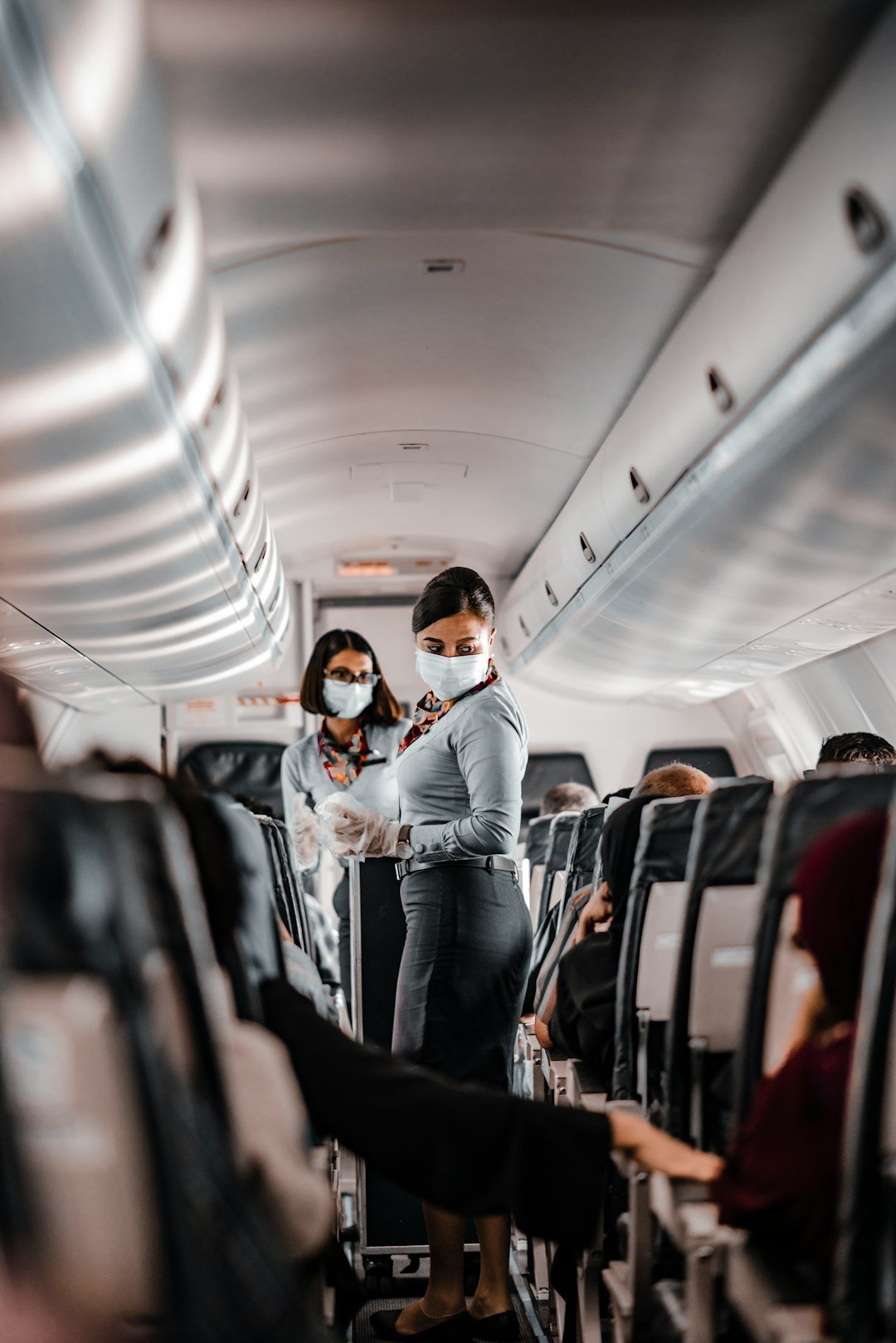
A plane cabin at 35,000 feet is a sealed aluminum tube with recirculated air and nowhere for smells to go. Flight attendants deal with the fallout when one person’s lunch becomes everyone’s lunch – and they always know exactly who made that call. Hot tuna, reheated curries, anything with a strong sulfur component: the smell settles into the cabin within minutes and stays there for the rest of the flight. It’s one of those rookie mistakes that affects every single person onboard.
The unwritten rule that experienced travelers follow: do the smell test before you board. Open it, and if someone in the next room would know what you’re eating, leave it for the terminal. Low-odor options travel well – nuts, simple sandwiches, protein bars, fruit that isn’t messy. This isn’t food snobbery. It’s just awareness of the environment you’re walking into. Most veteran flyers learned this lesson on someone else’s tuna flight. Rookies tend to learn it firsthand, from the expressions of the people around them.
#5 – Treating the Crew Like They Work for You Personally
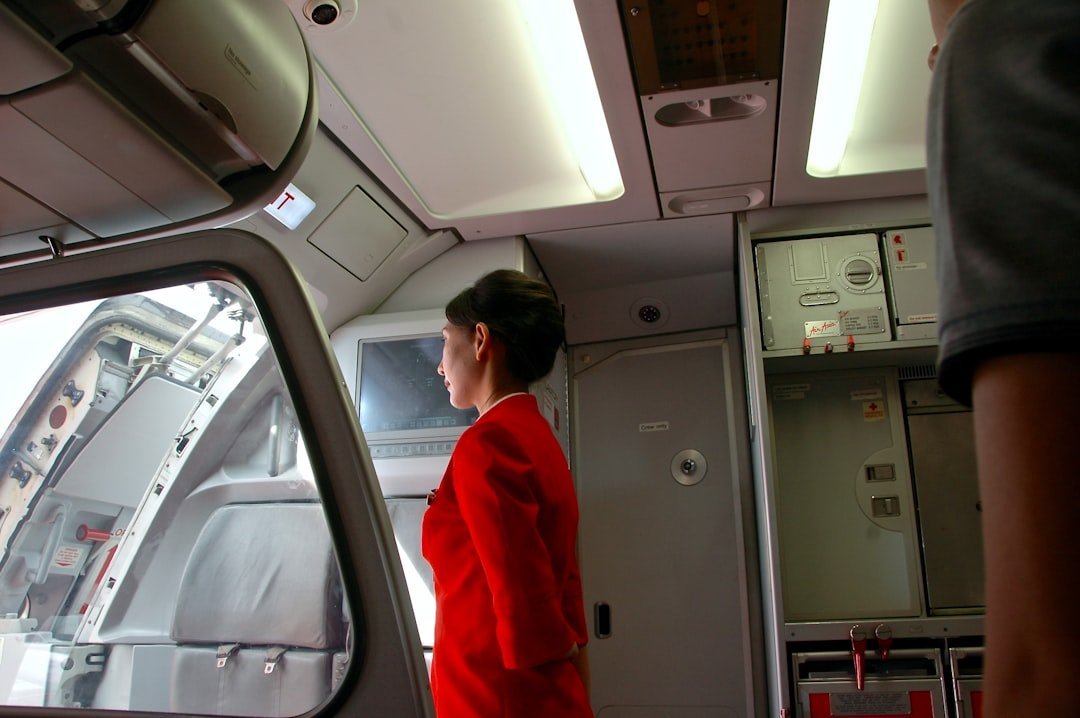
The tone you use with flight attendants travels further than you think. Finger-snapping, clipped commands without a “please,” the eye-roll when the answer isn’t what you wanted – crew members clock it the moment it happens, and that information moves up and down the aisle faster than the drink cart. Flight attendants are professionals doing a physically demanding job in a pressurized tube, often on hour twelve of their shift and their third time zone of the day. Basic courtesy isn’t just good manners. It changes the quality of your flight.
Experienced travelers know this from experience – many have seen the difference play out in real time. The passenger who boards with a genuine “good morning” and actually makes eye contact is playing a completely different game than the one who treats the crew as background staff. Flight attendants do have discretion over things like extra snacks, free drinks, and small upgrades. That discretion tends to flow toward the people who acted like humans first.
#4 – Not Bringing Water – Or Endlessly Asking for It
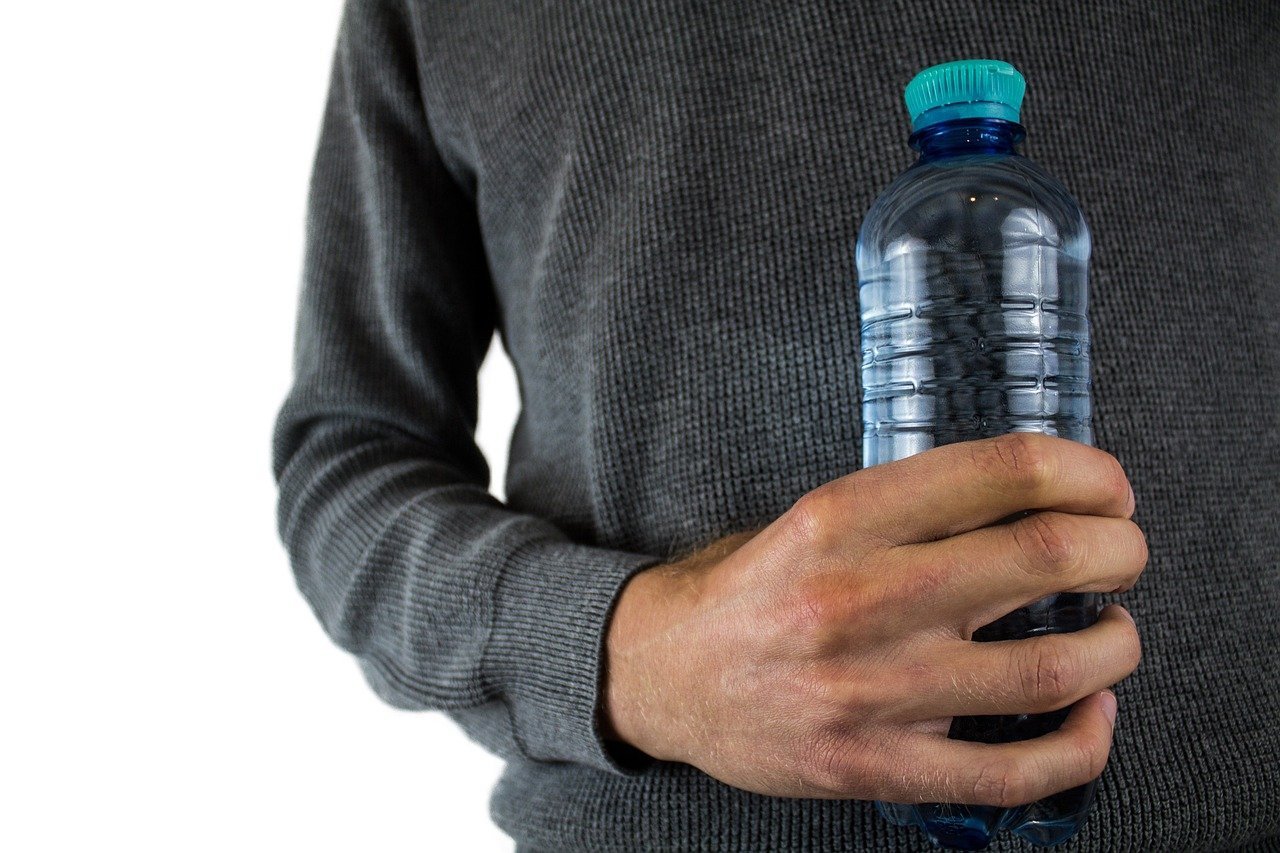
Cabin humidity on a commercial flight hovers around 10 to 20 percent – drier than most deserts. According to data from the Aerospace Medical Association, individuals in a standard airliner environment lose approximately eight ounces of water per hour, mostly through normal breathing. That means a four-hour flight calls for close to a liter just to stay even. Rookie travelers either don’t know this and spend the flight quietly dehydrating, or they just found out and have now become the person flagging the crew for cups of water every fifteen minutes without a bottle of their own in sight.
The experienced traveler’s solution is simple: a refillable bottle, filled at a terminal fountain or bought past security, tucked into the seat-back pocket before takeoff. You never need to ask. You never run dry. You’re also not pouring alcohol on top of a dehydrating body at altitude, which is one of the cleaner signals that you’ve been doing this for a while. A water bottle in the seat-back pocket is one of those small, quiet things that reads as “road warrior” to anyone paying attention in that cabin.
Quick Compare
- Cabin humidity: 10–20% – drier than the Sahara Desert (avg. ~25%)
- Your home or office: typically 40–50% relative humidity
- Water loss in flight: roughly 8 oz per hour from breathing alone
- Rookie move: relying on the beverage cart to stay hydrated on a 4-hour flight
- Pro move: refillable bottle filled past security, in the seat pocket before takeoff
#3 – Physically Touching the Flight Attendant to Get Attention
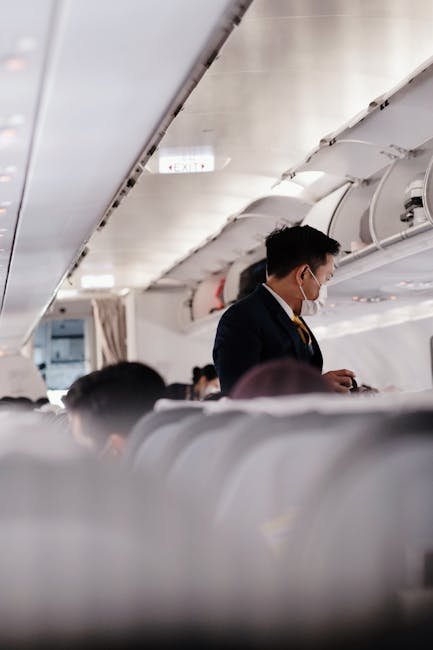
It happens on nearly every flight: a tap on the shoulder, a tug on the sleeve, an actual poke. One veteran flight attendant describes getting poked or having her apron pulled on almost every single flight she works, calling it one of her biggest frustrations on the job. It’s so common among first-time or infrequent flyers that crew members develop a kind of radar for the arm reaching out before contact is even made. The intent is usually harmless. The impact is not.
Getting a flight attendant’s attention is genuinely easy without touching anyone: a raised hand, a clear “excuse me,” eye contact and a small wave. Those signals work immediately and land completely differently. Physical contact – however casual or friendly the intention – is one of the brightest rookie flags in the cabin. Seasoned travelers have long figured out that a warm “excuse me” from two feet away gets faster results than any amount of sleeve-grabbing, and leaves everyone feeling better about the interaction.
#2 – Mixing Alcohol and Sleeping Pills to Get Through the Flight
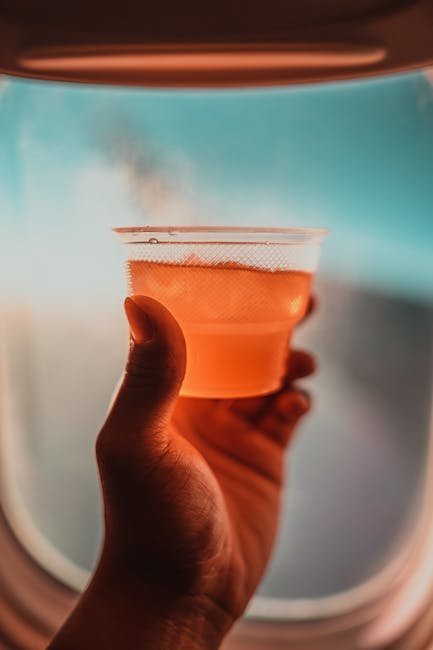
Nervous flyers sometimes try to solve a long flight with a double strategy: sleeping pills plus a glass or two of wine. Flight attendants are trained to spot exactly this combination – slurred speech, unusual drowsiness, unsteady movement, aggressiveness that comes out of nowhere. That’s actually part of why crews greet you at the door during boarding; it’s not just hospitality. They’re doing a quick scan for passengers who may already be impaired or medicated and could become a problem or a liability in an emergency.
What most passengers don’t factor in is altitude. Cabin pressure is maintained at an equivalent of 6,000 to 8,000 feet above sea level, which means both alcohol and sedatives hit harder and faster in the air than they do on the ground. The combination that seemed manageable in the terminal can turn into a full medical event mid-flight. Experienced travelers who want to sleep choose one or the other – and eat something first. The passenger who double-doses their way through a long-haul flight is a scenario flight attendants handle far more often than most people ever suspect.
The Frequent Flyer Litmus Test
Do you move through the cabin with the quiet efficiency of a seasoned traveler, or are you broadcasting 'rookie' status to the crew? Test your knowledge of high-altitude etiquette and safety based on insights from flight attendants.
Think you caught the key details? Take the quick quiz and see how sharp your instincts really are.
#1 – Ignoring the Safety Demonstration
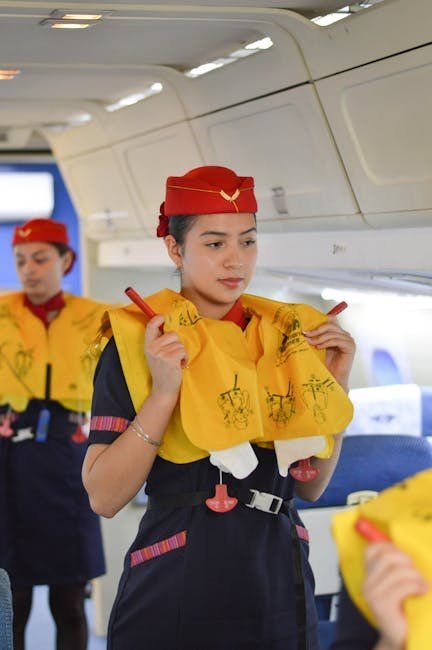
Here’s the one that unites rookies and overconfident frequent flyers alike. The safety demo begins and half the cabin is already buried in phones or headphones before the seatbelt buckle is even demonstrated. Flight attendants notice who’s watching and who isn’t – and that assessment goes beyond general annoyance. In a genuine emergency, crew members need to know within seconds who is an asset and who is a liability. Who’s calm, physically capable, and aware of where the exits are. Who’s going to help, and who’s going to freeze. The safety demo is how they start building that picture.
The real irony is that frequent flyers are sometimes the worst offenders here. They’ve heard it a hundred times and completely tune it out. But exit row locations shift between aircraft types, and the few seconds it takes to confirm where the nearest exit is could matter more than anything else you do on a given flight. Aviation safety experts note that in some accidents, passengers did not survive because they were unaware of the emergency exit location – information covered in the demo they skipped. The passenger who actually locks eyes with the crew during the demo gets noticed and remembered – in the best possible way. That’s the version of “recognizable” worth being.
Why It Stands Out
- The safety demo covers exit locations, seatbelt release, oxygen mask use, and life vest inflation
- Your nearest exit may be behind you – that detail changes with every aircraft type
- Experts recommend counting the seat rows between you and the nearest exit in case of low visibility or smoke
- Life vests must not be inflated inside the cabin – a critical detail most passengers don’t know
- The demo lasts roughly 3–5 minutes; it is the single highest-return investment of attention on any flight
None of these are permanent character flaws. Every frequent flyer was a rookie once, and most of these habits fade after a handful of real flights. But flight attendants read a cabin the way a coach reads a locker room – quickly, accurately, and from years of pattern recognition. The good news is that almost everything on this list is fixable with a single flight’s worth of awareness. Which one hit closest to home?