
You planned this trip for months. Saved up, packed light, booked the hotels. Then you arrived – and reality hit hard. The lines didn’t move. The streets were so packed you couldn’t take a step without bumping someone. The hotel bill looked like a car payment. A few cities across America have become so overstuffed with visitors that the thing you came to see is now buried under the very crowd that came to see it.
The cities below aren’t bad places – many are genuinely extraordinary. But somewhere between the Instagram posts and the bucket-list hype, something quietly broke. These are ranked from “frustrating” to “genuinely exhausting,” and the gap between #16 and #1 is wider than you’d expect. A couple of the entries near the top might surprise you.
#16 – Savannah, GA: The Prettiest Trap in the South
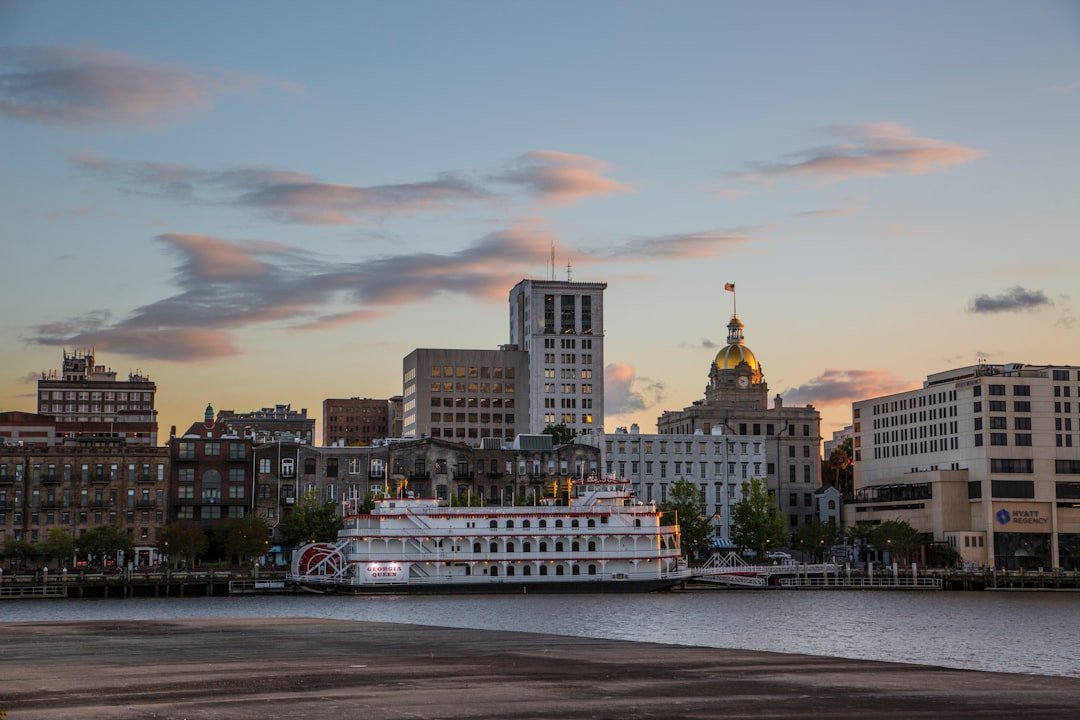
Savannah photographs like a dream – Spanish moss, cobblestones, gas lamps glowing at dusk. It looks perfect on a screen. In person, it’s still beautiful, but the seams are showing. Forsyth Park, once a quiet neighborhood anchor, now fills shoulder-to-shoulder on weekend afternoons. The city’s small scale means there’s nowhere for all that tourist pressure to go – it just compresses.
As of 2024, Savannah required trolley operators to install sound control devices to reduce noise levels – a small detail that says something large about where things stand. That’s not a city thriving under tourism. That’s a city doing damage control. The ghost tours clogging every sidewalk after 8 p.m. don’t help, and neither does the fact that this is a small Southern city trying to absorb a tourism surge that would strain a place twice its size.
Fast Facts
- Savannah’s historic district covers roughly one square mile – nearly all tourist activity funnels into that single zone
- Ghost tour companies number in the dozens, most operating simultaneously on weekend nights
- Forsyth Park’s famous fountain is one of the most photographed spots in the entire Southeast
- City population: under 150,000 – making its tourism volume a genuine per-capita pressure cooker
#15 – Nashville, TN: Bachelorette Capital of America
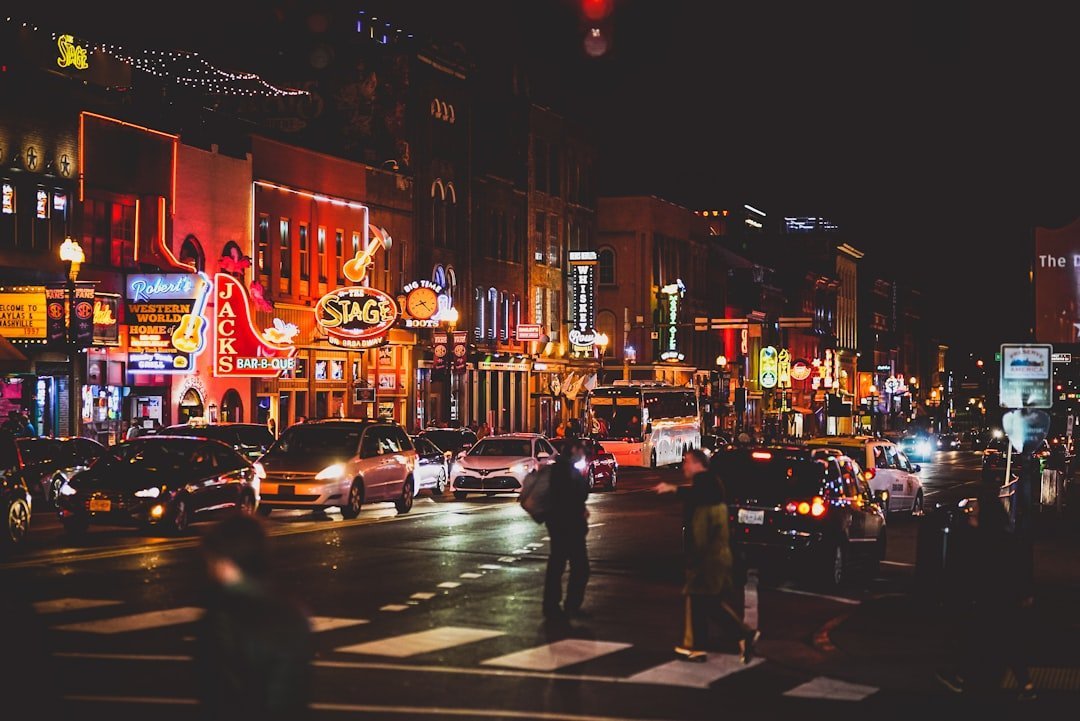
Nashville had real soul once. It still does – but you have to fight through a lot of matching tank tops and pedal taverns to find it. The city drew 16.9 million visitors in 2024 – generating a record $11.2 billion in visitor spending, a 4.17% increase over the prior year. Forecasts point to 17.5 million visitors by 2025 and potentially 18.1 million by 2027, the year a new Nissan Stadium opens. That’s staggering for a city of under 700,000 residents. The math alone should give you pause.
Broadway – the honky-tonk strip, not the New York one – has become essentially impassable on weekends. The rooftop bars are cranked to eleven, the noise is relentless, and the vibe has shifted from “music city” to “permanent outdoor bachelorette event.” International visitors have actually dropped 13% in recent tracking, with Canadian tourists down 20% amid geopolitical tensions. Longtime visitors who loved Nashville a decade ago often come back once, look around, and don’t come back again.
#14 – Charleston, SC: Charm Sold Separately
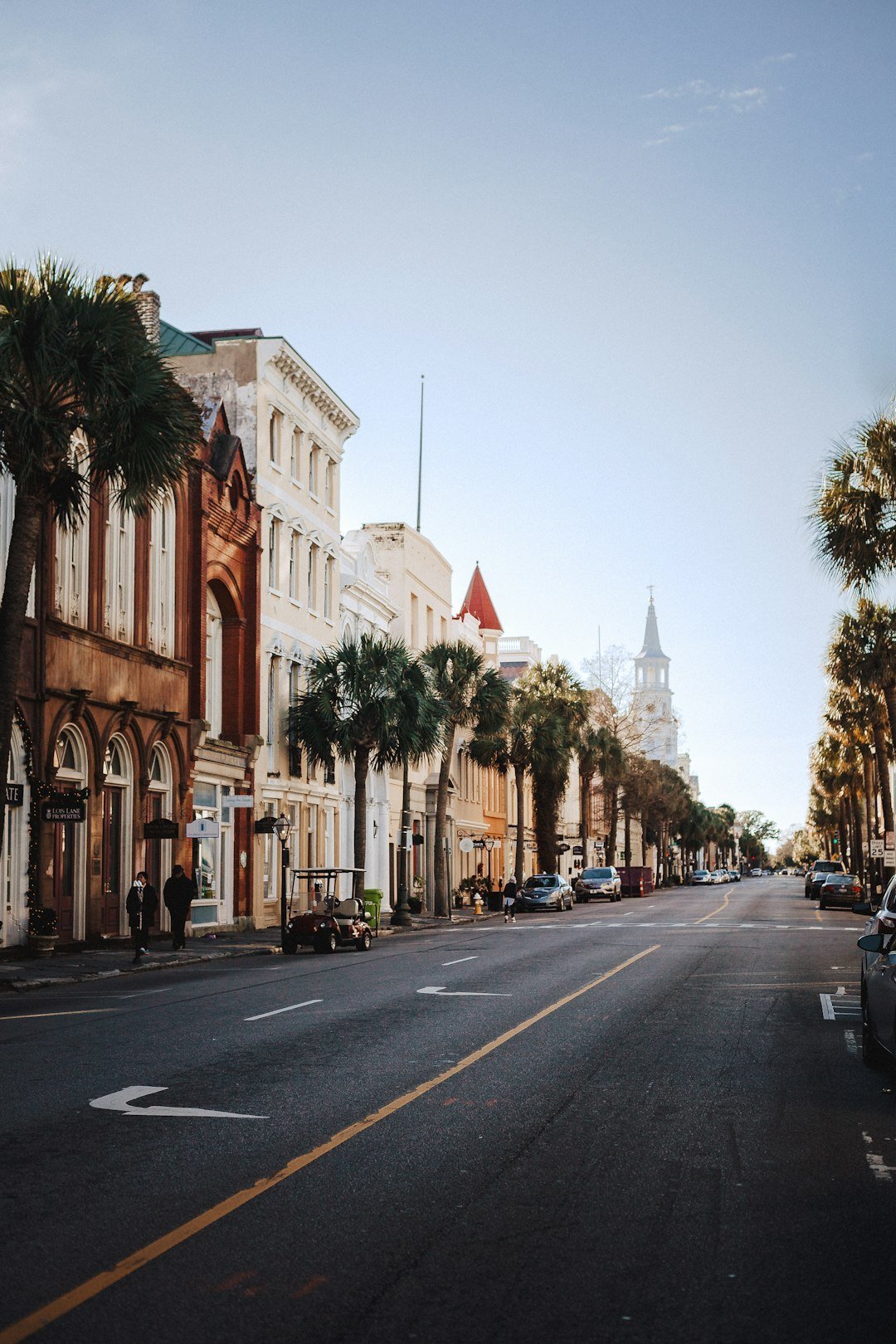
Charleston is genuinely one of the most beautiful cities in America. The pastel row houses, the antebellum architecture, the food scene – it earns every bit of its reputation. The problem is that everyone knows it now. During peak season, the historic district stops feeling like a living neighborhood and starts feeling like a theme park with a parking problem and a very long wait for brunch.
The streets were designed for horse traffic, not tour buses. Short-term rentals have quietly hollowed out entire residential blocks, converting neighborhood homes into revolving-door guest suites while pushing longtime residents further out. Locals are navigating inflated rents, packed grocery stores, and infrastructure that was never built for nonstop foot traffic. The frustration has moved well past grumbling – it’s become a genuine community crisis wrapped in a pretty postcard.
#13 – Seattle, WA: Overhyped, Overpriced, and Overwhelmed in Summer
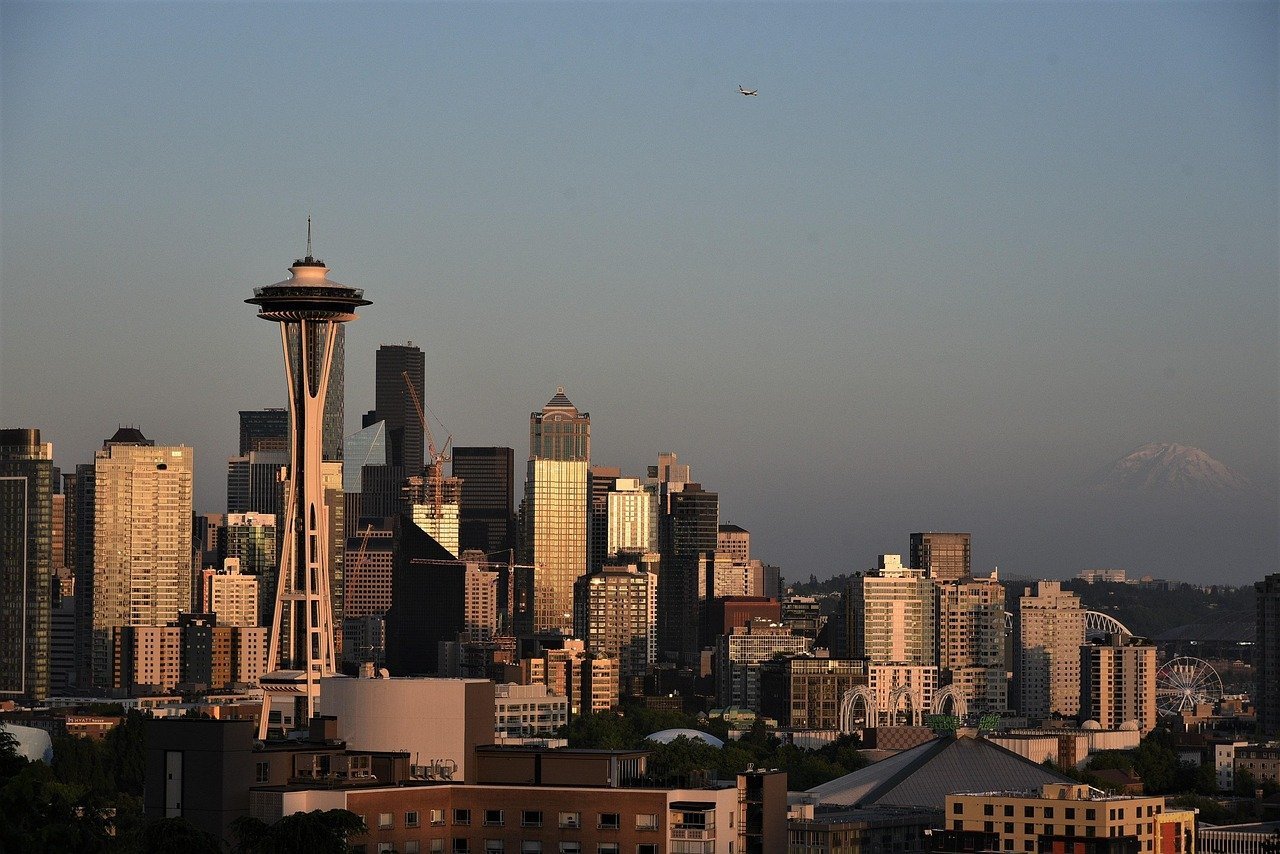
Seattle spent years being underrated on the tourist circuit. That era is completely over. Kayak named Seattle the most popular U.S. destination for summer travel in 2024, and when a platform tracking hundreds of millions of searches crowns you the top summer pick, the crowds follow – and they did. Pike Place Market, the Space Needle, and Capitol Hill all hit their limits on a typical July weekend.
Seattle’s geography makes the overcrowding worse. The city is hemmed in by Puget Sound and Lake Washington, so tourist traffic has nowhere to spread – it just compresses into a tight corridor and stays there. Hotels spike to rates that would make a San Francisco concierge wince. And the ferry to Bainbridge Island, which every travel blog calls a “hidden gem,” now has waits stretching well over an hour on a clear day. Hidden gem is no longer an accurate description.
#12 – Boston, MA: History Is Great. The Crowds Are Not.
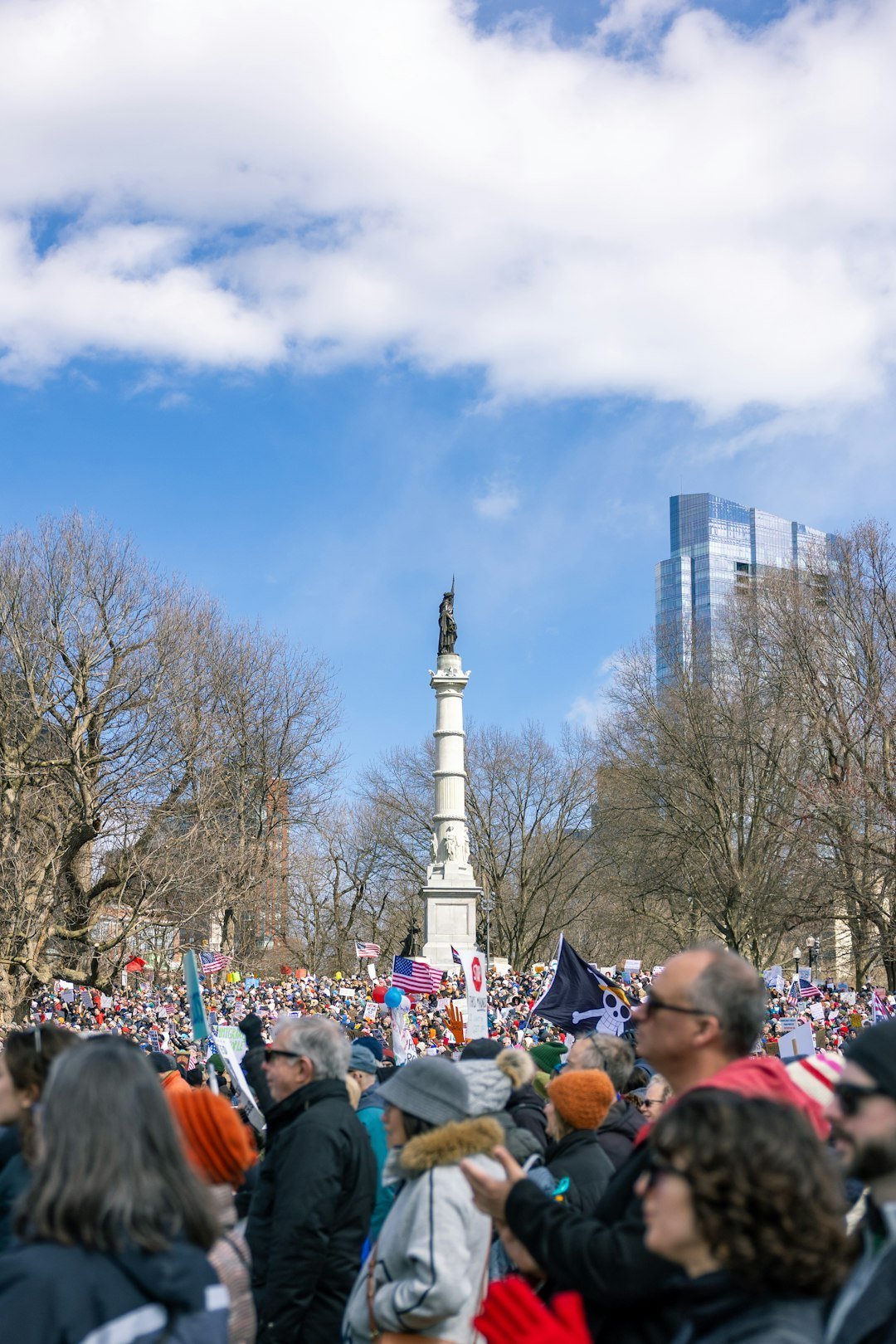
Boston’s compact, walkable layout is both its biggest selling point and its worst liability when millions of tourists show up at once. The Freedom Trail, Fenway Park, and Faneuil Hall all sit within a few miles of each other, which means all the tourist pressure funnels into a very small geographic zone. There’s no relief valve – just a steady accumulation of heat, noise, and wait times.
Summers in Boston are genuinely punishing. The heat, the humidity, Red Sox game-day crowds, and late-August college move-in chaos stack on top of each other in ways that feel almost deliberate. T stops become unbearable. Restaurant waits stretch past an hour at spots that seated you in fifteen minutes two years ago. Boston is still worth visiting – but the experience has quietly shifted from “charming historic city” to “endurance test with excellent clam chowder.”
Quick Compare
- Freedom Trail – 2.5 miles, 16 historic sites, best before 9 a.m. or you’re swimming upstream
- Fenway Park area – Game days add 37,000+ fans to already congested Kenmore Square
- Boston Common – Technically big enough for the crowds; practically, never feels like it
- North End (weekends) – Hanover Street becomes nearly single-file by Saturday afternoon
The Exhausting Cities Quiz
Think you know which U.S. destinations are the most overwhelming? Test your knowledge on the crowds, costs, and crises facing America's top tourist spots based on our latest editorial ranking.
Think you caught the key details? Take the quick quiz and see how sharp your instincts really are.
#11 – Chicago, IL: A World-Class City Straining at the Seams
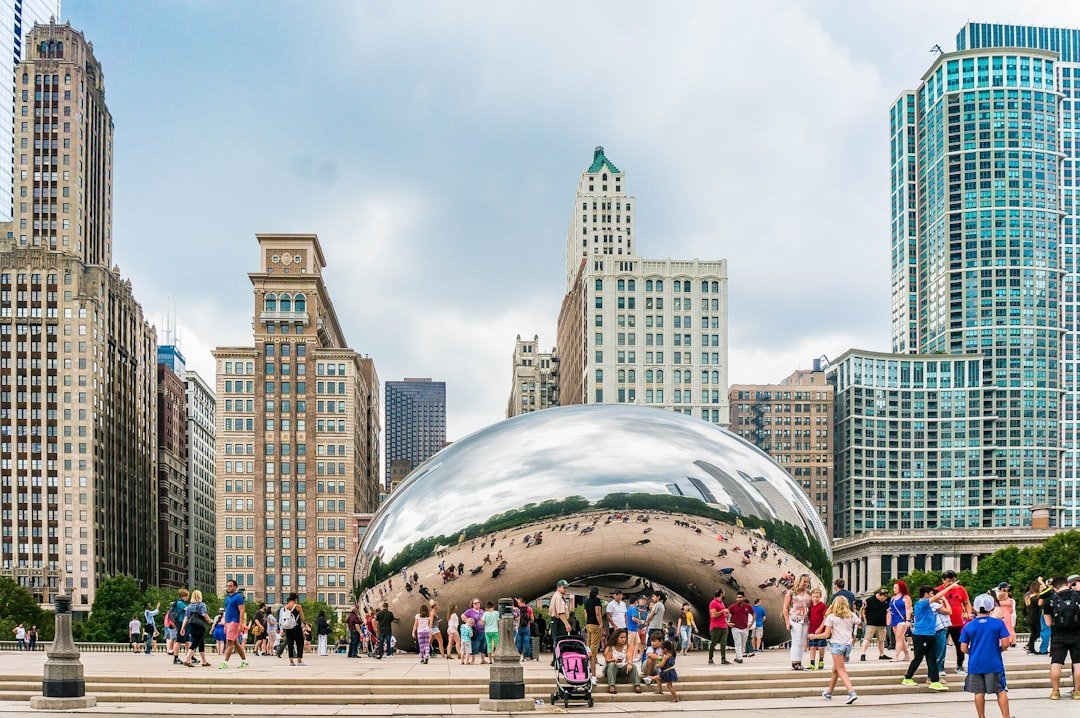
Chicago has one of the best skylines, food scenes, and cultural calendars of any city on earth. It also has the crowd problems to match. Millennium Park’s Bean has become one of the most photographed objects in America, which sounds like a compliment until you’ve tried to actually approach it on a summer Saturday. The lakefront trail in July is a slow-motion obstacle course of cyclists, joggers, tourists with strollers, and food vendors all competing for the same narrow strip of pavement.
The Chicago metro saw roughly a 2.3% year-over-year decline in international air traffic in mid-2025, with softer demand from Western Europe linked to political tension and concerns over stricter U.S. border screening. Even with those international numbers dipping, domestic tourism keeps Chicago packed. Roads buckle under the load, public transit crowds up fast, and the quality of experience – for tourists and residents both – has measurably dropped during peak season.
#10 – Washington, D.C.: Free Museums, Priceless Frustration
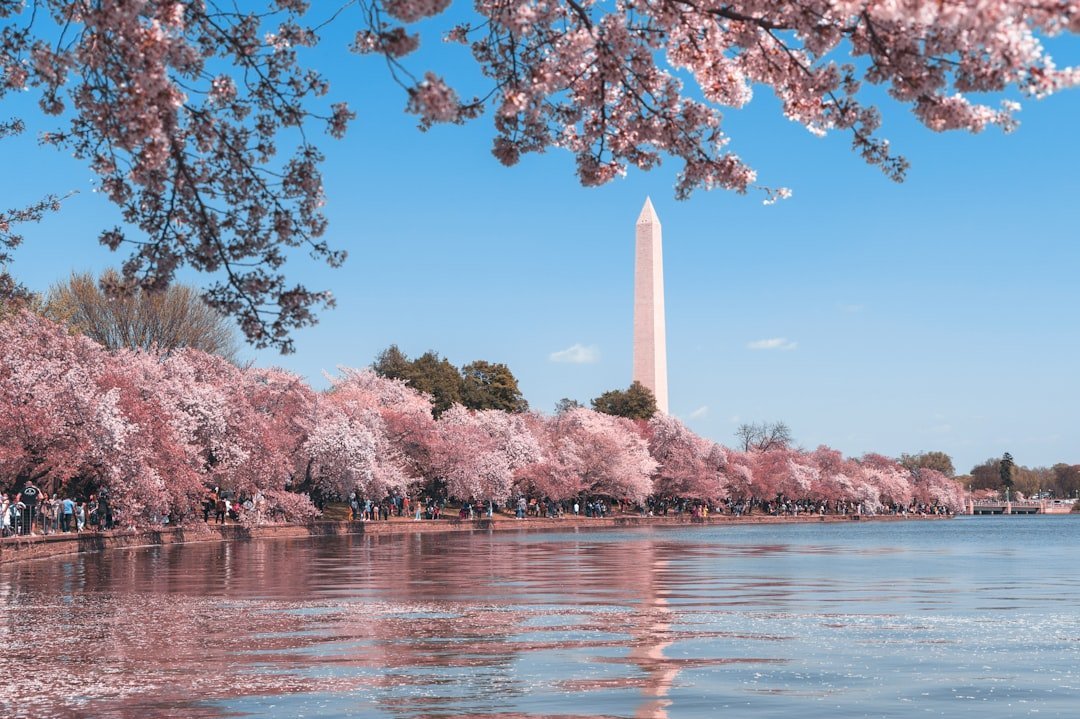
The pitch for Washington, D.C. sounds almost too good to be true: world-class Smithsonian museums, iconic monuments, a legendary food scene – and no admission fees for the major attractions. The catch is that “free” means every family in America has the same idea on the same long weekend. The National Mall in spring or summer is less a contemplative civic experience and more managed chaos with monuments in the background. The museums routinely hit timed-entry capacity by mid-morning during peak season.
Parking is essentially fiction. The Metro, normally reliable, becomes a pressure cooker during the Cherry Blossom Festival or a major national event. Hotel prices during peak weekends have become genuinely shocking for what is, at the end of the day, a government town. D.C. remains essential – there’s no city quite like it in America. But “essential” and “relaxing” parted ways here a while ago, and nobody’s brought them back together yet.
#9 – Orlando, FL: The Theme Park Burnout Capital
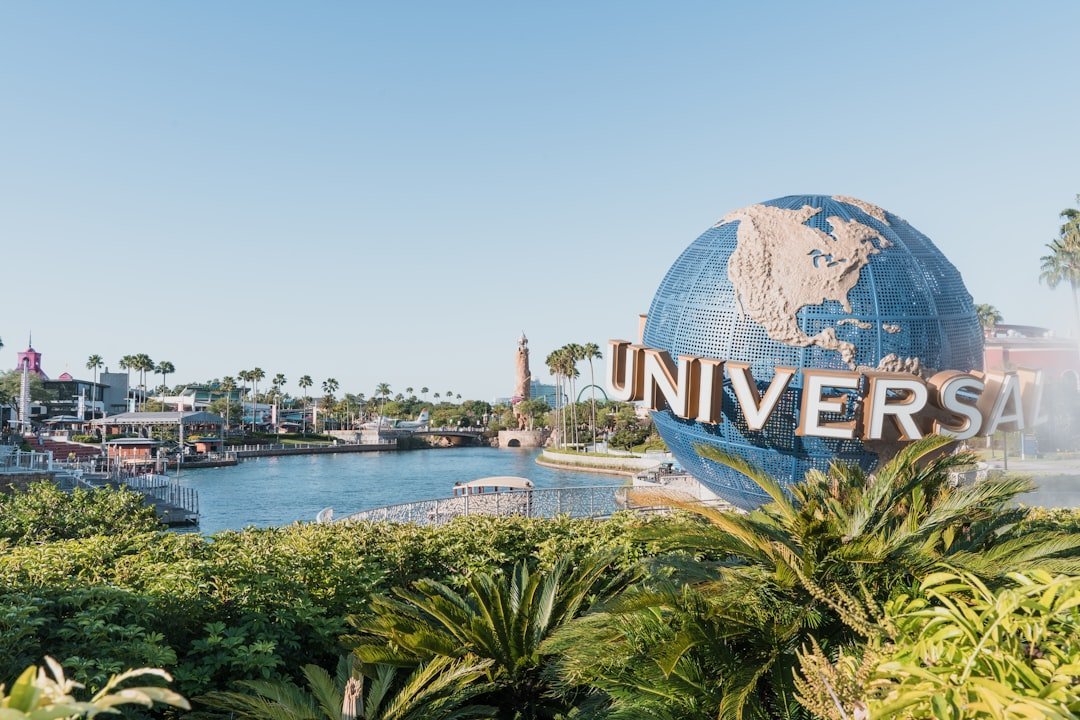
Orlando is the most visited city in the United States by total domestic visitors, and the infrastructure shows every bit of that strain. Walt Disney World, Universal’s newly expanded Epic Universe, SeaWorld, LEGOLAND – the sheer volume of theme park real estate is staggering. So are the lines, the heat, and the price tags. Disney’s average one-day ticket has climbed from under $100 in 2014 to $154 a decade later – and a 2024 LendingTree survey found that roughly 45% of parents with children under 18 take on debt to fund a Disney vacation, averaging nearly $2,000 in debt per family.
The city has been almost entirely built around visitor consumption, which means when anything goes wrong – a heat wave, a school holiday week, a major convention – the whole system buckles visibly. Highways around the parks become parking lots. Skip-the-line add-ons like Lightning Lane Multi Pass now cost $40 or more on top of regular admission – and still don’t guarantee a short wait. The “magic” that the marketing promises gets very hard to locate when you’re sunburned, hundreds of dollars lighter than you expected, and still forty minutes from the front of the line.
At a Glance: What Orlando’s Theme Park Day Actually Costs
- Disney one-day ticket: $109–$189+ depending on date
- Lightning Lane Multi Pass (line-skipping): $15–$40 per person, per day
- Parking: $30 per day at Disney World
- Average wait on popular rides at peak times: 45–90+ minutes
- Families going into debt for Disney trips: ~45%, averaging ~$1,983 per family
#8 – Honolulu, HI: Paradise With a Price Tag and a Guilt Trip

Hawaii has been grappling with overtourism at a cultural level, not just an infrastructural one. The islands welcomed 9.7 million visitors in 2023, nearly matching the pre-pandemic record, but the boom comes with real trade-offs: soaring housing costs, environmental damage, depleted coral reefs, and cultural tensions that locals have become increasingly vocal about. Honolulu sits at the center of all of it – the most visited entry point for an island chain that is quietly, visibly straining.
Hotel rates averaging $350 per night, tightening beach regulations, and expanding permit requirements have made casual exploration harder than it used to be. Maui council member Keani Rawlins-Fernandez has publicly criticized tourists for disrespecting Hawaiian culture – a frustration that reflects something real and widely felt. Visiting Hawaii increasingly comes loaded with a layer of moral complexity you simply don’t get at most U.S. destinations. The beauty is undeniable. The baggage that comes with it now is harder to ignore.
#7 – New Orleans, LA: More Visitors Than Ever, Fewer Reasons to Come Back
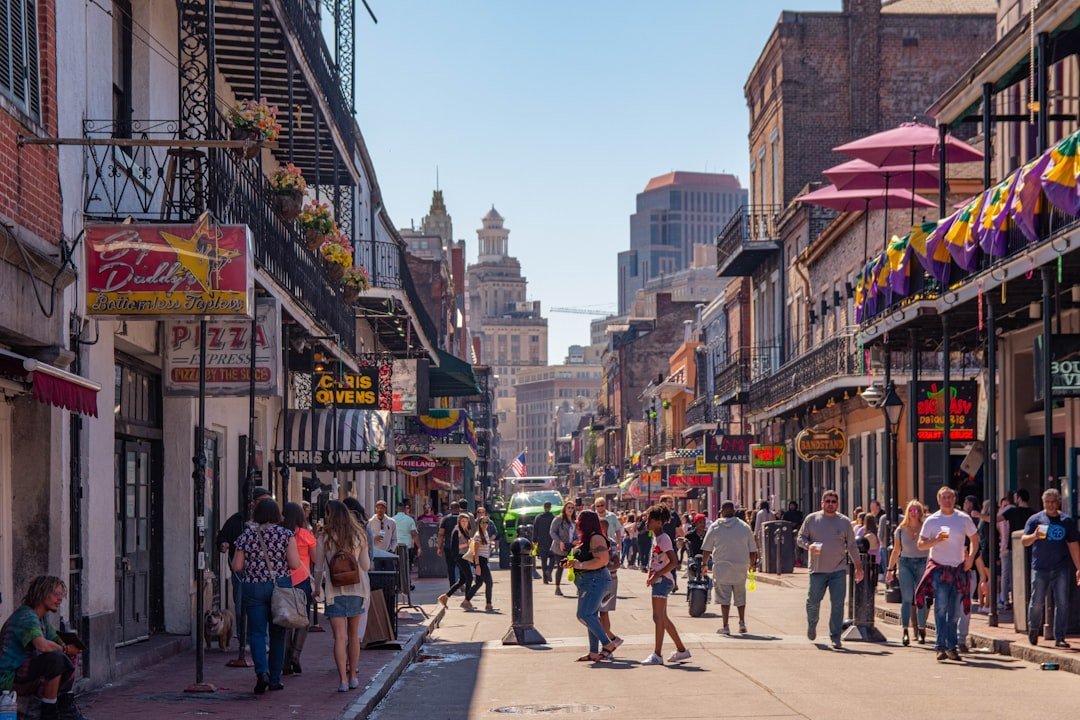
In 2024, New Orleans welcomed 19.08 million visitors – surpassing 19 million for the first time since the pandemic and only the second time in history. That’s a city of under 400,000 people absorbing nearly 50 times its population in annual visitors. The French Quarter, already a small and fragile geographic zone, is now almost permanently saturated. Bourbon Street has stopped being a street in any meaningful sense and become a permanent outdoor drinking event with occasional pavement underneath.
The exhaustion goes beyond crowds. A fatal vehicle attack on Bourbon Street on New Year’s Day 2025 shook the city hard. Weeks later, a major snowstorm disrupted a national trade show. A widely publicized jailbreak in May put public safety back in the headlines. Road construction in the French Quarter, immigration enforcement activity, and a string of overlapping crises stacked on top of each other in a way that was hard to watch from the outside. The city’s magic is absolutely real. But accessing it has become a genuine gauntlet.
Worth Knowing
- New Orleans covers just 350 square miles – with most tourist activity crammed into the French Quarter’s roughly half-square-mile footprint
- 19.08 million annual visitors versus a city population of under 400,000 – a visitor-to-resident ratio nearly unmatched in the U.S.
- The French Quarter’s aging infrastructure was not designed for 21st-century crowd volumes or modern event foot traffic
- Despite ongoing challenges, New Orleans remains one of the most culturally distinct cities in America – the frustration is a measure of how much people still want to be there
#6 – Miami, FL: Beautiful, Brutal, and Built to Drain Your Bank Account
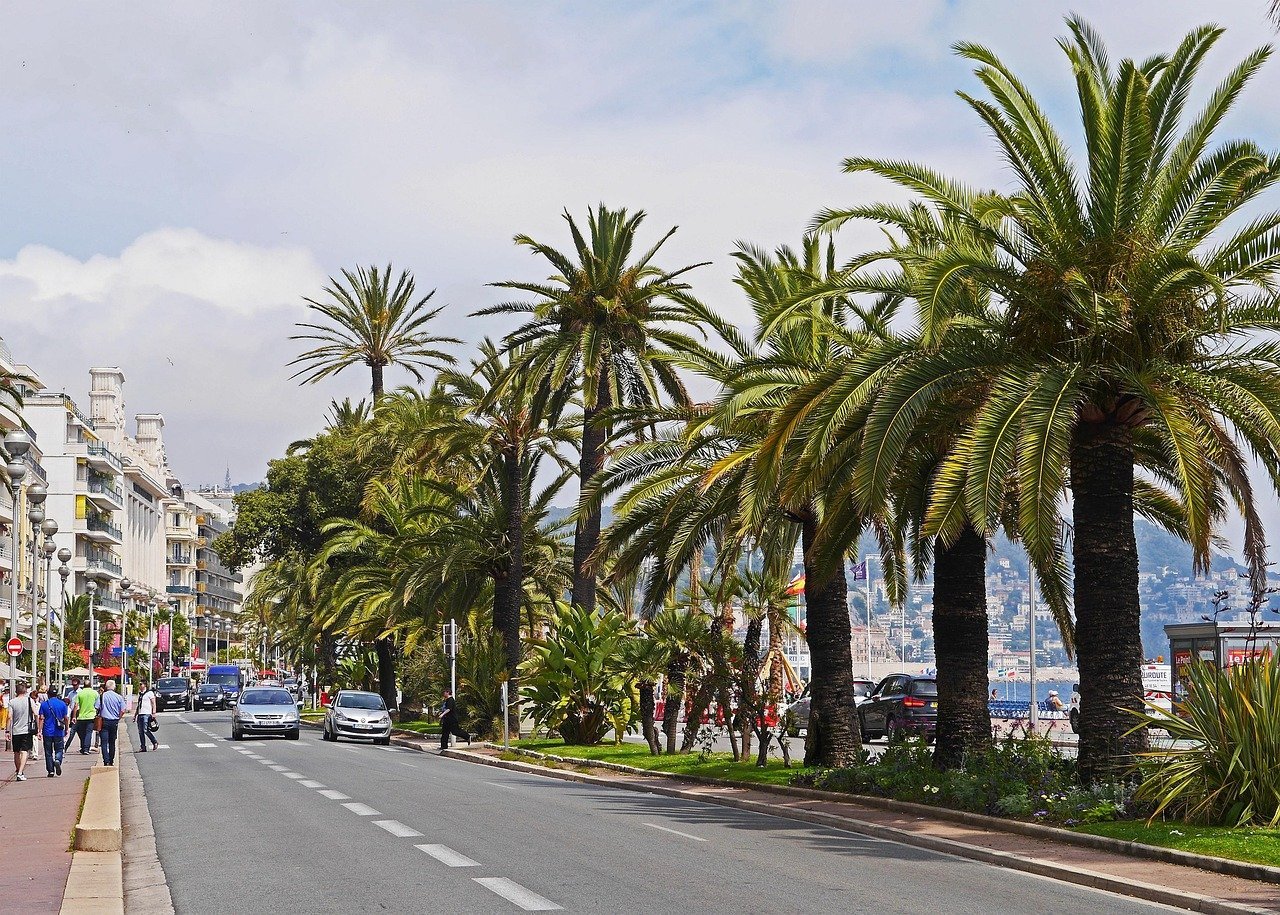
Miami’s brand is aspirational: sun, Art Deco, nightlife, and the kind of beauty that makes every photo look filtered. The lived experience for visitors is a different story. The beaches are real but rarely serene – overcrowding is constant, the party scene is relentless, and the traffic on the causeways can make a two-mile trip feel like a commitment. For anyone expecting a relaxed coastal getaway, Miami tends to deliver a kind of beautiful exhaustion instead.
Spring Break alone turns the city into something that defies polite description. South Beach becomes impassable. Restaurant waits stretch to two hours for places with mediocre reviews. Florida has seen international visits fall by around 9% in 2025, with the decline especially pronounced among Canadian travelers who once flocked here in large numbers. Even with some visitor segments thinning out, Miami remains one of the most punishing cities in America to visit on a budget, a schedule, or a reasonable expectation of quiet.
#5 – Los Angeles, CA: The Sprawl, the Traffic, the Endless Disappointment
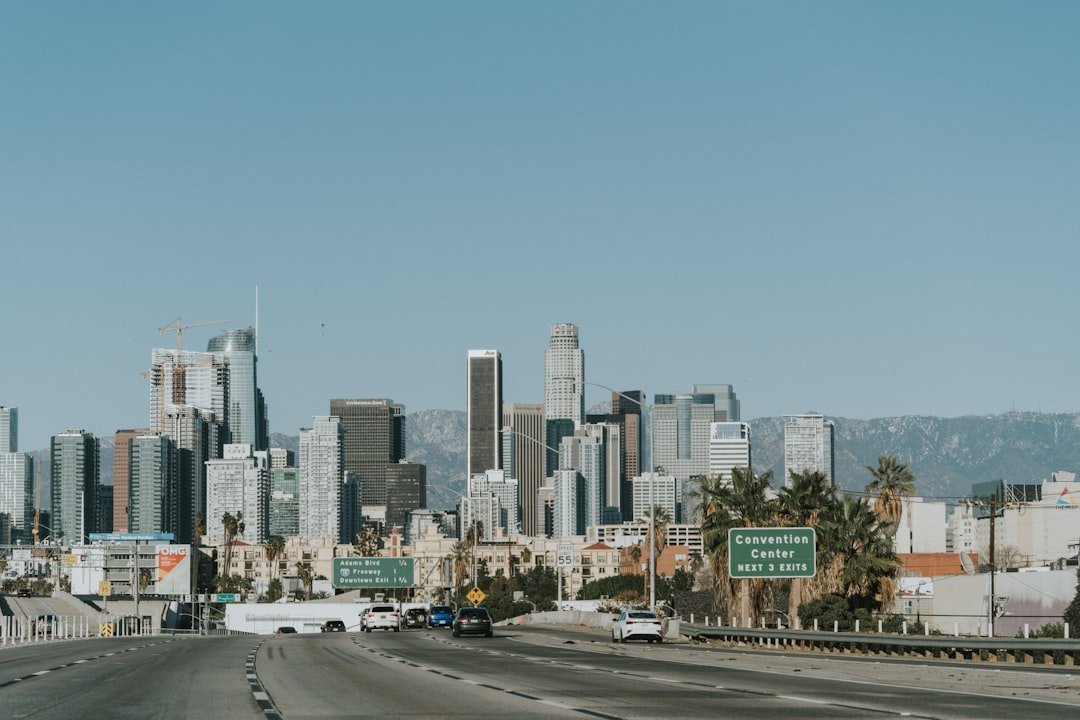
Los Angeles sells a dream that almost no first-time visitor actually experiences. The Hollywood Walk of Fame is grittier than most people expect. Venice Beach is chaotic in a way the photos don’t capture. Griffith Park’s trails are so overrun on weekends that the famous Observatory view becomes a photo-op obstacle course. The concentration of tourist activity in certain neighborhoods creates daily bottlenecks that residents near those spots deal with constantly – traffic, parking shortages, and short-term rentals eating into housing supply.
The car dependency is the hidden tax on every L.A. visit. Without a rental car, you’re at the mercy of a transit system not designed to move tourists efficiently. With one, you’ll spend meaningful stretches of your trip sitting on the 405 going nowhere. Statewide international tourism in California has declined by roughly 9% in recent forecasts, with Los Angeles facing projected drops of 25% to 30% in foreign visitors this year. Even with fewer international tourists, the domestic crowds keep the exhaustion firmly in the red.
#4 – San Francisco, CA: Incredible City, Impossible to Enjoy Easily
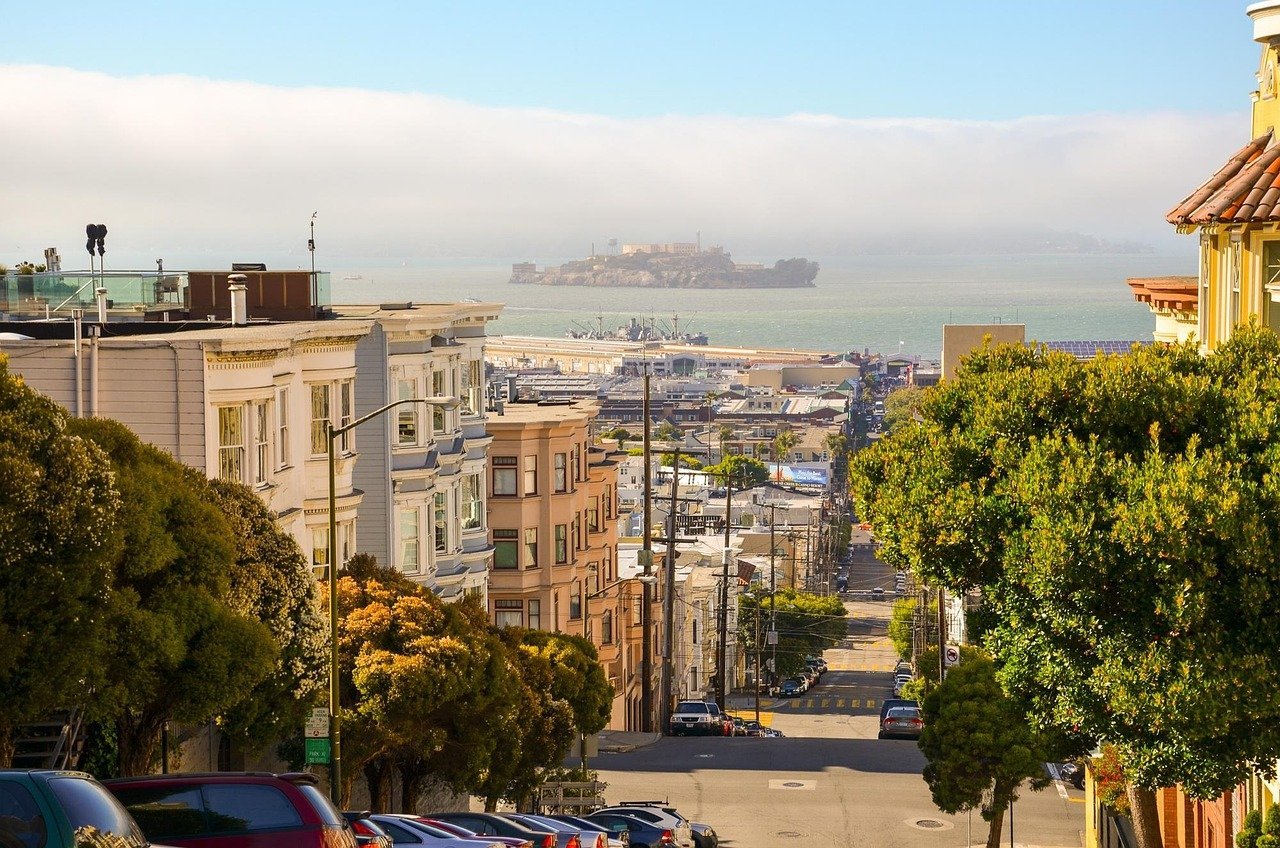
San Francisco is legitimately one of the most stunning cities on the planet – the bay views, the architecture, the food, the neighborhoods. It is also one of the most logistically punishing cities to visit as a tourist. The hills aren’t Instagram-quaint; they’re genuinely steep in ways that wear you out by midday. The cost of everything is staggering. And navigating the city without a car is harder and more confusing than most travel guides admit.
The city has been fighting a perception war for years, and some of the narrative has shifted – crime in San Francisco was down nearly 30% year-to-date as of fall 2025. But the cost problem hasn’t moved. San Francisco ranks last among major U.S. markets for hotel rate recovery from 2019 levels, with average daily rates hovering around $220 compared to $247 before the pandemic – still expensive by any practical measure, but a stark fall for a city that once commanded some of the highest room rates in the country. Most visitors underestimate what San Francisco will actually cost them until it’s too late to adjust.
#3 – Las Vegas, NV: The Strip Has Become Its Own Worst Enemy
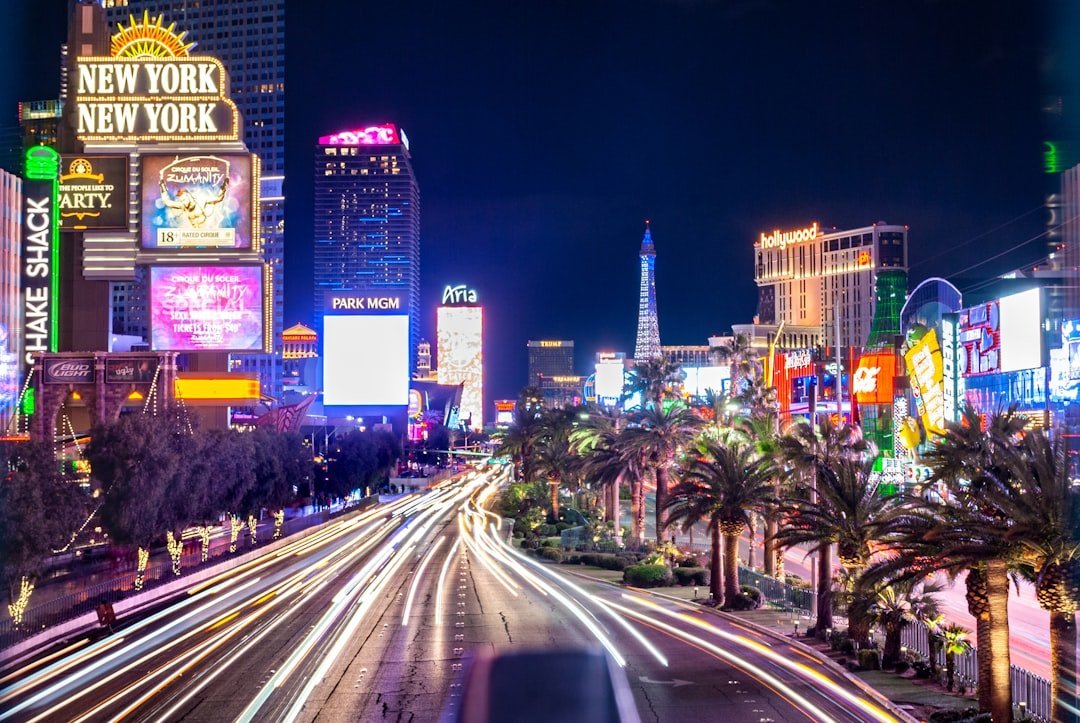
Las Vegas was built for excess, and it delivered spectacularly – right up until the excess became the problem. Walking the Strip used to feel electric. Now it feels like navigating a slow-moving human traffic jam between billboards for shows you can’t afford and restaurants with two-hour waits. The Strip draws millions of visitors every month, compressing them into a corridor that was designed for spectacle but not for the sheer volume it now handles.
Every element of the Las Vegas experience has been engineered to extract maximum spending – and the numbers prove it. MGM Resorts raised resort and parking fees twice in 2024 alone. By December of that year, luxury properties like Bellagio, Aria, and The Cosmopolitan were charging $55 per night in resort fees on top of the room rate – with self-parking adding another $20 per day and valet running $40. Resort fees averaging $44 per night across the Strip, plus parking, can quietly add 25% or more to what looked like a reasonable room rate when you booked it. Las Vegas also showed steep international air traffic declines in mid-2025. Even Vegas, it turns out, has limits.
Why It Stands Out: The Vegas Fee Trap
- Resort fees (Strip average): ~$44/night – mandatory, non-negotiable, taxed at 13.38%
- Self-parking (MGM properties): $20/day for hotel guests, $25 on weekends
- Valet parking: $40/day across most major Strip properties
- Bellagio/Aria/Cosmopolitan resort fee: $55/night as of December 2024
- A $200/night advertised room can realistically cost $280–$300 once fees, parking, and tax are added
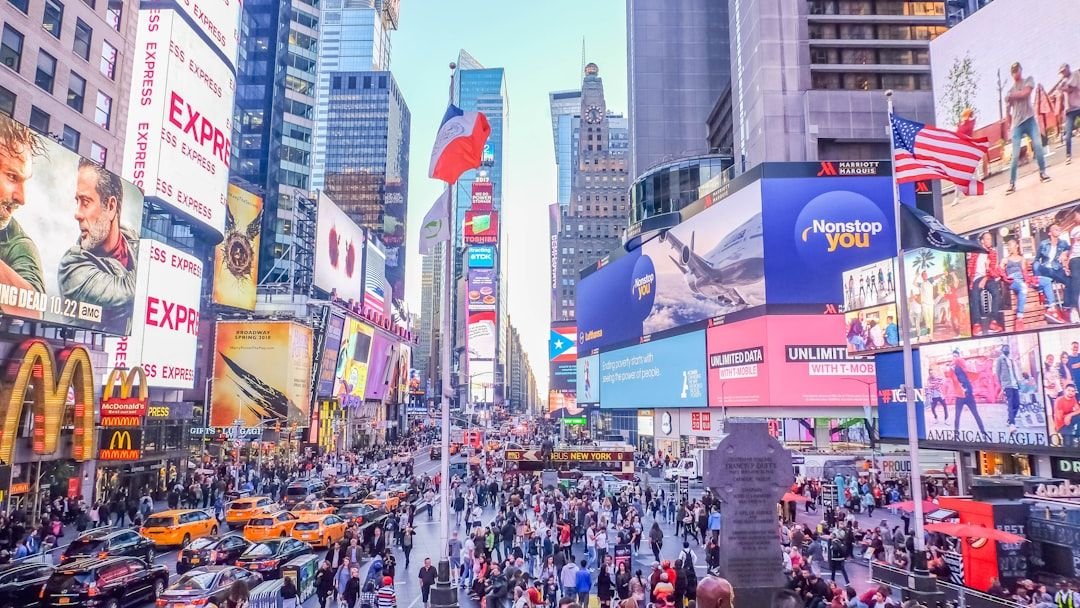
#2 – New York City (Times Square and the Tourist Zones): A Permanent Crowd Experiment
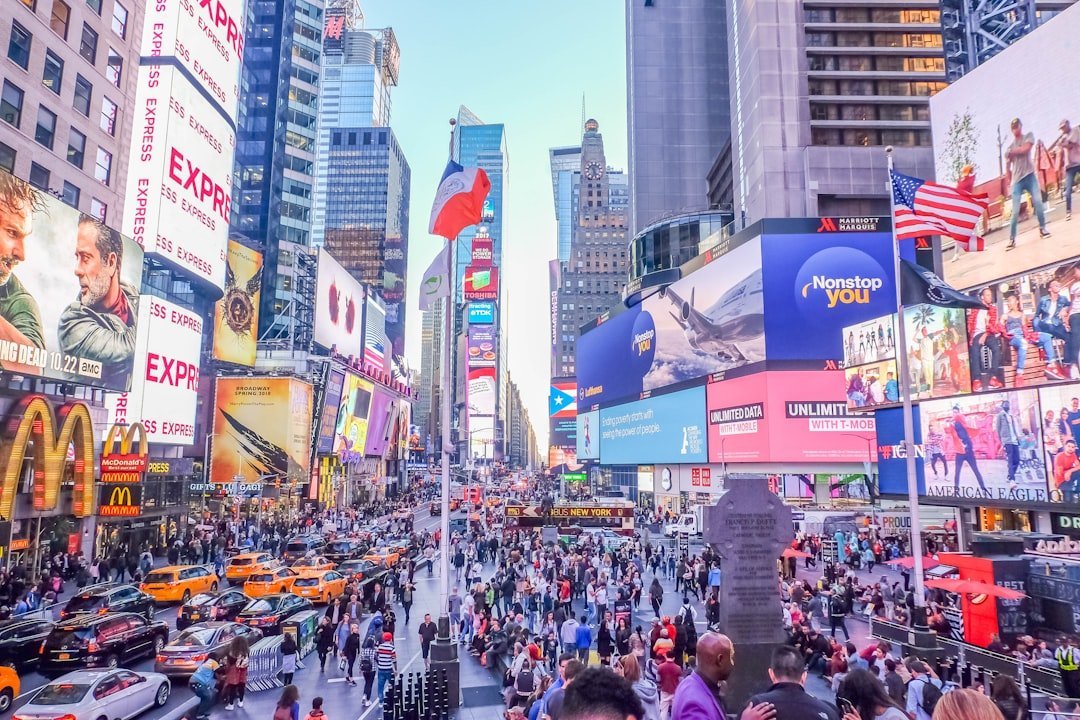
New York City is too big and too varied to be universally exhausting – but its tourist zones absolutely are. Times Square has reached a level of sensory overload that even seasoned New Yorkers actively route around. It stopped being a neighborhood in any real sense long ago. What it is now is closer to a permanent crowd experiment: loud, dense, disorienting, and nearly impossible to enjoy after the first ten minutes of novelty wear off.
New York welcomed 62.2 million visitors in 2023 – up nearly 10% from the prior year and more than seven times the city’s actual population. The explosion of short-term rentals has contributed directly to rising rents across the five boroughs, prompting the city to introduce strict short-term rental regulations in 2023. New York is projected to lose around 3.5 million international visitors in 2026, a drop of roughly 17%. And yet the domestic volume alone keeps Manhattan’s most visited corridors among the most overwhelming places in America to spend a vacation. The city is extraordinary. The experience of being a tourist in it has become genuinely hard work.
The Exhausting Cities Quiz
Think you know which U.S. destinations are the most overwhelming? Test your knowledge on the crowds, costs, and crises facing America's top tourist spots based on our latest editorial ranking.
Think you caught the key details? Take the quick quiz and see how sharp your instincts really are.
#1 – Any Maxed-Out U.S. City on a Major Holiday Weekend: The System at Full Capacity

The #1 slot belongs not to a single city but to a phenomenon – the moment when an already-overwhelmed destination collides with a peak travel window. Orlando during spring break. Las Vegas on New Year’s Eve. New York on the Fourth of July. Miami during Art Basel. In these moments, the usual frustrations don’t just stack – they multiply. Long queues, packed viewing areas, limited accessibility, and prices that feel openly hostile all converge at once. Travel experts have stopped calling this a seasonal problem. It’s year-round now, and the calendar has no off-switch.
Just over four in ten Americans – 41% – say they are concerned about overtourism, with the top worries being pollution and waste (60%) and the rising cost of living for local residents (59%). Those numbers confirm what anyone who’s spent a frantic week navigating America’s most popular destinations already feels in their bones: the system is at capacity. The cities are incredible. The experience of visiting them – at peak times, in the most famous spots – has quietly become something closer to survival than vacation. The question isn’t whether it will get better. It’s whether anyone in charge is actually trying to fix it.
Which city on this list matches your own experience – or which one surprised you most? Drop it in the comments. And if your most exhausting U.S. travel moment happened somewhere that didn’t make this list, we genuinely want to hear about it.