
Poverty Rates: Digging Into the Numbers
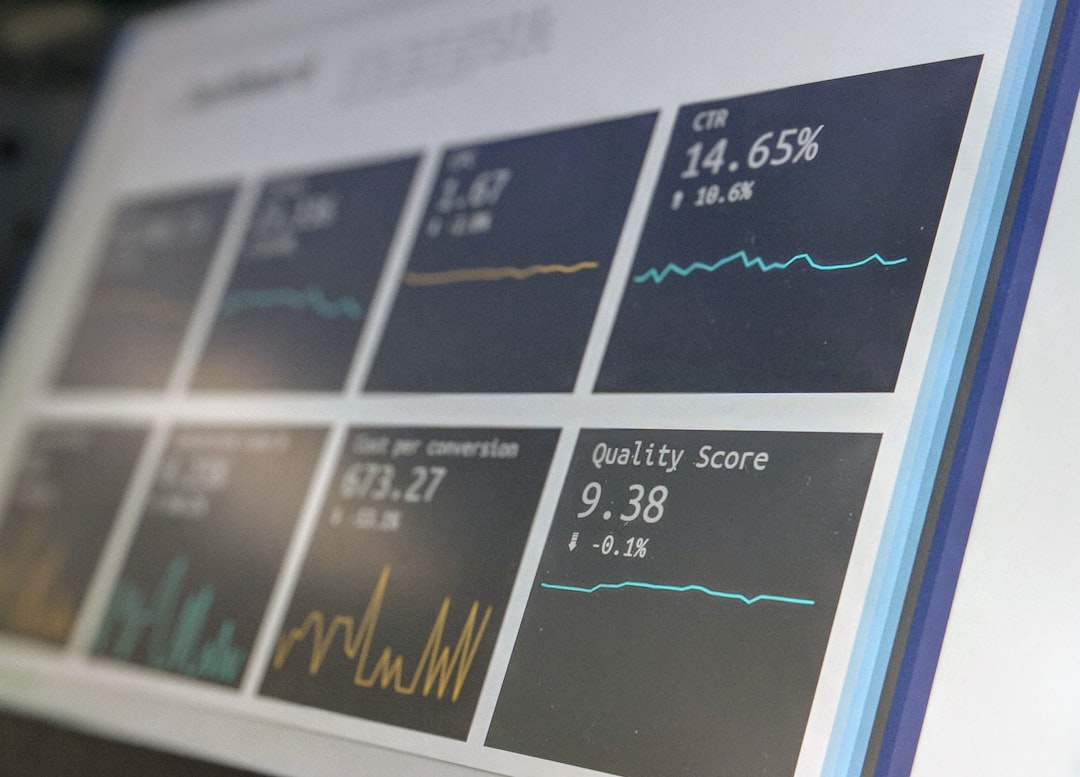
According to the World Bank’s 2024 global poverty update, Madagascar tops the list of countries with the highest percentage of people living below the international poverty line, with an estimated 78% of its population earning less than $2.15 a day. Nigeria, however, leads in absolute numbers, with more than 70 million people in extreme poverty as of January 2025, as reported by the National Bureau of Statistics (NBS). Despite these staggering numbers, recent data also show that countries like Bangladesh and Ethiopia have made significant progress in reducing poverty, with Bangladesh’s poverty rate dropping to 11.9% by mid-2024, thanks to rapid economic growth and remittance inflows. The United Nations Development Programme’s 2024 Human Development Report highlights that poverty is not evenly distributed, often concentrated in rural areas and among marginalized groups. In contrast, some so-called “poor” countries are seeing a shrinking gap in income inequality, suggesting nuanced progress. Understanding who is considered poor by local versus international standards adds complexity to the discussion. These figures challenge the narrative of blanket poverty, highlighting a spectrum of economic realities.
Ranking “Dirty”: Sanitation and Waste Management Facts
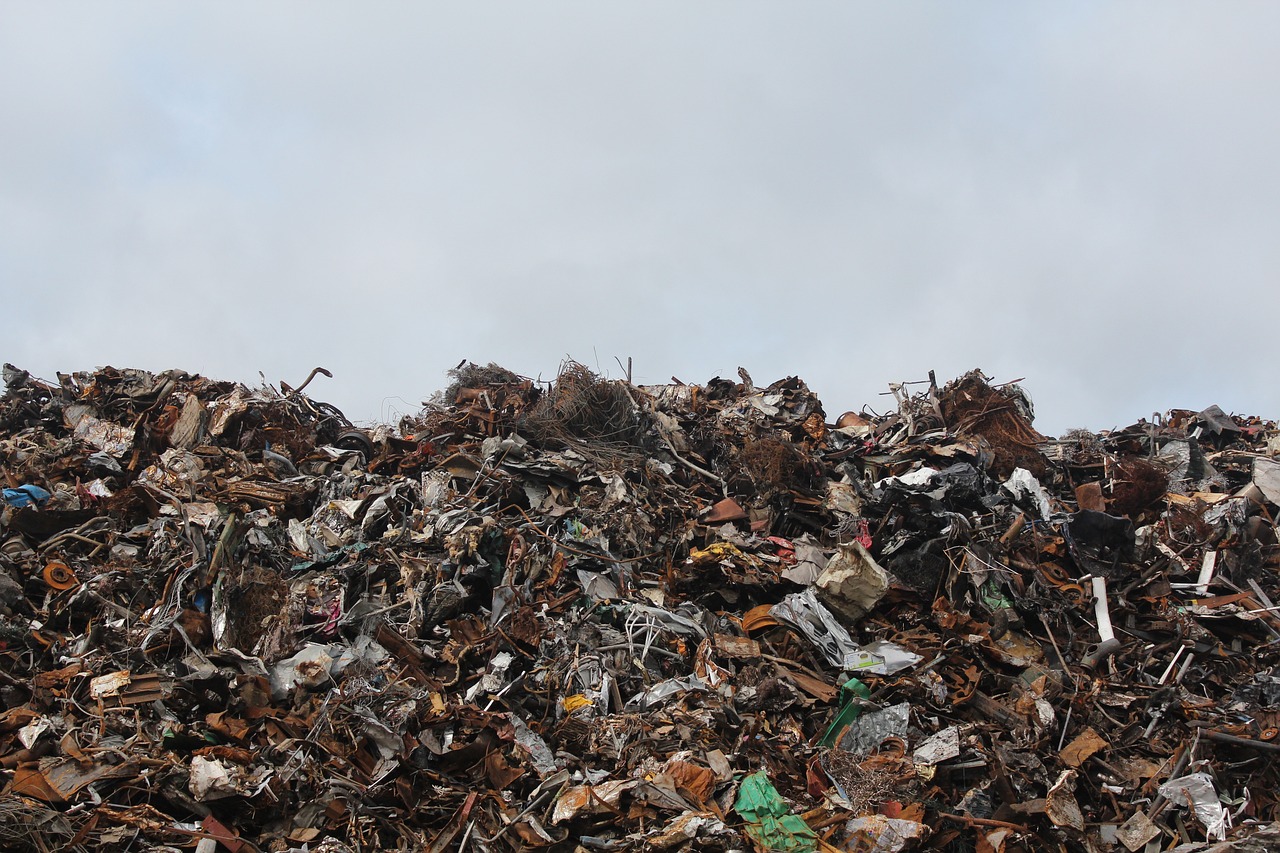
Data from the WHO/UNICEF Joint Monitoring Programme released in April 2024 reveals that over 673 million people worldwide still practice open defecation, with Nigeria and India accounting for a significant portion. However, the situation is improving—Nigeria’s open defecation rate dropped from 23% in 2018 to 18% in early 2025 due to aggressive government campaigns. In Madagascar, only 13% of the population had access to safely managed sanitation services as of late 2024, making it one of the lowest globally. The World Bank’s 2024 “Waste Atlas” report lists South Sudan, Chad, and Haiti as countries facing the most severe waste management crises, with less than 10% of waste being properly disposed of. Yet, Rwanda defies the stereotype, having banned plastic bags since 2008 and maintaining some of the cleanest streets on the African continent, as recognized by the United Nations Environment Programme (2024). Urban waste is a growing crisis but is countered by grassroots efforts in cities like Dhaka and Nairobi, where local groups are innovating with recycling and composting projects. These contrasts reveal that while the label “dirtiest” is based on real challenges, it often ignores rapid recent improvements.
Health Outcomes: The Real Cost of Poor Infrastructure
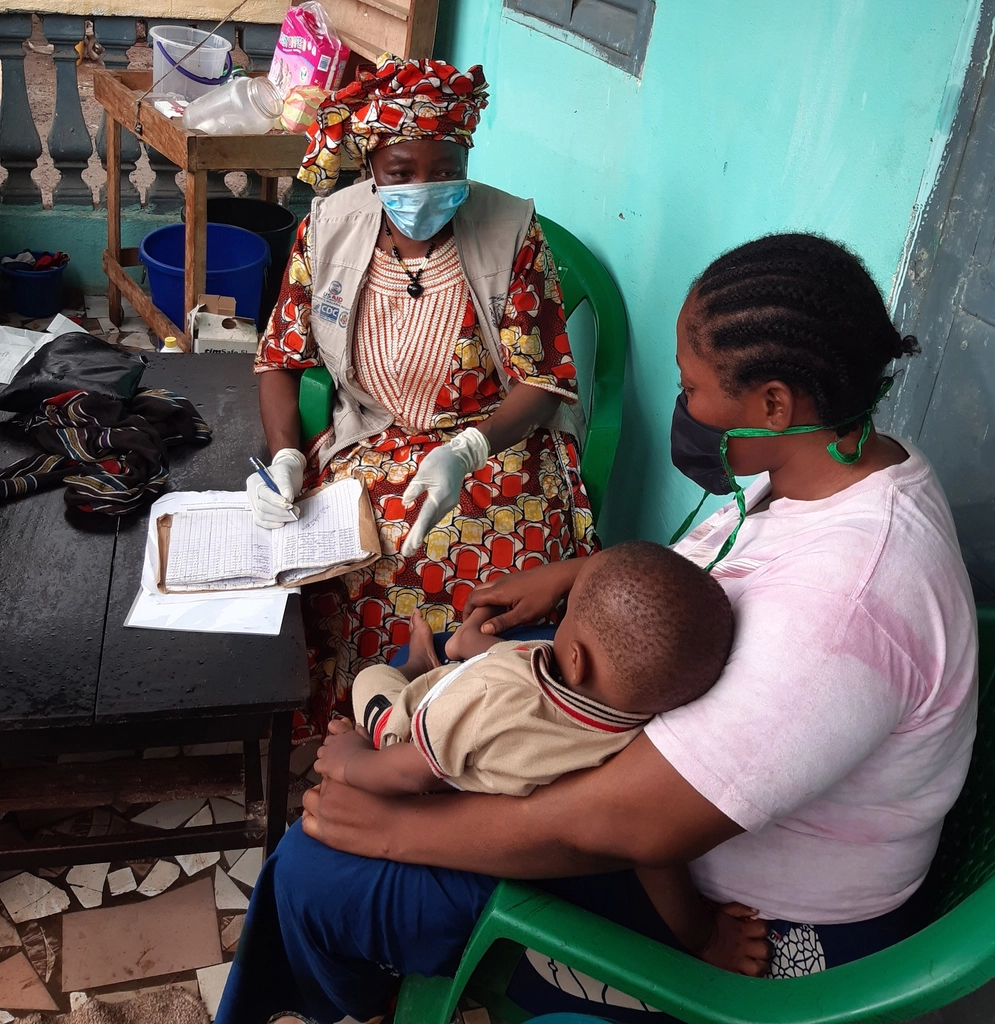
In April 2025, the World Health Organization announced that Sierra Leone, Chad, and Central African Republic still experience some of the highest rates of child mortality worldwide, with under-5 mortality rates exceeding 100 deaths per 1,000 live births. Unsafe water, poor sanitation, and limited access to healthcare drive these outcomes. In contrast, Bangladesh has cut its under-5 mortality by over half since 2000, now standing at 27 per 1,000 live births in 2024, due to expanded immunization and maternal care programs. Madagascar’s hospitals remain under-resourced, with less than one doctor per 10,000 people, according to the 2024 WHO country profiles. However, Ethiopia’s Health Extension Program has trained over 40,000 health workers since 2020, improving rural access to care and lowering preventable disease rates. The 2025 UNICEF report notes that malnutrition remains acute in parts of Yemen and South Sudan, with stunting rates above 35%. These disparities show that while some countries struggle, others are making measurable gains against health crises.
Urban Realities: Slums, Sprawl, and Hope
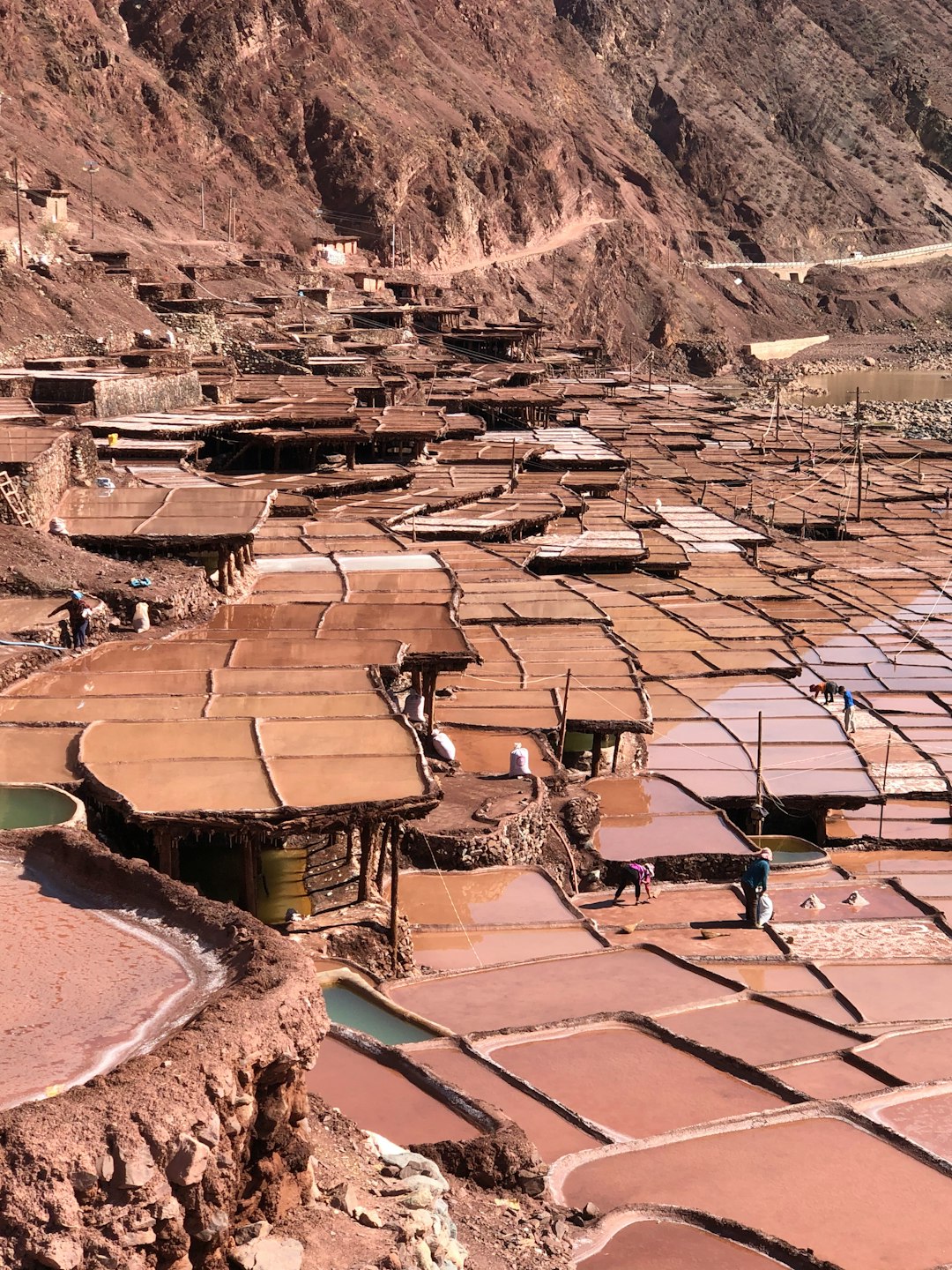
UN Habitat’s 2024 report “The State of African Cities” estimates that over 60% of Nairobi’s population lives in informal settlements, with Kibera being one of the largest slums on the continent. Yet, the Kenyan government’s ongoing upgrade projects, including new water and sanitation facilities, have improved conditions for over 100,000 residents since 2023. Mumbai’s Dharavi slum, often cited as one of the “dirtiest” places, has seen a 40% drop in open waste dumping due to a city-backed recycling initiative started in 2022. In Lagos, Nigeria, rapid urbanization has outpaced infrastructure, leading to persistent flooding in low-lying neighborhoods, as highlighted in a 2025 Reuters investigative report. Despite this, grassroots organizations like Slum Dwellers International are helping residents secure land rights and access credit. The 2024 World Bank Urbanization Review praised Rwanda’s Kigali for its successful slum upgrading, relocating over 20,000 families to improved housing. The reality is that while slums symbolize poverty, they also incubate innovation and resilience.
GDP and Economic Growth: A Complex Picture
According to the International Monetary Fund’s World Economic Outlook (April 2025), countries such as Burundi and South Sudan have the world’s lowest per capita GDP, with figures below $300 annually. However, Ethiopia and Bangladesh—long considered poor—have posted GDP growth rates above 6% every year since 2020, outpacing much of the developed world. The African Development Bank’s 2024 report notes that Côte d’Ivoire and Senegal are also among the fastest-growing economies, fueled by infrastructure investment and a booming tech sector. Madagascar’s economy remains fragile, contracting by 2% in 2024 due to cyclones and political instability, as per the IMF. Still, remittances and small-scale entrepreneurship are driving modest gains in household income. Nigeria, despite its vast oil wealth, faces high unemployment (over 33% in 2025), reflecting the disconnect between national wealth and individual prosperity. These mixed signals make it clear that GDP alone cannot define a country’s experience of poverty.
Tourism: Perception vs. Reality

Tourism data from the United Nations World Tourism Organization (UNWTO) in 2024 shows that countries often labeled as “dirty” or “dangerous,” like Cambodia and Ethiopia, are seeing a tourism boom. Cambodia recorded over 6.7 million international visitors in 2024, up 39% from the previous year, attracted by cultural landmarks and improved infrastructure. Rwanda’s “Visit Rwanda” campaign, heavily promoted in 2023 and 2024, has positioned the country as an eco-tourism hub, drawing 1.4 million visitors in 2024. Madagascar, despite its poverty, welcomed over 480,000 tourists in 2024, thanks to its unique biodiversity and new conservation areas. In contrast, security concerns and political unrest led to a 15% drop in visitors to Haiti in 2024, according to the Caribbean Tourism Organization. Often, the reality on the ground is far more welcoming and safe than global perceptions suggest. High-profile travel influencers and media campaigns are helping to shift outdated views of these destinations.
Education: Progress Amidst Challenges
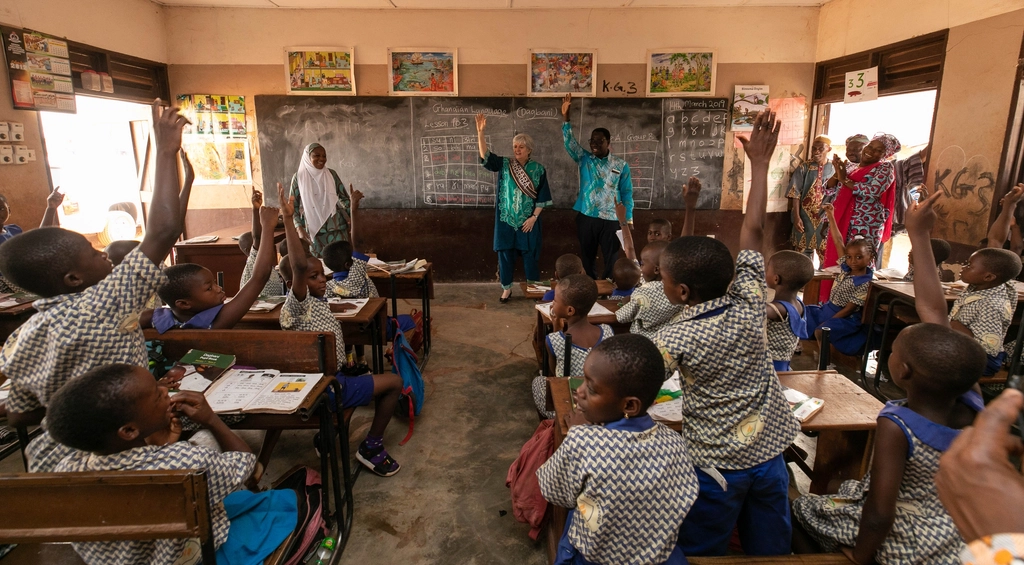
UNICEF’s “State of Global Education” 2024 report highlights that Niger and Mali have some of the world’s lowest literacy rates, at 35% and 31% respectively among adults. However, Bangladesh has achieved near-universal primary enrollment, with rates exceeding 98% in 2024, and is now focusing on improving secondary education. Kenya’s free primary education program, expanded in 2023, has added over 1.2 million children to classrooms, but challenges remain in overcrowding and teacher shortages. Madagascar’s schools struggle with infrastructure, with roughly 40% lacking basic toilets and clean water, based on a 2024 Save the Children assessment. Ethiopia’s government continues to invest in girls’ education, with early marriage rates declining as a result. Despite daunting statistics, progress is visible—especially where governments and NGOs work together to boost access and quality. These education trends show that some so-called “poorest” countries are making strides that outpace global expectations.
Corruption and Governance: The Hidden Costs

Transparency International’s Corruption Perceptions Index 2024 places South Sudan, Somalia, and Syria at the bottom, signaling endemic abuse of power and weak institutions. Nigeria, ranked 145 out of 180 countries, has seen high-profile anti-corruption drives, yet the Economic and Financial Crimes Commission (EFCC) reported over $400 million embezzled from public funds in 2024 alone. In contrast, Rwanda’s strict anti-corruption laws and digital governance reforms have vaulted it to 49th place globally, with citizen trust in institutions rising steadily. Madagascar’s government has struggled to curb graft, with several ministers implicated in land and resource scandals in 2024, according to the local newspaper L’Express de Madagascar. The African Union’s 2024 report found that corruption costs the continent over $140 billion yearly, undermining development. Yet, new digital tools—like blockchain land registries in Ghana—are making it harder for officials to divert funds. The fight against corruption is shaping public services and shaping international perceptions.
Environmental Crises: More Than Just Litter
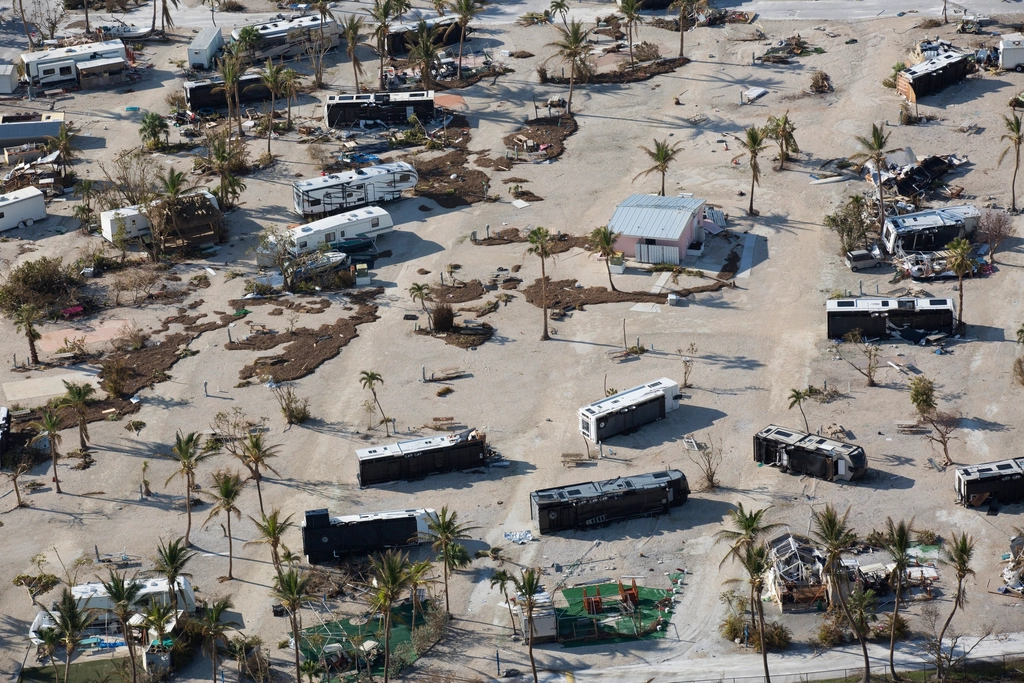
The 2024 Climate Risk Index ranks Mozambique, Madagascar, and Haiti among the world’s most climate-vulnerable countries, battered by cyclones, droughts, and floods. Madagascar endured three major cyclones in early 2024, displacing over 650,000 people and causing $1.2 billion in damages, per the United Nations Office for the Coordination of Humanitarian Affairs (OCHA). Haiti’s 2024 drought reduced crop yields by 23%, worsening food insecurity. However, innovative projects are emerging: Ethiopia’s Green Legacy Initiative planted its 10 billionth tree in 2024, aiming to fight deforestation and soil erosion. Bangladesh’s floating gardens and flood-resistant homes, featured in a 2024 BBC report, are helping communities adapt to rising waters. While pollution and environmental degradation persist, local resilience strategies are increasingly making a difference. The environmental “dirtiness” is often less about neglect and more about the struggle to cope with forces beyond local control.
Rethinking Reputation: Beyond the Stereotypes
A 2024 Pew Research survey found that 62% of respondents in Europe and North America perceive sub-Saharan Africa as “poor and unsafe,” but only 19% have direct experience or contact with the region. Media narratives play a powerful role: a 2025 study by Reuters Institute showed that Western news outlets focus on conflict and crisis coverage, overlooking stories of innovation and progress. Yet, success stories abound—like Rwanda’s leap in digital health, covered by The Lancet in January 2025, or Bangladesh’s garment sector powering economic mobility for millions. Social media campaigns such as #SeeAfricaDifferently and #ThisIsMadagascar trended globally in 2024, challenging outdated views. Countries once labeled as “dirtiest” are increasingly stepping onto the world stage with pride, resilience, and ambition. The gap between perception and reality is slowly narrowing as more people share firsthand experiences and data-driven insights.