
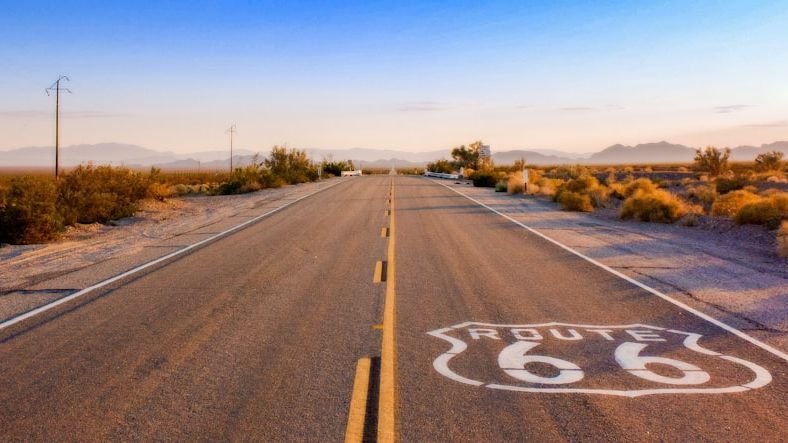
Most people think an unforgettable road trip is about the destination – pull up somewhere pretty, snap a photo, move on. But the states that actually stay with you long after you’re home are the ones where the drive itself is the experience. Where you pull over not because you planned to, but because something outside the windshield demanded it. Where the landscape shifts so dramatically between morning and afternoon that it feels like you crossed into a different country without crossing a border.
Here’s what the travel brochures won’t tell you: the most hyped road trip states often deliver exactly what you expected and nothing more. The states below are ranked not just for beauty, but for the specific kind of unforgettability that earns a permanent spot in your memory. A few of the rankings will genuinely surprise you – and at least one state near the bottom belongs higher than almost anyone admits.
#1 – Utah: Five National Parks and a Landscape That Looks Like Another Planet
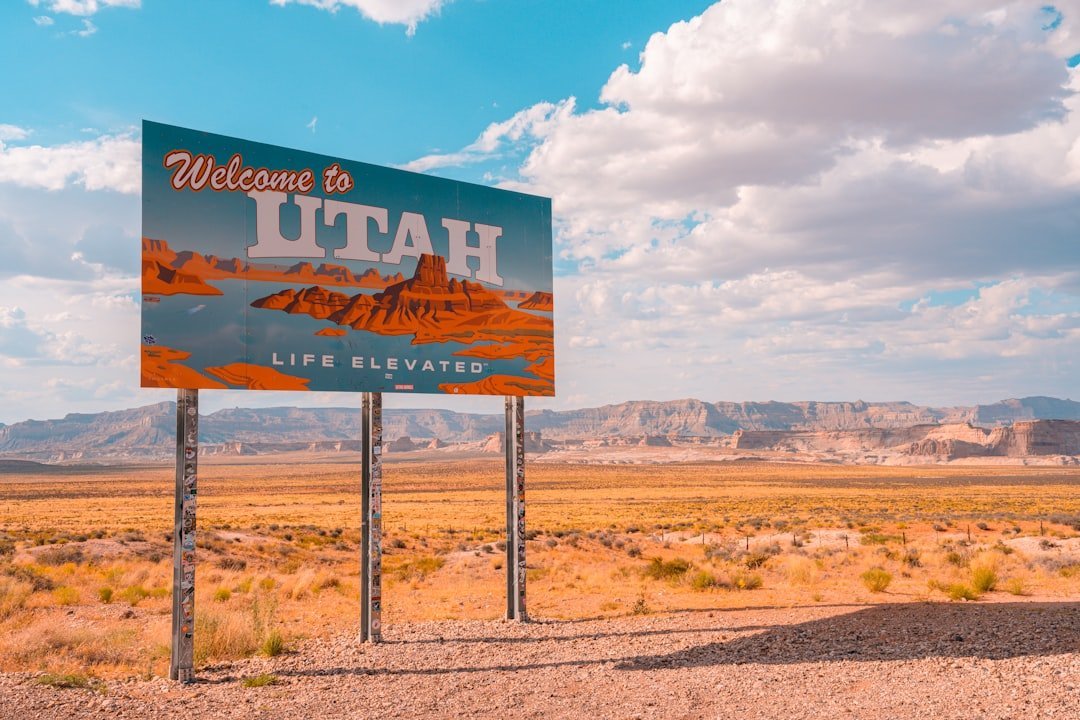
Utah is home to five national parks, and driving through all of them is nothing short of legendary – from the towering red cliffs of Zion to the hoodoos of Bryce Canyon to the alien arches of, well, Arches. But here’s what most people miss: the scenery doesn’t peak inside the parks. It peaks in the stretches between them. Highway 12 in southern Utah – officially called “A Journey Through Time Scenic Byway” – is a 124-mile corridor that passes through Red Canyon and Bryce before finishing near Capitol Reef, one of the West’s most spectacular and least-visited parks.
The backroads route through southern Utah takes you from Panguitch through red-rock canyons, historic towns, and sudden pine forests before dropping you into Torrey at Capitol Reef’s doorstep. Utah’s road trip works in almost any season – staying driveable year-round with warm escapes even when much of the country is shoveling snow. That’s rare for a trip this dramatic. Most visitors only hit one or two parks and miss the real payoff entirely. The state is, somehow, still underrated. Utah barely edges out #2 on this list – because that next state has something Utah simply cannot offer: the ocean.
Fast Facts
- Utah contains 5 national parks – more than any other state except Alaska
- Highway 12 spans 124 miles through some of the most remote terrain in the American West
- Capitol Reef National Park sees a fraction of the visitors Zion and Bryce do – despite being just as stunning
- The Mighty 5 parks span roughly 500 road miles corner to corner
- Southern Utah elevations range from under 3,000 feet near St. George to over 11,000 feet in the Aquarius Plateau
#2 – California: The Pacific Coast Highway Is Every Bit as Good as They Say
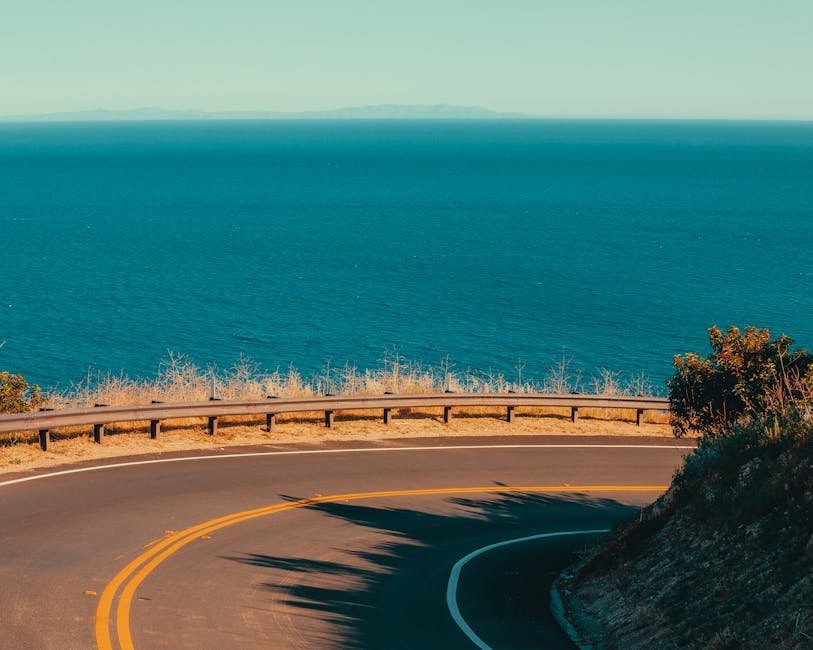
California’s Highway 1 – the Pacific Coast Highway – is one of the most genuinely dreamed-about drives on earth, and it earns that reputation. With the Pacific Ocean hammering the cliffs on one side and wild California landscapes rolling on the other, highlights include Big Sur’s dramatic coastline, the Bixby Creek Bridge, Monterey’s tide pools, Paso Robles wine country, and the slow fade into Santa Barbara’s Spanish-colonial glow. It’s a love letter to California written in asphalt.
Here’s the thing nobody tells you: most people drive PCH too fast. The Big Sur section alone warrants a full day. The official coastal stretch runs roughly from just south of Los Angeles to just north of San Francisco – doable in two days if you hustle, but you’d be doing it completely wrong. Those 800-plus miles reward patience more than almost any other drive in America. Many travelers rank PCH as the single best road trip in the country. It’s a strong case – though the next state on this list quietly beats it for sheer drama per mile.
#3 – Montana: Going-to-the-Sun Road Is an Engineering Marvel and a Visual Knockout

Winding through the heart of Glacier National Park, Going-to-the-Sun Road is a breathtaking 50-mile scenic highway that offers some of the most dramatic mountain views accessible by car anywhere in North America. The road traverses the park’s most rugged terrain, crossing the Continental Divide at Logan Pass – elevation 6,646 feet – with sheer cliff faces on one side and jaw-dropping glacial valleys on the other. It is the only road that crosses Glacier National Park, and it’s classified simultaneously as a National Historic Place, a National Historic Landmark, and a Historic Civil Engineering Landmark.
What most first-time drivers don’t realize: vehicles over 21 feet long or 8 feet wide cannot access the most dramatic upper sections between Avalanche Creek and Rising Sun – so leave the RV behind. Construction began in 1921 and was completed in 1932, with the full road opening after more than a decade of carving into some of the most hostile alpine terrain on the continent. As of 2026, the old vehicle reservation system has been eliminated – you can now drive it at any time during operating hours without an advance permit, though Logan Pass parking is capped at 3 hours to keep things moving. Go early in the day, bring layers (temperatures at Logan Pass can run 20-30°F colder than the valley below), and don’t expect photographs to do it justice. This is the road where people pull over, step out, and go quiet.
At a Glance: Going-to-the-Sun Road
- Length: 50 miles, West Glacier to St. Mary entrance
- Highest point: Logan Pass at 6,646 feet elevation
- Vehicle limit: No vehicles over 21 ft long or 8 ft wide on the upper section
- Drive time: ~2 hours non-stop; plan 6-8 hours with stops and a hike
- Season: Full road typically open late June through mid-October
- Free shuttle: Hop-on/hop-off service runs Apgar to St. Mary, July through Labor Day
The Great American Drive: An Unforgettable Road Trip Quiz
From the red rocks of Utah to the tropical curves of Maui, test your knowledge of the most legendary road trips in the United States.
Think you caught the key details? Take the quick quiz and see how sharp your instincts really are.
#4 – Alaska: The Dalton Highway to the Arctic Ocean Is the Road Trip That Tests You
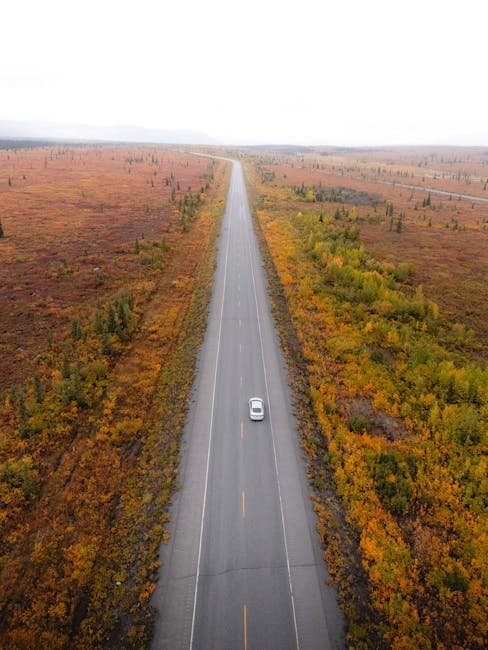
The James W. Dalton Highway is a 414-mile road that begins north of Fairbanks and ends at Deadhorse, near the Arctic Ocean and the Prudhoe Bay Oil Fields. It is the longest stretch of service-less road in North America. Along the way you’ll pass the Arctic Circle, the remote Gates of the Arctic National Park, and the mysterious gold-mining settlement of Wiseman – population 12. The entire middle section of the route, from Coldfoot at Mile 175 to Deadhorse at Mile 414, contains not a single gas station, restaurant, or hotel for 240 consecutive miles.
There are only three towns along the entire route. Coldfoot has a population of 34. Wiseman has 12 residents. Deadhorse exists primarily to serve the oil fields. You can literally drive to the edge of the continent and dip your hand in the Arctic Ocean. The preparation for this trip is half the adventure – spare tires, extra fuel, satellite communication – and the reward is a landscape so untouched it feels prehistoric. Alaska also offers a second epic loop: a week-long drive starting and ending in Anchorage that passes through Wrangell-St. Elias wilderness (the largest national park in the U.S.) with Denali dominating the northern skyline. Few states offer two road trips this extreme.
#5 – Hawaii: The Road to Hana on Maui Is Unlike Anything on the Mainland
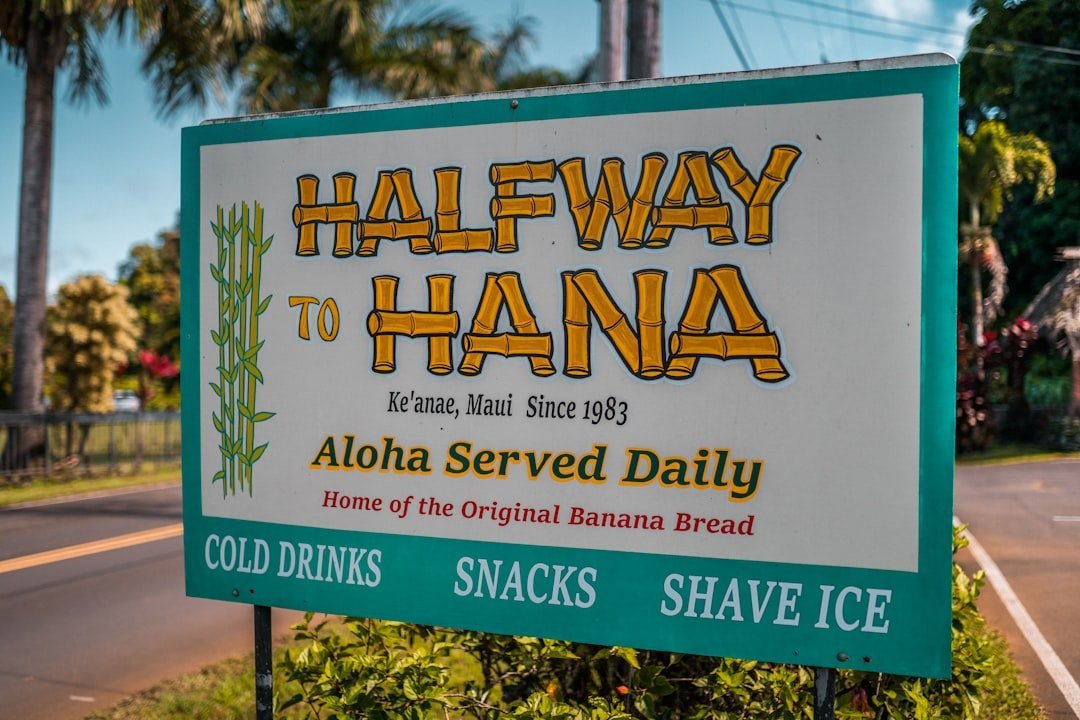
Yes, you have to fly there first – but once you’re on Maui, the Road to Hana redefines what a drive can feel like. The Hana Highway (Routes 36 and 360) stretches 64.4 miles along the northeastern coast of the island, crossing 59 bridges – 46 of which are only one lane wide – and threading through approximately 620 curves, most of them through dense tropical rainforest. Many of the concrete and steel bridges date back to 1910. There is no other drive in America where the road, the jungle, and the ocean compete this aggressively for your attention all at once, mile after mile after mile.
The road demands concentration and rewards it. Popular stops like Waiʻānapanapa State Park – with its black sand beach, sea arches, and blowholes – require advance reservations that vanish fast during peak season. Without any stops, the drive takes roughly 2.5 to 3 hours. With stops – at roadside fruit stands, unnamed waterfalls, bamboo groves, and taro farms most visitors never reach – plan for a full day. Most travelers rush through the Road to Hana and immediately regret it. The ones who take it slowly are the ones who come home calling it the best drive of their lives.
Worth Knowing: Road to Hana
- 620 curves and 59 bridges, 46 of them single-lane – the highway officially opened in 1926
- Waiʻānapanapa State Park requires advance reservations; spots fill weeks out in peak season
- Non-stop drive time: ~2.5 hours; with stops, plan a full day minimum
- Some rental car agreements restrict driving past Hana or on the back-road loop – check before you go
- Cell signal disappears for long stretches; download offline maps before you leave Kahului
#6 – North Carolina & Virginia: The Blue Ridge Parkway Is America’s Most Underrated Long Drive
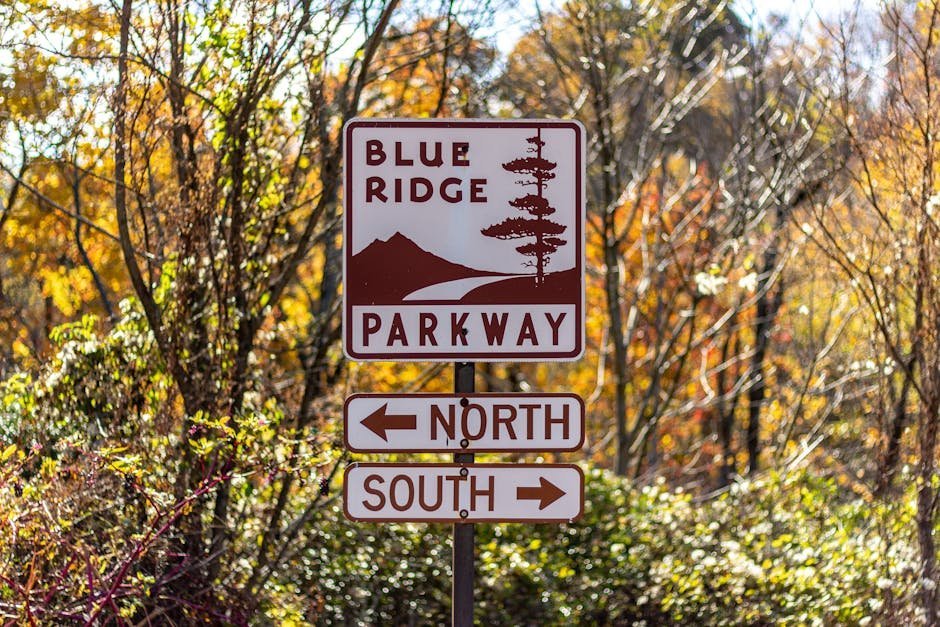
Nicknamed “America’s Favorite Drive,” the Blue Ridge Parkway offers slow, scenic travel through the Appalachian Highlands – and it lives up to that title in a way few roads do. This 469-mile route runs through 29 counties in Virginia and North Carolina, linking Shenandoah National Park to Great Smoky Mountains National Park along the spine of the Blue Ridge Mountains. It draws over 15 million visitors a year, yet somehow never feels overrun on the road itself. It’s especially staggering in autumn, when the color ignites across both states simultaneously and the parkway becomes one long, blazing corridor of red, orange, and gold.
I can’t think of anywhere in the world where I’ve been more moved by a landscape than I have in Appalachia.
Barbara Kingsolver
Many people who’ve driven both the Blue Ridge Parkway and the Pacific Coast Highway quietly admit the Parkway stays with them longer – something about the intimacy of the mountains versus the grandeur of the coast. Spring brings wildflowers cascading down the hillsides and dozens of waterfall hikes accessible directly from the road. America’s longest linear park is completely free to drive, has no traffic lights, and bans commercial vehicles entirely. The parkway took over 52 years to fully complete – the last section, near the Linn Cove Viaduct around Grandfather Mountain, didn’t open until 1987. That patience shows. Decide for yourself which coast wins.
#7 – Florida: The Overseas Highway to Key West Hits Differently Than Any Other Drive
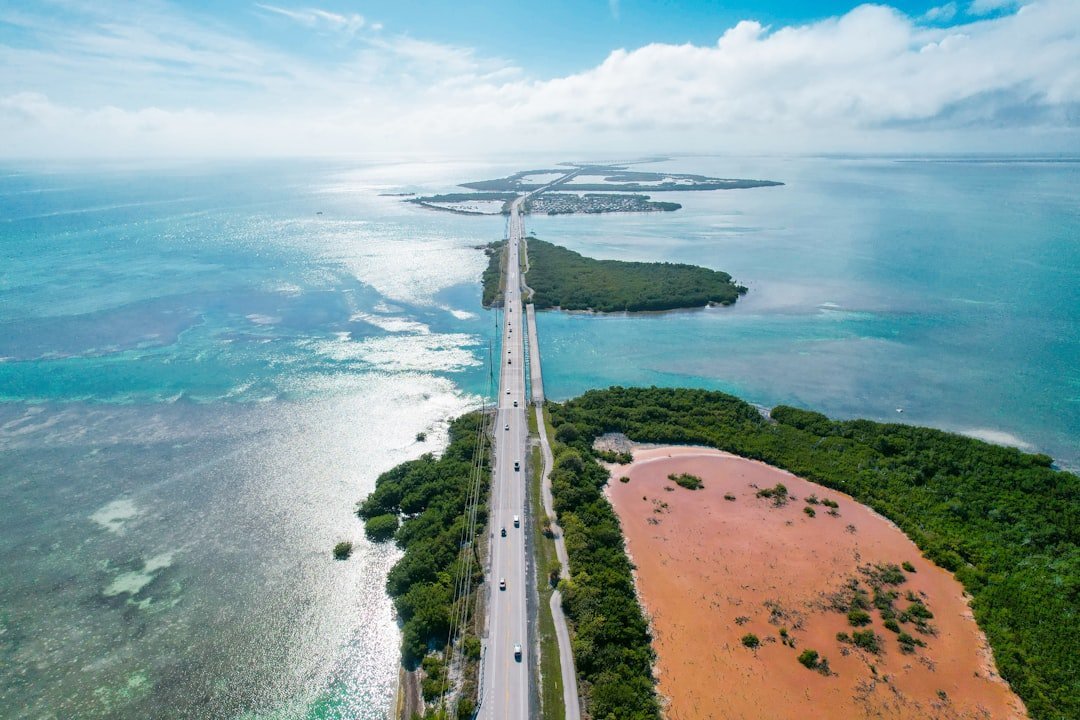
There is genuinely no other drive in America where the road sits on top of the ocean. The Overseas Highway crosses 42 bridges over turquoise water that separates the Atlantic from the Gulf of Mexico, with the Seven Mile Bridge as the centerpiece – a span so long and low to the water it looks like the road simply disappears into the horizon. The 113-mile journey from the Florida mainland to Key West is lined with palms, native wildlife, retro fishing villages, and the particular end-of-the-road energy that makes Key West feel like somewhere the rest of the world gave up trying to reach.
Most travelers only do the Keys and miss the other 800 miles of the state entirely. Florida has more freshwater springs than anywhere in the world, the one-of-a-kind Everglades, the oldest European city in the U.S. (St. Augustine), and beach weather when most of the country is buried in snow. The Panhandle’s Coastal Connection – with white-sand beaches rivaling the Caribbean, wildlife sanctuaries, and small towns that haven’t been franchised to death – is worth the detour north on its own. Florida rewards the driver who doesn’t beeline for the obvious and punishes the one who does.
#8 – Wyoming: Yellowstone and Grand Teton Together Form America’s Best Back-to-Back Park Drive
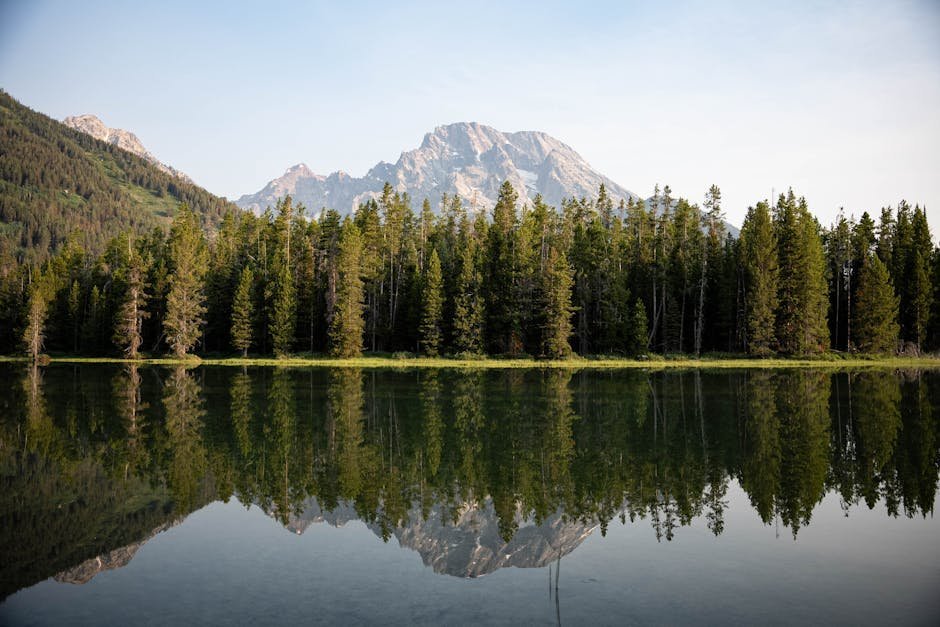
Wyoming doesn’t get enough credit as a standalone road trip state, and that’s the entire problem. The Grand Teton Range delivers some of the most dramatic scenery in North America – jagged peaks erupting straight out of a flat valley floor, with moose grazing in the willows below and no warm-up act to soften the impact. Then you cross into Yellowstone and encounter something completely different: geysers, hot springs, bison jams on the road, and a geological weirdness that reminds you the ground beneath is basically a supervolcano.
The Beartooth Highway – U.S. Route 212, stretching between Red Lodge, Montana, and Yellowstone’s northeast entrance – is the route that ties it all together. This 68-mile stretch crests Beartooth Pass at 10,947 feet, with snow-capped peaks, glacial lakes, and alpine plateaus spread out in every direction. It’s widely considered one of the most spectacular high-altitude drives in the entire country. First-time drivers tend to grip the wheel a little tighter crossing the pass – then pull over laughing at how beautiful it is. The Wyoming-Montana connection makes both states better than either one alone.
Quick Compare: Yellowstone vs. Grand Teton as Road Trip Anchors
- Grand Teton: Instant drama – peaks rise 7,000 feet above the valley floor with no foothills in between
- Yellowstone: Slow burn – geysers, wildlife jams, prismatic springs, and the surreal Grand Canyon of the Yellowstone
- Beartooth Highway: The 68-mile connector that turns two parks into one legendary loop
- Best order: Teton first (south to north) so Yellowstone’s strangeness hits like a plot twist
#9 – Oregon: Coastal Cliffs, Waterfalls, and Volcanic Landscapes All in One State
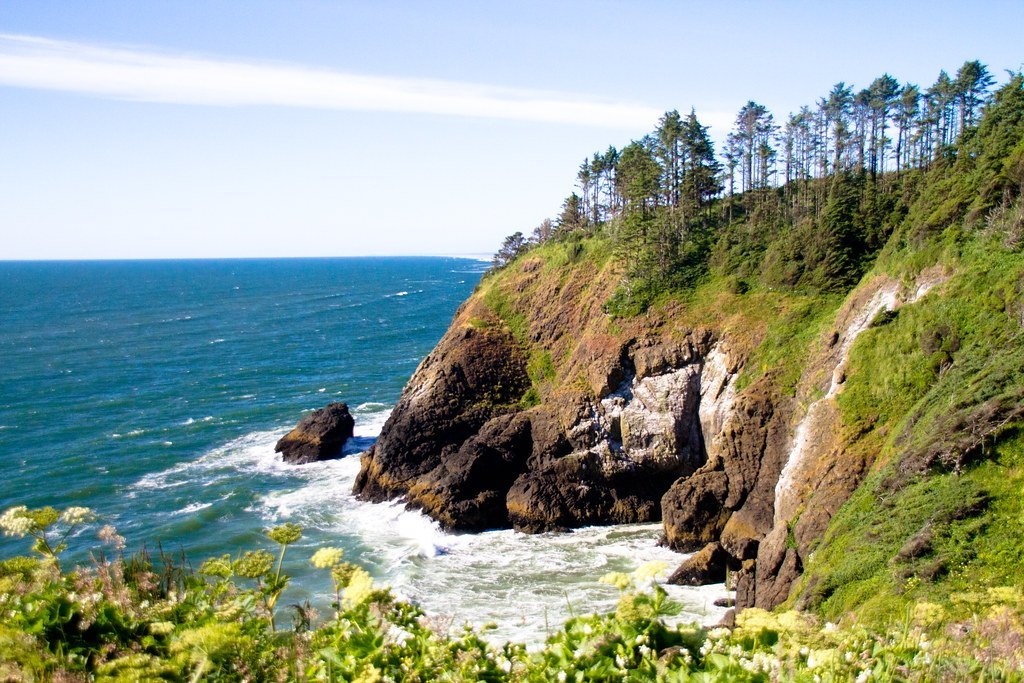
Oregon is the road trip state that keeps revealing itself. The coast alone – sea stacks jutting from the surf, state parks every few miles, towns like Cannon Beach and Astoria that feel genuinely lived-in rather than tourist-polished – could occupy a full week without feeling repetitive. The Historic Columbia River Highway in the Columbia River Gorge adds another layer entirely: a series of waterfalls including Multnomah Falls cascading down basalt cliffs into a river canyon that cuts through the Cascades.
Crater Lake throws one more dimension into the mix: a deep-blue volcanic caldera that looks digitally enhanced in every photograph and somehow looks even more unreal in person. The blue is caused by depth and water purity – at 1,943 feet, it’s the deepest lake in the United States – and there’s no other color in nature quite like it. Oregon packs more road-worthy variety per square mile than almost anywhere else in the country. The mistake most road trippers make is building the drive around only one of these landscapes. The payoff is in moving between all three.
#10 – Texas: Big Bend Country and the Hill Country Are Two Completely Different Trips
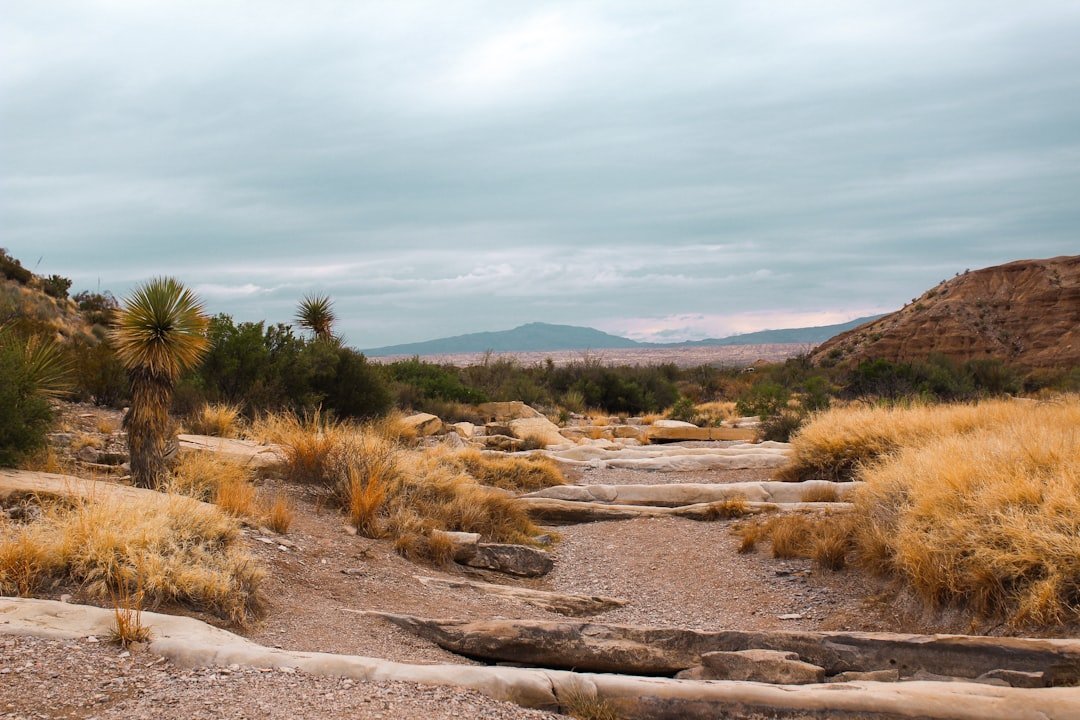
Texas road trippers often make one crucial mistake: they visit one part of the state and declare it done. The Hill Country route – starting and ending in San Antonio, looping through Bandera, Fredericksburg, and Boerne – feels like a completely different country from the rest of Texas. Local wineries, river tubing on the Frio and Sabinal, wildflower fields in spring, and German-heritage towns that have been serving smoked sausage since the 1840s. It’s warm, unhurried, and deeply underestimated.
Then there’s West Texas. Big Bend National Park is so remote and so undervisited that many Texans have never been – yet it contains some of the most dramatic desert canyon landscapes in North America, where the Rio Grande carves through sheer limestone cliffs and the night sky is one of the darkest in the lower 48. The Lonesome Highway living up to its name: highway 285 to 180 approaching Guadalupe Mountains National Park, where you might go an hour without seeing another car. Texas is the only state where you can have a tropical road trip, a wine-country road trip, and a genuine wilderness road trip without crossing a single state line. Most people have no idea it’s that diverse.
Why It Stands Out: Texas Road Trip Ranges
- Big Bend is the least-visited national park in the contiguous U.S. – and one of the most spectacular
- The Hill Country covers over 25,000 square miles of live oak, limestone, and spring-fed rivers
- Texas has more than 80,000 miles of public road – more than any other state
- Guadalupe Mountains National Park contains the highest peak in Texas at 8,749 feet
- Spring wildflower season (March-April) turns the Hill Country into a rolling canvas of bluebonnets and Indian paintbrush
#11 – South Dakota: Mount Rushmore Is Just the Warm-Up Act
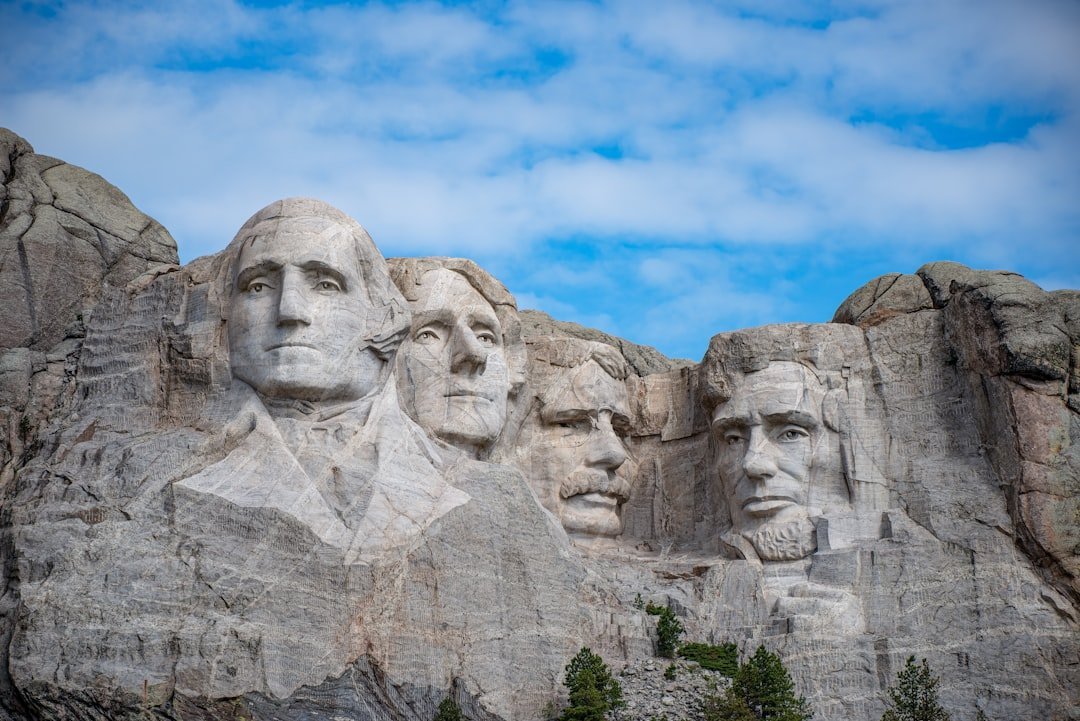
People drive to Mount Rushmore, photograph it, and leave. And in doing so they miss almost everything worth seeing. The Black Hills road trip uses Rushmore as a centerpiece but builds outward to Deadwood’s gold-rush history, Jewel Cave National Monument (one of the longest cave systems in the world), and the Crazy Horse Memorial – still under active construction and already one of the most quietly powerful sights in the American West. The scale of what’s being carved into that mountain is difficult to process from the road.
But the real sleeper is the Badlands. Drive through Badlands National Park at sunrise or sunset – when the light turns those ancient formations amber, rust, and deep purple – and it’s one of the most startling visual experiences available by car anywhere in the United States. Bison and bighorn sheep wander close to the road. The landscape looks post-apocalyptic and prehistoric at the same time. Most travelers arrive at noon in summer, spend an hour, and wonder what the fuss is about. Come early, stay until the light fades, and you’ll stop wondering.
#12 – Vermont: Highway 100 Is the Prettiest Drive in New England, and It’s Not Even Close
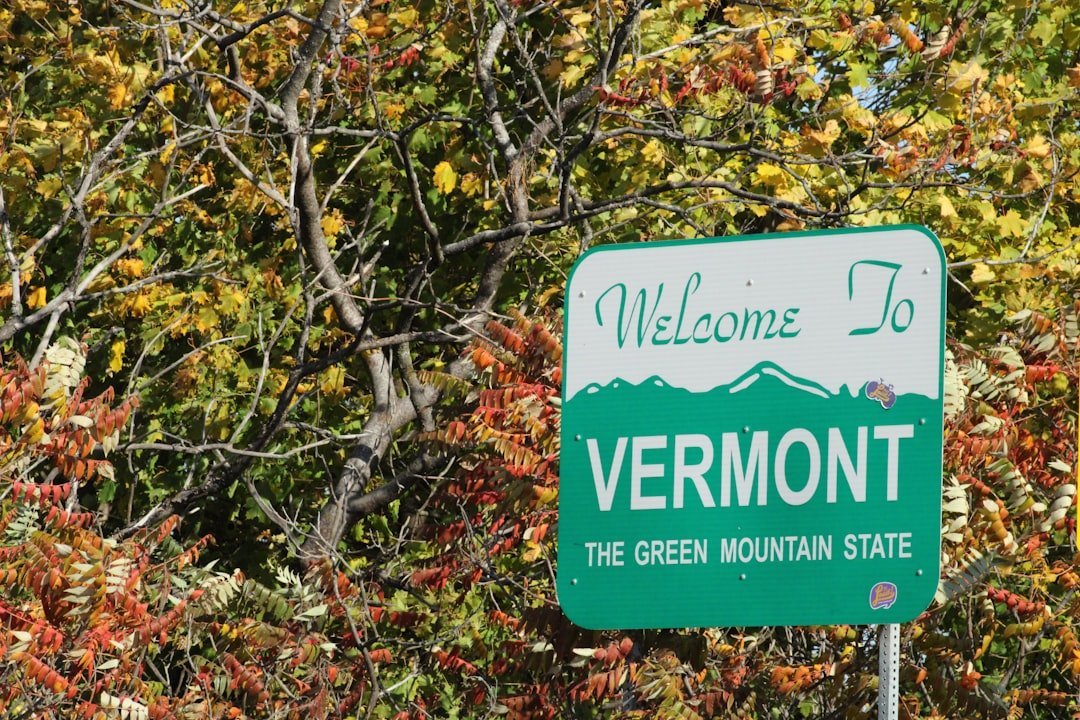
New England road trips get lumped together as “fall foliage drives,” which undersells Vermont badly. Highway 100 runs along the eastern edge of the Green Mountains from Bennington north to Newport – through Weston, Ludlow, Waitsfield, and Stowe – and it delivers a density of color in autumn that other foliage routes can only approximate. You’re not driving toward the color from a distance. You’re driving through it, with the canopy blazing overhead and the hills burning on both sides for miles at a stretch.
Vermont towns along Route 100 feel preserved in amber in the best possible way. Local country stores still sell real things to real locals. The covered bridges aren’t tourist installations – they’re still in use. The farms are working farms. What separates this drive from every other fall foliage route isn’t any single view; it’s the cumulative effect of driving through a landscape that hasn’t been optimized for visitors. People describe finishing this drive feeling weirdly emotional and not quite knowing why. That’s harder to manufacture than any single scenic overlook, and Vermont pulls it off without even trying.
The Great American Drive: An Unforgettable Road Trip Quiz
From the red rocks of Utah to the tropical curves of Maui, test your knowledge of the most legendary road trips in the United States.
Think you caught the key details? Take the quick quiz and see how sharp your instincts really are.
#13 – New Mexico: Route 66 and Red Rock Country Together Make a Trip You Can’t Replicate Anywhere Else
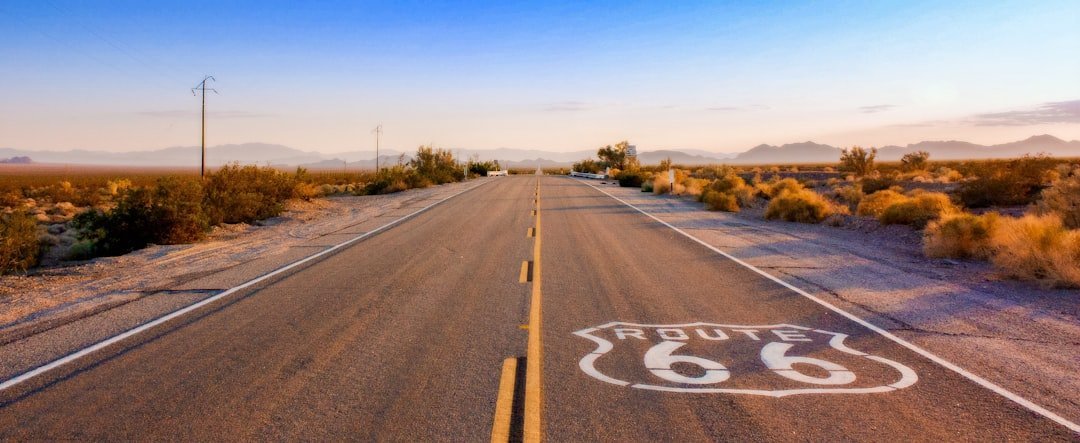
New Mexico contains the longest stretch of Route 66 in any single state – 487 miles – and the drive through it hits differently than any other section of the Mother Road. Westbound, the route passes through Tucumcari with its neon-lit vintage motels, then into Gallup, situated in the heart of the Navajo Nation, where summer evenings bring traditional dances to the McKinley Courthouse Square Plaza and the El Morro Theatre – built in 1928 – still operates as a fully functioning movie house. The history here isn’t behind glass. It’s still breathing.
New Mexico is the road trip state that most people drive through rather than into, and that’s a genuine mistake. The Trail of the Ancients byway connects ancient Puebloan sites – including Chaco Culture National Historical Park – through dramatic mesas, buttes, and desert expanses that shift color by the hour. This is the only state where you can drive a stretch of Route 66 in the morning, stand inside a 1,000-year-old pueblo ruin by noon, and watch a blood-orange desert sunset over volcanic mesas by evening. No other state gives you that range in a single day. It deserves a far longer stay than most road trippers ever give it.
What’s striking about these 13 states is that the ones that stay with you longest are rarely the ones you planned the hardest. Montana snuck up on people who came expecting Yellowstone and left talking about Going-to-the-Sun. Alaska scared some drivers off and turned others into lifelong devotees of remote roads. Vermont made people feel things they didn’t expect from a state the size of a large county. The real ranking isn’t about which state has the prettiest scenery – it’s about which one changes how you think about what driving somewhere actually means. These 13 all do that, each in a completely different way. Which state gave you an experience you still can’t fully explain to people who weren’t there?