
Most Americans assume the biggest beach danger is a rip current or a sunburn. They are wrong. Right now, roughly 61% of U.S. tested in 2025 had at least one day where fecal pollution exceeded federal safety standards. That is not a fringe problem. That is the majority of American coastlines quietly making people sick while they build sandcastles and float on pool noodles.
Scientists estimate 57 million instances of waterborne illness every year in the United States alone – nausea, diarrhea, ear infections, rashes, and worse. The travel industry will not tell you which to avoid. The water will not warn you either. Here is what the data actually says about the 17 worst offenders heading into 2026!
#17 – South Shore Beach, Milwaukee, Wisconsin
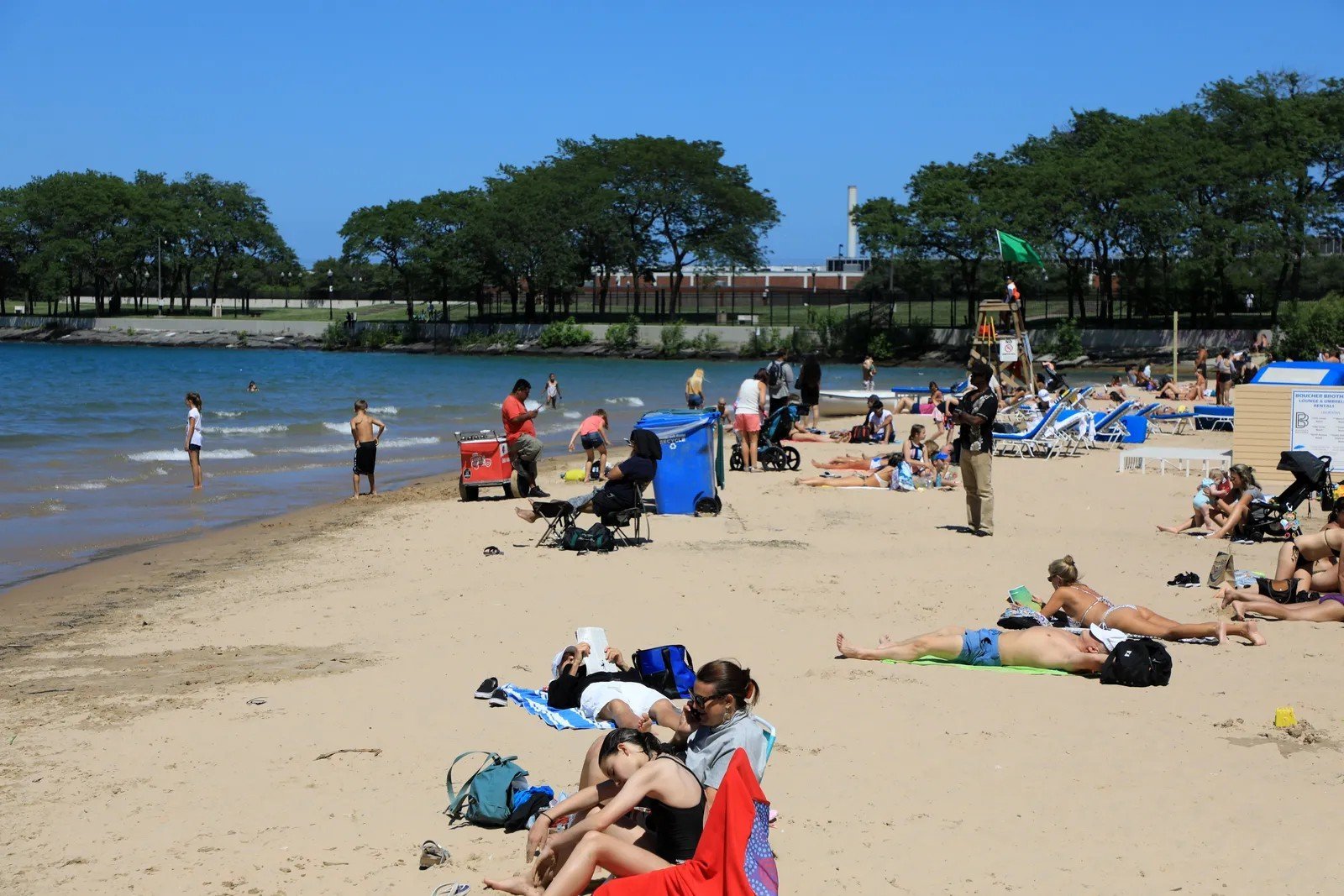
Milwaukee’s most beloved lakefront escape has a filthy secret hiding beneath its postcard looks.
South Shore Beach is so plagued with recurring contamination that local officials have actually discussed moving it 100 yards south, on the other side of a stone jetty that causes stagnant water to pool against the shoreline. That stagnant water is not just a visual problem. It traps fecal bacteria against the swimming zone, turning a popular family spot into a bacterial incubator on warm summer days.
The NRDC placed South Shore on its national “repeat offender” list – a designation reserved for beaches that chronically fail water quality standards year after year. It racked up 46 closing or advisory days in a single measured year, violating quality standards 43% of the time. Locals argue it is a design flaw. Critics say it is also a management failure. What is certain is that families have been wading into water that regulators routinely flag as unsafe, with no obvious warning in sight.
Fast Facts
- 46 closing or advisory days recorded in one measured year
- 43% of water quality tests failed – nearly half the summer season
- NRDC “Repeat Offender” designation: reserved for chronic, year-after-year failures
- Root cause: a stone jetty traps stagnant, bacteria-laden water directly in the swim zone
- Proposed fix – relocating the beach 100 yards south – has not been implemented
#16 – Myrtle Beach State Park, South Carolina
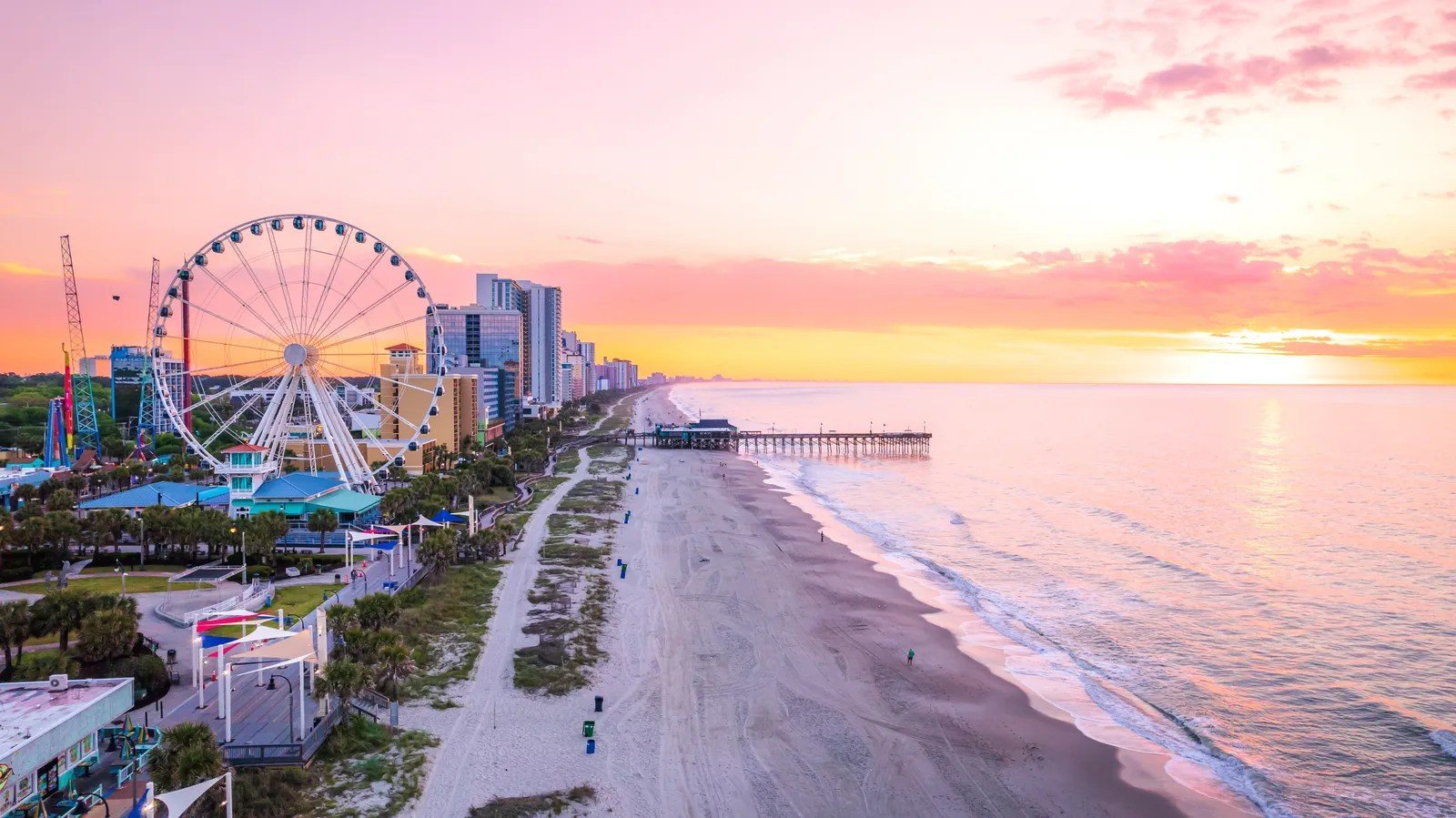
Everyone knows Myrtle Beach as a family vacation gold standard. What fewer people know is that the state monitoring it may be part of the problem.
South Carolina tests its beaches at a comparatively low rate and sets a higher-than-average contamination threshold before issuing a swimming advisory. Myrtle Beach State Park has been flunking roughly 20% of its water quality tests – yet posting no warnings. Failing tests. No warnings. Families swimming anyway, often with children and elderly relatives who are exactly the demographic the EPA identifies as most vulnerable to waterborne illness.
The combination of infrequent monitoring and a generous contamination threshold means beachgoers have almost no reliable way to know when the water is dangerous. Myrtle Beach draws millions of visitors annually. The sandy shore looks perfect. The data tells a different story – and the state’s own lax oversight is the reason most visitors never hear it.
#15 – Jeorse Park Beach, Indiana
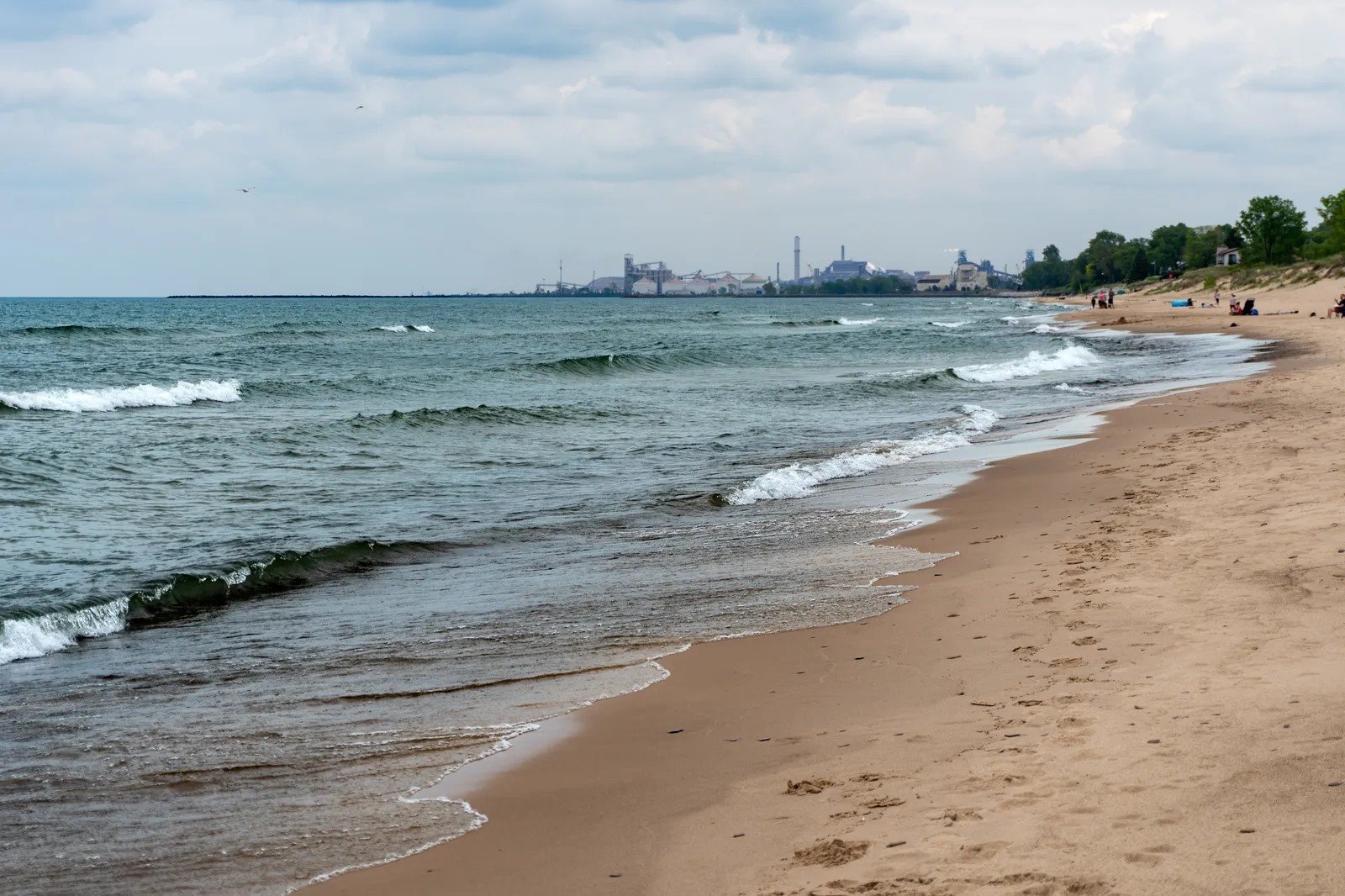
Indiana only touches Lake Michigan for 45 miles. It manages to make those miles count for all the wrong reasons.
Jeorse Park Beach sits directly adjacent to the Indiana Harbor Works, one of the most industrially active harbor zones on the Great Lakes. Swimming advisories covered much of one recent season due to elevated E. coli levels, and one monitored section failed 70% of its water tests. Read that again: seven out of ten samples, unsafe.
The NRDC placed Jeorse Park on its national repeat offender list, with both monitored sections consistently failing to meet public water quality standards. Industrial runoff and a legacy of heavy manufacturing have left this stretch of shoreline perpetually compromised. The Great Lakes are supposed to be a national treasure. At Jeorse Park, they are a health hazard dressed up as a beach.
#14 – Fairhope Public Beach, Alabama
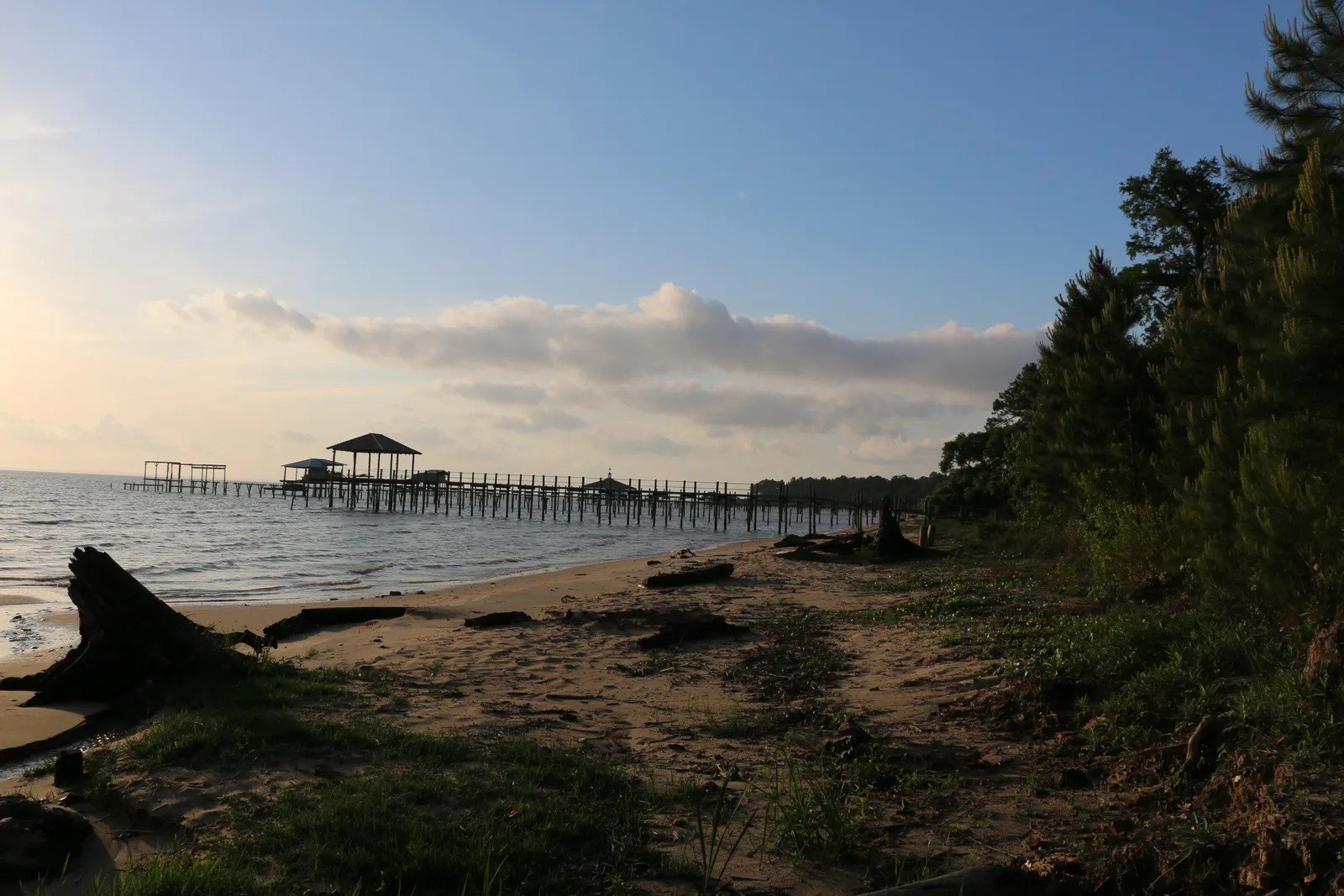
Fairhope is a charming small town on Mobile Bay. Its public beach has a long, dirty history that the local chamber of commerce would rather you forget.
Fairhope Public Beach has been the dirtiest beach in Alabama multiple times, with high levels of fecal contamination detected on every single day of one key study period. Not occasionally unsafe. Consistently, measurably contaminated every time researchers checked. After a particularly damning 2019 assessment, city officials announced they had “identified and started the aggressive rehabilitation” of their wastewater collection and treatment system.
Years of promised fixes followed. Fairhope Public Beach kept landing on worst-of lists anyway. Nearby Alabama beaches – Dog River, Camp Beckwith, Volanta Avenue, Orange Street Pier – also carry high pollution levels, suggesting the failure is systemic and regional, not a single unlucky stretch of sand.
#13 – Ontario Beach Park, Rochester, New York
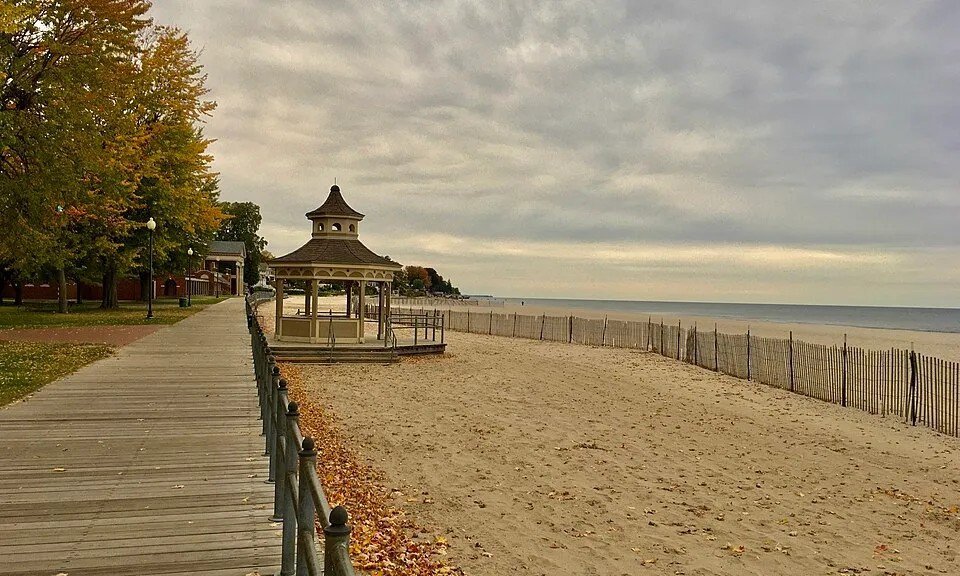
Rochester’s lakefront looks like a charming Midwestern escape. Beneath the surface of Lake Ontario, it is a different story entirely.
Outflow from the polluted Genesee River feeds bacteria directly toward the beach, and Charlotte Pier traps the resulting algal blooms against the swimming zone with nowhere to disperse. In 2024, the beach was tested for harmful bacteria on 83 days and found unsafe on 35 of them. That is a 42% unsafe rate – nearly half the summer, and nearly half the days a family might casually show up with towels and sunscreen.
An earlier tracking period found that 40% of 248 samples from Ontario Beach failed to meet federal beach water safety guidelines. The numbers have barely moved since. This is not a beach that occasionally has a bad day after heavy rain. It is a beach that is structurally and geographically predisposed to contamination because of how the pier traps polluted river water directly in the swimming zone.
The Hidden Dangers of America's Coastlines
Think your favorite beach is safe? Data from 2024 and 2025 reveals a staggering number of U.S. shorelines are plagued by chronic fecal pollution and infrastructure failures. Test your knowledge on the worst offenders and the science behind the contamination.
Think you caught the key details? Take the quick quiz and see how sharp your instincts really are.
#12 – Doheny State Beach, Dana Point, California
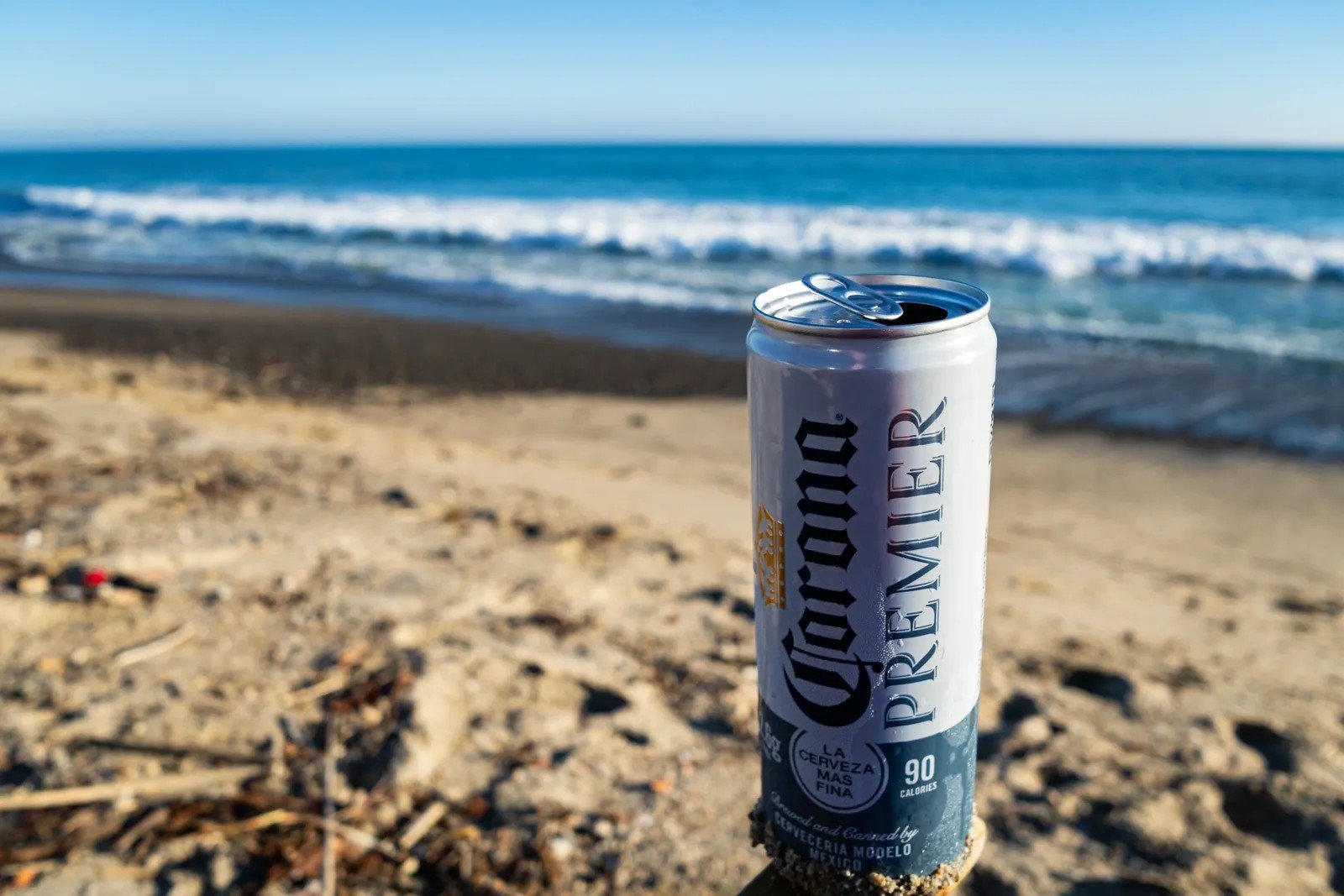
Doheny is one of Southern California’s most beloved surf breaks. Its water quality record would make your stomach turn – literally.
Doheny State Beach in Orange County faces persistent pollution from urban runoff, stormwater discharge, and the lingering legacy of oil drilling and refining that once dominated the surrounding area. The most contaminated zones cluster north of San Juan Creek and near the surf zone at the outfall – the exact spots where surfers paddle out every morning.
What makes Doheny particularly insidious is that it is rarely closed, even when advisories are technically in effect. Surfers and swimmers arrive, see no closure signs, and assume the water is clear. It frequently is not. The NRDC placed Doheny on its repeat offender list for consistently failing water quality standards across multiple monitored sections, year after year – while the crowds keep coming and the signs stay down.
Quick Compare: The Monitoring Gap Problem
- Doheny (CA): Advisories issued, beach rarely closed – surfers enter water daily
- Myrtle Beach (SC): ~20% of tests fail, yet no public warnings posted
- Cole Park (TX): Tested once per week during peak season only
- Jeorse Park (IN): 70% failure rate – no consistent public notification system
- Bottom line: A beach can be dangerously contaminated and fully open at the same time
#11 – Goose Rocks Beach, Kennebunkport, Maine
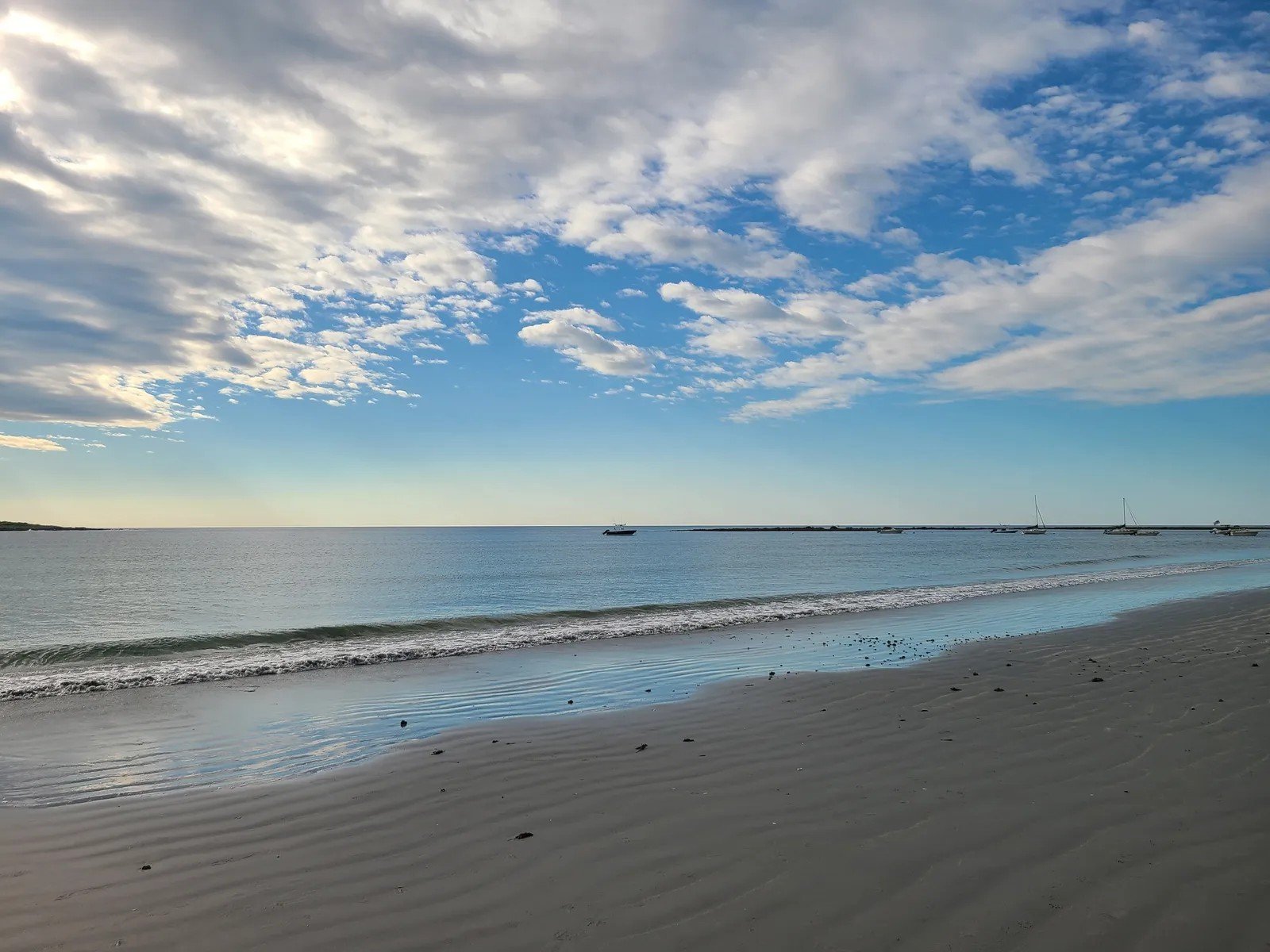
Kennebunkport is where presidents vacation. Its most popular beach has microorganism levels that would give the Secret Service nightmares.
Two contaminated waterways – Batson River and Little River – are the primary culprits, regularly delivering unhealthy levels of hazardous microorganisms directly into the swimming area. Kennebunkport officials responded by posting permanent warning signs near both rivers. Not seasonal advisories. Permanent signs. That is not a precautionary measure. That is an admission that the problem is not going away.
In 2022, Maine’s Department of Environmental Protection named Goose Rocks the state’s most polluted beach. The rivers flanking it are rife with enterococci – fecal indicator bacteria that signal the presence of pathogens capable of causing serious illness. Heavy rain and powerful tides can dramatically spike contamination levels, making every approaching storm a genuine gamble for anyone who planned a swim that day.
#10 – Gulfport West Beach, Gulfport, Mississippi
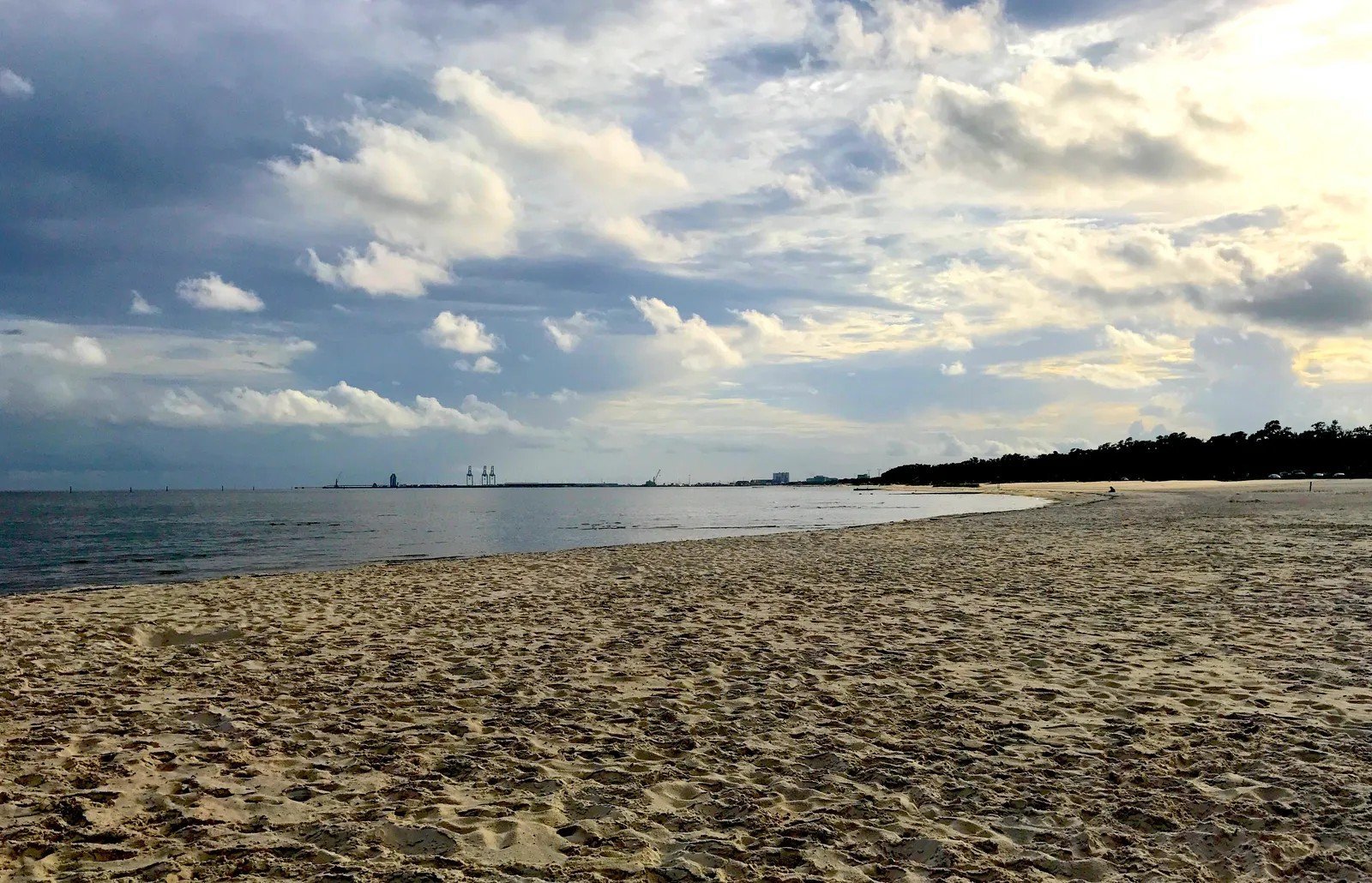
Mississippi has roughly 70 miles of coastline. Finding a safe stretch of it is getting harder every year.
In early February 2025, the Mississippi Department of Environmental Quality issued an advisory warning that bacteria levels at Gulfport West Beach were hazardous. This was not a one-time event. The same beach was highlighted among the state’s most polluted stretches in Environment America’s 2022 national assessment, and contamination risk spikes sharply after heavy rain.
By mid-February 2025, additional advisories had been freshly issued for Mississippi beaches at Bay St. Louis, Pass Christian, and Long Beach – with testing pointing to wastewater treatment plants, septic systems, recreational boat sewage, and other fecal contaminants as sources. The entire Mississippi Gulf Coast is quietly becoming a no-swim zone, with Gulfport West as its contaminated anchor point.
#9 – Villa Angela State Park, Cleveland, Ohio
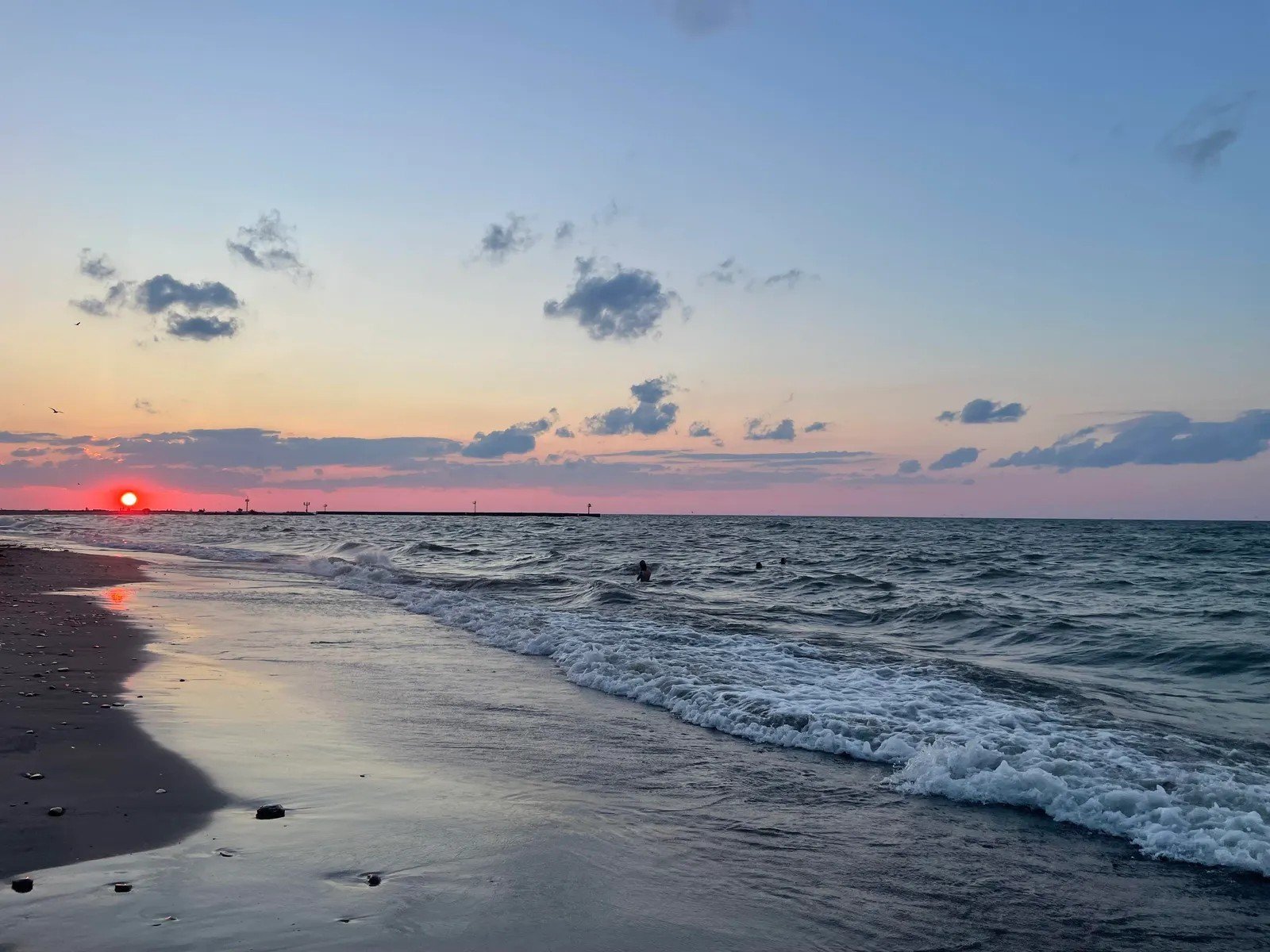
Ohio’s Lake Erie beaches are a beloved Midwest summer tradition. What state health data reveals about Villa Angela would shock most of the families who visit it.
Villa Angela State Park has been monitored as frequently as seven times per week by the Northeast Ohio Regional Sewer District – and it has consistently failed those tests for years. The NRDC recognized Villa Angela as a national repeat offender for five consecutive years, placing it among the worst beaches in the country for chronic contamination. Daily monitoring. Consistent failures. Five straight years.
The fact that intensive monitoring has continued for over a decade without producing meaningful improvement is a damning indictment of Ohio’s water infrastructure. A broader study of roughly 60 Ohio beaches found that 56 were unsafe due to contaminated water and sand – suggesting this is a statewide infrastructure failure, not simply a problem with one unlucky park on the lakeshore.
#8 – Flying Point Beach, Southampton, New York
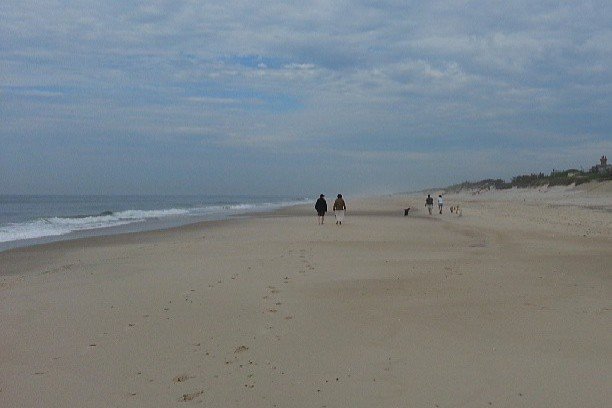
The Hamptons. The ultimate symbol of clean, wealthy, exclusive leisure. Turns out, the water at one of its most popular beaches is anything but pristine.
Flying Point Beach looks exactly like a Hamptons postcard. But high bacteria levels from runoff flowing down Mecox Bay – contaminated by antiquated septic systems and cesspools – collect near the shoreline in stagnant conditions that concentrate pollutants. Yes, cesspools. In the Hamptons. In the same zip codes that host hedge fund managers and film executives, decades-old sewage infrastructure is leaching waste into the water where their summer guests swim.
Flying Point has been flagged by both the Surfrider Foundation and Environment America for conditions that trap contaminants near the shore. Sewage overflows from deteriorating systems carry bacteria, viruses, and parasites capable of causing disease in humans – and Southampton’s beach water reflects the reality of America’s crumbling infrastructure, not the net worth of its seasonal residents.
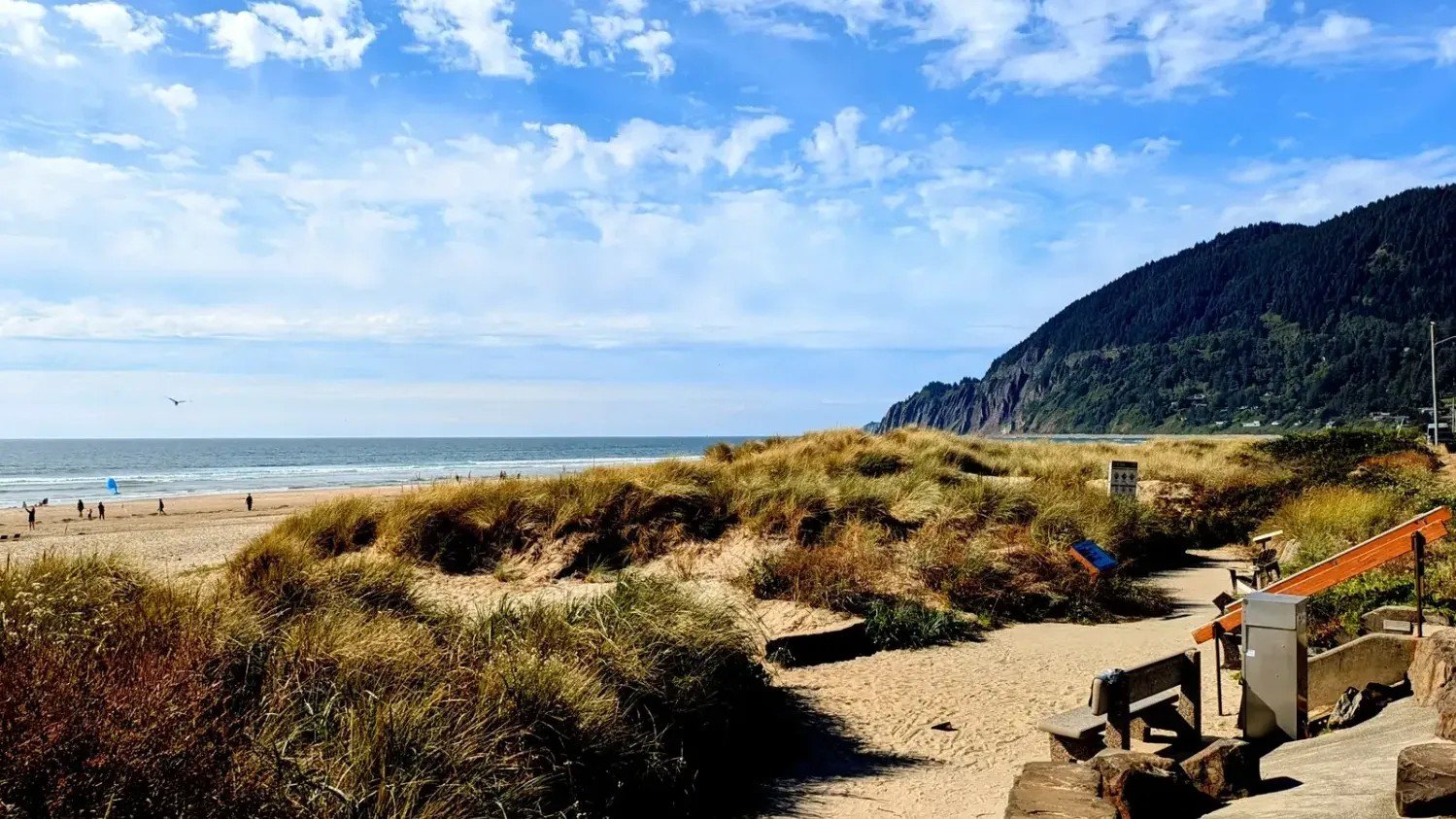
#7 – Manzanita Beach, Oregon
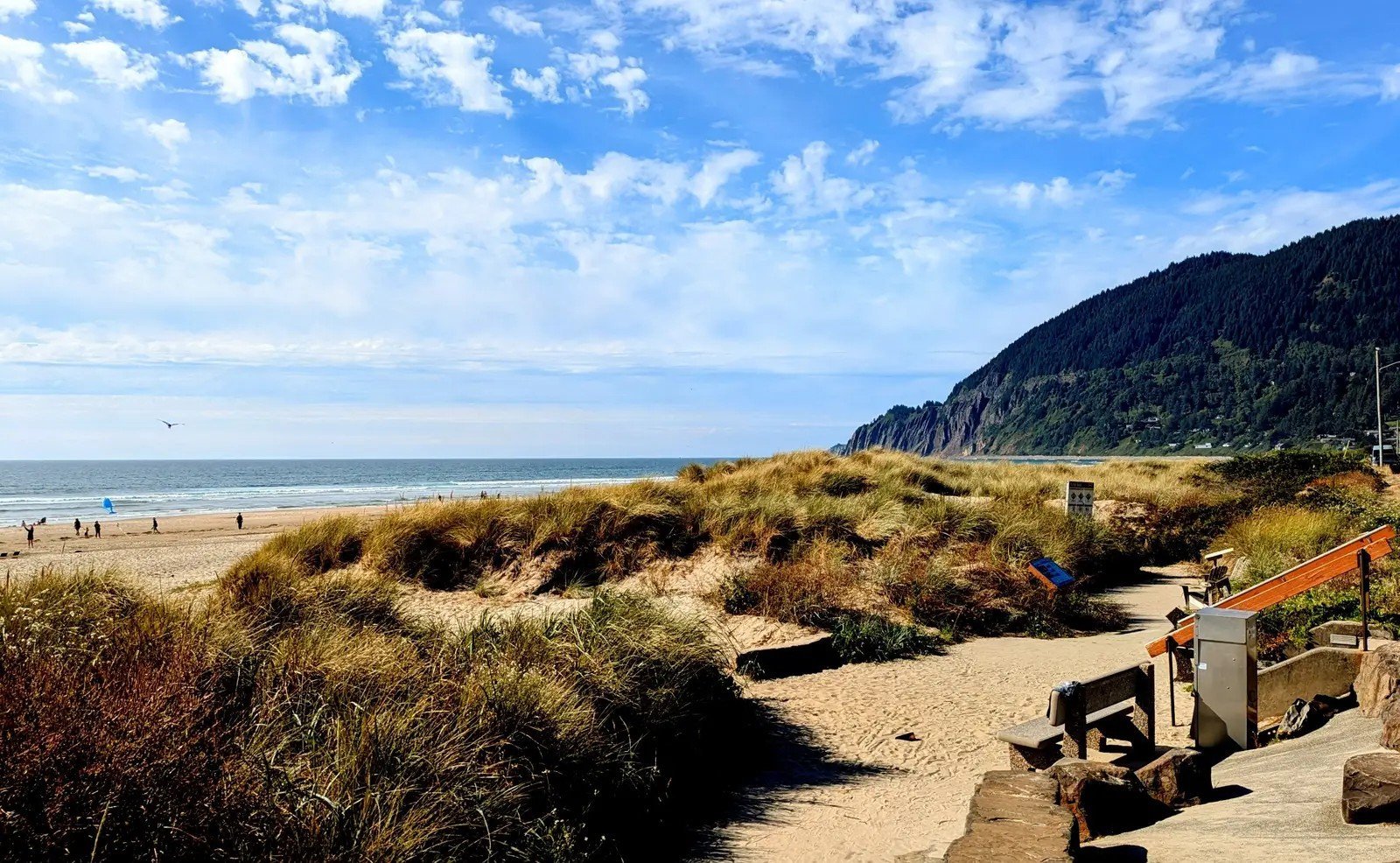
Oregon’s coast is wild, dramatic, and among the most scenically beautiful in the country. Manzanita is its most iconic beach. In 2023, it was also the dirtiest beach in the entire nation.
Testing over ten consecutive days found potentially unsafe bacteria levels 90% of the time. Nine out of ten days. That is not a weather fluke or a testing anomaly. That is a documented, repeating pattern. High levels of fecal contamination were found across most monitored Oregon beaches, suggesting Manzanita’s problems are part of a broader statewide failure to manage runoff and septic infrastructure along the coast.
The Pacific Northwest’s year-round rainfall – the same rain that makes Oregon so lush and green – turns out to be the exact mechanism that keeps washing contaminated runoff directly into the ocean. Every storm becomes a sewage event. Tourists arrive expecting rugged, pristine Pacific wilderness. Many get a side of enterococci they never ordered, with no warning in sight.
#6 – King’s Beach, Swampscott, Massachusetts

King’s Beach is a historic Massachusetts shore with Gilded Age charm and a drainage system that belongs in a horror movie.
Old storm drains and decommissioned sewage pipes still run pollution – including raw sewage – directly into the swimming water. Regulators and environmental watchdogs have documented the problem repeatedly. The Surfrider Foundation flagged King’s Beach specifically because its decaying drainage system allows human fecal matter to flow directly into the water where families swim.
What is perhaps most alarming is what happened to the community around it. Some residents have simply become desensitized to the contamination because of King’s Beach’s long and consistent history of failing water quality reports. When a neighborhood stops expecting better, a dangerously polluted beach quietly becomes just “the local beach.” For a state that prides itself on clean coastal heritage, this is an embarrassing, fixable failure that has been left to fester for years.
#5 – Bayou Texar & Pensacola Bayous, Florida
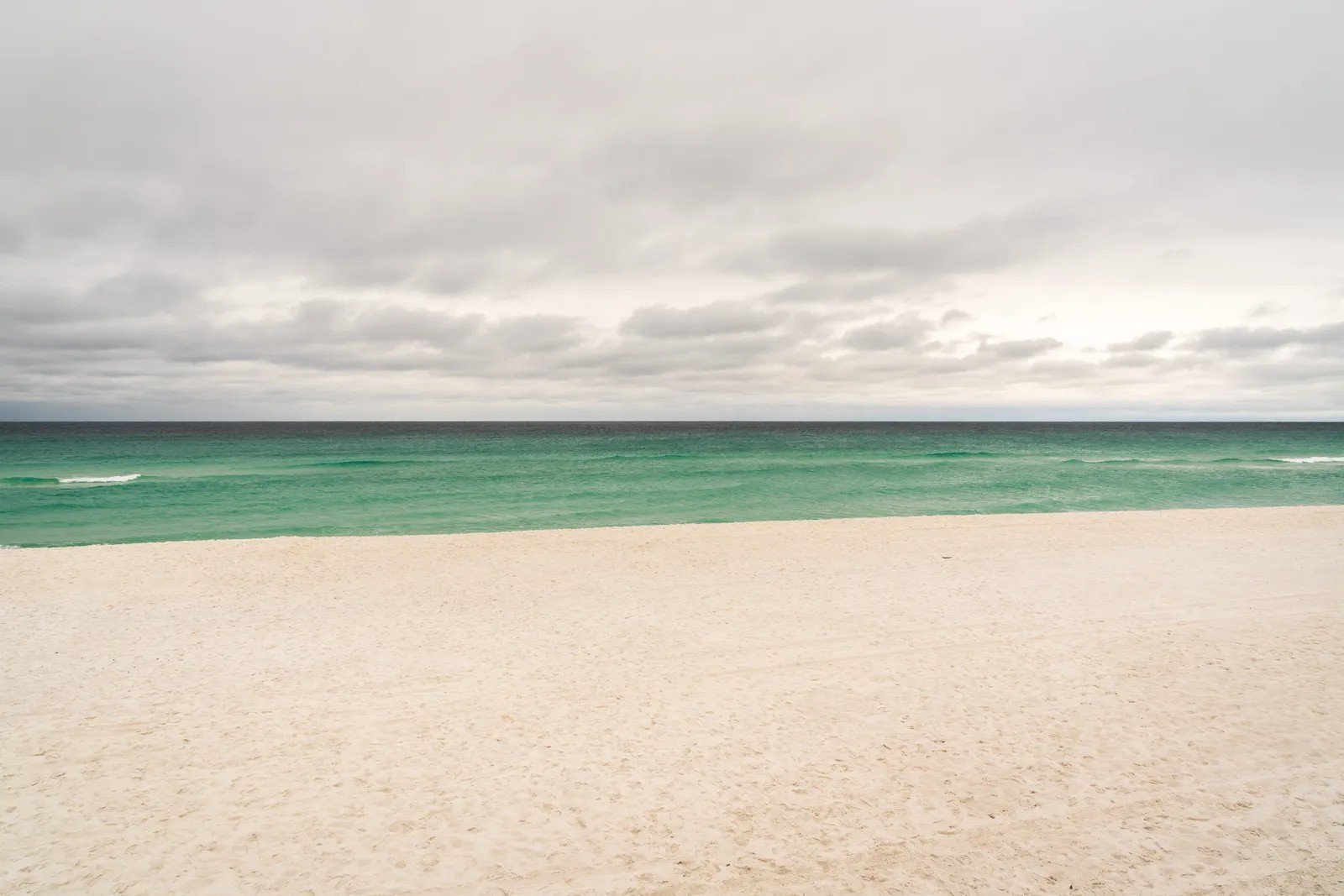
Everyone assumes Florida’s worst beaches are easy to spot – teeming with visible trash and murky water. Pensacola’s bayous are more dangerous, and far harder to detect.
Bayou Texar in Pensacola had 38% of its 2025 water samples trigger health advisories due to bacterial contamination. Nearly four in ten tests, dangerous. Nearby Bayou Grande performed almost as badly, with one-third of 2025 samples prompting advisories – its semi-enclosed waters struggling to flush bacteria, especially after rainfall. Enclosed bayous are bacterial traps: warm, slow-moving water with nowhere for contamination to go except into the people swimming in it.
The problem extends down the coast. The Park View Kayak Launch in Miami Beach was flagged by the Surfrider Foundation’s 2023 Clean Water Report as one of the most bacteria-contaminated sites in the entire country, with a 73% high-bacteria rate. Florida’s tourism machine markets beaches relentlessly. The water quality data tells a far messier story behind the glossy brochures.
#4 – Easton’s Beach, Newport, Rhode Island
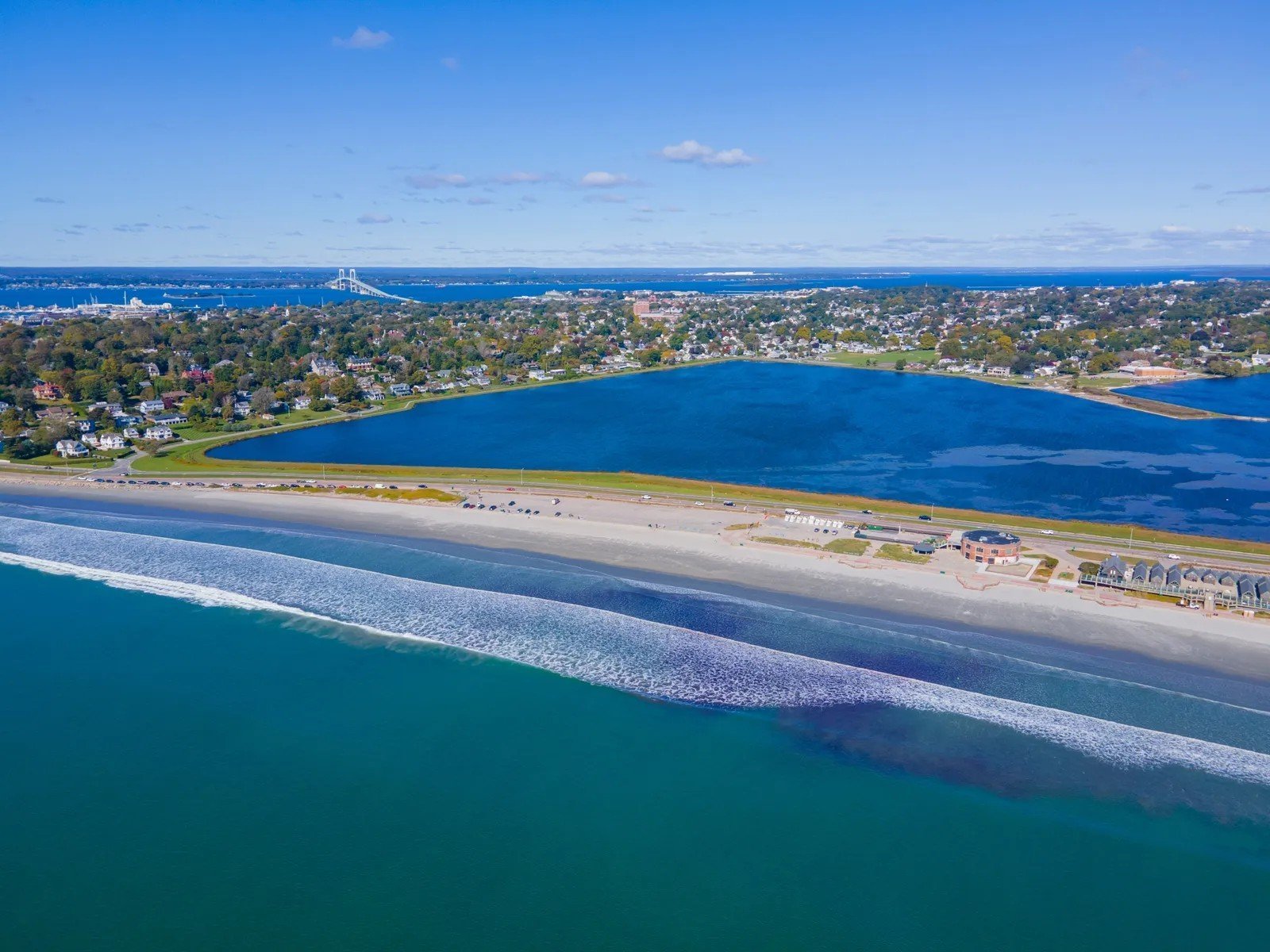
Newport is the playground of old American money – polo, mansions, and million-dollar sailboats. Its most famous beach has spent years drowning in bacteria.
Easton’s Beach in Newport County exceeded the EPA’s most protective safety threshold on 42% of days tested in 2024 – nearly half the entire testing season. It recorded unsafe enterococci levels on 10 out of 24 testing days. Sampling identified roughly ten potential pathogen sources feeding the problem: a pumping station, multiple outfalls, nearby parking lots, and domestic and wild animal waste all contributing to a contamination cocktail that makes the beach genuinely unsafe much of the summer.
The most troubling detail is that Newport has thrown serious money at the problem and still fails. A $6 million UV treatment system was installed. Storm drains were relocated. Seaweed harvesters were deployed. And yet, Easton’s Beach remained off-limits to swimmers in summer 2025, with elevated bacteria counts keeping it closed while neighboring Newport beaches briefly reopened. When a historic beach backed by millions in remediation funding still cannot pass a bacteria test, it reveals exactly how deep the infrastructure rot actually runs.
Worth Knowing: How Much Has Been Spent – and Failed
- Easton’s Beach (RI): $6 million UV treatment system installed – beach still failed bacteria tests in 2025
- Imperial Beach (CA): South Bay International Treatment Plant operational since the 1990s – beach closed for years
- Fairhope (AL): “Aggressive rehabilitation” of wastewater system announced in 2019 – beach still on worst-of lists
- Key takeaway: Money spent on treatment does not equal a safe beach when source infrastructure keeps failing
#3 – Cole Park Beach, Corpus Christi, Texas
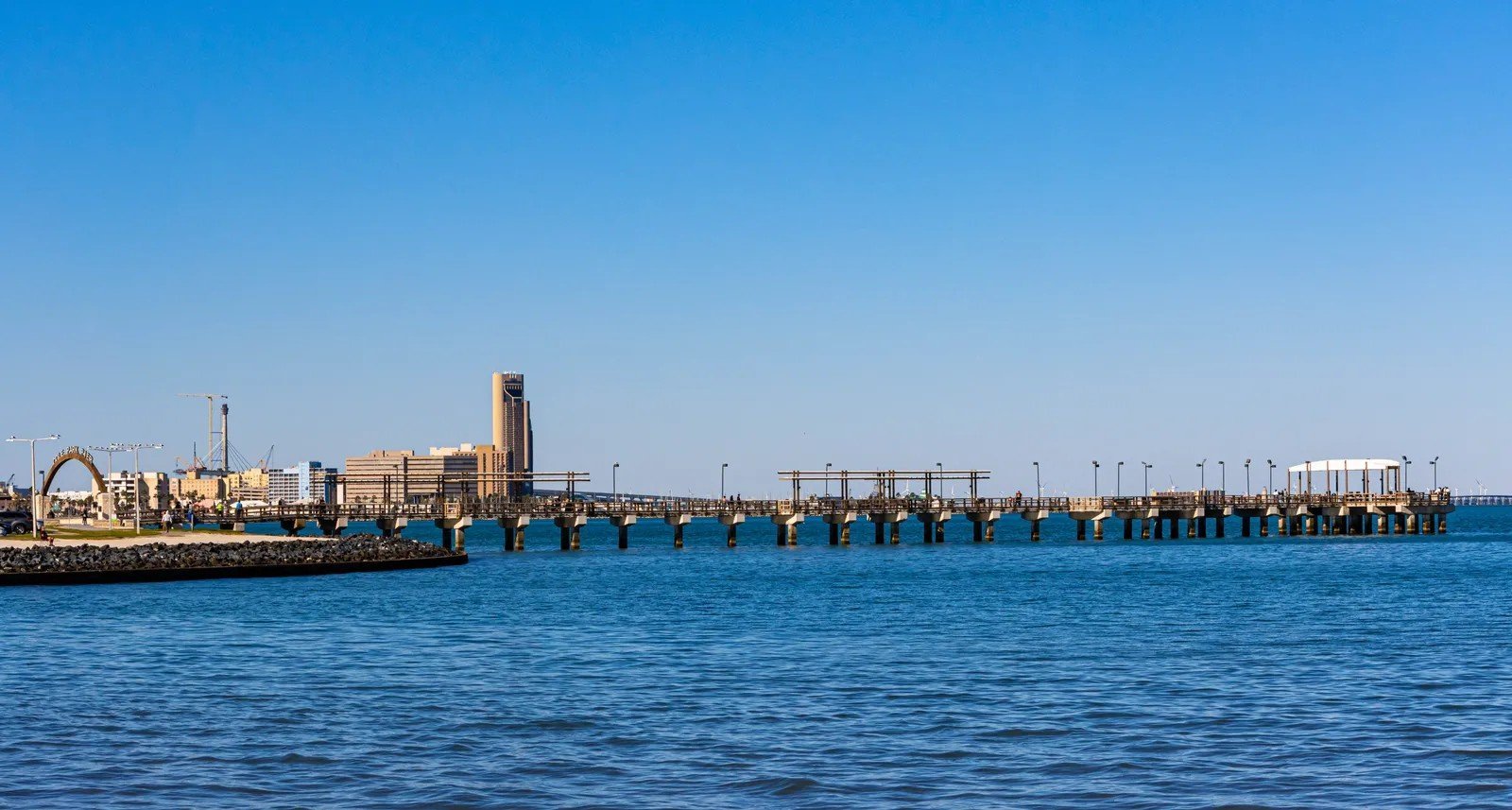
Texas beaches attract massive summer crowds. Cole Park is one of the most visited – and, according to the data, one of the most reliably dangerous in the entire country.
Cole Park ranks first in Texas for the most unsafe swimming days based on high bacteria counts in Environment America’s national assessment. It tested unsafe during 54% of measured days – more than half the time. Nearby Ropes Park clocked in at 41% and Texas City Dike at 28%, meaning the entire greater Corpus Christi coastal zone is a cascading contamination problem, not a single bad spot on the map.
The source is not mysterious: leaking sewers throughout the area discharge untreated sewage during rain events, and the problem has been documented in annual health reports for years. Money has been spent on water testing. Little extraordinary improvement has followed. State officials post warning signs. People look at the clear, blue-green water and assume it is safe. It is not. The clarity is a lie. The bacteria are invisible, and that is exactly what makes Cole Park so dangerous.
#2 – Kahaluu Beach Park & Kalapaki Beach Park, Hawaii
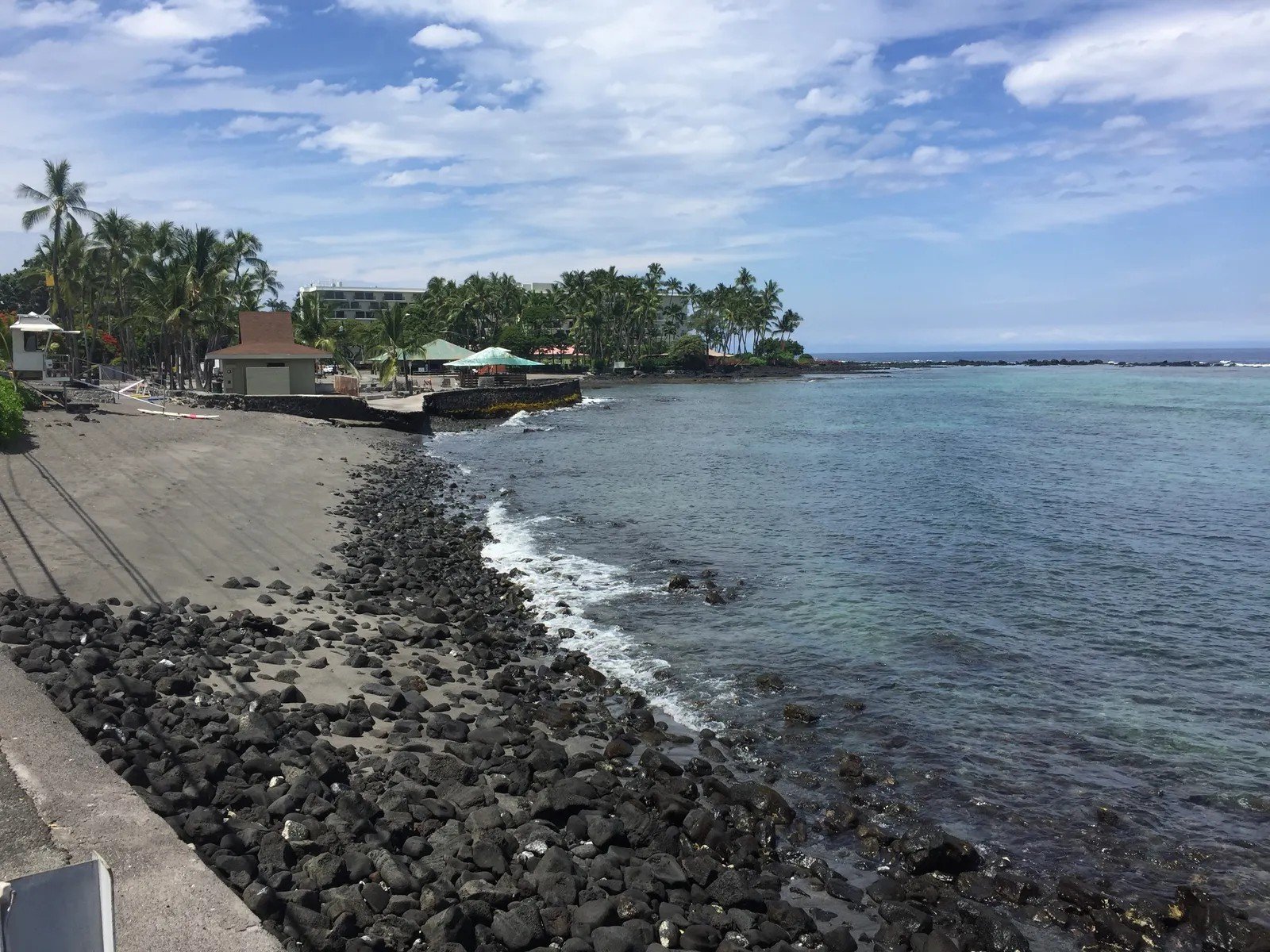
Hawaii is the one destination on this list that should genuinely make you rethink your vacation plans. Two Hawaiian beaches have recorded contamination rates that are, frankly, staggering.
Kahaluu Beach on Oahu failed state water quality standards in 92% of recent samples – a figure published in the Surfrider Foundation’s 2024 Clean Water Report that places this well-trafficked bay at the very top of the national list of bacterial hot spots. 92%. That is not a beach with occasional problems. That is a beach that is almost never safe to swim in. Surfrider’s national monitoring declared Kahaluu Beach the single most polluted recreational water in the entire country.
Runoff from uphill neighborhoods, leaking cesspools, and stormwater surge all drain into the beach, particularly after rain, flooding the shoreline with bacteria from human and animal waste. Hawaii’s 83,000 active cesspools discharge an estimated 52 million gallons of sewage into coastal waters every single day. The state has committed to eliminating all cesspools by 2050 – while tourism continues at full volume in the meantime. On Kauai, the Surfrider Foundation found that the Nawiliwili Stream feeding directly into Kalapaki Beach Park has failed every water quality test performed since 2016 – and the stream mouth is especially popular with children and families who wade in the shallow, calm water with no idea what is in it. Two paradise beaches. Two catastrophic failure rates. One very expensive plane ticket to get there.
We have a cesspool crisis in Hawaii. These systems are polluting our groundwater, our nearshore waters, our reefs.
David Craddick, Hawaii Department of Health
At a Glance: Hawaii’s Cesspool Crisis by the Numbers
- 83,000 active cesspools statewide – the most of any U.S. state
- 52 million gallons of raw sewage discharged into coastal waters daily
- 92% of Kahaluu Beach samples failed state water quality standards (2024)
- 100% of Nawiliwili Stream samples at Kalapaki Bay failed – every test since 2016
- 14 of 15 most contaminated sites on Oahu and Kauai sit in Priority 1 or 2 cesspool zones
- State deadline to eliminate all cesspools: 2050
The Hidden Dangers of America's Coastlines
Think your favorite beach is safe? Data from 2024 and 2025 reveals a staggering number of U.S. shorelines are plagued by chronic fecal pollution and infrastructure failures. Test your knowledge on the worst offenders and the science behind the contamination.
Think you caught the key details? Take the quick quiz and see how sharp your instincts really are.
#1 – Imperial Beach, San Diego, California

No beach in America comes close to the documented, ongoing, multi-decade environmental catastrophe that is Imperial Beach. This is not a ranking based on a bad season or an unlucky year. This is a 30-year public health emergency that the federal government has repeatedly failed to fix.
The Surfrider Foundation’s most recent Clean Water Report gave Imperial Beach the worst result possible: 100% of water samples taken there in 2023 failed to meet California’s health standards for recreational swimming. Every single sample. Every day tested. “Every day, millions of gallons of contaminated water carrying stormwater runoff, raw sewage, harmful chemicals, and trash traverse the U.S.-Mexico border through the Tijuana River Watershed and flow out into the Pacific Ocean in Imperial Beach,” the Surfrider Foundation confirmed.
South Bay beaches in the Imperial Beach area have now logged more than 1,400 consecutive days of closures. The Tijuana River was designated one of America’s Most Endangered Rivers of 2024 by American Rivers, citing “pollution causing sickness, forcing beach closures, and endangering local economies.” City officials blame operational failures at the federally managed South Bay International Wastewater Treatment Plant – established in the 1990s, now considered incapable of handling the pollution volume.
The EPA and IBWC announced plans to expand the plant’s capacity from 25 to 35 million gallons per day, fast-tracked within 100 days, but the beach has remained closed through much of 2025 as new sewage flows continue crossing the border. Every emergency declaration request from Imperial Beach officials has been denied. This sewage crisis involves cross-border infrastructure failure, federal negligence, international diplomacy, and thousands of sick residents – all dressed up as a sunny Southern California beach town. Imperial Beach is not a beach right now. It is a sewage outfall with a parking lot.
The Bottom Line

America’s beach crisis is bigger, dirtier, and more dangerous than the tourism industry wants you to know. More than 7,563 beach advisories or closures were issued in 2024 along U.S. coastal and Great Lakes beaches – roughly one in every 15 swimming days, nationwide. From Imperial Beach’s 30-year sewage catastrophe to Hawaii’s leaking cesspool network to Corpus Christi’s chronic raw sewage overflows, the pattern is identical everywhere: aging infrastructure, inadequate funding, and millions of unsuspecting swimmers paying the price with their health.
Contact with contaminated water and sand can cause stomach illness, respiratory problems, pink eye, ear infections, and in serious cases, neurological harm. The sand looks fine. The water looks blue. The bacteria are invisible – and across these 17 beaches, that invisibility is exactly what makes them so dangerous. Before you book that summer trip, check the NRDC’s annual Beach Report or the Surfrider Foundation’s Clean Water Report. The ocean will not tell you when it is unsafe. Someone has to.