
Summer travel is supposed to be the reward. The thing you saved for, planned around, and looked forward to through every gray Tuesday of the year. But somewhere between the TikTok highlight reel, the hidden resort fees, and the two-hour traffic jam before you even reached the trailhead, a lot of 2025 vacations quietly curdled. The gap between what Americans expected and what they actually got has never felt wider – and the s are pouring in.
The destinations on this list aren’t all bad places. Some are genuinely spectacular. But there’s a specific kind of disappointment that only hits when a trip you financed, fantasized about, and counted down toward fails to show up. Here are the 15 summer trips Americans are ting – and the ones at the end of this list hit the hardest.
#15 – Las Vegas in Peak Summer Heat
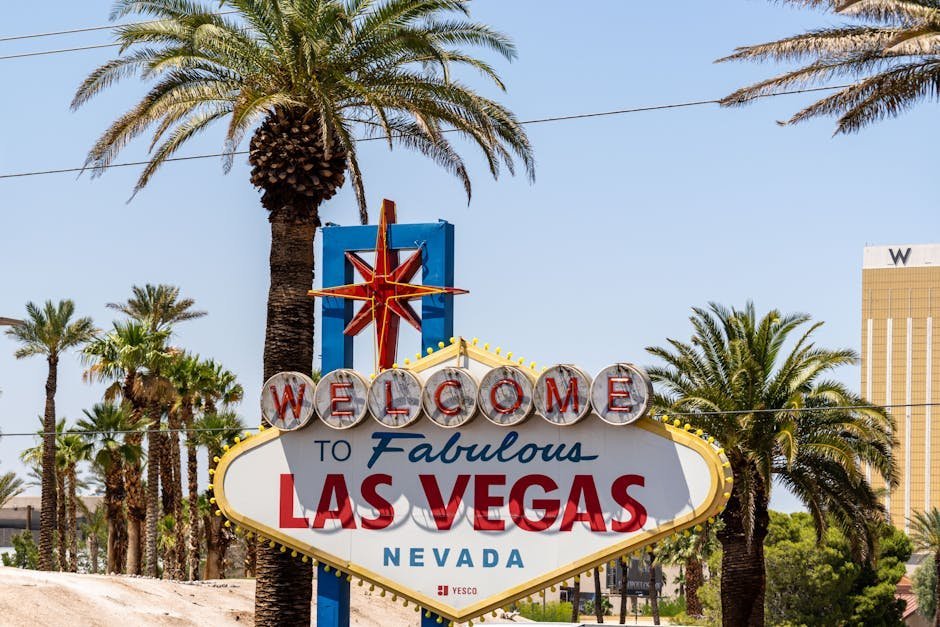
Nobody puts this in the promotional videos: stepping outside in Las Vegas in July feels like opening a preheated oven. Temperatures routinely top 110 degrees, and all the activities that make Vegas appealing beyond gambling – the pools, the outdoor spaces, the walks between casinos – turn into a survival exercise. Travelers who booked Vegas as a summer “deal” arrived to find the outdoor pools fully reserved, the Strip nearly unbearable on foot, and the city noticeably thinner than its peak-season self.
Vegas tourism dropped sharply in summer 2025, and the people who did go found a city that had gotten dramatically more expensive while delivering less. According to the Las Vegas Convention and Visitors Authority, visitor volume fell 11.3% year over year in June alone – the first double-digit drop since 2021. Travelers report spending the same money as before and coming home with fewer stories worth telling – which is about the most Vegas kind of there is.
Fast Facts
- Las Vegas visitor volume dropped 11.3% in June 2025 vs. June 2024 – nearly 400,000 fewer visitors
- Hotel occupancy fell 6.5 percentage points to 78.7% that same month
- Harry Reid International Airport reported roughly 318,000 fewer passengers in June vs. the prior year
- Summer (June–August) consistently brings 100°F+ heat – the cheapest hotel rates come with a reason
- Best months to visit: April and October, when daytime temps stay in the mid-60s to mid-80s°F
#14 – Yosemite Without a Plan
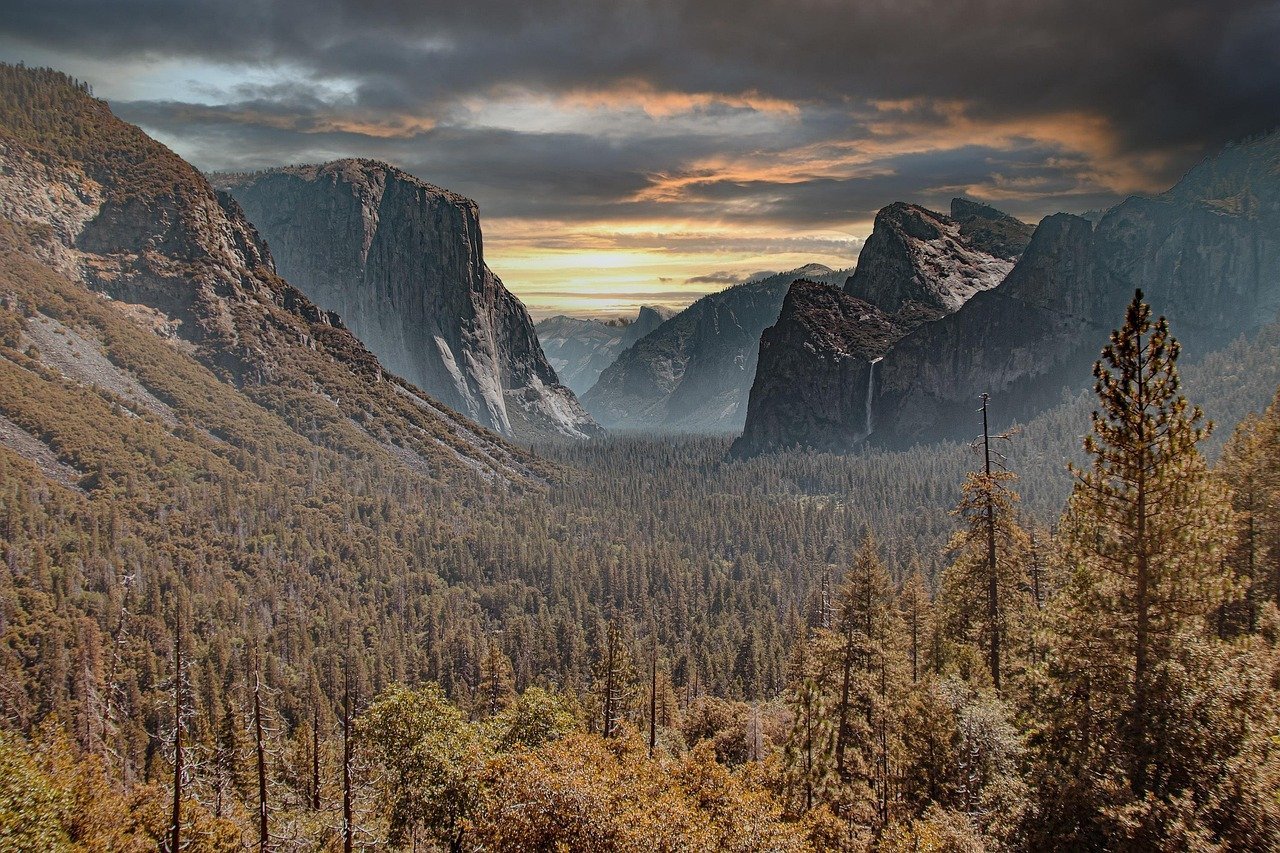
Yosemite is one of the genuine natural wonders of the world. That’s exactly the problem. The park drew 4.76 million visitors in 2025, and in 2026 the National Park Service eliminated the advance reservation system that had helped manage those crowds. Families who rolled up expecting serene meadows and roaring waterfalls found bumper-to-bumper car lines and parking lots that looked like a mall on Black Friday.
Park advocates warned immediately that the decision risked hours-long wait times and would-be visitors being turned away due to a lack of parking. Tour guides who work the valley year-round noted bluntly that between Memorial Day and Labor Day, “there is no such thing as a weekday or a weekend.” The valley itself is still jaw-dropping. Getting there – and then fighting for space once you’re in – is something a lot of summer visitors genuinely didn’t see coming.
#13 – Times Square, New York City
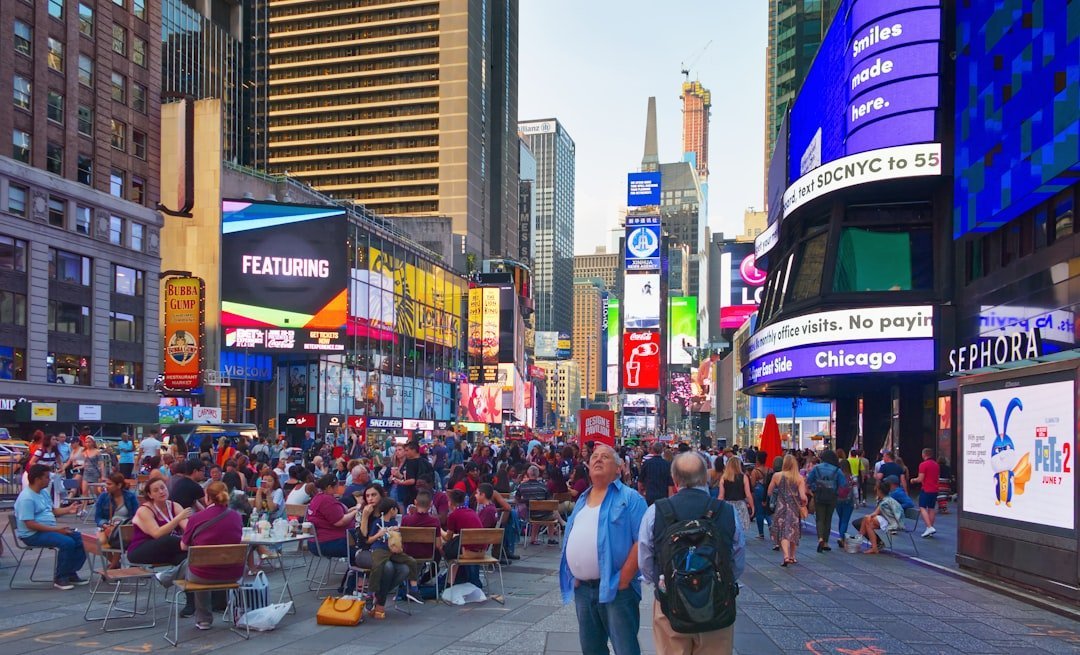
Every year, millions of Americans make the pilgrimage to Times Square expecting something electric. What they actually get is a sensory assault of chain restaurants, costumed characters aggressively angling for tips, and neon billboards advertising products they didn’t come to New York to see. The authentic version of the city – the food halls, the neighborhoods, the boroughs that actual New Yorkers love – is somewhere else entirely. Times Square exists almost exclusively to extract money from people who didn’t know any better.
The isn’t about New York. It’s about devoting precious vacation days to a neighborhood that ranked among the top destinations Americans said they canceled plans to visit in recent travel surveys. Spending three hotel nights near Times Square instead of exploring the rest of the city is the kind of itinerary decision that feels obvious in hindsight – and costs a lot of money to learn.
#12 – Fisherman’s Wharf, San Francisco
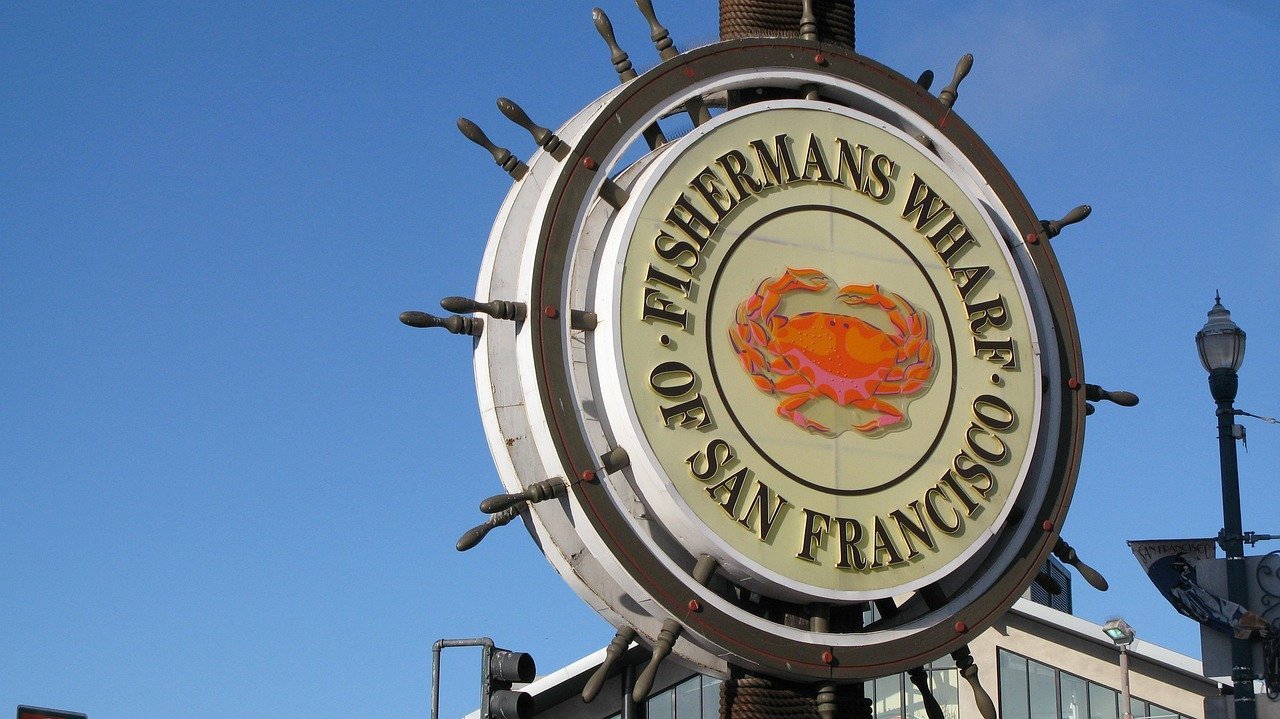
Fisherman’s Wharf has been trading on its reputation for decades, and the gap between that reputation and the real thing is now Grand Canyon-wide. It claimed a share of the “worst tourist trap in the world” label in 2025 travel rankings, with the word “tourist trap” appearing in TripAdvisor reviews at a rate that’s almost impressive. The waterfront is mostly overpriced clam chowder, souvenir shops, and a lingering smell that’s hard to describe without being unkind.
The neighborhood still pulls about 12 million visitors a year, which tells you everything about the power of reputation inertia. San Francisco has genuinely dramatic geography, world-class food, and neighborhoods worth an entire trip on their own. Travelers who spent their whole afternoon on the Wharf – and then felt weirdly cheated afterward – missed most of what makes the city worth the flight.
The Summer Travel Regret Quiz
From overcrowded national parks to the hidden costs of a 'budget' Hawaii getaway, recent travel seasons have redefined vacation disappointment. Test your knowledge of the trends and traps currently shaping American travel regrets.
Think you caught the key details? Take the quick quiz and see how sharp your instincts really are.
#11 – Hawaii on a Dishonest Budget
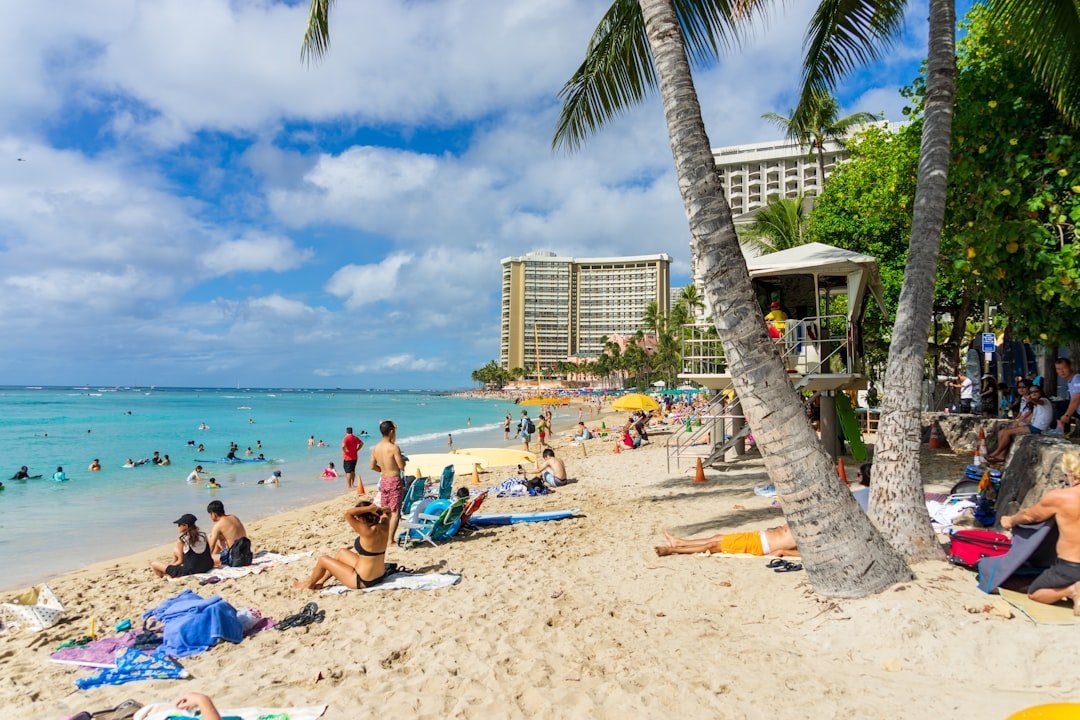
Hawaii sits near the top of almost every American’s bucket list, which is precisely why so many people come back feeling like they missed something. Hawaii ranked among the most commonly canceled summer destinations in 2026 travel surveys, with cost listed as the primary reason. The islands were never designed to be done cheaply – and travelers who tried to squeeze the trip into a budget that didn’t match the price tag came home stressed, corner-cutting, and staying in hotels nowhere near the beaches they flew six hours to see.
Waikiki in July means shoulder-to-shoulder crowds, $25 cocktails at beachfront bars, and rental cars that are either unavailable or priced like luxury items. The real Hawaii – on Maui, Kauai, or the Big Island – requires a budget built around honesty. Travelers who treated it like a routine domestic beach trip almost universally wish they’d either gone bigger or gone somewhere closer.
#10 – Zion National Park Without a Permit Strategy
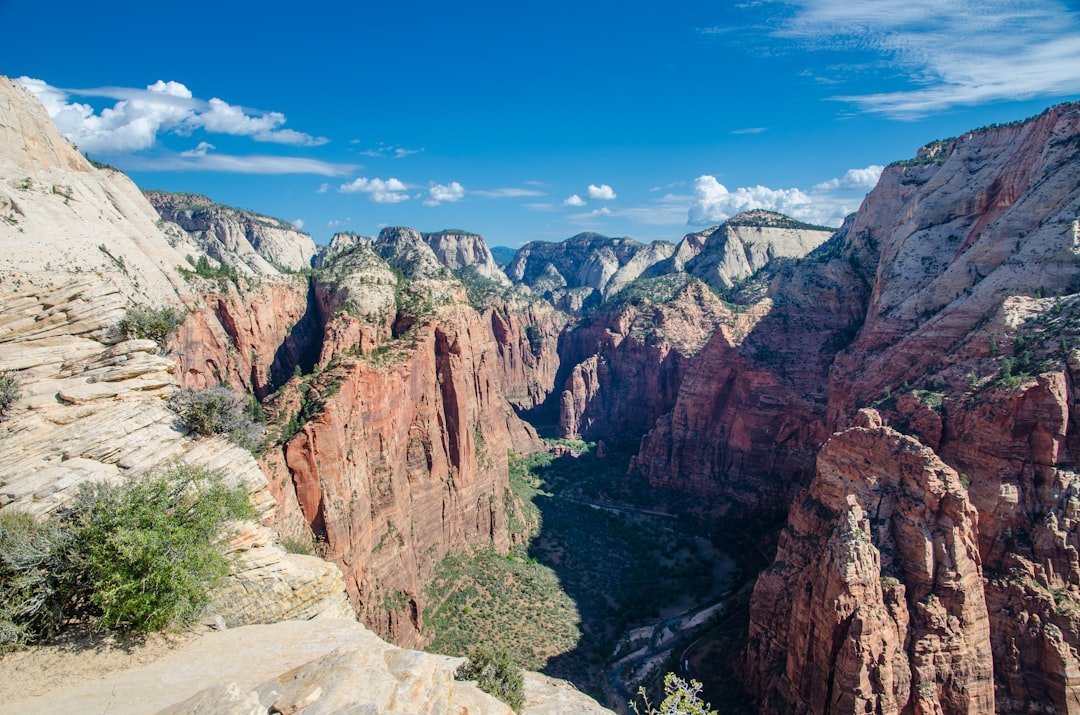
Zion is one of those places that sounds manageable until you’re standing in a canyon so narrow there’s literally nowhere for the crowd to go but straight into you. The shuttle system backs up, the trails back up, and the viewpoints become standing-room-only. Travelers regularly describe it as rush-hour subway traffic set against some of the most beautiful terrain on earth – which is both accurate and infuriating.
Angels Landing now requires a permit won through an online lottery, a change made because the trail was getting genuinely dangerous at peak capacity. Visitors who show up in July expecting to casually hike the iconic route – only to discover they needed to enter a lottery months in advance – go home frustrated. The park is still worth the trip. Showing up in summer without a permit strategy is one of the most reliably disappointing moves in American travel.
Quick Compare
- Zion Angels Landing: Permit required via lottery – apply months ahead or miss it entirely
- Yosemite (2026): No reservation required – but parking fills before 8 a.m. on busy days
- Arches (2026): Timed-entry system removed – unmanaged congestion now the main obstacle
- Rocky Mountain: Timed-entry permits still required May 22 through October 12, 2026
- Acadia / Haleakala: Specific reservation rules still apply – check before you go
#9 – Hollywood Boulevard, Los Angeles
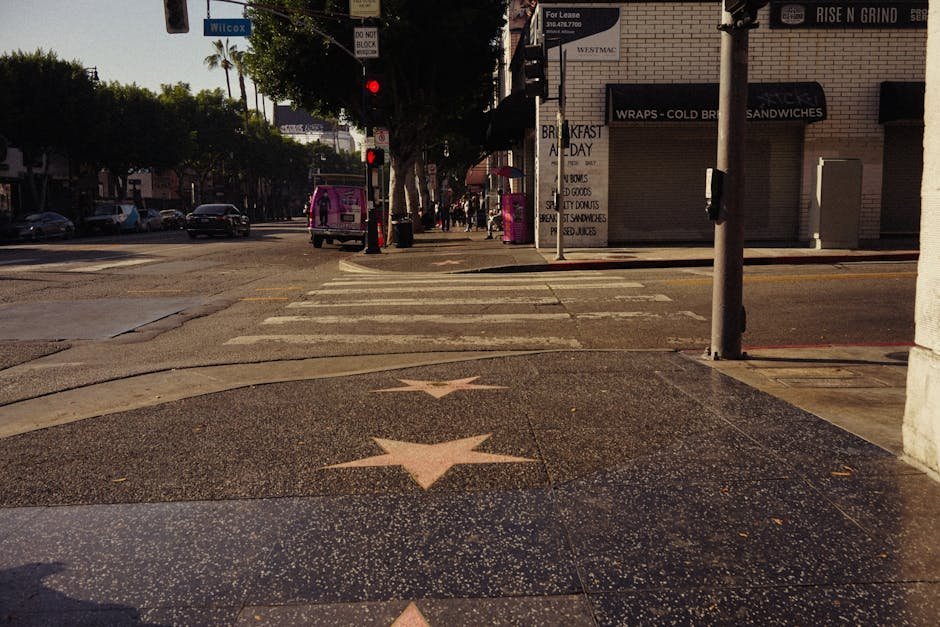
People picture glamour. What they find is a two-mile stretch of grimy stars embedded in concrete, surrounded by costumed characters with aggressive tip expectations, souvenir shops selling things nobody actually wants, and an overall vibe that leans hard toward disappointment. Hollywood Boulevard has a reputation that exists almost entirely in movies about Hollywood Boulevard – not in the actual experience of being there on a Tuesday in August.
Los Angeles is an extraordinary city for people who know where to go. The food is world-class, the neighborhoods are endlessly distinct, and the natural setting is genuinely remarkable. The families who devoted their entire L.A. day to the Walk of Fame before crawling through traffic back to their airport hotel almost universally wish they’d gone somewhere – anywhere – else.
#8 – The Great Smoky Mountains on a Peak Summer Weekend
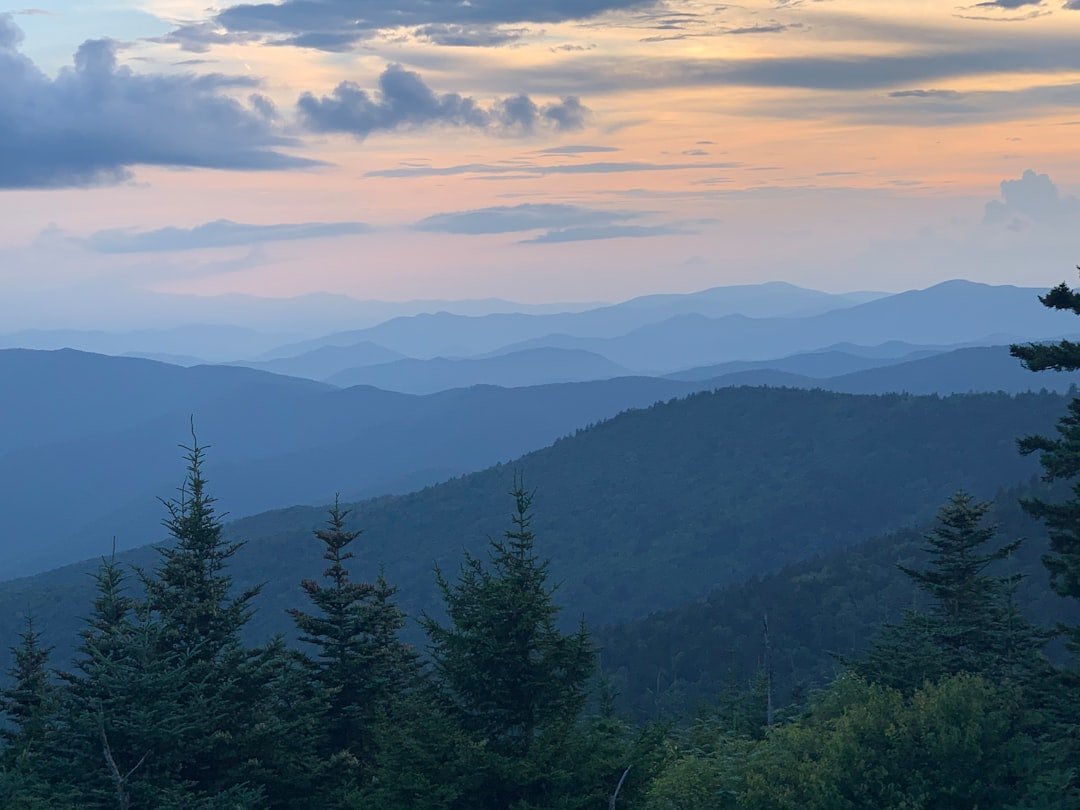
Free to enter and sitting within a day’s drive of a third of the U.S. population, the Smokies pull more annual visitors than any other national park in the country. That free entry is the feature that becomes the bug – there’s no friction in the booking process, which means no natural cap on how many people arrive on the same Saturday morning. Traffic on the Newfound Gap road and the Cades Cove loop can stop completely for hours at a stretch.
The gateway towns of Gatlinburg and Pigeon Forge add noise and expense just outside the park boundary. The wildflower season and misty ridge mornings are genuinely beautiful – but by mid-morning on a summer weekend, the experience tilts toward brake lights and crowd management. Families who drive six hours expecting a peaceful nature escape and spend half their vacation time in a car queue feel that gap most acutely.
#7 – Niagara Falls (Arriving on the Wrong Side)
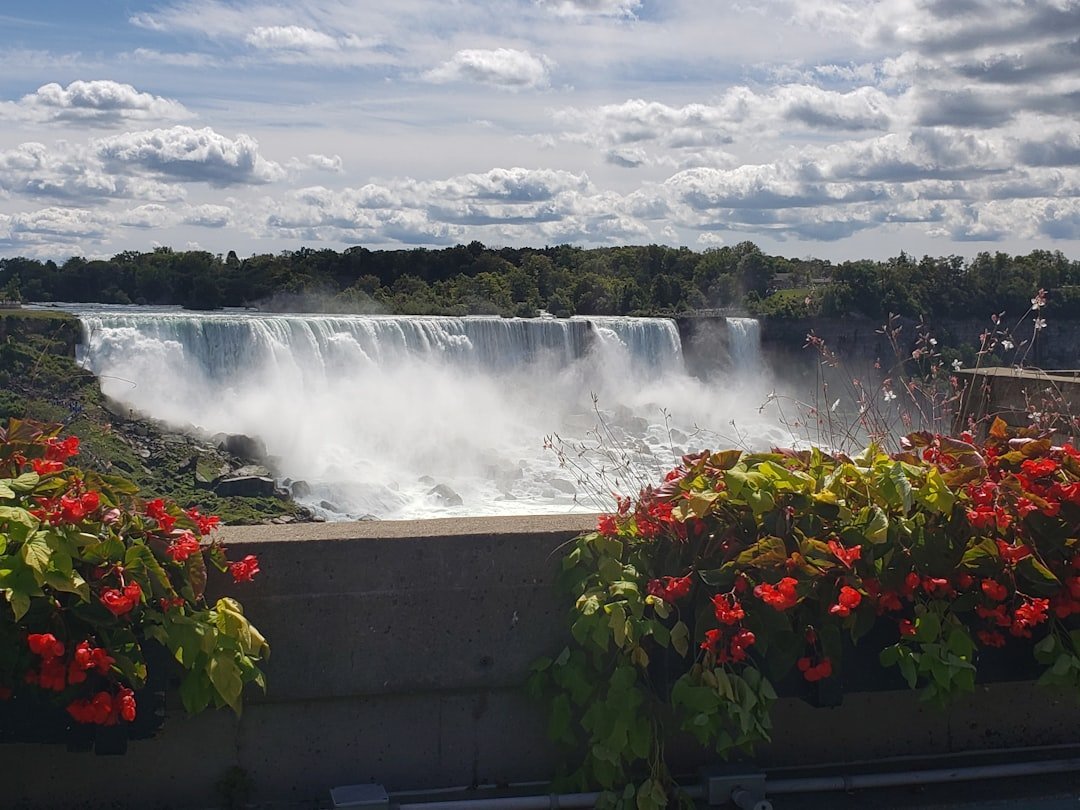
The falls themselves are legitimately awe-inspiring. The problem is everything built around them. The tourist infrastructure near Niagara is routinely described by visitors as “tacky” – a word that appears in reviews so often it’s practically a landmark feature. The area around what was once America’s top honeymoon destination has been so thoroughly over-commercialized that wax museums and haunted houses now compete with the actual natural wonder for attention.
The American side specifically offers a more limited vantage point than the Canadian side, and travelers who cross the border almost universally feel they came to the wrong entrance. Visitors who spend two or three nights expecting an immersive natural experience often find that the best 20 minutes of the trip happened right after arrival – and everything after that was filler. It’s still worth seeing once. Just know exactly what you’re signing up for.
#6 – Arches National Park Without Reservations (Again)
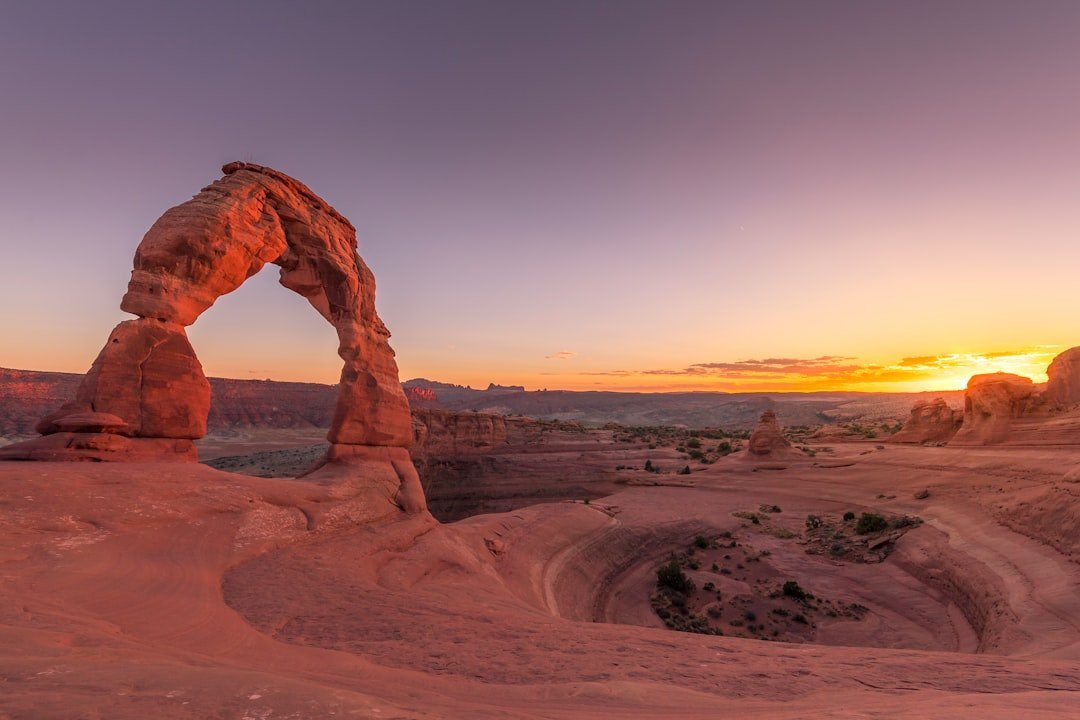
Arches draws more than 1.5 million visitors annually and holds the record for the highest concentration of natural stone arches on Earth. The timed-entry reservation system that helped control those crowds in 2025 is now gone. That’s a significant change that summer 2026 travelers are already discovering the hard way. The result is unmanaged congestion that makes a genuinely otherworldly landscape feel more like a theme park than a wilderness.
Conservation groups have been sounding the alarm, and the National Parks Conservation Association warned that without any limits in place, visitors to Arches should expect traffic jams, overflowing parking lots, and trail conditions that border on chaotic. The Delicate Arch hike – the one on the Utah license plate – ends at a bowl-shaped amphitheater where dozens of strangers are all jostling for the same photo. The arch is real and it is extraordinary. Getting there in summer now comes with serious asterisks.
#5 – A National Park Trip That Ran Into Staffing Cuts
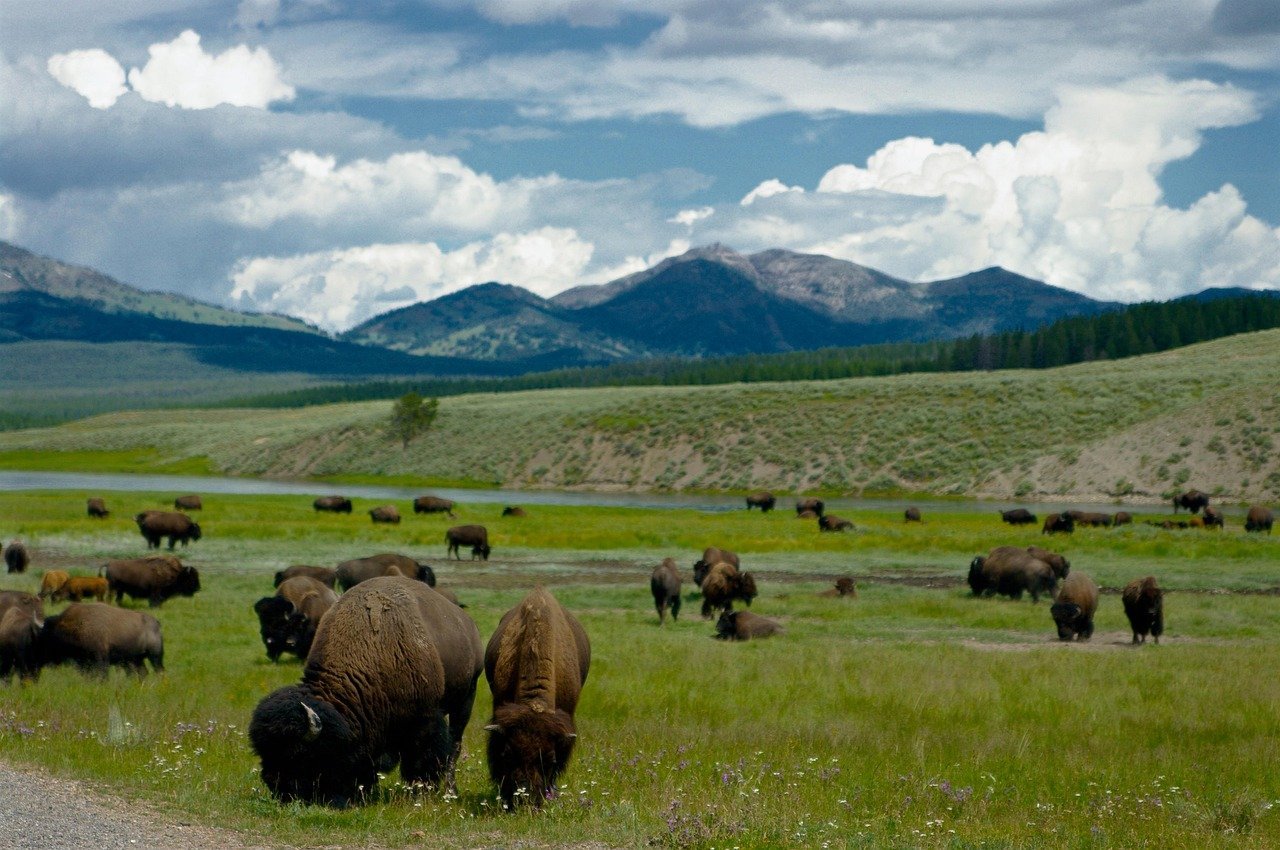
This is the one that caught summer 2025 travelers completely off guard. Visitation numbers were heading toward record highs across the system – 26 parks set all-time attendance records in 2025, and the NPS logged 323 million visits for the year. More people, bigger expectations – and then the staffing reality arrived right alongside them.
The National Park Service lost roughly 24% of its permanent staff following federal downsizing, and the impact was visible. Visitor center hours were reduced, some entrance gates were staffed by a single ranger for entire seasons, and entry fees went uncollected at Yosemite because there simply weren’t enough people to staff the gates. Families who arrived expecting fully operational parks and interpretive programming found closures and confusion instead. The landscape hadn’t changed. The experience of navigating it had changed dramatically.
Worth Knowing
- The NPS lost more than 4,000 permanent employees since January 2025 – about 24% of its full workforce
- Impacts at parks included reduced visitor center hours, canceled ranger programs, and slower emergency response
- At Assateague Island National Seashore, all 13 lifeguard positions were left vacant during summer 2025
- Big Bend National Park dropped to nearly half its fully staffed numbers, gutting interpretive programming
- The system faces more than $23 billion in deferred maintenance backlog nationwide
#4 – An International Trip Derailed by Flight Chaos
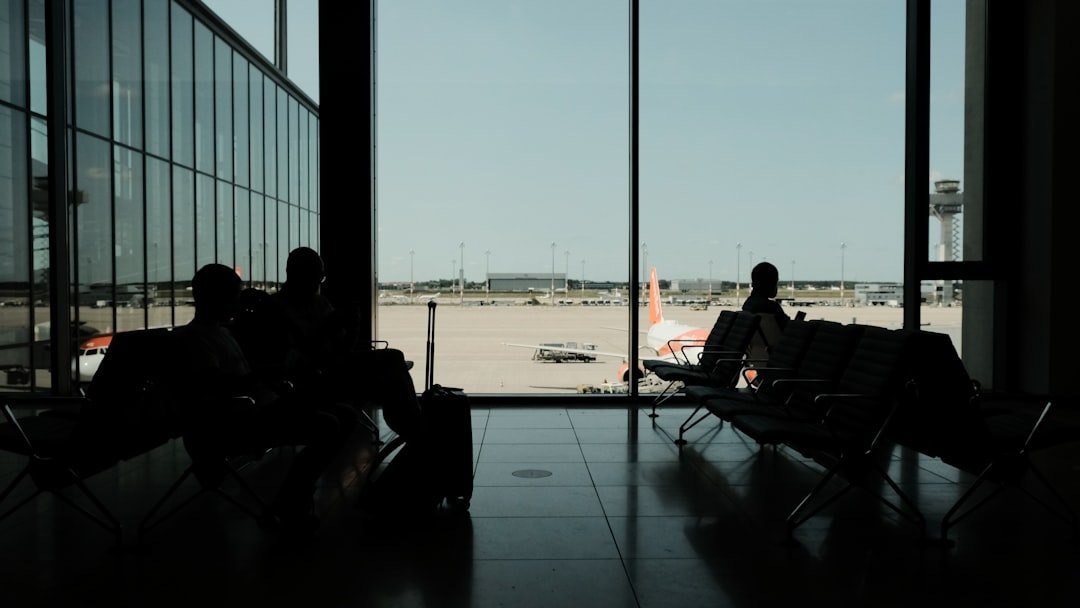
Plenty of Americans who planned ambitious international summers in 2025 came home with a very different story than the one they’d rehearsed. Travel advisors flagged tight domestic-to-international connections as the number one among international travelers – in multiple documented cases, weather delays on the first leg meant sprinting to a terminal and finding a closed cabin door. One client’s captain reportedly reopened the door out of mercy. Not everyone gets that ending.
The share of Americans citing travel hassle as a reason to skip trips climbed, and flight anxiety spiked following several high-profile aviation incidents. A U.S. News survey found that almost half of Americans were more afraid to fly in 2025 than the year before. Travelers who booked tight international itineraries with no buffer days and no travel insurance were the ones who paid the heaviest price – sometimes missing the trip entirely while still covering the nonrefundable costs of it.
#3 – A Road Trip Eaten Alive by Gas Prices
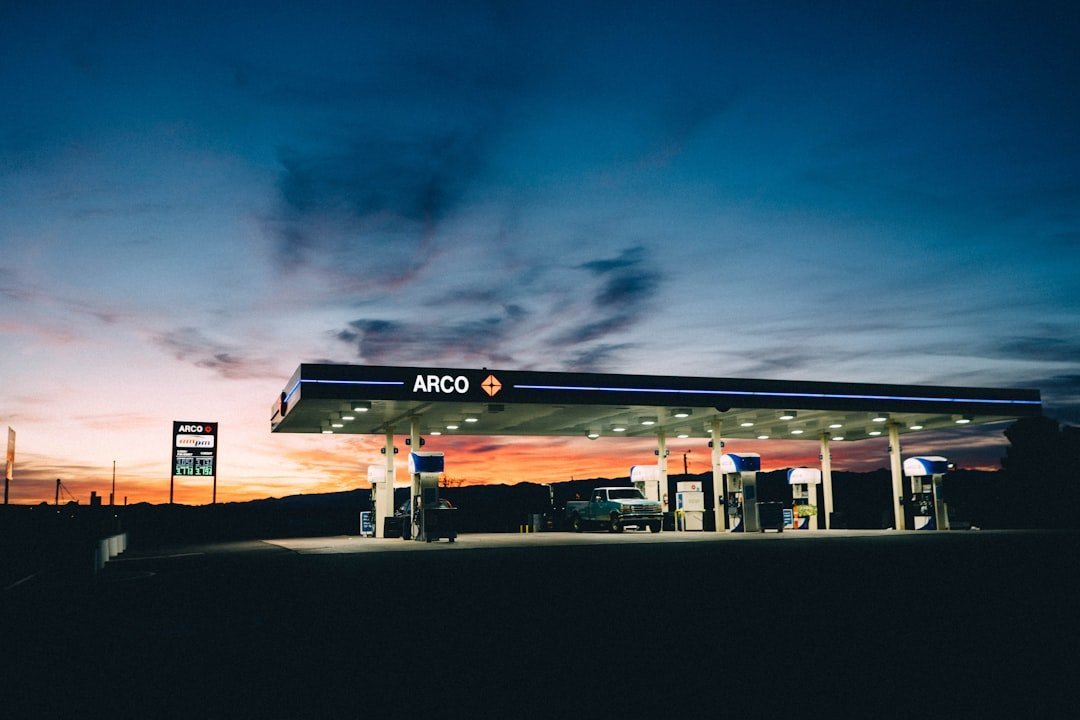
Road trips felt like the safe, affordable option in a summer of economic uncertainty. For a lot of families, they turned out to be more expensive than planned and shorter than promised. About 42% of Americans said rising gas prices specifically affected their summer travel plans, and the most common response was cutting the route short or swapping modes of transportation mid-trip. The family that mapped a two-week cross-country drive ended up doing a regional loop – and still paid more at the pump than the original budget assumed.
Around 19-20% of Americans said they went into some form of debt to travel this summer. For some of them, that debt funded a road trip that got trimmed because gas math didn’t pencil out. That specific financial – credit card balance, shorter trip, less fun than expected – tends to linger well into fall. The travelers who built real fuel buffers into their budgets before leaving fared considerably better than the ones who winged it.
#2 – The European Summer Booked Too Late and Arrived Too Tense
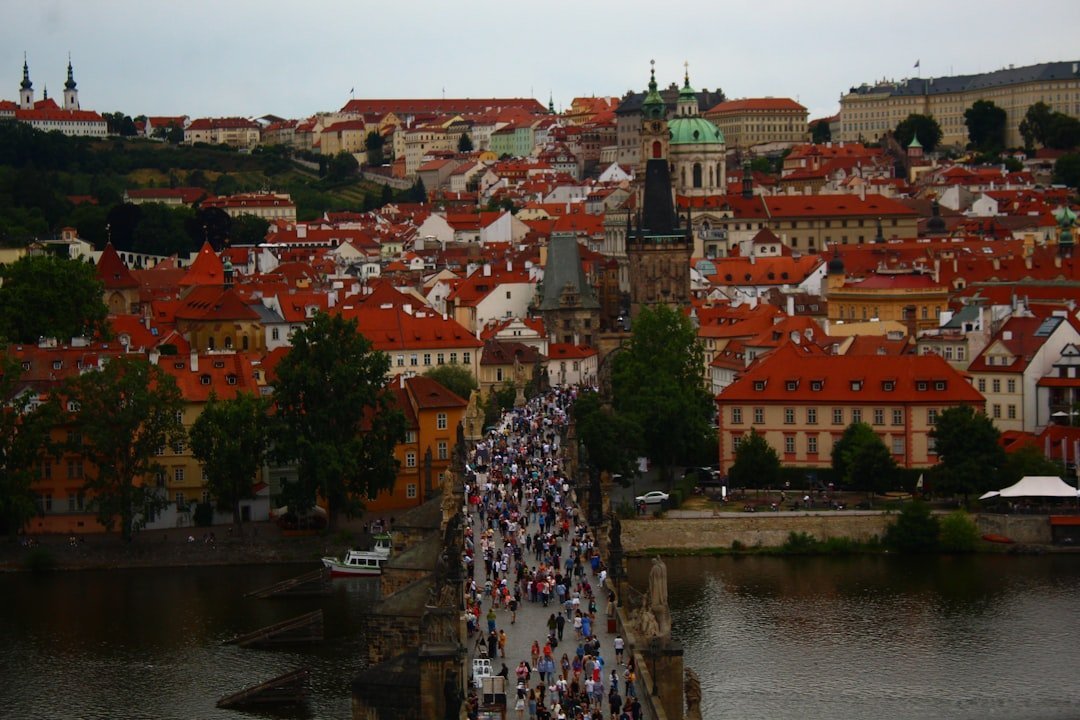
Europe has been overwhelming American tourists who show up in summer expecting magic and instead get mayhem. Booking data showed that Americans were pulling back on international summer plans, and the people who did go often found that the destinations they’d chosen had been overrun by everyone else with the same idea. Prices had spiked, the “authentic” experience they were chasing had relocated somewhere less photographed, and the itinerary felt more exhausting than enriching.
Adding to the friction: a U.S. News survey found that 51% of Americans planning international travel in 2026 expressed concern about anti-American sentiment abroad, up from 47% the year before. Arriving somewhere you’re not sure welcomes you adds a low-grade tension that chips away at the fun faster than any crowded museum. The travelers who booked early, chose off-peak weeks, and picked less obvious destinations came home with the stories. The ones who left it late and defaulted to the Instagram classics often didn’t.
At a Glance
- 51% of Americans planning international travel in 2026 worried about anti-American sentiment abroad – up from 47% in 2025
- 72% of Americans altered their 2025 summer travel plans due to rising prices (U.S. News survey)
- Nearly 3 in 4 Americans said economic conditions might impact their ability to travel at all (LendingTree, 2025)
- More than half of Americans (53%) cut back on the number of trips they planned to take
- Economic uncertainty led 35% to cancel or postpone a trip entirely in the past year
The Summer Travel Regret Quiz
From overcrowded national parks to the hidden costs of a 'budget' Hawaii getaway, recent travel seasons have redefined vacation disappointment. Test your knowledge of the trends and traps currently shaping American travel regrets.
Think you caught the key details? Take the quick quiz and see how sharp your instincts really are.
#1 – The Dream Trip Booked on Debt and Delivered in Disappointment

This is the one that stings longest and lands hardest. The trip that was supposed to be the trip – saved for, talked about at every family dinner, counted down on the calendar – that quietly failed to show up. About 19-20% of Americans acknowledged going into debt specifically to travel this summer, and among that group, the majority said it was to create a new experience. That’s a real emotional and financial bet. When the destination turned out to be overcrowded, the hotel had fees that weren’t disclosed upfront, the weather didn’t cooperate, or the itinerary was packed too tightly to actually enjoy – the financial hit and the emotional letdown arrive at the same time, on the same flight home.
Because time feels so scarce, a lot of people built itineraries with no margin for error – no buffer day, no backup plan, no room to simply sit somewhere beautiful without rushing to the next thing. A single flight delay or one closed trail could unravel the whole architecture. The most ted summer trips aren’t the ones that went to the wrong places. They’re the ones that had no room to breathe. The travelers who came back happiest weren’t the ones who checked off every item. They were the ones who left a day open for something they didn’t plan.
The 15 trips above span decades-old tourist traps and brand-new frustrations born from staffing cuts, economic anxiety, and crowd math that no longer works. The common thread isn’t that the destinations are bad. It’s that the gap between expectation and reality was never honestly measured before the bags were packed. With summer travel participation already declining and recession fears pushing more Americans into a wait-and-see posture, the bar for a trip earning its cost has never been higher. Go somewhere specific. Go with honest expectations. And leave at least one day completely unplanned – that’s usually the one you actually remember.