

Most people walk away from a vacation convinced they did pretty well. The reality? The average American now spends over $10,000 on travel – and a shocking chunk of that quietly drains away from the same preventable mistakes, trip after trip. These aren’t rookie errors. Seasoned travelers make them constantly, because the travel industry is specifically designed to profit from your blind spots.
The fees are buried. The booking windows are booby-trapped. The “convenience” options at every airport and hotel desk are markup machines wearing friendly faces. What looks like smart planning on the surface is often exactly where the money disappears – and the worst part is, most travelers don’t realize it until they’re already home. Here’s what the industry actually knows, and what most vacationers find out too late.
#17 – Booking Flights Too Far in Advance and Paying a Premium for It

Most people assume booking the moment a flight appears is the smartest move. Turns out, that instinct costs real money. Domestic flights tend to hit their sweet spot 28–35 days before departure, and international flights 60–90 days out – and booking too early or too late can cost 15–50% more. Locking in a ticket four or five months ahead often means paying a premium for a false sense of security.
The opposite trap is just as brutal. Procrastinators booking overseas flights within two weeks of departure routinely overpay by $200 or more compared to travelers who timed it right. For most international routes, the ideal window falls between 30 and 90 days out – and staying inside it can save an average of $190 per ticket. That’s real money left on the table, every single trip, because of a myth about “early bird” savings.
Fast Facts
- Domestic sweet spot: book 28–35 days before departure for the best fares
- International sweet spot: 60–90 days out is the most reliable window
- Booking too early or too late can add 15–50% to your ticket price
- Cheapest days to fly domestically: Tuesday and Wednesday – about 13–14% less than Sunday departures
- For international travel, Thursday departures consistently rank among the cheapest days of the week
#16 – Ignoring the Flexible Dates Calendar When Searching Flights

You found a flight, picked your dates, and clicked “search.” That single habit is quietly robbing you every time. Nearly every major booking platform offers a flexible date calendar or fare comparison grid – and shifting your departure by just one day in either direction can save $50 to $300 per ticket. Most travelers never bother to check. That’s an entire hotel night’s worth of savings, gone in one click.
Many people default to weekend travel because of work schedules, but that convenience comes at a measurable cost. Airlines know weekend flights are in high demand. A 2025 Google report found that flying midweek – Monday through Wednesday – runs about 13% cheaper than weekend departures, and can save travelers nearly $100 per ticket. During busy spring break and summer months, midweek savings spike even higher. Airlines aren’t going to remind you of that. Nobody in the terminal will either.
#15 – Exchanging Currency at the Airport
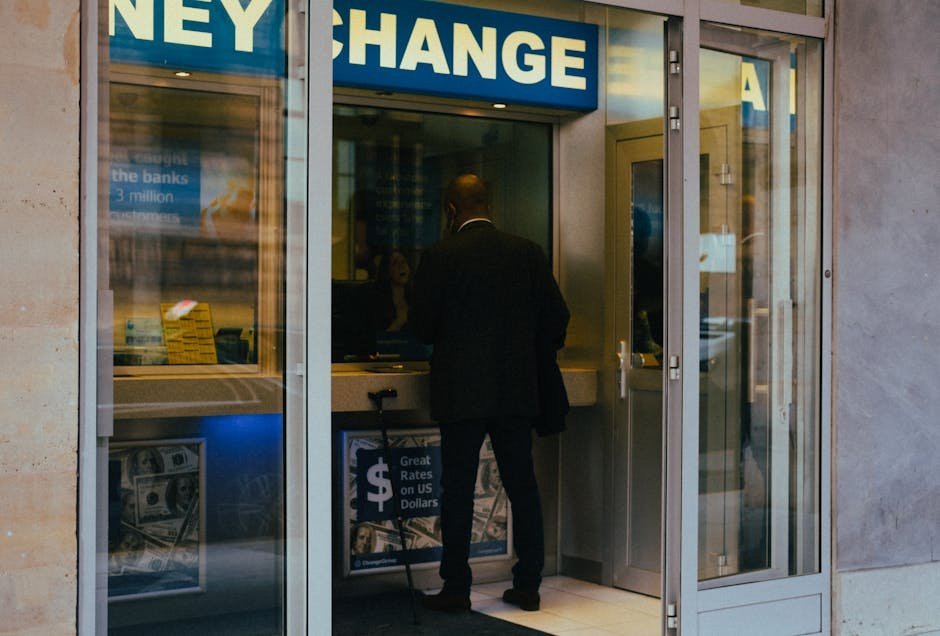
You land, you’re exhausted, you need local cash, and there’s a currency exchange booth right in the arrivals hall. It feels like the obvious move. It is, in fact, one of the most expensive decisions you’ll make all trip. Currency exchange desks at airports typically charge premiums running 14–17% above market rate – meaning on a $500 exchange, you hand $70–$85 straight to the booth operator before you’ve even left the terminal.
The airport currency desk is one of the travel industry’s most reliable profit centers, funded entirely by jet-lagged, unprepared travelers. The fix is simple: bring a no-foreign-fee travel debit card and use a local ATM instead. Even factoring in ATM withdrawal fees, you’ll come out ahead. Every single time.
#14 – Not Setting Up Price Alerts Before You Book

Most travelers check a flight price once, panic that it’ll go up, and buy immediately. That impulse is exactly what airlines are counting on. Airfares change constantly – one analysis found a single domestic flight changed price 135 times over the year it was available, roughly once every 2.4 days. Manually refreshing prices every day is tedious, and most people give up and buy whatever they see. Price alert tools like Google Flights, Hopper, and Going.com will monitor routes for you and send a notification when fares drop – catching deals you’d never spot on your own.
Setting up a price alert takes about 90 seconds and costs nothing. Yet the overwhelming majority of travelers skip it entirely. That one passive habit – letting an algorithm watch fares while you live your life – is arguably the single easiest money-saving move in all of travel planning. You track the route for weeks without lifting a finger. The alert fires when the price drops. You book. Done. It’s the closest thing to a cheat code that travel planning offers.
#13 – Booking Through a Third-Party OTA Instead of Directly

Comparison sites are great for research. They become a serious problem the moment something goes wrong – which it will. Book through an online travel agency and your reservation lives in their system, not the airline’s or hotel’s. When a flight gets canceled or a hotel overbooks, the direct customer gets the rebooking. You get the hold music. That’s not a worst-case scenario. It’s standard operating procedure.
Hotels especially tend to offer perks, flexible cancellation, and better room placement when you book direct – and the price difference is often zero. The service difference when something breaks, however, is enormous. Loyalty points, room upgrades, and last-minute flexibility all quietly disappear the moment a middleman enters the picture. Book direct. Research on the aggregator, then go straight to the source.
The Smart Traveler’s Audit: 17 Costly Planning Mistakes
Most travelers lose hundreds—if not thousands—of dollars to preventable errors. Test your knowledge on the hidden fees, booking windows, and industry traps that could be draining your vacation budget.
Think you caught the key details? Take the quick quiz and see how sharp your instincts really are.
#12 – Falling for the “Basic Economy” Bait-and-Switch
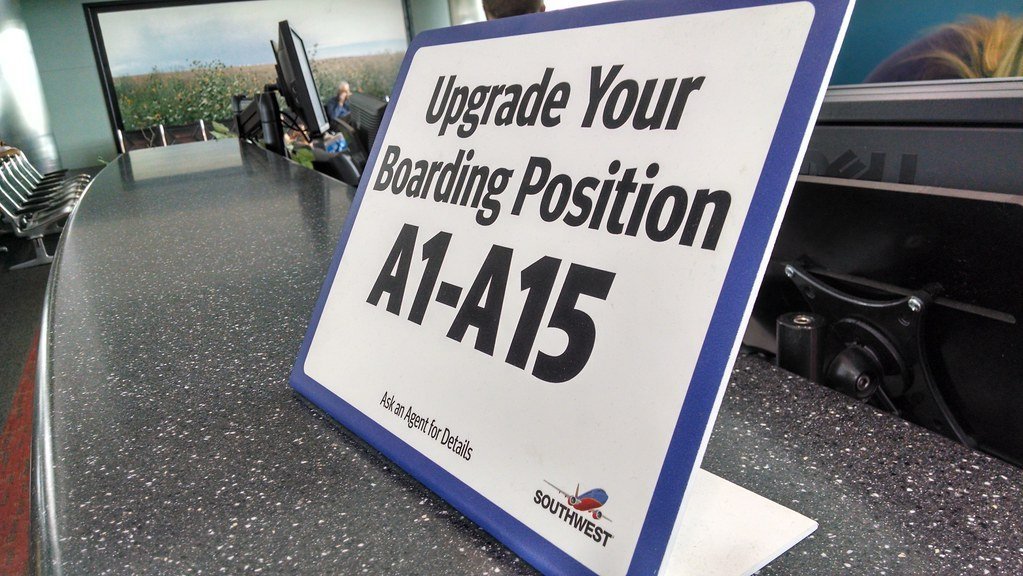
That $89 fare looks incredible. It also doesn’t include a carry-on bag, a seat assignment, or the ability to change your ticket. Basic economy fares look like bargains until you see what’s been stripped out – on many carriers, these tickets exclude overhead bin access, seat selection, and any cancellation flexibility whatsoever. Add a bag fee and a seat fee, and suddenly that “deal” costs more than a regular economy ticket from a competitor did.
Budget airlines can pile on fees for bags, seat selection, and even printing a boarding pass – extras that easily add $50–$100 or more per person. The real price of a basic economy ticket is almost never the number on the search results page. Before you click “book,” add up every fee you’ll actually pay. That $89 fare for a family of four can quietly become $360 before anyone boards. Travelers discover this at the gate, not the planning stage – which is exactly the point.
Quick Compare
- Basic Economy: Lowest sticker price – no carry-on, no seat choice, no changes
- Standard Economy: Slightly higher upfront – carry-on included, seat selectable, changes often allowed
- Basic + fees for a family of 4: Can easily exceed the cost of 4 standard economy tickets
- Bottom line: Always calculate the total cost before comparing fares across cabin types
#11 – Getting Blindsided by International Roaming Charges
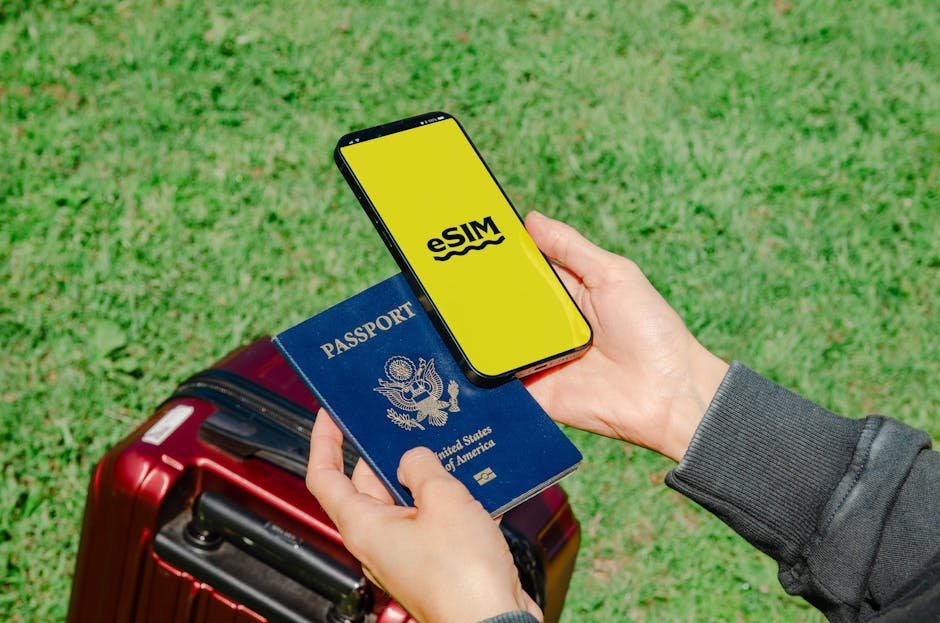
You land abroad, your phone pings a cheerful welcome message from your carrier, and you don’t think twice about it. Three days of navigation, messaging, and uploading vacation photos later, there’s a surprise waiting on your bill. Some carriers still charge $5–$15 per day for international data, while others bill by the megabyte if a plan isn’t activated in advance – meaning a few days of casual use can add $50–$150 to your costs without a single warning at the moment you spent it.
International roaming charges are one of the most common travel bill shocks, and they’re 100% avoidable. eSIMs – fully digital SIM cards you buy and activate before departure – have made this problem nearly extinct for prepared travelers. You purchase one online, activate it on your phone, and land with working data at local rates. No airport kiosk, no carrier negotiation, no ugly surprises when the statement arrives.
#10 – Cramming Too Many Destinations Into One Trip

The itinerary looks brilliant on paper: five cities in nine days. In practice, it’s a blur of airport terminals, hotel lobbies, and exhausted arguments over Google Maps. Visiting as many cities as possible sounds ambitious, but the memories that stick are almost never from the places you rushed through. You spend more time in transit than in the destination, and you arrive home more tired than when you left.
Over-scheduling also creates a cascade of financial risks that most travelers never see coming. A delayed train means a missed connection. A missed connection means a forfeited pre-paid hotel night. A forfeited hotel means a last-minute replacement booking at twice the price. Every tight transition in an overstuffed itinerary is a hidden financial liability. Build in buffer time, plan fewer stops, and remember: you don’t need to see the whole country in one visit. Trying to will just make you feel like you failed.
Worth Knowing
- The memories travelers recall most vividly almost always come from places they slowed down in – not places they passed through
- Every tight connection in a multi-city trip is a potential domino: one delay can collapse hotel deposits, tours, and car rentals in a single afternoon
- A two- or three-city itinerary typically costs less than a five-city rush – fewer transit fees, fewer last-minute rebookings
- “Shoulder season” in one well-chosen destination often beats peak-season chaos across five rushed stops
#9 – Skipping the Budget Buffer for Hidden Destination Costs

You priced out flights, hotels, and a rough estimate for food. What you didn’t price out is the web of smaller costs that accumulate the moment you arrive. Visa fees can run $40–$182. Tourist taxes hit 5% of accommodation costs in some cities. Airport currency exchange premiums eat another 14–17%. Baggage fees add $25–$100 or more per bag. These aren’t surprises – they’re standard line items that most travelers simply don’t research before they leave.
The most financially stress-free travelers tend to follow a 25% buffer rule – adding an extra quarter on top of their planned budget for the unexpected. That sounds excessive until the moment your tour requires a cash tip, the museum charges a photography fee, or the taxi only takes local currency. The travelers who never feel financially stressed on vacation aren’t richer. They just planned for reality instead of the highlight reel.
#8 – Ignoring Visa and Entry Requirements Until It’s Too Late

Documentation mistakes cause more trip disruptions than almost any other planning error – and the landscape got more complex in 2025. The UK’s Electronic Travel Authorization launched in January 2025 (£10, required before arrival). Brazil introduced a new e-visa requirement in April 2025 ($81 fee). Enhanced border controls across Europe now require additional documentation for U.S. travelers. These aren’t obscure destinations. These are among the most popular trips Americans take every year.
The expensive mistake is using third-party “visa service” sites that appear in ads or pop up on airline booking pages – they can charge dramatically inflated fees for applications you can complete yourself through official government portals in minutes. Processing times vary from instant approval to several months, depending on the country. Always apply through the official government website of your destination. One wrong click on a third-party prompt can cost you hundreds of dollars for exactly zero added benefit.
#7 – Booking a Dangerously Short Layover

A 45-minute layover looks manageable when you’re trying to shave a few hours off travel time. At the airport, when your inbound flight is 20 minutes late and your connection is already boarding at a gate on the opposite end of a massive terminal, it becomes a full sprint through a nightmare. More than 21% of U.S. flights are delayed on average – and if you miss your connection, you cannot expect the airline to magically find you a seat on the next departure.
A missed connection doesn’t just cost time. It can cost a pre-paid hotel deposit, a tour reservation, a rental car pickup window, and the emotional goodwill of everyone traveling with you – all in a single afternoon. For international connections especially, build in at least two hours. At busy hubs like Atlanta, Chicago O’Hare, or Dallas–Fort Worth, even that can feel tight. The extra wait at the gate isn’t wasted time. It’s insurance you already paid for.
#6 – Paying Foreign Transaction Fees on Every Single Purchase

This fee is silent, automatic, and completely invisible unless you read your statement line by line. Most standard U.S. credit cards charge around 3% on every purchase made abroad – and that 3% on every meal, museum ticket, and hotel charge adds up to $90–$300 or more per trip, disappearing quietly while you’re having a perfectly good time. No receipt. No warning at the point of sale. Just a slightly higher statement when you get home.
It gets weirder: even booking a flight on a foreign airline’s website from your living room can trigger a foreign transaction fee, because the airline is incorporated overseas. You pay the fee before the trip even begins. The fix is one of the simplest in all of travel: get a credit card with no foreign transaction fees before your next trip. There are dozens of solid options, many with no annual fee. One card switch, and this particular drain on your travel budget is gone permanently.
#5 – Not Booking Popular Attractions and Transport in Advance

The assumption is that you’ll figure it out on arrival. The reality in 2026 is that “figure it out when I get there” is an increasingly expensive strategy. High-speed train tickets in Europe – Rome to Florence, Milan to Venice – are released months in advance with lower promotional fares. As cheaper tiers sell out, remaining seats become progressively more expensive. The traveler who books two weeks ahead and the traveler who shows up at the ticket window the morning of can pay completely different prices for the identical seat on the identical train.
Popular attractions and national parks have also shifted heavily toward timed-entry reservations and advance online booking systems – meaning showing up spontaneously either costs more or simply isn’t possible during peak season. Spontaneity now carries a measurable dollar cost. The fix isn’t to over-plan every minute – it’s to handle the high-demand, price-sensitive logistics weeks ahead, then leave room for flexibility everywhere else.
At a Glance
- European high-speed trains: Early-bird fares can be a fraction of walk-up prices – the same seat, the same train
- U.S. national parks: Many now require timed-entry reservations months in advance during peak season
- Museum and landmark entry: Popular sites in Paris, Rome, and London routinely sell out same-day tickets weeks ahead
- The smart move: Lock in transport and top-priority experiences early – leave the rest open for spontaneity
#4 – Skipping Travel Insurance and Gambling With Thousands of Dollars

Travel insurance feels abstract when everything is going fine. It stops feeling abstract the moment you need emergency medical care in another country. Medical evacuation alone – just getting you onto a flight home with proper care – can cost $50,000 or more. A standard hospital stay abroad can run $10,000 before you’ve had a single conversation with a doctor about what’s actually wrong. And nearly 1 in 5 U.S. travelers have already lost money by skipping travel protection – most say the experience made them more likely to buy it in the future.
Comprehensive travel insurance typically costs between 4% and 10% of your total trip cost – averaging around 6–7% for most travelers. On a $3,000 trip, that’s roughly $120 to $300. Against a potential five-figure medical bill, cancelled-trip loss, or emergency evacuation, that math isn’t even close. Skipping travel insurance isn’t saving money – it’s betting your entire vacation budget that nothing will go wrong. The old traveler’s rule remains accurate: if you can’t afford travel insurance, you can’t afford the trip.
“The time to repair the roof is when the sun is shining.”
John F. Kennedy
#3 – Trusting Hidden Hotel Fees to Stay Hidden

You found a great hotel rate. You booked it. Then at checkout, the bill is $80 higher than expected. Resort fees, destination fees, urban fees, Wi-Fi surcharges, parking charges, early check-in fees – the room rate you booked is rarely the room rate you actually pay. In destinations like Las Vegas, resort fees alone can run $44 to $57 per night. A NerdWallet analysis found that among hotels charging mandatory fees, the average mandatory fee comes in at $39 per night – charged whether you use the included amenities or not.
The good news: the FTC’s Rule on Unfair or Deceptive Fees took effect in May 2025, now requiring booking websites for hotels and vacation rentals to disclose all mandatory fees in advertised prices upfront. The short-term rental market has also cleaned up its act – Airbnb, Booking.com, and Vrbo now show total all-in prices you can filter and compare. Still, the habit that protects you is the same as it’s always been: always filter by total price, never by nightly rate alone. The nightly rate is a marketing number. The total is what you actually owe.
Why It Stands Out
- Resort fees go by a dozen names: destination fee, urban fee, amenity fee, wellness charge – all mean the same thing
- Las Vegas, Orlando, Miami, NYC, and Hawaii have some of the highest mandatory fees in the U.S.
- Hotel incidental holds can freeze $50–$200 per night on your debit card – use a credit card instead
- Since May 2025, FTC rules require upfront total-price disclosure – but always verify before you click “book”
- Loyalty program members and direct-booking guests are most likely to have fees waived upon request
The Smart Traveler’s Audit: 17 Costly Planning Mistakes
Most travelers lose hundreds—if not thousands—of dollars to preventable errors. Test your knowledge on the hidden fees, booking windows, and industry traps that could be draining your vacation budget.
Think you caught the key details? Take the quick quiz and see how sharp your instincts really are.
#2 – Entering Wrong Name or Date Details When Booking

This sounds too basic to be a real problem. It absolutely is. Research from Flight Centre Canada found that one in three travelers makes a critical and costly error in the booking process. The most common culprits: a wrong date, a transposed name, or an incorrect airport code entered in seconds – with consequences that cost hundreds to fix. The name on your ticket must exactly match your passport or government ID. A missing middle name or a single transposed letter can mean a change fee to correct it, if correction is even possible.
Real-world example: a traveler booked a flight from Dulles (IAD) but showed up at Reagan National (DCA) – 30 miles away. Missed the flight entirely. The wrong airport code is one of the most expensive three-character mistakes a traveler can make. Most airlines allow free name corrections of one to three characters within 24 hours of booking – but after that grace period, the fix gets genuinely costly. Read every field on the confirmation. Every passenger name. Every date. Every airport. No exceptions.
#1 – Letting Overconfidence Turn One Mistake Into a Full Financial Disaster

Every mistake on this list compounds when they stack. But the single most ruinous travel planning error isn’t any one item – it’s the overconfidence that turns a minor misstep into a financial catastrophe. The traveler who skips the buffer, ignores insurance, uses the airport currency desk, books a 40-minute layover, and goes through a third-party OTA isn’t making one mistake. They’re making all of them simultaneously, and each one amplifies the damage potential of the others.
In 2024, average domestic airfare climbed roughly 7% to around $278, according to the Federal Reserve Bank of St. Louis – and that’s before a single hidden hotel fee, roaming charge, or last-minute rebooking penalty lands. The gap between a well-planned trip and an expensive disaster isn’t luck. It’s information, applied before departure. Every single item on this list is avoidable. The travelers who consistently get more trip for less money aren’t more talented or more fortunate. They just stopped assuming travel planning would take care of itself.
Which of these hit closest to home? Drop it in the comments – and tag someone who needs to read this before their next trip.