
Every summer, millions of Americans chase the same dream destinations they’ve seen on Instagram, in travel magazines, and all over their friends’ feeds. The photos look flawless. The reviews sound electric. Then they actually show up – and the regret hits harder than the heat. Crowds nobody warned them about. Prices that defy logic. A so-called landmark that takes thirty seconds to fully absorb before the question sinks in: We drove six hours for this?
The gap between expectation and reality at America’s most hyped tourist spots has never been wider – and the destinations that sting the most aren’t obscure. They’re the exact places everyone told you to go. What follows are the 17 spots that keep showing up on disappointment lists, traveler forums, and quietly deleted Instagram captions every single summer. Some of the entries will surprise you. A few might sting.
#17 – The Alamo, San Antonio, TX: History Class Was More Exciting
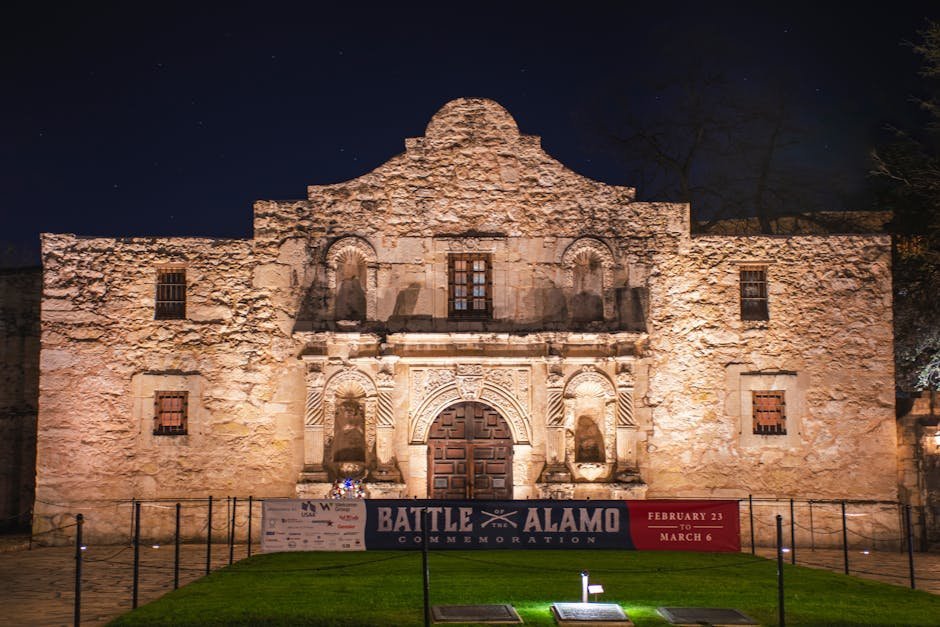
The Alamo is one of the most famous addresses in American history – but showing up in person is a surprisingly anticlimactic experience for most first-timers. You step through the entrance expecting a solemn, wide-open historic battlefield and instead find yourself squeezed into a modest stone structure surrounded by downtown San Antonio traffic. The mission building is genuinely old and worth respecting – but the size shocks people every single time. It’s no accident that when locals were surveyed about the most overrated attraction in their home state, the Alamo made the list for Texas alongside Mount Rushmore and Plymouth Rock.
The crowds are real, especially in peak summer months, and there’s very little room to breathe or reflect once you’re inside. Ironically, the San Antonio Riverwalk – just steps away – is consistently rated the top attraction in the Lone Star State, with genuine food, atmosphere, and something that actually feels worth the trip. Travelers who spend most of their time at the Alamo instead of the Riverwalk are almost always the ones who leave San Antonio feeling shortchanged. The monument matters historically. The experience, for many, doesn’t quite earn the pilgrimage.
Fast Facts
- The Alamo church building is roughly 75 feet wide – far smaller than most visitors picture from textbook imagery
- Free to enter, but the surrounding museum complex charges admission and adds to the crowds
- The San Antonio Riverwalk stretches 15 miles and consistently ranks as Texas’s single most-visited attraction
- Peak summer wait times to enter the chapel can stretch 45+ minutes in July
#16 – The Liberty Bell, Philadelphia, PA: A Cracked Reputation

Philadelphia is a genuinely rich city for history lovers – but the Liberty Bell is one attraction that consistently fails to match the weight of its own symbolism. The queue to get into the pavilion moves slowly. Once inside, most visitors spend a few minutes looking at the bell behind glass before realizing there’s not much left to absorb. The experience is more museum hallway than meaningful monument, and the bell itself is smaller and less commanding in person than the cultural icon lodged in your memory from grade school.
The Bell is historically important – no question. But spending a full afternoon there instead of exploring Philadelphia’s incredible food scene, its neighborhoods, or even running up the Rocky steps at the Art Museum nearby is where the real regret lives. Travelers who treat the Liberty Bell as the centerpiece of their Philly visit instead of a quick stop often come away feeling like they missed the actual city entirely. It’s worth seeing. It’s not worth building your trip around.
#15 – Graceland, Memphis, TN: Elvis Has Left the Building (And So Has the Magic)
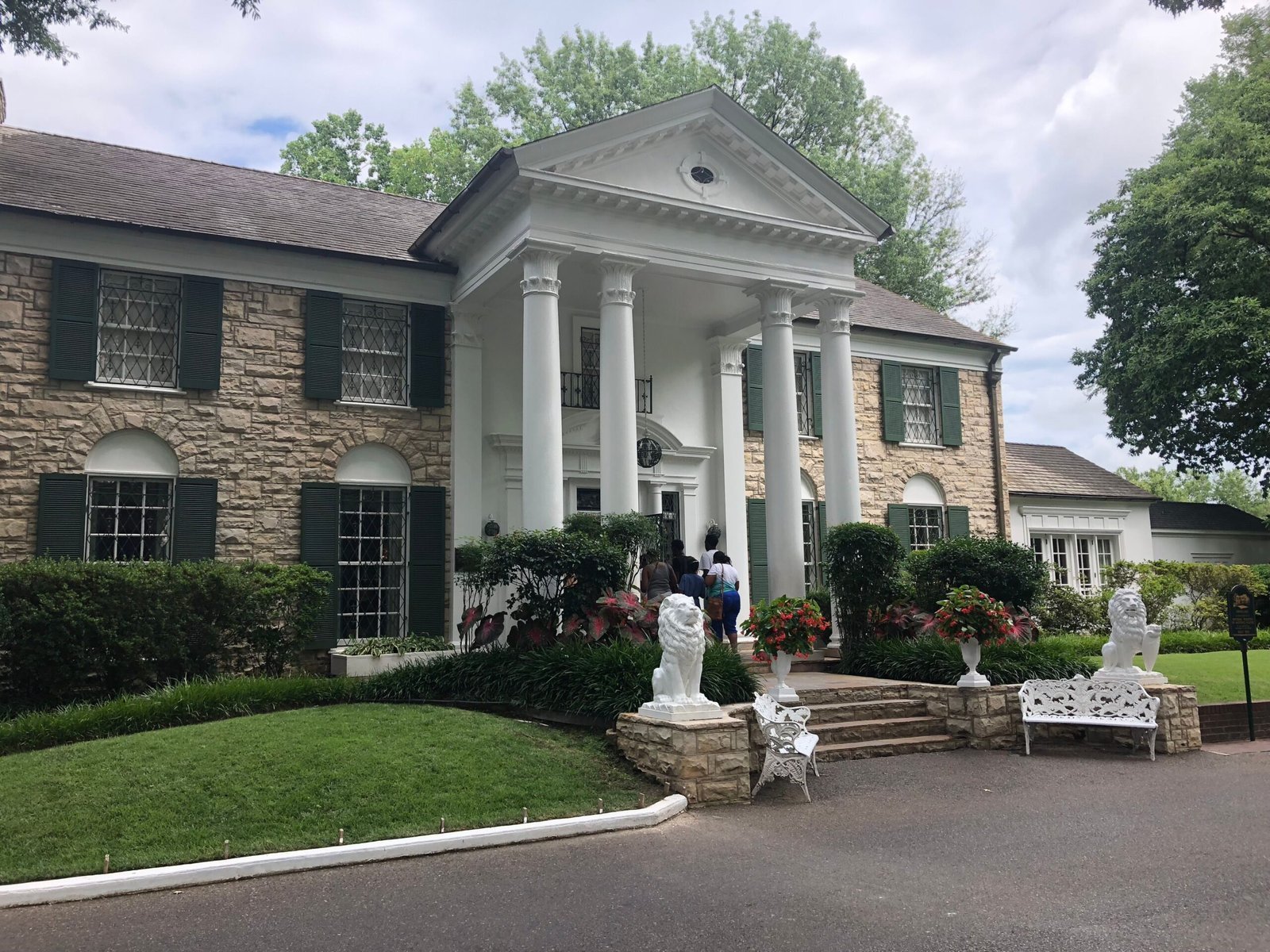
Elvis Presley’s Memphis mansion has an almost mythological reputation – and the numbers back up the disappointment. Data compiled from TripAdvisor reviews worldwide flagged Graceland specifically for disappointment-coded language, with 3.19% of reviews carrying negative sentiment, ranking it second nationally among letdown attractions. While devoted Elvis fans still find the site moving, a significant share of visitors complain about cramped tour spaces, long waits, and a tour experience that feels more focused on merchandise than on the history of the home itself.
The mansion’s interior is genuinely opulent in a very 1970s way – but it’s not as grandiose as most people imagine, and the ticket prices feel steep for what’s ultimately a fairly quick walkthrough. Die-hard fans leave satisfied. Casual visitors often leave with the quiet sense that the legend of the place is doing most of the heavy lifting. Tennessee’s Beale Street consistently receives warmer reviews from first-time Memphis visitors – and it costs nothing to walk.
#14 – Sedona, AZ: Instagram vs. Gridlock Reality
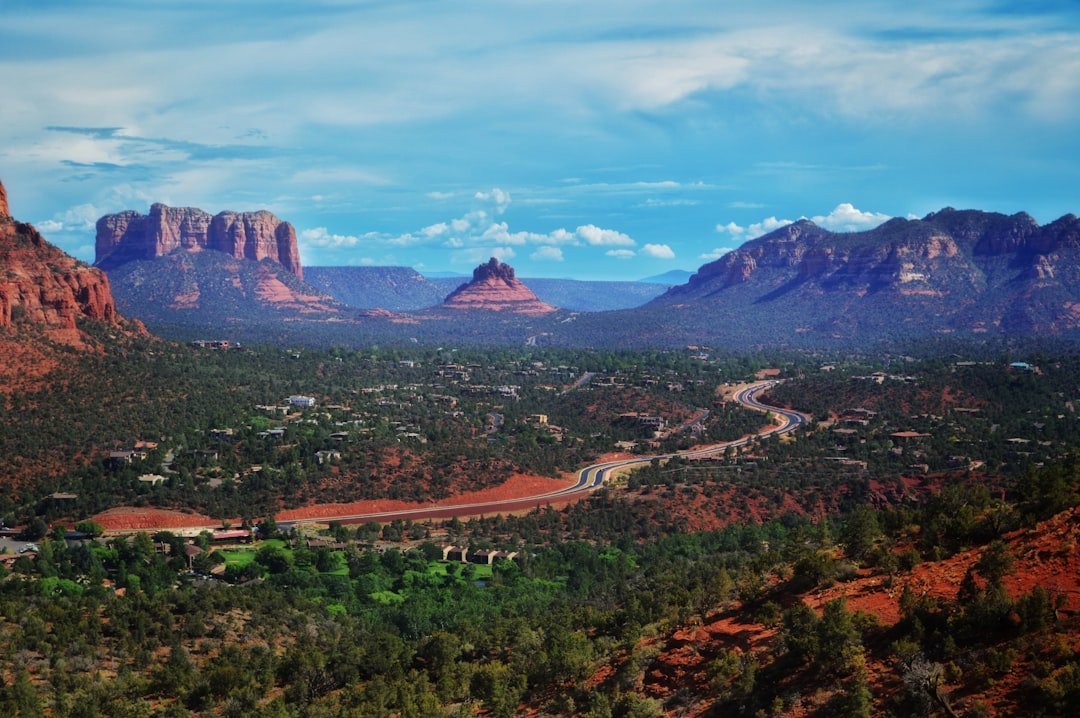
Sedona’s red rock formations are genuinely jaw-dropping – the photos don’t lie about that part. But the experience of actually being there in summer has become something else entirely. The Sedona Chamber of Commerce has historically cited around 3 million visitors per year to this town of fewer than 10,000 people – and even Sedona’s own city government launched a formal Sustainable Tourism Plan after acknowledging that “tourism is the most significant stressor on our environment and quality of life.” The result is gridlocked roads, packed trailheads, and lodging prices that feel absurdly disconnected from what the town actually delivers.
What visitors find in the center of town is a crowded mix of pizza joints, crystal shops, and western souvenir stores – not the serene spiritual retreat the marketing promises. Parking is a genuine ordeal. Hotels are aggressively overpriced. The sunrise and sunset hikes are spectacular, but they require planning and early starts that most vacation-mode travelers aren’t prepared for. Sedona’s natural scenery is real. The gap between that scenery and the summer tourist experience surrounding it is just as real.
At a Glance
- Local population: under 10,000 – dwarfed by millions of annual visits
- Sedona’s own city government formally declared tourism its “most significant stressor” on quality of life
- Even visitors surveyed on-site listed traffic and too many tourists as their top complaints
- Peak summer trailhead parking lots fill before 8 a.m. on weekends
#13 – Bourbon Street, New Orleans, LA: The Smell Is Real

New Orleans is one of America’s most genuinely singular cities – the food, the music, and the culture are all extraordinary. Bourbon Street, however, is the version of that city that’s been most aggressively commercialized for mass consumption. In peak summer heat, it hits differently than the romanticized version most people have seen in films. The combination of direct Southern sun, open-container crowds, litter, and the street’s legendary odor creates an experience that’s genuinely hard to defend on its merits.
Most first-time visitors treat Bourbon Street as the destination, when it’s really just the loudest and most expensive corner of a city that rewards people who wander beyond it. The real soul of New Orleans lives on Frenchmen Street, in the Warehouse Arts District, along Royal Street, and in the neighborhoods that tourists blow past on the way to grab an overpriced Hand Grenade on Bourbon. The city is worth every mile of the drive. Just don’t let Bourbon Street be your whole reason for making it.
The Reality Check: America's Most Overrated Spots
Every summer, travelers flock to iconic landmarks only to find that the reality doesn't match the legend. Test your knowledge on which U.S. destinations are leaving visitors with 'tourist regret.'
Think you caught the key details? Take the quick quiz and see how sharp your instincts really are.
#12 – Atlantic City, NJ: Vegas Without the Glitter

Atlantic City sells itself on East Coast glamour and boardwalk nostalgia. What a lot of travelers actually find is jarring. Visitors who arrive expecting a polished seaside resort encounter aging casinos, vacant storefronts, and pockets of visible poverty that don’t match the brochure version they were imagining. The boardwalk has genuine historic charm in stretches, but the overall condition of the city creates a dissonance that’s hard to shake once you’re walking through it.
The beach itself is actually decent – that part holds up. But it gets overshadowed by everything built around it. Many families arrive expecting a coastal vacation with a little casino excitement on the side and leave feeling like they fundamentally misjudged the whole scene. Atlantic City works for a very specific type of visitor who knows exactly what they’re signing up for. It regularly disappoints everyone else – particularly those who went in expecting something closer to what the marketing still promises.
#11 – Waikiki Beach, Oahu, HI: Paradise Buried Under Hotels

Hawaii is one of the most breathtaking places on earth. Waikiki Beach is the version of Hawaii that’s been most thoroughly processed for mass consumption. The beach itself is packed with visitors, the surrounding area is dense with high-rise hotels and chain restaurants, and the whole experience carries a theme park atmosphere that doesn’t represent the islands’ actual character. The sand is real, the water is warm, and the sunsets are gorgeous – but you’ll be sharing them with thousands of other people on a beach that’s smaller than most visitors expect.
The prices reflect the postcard version of Hawaii rather than the reality on the ground. Travelers who venture to the windward side of Oahu, or to Maui, Kauai, or the Big Island, consistently say it transforms their entire understanding of what the islands actually are. Waikiki works as a base camp. Treating it as the destination itself is where most visitors later admit they went wrong. The real Hawaii is out there – it’s just rarely the part that shows up in the resort brochure.
Quick Compare
- Waikiki Beach: ~2 miles long, dense with hotels, heavily commercialized, packed year-round
- Lanikai Beach (Oahu): consistently rated one of the world’s best beaches, far fewer crowds
- Ka’anapali Beach (Maui): wider, cleaner, with better snorkeling and a more open feel
- Hanalei Bay (Kauai): dramatically less developed, the version of Hawaii most visitors wish they’d found first
#10 – Yellowstone National Park, WY: Gridlock in the Wilderness

Yellowstone is genuinely one of the world’s most remarkable natural places – there is nowhere else on earth quite like it. Visiting it in peak summer, however, has become an exercise in crowd management more than nature appreciation. The park saw over 4.7 million visitors in 2024 – its second-busiest year on record – with July alone approaching one million visitors. Traffic backs up for miles at wildlife sightings. An estimated 90% of Yellowstone visitors never venture more than a short distance from the roads, meaning the chaos clusters intensely at the same handful of famous spots.
Old Faithful is legitimately impressive – but the two-hour wait in a packed viewing area surrounded by RVs in July is a very different experience than the one the postcards sell. “Geyser fatigue” is a real phenomenon that sets in faster than most people anticipate. Residents of Montana and Wyoming – people who actually live near the park – have named Yellowstone the most overrated attraction in their states in multiple polls. That’s not a condemnation of the landscape. It’s a reality check about when and how you visit it.
#9 – The Grand Canyon Skywalk, AZ: A Glass Bridge to Regret

The Grand Canyon itself is awe-inspiring – that part is not up for debate. The Skywalk attraction on the West Rim, though, is a case study in how to package natural wonder and quietly drain the magic out of it. You pay a premium admission price to stand on a glass-bottomed bridge over a breathtaking chasm – and then discover you’re not allowed to take your own photos up there. The experience evaporates the moment you step off, with nothing to show for it except the memory and the credit card charge.
The West Rim Skywalk sits roughly four hours from the South Rim, meaning visitors who make the long drive specifically for this attraction sometimes feel the journey was the biggest letdown of all. The South Rim, by comparison, offers free views that many people find more dramatic. The canyon recorded over 4.9 million visitors in 2024, and overcrowding at the South Rim has accelerated erosion of its most iconic viewpoints. The canyon absolutely deserves your time. The Skywalk, for most visitors, probably doesn’t deserve its price tag.
#8 – Myrtle Beach, SC: Spring Break Energy All Summer Long

Myrtle Beach draws massive summer crowds with promises of sun, surf, and family-friendly fun. What a lot of families actually find is something closer to a very long, very hot boardwalk with a beach attached – and a surrounding environment that skews younger and louder than the marketing implies. Visitors frequently mention crowded sidewalks, chain restaurants, noise that runs late into the night, and stretches of beach that feel heavily worn-out during peak weeks.
The beach itself – the actual sand and ocean – is fine. It’s everything built around it that tends to disappoint first-timers. Overpriced hotels with aging amenities, aggressive tourist traps, mediocre food, and a general atmosphere that feels like spring break at full volume even in July. Myrtle Beach has a loyal audience of repeat visitors who know exactly what they’re getting. Families lured in by the marketing, expecting something more polished and relaxed, consistently describe a destination that felt like a bait and switch.
#7 – Fisherman’s Wharf, San Francisco, CA: Clam Chowder and Tourist Traps

San Francisco is packed with extraordinary neighborhoods, views, and food. Fisherman’s Wharf, despite being the city’s most visited destination, is where many tourists spend time they later wish they’d used differently. The area is dense with tacky souvenir shops, overpriced seafood restaurants, and street performers angling for tips – a carnival atmosphere that locals have long since learned to route around. The views of the Golden Gate Bridge from the Wharf are genuinely nice, but better and less crowded vantage points exist all over the city.
Recent polling on tourist traps ranks Fisherman’s Wharf near the top nationally for being overpriced and underwhelming relative to the rest of San Francisco. The sea lions at Pier 39 are genuinely entertaining – that part holds up. But spending a full day at the Wharf instead of the Mission District, the Embarcadero, or Dolores Park is the trade-off that most San Francisco veterans will quietly judge you for. The city rewards people who wander away from the obvious. The Wharf, unfortunately, is exactly as obvious as it looks.
Worth Knowing
- Better Golden Gate views: Marin Headlands and Fort Point are both free and far less crowded than the Wharf
- A bowl of clam chowder in a bread bowl at Pier 39 regularly runs $18–$22
- The Mission District, just 3 miles away, has world-class burritos and murals at a fraction of the price
- Locals consistently rank the Ferry Building, Dolores Park, and the Lands End trail as their top picks for visitors
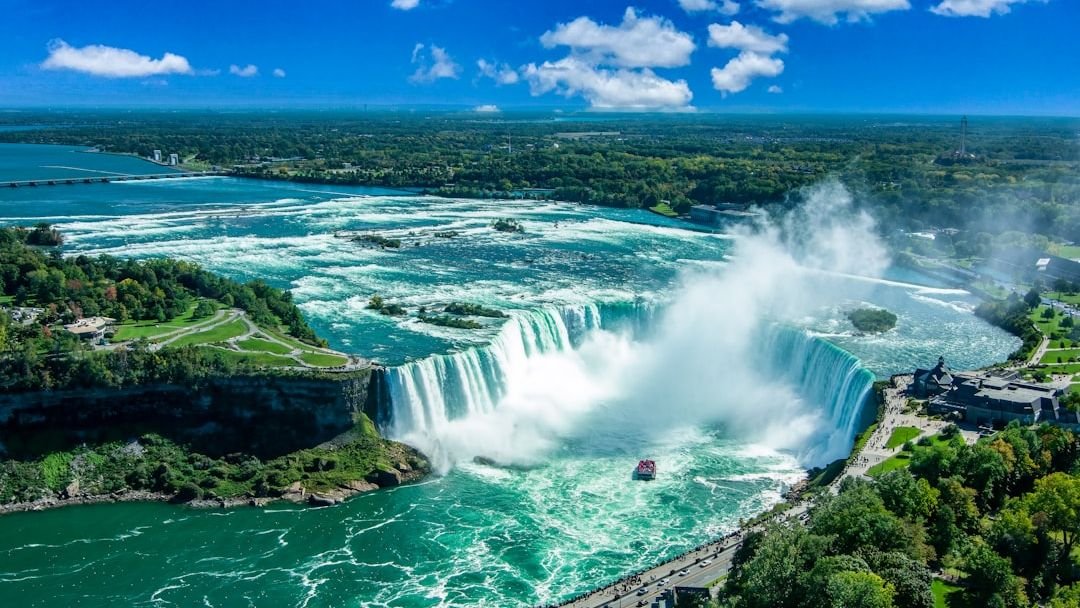
#6 – Niagara Falls (U.S. Side), NY: The Better View Is Literally in Another Country

Niagara Falls is a genuine natural wonder – one of the most powerful waterfalls on earth, and legitimately jaw-dropping for about the first ten minutes of looking at it. The American side of that experience, however, has a well-documented credibility problem. There is no view of the famous Horseshoe Falls from the New York side – that’s the part most visitors don’t learn until they’re already there, staring at a lesser angle while the better panorama sits just across the border in Ontario.
The area surrounding the falls on the U.S. side is one of the more aggressively touristy environments in North America – wax museums, haunted houses, chain restaurants, and casinos that feel designed to extract money from visitors who came to see a waterfall and ended up in what feels like a depressing county fair. The boat tours are worth doing. The falls themselves are worth seeing. But building an entire vacation around the American side alone, when the stronger experience is literally across a bridge, is the kind of thing travelers tend to mention specifically when recounting the trip later.
#5 – Navy Pier, Chicago, IL: A Tourist Mall on the Water
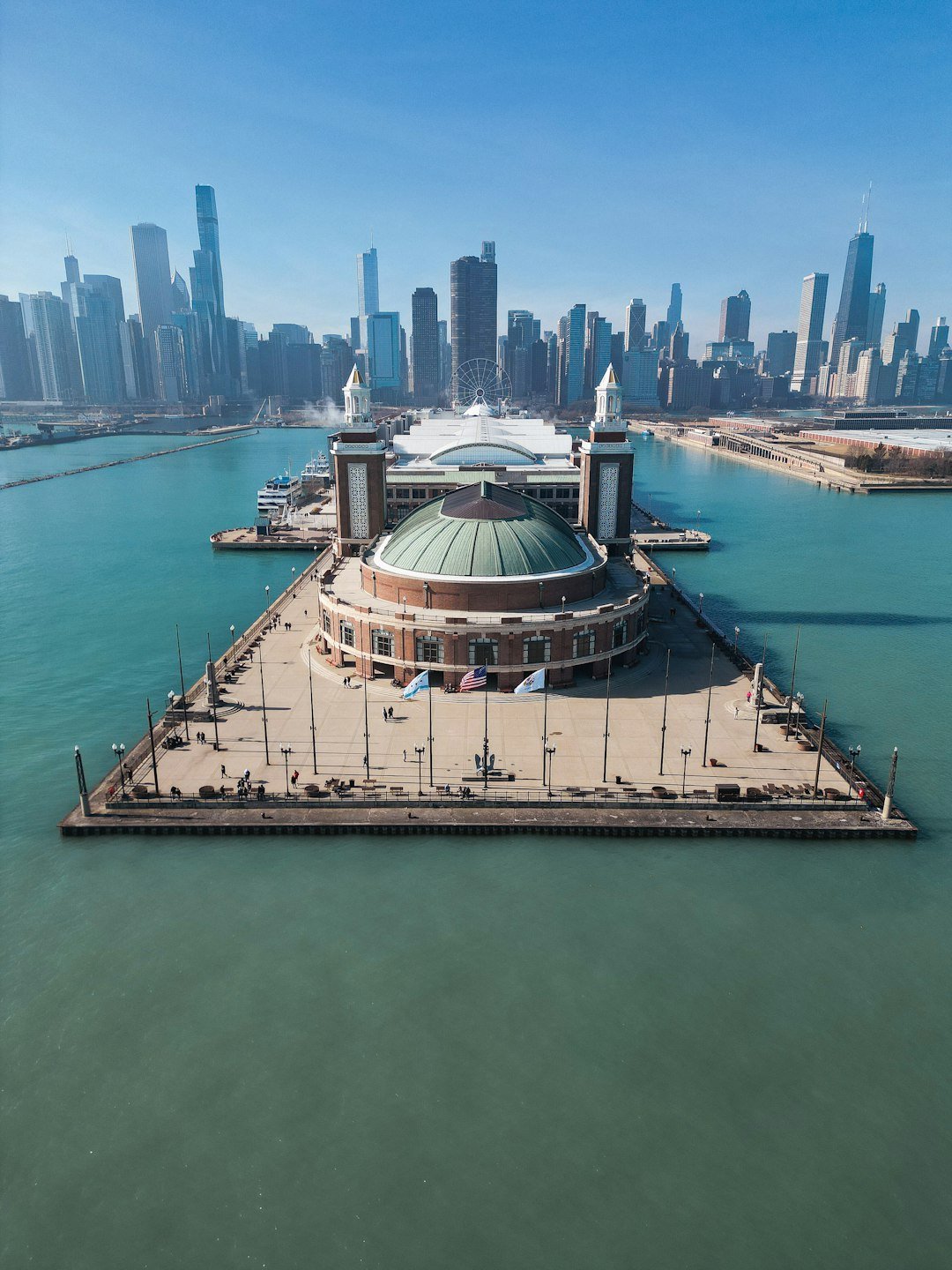
Chicago is an exceptional city by almost any measure. Navy Pier is the version of Chicago that the city’s own residents mostly avoid – and the data has started catching up with the reputation. Navy Pier registers 6.14% of its TripAdvisor reviews as disappointing, the highest share nationally among major U.S. tourist attractions. Nearly 9 million people visit annually, and the complaints cluster around the same things: overcrowded, overpriced, and lacking the local character that makes Chicago worth visiting in the first place.
The Centennial Wheel runs $20 per adult. Self-parking can hit $65 for a full day. A hot dog and a bottle of water will run you around $14. One reviewer documented paying $150 for three meals that were, by their own description, awful. The pier is free to enter – everything after that adds up fast, and most of what you’re paying for exists in some version in every other American city. Chicagoans consistently steer visitors toward Millennium Park, the neighborhoods, the lakefront path, and the world-class museums. Navy Pier rarely makes that list.
#4 – Plymouth Rock, Plymouth, MA: It’s Just a Rock

Few American tourist attractions carry the gap between historical legend and physical reality quite as dramatically as Plymouth Rock. The symbolism is enormous – the landing of the Pilgrims, the beginning of a nation, the founding story most Americans learned before they learned much else. The object itself is roughly the size of a dining room table, sitting in a pit under a portico, surrounded by a fence. Visitors who drove hours expecting something majestic tend to stand there in confused silence for about two minutes before wondering what to do next.
The rock has also been broken and relocated multiple times throughout its history, meaning its exact historical authenticity is genuinely debated by scholars. It’s not a lie – it’s just a symbol that has grown so large in the cultural imagination that the actual granite object can’t compete with it. The surrounding town of Plymouth is charming and worth the visit. The Rock itself is the definition of a concept being far more impressive than the physical thing it represents. It made overrated lists alongside the Alamo and Mount Rushmore for a reason.
#3 – The Hollywood Walk of Fame, Los Angeles, CA: Dirty Stars and Broken Dreams
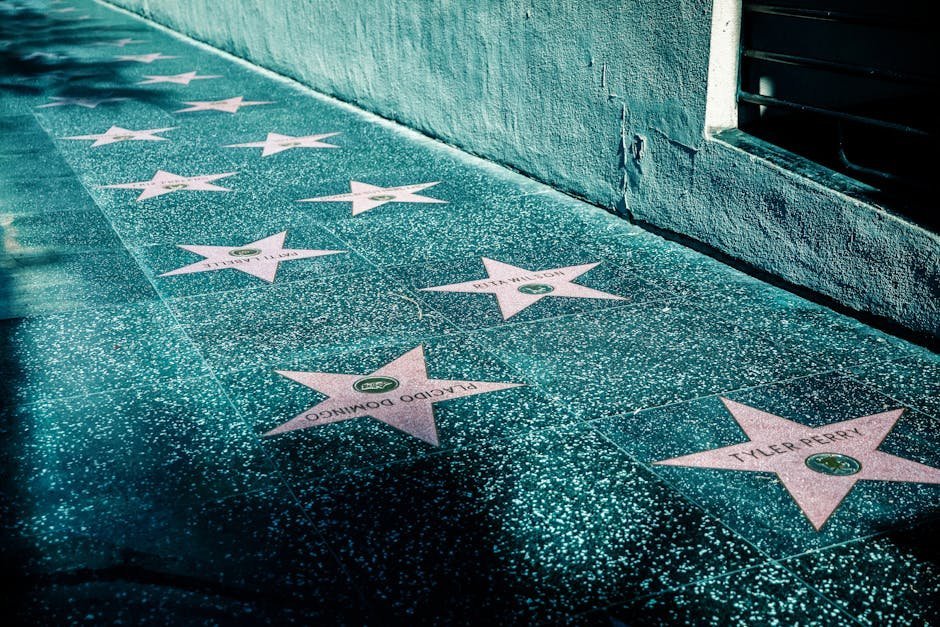
The Hollywood Walk of Fame sounds like pure glamour. The reality on the ground is about as far from glamour as you can get while still technically being in Hollywood. The Walk topped a major 2024 travel report as one of the worst tourist destinations in the country, with visitors describing it as run-down, dirty, and frequently uncomfortable at night. The stars themselves are faded. Many of the names embedded in the sidewalk are unfamiliar to the people photographing them. The area is dense with costumed characters demanding money for photos and vendors selling merchandise that exists nowhere near the quality implied by the setting.
Travelers who visit expecting the cinematic version of Hollywood Boulevard leave with a different impression entirely – one they’re unlikely to put in the photo album. Shops are aggressively tourist-priced, and TripAdvisor reviews specifically warn first-timers to manage their expectations well before arriving. The Walk of Fame is consistently rated one of the worst tourist experiences in the entire country, and yet it still pulls in millions of first-timers every summer because seeing it in movies makes it feel essential. Los Angeles has genuinely spectacular things to offer. Hollywood Boulevard, for most visitors, isn’t one of them.
#2 – Times Square, New York City, NY: The World’s Most Stressful Tourist Trap

Times Square is one of the most visited places on earth. It is also, by a growing consensus of travel writers, returning visitors, and even first-timers processing their experience afterward, one of the most reliably disappointing. A 2024 analysis of over 80 global tourist destinations found that Times Square ranked #1 as the world’s most stressful tourist trap, with 1,761 reviews calling it “overrated” or “underwhelming.” The area, once genuinely significant as the cultural crossroads of New York City, now functions primarily as a spectacle of chain stores, blinding digital billboards, and aggressive street vendors surrounded by the kind of noise that stops feeling exciting about eleven minutes after you arrive.
On the busiest summer days, Times Square swells to as many as 460,000 people – 30 to 40% above normal daily counts. The shops and restaurants clustered around it exist in some version in practically every American city, making the experience feel surprisingly generic despite the iconic address. Actual New Yorkers actively route around it in their daily lives. The version of New York City that Times Square represents is the least New York part of New York – a fact that takes most first-timers about one afternoon on the ground to figure out.
Fast Facts
- Ranked #1 most stressful tourist trap in the world in a 2024 study of 80+ global destinations
- Peak summer days see up to 460,000 people passing through – 30–40% above normal
- The Times Square–42nd Street subway station logged 57.7 million riders in 2024 alone
- Most chain restaurants, shops, and entertainment found here exist in virtually every other U.S. city
- New Yorkers overwhelmingly cite neighborhoods like the West Village, Brooklyn, and the High Line as better alternatives
The Reality Check: America's Most Overrated Spots
Every summer, travelers flock to iconic landmarks only to find that the reality doesn't match the legend. Test your knowledge on which U.S. destinations are leaving visitors with 'tourist regret.'
Think you caught the key details? Take the quick quiz and see how sharp your instincts really are.
#1 – Mount Rushmore, Keystone, SD: America’s Most Overrated Road Trip

No American attraction appears more consistently at the top of “most disappointing” lists than Mount Rushmore – and the gap between its cultural mythology and its physical reality is genuinely staggering. The sculpture ends up being smaller than almost everyone imagines. From the main viewing area, you absorb the full sight in a matter of seconds. The park saw approximately 1.85 million visitors in 2024, and the average visit lasts just 1.5 to 2 hours – including the museum, the gift shop, and the walk to the viewing terrace. One travel writer who had visited all 50 states called the experience “this has always been a bucket list experience, and I couldn’t be much more underwhelmed.” The monument is historically significant – the carving itself is an engineering achievement worth acknowledging. But most visitors don’t feel that significance once they’re standing in front of it.
After the initial view, there’s not much else to do besides walk a nature trail, check out some state flags, and browse an average museum before driving the long road back out of the Black Hills. Mount Rushmore has become so synonymous with American greatness as a concept that the actual granite monument – sitting in a remote corner of South Dakota – cannot possibly compete with the version living in people’s heads. The surrounding Black Hills region is genuinely beautiful, and the Badlands nearby are extraordinary. The monument itself? Most visitors would privately admit they could have skipped it and felt completely fine. It tops nearly every overrated list in America for a reason – and that reason isn’t a lack of patriotism. It’s the oldest story in tourism: the legend was always bigger than the rock.
The thread connecting all 17 of these spots is the same: hype, crowds, and a tourism industry that is very good at selling the legend and very quiet about the reality waiting on the other side of arrival. Some of these places have genuine magic buried inside them – it’s usually just somewhere the tour buses don’t stop. The Grand Canyon’s backcountry. The New Orleans neighborhoods past Bourbon Street. The Hawaiian beaches that never went viral. America’s most memorable travel experiences are almost never the most famous ones. They’re the places you stumble onto after you’ve already written off the destination.