
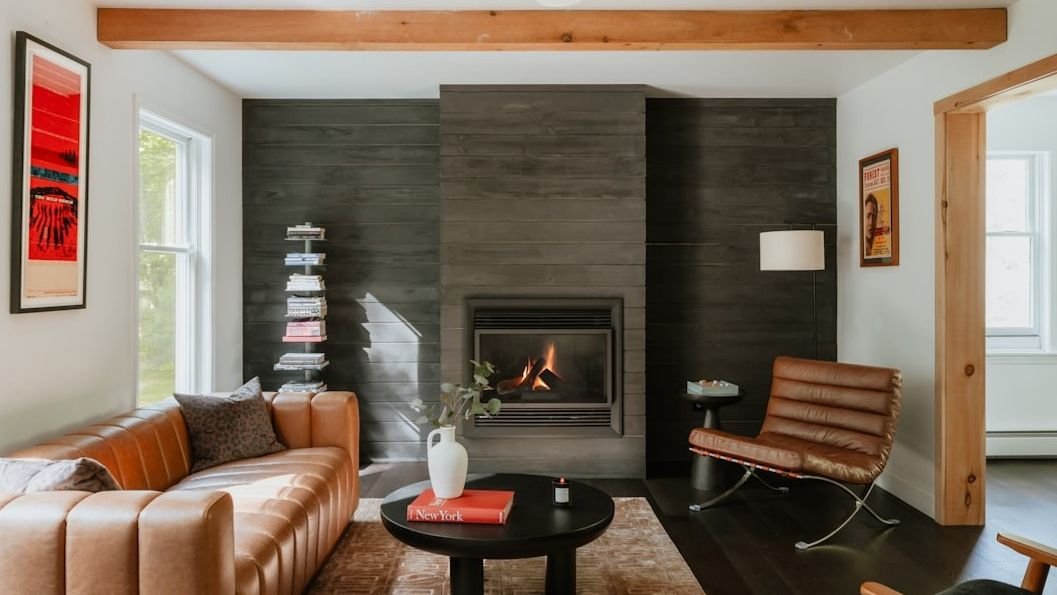
Most sellers spend weeks worrying about the kitchen and bathrooms – and then leave their living room exactly as it has been since 2009. That’s a problem. The living room is typically the first interior space a buyer walks into, the room that sets the emotional tone for the entire tour. Walk in and feel something dated, and that feeling follows the buyer through every single room after it.
The good news? Most of the signals that silently tank a buyer’s first impression aren’t expensive to fix. You don’t need a contractor or a designer with a mood board. You need to know what to look for – and that’s exactly what this list is. Here are 33 things buyers notice without even realizing it, and how to correct each one for $50 or less.
1. The Popcorn Ceiling That Still Exists
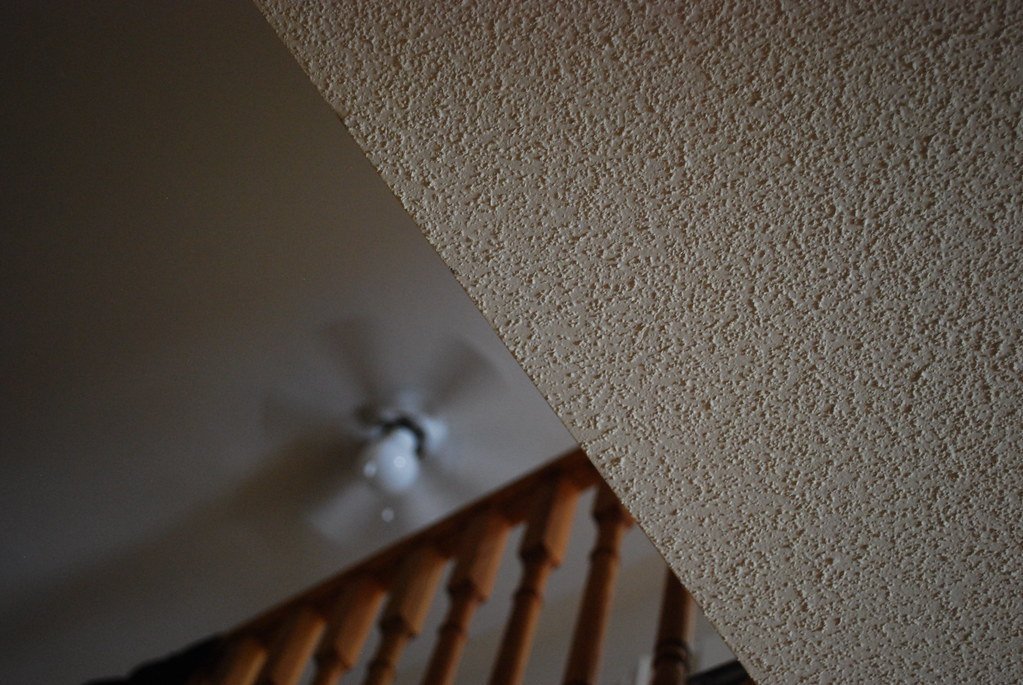
Redfin Premier agents found that a significant 40% of buyers will not make an offer if a home has a popcorn ceiling. That’s not a minor deterrent – that’s nearly half your buyer pool walking out mentally before they’ve even sat down. Popcorn ceilings scream 1970s louder than disco music. They collect dust, look dated, and potential buyers see them as an immediate renovation project.
If full removal feels like too much right now, at least do two things: scrub the ceiling clean (dust and cobwebs make the texture look even worse) and paint it a bright, fresh white. A can of ceiling paint runs under $20 and genuinely changes how tall and clean the room feels. If you’re willing to tackle removal yourself on a small section, a scraper and drop cloth cost under $15 total at any hardware store.
2. Yellowed or Off-White Light Switch Plates
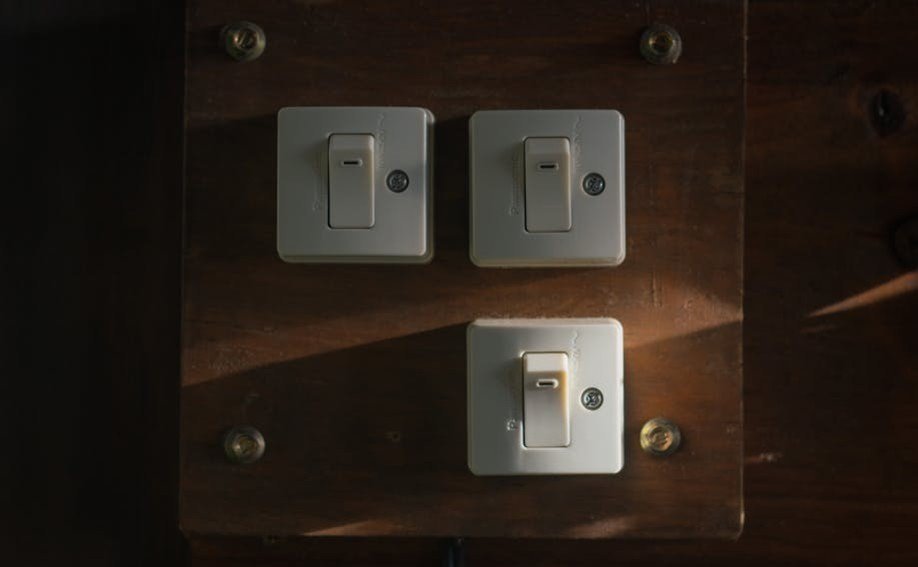
If your home is anything like many others, your switches, outlets, and faceplates are all a funny off-white and stick out like a sore thumb. The off-white makes them look perpetually dirty even though they’re not, but thankfully they are easy and cheap to swap out with fresh white ones – generally under $1 each at your local hardware store. Buyers notice this detail immediately, especially right after walking through the front door.
Pick up a pack of bright white covers and swap them out in an afternoon. The whole living room can be done for under $10. It’s one of the highest-ROI moves in real estate prep because it signals that the home has been cared for – and that signal travels fast through a buyer’s subconscious.
3. Brightly Painted Accent Walls
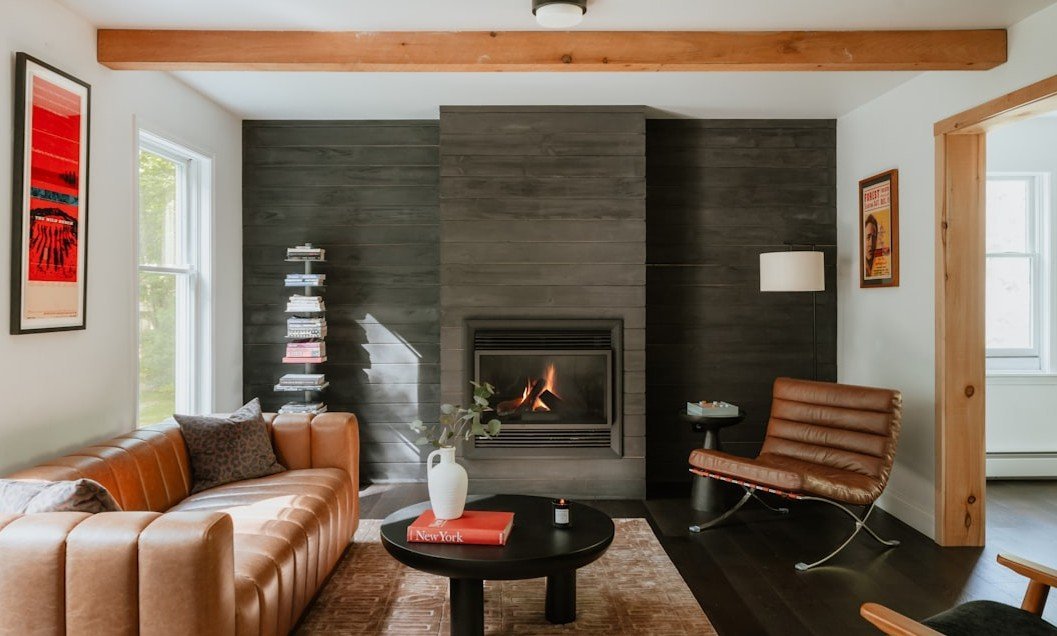
Bold and bright accent walls were once popular design choices, but tastes have shifted towards more neutral and sophisticated aesthetics. Based on the Redfin Premier agent survey, 69% of buyers indicated that they are not at all interested in brightly painted accent walls. That deep burgundy or teal feature wall that felt dramatic in 2012 now makes buyers calculate the labor of covering it up.
Neutral-painted walls can appeal to a larger pool of buyers and help them envision a space to which they can bring their interests. A gallon of neutral paint – think warm greige, soft white, or light sage – typically runs $25 to $40. One weekend afternoon and a single accent wall goes from liability to asset.
4. Heavy Wallpaper With Busy Patterns
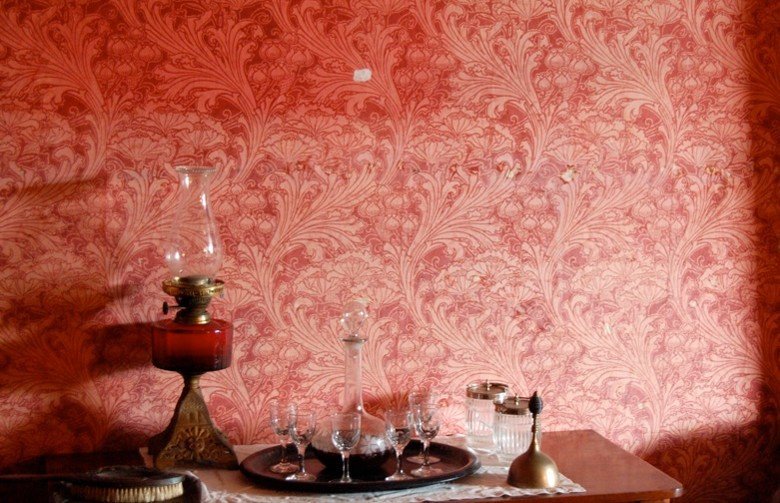
Housing experts predict that homes with excessive wallpaper will face significant value challenges. Busy patterns, especially in multiple rooms, overwhelm potential buyers who see immediate removal costs. Wallpaper removal is notoriously time-consuming and can damage walls underneath. Most buyers mentally deduct thousands from their offer when facing dated wallpaper throughout a home.
If removing it entirely is beyond your current budget or timeline, a short-term fix is to paint over non-embossed wallpaper using a wallpaper-specific primer (around $20 to $30) followed by a neutral paint coat. It won’t be a permanent solution, but it removes the visual noise that’s costing you offers. For small accent sections, removable peel-and-stick panels are available under $45 and can cover a dated focal wall cleanly.
5. Carpet That Shows Its Age
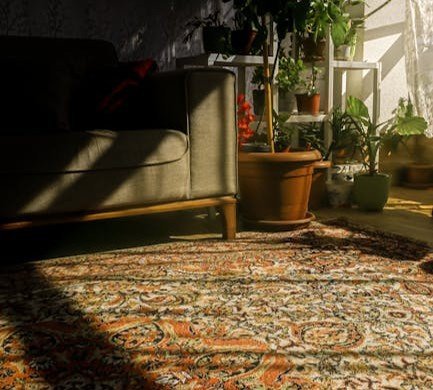
Nothing turns buyers off like stained, stinky carpeting. Even if you’ve lived with it so long you stop seeing it, buyers coming in fresh will spot every worn path, every faded patch, and every stain before they’ve finished their first step into the room. With a staggering 88% of buyers expressing no interest in carpeting in living spaces, upgrading to hardwood, tile, or laminate flooring can offer a more modern appeal and pique buyer intrigue.
A full floor replacement may exceed $50, but a targeted fix is not. A quality carpet spot-treatment kit with enzyme cleaner costs $15 to $25 and can erase stains buyers would otherwise fixate on. Pair it with a large area rug (often found at discount retailers for $35 to $50) to anchor the seating area and conceal high-traffic zones during showings.
6. Outdated or Dented Light Fixtures

Household fixtures follow fashion trends. As such, old light fixtures can date a home, especially if they’re dented, faded, or scratched. A bronze-finish drum shade from 2005 or a faded brass chandelier tells buyers the home has been frozen in time. Lighting is one of the first things people look up at when they enter a room, and a dated fixture sets the wrong tone before they’ve taken a breath.
Replacing a ceiling fixture is a simple DIY job. Basic but modern flush-mount lights in brushed nickel or matte black start at $25 to $45 at home improvement stores. If you can’t replace the fixture, at minimum swap the bulbs – LED retrofit bulbs cost $3 to $8 each but last 15 to 25 years while using 75% less energy than incandescent bulbs according to Energy Star data. Brighter, cleaner light alone makes a room feel newer.
7. Heavy Drapes That Block Natural Light
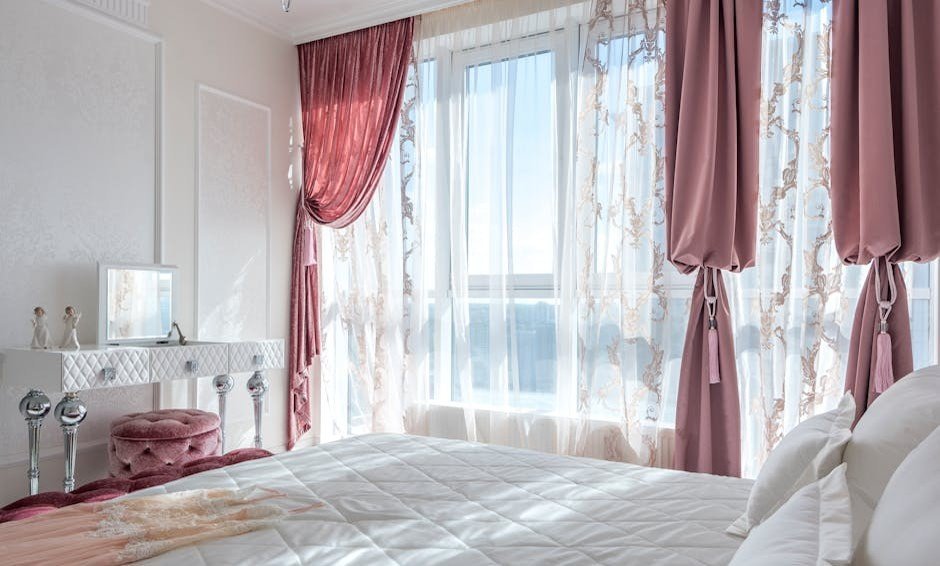
Thick, lined drapes in jewel tones or formal brocade fabrics are one of the most date-stamping elements a living room can have. They compress the room visually, block natural light that buyers love, and tend to carry odors from years of cooking and daily life. Most buyers touring homes in 2026 are drawn to rooms that feel airy and bright – and heavy drapes work directly against that.
Curtains can change the mood of a room instantly. Affordable panels can be found almost anywhere, and they make your windows look larger and more put together. For $50, you can update a couple of rooms with new curtains and rods. The difference is immediate, and it adds a softer, more finished feel to your home. Go with sheer linen panels in white or natural cream – they’re widely available for under $20 a pair.
8. Curtain Rods Hung Too Low

This is one of the most common silent mistakes in living rooms, and it’s almost invisible to the person who hung them. When curtain rods sit right at the top of the window frame instead of near the ceiling, the windows look short, the ceilings feel low, and the whole room shrinks. Buyers sense the claustrophobia without knowing why.
Make sure to follow the golden rule when hanging curtains: HIGH AND WIDE. You can make your windows seem bigger by hanging them a little wider on each side and make your ceiling seem taller by hanging them at least 6 inches above your window trim. A new curtain rod runs $12 to $25 at most stores, and this single adjustment can make a room feel significantly more spacious without touching the furniture.
9. A Perfectly Matched Furniture Set
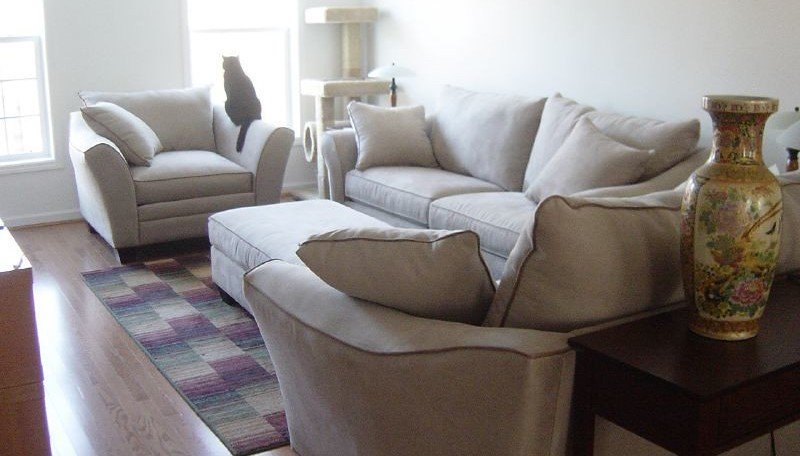
Though matching furniture sets haven’t really been a trend for years, we’re still seeing plenty of them in 2026. The trends for the years to come are definitely going to lean into secondhand, layered, organic vibes. Whether you buy pieces as needed or scour your favorite vintage store, mismatched furniture can give your living room a personable, curated edge. A perfectly matchy-matchy sofa, loveseat, and armchair screams showroom circa 2003.
You don’t need to replace your furniture to fix this. Break up the visual monotony with a throw blanket in a contrasting texture, swap one decorative pillow for something in a different material, or bring in a single side table in a different finish. These swaps cost $10 to $30 and disrupt the dated “matching set” read that makes buyers feel like they’re touring a furniture store, not a home.
10. Flat, Dim Lighting With No Layers
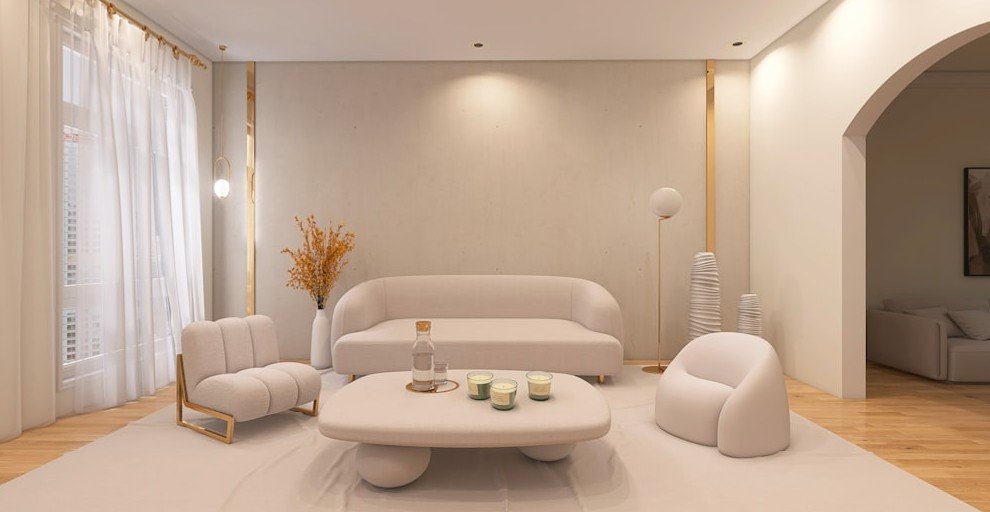
A living room lit entirely by one overhead fixture has a harsh, institutional feel that photographs badly and feels worse in person. Buyers touring in the evening – or even on a cloudy afternoon – will immediately notice a room that feels dim and flat. Layered lighting, combining overhead, floor lamps, and table lamps, is what makes a room feel warm and livable.
You don’t need to wire anything new. A simple torchiere floor lamp or a compact table lamp from a discount home store can be found for $25 to $45. Position one in a dim corner and one behind the sofa, and the room immediately shifts from flat to inviting. The warm glow also photographs better for listing photos, which is where most buyers form their first impression before ever walking through the door.
11. Walls Crammed With Too Many Small Frames

A gallery wall built from dozens of tiny, mismatched frames in different finishes and styles is one of the most polarizing features a living room can have. While deeply personal and meaningful to the owner, it reads as visual noise to a buyer. Too much personalization can make a home feel less adaptable. If you’re renovating with resale in mind, stick to neutral designs that allow future buyers to picture their own lifestyle in the space.
Take down the small frames and replace them with one or two larger, simple pieces in matching frames. Art and photography are often treated as the final layer, but they define a room’s identity. Most people choose pieces that are too small or scatter frames without intention. A single oversized neutral print with a clean mat in a simple black or white frame can be found for under $30 and immediately elevates the wall above a cluttered collage.
12. An Oversized, Sagging Sofa
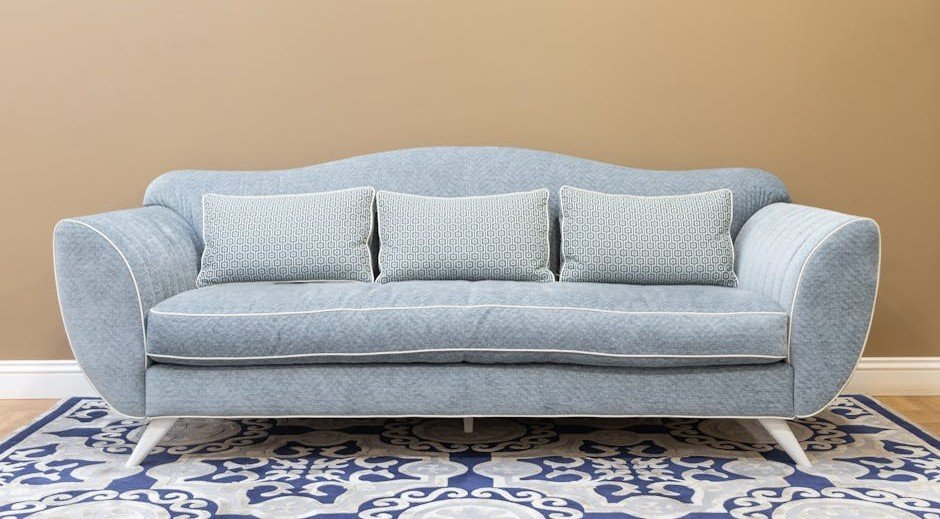
Oversized, cloud-like sofas can make you feel as if you’re lounging on cloud nine, but designers describe them as the “design-equivalent of a sugar rush.” They feel indulgent at first, but the appeal fades quickly once you realize they overwhelm everything around them. These pieces blur all the architectural lines of a living room and replace them with one soft, amorphous shape.
If replacing the sofa isn’t an option, work around it. Tighten the cushion covers or add inserts to restore shape. Pull the sofa slightly away from the wall – even 3 to 4 inches – to make the room feel more intentional. Add two firm throw pillows in a contrasting texture to give structure to the silhouette. These adjustments cost next to nothing and immediately make the sofa look more considered.
13. Shelves Loaded With DVDs and Old Tech
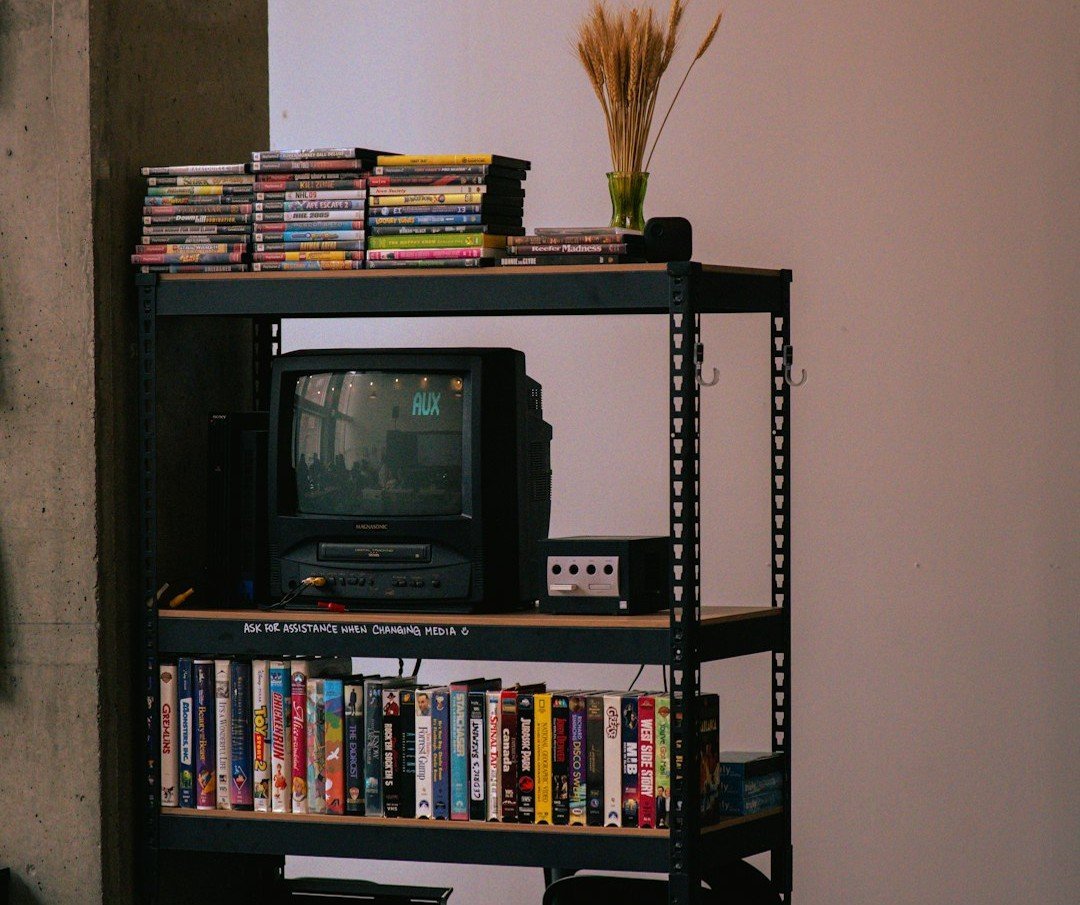
Take a look at your shelves – are you displaying DVDs and books as decor? Although of course you want your shelves to be functional, you also want them to be attractive and not too cluttered. Sort through those books and DVDs – do you really need them all? Donate or sell any that you won’t use anymore, and stash the rest in some storage baskets.
Then use the extra space to add some decor like picture frames, artwork, vases, plants, and other decorative items. A stack of DVDs in plastic cases dates a living room more visibly than almost any other single item. Buyers see it and immediately calculate their own effort of clearing it out. Two or three woven baskets at $8 to $15 each can contain all of that clutter while actually adding a layer of texture to the shelves.
14. Visible Cables and Cord Tangles

Nothing signals “this house hasn’t been touched in a decade” quite like a spaghetti tangle of cords hanging off the back of a TV stand or running across the baseboard in plain sight. Buyers notice it and, even if they wouldn’t articulate it, they associate it with a home that lacks care. It’s a small visual detail with an outsized emotional effect on the impression of the whole room.
Cable management solutions are genuinely inexpensive. Adhesive cord clips run $8 to $12 for a pack of 20. A simple cable management box to hide power strips costs $15 to $25. Even a decorative basket or a piece of furniture with a cable cutout hole can transform the corner where all your cords live. An hour of work and $20 can remove one of the most distracting “mess signals” in the space.
15. Family Photos on Every Horizontal Surface
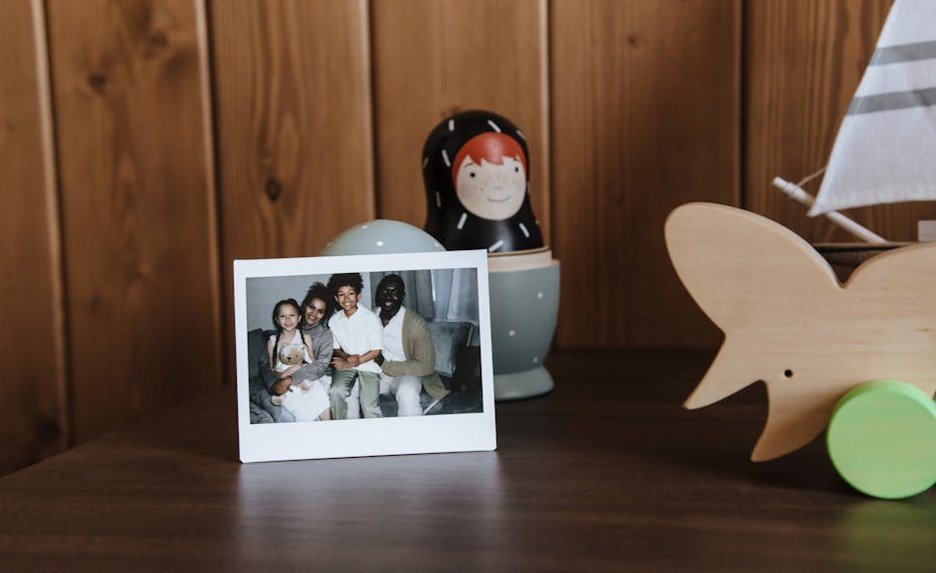
Your house likely reflects your personality, especially if you’ve lived there for a long time. But when you’re trying to sell real estate, it’s important for potential buyers to be able to imagine themselves living there and making it their own home. This requires depersonalizing the space – removing anything associated with you or your family. You want warm, inviting rooms without reminders of previous occupants.
Box up the family photos, graduation portraits, and kids’ school pictures. You’re not erasing your memories – you’re letting buyers write their own. Replace a few frames with simple botanical prints, abstract art, or a clean mirror. This costs very little (or nothing if you repurpose existing frames) and it’s one of the most impactful staging moves a seller can make for free.
16. A Cluttered, Overstuffed Room
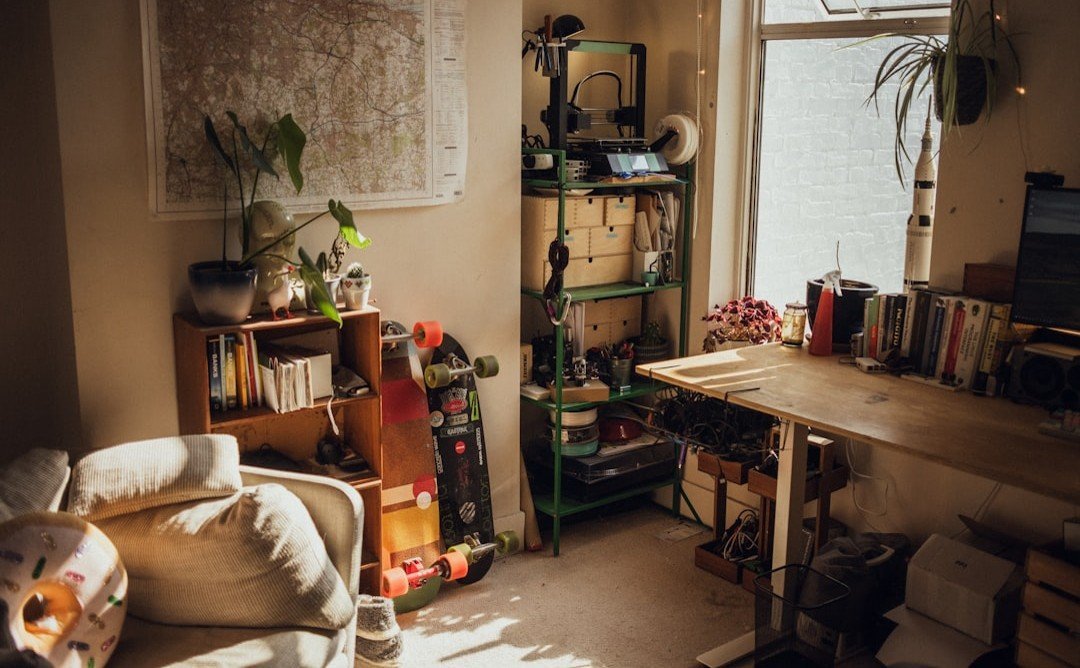
Did you know that most home decorators overdecorate? Updating your living room can be challenging when it’s filled with too much stuff. Overdecorating is a common issue – an excess of furniture, accent pieces, and layers can overwhelm a space, making it feel cluttered and chaotic. The good news is that it costs nothing to remove a few items and adopt a less-is-more attitude.
Nothing beats decluttering a home to transform any space in an instant. Piles of clutter and overcrowded areas can instantly bring down the decor in any room. Buyers touring a cluttered room instinctively feel that the home lacks storage – even when it doesn’t. Pull out a third of what’s in the room, store it temporarily, and watch how the space opens up. This fix is entirely free.
17. Throw Pillows That Are Flat and Faded

Flat, faded throw pillows that have been sat on for years do more damage than people expect. They telegraph neglect and make even a decent sofa look tired. Buyers scan the soft furnishings in a room as a proxy for how the home has been cared for overall – and flat pillows don’t pass that test. It sounds like a minor thing until you’re standing in a listing and you feel it yourself.
Rotate pillow covers as color, season, or mood shifts. The trick is sizing up: buy an insert that’s one size larger than the cover for a full designer look. Then mix textures – heavy linen, washed velvet, nubby weaves. Add throws the same way, draped at the end of a sofa or folded at the foot of a bed to carry tone and warmth without a big commitment. New pillow inserts run $6 to $12 each, and fresh covers start at $8. For under $30 you can completely revive a sofa’s look.
18. Nicotine-Stained or Grimy Trim and Baseboards
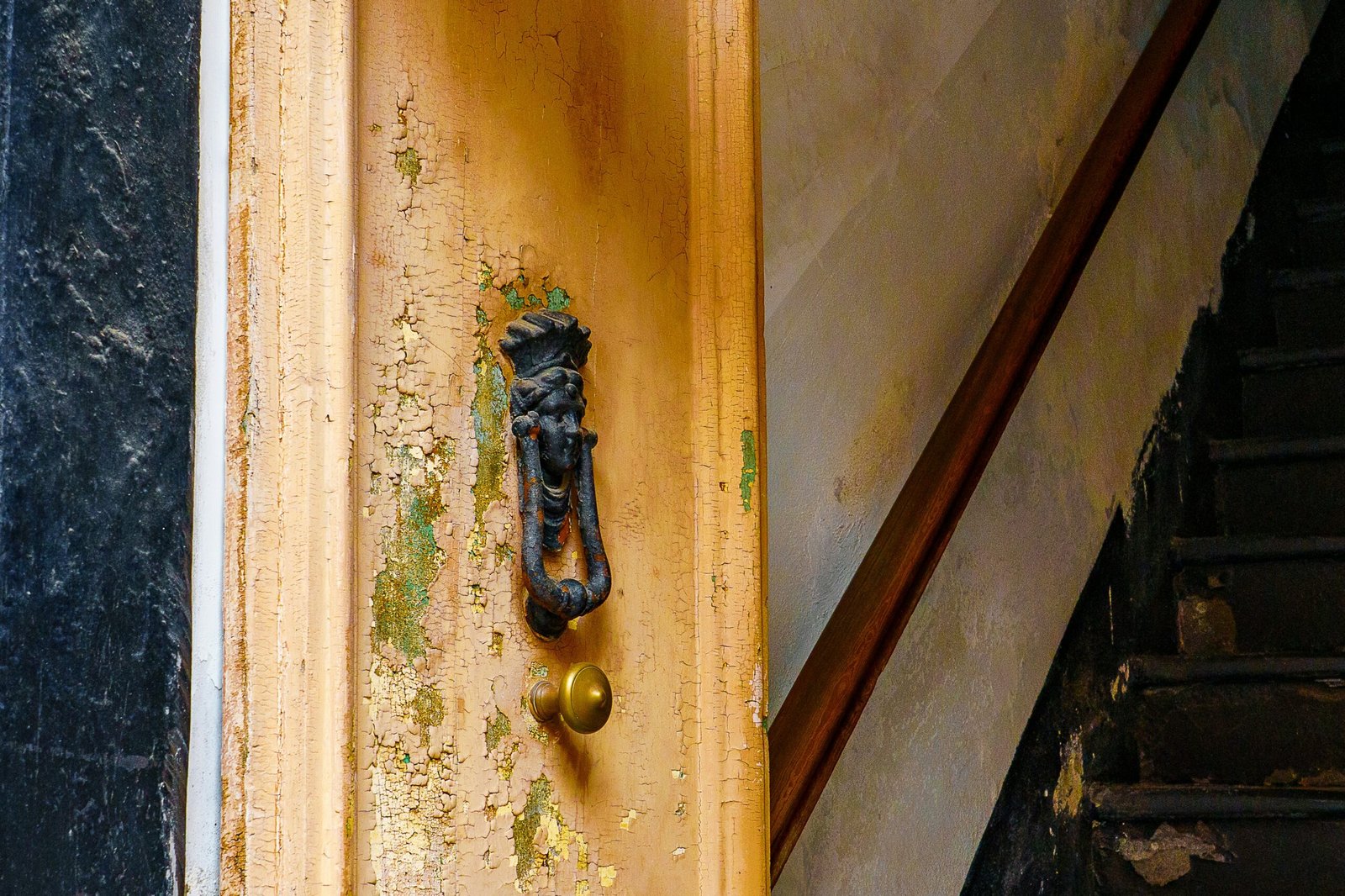
People remember to paint their walls when they are selling their house, but they completely ignore the trim and doors. If the trim and doors are worn out, dingy, and scuffed, it affects the whole room. And fresh paint on the walls actually makes dingy paint on the trim and doors stand out even more. Yellow-tinted baseboards or scuffed door frames are the kind of detail a buyer’s eye catches even if their brain doesn’t name it.
A quart of semi-gloss white trim paint runs $12 to $20. Wipe the baseboards down first with a damp cloth, sand any chipped sections lightly, and apply a fresh coat. The improvement is immediate and the whole process takes an afternoon. Trim that pops clean white against freshly painted walls makes the entire room feel finished in a way that few other fixes can match dollar for dollar.
19. A Television That Dominates the Room
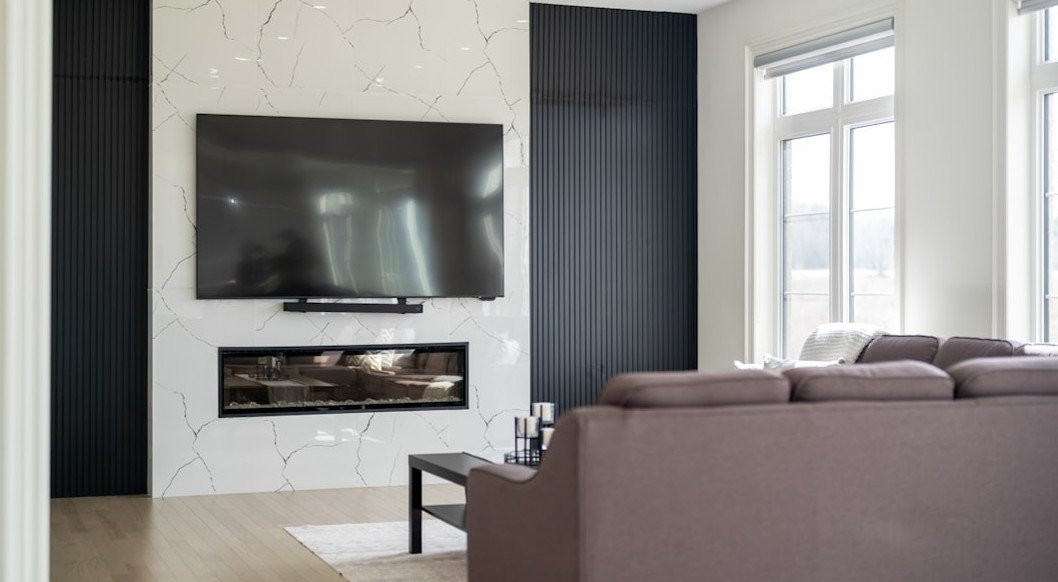
An enormous flatscreen mounted crooked on the wall, or sitting on a wobbly entertainment stand surrounded by tangled tech equipment, visually consumes the room and signals that this space has been lived in very specifically – not staged for others to imagine in. Buyers are meant to see a room’s potential. A TV-as-centerpiece makes that harder, especially when it’s the first thing their eye lands on.
You can’t always downsize the TV before a showing, but you can level it, tidy the cords (see #14), and create a visual counterbalance. A low media console with clean lines draws the eye sideways rather than just up. A small plant or two flanking the screen softens the tech-heavy feel. These additions cost $10 to $30 and help the room read as a living space rather than a home theater.
20. Furniture Pushed Against Every Wall
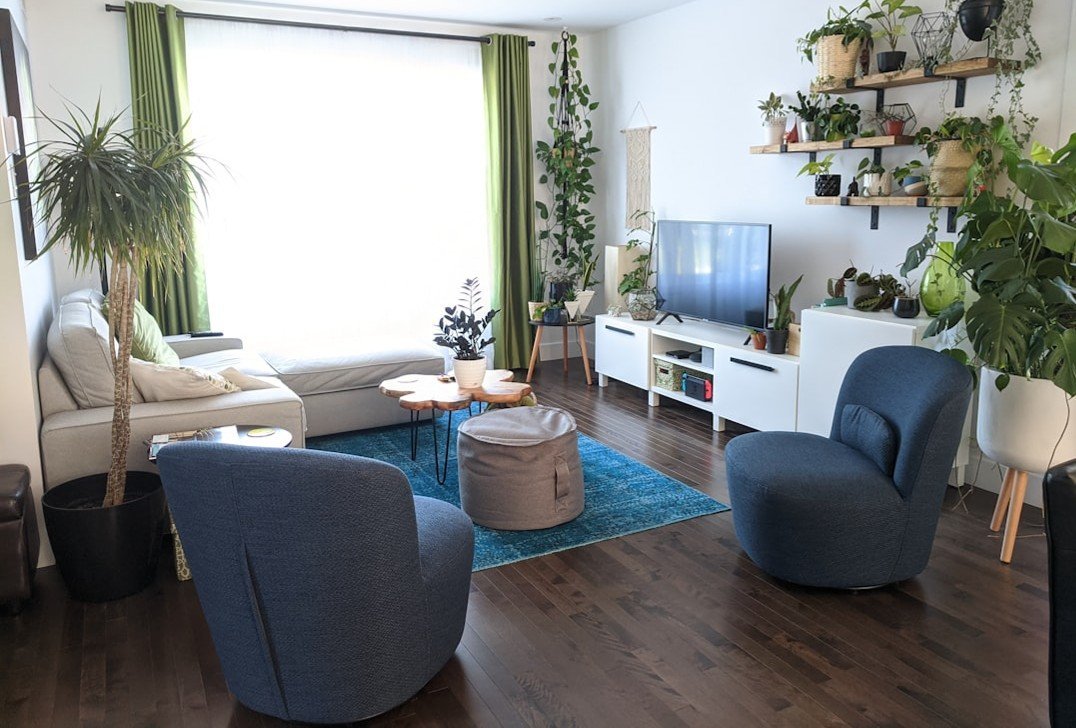
This is one of the most persistent living room myths: that pushing furniture against the walls makes a room look bigger. In practice, rearranging the furniture so that it’s facing in a new direction can make the living room seem bigger. When one family switched their living room layout, they suddenly had a beautiful view of their backyard they didn’t notice before. And the new layout actually made the living room seem bigger.
Floating furniture toward the center of the room, even just by a few inches, creates visual breathing room along the walls and makes the space feel intentional rather than stuffed. This fix is completely free. Pull the sofa forward, angle a chair slightly, and watch the whole room feel more like a magazine spread than a waiting room. Buyers respond to it emotionally without knowing what changed.
21. No Focal Point Whatsoever
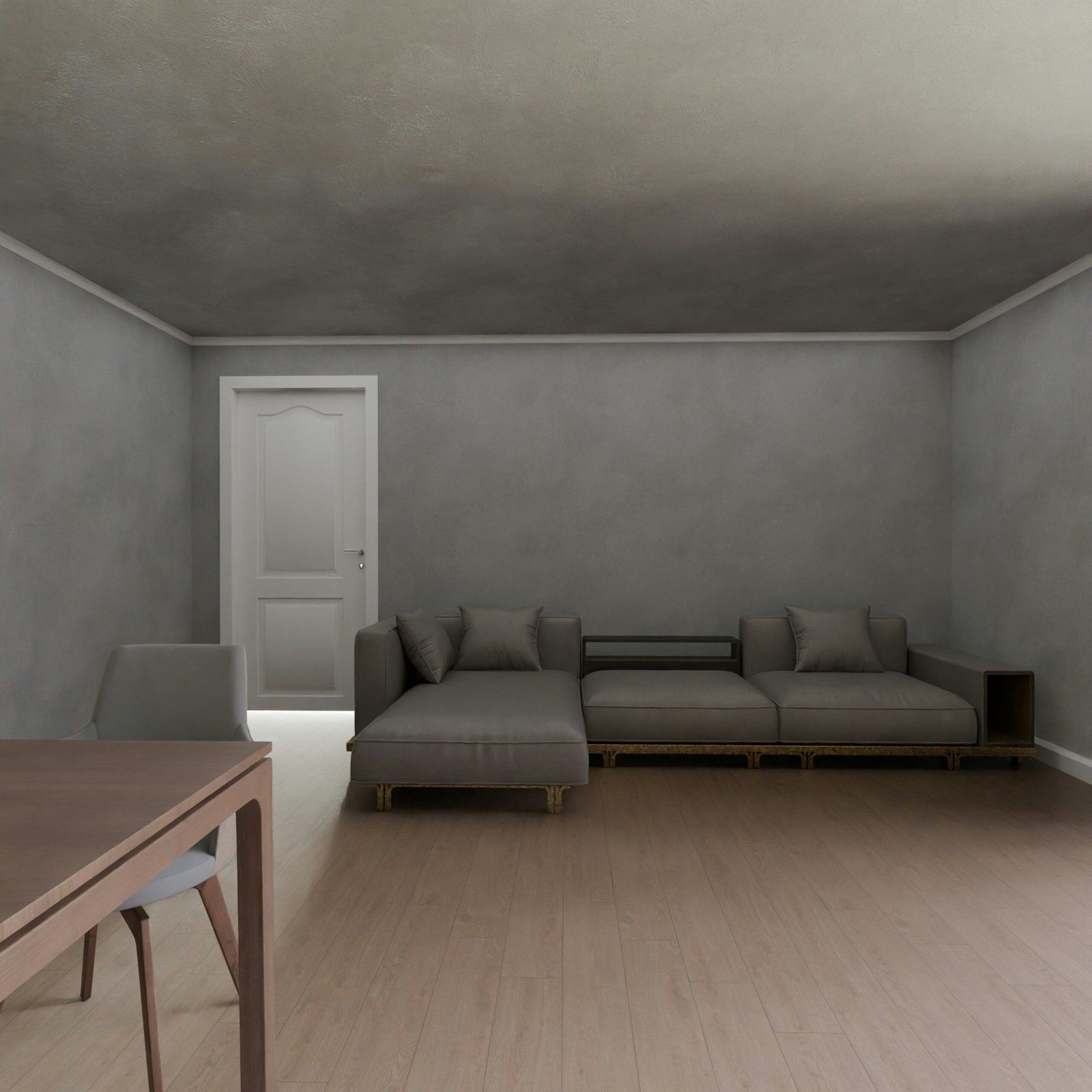
A living room without a focal point feels directionless. Buyers walk in and their eye doesn’t know where to land, which creates a subtle, vague discomfort. Whether it’s a fireplace, a large piece of art, a beautiful window, or an elegant media wall, a focal point gives the room structure and tells the eye “this is where the room begins.” Without one, even a well-furnished space feels incomplete.
Creating a focal point doesn’t require renovation. A large mirror positioned on a key wall can serve as an instant anchor – it’s understandable that so many people have a heavy mirror taking up space in a garage or basement when it could be doing exactly this job in the living room. A mirror under $50 from a discount home store, properly positioned, reflects light and creates the visual weight the room needs.
22. Bare, Echoing Hardwood Floors With No Rug
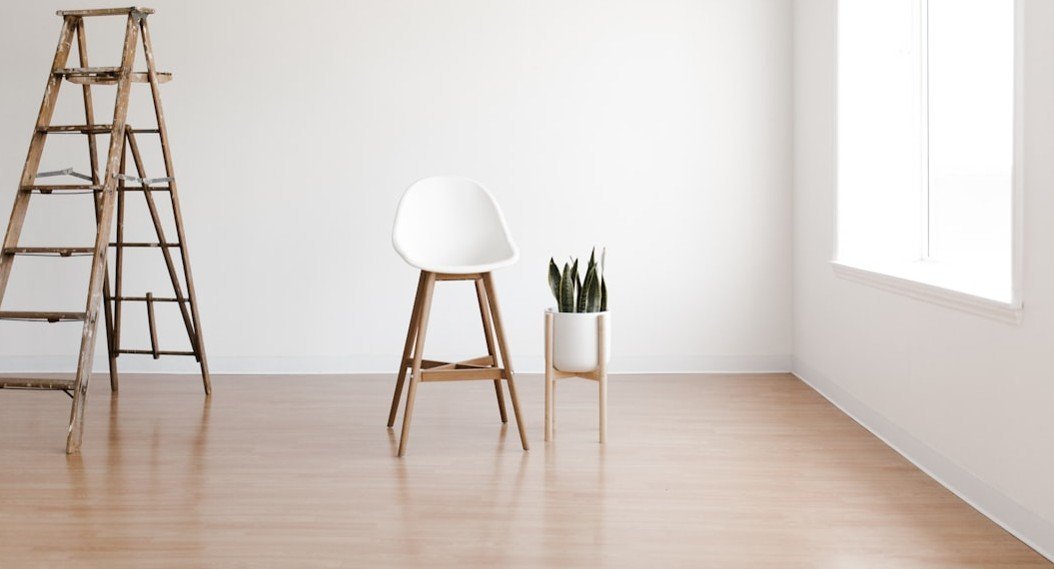
Bare floors in a living room might seem modern, but without an area rug anchoring the seating area, the space feels incomplete and the acoustics are harsh. Buyers in a showing notice when a room echoes – it sounds empty, and empty sounds unsellable. A rug defines the conversation zone, adds warmth and texture, and softens the sound profile of the room significantly.
A rug doesn’t just fill space – it anchors it. It defines where living begins and ends, softens sound, and adds warmth. Coordinate rugs with pillows and curtains to carry tone across the room. Washable flatweave rugs in natural tones are available at most home retailers for $35 to $50 in a 5×7 size – enough to anchor a standard seating arrangement cleanly.
23. A Rug That’s Way Too Small
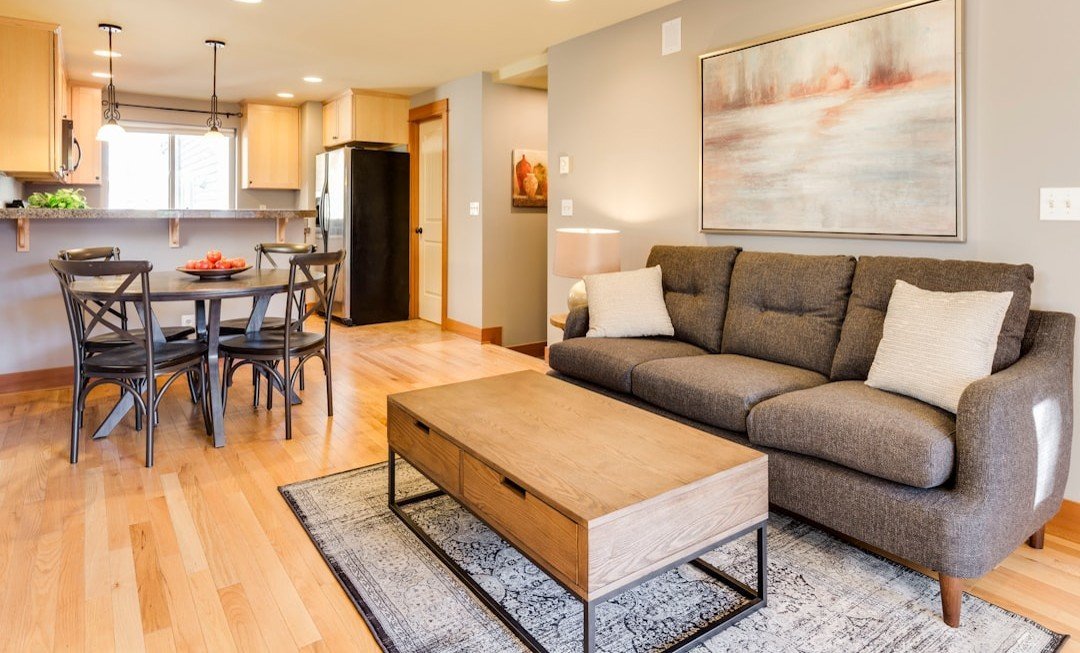
Here’s the thing – a rug that’s too small is almost worse than no rug at all. A 4×6 rug floating in the middle of a large living room looks like a bath mat that wandered into the wrong room. It makes the seating area feel disconnected, the room feel choppy, and buyers instinctively sense something is “off” without being able to name it. Sizing is everything with rugs.
The standard guidance from interior designers is that in a living room, the rug should be large enough for at least the front legs of all seating pieces to rest on it. If your current rug is undersized, you don’t necessarily need to replace it. Layering a smaller rug over a larger natural fiber rug (like jute) is a designer trick that fixes the scale problem for around $30 to $45 for the base layer. It also adds texture that reads beautifully in listing photos.
24. Dingy or Builder-Grade White Walls Left Untouched

That flat, builder-grade white that was on the walls when you moved in – and has never been touched since – looks worn, chalky, and tired after a few years. It yellows subtly with age, picks up scuffs and handprints, and in listing photos it reads as gray and gloomy rather than bright and clean. Buyers associate it with a home that hasn’t been updated, even when everything else is in fine shape.
Paint is an inexpensive way to give a few rooms or your whole home a modern look, starting at around $20 per gallon. Despite your personal preference, choose a warm neutral color in a contemporary shade, like wheat yellow or light gray, to appeal to the widest range of possible buyers. A single gallon covers most living rooms in one coat and completely transforms the room’s baseline energy. It’s the single most impactful under-$50 fix in home staging.
25. Extreme Themed Decor That’s Hard to Unsee

That Tuscan-inspired living room or nautical-themed space might seem well-executed, but housing experts warn these highly personalized spaces significantly hurt resale values. Rooms with extreme themes – whether nautical, superhero, sports team, or specific time period – severely limit buyer appeal. Potential buyers struggle to see past heavy theming and often calculate substantial renovation costs to neutralize these spaces. Even if the theme is well-executed, it represents your personal taste, not theirs.
Consider neutralizing themed rooms before listing. Keep personal themes to easily removable décor items rather than built-in features, wall treatments, or permanent fixtures. Swap out the most branded or obvious pieces – a team logo throw, themed accent pillows, decorative coastal signs – for simple neutral alternatives. Many of those replacement pieces cost $10 to $25 and let buyers finally see the room instead of the theme.
26. No Plants or Living Elements Whatsoever
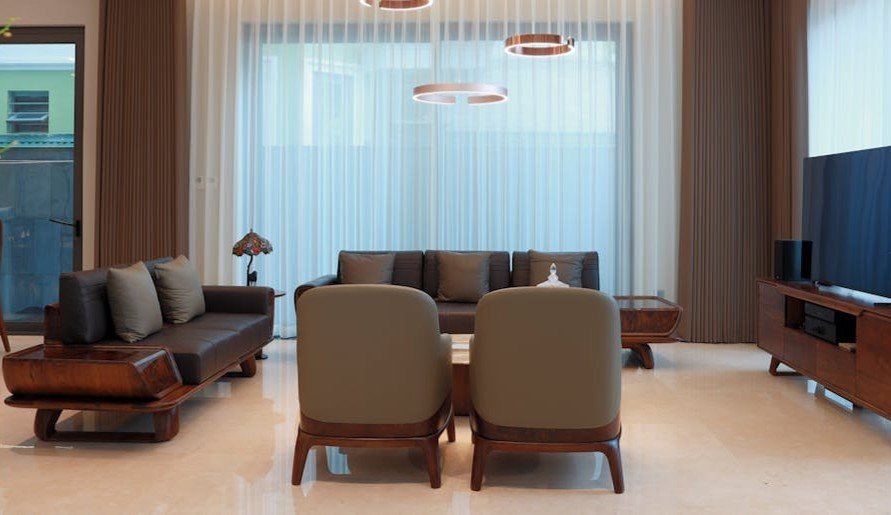
Never underestimate the power of plants and flowers to enhance the decor. Welcoming an abundance of greenery into a living room is a fabulous way to inject life and vibrancy into the space, transforming it instantly on a budget. Adding some indoor plants to your space is an affordable way to bring life and color into the room. A living room with zero organic elements feels staged in the bad way – sterile and unlived-in.
Bringing nature inside immediately changes the feeling of a room. Flowering plants, succulents, ferns, and ivies can be found inexpensively at home improvement and chain grocery stores. A single large pothos or snake plant in a simple ceramic pot costs $8 to $20 and does more for a room’s warmth than most decorative objects three times its price. Place one in an empty corner or near a window and watch the room feel alive.
27. Old, Scratched Baseboards That Draw the Eye Down

Buyers look down. They check the floors, they check the baseboards, and they notice scuff marks, paint chips, and the kind of general wear that accumulates quietly over years of living. Scratched or dirty baseboards sitting next to fresh-looking walls create a jarring contrast that sends the signal: this home has been maintained selectively, not systematically. It’s a small detail that lands like a big one.
A Magic Eraser or similar melamine foam cleaner ($5 to $8 for a pack) removes scuffs, marks, and general grime from painted baseboards in minutes without repainting. For chips and peeling sections, a small sample pot of white semi-gloss trim paint costs $5 to $8 and is more than enough to touch up an entire room’s baseboards. An hour of work and under $15 can make the room’s perimeter look sharp and cared-for.
28. Mismatched or Broken Window Treatments

One window with blinds, one with curtains, and one with nothing at all – this is more common than people realize, and it makes a living room look unfinished and haphazard. Buyers touring the home mentally note every inconsistency, and mismatched window treatments register as “the owner stopped caring at some point.” It’s not a neutral signal. It’s a negative one that colors everything else they see.
You don’t need to install custom window treatments in every opening. Simple white roller blinds can be found for $10 to $20 per window and create a clean, unified look across all windows. Pair them with inexpensive sheer panels for softness and the room immediately reads as finished and intentional. Consistency matters more than quality here – a uniform set of budget blinds beats a mix of expensive mismatched treatments every single time.
29. A Fireplace Surround That Looks Forgotten
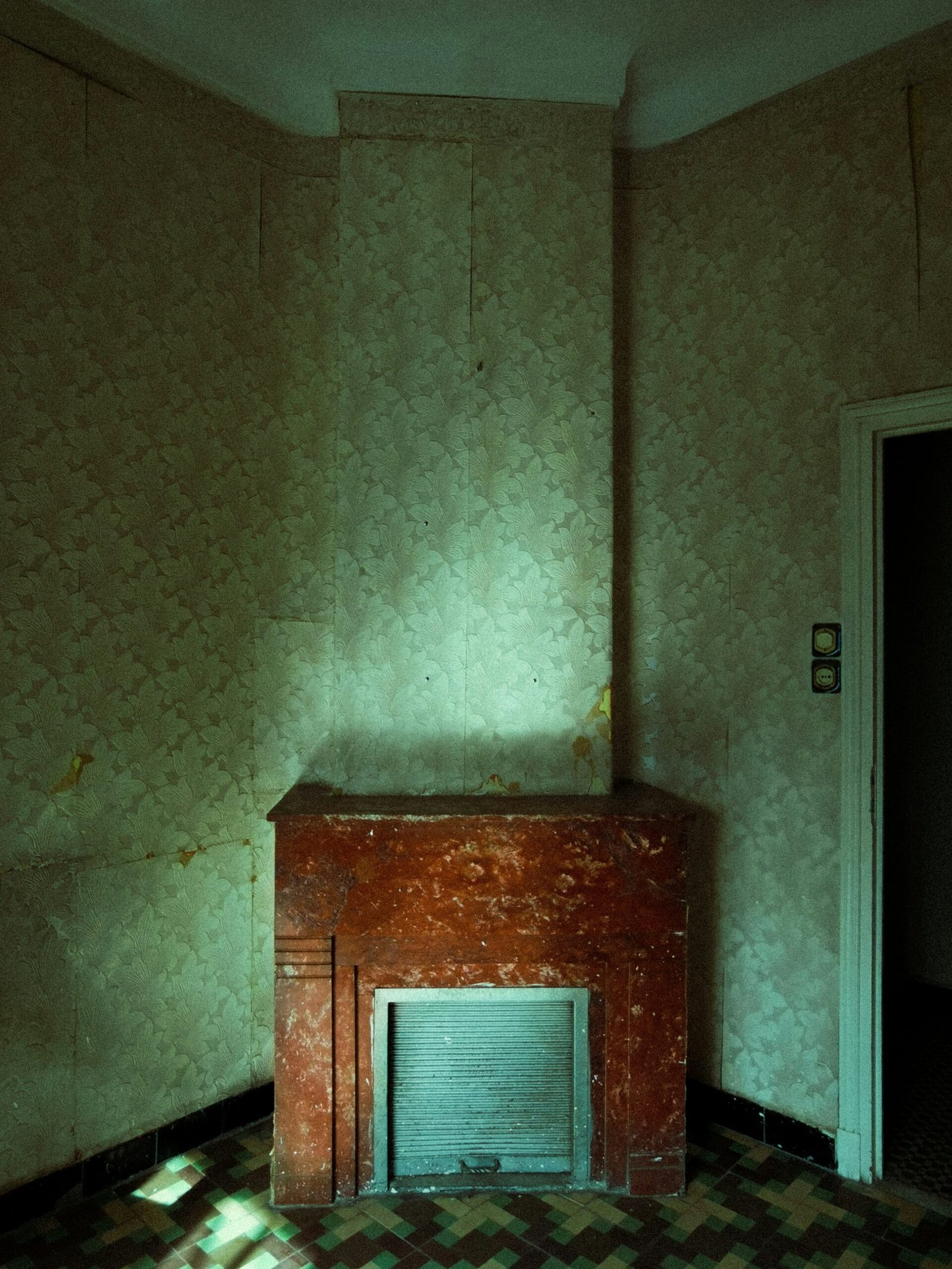
A fireplace is supposed to be a living room’s greatest asset – the natural focal point that buyers pay a premium for. But a fireplace with a dusty, outdated brass surround, a mantel cluttered with random objects, or a firebox full of ash and debris does the opposite. Instead of drawing buyers in, it makes them picture weekend cleanup rather than cozy evenings. The potential gets buried under the neglect.
You can give your fireplace a facelift using just a few coats of high-contrast paint. A fluted black façade pops against creamy-beige walls, drawing the focus to the center of the room and serving as the natural focal point for the design. Stick to a smoky black shade, or opt for another divergent hue from your walls that complements your existing living room decor. Fireplace paint runs $15 to $30 and the transformation is dramatic for the cost.
30. Old-Style Ceiling Fans With Light Kits
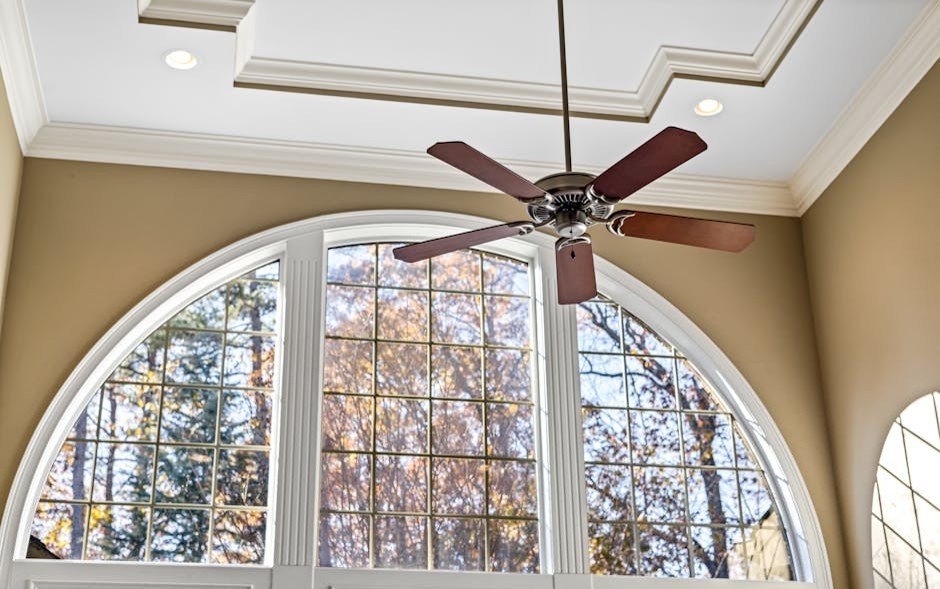
The classic 1990s ceiling fan with five blades, a frosted globe light kit, and a chunky remote receiver hanging from the pull chain is one of the most recognizable decade-stamps in a living room. It doesn’t matter how well it works – buyers see it and think: old. The style is so strongly associated with a specific era that it’s hard to look past, and it can undermine a room that’s otherwise been freshened up.
A simple, modern flush-mount ceiling fan without an attached light kit starts around $40 to $50 at big-box home improvement stores. If swapping the whole unit is feasible, it’s one of the highest-visual-impact replacements you can make. If you’re keeping the fan, at minimum remove the globe light kit and replace the blades if they’re warped or damaged. New blade sets for standard fans can often be found for under $25 online.
31. Shelves Decorated With Dust-Covered Knickknacks

A collection of small decorative objects – ceramic birds, tiny sculptures, novelty figurines, branded souvenirs – that hasn’t been edited in years is an instant trigger for buyers. The objects themselves aren’t the problem. The dust, the density, and the highly personal curation is. It tells buyers the room hasn’t really been looked at in a long time, which leads them to wonder what else hasn’t been looked at.
Clear the shelves entirely. Then reintroduce only a handful of items: a small plant, one or two books stacked horizontally, a simple vase. If you’re finding it difficult to part with some items, try storing them in decorative boxes for a stylish take on organization. Woven storage boxes or decorative baskets cost $8 to $15 each and can hold everything you’re removing from the shelf while actually improving the room’s texture at the same time.
32. A Coffee Table That’s Scratched, Chipped, or Wrong for the Space
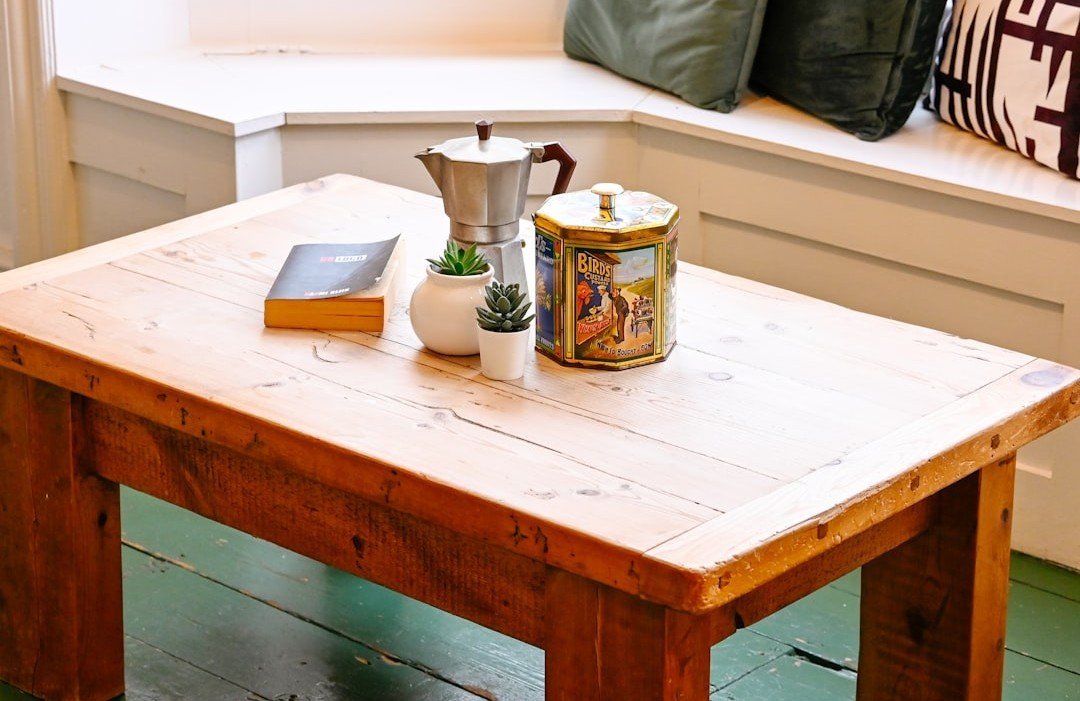
A coffee table with visible scratches, a water ring from years of uncoastered glasses, or a scale that’s completely wrong for the sofa around it is one of those things that doesn’t register consciously but lands emotionally. Buyers put themselves in the room. A battered coffee table puts a ceiling on how aspirational that projection can be. It makes the room feel more worn-out than it actually is.
If replacing it isn’t in budget, refinishing is. A can of furniture paint or chalk paint in a matte neutral runs $12 to $18 and covers a standard coffee table in one coat with minimal prep. Even a full transformation – paint, new hardware if applicable, and a light sanding – can be done for under $30. Alternatively, a simple tray on top of the existing table ($10 to $20) draws the eye away from surface damage and creates a styled vignette buyers find appealing.
33. A Room That Smells Like the Past

This one isn’t visible, but it may be the most powerful item on this list. Smell triggers emotional memory faster than any other sense, and buyers who walk into a living room that smells like pets, old carpet, cooking, or moisture form a negative impression in seconds – before they’ve even seen the room. Pet fur, dander, saliva smears, urine stains, and litter can produce strong odors, and the seller is often oblivious. Check under floor vents, behind heat return vents, in duct work, cabinets, ceiling fans, curtains, and rugs and hardwood floors.
A deep clean is the only real fix – not a candle, not a plug-in. Enzyme-based fabric sprays that neutralize odor rather than masking it cost $12 to $18 for a large bottle and can be applied to the sofa, curtains, and carpet in one afternoon. Wash the throw blankets and pillow covers. Open every window for an hour before every showing. Fresh air and a clean-smelling room signal a well-maintained home more powerfully than any new piece of furniture or coat of paint. It’s the last impression buyers carry out the door – make it a good one.
Here’s the bottom line: buyers don’t tour a living room and think “I see 33 problems.” They just feel something – warmth or coolness, care or neglect, possibility or burden. Every item on this list contributes to that feeling, and fixing them doesn’t require a renovation budget. It requires attention. Most of these changes cost less than a dinner out. The offer price they protect can be worth tens of thousands. That math is worth a weekend.
Which one of these surprised you the most? Drop it in the comments – there’s a good chance your friends are dealing with the same thing without knowing it.