
You spent the weekend refreshing your front yard. New mulch, a tidy little vegetable patch, maybe a birdbath to finish the look. It felt productive. It felt neighborly. Then the violation letter arrived on Tuesday morning, and suddenly your innocent weekend project turned into a disciplinary hearing and a growing fine.
Here’s the thing: homeowners in an HOA must follow the association’s rules outlined in the CC&Rs, and violating those rules – even unintentionally – can result in written notices, fines, or further action. The truly maddening part? Many of the landscaping choices that trigger violations look completely normal to the average homeowner. Here are 21 of the most common culprits.
1. Letting Your Grass Grow Just a Little Too Long
It doesn’t take a jungle to get cited. If the CC&Rs clearly state that grass needs to be below six inches at all times, the homeowner can be fined on a daily basis until the lawn has been mowed. That adds up shockingly fast, and daily fines have a way of snowballing before homeowners even realize what’s happening.
An HOA might require homeowners to mow their lawns weekly during the growing season and keep grass height between 2.5 and 3.5 inches. Most people assume a little extra length is no big deal. The HOA’s inspection team typically disagrees, and a neighbor’s phone call can start the whole process.
2. Planting Bamboo
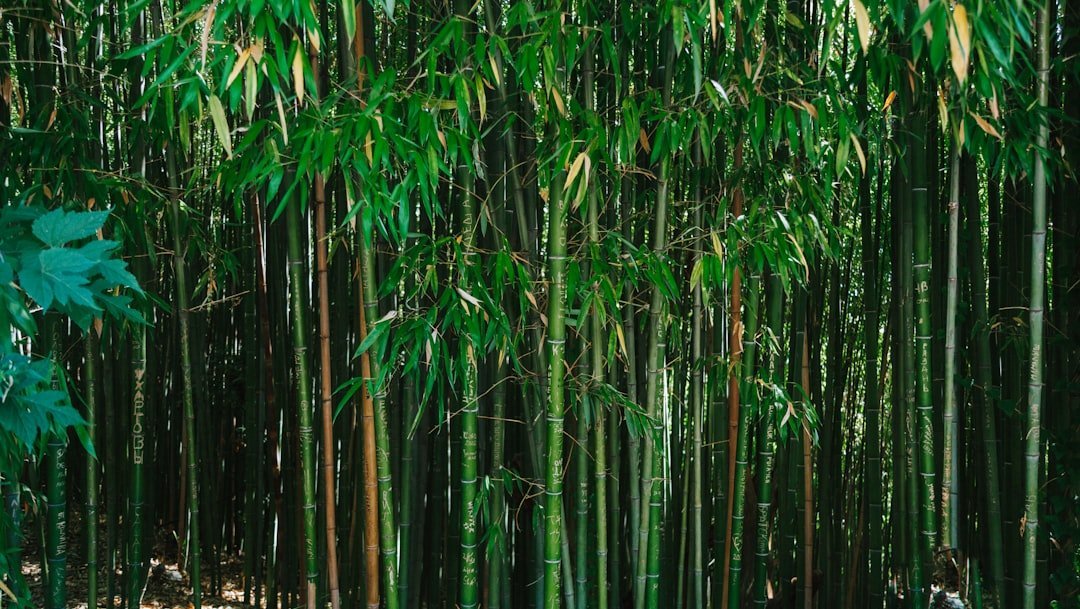
An HOA may prohibit invasive species of plants, such as bamboo, which aggressively spreads and can easily take over the entire neighborhood. Homeowners often plant bamboo as a natural privacy screen, thinking they’re doing something attractive and eco-conscious. What they don’t realize is that bamboo roots travel well beyond property lines.
A plant such as bamboo can rapidly take over not only the area where it was planted but also spread into other yards, which can bring down the landscape property values. Once the board gets wind of it, the removal process – and the fines that accumulate in the meantime – can be far more expensive than any privacy fence ever would have been.
3. Installing Artificial Turf Without Checking First

Replacing grass with gravel, artificial turf, or mass groundcover plantings often triggers HOA violations. These alternatives, while practical, may not match the neighborhood’s established look. What seems like a smart, low-maintenance solution to the homeowner reads as an aesthetic violation to the board reviewing from the street.
The rules do vary by state. According to California’s Civil Code Section 4735(a), an HOA may not prohibit homeowners from using low-water-using plants or artificial turf. But in most states, no such protection exists. Always verify with your specific CC&Rs before the sod comes out.
4. Putting a Vegetable Garden in Your Front Yard
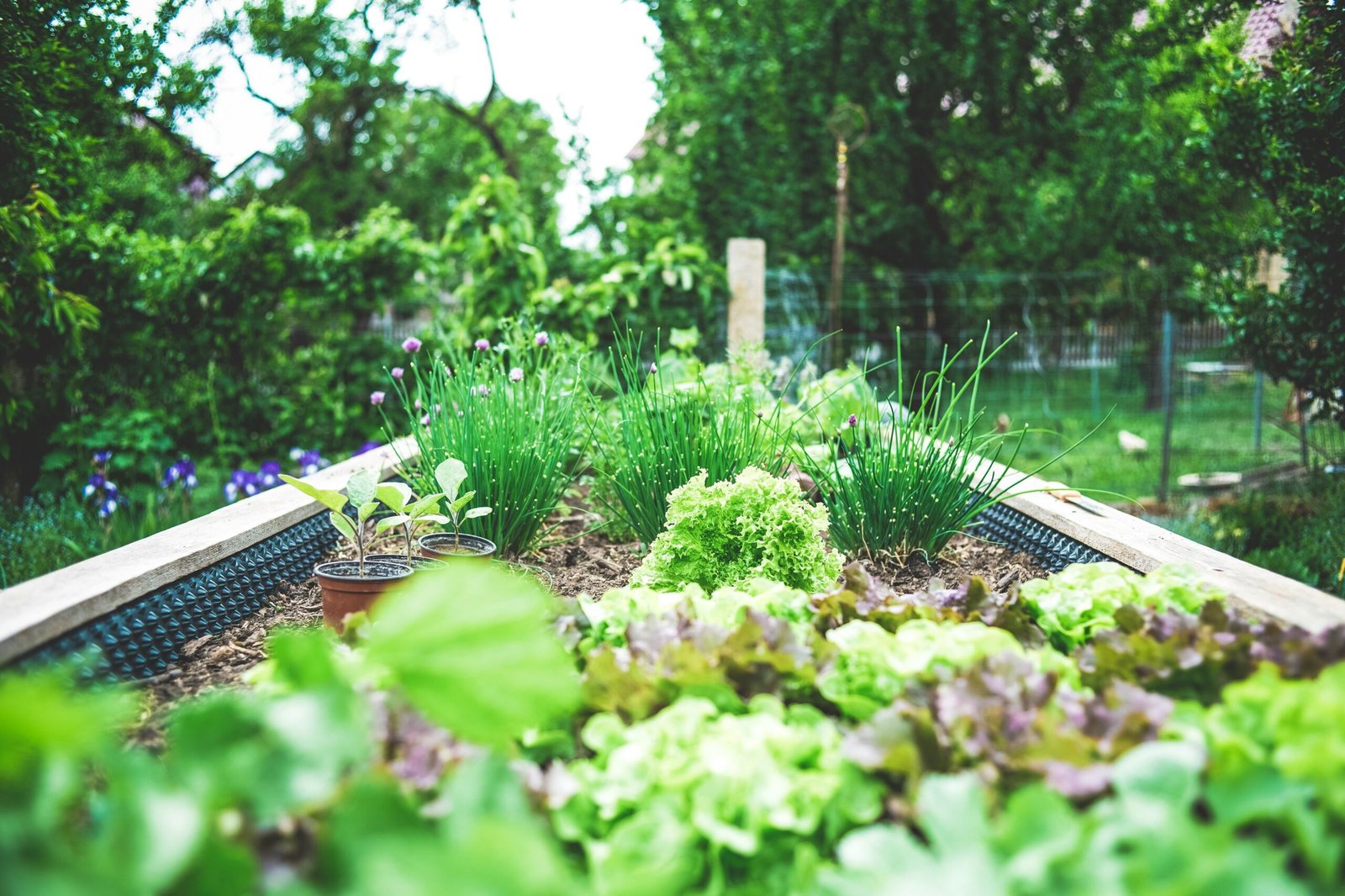
While some homeowners enjoy growing their own food, HOAs may restrict food gardens to maintain uniformity and prevent potential pest issues. These rules may ban vegetable gardens in front yards or require food gardens to be kept out of sight from the street. The aim is to preserve the landscaped appearance of the neighborhood and avoid conflicts over garden maintenance standards.
Tomatoes, squash, and corn tend to be banned in front yards because they need cages or structures, grow unevenly, and attract rodents. That thriving tomato plant you’re proud of is often exactly the kind of thing the architectural review committee flags on their next walk-through. Even a neat, well-tended patch can earn a violation notice if it’s in the wrong spot.
5. Using the Wrong Color of Mulch
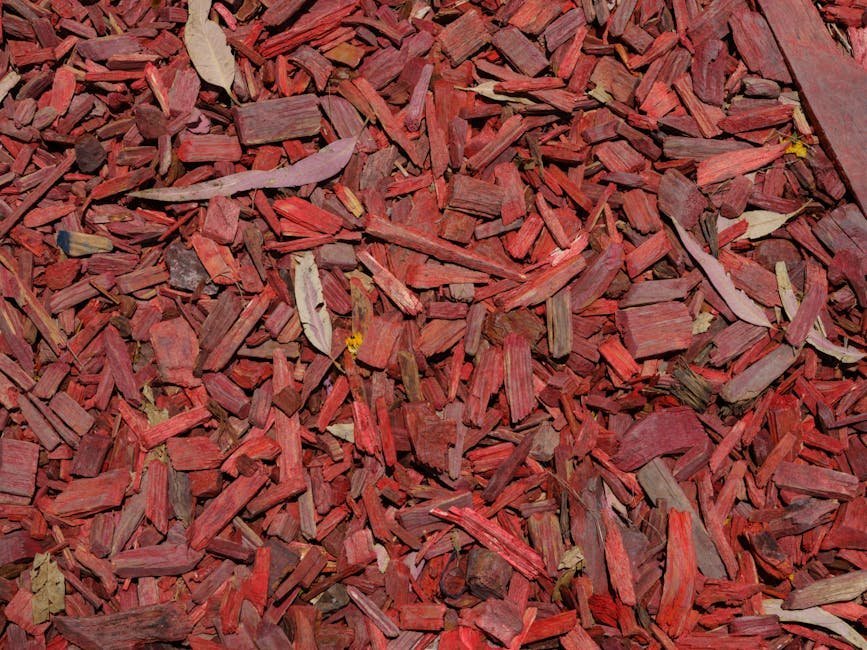
Landscaping violations include dead or dying vegetation left in place, weeds overtaking garden beds, tree branches extending over common areas or neighboring properties, and in some communities, non-approved plantings or mulch colors that don’t match community standards. Yes, mulch color. It sounds minor until you realize some HOAs specify the exact shade permitted in front-facing beds.
Some HOAs have strict requirements about grass height, types of plants, mulch colors, or even the time frame for removing weeds. Swapping from the standard brown hardwood mulch to a red-dyed or black-dyed alternative can trigger a formal violation without prior approval from the board.
6. Adding Decorative Rocks or Colored Gravel
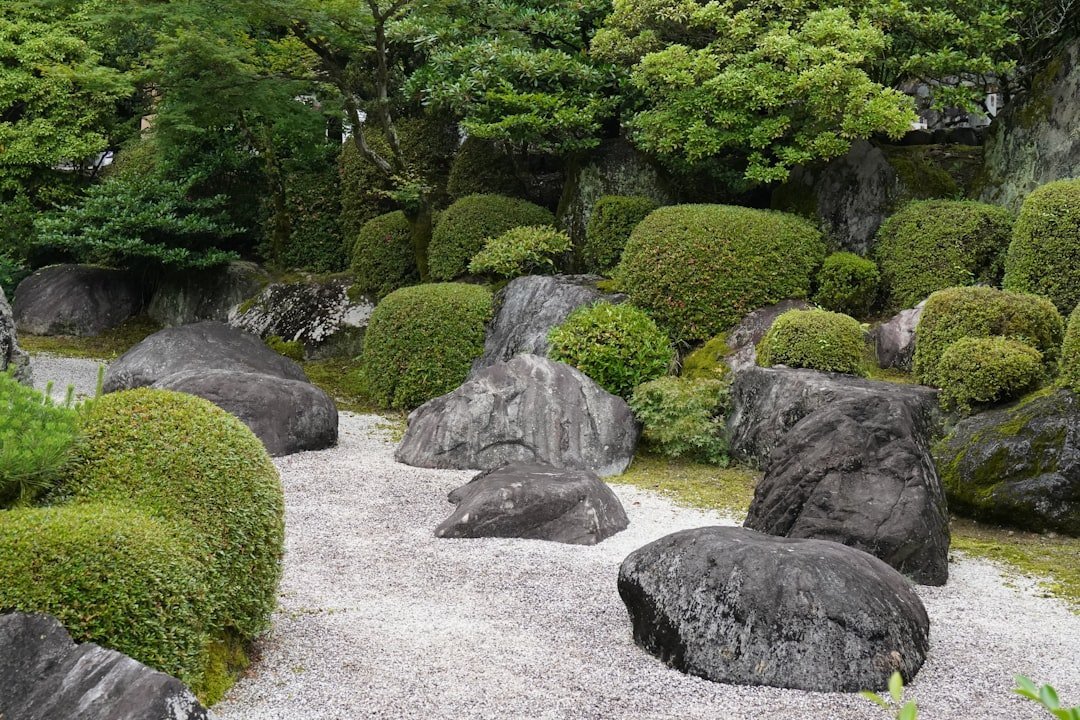
Some HOAs restrict decorative rocks, statues, fountains, or colored gravel, and any feature that stands out might need board approval. A homeowner who upgrades their garden beds with handsome river rock or switches plain soil for white pea gravel often assumes that cleaner and more polished equals safer. That’s not always true.
Regulations may govern the use of decorative stones, pathways, or retaining walls. The governing documents often require materials to blend uniformly with the rest of the neighborhood. Bright white gravel in a neighborhood of dark mulch stands out like a spotlight, and HOA boards tend to notice.
7. Building a Shed Without Approval
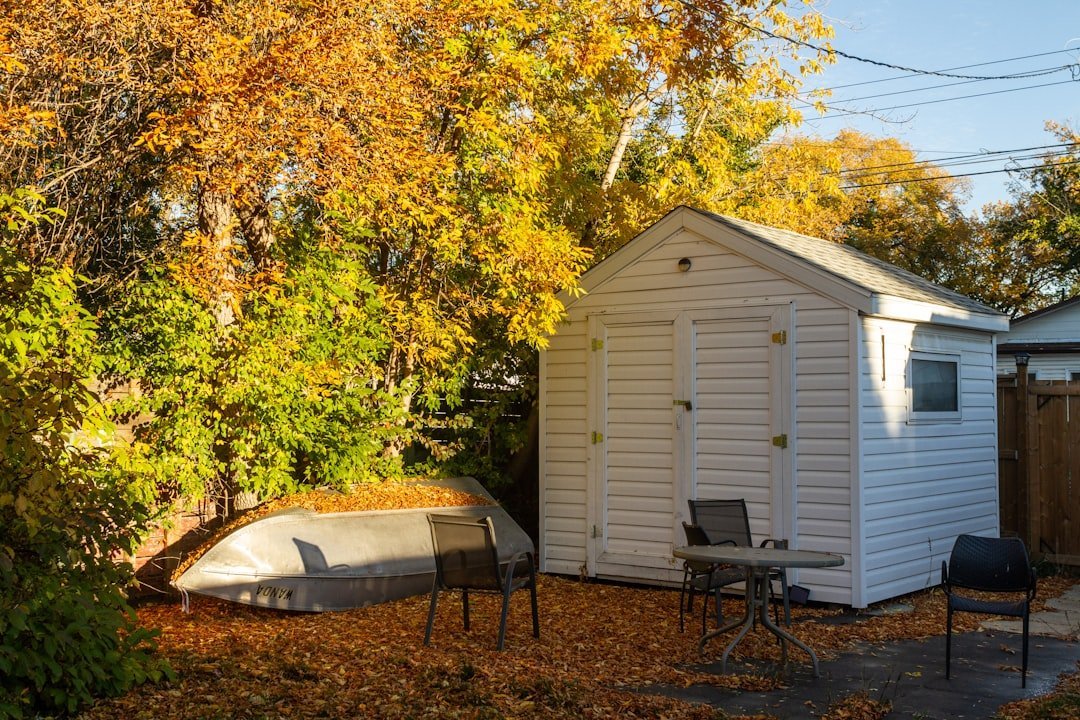
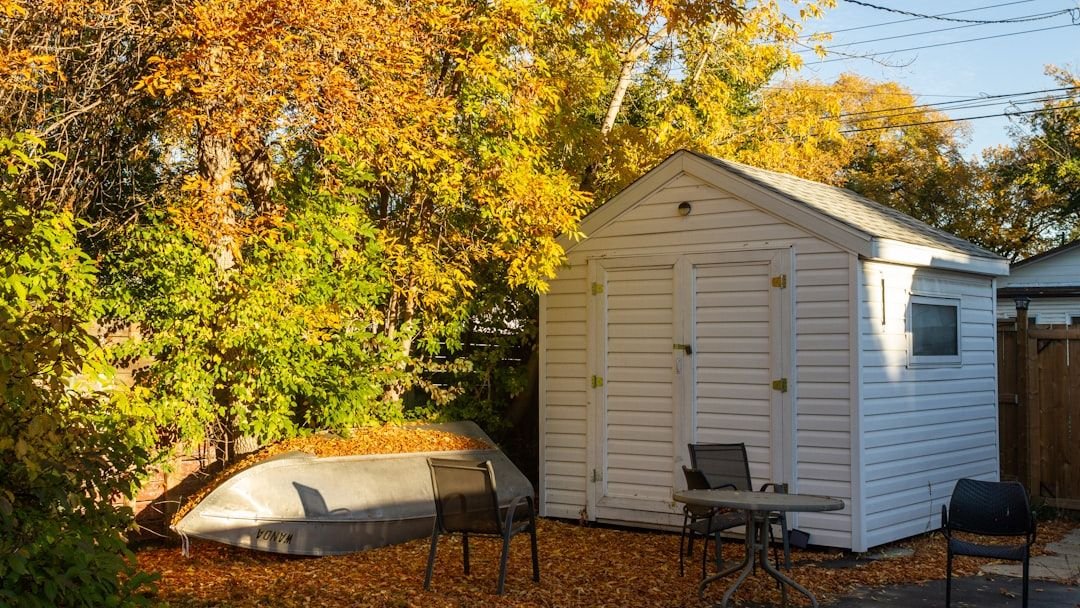
Sometimes a homeowner will want to build a shed in their backyard for added storage, but not all communities let owners just build whatever they want. The installation, modification, or removal of sheds usually falls under architectural rules. A prefab shed from the hardware store feels like a completely reasonable home improvement. To the HOA, it’s an unapproved structure.
If an owner wants to build a shed in their backyard, they will likely need approval from the HOA. The board or architectural committee may ask for certain documents, such as a completed application form, blueprints, sample designs, and contractor details. The shed will have to conform to the standards of the HOA, which can include limitations on size, shape, and materials. Skipping that process is one of the fastest ways to earn a costly removal order.
8. Planting Vining Plants on Your Fence or Wall
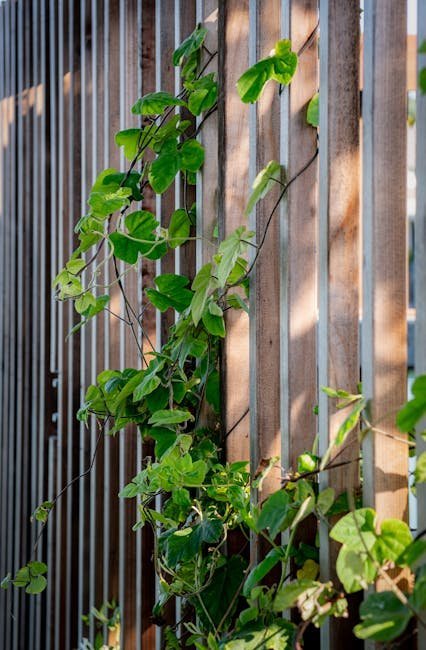
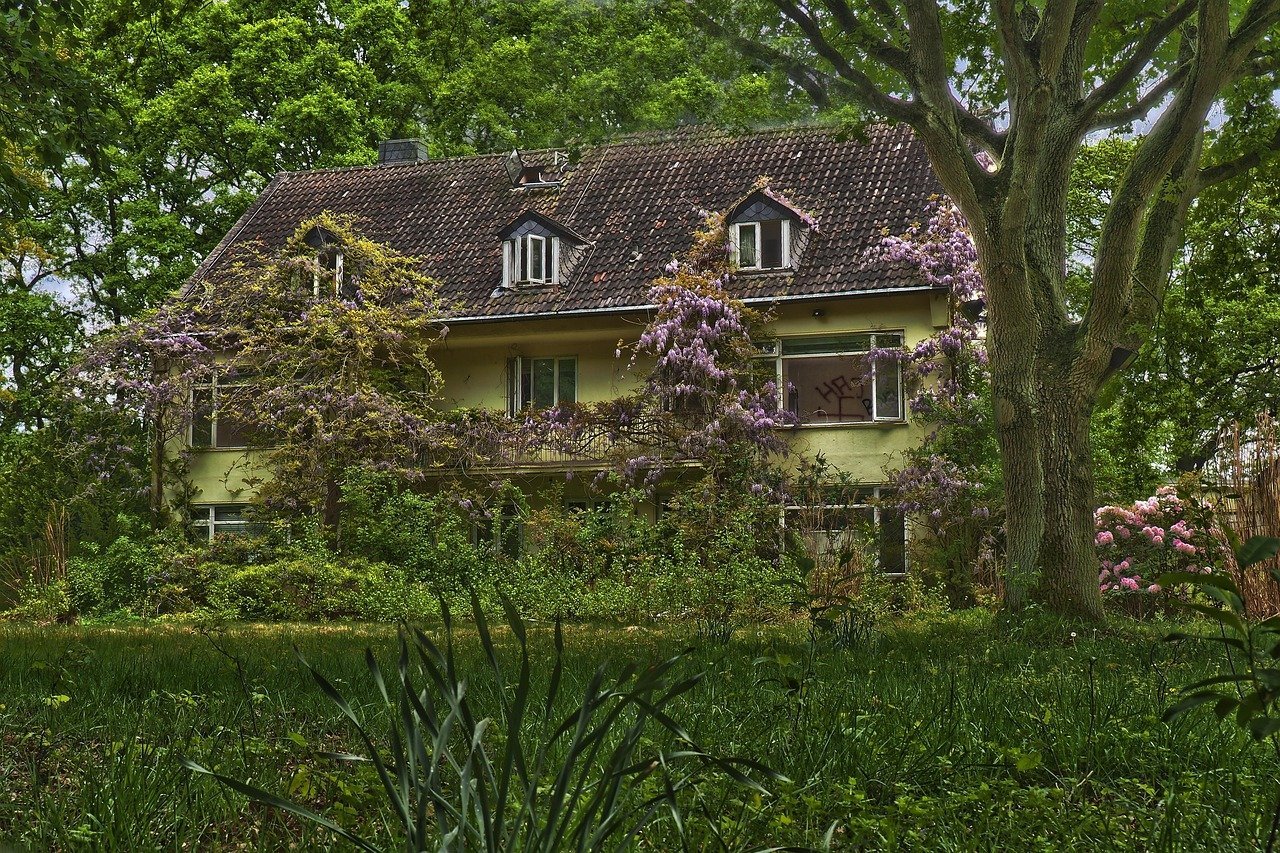
Plants like wisteria or trumpet vine often get flagged for climbing walls and damaging paint or stucco. These vines look romantic and lush in magazine photos, and homeowners plant them expecting compliments from neighbors. What they get instead is a violation notice about unapproved plant types that damage exterior surfaces.
You typically need permission from both your neighbor and the HOA before planting anything on a shared fence, as this can affect both properties and may not align with community guidelines. Even on your own fence, vines that cross property lines or damage shared structures create liability issues the HOA takes seriously.
9. Planting Trees Without Prior Approval

Many HOAs will restrict the types of trees you can plant and specify the areas where you can place them. A young oak or maple seems like a gift to the neighborhood – shade, beauty, long-term value. But plant it in the wrong spot or choose an unapproved species, and it becomes a formal violation almost immediately.
Overgrown trees can become a safety hazard or block sidewalks, and HOAs usually set rules for how and when trees need to be pruned to avoid overgrowth or damage to nearby properties. The approval process isn’t just about aesthetics – it’s about sight lines, root systems near utilities, and long-term maintenance responsibilities.
10. Removing a Tree Without Permission
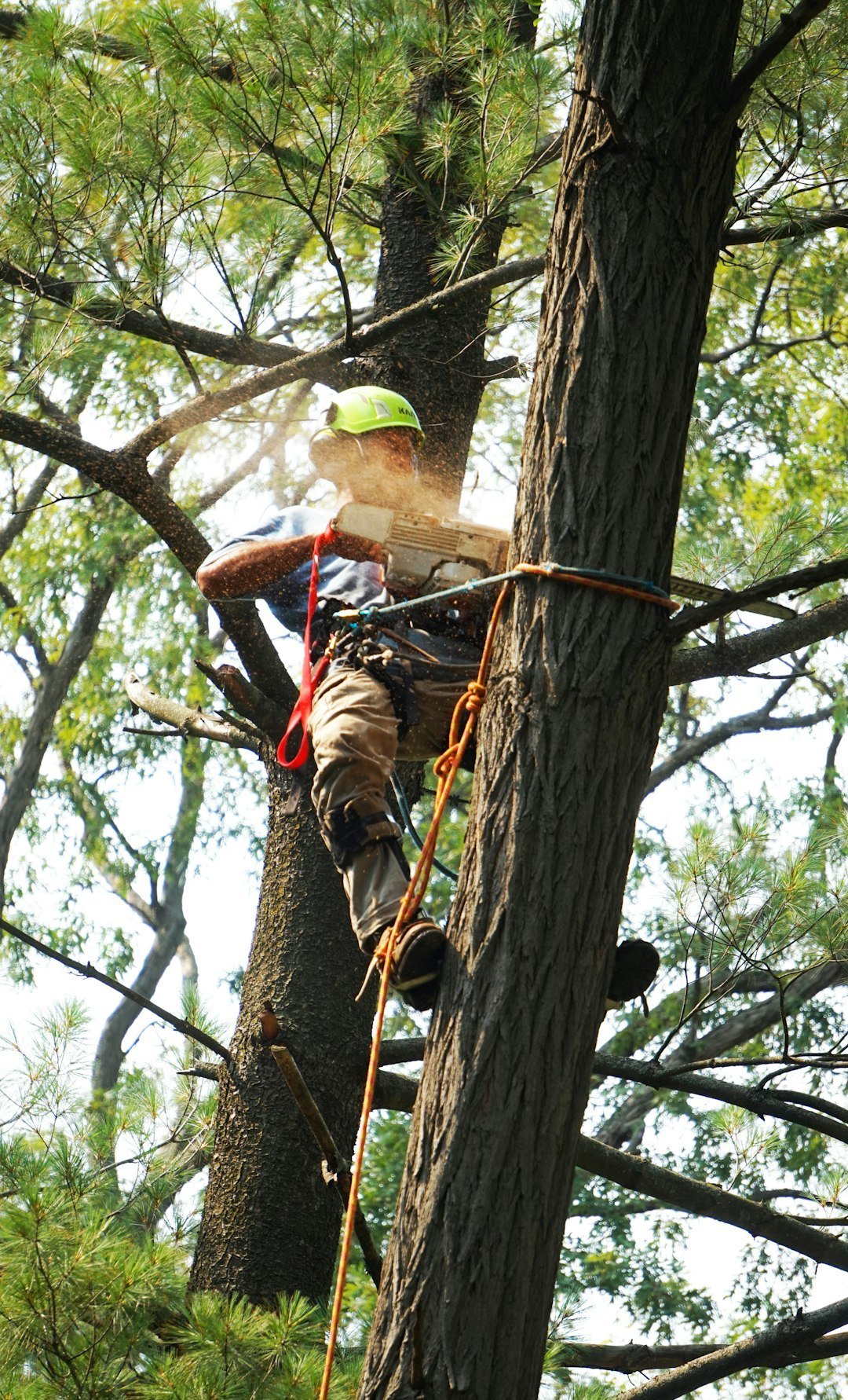
Tree removal can be a sensitive issue in HOA communities, as trees contribute to the landscape’s beauty and provide environmental benefits. HOAs often require homeowners to get approval before removing any trees, particularly mature or native species. Unauthorized tree removal can lead to penalties or requirements to replace the tree with a similar one.
A dead or leaning tree feels like an obvious safety hazard to the homeowner. But even a dangerous-looking tree requires an approval process before any chainsaw comes out. Skipping that step can result in a mandatory replanting order – on your dime – plus fines for each day the violation stands unresolved.
11. Putting Up a Fence in the Wrong Style or Height
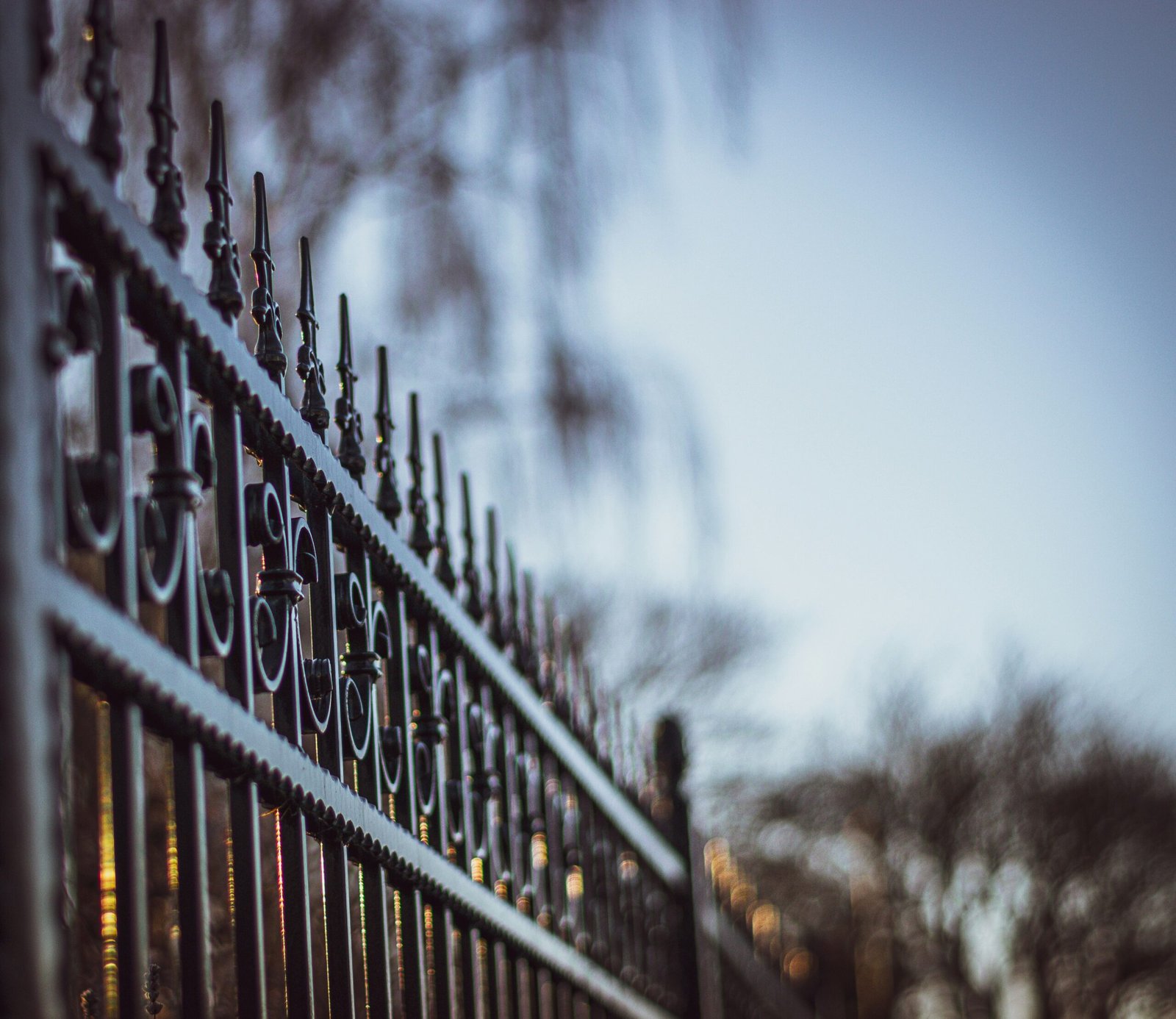
Fence installations, replacements, or modifications often require approval. Violations occur when fences exceed height limits, use non-approved materials, or are placed outside authorized boundaries. A homeowner might replace an aging fence with something nicer – same footprint, sturdier materials – and still receive a violation because the style or height wasn’t pre-approved.
Fence heights, material types, and colors may be regulated to retain a similar look and feel. Some HOAs are incredibly specific: no chain link, no split rail, no lattice tops, no stain colors outside a narrow palette. Getting a fence wrong means the HOA can require full removal at the homeowner’s expense.
12. Planting Outside the Approved Plant List
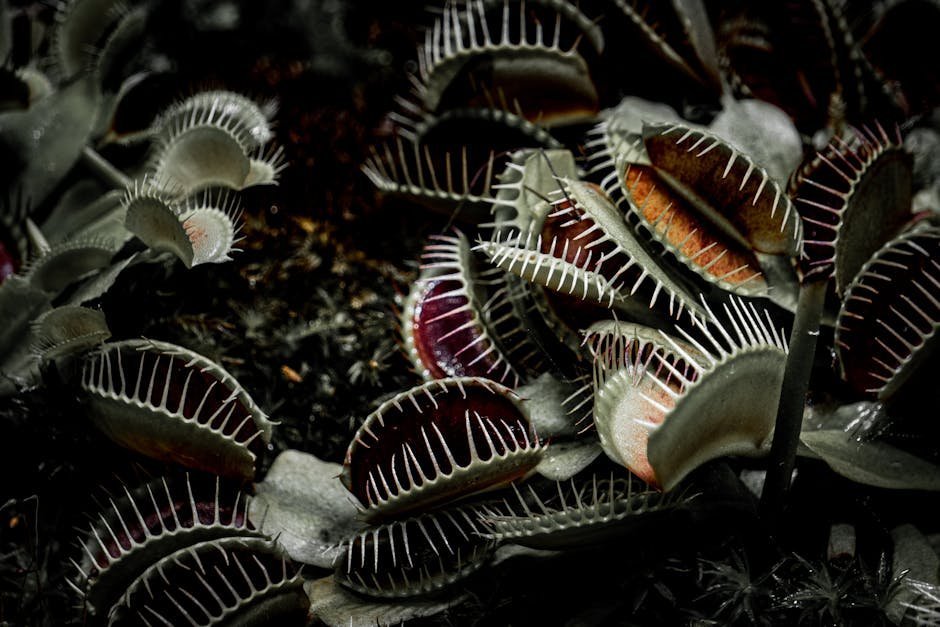
Many associations regulate the types of plants homeowners can grow in their lawns and backyards. An HOA may not allow an owner to grow an exotic plant or a plant that poses a threat to the health and safety of residents. Some examples include deadly nightshade, poison ivy, and stinging nettle.
Associations usually abide by a pre-approved plant palette – simply a list of plants homeowners can choose from and grow in their backyards. The reason for having a plant palette is to keep consistency and uniformity in the community. Picking up a beautiful flowering shrub at the nursery without cross-referencing the approved list first is one of the most common ways homeowners unknowingly earn a violation letter.
13. Installing a Retaining Wall With Unapproved Materials
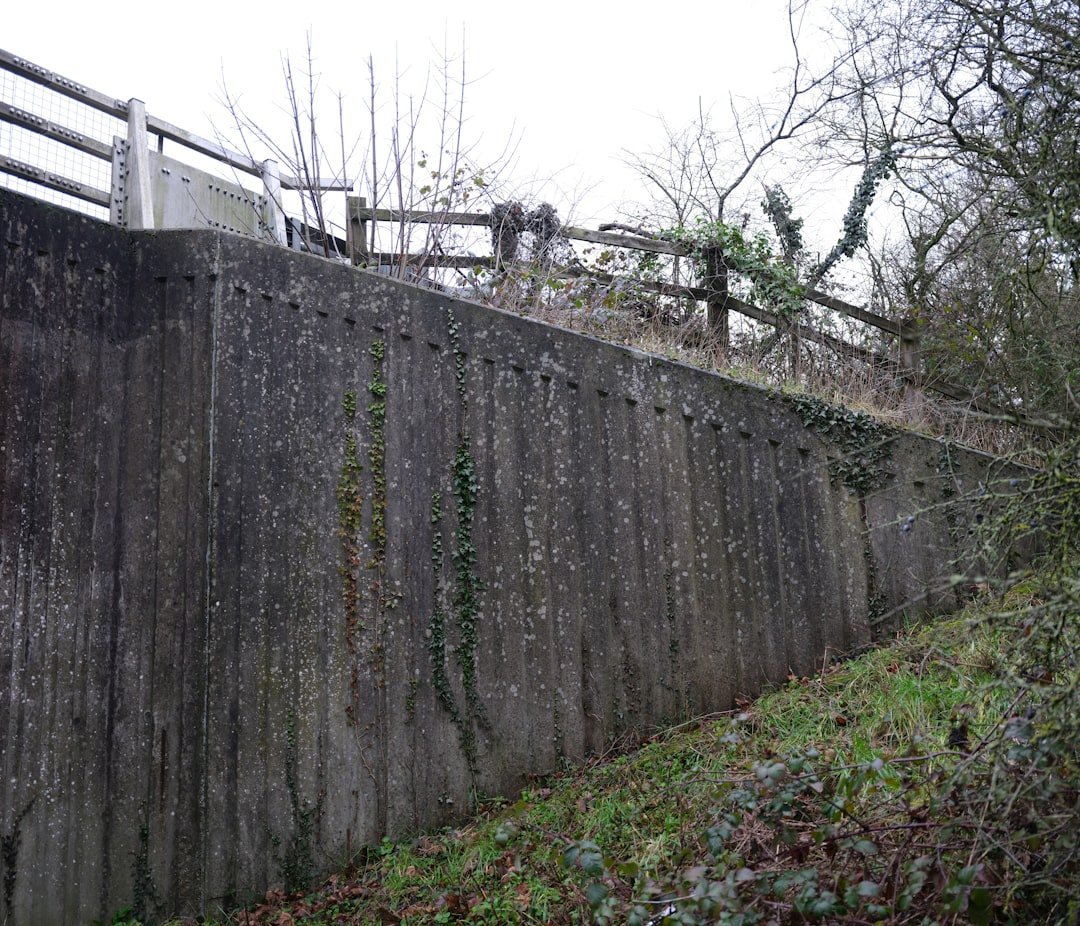
Building retaining walls with unapproved materials or without permits can trigger violations. Railroad ties, mismatched stones, or walls exceeding height restrictions often face rejection. A homeowner solving a drainage or erosion problem by stacking railroad ties across a slope is solving one problem while creating another entirely with the HOA.
Regulations may govern the use of decorative stones, pathways, or retaining walls. The issue isn’t just appearance – it’s also about structural standards and ensuring walls don’t affect drainage on neighboring properties. Even a modest garden terrace that crosses height limits in the CC&Rs will draw board attention.
14. Placing Lawn Ornaments or Garden Sculptures

Most HOAs already put limitations on lawn furniture or lawn sculptures. These might fall under “unapproved decorations,” and while some simple garden sculptures might be permitted in landscaping beds, most HOAs are not going to approve a large sculpture in a front yard. A pair of decorative urns or a cheerful garden gnome can cross the line faster than most homeowners expect.
Flamingo lawn ornaments or colorful garden gnomes might express your personality, but they’re often prohibited by HOAs seeking a cohesive neighborhood appearance. Flashy decorations can be considered visual clutter. One Georgia couple found their plastic flamingos had accumulated $3,400 in HOA liens – fined $25 a day – before they discovered the situation when they tried to sell their home.
15. Leaving Dead Plants or Vegetation in Place
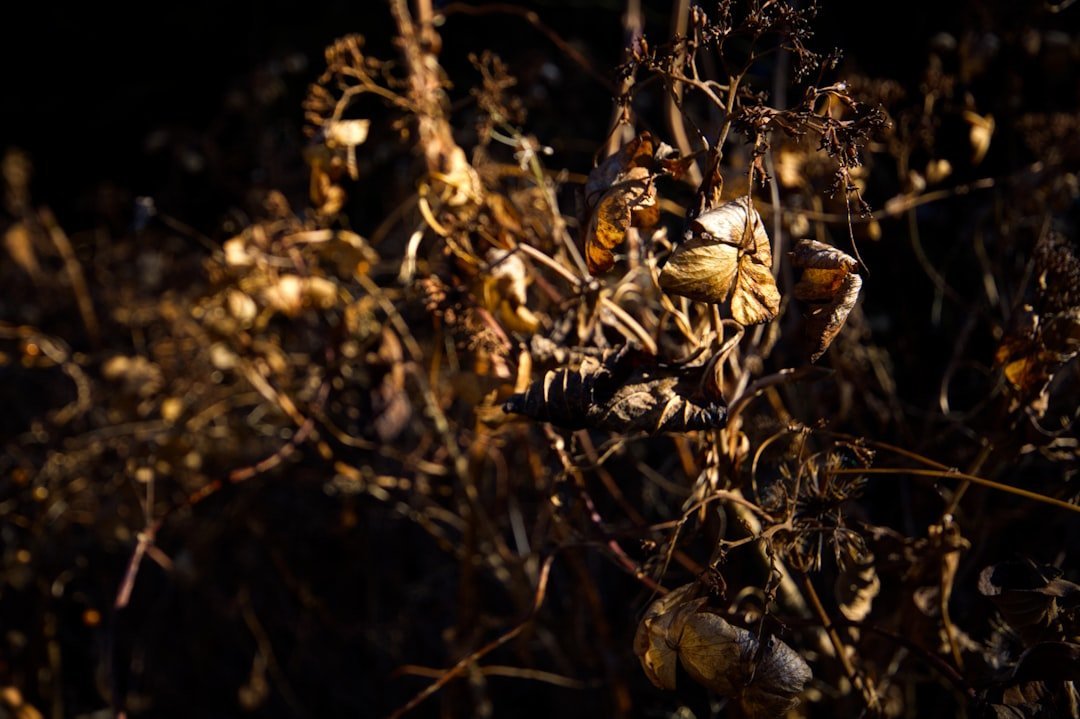
Failing to replace dead landscaping promptly is a recognized HOA violation in communities across the country. What looks like normal seasonal die-off to a homeowner looks like neglect to the board conducting routine inspections. And “timely manner” is defined by the CC&Rs, not by your personal timeline.
Overgrown lawns and neglecting to mow lawns, trim bushes, or remove weeds, resulting in an unkempt appearance, are among the most commonly cited violations. But dead shrubs and brown ornamental grasses fall into the same category. The HOA’s position is simple: if it looks bad from the street, it’s a violation.
16. Installing a Fire Pit Without Authorization
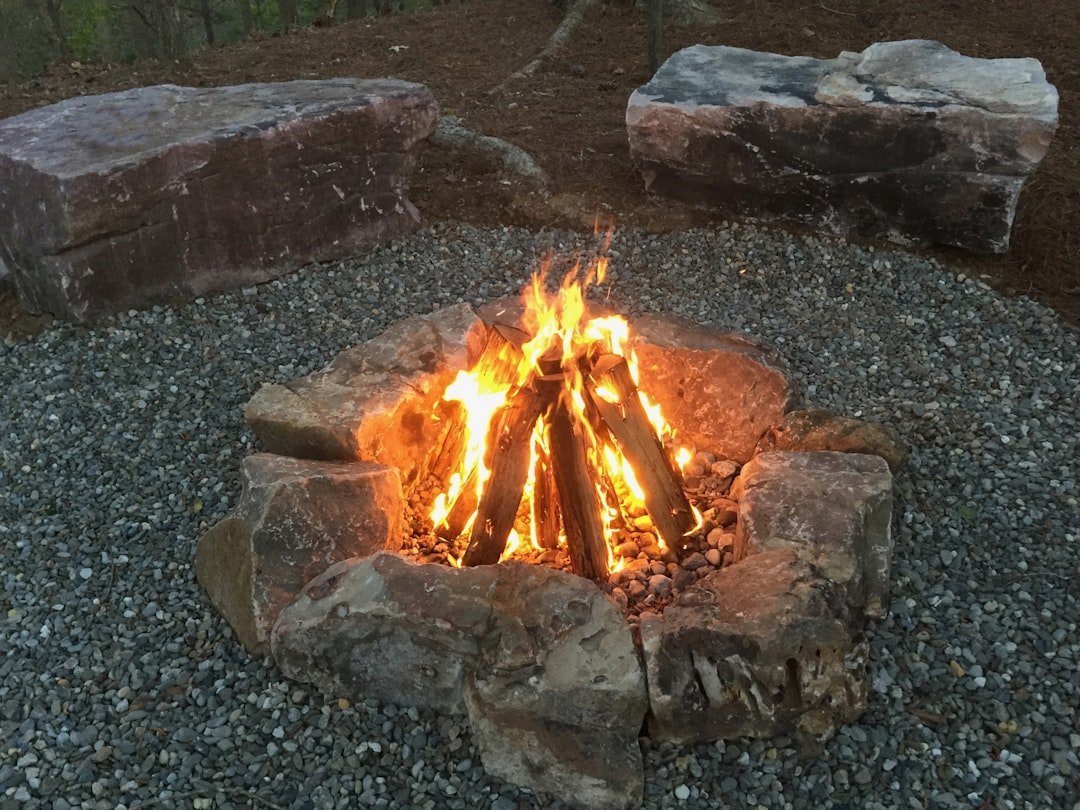
Associations often require oversight of the construction of pergolas, fire pits, and other outdoor structures to confirm they’re secure and non-hazardous. A portable fire pit sitting on a patio feels casual and low-stakes. But many HOAs treat even freestanding fire features as structures that require review before installation.
Expect paperwork if you’re adding hardscape features like a patio, fire pit, or fence. Most HOAs require detailed plans, materials lists, and contractor information. Safety concerns – including proximity to fences, neighboring structures, and overhead trees – drive much of this scrutiny. Skipping the approval process can result in a mandatory removal order for something you’ve already used a dozen times.
17. Placing a Trampoline or Large Play Equipment in the Yard

If you’re dreaming of adding a patio, a cozy gazebo, a new deck, or a playful shed for extra storage, HOA backyard rules might get in the way. Your homeowners’ association will want to know the size, materials, and exact placement of any new structures. Even play equipment like swing sets might have restrictions. The goal is to prevent any yard from becoming an eyesore or obstructing views.
Trampolines are particularly flagged because of their visibility over fences and their safety implications. Some HOAs prohibit them outright; others require safety net enclosures, specific placement distances from property lines, and formal approval. Dropping one in the backyard over the weekend without checking is a gamble that often doesn’t pay off.
18. Planting Fruit Trees That Drop Mess on Common Areas
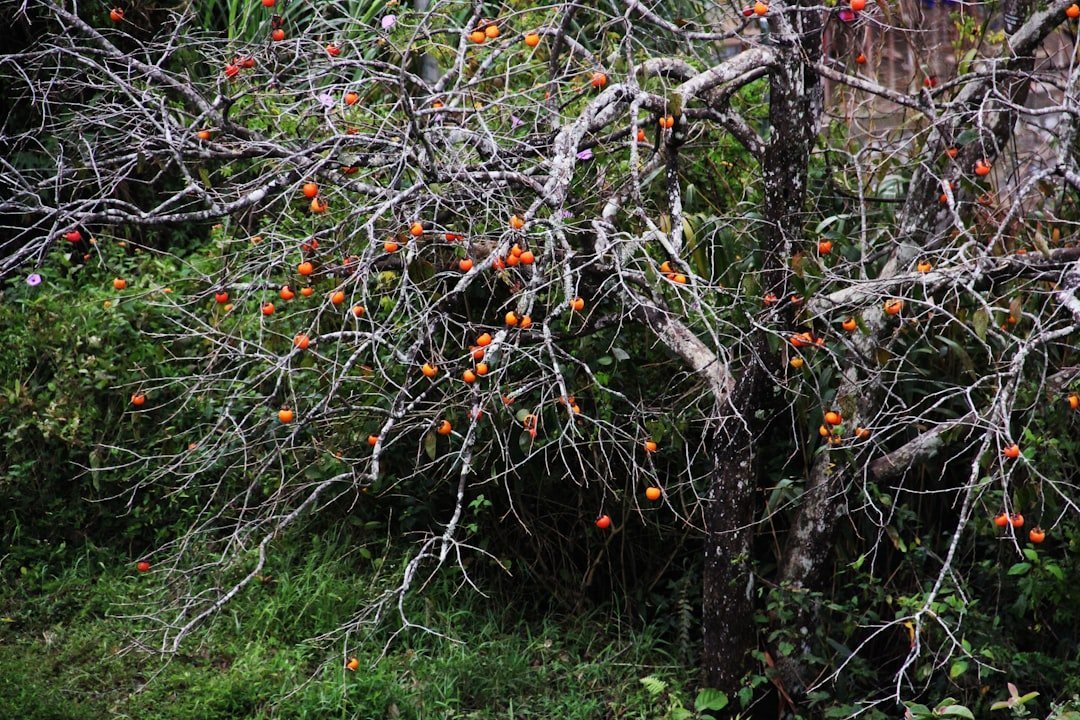
HOAs tend to restrict anything in the front yard that draws insects, creates a mess, or grows unpredictably. Citrus trees or mulberry trees, for instance, will drop fruit and create a mess on lawns and sidewalks and attract insects, wasps, and wildlife. A homeowner who plants a lemon tree imagines fresh fruit and shade. The HOA imagines rotting citrus on the shared sidewalk and a wasp problem by August.
Fruit dropping from trees near shared pathways or neighboring lots is a well-known HOA complaint trigger. Even if the tree itself is permitted, its proximity to common areas or property lines – and the mess it creates – can generate ongoing violations season after season. Placement matters as much as species selection.
19. Letting Hedges or Shrubs Exceed Height Limits
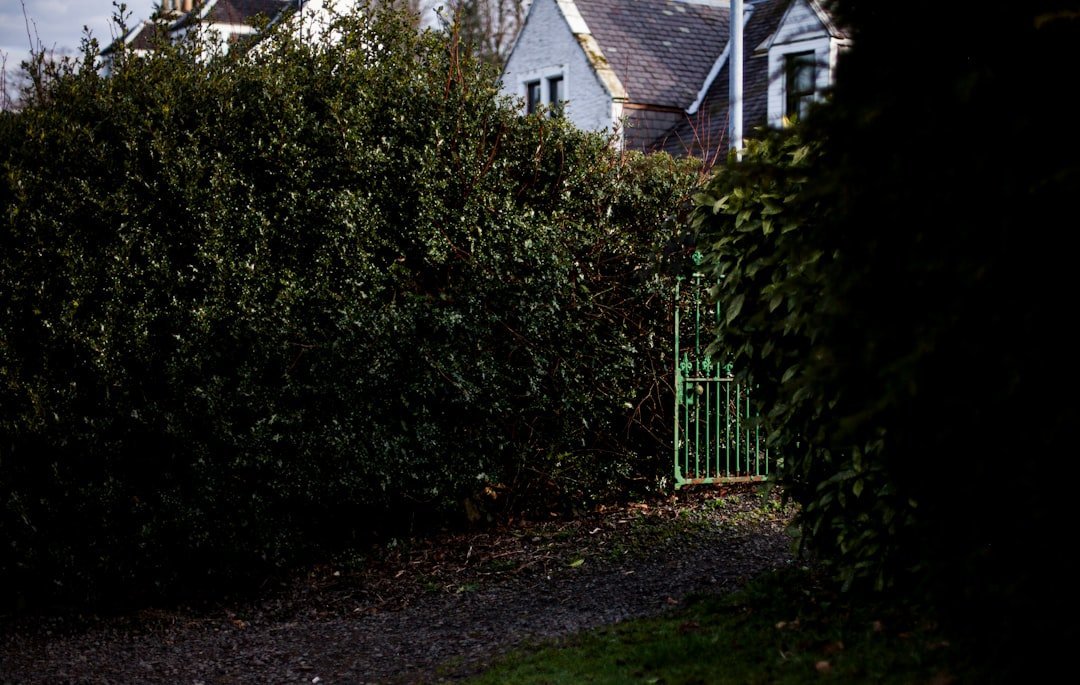
HOAs often set strict plant height limits. Shrubs and hedges grow quietly and steadily until one day they’re towering over the fence line, blocking sightlines, and casting shade on a neighbor’s lawn. By then, months of unapproved growth have already created a compliance problem that’s harder and more expensive to correct.
HOA landscaping rules prevent invasive plant growth, trees hanging over fences, and unhealthy lawns, which could negatively impact property values. The trimming requirements in many CC&Rs aren’t just about appearance – overgrown hedges along driveways and sidewalks can create safety concerns that give the board all the reason they need to issue a formal notice.
20. Installing an Above-Ground Pool Without Review
Above-ground pools, in-ground pools, or even large splash pads often need prior approval. Beyond the aesthetics, HOAs consider safety and potential flooding risks to neighboring yards. An inflatable pool that’s several feet across, sitting on the lawn in summer, seems like a harmless family upgrade. But size thresholds in the CC&Rs can classify even mid-sized above-ground pools as structures requiring review.
To maintain safe backyard environments, pools, hot tubs, built-in grills, and other amenities may be restricted or prohibited altogether. Drainage is the biggest concern – an above-ground pool that leaks or is improperly emptied can flood adjacent yards and create liability issues that the HOA is not willing to overlook.
21. Making Any Major Landscaping Change Without Prior Approval
If an owner wishes to construct a deck, change a fence, or plant flowers, they need to seek approval from the HOA first. This is the catch-all that trips up the most homeowners. Almost any significant change to what your yard looks like – even something that looks identical to what your neighbor already has – requires going through the proper approval channel first.
The consequences of skipping the process are real. The HOA can require removal of the unapproved modification at the homeowner’s expense. Getting retroactive approval is possible in some communities, but not guaranteed – and the homeowner’s negotiating position is weaker once work has already been done without permission. When in doubt, submit the request first. A few weeks of waiting is always better than a forced removal and a fine history that follows you every time you try to sell.
The sheer breadth of what can trigger an HOA landscaping violation is genuinely surprising – and that’s exactly the point. When you buy a home within an HOA community, you agree to abide by a set of guidelines known as CC&Rs that can impact everything from the paint color you choose to how you landscape your yard. Before any shovel goes into the ground or any delivery truck pulls up, the single smartest move is a quick read of your governing documents and a formal request to the board. It takes patience, but it saves money – and a lot of aggravation.
Have you ever received an HOA violation for something that seemed completely innocent? Drop your story in the comments – you probably aren’t alone.