
![Are You Growing Any of These 24 Plants? (Check This [State] Banned List Before You Get Fined)](https://travelbucketlist.xyz/wp-content/uploads/2026/04/1776339376514_photo-1683019321865-4e610162ba10.jpeg)
Most gardeners find out their plant is banned the hard way – a notice in the mail, a stop-sale order at the nursery, or a fine they never saw coming. The uncomfortable truth is that across the United States, state agriculture departments and environmental agencies have tightened restrictions on certain invasive species, and some of these plants still show up at garden centers, in old landscaping, or in well-meaning seed swaps. You might be growing one right now and have no idea it’s on a state-banned list.
What makes this especially tricky is that many of these plants aren’t ugly – quite the opposite. Many invasive plants are stunning, which is exactly why they spread so easily. But beneath the beauty lies a darker side: they choke out native species, disrupt ecosystems, and cost states millions in control efforts. Every state has its own list, and those lists keep changing. Here are 24 plants that have landed homeowners in legal hot water across the U.S.
1. Kudzu – “The Vine That Ate the South”
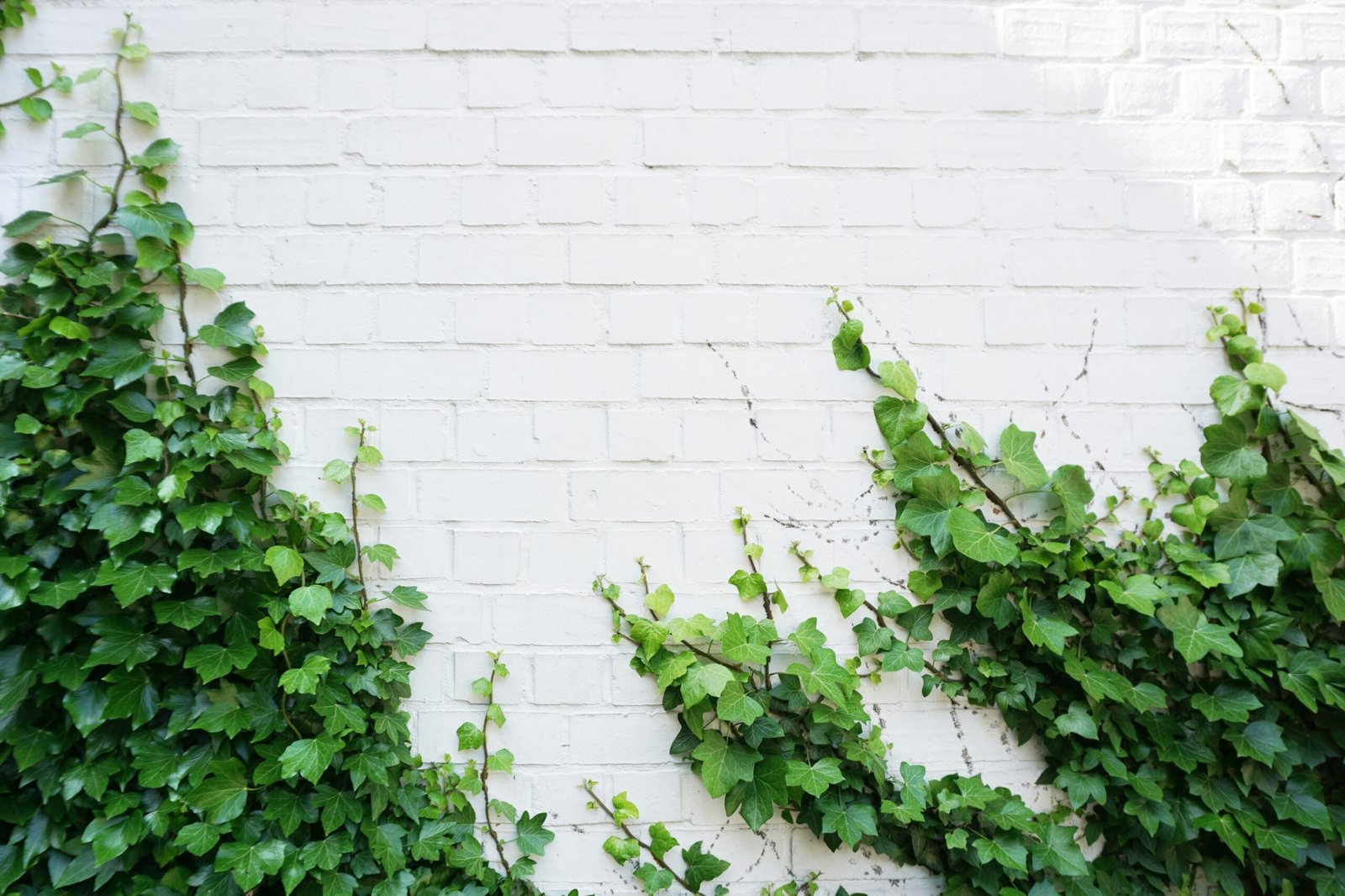
Kudzu is actually nicknamed “the vine that ate the South,” thanks to its invasive qualities. It’s part of the Federal Noxious Weed List, meaning the U.S. bans its sale and transport across state borders. One million acres of kudzu were planted in the 1930s and 1940s by the Soil Conservation Service to reduce soil erosion on deforested lands – it was not until the 1950s that it was recognized as an invasive.
Once established, kudzu grows at a rate of up to one foot a day and 60 feet annually. This vigorous vine takes over areas in the Southeast by smothering plants and killing trees by adding immense weight and girdling or toppling them. North Carolina regulates kudzu heavily, and planting or intentionally spreading it can lead to penalties.
2. Japanese Knotweed – The Plant That Breaks Foundations
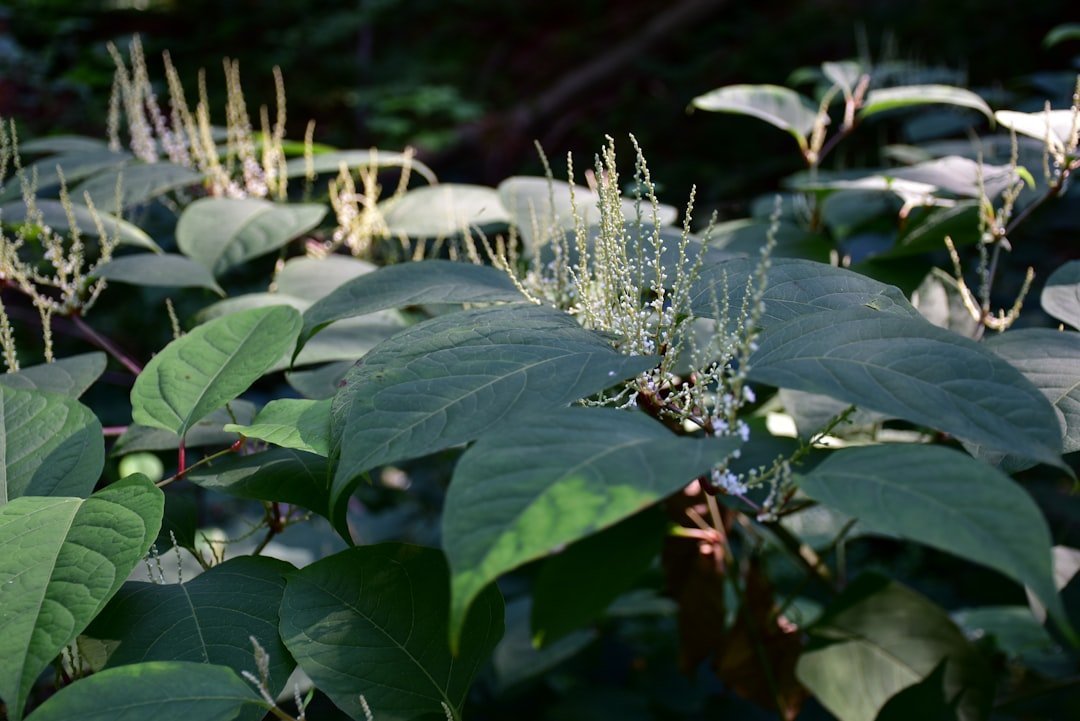
Knotweed can grow through pavement, foundations, and retaining walls, causing structural damage that costs homeowners thousands. It spreads rapidly along waterways, destabilizes banks, and outcompetes nearly everything in its path. Oregon’s strict rules exist for good reason: once knotweed takes hold, it’s almost impossible to eradicate.
This plant can grow up to eight inches daily in summer, and its root system can spread up to 70 feet, which can disrupt underground sewer, gas, and water lines. Multiple states, including Pennsylvania, list it as a regulated noxious weed, and state agriculture departments and environmental agencies have tightened restrictions, and several now fine property owners who continue to grow or sell it.
3. Purple Loosestrife – The Wetland Takeover
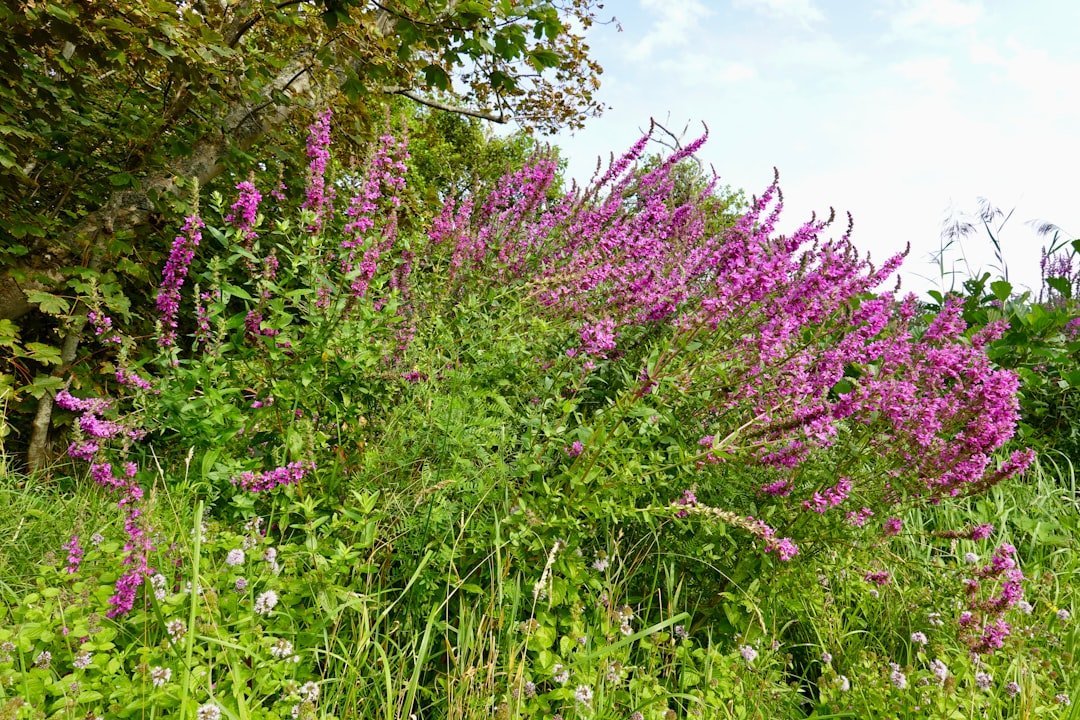
Purple loosestrife looks like it belongs in a fairytale meadow – tall, vibrant, and covered in magenta spikes – but New York certainly considers it a menace. The state classifies it as one of its prohibited invasive species, meaning homeowners cannot plant, sell, or intentionally spread it.
Purple loosestrife produces tall spikes of vibrant purple flowers that attract attention from a distance. Despite its beauty, more than half of U.S. states list it as invasive or noxious, and several restrict its sale. Now growing invasively in most states, purple loosestrife can become the dominant plant species in wetlands. One plant can produce as many as 2 million wind-dispersed seeds per year.
4. English Ivy – The Romantic Groundcover Gone Wrong
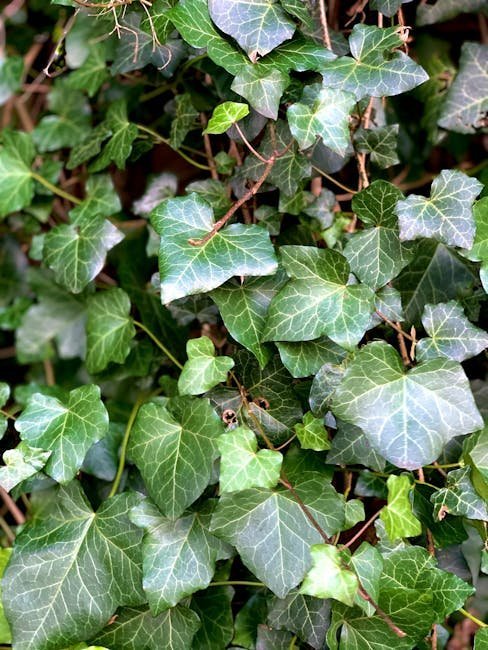
English ivy looks romantic, crawling up brick walls and draping over fences. Landscapers once praised it as a low-maintenance groundcover. But states such as Oregon and Washington classify it as a noxious weed, and some counties fine property owners who allow it to spread unchecked.
The introduction of English ivy dates back to the early 1700s when European colonists imported the plant as an easy-to-grow evergreen groundcover. The planting and sale of English ivy continues in the United States even though it is one of the worst-spread invasive plants in the country. English ivy is an aggressive-spreading vine that can slowly kill trees by restricting light. Virginia also recently moved to penalize landscapers who install it without property owner notification.
5. Japanese Barberry – Beautiful, Invasive, and a Tick Haven
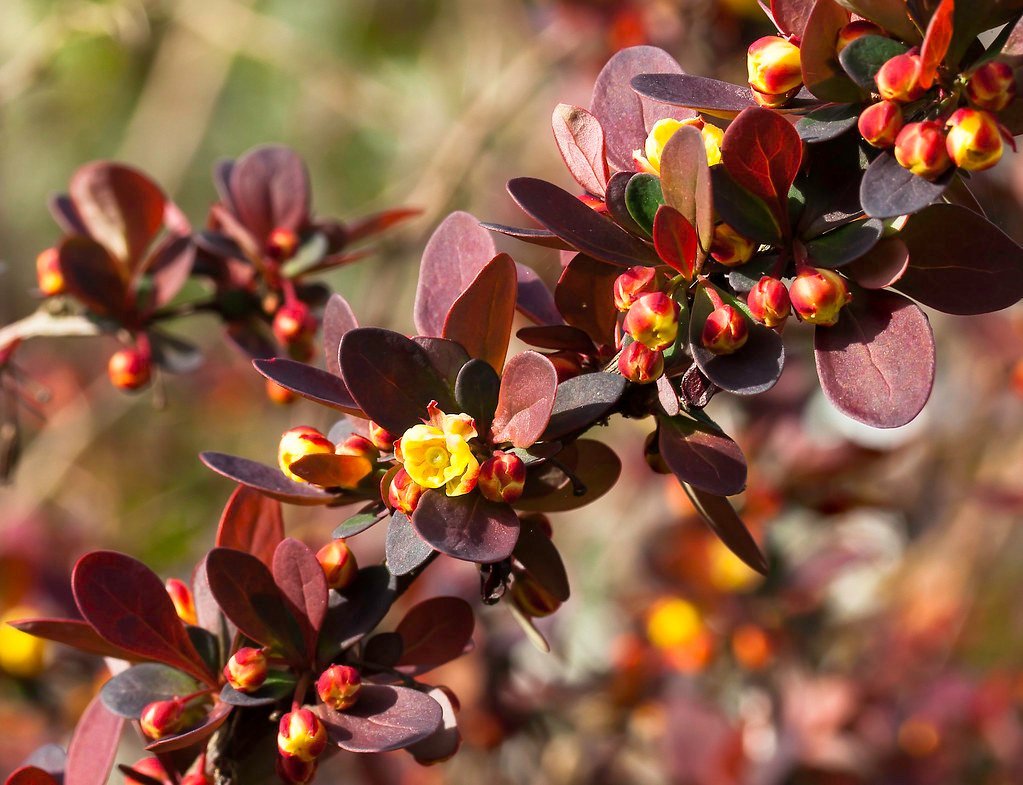
Japanese barberry plants are gorgeous. These ornamental plants burst into popularity around 1875 in people’s gardens, absolutely adored for their wine-red coloring. Unfortunately, they’re massively invasive and also harbor ticks. For these reasons, many states, including Pennsylvania, have banned the growth of Japanese barberry.
Of the thirty-five upland plant species on New Hampshire’s prohibited invasive species list, three were historically popular and widely planted shrubs or trees: burning bush, Japanese barberry, and Norway maple. The tick connection is serious – the dense, low-branching thickets create exactly the kind of humid microclimate that blacklegged ticks love to breed in.
6. Burning Bush – Still Sold at Big Box Stores, Still Illegal in Some States
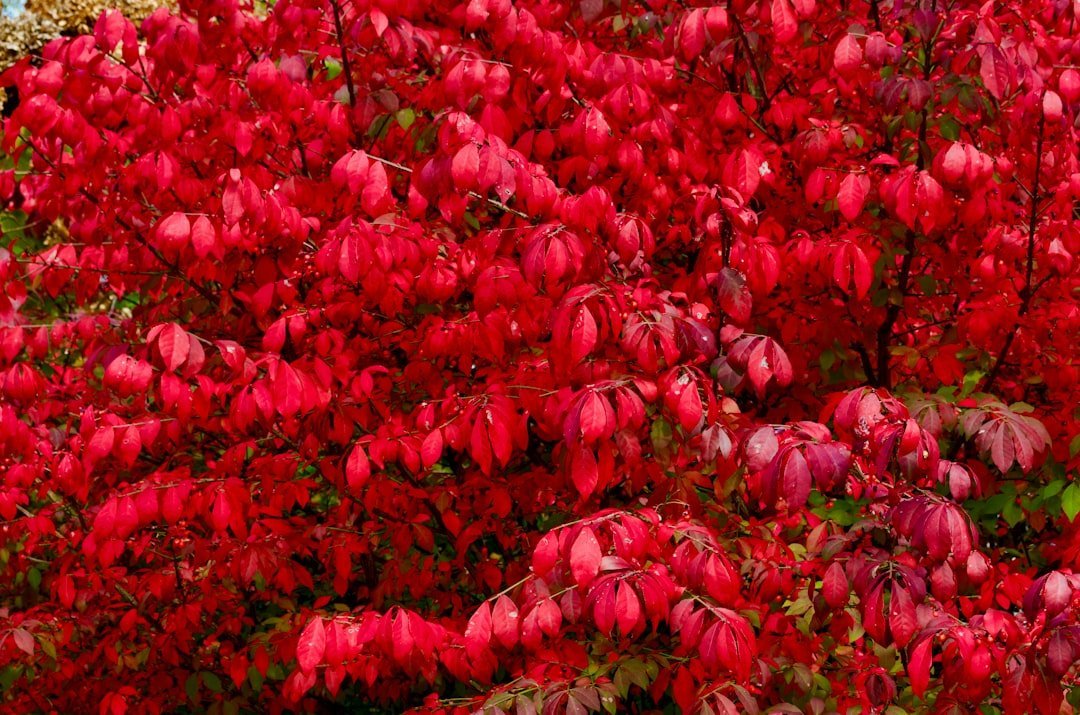
Burning Bush was introduced to North America from Northeast Asia around 1860 and became popular due to its hardiness and color. Its biological characteristics enable it to aggressively colonize natural areas. The shrub is highly tolerant of various growing conditions, including different soil types and significant shade. Once established, its dense, multi-stemmed growth suppresses the growth of native seedlings in the forest understory. This combination of prolific, bird-dispersed seed production and high resilience explains its invasive designation.
The classification of burning bush as invasive has prompted numerous states to institute formal prohibitions. State agriculture departments, such as those in Pennsylvania and Minnesota, have placed the shrub on controlled plant or noxious weed lists. The bans primarily target commercial trade, making it illegal for nurseries and landscapers to sell or intentionally introduce the species. Regulations typically do not mandate that homeowners remove existing burning bushes from private property. Still, buying or planting one new tree can result in penalties.
7. Tree of Heaven – A Host for the Spotted Lanternfly
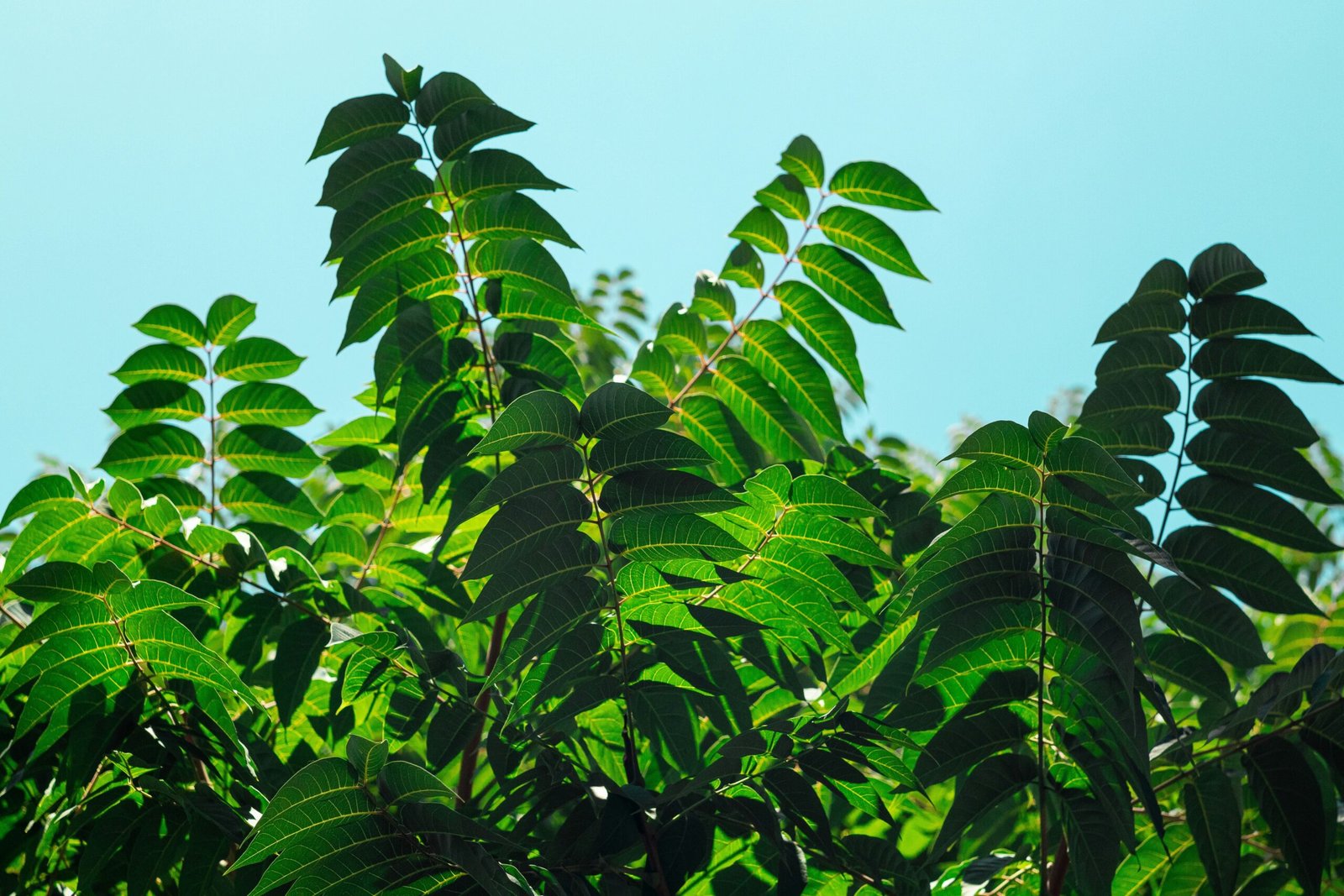
Tree of Heaven earned popularity because it grows quickly in poor soil and tolerates urban conditions. Unfortunately, it also spreads aggressively and now appears on noxious weed lists in states like Pennsylvania and Ohio. The tree produces thousands of seeds and releases chemicals into the soil that inhibit other plants. It also serves as a preferred host for the spotted lanternfly, an invasive insect that damages crops and hardwood trees. When Tree of Heaven spreads, it invites even more ecological trouble.
Here is the thing about Tree of Heaven: it looks like a normal tree. Many homeowners don’t realize it’s quietly establishing colonies across their entire property line. Any prohibited plant lists need to be consulted annually, as they change. New research and studies consistently turn up problem plants, and Tree of Heaven keeps climbing those lists.
8. Multiflora Rose – The “Wildlife-Friendly” Plant That Took Over
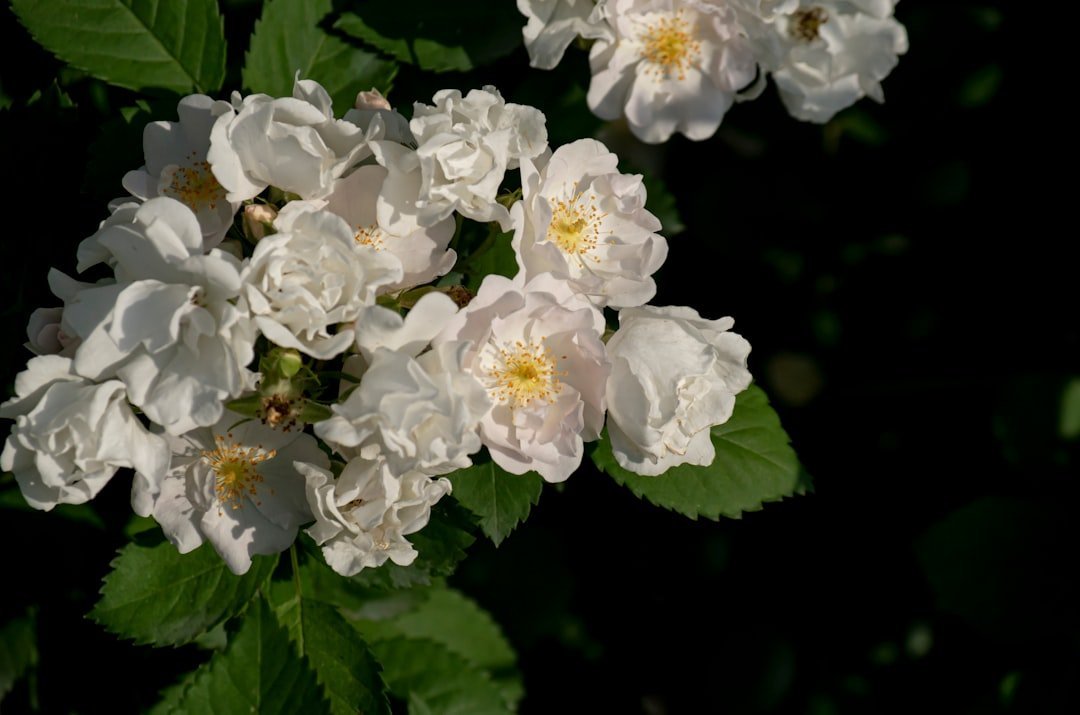
Multiflora rose is considered an invasive species alongside burning bush and oriental bittersweet. Many roses are still grafted onto Rosa multiflora rootstock, and multiflora rose is a prohibited invasive plant in New Hampshire. The problem is that the rootstock itself can escape and establish in surrounding fields and forests, regardless of what’s growing on top of it.
Missouri counties may adopt a law that requires mandatory control of multiflora rose, and several other states treat it as a noxious weed requiring active removal. What started as a government-encouraged planting for wildlife habitat turned into one of the most widespread landscape invaders in the eastern United States.
9. Chinese Privet – Banned Across the South
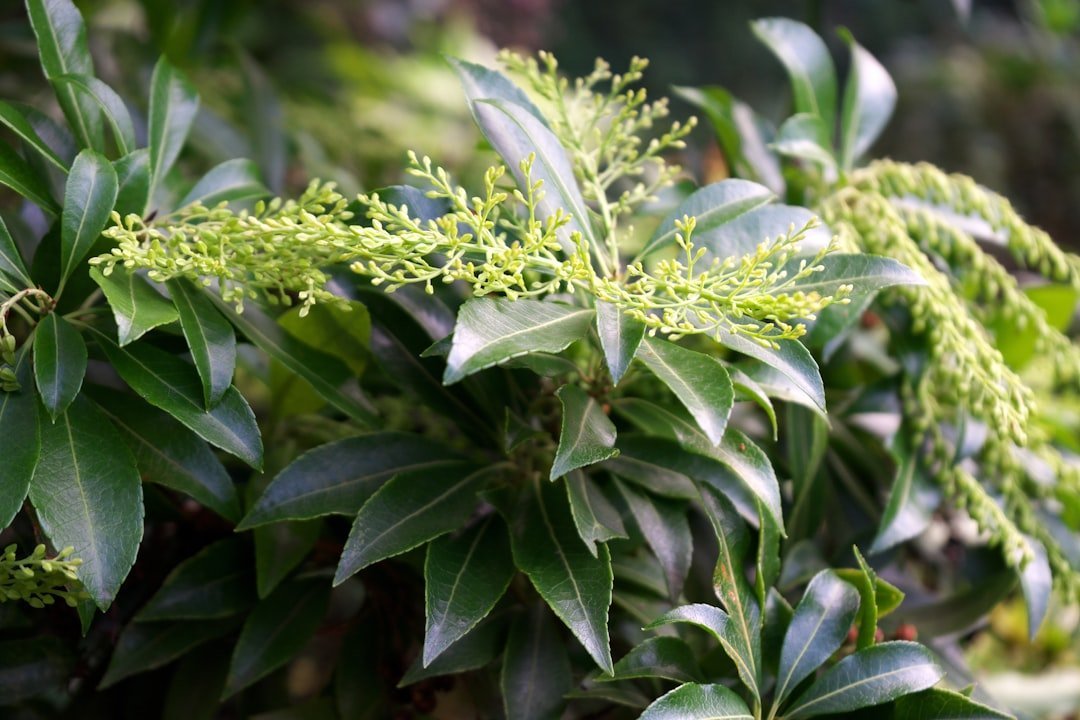
Over time, the realization spread that Chinese privet was massively invasive. As a result, the plant is now banned in multiple U.S. states, including Alabama, Texas, and Florida. Privet was widely planted as a hedge – fast-growing, dense, and green year-round. It seemed like a perfect solution until it started jumping fences and moving into forests.
Chinese privet forms dense thickets that shade out all native understory plants. Banned plants are a threat to native flora, habitats, and crops, and can even cause erosion and other terrestrial damage. They often colonize readily, spread easily, and may have toxic compounds that threaten native species, developing invasive root systems. Privet checks every one of those boxes.
10. Fig Buttercup – Small Flower, Big Problem
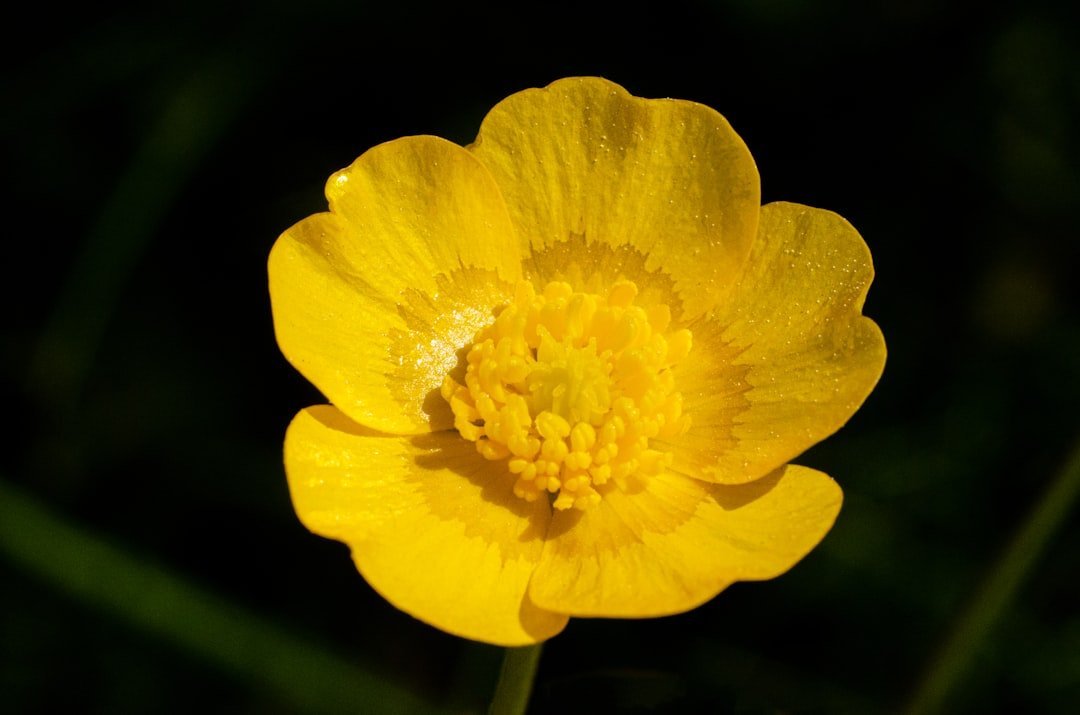
The fig buttercup is one of the most invasive plants in the U.S. The yellow flowering plant was introduced from Europe and aggressively reproduces once it takes hold. Because of its fast growth, it pretty dramatically wipes out native plant species and dominates habitats.
Plants like garlic mustard and fig buttercup are banned in multiple states for their ability to dominate habitats, disrupt native plant growth, and pose environmental risks. Fig buttercup is especially dangerous in early spring – it leafs out before native wildflowers get the chance, essentially stealing the season from species that have been growing in those woods for thousands of years.
11. Water Hyacinth – The Pond Plant That Closes Lakes
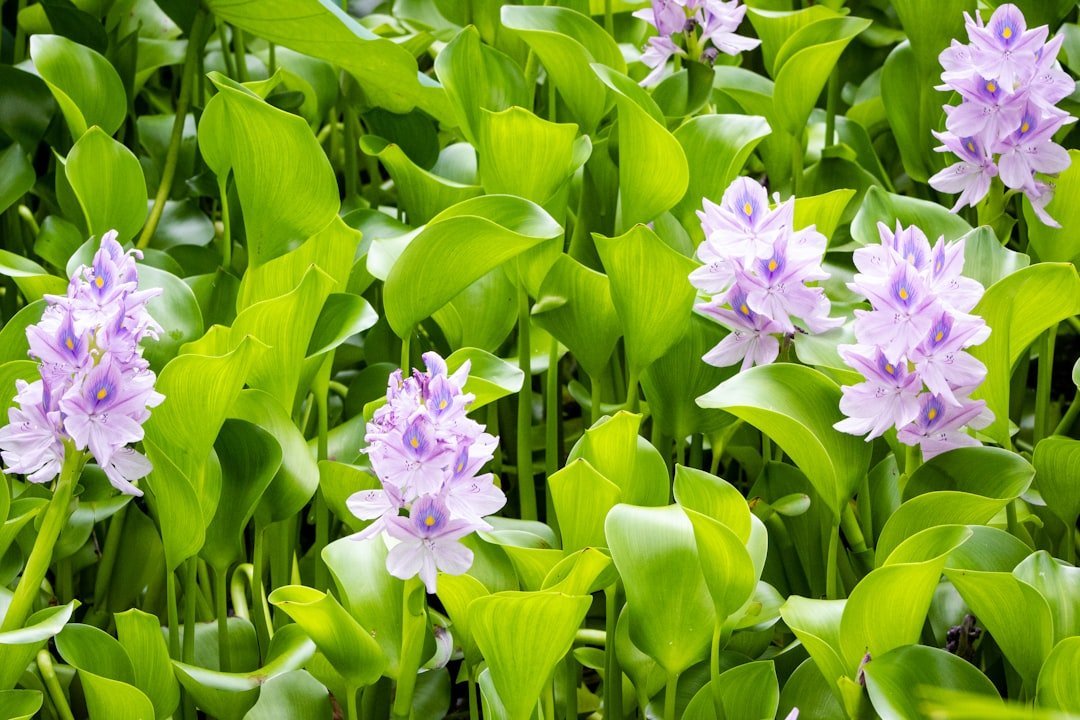
Water hyacinth is an invasive aquatic plant species native to the Amazon Basin in South America. It grows and reproduces quickly, and can spread to cover large portions of ponds, lakes, and other water bodies. Water hyacinth can outcompete native plants and block sunlight to the water column, negatively impacting biodiversity. Dense mats of water hyacinth impede boat traffic and reduce water flow.
Water hyacinth looks beautiful with its lavender flowers, but spreads faster than almost any other aquatic plant. A single plant can produce thousands of offspring in one season. It clogs boat launches, blocks irrigation pipes, and creates stagnant water where mosquitoes breed. Texas, Florida, and several other states regulate or outright ban it in natural water bodies.
12. Hydrilla – Illegal to Own in Multiple States
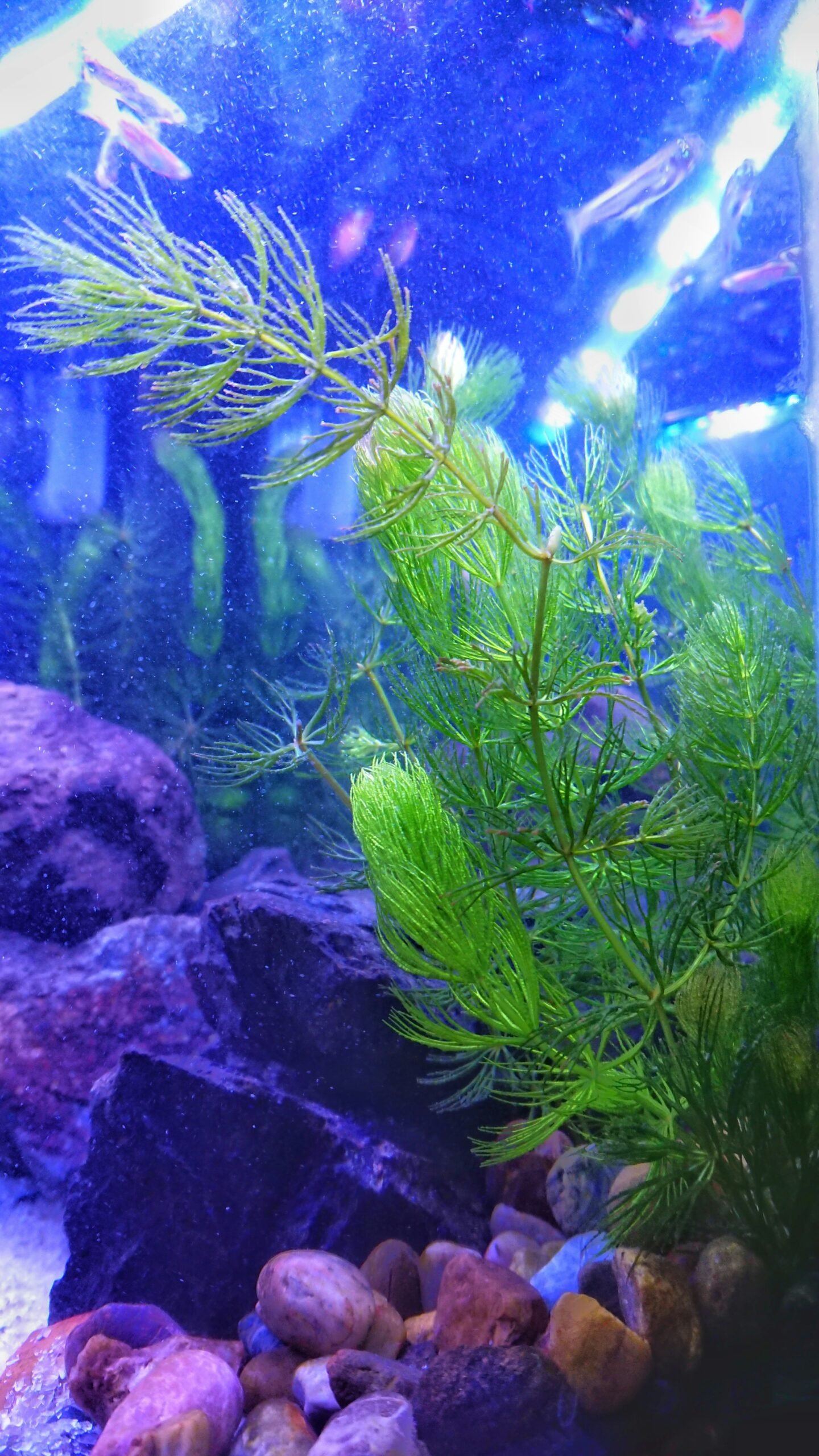
Hydrilla is a particularly aggressive aquatic plant. Importation into the U.S. is banned as it is regulated by the USDA. The state of North Carolina recognizes hydrilla as a noxious aquatic weed; it is illegal to cultivate, transport, and sell this plant. Many backyard pond enthusiasts have unknowingly purchased it online, not realizing it’s regulated in their state.
Hydrilla grows completely underwater and creates dense tangles that make swimming impossible. This plant fragments easily, meaning every tiny piece can start a new colony. It chokes out native underwater vegetation that provides oxygen and food for fish and other aquatic creatures. Hydrilla is prohibited in Michigan, meaning it is unlawful to sell, possess, or import it into the state.
13. Japanese Honeysuckle – Spreading by Bird, Not Just by Garden
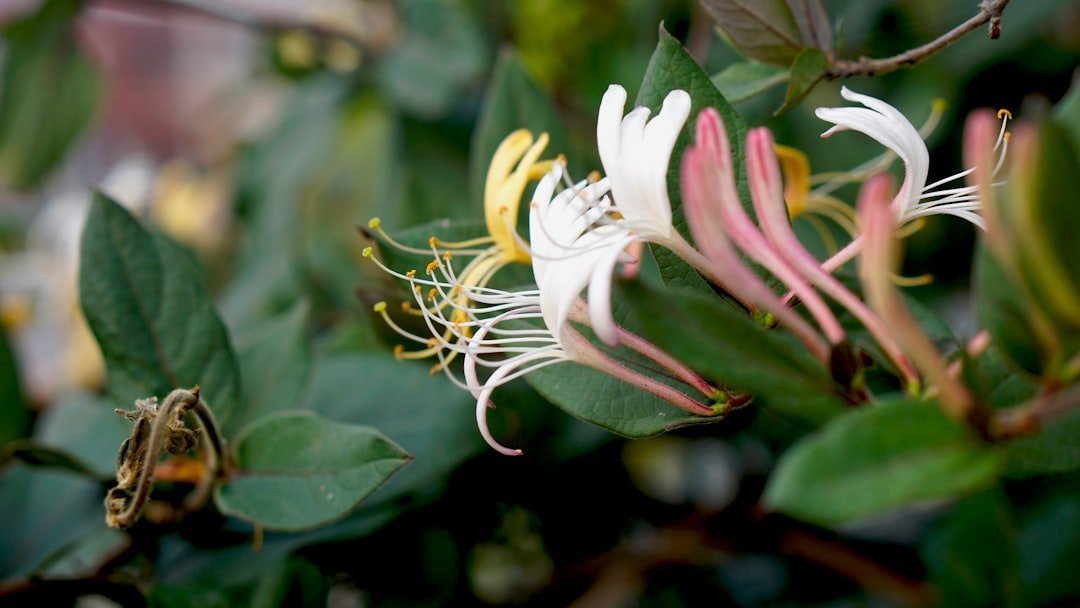
Japanese honeysuckle was brought to Long Island, NY, in 1806 for ornamental use and erosion control. The plant has become prolific throughout much of the East Coast as it adapts to a wide range of conditions. It is an aggressive vine that smothers, shades, and girdles other competing vegetation. Many birds eat the fruit of this plant, thereby spreading the honeysuckle’s seeds.
In Virginia, landscapers now receive a civil penalty for planting invasive species like English ivy and Japanese honeysuckle, instead of the former criminal charge. The sweet fragrance and familiar white blooms have made this one of the hardest plants to convince people to remove – but in many states, keeping it means contributing to a measurable decline in native plant diversity.
14. Common Buckthorn – The Thicket Builder
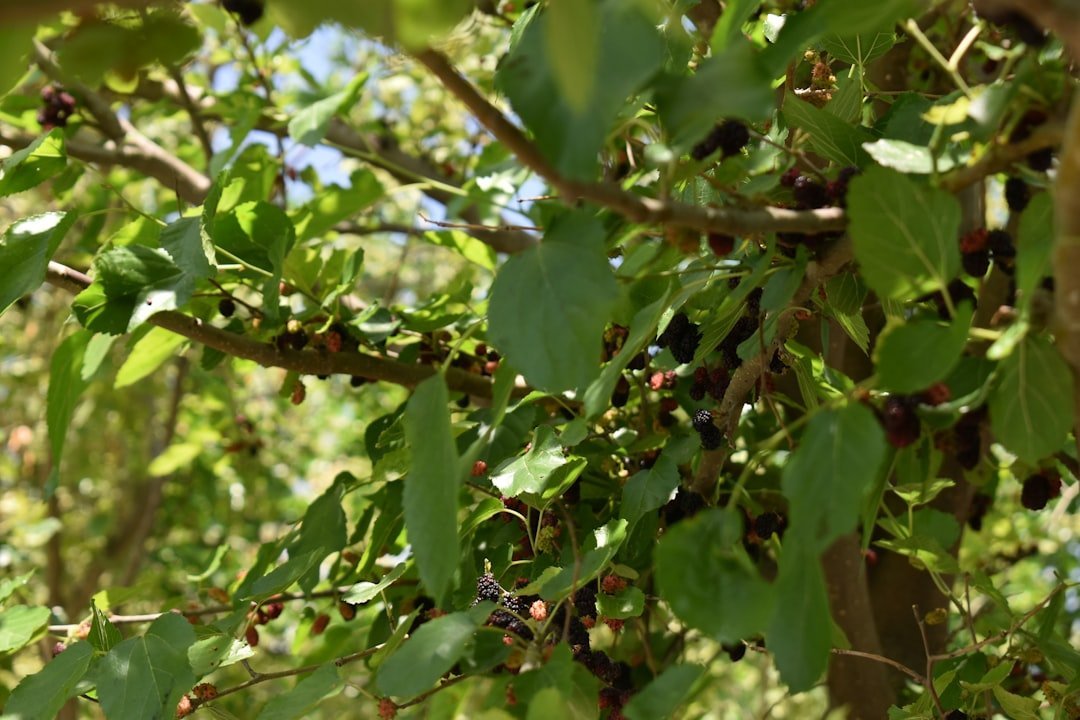
Common buckthorn, despite its ordinary appearance, poses a significant environmental threat as an invasive species. This aggressive shrub rapidly overwhelms native vegetation, disrupting natural ecosystem balance. Birds consume its berries and spread seeds widely, enabling buckthorn to establish dense, impenetrable thickets that are notoriously difficult to remove. The ecological impact of buckthorn has led to legal restrictions in multiple states.
Buckthorn also releases a compound called emodin that acts as a natural laxative, which speeds seed dispersal through bird digestive systems even faster. Once it’s in a woodland, property owners dealing with buckthorn infestations face challenging and often costly removal processes. Minnesota and Wisconsin have placed it on noxious weed lists.
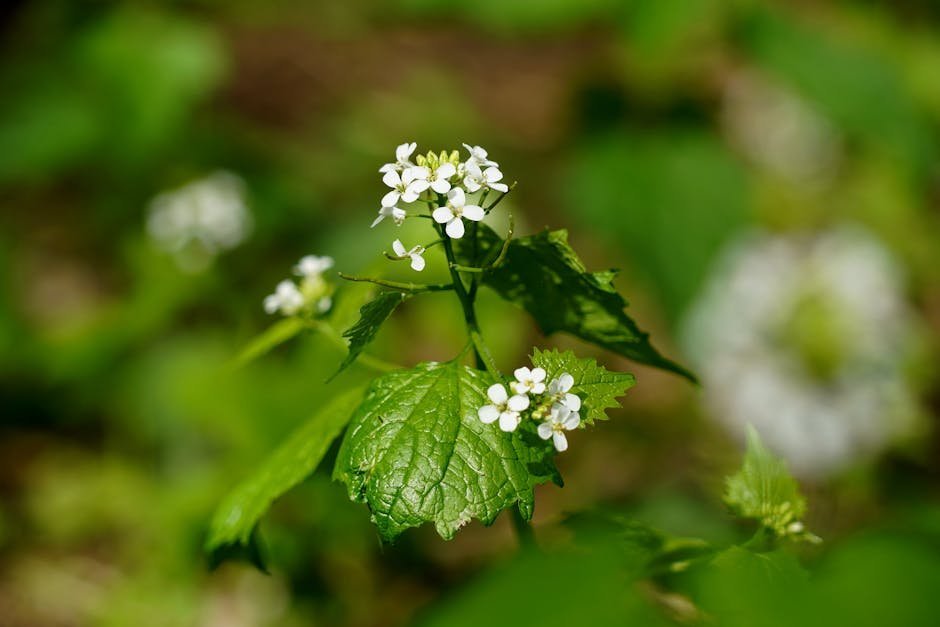
15. Garlic Mustard – One Plant, Thousands of Seeds
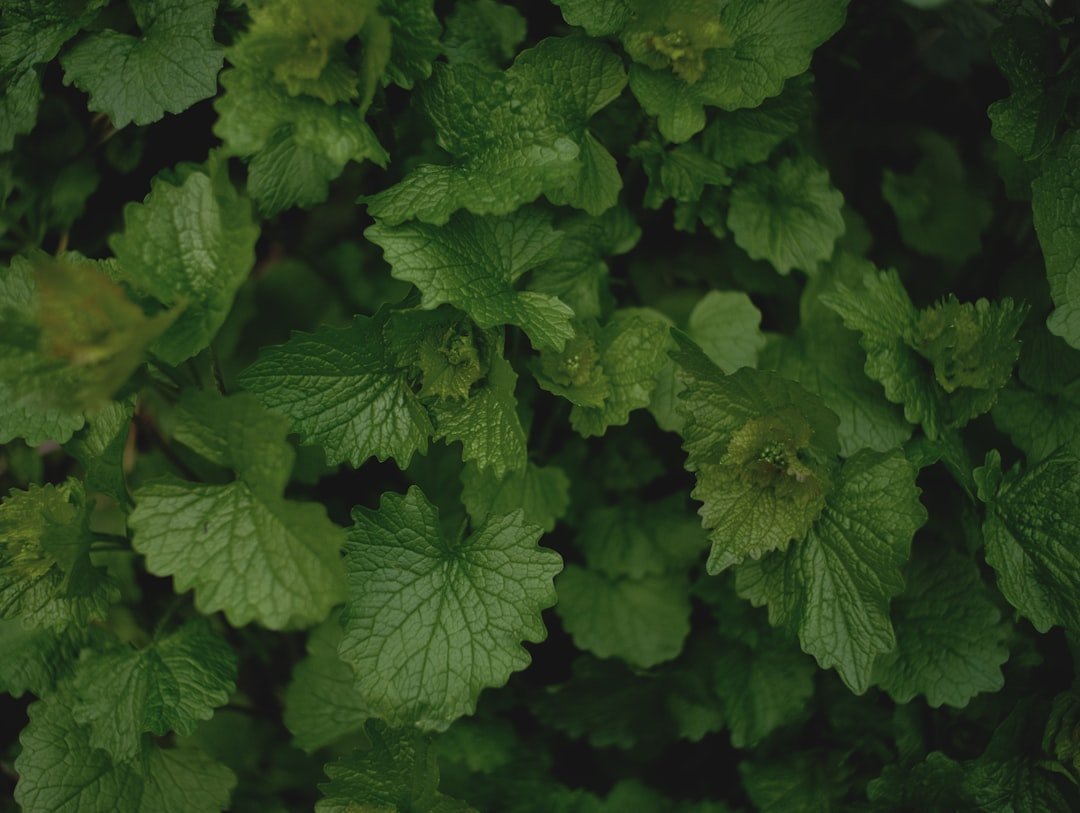
If you live in the U.S., you can’t grow garlic mustard. Simply put, nobody needs the extra hassle of removing the seedlings that the mother plant will create in surrounding areas. Each mature plant can produce hundreds to thousands of seeds, and those seeds persist in the soil for years. One small plant in your garden can seed an entire woodlot without you ever noticing.
Garlic mustard also releases allelopathic chemicals into the soil that suppress mycorrhizal fungi – the underground networks that native trees depend on for nutrients. It doesn’t just crowd out other plants; it chemically alters the soil so natives can’t grow back. Each county, state, province, and other designation will have a list of banned plants. Following these directives can help save the indigenous floral community and encourage its health.
16. Autumn Olive – Birds Love It, Ecosystems Don’t
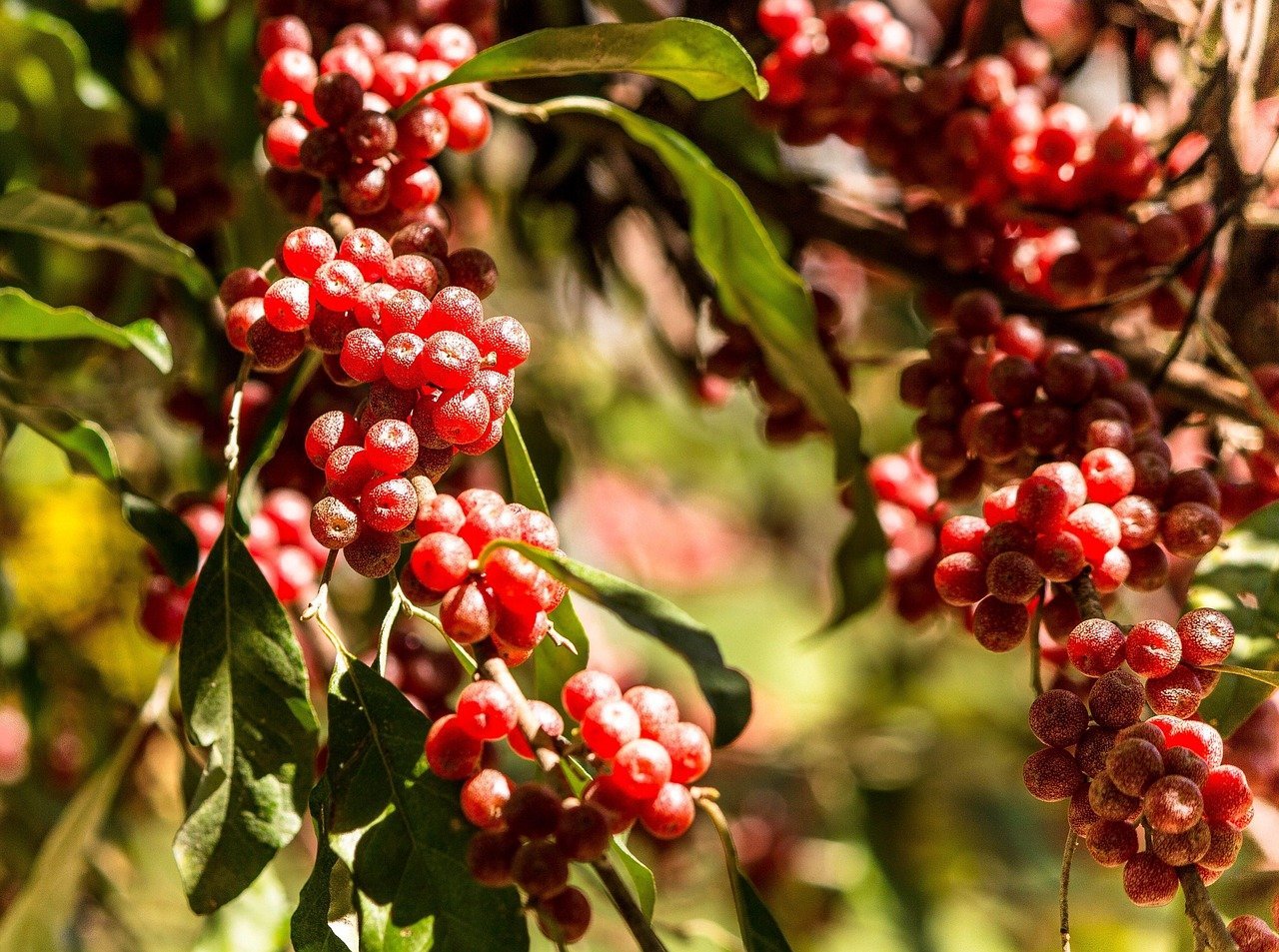
Originally brought to the United States for decorative and erosion control, autumn olive rapidly proved to be a troublesome invasive plant. Though it spreads quickly through birds, who consume the berries and distribute seeds over great distances, the plant produces tiny, fragrant blossoms and silvery-green leaves. Particularly in disturbed environments like forests and fields, autumn olive can swiftly outcompete native plants.
Fixing nitrogen also changes the makeup of the soil, which can make the surroundings hostile for other organisms. Growing autumn olive is therefore banned in some areas of the United States, and initiatives are underway to stop its spread and wipe out current populations. Pennsylvania and several mid-Atlantic states have placed it on restricted plant lists.
17. Scotch Broom – Yellow Flowers, Dangerous Thickets
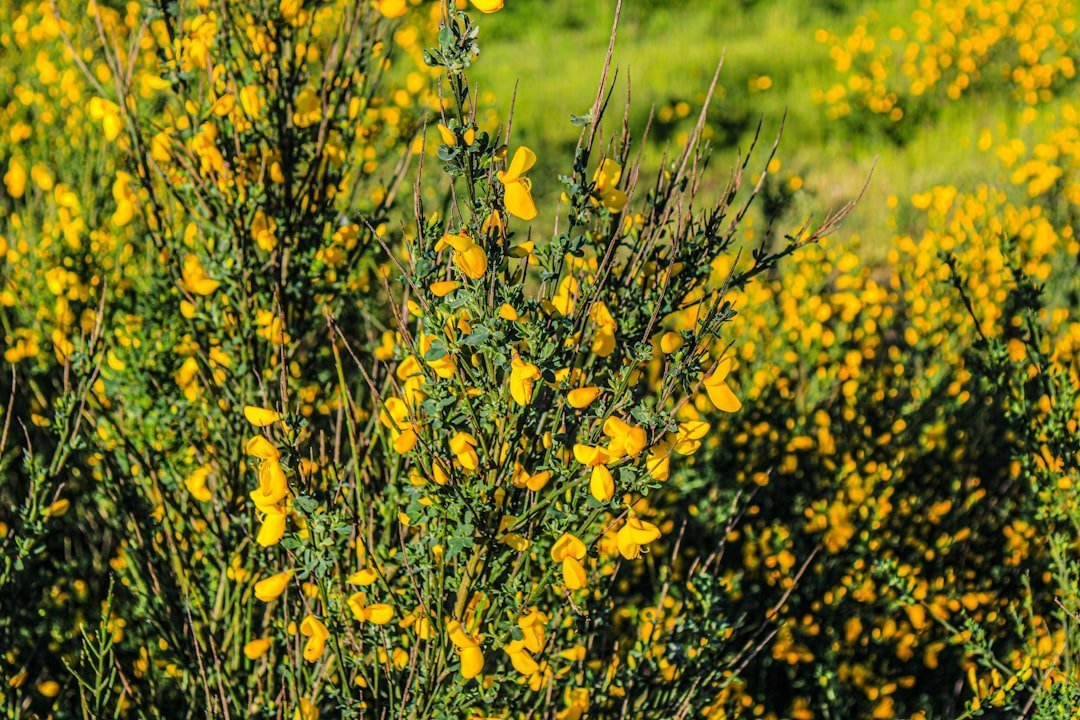
Originally brought from Europe as an attractive plant and for erosion control, Scotch broom is a shrub with yellow blossoms. But it has now turned invasive, especially in the Pacific Northwest. Fast-growing and creating dense, impenetrable thickets, Scotch broom displaces native species and lowers biodiversity. By raising nitrogen levels, the plant also changes soil chemistry, which can impede the expansion of native flora even more.
Scotch broom is controlled in some states because of its aggressive character and detrimental effects on the surroundings. Homeowners are often asked to remove it from their properties to help stop additional spread and possible harm to nearby ecosystems. It’s a Class B or Class C noxious weed in Washington and Oregon, and leaving it unchecked can trigger mandatory control orders.
18. Saltcedar (Tamarisk) – The Water Thief of the West
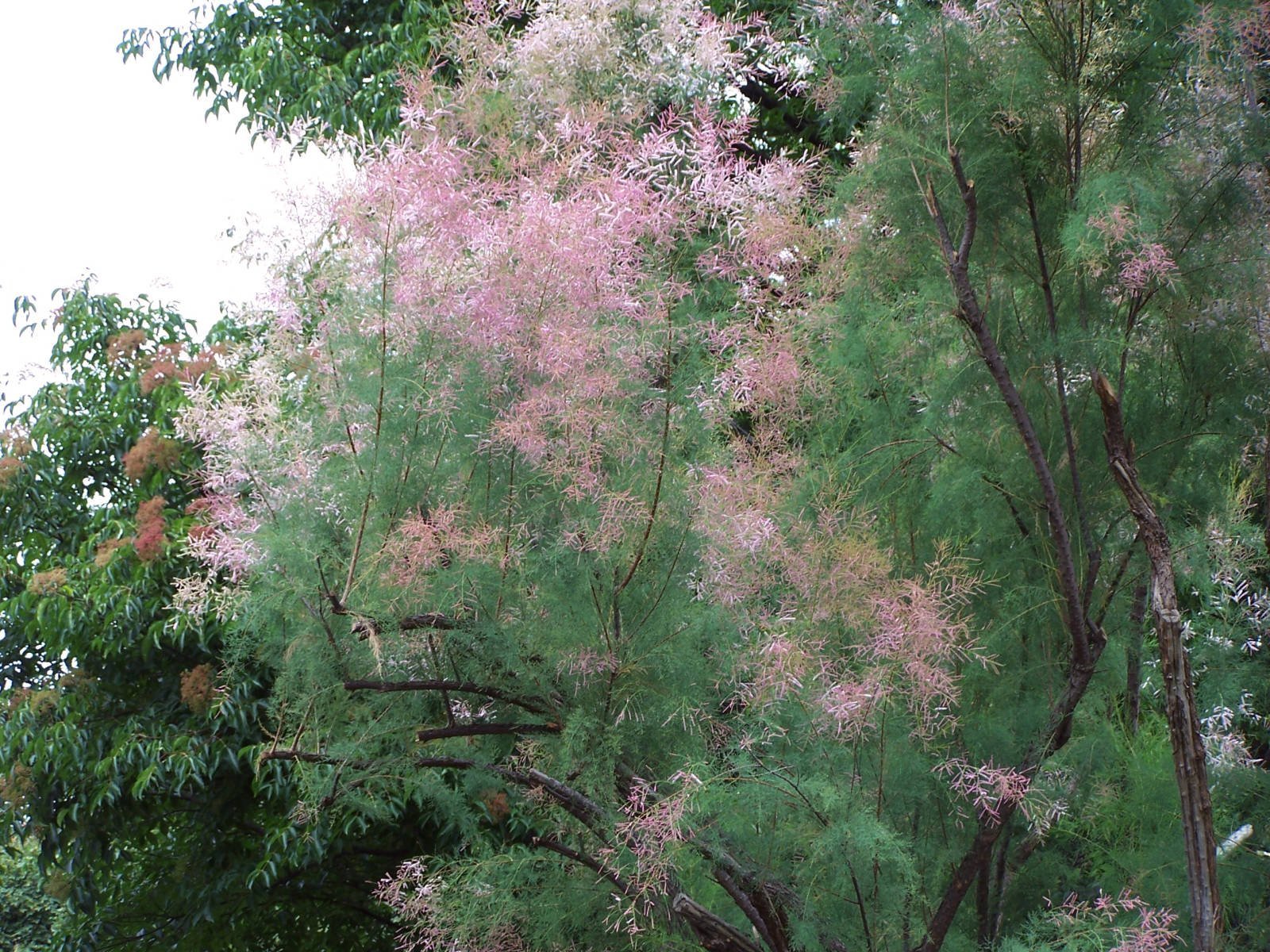
Illegal to grow in several U.S. states, saltcedar – sometimes called tamarisk – is an invasive plant originally brought from Eurasia as a decorative plant and for erosion control. It has grown to be a severe hazard to Western U.S. waterways. Saltcedar can draw enormous quantities of groundwater, drying out riparian zones that native willows and cottonwoods depend on to survive.
Saltcedar also deposits salt in the soil as part of its normal biology, creating conditions where native plants simply cannot compete. Removing it is expensive and time-consuming, requiring multiple seasons of treatment. Western states, including New Mexico and Colorado, list it as a noxious weed with mandatory control provisions on agricultural and conservation lands.
19. Johnsongrass – A Hidden Threat to Livestock
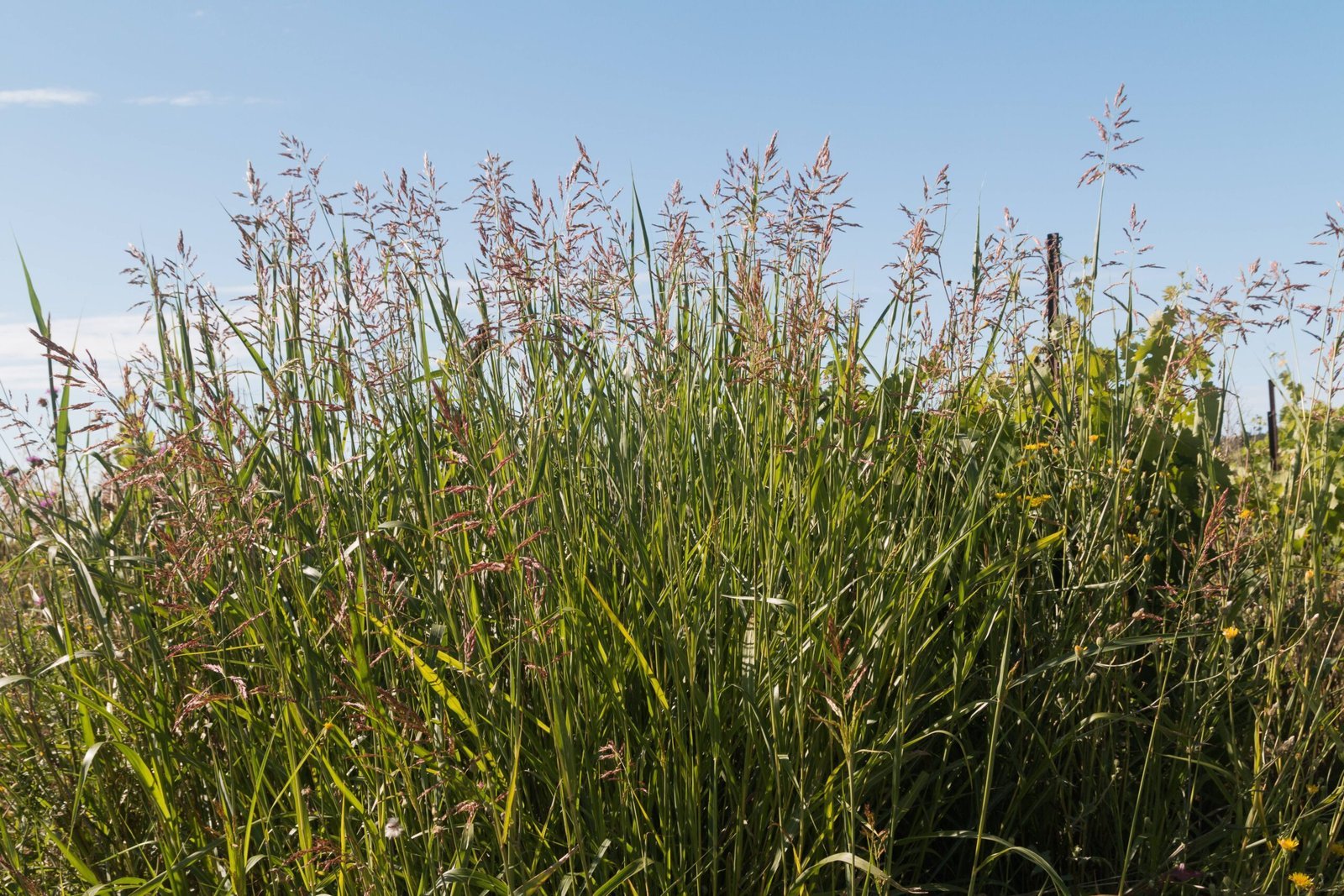
Johnsongrass isn’t just invasive – it’s a serious threat to livestock. When eaten by cows or sheep, it causes cyanide poisoning. This may not outright kill the livestock in small doses; however, even smaller amounts can cause deformities in their offspring if they survive the poisoning.
Because of this, it’s blanket-banned in Missouri and banned in Texas under certain conditions, like planting it on rented land. Johnsongrass, a hardy perennial native to the Mediterranean, was introduced to Texas in the 1800s as forage. However, it can cause cyanide poisoning in livestock, especially after stressors like frost or chemical application. Due to its threat to livestock, Texas made it illegal to plant Johnsongrass on rented land in 1895 and fined railroads for failing to control it.
20. Chinese Tallow (Popcorn Tree) – Toxic and Invasive
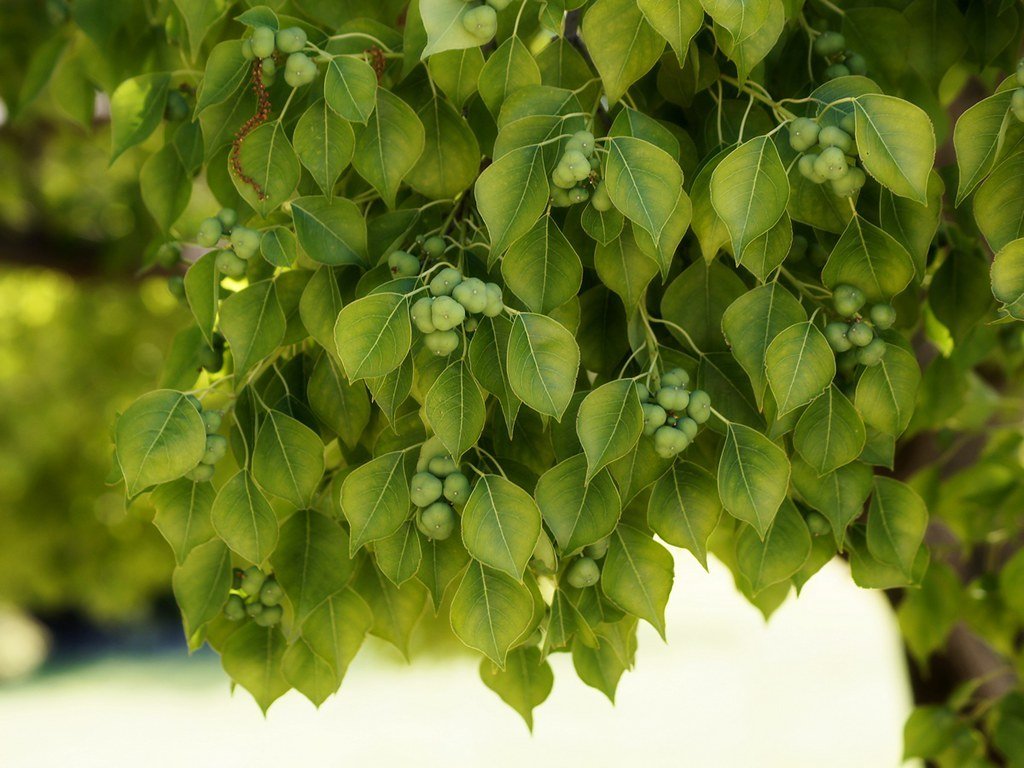
Chinese tallow is fairly large, and you might recognize it by its nickname, “popcorn tree.” It earned its ban for its invasiveness, especially overpowering native plants in wet areas. However, it also endangers native frog species. When the Chinese tallow drops decaying leaves in water, it shifts the microbial properties.
Despite its heart-shaped leaves and vibrant fall colors, the Chinese Tallow Tree poses significant ecological risks. Its aggressive growth displaces native plants, forming monocultures that disrupt local ecosystems. The tree’s leaves, fruits, and sap are toxic to humans and animals, including pets and livestock. It also accelerates nutrient runoff, enriching water with phosphates and depleting oxygen levels, harming aquatic life.
21. Yellow Iris – The Gorgeous Wetland Wrecker
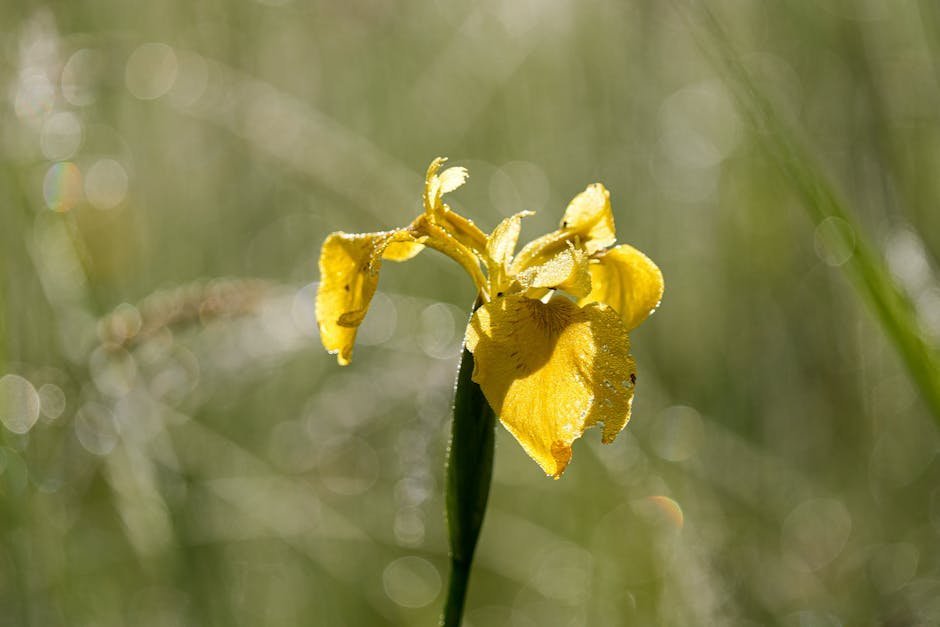
Yellow irises are really beautiful plants – unfortunately, that’s as far as the positivity goes. Navigating the legality of growing a yellow iris is akin to moving through a minefield. Many states ban the growth of yellow iris plants completely because of their high invasiveness. Others only ban their release in public spaces.
Yellow iris thrives in wetlands, pond edges, and stream banks – exactly the sensitive habitats that regulators are most concerned about protecting. Its rhizomes spread aggressively underground, and it can tolerate a wide range of wet conditions. Prohibited plant lists need to be consulted annually, as they change. New research and studies consistently turn up problem plants.
22. Norway Maple – The Street Tree That Escaped
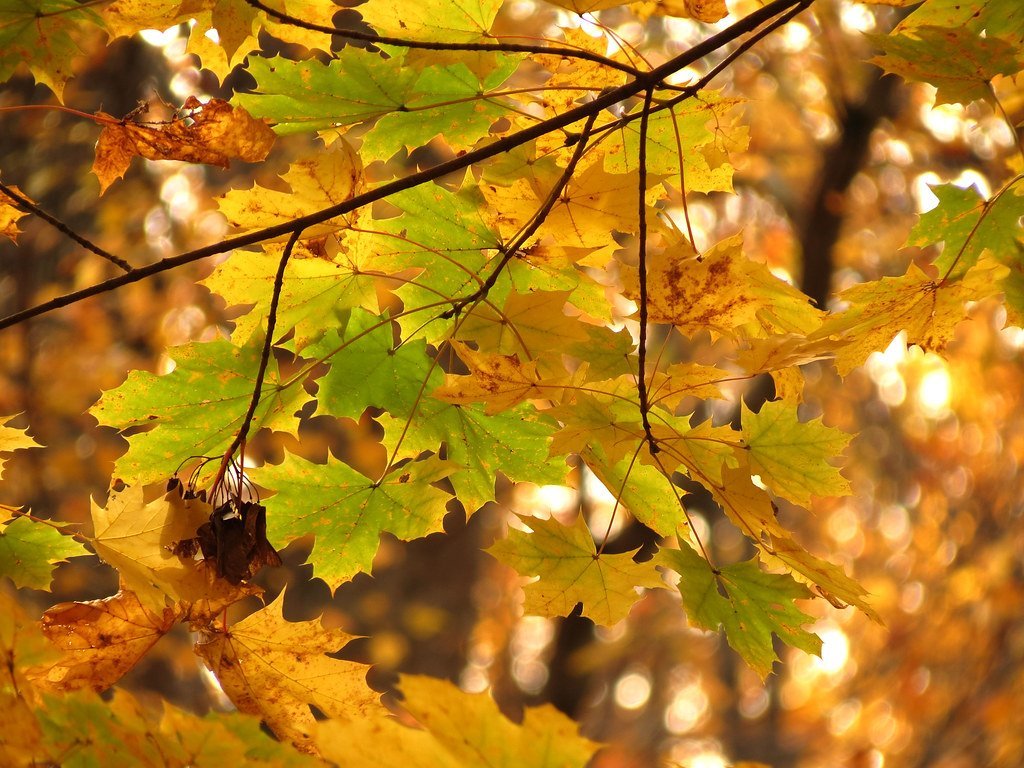
Norway maple, introduced from Europe in 1756, became one of the most frequently planted street trees in the eastern and north-central regions of the United States. For generations, it was a staple of suburban landscaping – dense shade, fast growth, and beautiful autumn color. Then researchers realized it was reproducing aggressively in natural forests and shading out every native wildflower underneath.
Norway maple is among the historically popular and widely planted trees now on New Hampshire’s Prohibited Invasive Species list. It is illegal in New Hampshire to collect, transport, sell, distribute, propagate, or transplant any living or viable portion of any listed prohibited invasive plant species, including all of their cultivars, varieties, and specified hybrids. Several other northeastern states have followed suit.
23. Purple Wintercreeper – Indiana’s Banned Groundcover
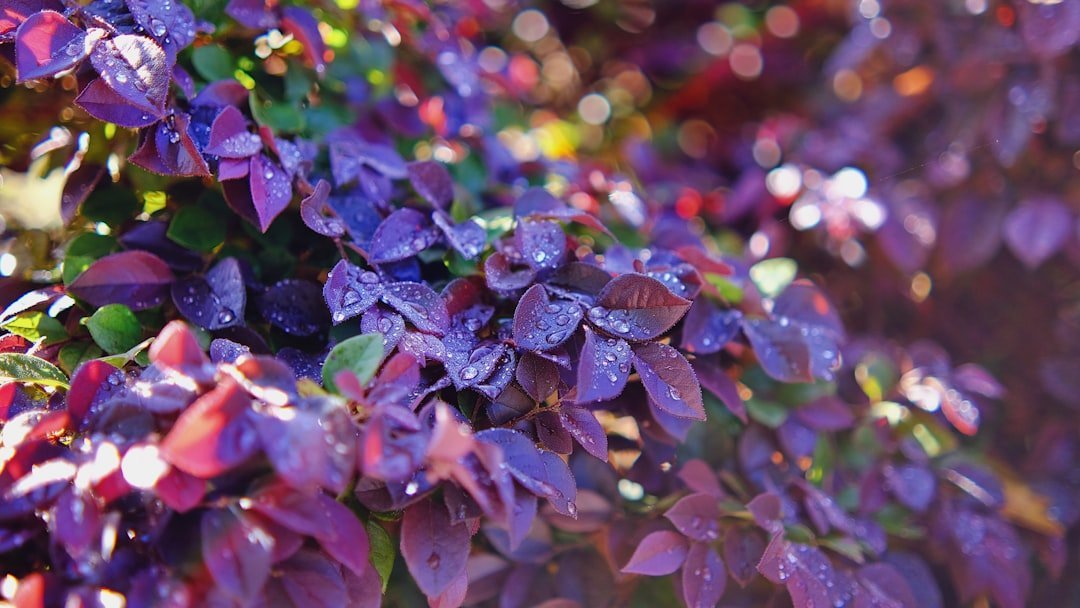
Purple wintercreeper’s aggressive growth allows it to outcompete native plants for water, nutrients, and sunlight. This can weaken native plant communities and make them more susceptible to disease and other stressors. Indiana bans purple wintercreeper due to its harmful impact on the environment. Buying, selling, transporting, or sharing this invasive plant species is illegal within the state.
Wintercreeper was sold for decades as a carefree evergreen groundcover. It was everywhere – lining driveways, blanketing slopes, filling beds under trees. The problem is that in the wild, it forms dense mats that smother native woodland plants entirely. Once it escapes a yard, removal is a years-long effort. Once they spread, these plants bulldoze native ecosystems, clog waterways, and cost millions in control efforts.
24. Oriental Bittersweet – A Fall Decoration That Devours Trees
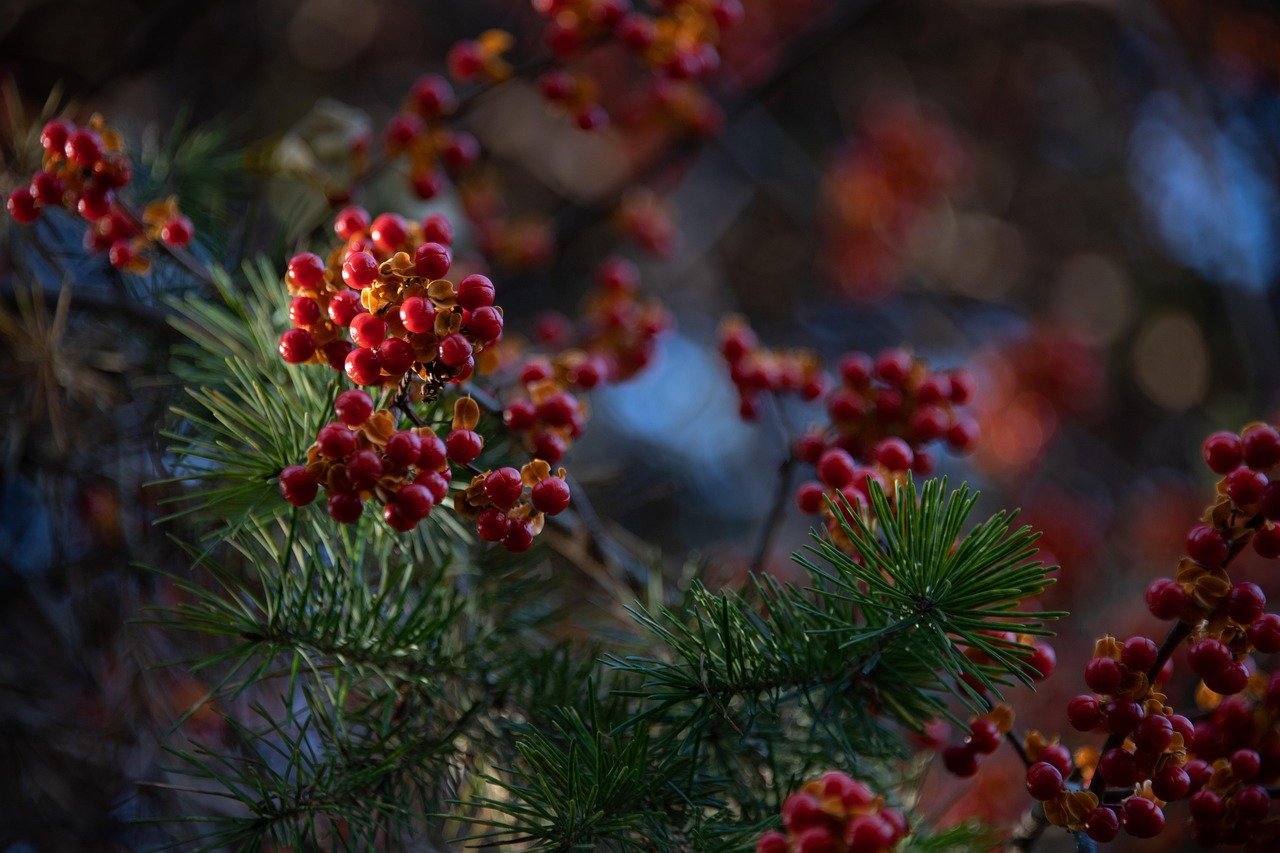
Asian bittersweet, also known as Oriental bittersweet or Chinese bittersweet, is a deceptively attractive vine wreaking havoc on natural ecosystems in North America. While their glossy leaves and vibrant orange fruits might seem appealing, these invasive plant species pose a significant threat due to their aggressive characteristics. Asian bittersweet is a vigorous climber, readily twining around trees, shrubs, and other structures.
Oriental bittersweet is considered invasive alongside burning bush and multiflora rose. It’s still commonly found in craft wreaths and fall arrangements – which is exactly how seeds get transported from region to region. Multiple northeastern states have placed it on prohibited plant lists. Selling it or planting it intentionally can trigger fines, and using the cut branches for decoration risks spreading seeds wherever those arrangements end up.
What You Should Do Right Now
Before planting any new landscaping features, it’s crucial to research the invasive plant laws in your state or territory. You can do so by contacting your state’s Department of Agriculture or by searching government websites online for further information, so you don’t end up planting some of the most dangerous plants in your backyard. Each county, state, province, and other designation will have its own banned plants list – and fines vary widely, from civil penalties of a few hundred dollars all the way up to serious enforcement action.
In some states, violations are still classified as a class 1 misdemeanor, carrying up to 12 months in jail, or a $2,500 maximum fine, or both. The good news is that most states are primarily targeting sellers and landscapers, not homeowners with a single pre-existing shrub. But knowingly planting or spreading a banned species is a different story entirely. Walk your yard this weekend with fresh eyes – you might be surprised what’s already growing there.