
Most people picture a national park visit as a refreshing escape – cool breezes, serene trails, a few great photos. What they don’t picture is a two-hour traffic jam before they’ve seen a single tree, parking lots that fill before 8 a.m., or legs that give out halfway up a trail that looked completely manageable on the map. The gap between the Instagram version and the lived experience is enormous, and it catches millions of travelers completely off guard every single season.
National parks hit a record 331.9 million visits in 2024 – and that relentless surge has turned some of America’s most beloved landscapes into genuine endurance tests. Some of these parks will surprise you. A few of them are places you’d never expect to see on this list. And at least one of them is almost certainly somewhere you’ve already been, convinced it was “easy.”
#15 – Shenandoah National Park: The “Easy Drive” That Breaks First-Timers

Shenandoah gets sold as the perfect weekend escape from Washington, D.C. – a scenic cruise along Skyline Drive, some overlooks, maybe a short hike. Turns out, a full day in a national park is not a passive activity. Shenandoah’s rolling Blue Ridge terrain looks gentle from the road and punishes you the second you step off it. The summer humidity is relentless, shade is sparse on the exposed ridge trails, and distances between trailheads are far greater than most visitors anticipate.
The Old Rag Mountain hike – the park’s most famous – involves nearly 3,000 feet of elevation gain and a boulder scramble that sends unprepared day-trippers back down in defeat. Shenandoah is one of the top picks for fall foliage, typically peaking in October, which means autumn crowds pile on top of already demanding terrain. Veteran hikers love it. First-timers frequently don’t realize what they’ve signed up for until their knees are already unhappy.
Fast Facts
- Old Rag Mountain: ~3,000 ft elevation gain with a technical boulder scramble near the summit
- Skyline Drive runs 105 miles end to end – far longer than most visitors plan for
- Summer humidity regularly pushes the “feels like” temperature well above 90°F on exposed ridges
- Fall foliage peak: typically mid-to-late October, coinciding with the park’s highest weekend crowds
- Old Rag requires a day-use permit in addition to the park entrance fee
#14 – Canyonlands National Park: Utah’s Most Underrated Physical Beating
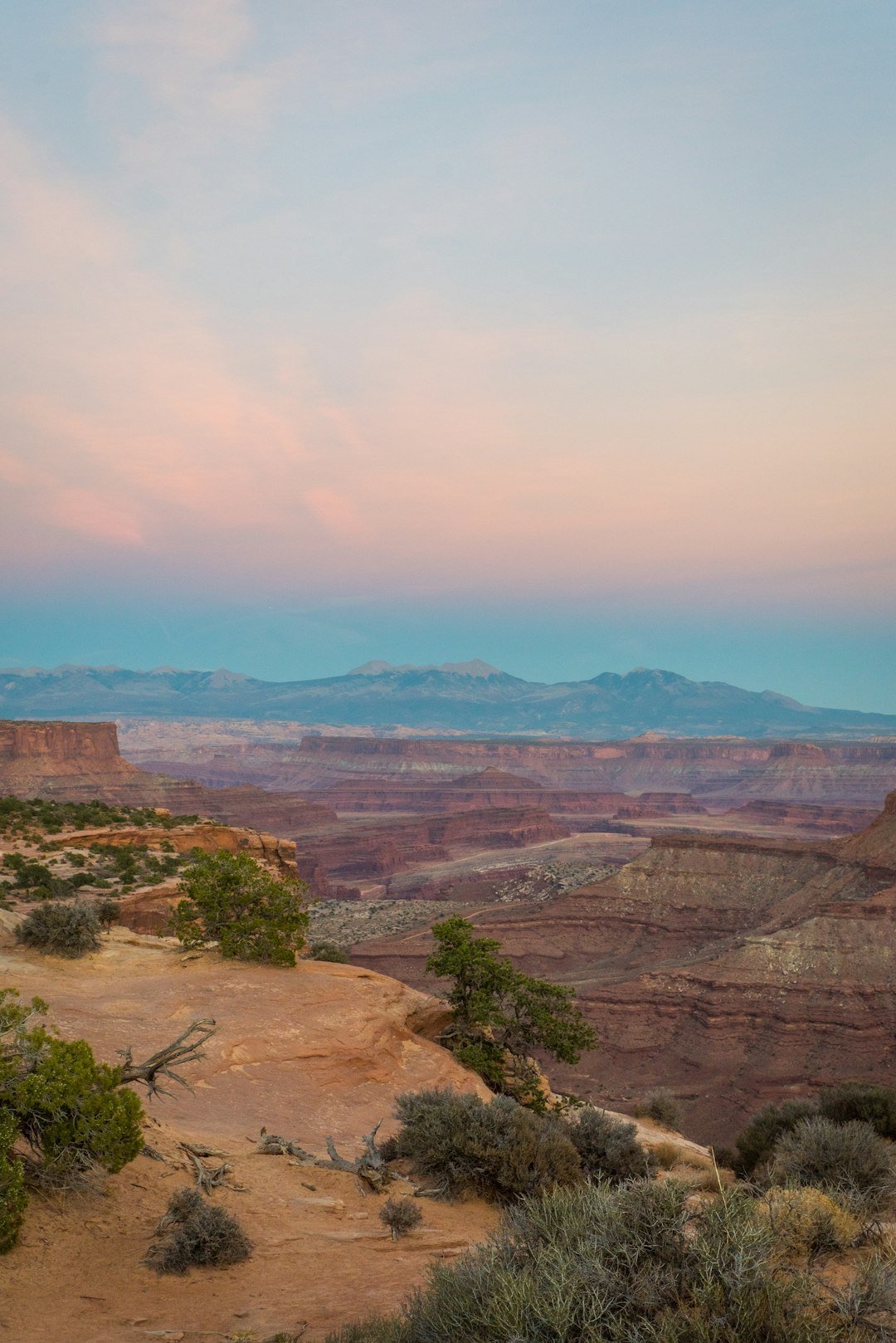
Canyonlands sits in the shadow of its flashier Utah neighbors – Arches and Zion pull the crowds, so many travelers assume Canyonlands will be a breezier experience. It is not. The sun reflects off the red rock from every direction. There is almost no shade. Water sources are nonexistent on most trails, and the loose rock and deep sand on canyon-floor routes drain your legs faster than any paved switchback ever could.
The Maze district – Canyonlands’ most remote section – is so disorienting and physically demanding that it requires a four-wheel-drive vehicle just to access it, and expert planning once you’re in. Even the more visitor-friendly Island in the Sky district leaves people stunned by how much energy a “short” canyon-rim walk demands under a desert sun at altitude. Travelers expecting Arches-lite find themselves in something else entirely.
#13 – Everglades National Park: The Flat Park That Somehow Destroys You
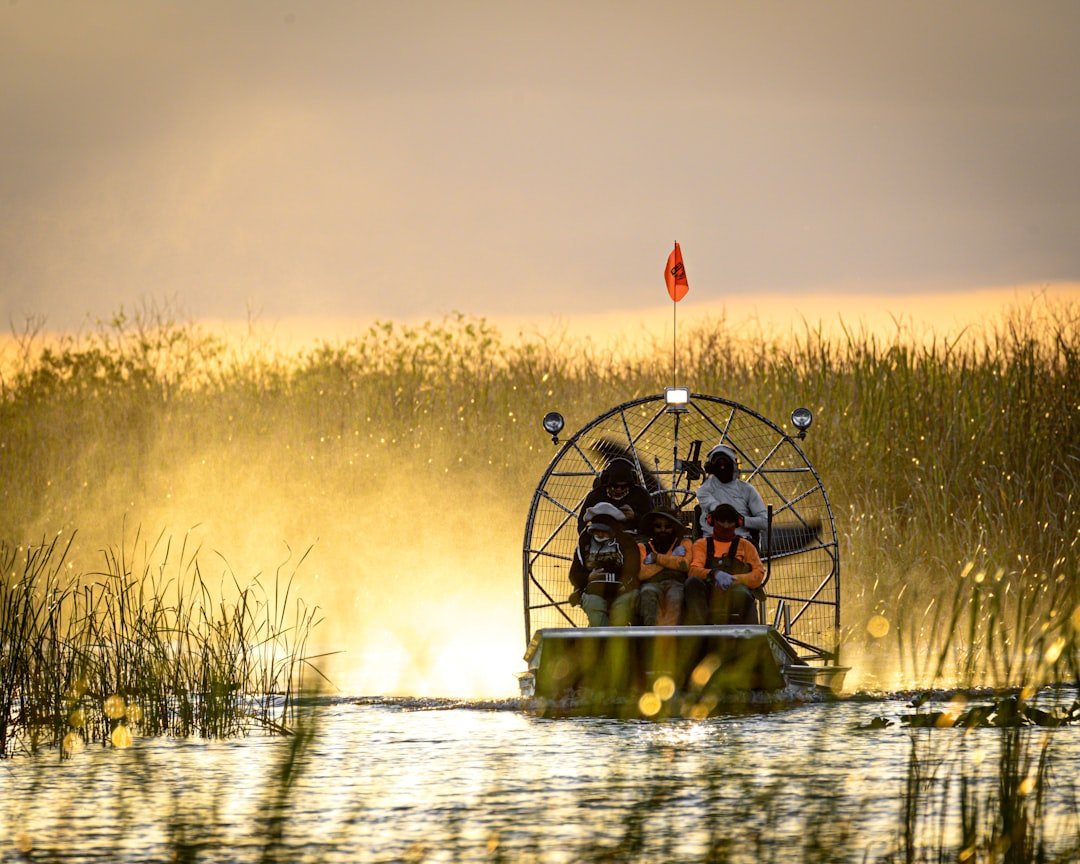
People see “flat terrain” and “Florida” and assume the Everglades will be a walk in the park – literally. There are no mountains here, no cables to grip, no switchbacks. Yet travelers consistently report leaving far more wrecked than expected. The culprit is everything else: crushing summer humidity, temperatures that hover dangerously high, and a mosquito population so overwhelming that visitors have described it as a physical force. The bugs alone have driven grown adults back to their cars in under an hour.
Navigation adds a whole separate layer of exhaustion. Much of the park is intentionally undeveloped, which makes it ecologically extraordinary and logistically punishing. Getting disoriented in sawgrass prairie or mangrove tunnels burns time, energy, and nerves faster than almost any trail in the Rockies. The Everglades in summer isn’t a dry desert heat – it’s subtropical steam, and it hits differently than anything in the Southwest.
#12 – Joshua Tree National Park: Two Parks in One, Twice the Wear

Joshua Tree sits at the intersection of two desert ecosystems – the Mojave and the Colorado – which makes it genuinely spectacular and genuinely unforgiving. Rock climbers flock here for some of the best granite bouldering in the country, but casual visitors who showed up expecting a desert stroll routinely underestimate how fast the exposed terrain drains them. Summer temperatures regularly push above 100°F, and the heat radiates off the rock in every direction with nowhere to hide.
The park covers nearly 800,000 acres, and the distances between attractions are deceptive – driving from one trailhead to another can eat an entire morning. There are no flowing water sources anywhere inside the park, meaning every drop you’ll drink has to come with you. Visitors who arrived expecting a leisurely desert wander often leave having hiked far more mileage than planned and drunk far less water than they should have.
Worth Knowing
- No water sources exist inside the park – rangers recommend at least 1 liter of water per hour of hiking in summer
- Park entrance stations are miles apart; the wrong gate adds significant driving time
- Summer heat advisories regularly close some trails between 10 a.m. and 4 p.m.
- The park spans two elevation zones – the higher Mojave section is noticeably cooler than the low Colorado Desert section
The National Park Endurance Test
Think you're ready for your next outdoor adventure? From hidden permits to grueling elevation gains, test your knowledge on why these iconic landscapes are more exhausting than they appear.
Think you caught the key details? Take the quick quiz and see how sharp your instincts really are.
#11 – Bryce Canyon National Park: The Hoodoo Trap Nobody Warns You About
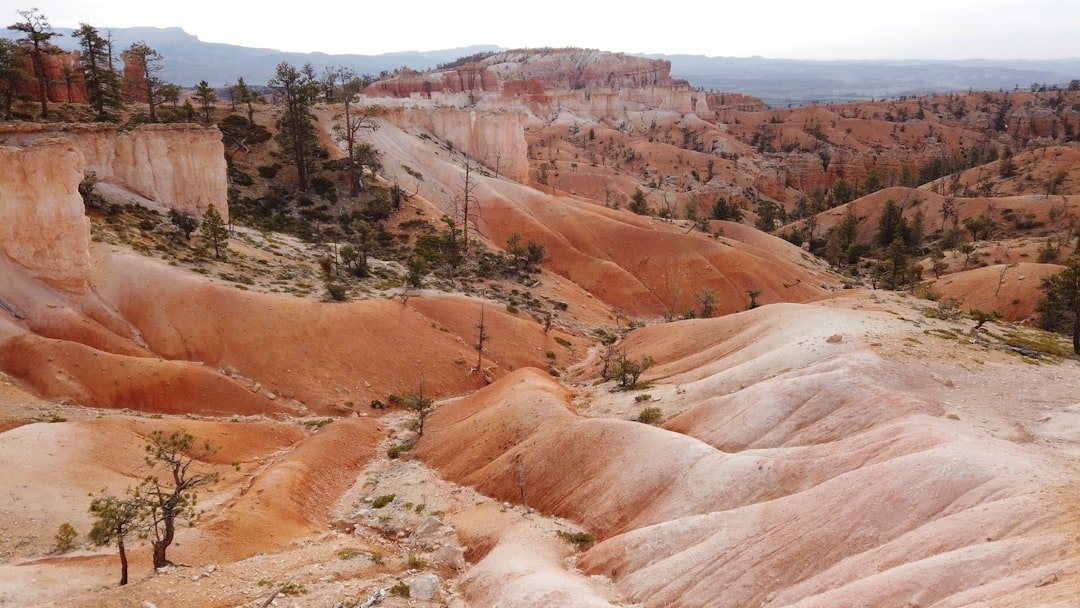
Bryce Canyon looks straightforward from the rim. You peer down at thousands of orange hoodoos rising from the canyon floor and think: that would be a great hike. It is – but most visitors forget one crucial fact about descending into Bryce Canyon: what goes down must come back up. The famous Navajo Loop drops nearly 600 feet in under a mile, which feels exhilarating going down and feels like a different planet coming back up.
The rim sits above 8,000 feet elevation and climbs higher toward Rainbow Point – altitude that catches lowland visitors completely off guard when their lungs start burning on what they thought was a “moderate” loop. Bryce drew nearly 2.5 million visitors in 2024, and peak visitation has shifted toward September, meaning the narrow canyon trails turn into a human traffic jam mid-hike. The crowd-plus-altitude combination has left more than a few travelers sitting on a log halfway up, reconsidering all their life choices.
#10 – Acadia National Park: Maine’s Crowded Crown Jewel
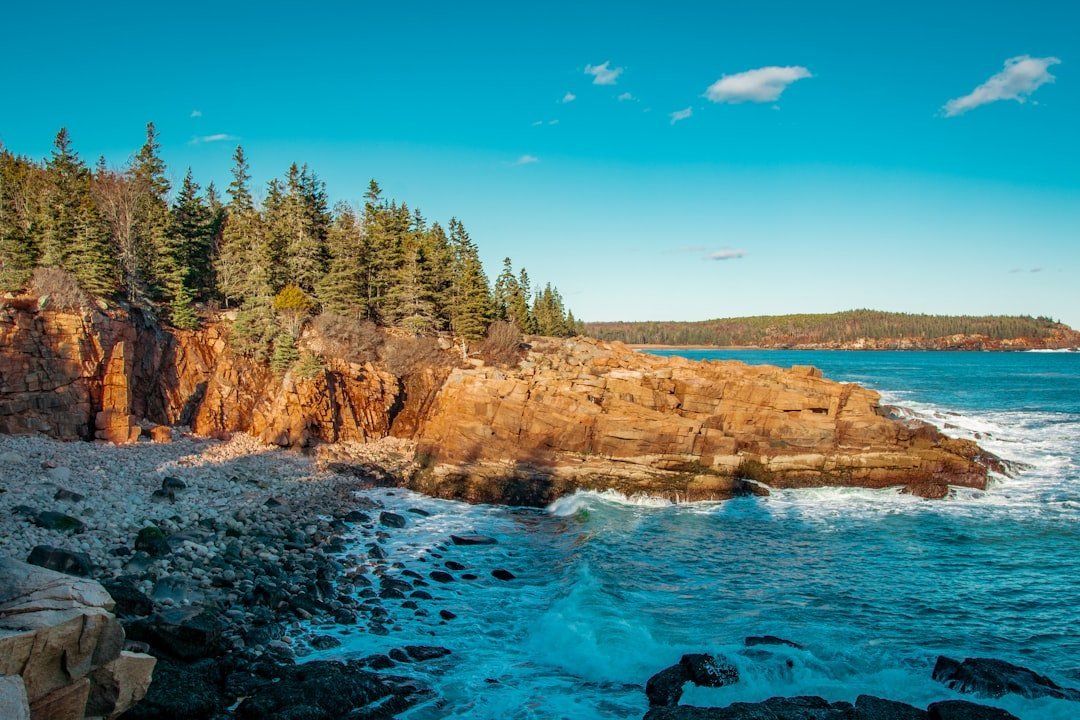
Acadia gets marketed as a calm, coastal retreat – lobster rolls, ocean breezes, charming New England scenery. And it delivers all of those things, packed inside a park that has quietly become one of the most logistically demanding visits on the East Coast. Cadillac Mountain, the park’s crown jewel, now requires a vehicle reservation just to drive to the summit. What used to be a spontaneous road trip destination now requires planning weeks or months in advance.
The carriage roads are beautiful, but Acadia’s rugged coastal hiking trails – particularly the Precipice Trail and the Beehive – demand real climbing with iron rungs bolted into exposed cliff faces. Many travelers arrive expecting a relaxed coastal rhythm and instead find a high-demand park where timing matters almost as much as the scenery. Nobody’s Instagram photo of Jordan Pond shows the 45-minute wait for a table at the boathouse.
#9 – Grand Teton National Park: The Parking Lot Olympics Begin at Dawn
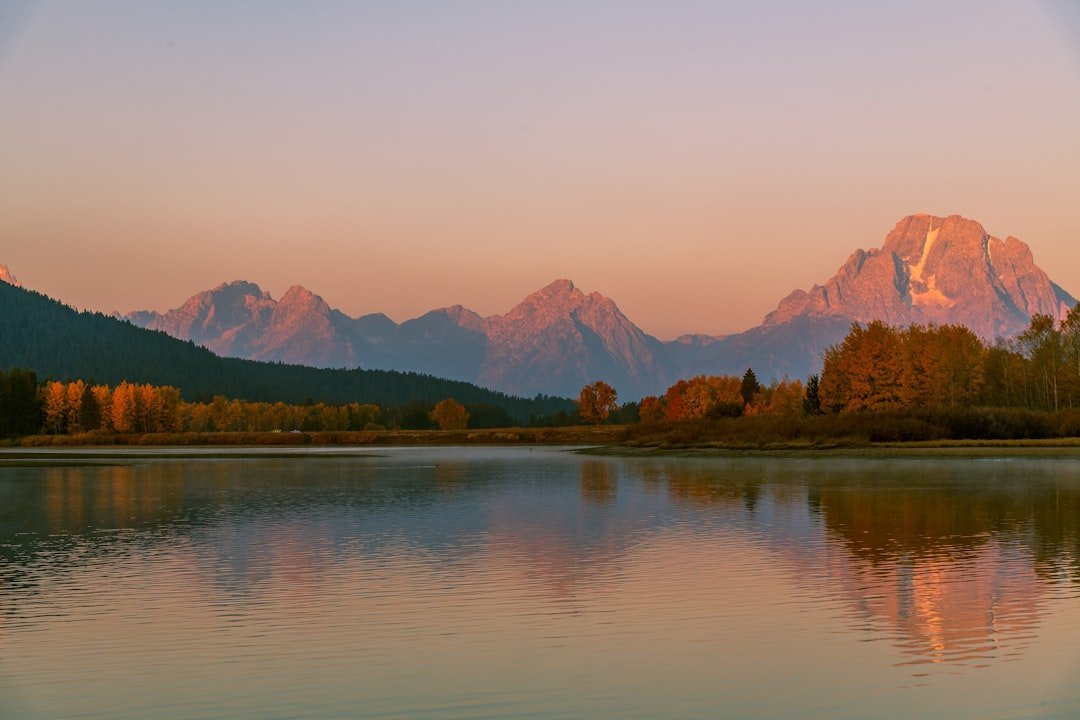
Grand Teton is one of the most visually dramatic parks in the country – the Tetons rise almost vertically from the valley floor with zero geological warm-up, and the effect is genuinely jaw-dropping. It’s also a park where the exhaustion starts before you even lace up your boots. Sharing a backyard with Yellowstone means visitors are double-dipping on their way through, and summer crowds that could rival a theme park are the result. The park drew 3.6 million visitors in 2024.
The trails themselves are legitimately demanding. The Paintbrush Divide–Cascade Canyon Loop throws 19 miles and more than 4,000 feet of climbing at you – and it’s considered one of the hardest day hikes in the United States, topping out at 10,700 feet. Even the “casual” hikes around Jenny Lake involve significant elevation at altitude. Most visitors don’t realize the Teton valley floor already sits above 6,800 feet, meaning altitude fatigue kicks in before the real climbing even begins.
At a Glance
- Valley floor elevation: ~6,800 ft – altitude effects start here, before any climbing
- Paintbrush Divide–Cascade Canyon Loop: 19 miles, 4,000+ ft gain, tops out at 10,700 ft
- Jenny Lake trailhead parking often fills by 7 a.m. in July and August
- 3.6 million visitors in 2024, many routing through from Yellowstone the same day
- Wildlife activity – especially moose near Oxbow Bend – can close roads with no warning
#8 – Arches National Park: The Timed-Entry Nightmare Under a Blazing Sun
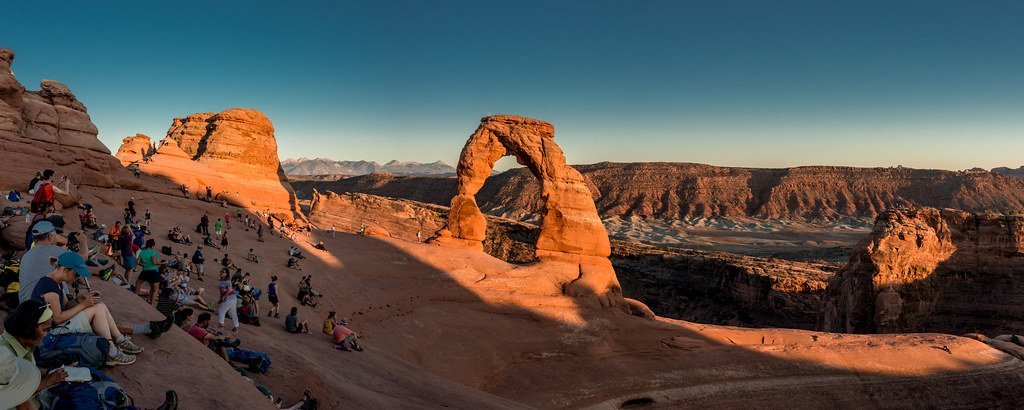
The photos of Delicate Arch make it look achievable – a moderate hike to an iconic landmark. What the photos don’t show is the ground temperature radiating off the slickrock in July, or the fact that the situation at Arches became so unmanageable that rangers began closing the entrance gate by mid-morning during summer – sometimes as early as 8 a.m. – once parking lots and trails reached capacity. Travelers who drove hours to reach the park have been turned away at the gate before they ever parked.
The Delicate Arch trail gains 480 feet over 1.5 miles of open, completely shadeless slickrock – and dozens of people are turned back by heat illness every summer. Even short walks between arches can feel taxing when the sun is high and there’s nowhere to step out of it. The scenery is genuinely world-class, but many visitors underestimate how much pacing, water planning, and patience the park demands from the first overlook to the last trailhead.
#7 – Haleakalā National Park: The Hawaii Trip That Humbles Everyone
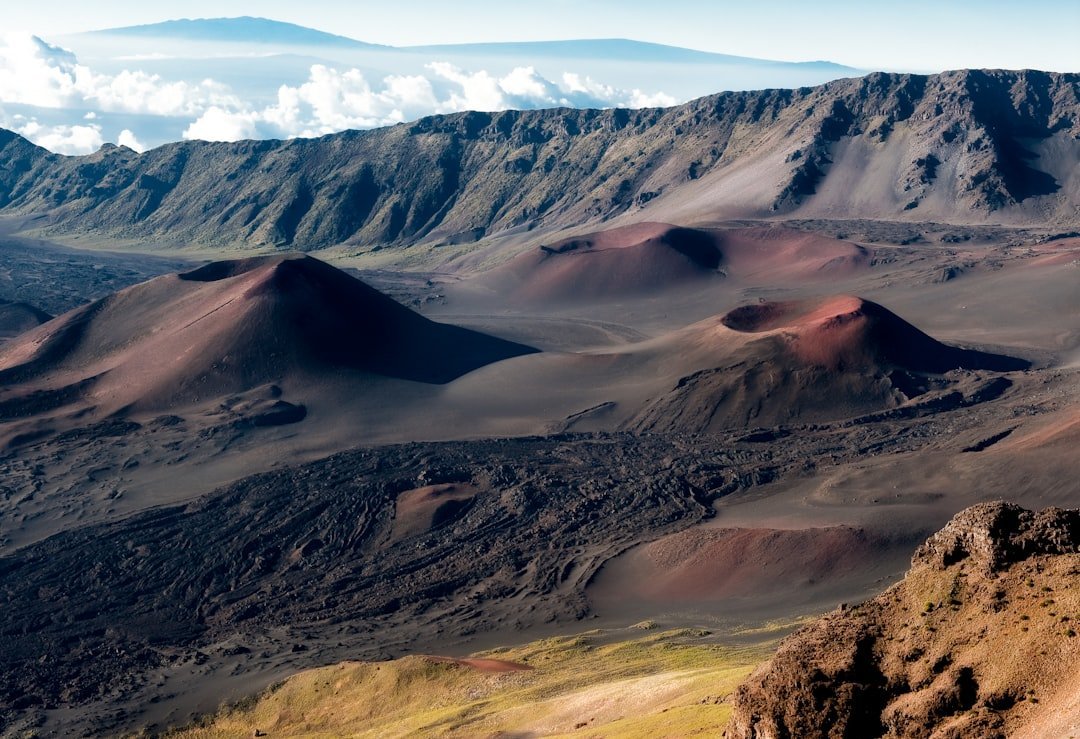
People pair Haleakalā with a Maui beach vacation and assume it’ll be a quick, easy add-on – drive up, watch the sunrise, drive back down. Reality check: the summit sits at 10,023 feet above sea level. Visitors who drove up from sea-level hotel rooms at 2 a.m. to catch the sunrise often arrive shivering, altitude-sick, and sleep-deprived – the exact opposite of a vacation morning. Getting a timed-entry reservation for the sunrise experience now requires booking months in advance.
The hiking trails descend into the volcanic crater, and the environment shifts dramatically between ecosystems within a single day. The switchback trail drops thousands of feet into a landscape that looks like the surface of Mars – and the climb back out at altitude has reduced seasoned hikers to a crawl. Travelers consistently describe Haleakalā as “worth it” while also flagging it as far more physically demanding than any beach-vacation activity has any right to be.
#6 – Rocky Mountain National Park: Altitude Sickness Is the Welcome Gift
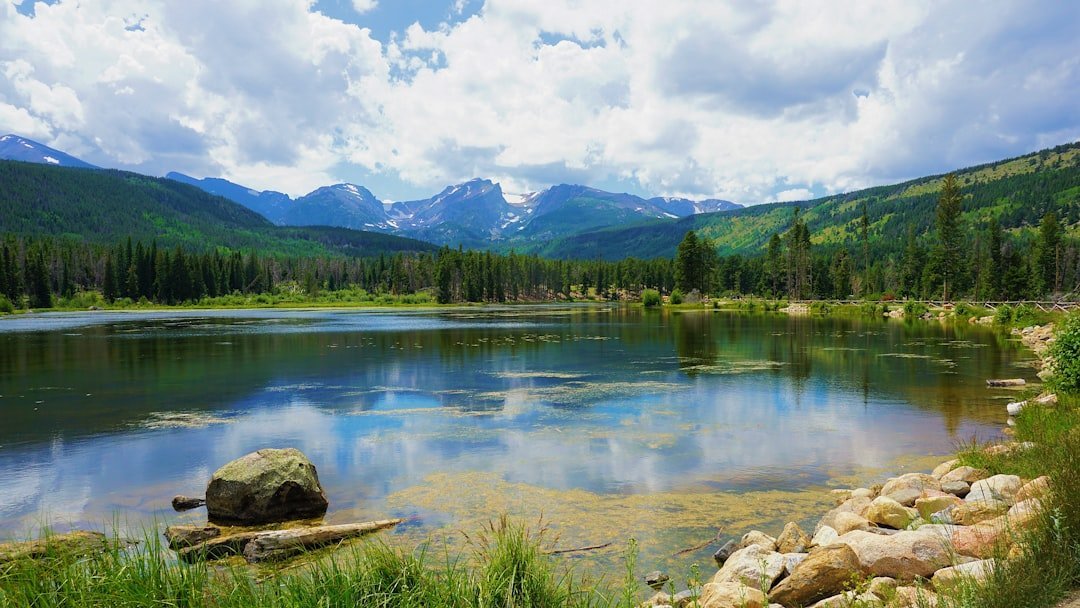
Rocky Mountain National Park is one of the most visited parks in the country and one of the most consistently underestimated. The park has 60 mountains exceeding 12,000 feet, and Trail Ridge Road – the park’s main scenic corridor – tops out at 12,183 feet, higher than most visitors have ever stood in their lives. A trip that looks manageable on a map can quickly become a long day of driving, shortness of breath, and racing between trailheads without enough time to actually enjoy any of them.
Altitude sickness does not care about your fitness level. Marathoners have been stopped cold by headaches, nausea, and dizziness that hit without warning above 10,000 feet. Longs Peak – at 14,259 feet – is one of the most dangerous day hikes in the entire national park system, yet visitors attempt it every summer in sneakers with a single water bottle. The mountain has claimed lives, and the rescue log is long. That stat alone tells you everything about the gap between expectation and reality at this park.
Quick Compare: What the Elevation Actually Means
- Trail Ridge Road summit: 12,183 ft – oxygen is roughly 40% thinner than at sea level
- Longs Peak: 14,259 ft – a 15-mile round trip with a technical “Keyhole” scramble section
- Typical onset of altitude symptoms: as low as 8,000 ft for unacclimatized visitors
- Recommended acclimatization: at least 24 hours at elevation before strenuous hiking
#5 – Zion National Park: The World’s Most Scenic Waiting Room
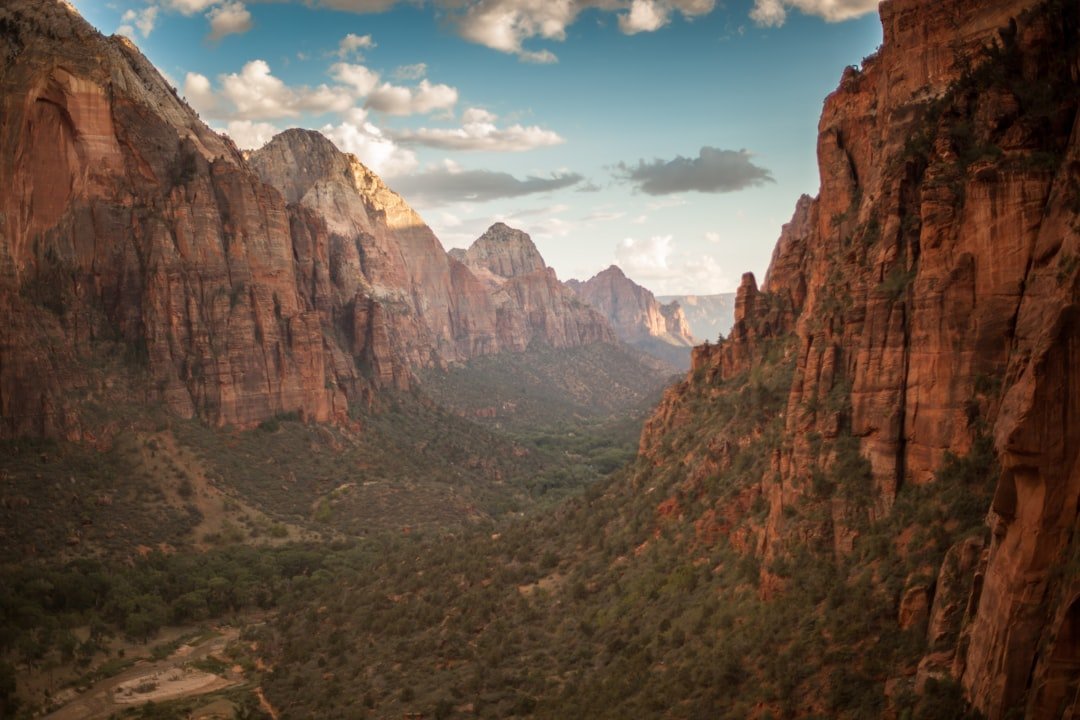
Zion is where the exhaustion starts the moment you turn off the highway. Zion National Park’s visitation nearly doubled since 2010, peaking at five million in 2021 and nearly reaching that level again in 2024. Private vehicles are banned from the main canyon during peak season, which sounds reasonable until you’re standing in a packed shuttle line at 7 a.m. in 95-degree heat, watching three full buses pass before you can board. The logistical friction begins before you’ve seen a single wall of red sandstone.
Then there’s Angels Landing – a hike that requires both a permit lottery win and the nerve to climb a narrow rock fin with chain assists and thousand-foot drop-offs on either side. Parts of the trail are less than three feet wide with sheer cliffs falling away on both sides. The Narrows hike, Zion’s other signature experience, requires wading through a river in a slot canyon for miles – which sounds magical and is also genuinely punishing on the legs. Zion’s combination of logistical chaos, extreme heat, and technically demanding trails makes it the park most likely to leave you sitting on the curb at the end of the day, too tired to eat.
#4 – Glacier National Park: Beautiful, Remote, and Relentlessly Punishing

Glacier National Park looks like a screensaver come to life. It is also one of the most physically and logistically demanding parks in the lower 48. The Going-to-the-Sun Road, the park’s famous scenic corridor, operates under a vehicle reservation system during peak season that shuts out unprepared visitors before they’ve seen a single glacier. Getting there from most of the country requires real travel investment – and the work doesn’t stop once you arrive.
Elevation changes ranging up to 7,000 feet make for some of the most intensely challenging trails in the national park system – the Sperry Glacier, Grinnell Glacier, and Highline trails are legendary for a reason. And then there’s the wildlife reality: Glacier has the highest density of black and grizzly bears in the lower 48 states. The mental load of constant bear awareness on a 10-mile exposed ridge trail is its own category of exhaustion that no trip-planning app can prepare you for.
#3 – Yellowstone National Park: A Traffic Jam With Geysers
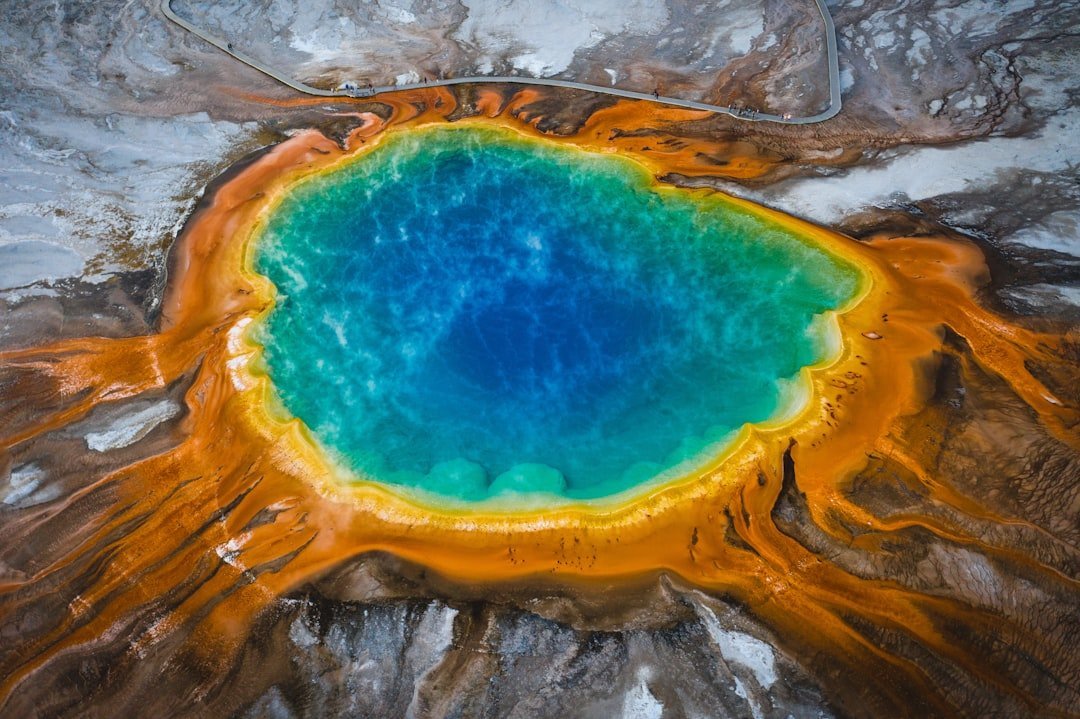
Yellowstone is the park that tricks you hardest. It covers 2.2 million acres, so you assume the crowds will naturally spread out. They don’t. Most visitors never leave the road corridor – think of it like a city where everyone crowds onto one main street while the rest of the city sits empty. Yellowstone drew nearly 4.7 million visitors in 2024, all funneled through the same narrow infrastructure of boardwalks, pullouts, and two-lane roads.
During peak season, roads close temporarily due to bison jams, wildlife activity, and plain old congestion. Popular sites like Old Faithful and Lamar Valley can become inaccessible at short notice, blowing up carefully planned itineraries. The average Yellowstone visitor ends up spending more time in their car than on any trail – and arrives home exhausted from driving, not hiking. Seeing this park properly requires days of effort that most people don’t budget for, and that mismatch is exactly what makes it so reliably frustrating.
Worth Knowing
- Yellowstone’s Grand Loop Road covers 142 miles – most visitors try to drive a large portion in a single day
- Nearly 4.7 million visitors in 2024, but the majority concentrate in less than 5% of the park’s 2.2 million acres
- Bison jams: totally unpredictable, can stop traffic for 30+ minutes with no workaround
- Old Faithful erupts roughly every 90 minutes – missing it means a long wait or a long drive back
- The park spans three states (Wyoming, Montana, Idaho) – distances between major features are much greater than they look on maps
#2 – Grand Canyon National Park: The Hike That Humbles Nations

The Grand Canyon is one of the most recognized landscapes on Earth, and it is also the site of more visitor medical emergencies than almost any other national park. The canyon inverts the logic of hiking: you go down first, feeling great, then face a brutal uphill return in midday heat with no shade. The NPS posts “Do Not Attempt to Hike to the River and Back in One Day” signs at the trailheads – and thousands of people attempt it anyway every summer, requiring rescue. Grand Canyon National Park responds to approximately 310 search and rescue incidents every year, and the park ranks as the single highest-volume SAR location in the entire national park system.
Even shorter descents catch tourists completely unprepared. The logistics compound the physical challenge: distances inside the park are vast, seasonal shuttle patterns shift, parking decisions carry consequences, and summer temperatures can exceed 100°F on exposed canyon walls. The canyon itself is beyond words – but the day works far better when it’s built around a few focused stops rather than a rushed attempt to hit every major viewpoint before dark. Most people underestimate both the scale and the heat until they’re already deep inside it.
The National Park Endurance Test
Think you're ready for your next outdoor adventure? From hidden permits to grueling elevation gains, test your knowledge on why these iconic landscapes are more exhausting than they appear.
Think you caught the key details? Take the quick quiz and see how sharp your instincts really are.
#1 – Yosemite National Park: World-Famous, World-Class Exhausting
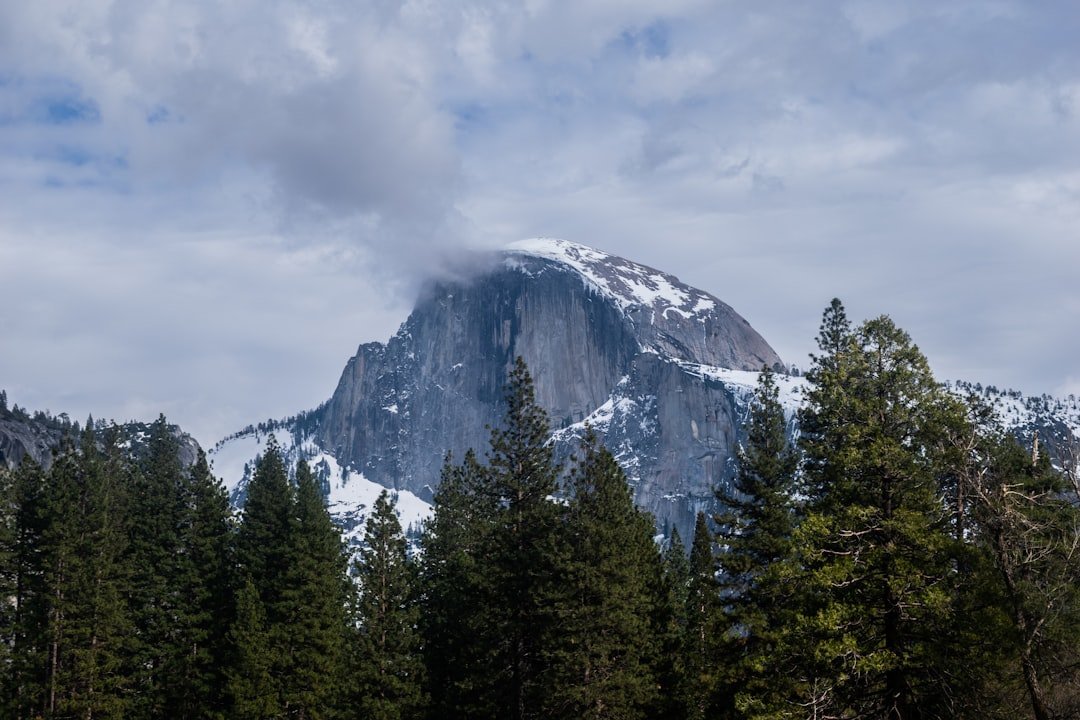
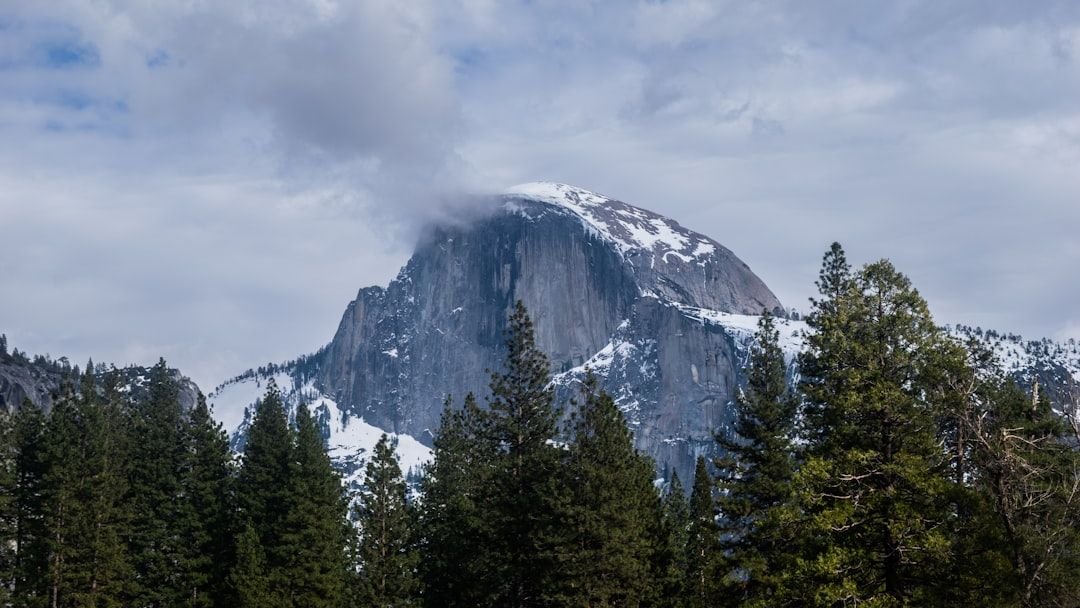
Yosemite is, by nearly every measure, the most exhausting national park in America – not because it’s the hardest to hike, but because it demands everything from you before you ever reach a trailhead. The park received 4.12 million visitors in 2024, and the iconic valley draws the overwhelming majority of them into a relatively small corridor of roads, shuttle stops, and viewpoints. A rushed trip turns into hours of driving, parking stress, and quick stops instead of real time in the valley or high country.
Once you’re inside, the terrain delivers its own beating. Yosemite Valley sits at just under 4,000 feet, while the high country pushes past 13,000 – and the park’s 250-plus trails span that entire range, with more than half rated difficult. The Half Dome hike is a 15-mile round trip with roughly 5,000 feet of elevation gain, steel cables on the final pitch, and a permit lottery where weekend success rates in 2024 dropped to less than 1%. Most people arrive for a single day, see 1% of the park, wait two hours for a shuttle, and leave too tired to speak. Yosemite is genuinely one of the greatest places on Earth – and the single most reliably exhausting day in American tourism.
At a Glance: Half Dome by the Numbers
- ~15 miles round trip with ~5,000 ft of elevation gain
- Weekend preseason lottery success rate in 2024: less than 1%
- Weekday daily lottery success rate in 2024: roughly 22%
- Permit required 24/7 to ascend the cables – no permit means a potential $5,000 fine
- Preseason lottery runs every March; results announced mid-April
- Yosemite and Grand Canyon rank as the top two SAR-volume parks in the national park system
Every park on this list shares the same core problem: the gap between expectation and reality is enormous. Social media shows the summit. It doesn’t show the 5 a.m. alarm, the two-hour approach drive, the parking nightmare, the altitude headache, or the crawl back to the car at dusk. Record visitation numbers keep climbing, crowds keep compressing into the same narrow corridors, and the parks keep delivering experiences that are harder, hotter, and more logistically demanding than most visitors planned for. They’re worth every drop of sweat – but knowing what’s actually coming is half the battle. Which of these parks left you more wrecked than you expected?