
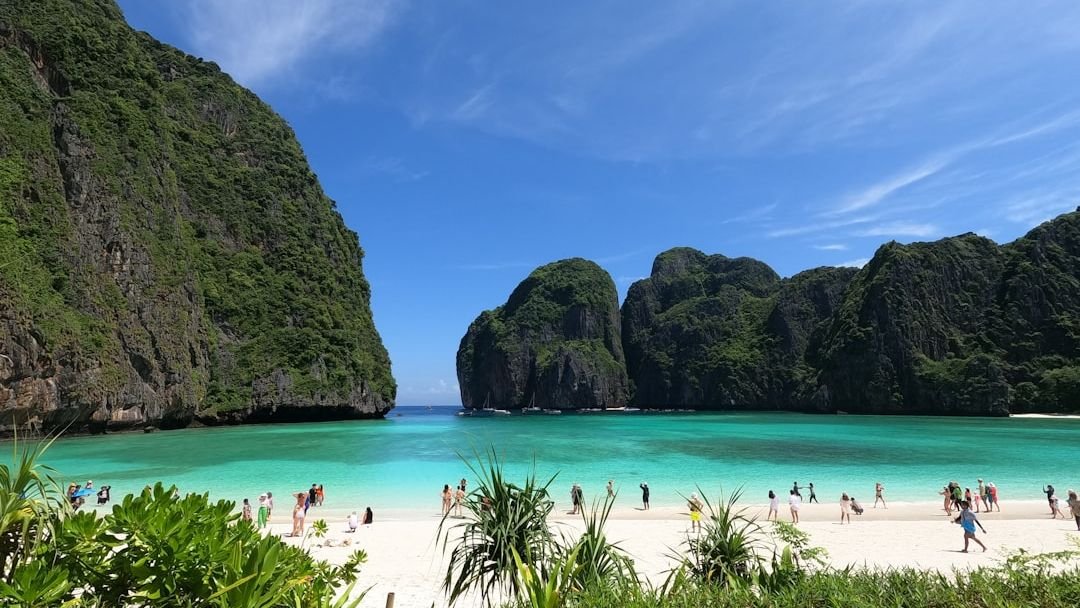
There’s a cruel irony baked into the phrase “hidden gem.” The moment a place earns that label – in a travel blog, a viral TikTok, a magazine “best of” list – the clock starts ticking. What was once a quiet fishing village, a pristine beach, or a centuries-old neighborhood becomes a backdrop for a million identical photos, a traffic jam, and a housing crisis that pushes out the very locals who made it worth visiting in the first place. Three out of four travelers now say they’re concerned about overtourism, and 31% say they personally experienced it in 2024. The hidden gem label isn’t a compliment anymore. It’s a death sentence delivered with good intentions.
But here’s the part most travel content skips over: overtourism doesn’t just damage a place environmentally. It can completely collapse the thing that made it special – the authenticity, the affordability, the sense of discovery. Some of these destinations went from “you’ve never heard of it” to “you can’t escape it” in a matter of years. A few are now paying a price that no amount of regulation may fully fix. These are the stories behind 14 places that got loved to death – and some of them will genuinely surprise you.
#14 – Dubrovnik, Croatia: Game of Thrones Cursed It
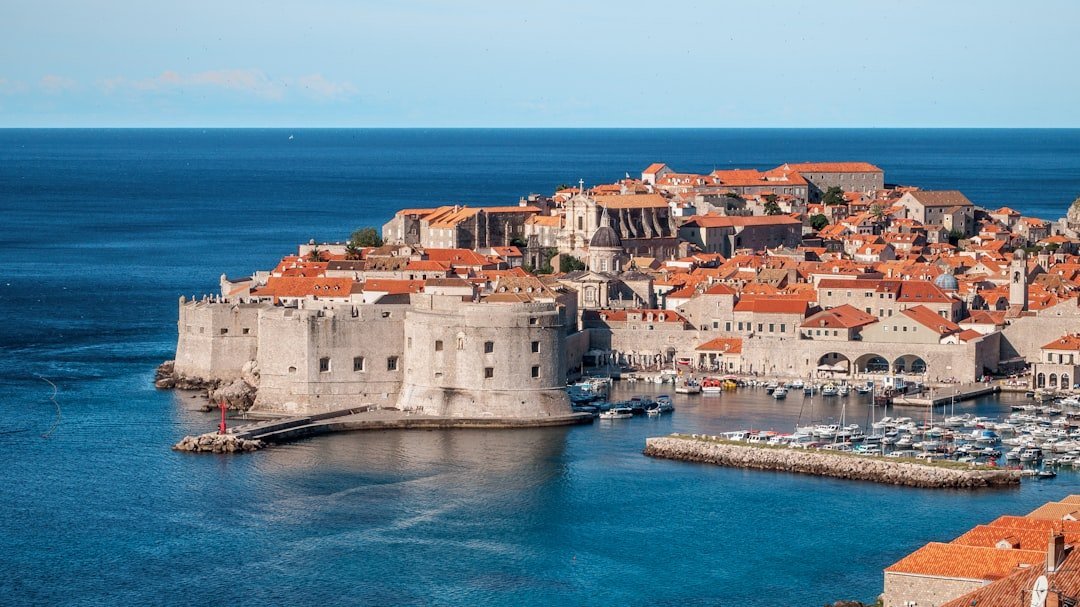
Dubrovnik was always beautiful – a walled medieval city on the Adriatic, a UNESCO World Heritage Site beloved by history lovers and architecture nerds for decades. Then HBO filmed Game of Thrones there, and everything changed. The city buckled under a trifecta of overtourism culprits: cruise ships, cheap flights, and the relentless pull of filming locations. What took centuries to build, tourists were visibly eroding in a single peak season. Authorities eventually had to cap cruise ship visits at two ships per day and limit passengers to 5,000 daily disembarking in the city just to keep the walls standing.
Short-term visitors – some staying just a few hours – arrived in waves, took up space, used up resources, and contributed little to the local economy beyond a souvenir magnet. Locals watched their city transform from a living, breathing community into what many described as an open-air theme park – one where they themselves could barely afford to live anymore. Rents skyrocketed as apartments converted to vacation rentals, and the streets that once belonged to fishermen and shopkeepers now belong, for most of the year, to selfie sticks and rolling luggage. The permanent population of the Old Town has fallen from around 5,000 in 1991 to just 1,500 today.
Fast Facts
- Dubrovnik has been ranked Europe’s most overcrowded tourist city – 27.4 tourists per resident at peak times
- Cruise ship visits are now capped at 2 ships per day, each docking for a minimum of 8 hours
- Croatia’s parliament passed new short-term rental restrictions in late 2024, including stricter taxes and registration rules
- A moratorium on new rental licenses in the Old Town has been implemented to slow residential displacement
- Game of Thrones alone drew an estimated 60,000 location-spotting tourists annually at its peak
#13 – Santorini, Greece: The Instagram Island That Broke Itself
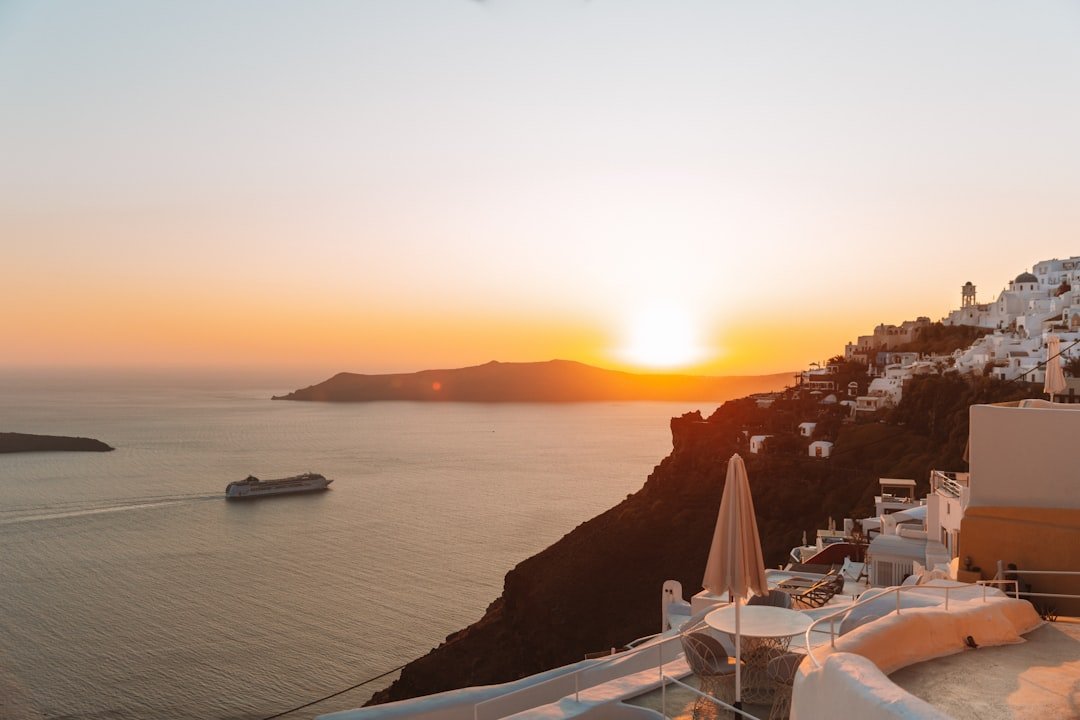
Santorini is genuinely one of the most photogenic places on Earth. That’s not the problem – that’s the trap. With roughly 3.4 million tourists visiting in a single year, an island of barely 15,500 permanent residents is being asked to absorb a human tide nearly 230 times its population annually. The mayor himself flagged the crisis publicly for over a decade, and the math was never going to work. Waste disposal, water supply, and energy infrastructure are all straining under a load they weren’t built for. At peak times in summer 2024, as many as 17,000 cruise passengers flooded the island in a single day.
In response, local government backed a cap of 8,000 cruise ship passengers per day, and in December 2024 the Greek parliament passed a €20 peak-season levy on cruise visitors to Santorini and Mykonos. Santorini is now considered one of the most overtouristed destinations in all of Europe. The sunsets are still jaw-dropping – you just have to share them with thousands of people holding phones directly in your face, jostling for the exact same shot that’s already been posted 40 million times under the same hashtag.
#12 – Venice, Italy: The City That Started Charging Just to Enter
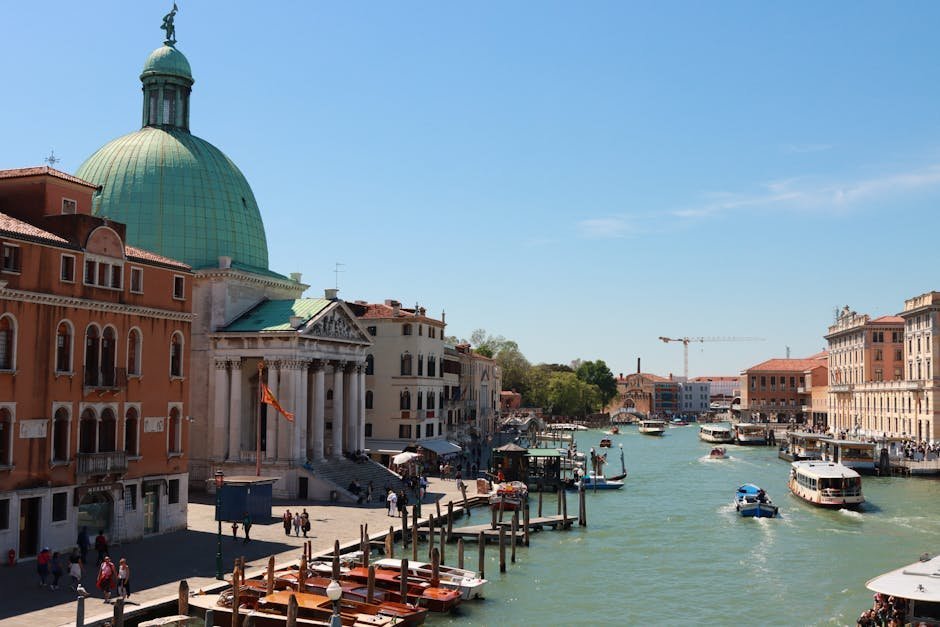
Venice has been fighting overtourism longer than most destinations have even been aware of the concept, and the results have been brutal. Over 20 million tourists visit each year – for a city with just over 50,000 residents. The narrow canals and medieval alleys simply weren’t designed for this volume of foot traffic, let alone selfie sticks and bachelorette parties in gondolas. Flooding from the infamous “acqua alta” is worsening as human activity compounds climate pressures, and the city’s ancient foundations are paying the price.
Venice eventually introduced entry fees on peak days – a radical step that no major European city had attempted before. But locals were already at their breaking point. In one of the most vivid acts of civic frustration in recent tourism history, residents physically tore down the turnstiles authorities installed to manage crowd flow, arguing loudly that Venice is not a theme park. They were right. The city is a home. What’s left of one, anyway – the permanent population has dropped by more than half since the 1950s, and it keeps shrinking.
#11 – Cinque Terre, Italy: The Cliffside Villages That Can’t Say No
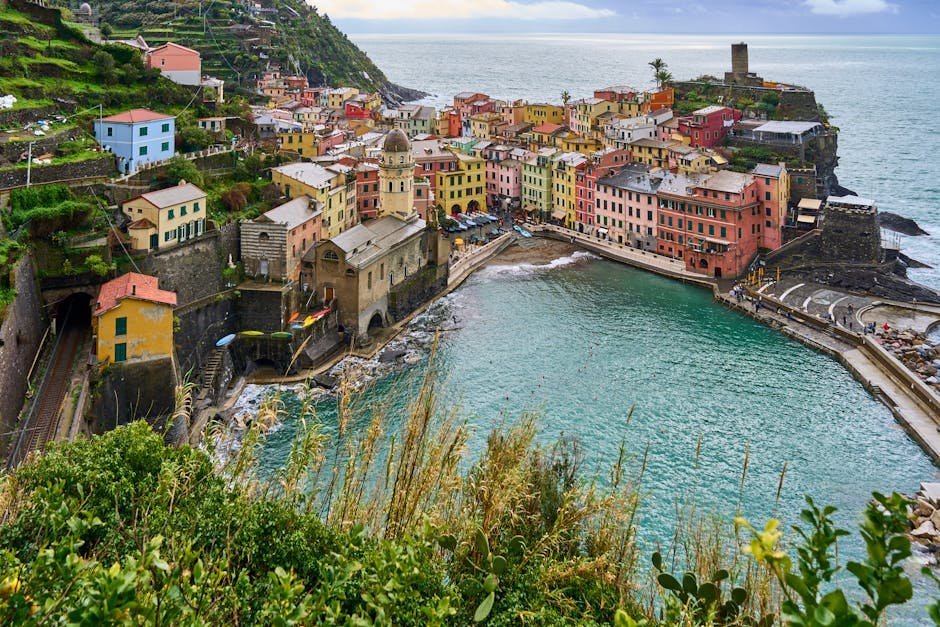
Five colorful fishing villages clinging to the Italian Riviera cliffs – Cinque Terre sounds like the stuff of dreams. For decades, it was. Then the travel media found it, tour operators packaged it, and the day-tripper buses arrived. The villages themselves have populations measured in the low hundreds. The visitor numbers are measured in the millions. The trails connecting them – hand-carved by local fishermen and farmers centuries ago – are now being worn down by tourists chasing the exact same photo everyone else already has.
When Cinque Terre’s iconic Path of Love reopened in 2024 after a 12-year restoration, an access fee of up to €15 was introduced to preserve what was left. Control measures have ranged from those access fees to fines for wearing inappropriate footwear on cliff trails. Even the mayor of Manarola and Riomaggiore told the press the core problem wasn’t overtourism broadly – it was concentrated overcrowding during specific windows that made the villages functionally unusable for anyone who actually lived there.
The Hidden Gem Crisis: A Travel Quiz
From the canals of Venice to the rainforests of Washington, the 'hidden gem' label has transformed quiet locales into global hotspots. Test your knowledge on how overtourism is reshaping the world's most famous destinations.
Think you caught the key details? Take the quick quiz and see how sharp your instincts really are.
#10 – Barcelona, Spain: When Locals Started Squirting Tourists with Water Guns

Barcelona was already deep in the overtourism conversation before things went truly sideways. But when anti-tourism protesters took to the streets in summer 2024 and started squirting foreign tourists with water pistols, it signaled something had snapped in the relationship between a city and the world that had fallen in love with it. Spain’s tourism minister publicly condemned the action. The protesters didn’t care. The gesture was theatrical, but the frustration behind it was completely real.
Authorities banned large coach buses from the city center, capped hotel rooms, and moved to restrict short-term rentals like Airbnb that had hollowed out entire residential neighborhoods. The Mercat de la Boqueria – once a working food market where locals bought their groceries – became so overwhelmed by tourists that residents stopped going entirely. Barcelona is still a magnificent city. But few places in the world have made their anger at visitors quite this visible, quite this publicly, and with quite this much water.
Quick Compare: How European Cities Are Fighting Back
- Barcelona: Coach bus ban from city center; new cap on hotel rooms; Airbnb restrictions tightened
- Venice: Entry fee charged on peak days; tour group size capped at 25 people; megaphones banned
- Dubrovnik: Two cruise ships per day maximum; 5,000 daily passenger cap; Old Town rental moratorium
- Santorini: 8,000 daily cruise passenger cap; €20 peak-season cruise levy passed December 2024
#9 – Kyoto, Japan: Geisha Harassed, Temples Stampeded
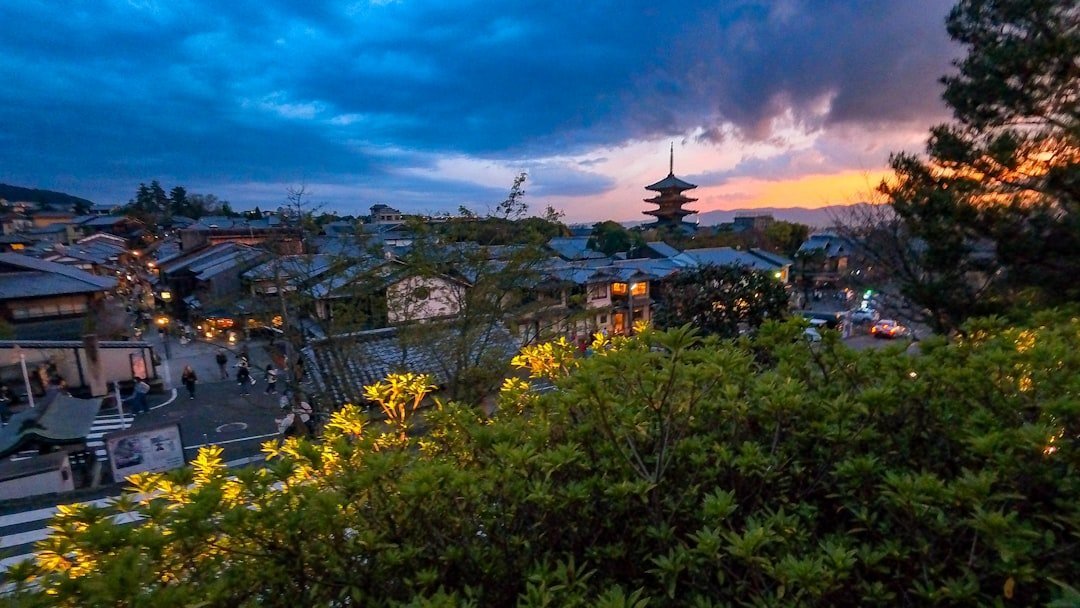
Kyoto spent decades being the “authentic alternative” to Tokyo – ancient temples, bamboo groves, and a centuries-old geisha culture that felt genuinely removed from the modern world. Then the algorithm found it. Japan recorded 36.9 million foreign tourists in 2024, a 47% jump from the previous year, and a huge share of them funneled straight into Kyoto. The city’s Gion district – narrow streets, traditional tea houses, the quiet world of the geisha – became a gauntlet. Tourists chased and photographed geisha mid-street, creating scenes that residents described as harassment.
Kyoto’s response was blunt: private streets in Gion were closed to tourists entirely. The city also introduced a steep hike in its accommodation tax starting in March 2026. A spring 2024 survey found something that captures just how extreme the pressure had become – Japanese domestic tourists in Kyoto’s Higashiyama area had actually declined by 12%, while foreign visitors surged 66%. The overtourism was so intense it was driving away the Japanese themselves. The city built to preserve tradition was becoming a place its own country’s people no longer wanted to visit.
#8 – Mount Fuji, Japan: A Convenience Store View That Broke a Town

It started with a beautiful photo. Someone posted an image of Mount Fuji perfectly framed behind a Lawson convenience store in the town of Fujikawaguchiko, and it went viral – repeatedly. Crowds descended on a quiet residential street to recreate the shot. Residents who just wanted to buy groceries couldn’t get through. By May 2024, the town had erected a large black barrier to physically block the view and end the chaos. A convenience store. They had to build a wall around a convenience store.
The situation on the mountain itself was no better. The 2024 climbing season brought sweeping new rules to the iconic Yoshida Trail: a daily cap of 4,000 climbers, mandatory trail fees, and nightly gate closures to stop reckless “bullet climbing.” By 2025, the fee had doubled to ¥4,000 per climber – roughly $28 – and gates were installed at the base of all four trails. Japan’s most sacred natural symbol now effectively has a bouncer. The mountain was here for millennia. It may not survive another decade of this pace unchanged.
At a Glance: Mount Fuji’s New Rules
- Daily climber cap: 4,000 people on the Yoshida Trail (most popular route, used by ~60% of climbers)
- Gates close from 2 p.m. to 3 a.m. nightly to prevent dangerous overnight “bullet climbing”
- Over 200,000 people climbed Fuji in 2024, with millions more visiting the fifth station annually
- A black mesh barrier was erected in a residential neighborhood to block a viral convenience store view
#7 – Bali, Indonesia: Sacred Temples as Influencer Backdrops
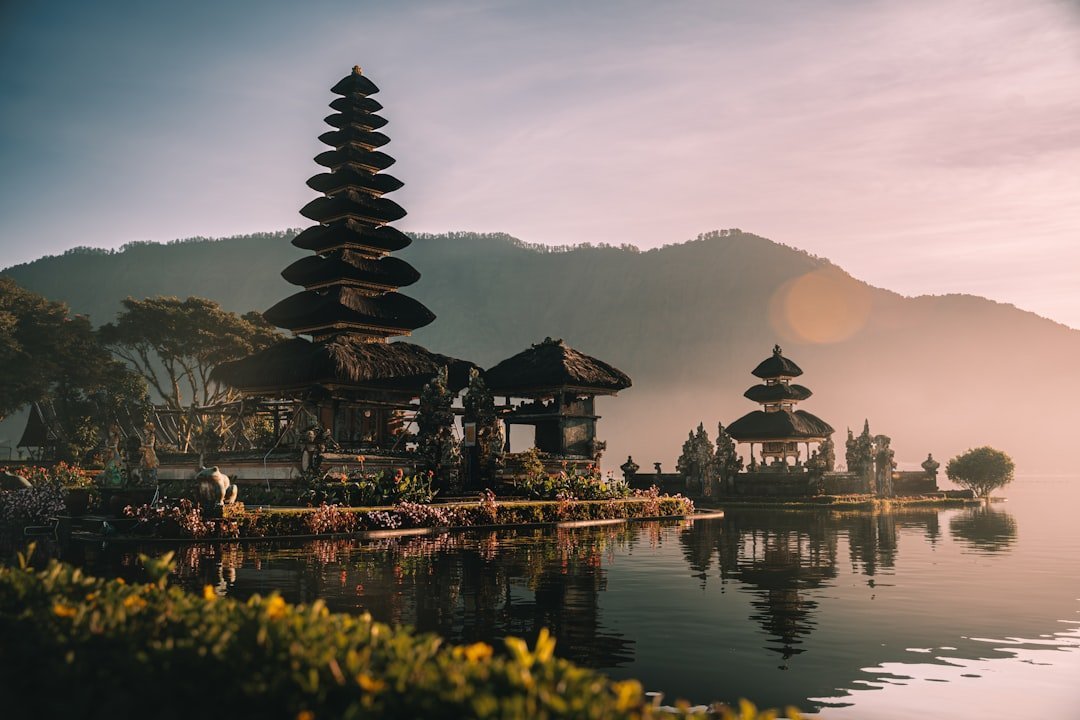
Bali has cycled through the “hidden gem” label and the “ruined gem” label multiple times in the past two decades, and it’s exhausting to watch. The island keeps drawing visitors with promises of spirituality, rice terraces, and raw natural beauty – and then buckling under the weight of what arrives. By 2024, officials were moving to halt what they described as indiscriminate construction of villas and beach clubs that had commercialized the island faster than any infrastructure could absorb. The pace of development made meaningful environmental oversight nearly impossible.
Bali’s sacred Hindu temples have become literal backdrop props for influencer photoshoots. Entire ceremonies – some practiced for a thousand years – have been disrupted by tourists wandering in mid-ritual with cameras. The situation grew serious enough that in 2023, visitors arriving at the airport were handed behavioral guides explaining basic protocols of respect. Not local customs brochures. Instructions on how to be a decent human being in someone else’s place of worship. The fact that those guides were necessary says everything.
#6 – Machu Picchu, Peru: Ancient Ruins vs. 1.5 Million Annual Visitors
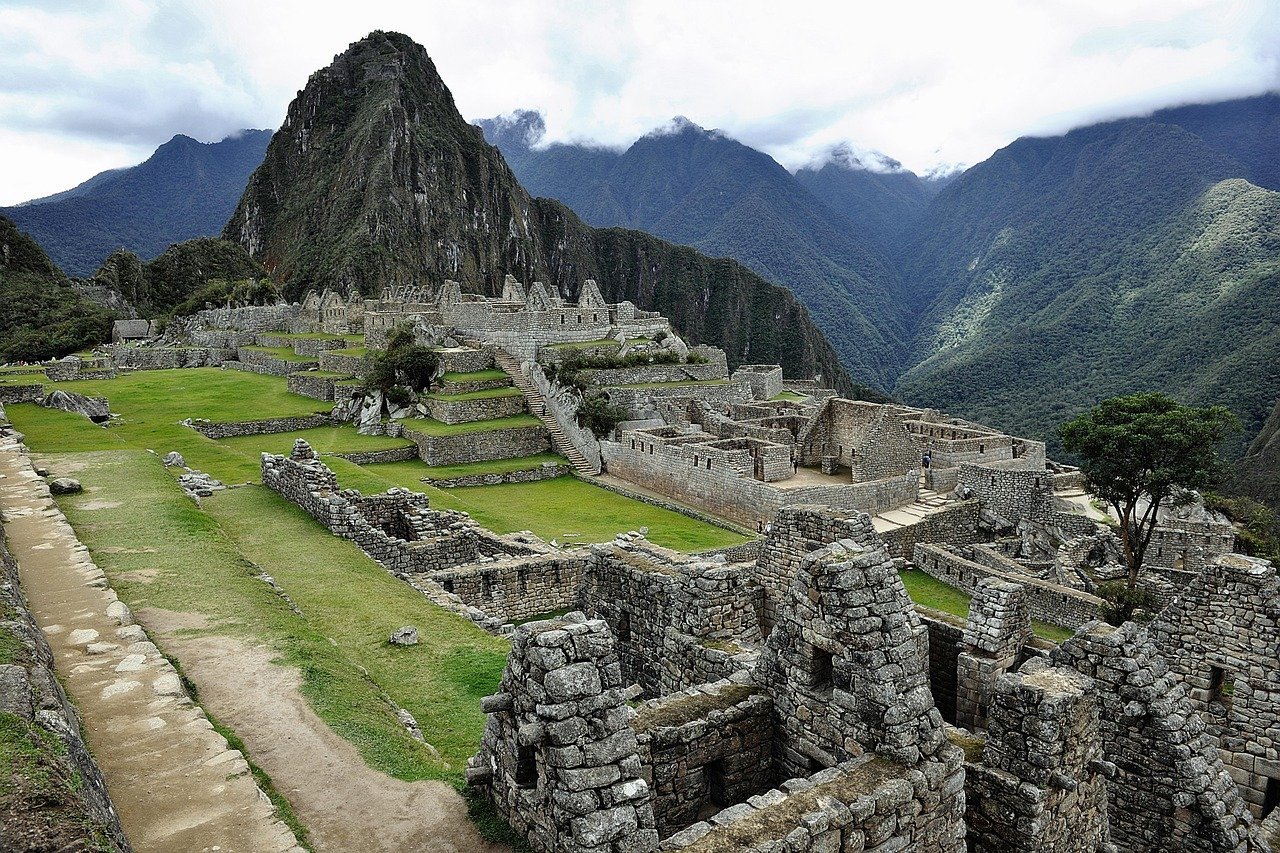
Machu Picchu is one of the most spectacular archaeological sites on the planet – a 15th-century Inca citadel balanced in the Andean clouds. Most people assumed its remote location would protect it. It didn’t. Visitor numbers jumped from under 400,000 a year to over 1.4 million in just two decades, and the stone pathways that survived centuries of Andean weather are being ground down by the relentless traffic of sneakers and hiking boots. The site was never engineered to be a stadium.
UNESCO threatened to add Machu Picchu to its “List of World Heritage in Danger,” which prompted Peru to announce a five-year, $43.7 million conservation plan. A daily visitor cap of 5,600 was introduced – but that number is still more than double what UNESCO itself recommends as a safe threshold. An estimated 1.5 million people are expected to visit in 2026. The site is essentially racing against its own popularity, spending restoration money as fast as the crowds spend their entrance fees, trying to preserve something that more visitors arrive to see with every passing year.
#5 – Boracay, Philippines: A Paradise So Ruined It Had to Shut Down Completely
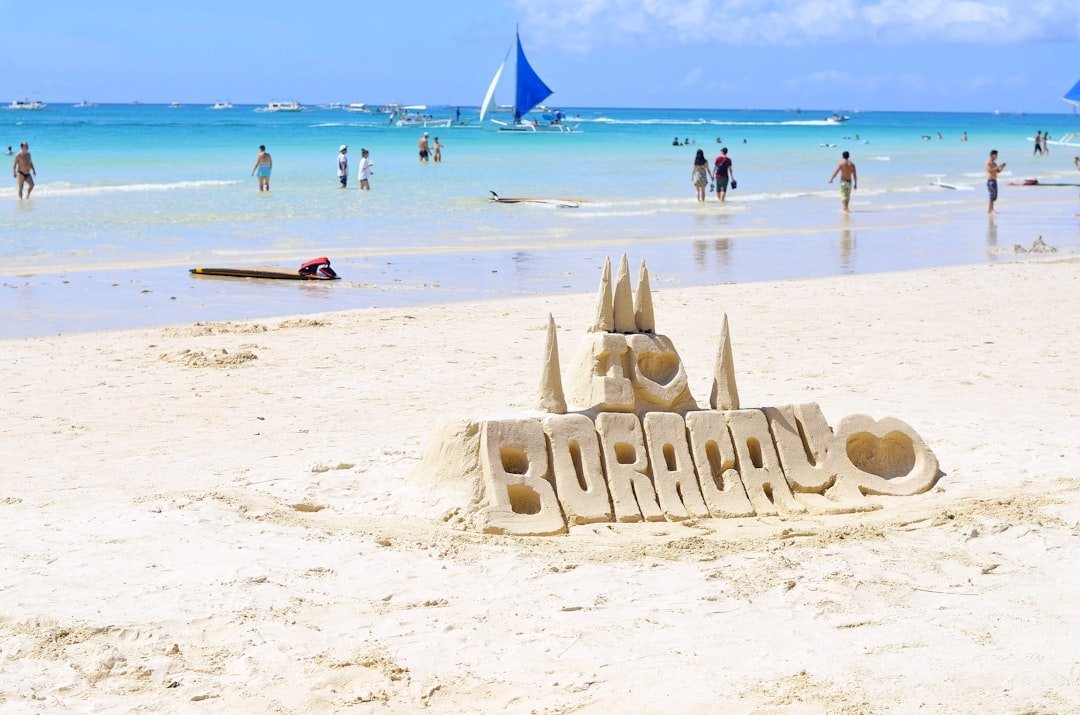
Boracay was everything a tropical island destination is supposed to be – four miles of powdery white sand, shallow turquoise water, and a pace of life that felt genuinely unhurried. Then the hotels proliferated, the tour operators arrived, and the waste management couldn’t keep up. Sewage began running directly into the water. Trash lined the beaches. The Philippines’ own president, Rodrigo Duterte, publicly called it a “cesspool” – and he wasn’t wrong. In 2018, the island underwent a full six-month closure to visitors, one of the most dramatic interventions any government has ever taken against its own tourism industry.
The closure cost the local economy hundreds of millions of dollars. Boracay reopened with a hard cap on visitors, mandatory environmental compliance for all businesses, and a complete overhaul of waste and sewage infrastructure.
Worth Knowing: Destinations That Tried a Full Reset
- Boracay, Philippines: Full 6-month closure in 2018; complete sewage overhaul; hard visitor cap on reopening
- Maya Bay, Thailand: Closed entirely in 2018; reopened January 2022 with a mandatory 2-month annual rest period
- Cinque Terre, Italy: Path of Love closed 12 years for restoration; now requires paid timed-entry permits
- Machu Picchu, Peru: Daily cap set at 5,600 visitors; $43.7 million conservation plan launched
#4 – Maya Bay, Thailand: The Beach from the Movie That Died Because of the Movie
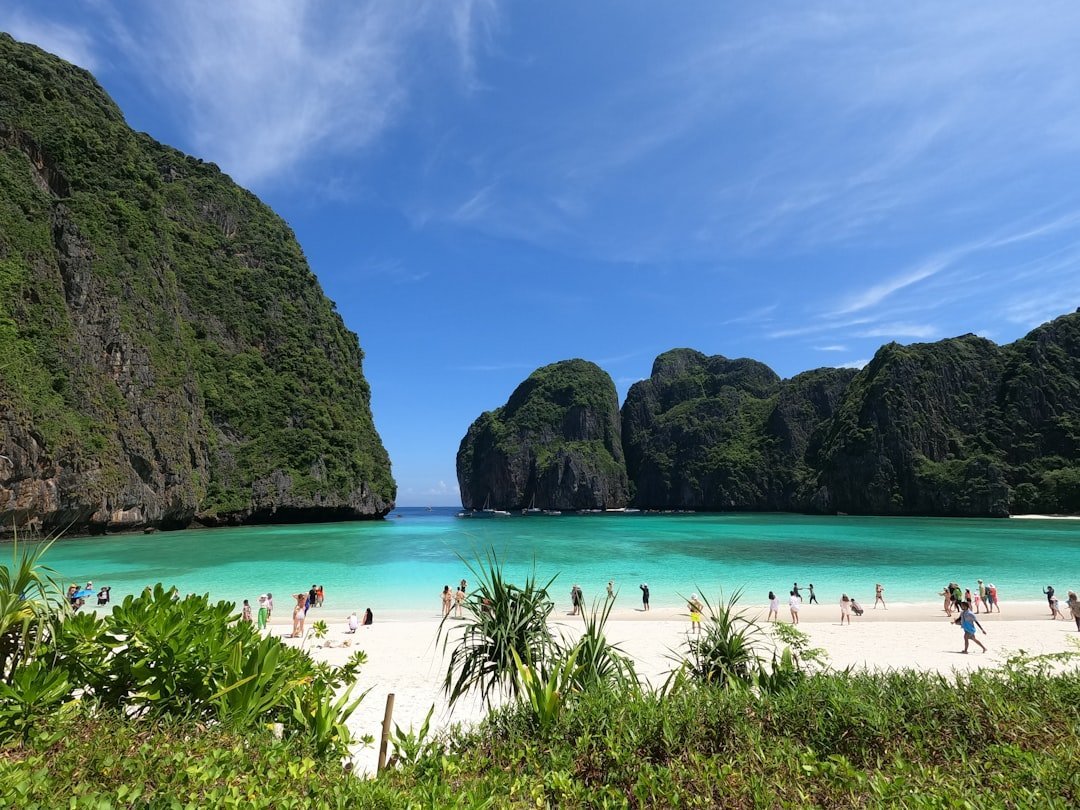
In 2000, the film The Beach starring Leonardo DiCaprio introduced the world to Maya Bay on Koh Phi Phi Leh – a secret cove with jade water and sheer limestone cliffs that looked like paradise untouched. The tourists arrived by the boatload, almost literally. At peak times, up to 5,000 visitors a day descended on a bay designed by nature for solitude. Visitors could barely walk, let alone spread a towel. Boat anchors destroyed coral. Chemical runoff from sunscreen bleached what anchors missed.
Thailand closed the beach entirely in 2018 and launched a massive rehabilitation program before reopening it in January 2022. Now it closes for two months every year for environmental recovery – a seasonal reboot that no other major beach destination had attempted at scale. The coral damage from the peak years has still not fully recovered. The most famous beach in Southeast Asia exists today in a permanent state of managed survival, trying to undo what a single movie’s worth of fame made inevitable. DiCaprio has since become one of the world’s most prominent environmental advocates. The irony is not lost on anyone.
#3 – Skagway, Alaska: A Town of 1,200 That Gets Over a Million Visitors
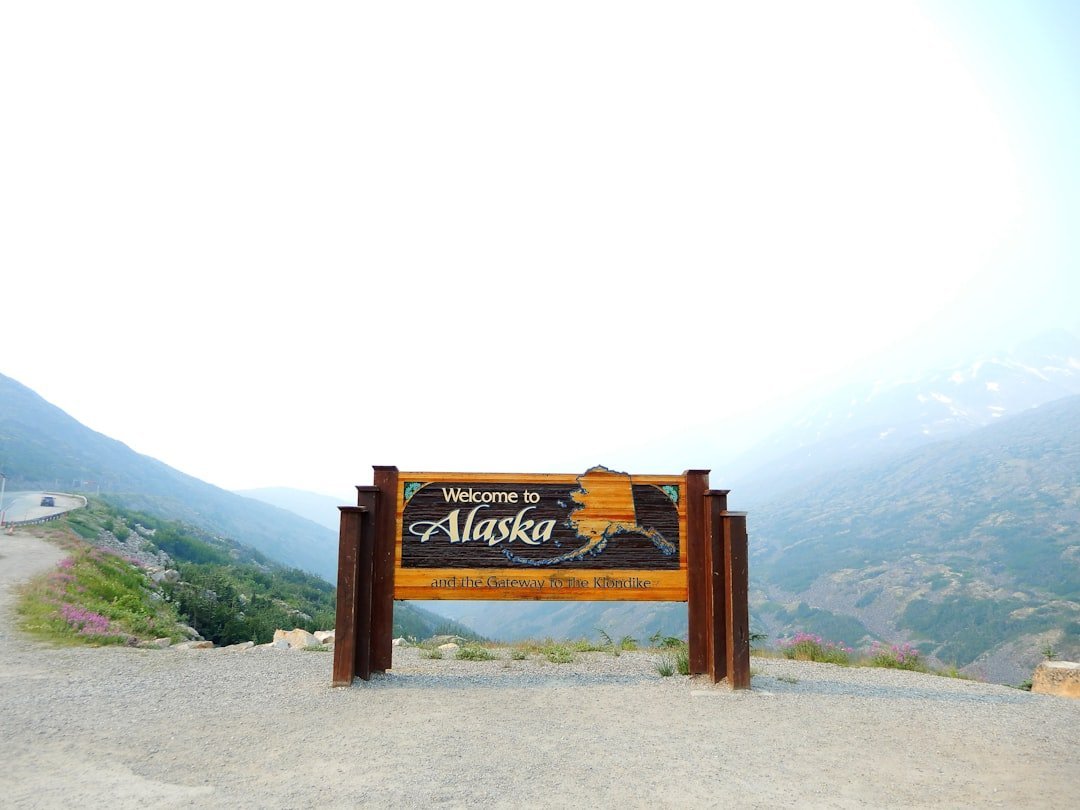
Most Americans have never heard of Skagway. That’s partly because it’s a small Alaskan port town at the end of a narrow fjord with about 1,200 permanent residents. But cruise ship tourism has made it one of the most statistically extreme overtourism cases in North America – arguably the world. In 2023, Skagway recorded approximately 1.2 million cruise ship passengers alone – a record season for the town. With roughly 500 scheduled cruise ship calls per season, the town is four streets wide and 23 streets long. That works out to roughly 1,000 cruise tourists for every single permanent resident, concentrated into a brief summer window when the ships arrive in waves.
Residents briefly considered “Ship-Free Saturdays” – one day a week where cruise ships would stay away and locals could reclaim their own downtown. The measure went to a community vote and was defeated. The economic dependency on cruise tourism runs so deep that even the people being overwhelmed voted to keep it going. It’s a trap with no clean exit: the town needs the money, and the money needs the crowds, and the crowds are slowly making it impossible to live there year-round. Skagway is a company town now. The company just happens to be tourism itself.
#2 – Tulum, Mexico: The Eco-Chic Dream That Ate Itself
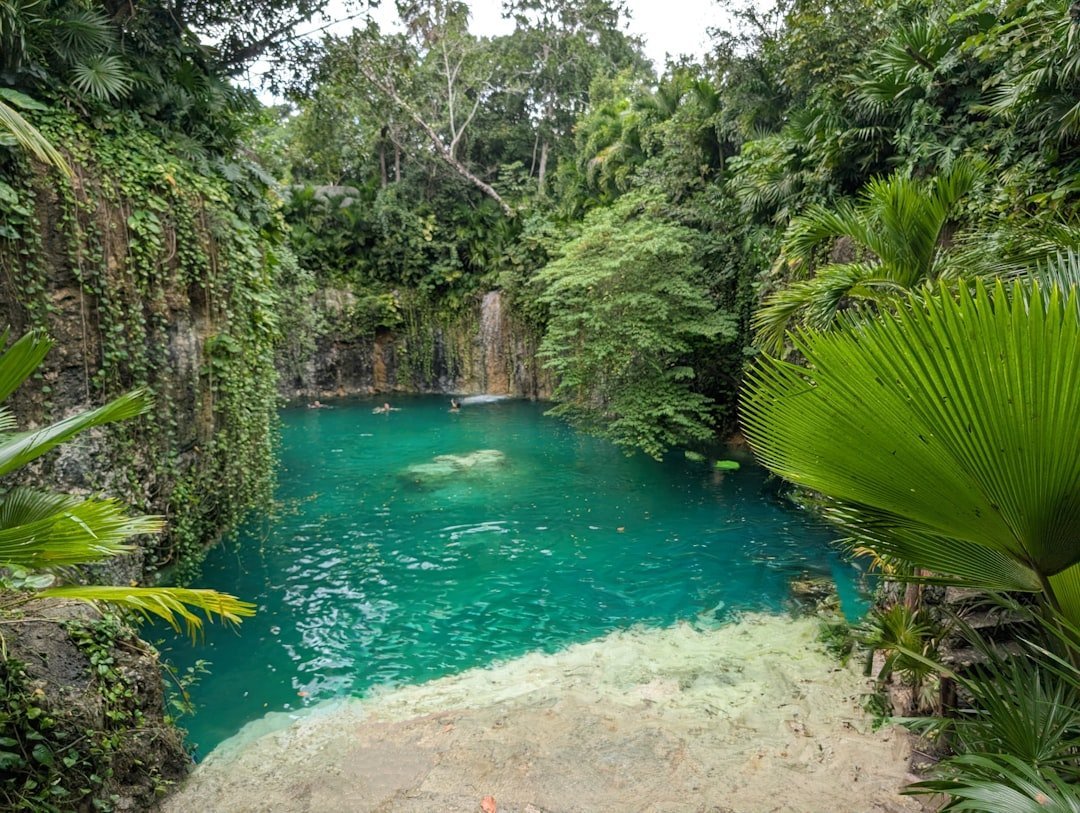
Tulum’s rise was almost mythological. A once-quiet backpacker town on the Yucatan Peninsula, it reinvented itself as the world capital of eco-luxury – boho jungle hotels, cenote swims, Mayan ruins, and a wellness vibe that made every influencer feel like a pioneer discovering something sacred. Then COVID hit, Mexico kept restrictions loose, and the influencers descended in enormous numbers. Real-estate and hotel expansion overwhelmed the region’s water, waste, and power systems faster than any infrastructure plan could respond. Cenotes, mangroves, and offshore discharge points all showed measurable pollution damage.
Violence complicated things further. High-profile incidents – including the killing of the Municipal Security Secretary – damaged Tulum’s image in ways that beautiful drone footage couldn’t paper over. Business owners and tourists reported rising fear. The collapse showed up in the numbers: Tulum’s archaeological zone drew nearly 75,000 visitors in September 2024, but only about 18,000 the same month in 2025 – a collapse of nearly 75% in a single year. The destination that was too hot to ignore became too broken to save quickly. And the local indigenous communities who had lived there long before the jungle hotels arrived were largely pushed out before anyone noticed they were gone.
The Hidden Gem Crisis: A Travel Quiz
From the canals of Venice to the rainforests of Washington, the 'hidden gem' label has transformed quiet locales into global hotspots. Test your knowledge on how overtourism is reshaping the world's most famous destinations.
Think you caught the key details? Take the quick quiz and see how sharp your instincts really are.
#1 – Forks, Washington: A Twilight Obsession That Swallowed a Real Town
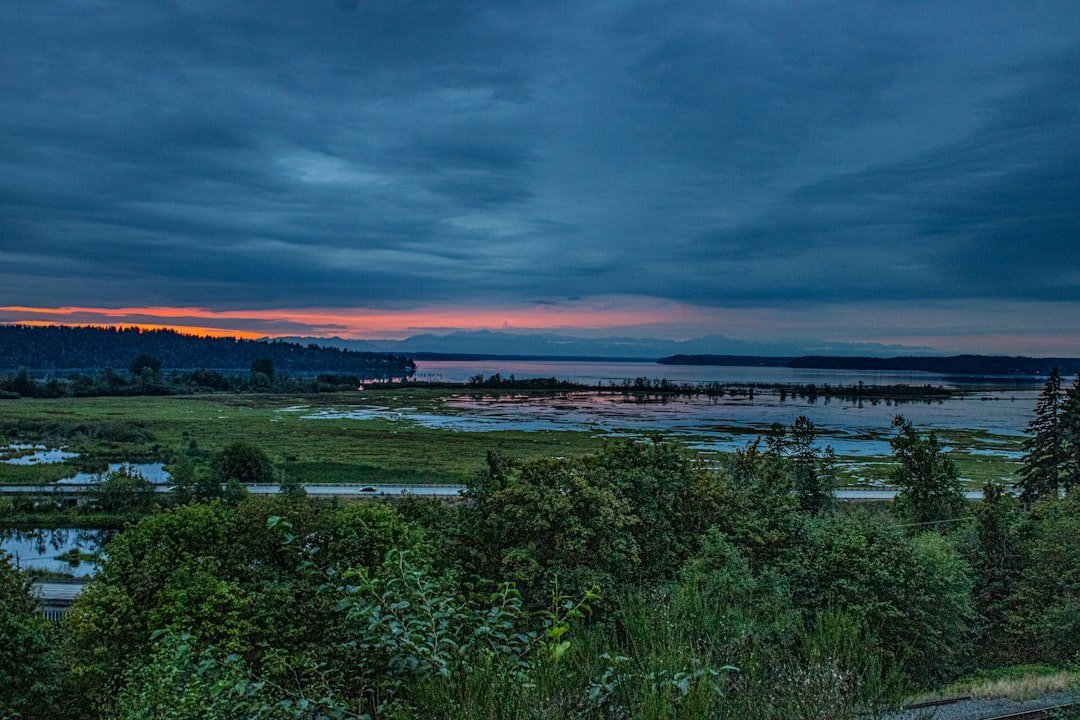
Of all the destinations on this list, Forks, Washington may be the most uniquely American cautionary tale. It was never famous for ancient ruins, dramatic coastlines, or world-class cuisine. It was a quiet Pacific Northwest logging town buried in the Olympic Peninsula rainforest, with a few thousand people who made their living cutting timber. Then Stephenie Meyer set the Twilight series there, and a specific kind of tourism – obsessive, identity-driven, relentless – arrived and never fully left. Annual visitors numbered around 5,000 before the books. By 2023, that figure had swelled to over 65,000 people making a pilgrimage to a town that has almost nothing to do with the story they came to experience.
Residents complained about the odd characters roaming the streets, the increased traffic, and the quiet, unassuming character of their town being absorbed into someone else’s fiction. The logging industry that had sustained Forks for generations was already fading – and the Twilight visitors who partially replaced it come for vampires, not community. A town that never asked to be famous, that had no tourism infrastructure, and whose identity had nothing to do with the supernatural was suddenly expected to perform as a theme park 365 days a year. It’s the purest version of the hidden gem nightmare: a real place, with real people, consumed entirely by a story that was never actually about them.
The same pattern runs through every destination on this list: discovery, viral spread, developer arrival, infrastructure collapse, and then either desperate regulation or quiet decline. Cheap flights, social media, and bucket-list culture funnel tourists into the same small set of locations – all at once, all chasing the same photos. The tragedy isn’t that people wanted to visit these places. It’s that the system built to reward discovery has no mechanism for protecting what made them worth discovering. Somewhere right now, a travel blogger is writing up the next hidden gem. It’s already on this list. We just don’t know its name yet.