

You saved up. You booked the flights. You hyped the trip to everyone you know. Then you got there – and felt it. That slow, creeping suspicion that the Instagram algorithm had been lying to you for years. Negative reviews for famous U.S. landmarks have risen sharply since 2023, and the complaints are remarkably consistent: crushing crowds, brutal prices, and an experience that flatly refuses to match the postcard. Americans are voting with their wallets, and the verdict on some of the country’s most iconic destinations is brutal.
The 17 destinations below aren’t random picks. They’re the places that appear again and again on traveler regret lists, Reddit threads, and review sites – the ones where the gap between expectation and reality hits the hardest. Some entries will genuinely surprise you. At least one might make you feel a lot better about the trip you decided to skip.
#17 – The Las Vegas Strip: Where Your Budget Goes to Die

Las Vegas has always been engineered to take your money, but travelers are increasingly saying the math has stopped making sense. The Vegas of cheap buffets and penny slots is gone. MGM Resorts and Caesars Entertainment both saw revenue fall in 2025, with Caesars reporting a 20% drop in profit – a sign that visitors are finally pushing back. The Strip has spent years quietly tilting the odds even further against you, and it’s starting to show.
Triple-zero roulette wheels carry a house edge of 7.69%, and most blackjack tables on the Strip have shifted from the traditional 3:2 payout to a stingier 6:5 – a change that quietly increases the house edge by roughly 1.4% on every hand. Meanwhile, the industry keeps innovating: quad-zero roulette debuted at the Palazzo in August 2025, pushing the odds even further from the player. Drinks run $20 a pop at major venues. Food prices in casino restaurants routinely exceed what you’d pay in New York or Los Angeles. The spectacle is still real. The value proposition no longer is.
At a Glance: How Vegas Has Changed
- Triple-zero roulette house edge: 7.69% vs. 5.26% on a standard American wheel
- 6:5 blackjack adds roughly 1.4% to the house edge compared to 3:2 tables
- Las Vegas table game minimums have risen 76% on average since the 2020 pandemic
- Off-Strip and downtown casinos still offer 3:2 blackjack and better odds
#16 – Atlantic City, New Jersey: The Jersey Shore’s Biggest Letdown

Atlantic City sells itself as the East Coast answer to Las Vegas – casinos, boardwalk, ocean breeze. What many visitors find instead is a city that feels frozen somewhere in the mid-1980s and not in a nostalgic way. Several major casino properties have shuttered in the past decade, leaving visible gaps in the skyline. The ones still standing are aging in ways that are hard to ignore once you’re inside.
One Reddit reviewer put it bluntly: “Atlantic City is a dump. The boardwalk is dirty, the casinos are dated, and the whole place feels like it’s stuck in the ’80s. I expected a fun, lively vibe, but it was just sad.” For travelers who make the drive expecting a scaled-down Vegas, the reality is a sobering contrast. The beach is free. Everything else will remind you that this city has seen far better days.
#15 – Bourbon Street, New Orleans: Sticky Floors and Souvenir Regret

New Orleans is one of the most culturally rich cities in America. Bourbon Street is the part that captures almost none of that. The French Quarter surrounding it is genuinely historic and beautiful, but Bourbon Street itself is a loud, sticky, aggressively commercial corridor where the drinks are watered down and the hand grenades are overpriced. One Reddit user described it perfectly: “Bourbon Street is like a bug light that attracts tourists.”
The real New Orleans – the one with soul and music and actual local flavor – is hiding on streets just blocks away. Frenchmen Street, often called “the locals’ Bourbon Street,” offers live music that actually slaps, a relaxed atmosphere, and prices that won’t make you wince. Bourbon Street delivers exactly what it promises: chaos, spilled drinks, and regret. It’s just that the city deserves better than what most tourists go home remembering.
#14 – Navy Pier, Chicago: An Overpriced Carnival Dressed as an Attraction

Navy Pier draws nearly 9 million visitors a year on the strength of its lakefront location and its reputation as a must-see Chicago stop. The reality insiders will tell you: it’s essentially a glorified outdoor mall with a Ferris wheel bolted to the end. The location looks spectacular in photos precisely because the camera crops out the $14 hot dog stands and the steep parking fees.
Admission is technically free, but costs stack up fast – $20 for an adult ticket on the Centennial Wheel, and parking that one reviewer described as painfully expensive on top of food that “was awful.” The Architecture River Cruise a mile away costs less, lasts longer, and delivers a genuinely memorable experience of the Chicago skyline. Navy Pier exists in the same city as one of America’s greatest architectural landscapes. It just has almost nothing to do with it.
Quick Compare: Navy Pier vs. Better Chicago Alternatives
- Navy Pier Centennial Wheel: ~$20/adult, 15-minute ride, mall atmosphere
- Chicago Architecture River Cruise: Lower cost, 90-minute tour, skyline payoff
- Millennium Park / Cloud Gate: Free, iconic, genuinely photogenic
- Museum of Science and Industry: Full-day value, widely rated over Navy Pier
#13 – Fisherman’s Wharf, San Francisco: Sea Lions Can’t Save This One
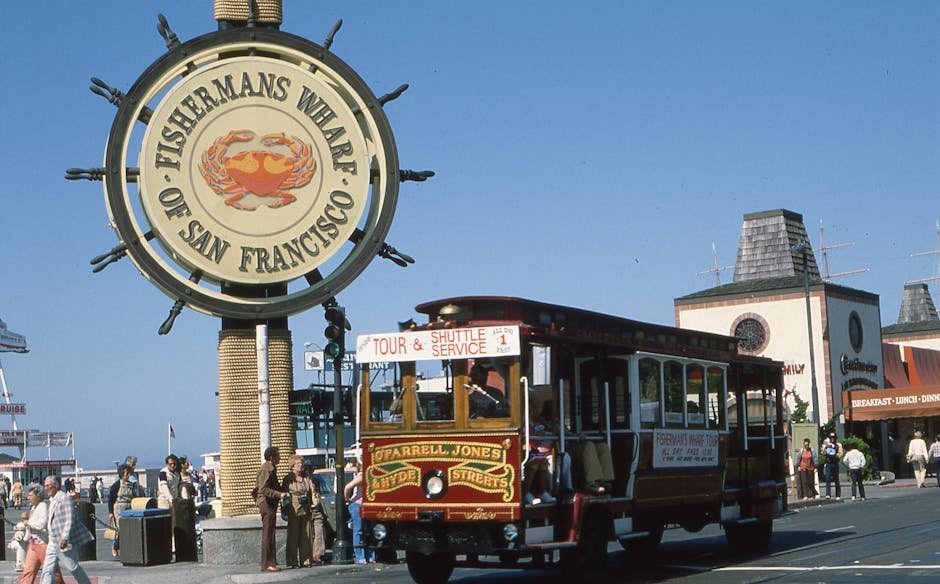
Fisherman’s Wharf once had genuine character – a working waterfront with fresh seafood and a real connection to the Bay. That version has largely been replaced by souvenir shops selling Golden Gate Bridge keychains and restaurants charging $30 for clam chowder in a bread bowl. A 2026 review analysis by Nomad eSIM called Fisherman’s Wharf the single most complained-about tourist trap in the world, and the complaints center on one consistent theme: it’s crowded, commercial, and less distinctive than people expected from one of America’s most famous waterfront neighborhoods.
The Pier 39 sea lions are genuinely entertaining and completely free – they’re the one honest thing about the place. Everything surrounding them feels designed to extract the maximum amount from visitors who showed up expecting something more. Locals don’t eat at the wharf. They don’t shop there. Most of them haven’t been in years. That should tell you something.
The Reality Check: America's Most Overrated Destinations
Think twice before you book. From the neon lights of the Strip to the granite faces of South Dakota, we're looking at the landmarks that travelers say aren't worth the price of admission.
Think you caught the key details? Take the quick quiz and see how sharp your instincts really are.
#12 – The Kennedy Space Center, Florida: America’s Most Disappointing Attraction

This one is genuinely shocking given what Kennedy Space Center represents. It’s NASA. It’s the moon landing. It should be the kind of place that makes grown adults tear up a little. Yet it keeps landing at the top of the wrong lists. A study by JeffBet analyzed 45 popular U.S. tourist attractions for disappointment-related reviews, and Kennedy Space Center ranked first – with 20.19% of all 1-to-3-star reviews explicitly stating that visitors felt let down. Reviewers called it a “huge disappointment” and “the biggest waste of money.”
The gap between what people expect from America’s space program headquarters and what they actually experience is enormous. Visitors point to overcrowding, first-come-first-served bus tours that fill before late arrivals even settle in, and add-on ticket fees for exhibits that seem like they should be included. The history is real and the hardware is genuinely awe-inspiring – the Saturn V rocket and Space Shuttle Atlantis are legitimately breathtaking. But getting to them smoothly, without a two-hour queue in the Florida heat, is the part that trips too many people up.
Fast Facts: Kennedy Space Center Visitor Reality
- Ranked #1 most disappointing U.S. attraction in the JeffBet study (2024)
- 20.19% of low-star reviews used words like “disappointed” or “bad experience”
- Bus tour to the Saturn V center is first-come, first-served – arrive early or miss it
- Admission runs roughly $60-$70+ per adult before parking and add-ons
- Space enthusiasts who arrive at opening and book the VIP tour consistently rate it far higher
#11 – Rock and Roll Hall of Fame, Cleveland: A Museum That Lets the Music Down

Rock and roll is loud, rebellious, and visceral. The Rock and Roll Hall of Fame, for a surprising number of visitors, is none of those things. It ranks second on the national disappointment list with 19.61% of reviewers rating it 1-3 stars, and the complaints follow a familiar pattern: high expectations, underwhelming execution. One TripAdvisor user said they “left very disappointed.” Another told readers to “save your money.” The I.M. Pei building is architecturally striking, which may be setting the wrong expectations before you even walk in.
The larger problem is Cleveland itself, which many music fans find hard to navigate as a tourist destination. The city’s industrial feel and limited entertainment infrastructure leave visitors who drove hours for a rock pilgrimage struggling to build a full day around the museum. Ticket prices are steep, the exhibit experience tends to feel more like a history class than a concert, and by the time you leave, you’re likely craving the thing the museum is supposed to celebrate – actual live music – more than when you arrived.
#10 – Four Corners Monument: Paying to Touch a Brass Plate

The idea of standing in four states at once sounds like a legitimately fun road trip novelty. Thousands of Americans discover each year that the reality is something else entirely. Four Corners Monument topped USA Today’s list of overrated U.S. attractions, and the math is hard to argue with: you drive hours through remote high desert, pay an $8 entry fee per person, and get roughly three minutes of entertainment before the novelty evaporates completely.
What really stings is the kicker: the marker isn’t even in the correct location according to modern GPS technology. You’re paying for the privilege of touching a surveyor’s mistake in the middle of nowhere. The obligatory Instagram photo takes 30 seconds. The realization that you just sacrificed half a day of driving for it takes a little longer. Even locals in the region will often tell you it’s best skipped unless you’re already passing through on your way to somewhere worth going.
#9 – Plymouth Rock, Massachusetts: The Most Famous Disappointment in American History

Generations of American schoolchildren have grown up imagining the Pilgrims stepping off the Mayflower onto Plymouth Rock – a defining, almost mythic moment of national identity. Then you see it in person and the shock is immediate. It is arguably the most famous rock in America and also the most disappointing. It sits in a pit. It has a crack in it. It’s smaller than a kitchen table, caged behind iron bars, and surrounded by tourists who all wear the same expression: genuine bewilderment that this is it.
Pilgrim Memorial State Park and Plymouth Harbor are both genuinely charming places worth visiting. The rock itself is the souvenir nobody asked for. There’s no tangible evidence connecting this particular granite lump to the actual landing – the association is largely mythological and was only formalized more than a century after the fact. The history of Plymouth is fascinating. The act of staring at a cracked rock in a pit is not.
Worth Knowing: The Plymouth Rock Reality Check
- The rock sits in an open pit beneath a neoclassical portico – smaller than most kitchen tables
- The Pilgrim-rock connection was not formally recorded until 1741, over 120 years after the landing
- The rock has been moved, cracked, and repaired multiple times throughout its history
- Plimoth Patuxent living history museum nearby is widely considered the better use of the day
- Plymouth Harbor and the waterfront are free, scenic, and genuinely enjoyable
#8 – The Space Needle, Seattle: Great Views, Terrible Value
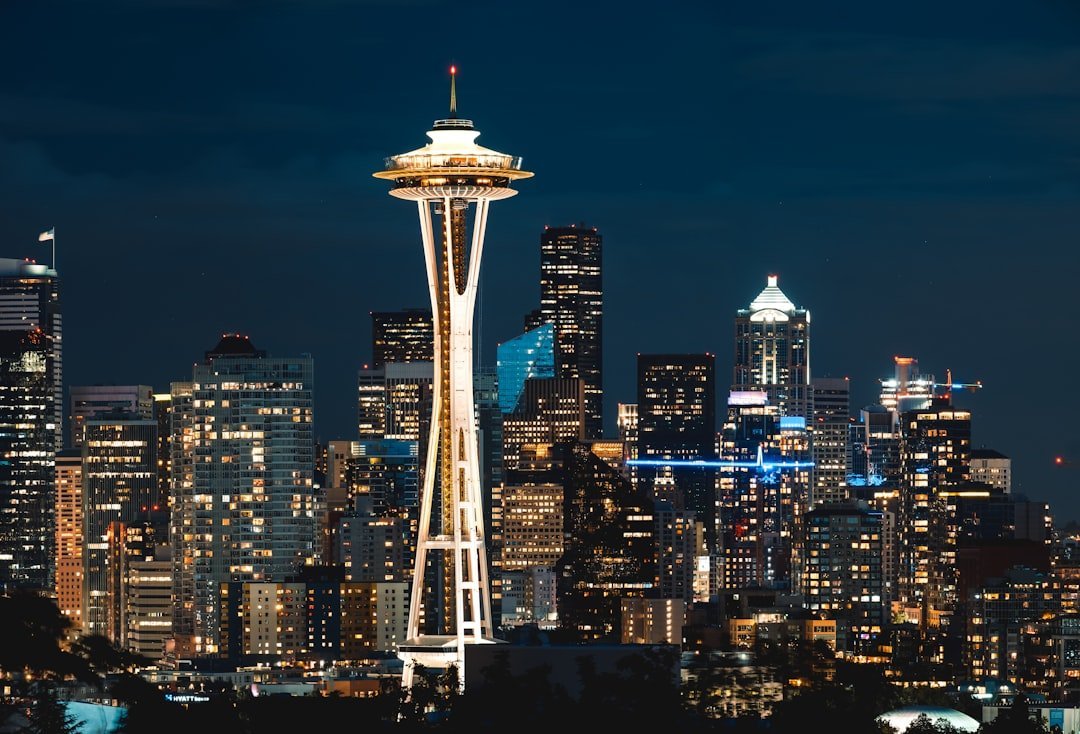
Seattle’s Space Needle looks absolutely perfect in every photo – sleek, futuristic, hovering above a stunning skyline. The experience of actually visiting it regularly draws some of the sharpest complaints of any attraction in the Pacific Northwest. The standard critique from seasoned travelers: you queue for up to 60 minutes past your designated time, get crammed into an elevator with strangers, and arrive at a view of Seattle you could have had from a dozen other spots for free.
Walk-up tickets start at $37.50 per adult. Drinks at the observation lounge run $20 each. One reviewer reported paying $40 for two drinks he described as terrible. Meanwhile, Kerry Park – a small hilltop park about a mile away – delivers one of the most iconic views of the Space Needle and the city skyline at no cost and with no wait. Seattle is a spectacular city. The Space Needle is best appreciated from the ground, in someone else’s photograph.
#7 – Cancun, Mexico: The Bargain That No Longer Exists
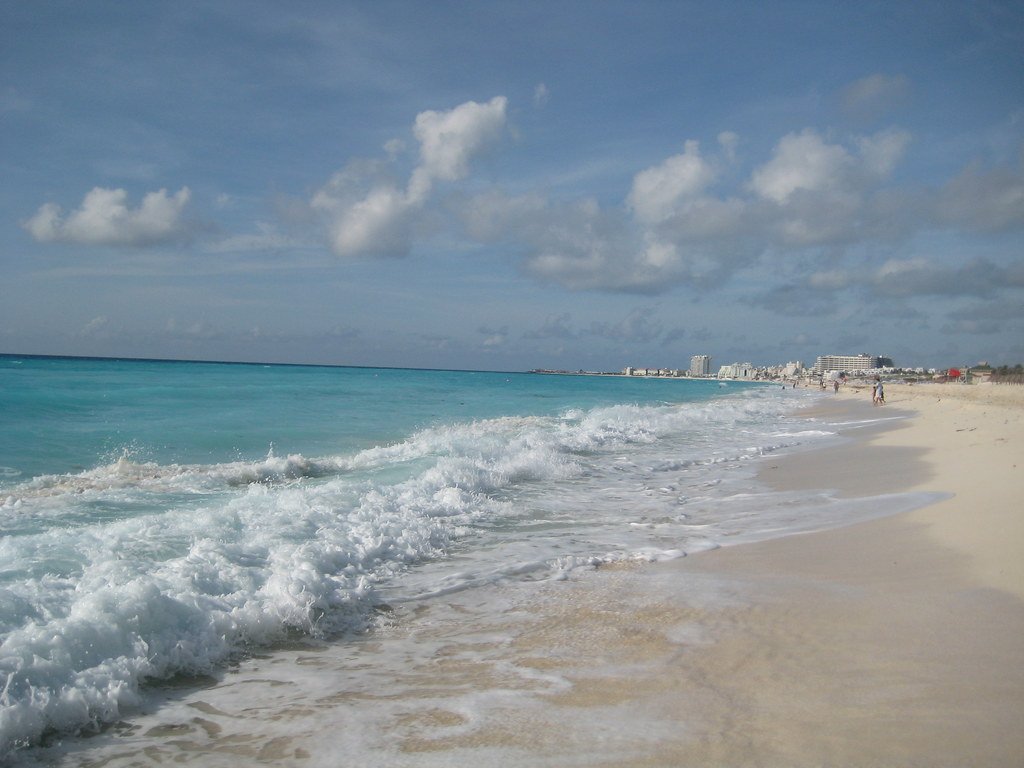
For decades, Cancun was the budget traveler’s shortcut to a tropical vacation – cheap all-inclusives, impossibly blue water, and easy direct flights from almost everywhere in the U.S. That version of Cancun is effectively gone. American arrivals dropped by 6.5% in the first half of 2025, falling to 2.89 million visitors from 3.09 million the year before. The prices no longer match the pitch, and travelers are noticing.
Fast Facts: What’s Changed in Cancun
- Mexican food and energy inflation hit double digits in late 2024
- Sargassum seaweed has affected beaches every year since 2018 – severity varies by season and location
- The Hotel Zone “Zona Hotelera” prices now rival comparable Florida beach resorts
#6 – Graceland, Memphis: Paying $85 to Feel Rushed Through Someone’s House

Elvis Presley’s estate is genuinely historic – nobody disputes that. The problem is what the attraction has become around it. A study by QR Code Generator analyzed TripAdvisor reviews of top tourist sites globally and found that 38% of Graceland reviewers concluded that Elvis’s iconic Memphis estate wasn’t worth the price of admission. Common complaints included steep ticket costs, minimal exhibits, and the persistent feeling that there simply isn’t enough to see.
#5 – Hollywood Walk of Fame, Los Angeles: Dirty Sidewalks and Broken Dreams
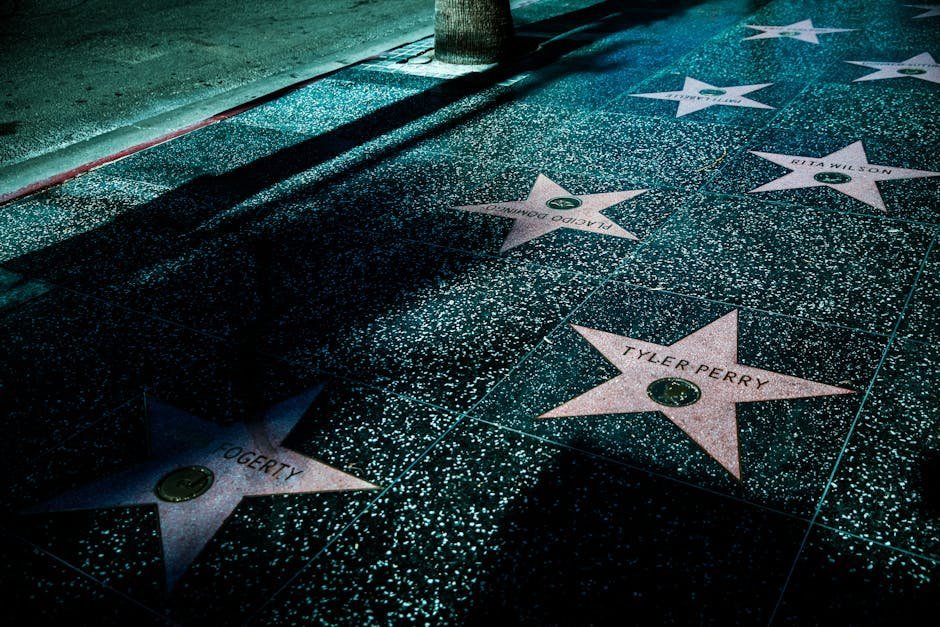
The Hollywood Walk of Fame is one of the most visited attractions in America, which is a big part of why it’s become one of the most complained-about. A January 2026 travel ranking named it the single worst tourist attraction in the world, citing the lowest combined Google rating and safety score in the study. Los Angeles has no shortage of genuinely memorable sights. The Walk of Fame is where the city’s glamorous image runs into a much messier, louder, dirtier reality.
More than 2,500 star plaques line Hollywood Boulevard, and many of them are in visible disrepair. The surrounding block is a gauntlet of overpriced souvenir shops, costumed characters demanding tips for photos, and enough foot traffic to make it genuinely difficult to pause and look at anything. Travelers consistently describe Hollywood Boulevard as overpriced, filthy, and uncomfortable. The Hollywood sign hike, just a few miles away, delivers one of the city’s most iconic views for free. Start there instead.
#4 – Niagara Falls (American Side): Nature Wins, Everything Else Loses
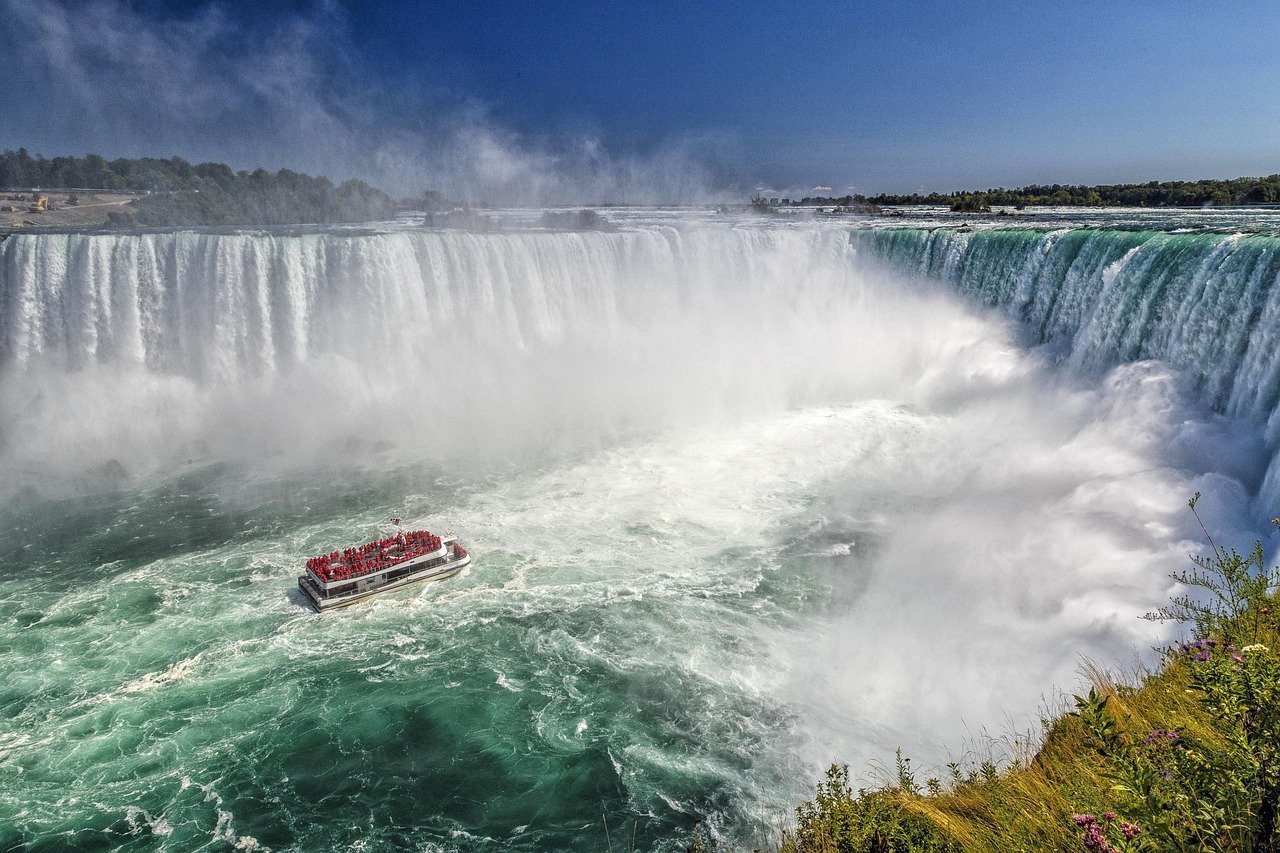
The falls themselves are not the problem. Niagara Falls is one of the most powerful natural spectacles in North America, and no photograph truly captures the scale and noise of standing near the edge. What surrounds the American side, however, is a different story. Every attraction has a line. Every corner has a souvenir shop. Every price tag feels calibrated to the assumption that you traveled this far and therefore have no leverage left.
The American side consistently gets outpaced by the Canadian side in visitor satisfaction – the view from Ontario is simply superior, and the infrastructure surrounding it is more developed and better maintained. Most experienced travelers will tell you that if crossing Niagara Falls off a bucket list, the Canadian side is worth the border crossing. The American side, with its aging state park facilities and aggressive souvenir market, often leaves visitors feeling like they paid full price for a partial experience. It’s a spectacular waterfall surrounded by everything that makes tourism exhausting.
Quick Compare: American Side vs. Canadian Side
- View quality: Canadian side offers a wider, head-on panorama of both Horseshoe and American Falls
- Infrastructure: Niagara Falls, Ontario has a developed tourist strip with restaurants and attractions steps from the water
- Maid of the Mist boat tour: Departs from both sides – nearly identical experience
- American side advantage: Goat Island walkways put you physically closer to the falls edge
- Verdict: Cross into Canada for the view; return to the U.S. side if you want to walk the rim
#3 – Times Square, New York City: The World’s Most Stressful Tourist Trap

Times Square is one of those places virtually every American tourist feels obligated to visit at least once. Most who do immediately understand why New York locals avoid it entirely. The Times Square Alliance counted roughly 220,000 pedestrians passing through daily in 2024, with peak days hitting 330,000. Preply’s study of 81 iconic global tourist spots named Times Square the world’s most stressful tourist trap – with 1,761 reviews labeling it “overrated,” “underwhelming,” or simply “a tourist trap.”
Times Square is a version of New York City assembled specifically to extract money from people who came to see New York City. Chain restaurants, souvenir shops, costumed characters demanding tips, and enough LED screens to permanently damage your night vision. Hotel rooms in the immediate area run $250 to $600 per night. Meals average $90 per person per day. The bitter irony is that the actual New York City – the one worth the trip – starts a few blocks in any direction. Times Square is the cover of the album. Everything else is the music.
#2 – San Francisco, California: Breathtaking City, Brutal Price Tag

San Francisco is objectively beautiful. The Golden Gate Bridge at dusk, fog rolling over the hills, Victorian architecture climbing every slope – all of it is real and worth seeing. But the overall experience of visiting has become one of the most complained-about in American travel, and the numbers back it up. The city ranked dead last among the top 25 U.S. hotel markets in 2024, domestic tourism declined, and years of high-profile coverage about public safety concerns built a perception the city is still working to reverse.
The cost of visiting remains sky-high. Hotels in prime neighborhoods routinely run $300 to $500 a night. Parking can add $80 a day. The famous cable cars, Alcatraz ferry, and Fisherman’s Wharf – all covered here already – come with long lines, premium prices, and crowds that strip away any lingering romance. There are genuine signs of a comeback taking shape in 2026. But for most American families trying to budget a vacation, San Francisco still demands more than it gives back. The city deserves better tourism infrastructure. Visitors deserve a better deal.
The Reality Check: America's Most Overrated Destinations
Think twice before you book. From the neon lights of the Strip to the granite faces of South Dakota, we're looking at the landmarks that travelers say aren't worth the price of admission.
Think you caught the key details? Take the quick quiz and see how sharp your instincts really are.
#1 – Mount Rushmore, South Dakota: The Longest Drive for a Five-Second Payoff
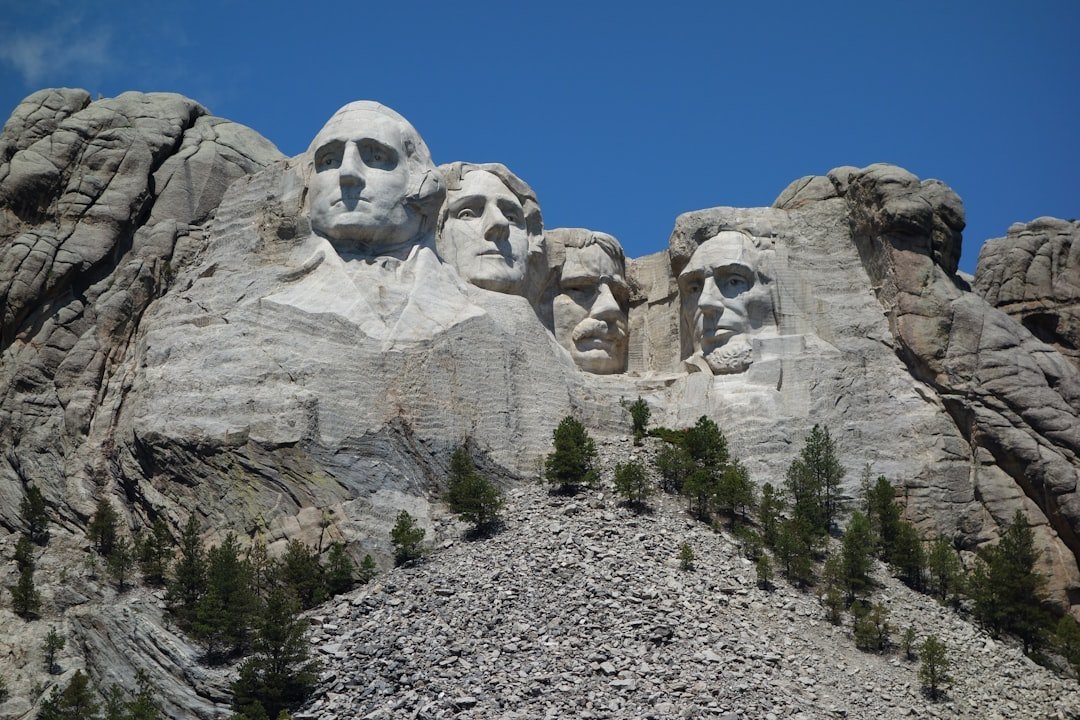
No destination on this list generates more unified traveler regret than Mount Rushmore. It tops the rankings of America’s most overrated attractions on review site after review site, and the complaint is always the same: you drive for hours through the vast, flat middle of nowhere, pay for parking, walk up the steps, look at the 60-foot granite faces – and it’s over. The novelty wears off in minutes. The sculpture is noticeably smaller than you’d expect. Then you realize there’s not much left to do besides walk a subpar nature trail, look at some state flags, and find your car.
More than two million people make this pilgrimage annually, and the most common reaction is not awe – it’s the quiet suspicion that a postcard would have been enough. The surrounding Black Hills and Badlands, by contrast, are spectacular and far less crowded. Mount Rushmore is what happens when the brand outlasts the experience – when decades of cultural mythology build up around something that was always, at its core, just four stone faces on a cliff. The monument is real. The emotional payoff, for most visitors, is not.
Worth Knowing: What to Do Instead Near Mount Rushmore
- Badlands National Park – roughly 90 minutes away, consistently rated one of the most dramatic landscapes in the U.S.
- Custer State Park – free-roaming bison herds, stunning granite spires, far fewer crowds
- Crazy Horse Memorial – still under construction since 1948, but the scale dwarfs Mount Rushmore and the story is remarkable
- Needles Highway – one of the most scenic drives in the country, entirely free
- Mount Rushmore itself costs $10 for a vehicle parking pass – the monument view is actually visible from the parking lot
The pattern across all 17 destinations is exactly the same: decades of marketing, pop culture, and word of mouth build an expectation that reality arrives and quietly dismantles. From the sticky floors of Bourbon Street to the anticlimactic granite of Mount Rushmore, Americans are spending real money to confirm what insiders have known for years. The most memorable travel experiences in this country are almost never the ones on the tourist checklist. Have one of your own to add? Drop it in the comments – especially if it’s one nobody would expect.